Animal Cognition Says Cats May Remember the Location of Hidden Objects Even After They Disappear From View
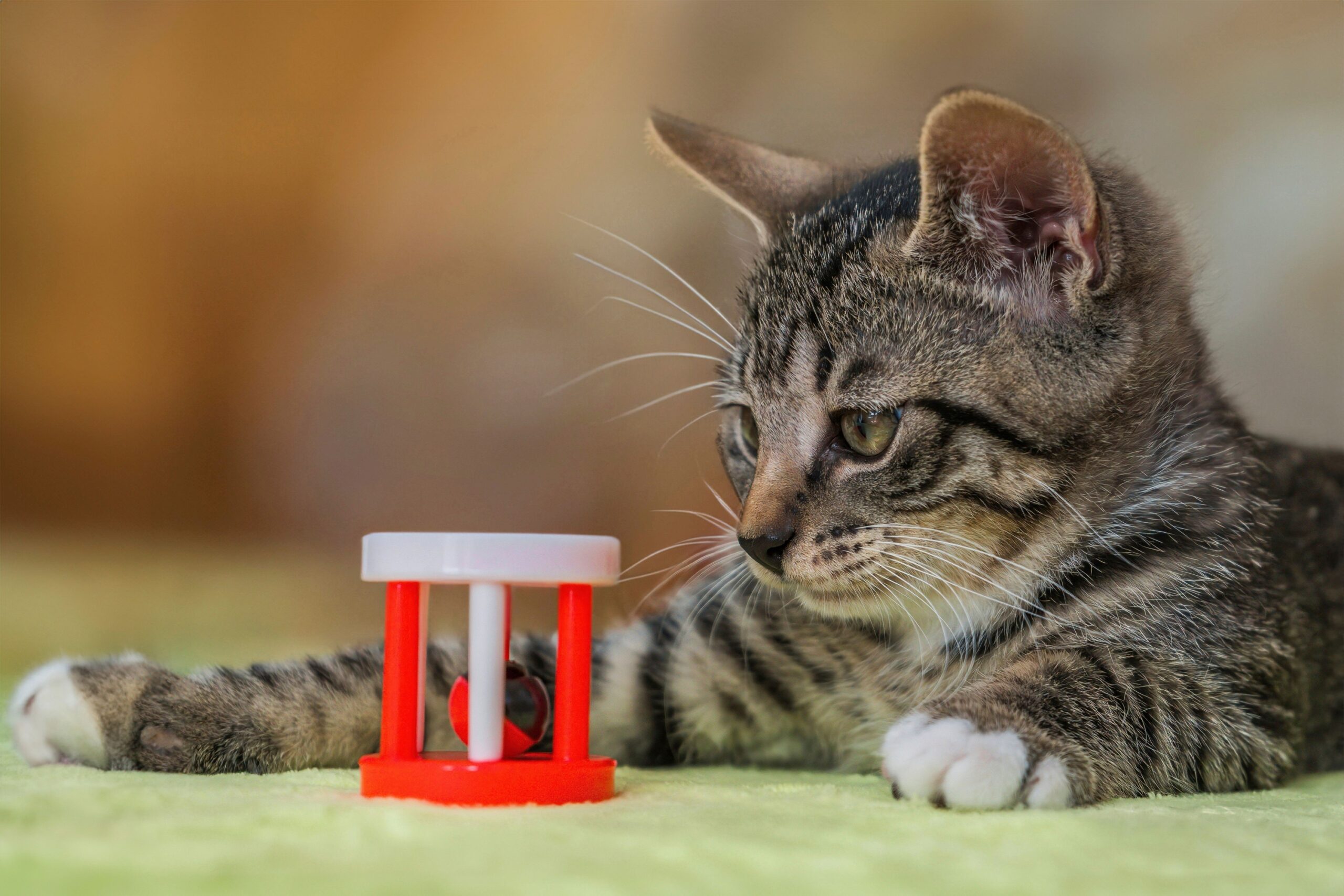
If you have a cat, you’ve probably wondered what’s really going on in that furry little head. One second your cat looks bored, the next it’s staring at a corner of the room like it just cracked a complex physics problem. It turns out, in a small but growing body of research, scientists are finding that cats may actually hold a mental picture of where things are, even after those things vanish from sight.
In other words, your cat might not just be reacting in the moment; it may be quietly tracking objects in space, much like you do when you watch a ball roll behind a couch and still know it’s there. This idea, known as object permanence and spatial memory, has been studied more deeply in dogs, primates, and birds - but cats are finally starting to get their turn. And what researchers are finding should make you see your cat in a completely new light.
Why Object Permanence in Cats Is Such a Big Deal
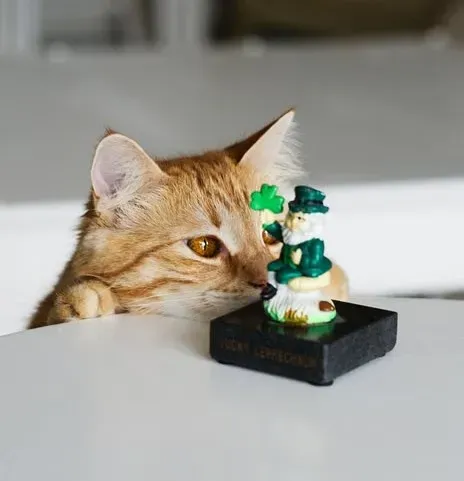
Think about the last time you tossed a toy for your cat and it slid under the sofa. Did your cat paw under the edge, circle the furniture, or sit there staring at the gap, clearly waiting for the toy to come back out? When your cat behaves like that, it’s not just being stubborn; it’s showing you that it might understand something important: the toy still exists, even though it can’t see it.
In humans, this understanding is called object permanence, and babies take months to develop it. When you see similar behavior in cats, you’re looking at a sign of fairly advanced cognition. It means your cat could be building a mental model of the world - keeping track of locations, predicting outcomes, and using memory instead of only reacting to whatever is directly in front of its eyes.
What Studies Suggest About Cats Tracking Hidden Objects
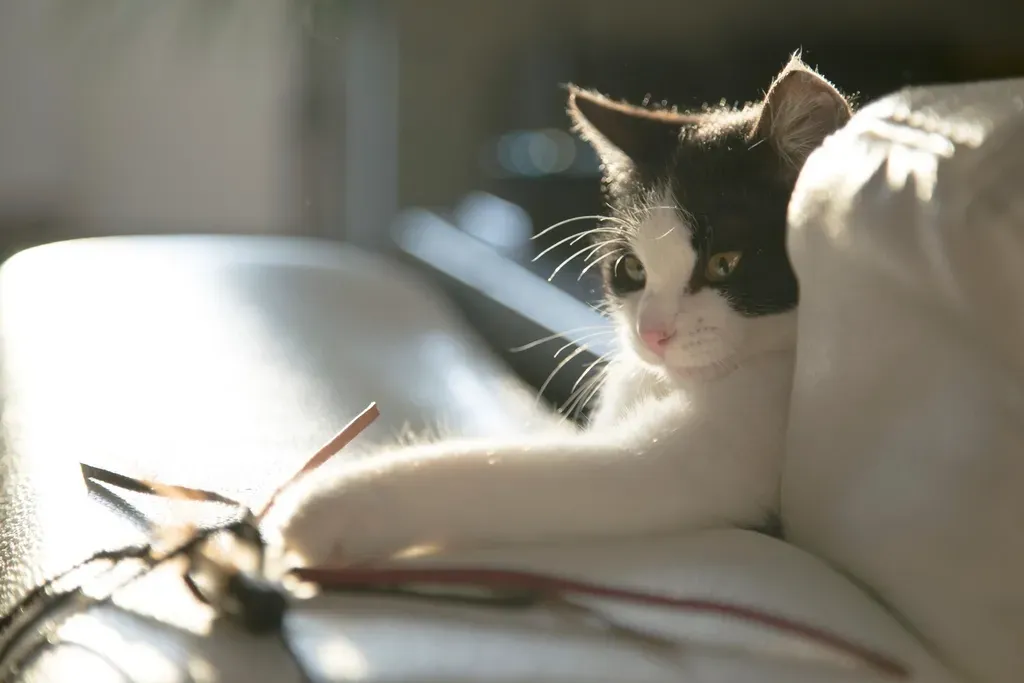
When researchers test cats, they often use simple setups: an object is shown to the cat, moved behind a screen or piece of furniture, and then either stays there or is secretly removed. You might expect the cat to lose interest once the object disappears, but many cats keep orienting themselves toward where they last saw it, as if they’re still tracking its location in their mind.
You also see this when an object moves behind one barrier, continues out of sight, and should logically appear from another side. Cats in some experiments appear to anticipate where the object ought to emerge, suggesting they’re not just reacting; they’re predicting. While not every cat performs the same way - some walk off like they’ve got better things to do - the pattern hints that many cats can remember the spatial location of something that’s currently invisible.
How Your Cat Uses Memory in Everyday Life
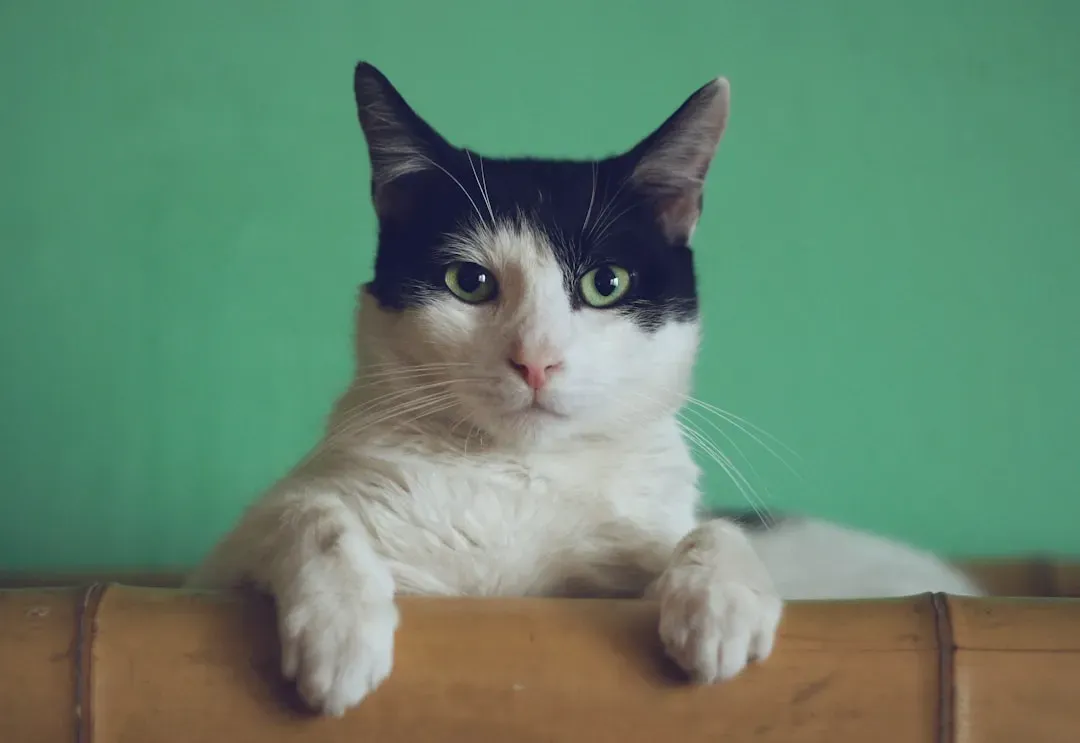
You may already see this in your day-to-day life without realizing it. Your cat remembers where the treat jar lives, even if you moved it to a higher shelf weeks ago. It remembers the exact cabinet door you once opened when you got the catnip, and it may wait right there when it hears that same soft click again, as if it has bookmarked that location in its mind.
Cats also appear to use spatial memory when they navigate their territory. Your cat can wind through chair legs, remember the safest path under the table, or jump onto a narrow windowsill it hasn’t visited all day. Even in the dark, many cats move with confidence, drawing on a blend of whisker feedback, hearing, and an internal map of where furniture and hiding spots are supposed to be.
Sound, Space, and the Invisible Mouse Effect
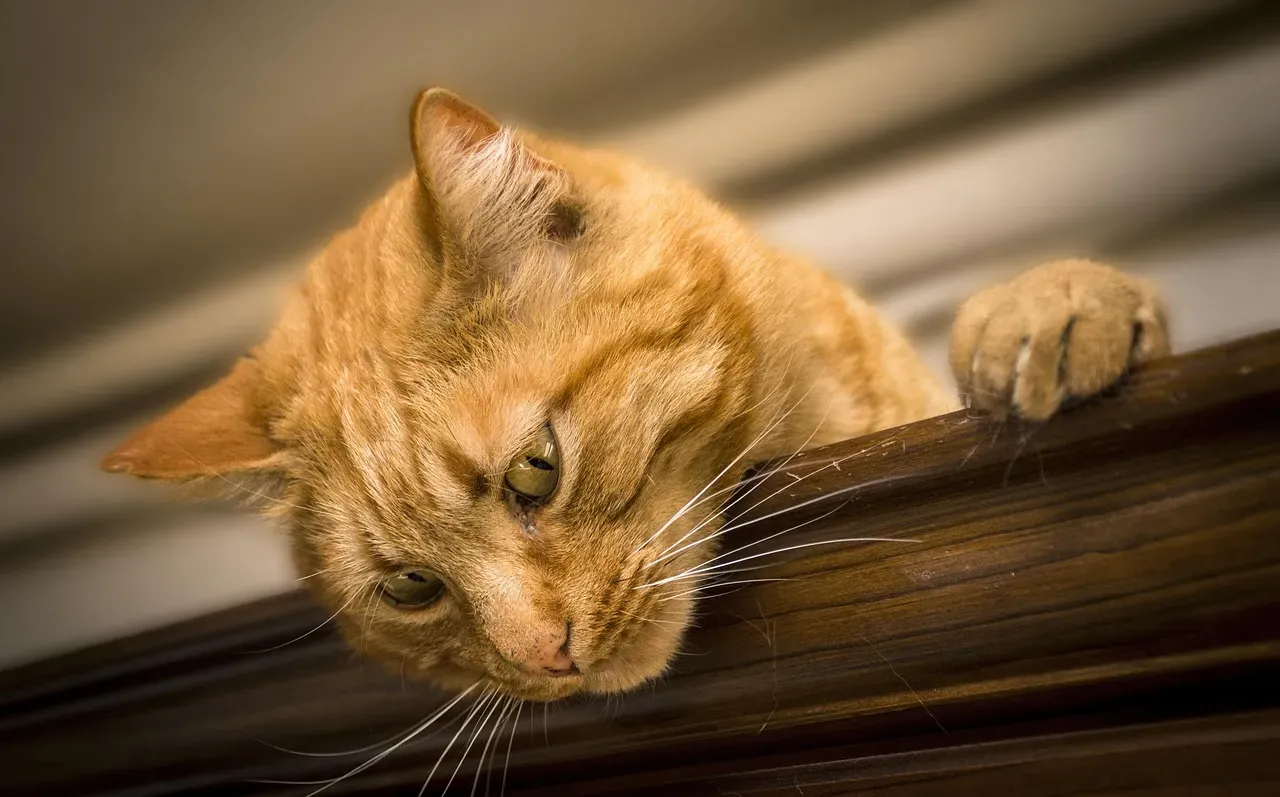
One especially striking ability researchers have looked at is how cats seem to mentally follow the location of something based purely on sound. If a noise, like a rattling toy, starts on one side of the room and then shifts behind a barrier, your cat may swivel its head and ears to track the sound, then stare at the spot where it expects the object to be - even though it can’t see it at all.
You can think of this as the “invisible mouse effect.” Your cat hears something disappear behind a couch or under a blanket and behaves like it’s still “there” in space. This suggests your cat might be combining sound information with a mental map of the room, holding in mind both the unseen object and its approximate location. That is a pretty sophisticated mental trick for an animal that likes to sleep sixteen hours a day.
How Cats Compare With Dogs, Primates, and Other Animals

If you’ve ever heard that dogs are “smarter” because they learn tricks more easily, this is where things get interesting. Dogs have been studied far more than cats, and they’ve shown impressive abilities in following human pointing, remembering hidden toys, and understanding some words. But when you put cats into tasks that test object permanence and spatial memory, they often perform in the same general range as dogs, even if their motivation looks very different.
Compared with primates and some highly intelligent birds, cats may not reach the same level of flexible problem-solving, but they still show meaningful signs of tracking objects mentally rather than just reacting. The catch is that cats are notoriously hard to test; if they get bored, annoyed, or suspicious, they simply refuse to participate. So when you look at the data, you have to remember that what scientists see in the lab may be only a slice of what your cat can actually do at home.
What This Means for Play, Enrichment, and Training

Once you accept that your cat may be mentally tracking hidden objects, playtime suddenly becomes more meaningful. Hiding a toy under a blanket, moving it behind your legs, or making it “disappear” behind furniture is no longer just a silly game; you’re actively challenging and exercising your cat’s memory and spatial skills. You’re giving your cat a reason to think, plan, and anticipate, not just pounce.
This also shifts how you might use puzzles and food toys. When you hide treats in different parts of the house or in compartments of a puzzle feeder, your cat is not only sniffing around; it may be remembering which spots paid off before. You’re encouraging your cat to build a richer mental map of its environment, which can be especially helpful for indoor cats who rely heavily on cognitive stimulation to stay mentally sharp and emotionally balanced.
Limitations, Unknowns, and Why You Should Stay Skeptical Too
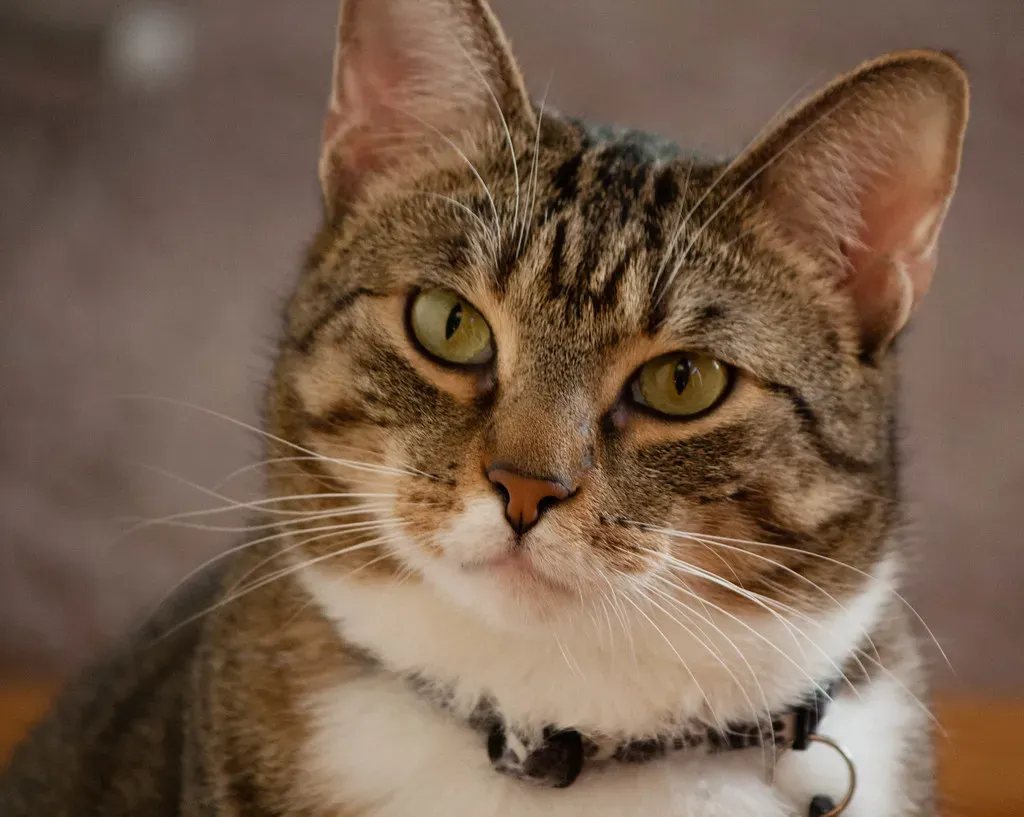
Even though this research is exciting, you should also know its limits. Many studies use relatively small groups of cats, often volunteers from homes or shelters, which means the results might not capture every type of cat personality. Shy cats may refuse to take part, bold cats may behave differently, and some cats are simply too uninterested to complete tasks, leaving you with partial data.
On top of that, it’s easy to read too much into a single clever-looking behavior. Just because a cat stares at a spot where something disappeared does not automatically prove a complex mental model; it could be driven by habit, expectation, or even subtle cues you didn’t realize you were giving. That’s why you should see these findings as strong hints rather than absolute proof, and be comfortable with the idea that science is still filling in the details.
How You Can Try Simple Home “Experiments” With Your Cat
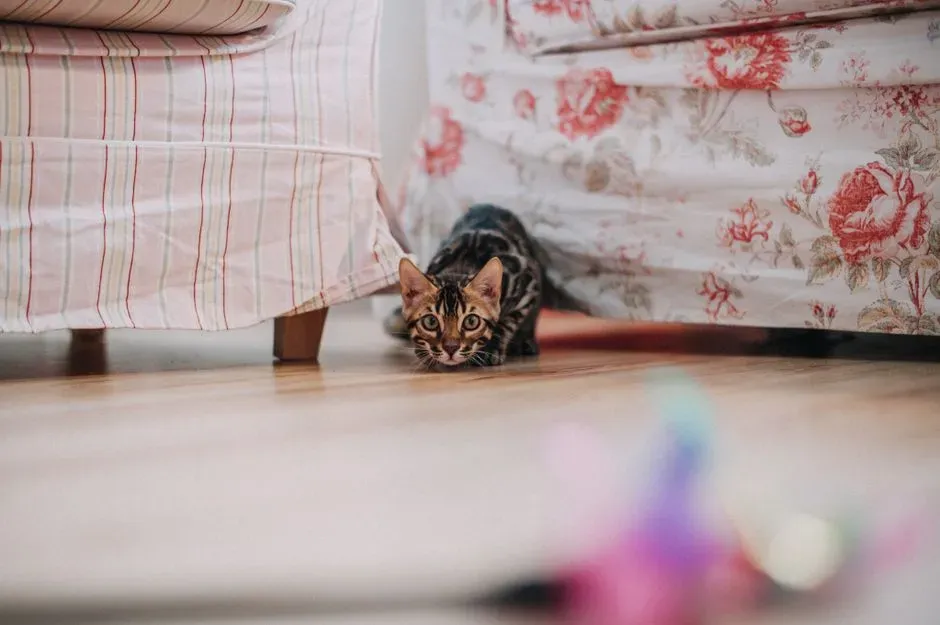
If you’re curious, you can explore your own cat’s memory in simple, playful ways without turning your living room into a lab. Try letting your cat see a favorite toy, then slowly slide it behind a pillow or under a towel. Watch whether your cat walks away, paws at the hiding spot, or moves around to try and find another angle. You’re not collecting data; you’re just paying attention to what your cat already does.
You can also play sound-based games. Let your cat hear a small object rattling in your hand, then drop it softly behind a box or under a blanket. See if your cat orients toward the sound and keeps focusing on that spot, even when the noise stops. Over time, you’ll start to notice patterns, and you might be surprised to realize how often your cat seems to “remember” where invisible things should be.
Rethinking What You Assume About Your Cat’s Mind
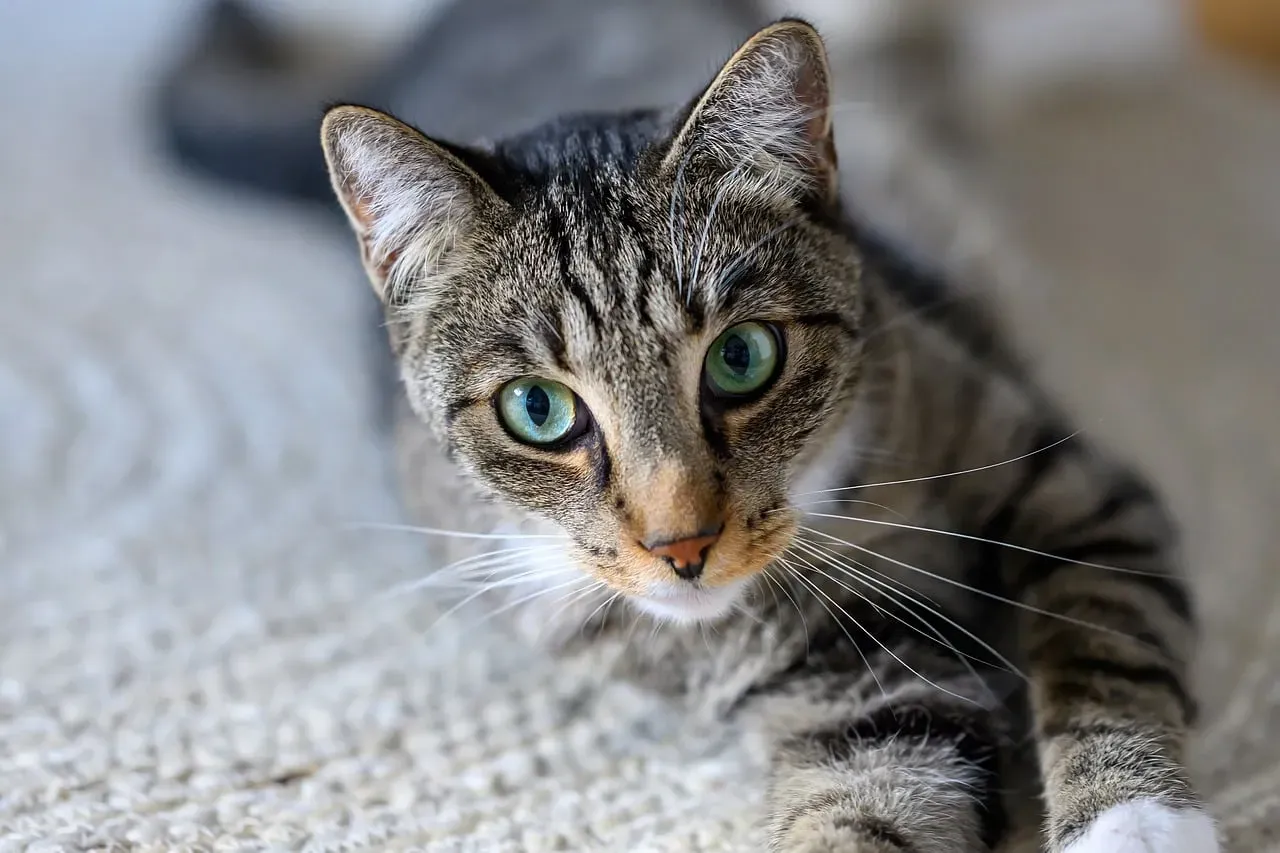
When you put all of this together, you start to see your cat as more than just a creature of instinct. The way it waits by a door where you left, stares at a cupboard that once produced treats, or sits on a shelf where a toy used to be may all be signs of memory and expectation. Your cat could be quietly running little mental simulations of where things are and what might happen next.
This does not mean your cat is secretly doing complex math or thinking like a human, but it does suggest you’re sharing your home with an animal that has a richer inner life than many people assume. Once you start noticing these small signals of memory and mental tracking, it’s hard to unsee them - and it becomes a lot easier to treat your cat as a thinking partner rather than just a passive pet.
Conclusion: Living With a Quietly Clever Companion
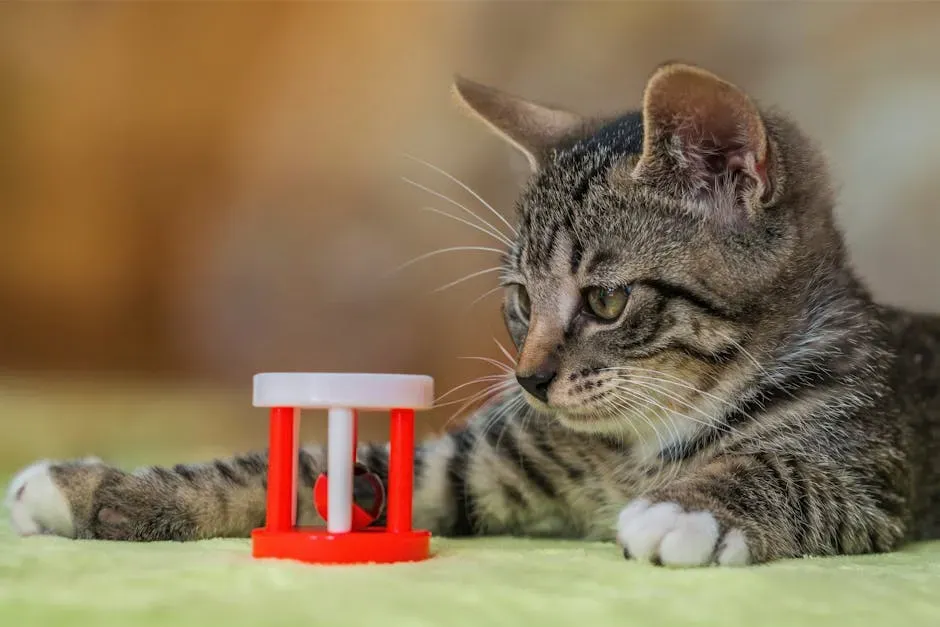
The idea that cats remember the location of hidden objects, even when they disappear from view, invites you to rethink almost every casual interaction you have with your feline companion. Those moments when your cat waits by the couch for a lost toy, or stares at the spot where you once opened the treat bag, now look less like random quirks and more like glimpses of an active, tracking mind. You do not need a lab or fancy equipment to witness this; you only need curiosity and a little patience.
As research on animal cognition slowly catches up with what many cat guardians have suspected for years, you can use this knowledge to enrich your cat’s life: more hiding games, more puzzles, more chances to use that hidden mental map. In return, you get to live with an animal that keeps surprising you in small, subtle ways, long after the toy has vanished under the sofa. Knowing that, how will you look at your cat’s next “empty stare” across the room?