Animal Cognition Says Cats Track Where Their Owners Are by Listening From Another Room
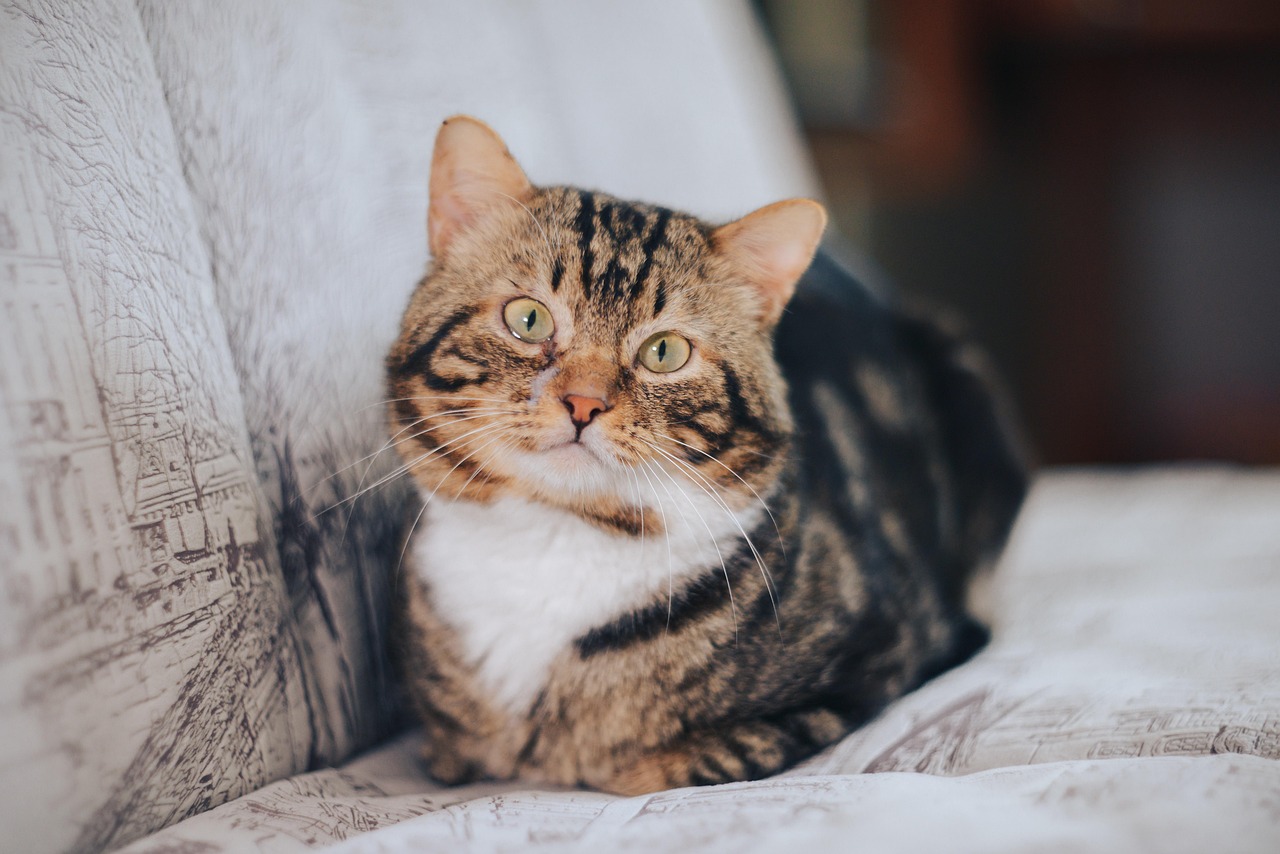
You probably assume your cat ignores you the second you walk out of sight. Yet neuroscientists and behavior researchers are quietly showing something very different: your cat may be building a mental map of where you are, just from the sound of your voice. That means while you shuffle around the house, your cat is running a kind of invisible radar in the background, tracking you like a tiny, furry detective. When you call your cat from the kitchen and it casually strolls in from the bedroom “as if by accident,” there’s a good chance it already knew exactly where you were. You are not just a food dispenser; you’re a predictable, trackable presence in its world. Once you start looking for the signs, it becomes hard to shake the feeling that your cat has been paying far more attention to you than you ever realized.
How Scientists Discovered Cats Track You by Voice
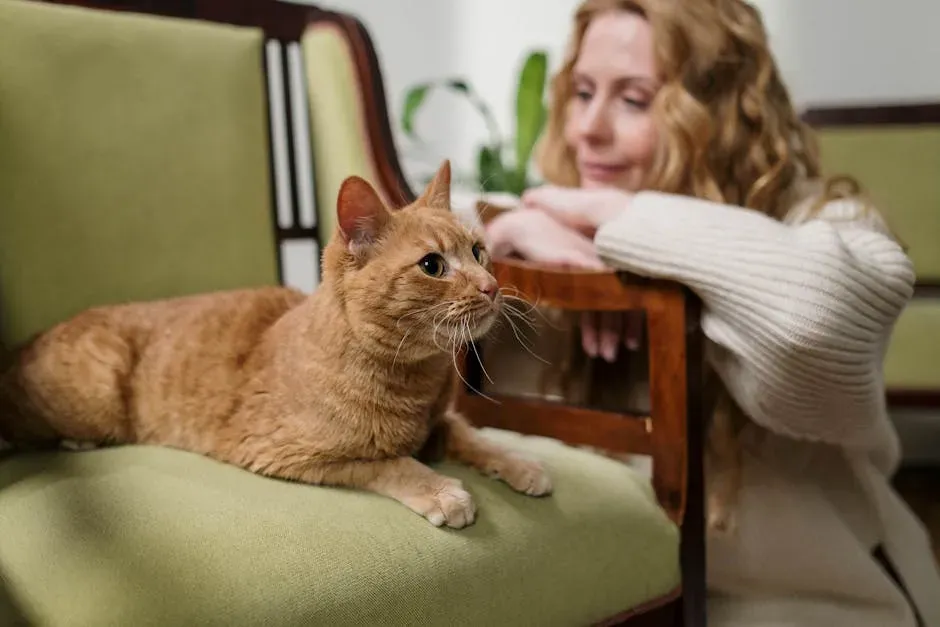
Imagine you’re in your living room and you call your cat from the hallway five times in a row. Your voice always comes from the same place, so your cat’s brain calmly pins you to that location. Now picture that, without warning, your voice suddenly comes from the opposite side of the room, even though you haven’t walked past. Researchers tested something very close to this with hidden speakers and found that cats reacted strongly when their owner’s voice “teleported” from one spot to another.([journals.plos.org](https://journals.plos.org/plosone/doi?id=10.1371%2Fjournal.pone.0257611&utm_source=openai)) You experience this experiment every time your cat hears you in one room and then, a moment later, hears you in another. Instead of treating those sounds like random noise, your cat links them to a single, specific person: you. When the voice suddenly shows up in an impossible place, their surprise suggests they had already mapped where you were supposed to be. That mental map is what scientists call socio‑spatial cognition: your cat using sound to keep track of where important social partners are, even when they’re out of sight.([journals.plos.org](https://journals.plos.org/plosone/doi?id=10.1371%2Fjournal.pone.0257611&utm_source=openai))
Why Your Cat Recognizes Your Voice (And Mostly Ignores Others)

You might have noticed your cat barely flinches when a delivery driver talks, yet its ears twitch the moment you say its name. Experiments have shown that cats can distinguish their owner’s voice from that of strangers, even when they cannot see anyone. In controlled tests, cats responded more strongly when their own human called them compared with unfamiliar voices, proving that they are not just reacting to any random noise - they recognize you as a unique sound source.([pubmed.ncbi.nlm.nih.gov](https://pubmed.ncbi.nlm.nih.gov/23525707/?utm_source=openai)) From your perspective, it may just look like a tiny head tilt, an ear swivel, or a slow blink. But for your cat, that recognition carries real meaning: your voice often predicts food, play, comfort, or a change in the household routine. Over time, your cat treats your voice like a personal ringtone that cuts through the background noise of daily life. It might not always come running when you call, but that doesn’t mean it did not hear or identify you; it just means it weighed the effort and decided to stay on the couch.
The “Invisible Map” in Your Cat’s Head
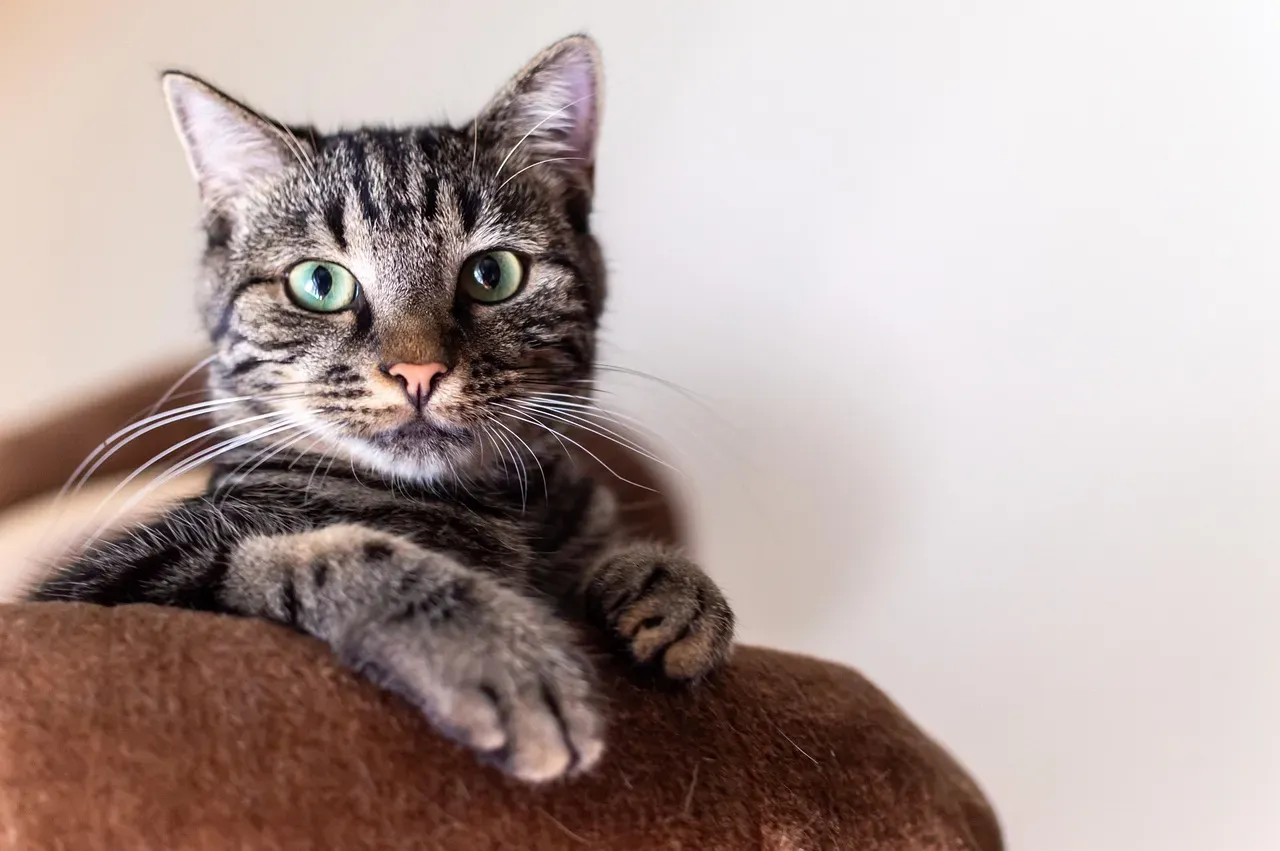
When you walk into another room and shut the door, you probably assume that, for your cat, you might as well have disappeared. But research suggests your cat doesn’t simply lose track of you once the line of sight is broken. Instead, it maintains a mental representation of your location, updating it as it hears your footsteps, your voice, or other familiar sounds like keys, dishes, or the creak of a specific door.([journals.plos.org](https://journals.plos.org/plosone/doi?id=10.1371%2Fjournal.pone.0257611&utm_source=openai)) You can think of this like your cat running a simple internal GPS: it logs your last known position and adjusts that “dot on the map” when new sounds come in. When your voice suddenly appears from a place that doesn’t match the previous map, your cat shows signs of surprise or heightened alertness. That reaction tells you that it was not passively hearing you; it was actively keeping track of you, much like you track a family member’s movements around the house without consciously thinking about it.
Supercharged Cat Senses Make This Possible

Your cat’s ability to track you from another room depends heavily on its extraordinary hearing. Cats can detect much higher frequencies than you and are skilled at pinpointing where a sound comes from using tiny differences in how it reaches each ear. Their large, mobile ears act like swiveling satellite dishes, amplifying and focusing noise so they can locate prey - or you - even in low light or from behind walls.([en.wikipedia.org](https://en.wikipedia.org/wiki/Cat?utm_source=openai)) On top of this, your cat’s other senses help fine‑tune the picture. Whiskers pick up subtle vibrations and air movements when you walk past, helping your cat sense your presence even before you speak. Add in a keen sense of smell and sharp motion detection, and you get an animal built to operate in a world where things are often hidden from view. When you move around your home, you broadcast a trail of tiny signals; your cat quietly weaves those signals into a surprisingly detailed model of where you are.
What This Says About Your Relationship With Your Cat

If your cat is mentally tracking your location, that means you occupy an important spot in its mental world. You are not just background noise; you are a predictable, socially relevant figure worth monitoring. Studies on cat cognition increasingly show that your cat responds differently to you than to strangers and can even adjust its behavior depending on who is present and how that person typically behaves.([livescience.com](https://www.livescience.com/animals/domestic-cats/cats-meow-more-at-men-to-get-their-attention-study-suggests?utm_source=openai)) In practice, you see this in small but telling ways. Your cat may follow you from room to room, pause outside a closed bathroom door, or appear at the bedroom doorway just as you get up in the morning. Even when it pretends to be indifferent, it is often positioning itself where it can see or hear you easily. The quiet truth is that your cat cares enough to keep tabs on you - it just does it in a way that fits its own independent style rather than obvious, dog‑like devotion.
Everyday Signs Your Cat Is Tracking You at Home
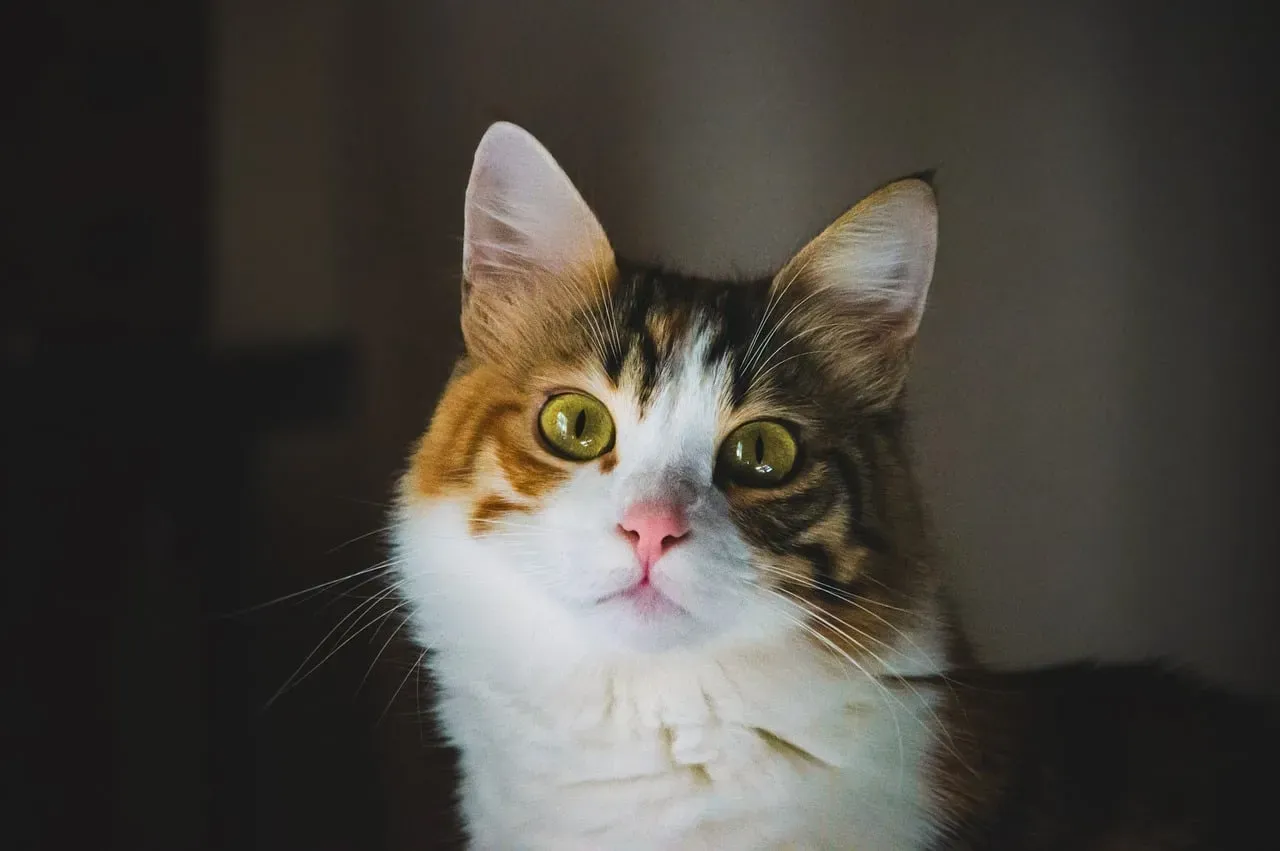
You can spot your cat’s mental map at work if you start watching closely. Listen for the soft thump of paws when you open a cabinet your cat associates with treats, or notice how quickly it appears when it hears the jingle of a specific set of keys. Those reactions show your cat linking particular sounds to both actions and locations - it knows not just what you are doing, but roughly where in the house you are doing it. Pay attention, too, to your cat’s ears and eyes when you call from another room. Often, you will see the ears swivel toward the sound, followed by a brief pause as if your cat is “checking” its internal map. Sometimes it will come to you; other times it will decide that simply knowing where you are is enough. From your side, that might look like laziness. From your cat’s side, it may be a calculated decision: it already tracked your location, so why waste the energy?
How You Can Deepen Communication With Your Cat
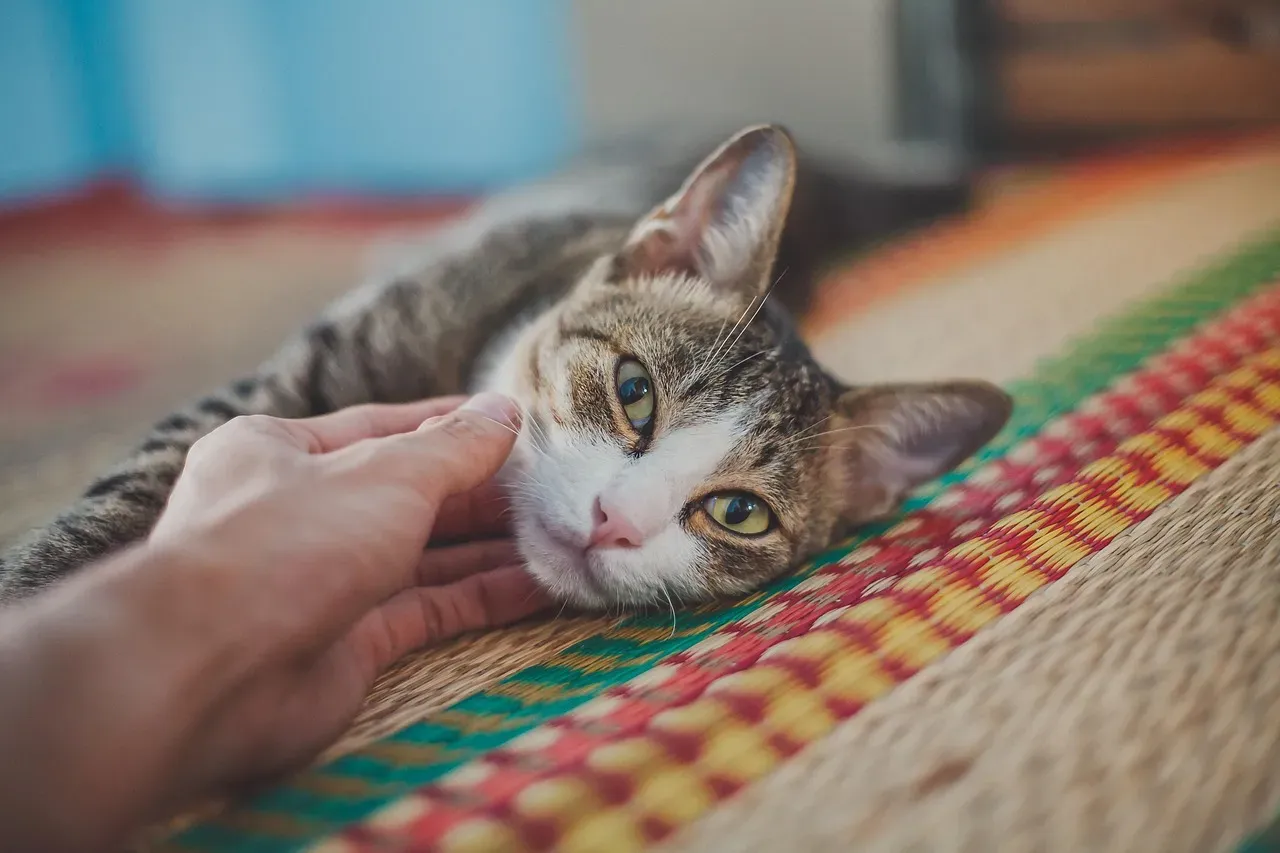
Once you know your cat is listening and mapping you, you can use that to build a stronger bond. Speaking to your cat regularly from different rooms, using its name in a consistent tone, and pairing your voice with pleasant experiences like meals or play can reinforce how meaningful your presence is. Your cat learns that your voice reliably predicts good things, making that mental map even more relevant and emotionally loaded.([pubmed.ncbi.nlm.nih.gov](https://pubmed.ncbi.nlm.nih.gov/23525707/?utm_source=openai)) You can also create simple “experiments” of your own: call your cat from one room, then calmly move and call again, watching how fast it locates you. Over time, you may notice that your cat anticipates your routines, showing up in the kitchen before you speak or waiting by the door at the rough time you normally arrive home. Those behaviors are your cat’s way of saying it has learned the patterns of your life and is actively, quietly tracking you as part of its daily mental landscape.
The Bigger Picture: Cats Are Far More Cognitively Complex Than Their Reputation

The idea that your cat mentally tracks you through sound challenges the old stereotype of cats as cold, detached loners. Research on cat intelligence paints a very different picture: cats can remember locations, learn from watching you, recognize your voice, and flexibly adapt to the rhythms of human life.([en.wikipedia.org](https://en.wikipedia.org/wiki/Cat_intelligence?utm_source=openai)) From a scientific perspective, this ability to map where others are without seeing them is a sophisticated cognitive skill that you also rely on daily. You assume where a partner, child, or roommate is based on the last sounds you heard from them - a door closing, the shower running, a drawer opening. Your cat is doing a similar thing on its own scale. It may never rush to your side every time you call, but it is almost certainly not lost when it comes to where you are.
Conclusion: Your Cat Is Listening, Even When It Pretends Not To

The next time you walk into another room and call your cat, remember that you are not just shouting into the void. Your cat is likely updating an internal map of your whereabouts, using your voice and the noises you make as markers on a mental blueprint of your home. Far from being indifferent, it quietly tracks you in a way that makes perfect sense for a small predator living alongside large, noisy humans. Once you start seeing your cat as an active listener and not just a passive ornament on the sofa, your relationship shifts. You realize that every rustle, word, and footstep is feeding into a rich, ongoing picture of you in your cat’s mind. Knowing that, how does it feel to realize that the creature you thought was ignoring you has actually been keeping such close tabs on you all along?