8 Wild Cats With Abilities That Seem Almost Impossible Until You Understand Their Anatomy
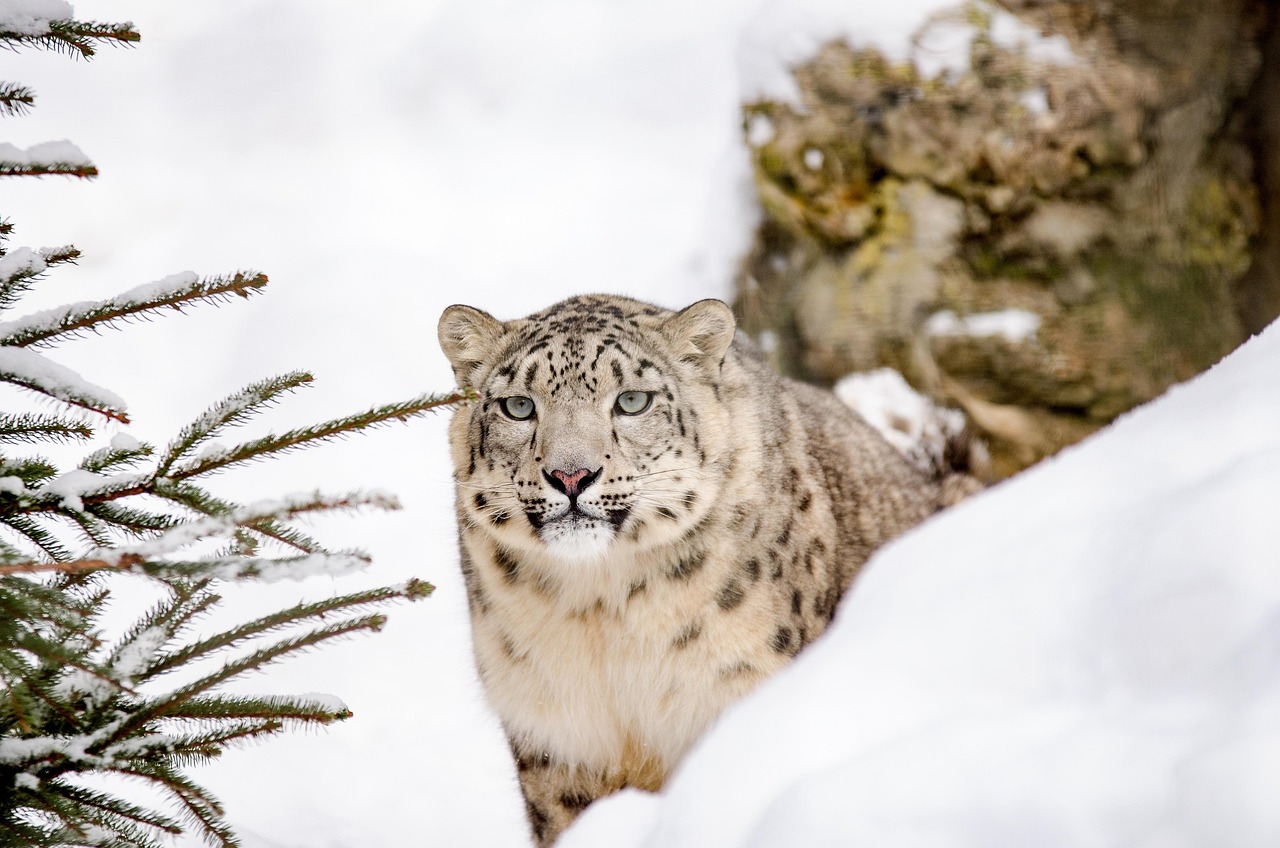
You probably already know that cats are flexible, sneaky, and fast. But once you zoom in on some of their wild cousins, the story gets downright unbelievable. You’re talking about animals that can sprint like a race car, walk down trees headfirst, or jump high enough to snatch a bird from mid-air as if gravity forgot to apply to them. What looks like magic, though, is really engineering. Evolution has spent millions of years fine‑tuning bones, muscles, tendons, lungs, and even whiskers and ear tufts to create these “superpowers.” As you read through these eight wild cats, you’ll start to see a pattern: when you really understand how their bodies are built, the impossible suddenly makes a lot of sense.
Cheetah: Zero–To–Highway Speed In A Few Heartbeats
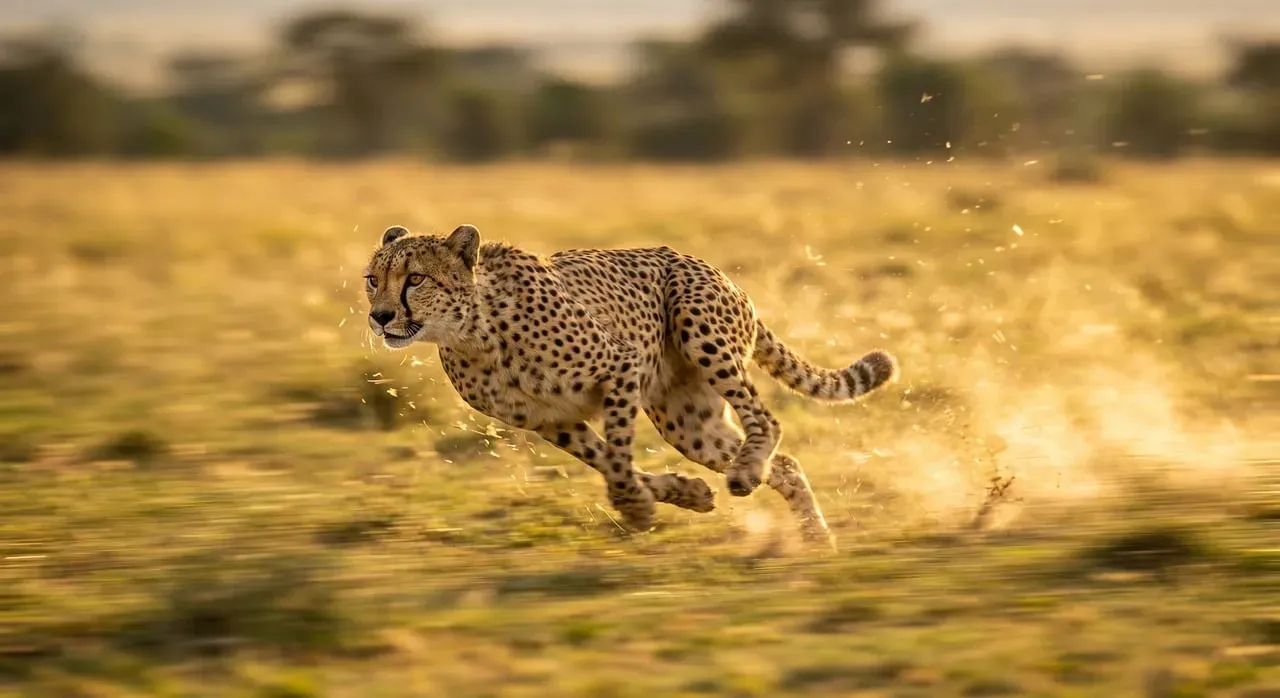
If you tried to race a cheetah with a sports car, you’d lose the first seconds of the sprint badly. You’re looking at an animal that can rocket from a standstill to highway speeds in only a few strides because almost every part of its body is tuned for acceleration and maneuverability, not raw strength or durability. Its long, slim legs, narrow waist, and deep chest work together like a high‑performance chassis, while a huge heart and oversized lungs push oxygen through the system fast enough to keep that engine from stalling mid‑chase. The real secret sits along its back: a spine that acts almost like a spring‑loaded bow. With each stride, the cheetah’s backbone flexes and extends so much that the front and back feet can momentarily overlap under the body, massively increasing stride length. Add in semi‑retractable claws and rough paw pads that grip the ground like track spikes, and you get that eerie, smooth blur of speed you see in slow‑motion footage. The long tail isn’t just decoration either; it swings like a counterweight and rudder at the same time, letting the cat carve tight turns around fleeing antelope without simply tumbling into the dirt.
Snow Leopard: Gravity‑Defying Cliff Acrobat
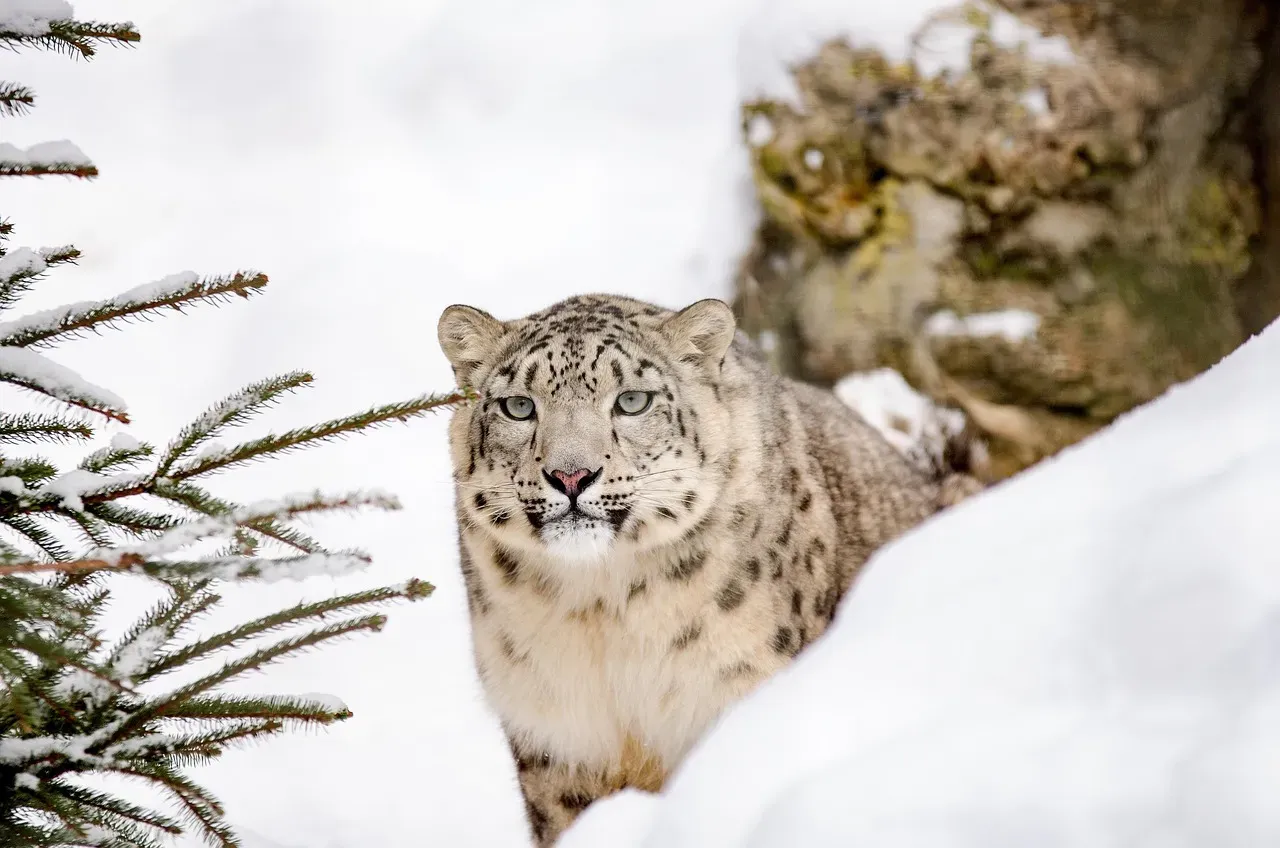
Imagine sprinting and jumping across a pile of boulders where one bad step is a hundred‑meter drop. That’s a normal Tuesday for a snow leopard. You can only do that if your body is built like a rock‑climbing parkour athlete, and this cat absolutely is. Its rear legs are longer and more powerful than you’d expect for its size, allowing it to launch itself several times its own body length in a single jump. Then there’s the tail: absurdly long, thick, and muscular, almost as long as the rest of the cat. It works like a balancing pole for a tightrope walker when the animal dashes along knife‑edge ridges or lands on tiny ledges. The rest of the anatomy backs this up: wide, fur‑padded paws spread its weight like snowshoes, and flexible joints absorb hard landings. The dense fur and compact body shape reduce heat loss at high altitudes, so the cat can keep hunting on icy cliffs where your lungs would be burning and your fingers numb within minutes.
Margay: The Cat That Treats Trees Like Sidewalks
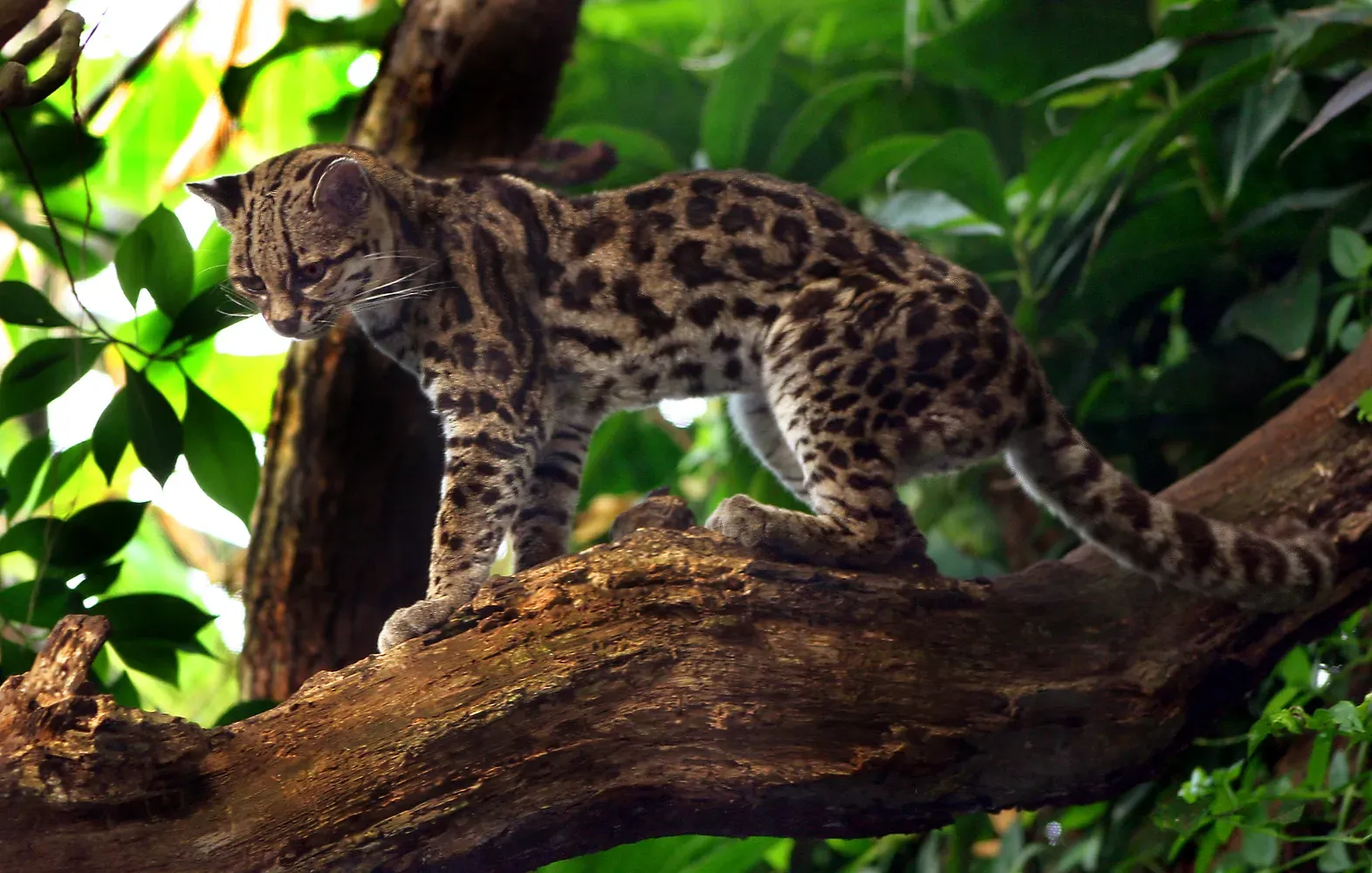
If you’ve ever watched a house cat clumsily climb down a tree, you know they usually back down like a nervous toddler on a ladder. The margay does the exact opposite: it can run headfirst down tree trunks and even hang from a branch by one hind foot. The trick lies in its ankles. Unlike most cats, the margay can rotate its hind legs around so far that the soles of its feet can point almost backwards, giving it the grip and orientation needed to cling to bark from any angle. Everything else about its body reinforces that arboreal lifestyle. Its tail is long and used like a balance beam as it scrambles through tangled branches, and its paws are relatively large for its size, giving more surface area and friction on rough bark. The limb muscles around the ankles are especially developed to stabilize these extreme rotations, so it doesn’t just have “bendy” ankles, it has the muscular control to make that flexibility useful. If a squirrel designed a cat, it would look surprisingly close to a margay.
Caracal: Sky‑High Jumps Powered By Coiled Springs
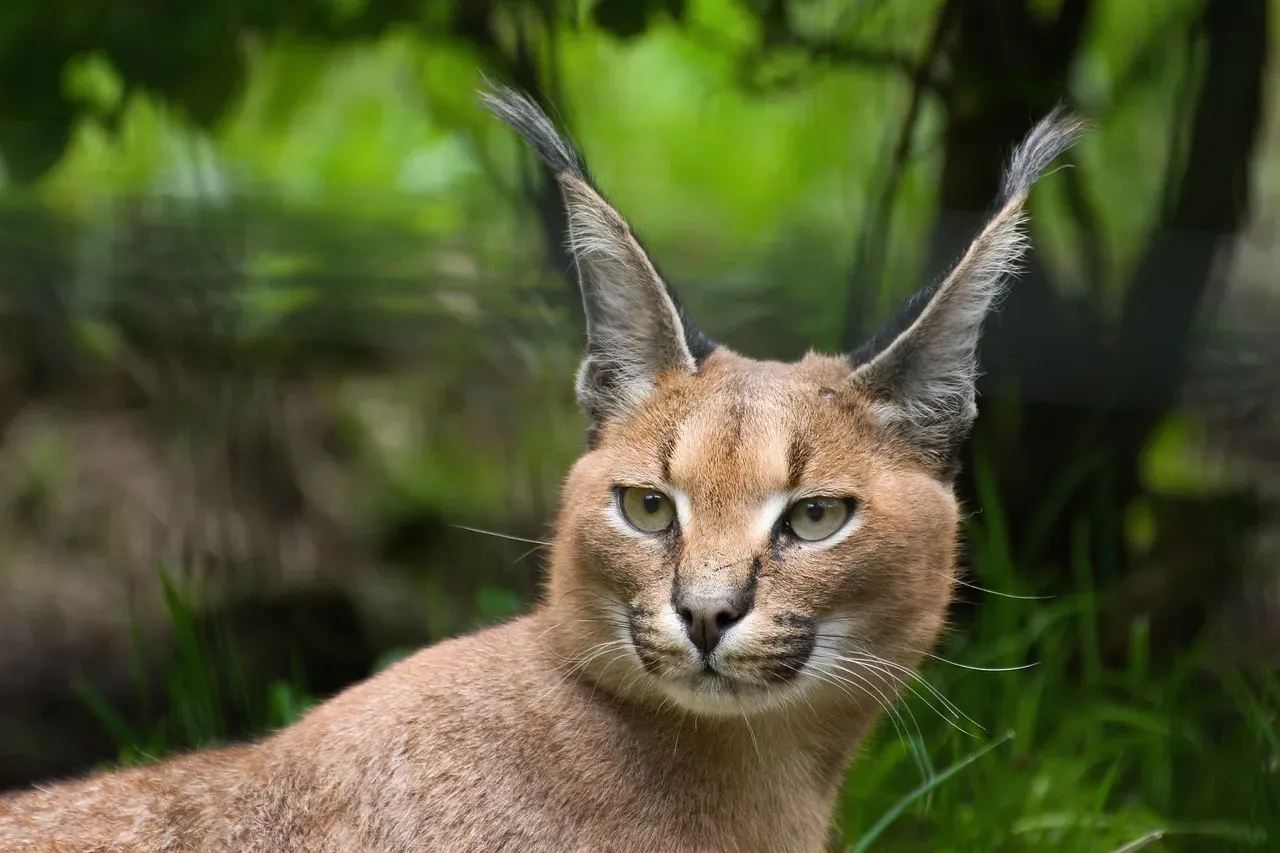
You might think jumping is just a leg‑strength game, but when you watch a caracal explode straight up and snag a bird in mid‑air, you’re looking at something that goes beyond raw muscle. This medium‑sized cat regularly launches itself several meters vertically with insane control, sometimes grabbing multiple birds in one leap. You do that by pairing very long, powerful hind limbs with a flexible spine and strong tendons that act like loaded springs. Its lean body packs a lot of muscle onto the rear quarters, and those muscles connect to long bones and tough tendons that can store elastic energy as the cat crouches. When the caracal pushes off, that stored energy releases in a tight, explosive burst, much like a compressed spring snapping straight. Big, mobile ears do more than give it a dramatic look: controlled by many small muscles, they swivel like parabolic dishes to lock onto the faint sounds of moving prey in tall grass. By the time a bird decides to take off, the caracal’s jump is already underway.
Serval: The Radar‑Headed Grassland Sniper
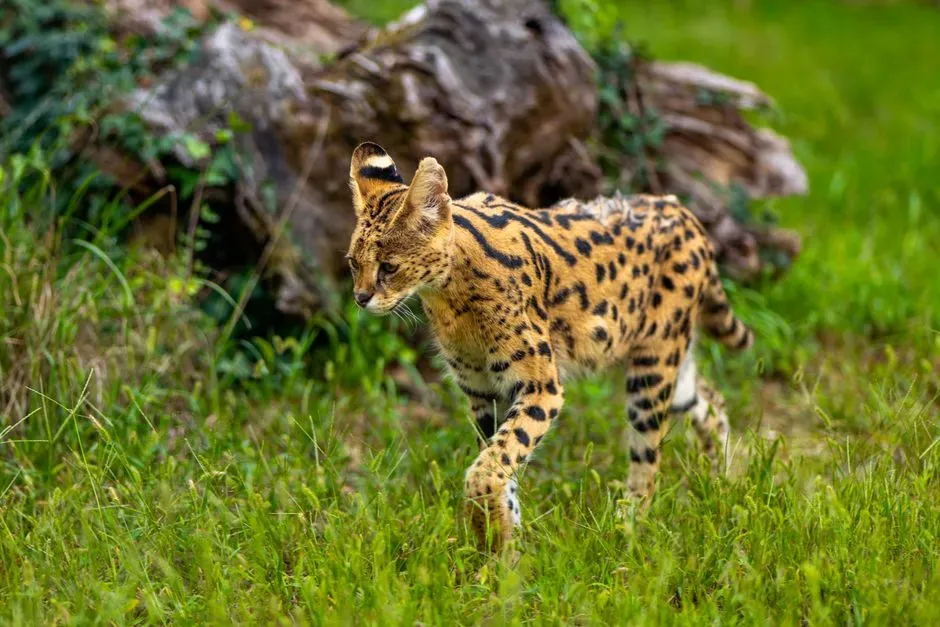
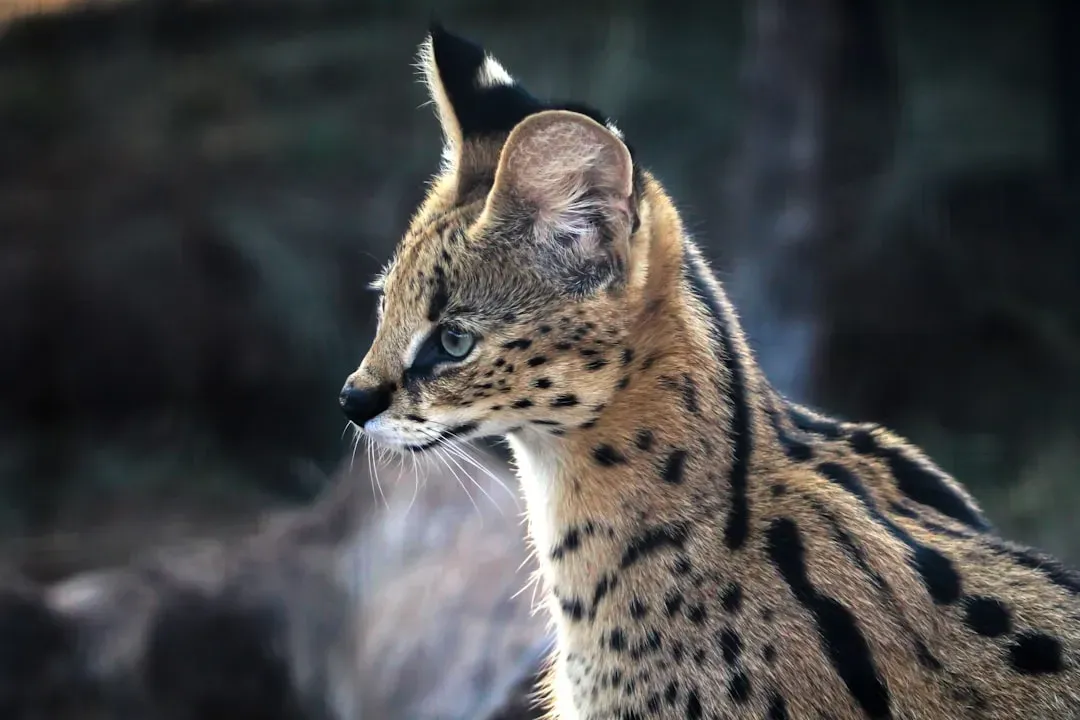
You might not expect the serval, with its elegant long legs and small head, to be one of the most precise hunters in the cat family, but it hunts like a living mortar shell. This cat routinely detects and nails rodents you can’t even see because they’re hidden in dense grass or underground. Its oversized ears sit on a relatively small skull and are packed with sensitive hearing structures, letting it pinpoint rustles and tiny footfalls with scary accuracy. Once it locks onto a target, the rest of its anatomy steps in. The serval’s legs are among the longest relative to body size of any cat, giving it a towering vantage point above grasses and the leverage to perform high, arcing pounces. Instead of stalking right up to a mouse, it often listens, then launches itself in a steep leap, coming down with enough force and precision to punch through grass cover or even shallow soil. Its body mass is light compared to its limb length, so gravity doesn’t punish those ballistic jumps as much as you might expect, which means it can repeat them over and over during a hunting session without burning out too quickly.
Puma (Cougar): Record‑Breaking Horizontal And Vertical Leaps
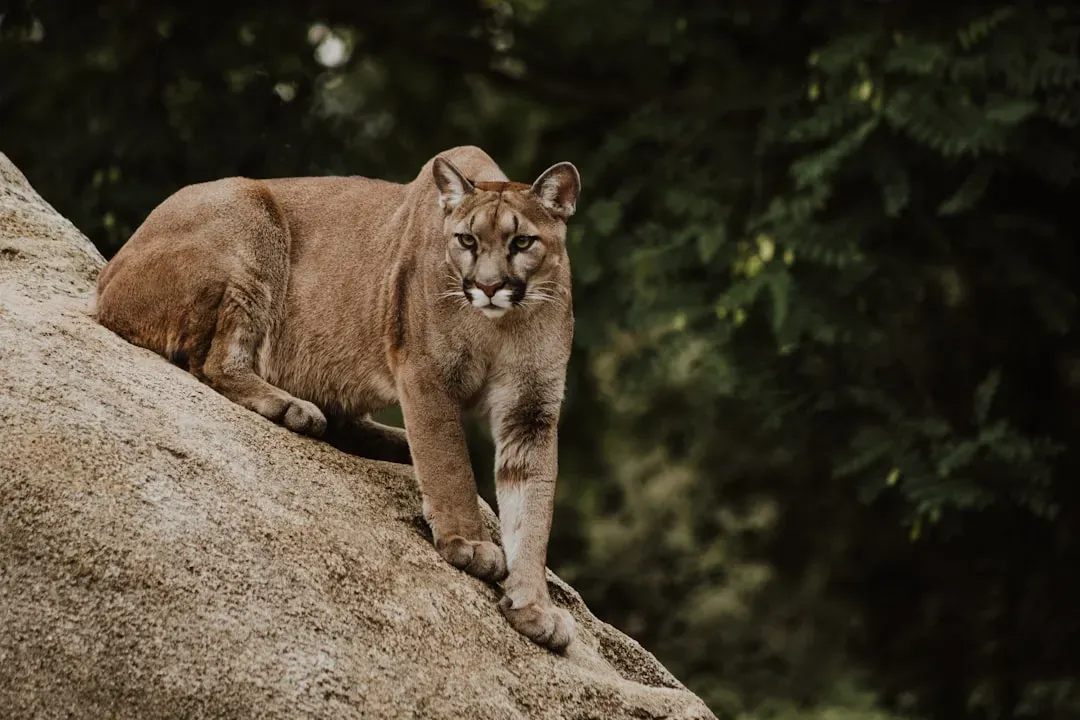
If you had to pick one cat to represent “raw jumping power,” the puma would be high on your list. This animal is famous for being able to clear huge horizontal distances and impressive vertical obstacles in a single bound. You can think of its body as the perfect compromise between the compact power of a big cat and the agility of a smaller one: broad shoulders, deep chest, and extremely muscular hindquarters all packed into a relatively lean frame. Inside that frame, long back legs and a very flexible spine work together to turn a running stride into a launch sequence. As the puma coils into a crouch, its spine flexes and its hind limbs load up like twin springs; when it pushes off, the spine and limbs extend in a fluid, coordinated burst that throws the body upward and forward. The long tail again plays the quiet hero, helping the cat adjust its posture mid‑air so it can land on its feet on uneven ground or narrow ledges. You could line up a row of parkour athletes and a single puma would still make them look like beginners.
Fishing Cat: Webbed‑Footed Night Diver
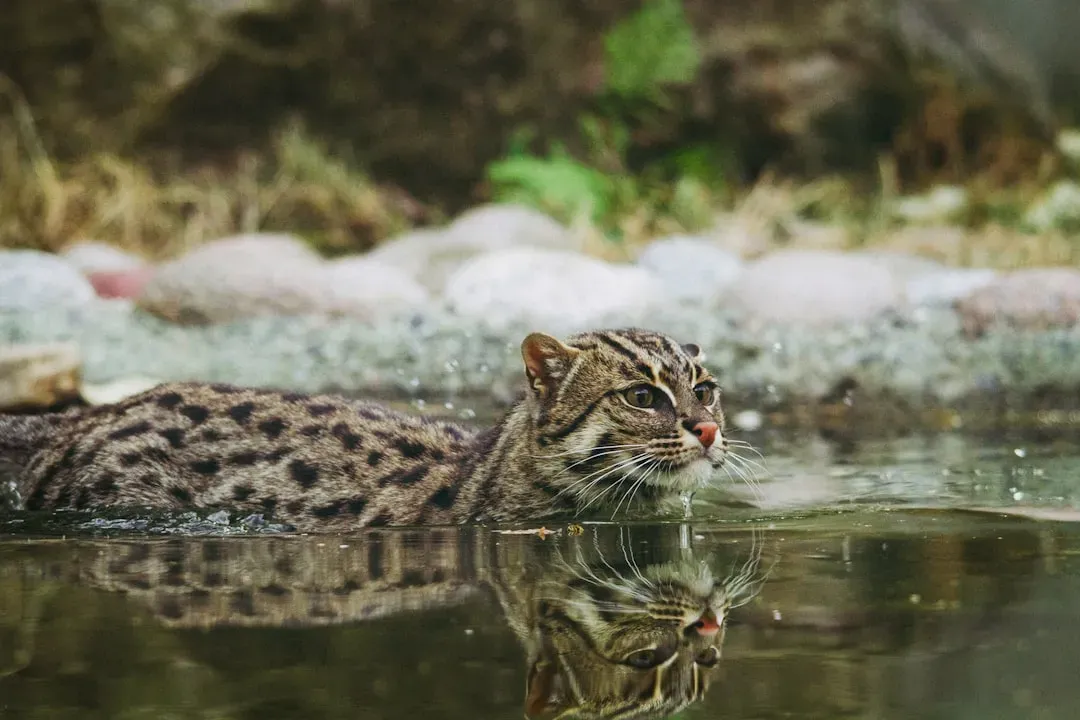
Fishing probably isn’t the first thing you associate with wild cats, but the fishing cat changes that entire picture. This medium‑sized feline is so comfortable in the water that it regularly swims, wades, and even dives to catch fish in rivers and wetlands. When you look closely, you notice its toes are partially webbed, and its claws are less retractable than in many other small cats, giving it a combination of paddle and hook under each paw. Its body is built low and sturdy, with short, powerful legs and a dense, water‑resistant coat that helps it stay warm while hunting at night in cool wetlands. The face is broad with forward‑facing eyes that sit high enough to scan the water’s surface while most of the head stays low and still, reducing reflections and disturbance. Its whiskers are long and sensitive, helping it sense tiny movements or ripples from fish. You’re used to thinking of cats as water‑avoiders; this one treats the shoreline like a supermarket aisle.
Clouded Leopard: Jungle Acrobat With Oversized Canines
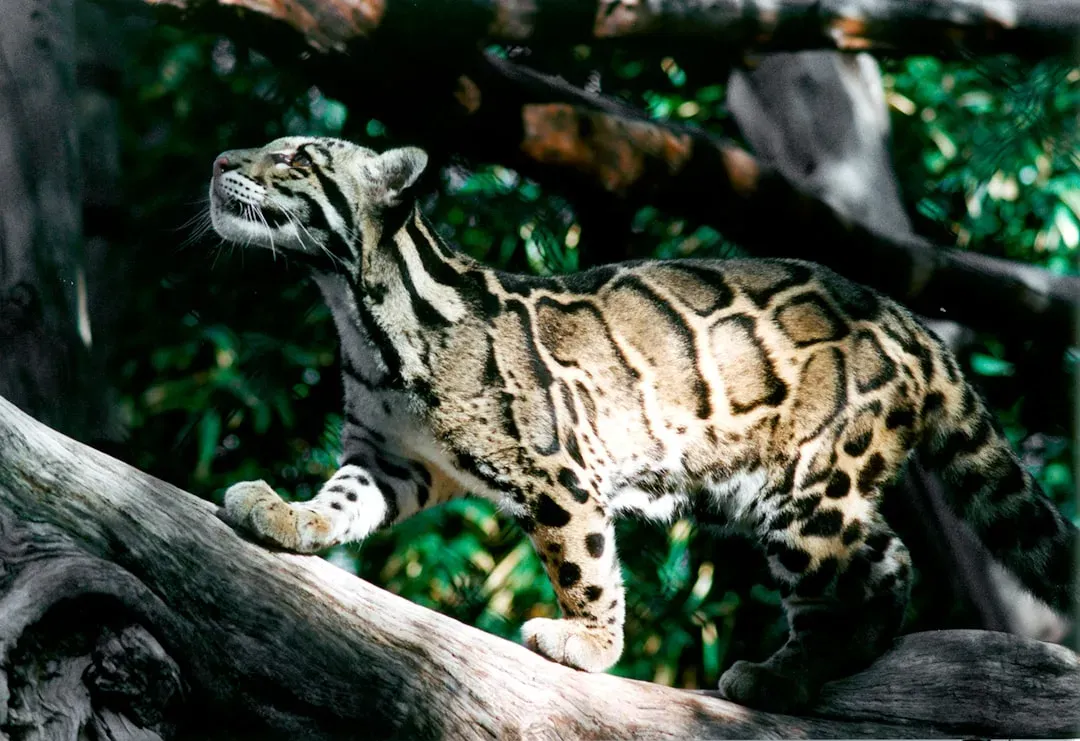
The clouded leopard looks like someone took a smallish big cat and stretched certain parts into extremes. You notice it first in the teeth: its upper canine teeth are incredibly long relative to its skull, more like the proportions you see in ancient saber‑toothed cats. That means its skull, jaw muscles, and neck are all reinforced to control and use those teeth effectively without snapping them off during biting and grappling. At the same time, its body is amazingly suited to life in trees. It has short, powerful legs, flexible ankles, and big paws that let it move along branches, climb, and even descend headfirst, similar in spirit to the margay. The spine and shoulder girdle are loosely connected in a way that allows a huge range of motion, so the cat can twist, hang, and lunge in three‑dimensional forest space instead of just running along the ground. Paired with a long tail for balance, this lets the clouded leopard leap between branches and ambush prey both above and below, almost like a feline version of a tree‑dwelling monkey armed with a built‑in dagger set.
Conclusion: Once You See The Blueprint, The Magic Changes
By now, you can probably feel your brain shifting from “these cats are impossible” to “oh, that’s actually clever design.” When you understand the bones, joints, muscles, and sensory tricks behind each feat, the stunts start to look less like miracles and more like the logical result of millions of tiny anatomical tweaks stacking up over deep time. A hyper‑flexible spine here, a rotated ankle there, a few more ear muscles or longer tendons somewhere else - and suddenly you have an animal that can outrun cars, walk down trees headfirst, or leap into the sky. What might be the most humbling is this: your own body is a set of trade‑offs too, just like theirs. You don’t have a cheetah’s spine or a margay’s ankles, but you do have a brain that can understand how those things work, and maybe even borrow some of that design for robots, prosthetics, or athletic training. Next time you see a cat balancing on a fence or twisting in mid‑air, you’ll know you’re only seeing the everyday version of a story that gets far stranger and more impressive in the wild. Which of these feline “superpowers” surprised you the most?