What It Means When Your Cat Suddenly Wants to Sit Closer to You Than They Normally Do
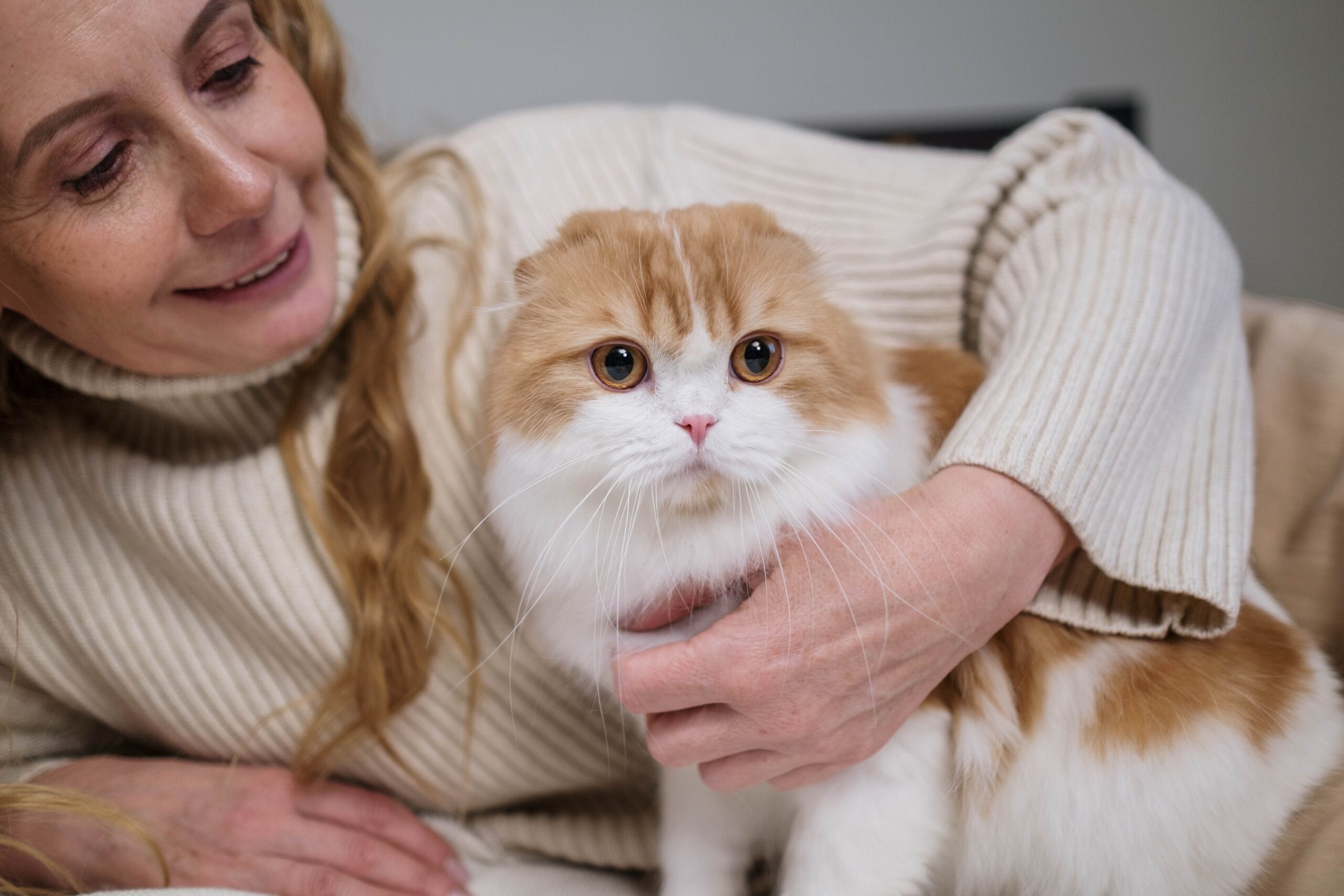
One day your cat barely tolerated being on the same couch; the next, they’re glued to your side, pressed against your leg, or draped on your chest like a furry paperweight. When your cat suddenly wants to sit closer than usual, it can feel adorable, confusing, and a little suspicious all at once. You might catch yourself wondering if something’s wrong, or if you’ve just unlocked a new level of your relationship without realizing it.
This shift in behavior can have several explanations, from emotional bonding to physical discomfort to simple environmental changes. When you know what to look for, that sudden clinginess becomes less of a mystery and more of a message. You don’t need to become a feline mind reader; you just need to pay attention to a few key clues and trust your gut.
Your Cat May Be Bonding More Deeply With You
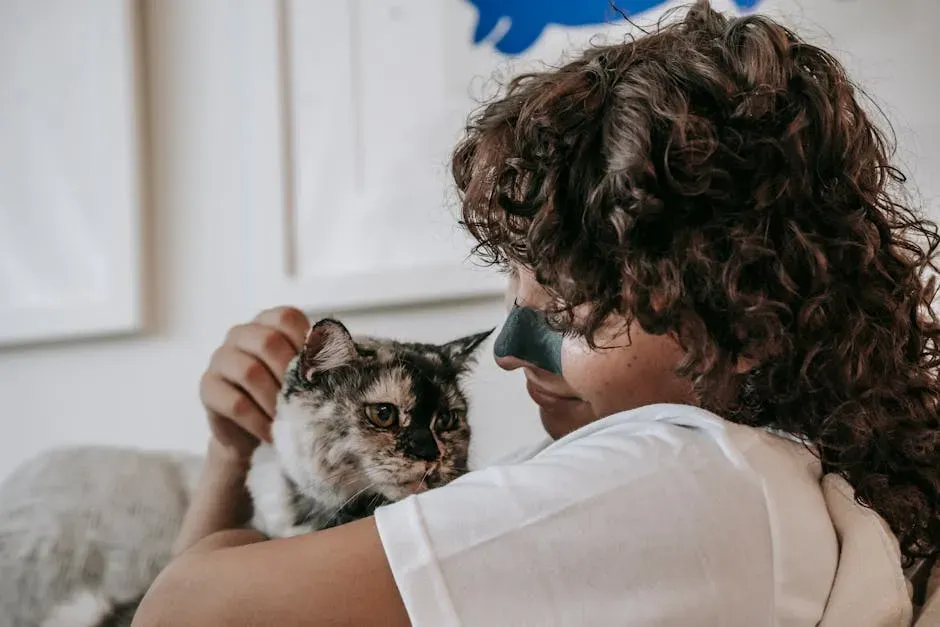
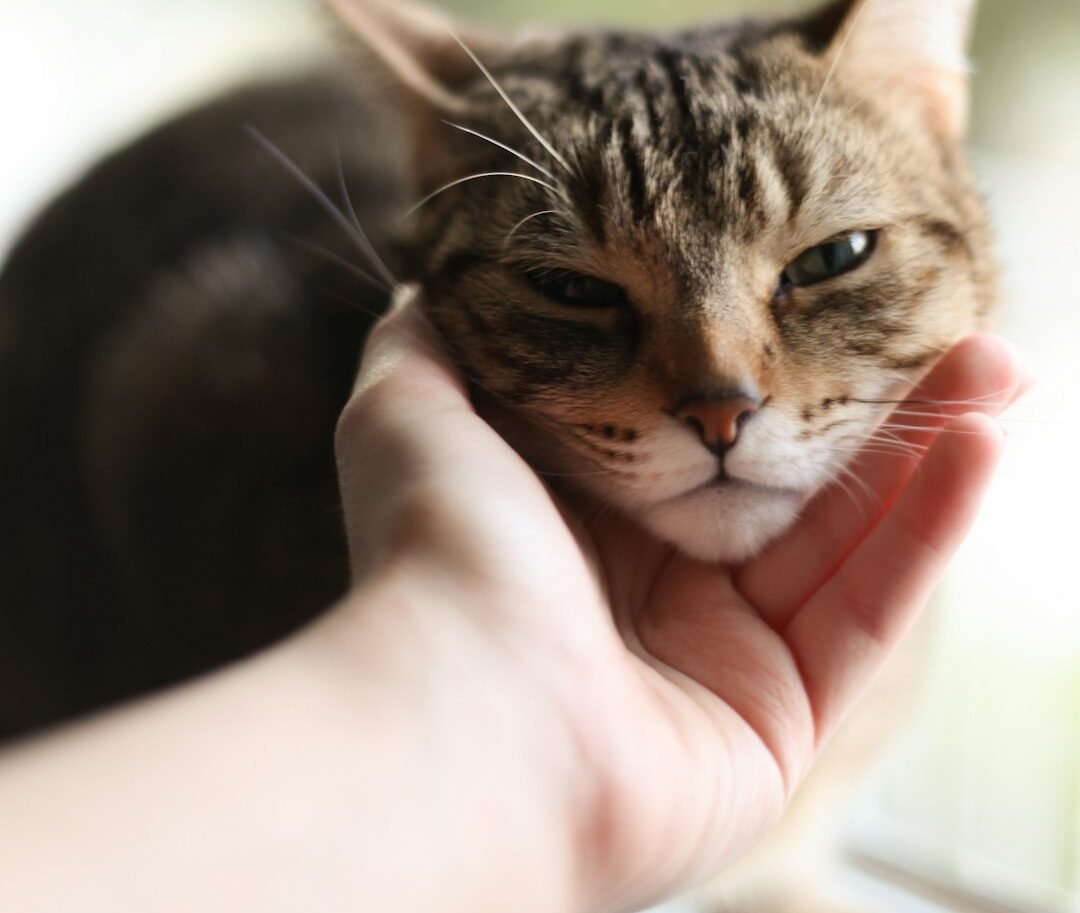
One of the most heartwarming reasons your cat suddenly wants to sit closer is simple: they trust you more now. Cats are prey animals as well as predators, which means they’re hardwired to be careful about where they rest and who they snuggle up to. Choosing to press their body against yours, especially in relaxed settings, is a powerful sign that you’ve become part of their safe zone.
You might notice this after you’ve had your cat for a while, or after a period where you’ve been more consistent with playtime, feeding, or gentle affection. In your cat’s world, reliability is gold. If you show up for them in predictable, positive ways, they’re more likely to reward you with closeness. That newfound lap cuddling can be your cat’s quiet way of saying you’ve passed a series of invisible trust tests.
Your Cat Could Be Seeking Warmth and Comfort
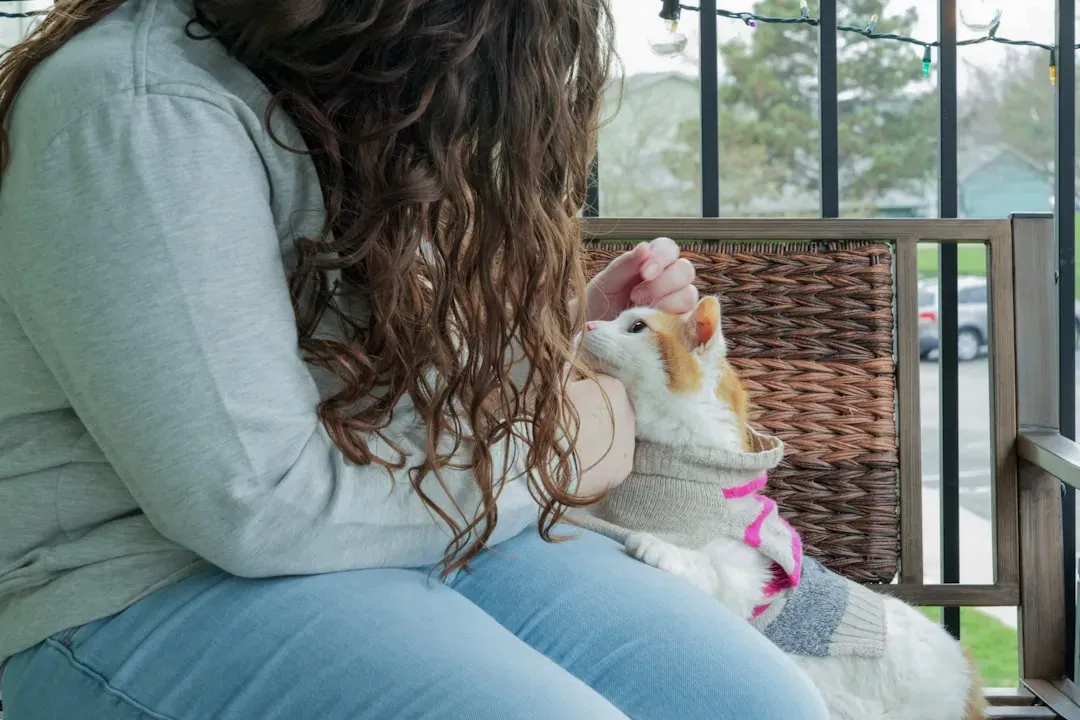
If your cat suddenly glues themselves to your side when the weather turns cooler, you might just be their favorite space heater. Cats naturally seek out warm spots: sunny windowsills, laundry fresh from the dryer, and yes, your body. Your lap, chest, or legs are cozy, soft, and usually stationary enough to make a perfect napping platform.
Sometimes you’ll notice patterns, like your cat becoming extra clingy in the evenings, during winter, or when the air conditioning is running. If they curl tightly against you, tuck their paws in, and seem focused mostly on napping, warmth and comfort are likely the main reasons. In that case, you can take it as a compliment: of all the warm places in your home, your cat picked you.
Your Cat Might Be Feeling Anxious or Insecure
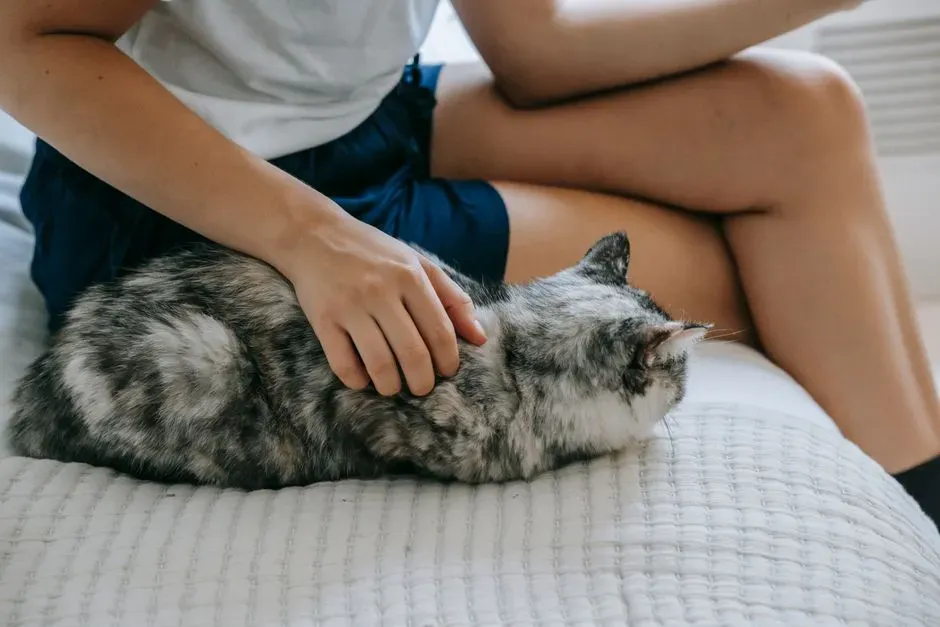
A sudden change in your cat’s need for closeness can also signal that they’re feeling unsettled. Cats are extremely sensitive to changes in their environment, even ones that seem minor to you. New furniture, visitors, renovations, a move, a new pet, or even arguments and loud noises can push your cat out of their comfort zone and toward you for reassurance.
When anxiety is at play, you might notice other small changes along with the clinginess: more hiding, jumpiness at sounds, changes in appetite, or extra vocalizing. In this situation, your cat isn’t just being cute - they’re using you as a safe base, like a child clinging to a parent in a crowded place. Offering calm, predictable routines and gentle attention can help them adjust and gradually regain confidence.
Your Cat Could Be Reacting to Changes in Your Routine
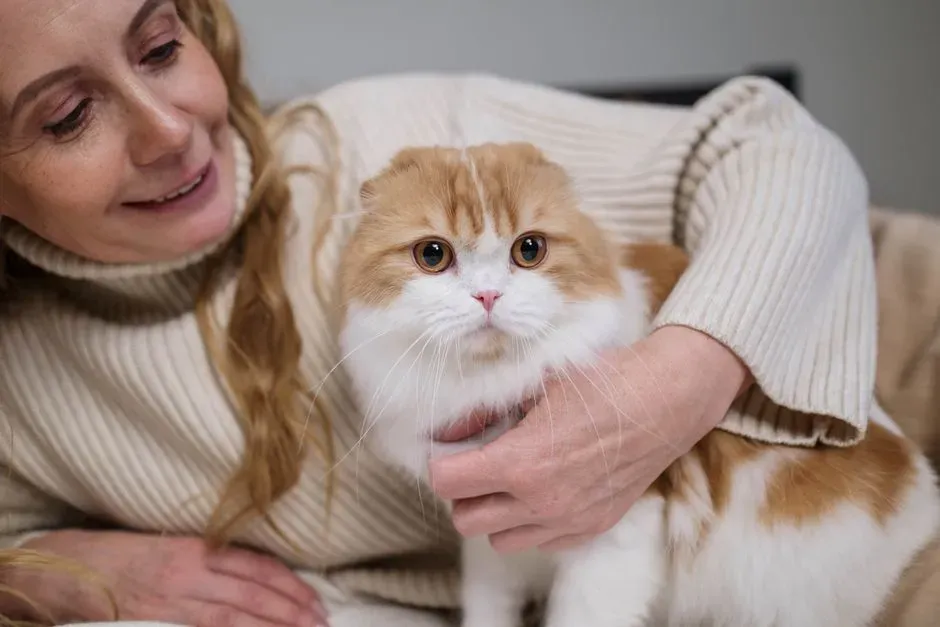
Your schedule might not feel like a big deal to you, but to your cat, it’s the framework of their world. If you’ve recently started working from home, changed shifts, gone on a trip, or been more absent or more present than usual, your cat may respond by sticking closer. They’re essentially recalibrating to the “new normal” and using proximity to you to make sense of it.
You might especially notice this when you return home after being away for a few days, or if you’ve been very busy and suddenly slow down. Your cat may shadow you from room to room, sit pressed against you, or insist on their body touching yours at night. It’s a mix of “I missed you” and “I’m making sure you don’t disappear again,” which can be both sweet and slightly intense.
Your Cat May Be Feeling Unwell or in Pain
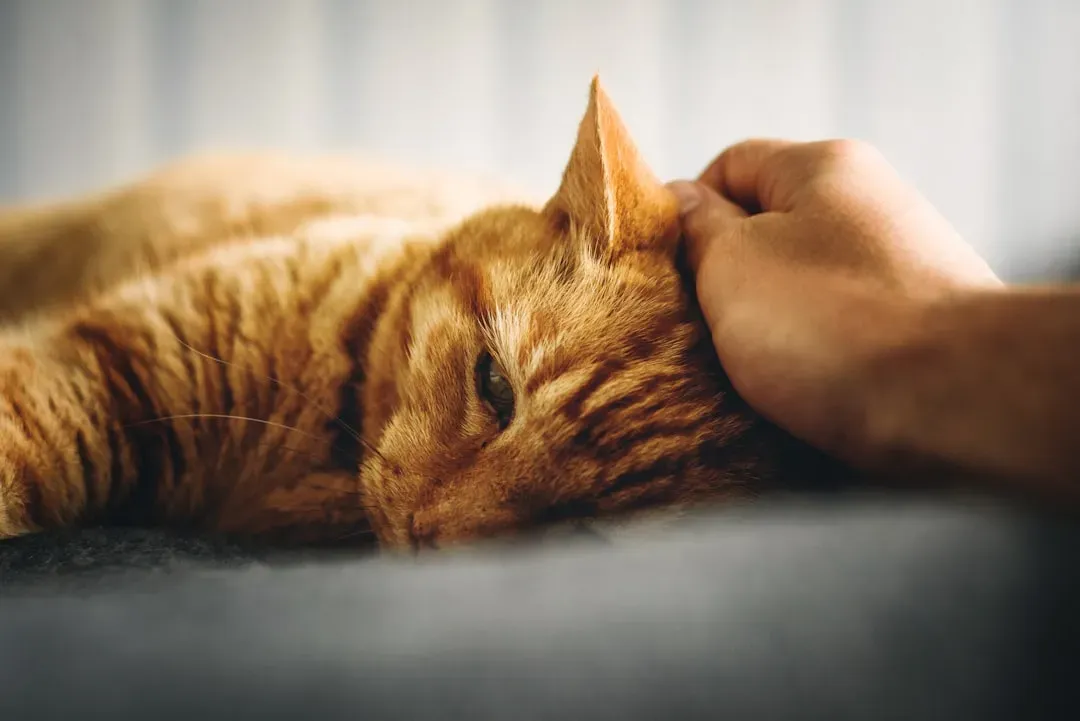
Watch for other signs: changes in appetite, weight loss or gain, vomiting, diarrhea, increased drinking or urinating, unusual breathing, stiffness, or a different gait. If your cat is clingy and also seems more lethargic, grumpy, or just “off,” don’t ignore that feeling. In that case, the extra cuddling might be a quiet flag that it’s time to call your vet and rule out pain, injury, or illness.
Your Cat Might Be Marking You With Their Scent
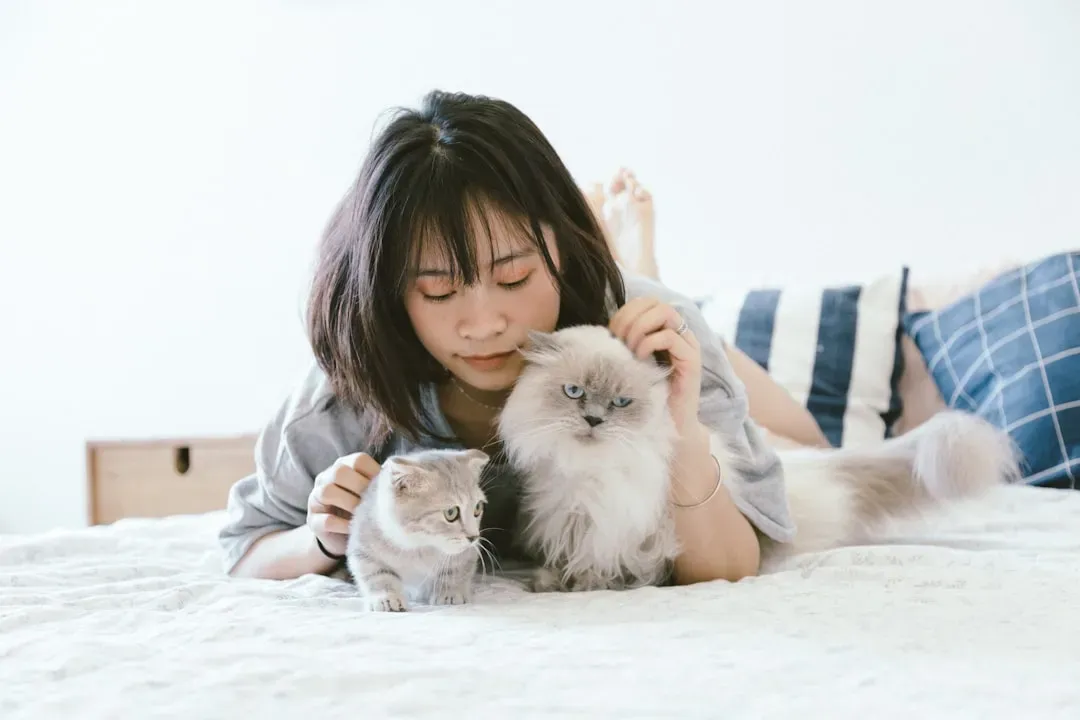
When your cat presses against you, kneads you, or rubs their head or cheeks on you while sitting close, they’re probably doing more than just snuggling. Cats have scent glands around their face and body, and they use those to mark what matters to them. By leaning into you or curling up tightly against you, your cat is effectively labeling you as part of their social group.
If you’ve recently been around other animals or new environments, your cat might double down on this scent-marking behavior. They’re re-claiming you and making sure you smell like “theirs” again. You might not notice any difference, but your cat’s nose certainly does, and that extra closeness can be a quiet territorial and affectionate statement rolled into one.
Your Cat May Be Aging and Seeking More Security
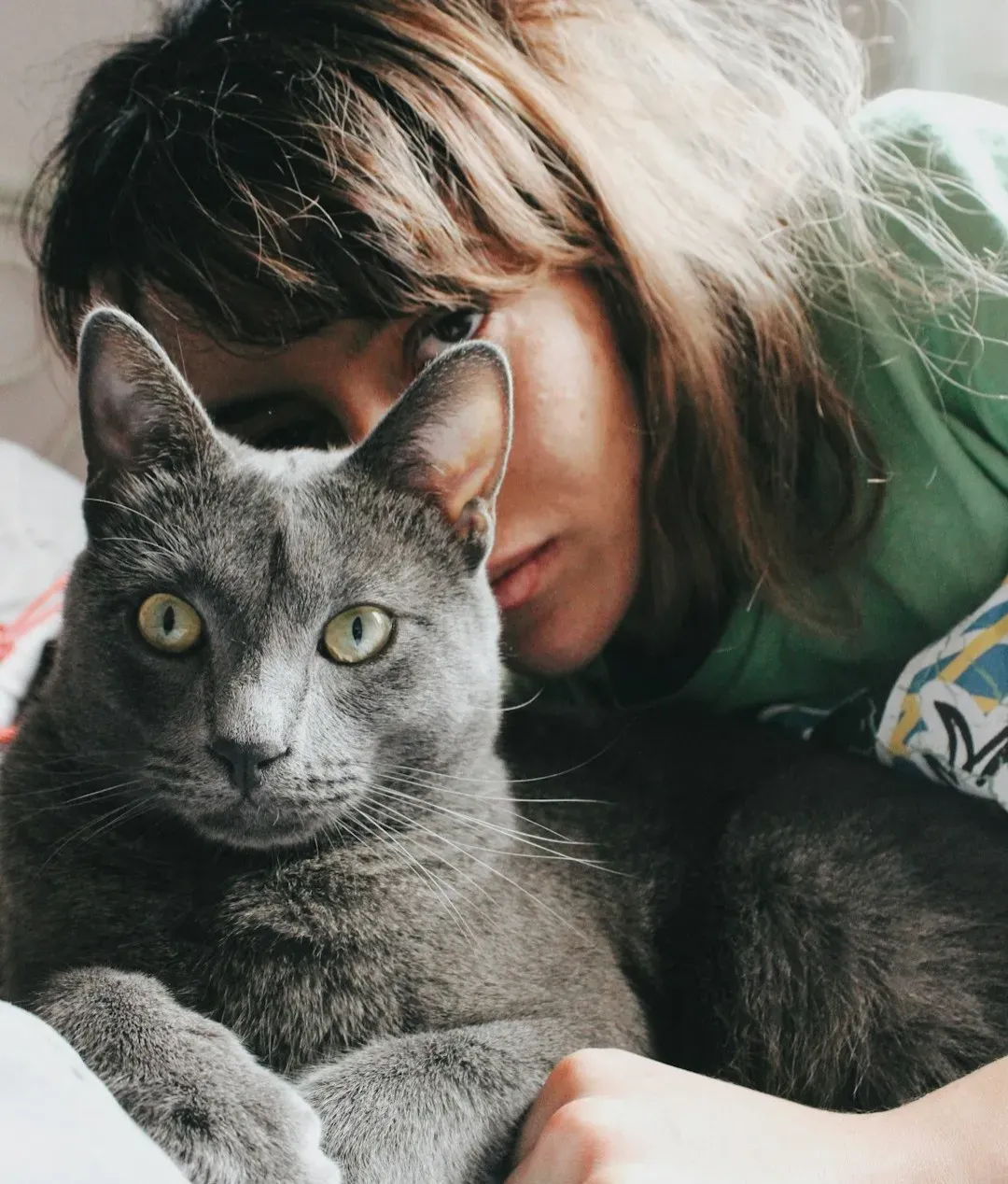
As cats get older, they often become more attached to their favorite humans. Vision and hearing may change, joints may ache a bit more, and the world can feel less predictable than it once did. If your previously independent cat is now spending much more time pressed against you, especially if they’re a senior, they may simply be looking for security and comfort.
You might notice them choosing easier-to-reach spots near you instead of high perches, or preferring your bed or couch where they can rest while staying close. In that context, their new habit of sitting closer is both an emotional need and a practical one. They want to feel safe, warm, and supported, and you’re the most dependable “safe place” they know.
Your Cat Could Just Be Changing Their Personality Over Time
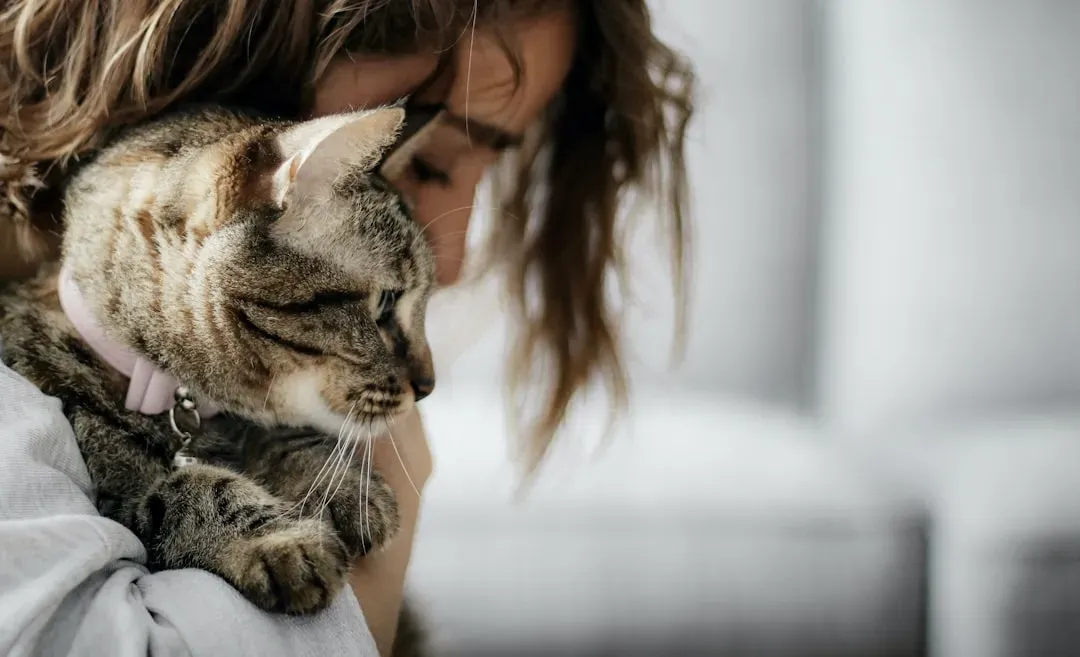
Cats, like people, don’t stay exactly the same throughout their lives. A cat who was skittish or standoffish as a youngster can gradually mellow into a snuggle bug as they grow more confident and familiar with you. If the change toward sitting closer is slow and not linked to obvious stress or illness, you might simply be witnessing your cat’s personality evolving.
You might even notice that specific times of day trigger extra closeness - like a regular morning cuddle session or a nightly couch ritual. Over time, those patterns become part of your shared routine. What started as a surprising shift can turn into one of your favorite parts of the day, a tiny reminder that relationships with pets can keep deepening long after the “new pet” phase is over.
How to Respond When Your Cat Suddenly Wants to Sit Closer
When your cat changes their behavior around you, it’s natural to wonder how you should handle it. The short answer is: welcome the closeness, but stay observant. Offer gentle pets in the areas your cat likes, speak softly, and let them choose when to come and go. If they hop down, don’t grab them back; letting them control the interaction builds even more trust.
At the same time, keep an eye on the bigger picture. Ask yourself whether anything in your home, routine, or their health has changed. If everything else seems normal and they appear relaxed and content, enjoy the upgrade in snuggles. If you notice other worrying signs alongside the clinginess, it’s worth checking in with your vet just to be safe.
When to Be Concerned and Call the Vet
Not every close sit is a cause for alarm, but certain combinations of behavior should get your attention. If your cat’s sudden clinginess comes with a big shift in appetite, weight, litter box habits, breathing, or activity level, treat it as a possible red flag. Closeness plus obvious discomfort, restlessness, or hiding at other times can also point to a problem.
You know your cat’s normal better than anyone, even if you sometimes doubt yourself. If your gut says something feels off, it’s usually worth listening to that. A quick call or visit to your vet can either catch an issue early or give you peace of mind that your cat is just extra cuddly right now. Either way, you’re advocating for them, and that’s what they rely on you to do.
Final Thoughts: Listening to What Your Cat’s Closeness Is Telling You
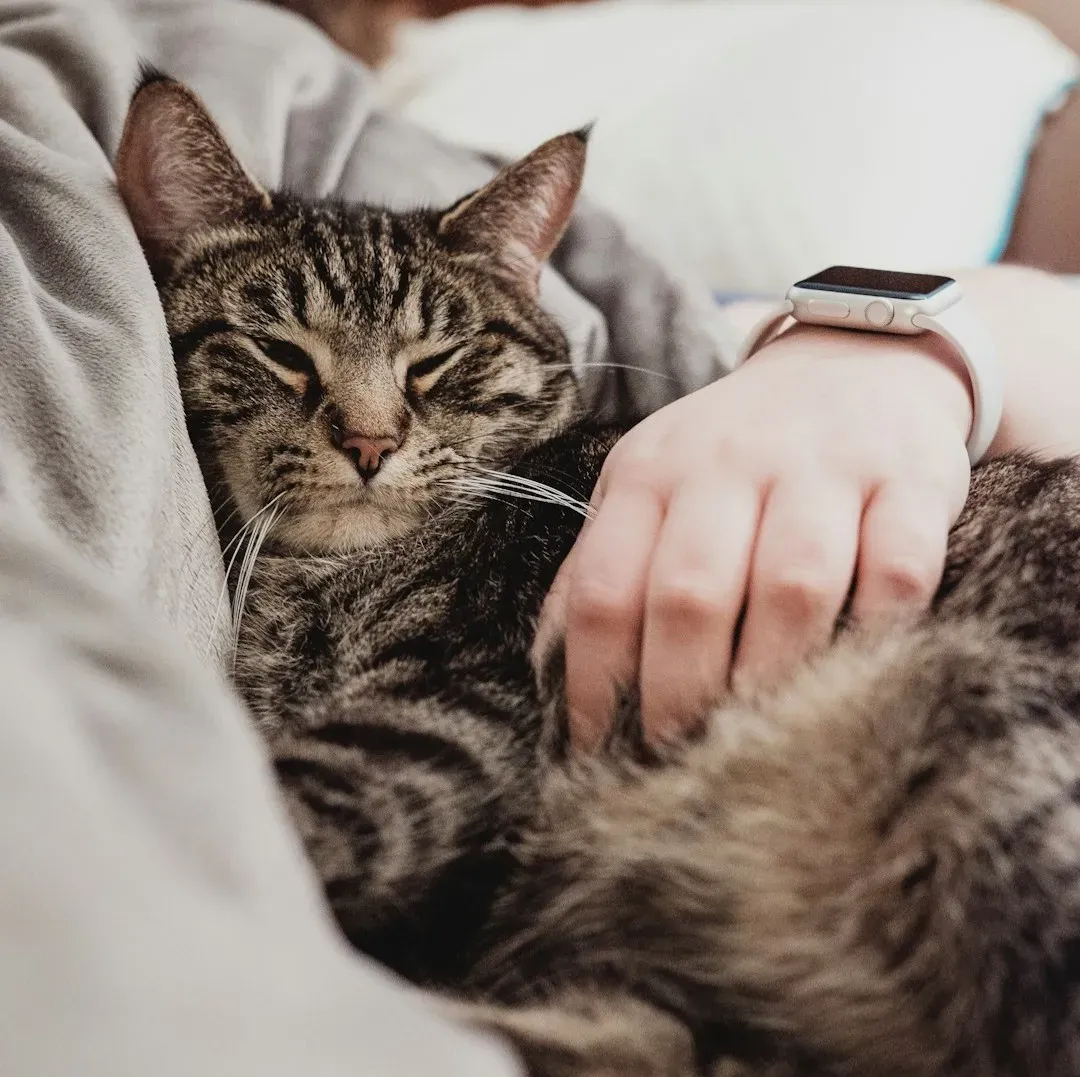
When your cat suddenly wants to sit closer than they usually do, it’s rarely random. It might be a sign of deepening trust, a need for warmth, a response to stress, a health concern, or just your cat growing and changing alongside you. By watching the context - what else is happening in their body, your home, and your routine - you can decode what that clinginess really means.
In many cases, it’s a quiet, touching reminder that you matter a lot in your cat’s world, even if they usually act a bit aloof. If you stay curious, pay attention, and get help when something feels wrong, you turn those moments of closeness into a kind of ongoing conversation between you and your cat. The next time they wedge themselves against your side, you might find yourself wondering less, and simply asking: what are you trying to tell me today?