What Behaviourists Say Your Cat's Purr Actually Means
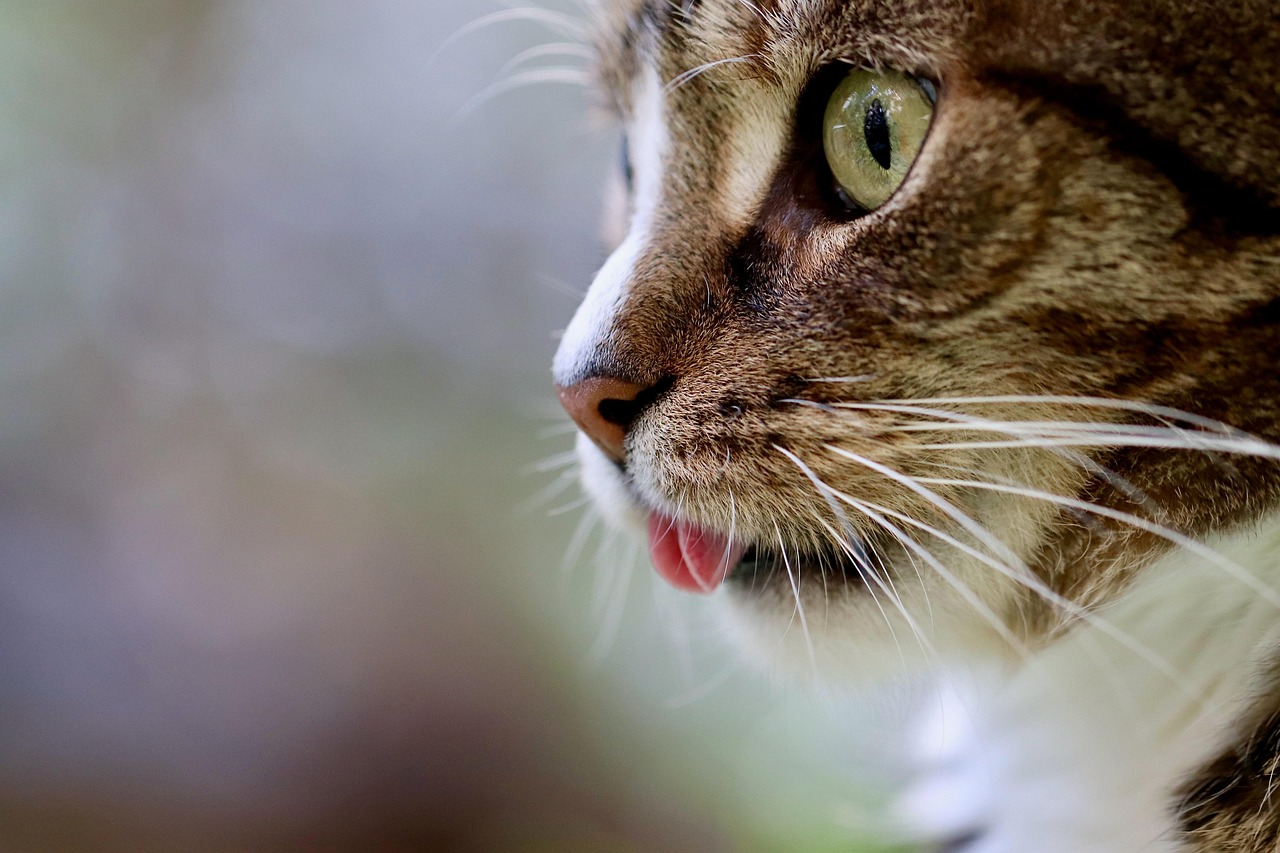
Every cat owner has heard it: that low, steady rumble that seems to say I'm happy, don't stop. Behaviourists who've spent years studying that sound say the story is mostly wrong. Cats purr when they're terrified. They purr in pain. They purr while giving birth, and they purr specifically to manipulate you into feeding them faster.
Once you see the research, you can't unhear that sound the same way again. The rumble you've always called "contentment" turns out to be something stranger, older, and a lot more calculated than most owners ever suspect. Here's what actually happens inside your cat's brain, throat, and instincts every time it starts to hum.
#1 - Purring Is Not an Emotion, It's a Tool
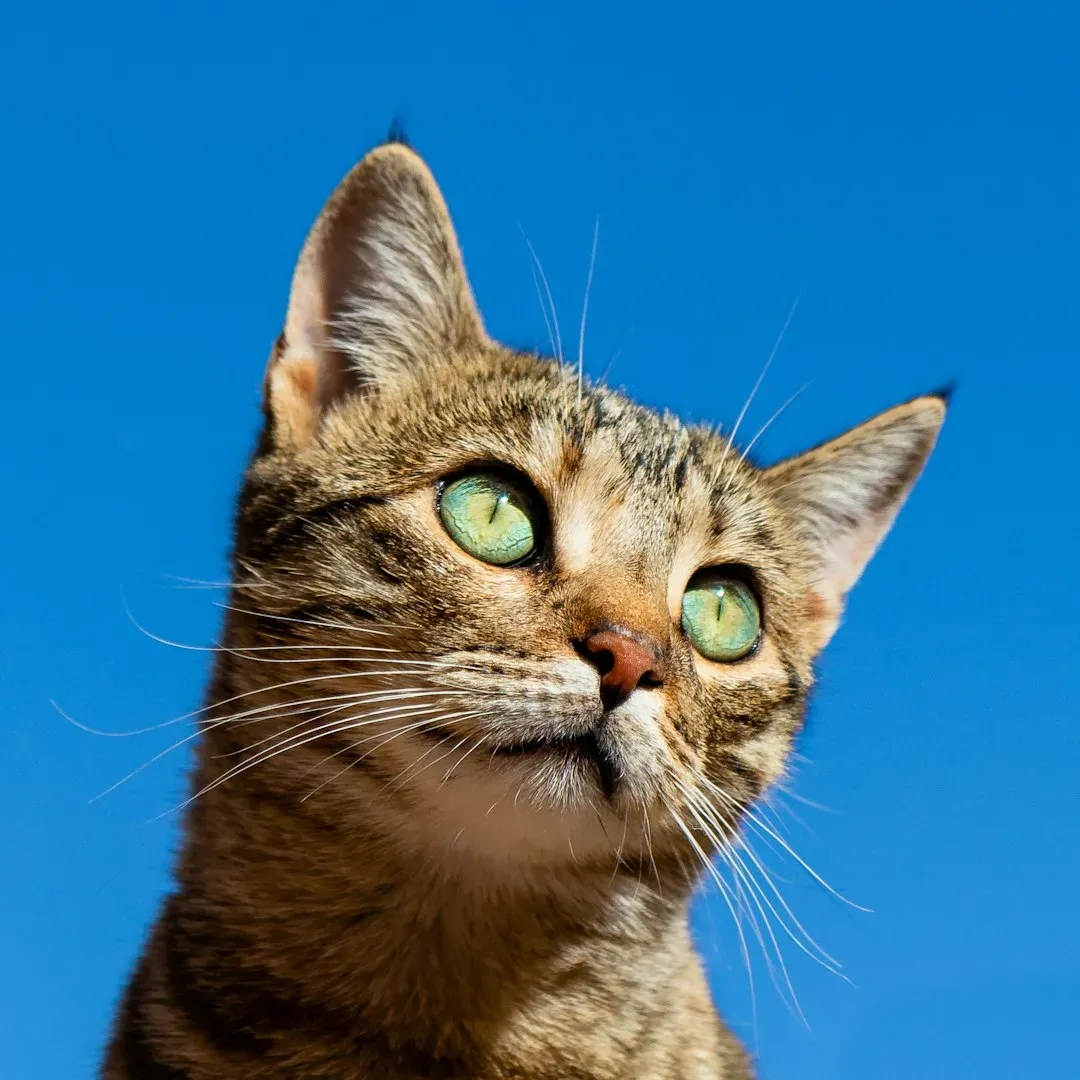
A purr isn't a feeling your cat is having. It's a behaviour, deployed on purpose, and behaviourists say that distinction changes everything about how you should read it.
Purring can signal contentment, stress, a desire for attention, or even illness, depending entirely on the situation and your cat's body language. Most owners never realize purring can mean the exact opposite of happiness. Experts stress that context is everything, and a cat purring in your lap means something completely different from a cat purring in a vet's cage. But that's nothing compared to what we found about #2...
#2 - The Sound Starts as "Opera Singing" in the Brain
Here's something almost no cat owner knows: purring doesn't start in the throat. It starts in the brain, and one leading behaviourist has a surprisingly poetic name for it.
Most experts now say purring begins with a rhythmic neural oscillator in the brain, sending signals to the laryngeal muscles that make them twitch at 25 to 150 vibrations per second. Animal behaviourist Karen L. Overall calls it "opera singing for cats," because the vocal cords are essentially performing a rapid, controlled vibrato with every breath.
Opera singing for cats.
Karen L. Overall, Animal Behaviourist
The vocal cords separate suddenly during both inhalation and exhalation, creating that unmistakable vibrato. The purr is so low-pitched that humans often feel it more than they hear it, which is exactly why it feels so soothing when a cat curls up on your lap. Newer research has even found mysterious fat pads on the vocal cords, which scientists now believe help create the vibration as air passes through. But that's nothing compared to what we found about #3...
Fast Facts
- Purring originates in a neural oscillator in the brain, not the throat itself
- The laryngeal muscles twitch at 25 to 150 vibrations per second
- Vocal cords separate suddenly during both inhaling and exhaling
- Newly discovered fat pads on the vocal cords may help generate the vibration
#3 - Kittens Purr Before They Can Even See
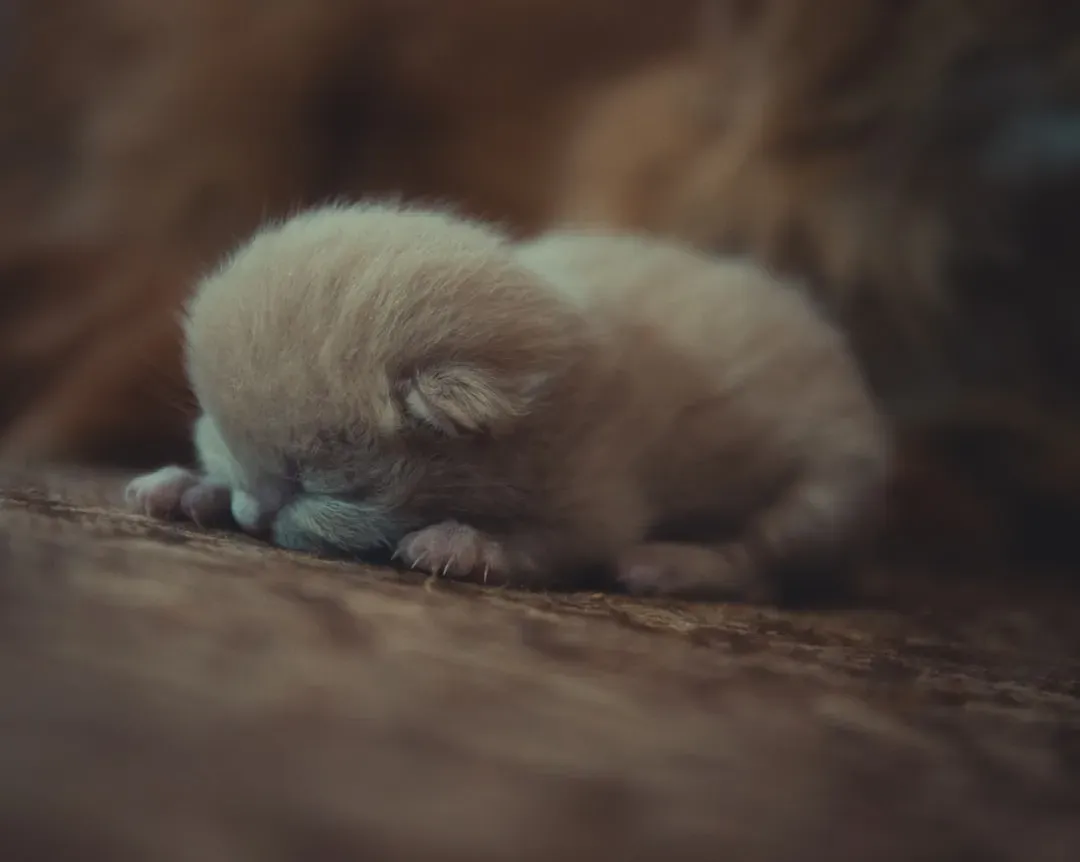
A newborn kitten can't see, can't hear, and can't walk properly. But it can purr, and behaviourists say this is one of the earliest and most important survival signals in the animal kingdom.
Kittens begin purring as early as two days old, relying on scent and vibration long before their other senses come online. The purring tells their mother they're warm, safe, and nursing properly. A blind, deaf newborn is already using purring as a survival broadcast.
The behaviour runs both directions in the nest. Mother cats purr back to comfort their young and build a sense of stability, strengthening the bond before the kittens can even open their eyes. Some researchers even theorize mother cats use purring to mask the mewing of their litter from predators, keeping vulnerable kittens hidden until they're old enough to hear and see for themselves. But that's nothing compared to what we found about #4...
#4 - Your Cat May Be Manipulating You With a "Hidden Cry"
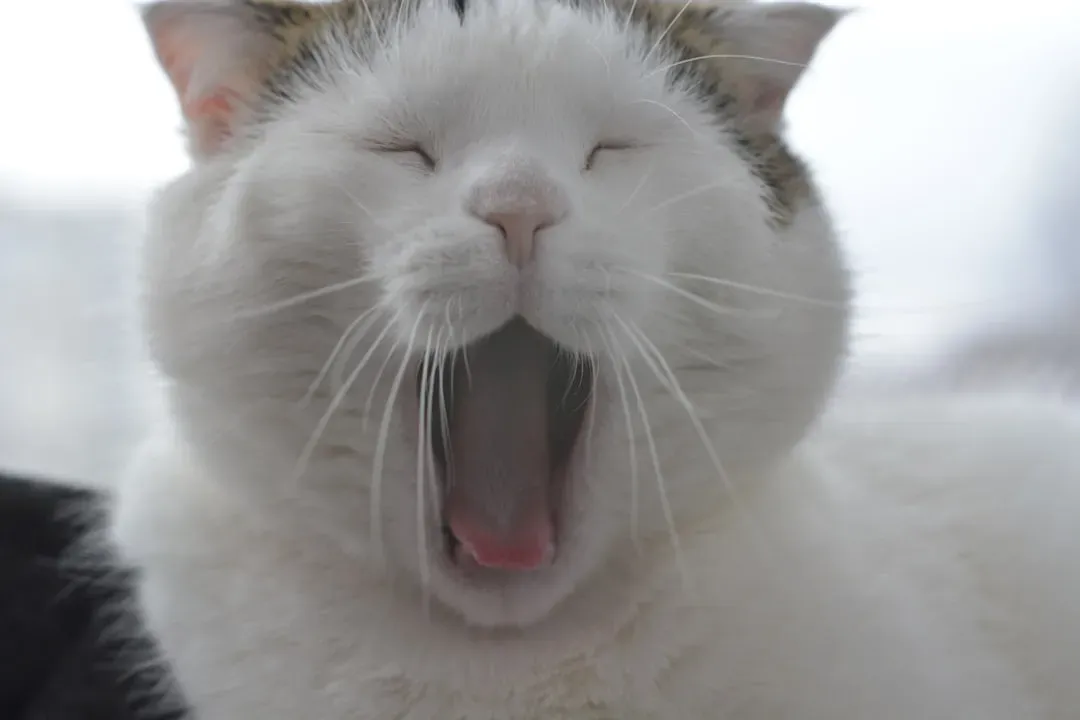
This is the one that unsettles people most. Researchers discovered that some purrs contain a frequency almost identical to a human baby's cry, and behaviourists believe cats are using it on purpose.
A University of Sussex study found that purrs signaling hunger share aural signatures with the sound of a crying infant. This "solicitation purr" is distinct from an ordinary contentment purr, and it's specifically built to be harder for humans to ignore.
Your cat may be hijacking a hardwired human parenting response just to get fed faster. Behaviourists point out this urgency shows up right around mealtimes. If you've ever noticed your cat's purr sounding higher-pitched near dinnertime, that's not affection, that's a calculated broadcast designed to make you move faster. But that's nothing compared to what we found about #5...
Quick Compare
- Solicitation purr: higher-pitched, cry-like frequency, tied to mealtimes, hard to tune out
- Contentment purr: lower and steadier, no urgency, paired with relaxed body language
#5 - Purring Can Mean Your Cat Is Terrified
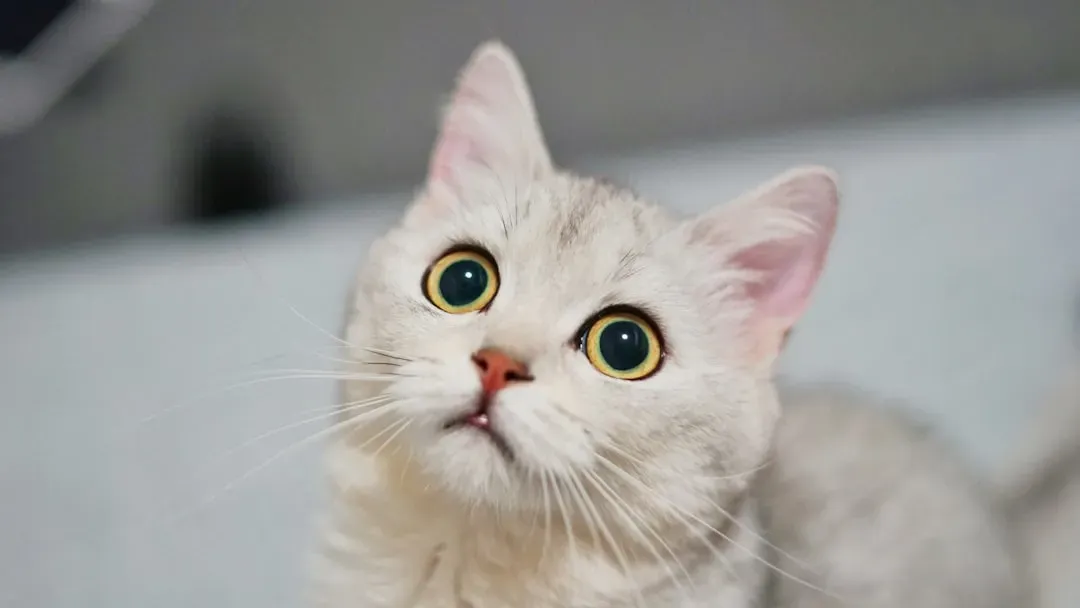
Behaviourists say the single most dangerous misconception is assuming a purring cat is always calm. In reality, fear produces the exact same sound as contentment.
Cats purr when frightened or threatened just as readily as when they're relaxed, which has led some experts to compare purring to human smiling. Kelly Morgan, a clinical instructor at the University of Illinois College of Veterinary Medicine, put it simply.
People will smile when they're nervous, when they want something, and when they're happy, so perhaps the purr can also be an appeasing gesture.
Kelly Morgan, University of Illinois College of Veterinary Medicine
A terrified cat can sound exactly like a happy one, which is why so many owners misread the room during vet visits or car rides. Other researchers frame it less as communication and more as a coping mechanism, a kind of vocal tic, like nervous laughter, that helps a cat self-soothe when it's cornered or scared. But that's nothing compared to what we found about #6...
#6 - The "Pain Purr" Sounds Almost Identical to a Happy One
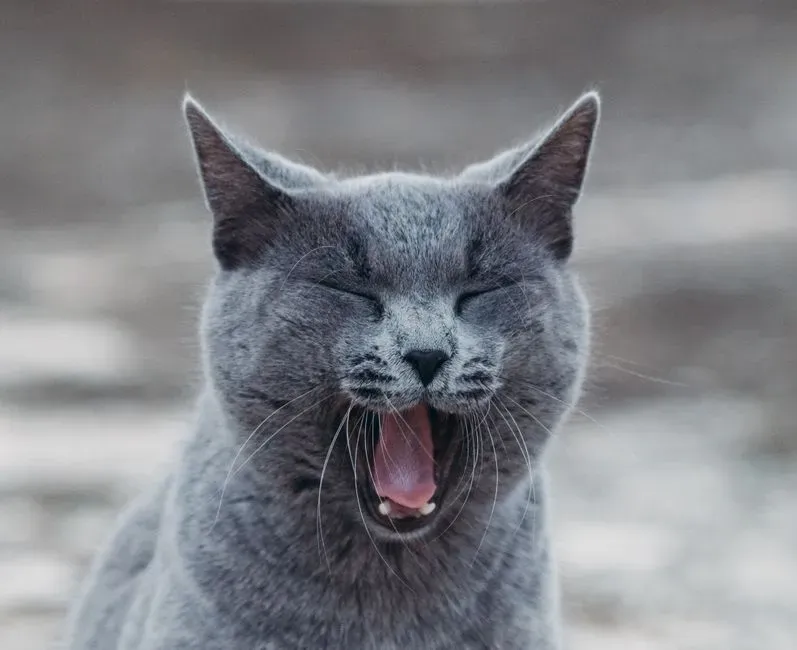
Perhaps the most unsettling finding among behaviourists: cats routinely purr while injured, sick, or even during labor, and most owners never notice the difference.
Cats purr for many reasons, including pain, and researchers believe those purrs may have real comforting and reassuring effects that help an injured cat feel calmer while it heals. You may notice your cat purring during high-stress moments like vet visits, or during physical pain like labor or an injury.
Most owners assume a purring cat at the vet is just "being brave," when it may actually be signaling real distress. There's one subtle clue behaviourists say to watch for: a cat in pain, especially one struggling to breathe, may still purr to reassure itself, but that purr will often sound more rapid and clipped. It's the rhythm, not the sound itself, that gives it away. But that's nothing compared to what we found about #7...
#7 - The Frequency Might Literally Heal Bones
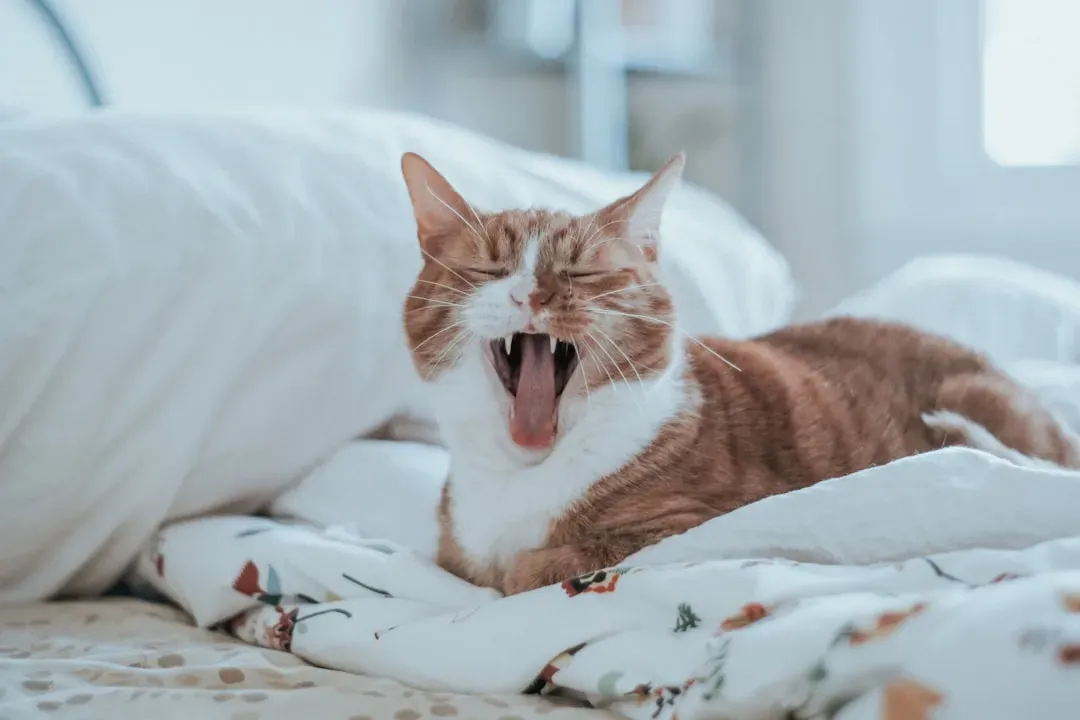
This is the discovery that turned purring research upside down. Scientists found that the exact frequency range of a cat's purr overlaps with frequencies used in medical therapy to heal broken bones.
A study published in the New Zealand Veterinary Journal found that the vibration of cat purrs, ranging from 20Hz to 150Hz, could promote bone growth and heal soft tissue. A house cat may be running its own built-in physical therapy machine every time it purrs. Scientists still don't fully understand the mechanism, but they've noted it appears to promote granulation tissue, connective tissue, and microscopic blood vessels around injured areas.
Some experts think this helps explain a much bigger mystery about the species: why cats seem to survive falls from extreme heights and recover from surgery with fewer complications than dogs. It's a popular theory, but the science isn't fully settled, since the original results haven't been replicated directly on cats. Follow-up studies have instead looked at low-intensity vibration healing in mice, leaving the cat-specific claim intriguing but unproven. But that's nothing compared to what we found about #8...
Worth Knowing
- Purr frequency range (20Hz–150Hz) overlaps with vibration levels used in bone-healing therapy
- Researchers link the vibration to granulation tissue, connective tissue, and blood vessel repair
- The theory may explain why cats often recover fast from falls and surgery
- Direct replication in cats is still missing; most follow-up research has used mice
#8 - Pitch Is the Real Giveaway, Not Volume
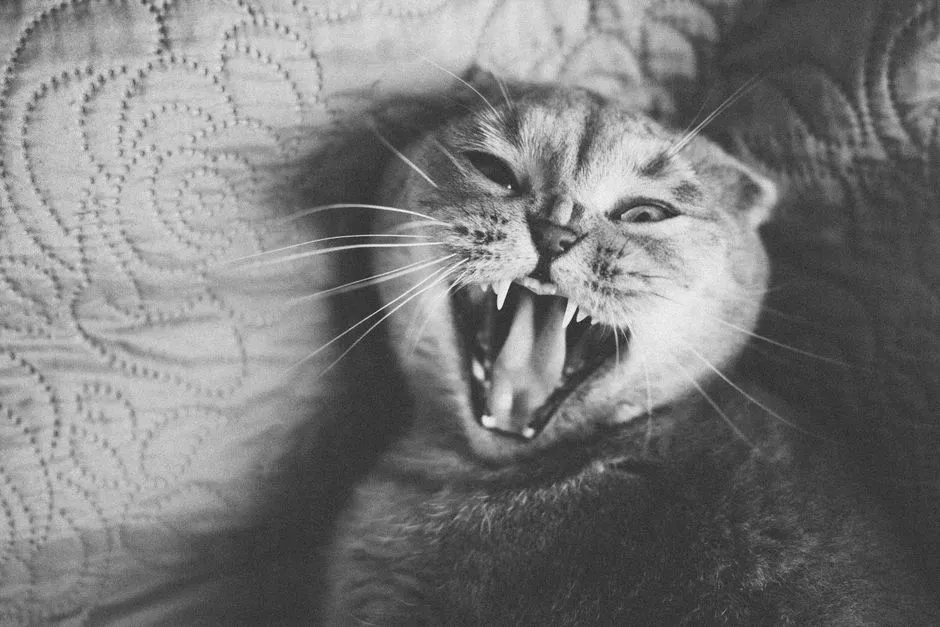
Behaviourists say most owners are reading the wrong signal entirely. It's not how loud a purr is that reveals a cat's true state, it's the pitch.
A contented purr tends to run lower, while a stressed-out cat's purr often climbs higher, and researchers believe anxious purring may be more intentional, while contentment purring is closer to automatic. The single biggest myth is that a loud purr means a happier cat, when volume actually tells you almost nothing.
Behaviourists recommend watching for combinations of cues instead of relying on sound alone. A cat purring while baring its teeth or panting is a stress signal, regardless of how soft or loud the purr sounds. Loudness varies by cat and environment and isn't a reliable indicator of anything emotional. But that's nothing compared to what we found about #9...
#9 - Body Language Overrides the Purr Every Time
![#9 - Body Language Overrides the Purr Every Time ([[ dead link ] Flickr], CC BY 2.0)](https://nvmwebsites-budwg5g9avh3epea.z03.azurefd.net/felinefam/6c755dfd40546ca19afc131babe6af74.webp)
Behaviourists are blunt about this one: if you're only listening to your cat, you're missing most of the story. The body tells the truth the purr hides.
A cat purring with flattened or sideways ears, wide eyes with dilated pupils, and forward-pointed whiskers is very likely stressed, no matter how calming the sound seems. A textbook "happy" purr can appear alongside every visible sign of fear.
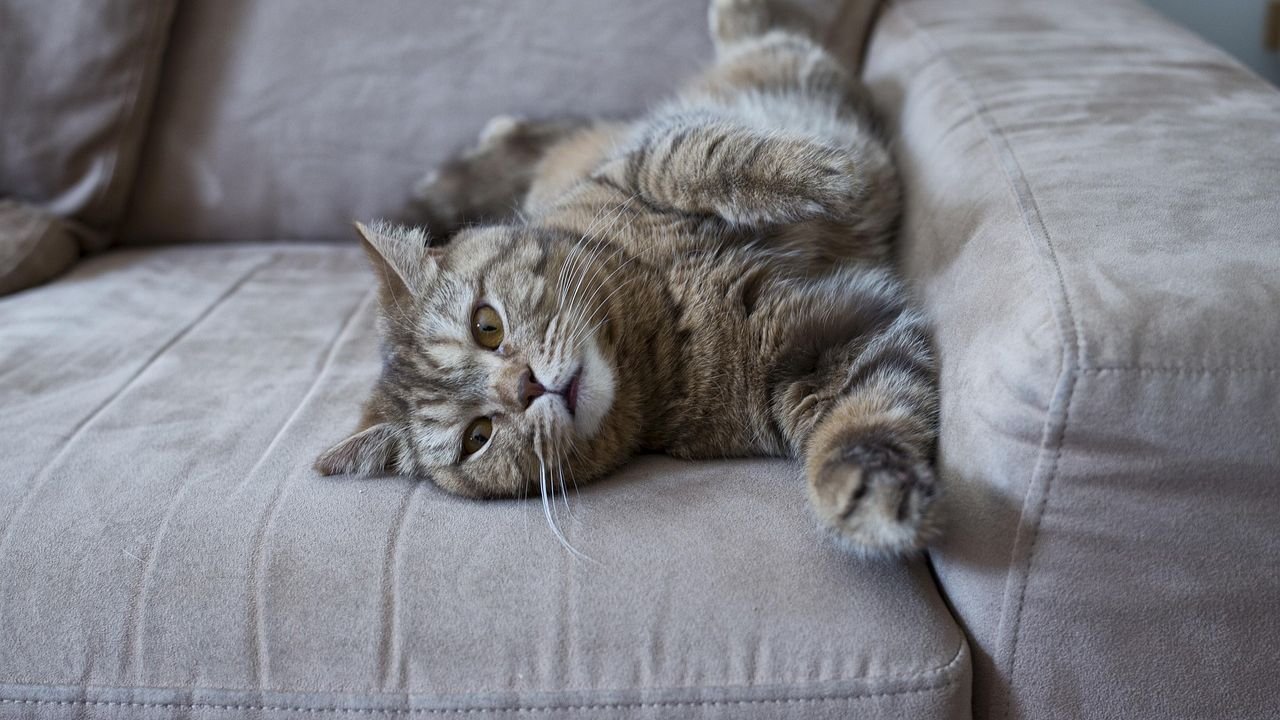
This is why professionals almost always cross-reference sound with posture before drawing conclusions. A cat purring in a stressful moment may simply be trying to self-soothe. At the opposite end, a cat lying on its back with half-closed eyes, a still tail, and a steady purr is about as close to "happy place" as body language gets. But that's nothing compared to what we found about #10...
At a Glance
- Stress signs to watch for: flattened or sideways ears, dilated pupils, forward-pointed whiskers
- Contentment signs to watch for: half-closed eyes, a still tail, relaxed posture
- A purr alone never confirms which state your cat is in
#10 - The "Appeasement Purr" Is a Controversial Idea
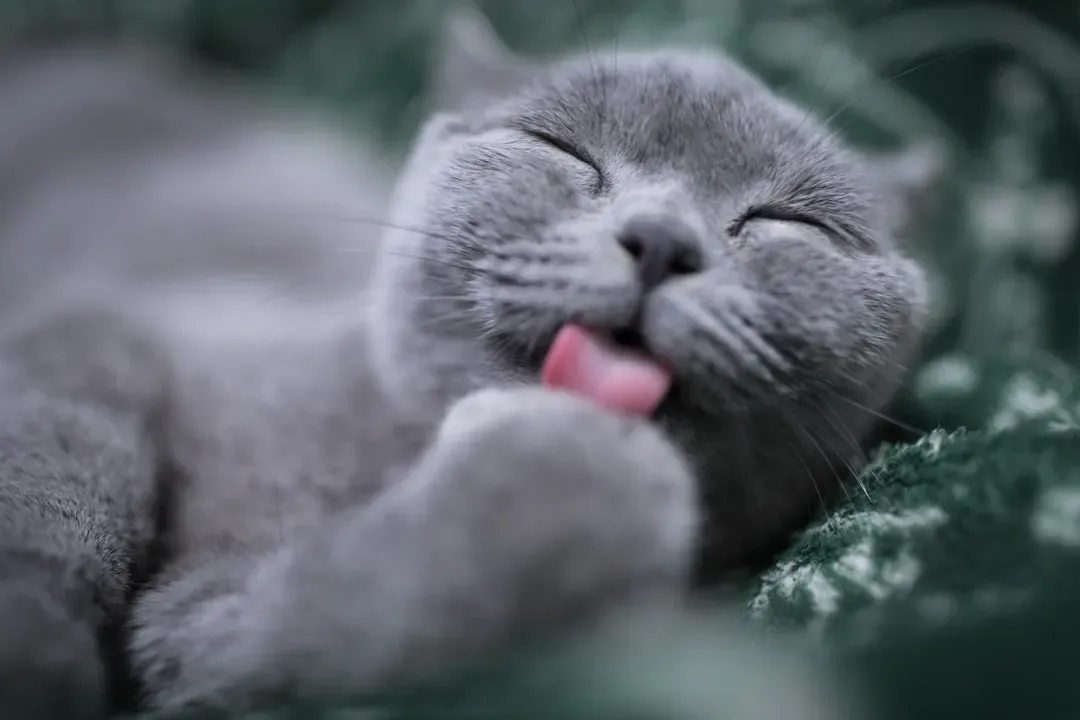
Not every behaviourist agrees on why cats purr in tense situations, and this theory tends to divide professionals more than almost any other explanation on this list.
Some experts argue purring functions like a white flag, a kind of nervous smile aimed at another aggressive cat or even a raised human voice, meant to de-escalate rather than express genuine calm. This means a cat purring during a tense standoff may be trying to defuse the situation rather than feeling relaxed at all.
Critics of the idea point out that purring behaviour is inconsistent enough across individual cats to make broad claims risky. You'll likely never know exactly what your cat means in the moment, but combining the research with the specific situation lets you make a genuinely informed guess. It's a reminder that even trained professionals are sometimes working from theory, not certainty. But that's nothing compared to what we found about #11...
#11 - Purring Builds Trust Long After Kittenhood
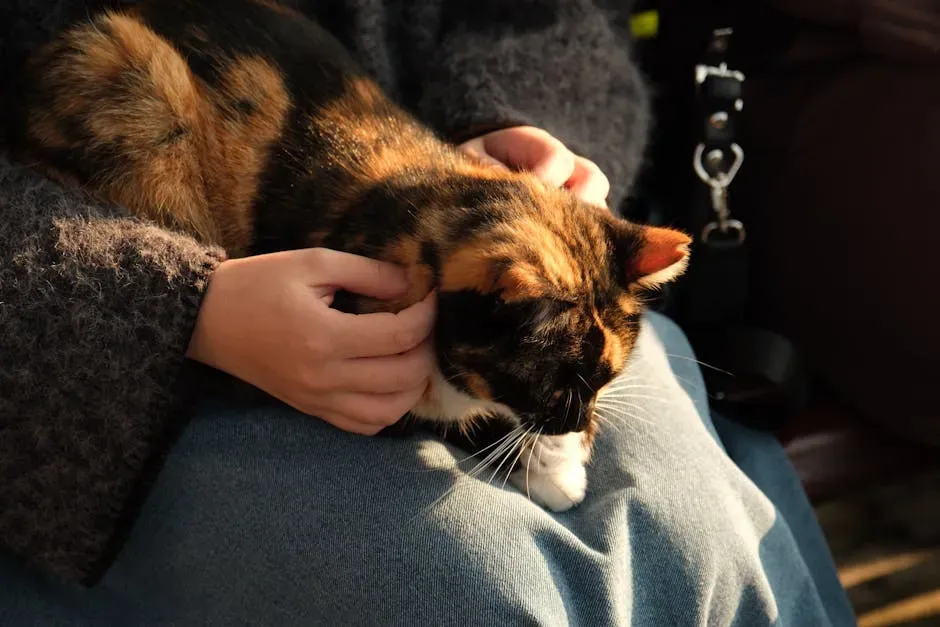
While much of the science focuses on stress and pain, behaviourists agree there's a genuinely warm side to purring too, one rooted in early bonding experiences that shape a cat for life.
Purring often strengthens the bond between a cat and its human, working as a non-verbal signal of trust and affection. That foundation gets laid early: kittens that were petted and socialized young tend to keep purring during positive interactions well into adulthood.
A cat's willingness to purr around you as an adult is directly tied to how it was handled as a kitten. This is one of the few areas where behaviourists sound genuinely confident rather than hedging with "it's thought" or "researchers believe." Trust-based purring tends to show up alongside licking, head-butting, or kneading, all signs of a bond that started long before the cat could even open its eyes. But that's nothing compared to what we found about #12...
#12 - A Sudden Change in Purring Is a Red Flag Vets Take Seriously
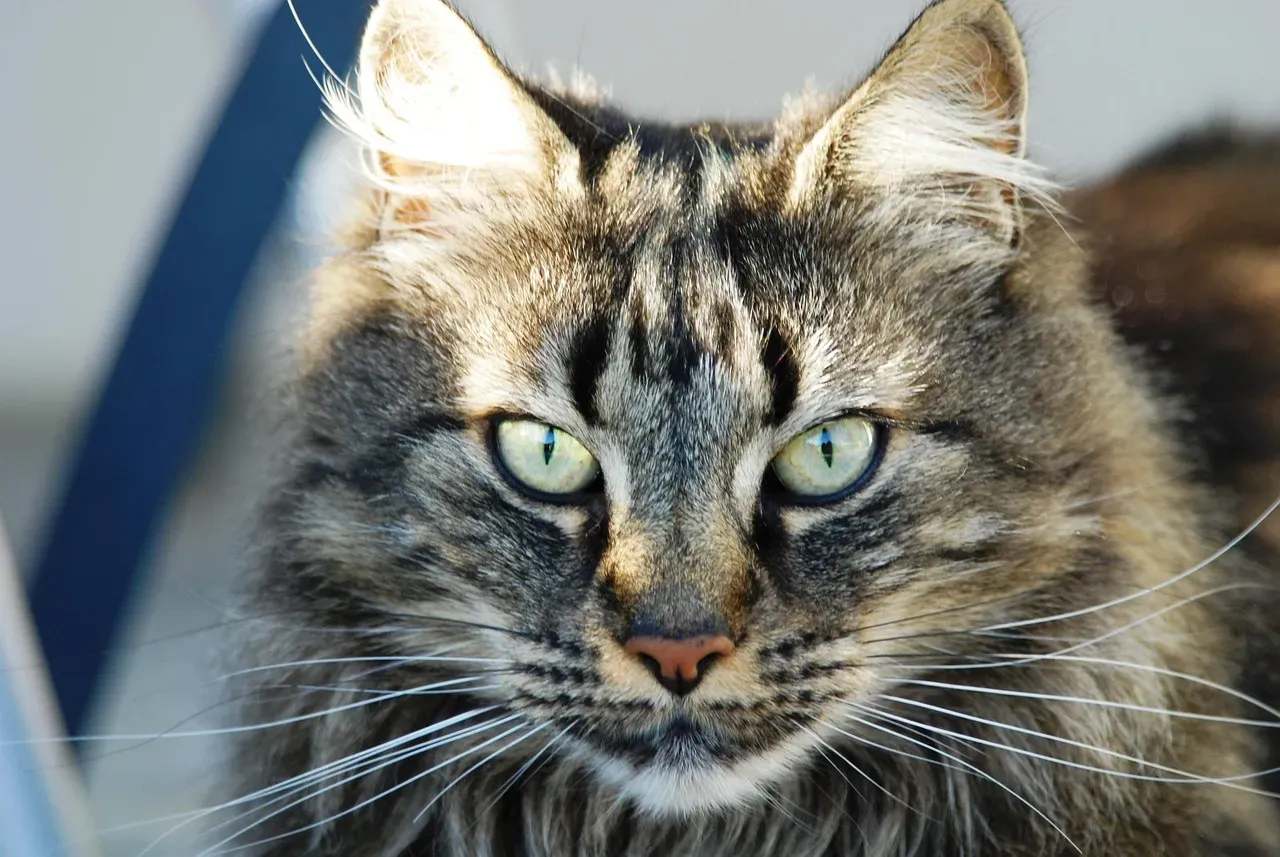
Here's the detail behaviourists wish every owner knew: it's not whether your cat purrs, it's whether the pattern suddenly changes. That shift is often the earliest sign something is wrong.
Sudden or unusual purring patterns can signal a genuine health concern, and behaviourists and vets treat this as real diagnostic information. A cat that stops purring out of nowhere, or one that suddenly starts purring constantly when it never used to, may be telling you it's unhappy or unwell.
Most owners only worry when a cat stops eating or starts hiding, not when its purring habits shift, yet professionals say the purr often changes first. The advice across veterinary sources is consistent: watch the pattern, not just the sound, and if the purring shows up alongside any change in your cat's normal behaviour, it's worth a vet visit rather than a shrug. But that's nothing compared to what we found about #13...
Worth Knowing
- A sudden stop in regular purring can be an early warning sign
- New, constant purring that wasn't there before is worth mentioning to a vet
- Rapid, clipped purring during obvious pain or breathing trouble needs attention
- Any purring change paired with appetite loss, hiding, or low energy warrants a checkup
#13 - Not Every Cat Purrs the Same Way, and That's Normal
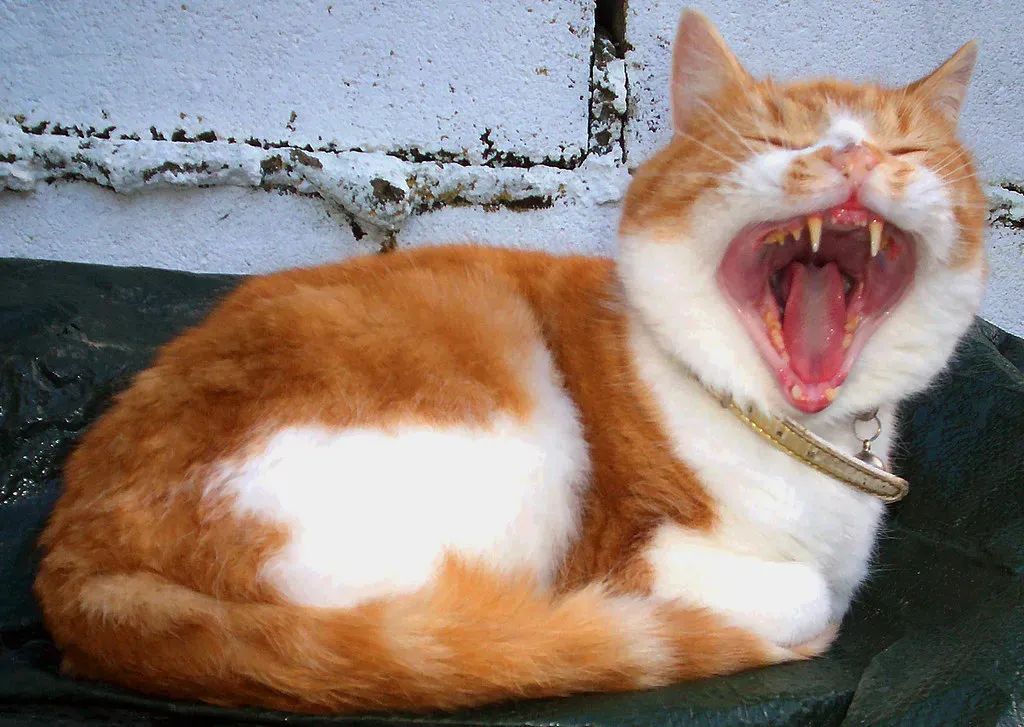
The final truth behaviourists want owners to accept is one that surprises a lot of people: a cat that rarely purrs isn't necessarily unhappy, and a cat that purrs constantly isn't necessarily thrilled.
A cat that purrs frequently isn't automatically in distress; some cats simply purr more because of personality. The flip side is just as true. Not every cat purrs at all, since some prefer to communicate through meows or body language instead.
Comparing your cat's purring habits to your neighbor's cat is essentially meaningless. Personality, history, and health all shape how vocal a cat becomes, which is exactly why behaviourists keep circling back to one final piece of advice above every other rule on this list: a vet or certified feline behaviourist can offer insight into your specific cat that no generic checklist ever will.
The Bottom Line
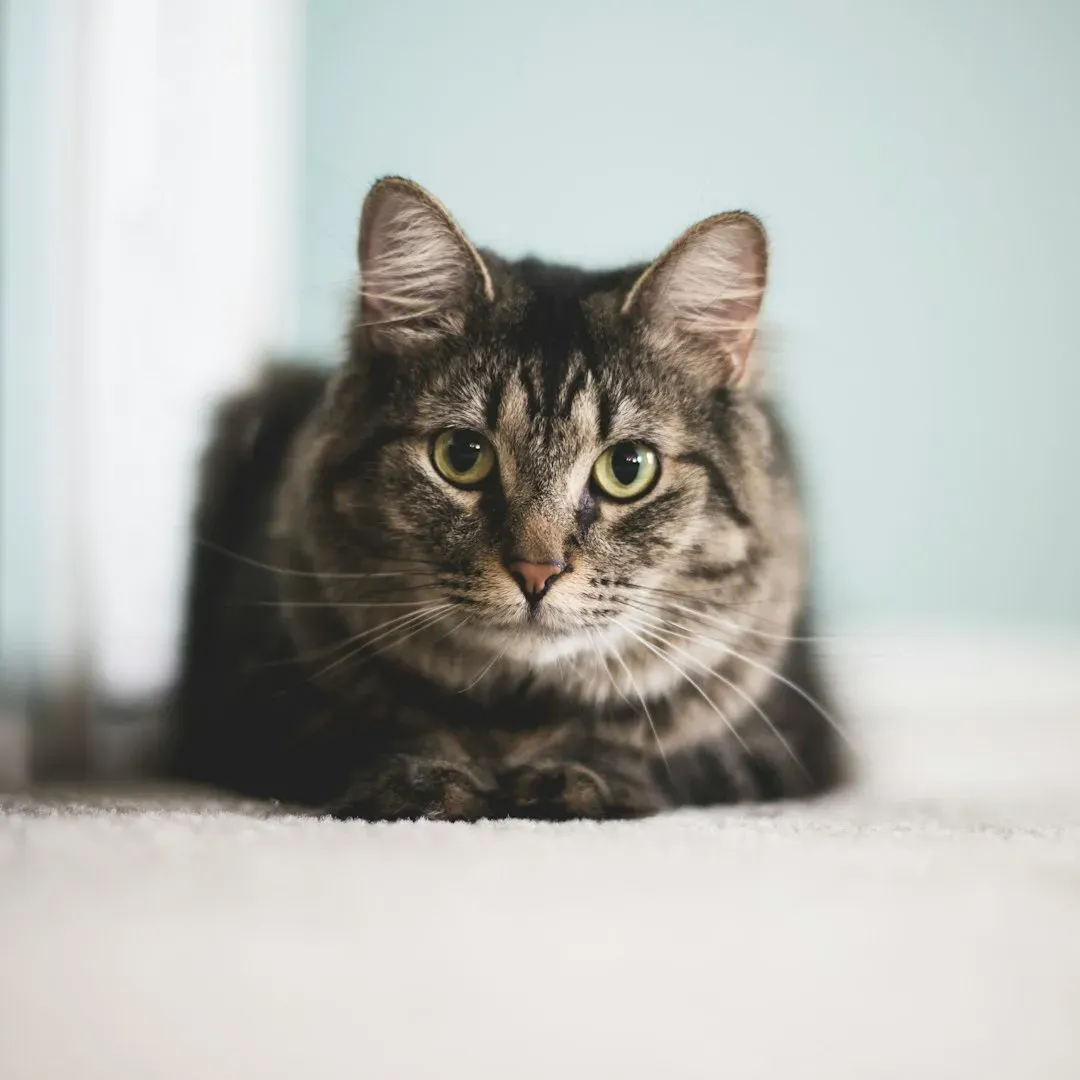
The idea that purring simply means "happy" is, according to behaviourists, one of the biggest myths in pet ownership. A purr can mean joy, fear, pain, hunger, or a desperate bid for help, and the only way to tell them apart is watching pitch, rhythm, and body language together, never the sound alone.
The most unsettling part of all this research isn't any single fact, it's the realization that cats have been purring through injury, labor, and life-threatening illness using the exact same rumble we've spent generations mistaking for a lazy Sunday nap. That's not a flaw in the system. It's an ancient survival tool doing precisely what it evolved to do, whether we're paying attention or not.
So next time your cat curls up and starts purring, don't just smile and assume. Ask yourself what its ears, eyes, and posture are saying underneath that sound. What has your cat's purring told you that surprised you? Drop it in the comments.