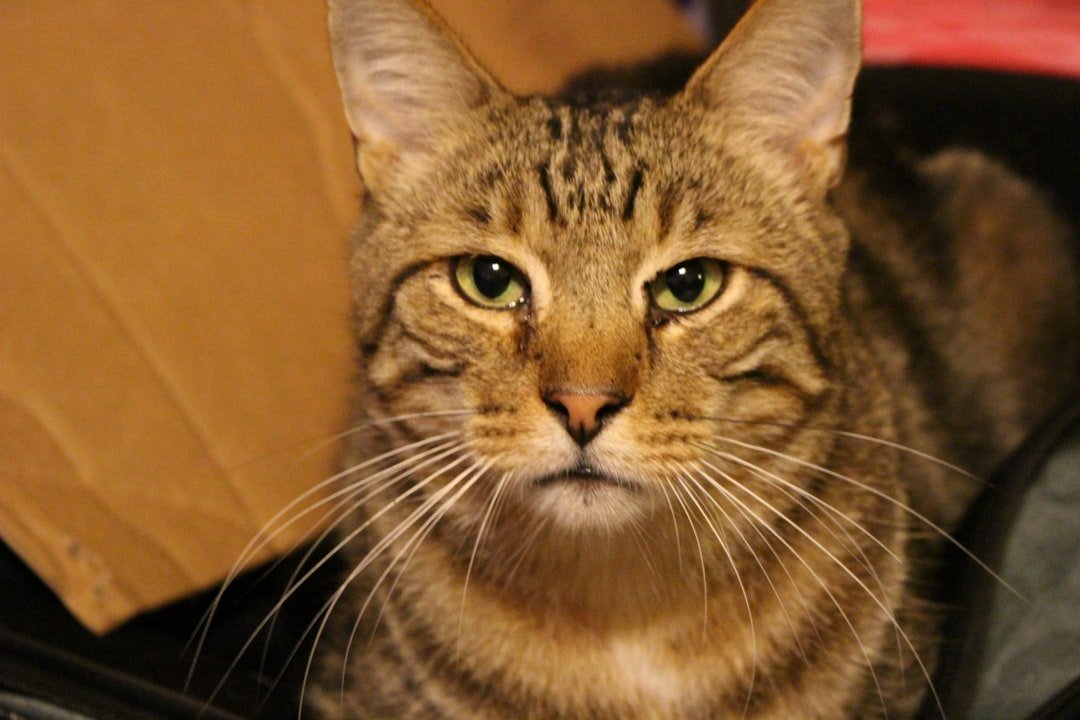
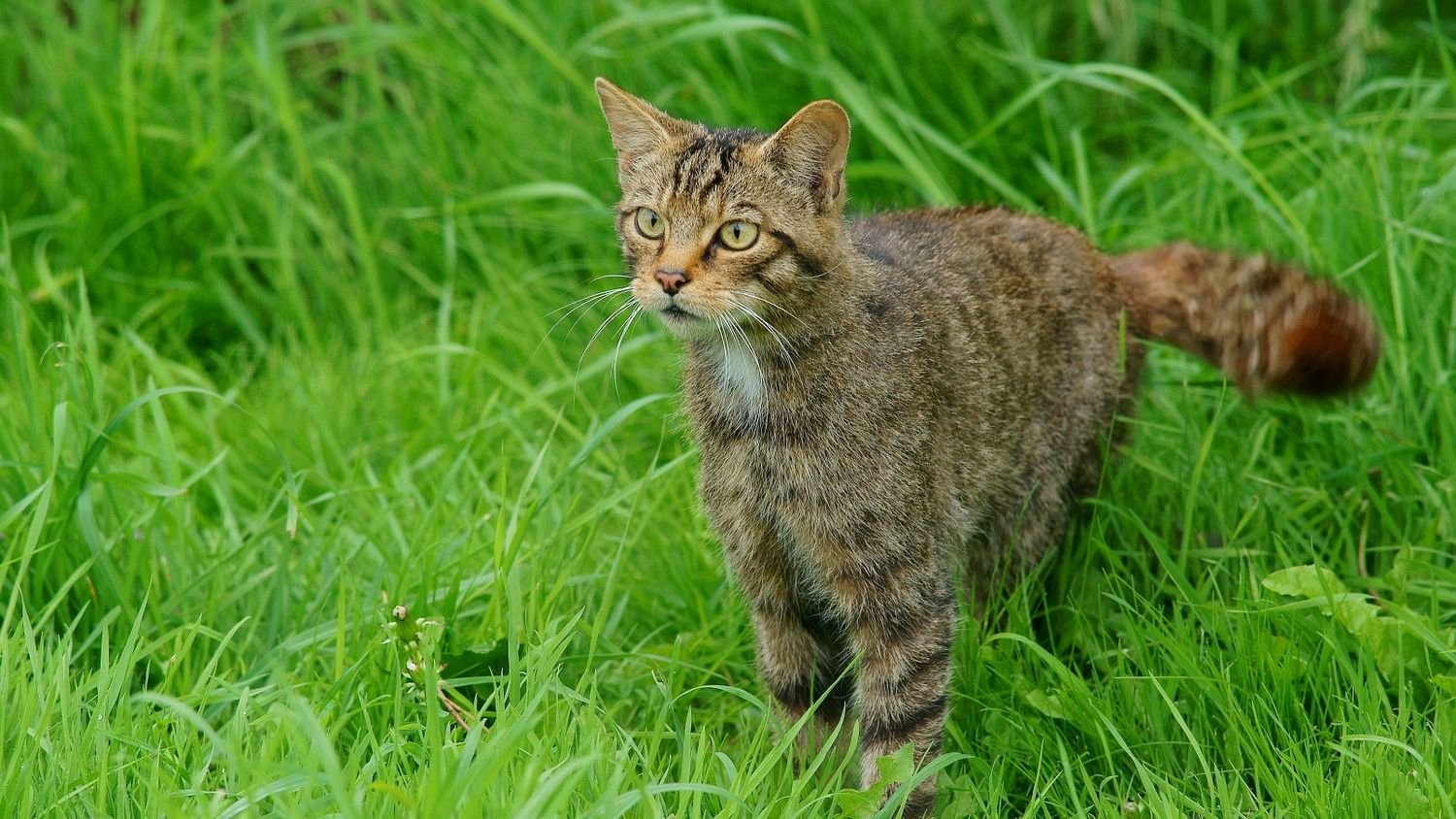
13 Quiet Ways Your Cat Says It Missed You While You Were Gone
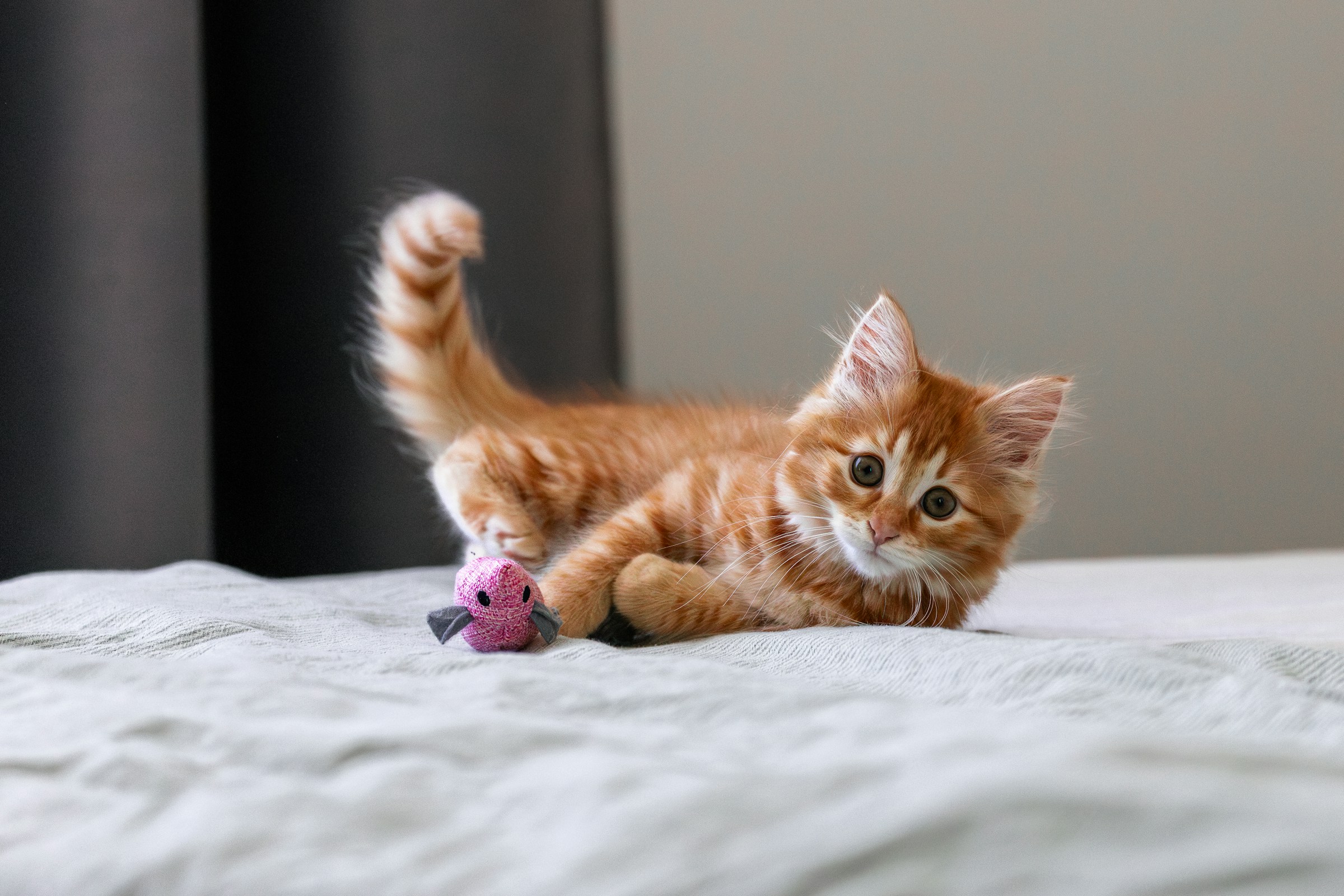
Most cat owners assume their pet doesn't notice when they're gone. Turns out, that's completely backwards. Veterinary behaviorists have documented very real "welcome home" rituals in cats that most people either miss entirely or completely misread as bad behavior, annoying habits, or random mood swings.
The truth is, cats are far more emotionally attuned to their humans than the "aloof cat" stereotype gives them credit for. So if your cat seems to ignore you the second you walk in, don't assume indifference - you might just be missing the signal entirely. Here's what animal behaviorists actually say about the quiet, coded language of a cat that missed you.
A cat has absolute emotional honesty: human beings, for one reason or another, may hide their feelings, but a cat does not.
Ernest Hemingway
#1 - The Slow Blink That Means "I Love You"
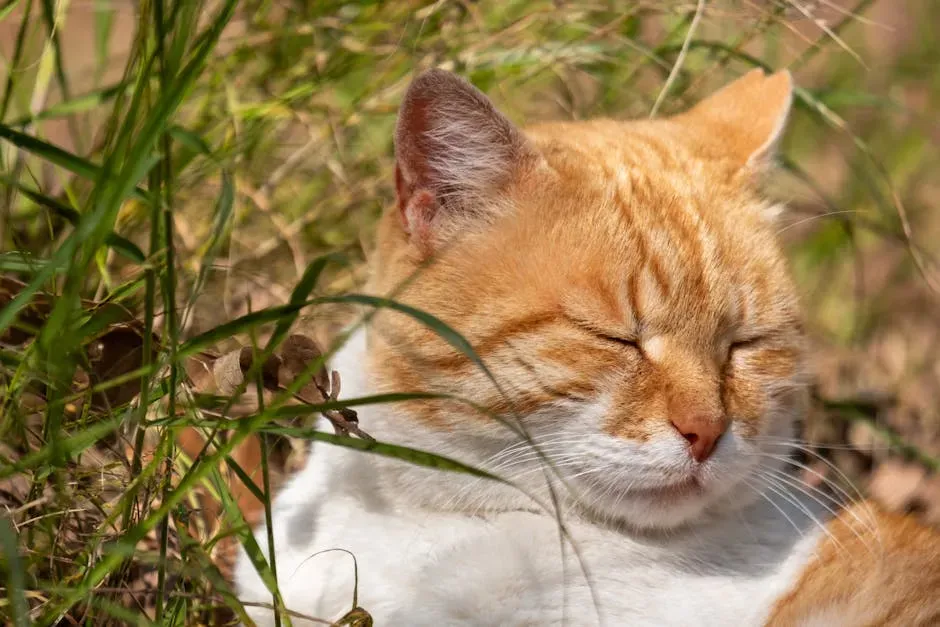
If your cat locks eyes with you and slowly closes and reopens its eyes, you're witnessing one of the most scientifically validated signs of feline affection there is.
Researchers have actually studied this behavior, and the findings are surprisingly clear: cats slow-blink more at their owners after being slow-blinked at first, and the behavior is linked to positive emotion, not just relaxation. Most owners never realize this "cat kiss" is a two-way conversation - you can slow-blink back and your cat will often respond in kind. If you've been away for hours and your cat gives you a slow blink from across the room before even approaching, that's not coincidence. That's your cat clocking your return and choosing to acknowledge it emotionally before physically. But #2 might be even more telling.
#2 - Head Bunting Is a Scent-Based Reunion Ritual
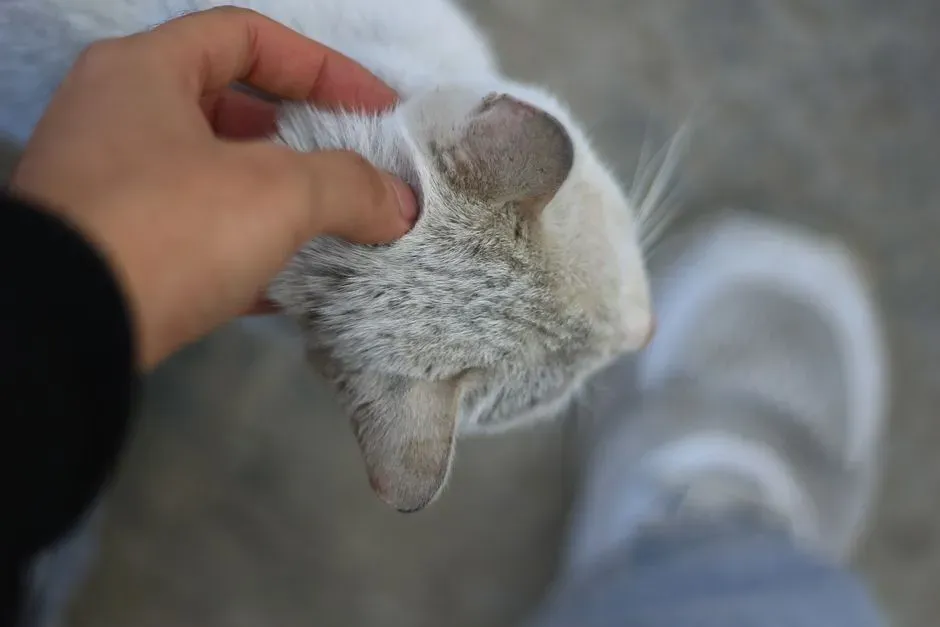
That head-butt your cat gives your shin isn't random affection - it's a deliberate act of claiming and comfort-seeking, and it means more than most people realize.
Cats have scent glands concentrated around their cheeks, forehead, and chin, and when they bunt their head against you, they're depositing pheromones that mark you as part of their trusted territory. Behaviorists note this is a behavior typically reserved for bonded relationships - cats don't head-bunt strangers or people they merely tolerate. Many owners mistake this for the cat wanting food, when it's actually closer to a hug. After a long absence, a cat that immediately seeks out head contact is essentially re-establishing the emotional and scent-based bond that time apart may have diluted. Small gesture, big meaning.
Fast Facts
- The scent glands around the face are identified as friendly or low-intensity.
- Head bunting is not displayed toward inanimate objects; it's a behavior reserved as a bonding gesture.
- The scent that they produce is undetectable by humans, but other cats can pick it up from a great distance.
Still, #3 is the one most owners get completely wrong.
#3 - The Question-Mark Tail Is a Dead Giveaway
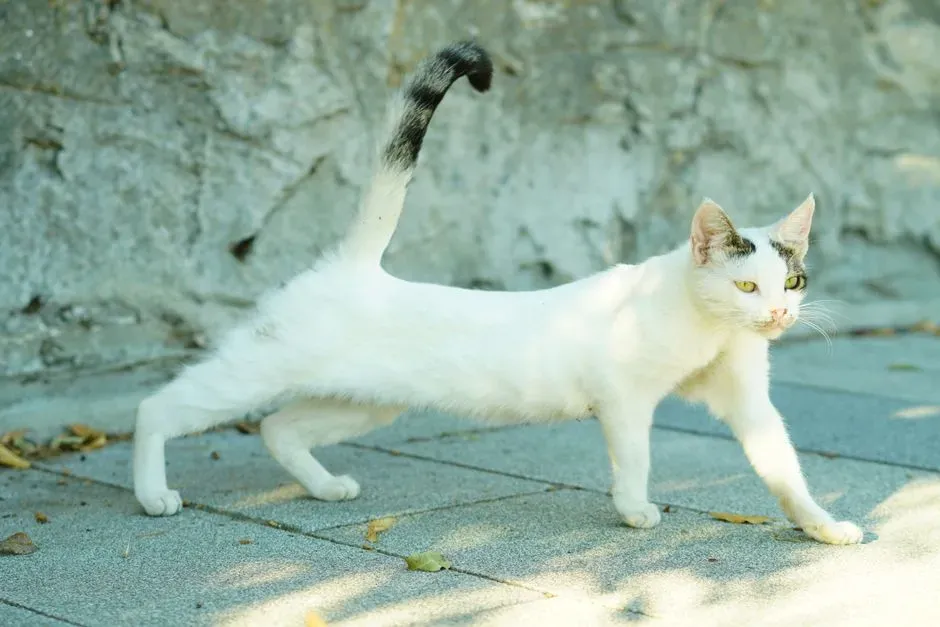
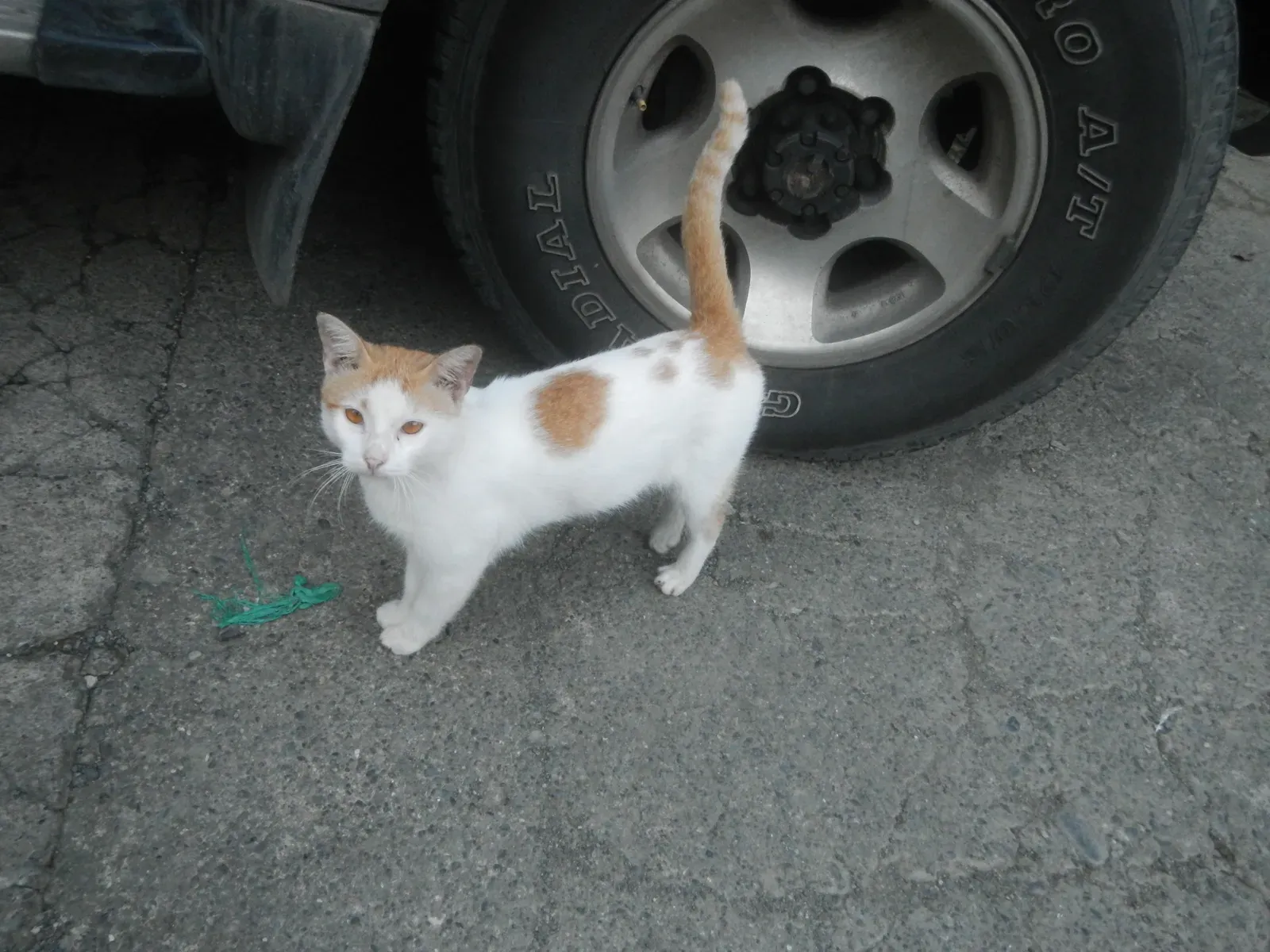
A tail held straight up with a slight curl at the top isn't just body language - it's one of the clearest "I'm happy you're here" signals a cat can give.
Unlike a low, flicking tail that signals irritation, an upright tail with a gentle hook communicates friendliness and confidence, and it's most commonly seen during greetings. Most people don't realize the tail position is actually a mood barometer more reliable than facial expressions, since cats' faces are far less expressive than dogs'. If your cat trots toward the door with its tail raised like a question mark the moment you walk in, that's a textbook greeting posture reserved for people they trust. Some behaviorists argue this signal alone is more honest than purring, since purring can also indicate stress. Yet #4 is the one behaviorists say gets dismissed the most.
#4 - Shadow-Following Isn't Neediness, It's Reassurance-Seeking
If your cat trails you from room to room after you've been gone, that's not clinginess - it's a documented attachment behavior with real science behind it.
Studies on cat-owner attachment have found that cats display secure and insecure attachment styles similar to those seen in human infants and dogs, meaning some cats genuinely seek proximity after separation to reassure themselves you're actually back. This directly contradicts the old myth that cats are indifferent to their owners' comings and goings. A cat that silently pads behind you as you unpack groceries or change clothes is essentially checking in, room by room, to recalibrate its sense of safety.
Quick Compare: Cat Attachment Styles
- Secure (roughly two-thirds of cats): greeted their owners warmly, rubbed against the person or allowed physical contact, before going to explore the room or play with a toy.
- Insecure-ambivalent: sat in their owner's lap and demanded constant attention.
- Insecure-avoidant: hid or ran away from physical contact, even though it's still bonded to you.
While some owners find shadow-following mildly annoying, many experts now argue it's one of the most underrated signs of genuine feline attachment. And #5 traces back even further than you'd guess.
#5 - Kneading Is a Leftover Kitten Comfort Behavior
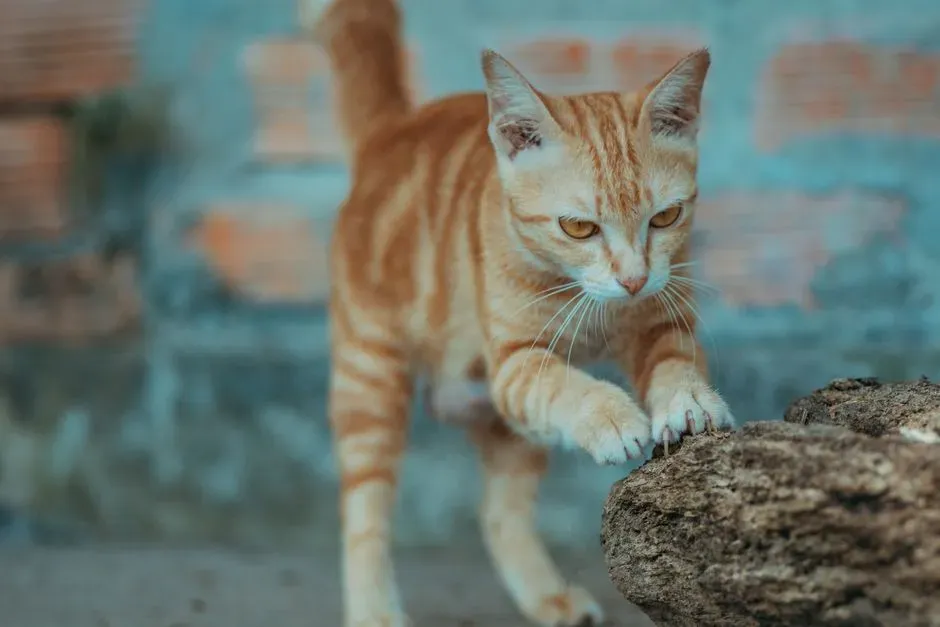
That rhythmic paw-pressing your cat does on your lap or blanket traces directly back to nursing behavior from kittenhood.
Kittens knead their mother's belly to stimulate milk flow, and many cats never fully outgrow the motion - instead repurposing it as a self-soothing ritual tied to comfort and security. Few owners realize kneading is essentially a cat regressing to its safest, most contented state, which is exactly why it tends to spike right after a reunion. If your cat climbs onto your lap and starts kneading within minutes of you walking through the door, it's recreating the physical comfort of being close to a trusted caregiver. Some cats even drool or purr loudly during this, which only reinforces how deeply rooted the behavior is in emotional security. Wait until you see what #6 says about your cat's instincts.
#6 - The "Gift" on Your Pillow Is a Big Deal
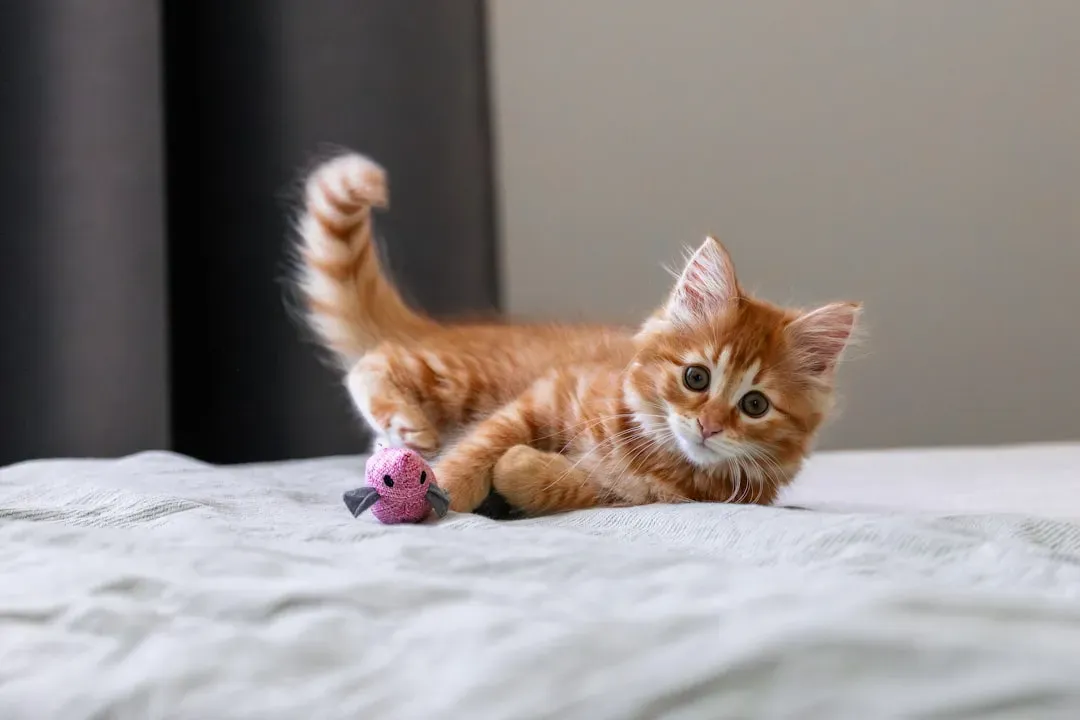
Finding a toy mouse or random object left on your bed after you've been away isn't your cat being weird - it's a behavior borrowed straight from wild cat instincts.
In feral and semi-domestic cat populations, bringing prey back to a den is tied to provisioning behavior - essentially sharing resources with trusted companions. Most owners assume this is purely a hunting reflex, but many behaviorists interpret it as a cat treating its human as part of its social unit, especially when the "gift" appears specifically after time apart. This is one of the more debated interpretations in cat behavior circles - some experts argue it's simply displaced hunting energy with no emotional intent at all. Either way, the timing is rarely random. But #7 flips the script on what most people assume.
#7 - The Belly-Up Roll Is Vulnerability, Not an Invitation
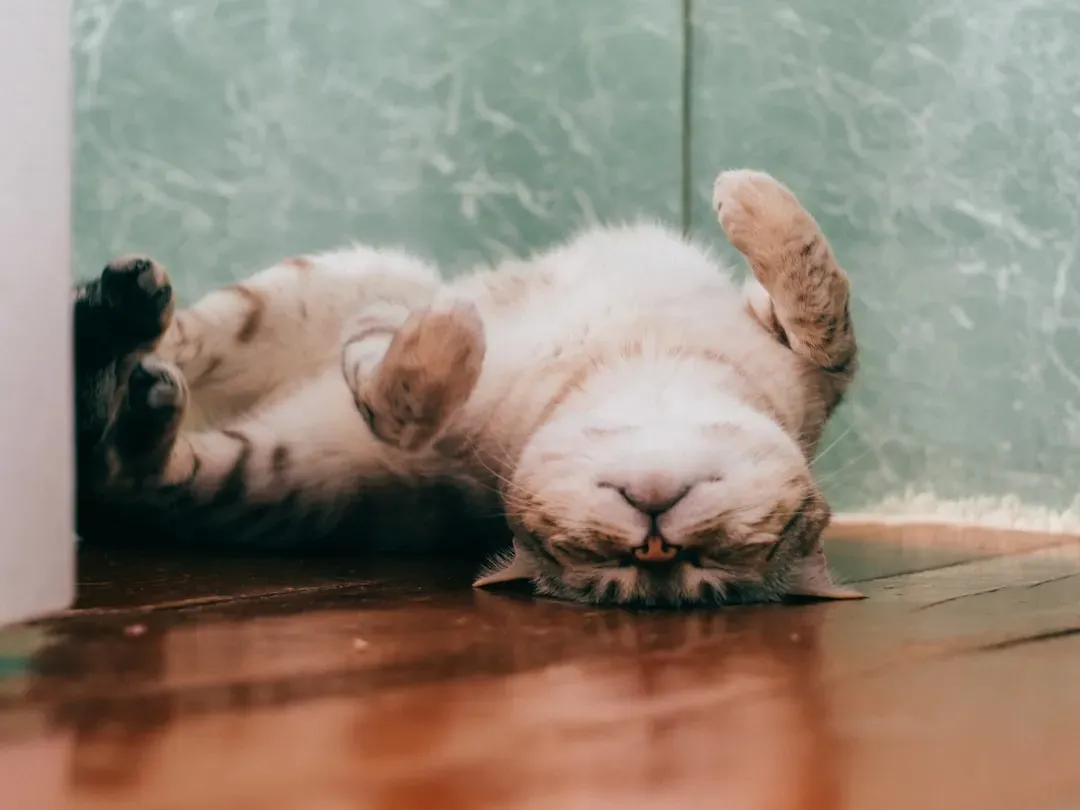
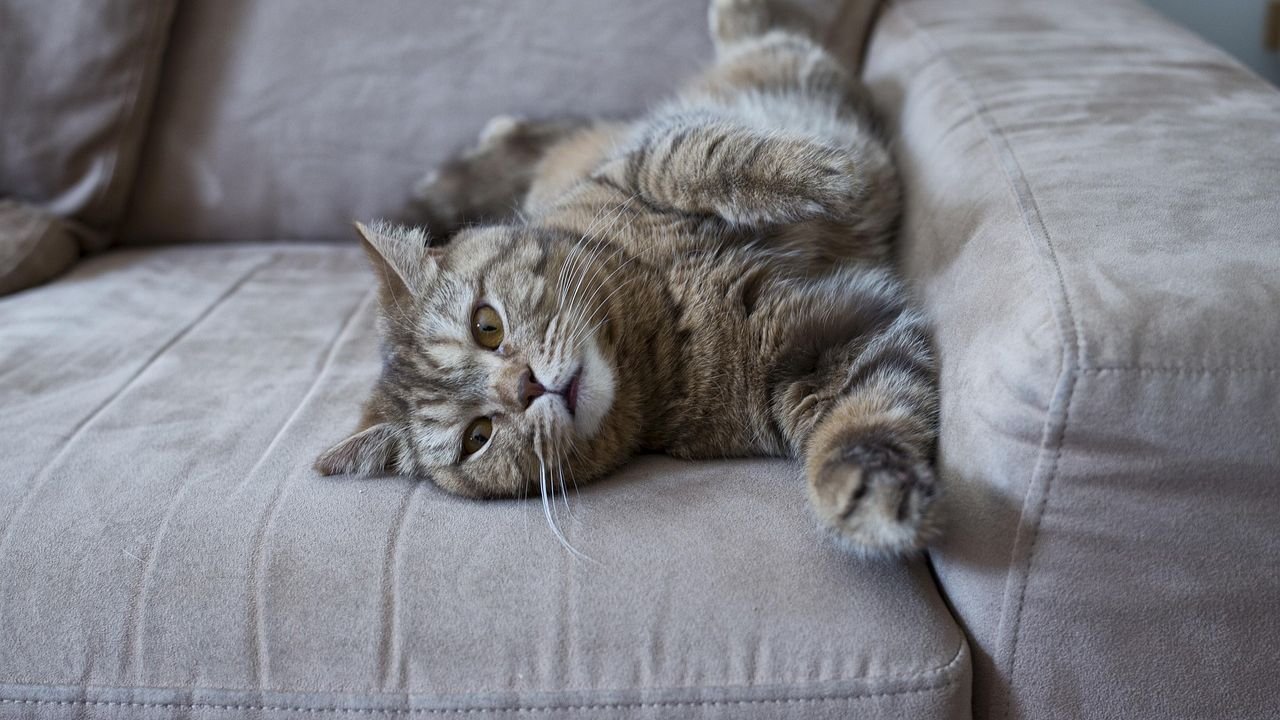
A cat rolling onto its back and exposing its stomach the moment you walk in is showing you the single most vulnerable posture in its entire body language repertoire.
Unlike dogs, most cats don't actually want a belly rub - the exposed stomach is a trust signal, not a request. This is one of the most misunderstood cues in cat communication, and reaching for the belly often gets owners a swift paw-swat in return. Behaviorists say a cat that greets you with this pose after an absence is essentially saying "I feel safe enough with you to be completely defenseless right now." Instead of petting the belly, most experts recommend simply acknowledging the gesture with a calm voice or a slow blink back. #8 sounds almost nothing like a typical cat noise.
#8 - Chirps and Trills Are Reserved for People They Like
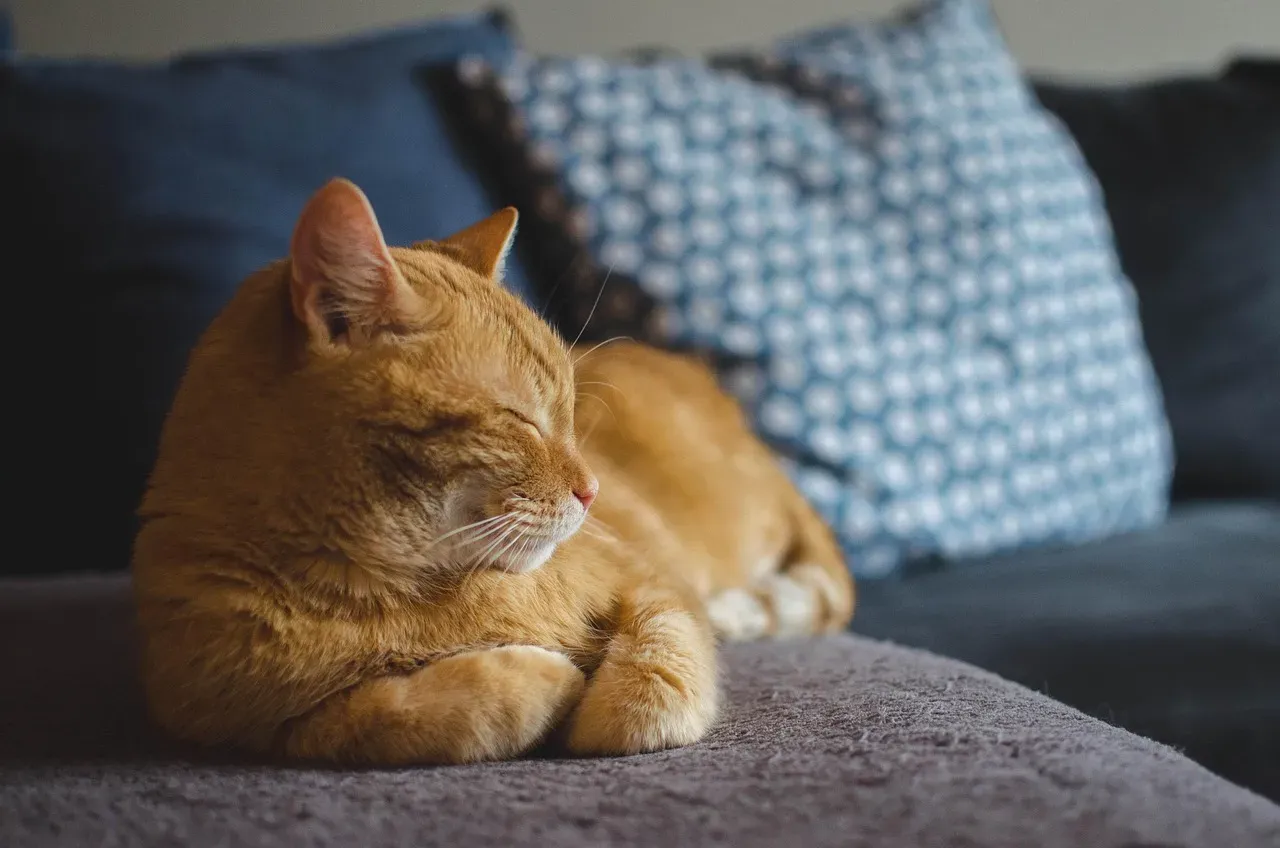
That odd, bird-like chirping sound - different from a meow or a purr - is a vocalization cats largely use with humans and kittens, not with each other in adult life.
Trilling behavior is thought to have originated as a mother cat's way of calling her kittens to follow her, and many adult cats repurpose it specifically for their favorite humans. Most owners don't realize this sound is essentially a cat's version of an excited greeting call, distinct from the more generic meow used to demand food or attention.
At a Glance: Cat Sounds and What They Mean
- Standard meow: general attention-seeking, often tied to food or routine demands.
- Chirp or trill: an excited, affectionate greeting borrowed from mother-to-kitten calls.
- Purr: usually contentment, but can also signal stress or self-soothing.
If your cat greets your return with a chirrup instead of a flat meow, that's a meaningfully different message tied to genuine excitement rather than routine demand. Some behaviorists even argue the trill is one of the purest indicators of affection in a cat's vocal range, since it's rarely used manipulatively the way meowing sometimes is. #9 hides in plain sight - literally in your laundry.
#9 - Sitting on Your Clothes Is About Scent, Not Comfort
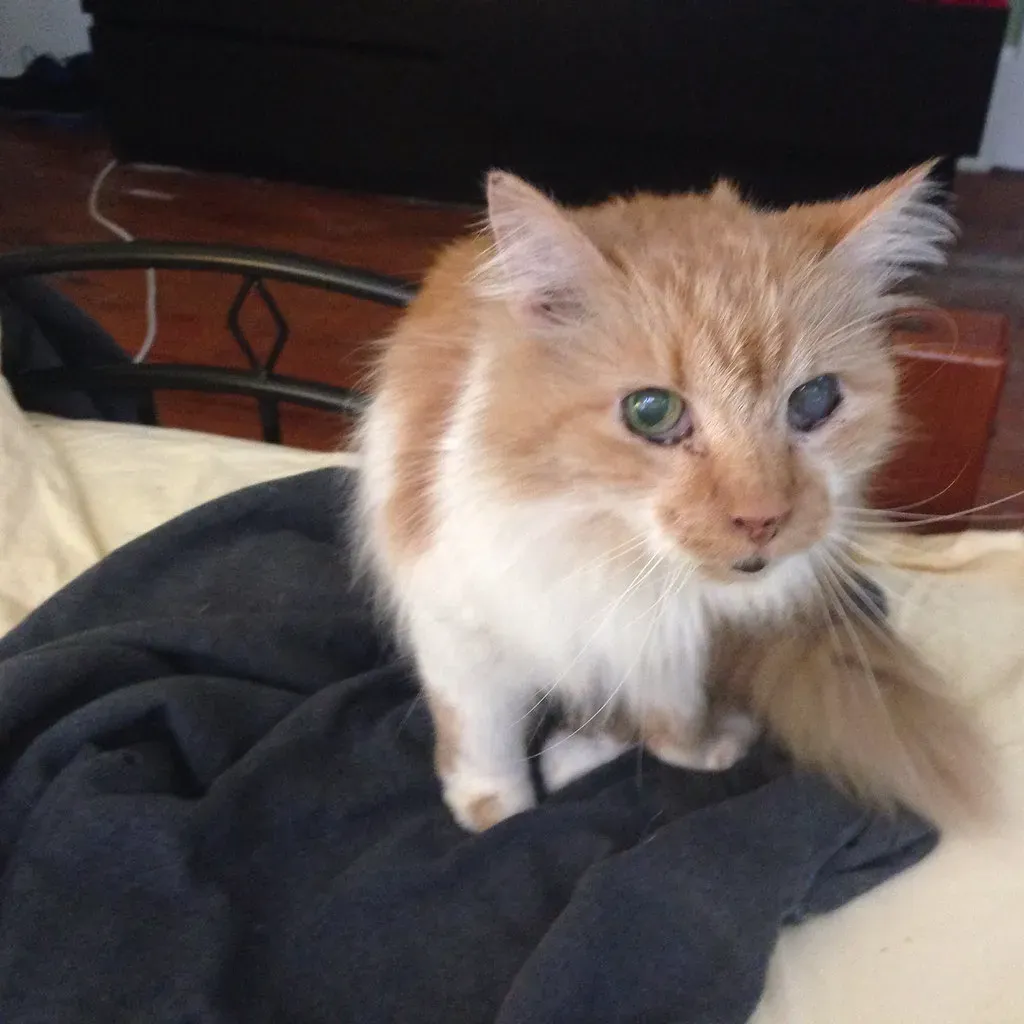
If you come home to find your cat curled up on the sweater you wore that morning, it's not a coincidence - it's a scent-seeking behavior tied directly to your absence.
Cats have a powerful reliance on scent for emotional regulation, and items carrying an owner's smell can function almost like a security blanket during periods of separation. Many owners assume the cat is just drawn to soft fabric, when it's actually chasing the smell underneath it. This behavior tends to intensify the longer you've been away, which is why cats often gravitate toward worn clothing, unwashed bedding, or shoes left by the door. It's a quiet, easily overlooked sign - but it reveals just how much cats use scent memory to stay emotionally connected to people even when they're physically apart. #10 takes bonding to a whole new level.
#10 - Grooming You Is the Ultimate Bonding Behavior
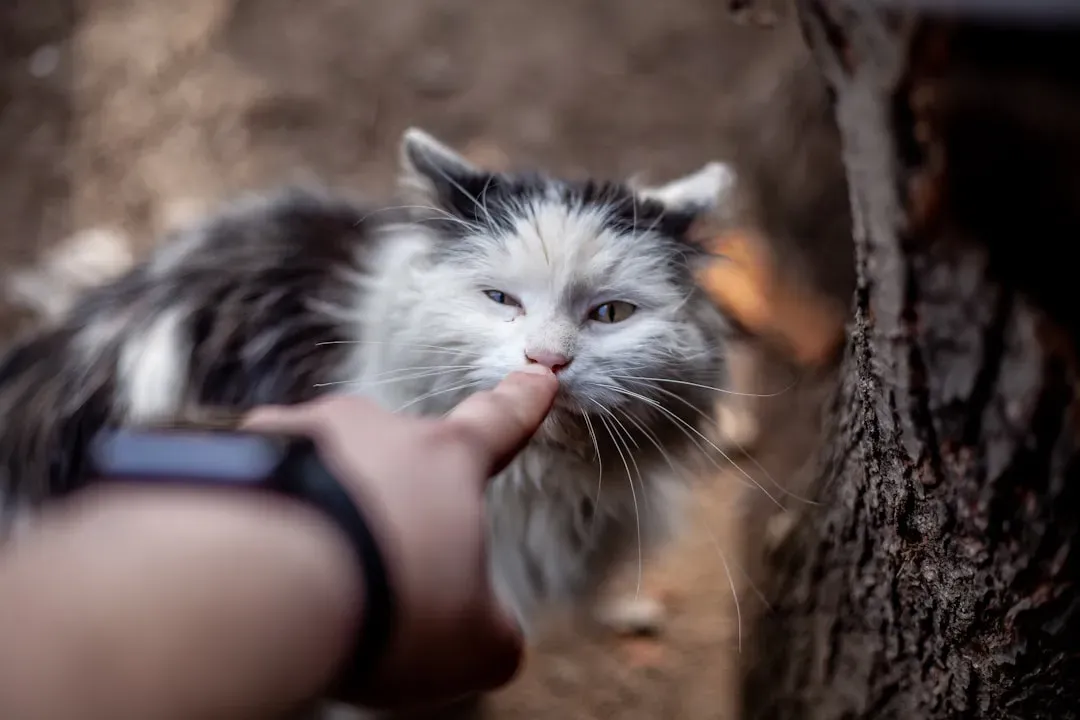
A cat licking your hand, arm, or hair isn't just odd texture curiosity - it's a behavior lifted directly from social bonding rituals used between cats that live in close family groups.
Allogrooming, as behaviorists call it, is typically reserved for cats within the same trusted social circle, and extending it to a human is considered one of the clearer signs of a strong bond. Most people don't realize this behavior essentially places you in the same social category as another cat, which is a significant elevation in feline social terms. If this grooming ritual specifically ramps up after you've been gone, that's likely your cat reinforcing the bond through repetition, almost like a reunion ritual. Some cats even over-groom a hand or wrist slightly after long absences, which experts suggest is less about hygiene and more about emotional release. #11 combines two signals into one single move.
#11 - The Ankle Rub Isn't Random, It's a Reunion Signal
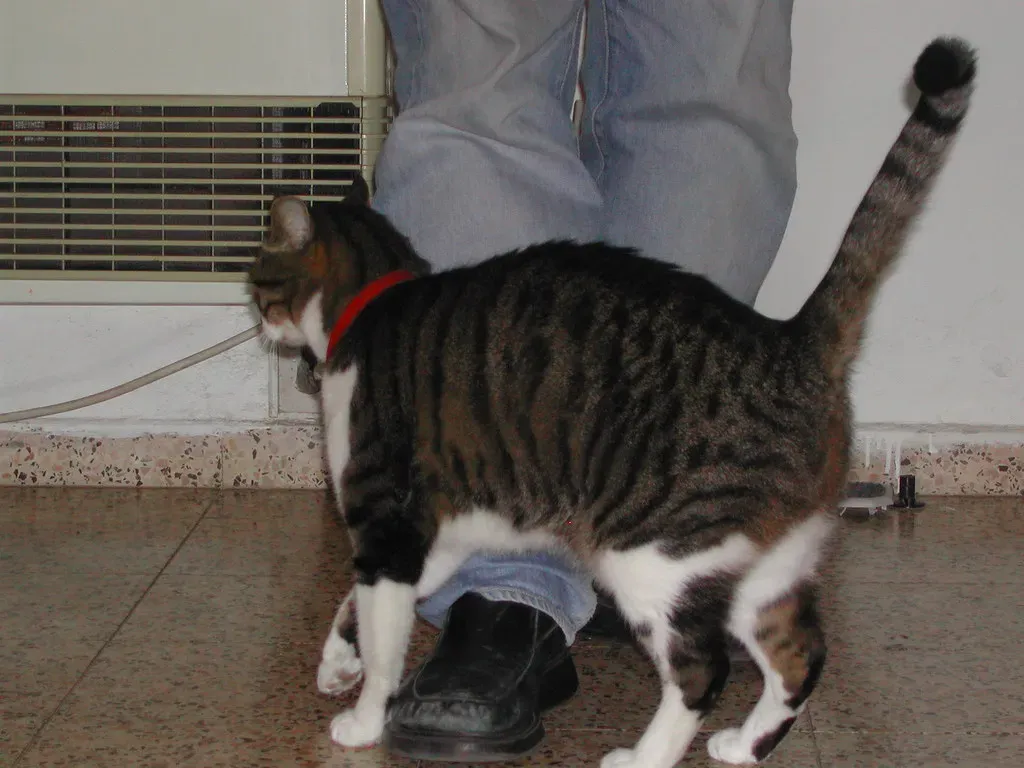
Rubbing against your legs the second you walk through the door combines two behaviors in one: scent-marking and physical greeting, layered together.
This is different from head bunting because it's a full-body action, often repeated multiple times in a figure-eight pattern around your ankles. Behaviorists note this specific greeting style is disproportionately common right after an absence, compared to random moments throughout the day. It's essentially your cat re-marking you as part of its territory after a period where your scent naturally faded.
Worth Knowing
- When a cat weaves around your legs, they are using scent glands on their body to mark you with their scent, even though it can feel like a tripping hazard.
- This full-body rub is a distinct ritual from a simple head bunt - it's repeated, deliberate, and often circles your ankles.
- Many cats perform this before mealtime even factors in, suggesting the motivation is social first, practical second.
Owners who dismiss this as the cat "just wanting food" are missing the actual sequence - many cats perform this ritual well before mealtime even factors in, suggesting the motivation is social first, practical second. #12 proves cats track your schedule better than you'd think.
#12 - Meowing at the Door Means More Than You Think
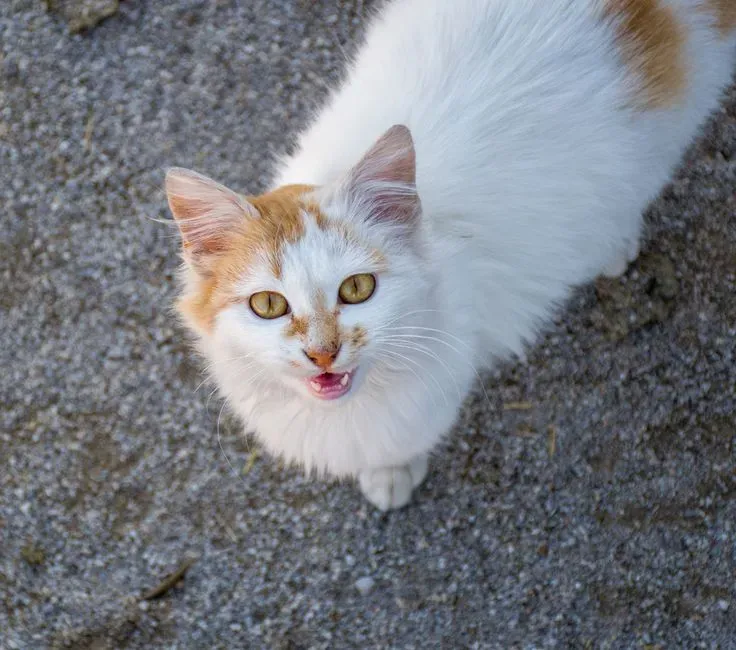
A cat that starts meowing before you've even fully opened the door is engaging in anticipatory vocal behavior, not just reactive noise.
Cats have sharp hearing and can often detect a familiar car, footstep pattern, or key jingle well before a person is visible, and vocalizing in response suggests genuine anticipation of your arrival. This preemptive meowing is one of the more concrete signs that cats track time and routine far more closely than they're given credit for. Some cats develop specific meow patterns reserved almost exclusively for homecomings - different in pitch or urgency from meows used to request food. This distinction matters because it shows a level of behavioral specificity that undercuts the idea that cats are indifferent to schedules or absence at all. But #13 is the one many behaviorists call the ultimate proof.
#13 - Choosing to Sleep Against You Is the Final Proof
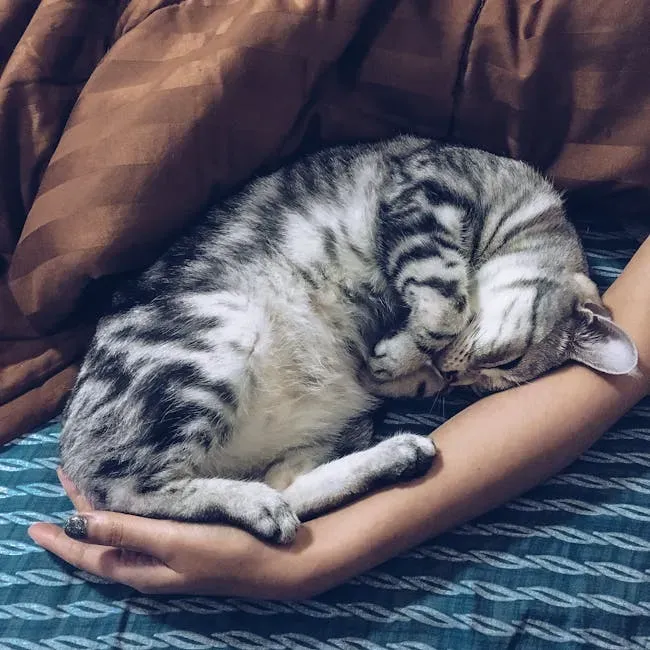
Of every behavior on this list, a cat choosing to sleep pressed against you - rather than in its usual solo spot - is considered by many behaviorists to be the strongest indicator of trust and attachment there is.
Sleep is a uniquely vulnerable state for any animal, and cats are instinctively wired to seek safety before fully powering down. Choosing a person's body as that safe zone, especially right after a period of separation, is essentially the highest compliment a cat can pay. This behavior often intensifies specifically after an absence, with cats sleeping closer, longer, or more frequently against their owner for the first night or two following a reunion. It's a subtle shift, but one many owners recognize immediately once they know what to look for - the cat that normally sleeps across the room suddenly wants to be touching you instead.
The Bottom Line
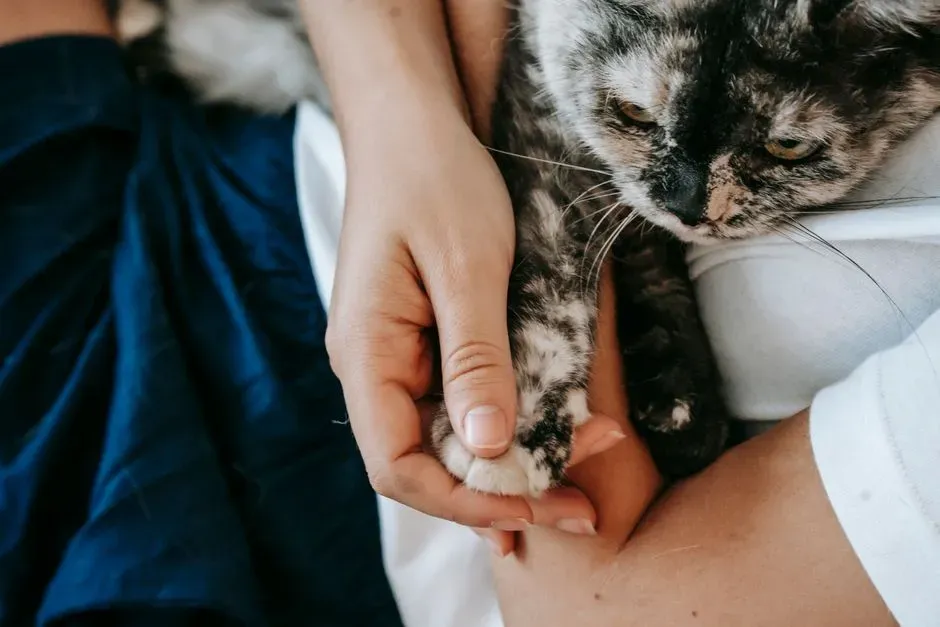
Cats were never the emotionally detached animals popular culture made them out to be - they just communicate loyalty in quieter, easily missed ways. From slow blinks and scent-marking rituals to reunion-specific meows, the evidence points to a species that notices absence far more than skeptics assume.
If anything, the "aloof cat" stereotype has done real damage, causing owners to overlook genuine bonding behavior simply because it doesn't look like a dog's enthusiastic greeting. The truth is messier and more interesting: affection on a cat's terms, delivered in its own coded language - and once you learn to read it, you'll never look at an "indifferent" cat the same way again.