22 Things You Do That Your Cat Secretly Loves
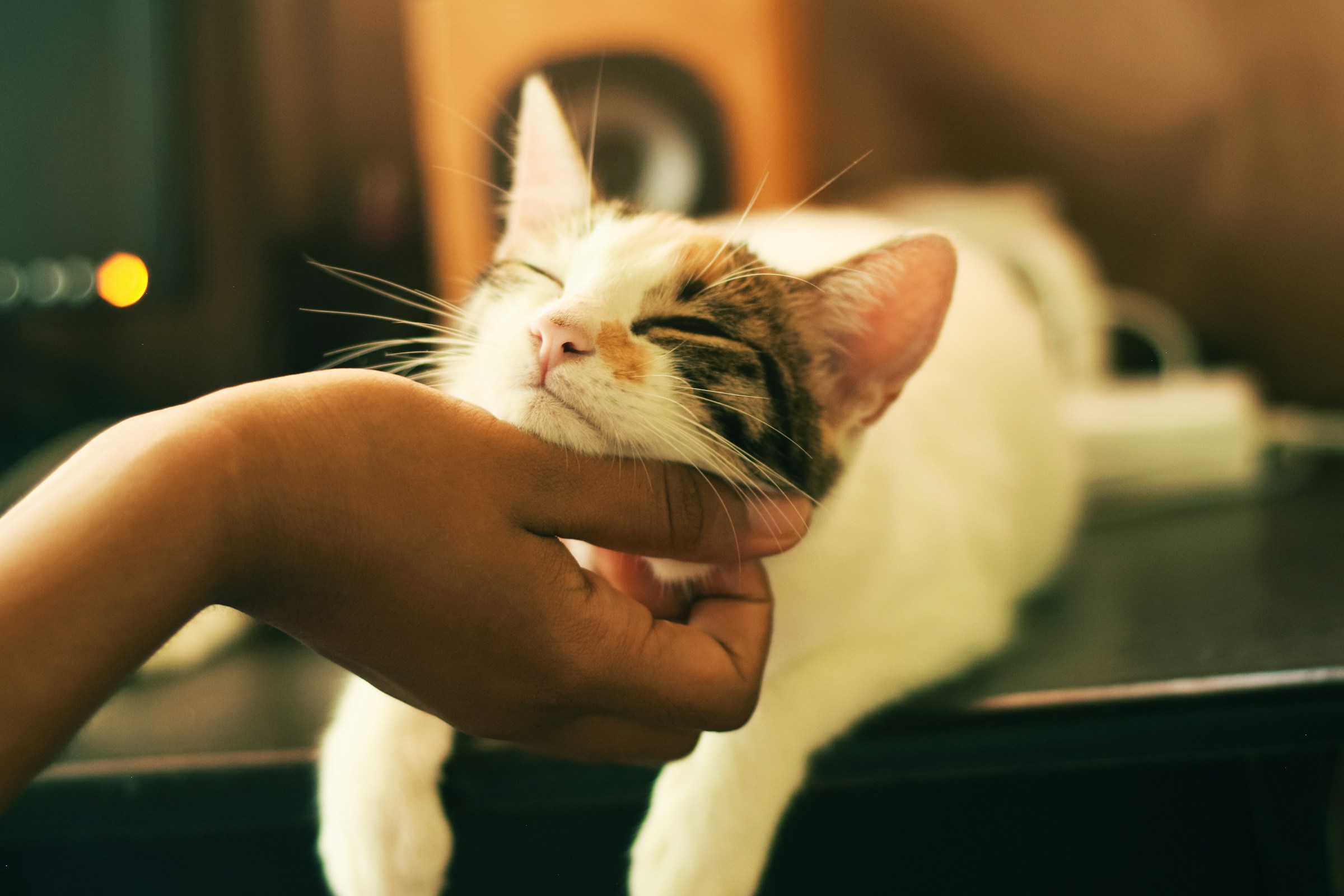
Most cat owners assume their feline overlord barely tolerates them, let alone loves them back. But new behavioral research keeps flipping that script - revealing that a bunch of ordinary habits you already have are actually feline love language in disguise. Cats are just terrible at announcing it the way a dog would.
Scientists studying domestic cats have found they're far more socially wired than the aloof stereotype suggests, and some of your most unconscious daily habits are quietly registering as trust and affection deep in your cat's brain. The signals rarely look like what you'd expect. Here are the 22 things you're already doing that your cat secretly adores - starting with something you probably do without even thinking about it.
#1 - Talking to Your Cat Like It's a Tiny Human
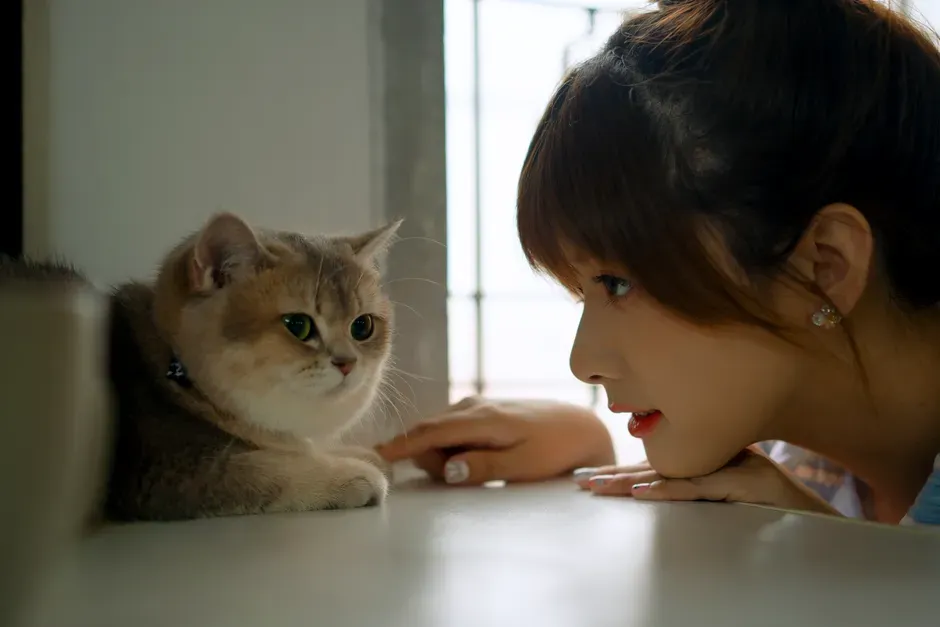
Yes, that baby-voice conversation you have with your cat every morning is doing something.
Cats have evolved to respond specifically to human speech patterns, and studies on domestic cat cognition show they can distinguish their owner's voice from a stranger's. Most cats actually prefer a higher-pitched, sing-song tone over a flat, monotone voice, because it mimics the friendly chirps and trills cats use with kittens and trusted companions.
Talking constantly to your cat also reinforces routine and predictability, two things cats crave more than almost anything else. It signals you're paying attention to them, which matters more than most owners realize - and the next habit works the exact same magic without a single word.
#2 - The Slow Blink You Give Them Across the Room
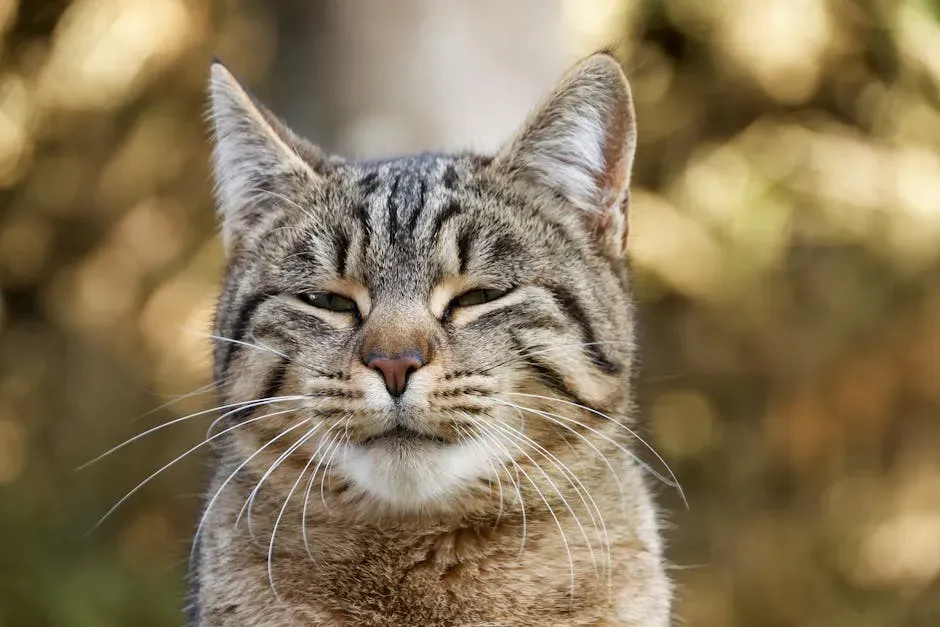
That lazy, half-closed eye look you give your cat isn't sleepiness. It's a conversation.
You've probably seen that partially closed eyes expression paired with slow blinking, similar to how human eyes narrow when smiling, usually when a cat feels relaxed and content. Researchers designed formal experiments to test this, and cats were more likely to slow-blink back at their humans after their humans slow-blinked first, compared to a no-interaction control.
Turns out this "cat smile" is a two-way trust signal, not just a random tic. Cats who feel safe use it on people they consider non-threatening. Try it next time your cat stares at you across the room - the payoff is often an instant slow blink back.
Fast Facts
- The study behind this trend was run by researchers at the Universities of Sussex and Portsmouth and published in Scientific Reports.
- The first revealed that cats are more likely to slow blink at their owners after their owners have slow blinked at them, compared to when they don't interact at all.
- The second experiment, this time with a researcher from the psychology team, rather than the owner, found that the cats were more likely to approach the experimenter's outstretched hand after they'd slow blinked at the cat, compared to when they had adopted a neutral expression.
- The effect worked with both familiar owners and total strangers, which is why the technique is now used in some shelters and vet clinics to calm nervous cats.
#3 - Leaving Them Alone When They Retreat
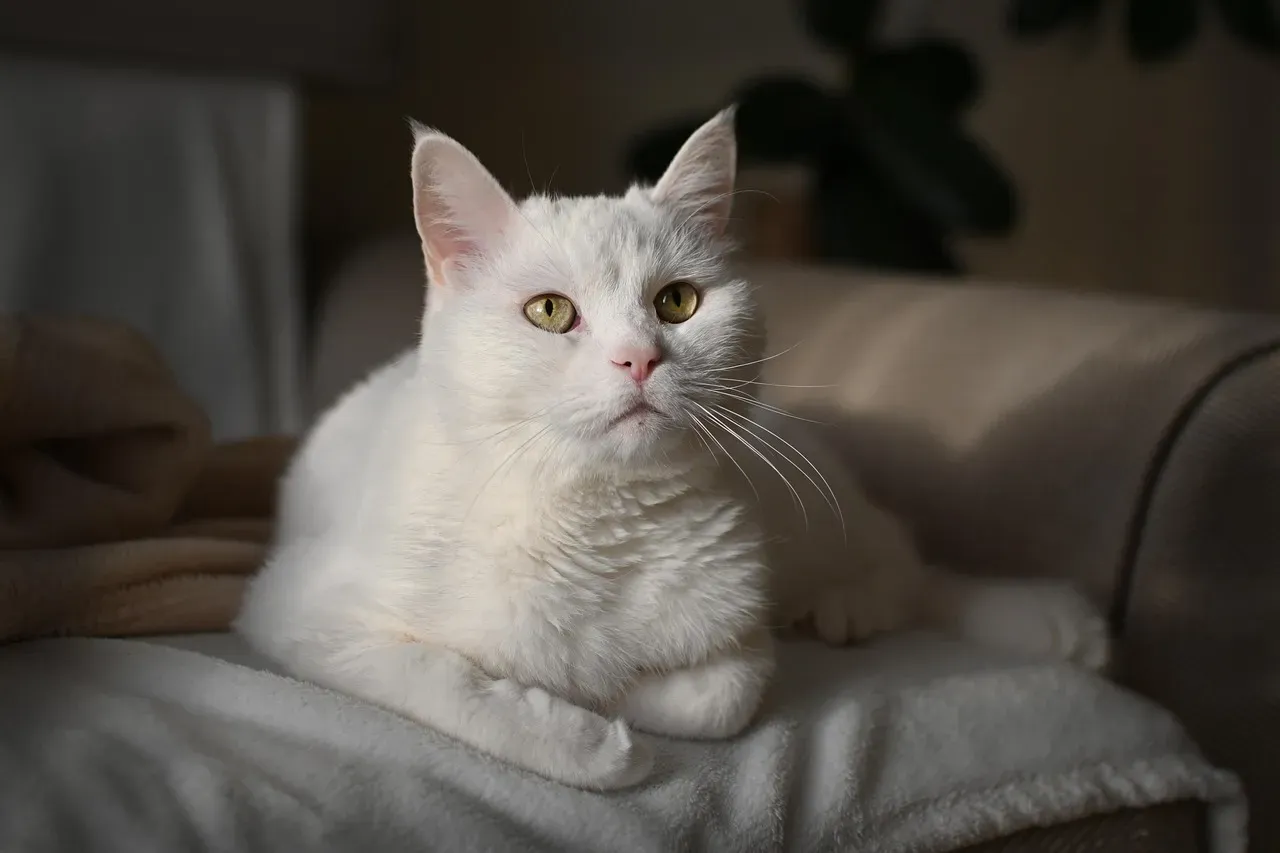
Most people feel guilty when their cat walks away mid-cuddle, but experts argue that's exactly backwards.
Cats are both predator and prey in the wild, which means they're hardwired to need control over their own space. Secretly, giving your cat the freedom to disengage without chasing them down is one of the biggest trust-builders you can offer. It tells your cat that affection with you comes without pressure or demands.
Forcing interaction - picking them up when they clearly want down, following them into another room - actually erodes the very bond owners are trying to build. Letting a cat leave and come back on its own terms is what keeps that relationship stable long-term, and it sets up the next habit perfectly.
#4 - Getting Down to Their Level
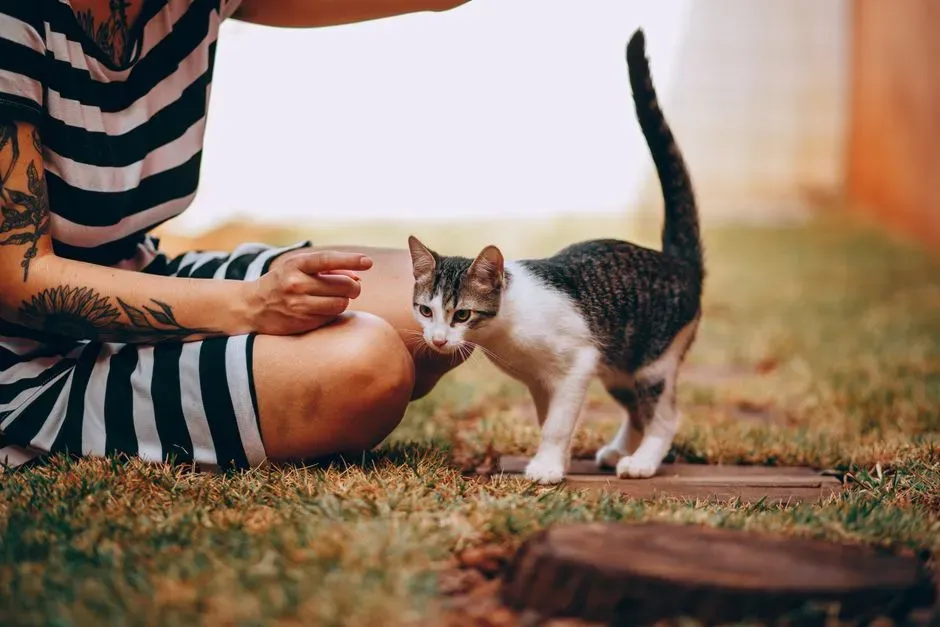
Sitting or kneeling on the floor near your cat does more than look silly - it fundamentally changes how safe they feel around you.
Standing over a cat, especially leaning down from above, mimics a predatory posture in feline body language. Most people don't realize that towering over a cat can trigger the same defensive instincts as an actual threat, even from someone the cat trusts completely.
By getting low, you're removing that power dynamic entirely and putting yourself at eye level, which cats interpret as non-threatening and cooperative. This is part of why cats often approach guests who ignore them and sit on the floor faster than people who lean in and coo at them from above.
#5 - Letting Them Choose When to Be Petted
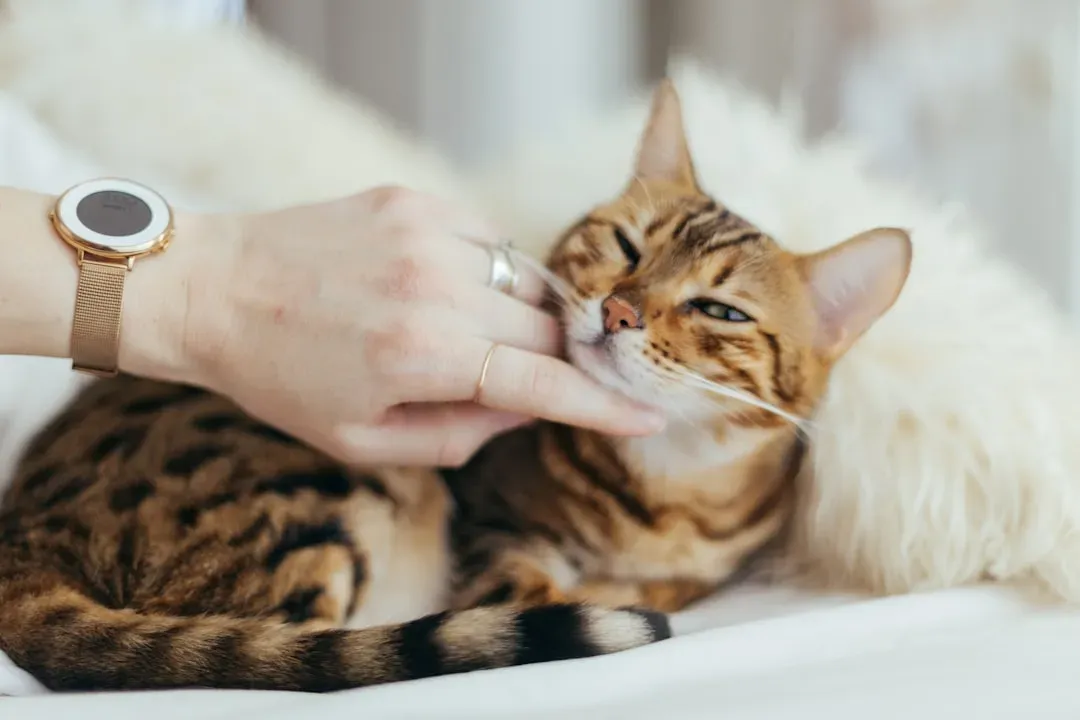
Contrary to popular belief, chasing your cat around the house for cuddles is the opposite of what builds affection.
Cats are famously particular about touch, and for good reason - unlike dogs, they didn't evolve as a purely social pack species. Experts now argue that letting your cat initiate contact, rather than grabbing them for a pet session, is one of the biggest factors in how secure a cat feels with its owner.
When a cat walks over, rubs against your leg, or hops onto the couch beside you, it's making a conscious choice to be close. That choice matters far more to a cat's brain than being picked up on your schedule. Respecting it, even when you're desperate for a cuddle, pays off every single time.
#6 - Keeping a Predictable Daily Routine
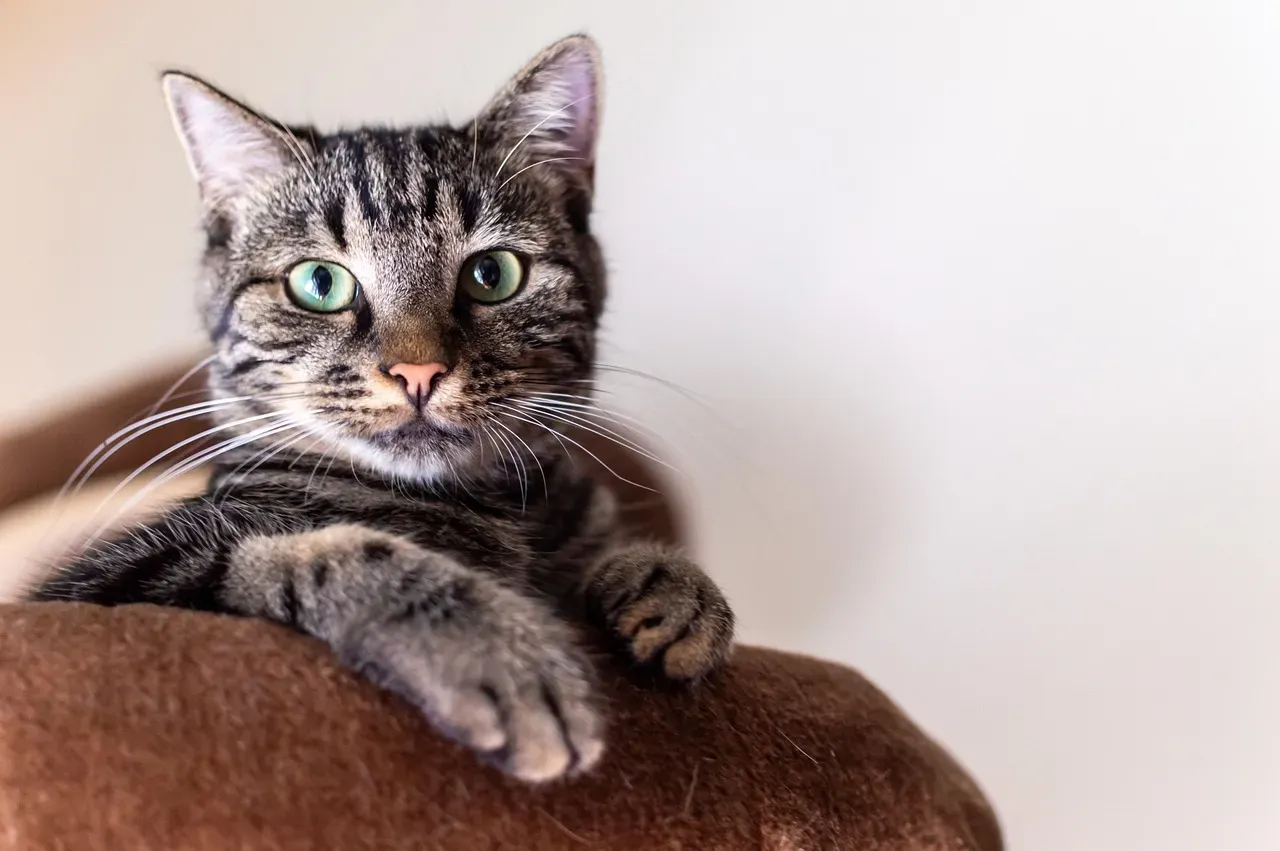
Cats are creatures of habit in a way that surprises even longtime owners.
Feeding times, wake-up routines, even the order you do things around the house register with cats far more than most people assume. Secretly, an unpredictable schedule is one of the fastest ways to stress out a cat, even if nothing else in the environment changes.
Cats build their sense of safety around predictability because, in the wild, routine meant survival. A consistent schedule tells your cat's nervous system that its environment is stable, which frees up mental space for play, affection, and relaxed behavior. This is why cats in chaotic households often seem more anxious or standoffish.
#7 - Playing With Wand Toys Instead of Your Hands
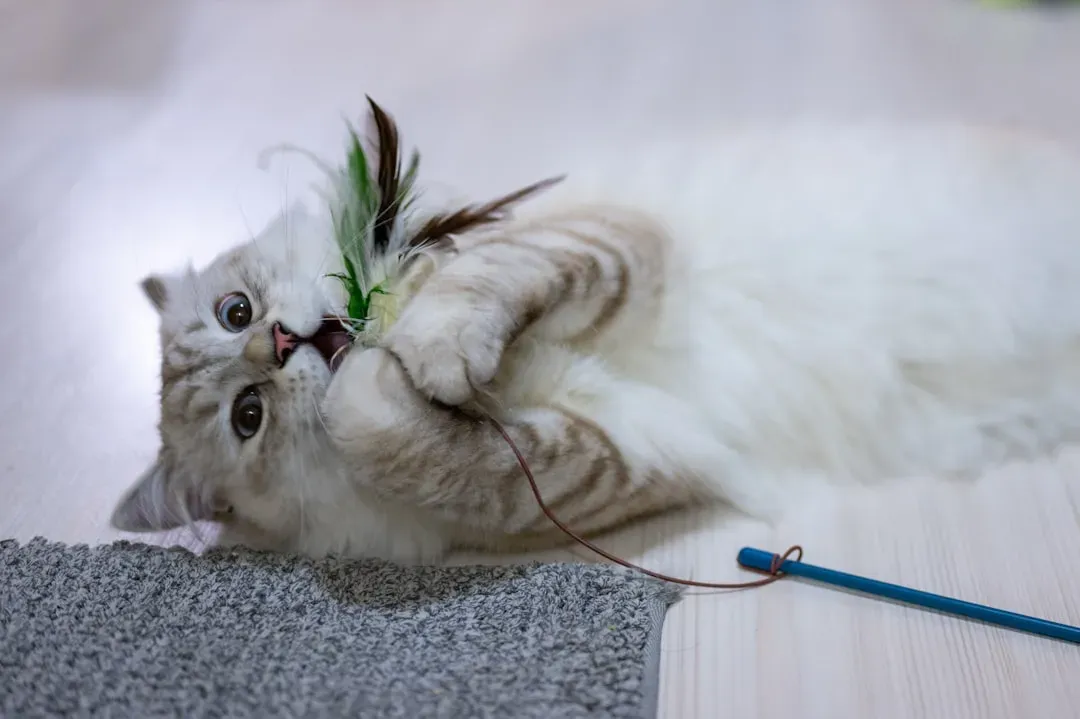
If you've swapped hand-wrestling for a feather wand, your cat secretly thanks you for it.
Wand and string toys simulate the entire predatory sequence - stalk, chase, pounce, kill - that domestic cats still crave despite generations removed from the wild. Turns out cats need to complete that full hunting cycle to feel satisfied, not just chase something randomly.
Using your hands as toys instead trains cats to associate human skin with prey, which often backfires into unwanted biting or scratching later. Wand play lets a cat fully exhaust that instinct in a healthy, structured way, and most behaviorists consider it one of the most underrated bonding activities an owner can offer.
#8 - Handing Over Empty Cardboard Boxes
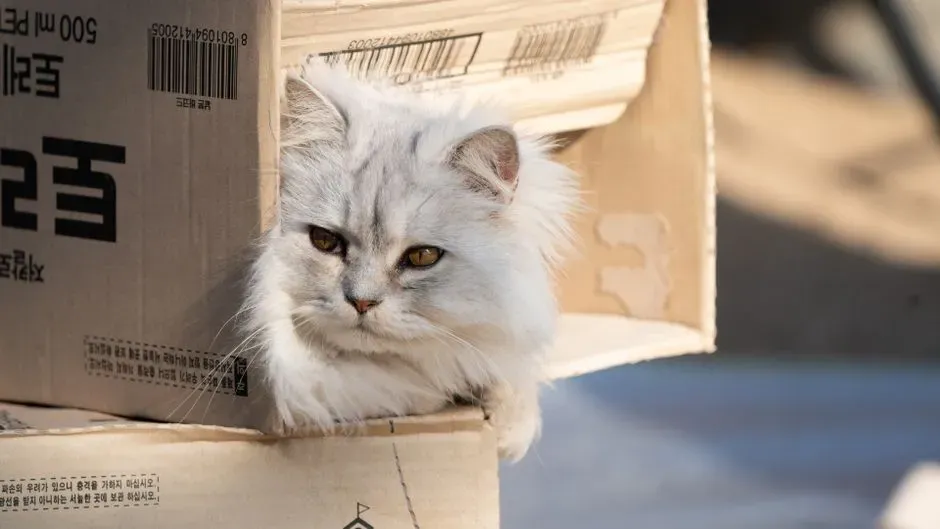
That plain cardboard box you were about to recycle? Your cat considers it prime real estate.
Boxes offer enclosed, defensible space that mimics the tight burrows and hiding spots cats instinctually seek out for security. Most owners don't realize a cardboard box can measurably lower a cat's stress hormones, simply because it gives them a controlled, enclosed vantage point to observe their surroundings.
Cats also use boxes for temperature regulation, since the enclosed space traps body heat. Every time you leave a box out instead of tossing it, you're handing your cat a free, science-backed stress reducer.
#9 - Brushing Them Regularly
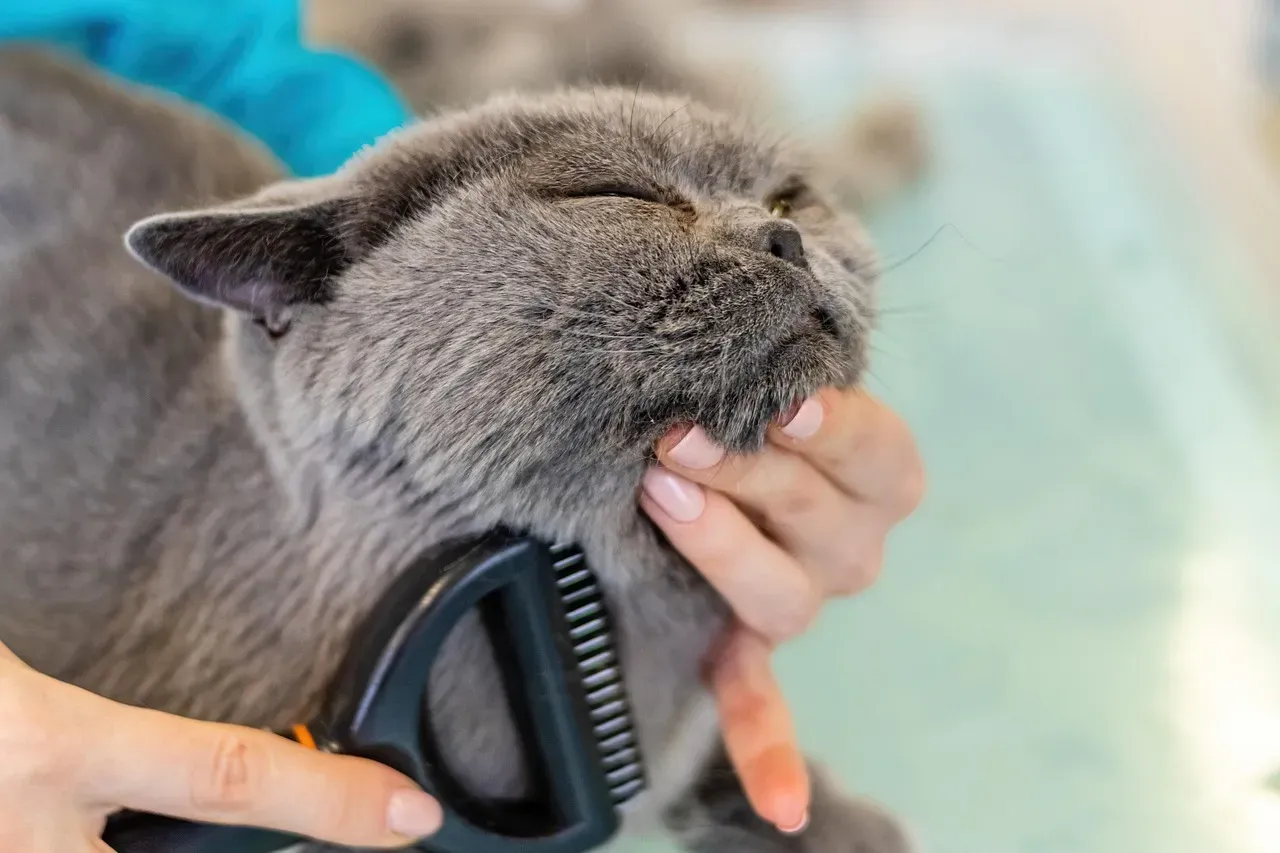
Grooming your cat with a brush isn't just about fur control - it taps into something deeply social.
Cats groom each other as a bonding ritual among trusted companions, a behavior called allogrooming. Secretly, brushing your cat mimics that exact social behavior, which is why so many cats melt into a puddle the moment the brush comes out.
Regular brushing also reduces hairballs and shedding, but the emotional payoff is arguably bigger. It's one of the few human behaviors that directly overlaps with a cat's natural social language, rather than requiring the cat to adapt to us.
#10 - Leaving the Bathroom Door Open
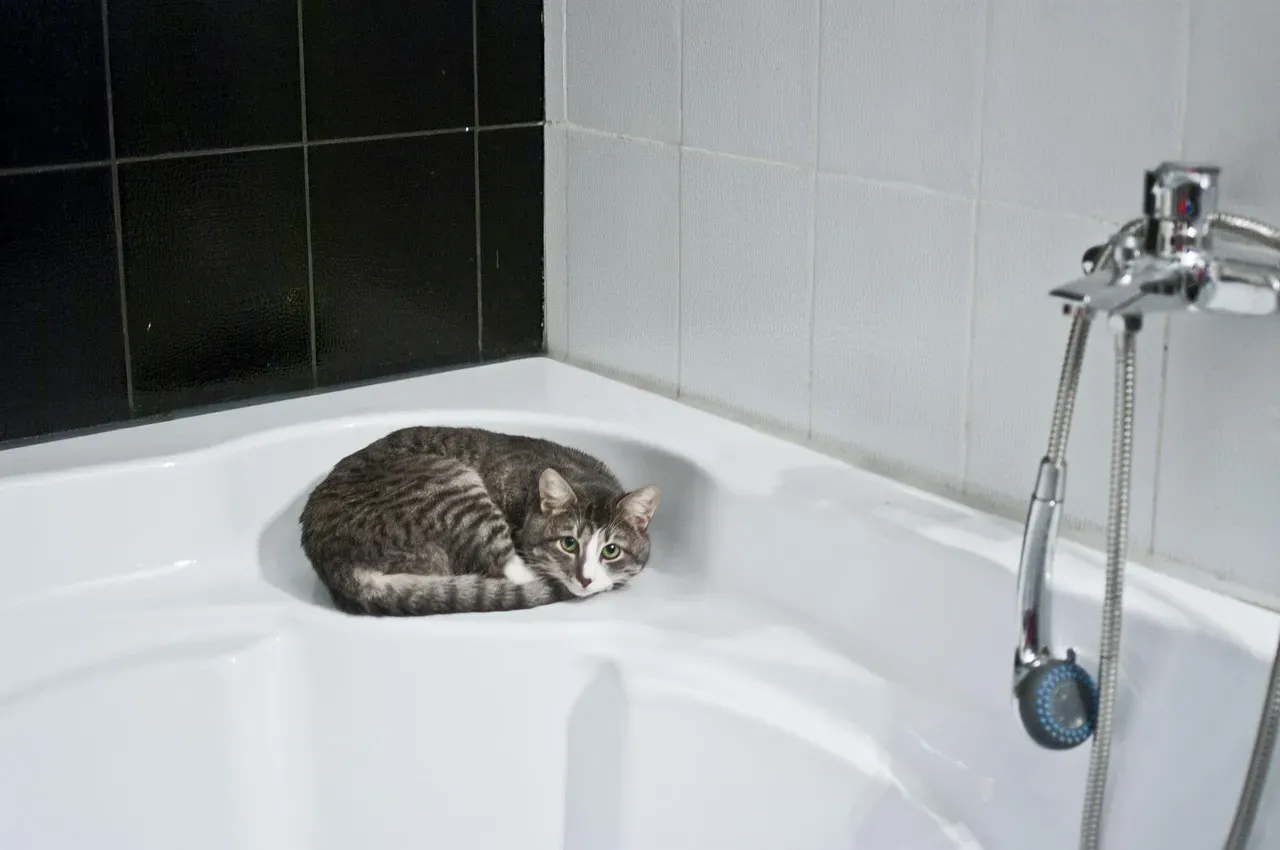
If your cat insists on supervising bathroom trips, you're not imagining the pattern - it's deliberate.
Cats are drawn to small, enclosed rooms with running water and predictable human behavior, making bathrooms a favorite observation post. Most people assume this is just curiosity, but experts note it's often about wanting proximity during a vulnerable moment for their owner.
Cats are highly attuned to changes in their environment, and a closed door represents separation they'd rather avoid. Letting them in, even for a few minutes of quiet company, reinforces the sense that you're a safe, predictable presence they can access anytime.
#11 - Bunting Them Back
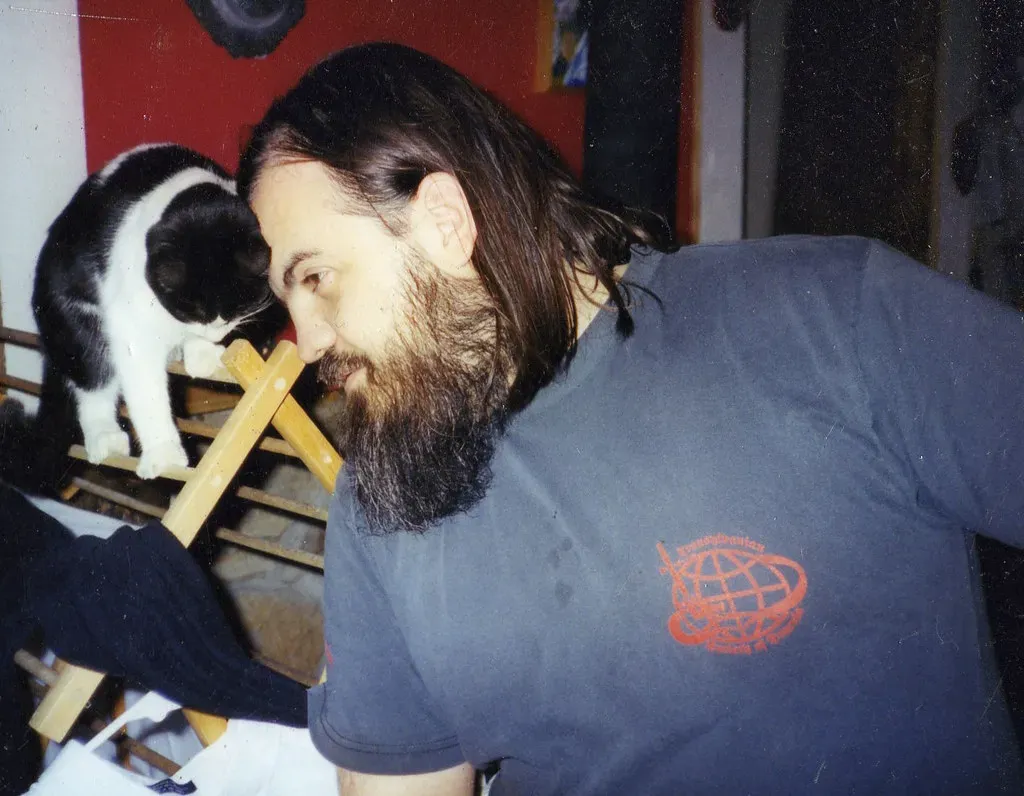
When your cat headbutts your hand or face, gently pressing your forehead back against theirs does more than you'd think.
Cats have scent glands concentrated around their forehead and cheeks, and headbutting - technically called bunting - is a scent-marking behavior reserved for trusted individuals. Turns out reciprocating that bunt is one of the clearest ways to reinforce mutual trust, because you're essentially exchanging scent signatures the way cats do with each other.
This mutual marking behavior strengthens the "colony scent" cats use to identify safe group members. Owners who lean into a head bunt instead of pulling away are unknowingly deepening a scent-based bond that predates domestication itself.
Worth Knowing
- Cats carry scent glands on their forehead, cheeks, chin, and at the base of their tail.
- Bunting and cheek-rubbing deposit pheromones that build a shared "colony scent" among trusted cats and people.
- A returned head bunt is considered one of the clearest voluntary trust signals a cat can offer a human.
- Secure, confident cats tend to scent-mark furniture, doorways, and people far more freely than anxious ones.
#12 - Napping Near Your Cat
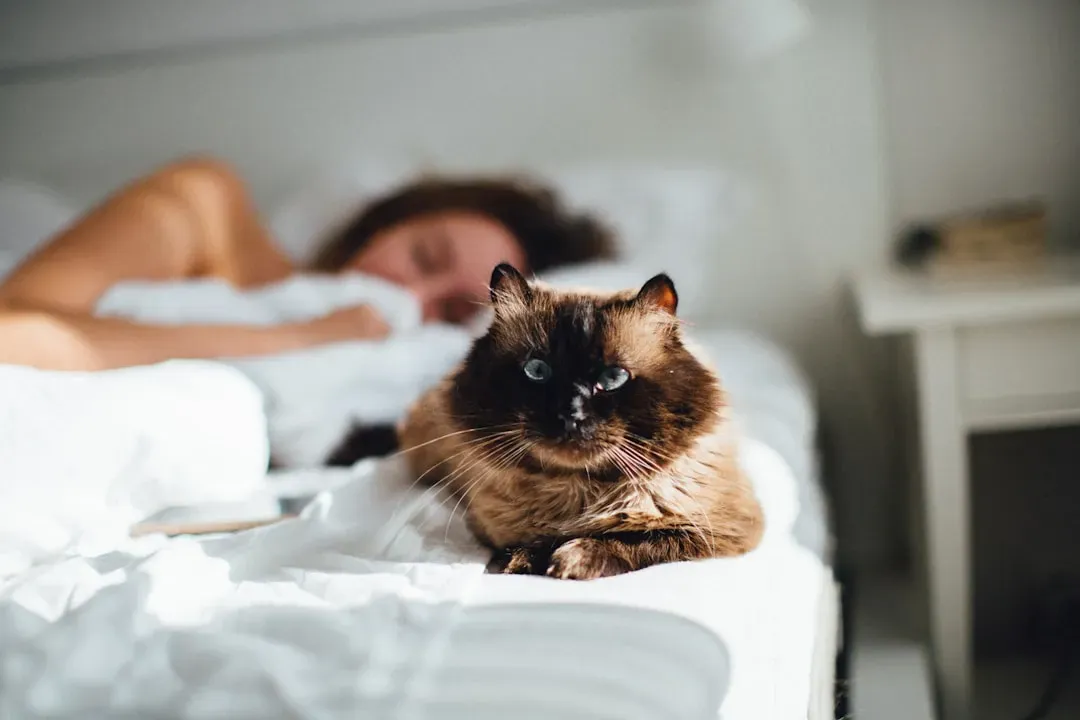
Falling asleep on the couch while your cat curls up nearby isn't a coincidence - it's a calculated move on their part.
Cats are most vulnerable while sleeping, so choosing to nap near a human is a significant trust signal in feline behavior. Secretly, your cat may be syncing its rest cycle to yours, because shared sleep space historically meant safety in numbers.
This is also why cats often shift positions to stay near a sleeping owner throughout the night rather than finding a separate, quiet spot. Matching your schedule, even loosely, reinforces the emotional safety net cats build around consistent human presence.
#13 - Leaving Worn Clothing Around
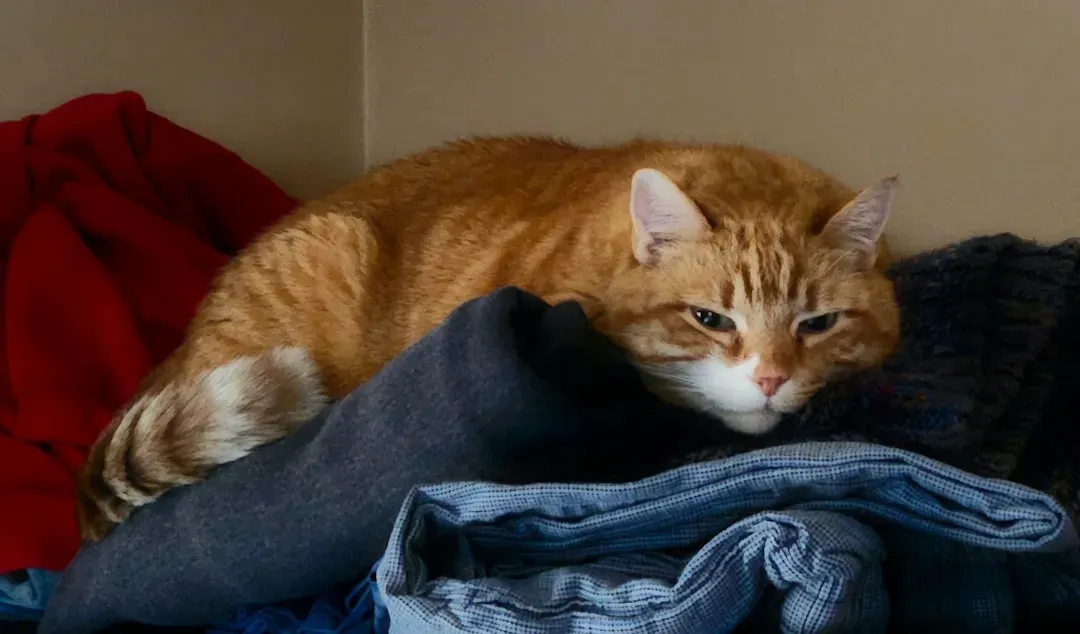
That t-shirt you left on the chair overnight has probably become your cat's new favorite napping spot, and there's a clear reason why.
Cats rely heavily on scent to identify safety, and worn clothing carries a concentrated dose of your unique smell. Most owners don't realize their cat is essentially using their laundry as an emotional support object when they're not around.
This behavior becomes especially common in cats prone to separation anxiety, since a scent-heavy item can reduce stress when an owner is out of the house. Leaving a worn sweatshirt on the bed isn't messy - it's providing comfort your cat can't get any other way.
#14 - Giving Them Vertical Space
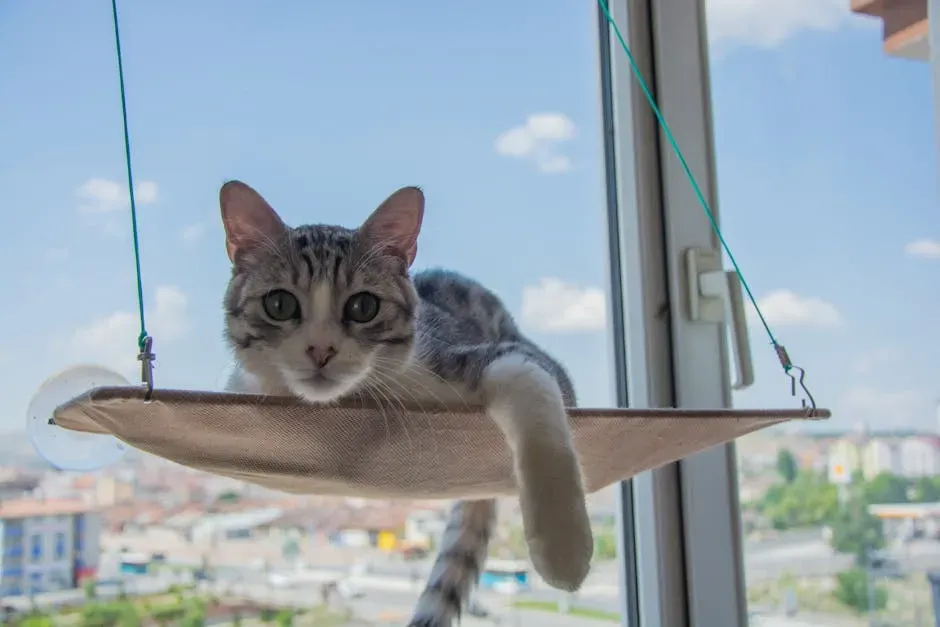
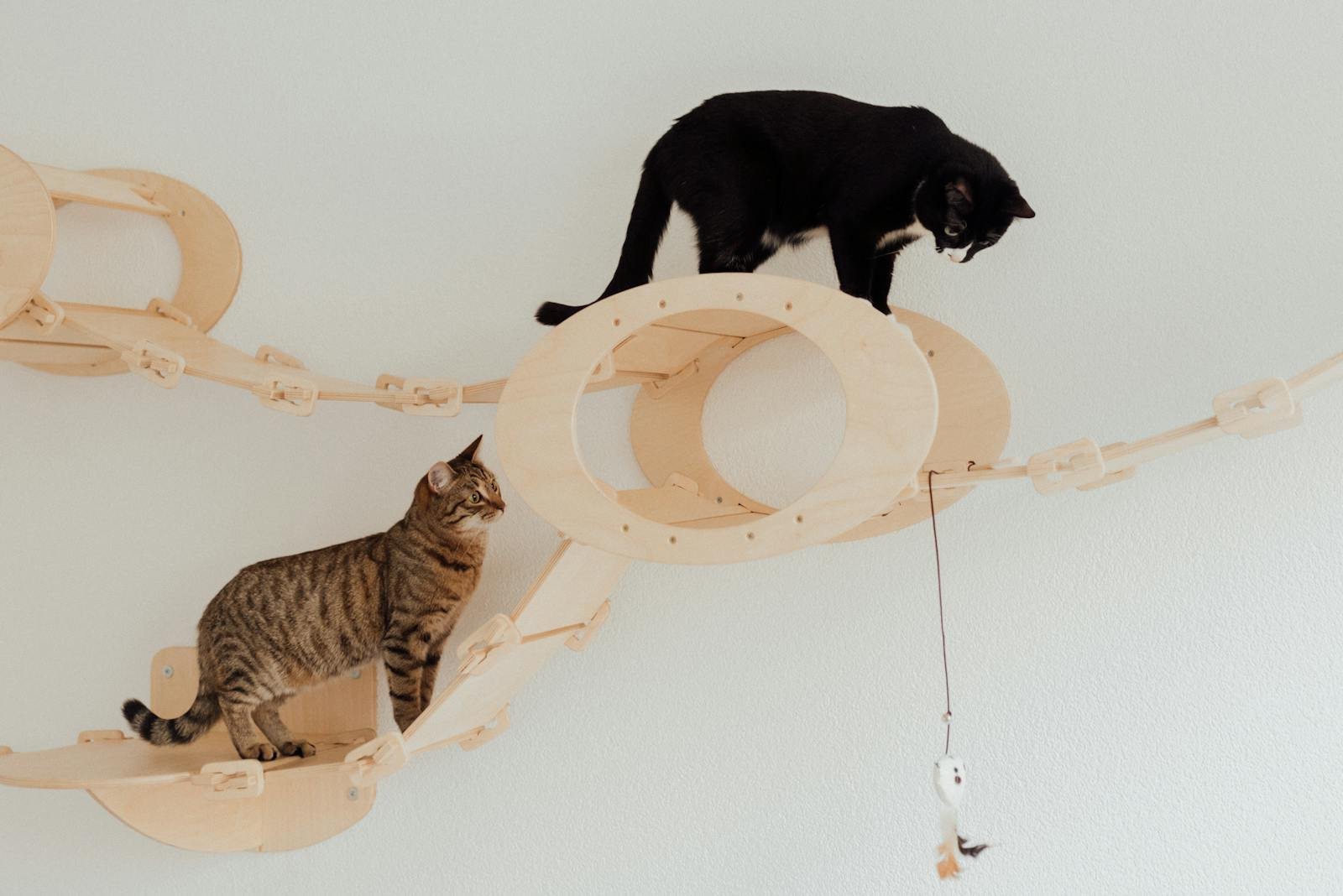
Cat trees, shelves, and window perches aren't just decor - they tap into a core survival instinct.
In the wild, height equals safety and control, letting cats monitor their territory from above without feeling exposed. Experts now argue that vertical space is just as important to feline mental health as toys or food, yet it's the most commonly overlooked need in modern homes.
Cats with access to elevated perches show fewer stress behaviors and fewer conflicts in multi-cat households. Every shelf or cat tree you install isn't just furniture - it's a direct investment in your cat's sense of control over its environment.
At a Glance
- Wild and feral cats use height to scout territory and stay clear of ground-level threats.
- Indoor cats with shelves, trees, or perches typically display fewer stress-related behaviors.
- Vertical space can ease tension between cats sharing a household by giving each one its own lookout.
- Windowsills, cat trees, and even the top of a bookshelf all count as valuable feline territory.
#15 - Narrating Your Day Out Loud
If you talk to your cat while making dinner or getting dressed, you're doing more good than you know.
Cats pick up on tone, rhythm, and repetition far more than specific words, and hearing a consistent human voice throughout the day reinforces their sense of social inclusion. Secretly, cats that are talked to frequently show stronger attachment behaviors toward their owners compared to cats in quieter, more isolated households.
This kind of ambient narration also keeps cats mentally stimulated, since they're constantly parsing vocal cues even without understanding the content. It's a low-effort habit with a surprisingly high emotional payoff.
#16 - Ignoring Attention-Seeking Bad Behavior

This one triggers debate, but most behaviorists agree: reacting loudly to knocked-over cups or midnight zoomies often backfires.
Cats are quick learners when it comes to cause and effect, and negative attention still counts as attention in their minds. Turns out yelling or chasing a cat during misbehavior can accidentally reinforce the exact behavior you're trying to stop, because the cat learns that action reliably gets you to engage.
While it feels counterintuitive, calmly ignoring low-stakes mischief and rewarding calm behavior instead trains cats far more effectively. Many experts now argue that owners who overreact to normal cat antics are unintentionally training more chaotic pets.
#17 - Sticking to Consistent Feeding Times
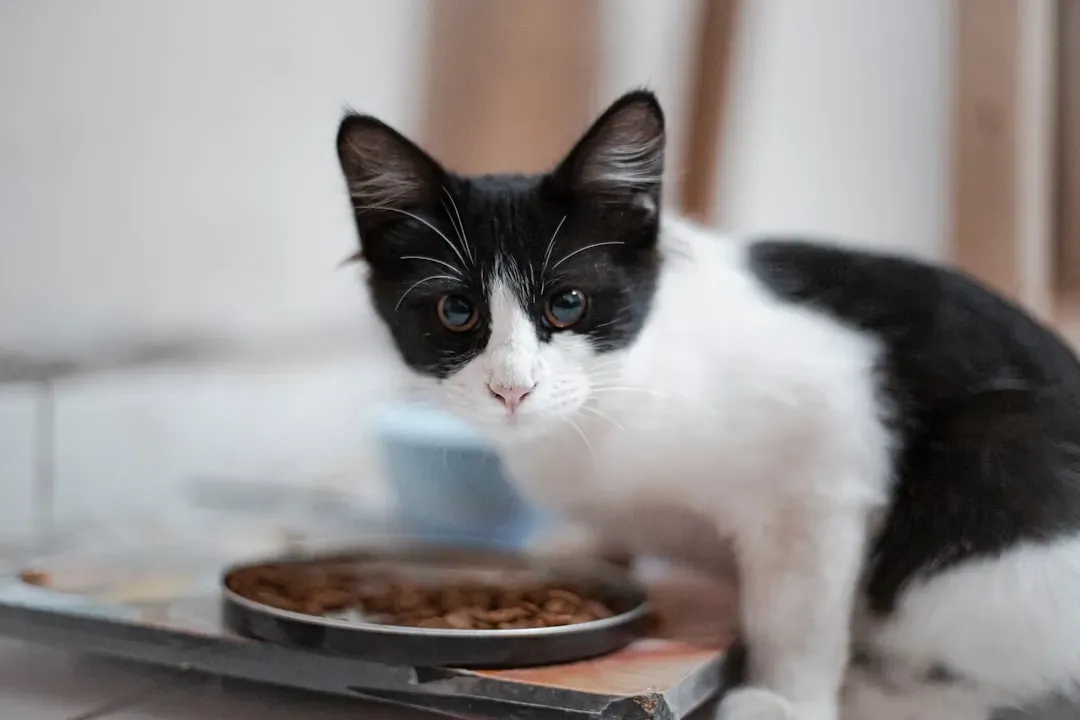
Feeding your cat at roughly the same times every day does more than manage hunger - it manages anxiety.
Cats' internal clocks are tightly tuned to feeding schedules, and irregular mealtimes are a common trigger for stress behaviors like overgrooming or excessive vocalizing. Most owners underestimate how much a fifteen-minute shift in feeding time can unsettle a cat's entire day.
Interestingly, research on cat preferences found that social interaction with humans was the most-preferred stimulus category for the majority of cats, followed closely by food. That means the ritual and attention around feeding time may matter to your cat almost as much as the food itself.
Quick Compare
- Human interaction: 19 of them - half! - preferred the company of humans above all, choosing them over other entertainment possibilities.
- Food: Thirty-seven percent preferred food to anything else.
- Toys: Eleven percent liked toys.
- Scent, like catnip: the least popular option, appealing to only a small handful of cats in the same study.
#18 - Letting Them Sniff You Before Petting
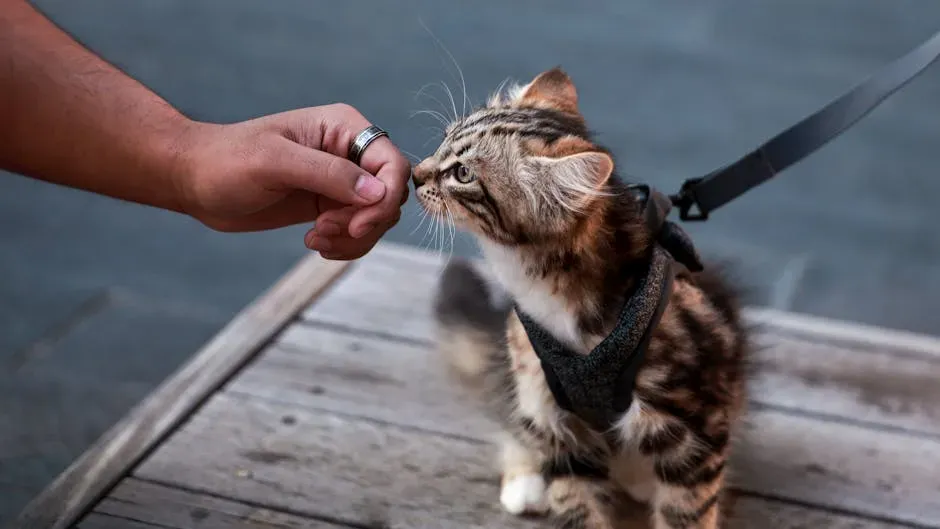
Offering a hand or finger for your cat to sniff before petting isn't just polite - it's essential feline etiquette.
Cats gather enormous amounts of social information through scent, and skipping this step can make even a familiar person feel momentarily unpredictable. Secretly, that quick sniff is your cat doing a full identity and mood check before deciding how much contact it wants.
Owners who consistently offer this small gesture tend to have cats that approach more confidently and initiate contact more often. It's a two-second habit that quietly reinforces respect in a language cats innately understand.
#19 - Giving Them a Window to Watch
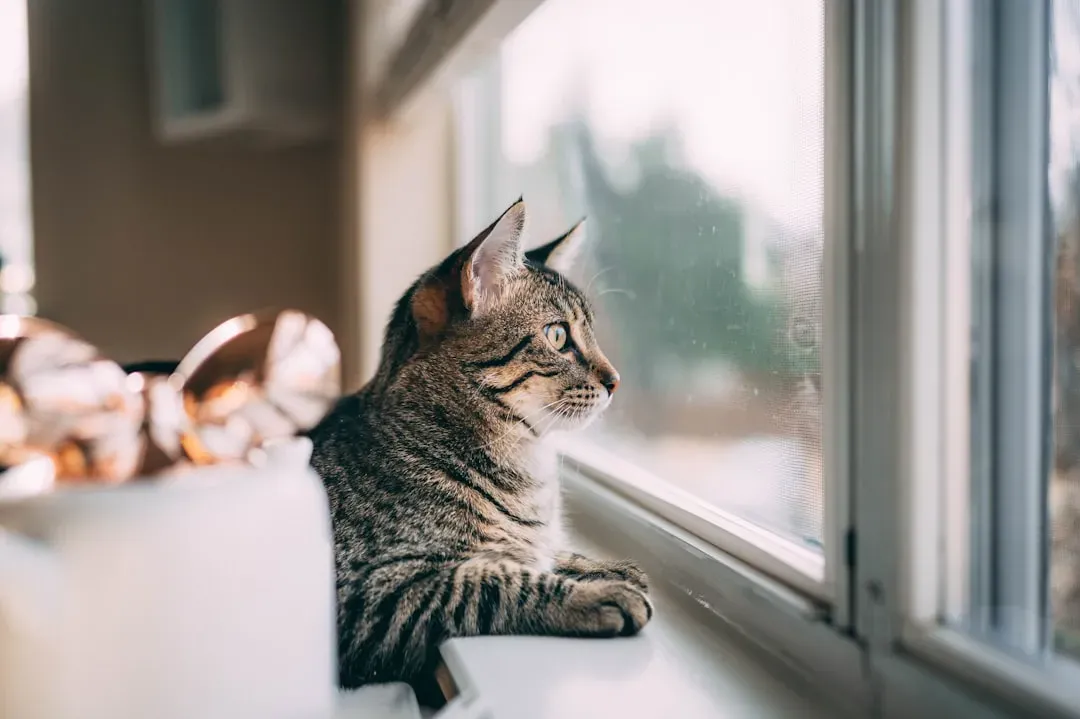
A cat glued to the windowsill for hours isn't bored - it's engaged in one of its favorite forms of enrichment.
Watching birds, cars, or falling leaves activates a cat's natural prey drive and curiosity without requiring any physical exertion. Most owners don't realize window-watching can be just as mentally stimulating for a cat as active play, which is why cats often seem calmer after a long stretch of "bird TV."
Leaving blinds open, especially near a comfortable perch, gives your cat consistent access to this low-effort enrichment. It's one of the simplest environmental upgrades with an outsized impact on feline contentment.
#20 - Leaving Sunny Spots Undisturbed
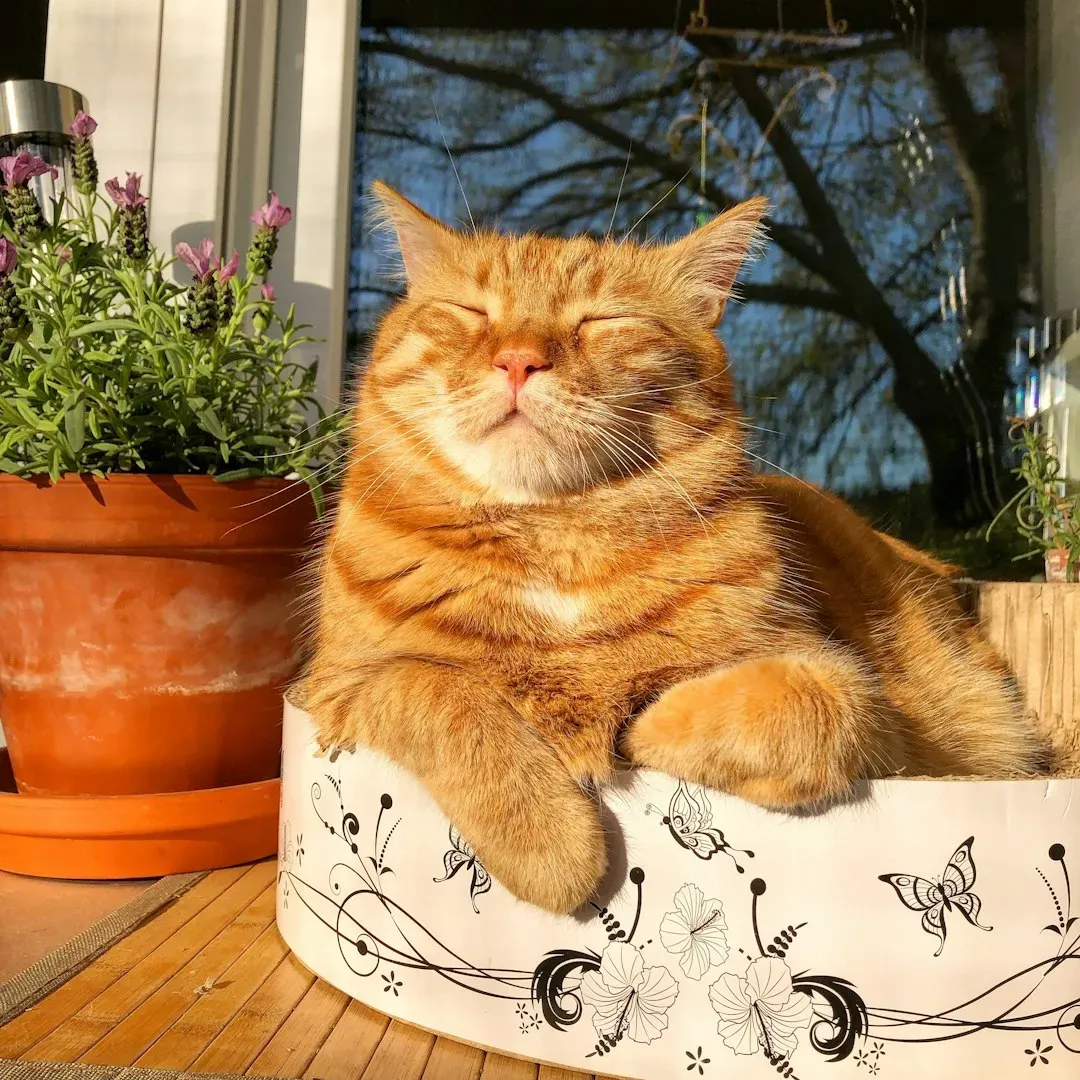
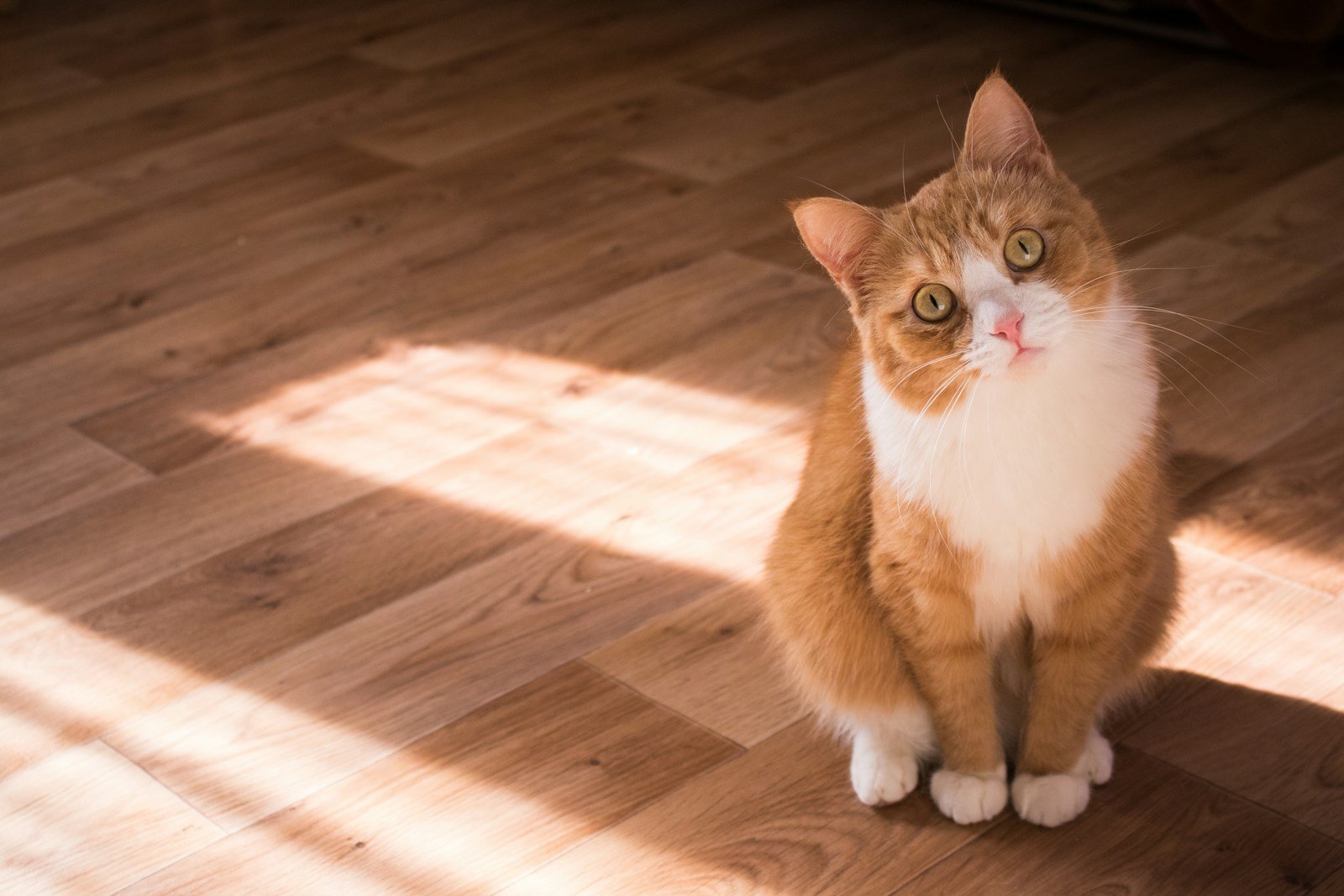
If you've ever stepped around a sunbeam because your cat claimed it first, you already understand this instinct.
Cats seek out warm patches of sunlight because their body temperature runs slightly higher than humans, making warmth a physical priority, not just a preference. Turns out cats can spend significant portions of their day chasing sunlight across a room, adjusting position as the light shifts.
Letting your cat monopolize that spot, even if it means stepping around them, reinforces a low-stakes but meaningful signal: their comfort matters in your shared space. Small accommodations like this add up in how secure a cat feels at home.
#21 - Giving Gentle Chin and Cheek Scratches
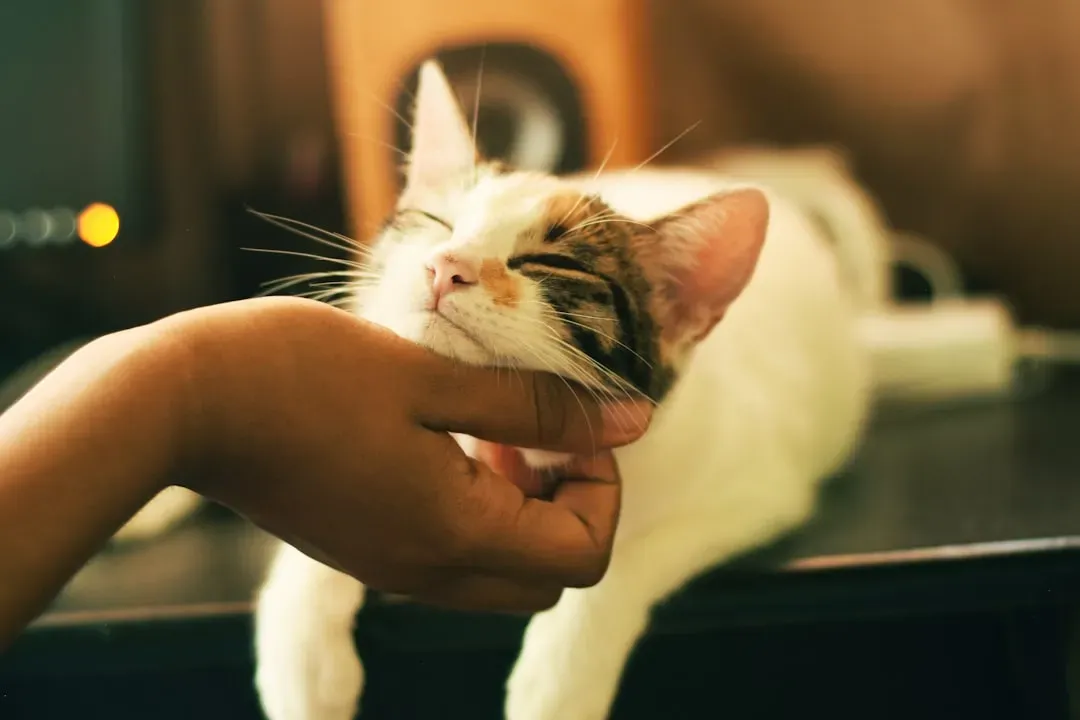
If you instinctively scratch under your cat's chin instead of going straight for a belly rub, you're already doing this one right.
Cats have concentrated scent glands along their cheeks and chin, making that area far more comfortable for touch than the stomach, which is a vulnerable, high-alert zone. Most owners don't realize belly touching is actually a common trust test, not an invitation, which is why so many cats swat at hands reaching for their stomach.
Sticking to chin, cheek, and base-of-the-ear scratches taps directly into a cat's preferred touch zones. This small adjustment in petting technique is one of the fastest ways to build physical trust with a cat that seems standoffish.
#22 - Simply Sitting Quietly Nearby
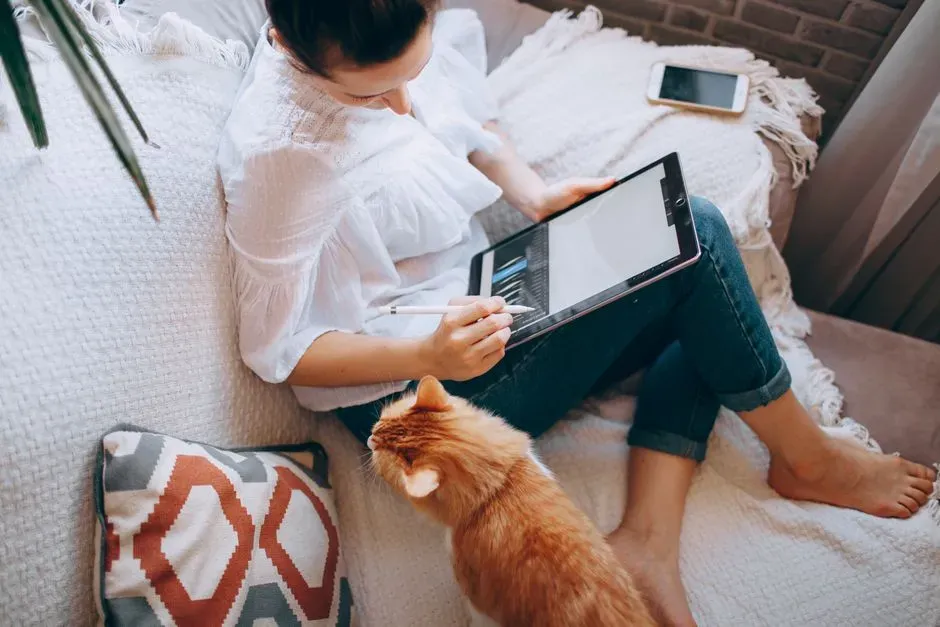
Of everything on this list, the most powerful might be the simplest: just existing calmly in the same room.
Cats don't require constant interaction to feel bonded, and research has repeatedly shown that quiet, low-pressure presence builds trust just as effectively as active engagement. Experts argue that owners who assume they need to constantly play, talk, or pet their cat to show love are missing the biggest signal of all - calm, predictable company.
This matches directly with what researchers found when testing cat preferences overall: social interaction with humans was the preferred activity for the majority of both pet and shelter cats, followed by food. Simply being there, without demanding anything back, may be the single most reassuring thing you do for your cat every single day.
The Bottom Line
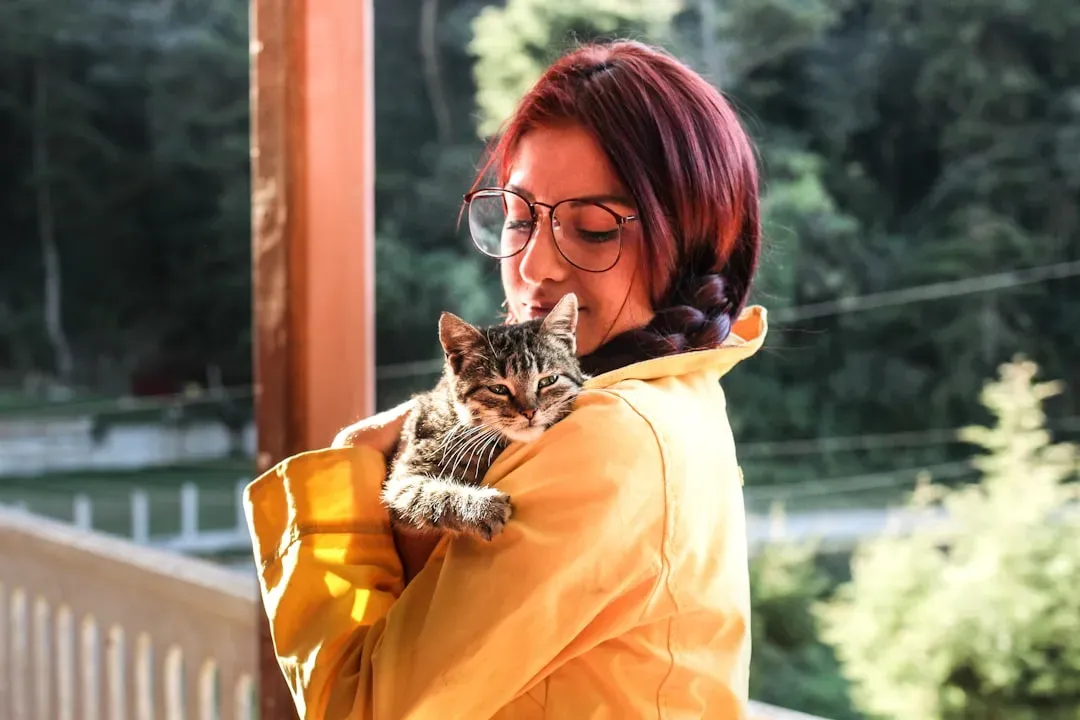
The biggest myth about cats is that affection has to be loud, obvious, or constant. In reality, cats build trust through small, repeated signals - a slow blink, a quiet nap nearby, a headbutt returned, a sunbeam left undisturbed.
Science increasingly backs what quiet observation already suggested: cats are far more socially wired than their reputation implies, and many "ordinary" habits are actually deep trust-building rituals in disguise. Owners chasing dramatic displays of affection may be missing the subtle language that's been right in front of them the whole time. If your cat has ever slow-blinked at you, napped on your dirty laundry, or refused to leave the bathroom door closed, it already told you everything it needed to say - you just weren't listening in cat.
Which one of these surprised you the most? Drop it in the comments, and tell us which habit .