What Behaviourists Say Your Cat's Purr Actually Means
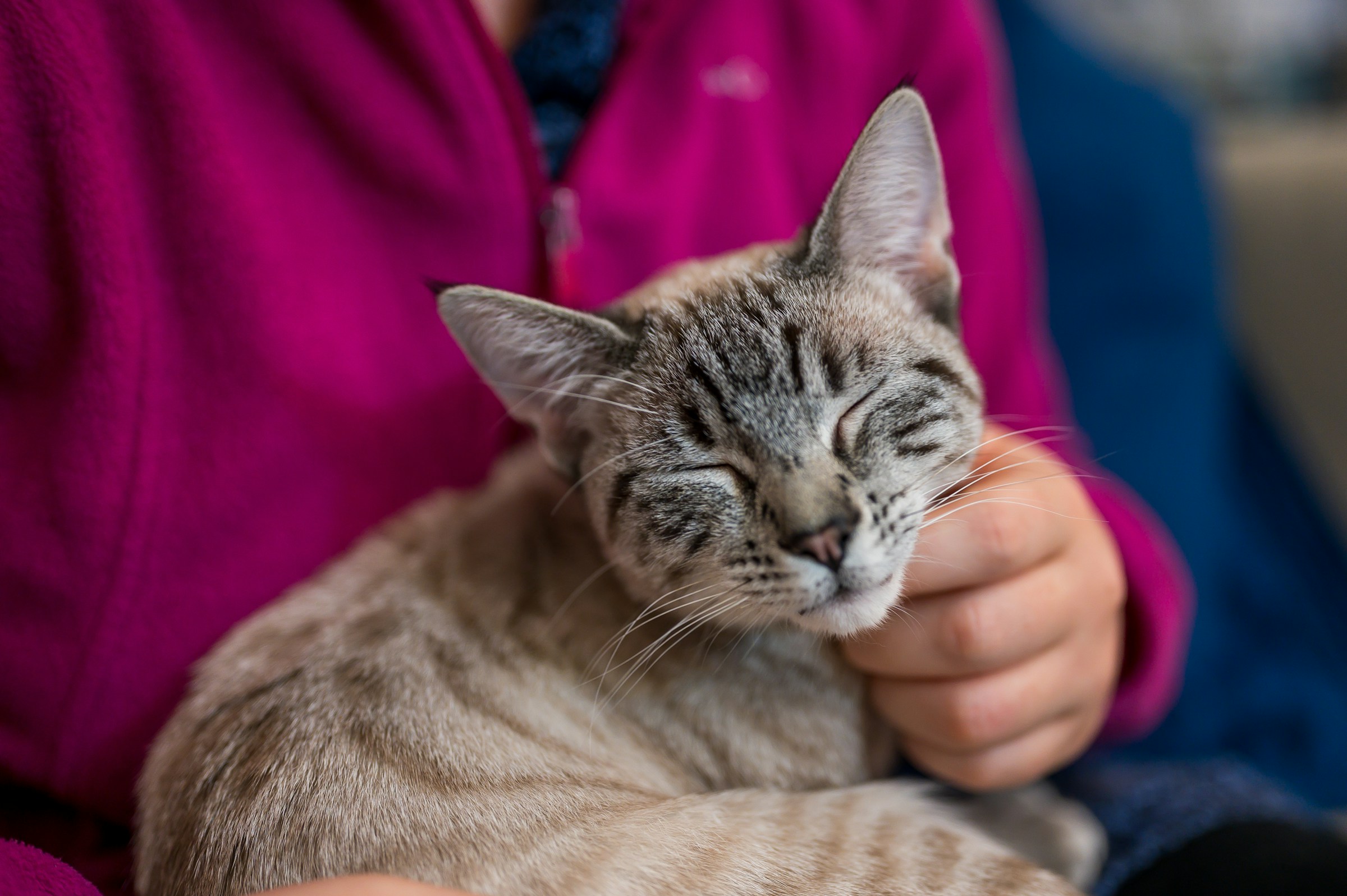
Most cat owners assume a purring cat is a happy cat. Behaviourists say that assumption is often flat-out wrong, and the real explanation runs a lot deeper than affection or a full belly.
Purring shows up during joy, sure, but also during fear, pain, and something researchers now openly call manipulation. Some scientists argue the sound isn't primarily about emotion at all, but about survival, healing, and getting exactly what the cat wants from you. Here's what's actually happening under that rumble, and why you'll never hear it the same way again.
#1 - The "Happy Cat" Myth Isn't Entirely True
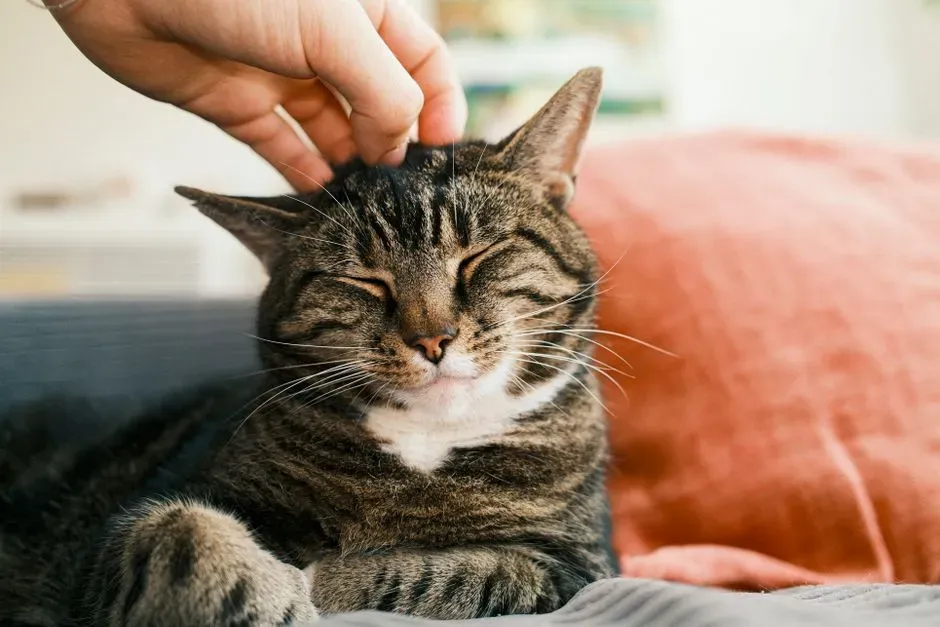
A purring cat curled on your lap feels like undeniable proof of contentment, but behaviourists warn this is only half the story.
Purring is genuinely associated with relaxed, comfortable states, and cats commonly purr while being petted, fed, or settling in for a nap. But the same mechanism that produces a "happy purr" also activates during extreme stress, which means the sound alone can't reliably tell you what a cat is feeling.
Fast Facts
- Relaxed ears, slow blinking eyes, and a loose tail usually point to a genuine "happy purr."
- Flattened ears, a tucked body, or dilated pupils paired with purring can signal fear or pain instead.
- The same physical mechanism produces both, so sound alone isn't a reliable emotional gauge.
This is why behaviourists insist owners read body language alongside the purr, not instead of it. A cat with relaxed ears, slow blinking eyes, and a loose tail posture while purring is likely genuinely content.
A cat purring with flattened ears, a tucked body, or dilated pupils is telling a very different story entirely. That contradiction is exactly why so many pet owners get blindsided by what comes next.
#2 - Cats Purr When They're Terrified, Not Just Relaxed
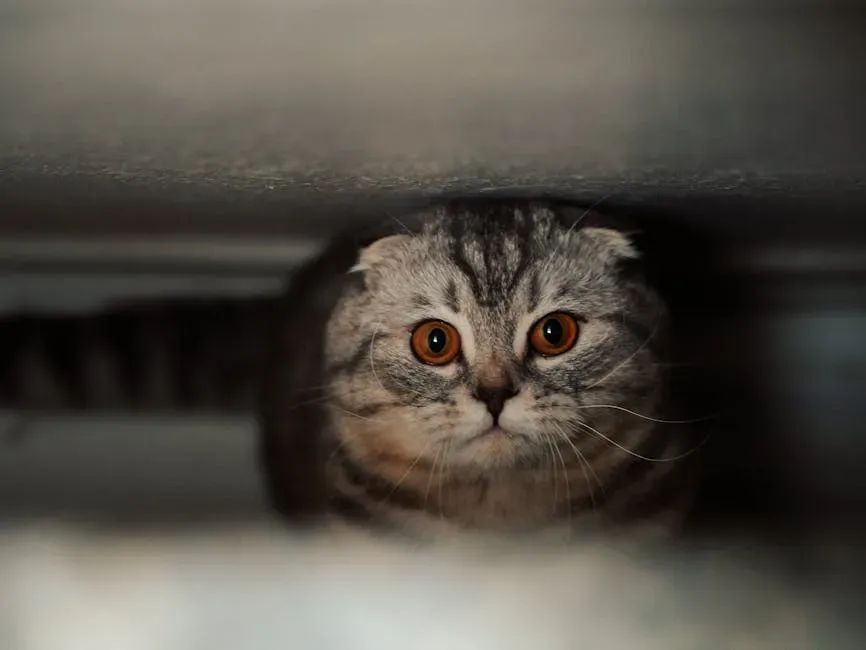
Here's the uncomfortable truth: your cat may purr loudest at the vet's office, not because it's calm, but because it's scared out of its mind.
Behaviourists have long observed cats purring in high-stress situations like veterinary exams, car rides, and even aggressive encounters with other animals. This "fear purr" is thought to function as a self-soothing mechanism, similar to how humans hum or rock when anxious.
The purring in these moments isn't performative for the human in the room. It's an internal coping tool, a way for the cat's nervous system to regulate itself under pressure.
This single fact upends the idea that purring is a simple, one-note signal of joy. It also sets up one of the most controversial theories in feline science, which we get into next.
#3 - The "Manipulation Purr" Theory Is Gaining Traction
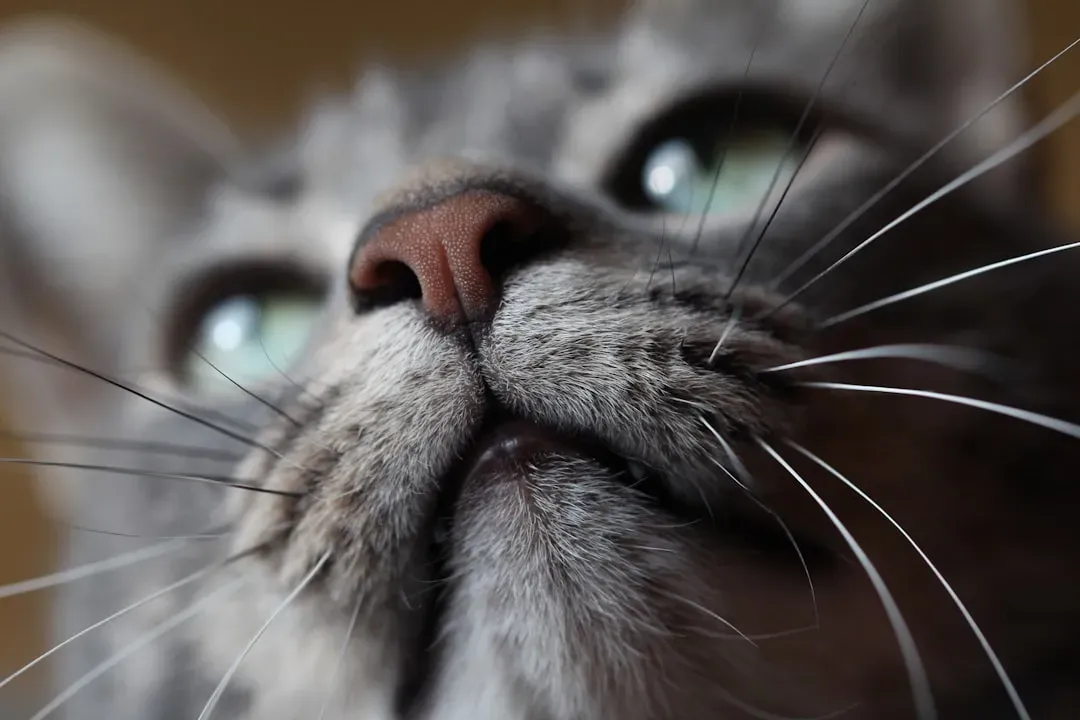
While most owners see purring as affection, a growing number of behaviourists argue it's closer to strategic manipulation than love.
Cats have developed what researchers call a "solicitation purr," a sound layered with a high-frequency cry embedded inside the normal purr. This embedded frequency closely mimics the pitch of a human infant's cry, which triggers an almost involuntary nurturing response in people.
This isn't a coincidence. Cats appear to have refined this specific purr variation for one purpose: getting humans to feed them, faster.
It's most common in the morning, right before mealtime, and noticeably absent during calm cuddle sessions. Some experts now argue this makes the "loving purr" narrative more sentimental than scientific, a claim that tends to spark heated debate among cat owners online.
#4 - Purring May Actually Be a Built-In Healing Mechanism
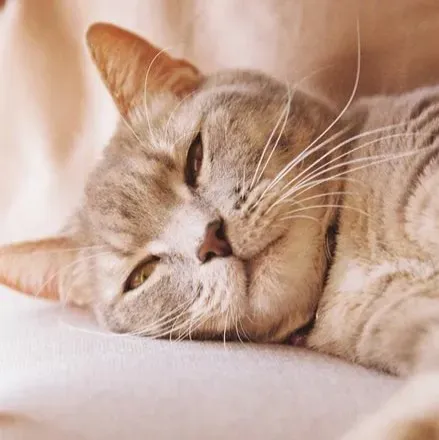
Few pet owners know that a cat's purr isn't just emotional. It might be medicinal.
Researchers have measured the dominant frequency of cat purring at roughly 25 to 150 Hertz, a range that overlaps with frequencies used in some therapeutic treatments for bone density, wound repair, and pain relief. This has led to a widely cited theory that purring evolved as a low-energy internal healing tool.
At a Glance
- Purring frequency: roughly 25–150 Hertz.
- That range overlaps with frequencies used in some bone-density and wound-healing therapies.
- Cats purr even when alone, injured, or recovering from surgery, not just around people.
This would explain something that has puzzled scientists for decades: why cats purr even when they're alone, injured, or recovering from surgery.
If purring genuinely stimulates tissue repair, cats may have evolved an internal repair system disguised as a comforting sound. It's one of the most compelling theories in the field, and it connects directly to something even stranger about wounded and dying cats.
#5 - Cats Sometimes Purr While in Pain or Dying
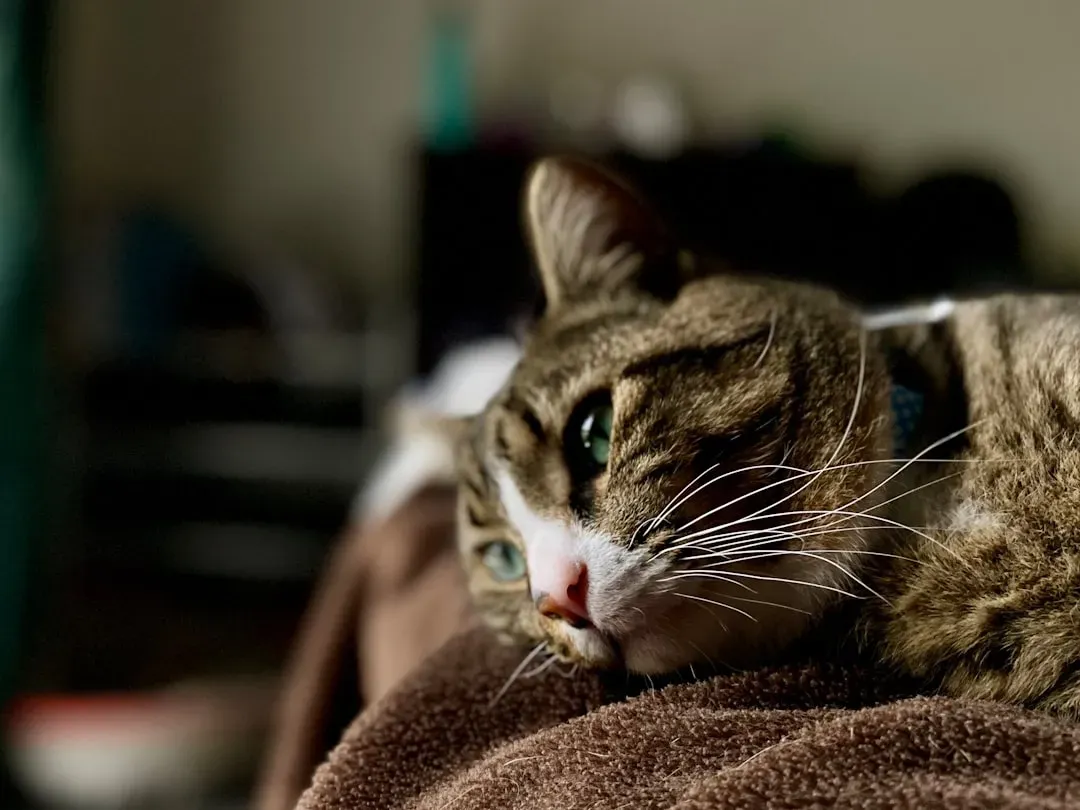
This one is hard to hear, but behaviourists say it's essential context: purring isn't always a good sign.
Veterinarians and behaviourists have documented cats purring while severely injured, during difficult labor, and even in the final moments before death. This "pain purr" is now understood as a self-soothing and possibly pain-reducing response, not a sign that everything is fine.
This is why vets urge owners never to assume a purring cat is automatically healthy.
A cat that suddenly starts purring loudly after an injury or during unusual lethargy needs urgent attention, not reassurance. It's a sobering reminder that this sound is far more complex than a simple happiness meter, something that becomes even clearer once you understand how a purr is actually made.
#6 - Cats Don't Purr the Way Most People Think
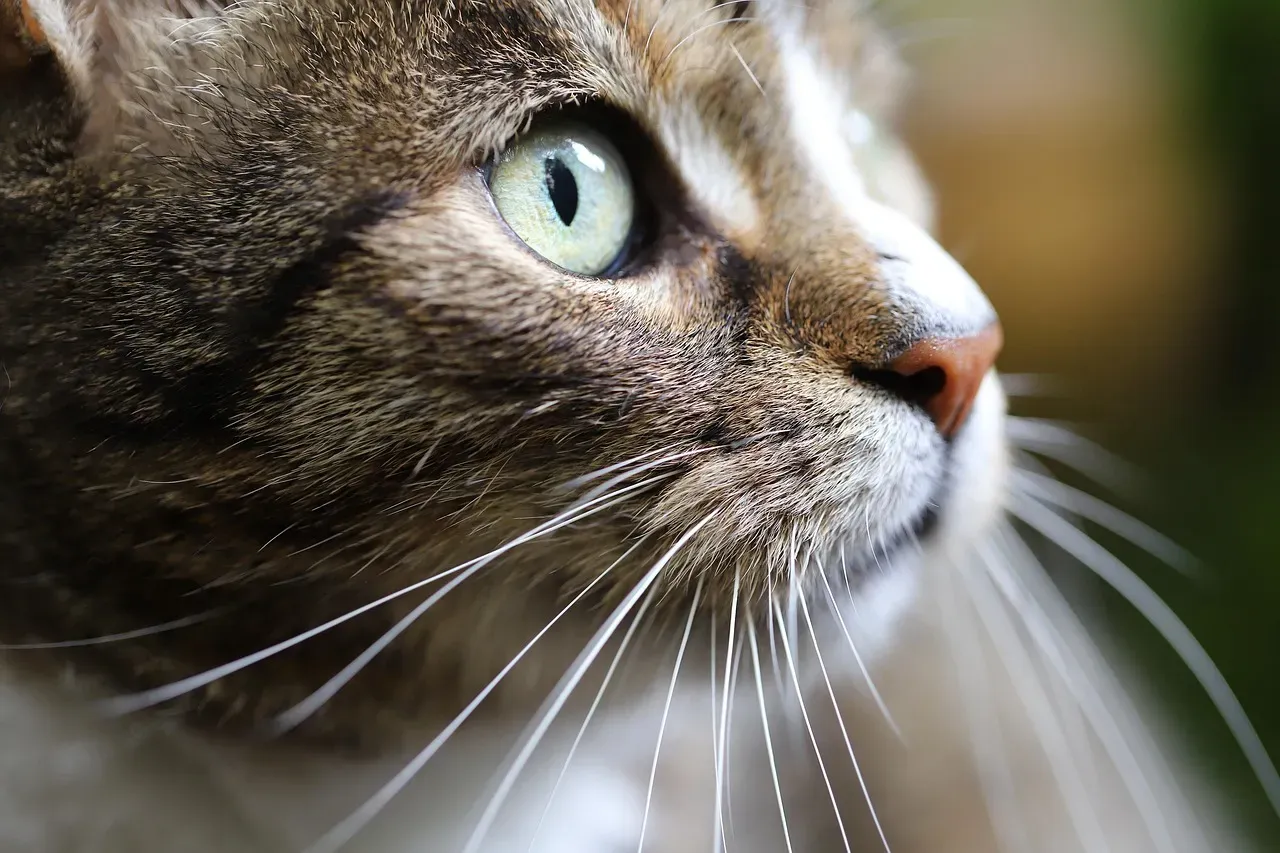
Most owners assume purring comes from the throat like a growl or a meow, but the real mechanism is stranger and involuntary.
Purring is produced by rapid, repetitive contractions of the muscles in the cat's larynx combined with a neural oscillator in the brain that fires roughly 25 to 150 times per second. This happens during both inhaling and exhaling, which is why the sound is nearly continuous.
Unlike a meow, which is a voluntary vocalization, purring is largely involuntary, wired directly into the nervous system.
This is part of why cats can purr even while eating, sleeping, or in medical distress. It's an automatic response, not a decision the cat consciously makes, which raises an obvious question: if it's involuntary, why does it seem so targeted at humans?
#7 - Kittens Are Purring Before They Can See or Hear
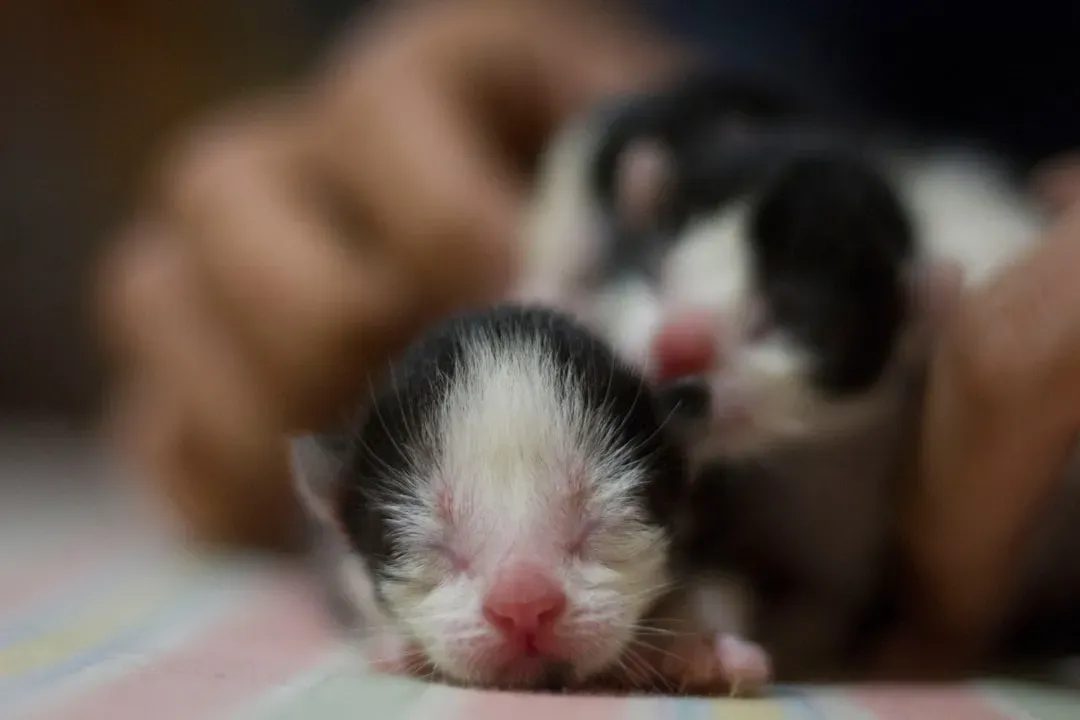
Newborn kittens purr almost immediately, and behaviourists say this timing is not a coincidence.
Kittens begin purring within the first few days of life, long before their eyes open or their ears fully develop. This early purring is believed to help kittens communicate location and wellbeing to their mother during nursing, since they can't yet rely on sight or sound.
The mother cat also purrs while nursing, creating a shared vibrational "conversation" between her and her litter.
Behaviourists believe this back-and-forth purring reinforces the nursing bond and helps kittens locate the mother in tight, dark spaces. This early wiring may be the true origin of the "comfort purr" seen throughout a cat's adult life.
#8 - Purring Conserves Energy Better Than Any Other Vocalization
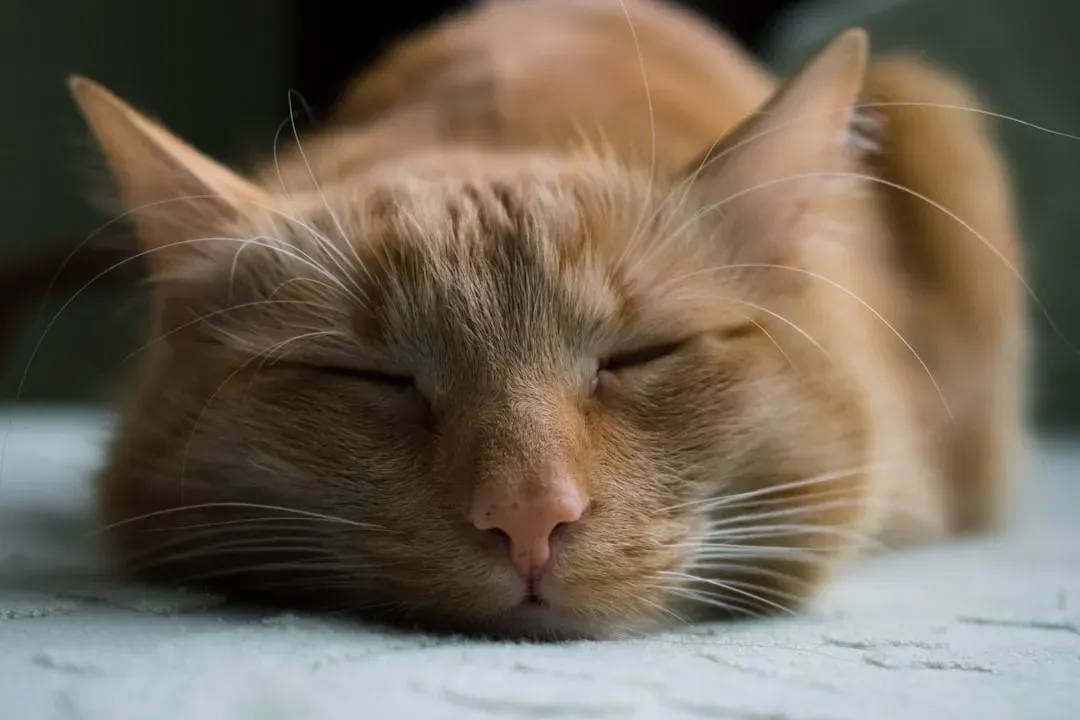
Here's a fact that surprises almost everyone: purring might be the most energy-efficient sound an animal can make.
Unlike barking, meowing, or growling, purring requires minimal muscular effort once the neural oscillator is triggered. This makes it an ideal vocalization for injured, resting, or energy-conserving cats who cannot afford to expend calories on louder sounds.
This theory helps explain why cats purr so frequently while lying down, recovering, or in low-energy states rather than during high-activity moments like play or hunting.
Some behaviourists argue this is the real evolutionary reason purring survived across generations. It wasn't selected for communication with humans at all, but for the cat's own physical efficiency, a claim that pushes back hard against the popular "emotional bonding" narrative.
#9 - Not All Purrs Are Created Equal, According to Sound Analysis
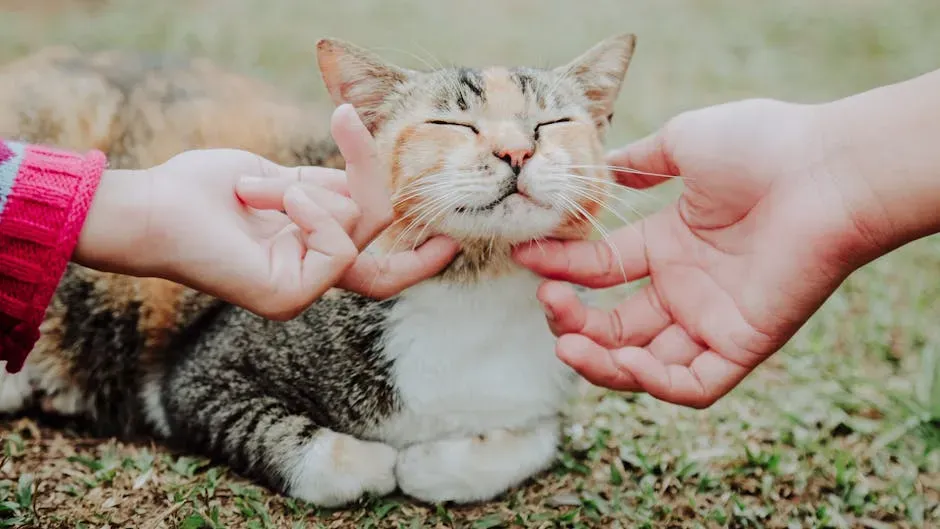
Audio researchers have discovered that cats don't have one purr. They have several, each with subtly different acoustic properties.
Analysis of recorded purring shows clear frequency and amplitude differences between a relaxed "contentment purr," a food-solicitation purr, and a stress-related purr. The solicitation purr specifically contains a higher-pitched embedded cry that is largely absent in the relaxed version.
Quick Compare
- Contentment purr: steady and low, with no embedded cry.
- Solicitation purr: higher-pitched cry layered inside, most common before mealtime.
- Stress purr: shows up during fear, pain, or high-pressure moments like vet visits.
This means two purrs that sound identical to the human ear can carry completely different emotional signals.
Behaviourists argue this is exactly why relying on purring alone as an emotional gauge is a mistake so many owners make. Context, body language, and situation matter just as much as the sound itself.
#10 - Cats Purr Differently Around Humans Than Other Cats
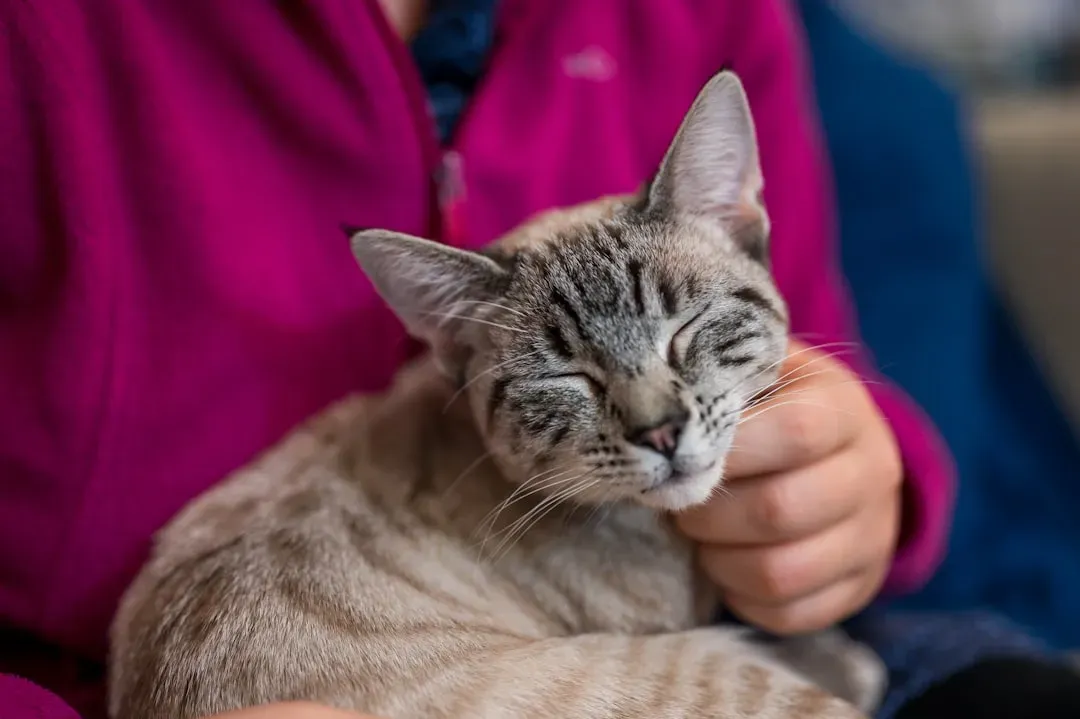
Here's a detail most people miss: the purring your cat does for you is not the same purring it uses with other cats.
Behaviourists note that the embedded "solicitation purr" cry appears almost exclusively in human-directed purring, rarely in cat-to-cat interactions. This suggests cats developed a specialized purring style specifically shaped by thousands of years living alongside humans.
Domestic cats have essentially built a communication tool tailored to human psychology, one that taps into our instinctive response to infant-like sounds. Wildcats and feral cats show far less of this human-targeted variation.
Cats are not our children; they are just our very, very close friends who happen to be immensely stupid.
John Grogan
Playful as that line is, it captures something real: cats have quietly reshaped a survival sound into a tool aimed squarely at us, whether we realize it or not.
#11 - Silent Purring Might Be the Most Honest Signal of All
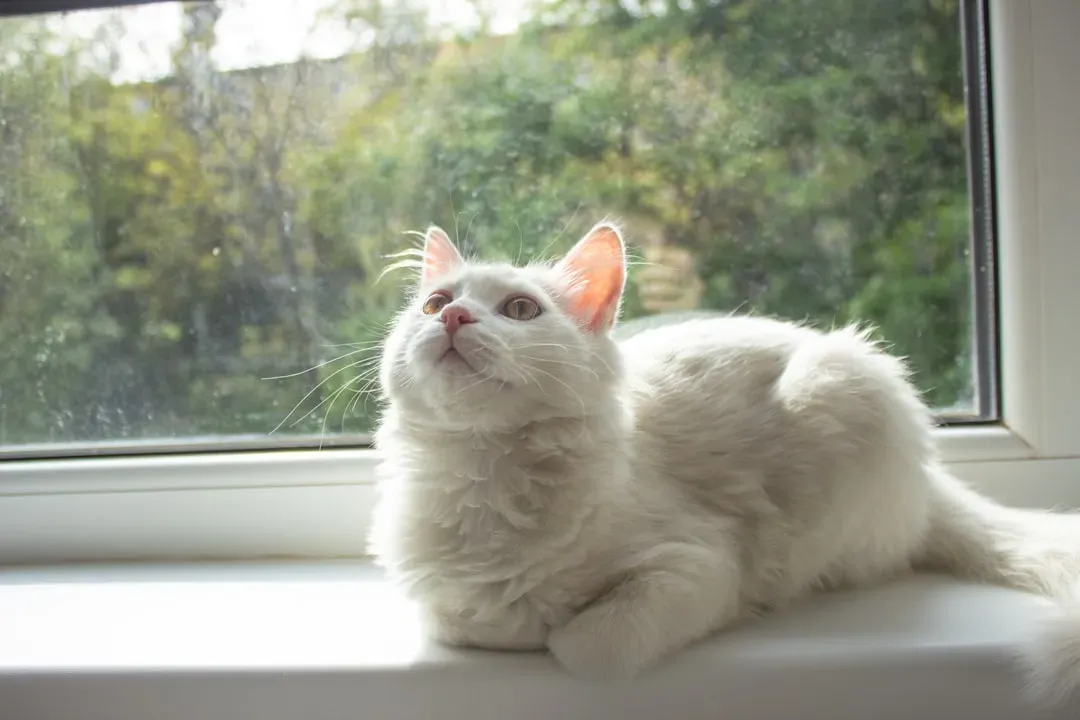
Some cats produce a purr so quiet it can barely be heard, and behaviourists say this version might reveal more genuine emotion than the loud one.
Low-amplitude, nearly silent purring often occurs during deep relaxation, close physical contact, or moments of high trust, such as being held by a familiar person. Because this quiet purr lacks the attention-grabbing solicitation frequency, it's considered less performative and more emotionally authentic.
This is the purr most associated with the classic "happy cat" image, occurring during slow blinks, gentle kneading, or quiet lap-sitting sessions.
Unlike the louder demanding purr used before mealtime, this softer version isn't trying to get anything from you. Some behaviourists call it the closest thing cats have to genuine emotional expression, a sharp contrast to the manipulation-driven purrs discussed earlier.
#12 - Purring Can Signal Stress Long Before Behavior Changes
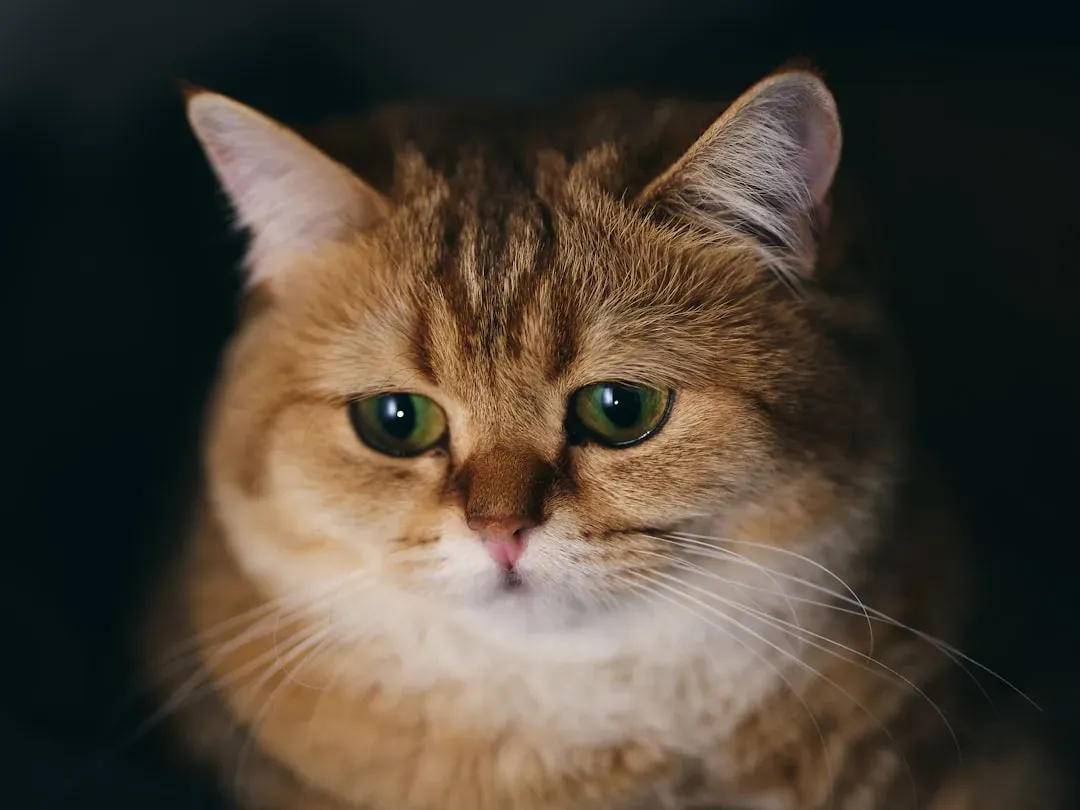
Behaviourists increasingly treat purring frequency as an early warning system, not just a mood indicator.
Cats experiencing chronic stress, anxiety, or underlying illness sometimes show increased purring as a coping mechanism, even before other behavioral symptoms appear. This means a sudden increase in purring, especially outside normal affectionate contexts, can actually be one of the earliest signs something is wrong.
This is why some veterinary behaviourists now recommend tracking purring patterns the same way owners track appetite or litter box habits.
A cat that begins purring excessively during isolation, restlessness, or unusual hiding behavior may be self-soothing through discomfort. This reframes purring from a purely comforting sound into a potential diagnostic clue.
#13 - The Truth Is That Purring Serves at Least Five Different Purposes
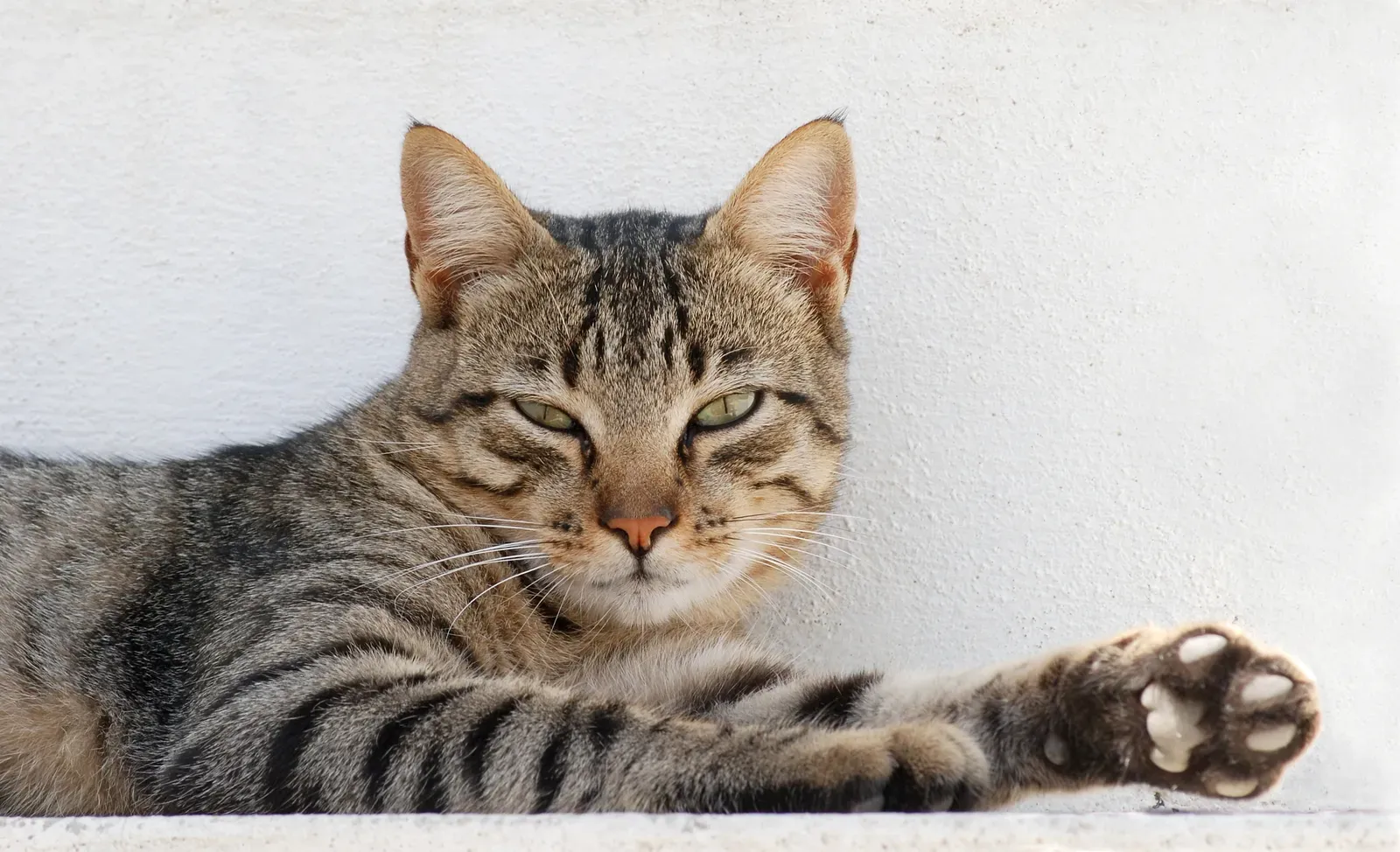
After decades of research, behaviourists agree on one final point: purring isn't one behavior. It's a toolkit.
Depending on context, purring can signal contentment, request food, self-soothe during fear or pain, strengthen the kitten-mother bond, and potentially assist physical healing. No single explanation accounts for every instance of purring, which is precisely why the sound has confused scientists for so long.
Fast Facts
- Contentment: signals relaxed, low-stress moments.
- Solicitation: requests food through an embedded cry.
- Self-soothing: eases fear, pain, or medical distress.
- Bonding: strengthens the kitten-mother nursing connection.
- Healing: may support tissue repair through low-frequency vibration.
This layered complexity is what makes purring such a uniquely fascinating trait in the animal kingdom.
It's simultaneously emotional, manipulative, medicinal, and instinctual, often all within the same day from the same cat. Understanding this multi-purpose nature is the key to finally reading your cat correctly instead of assuming one simple explanation covers every purr.
The Bottom Line
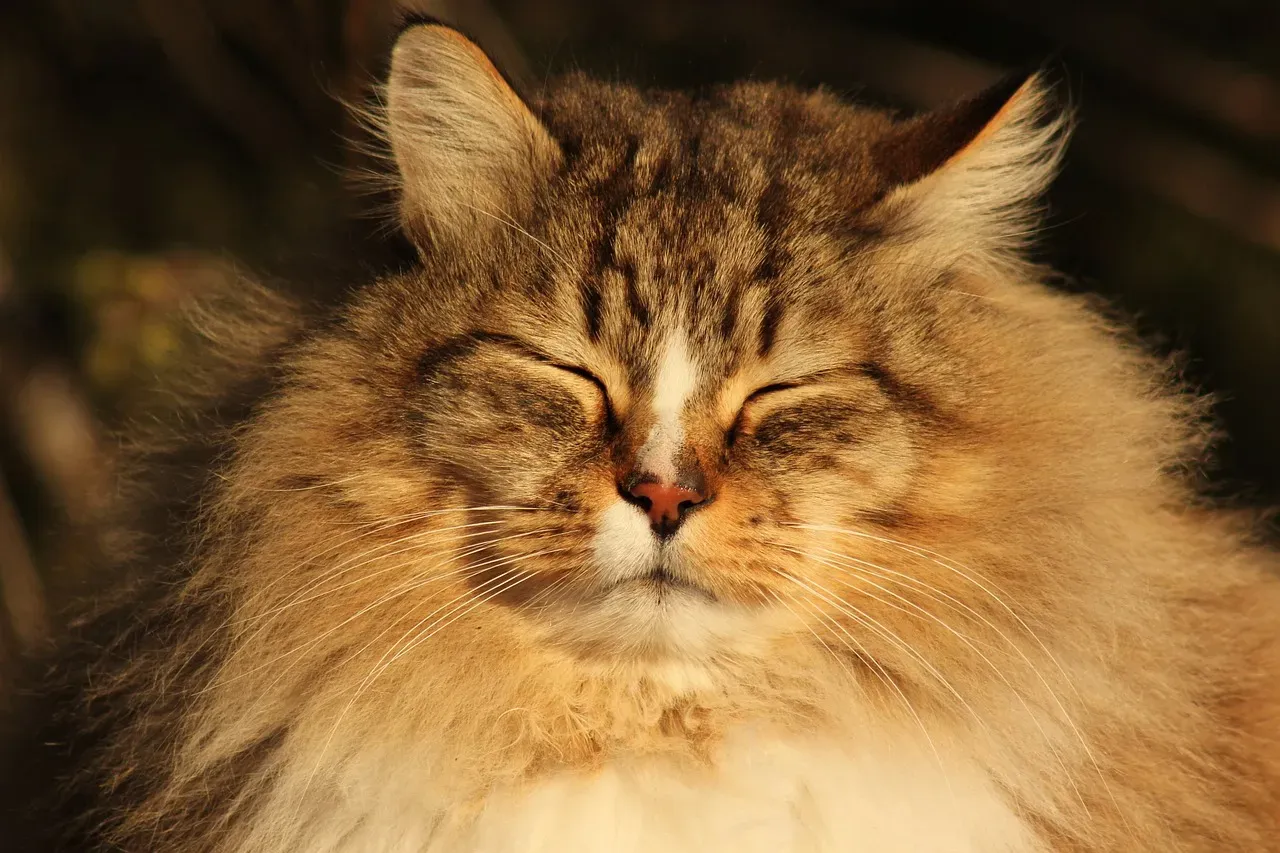
The idea that purring simply means "happy cat" is outdated and, according to behaviourists, often flat wrong. Purring is a survival tool, a manipulation tactic, a stress response, and possibly even a healing mechanism, all wrapped into one deceptively simple sound.
The real skill isn't hearing the purr. It's reading the context around it: body language, timing, and situation, together.
Cats have spent thousands of years fine-tuning this sound specifically to influence human behavior, and most owners never even notice it happening. Once you understand the science, you'll never listen to a purring cat the same way again. Which theory surprised you the most? Drop your thoughts in the comments.