19 Cat Breeds That Handle Being Home Alone the Best
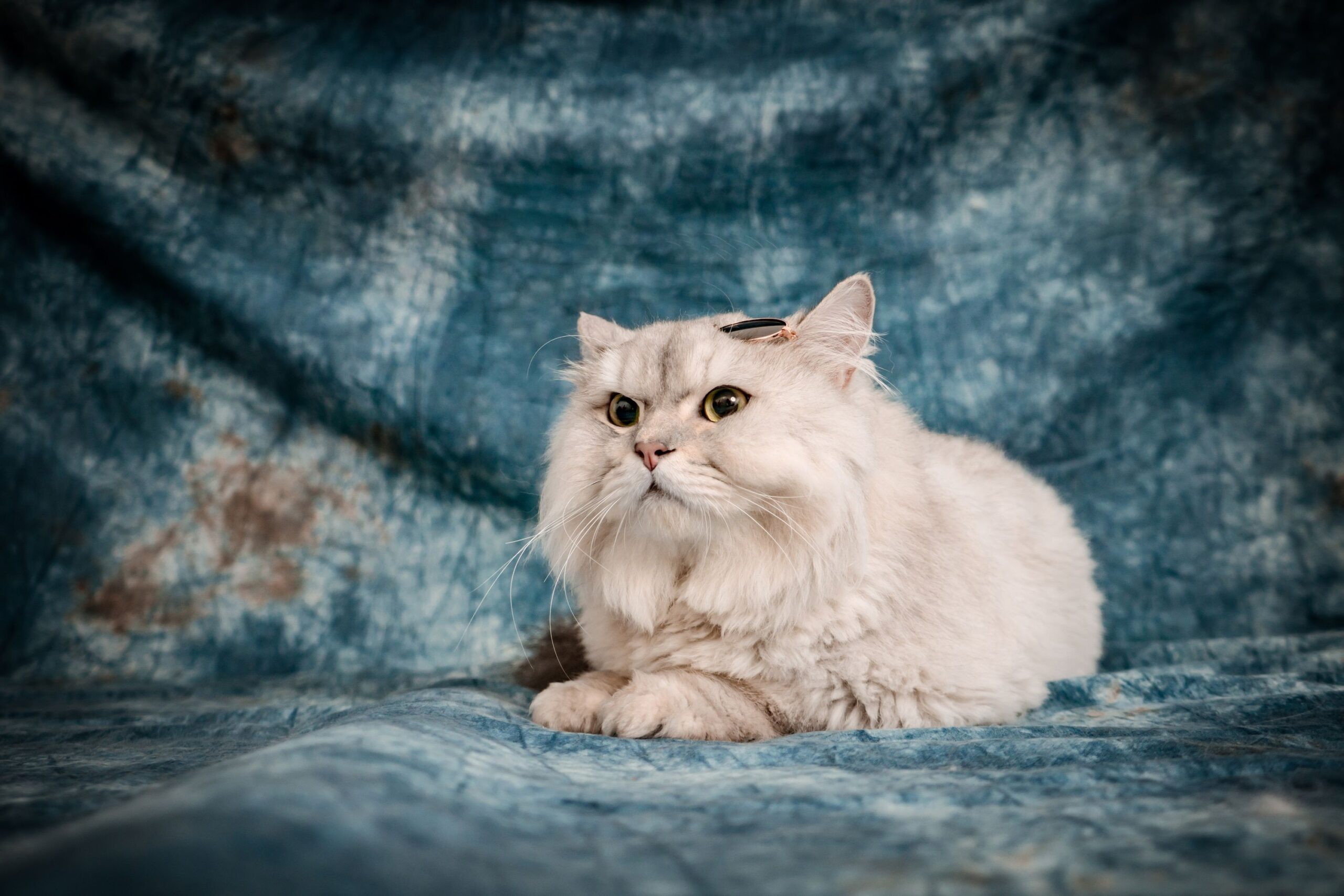
Most cat owners feel a stab of guilt every time they lock the door, convinced their cat is pacing the hallway in quiet misery until they get home. That's the myth. The reality is a lot less dramatic for a surprising number of breeds - some of which practically shrug when you leave.
Veterinary behaviorists have long pointed out that temperament, not guilt-tripping meows, decides how a cat handles isolation. Some breeds spiral into anxiety the second the door clicks shut. Others don't even lift their head from the nap. Here are the 19 breeds that feline behavior experts consistently point to as the calmest, most self-sufficient solo dwellers - and why picking the wrong one could quietly stress your cat out for years without you ever noticing.
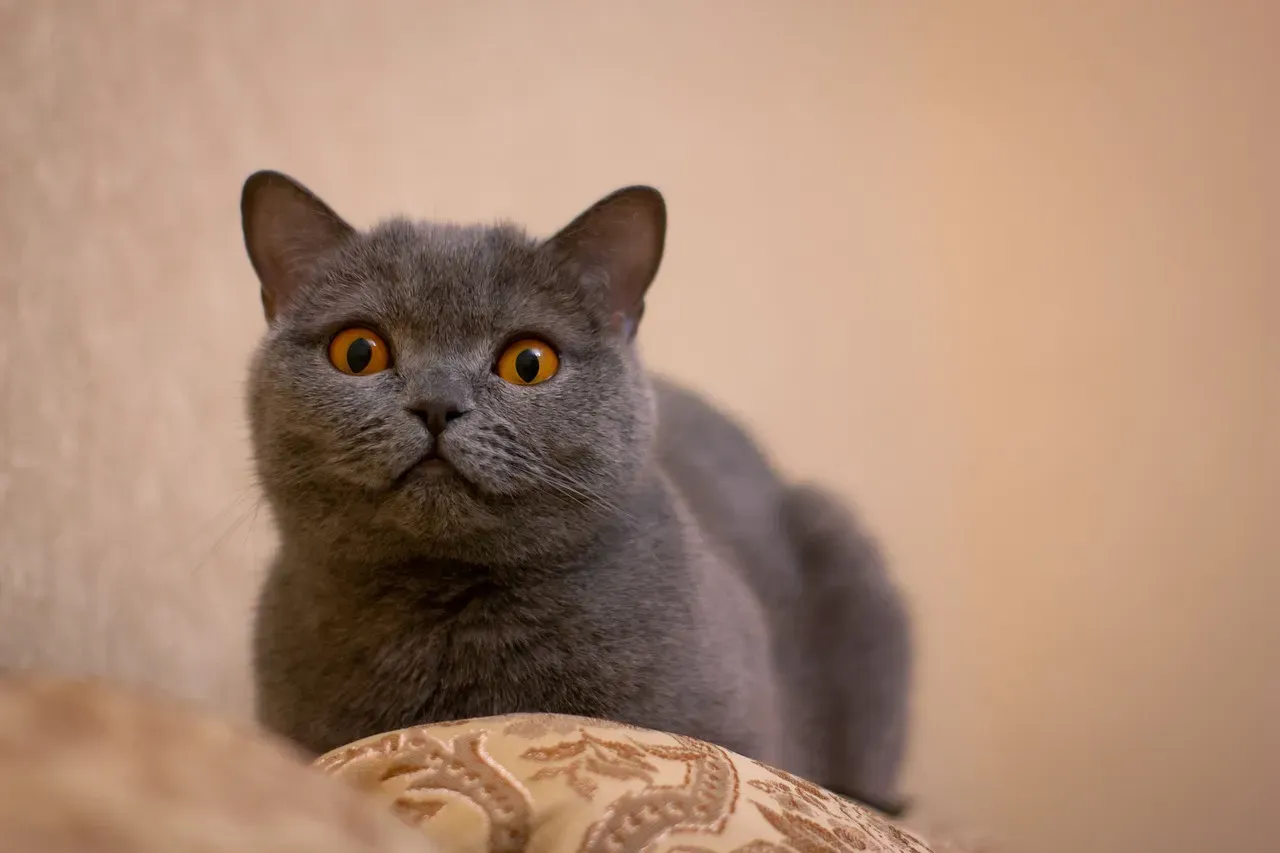
#1 - British Shorthair
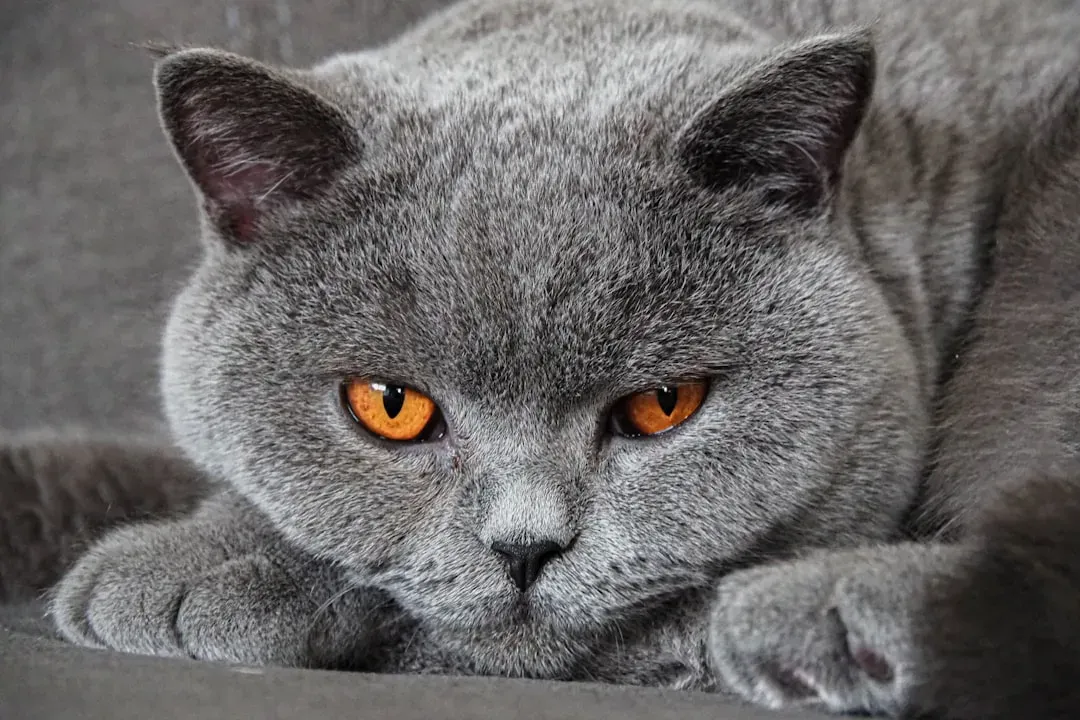
The British Shorthair is often called the "teddy bear" of the cat world, and that nickname extends straight into its temperament.
This breed is famously low-maintenance emotionally. British Shorthairs are known for being content to simply exist in a room by themselves, rarely demanding attention or vocalizing for company. They form affectionate bonds with their humans but don't require constant physical closeness to feel secure.
That combination makes them a top pick for full-time workers. Their thick, plush coat and stocky build reflect a generally calm, low-energy disposition that doesn't crave stimulation every waking hour.
At a Glance
- Origin: Great Britain, with ancestry tracing back to Roman times
- Weight: 9-18 pounds
- Coat: Dense and plush, needs only weekly brushing
- Energy level: Low to moderate
- Vocalization: Minimal, rarely meows for attention
Owners frequently describe this breed as "furniture with a heartbeat" in the best possible way - present, warm, but never needy. But that's nothing compared to what we found about #2.
#2 - Russian Blue
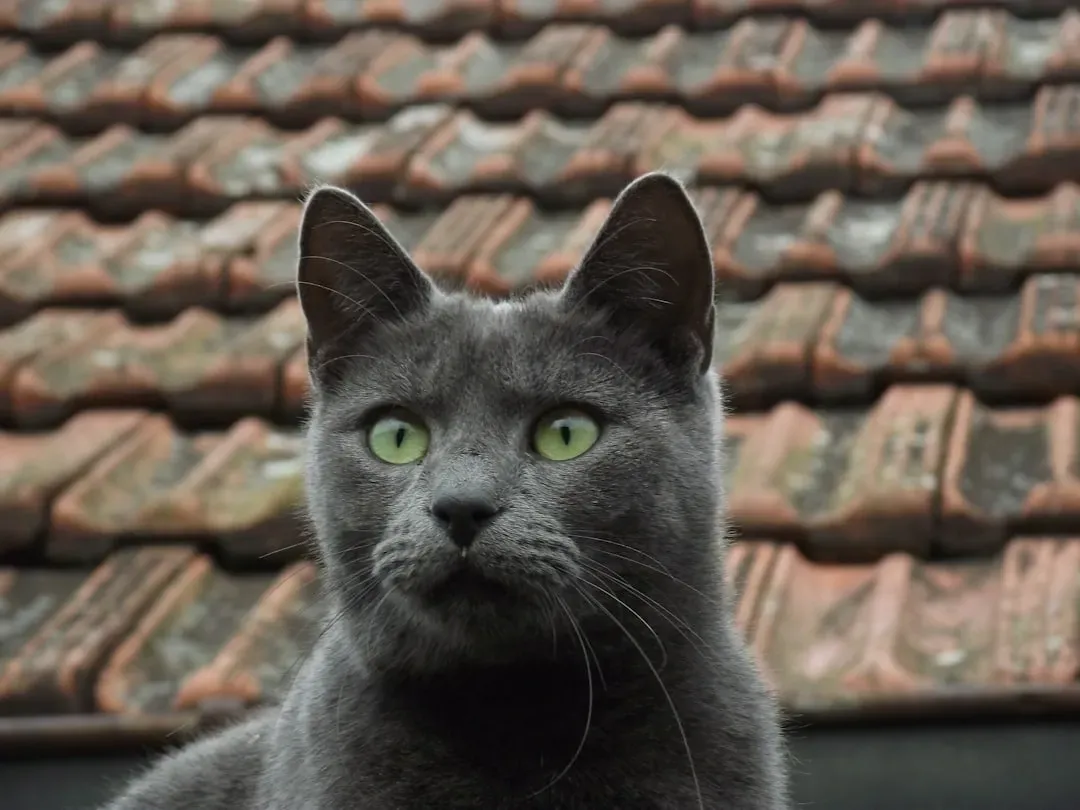
Russian Blues carry a reputation for being reserved almost to the point of aloofness, and that reserve is exactly what makes them alone-time champions.
This breed tends to form one or two very strong bonds rather than seeking affection from everyone in the house. Sounds counterintuitive, but it actually works in favor of solo living. Russian Blues are known to develop predictable daily routines, often finding a favorite window perch where they'll happily spend hours undisturbed.
They're naturally cautious around new stimuli, which translates into a cat that doesn't get overstimulated or anxious in a quiet, familiar space. Their short, dense coat requires minimal grooming, another point in favor of a low-fuss lifestyle.
But #3 takes independence to a completely different level.
#3 - American Shorthair
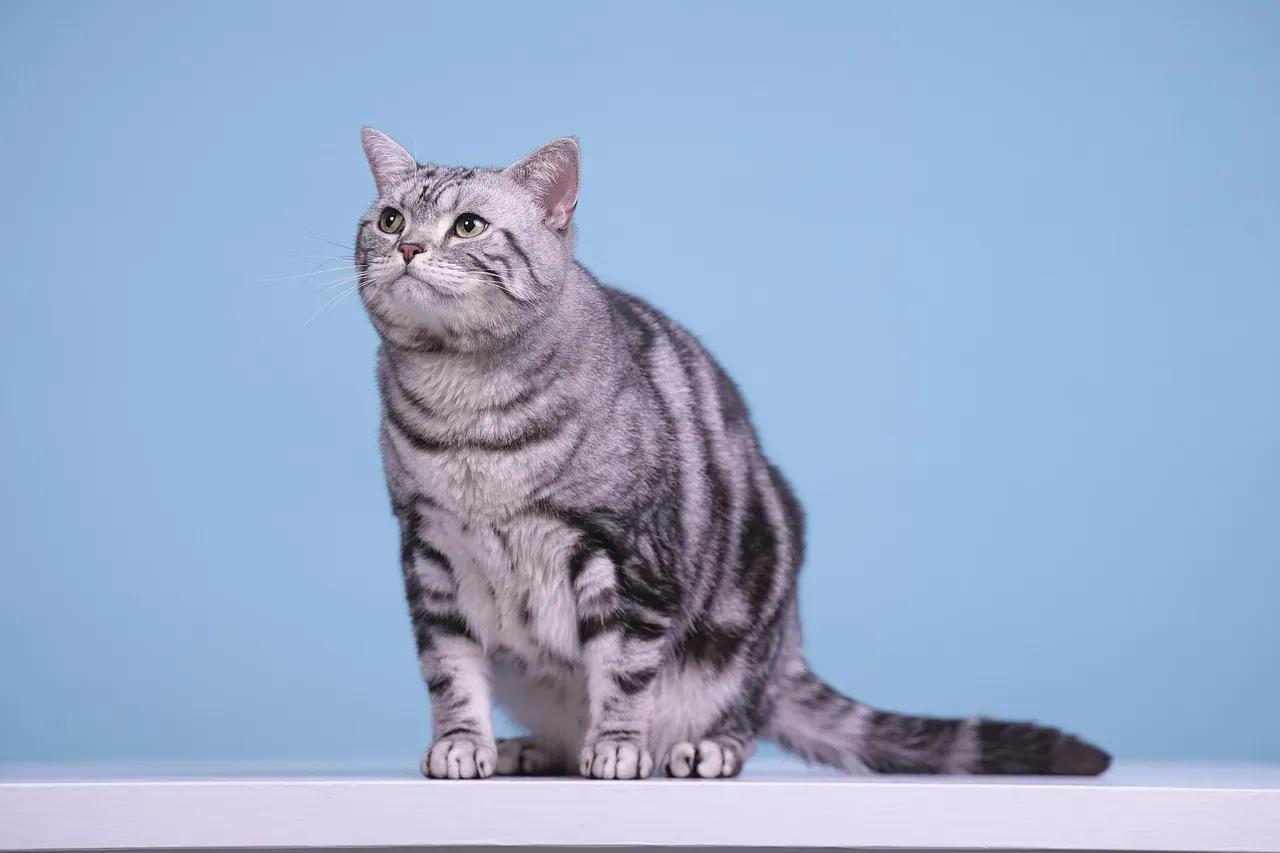
America's original working cat wasn't bred for lap time - it was bred for barns, ships, and self-sufficiency.
That heritage still shows today. American Shorthairs descend from cats that had to hunt and survive with zero human supervision, and centuries later, that self-reliant instinct hasn't disappeared. They're playful and social when you're home, but they don't fall apart when you're not.
This breed is well-documented for adaptability, easily settling into apartment life, houses with kids, or quiet single-person households without behavioral issues. Their easygoing nature also means they rarely develop destructive habits out of boredom, a common issue in more high-strung breeds.
But what we discovered about #4 might surprise longhaired-cat skeptics.
#4 - Persian
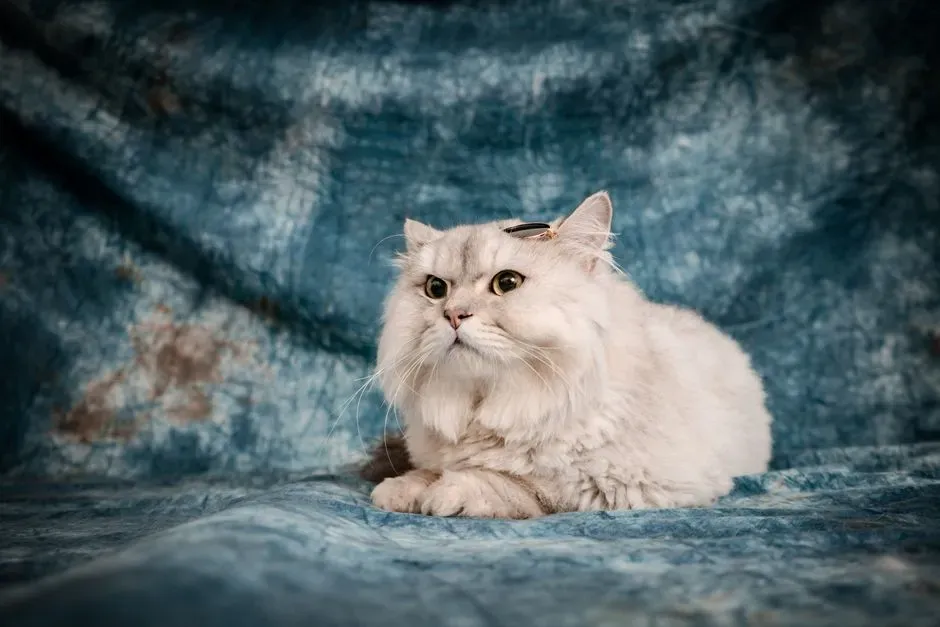
Persians have a reputation for being "decorative" cats, and while that's a bit reductive, it does hint at something true: they're not high-demand companions.
This breed is famously sedentary, often preferring a quiet corner over an active play session. Persians typically show very little separation-related stress, largely because their energy levels and social needs are naturally low compared to more active breeds.
They're affectionate on their own terms, often choosing to sit near you rather than constantly seeking physical contact - which makes the adjustment to solo hours relatively seamless. The tradeoff is grooming; that luxurious coat needs daily attention no matter how independent the cat's personality is.
But #5 flips the script with a completely different kind of independence.
#5 - Norwegian Forest Cat
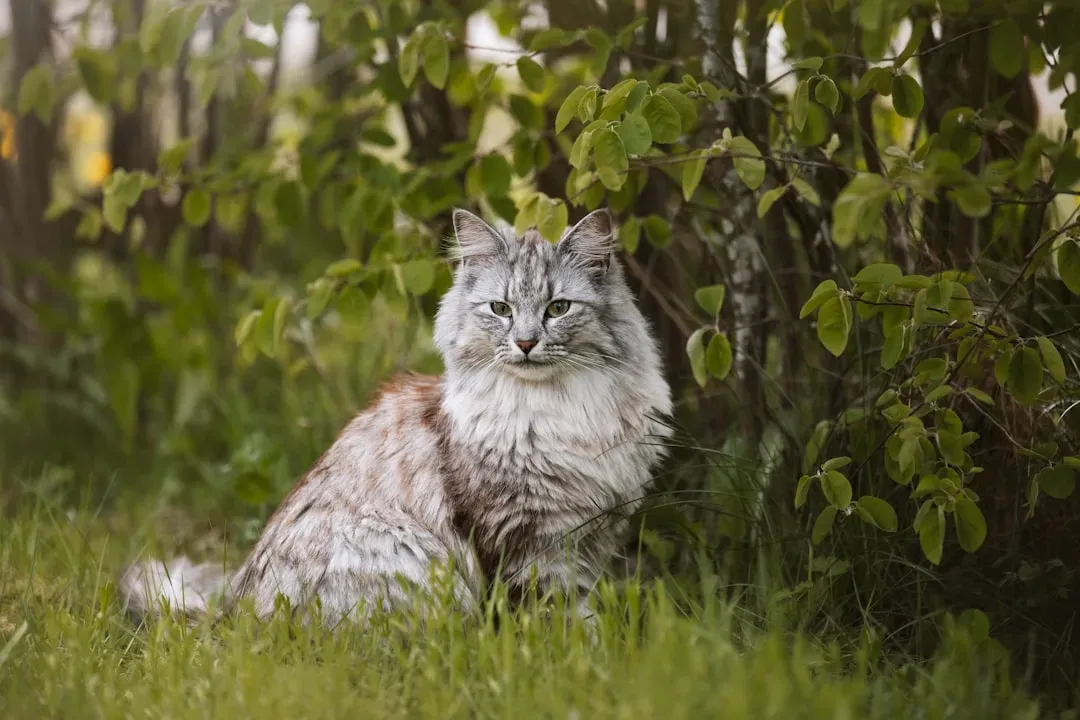
Bred to survive brutal Scandinavian winters largely on their own, Norwegian Forest Cats carry ancient self-sufficiency in their DNA.
This breed was historically a working farm cat, expected to hunt and patrol without human direction for long stretches. That survival-driven independence is still very much intact today, and it shows in how calmly they handle being left alone.
They're intelligent enough to entertain themselves, often solving puzzle feeders or investigating new objects rather than sitting by the door waiting. Despite their large, muscular build, they're surprisingly gentle and undemanding once their basic needs are met.
Quick Compare
- Norwegian Forest Cat: Farm-bred survivor that solves puzzle feeders solo
- Maine Coon: Farm-bred giant, self-sufficient but still people-oriented
- Siberian: Wilderness-bred and athletic, entertains itself for hours
I am not a friend, and I am not a servant. I am the Cat who walks by himself.
Rudyard Kipling, "The Cat That Walked by Himself"
But #6 might be the most misunderstood breed on this entire list.
#6 - Chartreux
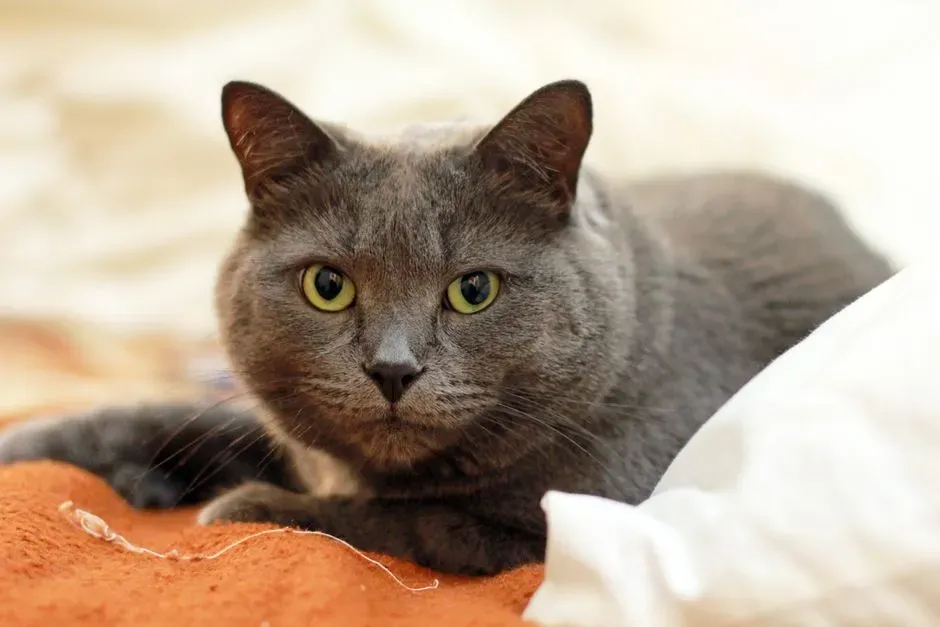
Ask any longtime Chartreux owner and they'll tell you the same thing: this breed doesn't do drama.
Originating in France, Chartreux cats are known for their quiet, almost dog-like loyalty paired with a notably calm nervous system. Chartreux are frequently described by breed experts as one of the quietest cat breeds in existence, rarely meowing even when they want something.
That same low-reactivity temperament extends to alone time - they simply don't escalate into anxious behavior the way more vocal, high-strung breeds might. Their thick, water-resistant coat and stocky build hint at a hardy, practical nature that doesn't need constant reassurance.
But wait until you see how #7 handles solitude.
#7 - Scottish Fold
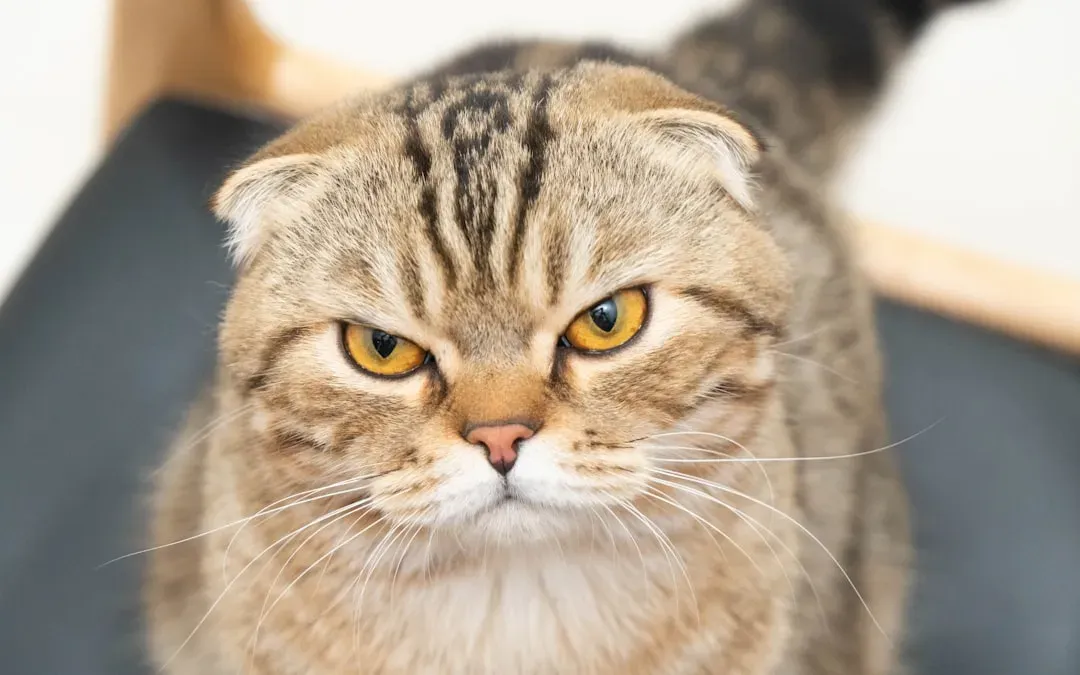
Scottish Folds are known worldwide for their distinctive folded ears, but their personality deserves just as much attention.
This breed tends to be sweet-natured without being clingy, a combination that's harder to find than you'd think. Scottish Folds are generally regarded as adaptable, low-drama cats that settle easily into new routines, including extended periods without human interaction.
They enjoy human company when it's available but don't typically spiral into stress-related behaviors like excessive vocalizing or destructive scratching when it's not. Their playful streak means they'll often self-entertain with toys left around the house rather than waiting by the window for your return.
But #8 brings an entirely different survival story to the table.
#8 - Turkish Van
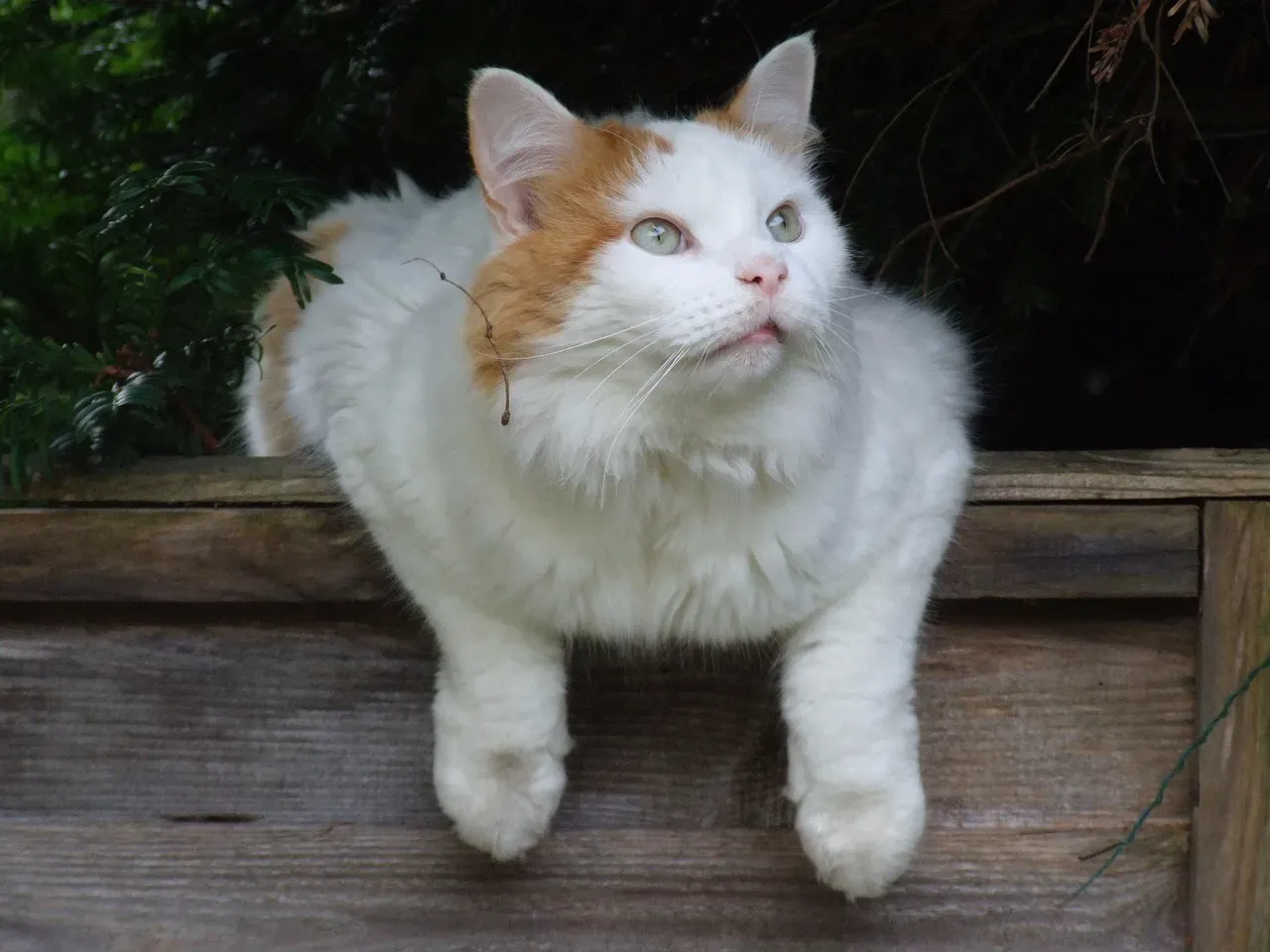
Nicknamed the "swimming cat," the Turkish Van has a rugged, semi-wild history that shaped an unusually self-sufficient personality.
This breed developed in the remote regions of Turkey, historically living with minimal human intervention. Turkish Vans are known for being highly independent and physically active, often preferring to explore, climb, or investigate water sources over seeking constant attention.
That built-in independence makes them far less prone to separation-related anxiety than more dependent breeds. They do best with enrichment left out - puzzle toys, climbing shelves, or accessible windows - because boredom, not loneliness, is their real trigger.
But #9 proves that even giant cats can be gentle homebodies.
#9 - Maine Coon
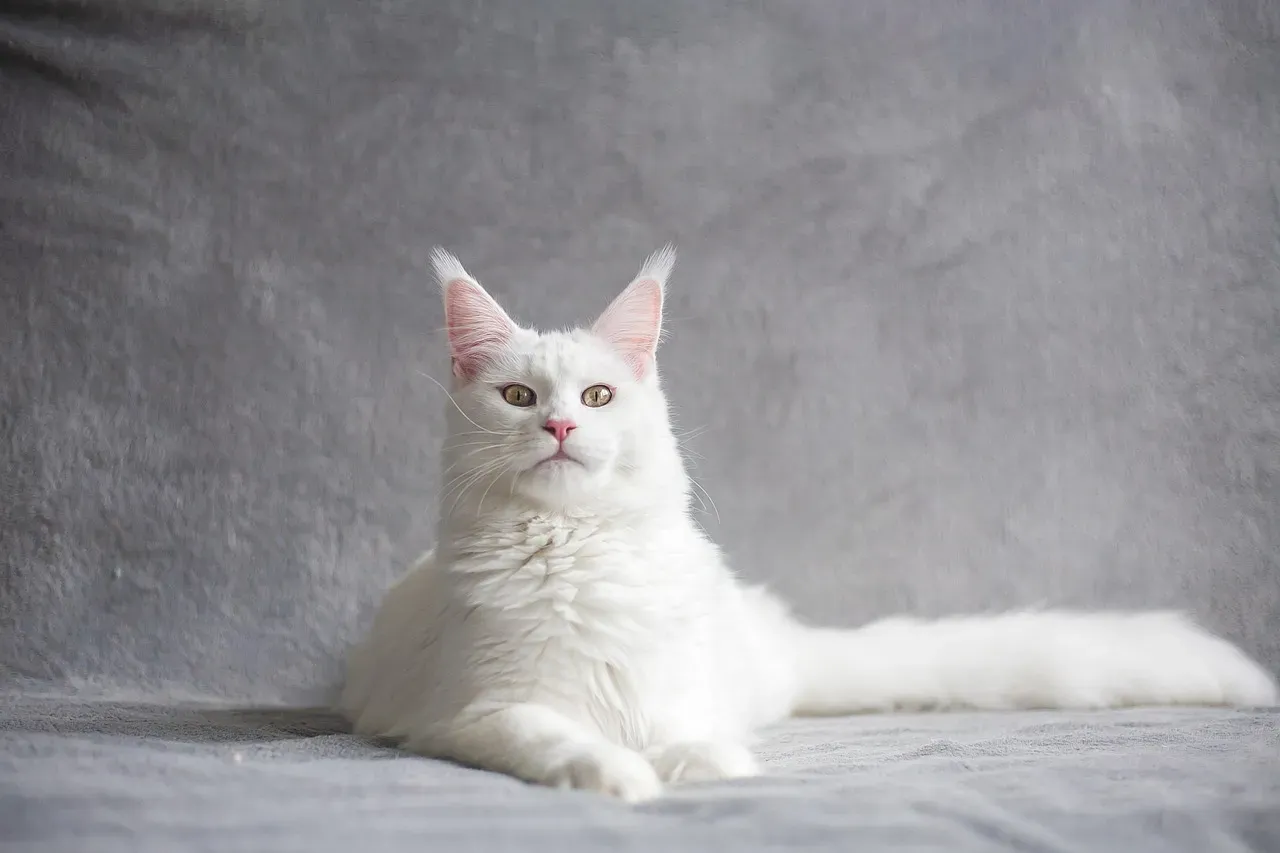
Don't let the size fool you - Maine Coons are famously described as "gentle giants," and that gentleness includes emotional steadiness.
While social and friendly, Maine Coons aren't typically classified as high-anxiety or clingy cats. This breed developed in harsh New England climates as a working farm cat, expected to hunt rodents largely unsupervised, which shaped a self-sufficient temperament that persists today.
They're intelligent enough to keep themselves occupied, often "talking" to themselves or playing solo with toys scattered around the house. Their thick coats and sturdy builds also reflect a hardy, low-fuss nature that doesn't require constant emotional management.
Worth Knowing
- Maine Coons are among the largest domesticated cat breeds, with males often reaching 18-25 pounds
- They're recognized as the official state cat of Maine
- Their semi-long, water-resistant coat evolved to handle brutal New England winters
- Despite their size, they're known as "gentle giants" with a dog-like, easygoing loyalty
But #10 might be the quietest cat on this entire list.
#10 - Korat
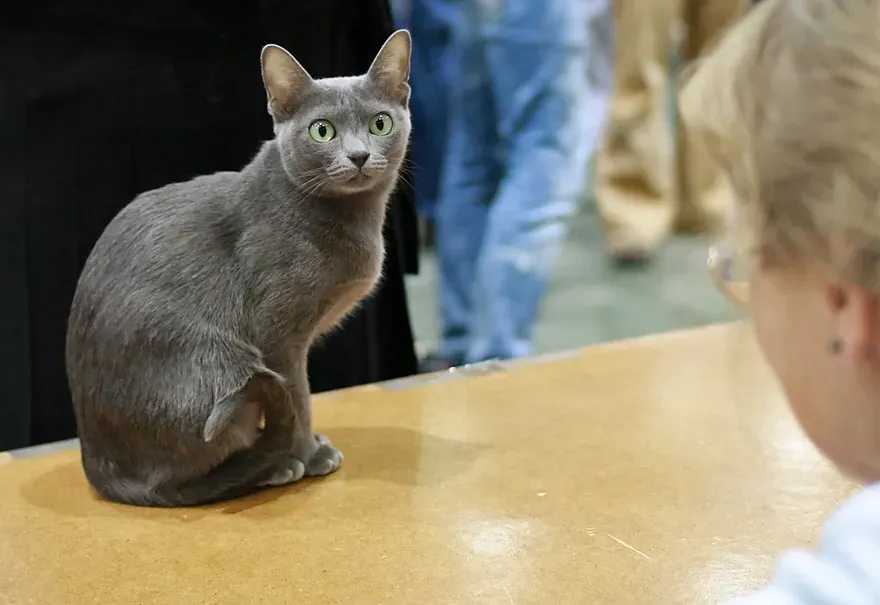
The Korat is one of the oldest natural cat breeds in the world, hailing from Thailand, and its temperament reflects centuries of quiet refinement.
This breed is known for being observant and calm rather than demanding or vocal. Korats tend to bond closely with one or two people but don't require constant physical contact to feel secure, a trait that makes solo hours far less stressful for them than for more codependent breeds.
They're intelligent and alert, often watching household activity from a favorite perch rather than inserting themselves into every moment. Their short, silver-blue coat requires minimal grooming, rounding out a genuinely low-maintenance profile.
But #11 has a surprising trick up its sleeve for handling alone time.
#11 - Egyptian Mau
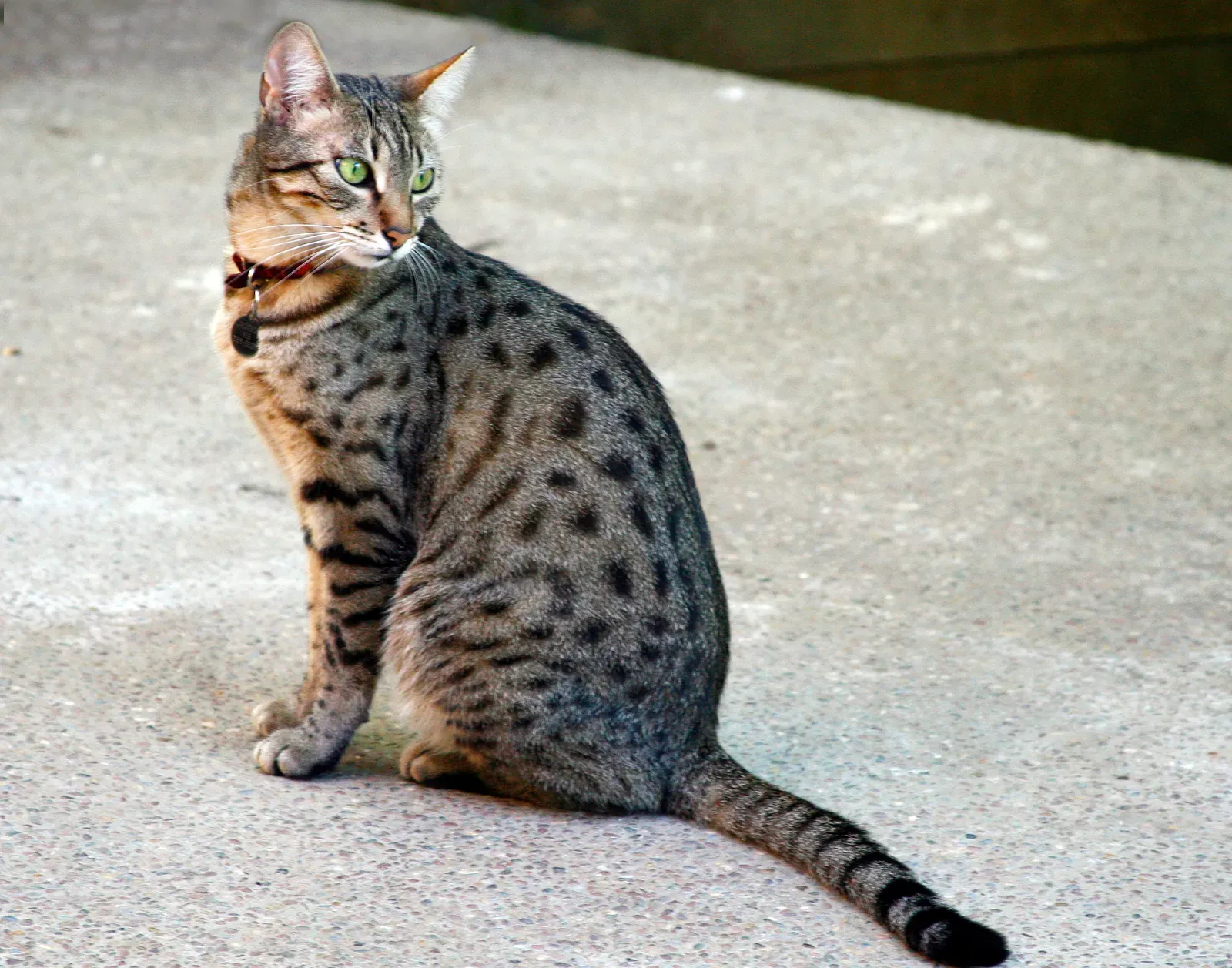
Egyptian Maus are one of the fastest domestic cat breeds alive, and that athleticism plays directly into how well they handle solo hours.
Rather than sitting anxiously by the door, Maus tend to channel their energy into physical activity - running, jumping, and climbing whatever's available. This breed is known for being reserved with strangers but deeply loyal to their chosen humans, which means they don't seek validation from just anyone.
That reduces overall neediness. Their high intelligence also means they're excellent at self-directed play, especially with interactive toys - give a Mau vertical space and a few toys, and it will happily entertain itself for hours.
But #12 takes a completely different, more laid-back approach.
#12 - Ragamuffin
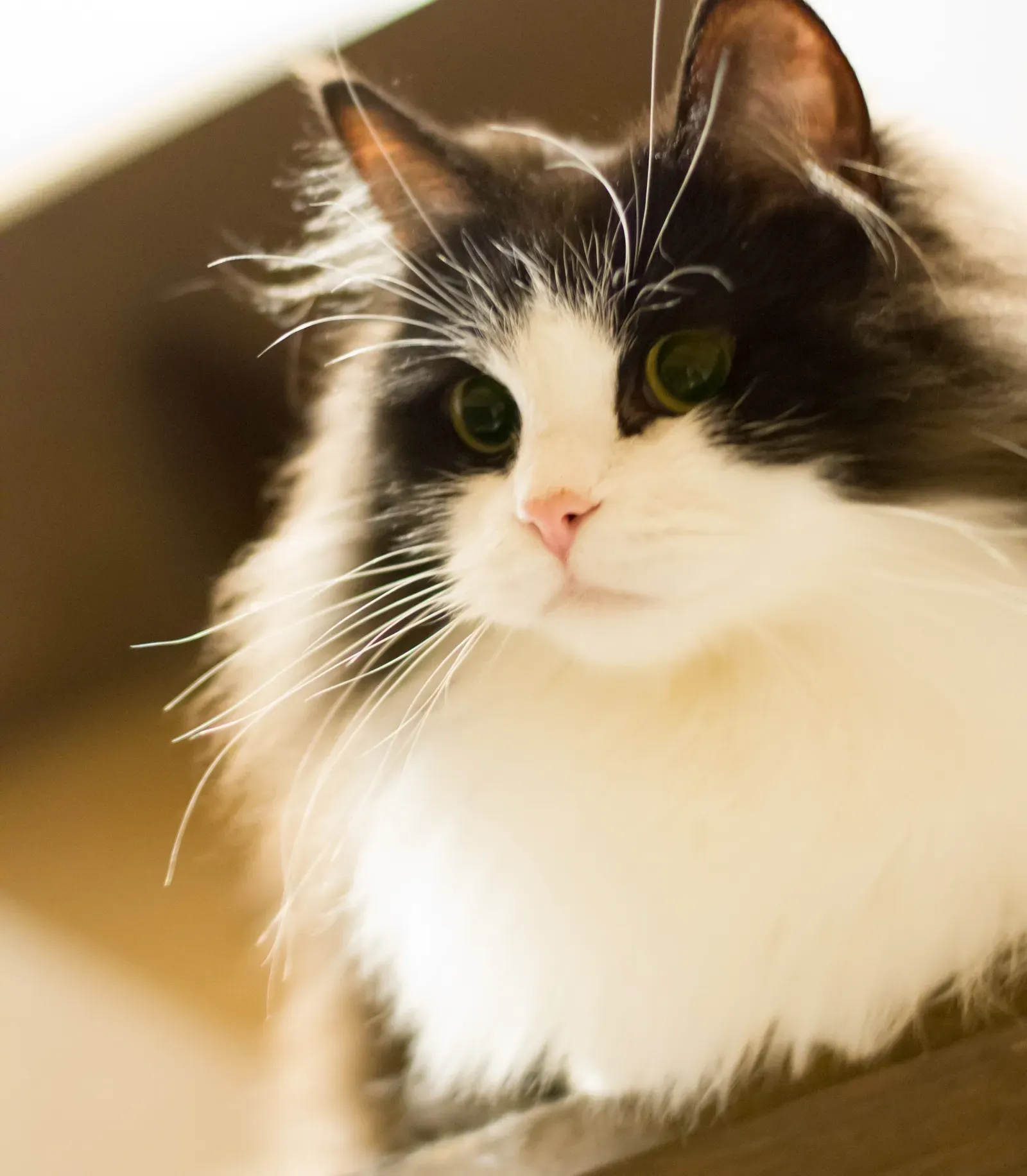
Ragamuffins are affectionate, yes - but their version of affection doesn't come with anxiety attached.
This breed is known for being remarkably even-tempered, adapting easily to whatever schedule their household runs on. Ragamuffins are frequently praised for their calm, easygoing nature, which means they tend to relax rather than panic when their owners step out.
They're not the type to shred curtains or knock things off shelves out of protest. Instead, they typically find a comfortable spot and settle in until you return, their plush coat and relaxed body language reflecting an overall low-stress personality.
But #13 might be the most underrated breed on this list.
#13 - Exotic Shorthair
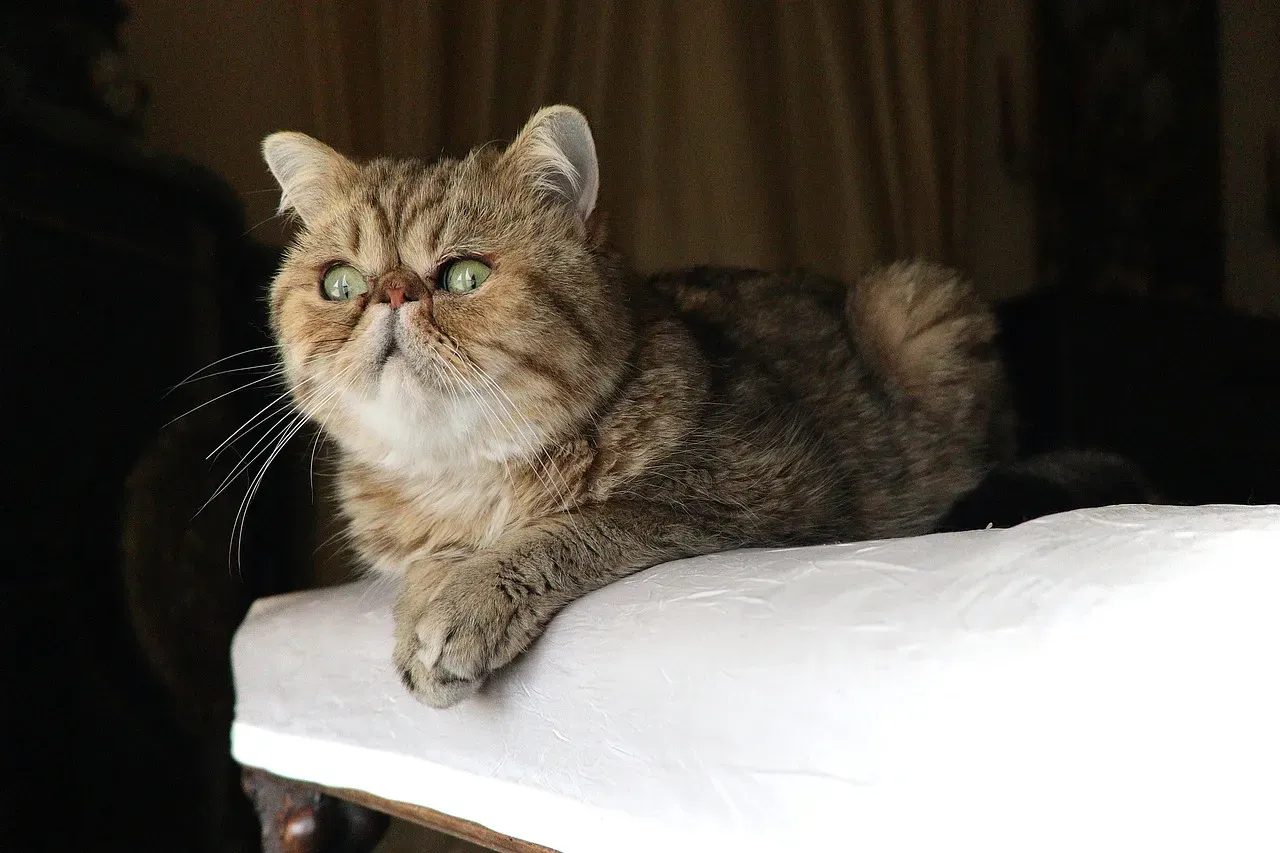
Often called the "lazy man's Persian," the Exotic Shorthair inherited its cousin's calm temperament without the demanding coat maintenance.
This breed is known for being sweet, quiet, and notably low-energy. Exotic Shorthairs typically show minimal distress when left alone, largely because their activity levels and social demands are already naturally low.
They enjoy companionship but don't require it constantly, making them a strong match for people who work long or unpredictable hours. Their short, dense coat means grooming is far simpler than a full Persian, adding another layer of convenience.
But #14 proves that even a "wild-looking" breed can be a homebody at heart.
#14 - Manx
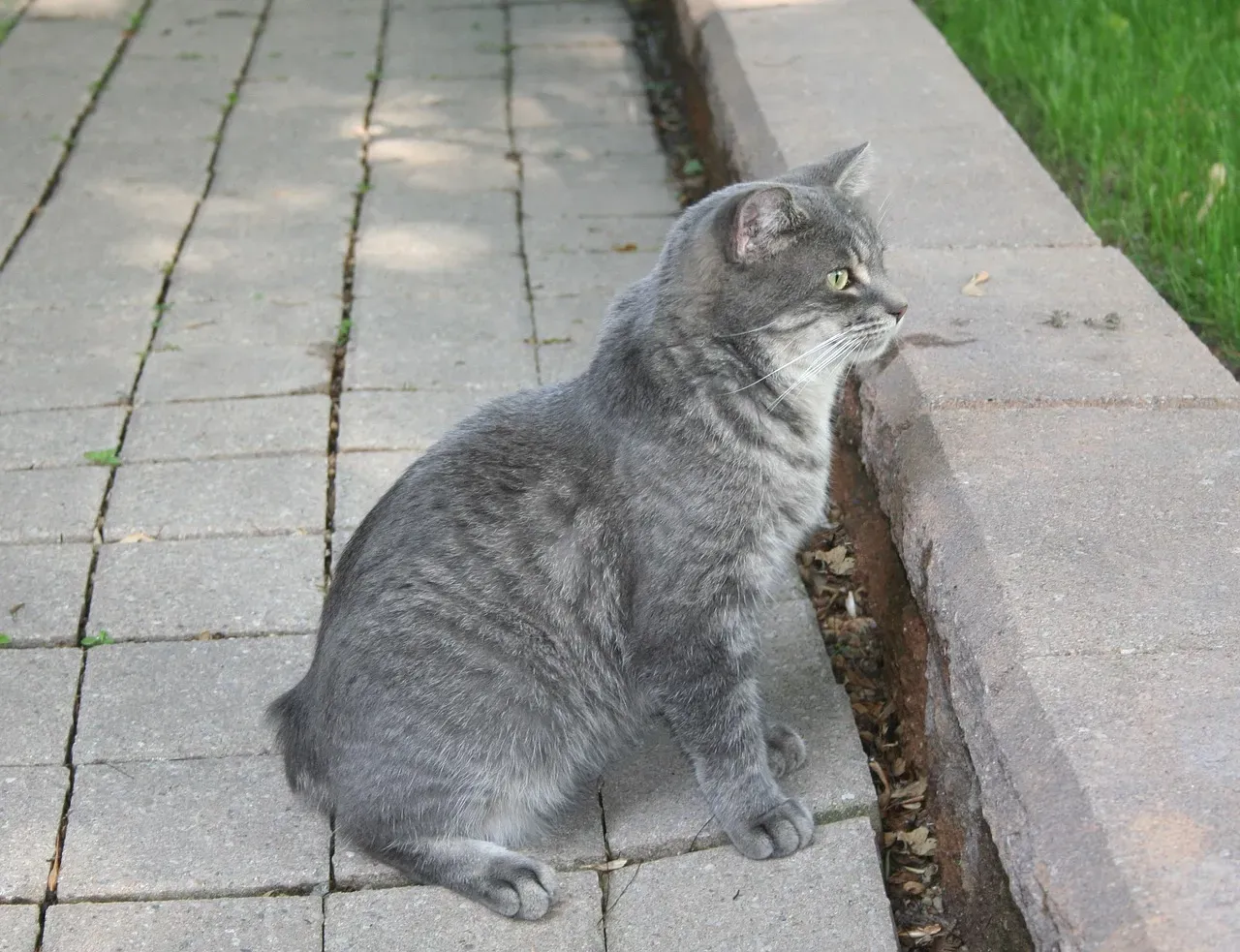
The tailless Manx has a long history as a working ship and farm cat, and that background shaped an unusually self-reliant personality.
Manx cats are known for their loyalty, but that loyalty doesn't translate into clinginess. This breed was historically valued for its independent hunting ability, often working alone for hours without human oversight - a trait that carries over into modern solo-living tolerance.
They're playful and curious, often finding their own entertainment through exploration rather than waiting for a human to initiate play. Their sturdy, muscular build also reflects a generally hardy, adaptable temperament.
But #15 brings a rare combination of intelligence and calm to the table.
#15 - American Curl
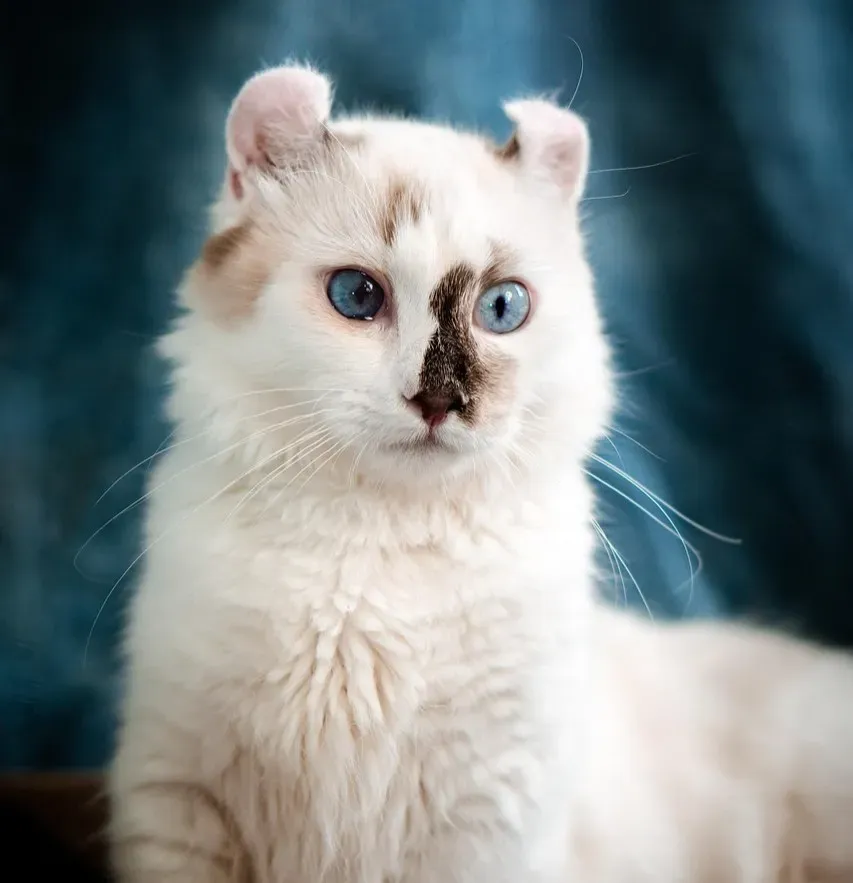
Known for their distinctive curled-back ears, American Curls are just as notable for their easygoing, adaptable personalities.
This breed tends to be playful without being demanding, striking a balance that works well for busy households. American Curls are generally described as people-oriented but not needy, meaning they enjoy your company without falling apart in your absence.
They're intelligent enough to entertain themselves and often develop favorite toys or routines that keep them occupied throughout the day. Their moderate energy levels mean they're rarely destructive out of boredom.
But #16 might be the calmest cat breed you've never heard of.
#16 - Selkirk Rex
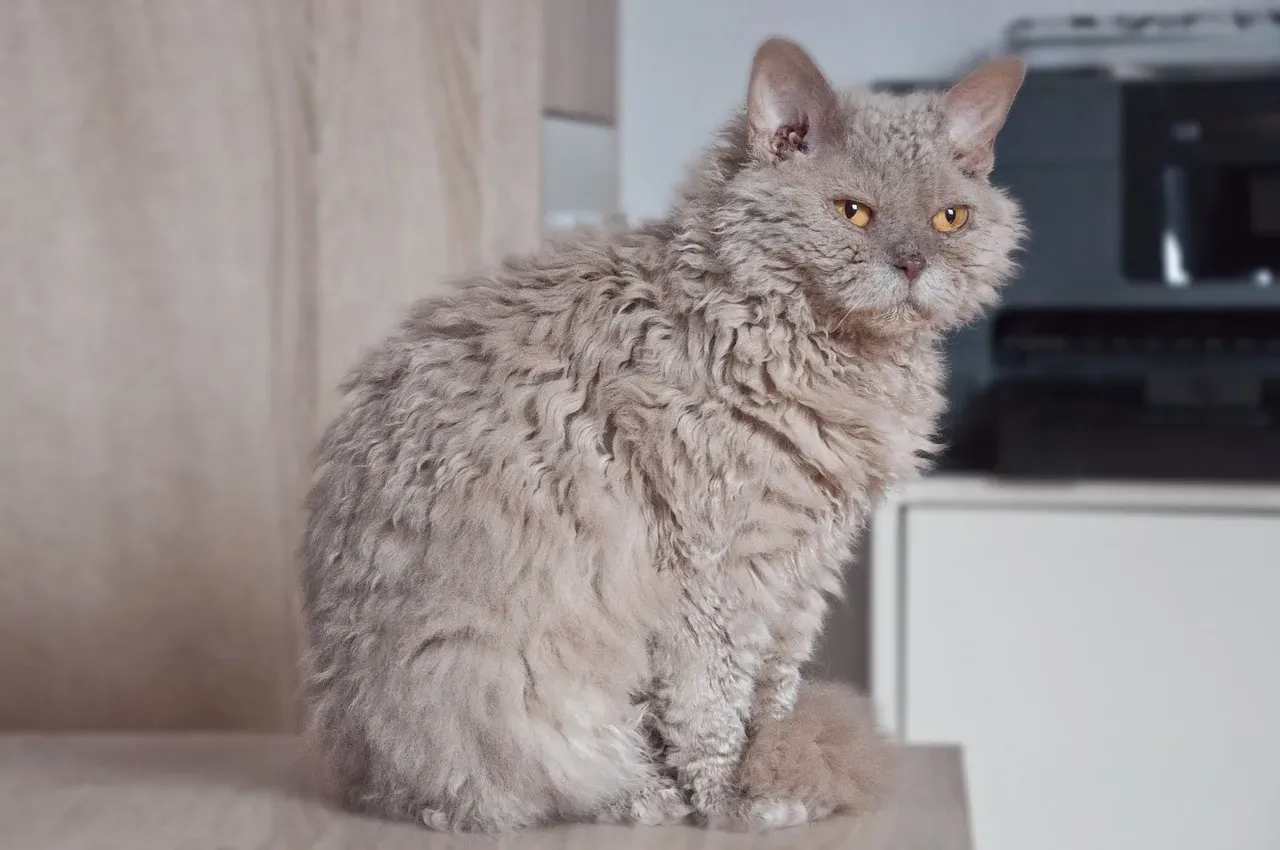
With its signature curly coat, the Selkirk Rex looks unusual - but its temperament is refreshingly ordinary in the best way.
This breed is known for being patient, tolerant, and notably unbothered by change. Selkirk Rex cats are frequently described as having a relaxed, go-with-the-flow personality, which extends naturally to how they handle being left alone.
They're affectionate when you're home but don't demand constant attention, and they rarely show signs of stress-related behavior when routines shift. Their curly coat requires some grooming, but their emotional maintenance is refreshingly minimal.
But #17 has a survival story that explains everything about its independence.
#17 - Siberian
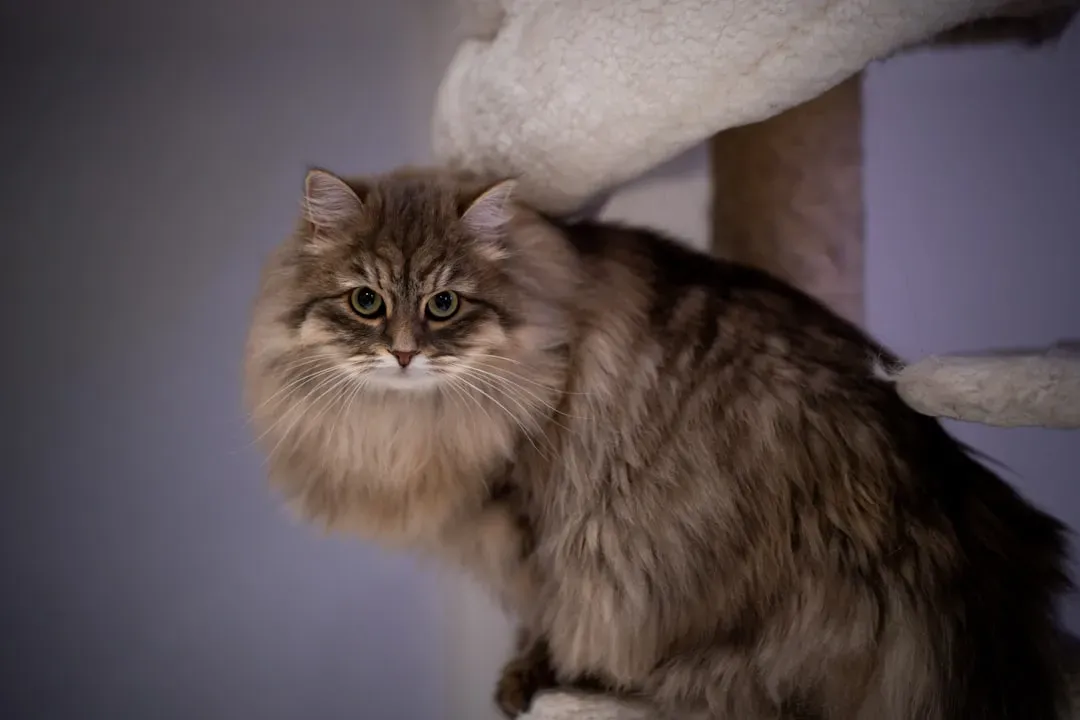
Siberians developed in the extreme cold of Russia, and that rugged history shaped a remarkably self-sufficient personality.
This breed historically had to fend for itself in harsh outdoor conditions, hunting and surviving with little to no human assistance. That independent streak is still evident today, with Siberians generally handling alone time far better than more dependent breeds.
They're athletic and love to climb, jump, and explore, which means they're naturally inclined to self-entertain rather than wait passively for company. Their thick, triple-layered coat also reflects the hardy, practical nature bred into them over centuries.
Why It Stands Out
- Often marketed as a more hypoallergenic option due to lower levels of the Fel d1 protein
- Widely regarded as Russia's national cat breed
- Triple-layered coat sheds seasonally but insulates against extreme cold
- Powerful hind legs give them exceptional jumping and climbing ability
But #18 might have the calmest disposition of any cat on this entire list.
#18 - Nebelung
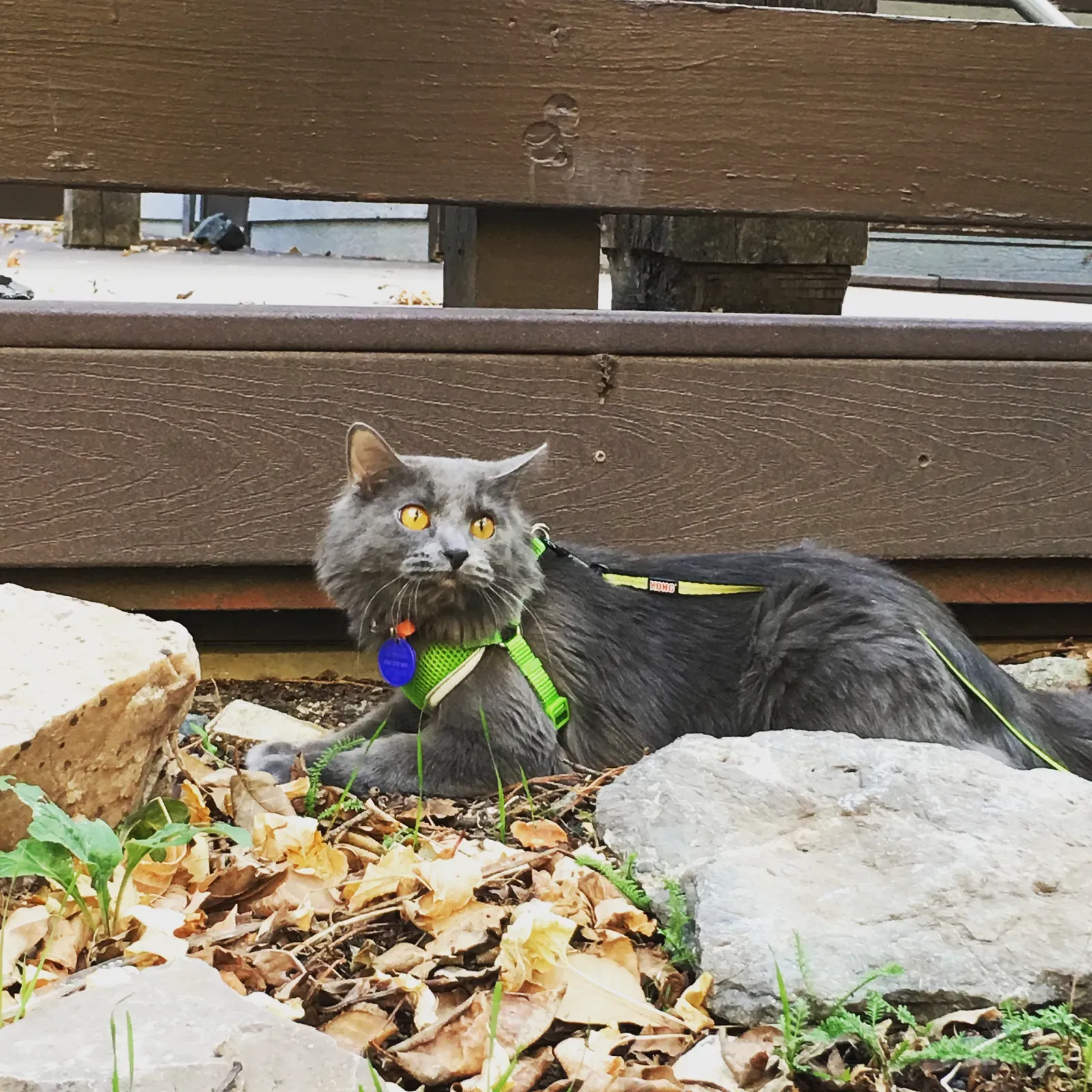
The Nebelung is essentially a long-haired Russian Blue, and it inherited much of that breed's reserved, self-contained temperament.
This is a quiet, gentle breed that tends to bond deeply with a small circle of people rather than seeking attention from everyone. Nebelungs are known for being shy around strangers but calm and steady in familiar environments, which includes handling solo hours without significant stress.
They often develop predictable daily patterns - favorite napping spots, specific windows, certain times to play - that provide structure even without human involvement. Their soft, silky coat and gentle demeanor round out a breed built for quiet, low-drama living.
But #19 saves the most surprising independence story for last.
#19 - American Bobtail
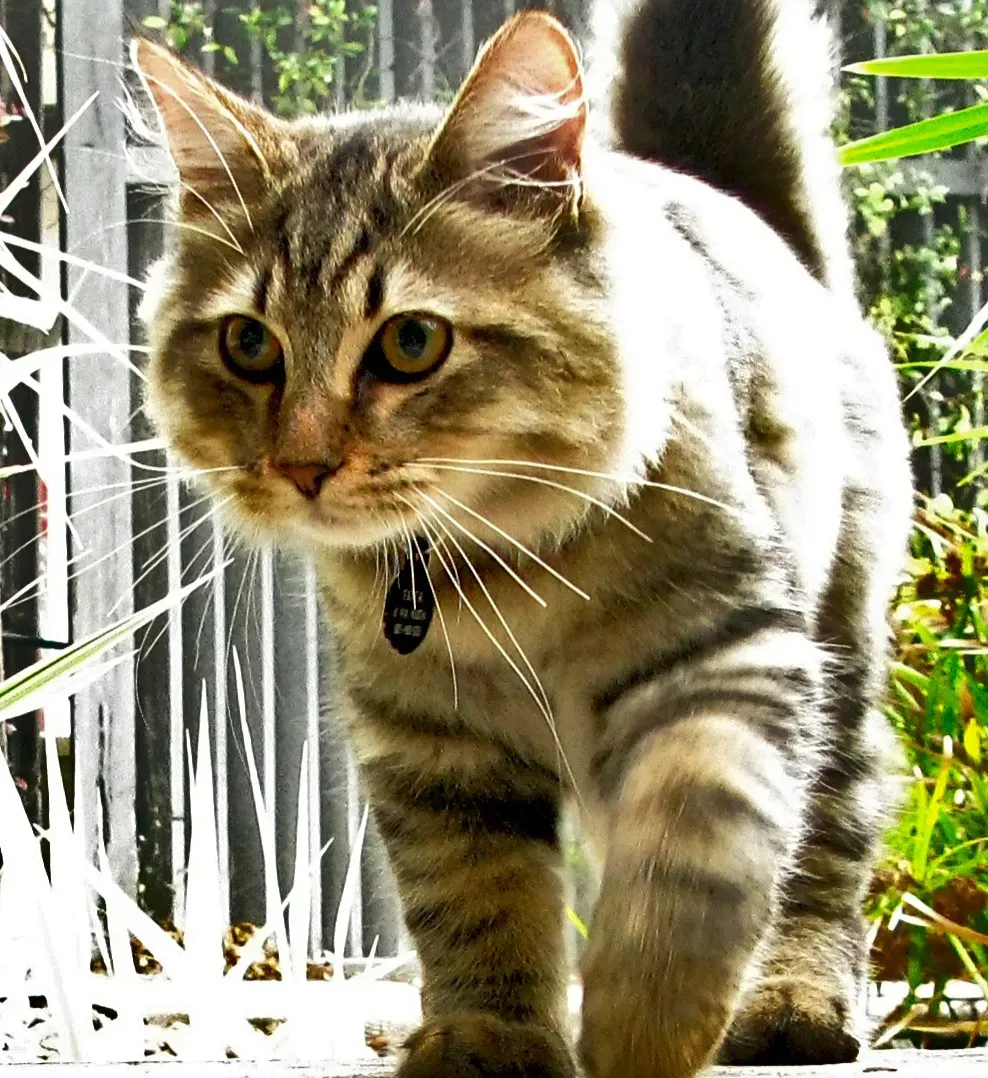
Closing out this list is the American Bobtail, a breed known for combining high intelligence with a genuinely independent streak.
This breed is playful and dog-like in its loyalty, but that loyalty doesn't come with separation anxiety attached. American Bobtails are frequently noted for their problem-solving skills, often figuring out how to open doors, retrieve toys, or entertain themselves in creative ways during long stretches alone.
Their naturally confident, adaptable temperament means changes in routine - including extended solo time - rarely rattle them. Their sturdy, athletic build also supports an active, self-directed play style that keeps boredom at bay without human involvement.
The Bottom Line
Here's the truth most cat guides won't tell you: independence isn't about how much a cat loves you. It's about temperament, history, and how a breed was shaped over generations of survival.
Breeds like the Chartreux, Russian Blue, and British Shorthair prove that calm, low-reactivity personalities matter far more than raw intelligence when it comes to handling solitude. Meanwhile, working and survival breeds like the Norwegian Forest Cat, Turkish Van, and Siberian show that self-sufficiency is often bred in, not trained.
If you're gone most of the day, choosing the right breed isn't optional - it's the difference between a relaxed cat and a quietly stressed one. Which breed on this list surprised you the most? Drop it in the comments.