23 Sounds Your Cat Makes That Are Meant Only for You
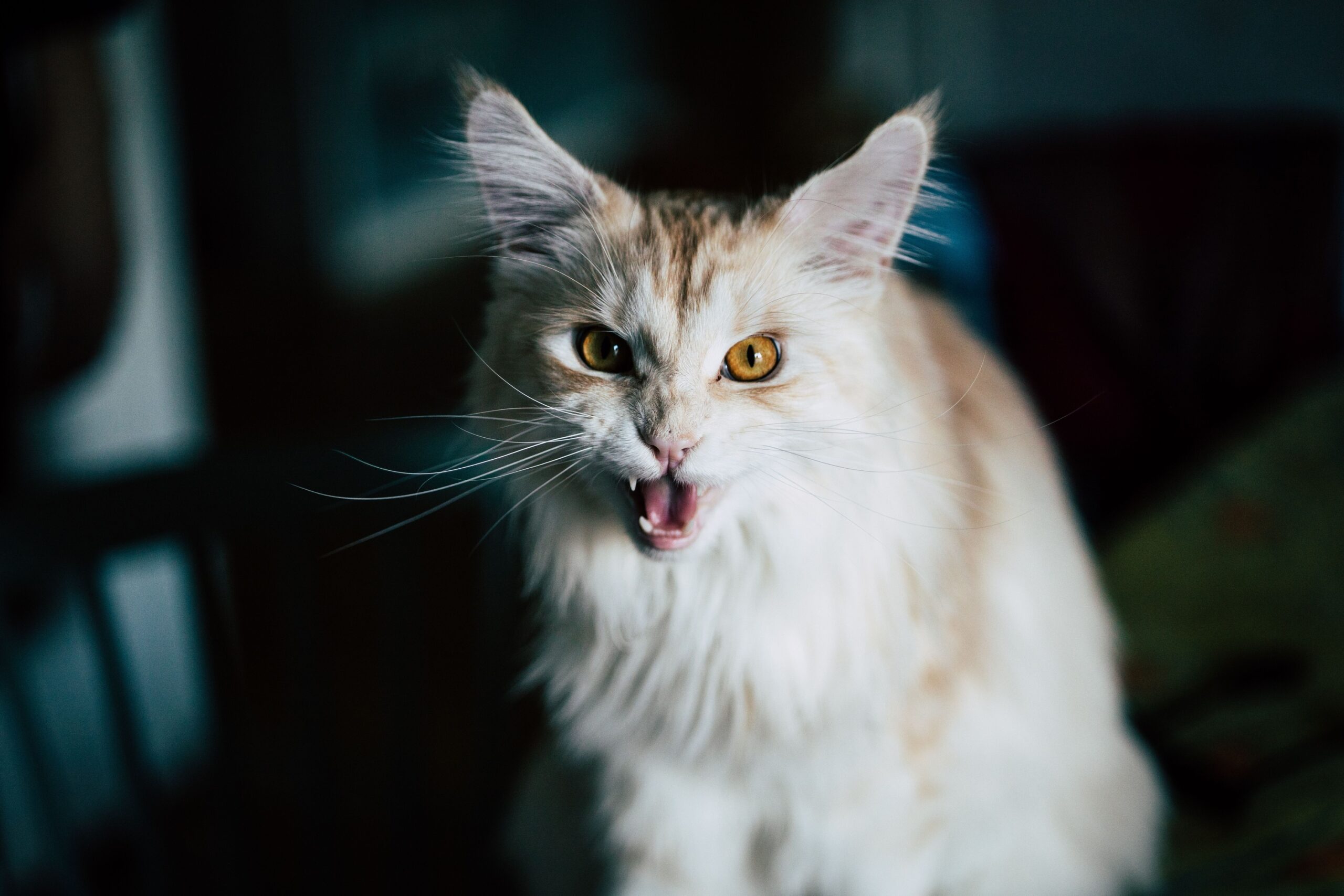
Most people assume a cat's meow is just a meow - a random noise their pet happens to make. But researchers have discovered something far stranger: adult cats have almost completely stopped meowing at other cats, saving an entire vocabulary of chirps, trills, gurgles, and "silent meows" exclusively for the humans they live with.
Scientists have documented over a dozen distinct feline vocal patterns, and many behaviorists now argue your cat has essentially built a private dialect just for you. Here's what feline researchers actually say about the 23 sounds cats reserve only for their favorite person - and why the last few on this list might be the most telling of all.
#1 - The Classic "Just for You" Meow
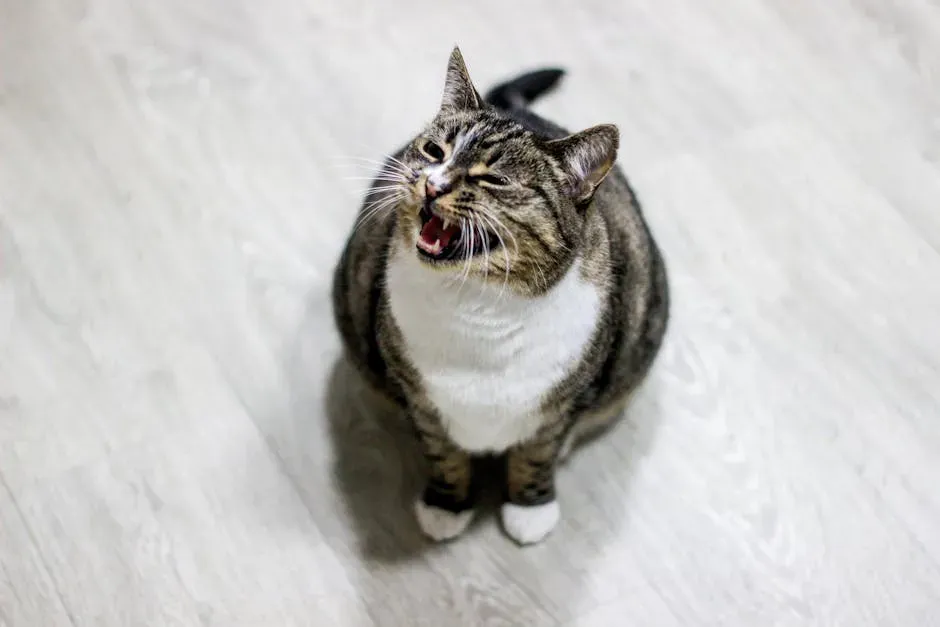
Here's the fact that surprises almost every cat owner: your cat's meow was never meant for other cats at all.
Kittens meow to let their mother know they're cold or hungry, but once they get a bit older, cats no longer meow to other cats. They continue meowing to people throughout their lives, though, probably because meowing gets people to do what they want. That's not a coincidence - it's a learned behavior your cat developed specifically because it works on you.
Feral cats living without humans almost never use this sound on each other. Adult wildcats communicate through scent and body posture instead. Your cat essentially decided, somewhere in kittenhood, that you don't read body language well enough - so it built you a custom-made vocal signal instead.
Fast Facts
- Kittens meow to signal hunger or cold specifically to their mother.
- Adult cats stop meowing at other adult cats almost entirely.
- Feral cats rely on scent marking and body posture instead of vocal calls.
- Domestic cats keep meowing at people because it reliably gets a response.
But #2 might be even harder to explain - because technically, it isn't even a sound.
#2 - The Silent Meow
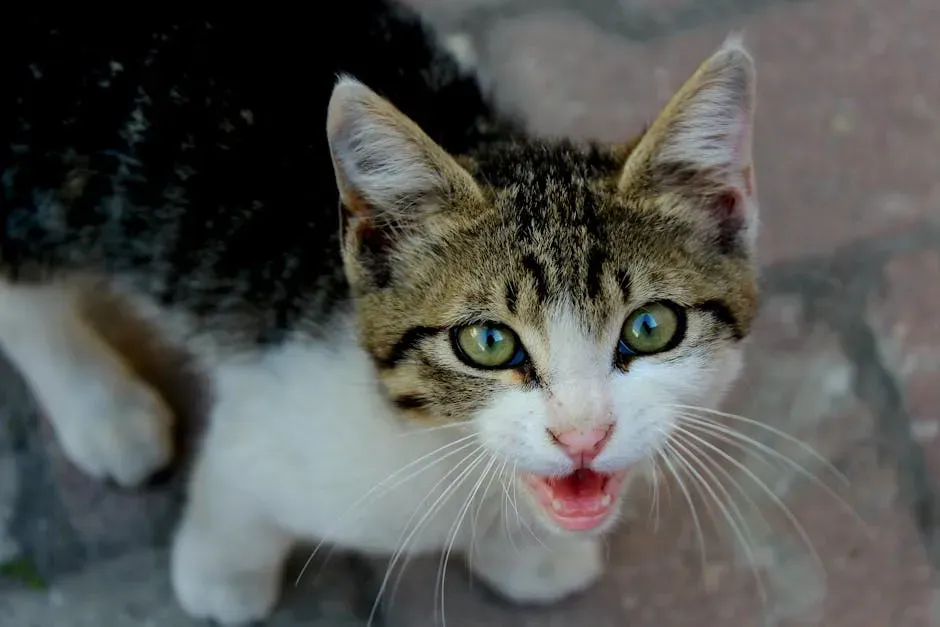
This one drives cat owners crazy because it looks like betrayal - your cat opens its mouth, stares right at you, and nothing comes out.
Behaviorists describe this as one of the most intimate cat sounds there is, even though technically no sound exists. The mouth opens fully, the jaw drops, and the "meow" plays out in mime. Some researchers believe the vocalization is happening at a pitch too high for human ears to register, essentially an ultrasonic request only your cat's other cats - or perhaps just you - were ever meant to notice.
Most owners find this gesture more endearing than a full meow, precisely because it feels so private. It typically happens during close, quiet moments: early morning face-to-face contact, or right after you've been away. Whatever the mechanism, it's a sound stripped down to pure intention, aimed at nobody but you.
And #3 gets almost sneaky once you know what's happening acoustically.
#3 - The Solicitation Purr (The "Baby Cry" Purr)
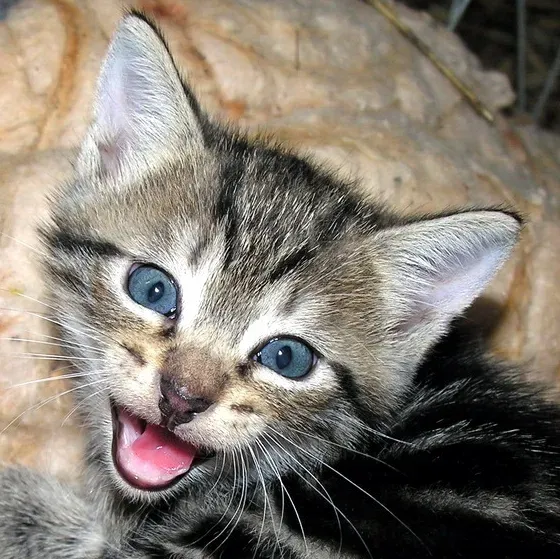
This is the sound cat researchers get genuinely excited about, because it's borderline manipulative - in a scientifically fascinating way.
Research suggests some cats even adapt their meow frequency to mimic a baby's cry, making it harder for owners to ignore. This isn't a coincidence of biology; it's an embedded high-pitched cry layered inside a normal, low-frequency purr, and it appears almost exclusively when cats want something urgently, like breakfast at 5 a.m.
Most owners describe this purr as sounding "off" or slightly harsh compared to a contentment purr, even if they can't say why. That subtle dissonance is doing exactly what it's designed to do - triggering the same caregiving instinct a crying infant would. Cats who live solely outdoors and never interact with humans don't appear to develop this variant at all, which is a strong clue it evolved purely for us.
Which brings us to #4, and a purr that might be doing double duty.
#4 - The Content Purr
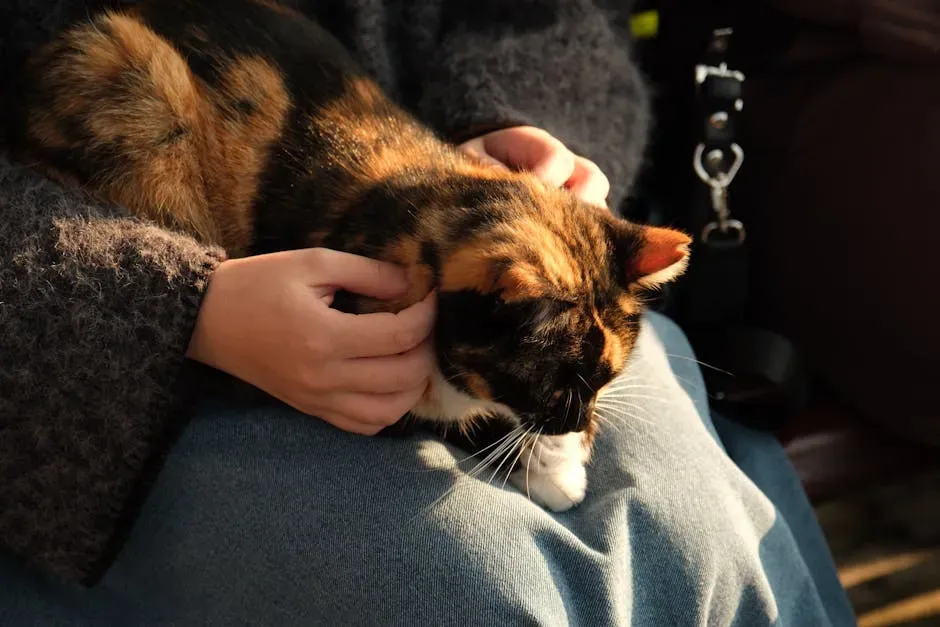
The classic lap purr feels simple, but the science behind it is not.
A cat's purr has a frequency of roughly 25-30 Hz, and it's thought that sounds in this range have healing properties. Some researchers even believe purring at this frequency promotes tissue regeneration, and that when cats purr they are healing themselves or strengthening bones.
That means when your cat curls up and purrs on your chest, it's not just contentment - it's potentially a low-grade physical therapy session your cat is running on itself, with you as the unwitting backrest. Few owners realize this "happy" sound may double as self-medication. It's one of the only mammalian sounds that appears to serve both an emotional and a mechanical purpose at once, which is part of why scientists still don't fully agree on its origins.
Now for the flip side - #5 exposes a purr myth almost everyone believes.
#5 - The Pain or Stress Purr
Here's an uncomfortable truth: that soothing purr isn't always a sign your cat is happy.
Purring often signals contentment, but it can also occur when a cat is frightened, stressed, sick, or in pain. Veterinary behaviorists note a genuine duality here - a happy purr on your lap looks nearly identical acoustically to a distressed purr during a car ride or a scary vet visit.
The difference is almost entirely contextual, not tonal. This is the sound most owners misread, assuming purring always equals happiness. A cat purring rigidly, with flattened ears or a tense body, is likely self-soothing through pain rather than expressing joy. It's arguably the most misunderstood sound on this entire list, and one every cat owner should learn to read by body language, not just by ear.
#6 is the one sound with zero downside, and it's easy to spot once you know it.
#6 - The Greeting Trill
If your cat greets you at the door with a musical little "brrrp," you're witnessing one of the most human-directed sounds cats make.
Trilling is a friendly, high-pitched vocalization that cats often use to greet people and express positive social interactions. A trill sounds similar to a purr but is produced at a higher pitch and with a softer voice. Cats commonly trill when greeting their human family members, and many pet parents hear this sound when arriving home or interacting with their cat during the day.
This sound is considered one of the friendliest in the entire feline vocabulary. Unlike a meow, which can signal a demand, the trill carries almost no negative connotation. It's pure acknowledgment: "I see you, and I'm glad you're here." Few sounds on this list are this unambiguously positive.
Quick Compare
- Trill: Higher-pitched, musical "brrrp" used mainly for warm greetings.
- Chirrup: A "follow me" cue carried over from kitten-to-mother communication.
- Purr: Lower, steady frequency tied to comfort - or sometimes disguised stress.
#7 reveals something your cat has been doing since it was days old.
#7 - The "Follow Me" Chirrup
This one has a surprisingly maternal origin story that most cat owners never learn.
Chirping, or trills, are a cat's way of saying "follow me." For kittens, this is the sound heard from their mother when they were being informed to follow. When directed at a human, it can often mean that your cat would like you to feed her.
In other words, when your adult cat chirps at you from the hallway and then trots toward the kitchen, it's using the exact same signal its mother once used to lead it toward safety or food. Your cat has cast you in the role of its own mother, decades after leaving the litter box behind. That's either deeply sweet or slightly unsettling, depending on how you look at it - and it's a genuinely controversial point among cat behaviorists who debate whether this counts as attachment or manipulation.
#8 is where cats start sounding almost suspiciously human.
#8 - The Conversational Back-and-Forth Meow
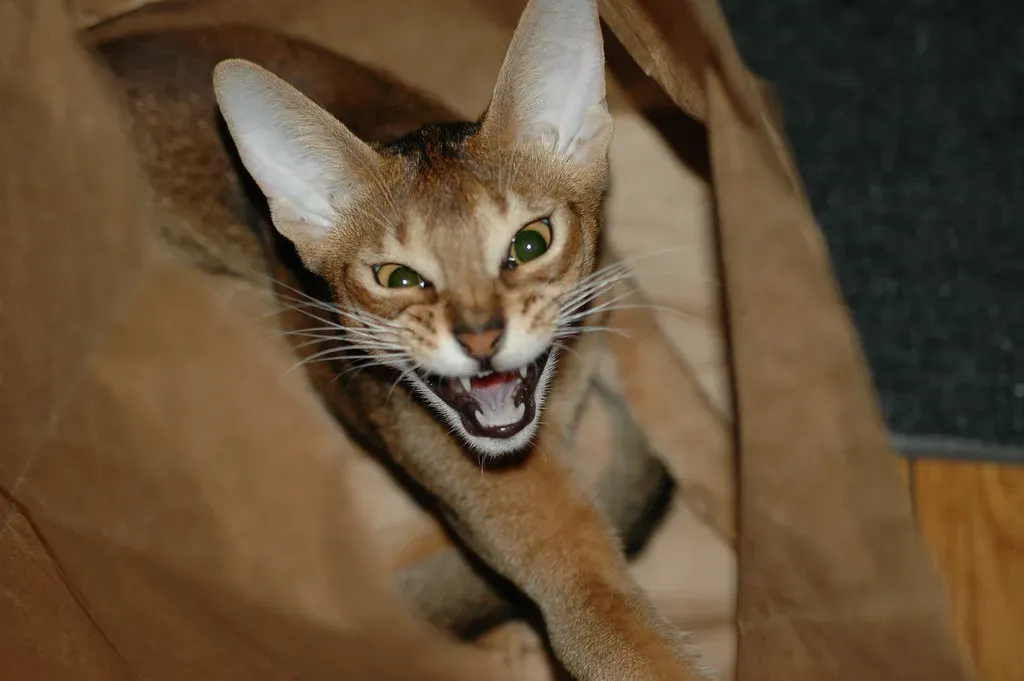
Some cats don't just meow at you - they meow with you, almost like they're holding up their end of a conversation.
Does your cat ever meow back at you when you talk to him? If he does, it's likely he's trying to communicate with you. Owners who talk to their cats regularly often report their cat developing a distinct, repeatable "response" meow used only during these exchanges.
This back-and-forth pattern doesn't exist in cat-to-cat interactions at all. It's a purely learned, human-specific behavior, built entirely out of repeated interaction with one particular person. Cats that live with multiple people sometimes develop different "conversational" meows for each household member, which suggests this sound is closer to a personalized greeting than a generic cat noise.
#9 is proof your cat has been quietly training you, not the other way around.
#9 - The Morning Demand Meow
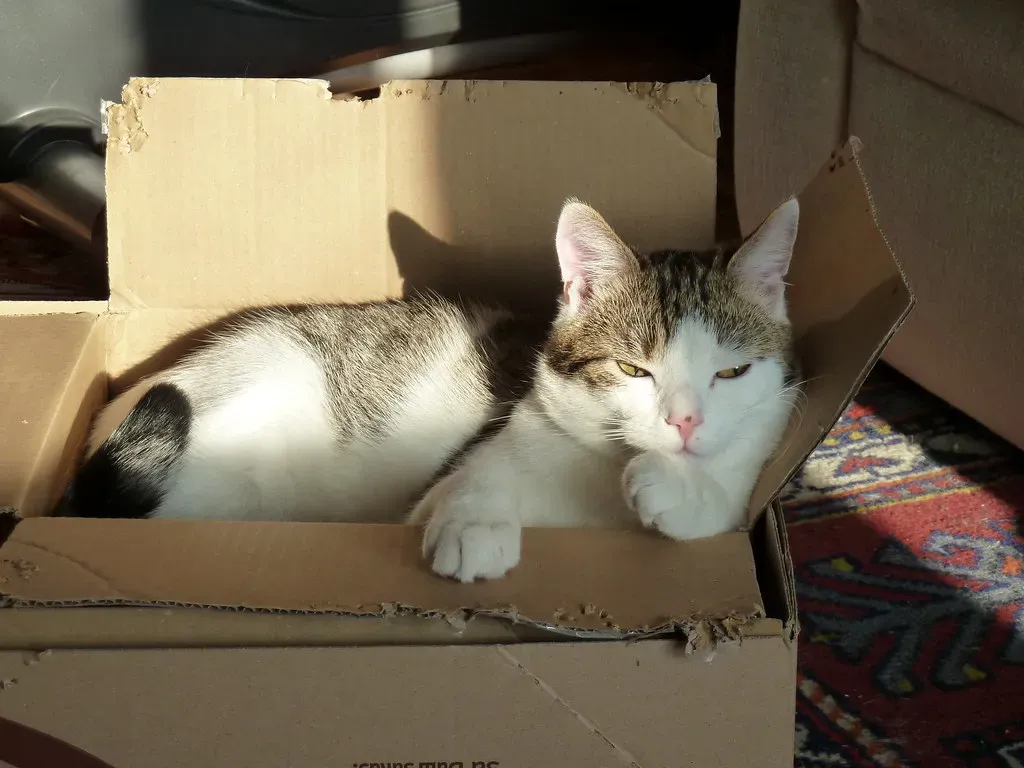
If you've ever been woken up at dawn by an insistent, repetitive meow, you've experienced one of the most deliberately trained sounds a cat makes.
Some cats learn to meow whenever anyone enters the kitchen, just in case food might be forthcoming. Others meow to wake you up to serve them breakfast. This isn't instinct - it's conditioning. Your cat has learned, through trial and error, that this specific tone and volume gets you out of bed faster than any other sound in its repertoire.
Cats are remarkably good at optimizing this sound over time, escalating volume and persistence until you respond. Some owners inadvertently train their cats into louder, earlier demand-meowing simply by responding inconsistently - feeding them sometimes at 5 a.m. and sometimes not, which reinforces the behavior through unpredictable rewards.
#10 shows just how calculated a simple doorway meow can be.
#10 - The Threshold Meow
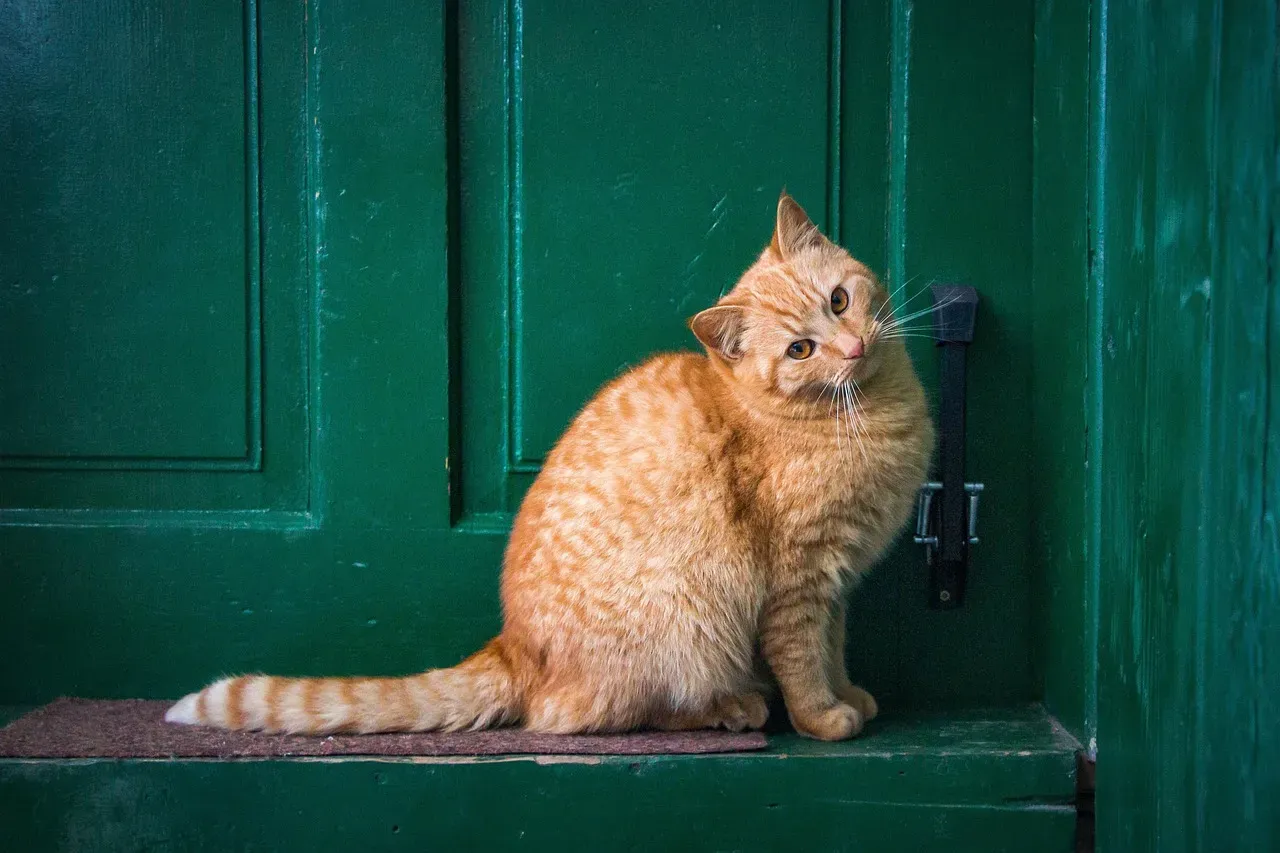
This is the meow reserved specifically for doors, and it's more calculated than most owners realize.
Meowing is the cat's primary way to let you know what she wants. If she wants to go outside, she'll likely learn to meow at the door. Likewise, if she's outdoors and wants in, she'll meow to get you to let her back inside.
This sound is almost always short, sharp, and repeated at consistent intervals - a pattern cats seem to learn produces the fastest response. Indoor-outdoor cats being transitioned to fully indoor life often escalate this sound dramatically, sometimes for weeks, because the meow has previously always worked. It's a strong argument that cats treat vocalization less like emotional expression and more like a tool they refine through results.
#11 is the rarest sound on this entire list - and not every cat has it.
#11 - The Gurgle Greeting
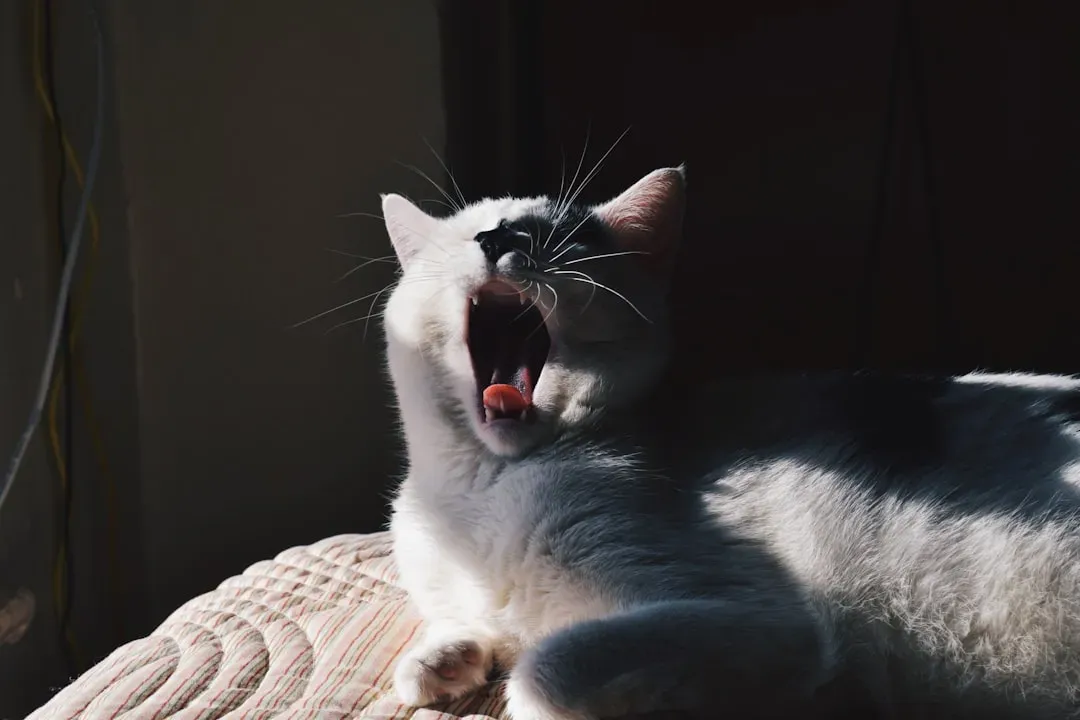
This sound doesn't get nearly enough attention, and it might be one of the strangest hybrid noises a cat can produce.
This friendly cat sound can combine elements of a purr, meow, and growl into one noise. Some cats may not use this sound, and others will use it frequently. It can communicate a wider range of emotions than other sounds. Female cats may gurgle with their kittens, or the sound might be used to say hello to their owners or express happiness.
Not every cat develops this sound, which makes it feel almost like a signature - a vocal fingerprint unique to certain individual cats. Because it blends three separate vocal categories into one noise, some researchers consider it evidence that cat communication is far more flexible and improvisational than the standard textbook list suggests.
#12 might be the closest thing to gratitude a cat can express.
#12 - The Trill of Thanks
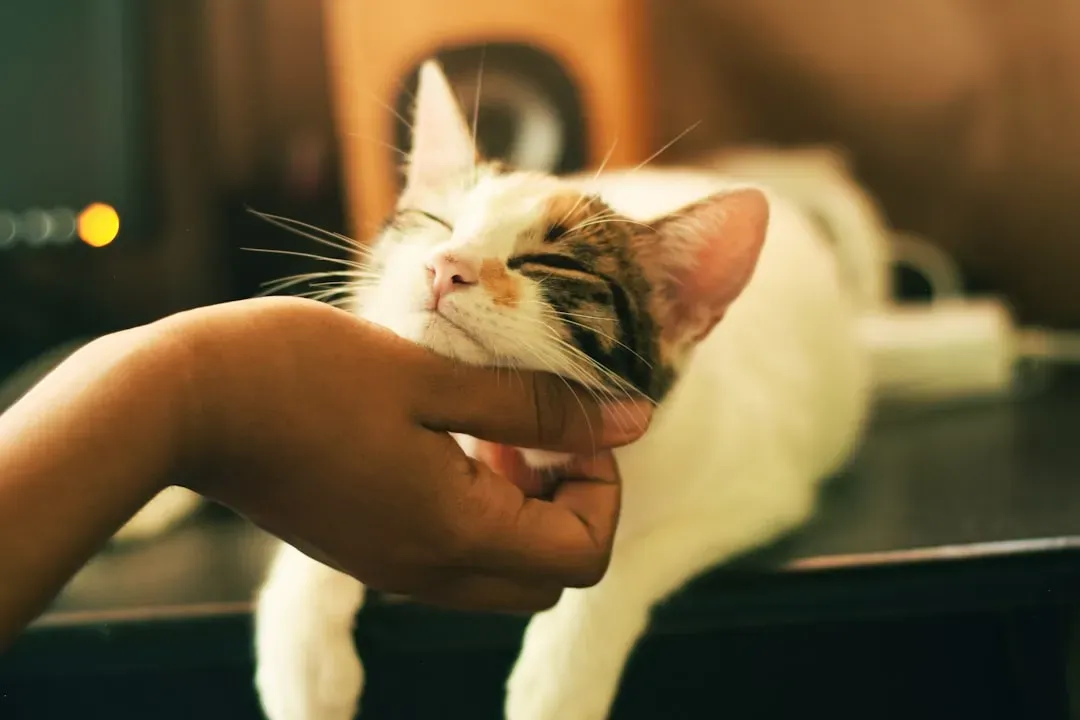
Here's a small but genuinely charming detail most cat owners have never connected to a specific behavior.
Some cats may also trill as a way of thanking their humans for something they enjoy, such as a favorite snack or affectionate attention. Because trilling is generally considered one of the most amicable feline vocalizations, it is often associated with positive emotions and social bonding.
This is arguably the closest thing cats have to saying "thank you." It typically follows a specific, positive event - a treat, a scratch behind the ears, a favorite chair being made available - rather than occurring randomly. Owners who pay close attention often notice this sound clusters tightly around reward moments, which is a pretty compelling argument that cats track cause and effect far more precisely than they get credit for.
#13 has one trigger, and once you notice it, you'll never unhear it.
#13 - The Excited Feeding-Time Chirp
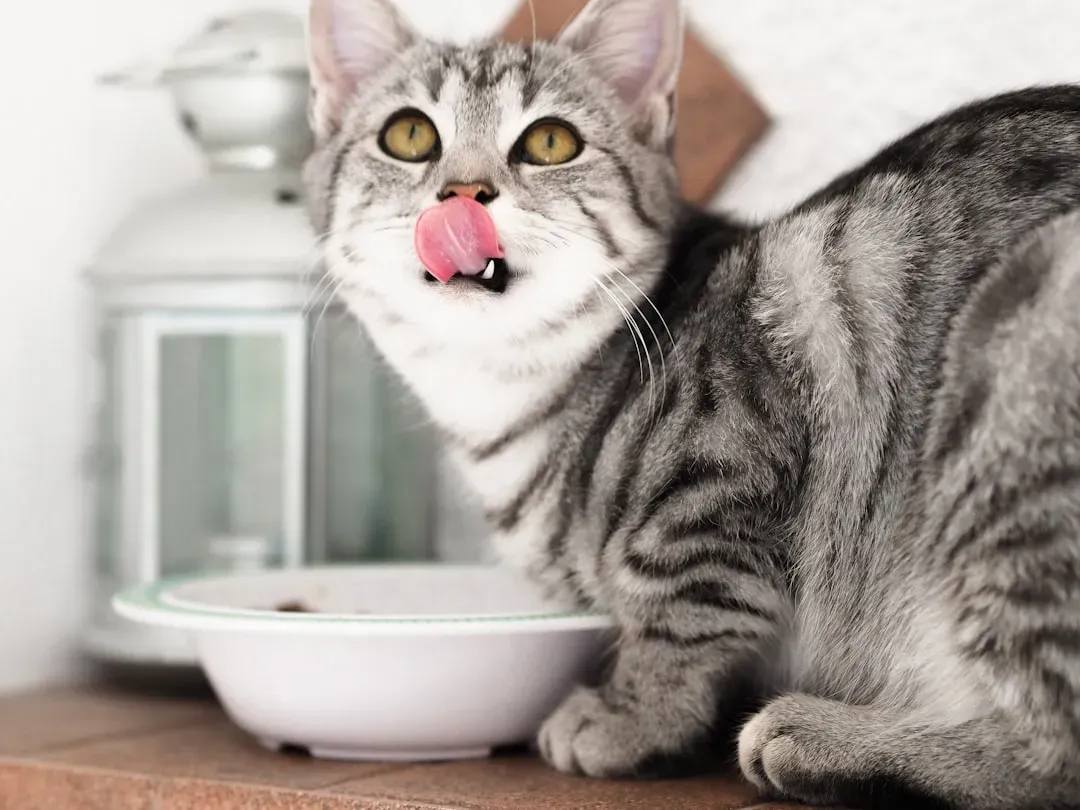
This chirp has one very specific trigger, and once you notice it, you'll hear it constantly.
Many cats will make this short, high-pitched call. Cats may chirp at their owners when they come home after being away for the day or when they're excited about dinner time.
Unlike the deeper, more musical trill, this chirp tends to be quicker and higher-pitched, almost like a verbal exclamation point. It's essentially a spike of anticipatory excitement, and it's directed squarely at the person controlling the food, not at other cats in the household. In multi-cat homes, this chirp is almost never aimed at fellow felines - it's reserved for the human walking toward the pantry.
#14 proves cats sometimes need two sounds stitched together to make a point.
#14 - The Trill-Meow Combo
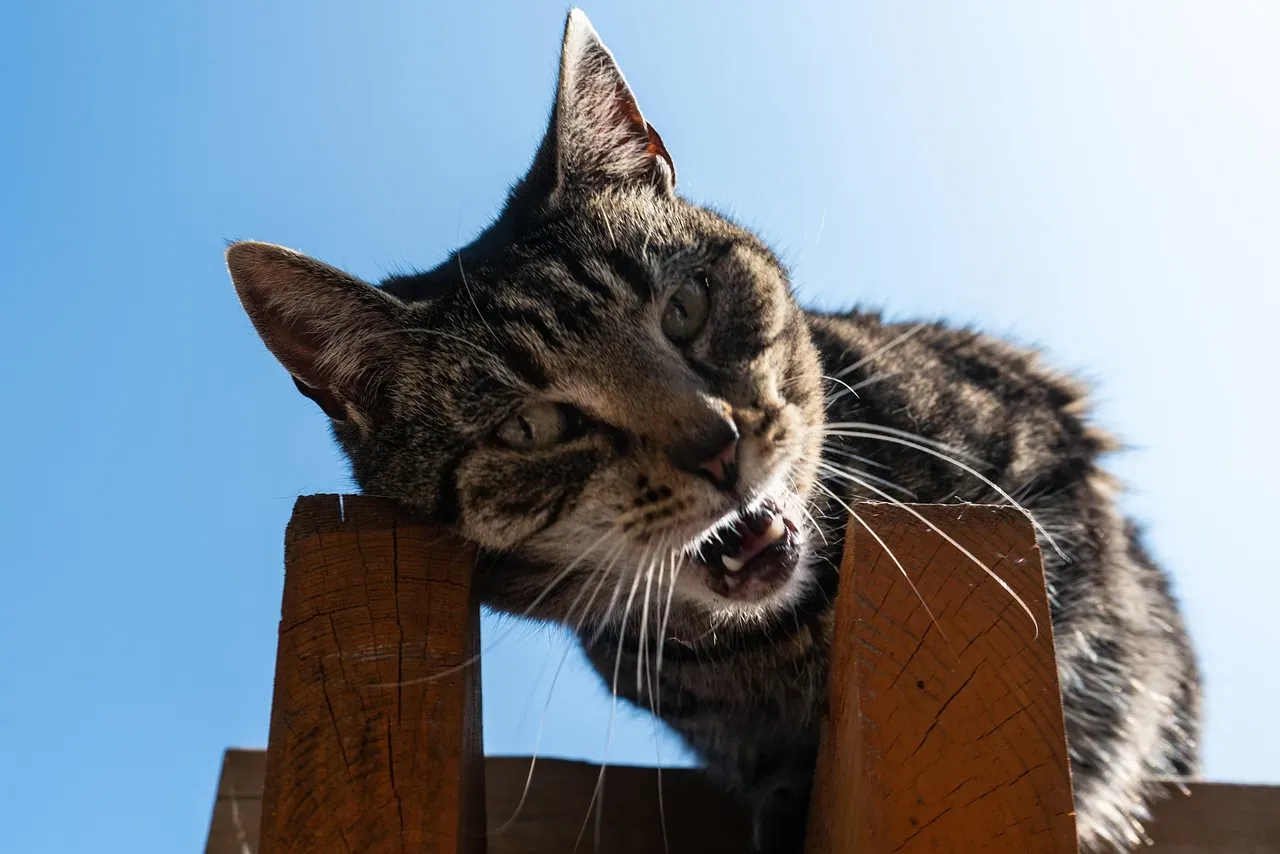
This one is proof that cats sometimes need more than one sound to say what they mean.
The cat trill-meow is a combination of a trill (chirrup, chirr, murmur) and a meow. Feline vocalization researchers note that grunts (murmurs) are usually more low-pitched, while trills or chirrups are more high-pitched, and sometimes cats combine a grunt or trill with a meow sound, producing more complex vocalization types.
This layered sound is considered more emotionally "loaded" than either sound alone. Researchers studying feline acoustics believe combined vocalizations like this may carry more specific information than single sounds - essentially a compound word in cat language. It's most often heard during greetings that carry a bit of urgency, like when you've been gone longer than usual.
Worth Knowing
- Combined calls like the trill-meow are seen as more information-dense than single-note sounds.
- Low-pitched murmurs and high-pitched trills can blend into one layered vocalization.
- Some researchers describe these combo calls as a kind of feline "compound word."
- They tend to surface during greetings tinged with extra urgency, like a long day apart.
#15 traces back further than most owners ever guess - straight to kittenhood.
#15 - The Kneading Purr
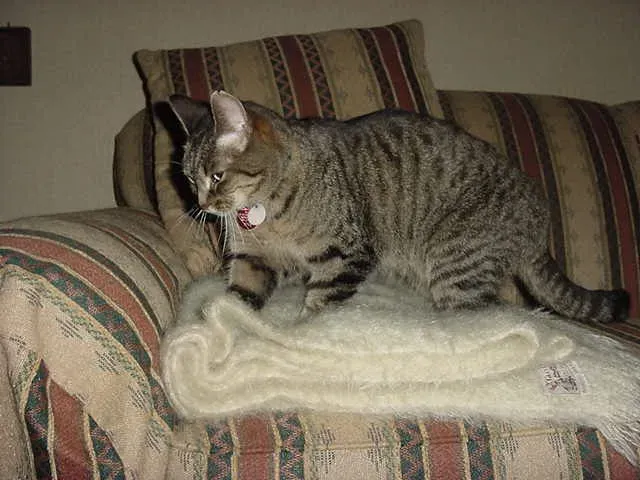
Almost every cat owner has felt tiny paws pressing rhythmically into a blanket, a lap, or a stuffed animal - always accompanied by a low, steady purr.
This sound is described by behaviorists as either a friendly greeting or a care-soliciting call, and kneading itself traces directly back to nursing behavior, where kittens instinctively press against their mother while feeding.
Most owners assume kneading is "leftover" kitten behavior with no real communication attached to it - but that's actually a widely debated point. Some behaviorists argue the accompanying purr is a genuine bonding signal, essentially recreating the safety and comfort of nursing and directing that same emotional message at you specifically, since you're the only "parent figure" left in an adult cat's life.
#16 pairs a sound with a gesture, and together they mean something specific.
#16 - The Head-Bunt Chirp
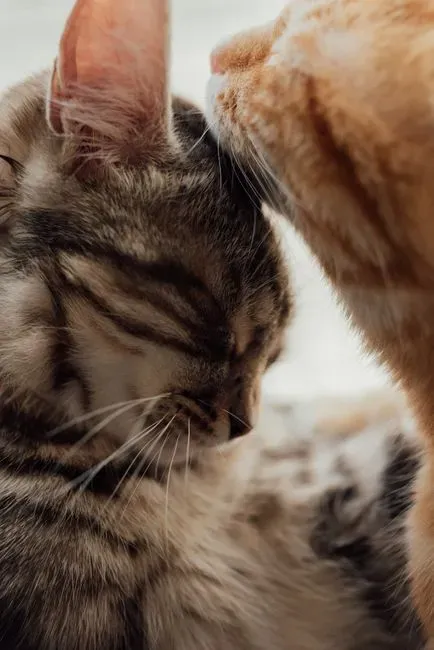
If your cat headbutts you and lets out a tiny vocal squeak at the same time, that's not random - it's a deliberate two-part signal.
Head-bunting itself is a scent-marking behavior, depositing pheromones from glands near the face onto you as a way of claiming you as "safe" territory. The chirp that often accompanies it functions almost like a verbal exclamation point on the gesture, reinforcing the physical signal with an audible one.
This combination sound tends to appear most in cats with strong attachment to a specific person, rather than being distributed evenly across every human in a household. Cats who bunt-and-chirp at only one family member are essentially vocalizing a preference most owners never consciously notice, even though it's happening constantly in plain sight.
#17 gets mistaken for distress more often than almost anything on this list.
#17 - The Contact-Call Yowl ("Where Are You")
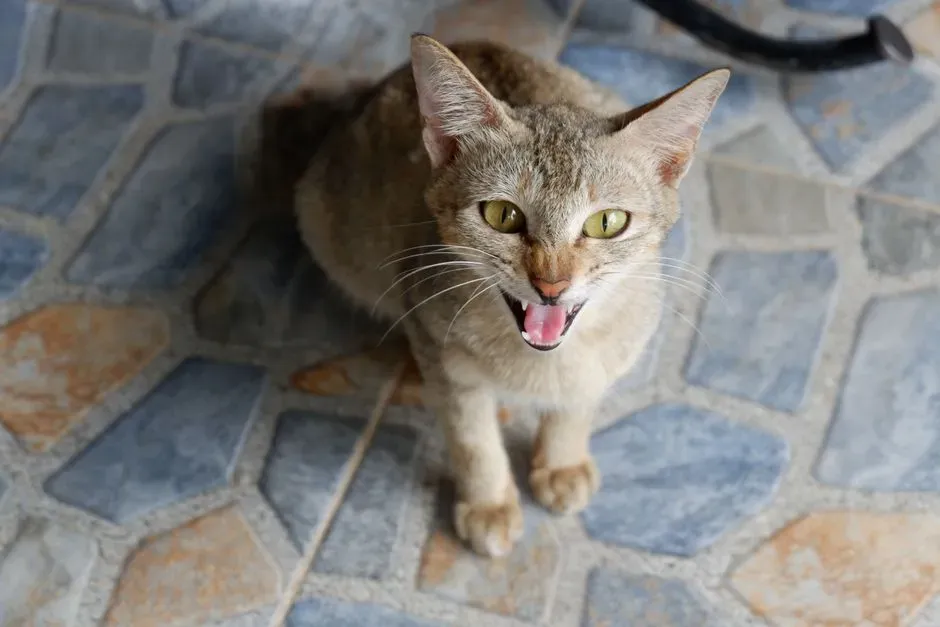
This long, drawn-out sound often gets mistaken for distress, but it frequently has a much simpler explanation.
Many behaviorists describe this as a contact call - a cat searching a house room by room, calling out until it locates its person. It tends to escalate in volume and frequency the longer the search continues, then stops abruptly the moment eye contact is made.
This is one of the more controversial sounds on this list, because plenty of owners assume any yowling automatically means something is wrong. In healthy cats without underlying pain or cognitive issues, this specific searching yowl is far more often about simple social reassurance than an emergency - though context and any accompanying behavior changes should always be taken seriously.
#18 is so quiet most owners never even notice they've heard it.
#18 - The Squeak
This tiny, almost mouse-like sound rarely gets its own spotlight, but researchers studying feline vocalizations have specifically documented it.
Only cats exposed to a positive stimulus, like being offered a favorite snack, produced specific vocalizations other than meowing: recognition or trill, squeak, purring, and chatter. Scientists noticed that the snack cats tended to only make closed-mouth noises, including purrs and squeaks in addition to trills.
This squeak only ever showed up around positive stimulation, never around stress, which makes it one of the more reliably "good mood" sounds a cat can produce. It's brief, quiet, and easy to miss if you're not paying close attention, but it appears to be tightly linked to genuine pleasure rather than any kind of demand or complaint.
#19 is the sound every cat owner recognizes instantly, without ever being taught.
#19 - The Annoyed "Mrrp"
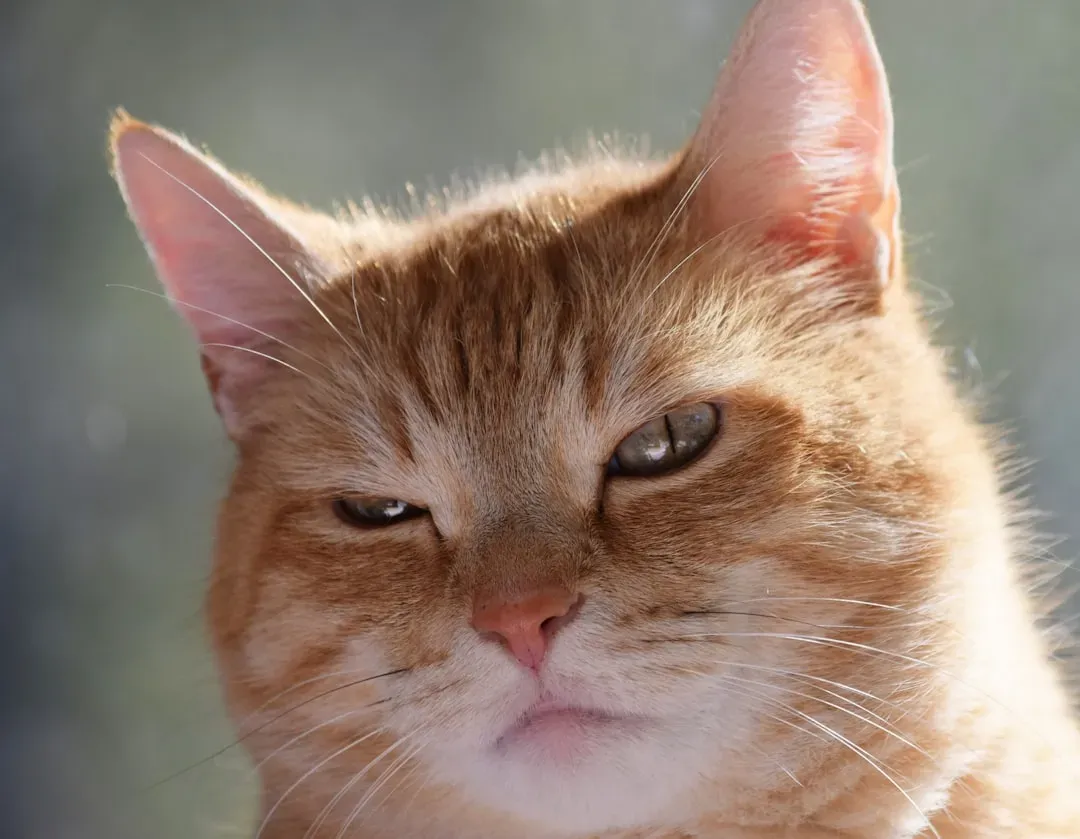
This is the short, clipped, almost dismissive sound cats make when they're mildly irritated but not angry enough to escalate.
It's distinct from a full meow in both length and pitch - usually a single syllable, flat in tone, often delivered while walking away from whatever caused the mild annoyance. Most owners instinctively understand this sound without ever being taught what it means, which says something about how universally cats use it across breeds and households.
Unlike hissing or growling, this sound carries no real warning weight - it's more like a verbal eye-roll than an actual boundary being set. Cats reserve full aggressive vocalizations for genuine threats, which makes the "mrrp" a kind of low-stakes complaint aimed specifically at the person who mildly inconvenienced them, whether that's closing a door too fast or moving them off a warm laptop.
#20 is the one that deserves the most attention - and the least casual dismissal.
#20 - The Senior Night Yowl
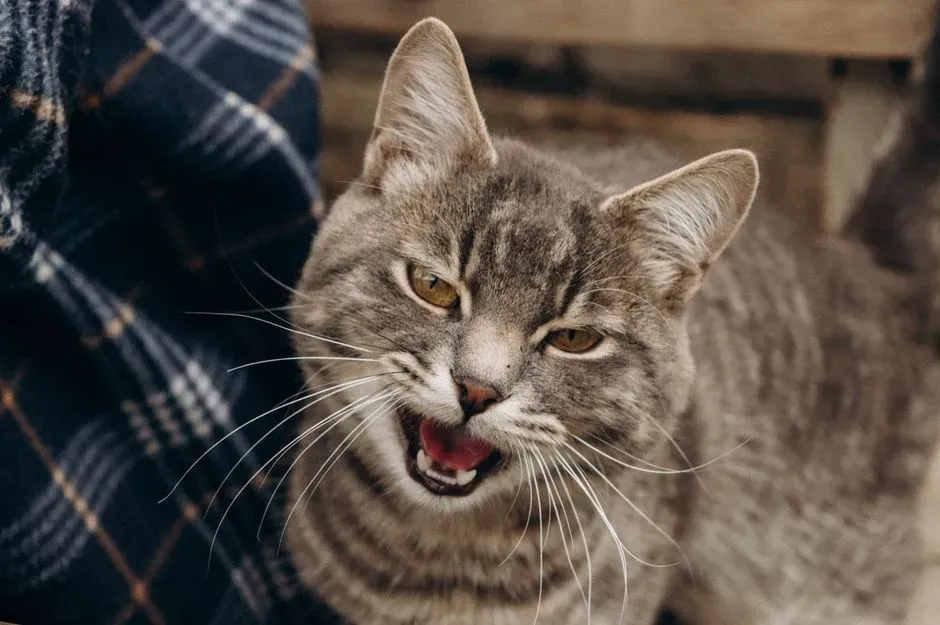
This one deserves more attention than it typically gets, because it's often dismissed as "just old cat behavior" when it shouldn't be.
Yowling may indicate pain, illness, anxiety, frustration, cognitive decline, or mating behavior, depending on the situation. Veterinary sources specifically note that excessive meowing - especially at night in cats over 10 years old - may indicate cognitive dysfunction syndrome, hyperthyroidism, or hypertension.
An older cat's sudden nighttime yowling is one of the clearest early warnings the body gives before a bigger problem shows up.
Common veterinary behaviorist guidance on feline cognitive decline
This is arguably the most important sound on this entire list to take seriously. A sudden increase in nighttime vocalization in an older cat isn't quirky personality - it's frequently a direct signal of a treatable medical issue. Owners who write this off as "cats being cats" risk missing early warning signs of conditions that respond very well to treatment when caught early.
At a Glance: When to Call the Vet
- Sudden increase in nighttime yowling after age 10
- Yowling paired with disorientation or pacing
- Increased thirst or appetite alongside vocal changes
- Vocalizing that seems distressed rather than simply "chatty"
#21 is rare, confusing, and easy to misread if you don't know what's underneath it.
#21 - The Purr-Growl Mixed Signal
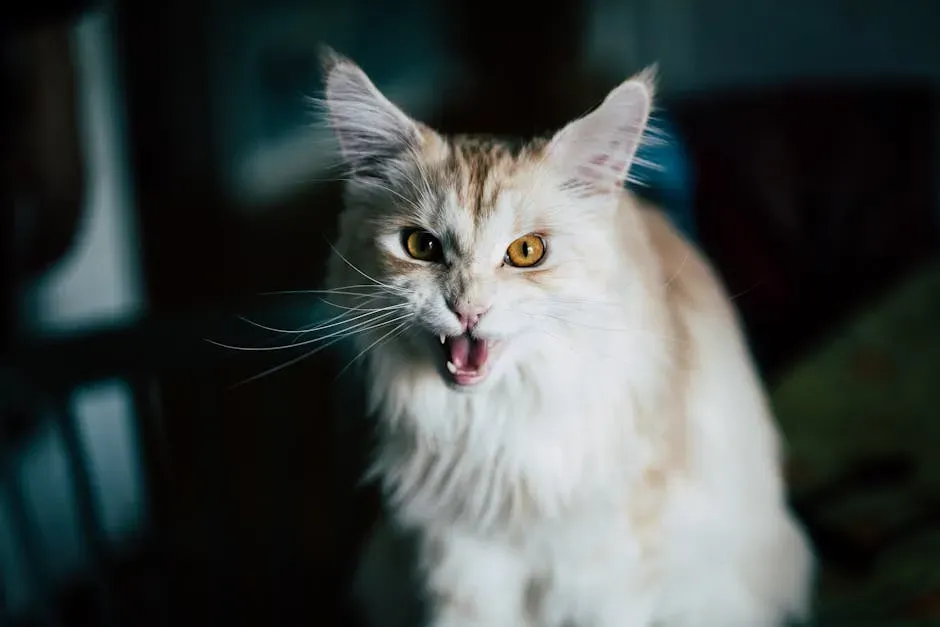
This is a rare and genuinely confusing sound, even for experienced cat owners.
Growling and snarling in cats act like a warning bell, indicating aggression, fear, or discomfort. A hiss or a yowl will come from a cat's open mouth, but a cat's growl is usually an internal sound made with the mouth mostly closed. When a growl layers on top of an ongoing purr, it typically signals a cat that's simultaneously comforted and uneasy - often during a vet exam or an unfamiliar situation.
This mixed signal is easy to misread as aggression when it's actually closer to conflicted stress. Reading body language alongside the sound is essential here, because the same acoustic blend can mean very different things depending on ear position, tail movement, and whether the cat is actively retreating or holding its ground.
#22 splits opinion among behaviorists more than anything else on this list.
#22 - The Attention-Seeking Chatter
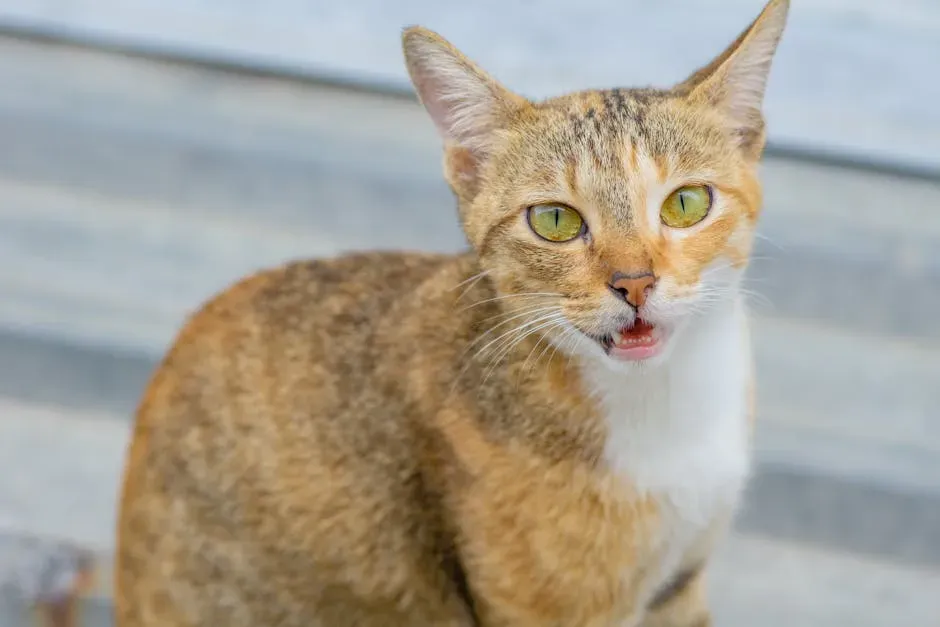
This is the sound that splits opinion among cat behaviorists more than almost any other on this list.
Cat chatter occurs when a cat is viewing prey that's unattainable. It's usually directed toward birds but may be targeted toward other prey and even toys. The clicking sound is produced in sequences with the jaw and a tensely open mouth. Chirping in cats can also signal excitement in anticipation of a productive "hunt," and some scientists studying wild cats believe chattering may even be a hunting tactic.
Here's the controversial part: many owners assume this chatter is a greeting meant for them, when it's almost always actually about the bird outside the window. You're simply the closest audience, not the intended recipient - which doesn't make the moment any less fascinating to witness up close.
And #23 - saved for last on purpose - might be the most sincere sound of all.
#23 - The "I Caught You Something" Meow
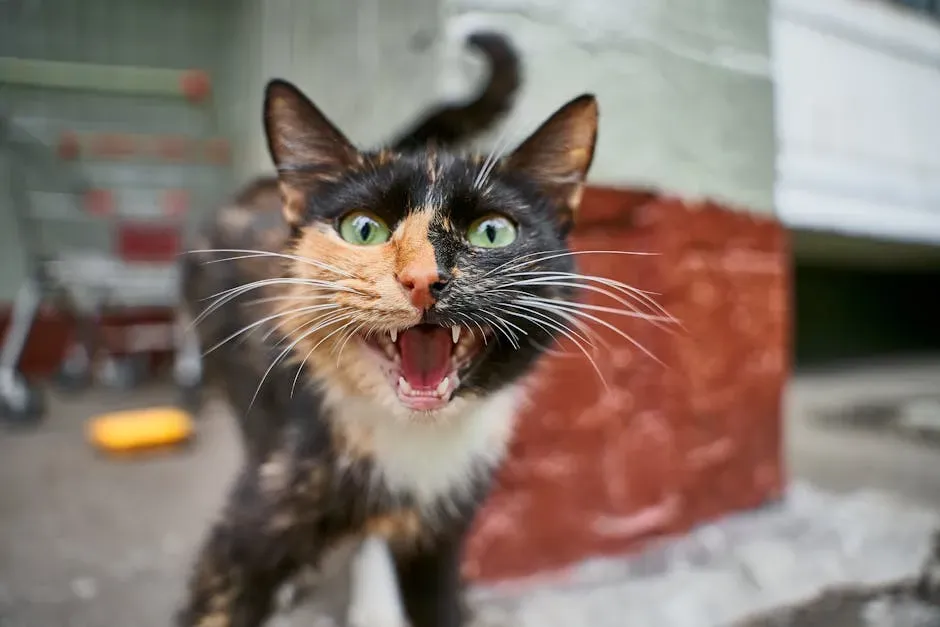
This final sound might be the most emotionally loaded one on the entire list, and it's saved for last for good reason.
When your cat meows, she is communicating with you directly. This sound is a cat's way of saying various things such as "how are you," "I'm hungry," or "I caught you dinner!" When accompanied by a dead insect, toy mouse, or unfortunate lizard proudly deposited at your feet, this specific meow tends to be louder, longer, and more insistent than a standard request meow.
This is widely considered the clearest example of a cat treating its human as family, since presenting "prey" is a behavior otherwise reserved almost exclusively for kittens or fellow colony members. Whether you appreciate the gift or not, your cat is delivering one of its most sincere vocal messages: an invitation into its inner circle, sound and all.
The Bottom Line
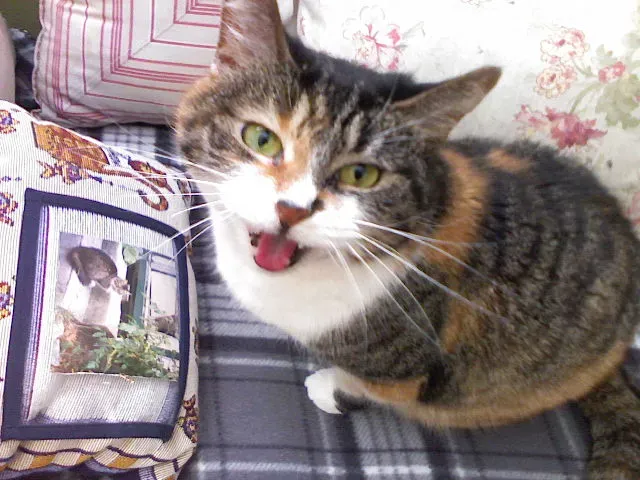
After going through all 23 of these sounds, one thing becomes impossible to ignore: cats didn't evolve a human-specific vocabulary by accident - they built it deliberately, sound by sound, because it worked on us. The meow itself is basically proof of this, since cats no longer meow to other cats once they're grown, but continue meowing to people throughout their lives because it gets people to do what they want.
If there's one myth this list should permanently retire, it's the idea that cats are emotionally distant or "just don't talk much." They talk constantly - just almost never to each other, and almost always to you. The real skill isn't getting your cat to make noise; it's finally learning to listen.
Which one of these 23 sounds does your cat use on you the most? Drop it in the comments - we're willing to bet it's more specific than you think.