What Your Cat's Eyes Say Before It Makes a Single Sound
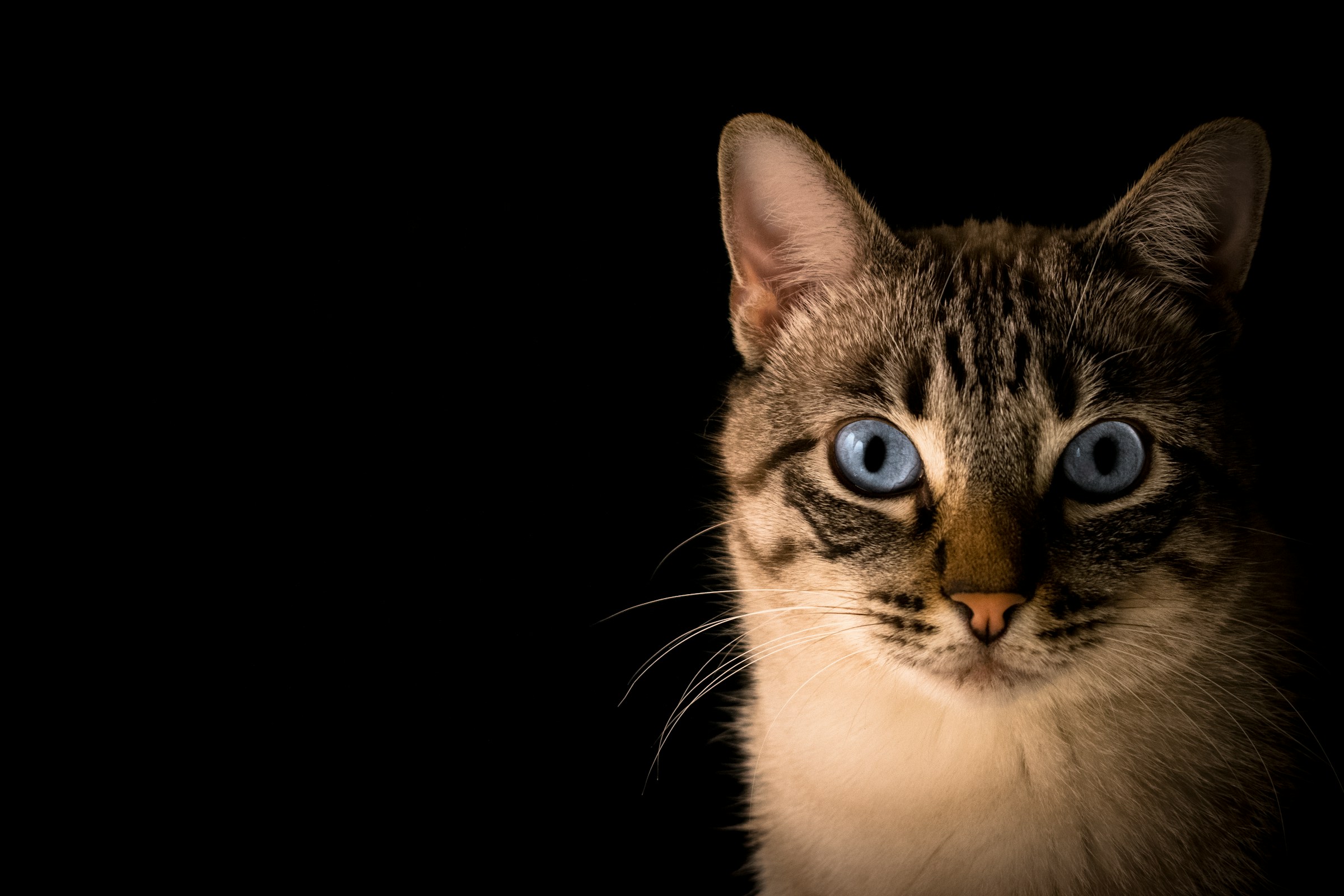
Most cat owners think the meow is the first warning sign. It isn't. Long before a single sound leaves your cat's mouth, its eyes have already broadcast the entire message - fear, aggression, affection, pain, even that twitchy excitement over a bug crawling up the wall. Veterinary behaviorists say the eyes fire off these signals seconds before the vocal cords ever engage, which means by the time you hear the meow, hiss, or growl, you've already missed the warning.
That gap between what the eyes say and what the mouth eventually says is exactly where most owners get blindsided - by a sudden bite, an unexpected hiss, or a purr they never even saw building. Learn to read the thirteen signals below, and you'll start catching your cat's next move before it ever makes a sound.
#1 - The Pupil Is Basically a Volume Knob for Emotion
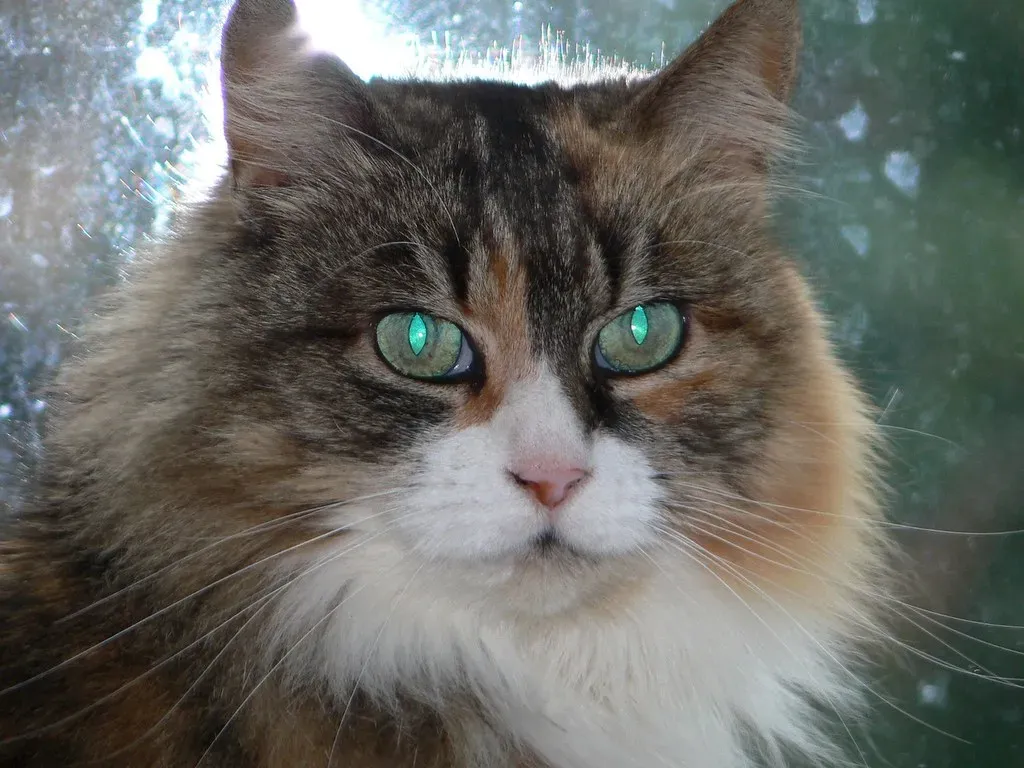
Your cat's pupils aren't just reacting to light. They're reacting to arousal - a clinical-sounding word behaviorists use for how emotionally "charged up" an animal is, whether that charge is good or bad.
When a cat's pupils blow wide open into big black saucers, all that really tells you is that something flipped the switch. It could be pure joy over a laser pointer, or it could be the split second before genuine fear kicks in. Most owners assume big round pupils always mean a happy, playful cat. Dilation is emotionally neutral; it just means the volume got turned up.
Fast Facts
- Pupil size shifts with both light and emotion, so a dim room can mimic the same look as fear.
- Dilation signals arousal only - it doesn't reveal whether the feeling behind it is good or bad.
- Body language like ears, tail, and posture is what turns a dilated pupil into a readable message.
- Behaviorists always read eye cues and body cues together, never the pupil in isolation.
That's why eye cues never work in isolation. A dilated-eyed cat crouched low with flattened ears is a completely different animal than a dilated-eyed cat mid-zoomies chasing a toy across the floor. The eyes tell you something is coming. The rest of the body tells you what it is - and the next signal on this list catches almost everyone off guard.
#2 - Fully Dilated "Saucer Eyes" Before a Frightened Yowl
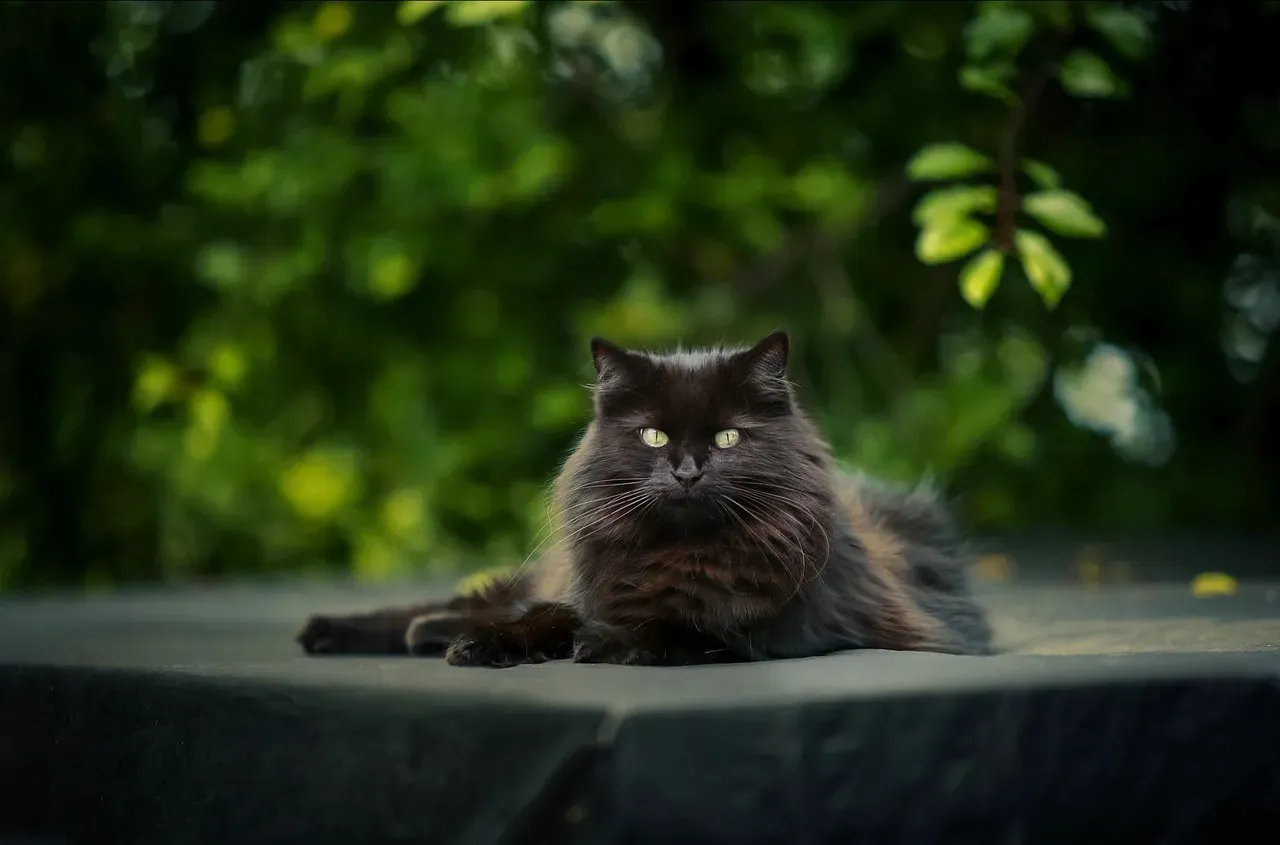
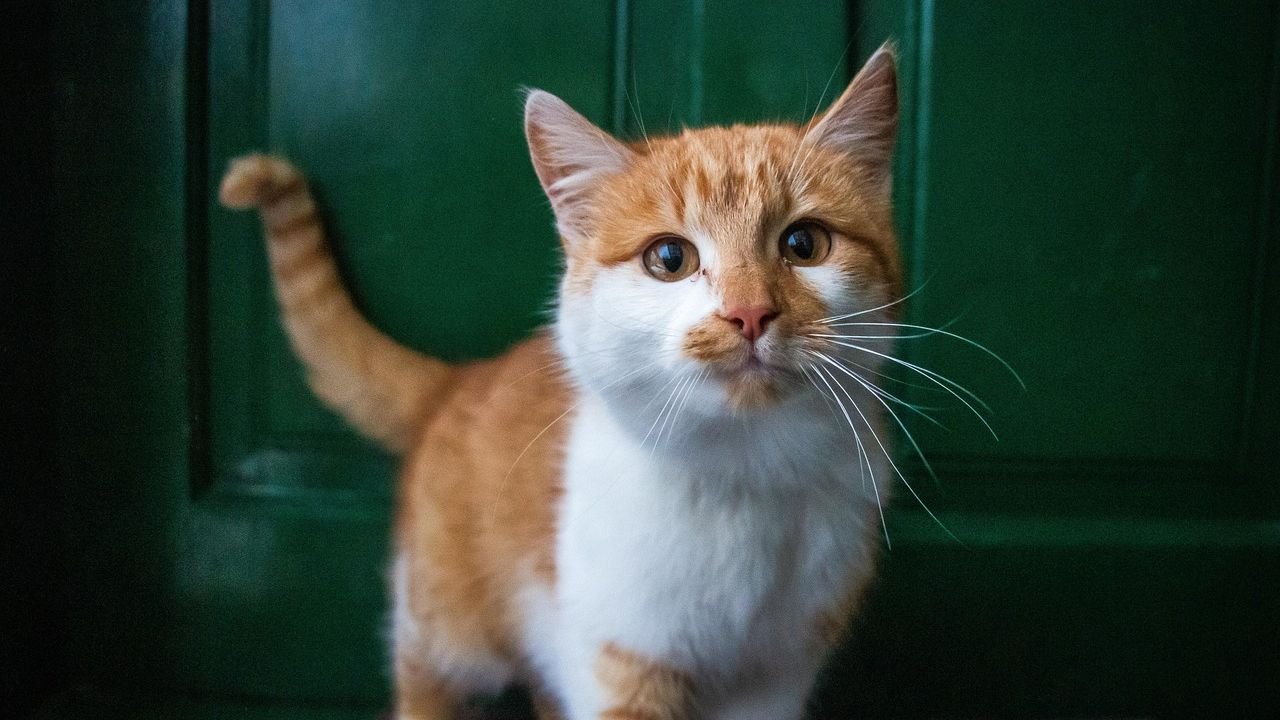
When a cat is genuinely scared - not annoyed, not startled for a second, but truly afraid - the pupils go almost fully round and black before a single sound comes out.
A defensive cat shows a crouched position, flattened ears, whiskers pinned back, and a tail tucked or wrapped tightly around the body, with pupils dilated. Loud meowing, growling, hissing, and spitting usually follow. The eyes dilate first, almost like the body is bracing for a threat before the vocal warning even fires.
Most people miss this window entirely because they're watching the tail or waiting for the hiss. By the time the sound comes, the cat has already been afraid for several seconds. Catch the saucer-eye look early and remove whatever's stressing your cat - a loud noise, a strange dog, an aggressive approach - and you can often stop the yowl before it starts. What happens next flips this pattern completely inside out.
#3 - Pinpoint Slit Pupils Before an Aggressive Growl
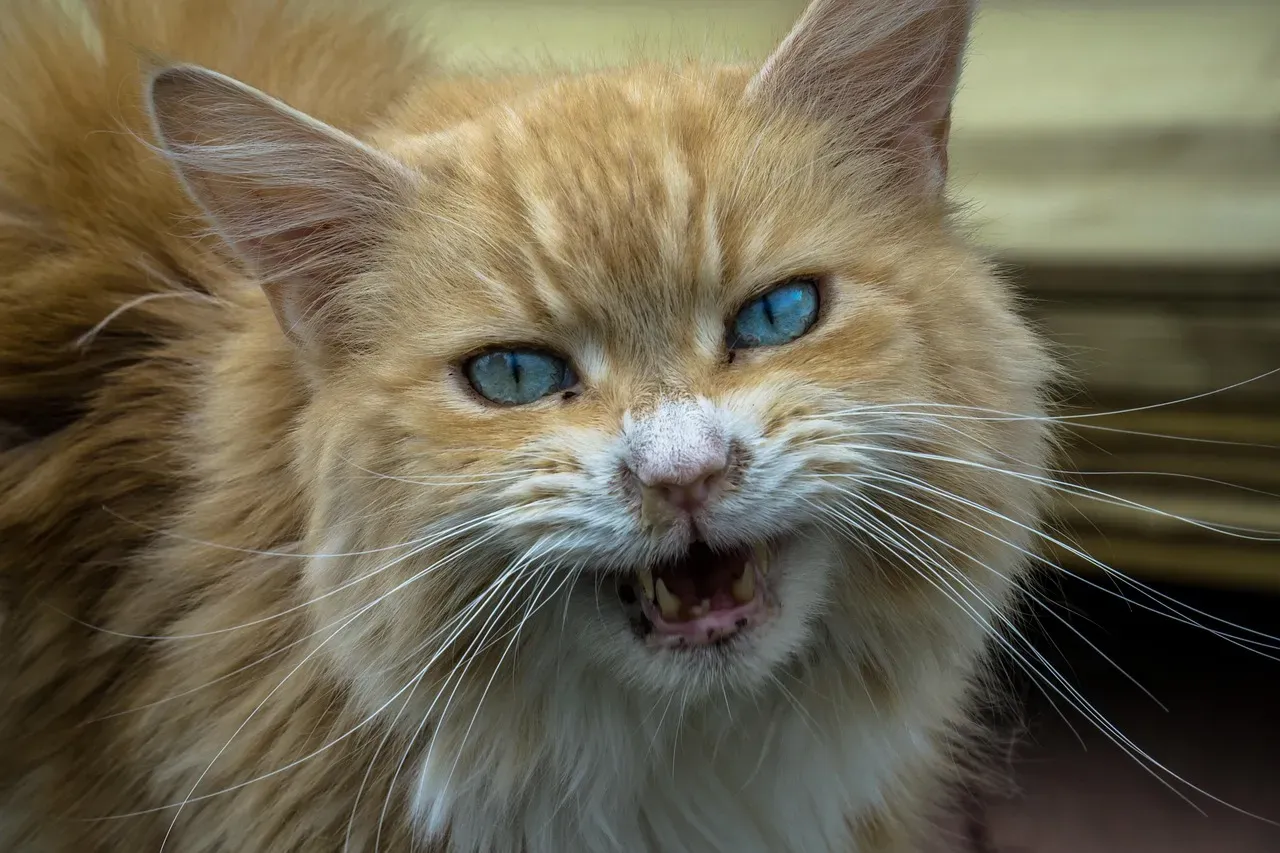
Here's a detail that surprises a lot of cat owners: fear widens the pupils, but real aggression often shrinks them into thin black slits, even in normal lighting.
In an angry, aggressive cat, the ears go back, the pupils constrict hard, and the tail either rises or drops with the fur standing on end. In offensive aggression specifically, the cat leans forward with constricted pupils, a raised rump, and forward-facing ears - a body already loaded for a strike.
Quick Compare
- Fear: pupils dilate wide, the body crouches low, and the tail tucks in tight.
- Aggression: pupils constrict to slits, the body leans forward, and the ears pin flat.
- Shared outcome: both states can end in growling or hissing - only the eyes tell them apart in advance.
This is the mirror image of fear, and it's why "just check the pupils" advice without context is dangerous. A cat with pinpoint pupils, a forward lean, and a hard stare is not asking for space - it's preparing to close it. Cats generally prefer standoffs to actual fighting, so an aggressive cat will often just stare down a rival and growl until the other cat backs off. The eyes are the negotiation. The growl is the last resort - and the next signal shows just how much power a stare alone can carry.
#4 - The Unbroken Stare Before a Warning Growl
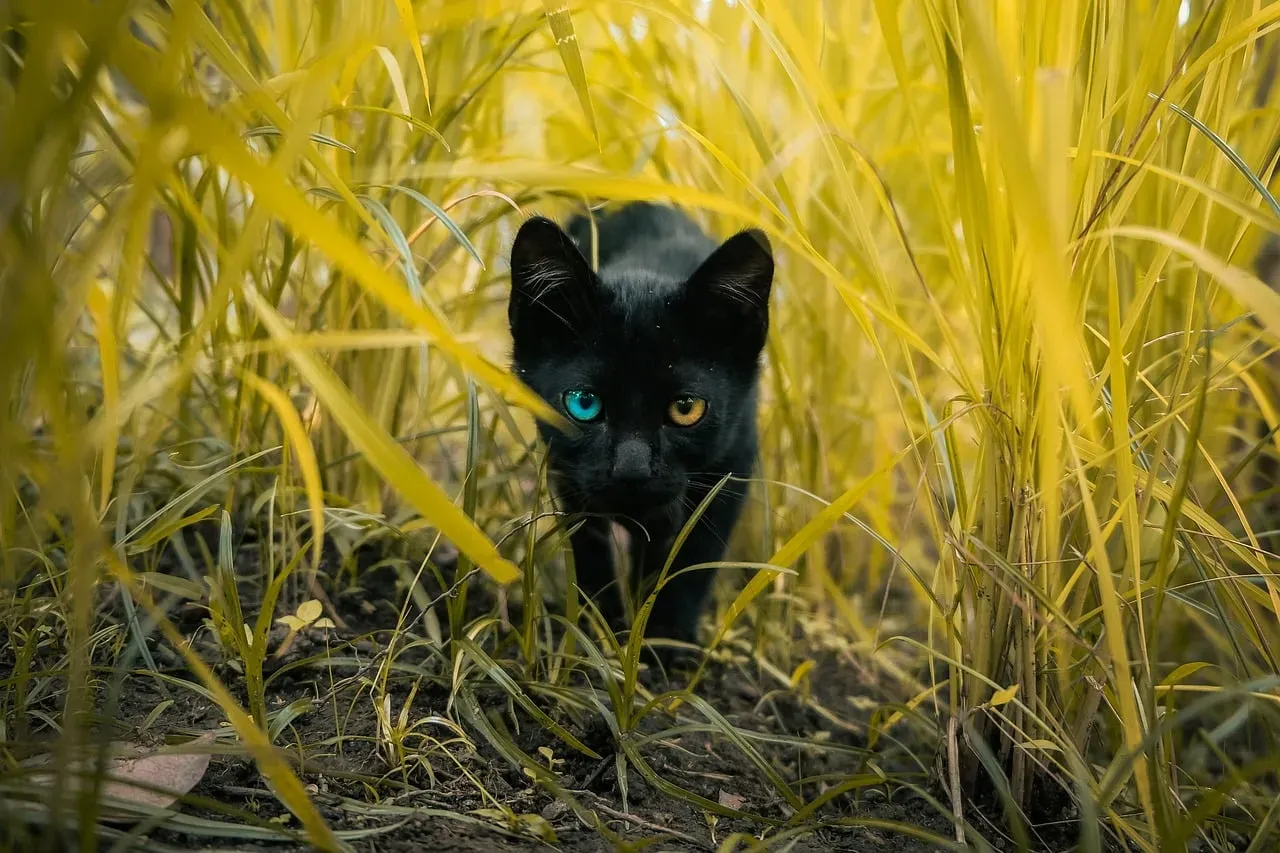
Direct, unblinking eye contact in the cat world isn't neutral. It's confrontational, and it almost always precedes a vocal warning if the other party doesn't back down.
A direct stare in feline body language reads as threatening and territorial. When a cat locks onto something with real interest, the eyes fix unblinking on the object, person, or animal, and the pupils dilate slightly - a control signal that doubles as a megaphone for aggressive cats.
This matters most in multi-cat households, where subtle staring contests happen constantly and most owners never even notice them. It's a critical control message wherever resources are limited - food bowls, water, the litter box, favorite napping spots. People miss it because it's so quiet. If you see two cats locking eyes across a room in total silence, enjoy the calm while it lasts, because one of them is about to break it. What comes next isn't a warning at all - it's the opposite kind of signal entirely.
#5 - Half-Closed "Dreamy" Eyes Before a Content Purr
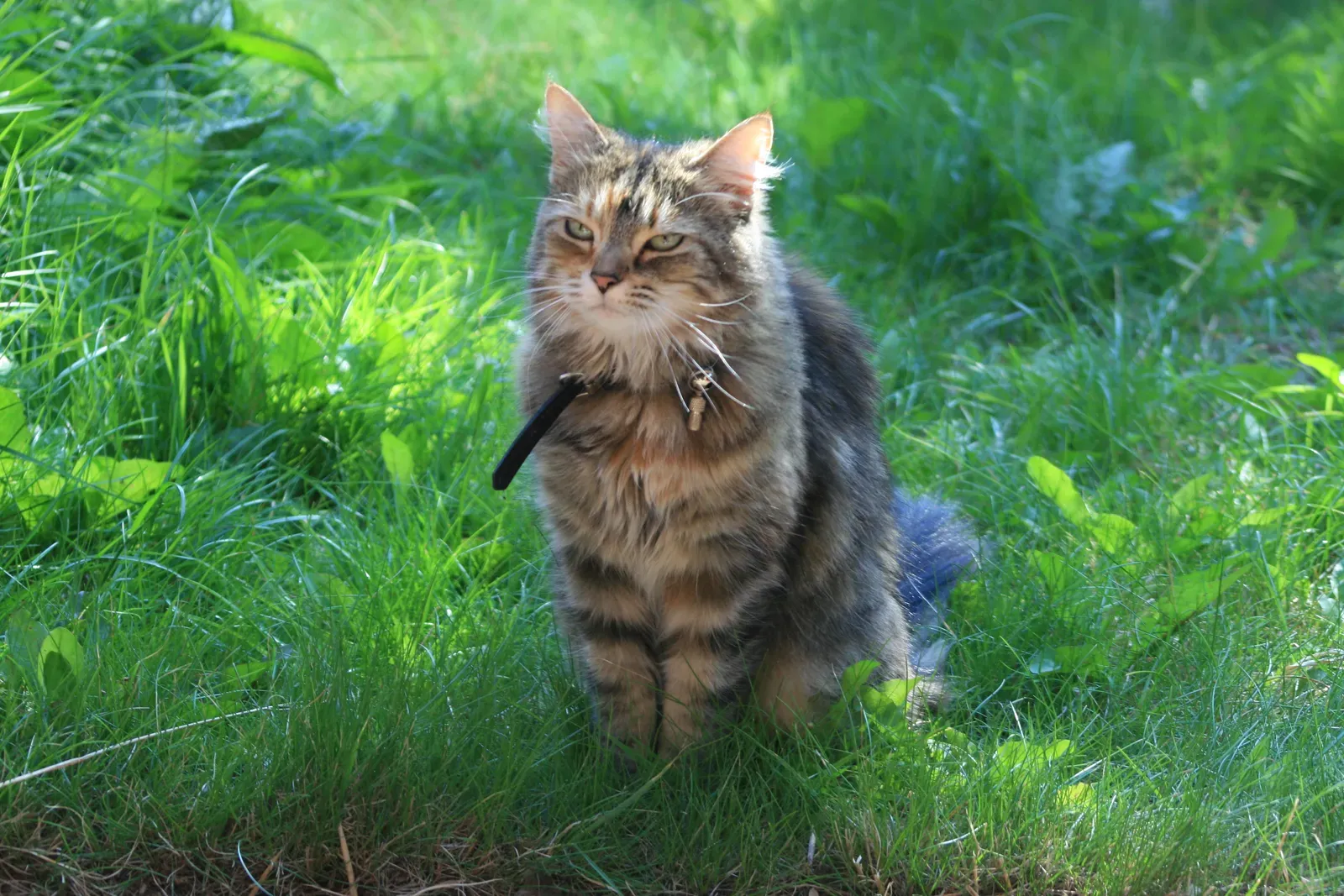
Not every eye signal is a warning. Some are the exact opposite - a green light so obvious once you know it that you'll wonder how you missed it for years.
Slow eye blinks express love and trust, with the eyes and lids partially closed into a sleepy, dreamy expression, as if the cat is drifting somewhere pleasant. This heavy-lidded, almost sedated look almost always shows up right before a low, rumbling purr or a soft chirrup.
It's the feline equivalent of a relaxed sigh before speaking. If you're lucky enough to get this look, return a slow blink of your own and you'll share the affection right back. Cats don't fake this one easily - the muscles around the eye have to genuinely relax, which is hard to do under any kind of stress. There's actual peer-reviewed science behind what happens next, which is rare in this world of cat body-language claims.
#6 - The Slow Blink "Cat Kiss" Before a Greeting Meow
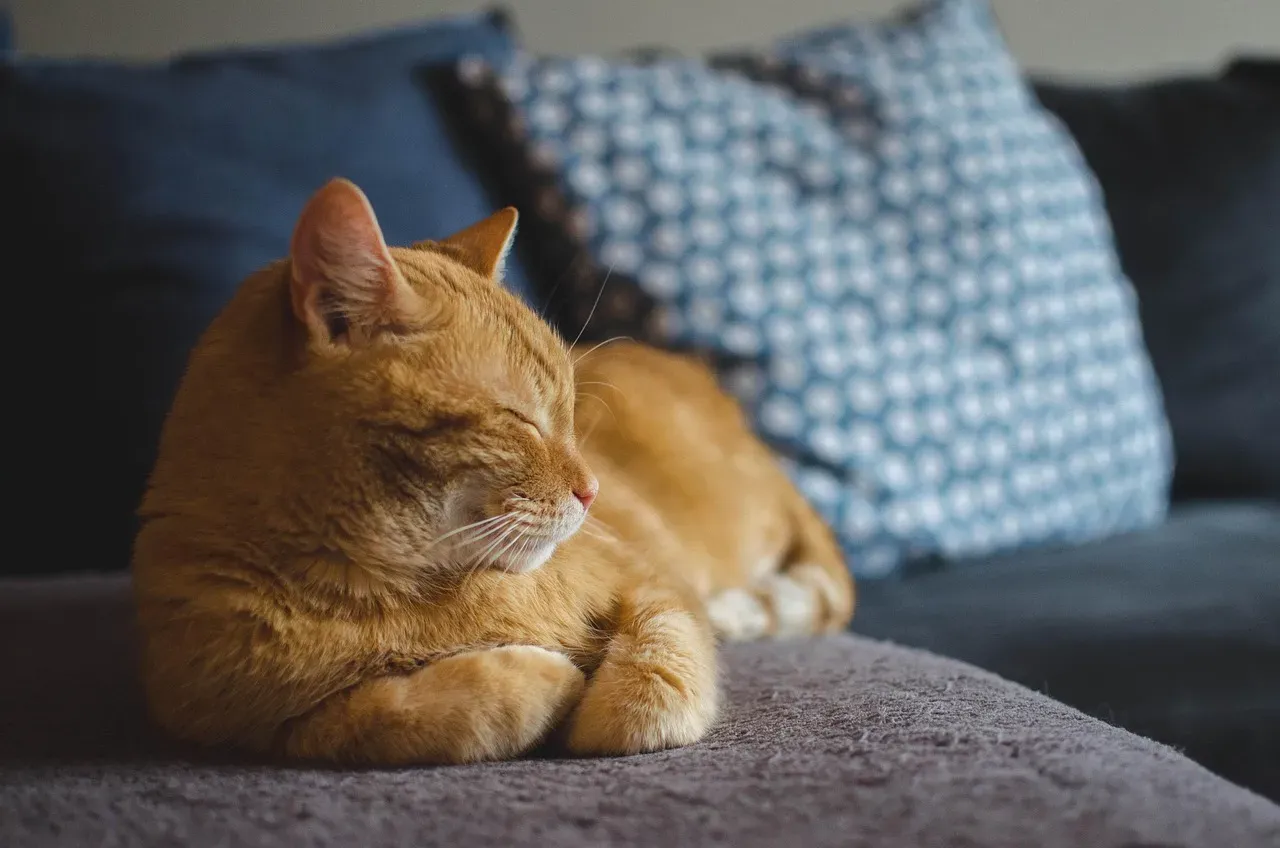
If you've ever been on the receiving end of a slow blink, you already know it's genuinely heart-warming. What's less known is that it's also one of the few feline signals with hard research behind it.
The "partially closed eyes" expression, paired with slow blinking, resembles how human eyes narrow when we smile, and it typically shows up when a cat is relaxed and content. Researchers studying cat-human interactions found this expression made cats - both familiar ones and total strangers - more likely to approach and stay receptive to people.
Slow blinking, where both the closing and opening happen gradually, is distinct from a normal rapid blink - evidence that it's not reflexive, but intentional.
The Journal of Physiology
The slow blink is a deliberate, controlled movement, not a reflex. A short greeting chirp or trill almost always follows within a few seconds of it. But there's a much stranger version of this same eye pattern coming up, one that most people mistake for a completely different emotion.
#7 - Whale Eye: Whites Showing Before a Fearful Cry
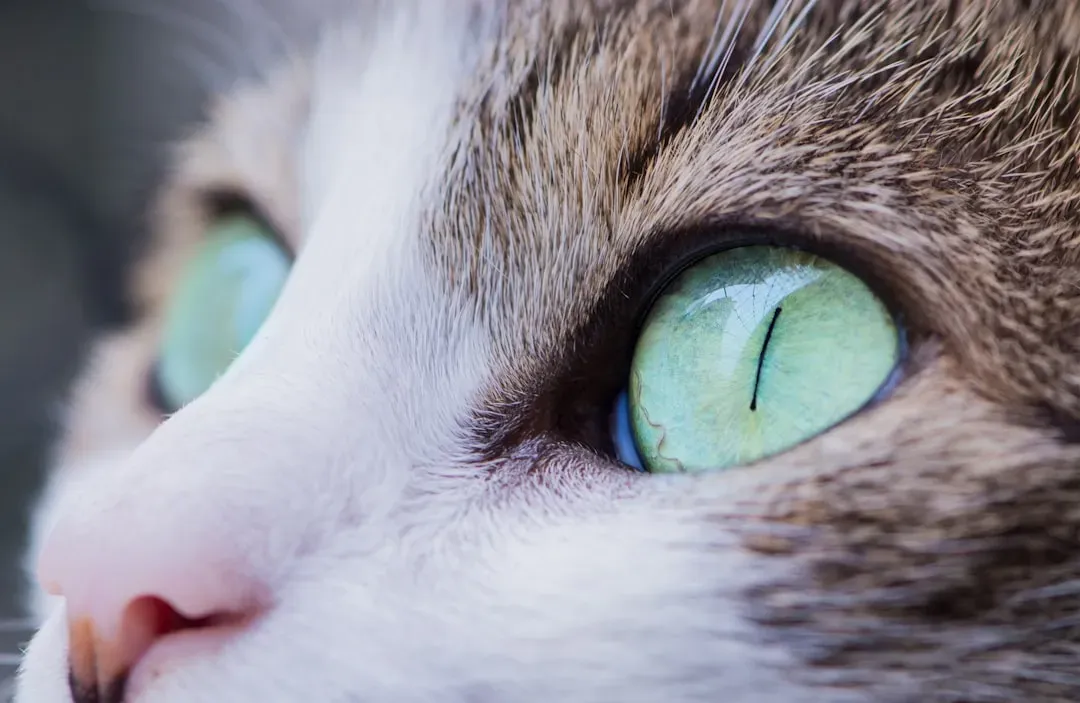
"Whale eye" is a term borrowed from dog behavior, but it applies just as directly to cats, and it's one of the clearest pre-vocal fear signals there is.
A cat showing the whites of its eyes, combined with facial tension and dilated pupils, is signaling real fear. This isn't the same as a wide, curious look - the whites become visible because the cat is straining to keep a threat in view without fully turning its head, a classic sign of conflicted fear.
Worth Knowing
- Whale eye rarely appears alone - watch for a lowered body or a stiff, still tail alongside it.
- The whites become visible because the cat is tracking a threat without fully turning its head.
- Giving a startled cat a clear exit path often defuses the moment before any sound is made.
Most owners describe this look as "spooked" without realizing it's a distinct, measurable signal. When whale eye shows up alongside a lowered body and dilated pupils, a defensive yowl, hiss, or distress meow is almost always seconds away. Catch it early, give the cat an exit route, and you can often prevent the escalation entirely. What comes right before an actual hiss is even more specific.
#8 - Narrowing to Slits Right Before a Hiss
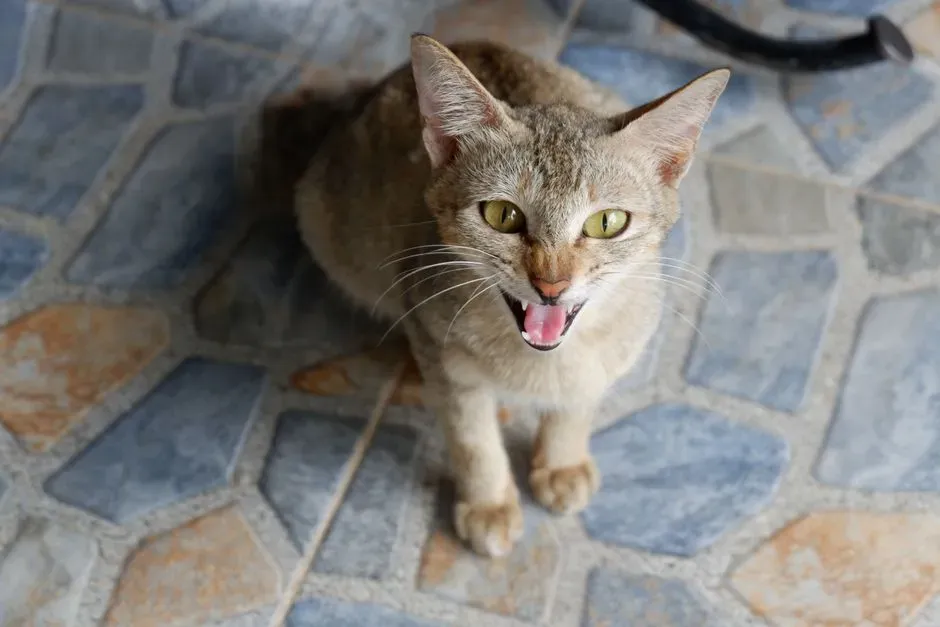
There's a specific eye-narrowing move that happens in the split second before a hiss, and it's different from the constricted "aggression pupil" described earlier - this one is about eyelid position, not pupil size.
Cats naturally narrow their eyes into slits when basking in bright sunlight, but that same slitted look can appear in dim rooms too, whenever a cat feels threatened or cornered. Combine that narrowing with a hard, unbroken stare, and you're looking at the classic pre-hiss expression.
The eyes essentially "wind up" before the sound releases - narrowing, fixating, tensing in the half-second before the mouth opens. Growling, yowling, and hissing all signal a cat that's close to attacking. Catch the narrowing before the hiss and you still have time to back off. Once the hiss happens, that window's already gone. The next combo signal is one most owners never learn to spot at all.
#9 - The Sharp Head-Turn With Dilated Pupils Before a Low, Stressed Meow
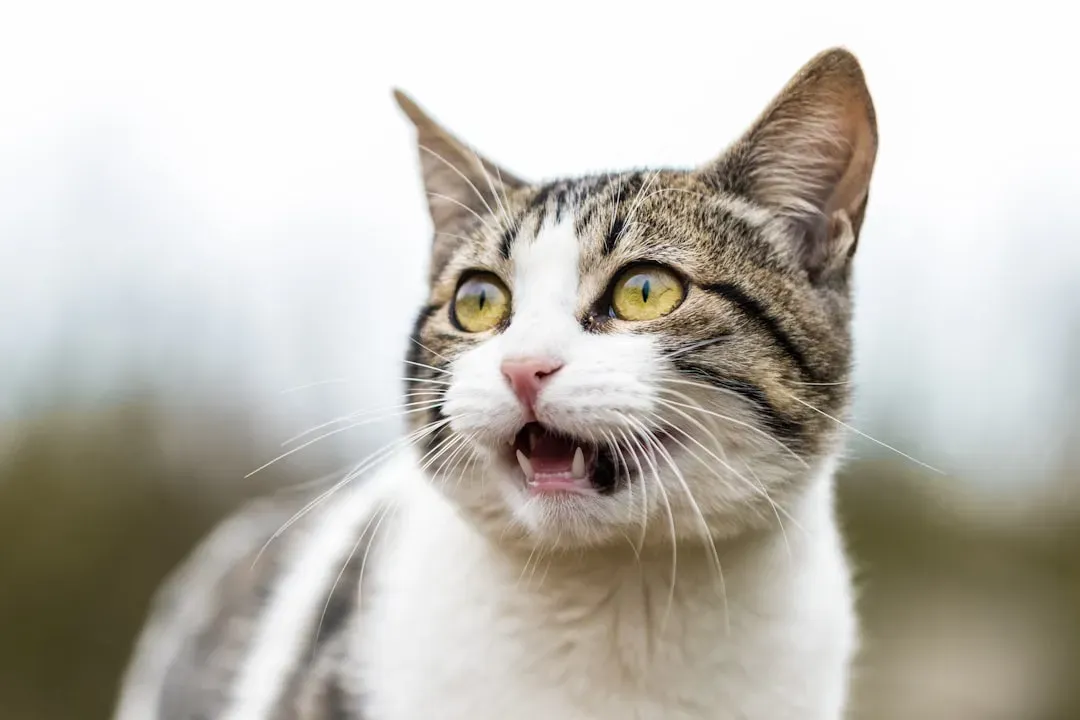
This is a subtler combo signal that most casual cat owners never learn to spot, but it's one of the most reliable predictors of an unhappy meow mid-petting session.
Warning signs include tongue-licking over the nose, head-shaking, a sharp head-turn paired with pupil dilation, or a short, low-pitched meow while being stroked. Notice the order - the head-turn and pupil change happen before the vocal complaint, not after.
A lot of owners get "surprise bitten" simply because they missed this exact sequence. They keep petting through the sharp head-turn, ignore the dilated pupils, and are shocked when a low grumble or nip follows. The eyes and the neck move first; the sound is the final warning, not the first one. Pain hides even better than irritation does - but the eyes still leak it.
#10 - Squinting Before a Pained, Strained Meow
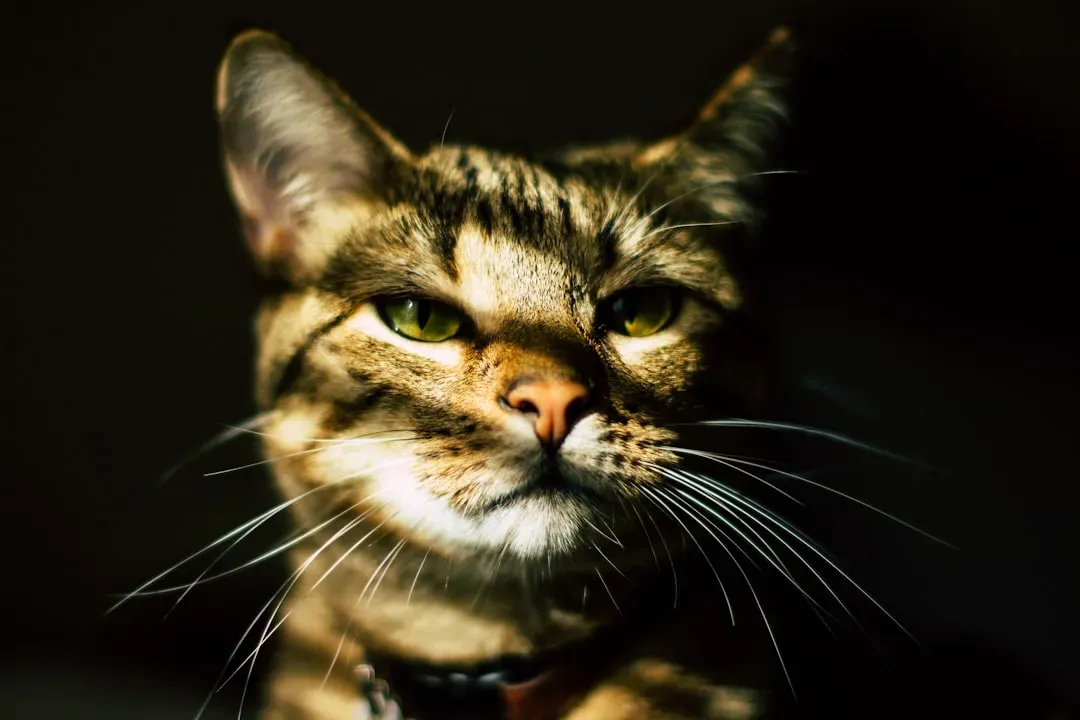
Pain is one of the hardest things to read in cats because they're evolutionarily wired to hide weakness. But the eyes leak information even when the rest of the body stays perfectly still.
Cats wear a poker face when it comes to pain, but the eyes give it away, whether the pain is coming from the body itself or the eyes. Dilated pupils and squinting both point to discomfort somewhere.
At a Glance
- Squinting combined with dilated pupils often signals pain, not sleepiness or contentment.
- Bloodshot eyes paired with a strained or oddly-pitched meow are worth a same-week vet visit.
- Cats are wired to mask pain, so a repeated squint-and-meow pattern matters more than a one-off moment.
This is the signal most owners dismiss as "just tired" - and it's a costly mistake. A cat squinting while dilated, followed by a short, strained, or oddly-pitched meow, is often communicating pain rather than making a normal request. Bloodshot eyes can be another tell. If the squint-and-meow combo shows up repeatedly, that's a vet visit, not a personality quirk. Not every eye signal is about distress, though - some are pure predator instinct.
#11 - The Predatory Freeze-Stare Before a Chirp or Chatter
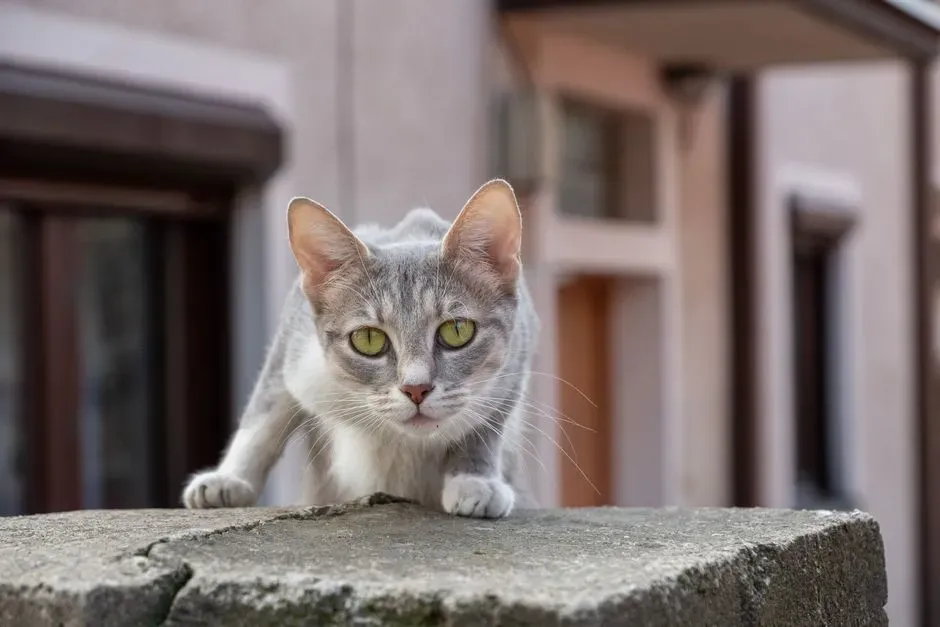
Ever seen your cat go dead silent, eyes locked on a bird outside the window, jaw twitching right before that strange chattering sound kicks in? That freeze-stare is a distinct pre-vocal signal tied straight to prey drive.
A hard stare can function as a challenge - to prey or to a rival - and it's often read as a dominance move, though it also shows up simply when a cat is locked onto something fascinating. Chattering and chittering tend to appear when a cat is fixated on prey it can see but can't reach.
The eyes go completely still before the sound - no blinking, no drifting, total lock-on. This one confuses a lot of owners, who mistake the excited chatter for frustration or aggression, when it's really hyper-focused hunting instinct misfiring at a window. Either way, the eyes commit fully before the jaw ever moves. Not every stare on this list ends in tension, though.
#12 - Wide, Soft Eyes With Forward Ears Before a Confident Greeting Trill
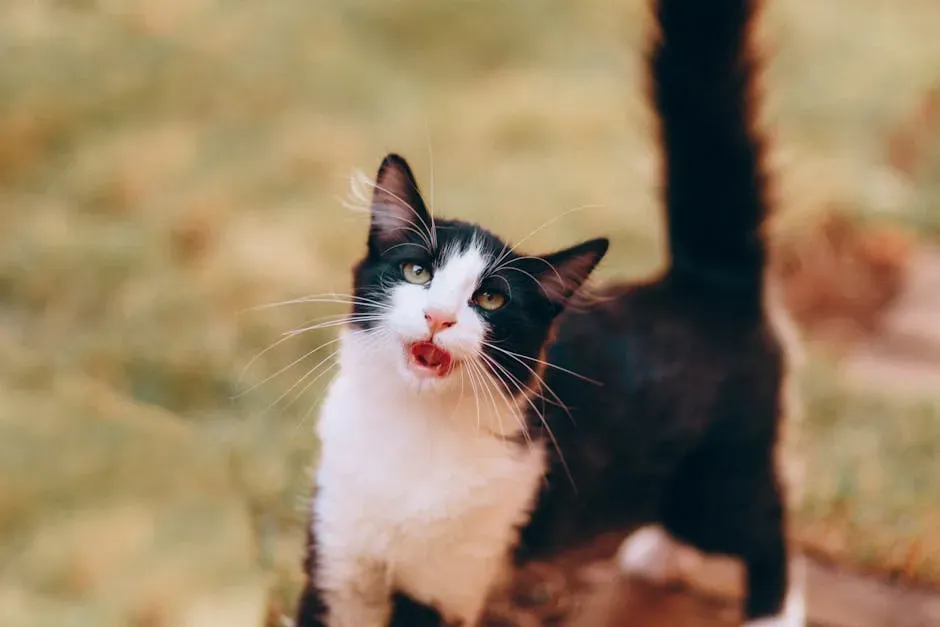
Not every eye signal is defensive or predatory. The friendliest sound a cat makes - the chirrupy trill greeting - has its own distinct eye pattern that shows up first.
Alert, wide-open eyes signal trust when the pupils sit at normal dilation, paired with softened eyelids, relaxed brows, and maybe an offered cheek rub. Read together, it's a genuine sign of affection and comfort, not just alertness.
This is the pattern most people wrongly assume just means the cat is "awake and alert" - it's actually a specific bonding signal. Pair it with forward-facing ears and a raised tail, and a friendly trill or chirp almost always follows within moments. It's the visual equivalent of a cat clearing its throat to say hello. The very last signal on this list comes straight from a lab, not folklore.
#13 - Rapid Half-Blinks That Intensify Right Before a Demanding Meow
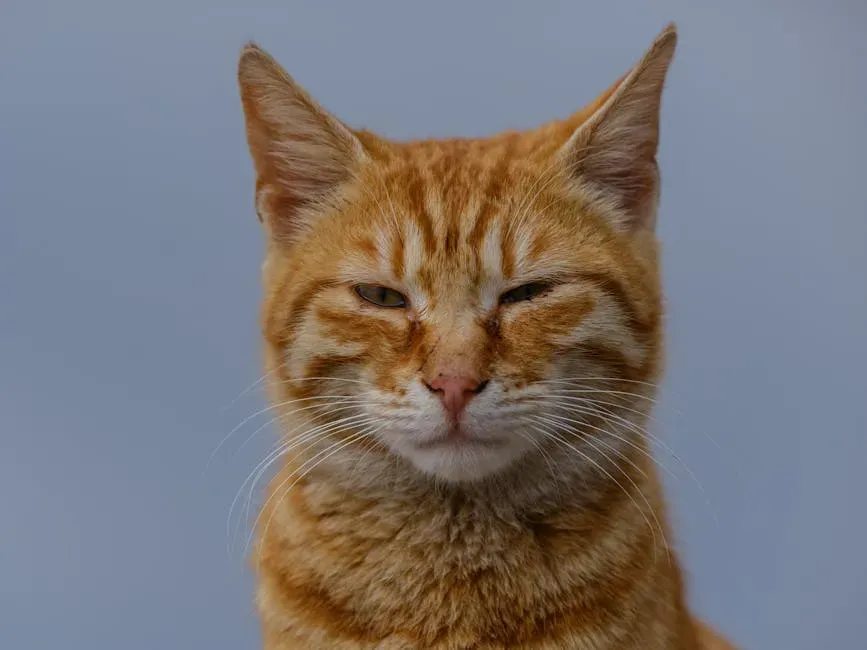
The final signal is the one almost nobody talks about, and it comes straight from controlled research rather than internet folklore.
In experiments, cats produced significantly more half-blinks and eye-narrowing movements when their owners slow-blinked at them, with the rate of eye-narrowing roughly doubling during the interaction. A slow-blink sequence itself is built from a series of shorter half-blinks, followed by either a stable narrowing of the eye or a longer, deliberate closure.
Why It Stands Out
- It's one of the few cat behaviors studied under controlled, repeatable lab conditions.
- Half-blink rates climb specifically in response to a human's slow blink - not just any eye contact.
- The acceleration happens before any sound, making it a genuine predictive signal rather than folklore.
Translation: the blinking rate itself accelerates as emotional intensity builds - and that acceleration precedes vocal demands like a persistent "feed me" meow. Watch closely next time your cat wants something. The half-blinks speed up, the stare locks on, and only then does the meowing start. The eyes aren't just reacting at that point - they're escalating, building toward the sound the same way a kettle builds toward a whistle.
The Bottom Line
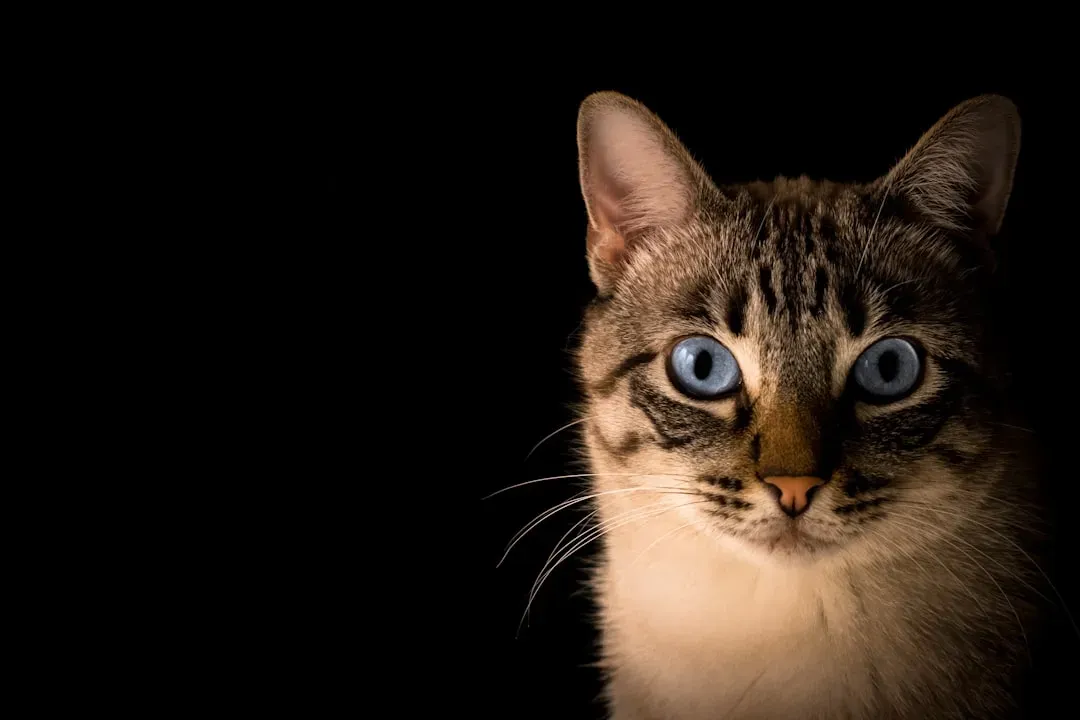
Cats don't ambush you with sound - they warn you with their eyes first, and most owners simply never learned the alphabet. Dilation, constriction, staring, slow blinks, whale eye, and half-blink acceleration all form a silent language that runs seconds ahead of every meow, hiss, growl, and trill.
Frankly, the science on the slow blink alone should change how every cat owner interacts with their pet. It's not folklore - it's a documented communication channel, backed by controlled research, and most people go their whole lives never noticing it's happening right in front of them.
Ignore the eyes and you're always reacting one step too late. Which of these signals have you actually caught in the wild before your cat made a sound? Drop it in the comments - we want to know which one surprised you most.