19 Things Your Cat Does at Night That Mean It Feels Completely Safe
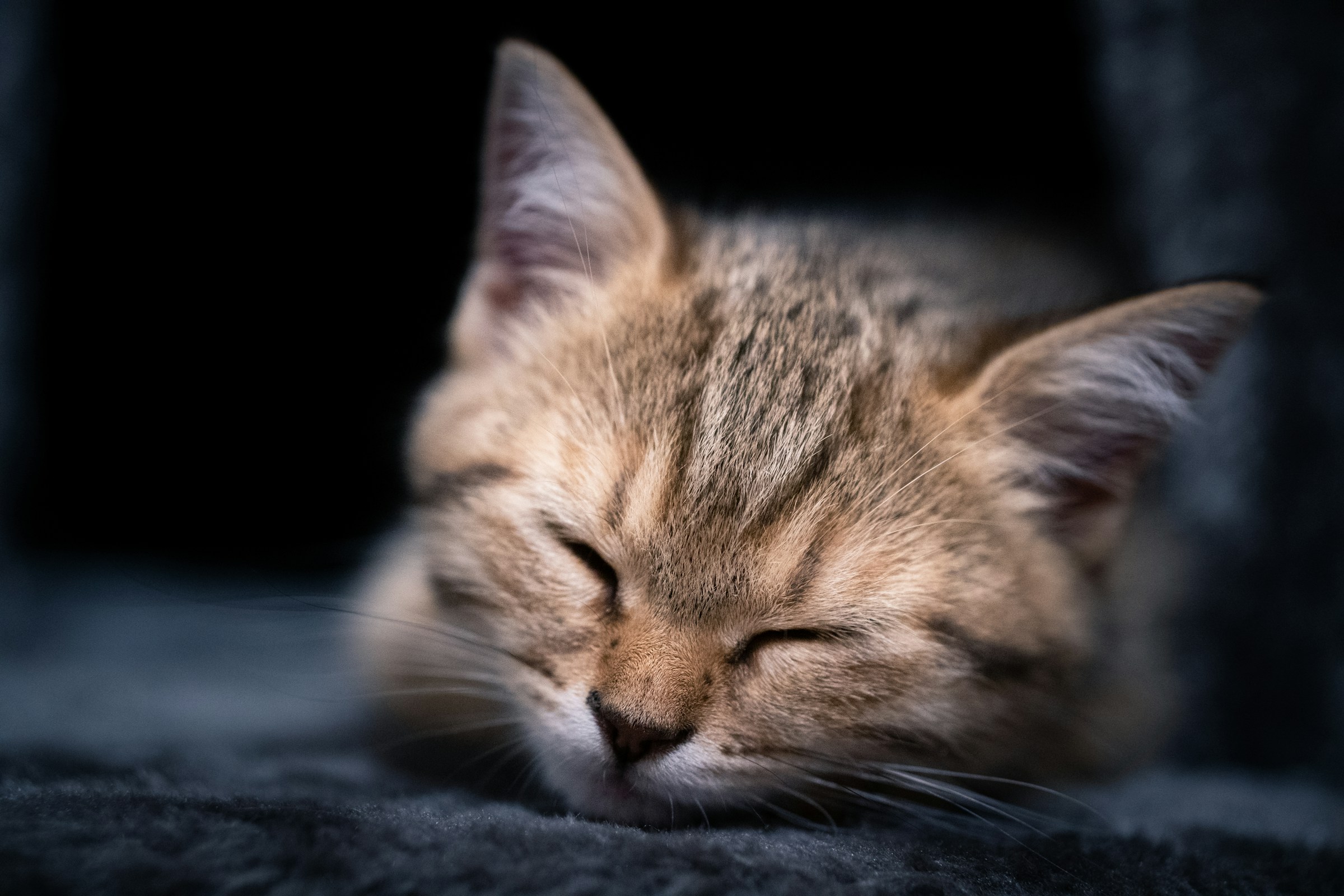
Your cat spends all day being a tiny, unreadable mystery. But the second the lights go off, something changes - the posturing stops, the guard drops, and what's left is a surprisingly honest report on how your cat actually feels about you and your home.
Most owners think a sleeping cat is just... sleeping. It's not. Veterinary behaviorists say the exact spot, posture, and habit your cat chooses at night is a running trust audit, and most people have no idea they're being graded every single night. Here are 19 things your cat does after dark that mean it feels completely, unmistakably safe.
#1 - Sleeping Completely Belly-Up
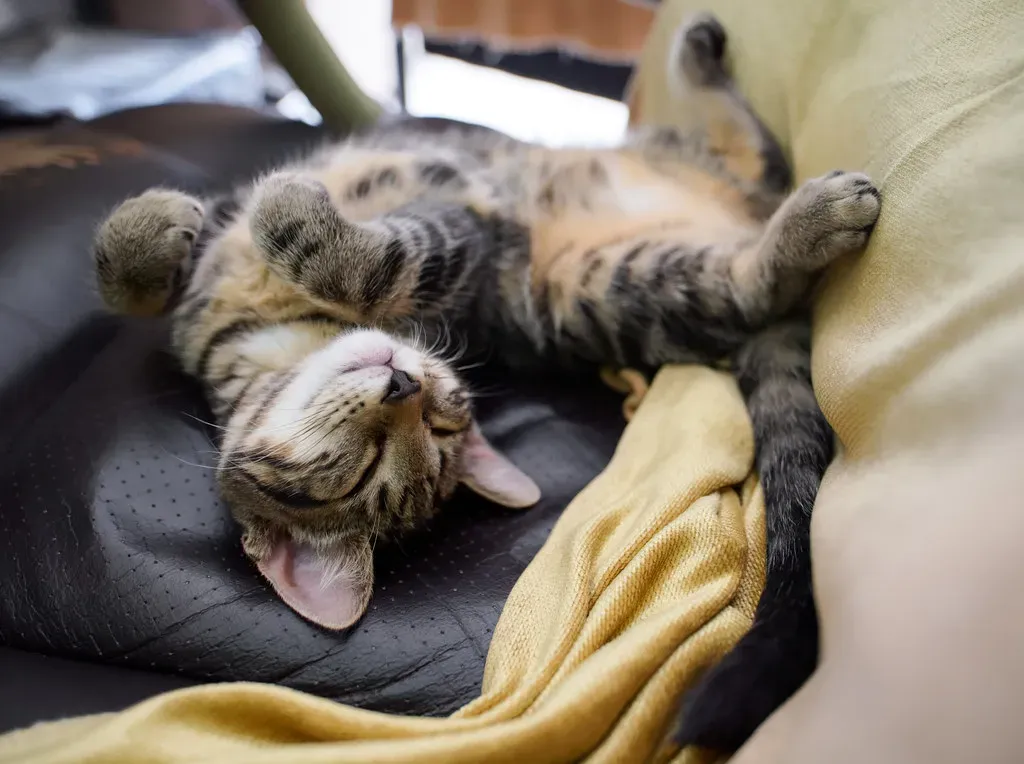
A cat flopped flat on its back with its stomach facing the ceiling isn't relaxing by accident. It's making a calculated risk assessment, and you passed.
The belly protects every major organ a cat has, and in the wild, exposing it is basically a death wish. That's why this pose is considered the gold standard of nighttime trust - it only shows up once a cat's nervous system has fully stood down, deep in the kind of sleep where its muscles go completely slack. It's not an invitation for belly rubs, though. That's a different conversation entirely.
Fast Facts
- Domestic cats sleep an average of 12 to 16 hours a day, more than most household pets.
- The belly-up "trust pose" is rare in kittens under six months and in cats newly placed in a home.
- A relaxed, sleeping cat's heart rate typically slows well below its waking rate.
- Wild cats almost never sleep belly-up in the open, since it removes their ability to flee instantly.
#2 - Sleeping Pressed Directly Against You
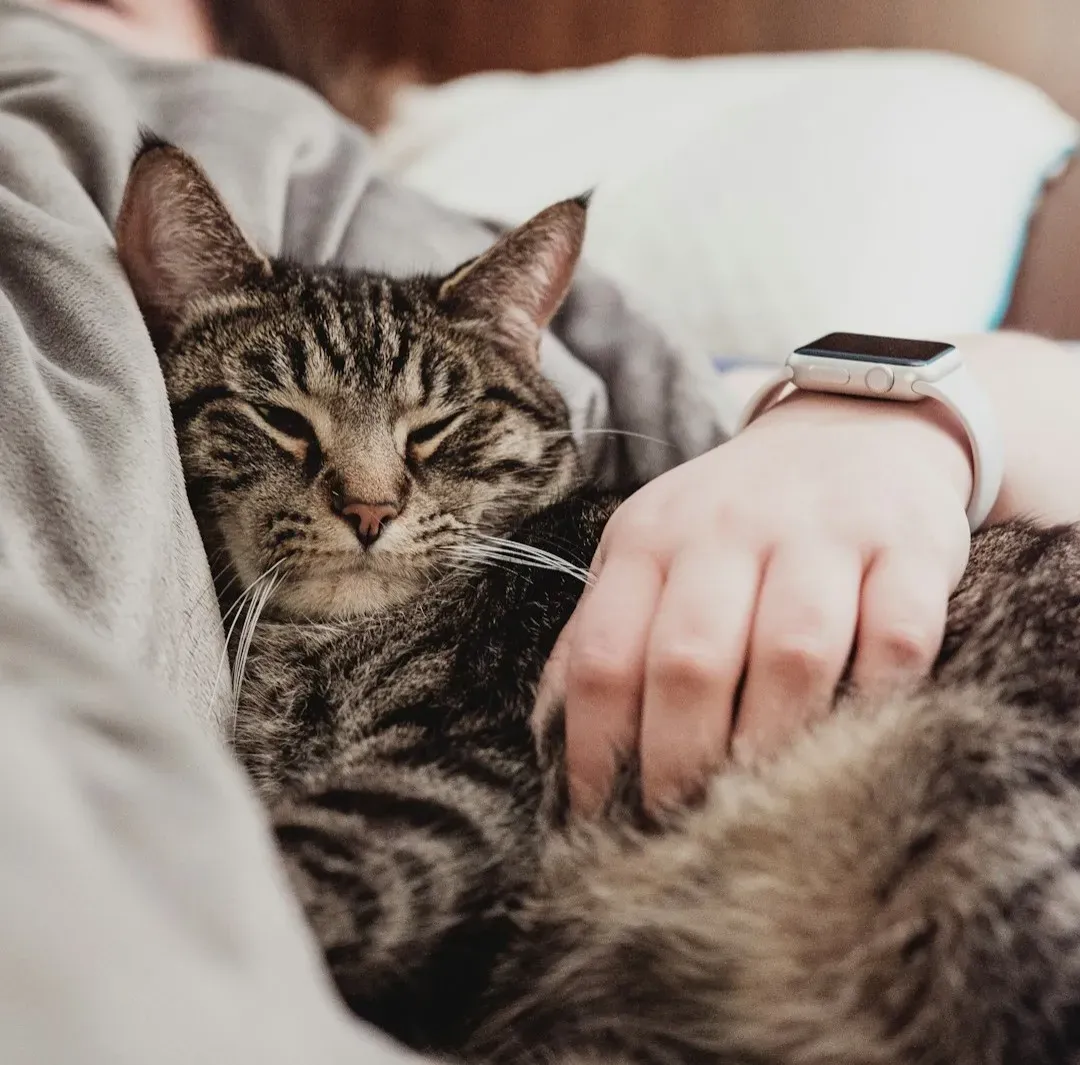
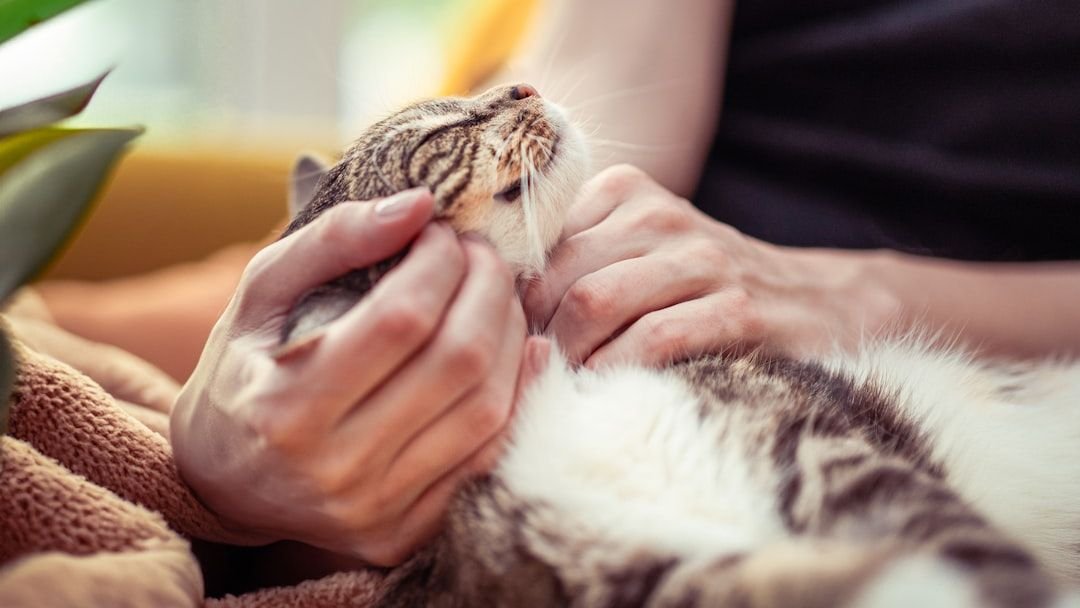
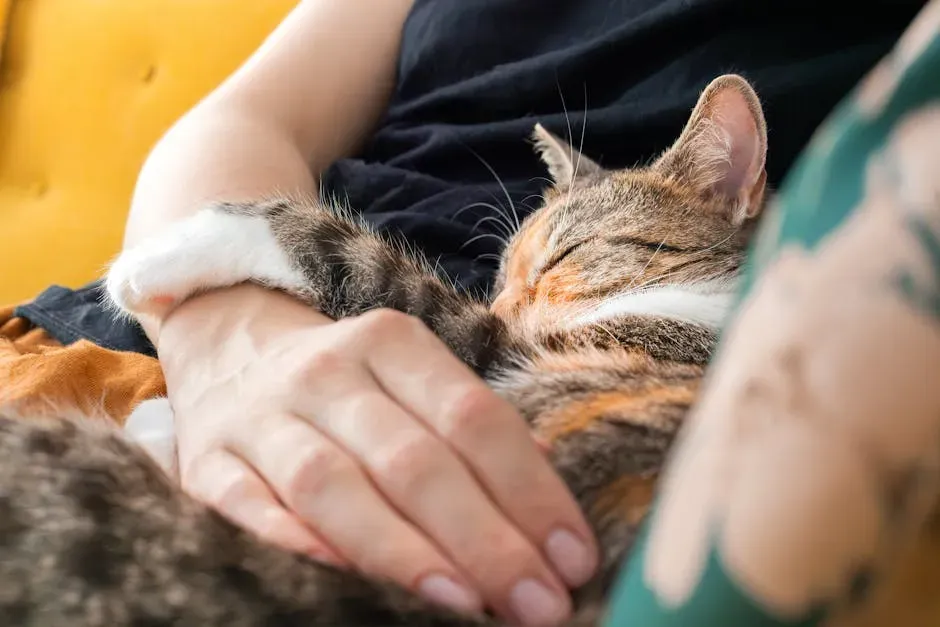
Cats that curl into your side, back, or feet at night are voting with their bodies, and the vote is unanimous. Sleep is the single most defenseless state an animal can enter, so choosing to do it while touching a human is a real statement.
Some owners assume their cat is just chasing warmth. Experts push back on that - a cat looking for heat has plenty of other spots in the house. Choosing to press directly against you, specifically, is the tell. If your cat is genuinely asleep beside you or in your bed, that's one of the deepest trust signals a cat can offer.
#3 - Kneading Blankets or Your Legs Before Bed
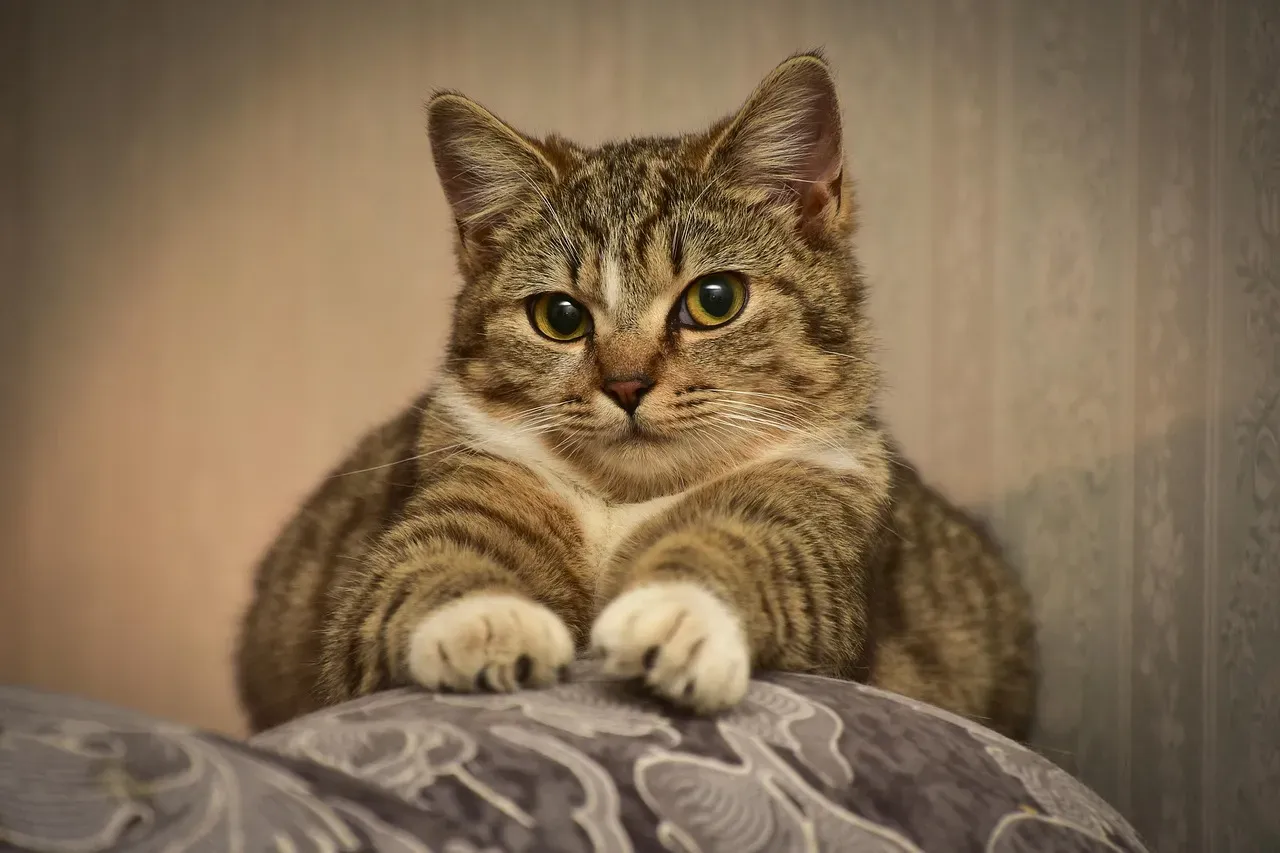
That rhythmic paw-pushing motion right before your cat settles in isn't random fidgeting. It's a leftover kitten survival behavior, repurposed for comfort.
Kittens knead their mother's belly to stimulate milk flow, and most cats never fully drop the habit as adults. At night, the motion doubles as scent-marking, since cats have scent glands in their paws - kneading you is your cat quietly filing you under "safe territory." It's one of the clearest signs a cat is settling in for real, deep sleep, not just resting with one eye open.
#4 - Slow-Blinking at You in the Dark
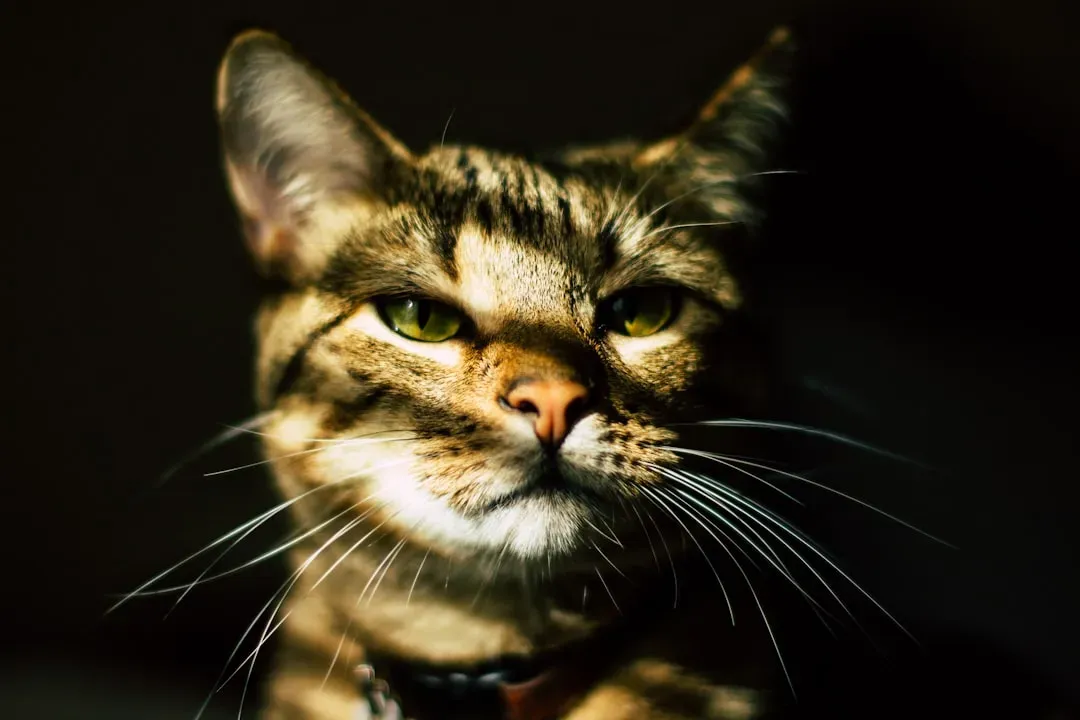
If your cat locks eyes with you in dim light and blinks slowly, that's not sleepiness. That's a deliberate feline "I love you."
Cats communicate through body language far more than sound, and the slow blink is one of the most reliable relaxed-cat signals behaviorists track. It tends to happen most in quiet, low-stimulation moments - exactly the environment of a bedroom at 11 p.m. Most owners never catch it because they're already asleep, but if you do, slow-blink back. It's one of the only real two-way trust signals cats and humans can share.
#5 - Falling Into Deep Enough Sleep to Twitch
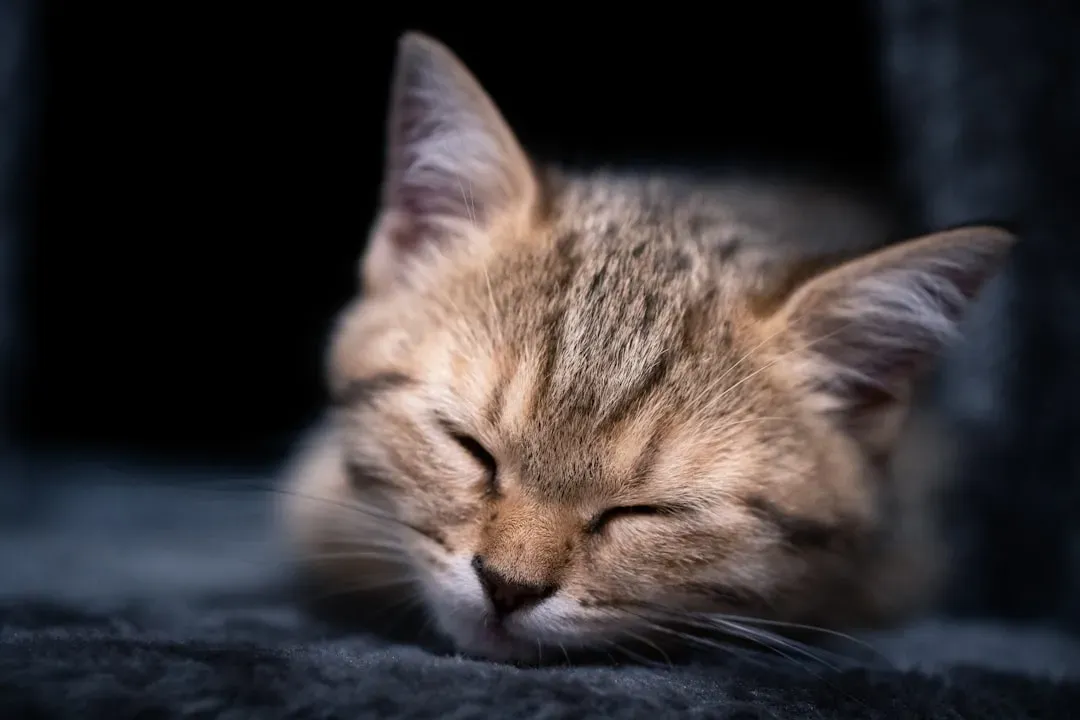
Whiskers flickering, paws paddling, tiny yips while fully unconscious - this is REM sleep, and cats only sink that deep when nothing feels threatening.
A hypervigilant cat physically cannot reach this stage; the nervous system won't allow it. Twitching during sleep is actually a bragging right, not a red flag - it means your cat trusts the room enough to fully disconnect from monitoring it. Cats that never reach this stage, the ones who startle awake at every creak, are telling you something very different about how secure they feel in your home.
Worth Knowing
- Cats cycle between light and deep sleep roughly every 15 to 30 minutes, day and night.
- REM sleep, the twitchy stage, is a smaller slice of total sleep time than light dozing.
- Kittens and senior cats tend to spend more time in deep sleep than cats in their prime years.
- A cat that startles awake at the slightest sound is likely stuck in light sleep, not true REM.
#6 - Long, Unhurried Grooming Sessions
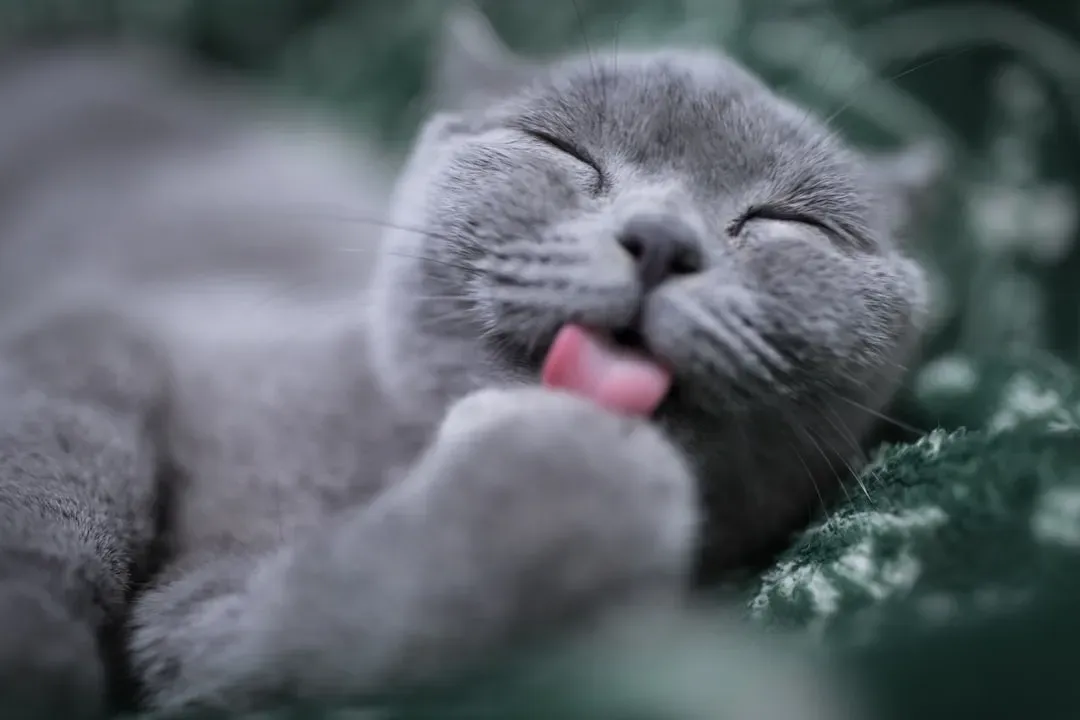
A cat that washes itself slowly and thoroughly at night, instead of in quick nervous bursts, is telling you the coast is clear.
Grooming forces a cat to divert attention away from its surroundings, something predators in the wild simply can't afford to do. A relaxed cat settles onto a favorite surface and spends several unhurried minutes washing its face, paws, and coat, and the repetitive motion actually lowers heart rate and helps it drift back to sleep. A rushed, choppy grooming session is often a stress signal - a long, luxurious one is the opposite.
#7 - Grooming You Back
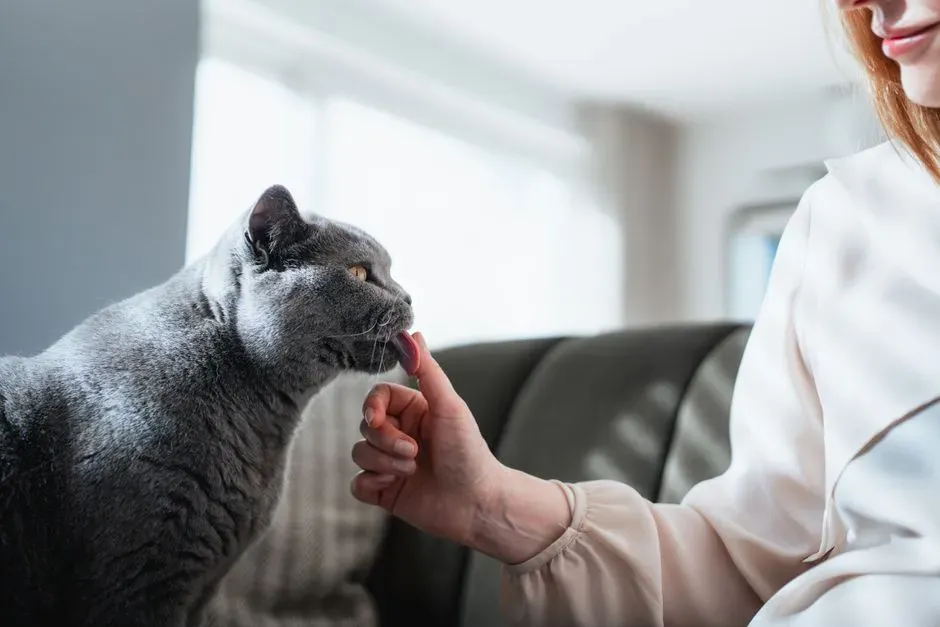
If your cat licks your hand, hair, or arm before bed, it's not confused about your species. It's including you in its inner circle.
Grooming between cats is a bonding ritual, not just hygiene, and humans get folded into that same system. In multi-cat households, cats groom each other to share scent and reinforce social bonds - a lick on your hand means you've been added to the same list. Many owners find this endearing without realizing it's literally a trust ritual, not just affection.
#8 - Sleeping in the Middle of the Room, Not Hidden
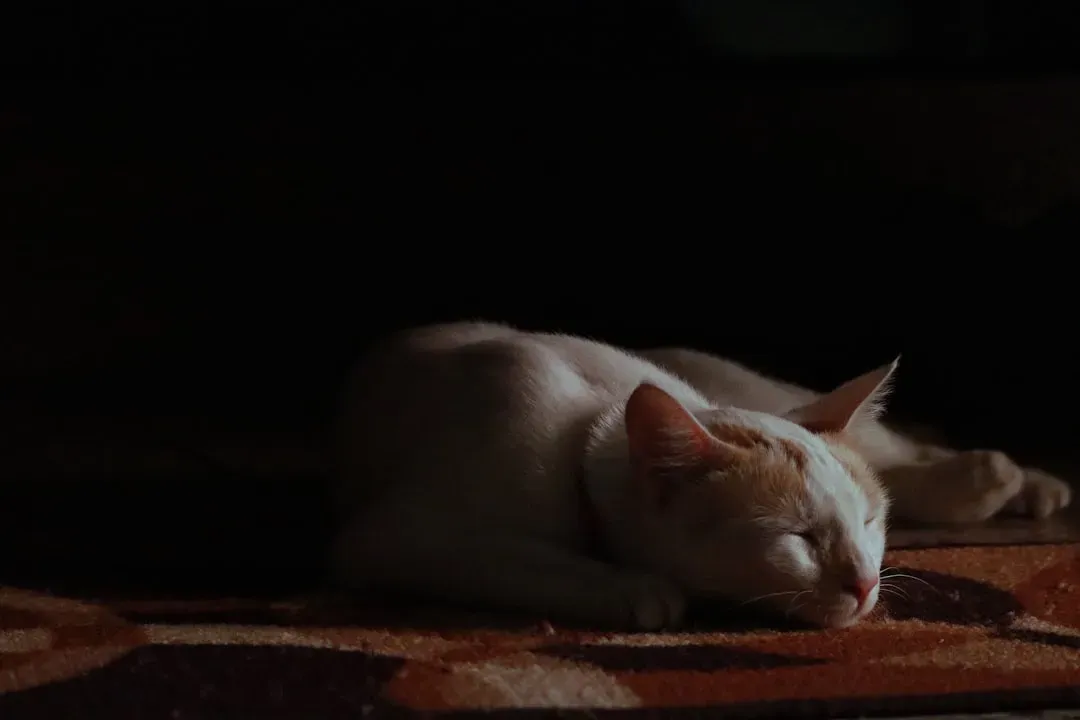
A cat sprawled in an open hallway or the center of the living room at 2 a.m. is making a statement most owners completely miss.
Cats that feel unsafe instinctively gravitate toward corners, under furniture, or enclosed spaces where they can watch the exits. When that pattern disappears, it's meaningful - a cat that feels genuinely secure will confidently sleep in the most exposed spot in the room, belly and all. If your cat used to sleep exclusively in closets or under beds and has shifted to open floor space, that's a real behavioral milestone worth noting.
#9 - Using the Litter Box While You're Nearby
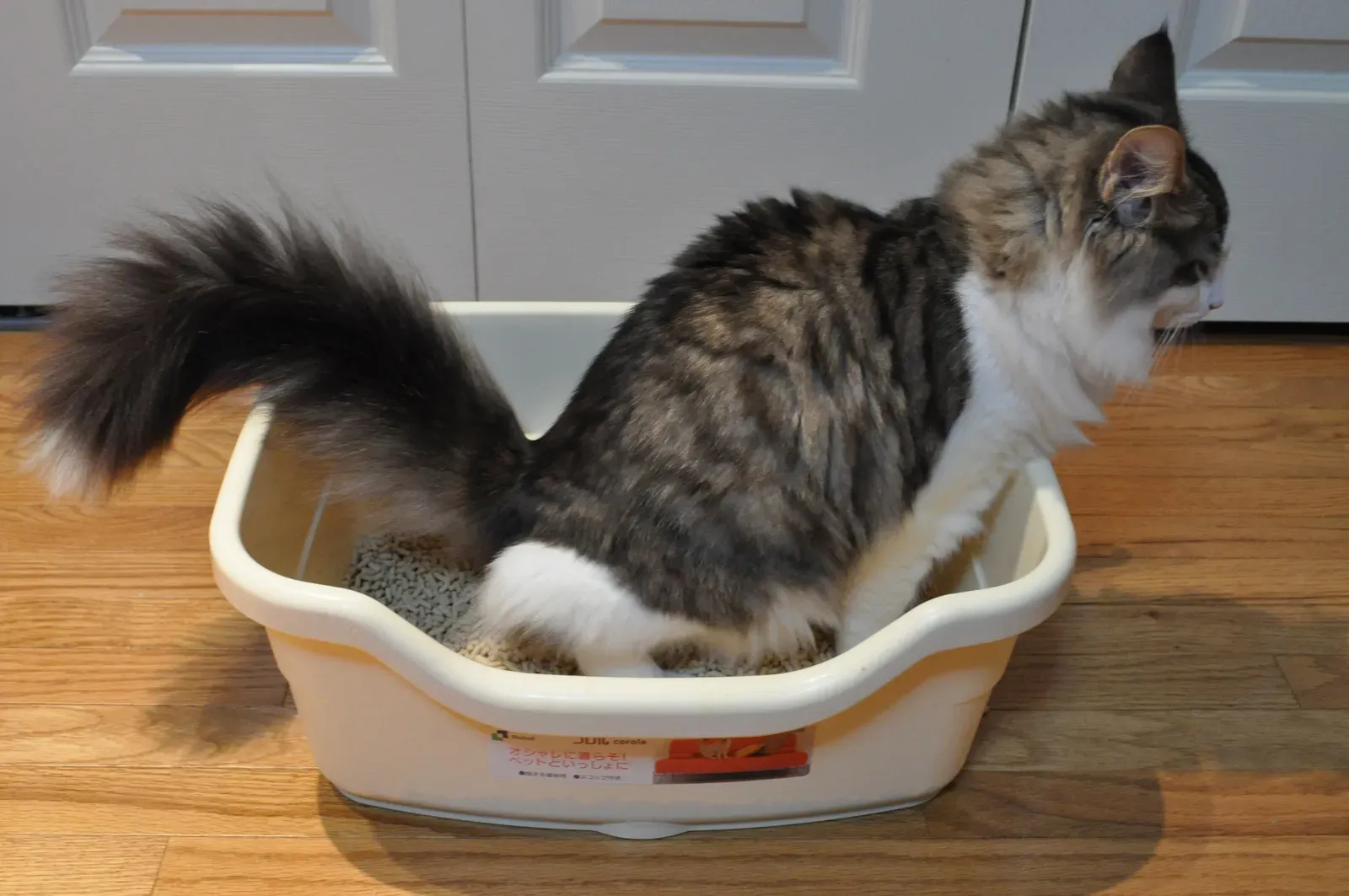
This one sounds unglamorous, but experts consider it one of the single strongest safety indicators a cat can give, especially at night.
Elimination is a deeply vulnerable act tied to old predator-avoidance instincts that never fully disappeared from domestic cats. Going to the bathroom is a genuinely defenseless thing to do - if your cat will do it while you're in the room, it probably feels quite safe around you. Rescue and shelter behaviorists track this closely, because a cat that only uses the box when no one's home is signaling it doesn't yet feel safe being vulnerable in your presence.
Quick Compare
- Secure cat: Uses the litter box normally while you're in the room or nearby.
- Stressed cat: Waits until the house is empty and quiet before eliminating.
- Secure cat: Digs, covers, and exits the box at a relaxed pace.
- Stressed cat: Rushes in and out, sometimes without fully covering waste.
#10 - Following You Into the Bathroom at Night
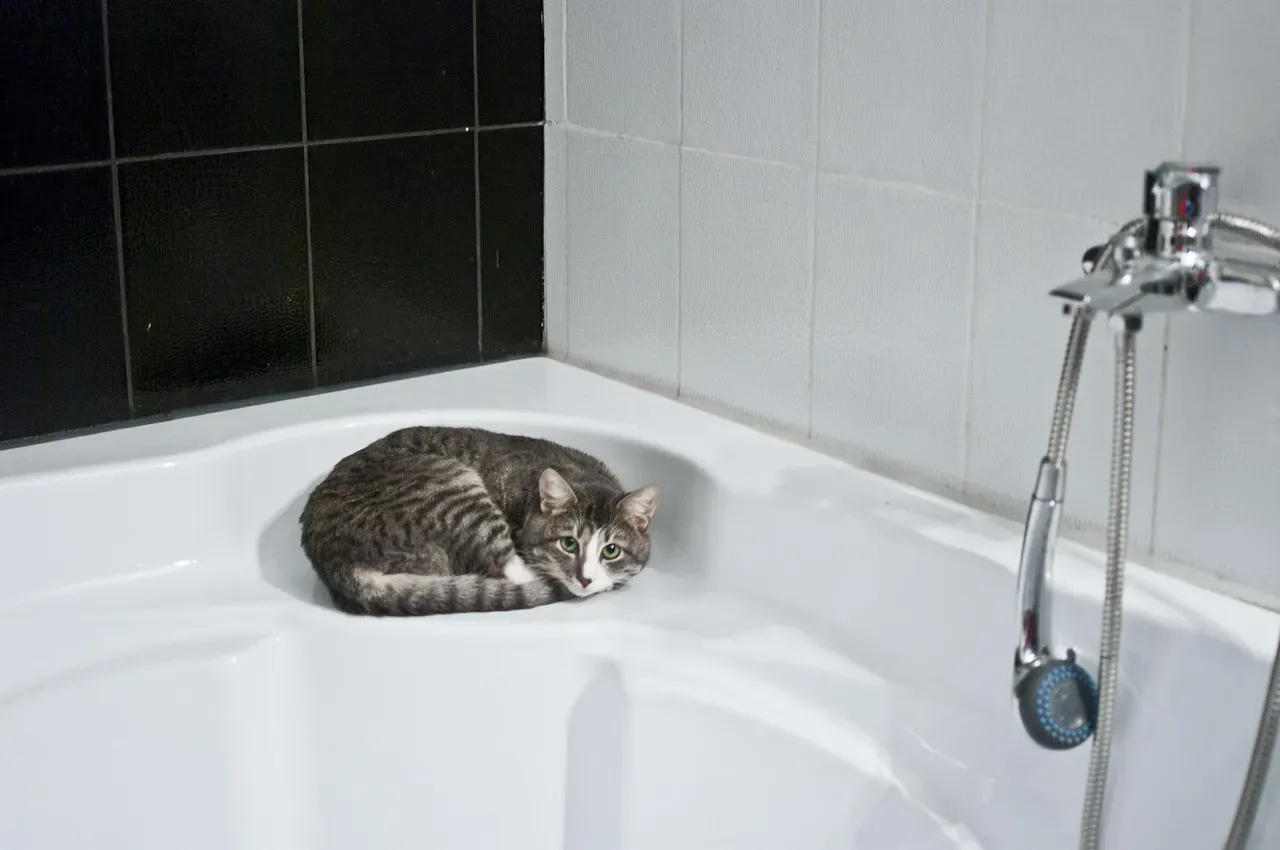
If your cat trails you to the bathroom during a 3 a.m. trip and just sits there, that's not weird. It's a bonding behavior with real psychological weight.
This ties directly to the vulnerability theme running through nearly every trust signal on this list. Cats seem to instinctively understand that this is a low-guard moment for humans, and they want to witness it up close. It's a two-way exchange - your cat feels safe enough to expose itself around you, and it wants to be present when you do the same. Owners who find this annoying are actually watching one of the clearer bonding signals in the entire nighttime playbook.
#11 - The Full-Body "Superman" Stretch Before Sleep
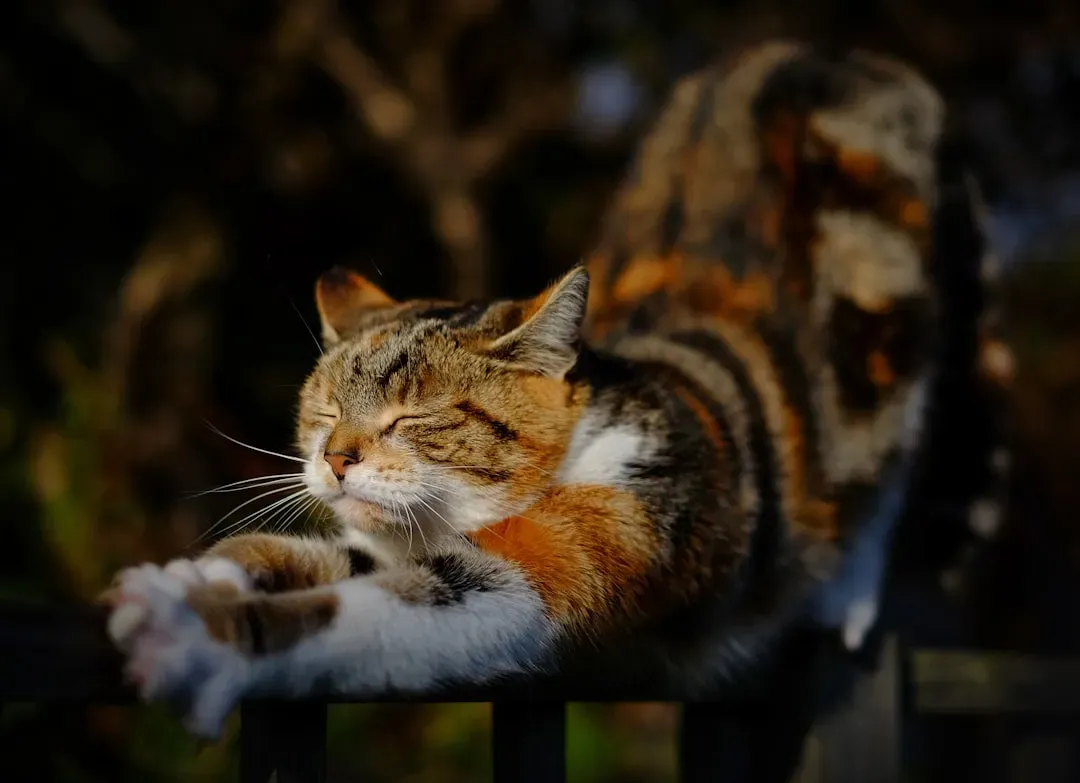
Watch for a cat that flattens completely flat on its stomach, front legs stretched forward, back legs stretched behind, like it's flying. That's the Superman pose, and it's a confidence flex.
This position leaves the abdomen partially exposed while still offering some protection, making it a middle-ground trust signal. Most cats reserve this stretch exclusively for spaces they've mentally cleared as safe - it's rarely seen in unfamiliar rooms, new homes, or during the early weeks of a rescue adjustment. If your cat has recently started sploot-sleeping in your bedroom, that's a genuine trust upgrade worth celebrating.
#12 - Loose, Side-Sprawled Sleeping Instead of Tight Curling
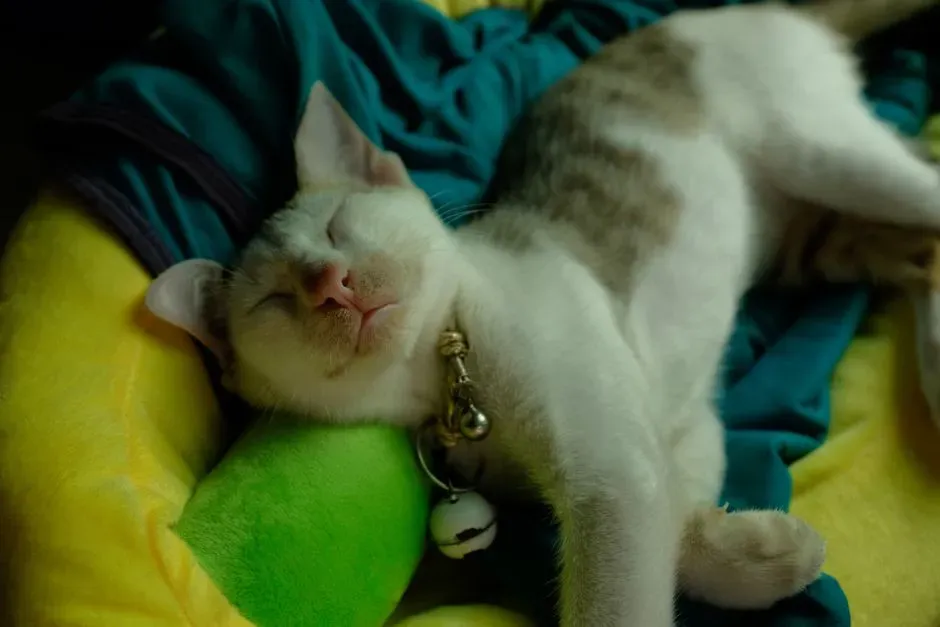
There's a night-and-day difference between a cat curled into a tight defensive ball and one sprawled loosely on its side, and most owners never clock the distinction.
Tight curling guards the organs and conserves heat when a cat isn't fully at ease. A cat sleeping on its side with legs extended has let its guard down - the pose leaves the belly partly exposed and makes it slower to spring up, so cats only adopt it when they feel genuinely secure. A slack, sprawled-out side sleeper is a far more trusting cat than one curled tight into a defensive knot, even if both look equally "asleep" to the untrained eye.
#13 - Soft Purring While Dozing, Not Just While Awake
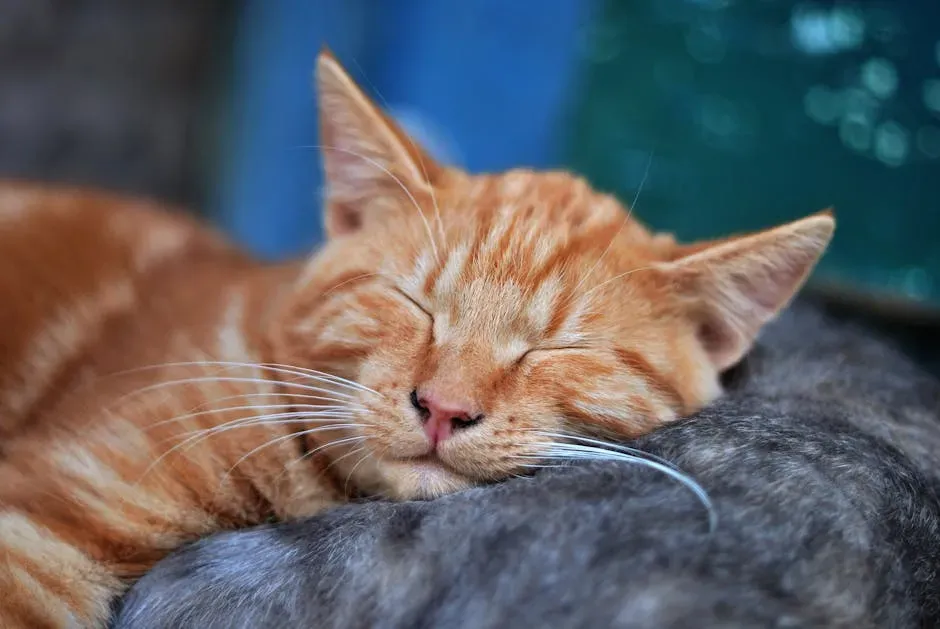
Purring during petting sessions gets all the attention, but purring during actual sleep is a rarer, more telling signal.
Purring is generally tied to contentment, and hearing it continue into a light sleep state suggests your cat's stress hormones are staying low even while unconscious. A cat that purrs itself into sleep, rather than only purring when demanding attention, is showing baseline contentment rather than a transactional response. It's subtle, but consistent nighttime purring is one of the quieter confirmations that your home isn't triggering any low-grade anxiety.
#14 - Choosing High-Traffic Spots Over Hidden Ones
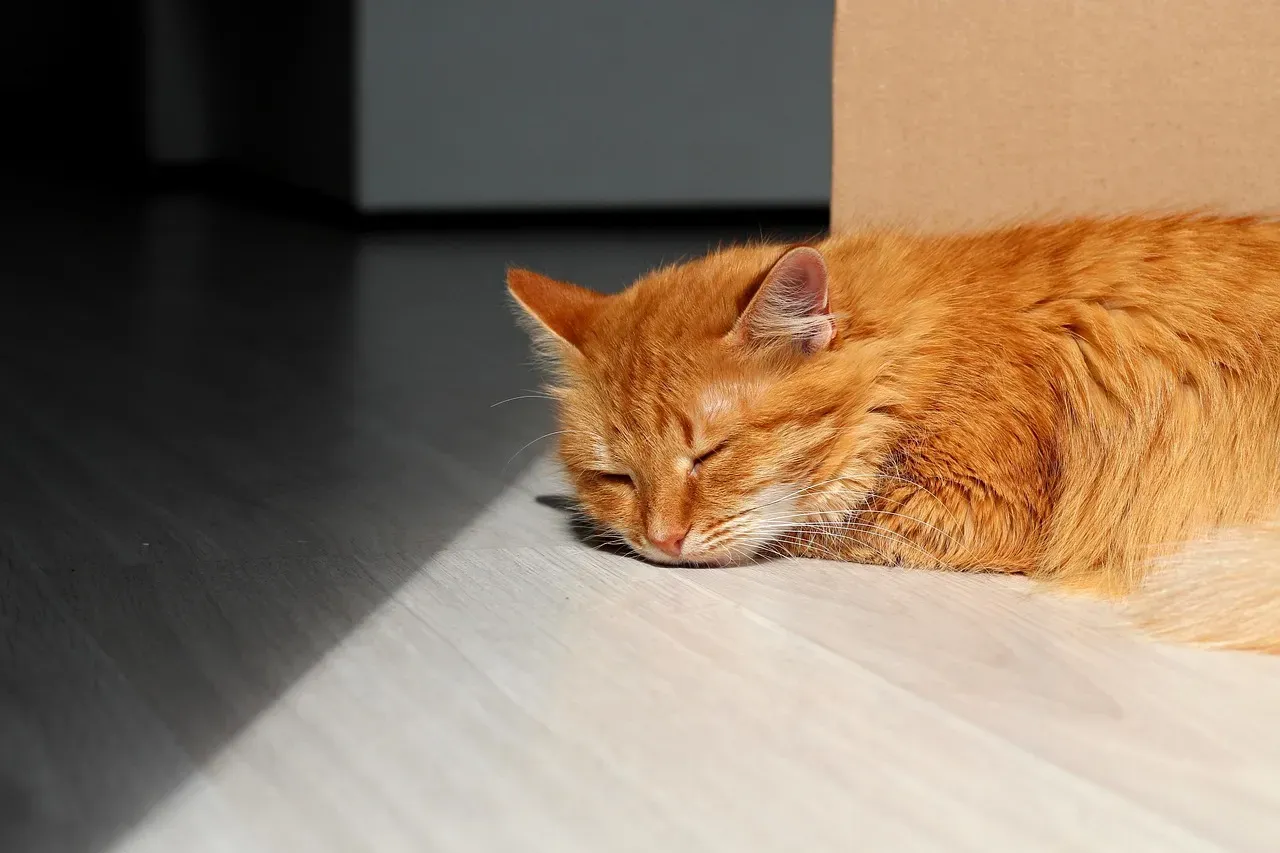
A cat that sleeps in the hallway everyone walks through, instead of a closet nobody enters, has made a calculated bet on your household's safety.
Confidence in a shared space builds gradually. Familiar routes become part of daily life as a cat learns what sights, sounds, and smells normally belong there - relaxed movement through shared spaces is a strong positive sign, since the home has become predictable enough that crossing a room no longer requires a security assessment. This is a stark contrast to newly adopted or anxious cats, who almost universally gravitate toward low-traffic hiding spots until they've built enough confidence to relax in the open.
#15 - Soft Nighttime Chirps and Meows Directed at You
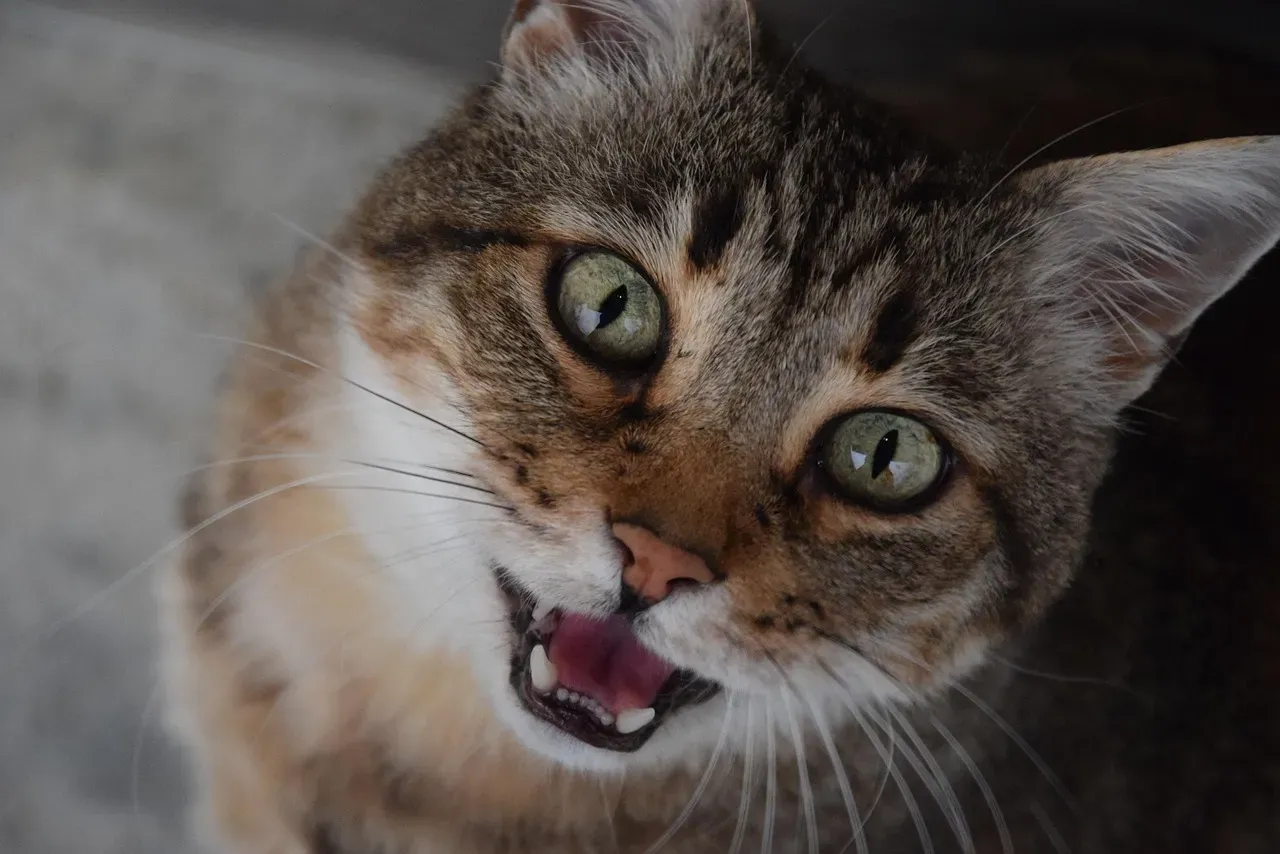
Not all nighttime vocalizing is a problem. Some of it is simply a cat checking in, the same way it would with family members in the wild.
In the wild, cats use soft calls to stay in touch with family members while moving through territory at night, and your cat may just be announcing its location or asking whether you're still awake. A soft, single chirp is very different from an anxious, repetitive yowl - the former is social contact, the latter can signal distress or a medical issue. Context and tone matter more than the vocalizing itself.
#16 - Sleeping Deeply Enough to Snore
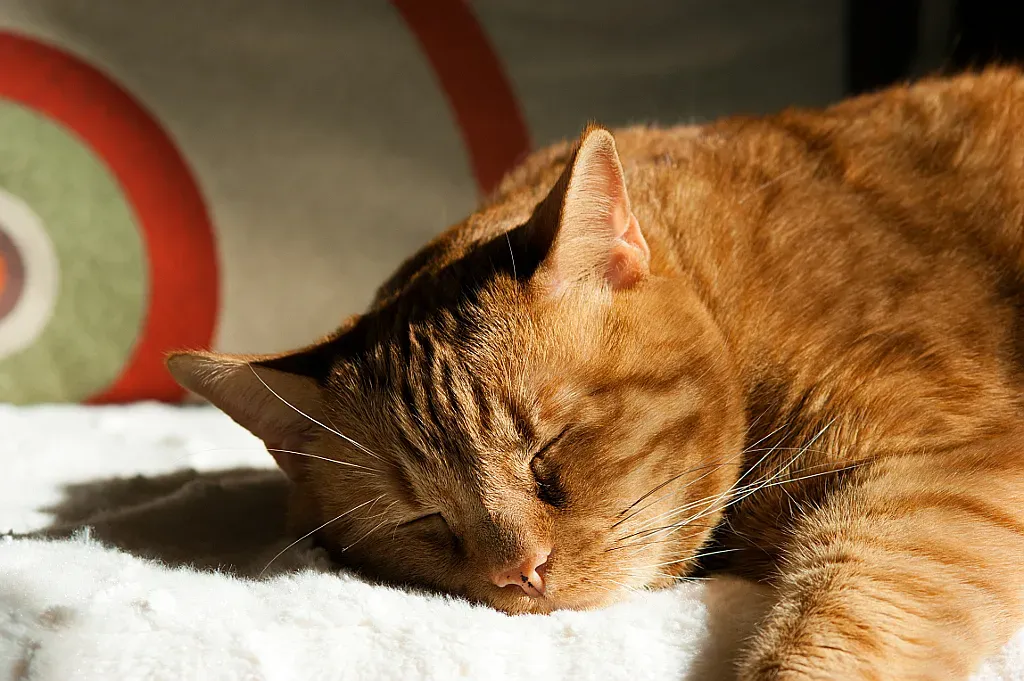
Snoring cats sound comical, but the underlying physiology says something real: this level of muscle relaxation doesn't happen in an animal that's even slightly on alert.
Deep sleep requires the airway muscles to fully relax, which only happens once the nervous system has stopped scanning for threats. A snoring cat has essentially switched off its built-in alarm system entirely, something a wary or newly rehomed cat almost never does. If your cat has started snoring in your presence for the first time, that's a genuine milestone, not just a funny video moment.
At a Glance
- Slow, steady breathing with little response to nearby movement or noise.
- Fully closed eyes rather than the half-open "watching" gaze of a light doze.
- Limp, loose limbs instead of tucked-in, ready-to-spring positioning.
- Occasional snoring or soft rumbling breaths, especially in flat-faced breeds.
#17 - Rolling Onto Its Back Playfully, Awake
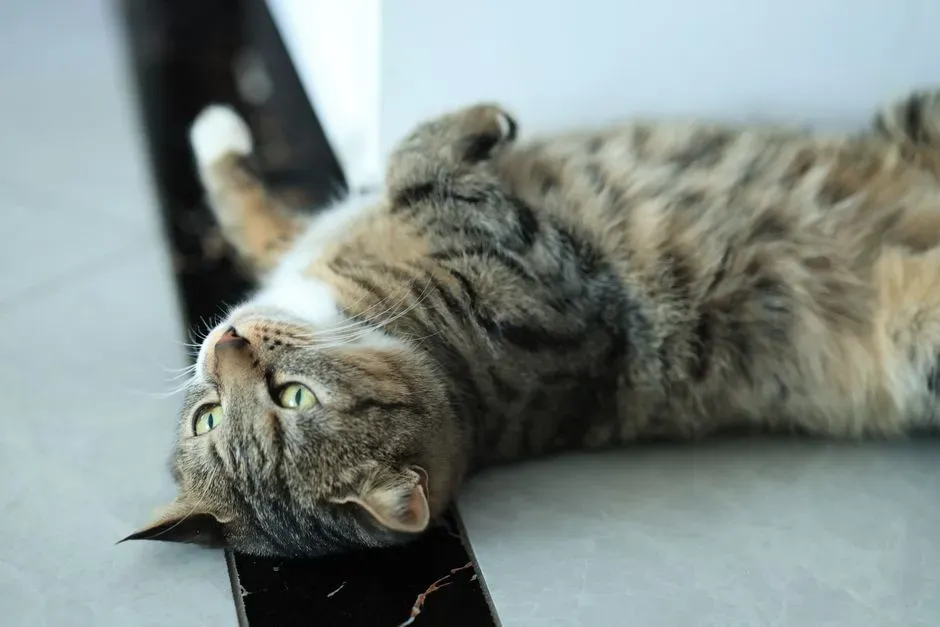
There's a difference between sleeping belly-up and rolling onto the back while awake and alert, batting at a hand or a toy. But both point to the same underlying emotion.
Not every belly-up cat is asleep - a cat that rolls onto its back while awake, batting at the air or a toy, is often inviting play, and kittens do this constantly. A cat would never expose its belly to something it perceived as a real threat, so the rolling flop is part invitation, part confidence display. It's one of the few trust signals that shows up in both sleepy and fully awake states, making it doubly reliable as a nighttime confidence marker.
#18 - Settling Into a Loose "Loaf" Near You, Not Away From You
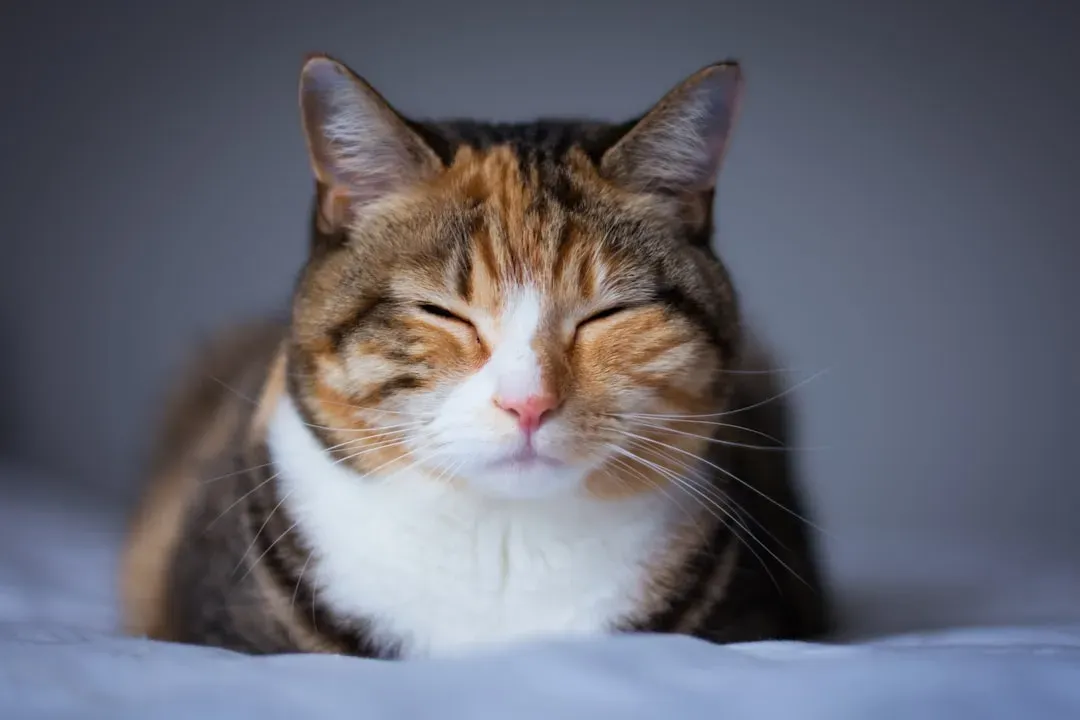
The loaf position - paws tucked, body compact - usually signals moderate alertness rather than deep trust on its own. But where a cat chooses to loaf matters enormously.
On its own, this pose is more about warmth conservation than full relaxation, resting lightly but staying ready to spring - meditation with claws. A cat that consistently chooses to loaf directly beside you, instead of in a separate room, is prioritizing proximity over caution. Even a neutral, moderate-trust posture becomes a meaningful signal once you factor in that your cat picked that exact spot because you were in it.
#19 - Sinking Into Motionless, Fully Slack Deep Sleep Beside You
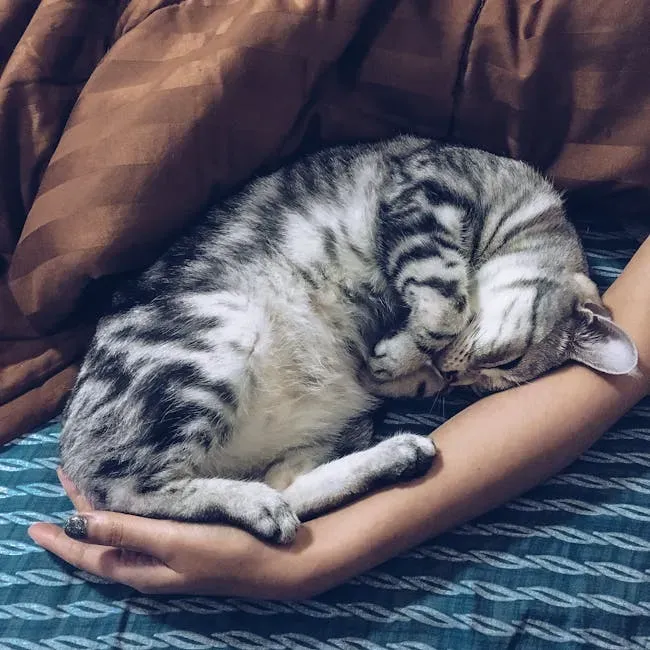
This is the endgame of every other item on this list - a cat that goes fully limp, muscles slack, breathing slow and steady, directly next to you.
This state is the complete opposite of a defensive stance, and it only happens once every other trust box has already been checked. Reaching this level of unconsciousness around another creature is, evolutionarily speaking, an enormous gamble for a small predator-prey species like the domestic cat. A cat that reaches total muscular slackness beside you has run out of reasons to stay guarded - which, in cat language, is about as close to "I feel completely safe" as the species gets.
Cats are experts at hiding pain and stress, but they can't hide their body language when they're truly relaxed.
Common veterinary behaviorist observation
The Bottom Line
Strip away the cute factor, and nearly every item on this list boils down to one blunt truth: cats are prey animals wired to protect themselves first, and every behavior here requires them to override that instinct.
Belly exposure, loose sprawling, bathroom-following, deep twitchy sleep - none of it is quirky habit. It's a calculated risk your cat only takes once it's decided you and your home are safe. Owners who write these off as "just sleepy cat stuff" are missing real, evidence-backed trust markers happening right in front of them every single night.
If your cat isn't showing many of these yet, that's not a failure. It usually just means the bond is still being built, one cautious nap at a time. Which of these does your cat do every single night? Drop it in the comments - we want to know which one surprised you most.