12 Cat Breeds That Can Become Deeply Attached Without Being Traditional Lap Cats
You love the idea of a cat that adores you, but not one that’s draped across your legs every time you sit down. The good news is that some breeds bond intensely without needing to be a constant, purring blanket. They follow you, talk to you, play with you, and even sleep nearby, yet still keep that little bubble of personal space you both might appreciate. In this guide, you’ll meet 12 cat breeds that tend to form deep emotional connections while not necessarily being classic lap cats. Of course, every cat is an individual, but these breeds are known for a mix of loyalty, curiosity, and independence that fits perfectly if you want closeness without clinginess. As you read, imagine which personality would actually fit into your daily life, not just which coat pattern looks cute on Instagram.
Abyssinian: The Shadow That Rarely Sits Still
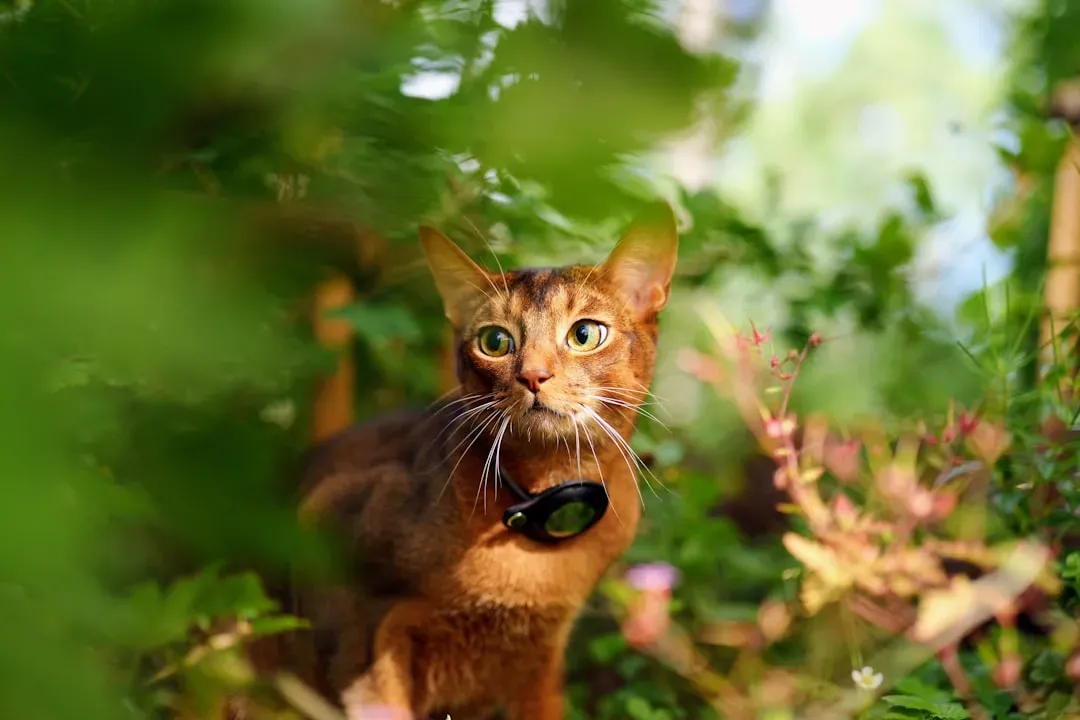
If you want a cat that feels like a tiny, athletic shadow, the Abyssinian might be your match. You’ll often find this cat trotting right behind you, supervising everything you do, from brushing your teeth to making coffee. Instead of curling up in your lap, an Abyssinian is more likely to perch beside you or above you, like a little guardian on the back of the couch. You can expect an Aby to bond closely with you through shared activity rather than cuddles. They thrive on interactive play, puzzle toys, and high spaces to climb. When you give them your time and attention, they tend to repay you with loyalty, eye contact, and that unmistakable feeling that they chose you, even if they almost never settle on your lap for longer than a few seconds.
Siamese: The Emotional Conversationalist
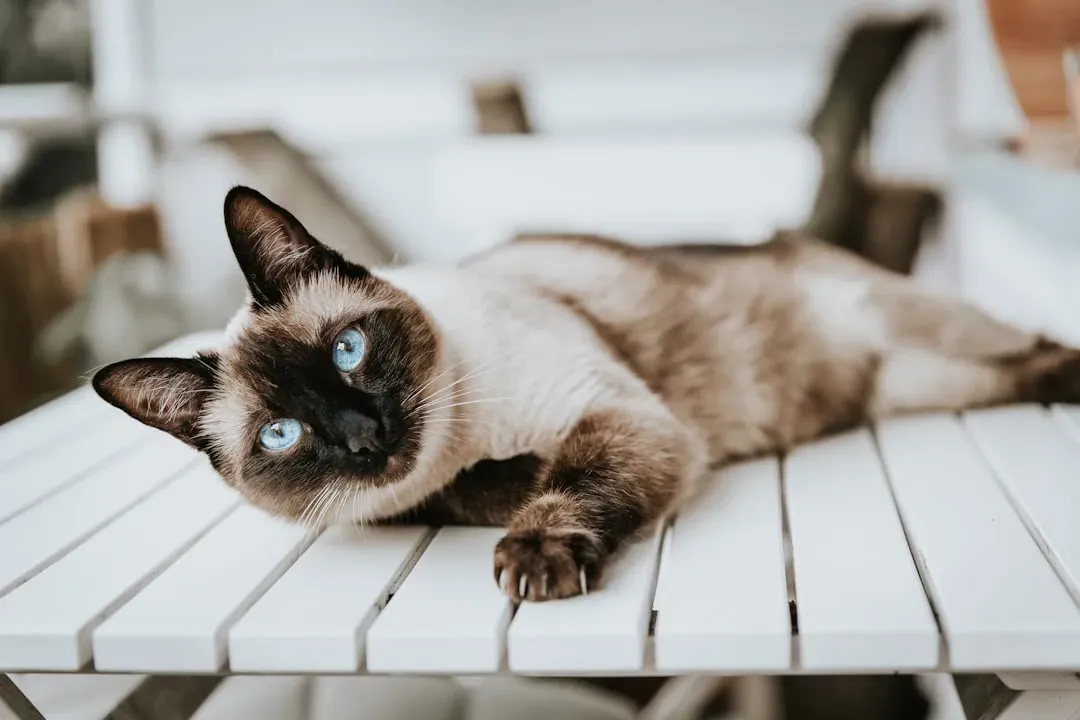
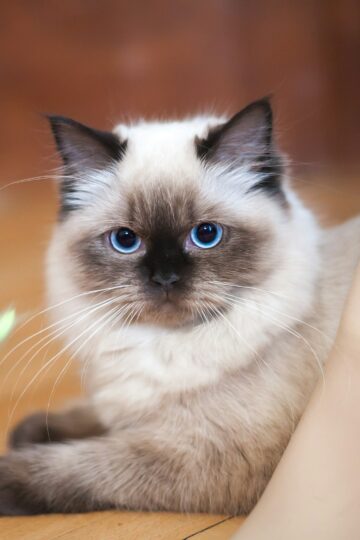
With a Siamese, you do not just own a cat; you share your home with a vocal, emotionally intense roommate. This breed is famous for attaching deeply to their favorite person and wanting to be wherever that person is. You might have a Siamese who follows you room to room, chatting constantly, but then chooses to lie beside you rather than on you. You will probably feel more like you’re in a relationship than a pet-owner role with this cat. A Siamese may sleep near your pillow, stare into your eyes, and complain loudly if you ignore them for too long. They often prefer close proximity, head bumps, and shoulder-level perches over long, still cuddle sessions in your lap, especially if they sense that you like a bit of personal space.
Oriental Shorthair: Velcro Personality, Not Always a Lap Lover
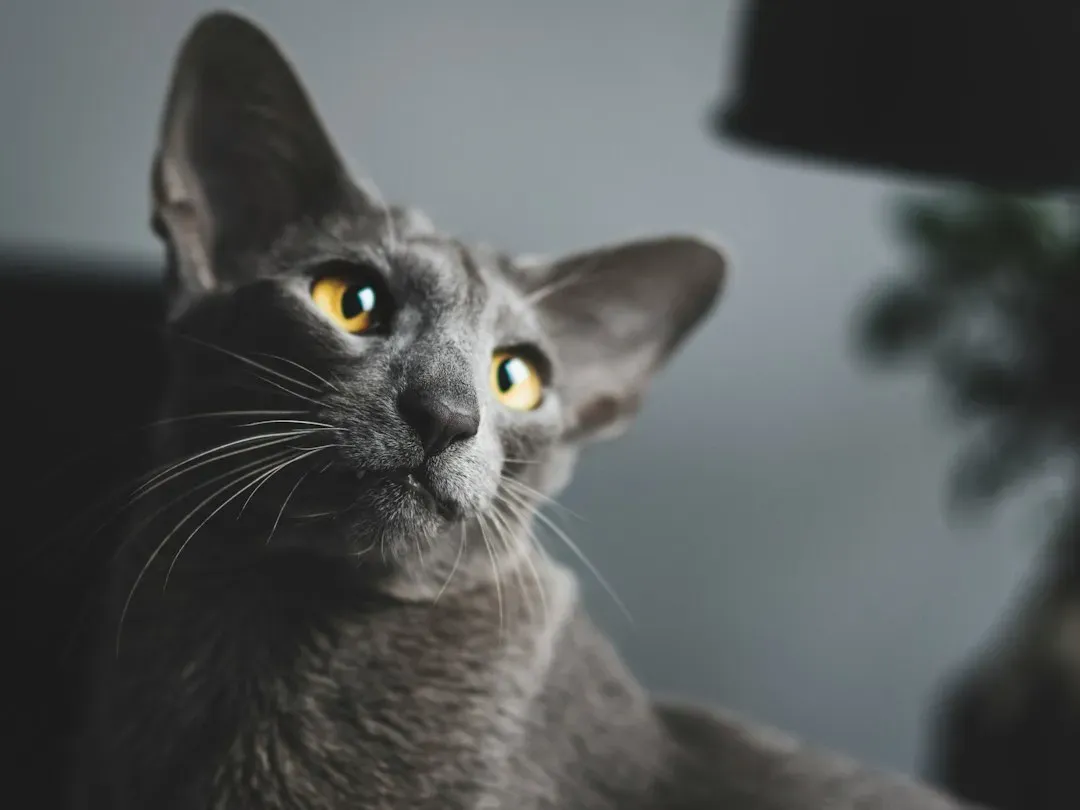
If you like the idea of a Siamese but want a wider variety of colors and patterns, you might be drawn to the Oriental Shorthair. This breed has that same intense, people-oriented nature, often forming a powerful bond with one or two humans in the home. You may find them leaning against you, sleeping right by your side, or draping themselves over the back of your chair while you work. At the same time, an Oriental Shorthair is energetic and inquisitive, which means they often prefer movement to curling up. They will probably follow you around, check everything you’re doing, and insist on being part of your day, but you may notice they hop off your lap quickly to investigate something. Their way of loving you is to always be near, not necessarily stuck on top of you.
Bengal: The Adventurous Best Friend
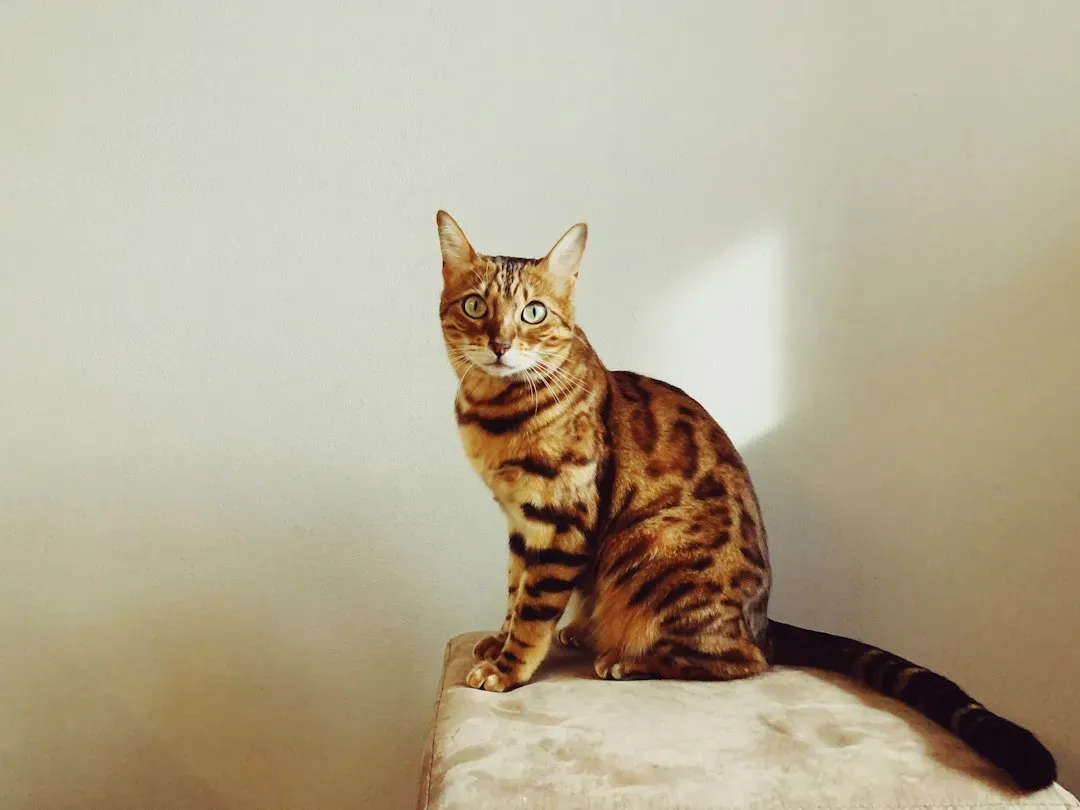
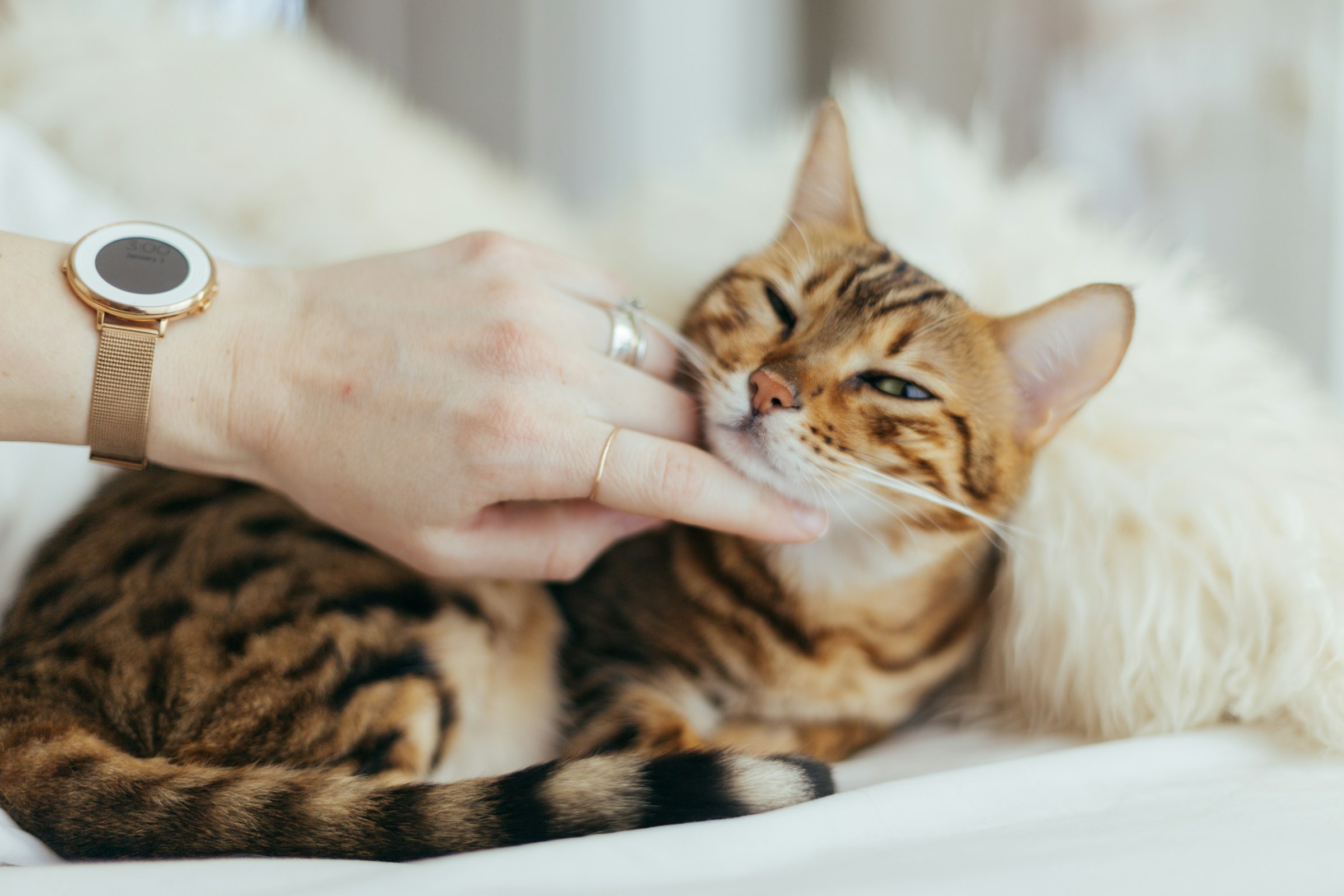
If you picture yourself with a cat that acts like a tiny, spotted explorer, the Bengal might be exactly what you want. Bengals are known for forming strong bonds with the people who play with them, train them, and engage their active brains. They often act more like canine companions, trotting behind you, greeting you at the door, and insisting that you join their adventures. You’ll probably notice that a Bengal expresses affection through activity and interaction, not long cuddle sessions. They may sit next to you, sleep at your feet, or rest on the back of a chair while you relax, but their true happiness shows when you’re tossing toys, setting up climbing routes, or even teaching them simple tricks. To a Bengal, your attention and involvement are far more meaningful than your lap.
Norwegian Forest Cat: Close, But With Dignity
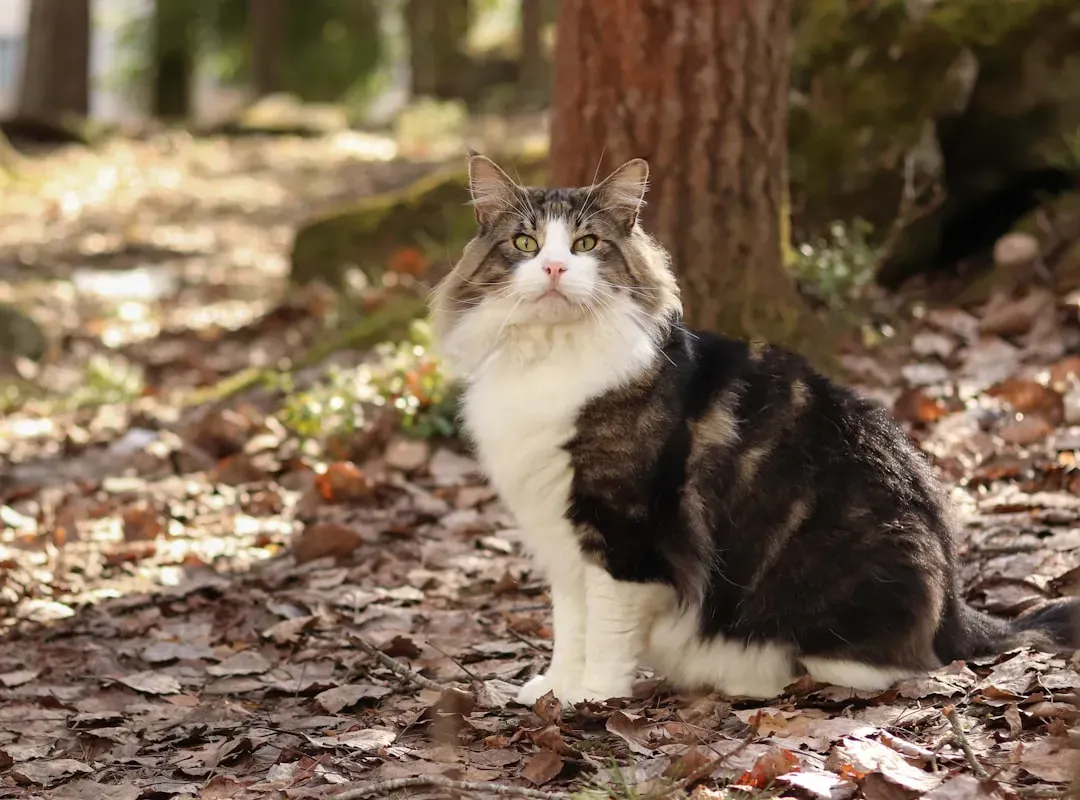
If you appreciate a cat with a calm, noble presence, the Norwegian Forest cat offers deep loyalty with a gentle, reserved style. You might see this cat choosing to rest nearby wherever you are, stretching out on the couch next to you or occupying the same room all day. They often develop a strong attachment to their family, watching you with relaxed, wise eyes. You probably will not get a clingy lap cat from this breed, but you will feel their constant companionship. A Norwegian Forest cat tends to like being petted, spoken to, and included, but they often prefer to sit adjacent to you rather than on you. They bring an almost dog-like devotion, yet keep a bit of distance that respects your space and their own dignity.
Maine Coon: The Gentle Giant Who Sits Beside You
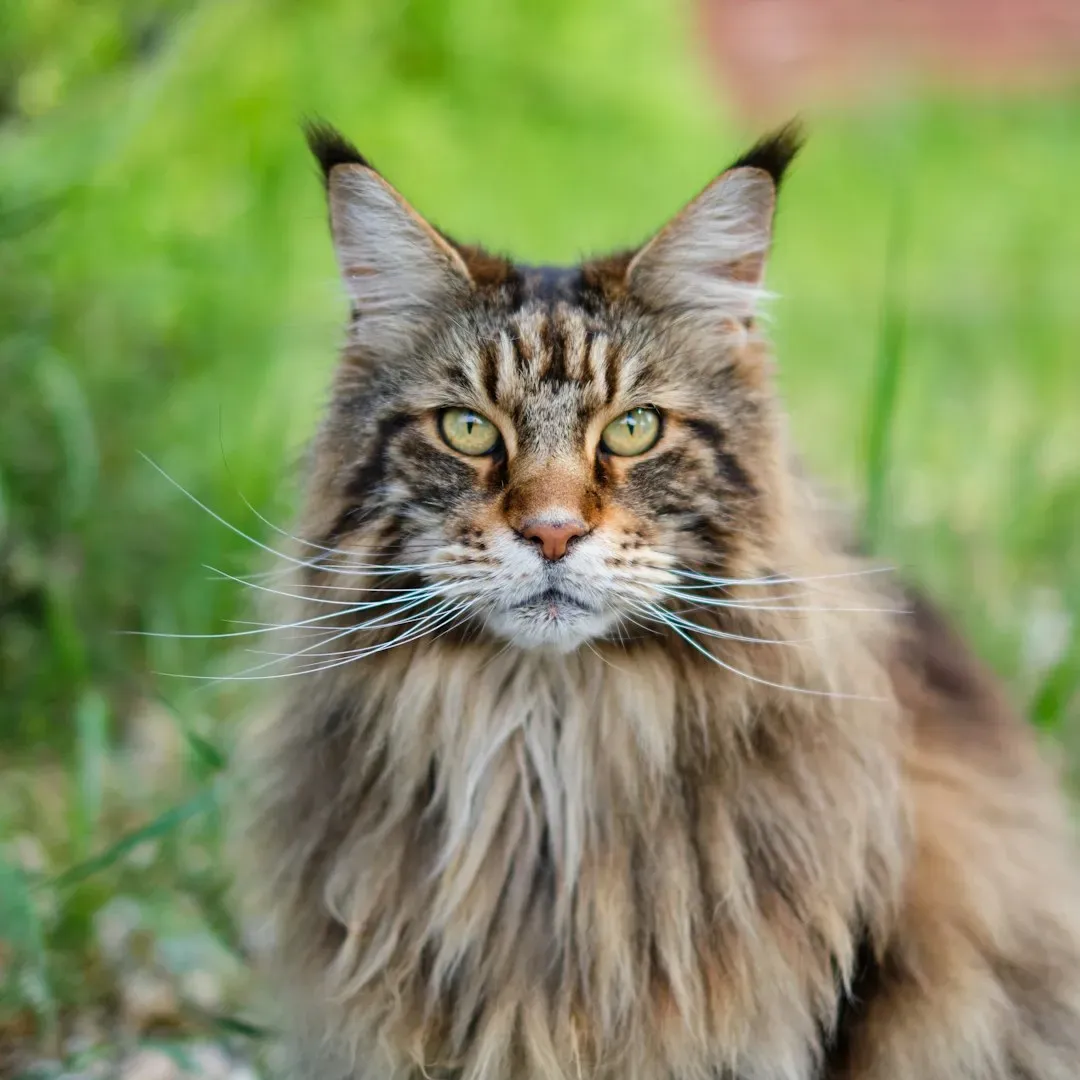
When you imagine a Maine Coon, you might think of a huge, fluffy lap cat, but many of them are actually more side-by-side companions than full-on snugglers. A Maine Coon often follows you from room to room and likes to be right where the action is. They may flop beside you on the sofa or on the bed close enough for you to reach out and touch them whenever you like. Their attachment shows in how they choose your company over isolation. They’ll often chirp at you, join your video calls in the background, and quietly hang out while you work. Instead of insisting on your lap, many Maine Coons enjoy lying just far enough away to stretch out fully, giving you the joy of their presence without the weight of a small lion pinning you down.
Turkish Van: Loyal, Playful, and Slightly Independent
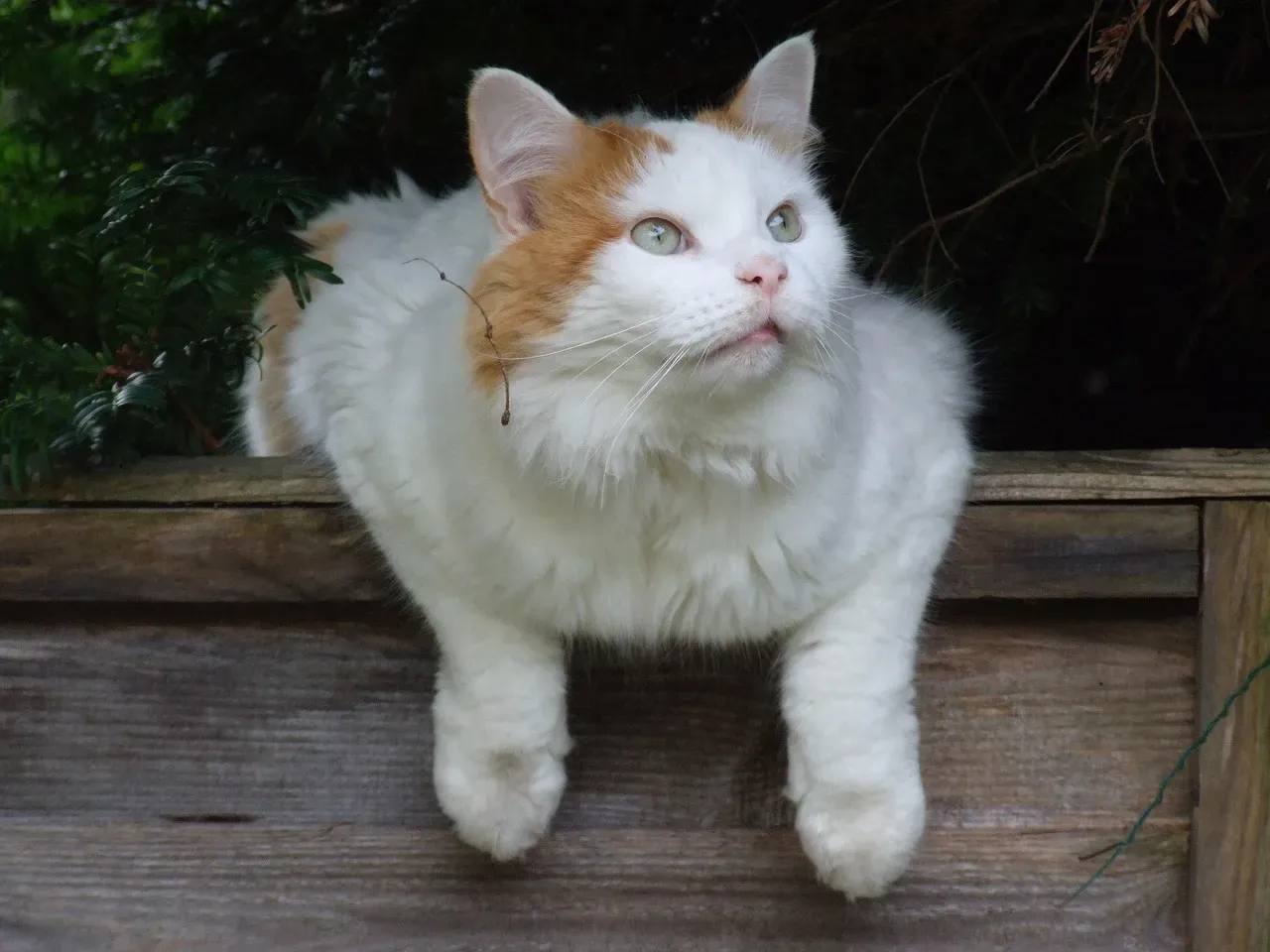
If you want a cat that loves you but still has a streak of independence, the Turkish Van might surprise you. This breed is often described as active and sometimes even fond of water, which means they are more likely to race around the house or investigate the bathtub than curl in your lap. Yet when you build trust, a Turkish Van can become deeply attached and very people-focused. You may notice that they choose you as their main person, preferring your company and reacting strongly when you come and go. A Turkish Van will often express affection by playing near you, touching you briefly, then darting off again. They typically like being near or next to you, maybe sharing your bed or sofa, while still keeping a bit of space to roam, jump, and explore on their own terms.
Biscuit
Biscuit is looking at you hopefully.
Sphynx: Clingy in Spirit, Not Always in Your Lap
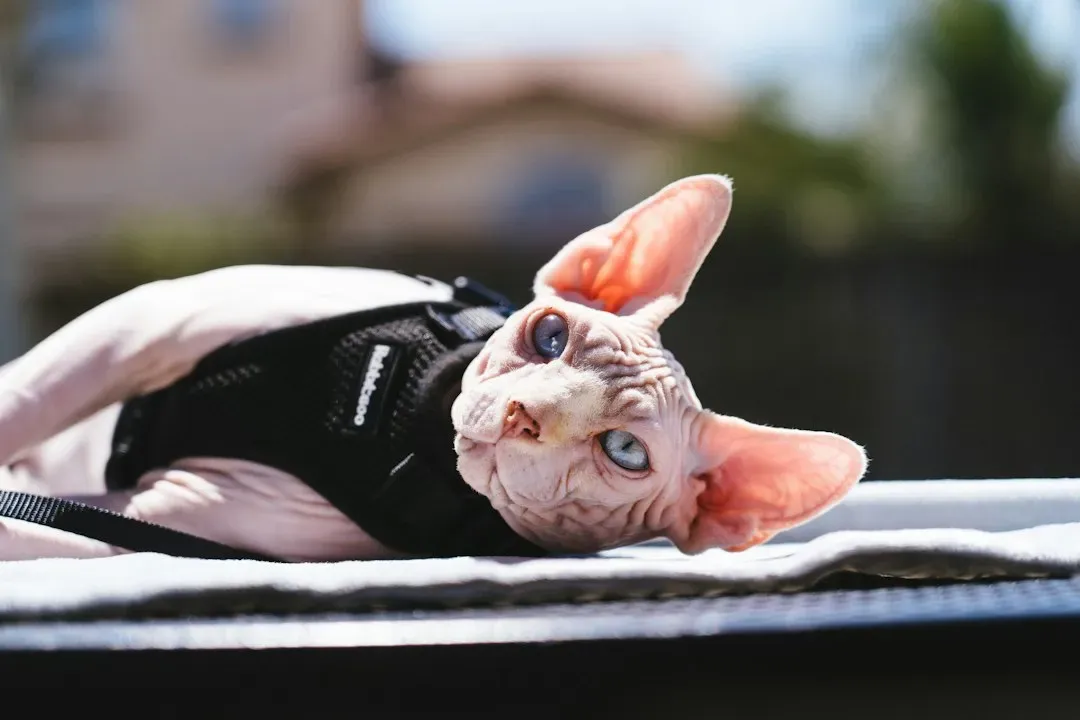
Because of their lack of fur, Sphynx cats are often thought of as ultra-cuddly heat-seekers, and many of them are. But even if your Sphynx does not stay on your lap all the time, you’ll almost certainly find them hovering close, wanting constant interaction. They’re known for strong bonds with their people, playful energy, and a love of being in the center of whatever you’re doing. You may experience a Sphynx that alternates between snuggling under a blanket with you and bounding off to play or explore. Their attachment shows through eye contact, following you, demanding attention, and choosing you as their favorite warm spot when it suits them. If you like affection, conversation, and engagement, but not a permanently attached lap ornament, you can usually find a good balance with this breed.
Russian Blue: Quiet Devotion From Across the Room
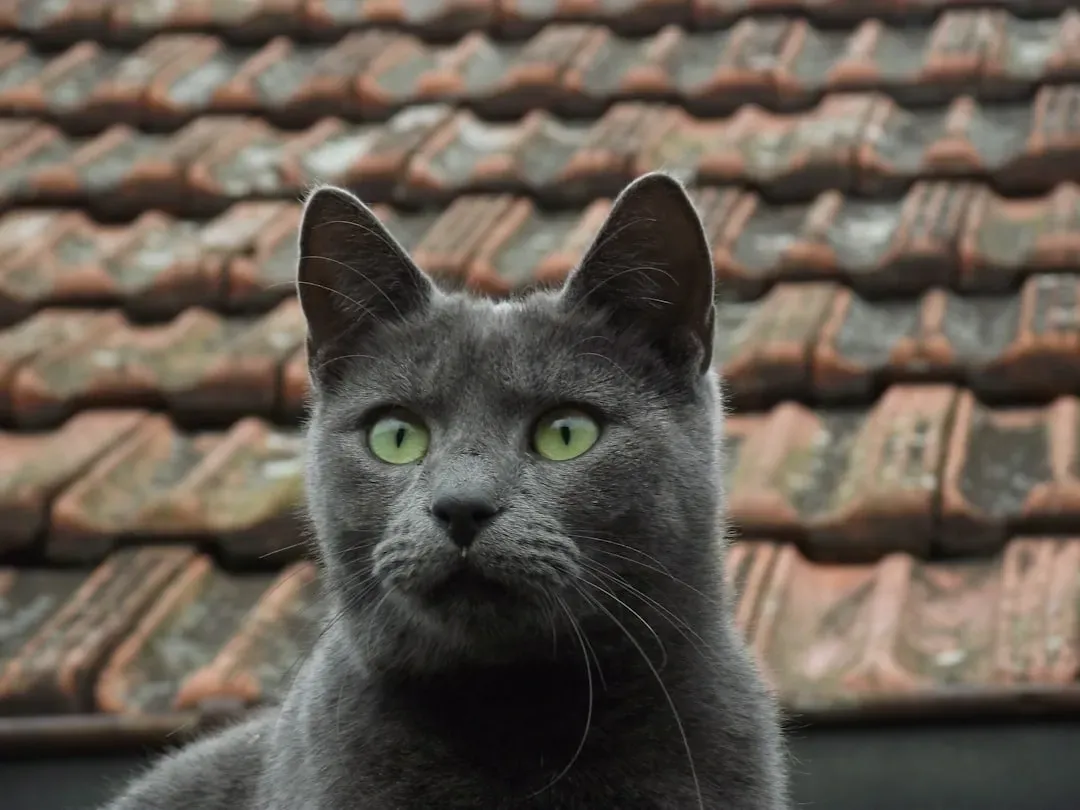
If you’re drawn to a more reserved, almost introverted type of love, the Russian Blue might feel like your soulmate in feline form. This breed tends to form very strong bonds with their trusted humans while being cautious or shy with strangers. You might notice that your Russian Blue watches you intently, follows you quietly, and chooses to rest in the same room without constantly asking to be held. Their affection is often subtle but very real. A Russian Blue may greet you at the door, rub against your legs, and gladly accept gentle petting, then retreat to a nearby perch to simply be with you. When you respect their boundaries and let them come to you, they often reward you with deep, loyal attachment that feels incredibly special, even if they rarely stay in your lap for long.
British Shorthair: Calm Companion, Not a Koala
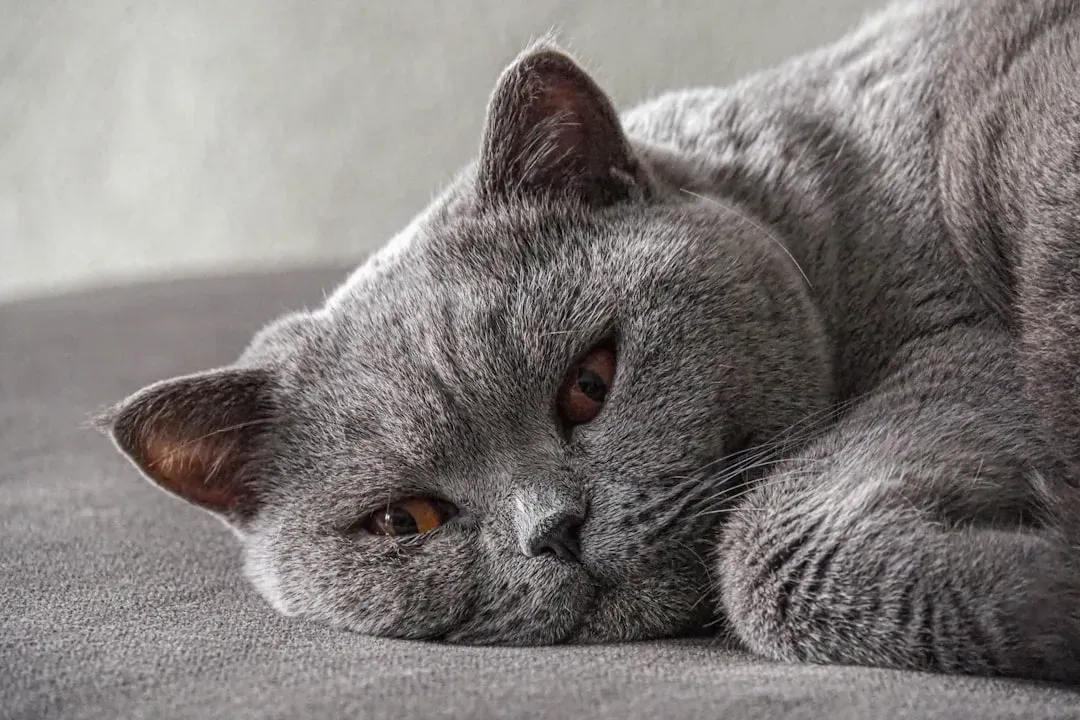
If you want a cat that loves you but does not cling to you, the British Shorthair offers a wonderfully balanced temperament. They’re typically calm, steady, and easygoing, happy to share your space without demanding constant touch. You might find your British Shorthair choosing a spot on the couch near you or sleeping at the foot of the bed, keeping a comforting, solid presence in your daily life. You’ll likely see signs of attachment in how they follow routines with you and quietly show up wherever you spend time. They might not be the type to crawl all over you or insist on your lap while you work, but they often enjoy being petted, brushed, and gently interacted with. Think of them as a relaxed, loyal roommate who likes being close without being a furry backpack.
Chartreux: Steady, Gentle, and Deeply Attached
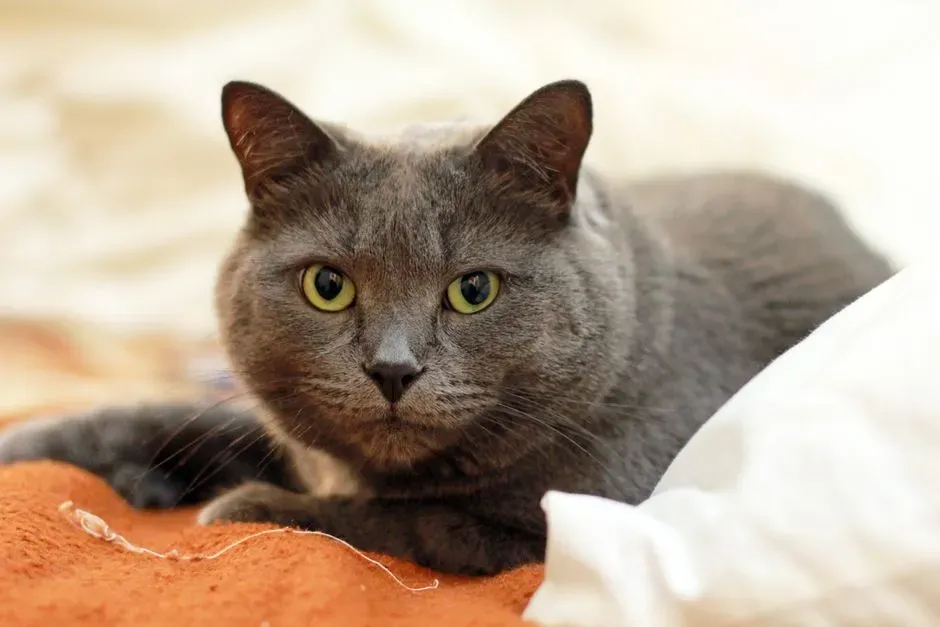
If you appreciate a cat that seems almost philosophical in its calmness, the Chartreux is worth your attention. This breed is known for a sweet, quiet nature and a strong bond with their chosen people. You may find them padding after you in a low-key way, watching you cook, work, or relax with a soft, steady gaze that feels surprisingly affectionate. Even though they can bond intensely, Chartreux cats are usually not clingy lap cats. They tend to choose a spot near you, such as the next chair or a cozy corner of the bed, where they can be close without smothering you. Their devotion shows more in consistency than in drama: they show up, stay near, and offer comforting companionship like a friend who never needs to fill every silence with noise.
Japanese Bobtail: Playful Partner Who Shares Your Space
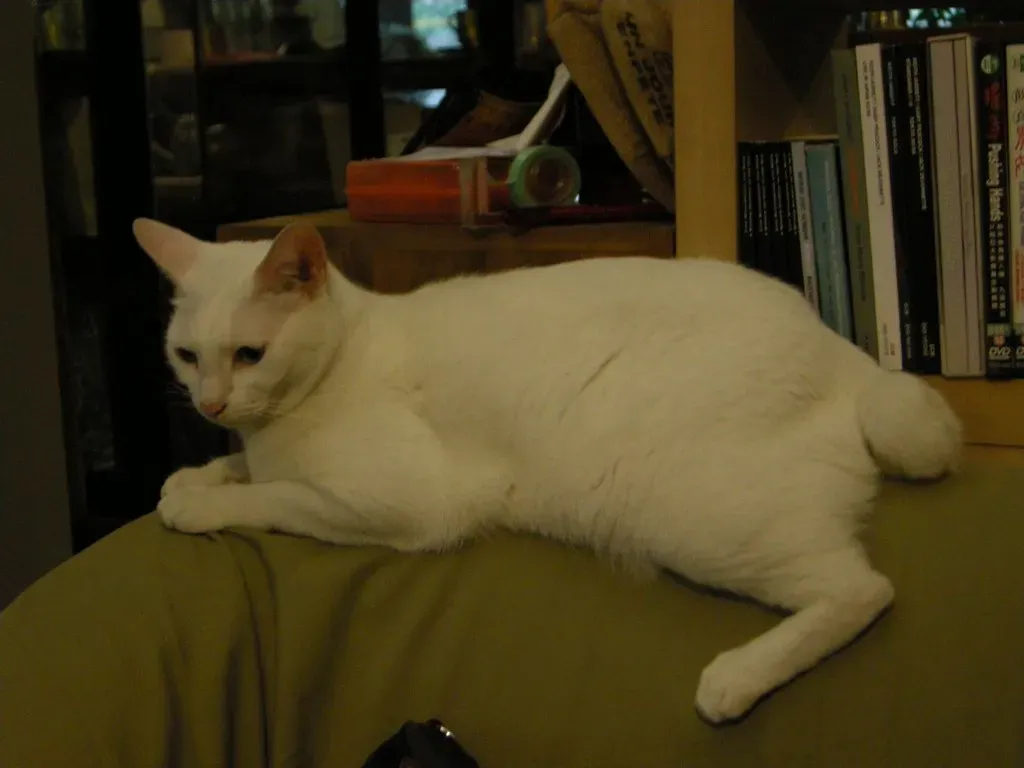
If you enjoy a bit of quirk and playfulness, the Japanese Bobtail offers a fun blend of attachment and independence. They’re often described as social and interactive, enjoying games, toys, and even learning little tricks with their humans. You might notice your Bobtail trotting along with you, chirping for attention, or dropping toys nearby as an invitation to play. At the same time, they do not have to be draped over you to feel connected. A Japanese Bobtail often chooses to hang out on nearby furniture, windowsills, or the back of your chair, sharing your day without being glued to your lap. They rely on engagement, shared activities, and mutual curiosity to build that deep bond, which can feel more like a partnership than a one-sided cuddle session.
Somali: The Energetic Soulmate
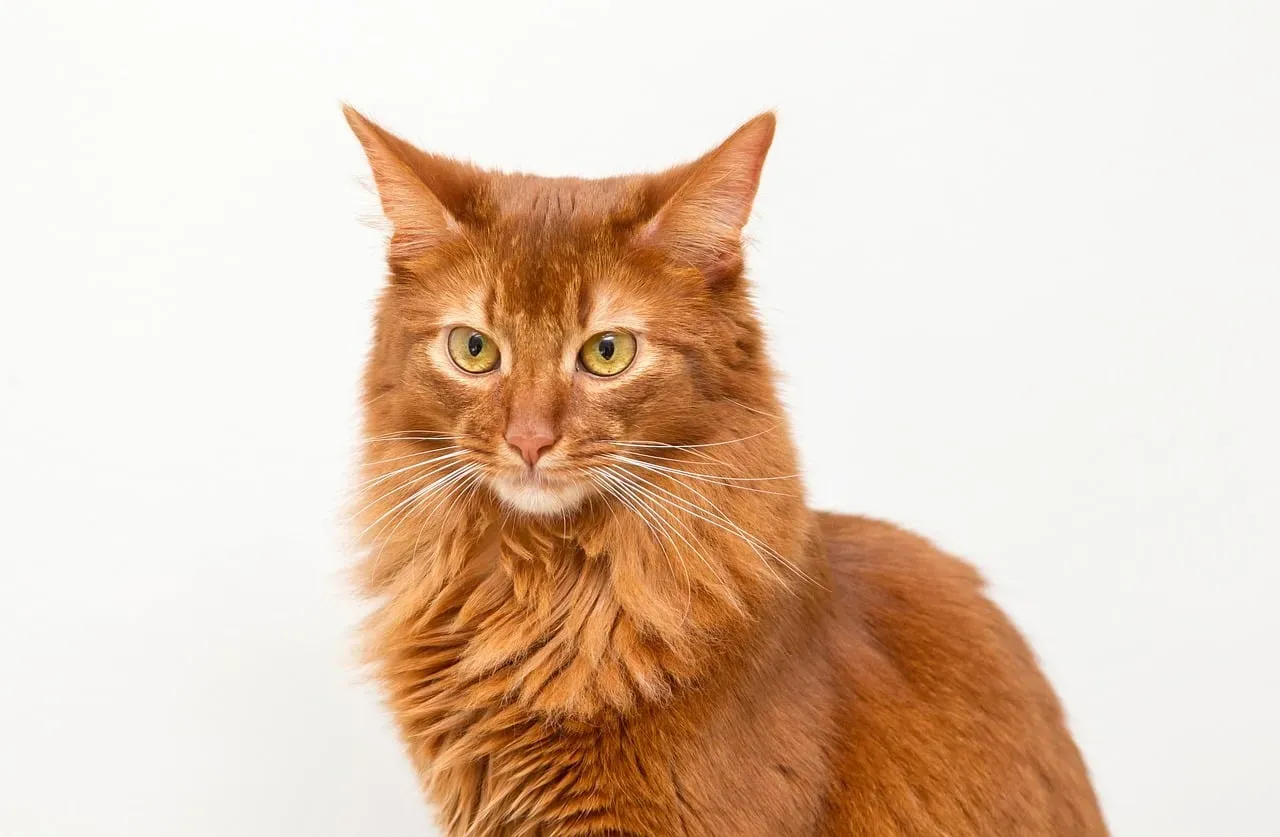
If you love the look and spirit of an Abyssinian but want a bit more fluff, the Somali cat might be your dream companion. This breed has the same active, curious, people-focused personality, often bonding tightly to those who play and interact with them regularly. You may find your Somali weaving around your ankles, following you into every room, and inspecting everything you touch. You will probably notice that a Somali expresses love through movement and interaction. They usually prefer climbing, chasing toys, and exploring to staying still in your lap for long stretches. Yet at the end of the day, you might see them settle beside you or at your feet, clearly choosing your presence over solitude. Their attachment is obvious in the way they choose you as their constant reference point, even while they never truly stop moving.
Conclusion: Choosing a Cat That Loves You On Your Terms
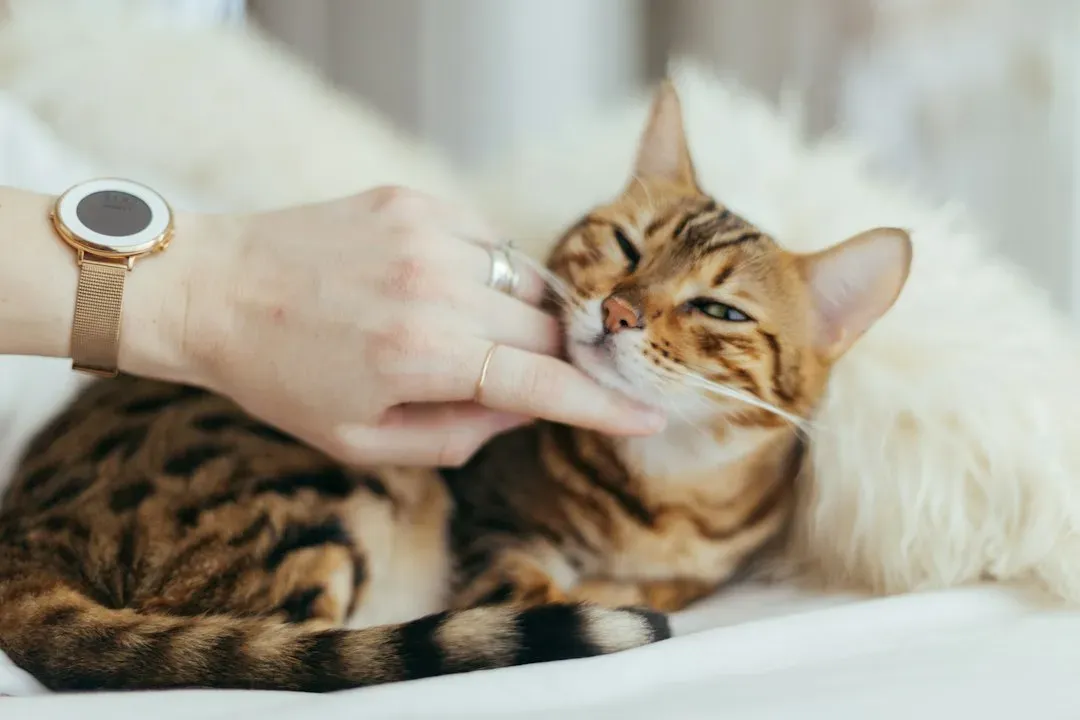
When you picture bringing a new cat into your life, it helps to think less about how they look and more about how you want to share your space. If you crave emotional closeness but not constant physical contact, these breeds can offer the best of both worlds: deep attachment, loyal presence, and genuine affection, with just enough independence that you can still breathe. You get the joy of having a little heartbeat nearby without always having that weight on your legs. In the end, every cat is an individual, and personality can matter more than breed labels. Meeting cats in person, asking about their temperament, and being honest about your lifestyle will guide you toward the right match. When you find that cat who chooses to follow you, rest beside you, and quietly share your life without smothering you, the connection feels even more meaningful. Which of these breeds sounds most like the kind of quiet, devoted companion you’ve been imagining?