12 Cat Breeds That Need More Mental Stimulation Than Their Relaxed Appearance Suggests
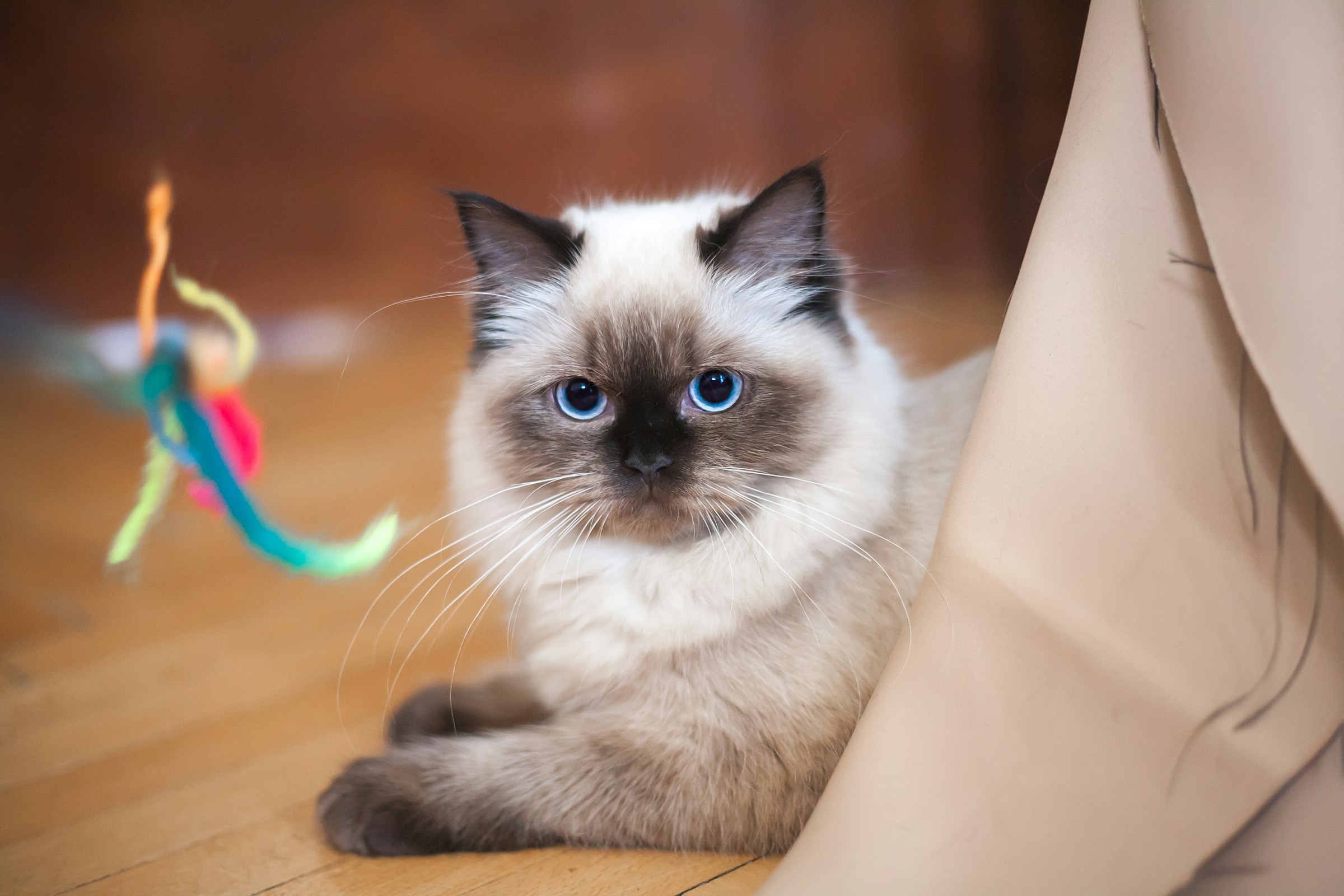
If you’ve ever looked at your cat snoozing in a sunbeam and thought, “Wow, you’ve got the life,” there’s a good chance you’re only seeing half the story. Some of the calmest, fluffiest, most laid‑back looking cats are actually little furry masterminds who get bored far more easily than you might expect.
When those clever brains do not get enough to do, that’s when you start seeing “mystery” behavior problems: scratching, nighttime zoomies, clinginess, or sudden aggression that seems to come out of nowhere. In reality, your cat might not be naughty at all - just mentally under-stimulated. Let’s look at 12 breeds that often fool people with their relaxed appearance, and what you can do to keep their minds happily busy.
1. British Shorthair – The Calm Couch Potato Who’s Secretly A Strategist
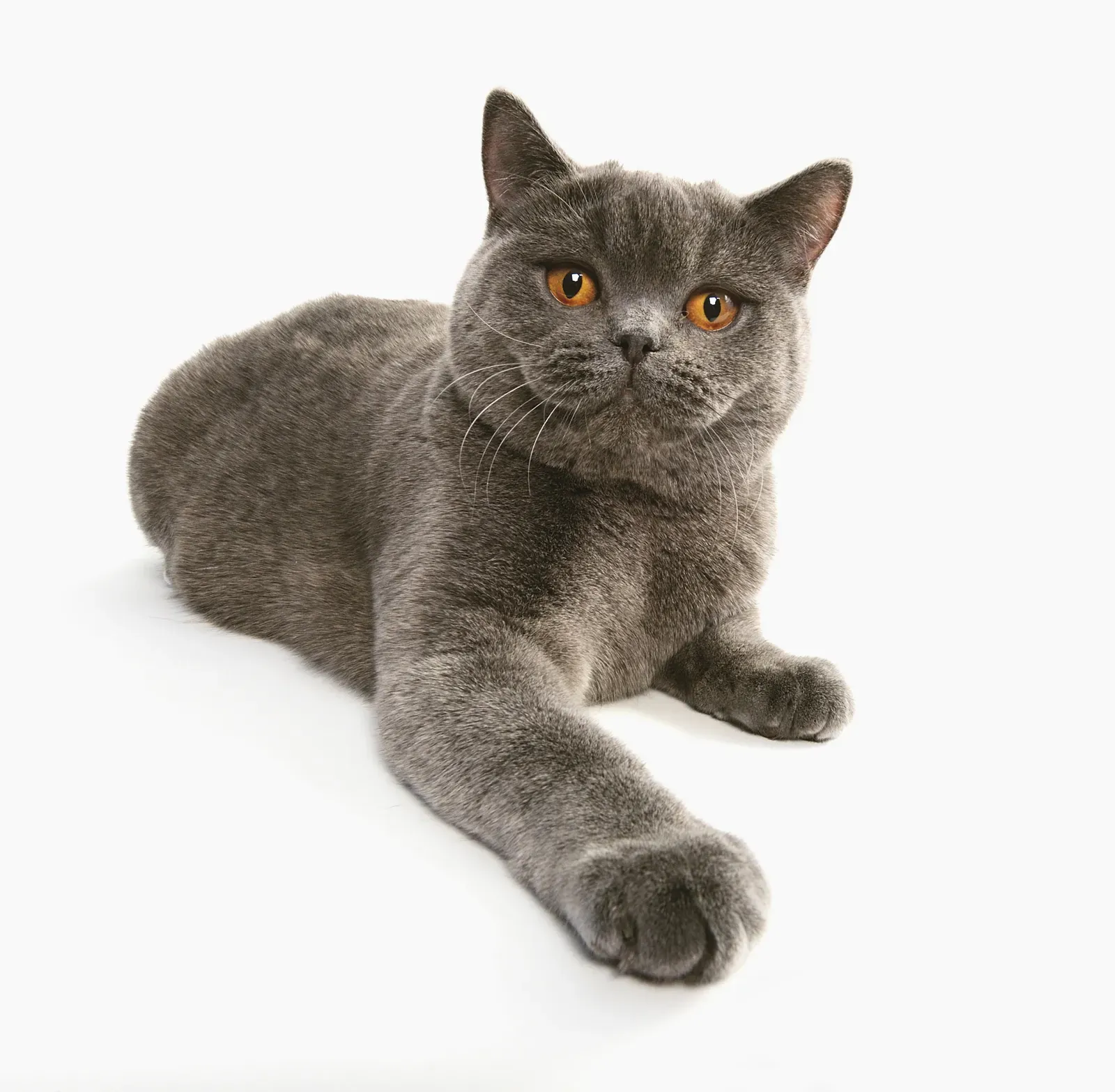
At first glance, a British Shorthair looks like the ultimate plush sofa ornament: round face, thick coat, and that famous calm, unbothered vibe. But underneath that teddy bear exterior lives a cat that actually enjoys problem‑solving and routine challenges more than you’d guess. If you just assume they only want a soft bed and a bowl of food, you might miss the fact that they also appreciate puzzle toys, hunting games, and quiet but clever interaction.
You do not need to turn your British Shorthair into an athlete, but you do want to give their brain small “jobs.” Food puzzles with hidden kibble, low‑energy wand toys they can stalk and pounce on from a comfy position, and window perches with interesting views can keep them mentally sharp. When you add a bit of challenge, you’ll usually see them become more confident, more affectionate, and a lot less likely to get grumpy or withdrawn.
2. Ragdoll – The Floppy Lap Cat With A Curious, Working Brain
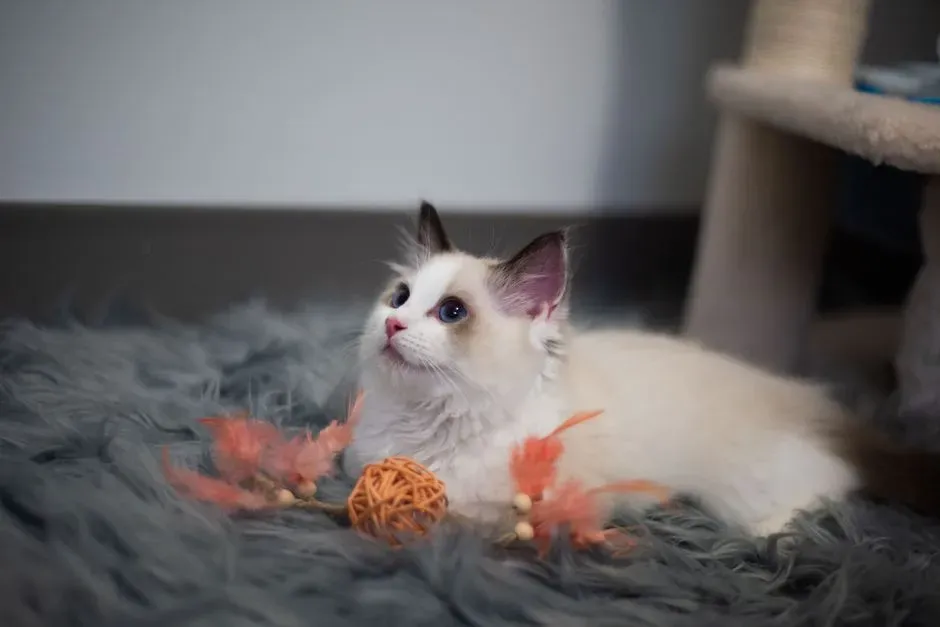
Ragdolls have a reputation for going limp in your arms and following you around like a relaxed, fluffy shadow. Because they tend to be gentle and easygoing, many people assume they are low‑needs when it comes to mental stimulation. In reality, that habit of trailing you from room to room is often a sign that they are socially curious and looking for things to do with you.
If you only treat your Ragdoll like a decorative lap accessory, you can end up with a bored, needy cat that meows constantly or acts distressed when you leave. Try teaching simple tricks with treats, like “come,” “sit,” or “touch” a target with their nose. Short, daily play sessions with feather wands or moving toys that mimic prey will help satisfy their hunting instincts. When you engage their mind, their famous sweetness feels less like clinginess and more like genuine, happy companionship.
3. Persian – The Serene Beauty Who Needs Slow, Thoughtful Enrichment
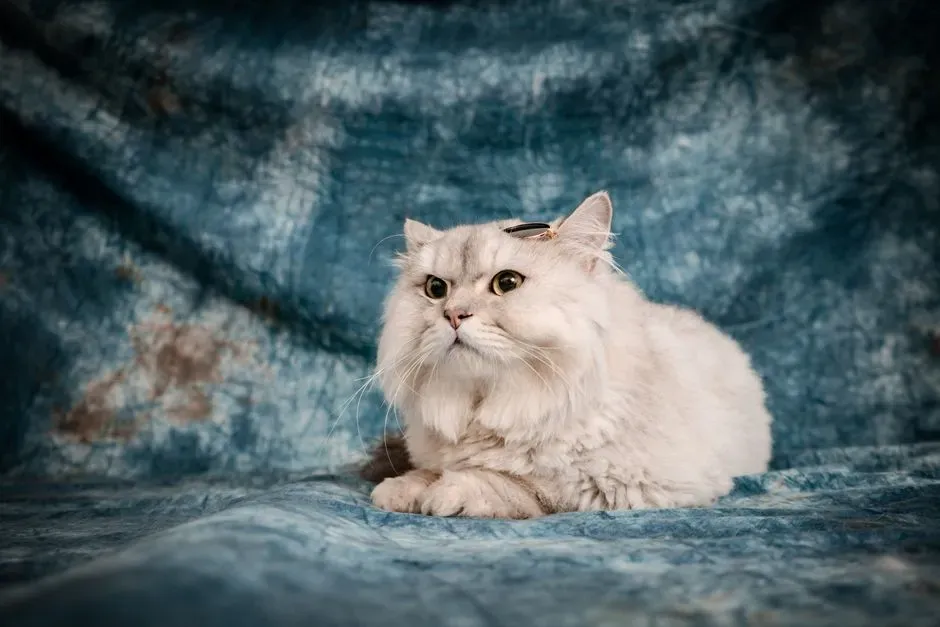
With their long coats and calm expressions, Persians look like they were designed for lounging and admiring. You might think all they ever want is a soft cushion and a brushing session. While they are not typically high‑energy, they still have a cat’s natural curiosity and desire to explore, just in a more understated way than some other breeds.
You can stimulate a Persian best with gentle, low-intensity activities that do not require a lot of jumping. Hide treats in easy puzzle feeders or small cardboard boxes, rotate different textured toys, or create “cozy tunnels” with blankets and cat-safe furniture for them to investigate. Giving them mental variety helps prevent stress, boredom, and that sort of quiet depression where a cat just sleeps, eats, and slowly disengages from you and their environment.
4. Scottish Fold – The Cute, Round-Eared Observer Who Wants A Job
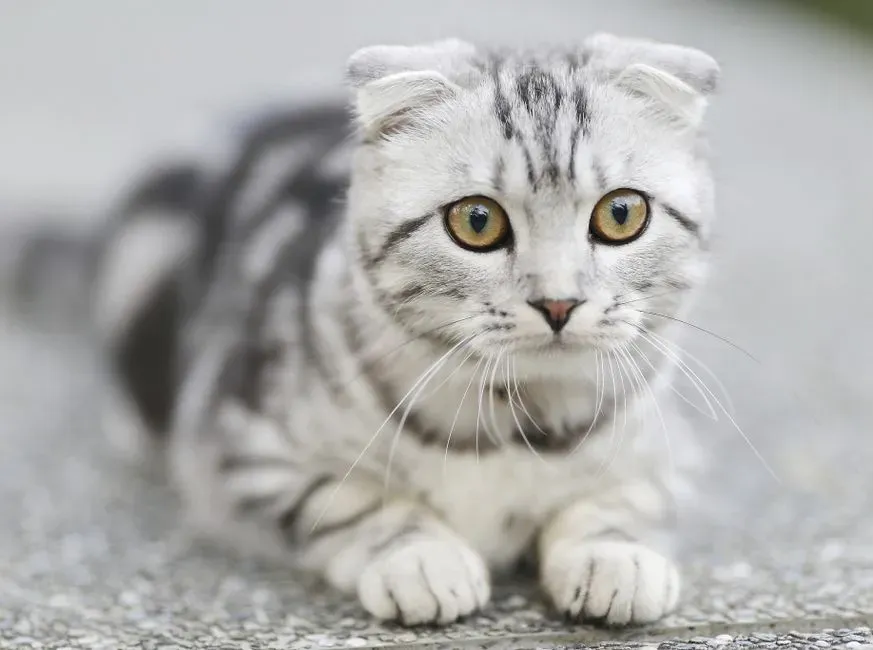
Scottish Folds often sit in funny positions, watch everything calmly, and look like serene little owls. Because they often appear chilled out and less hyper than some cats, people can accidentally underestimate how much mental enrichment they need. Their watchful nature is actually a clue: they are constantly taking in information and looking for patterns in your routine.
If you do not give that thoughtful brain something to work on, a Scottish Fold may start inventing their own entertainment, like knocking objects off tables or pestering other pets. Short training sessions using clicker training or rewards, simple fetch games with soft toys, and interactive play that lets them stalk and ambush from behind furniture can keep them engaged. Giving them vertical spaces and quiet observation posts also taps into their love of watching the world from a safe distance.
5. Exotic Shorthair – The Persian Lookalike With A Playful Core
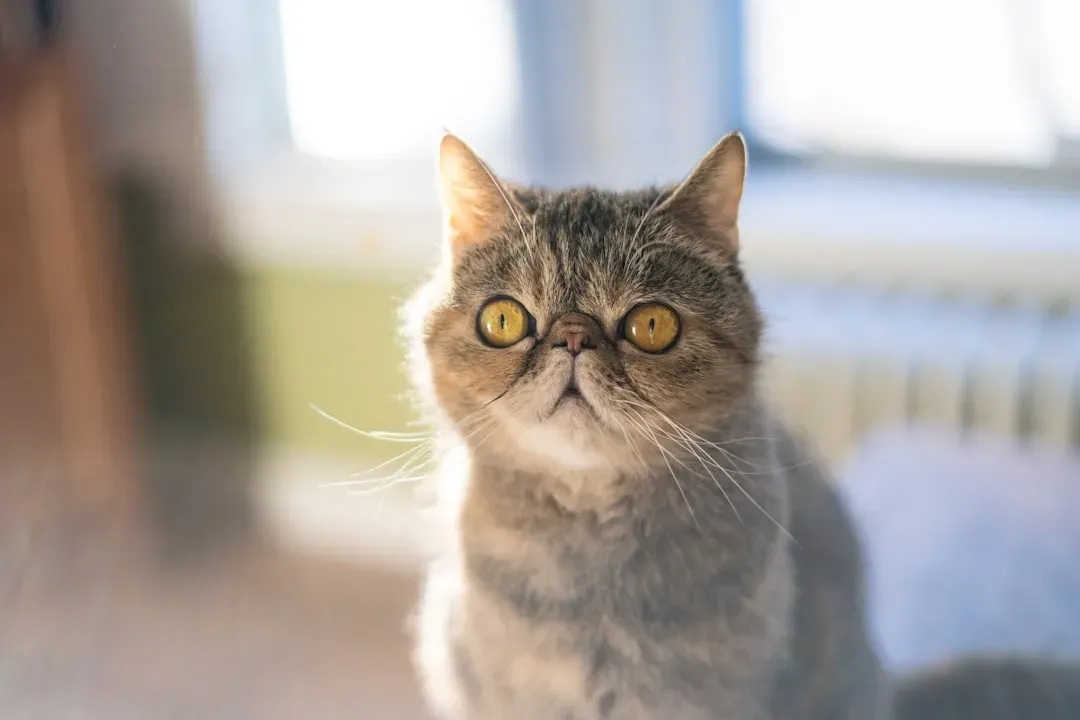
The Exotic Shorthair is often described as a short‑haired Persian, and the expression on their round face can look downright sleepy. That teddy‑bear appearance is misleading, though, because many Exotics are much more playful and interactive than people expect. They enjoy routines but also get a lot out of varied toys, new hiding spots, and different forms of gentle challenge.
If you just assume your Exotic is satisfied with a few pets and a nap, you might miss subtle signs of boredom, such as overgrooming or random bursts of restless energy. Try rotating toys weekly, introducing puzzle feeders, and setting aside regular playtime that ends before they get tired. When you treat them as a thinking, feeling companion rather than just a cute ornament, you’ll see their personality blossom in surprisingly entertaining ways.
6. Birman – The Quiet Angel With A Sharp, Social Mind
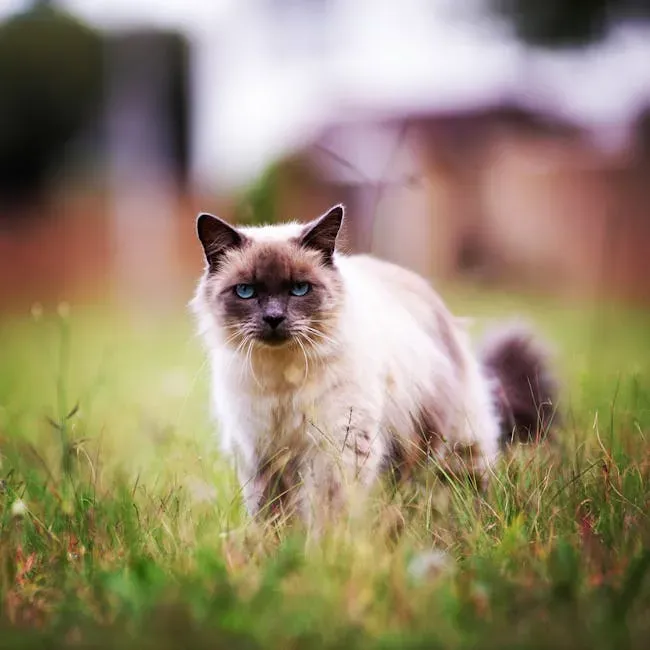
Birmans are often described as gentle, calm, and almost angelic, with their blue eyes and white gloves. Because they often handle change better than some sensitive breeds and do not always demand attention loudly, it is easy to assume they are content no matter what. Underneath that sweet exterior, though, many Birmans are highly social and mentally active, especially when it comes to interacting with their favorite humans.
If a Birman does not get enough mental stimulation, they can become clingy or start following you around with a faintly desperate energy. You can support their mind by combining social interaction with challenge: training them to walk on a harness in safe spaces, building simple obstacle courses with cushions and boxes, or scheduling regular “hunt time” with wand toys. These activities let them think, move, and bond with you all at once, which is exactly what many Birmans crave.
7. Norwegian Forest Cat – The Gentle Giant With An Explorer’s Brain
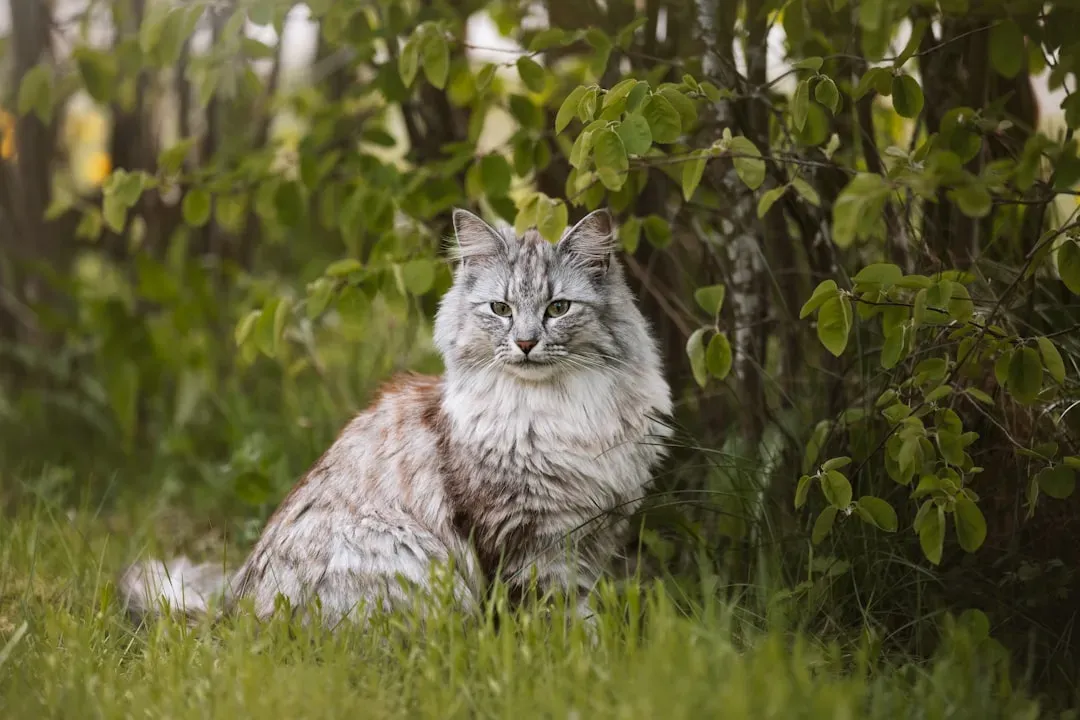
Norwegian Forest Cats look like they could happily nap in a snowy forest all day, and indoors they often appear calm and self‑possessed. Their large size and fluffy coat can trick you into seeing them as slow, lazy loungers. In reality, they come from a working, outdoor background, and many of them still have a strong internal drive to explore, climb, and solve little puzzles in their environment.
If you keep a Wegie in a small, under-stimulating space with no vertical areas or challenge, you may see restlessness, vocalizing, or even destructive scratching. You can help a lot by giving them tall cat trees, shelves to navigate, and rotating climbing routes around your home. Combine that with toys that move unpredictably, food hidden at different heights, and supervised balcony or window watching, and you’ll see a relaxed body paired with a fully satisfied, active mind.
Biscuit
Biscuit is looking at you hopefully.
8. Maine Coon – The Easygoing Giant Who Still Needs A Mental Workout
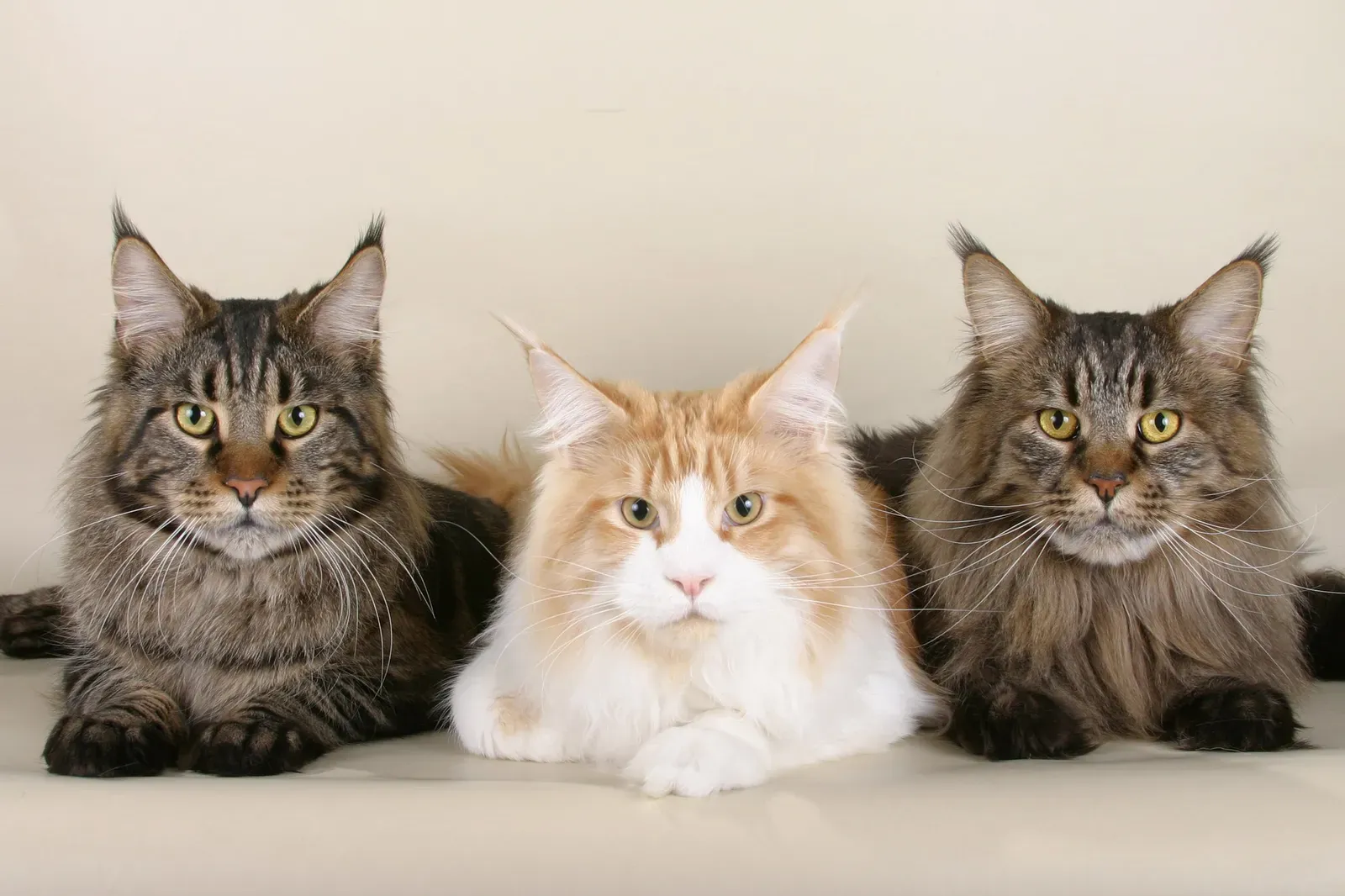
Maine Coons are famous for being big, friendly, and gently goofy, like the golden retrievers of the cat world. Because they are typically laid‑back and tolerant, people sometimes assume they will just entertain themselves and do not really need structured mental stimulation. In reality, their intelligence and curiosity mean they thrive when you give them puzzles and interactive challenges, not just cuddles.
A mentally under-stimulated Maine Coon might start chewing weird objects, pestering other pets, or waking you up in the middle of the night for attention. You can redirect that busy brain with treat‑dispensing balls, puzzle feeders that require pawing or nudging, and games of fetch with lightweight toys. Many Maine Coons also enjoy learning tricks and exploring secure outdoor spaces, which gives them a richer, more satisfying daily life than just waiting for dinner and nap time.
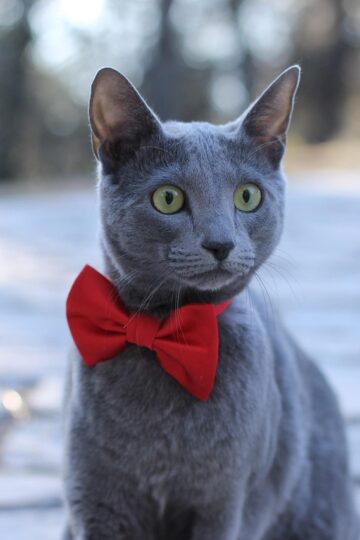
9. Russian Blue – The Calm, Reserved Thinker Who Needs Subtle Challenges
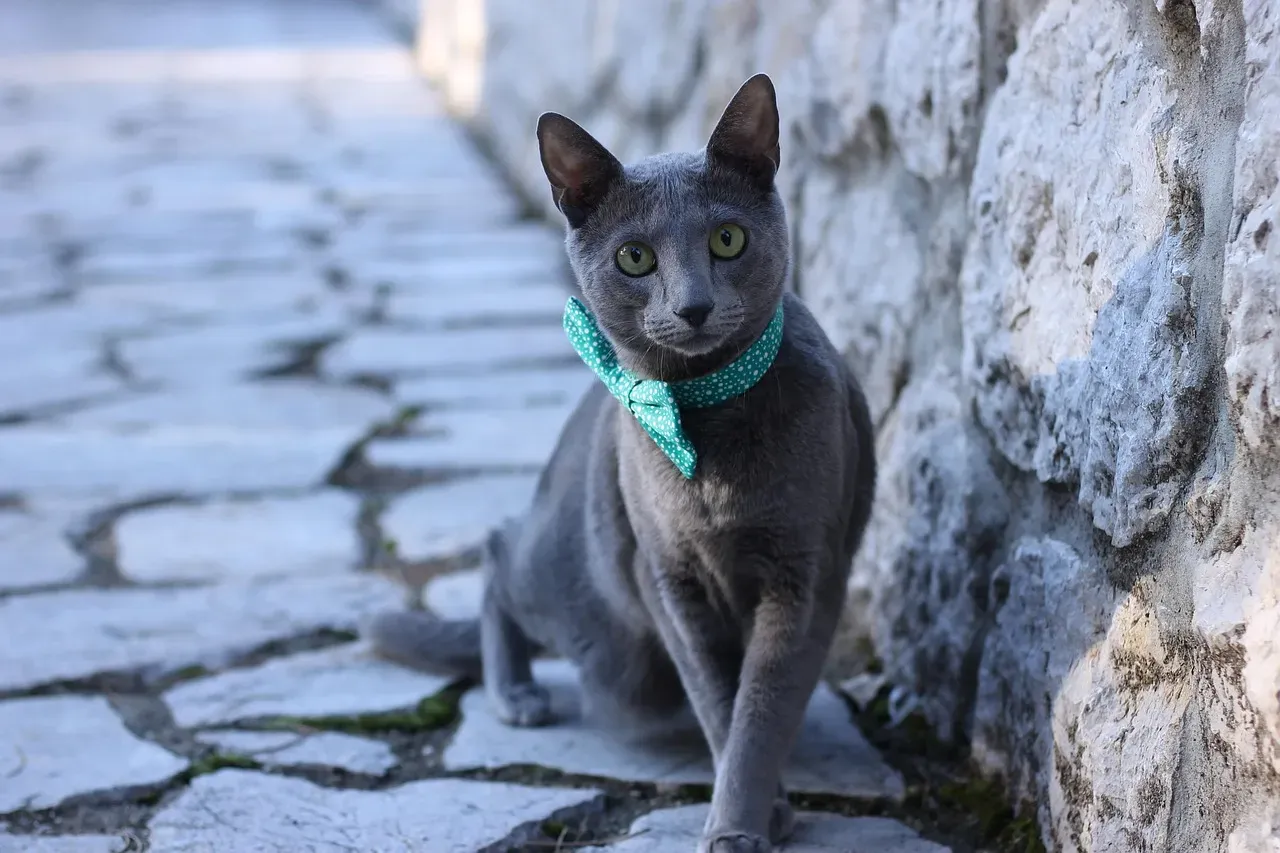
Russian Blues have an aura of elegance and calm, and many are a bit reserved with strangers. That combination can make people think they are low‑maintenance, self‑contained cats that prefer to be left alone. The truth is more nuanced: they often form deep bonds with their people and have very active minds that thrive on routine, variety, and quiet forms of mental work.
If a Russian Blue does not have enough to think about, they may become anxious, skittish, or overly dependent on one person in the household. You can help by offering predictable routines paired with regular mental challenges, like new puzzle feeders, gentle clicker training, or scent‑based games using safe catnip or silvervine. They often appreciate interactive play that lets them stalk and plan rather than just chase blindly, and when you respect that thoughtful side, they usually become more confident and relaxed overall.
10. Siberian – The Fluffy Forest Cat That Loves Variety More Than You Think
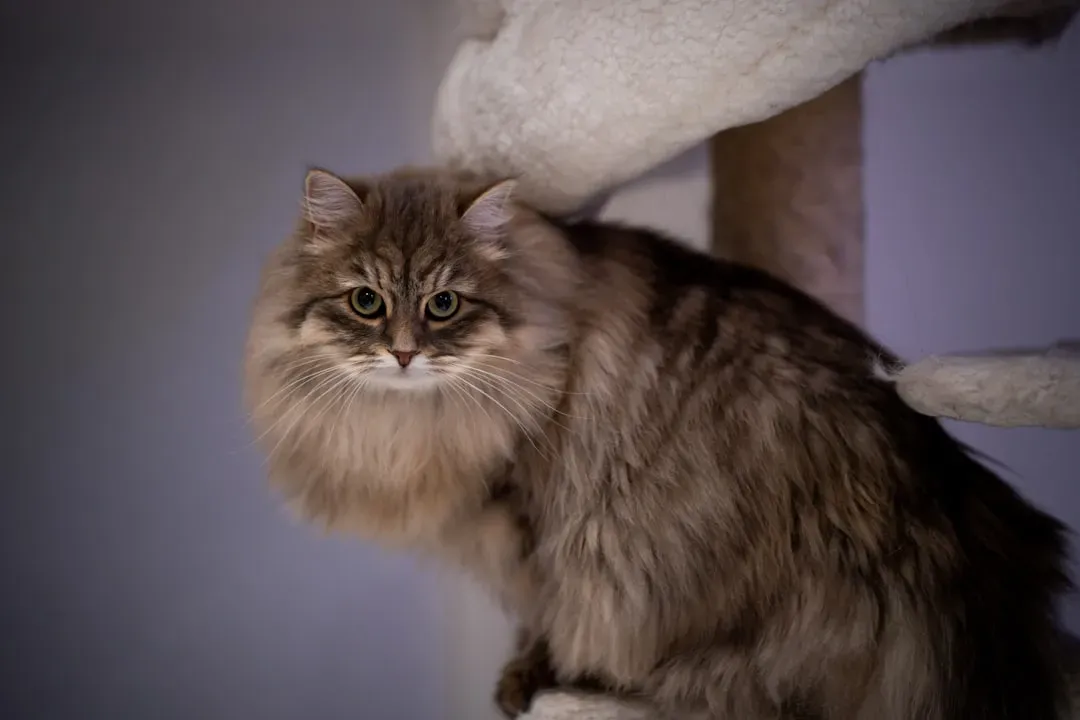
Siberians look like soft, relaxed snowballs with paws, and their calm, sturdy presence can make you think they are totally easygoing. While they are often good‑natured, many Siberians are also agile, coordinated, and keenly observant. That combination means they love environmental variety and mentally engaging tasks, not just soft beds and background TV noise.
Without enough stimulation, a Siberian might turn all that energy inward and become moody, or outward into scratching, chasing feet, or ambushing unsuspecting ankles. To keep them balanced, you can provide climbing opportunities, interactive toys that move unpredictably, and occasional new “projects” like exploring a cardboard maze or working out a more complex food puzzle. When you treat their mind like an asset to be supported rather than ignored, you turn that quiet fluff into an engaged, confident companion.
11. Chartreux – The Silent, Smiling Hunter With A Busy Inner World
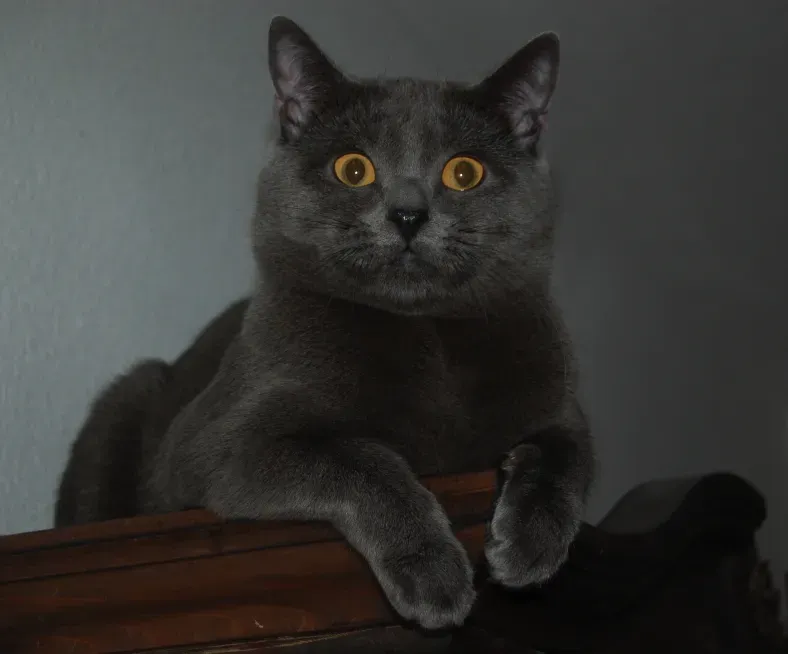
The Chartreux is often described as a quiet, smiling cat with a calm demeanor and woolly blue coat. Because they are usually not loud or demanding, you may think they are content with minimal interaction and simple comforts. But their history as working mousers hints that beneath that peaceful look is a focused hunter’s brain that needs outlets, even in a modern home.
If a Chartreux has no chance to “work,” they might become withdrawn or develop sneaky habits like obsessive stalking of shadows, cords, or other pets. You can support them by introducing hunting-style play at consistent times, with toys they can leap at, catch, and “defeat.” Food puzzles that require pawing or prying, as well as chances to watch birds and small outdoor wildlife safely from windows, help them feel like they still have a meaningful role in their little world.
12. Ragamuffin – The Sweet Lap Companion With Hidden Curiosity
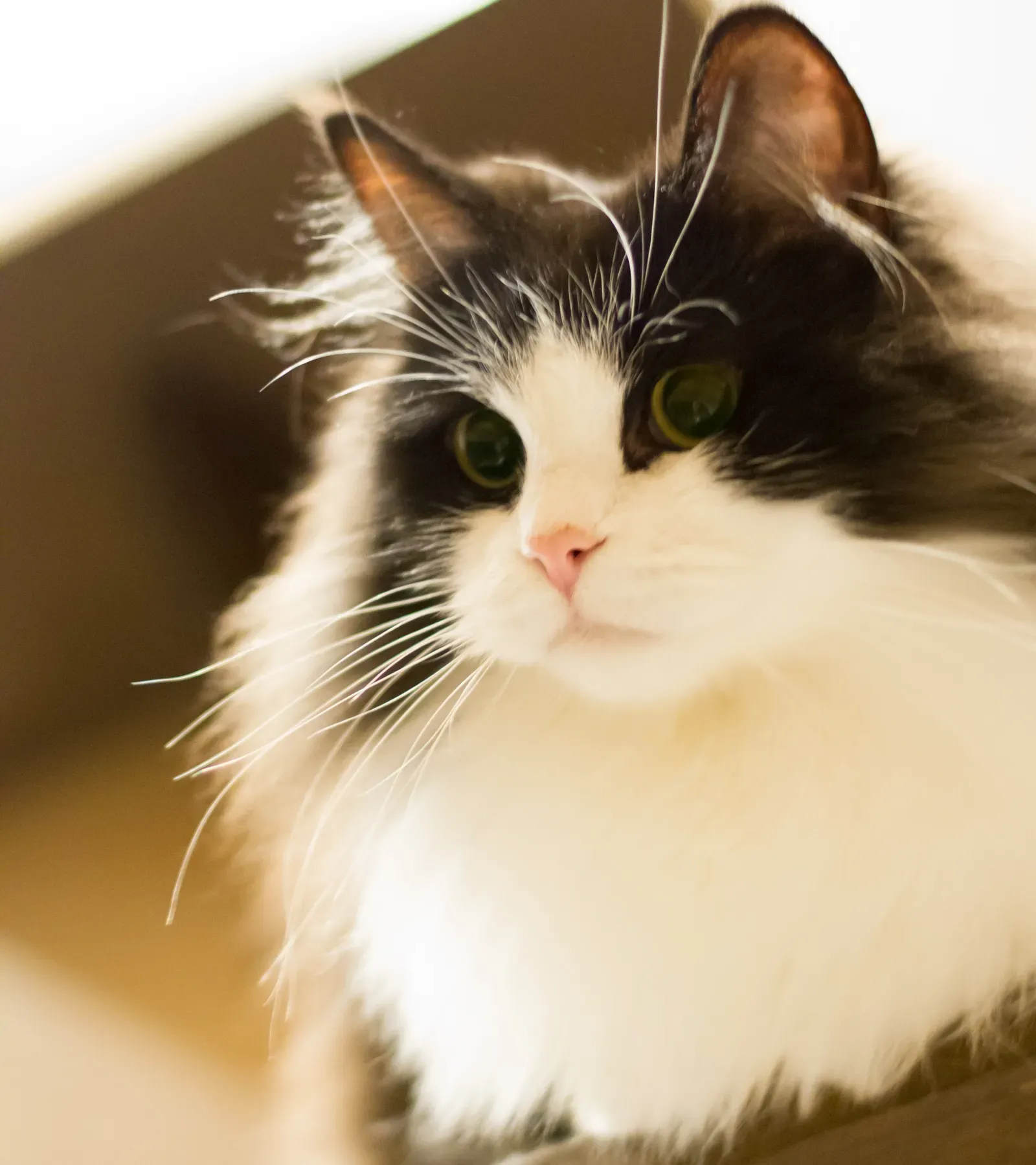
Ragamuffins are often all about cuddles, soft fur, and that relaxed, almost floppy posture that makes you think of weighted blankets and cozy evenings. It is tempting to treat them as passive, comfort‑loving cats who only need affection and food. Under that plush exterior, though, many Ragamuffins have a bright, curious mind that wants to investigate bags, boxes, sounds, and your daily routine.
If you never give that curiosity anywhere to go, your Ragamuffin may start acting out with attention-seeking behaviors like meowing, pawing, or getting in the way whenever you try to work. You can channel their interest by setting up box forts, rotating toys, and doing short play sessions that reward gentle stalking and pouncing. Even simple activities like teaching them to come when called or follow a treat trail around the house can make a huge difference in how settled and content they seem.
Conclusion – Your “Relaxed” Cat Might Be Bored, Not Lazy
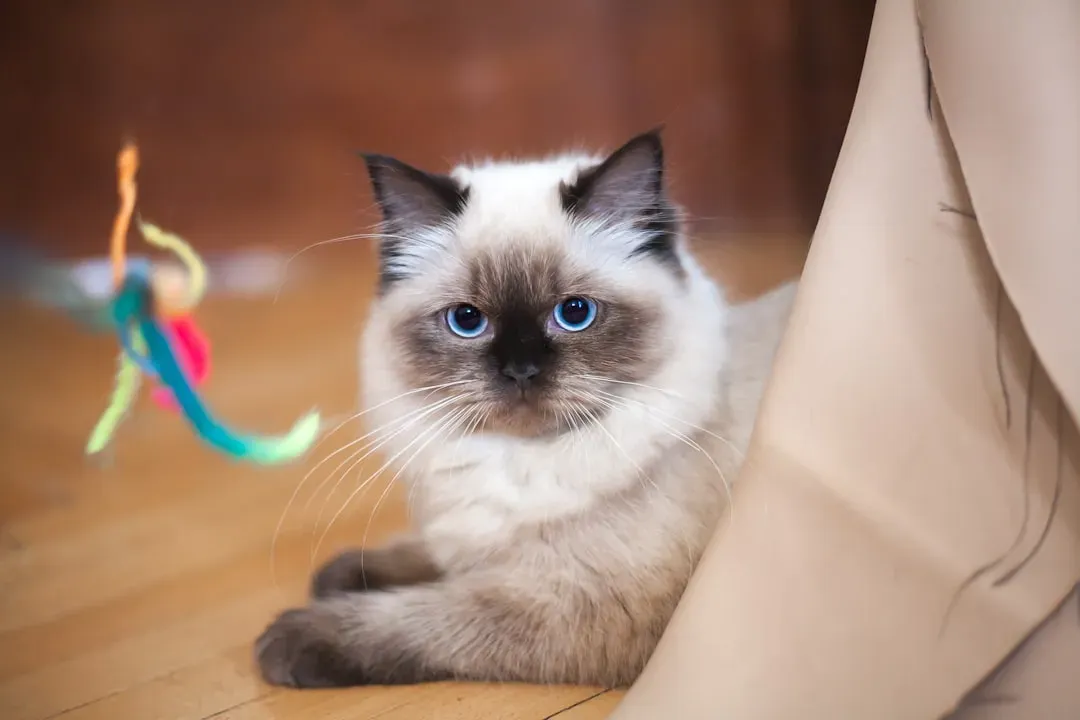
When you look at these breeds side by side, a pattern appears: the cats that look the most peaceful, plush, and easygoing are often the ones whose minds are quietly the most active. It is easy to mistake calm behavior for low needs, but in many cases your cat is simply coping with a lack of challenge by sleeping more, zoning out, or inventing mischief. Once you start offering regular mental stimulation, it is striking how often their mood, confidence, and overall behavior improve.
You do not need fancy gadgets or endless time; you just need curiosity about your cat’s inner world and a willingness to experiment. A few well‑chosen puzzle toys, daily hunting play, small training routines, and environmental changes can turn a seemingly “lazy” cat into a fulfilled, engaged partner in your home. When you see that spark of satisfaction in their eyes after a good mental workout, you realize they were never just a decoration on your couch. Which one of your cat’s “bad habits” might actually be a hidden plea for more to think about?