What It Means When a Mountain Lion Crouches Low and Refuses to Leave During an Encounter
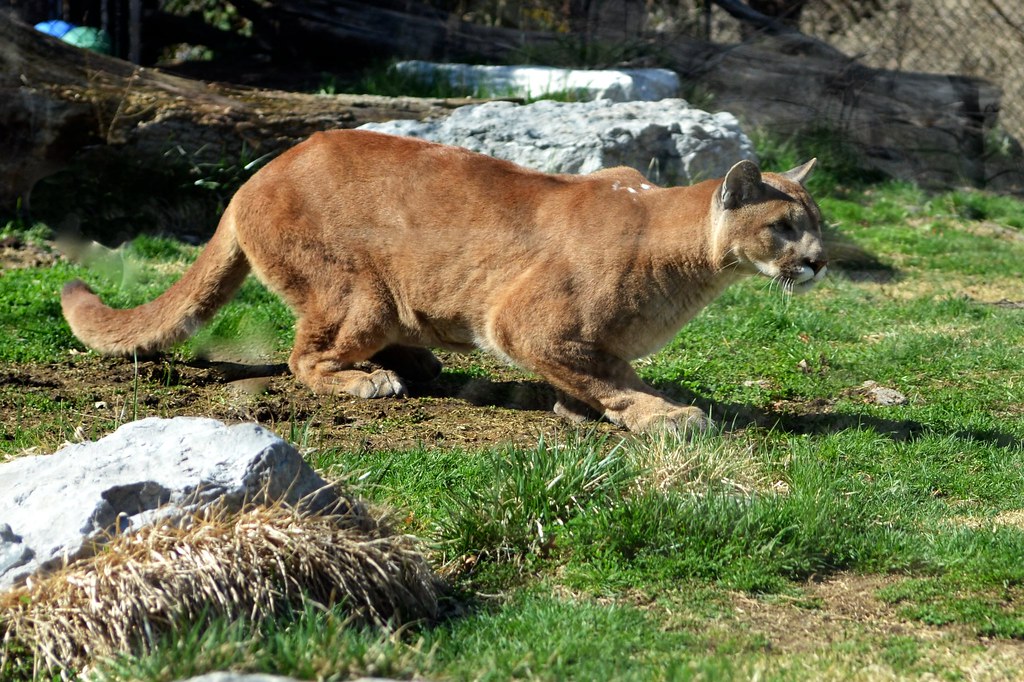
If you ever see a mountain lion crouch low and refuse to leave, your heart will probably try to climb out of your chest. You might wonder if you are being hunted, or if it is just curious, or if you accidentally walked into something it is determined to protect. In that frozen moment, every tiny movement suddenly feels huge, and every decision feels like the one that might decide how this ends.
This kind of encounter is rare, but it is serious. When a mountain lion (also called a cougar, puma, or panther) stays low and does not back off, it is sending you a very specific message with its body language. Understanding what that message might be, and how you should respond, can literally be life-saving. You do not need to be a wildlife biologist to read the basics; you just need to know what to look for and what to do next.
Reading the Crouch: Predator Instinct or Defensive Posture?
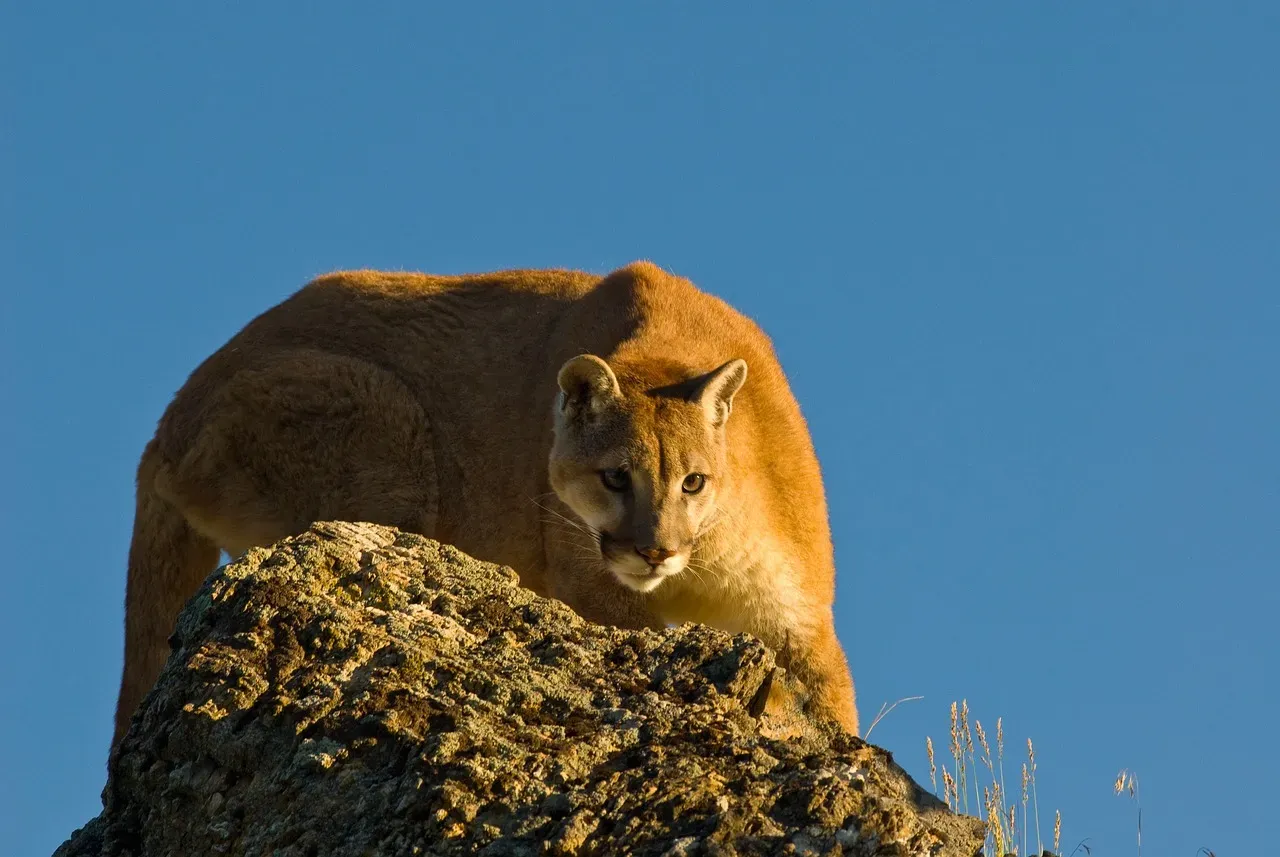
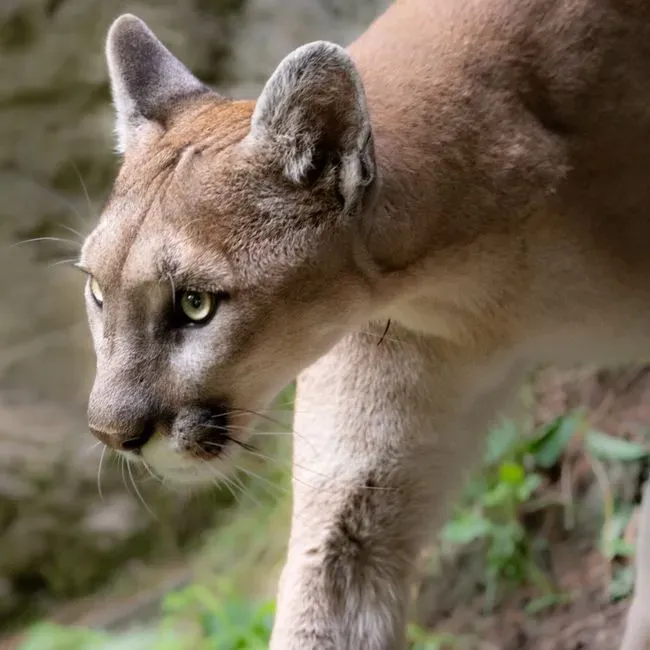
When a mountain lion crouches low, you are seeing a position that can mean two main things: it might be preparing to spring like a coiled spring, or it might be trying to stay compact and ready to respond if it feels threatened. The tricky part is that the pose can look similar in both cases. You are not trying to diagnose the animal’s exact emotion; you are trying to recognize that this is a high-alert moment where anything can shift quickly.
If the lion is crouched, muscles tight, head low, and eyes locked on you, you should treat it as a potentially predatory stance, even if it never moves. If it is crouched but glancing away, looking nervous, or shifting its weight, it might be more defensive than offensive, but that still does not make it safe. In both situations, the main message to you is the same: this animal is engaged, not just passing by, and you need to respond with calm, controlled, assertive behavior, not panic or retreat.
Why a Mountain Lion Might Refuse to Leave
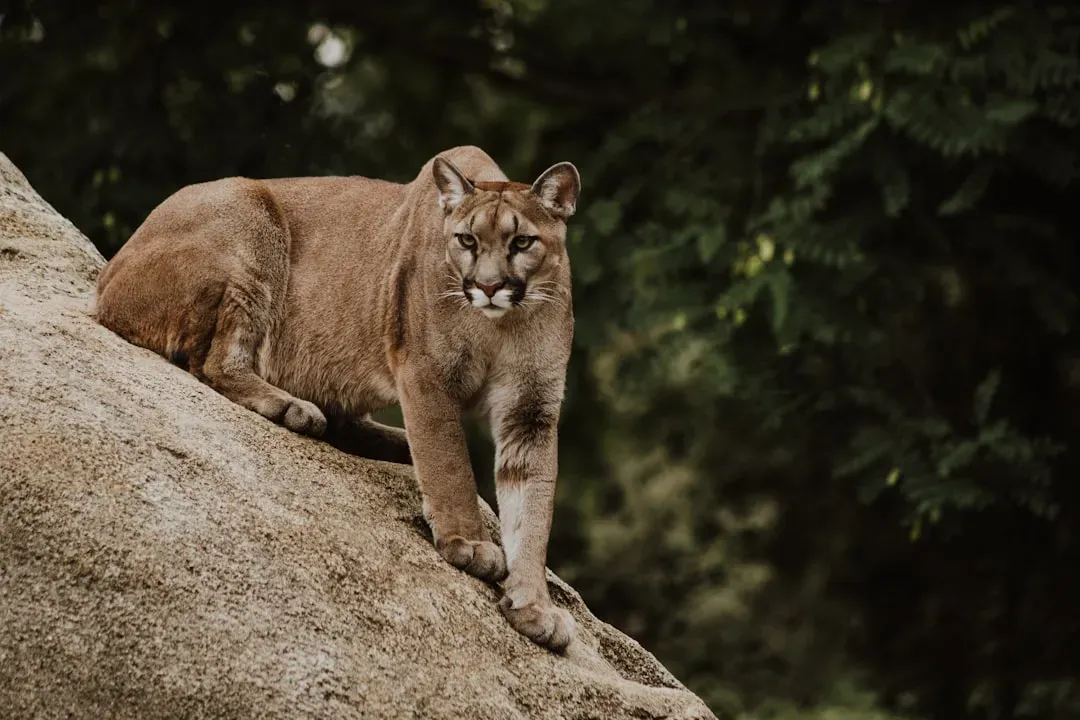
When a mountain lion does not leave, you are probably near something it values or is very interested in. That could be a deer carcass, a hidden cache of food, a den site, or kittens you cannot see. It might also be that your dog or your movement triggered its curiosity or instinct to assess you more closely. In some rare cases, a lion might be testing, sizing you up, or hesitating because it is not sure what you are.
You also have to remember that you are in the animal’s home, not the other way around. To you, this might just be a trail you picked for a weekend hike; to the lion, this ridge, canyon, or brushy draw is a territory it patrols, hunts in, and defends. If it stays instead of melting into the brush, it may feel cornered, protective, or unusually bold. Your job is not to read its mind; your job is to recognize that its refusal to leave is a red flag and that you should not ignore or minimize that signal.
Key Warning Signs to Watch in the Lion’s Body Language
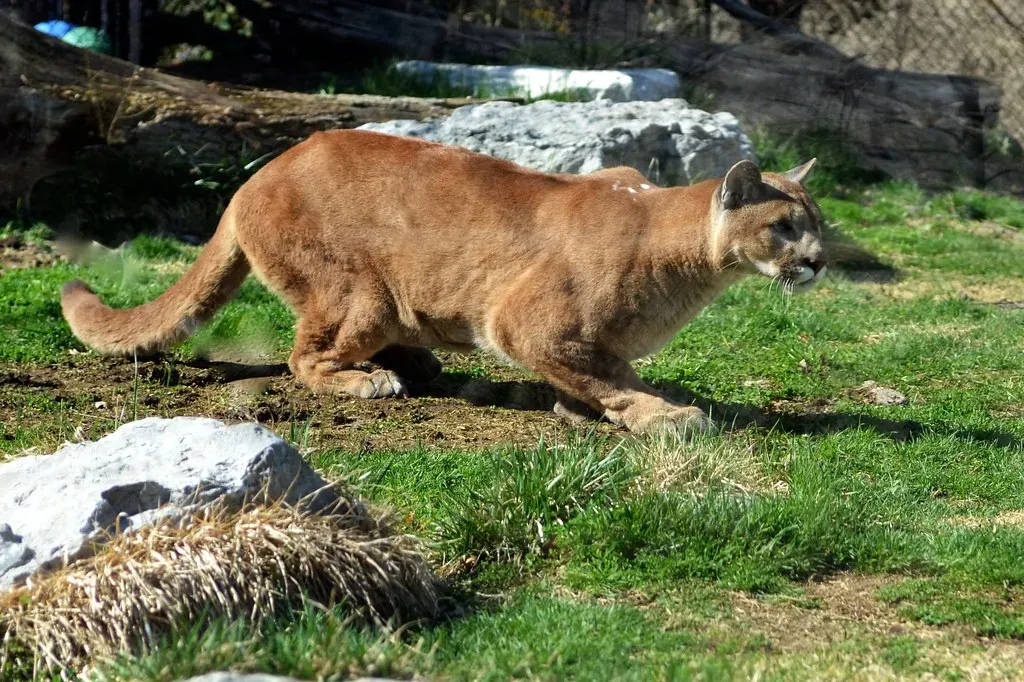
Beyond the low crouch, you can read a lot from a mountain lion’s body. If the tail is twitching sharply, the ears are flattened against the head, and the animal is staring straight at you, you are looking at serious agitation or intent. A lion that makes small forward movements, even if it pauses again, is testing your reaction and your confidence. You should assume this is a dangerous escalation, even if it is silent and still between movements.
On the other hand, if it is crouched but keeps looking away, ears occasionally turning, or shifting its body as if looking for an escape route, it may feel trapped or unsure. That does not make you safe, but it could mean it is more likely to bolt if you respond correctly. In either case, you are not in a casual wildlife sighting; you are in a standoff. You should treat every twitch, stare, and step as if it matters, because to the lion, it absolutely does.
What You Should Do Immediately If It Crouches and Stays
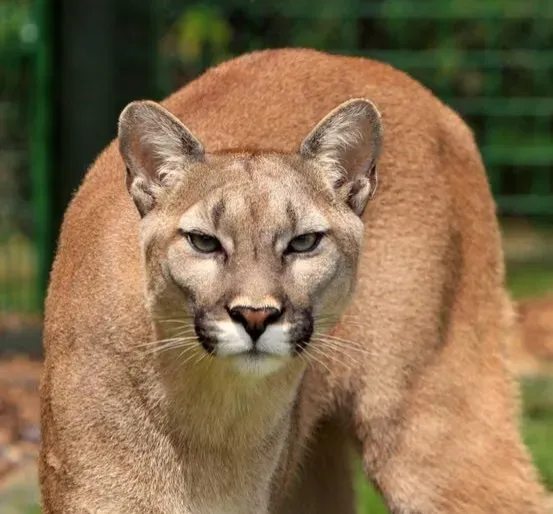
The moment you realize the lion is crouched and not leaving, you need to shift out of sightseeing mode and into survival mode. First, you should stand tall, face the lion, and make yourself look bigger by raising your arms or holding a jacket or backpack overhead, without turning your back. Your goal is to show the lion that you see it, that you are confident, and that you are too much trouble to mess with.
At the same time, you should start speaking in a loud, firm, steady voice. You are not trying to scream in panic; you are trying to project calm authority, like you are telling a big, dangerous dog to back off. If you have children with you, you should pull them in close to your side and keep them behind you without letting them run. You should avoid bending down, turning around, or making sudden, frantic movements that could trigger a chase response.
What You Absolutely Should Not Do (Even If You Are Terrified)
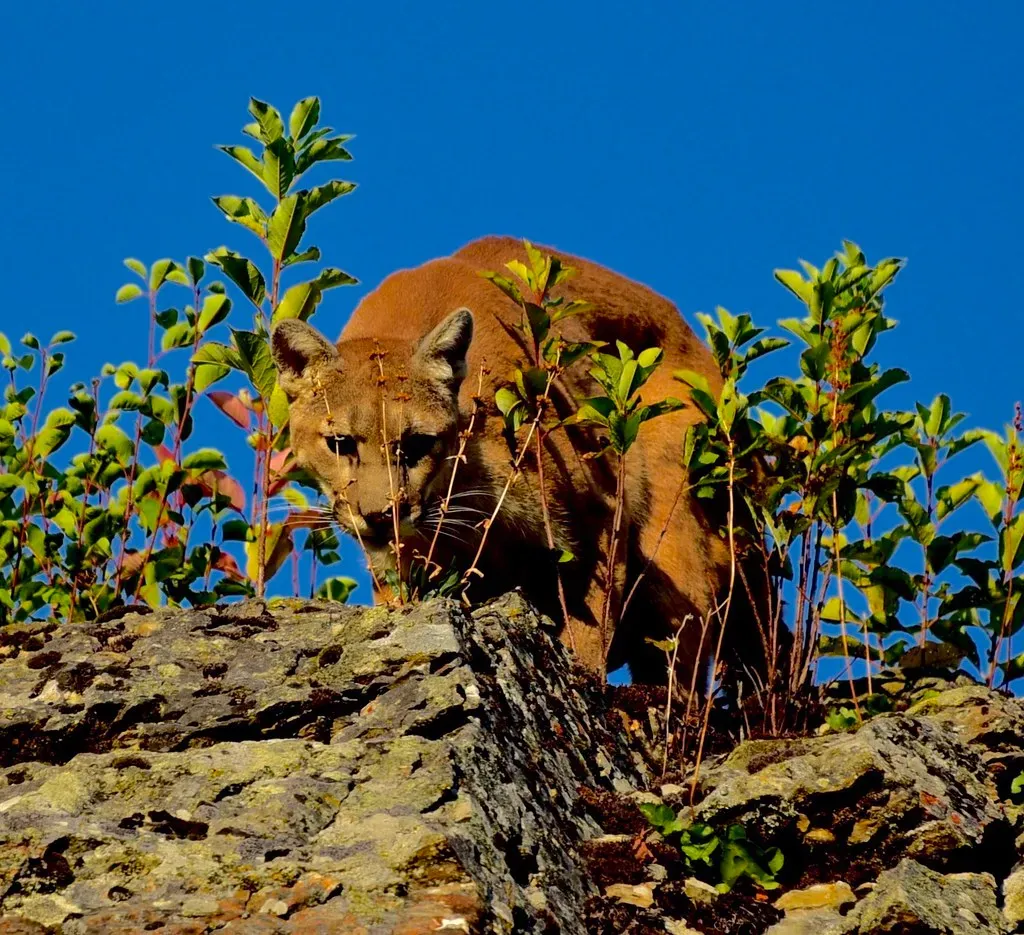
When fear kicks in, your instincts will probably tell you to run, crouch, or hide your face, but those are exactly the behaviors that can make you look like prey. You should never turn your back and run from a mountain lion. Sprinting away can flip a predator switch that is hardwired into the animal: something fleeing must be chased. You might be faster for a few steps, but a healthy lion is built to close distances far more quickly than you are.
You also should not approach the lion, try to “show dominance” by walking straight at it, or attempt to scare it off with a thrown rock while your body is bent over and exposed. If you throw anything, you should do it without breaking your upright posture or taking your eyes off it. You should not pretend it is tame, try to get a closer photo, or trust that no attack means there is no risk. The whole time it crouches and stays, you should treat the encounter as unstable and potentially dangerous.
Biscuit
Biscuit is looking at you hopefully.
How to Back Away Safely When the Lion Won’t Move
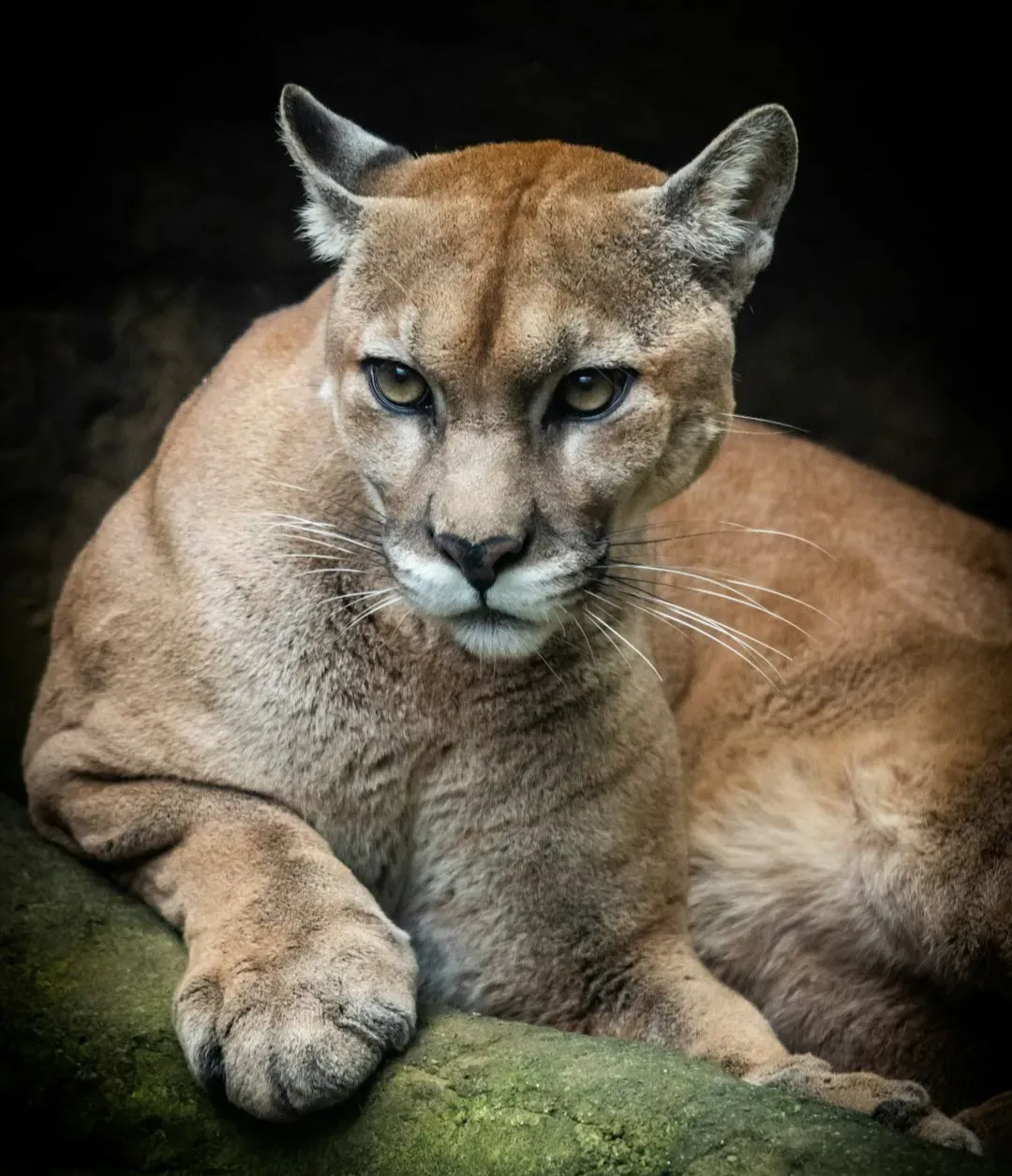
Once you have made yourself look big and loud, your next step is to start reclaiming space while still facing the animal. You should begin to back away slowly, one step at a time, maintaining eye contact without staring so hard that you lose awareness of your footing. Think of it less like “retreat in fear” and more like “controlled withdrawal.” You are showing the lion you are leaving, but on your terms, not because you are surrendering.
If the lion holds its ground but does not advance, you keep that slow, steady movement going, always ready to stop and yell louder if it seems to creep forward. If you can, you should angle your path toward more open ground, other people, or a more defensible spot, rather than down into thick brush where it can disappear and reappear. You should not relax until there is a real barrier of distance or terrain between you and the lion, and even then, you should assume it might still be nearby for a while.
When and How to Fight Back If It Charges or Attacks
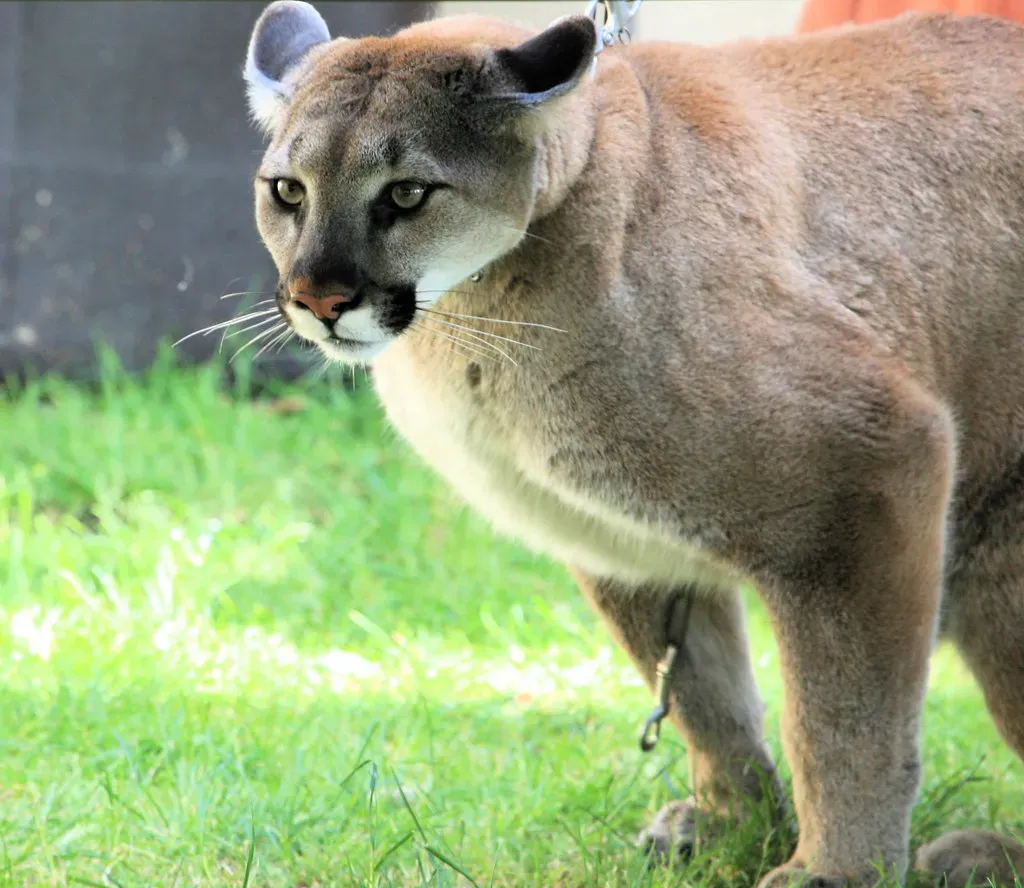
If a crouched lion suddenly charges, your plan has to change from avoidance to defense. You should stand your ground, keep facing it, and intensify your shouting, waving, and throwing of objects at its face. If you carry bear spray or another deterrent, you should use it when the lion is close enough for a solid burst. Your goal is to overload its senses and make the attack feel like a huge mistake.
If the lion makes contact, you should fight back with everything you have. You would aim for its eyes, face, and nose with your hands, sticks, rocks, or anything within reach. You should stay on your feet if possible, guard your neck, and never play dead; this is not a bear encounter where that strategy sometimes works. You are trying to convince the lion that you are far more dangerous and costly to subdue than it expected, so it decides to let go and leave.
Protecting Children, Pets, and Yourself Before an Encounter Happens
Long before you ever meet a crouched mountain lion, you can stack the odds in your favor. You should keep children close when hiking in lion country, ideally within arm’s reach and never running ahead or lagging far behind. You should keep dogs on a leash, no matter how trail-savvy they are, because a loose dog can run toward a lion, provoke it, and then run back to you with a predator suddenly in tow.
You can also lower your risk by avoiding hiking alone at dawn and dusk, when lions are more active, and by staying on established trails instead of bushwhacking through dense cover. You should make noise periodically, especially in thick vegetation or around blind curves, to avoid surprising a resting or feeding lion. Carrying a walking stick, whistle, or deterrent spray can give you something extra to work with if things go sideways, and just knowing how you would use them can make you calmer and more decisive in the moment.
Understanding the Bigger Picture: Risk, Respect, and Reality
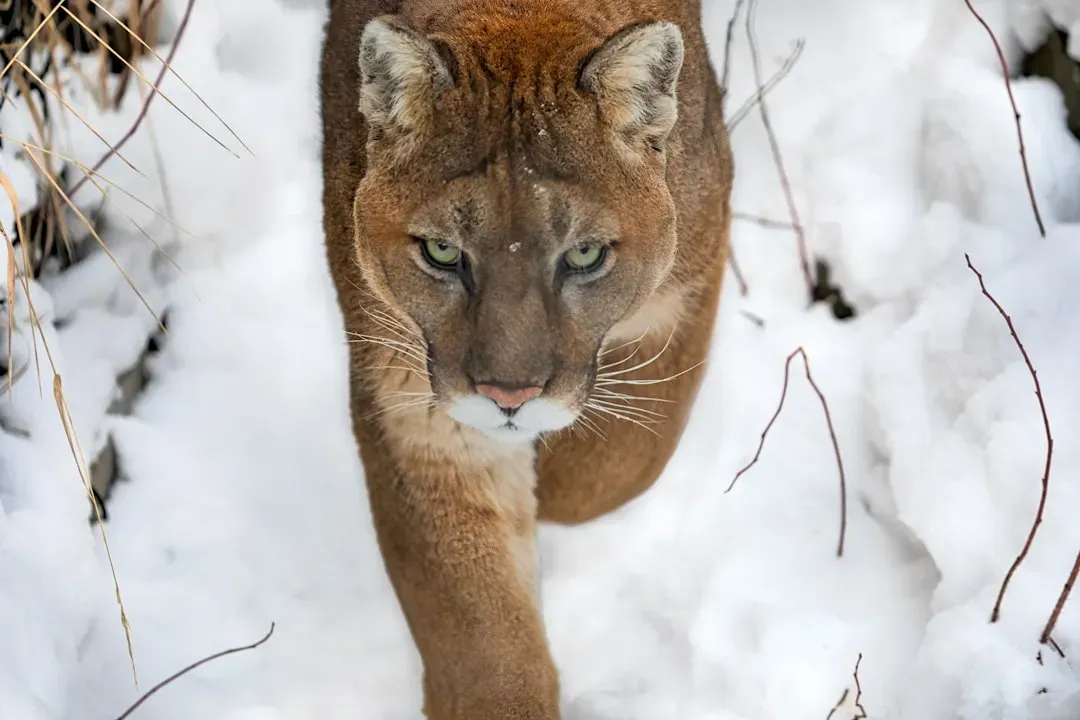
Even though a crouched, unmoving mountain lion encounter is terrifying, the reality is that attacks on people are still rare compared to how often these animals probably see you without you ever noticing them. You should hold both ideas in your mind at the same time: the risk is real and serious, but it is not so common that you need to fear every step in wild country. Respecting that balance can help you stay alert without being paralyzed by anxiety.
You should also see the lion, even in that scary posture, as a piece of a bigger ecosystem that you chose to visit. Predators like mountain lions play a major role in keeping deer and other prey populations in check, which shapes entire landscapes. When you learn how to interpret their behavior and respond calmly, you are not just protecting yourself; you are learning how to coexist with a powerful animal that has lived in these mountains and canyons long before you set foot there.
Conclusion: Turning Fear Into Prepared Respect
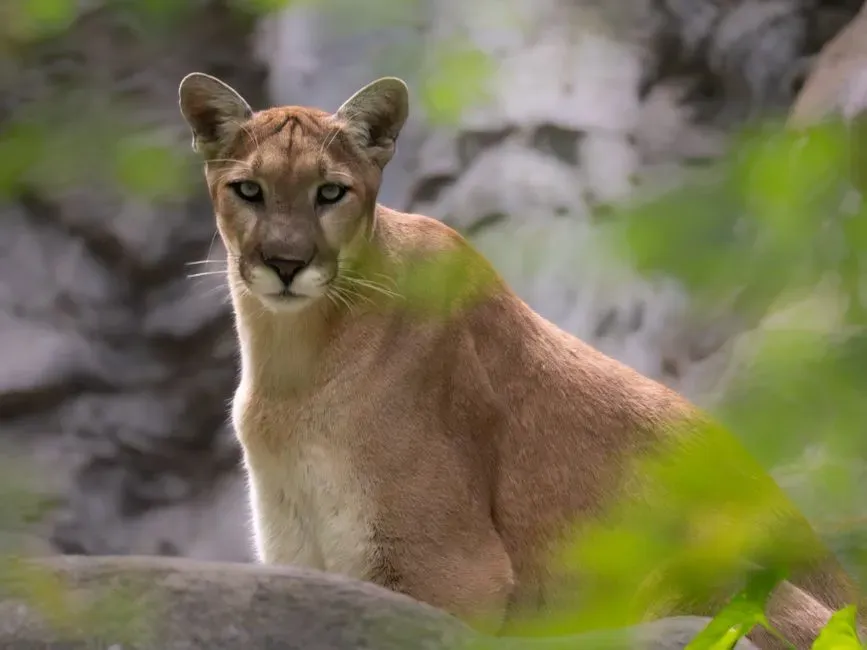
If you ever find yourself staring at a mountain lion that has crouched low and refuses to leave, you will probably feel a kind of fear you do not easily forget. But that fear does not have to turn into panic or helplessness. When you understand that the crouch means high alert, possible predatory focus, or protective defensiveness, you can respond with deliberate steps: stand tall, get loud, stay facing it, back away slowly, and fight fiercely only if you have no other choice.
In the end, you are not trying to be fearless; you are trying to be prepared. You respect the lion’s power, you respect your own instincts, and you give yourself a plan you can lean on if the worst happens. That way, wild places stay wild, but they do not feel unknowable or mysterious in a way that leaves you frozen. If you ever locked eyes with one of these cats in that low, tense crouch, how differently would you feel now that you know what it might mean and what you can do?