Animal Behavior Says Cats Who Suddenly Walk Away While Being Petted May Be Communicating a Boundary Owners Often Misread
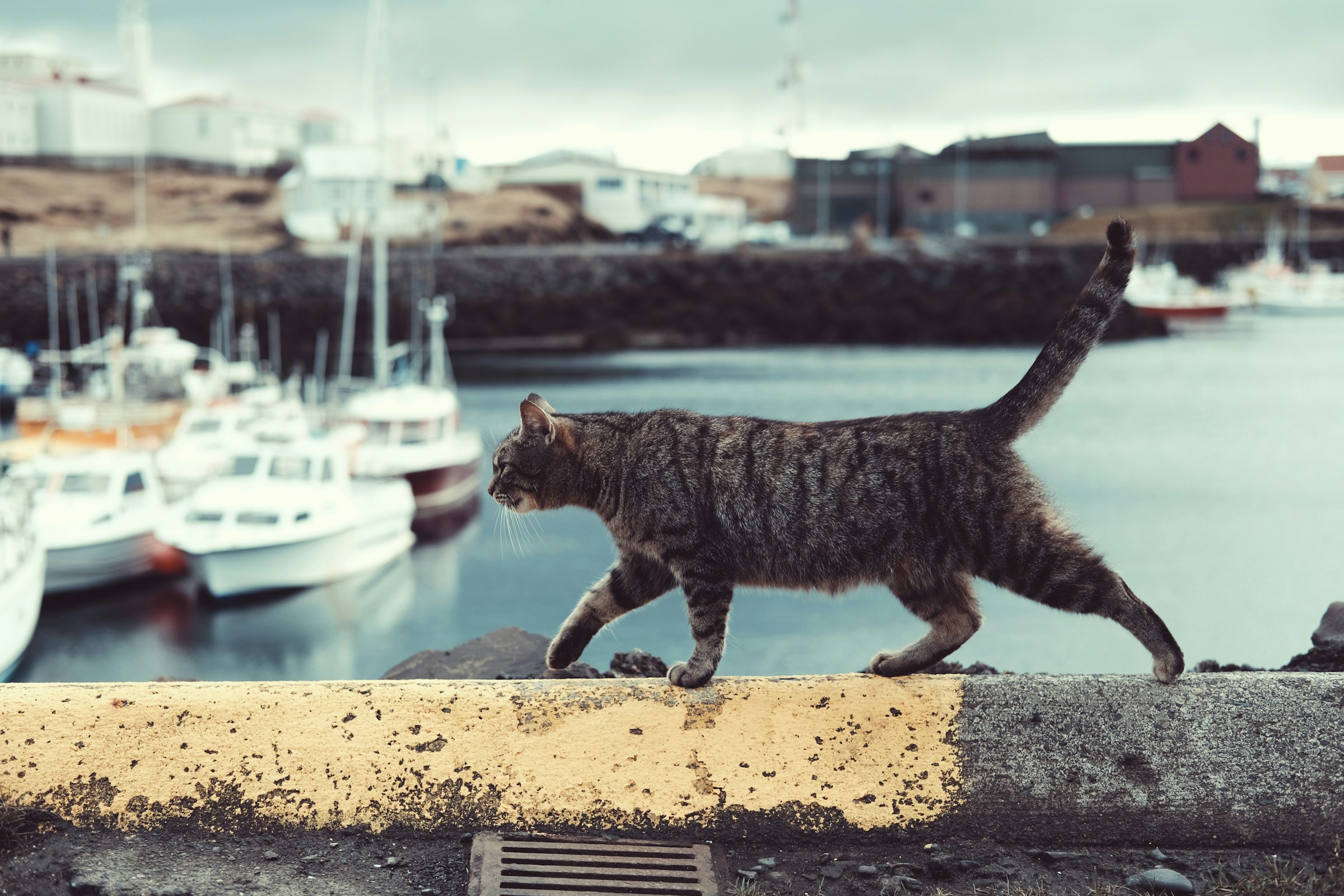
#1 The quiet exit is actually a form of communication
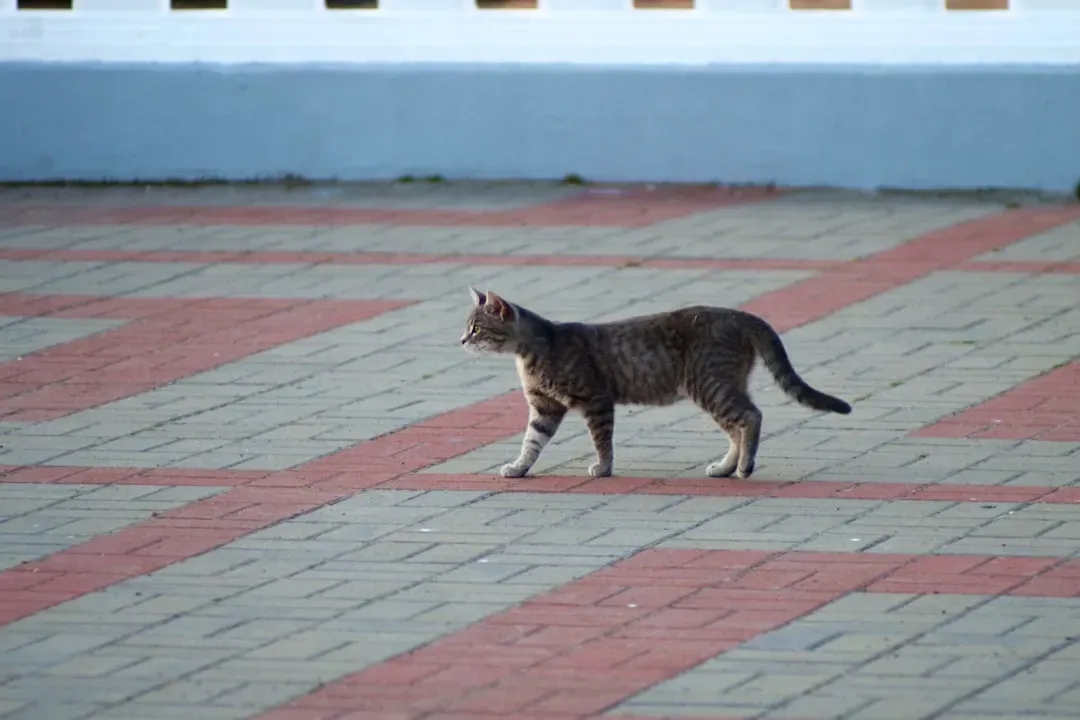
Cats are often described as aloof or moody when they end a petting session abruptly, but behaviorists frame it differently. Cats almost always give clear warning signals before biting or scratching. Walking away is one of the calmer, more polite versions of that signal, a way of ending an interaction before it escalates into something sharper.
Several animal welfare organizations list this exact behavior as a recognized early sign. Common signals to look for include tail swishing or flicking, skin twitching over the back, flattening of the ears, freezing, tenseness or staring, quick head turn to watch your hand as you pet, pupillary dilation, low growl, or walking away and lying down. In other words, walking away sits on the same spectrum as growling or freezing. It's just the version that doesn't involve teeth.
#2 Overstimulation is a real physiological response, not an attitude problem
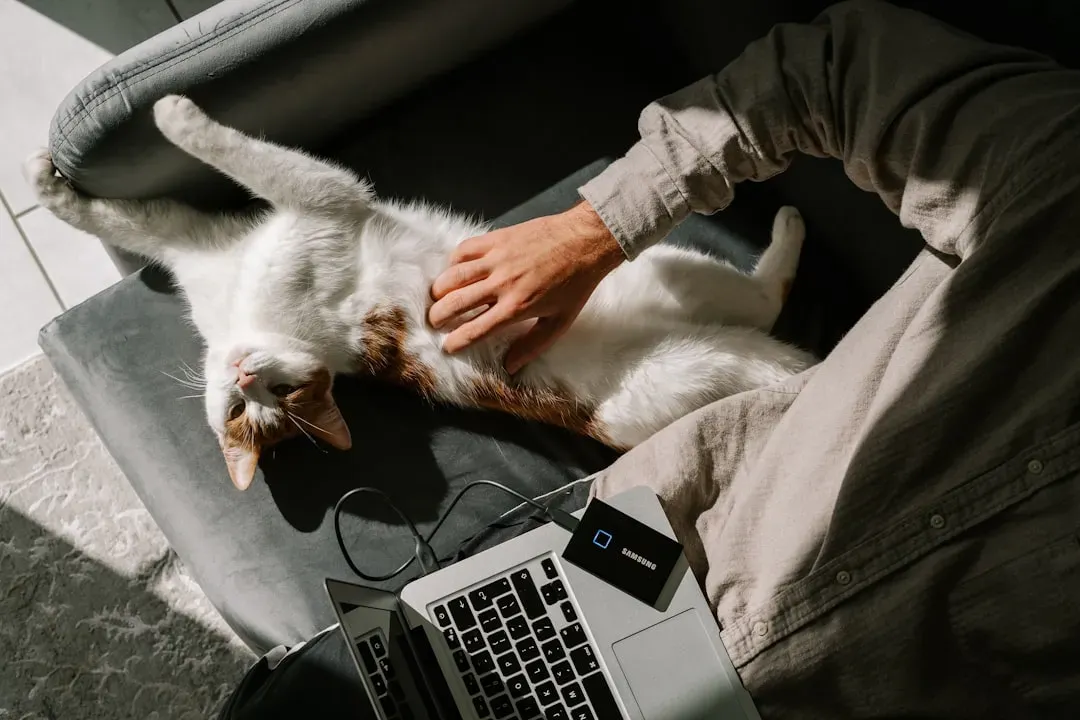
It's tempting to interpret a cat walking off as rejection or fickleness, but the science points to something more physical. Overstimulation is when cats experience sensory overload from too much petting, caused by a painful nerve reaction, stress or built-up frustration. It has nothing to do with a cat's temperament, but an actual physiological response to touch. That distinction matters a lot for owners trying not to take it personally.
The nervous system explanation helps make sense of why a cat can seem to enjoy petting one moment and want out the next. Basically, their nervous system goes into overdrive and they feel significant discomfort. Repeated strokes over the same patch of fur and skin build up sensation faster than most owners realize, and walking away is often the cat's way of hitting the brakes before that sensation turns unpleasant.
#3 Every cat has a different threshold, and that's normal
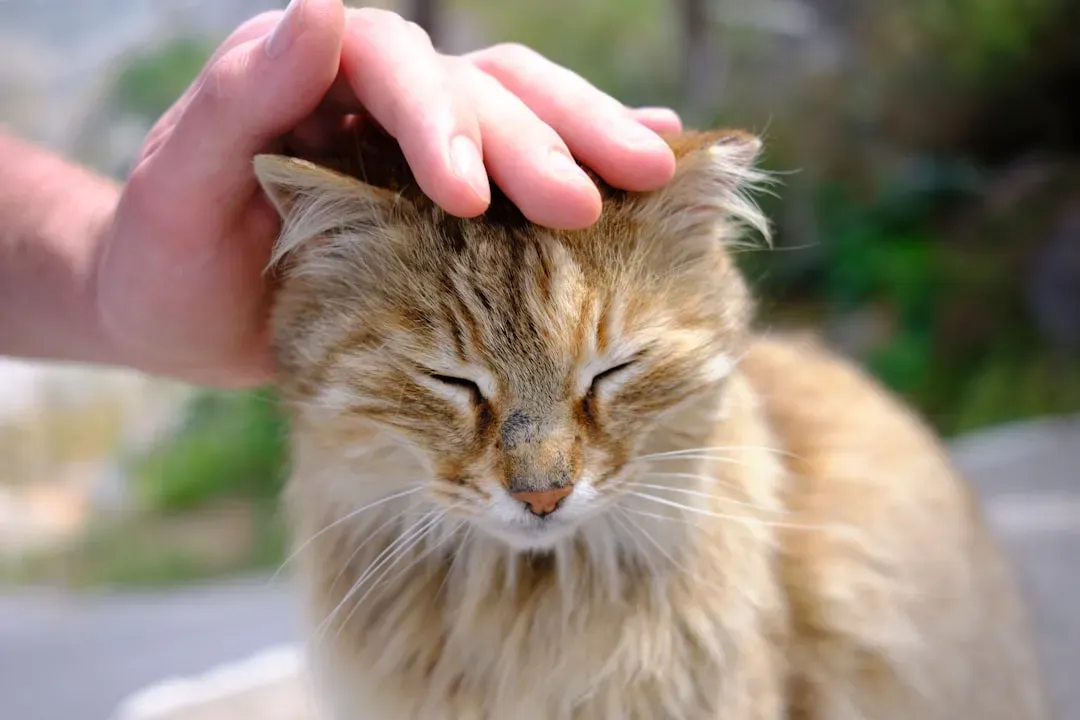
One reason this behavior confuses so many owners is that it seems inconsistent. Your cat might tolerate ten minutes of petting on Monday and walk off after thirty seconds on Tuesday, which feels random until you consider individual variation. Cats vary enormously as to the extent to which they like petting or handling, and for how long they will tolerate it.
This threshold isn't fixed either. Mood, energy levels, recent play sessions, and even environmental noise can shift how much contact a cat is willing to accept on a given day. The sensitivity threshold is the point when a cat has had enough of being petted, and every cat's threshold is different. They might enjoy being stroked for a few minutes but eventually, the repetition becomes annoying, and your cat will let you know they've reached their limit. Walking away is simply that limit being reached before it turns into something more dramatic.
#4 Cats who walk away are often the more considerate communicators
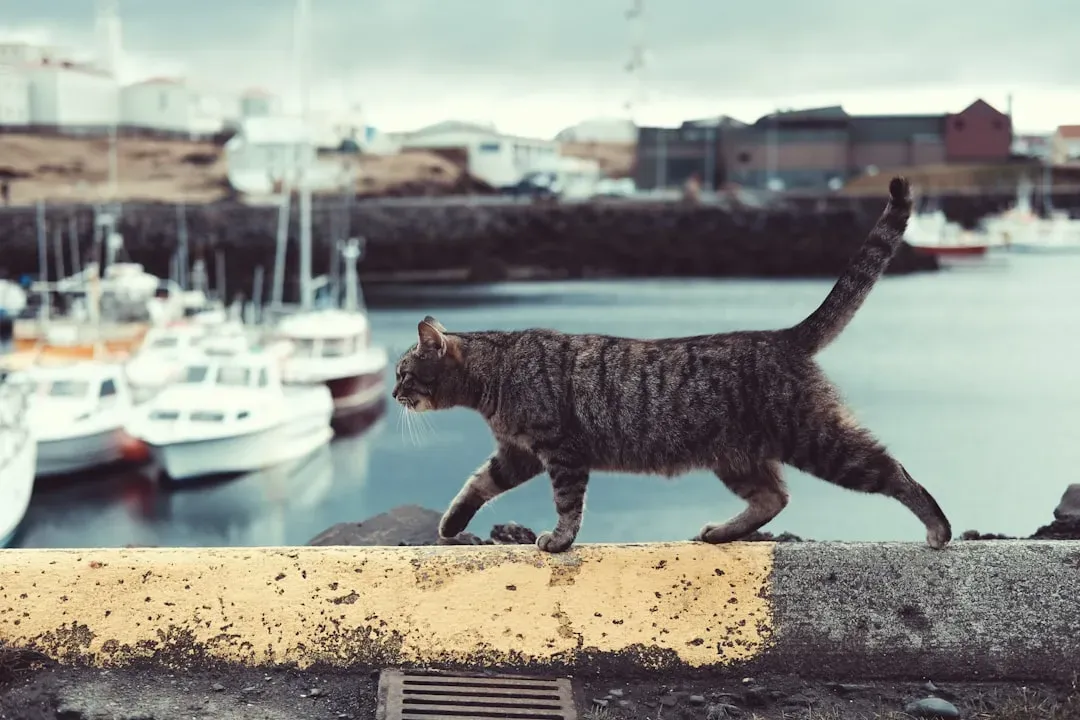
Behaviorists actually distinguish between cats who self regulate and cats who don't, and the walking away group tends to be the easier ones to live with. Social self overstimulation describes cats who will not self-regulate their overstimulation, they are so invested in getting attention that they will actively push themselves over threshold, often soliciting attention intensely before hitting that point. With these cats, the owner is responsible for choosing when they need a break.
Compare that to the cats who quietly remove themselves from the situation. Corrective overstimulation describes cats who will generally attempt to regulate their overstimulation, moving away or using body language to communicate that they need a break. These are the cats doing the polite work of managing the interaction themselves, long before it would ever reach a scratch or bite. Owners who miss this signal and try to coax the cat back are effectively overriding a boundary the cat already set.
#5 Ignoring the walk away can escalate things over time
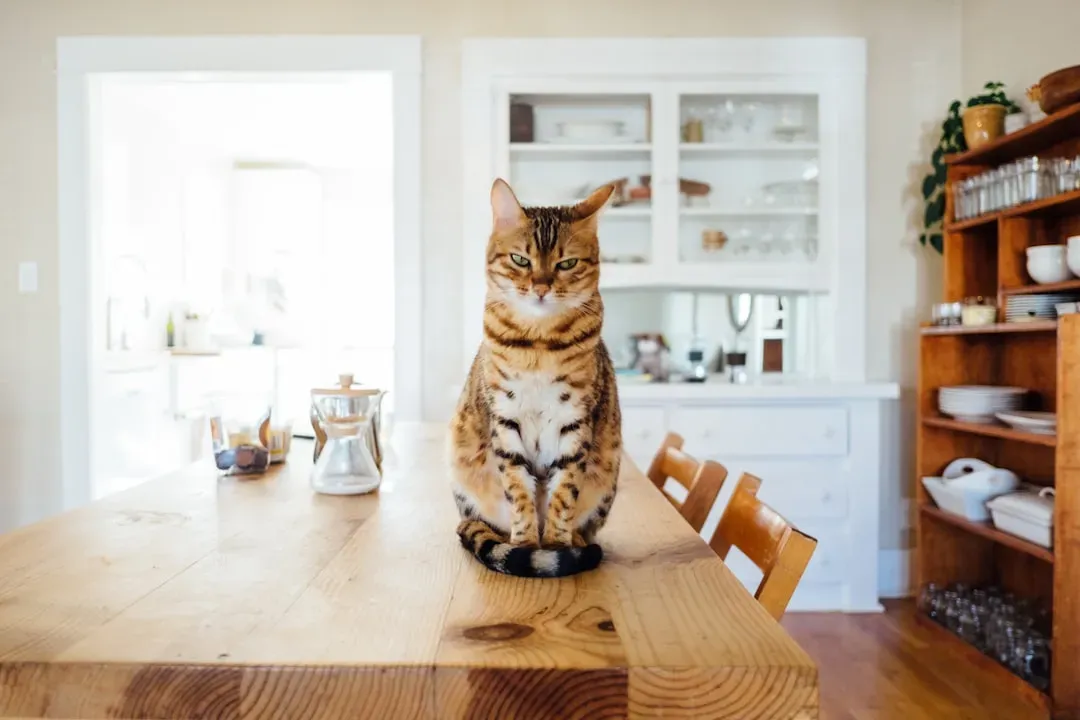
Here's the part that tends to surprise people. If a cat's early departures get followed anyway, either by chasing them down or picking them back up for more affection, the cat may eventually stop using the gentle version of the signal altogether. Cats often learn that cues they use to signal that they are uncomfortable will not be noticed, and that swatting or biting is the only way to successfully make unwanted petting stop.
That's a fairly significant behavioral shift, and it's avoidable. Respecting the walk away, rather than treating it as a puzzle to solve or a cue to try harder, keeps the relationship built on trust instead of testing. Cats are simply communicating their boundaries, and by respecting their signals, owners help build trust and reduce the likelihood of aggressive reactions in the future. The behavior isn't a rejection of the owner. It's the cat trusting that a quiet exit will actually work.
#6 Reading the subtler cues before the walk away helps even more
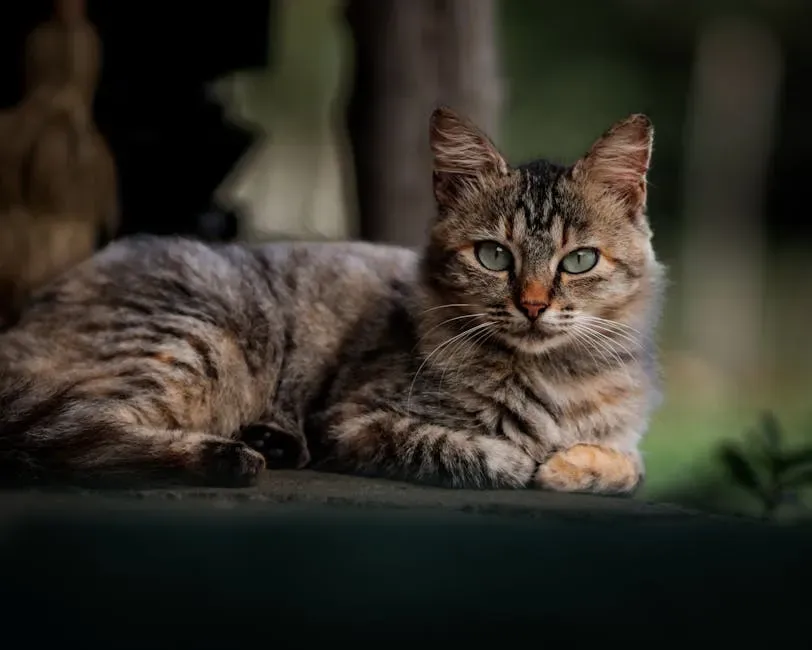
The walking away moment is really the tail end of a longer sequence, and owners who catch the earlier signs can often avoid the exit altogether. Often the first sign is subtle and quick, a small ripple or twitch in their skin, which makes being closely attuned to their physical micromovements important. A twitching tail, ears rotating slightly backward, or a sudden stillness in the body usually shows up minutes, or even seconds, before the cat decides to leave.
Veterinary behavior resources generally recommend a simple rule of thumb here. Keeping petting sessions short, taking a break after just one to three seconds of petting to assess the cat's body language, and ceasing the interaction if any signs of overstimulation appear. It sounds almost absurdly brief, but that pace respects the cat's pattern rather than the owner's expectation of how long a cuddle session should last. Cats who are handled this way tend to seek out affection more, not less, over time.
Final thoughts