Animal Cognition Says Cats Can Learn Which Human Gestures Lead to Food Faster Than Many Owners Realize
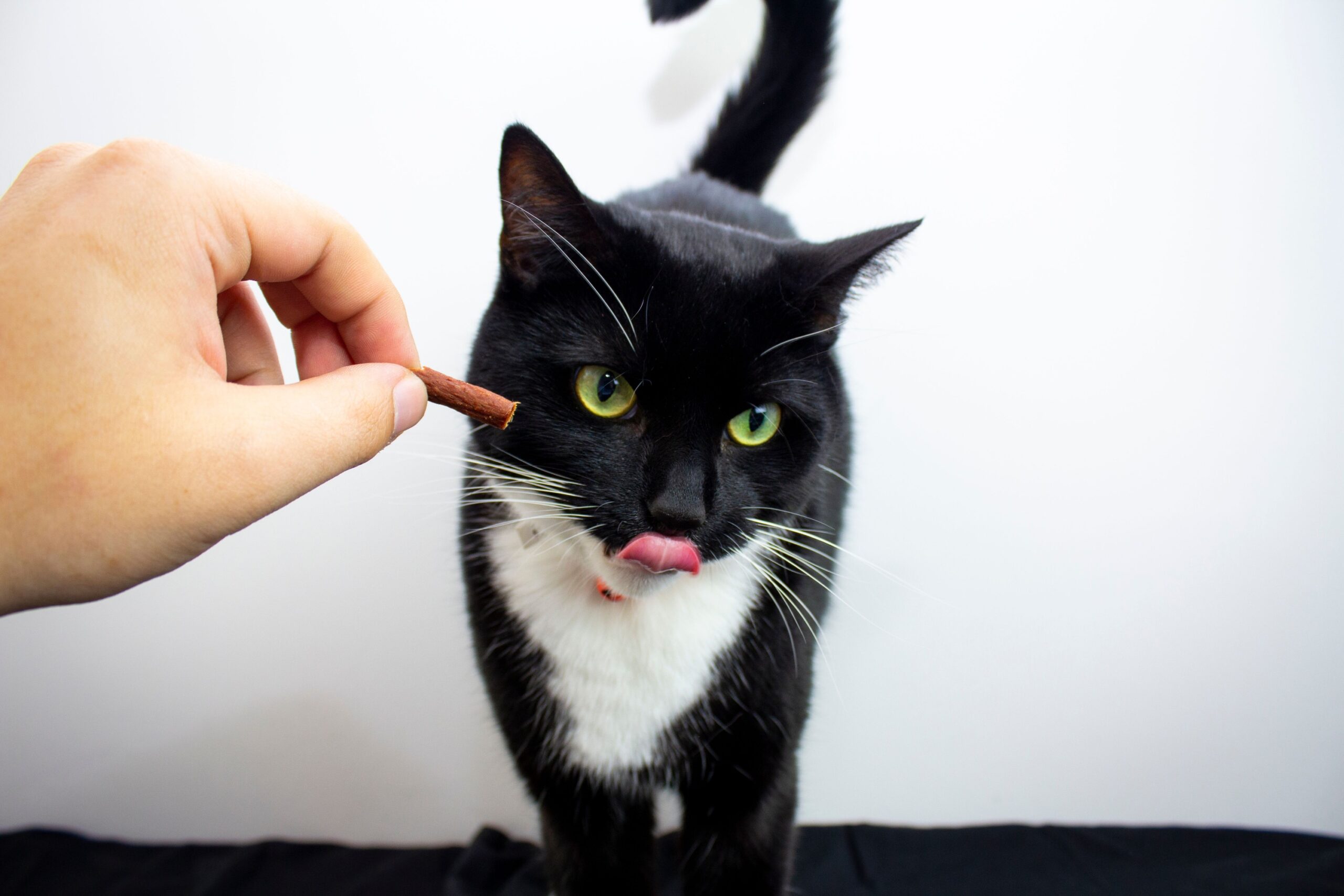
You probably think your cat mostly does what it wants and ignores you unless you shake the treat bag. But animal cognition research suggests something a bit humbling: your cat is quietly tracking which of your gestures reliably lead to food, and it may be learning that pattern faster than you give it credit for. While you are wondering whether it even knows its own name, it is busy building a tiny mental map of your hands, eyes, and movements.
Once you start looking for it, you notice how fast your cat locks onto the small cues that predict dinner: the way you stand up at a certain time, the sound of the fridge, the angle of your body near the food cupboard. You are not just living with a furry roommate; you are in a constant, silent training loop together. The surprise is that your cat is learning you at least as much as you are trying to train it.
How Your Cat’s Brain Turns Your Gestures Into Food Clues

You might think of your gestures as random, but your cat’s brain is constantly scanning them for patterns tied to rewards. Each time you point to the bowl, bend down toward the feeding area, or reach for the treat jar, your cat is logging that moment like a little scientist running an experiment. When the same movements keep resulting in food, your cat’s brain strengthens those connections, making the link between gesture and outcome feel almost automatic.
This is classic associative learning, and cats are surprisingly efficient at it. You do not have to consciously “train” your cat for this to happen; everyday life does it for you. Over time, your cat learns that some of your gestures are just background noise, while others are powerful signals that it should move closer, look up, or wait by the bowl. From your side, it feels like the cat “just knows,” but what you are really seeing is a polished mental model built over dozens or hundreds of tiny trials.
Why Pointing Means More to Your Cat Than You Think
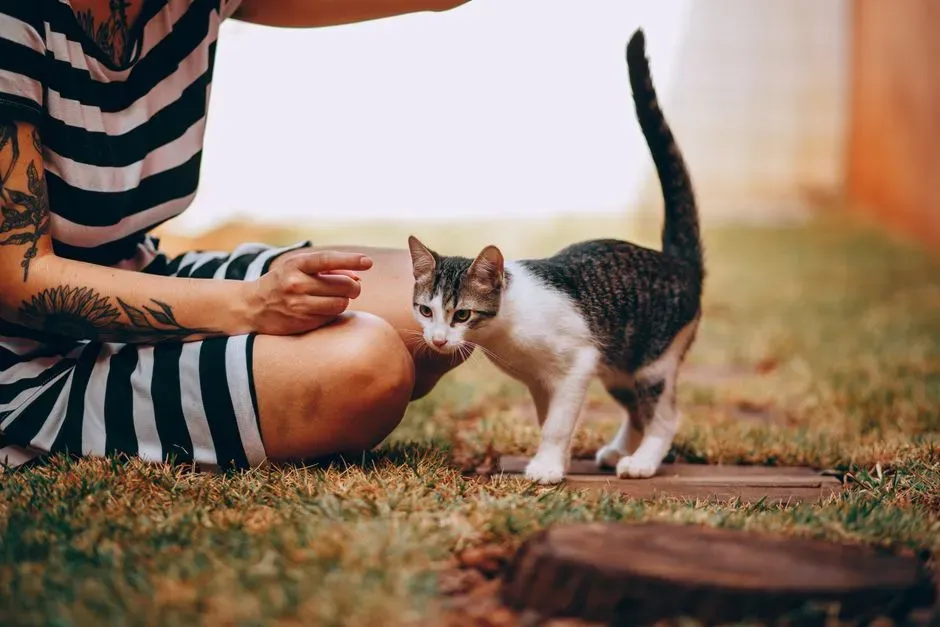
If you casually point at your cat’s bowl or a treat on the floor, you might assume your cat is ignoring you or simply wandering around until it stumbles on the food. But many cats actually learn to follow a pointing gesture itself, especially when that gesture has repeatedly led to something tasty. Your outstretched finger becomes a kind of shortcut: instead of sniffing around blindly, your cat can use your hand as a guide.
You may notice this most clearly when you accidentally drop food or place a treat slightly out of reach. When you point at it and your cat walks toward that direction, it is not just luck. Your cat is using your gesture the way a teammate might use a signal in a game: as a hint that “the good thing is over there.” That does not mean every cat will follow every point, but when you consistently pair pointing with reward, many cats catch on faster than you expect.
Subtle Rituals: How Your Everyday Movements Become Feeding Signals
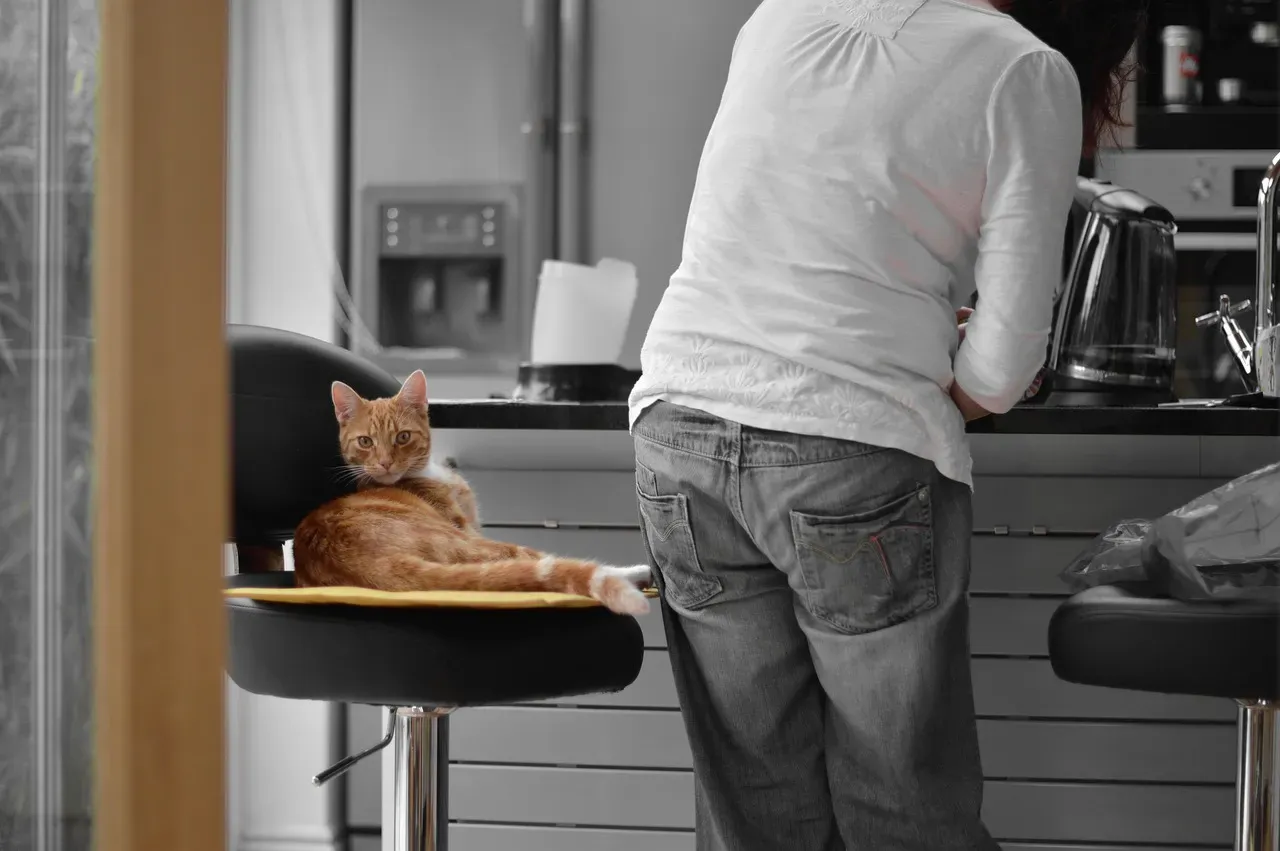
You probably have a feeding routine without even realizing it. Maybe you always walk into the kitchen at roughly the same time, open a particular cabinet, or tap the spoon on the bowl. To you, it is habit; to your cat, it is a chain of gestures that predicts an upcoming jackpot. The moment those movements start, your cat’s behavior shifts: it might run ahead of you, circle your legs, or wait at its usual feeding spot.
In a way, you have created a silent ritual that your cat has carefully memorized. Even a small part of the routine can act as a trigger. A chair scraping back from the table or you standing up at a familiar time of day might be enough to flip your cat into “food mode.” That is why you may see your cat appear out of nowhere as soon as you perform one crucial, repeated movement. It has learned a whole script, and your gestures are the opening lines.
When Your Cat Learns Faster Than You Notice
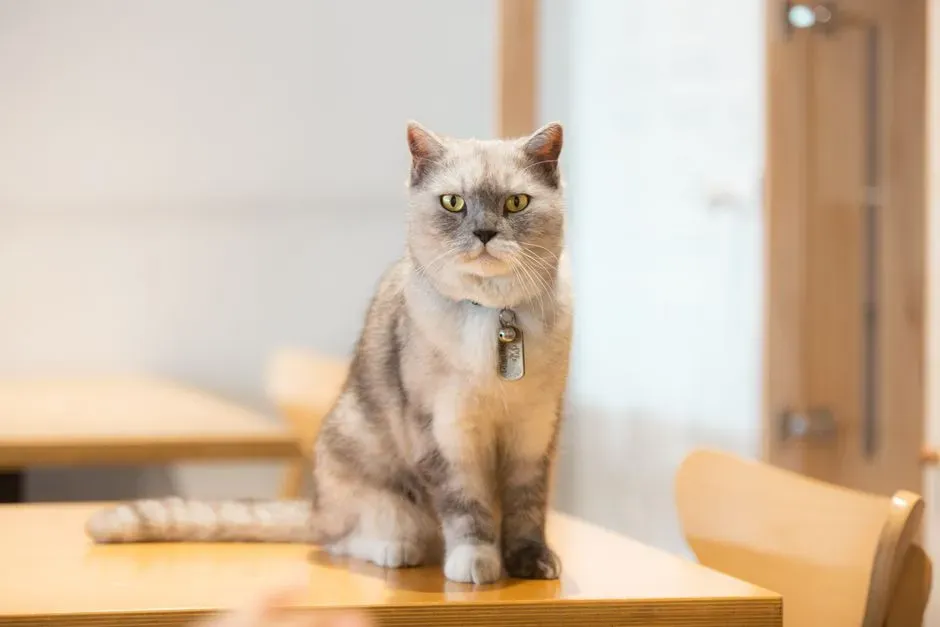
There is a good chance your cat has picked up on your feeding gestures faster than you consciously realized it was learning anything at all. You may test this by suddenly changing a detail one day and noticing your cat’s confusion or insistence. Skip a familiar movement, and your cat might hesitate or look at you as if something is wrong, because its mental pattern has been disrupted.
You also see this quick learning when you unintentionally teach habits you did not want. If you occasionally grab snacks for your cat when you walk past the kitchen, it can very quickly associate any trip to that area with “maybe food.” Before you know it, your cat is trotting after you every single time, not because it is clingy, but because from its point of view, following your movement has paid off often enough to be worth the effort.
The Difference Between Responding to You and Just Responding to Sounds
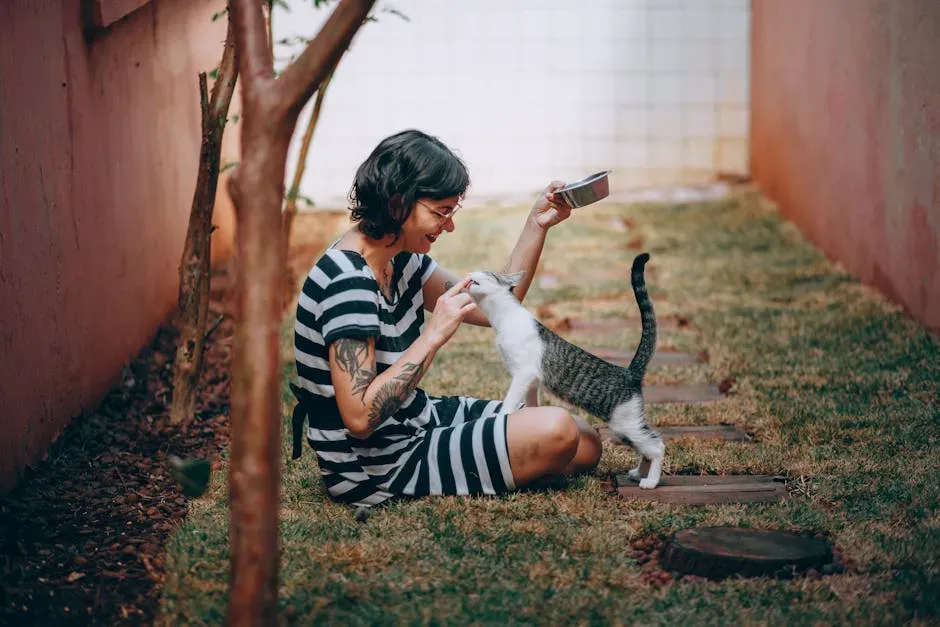
It is tempting to think your cat comes running just because of a can opening or a bag crinkling, and those sounds definitely matter. But when you pay attention, you notice your cat is also watching how you move: whether you actually walk toward the feeding place, whether your posture changes like it usually does, whether your hands are doing the familiar reaching and scooping motions. Your gestures help your cat decide if that sound truly means food, or if it was just a false alarm.
For example, you might crinkle a bag that is not cat food or open a can of beans. If you do not combine it with the body language your cat has learned to expect around feeding time, you may see less intense interest. Your cat is not only following its ears; it is cross-checking your whole behavior. That layered understanding is exactly what many owners underestimate, because it feels invisible until you deliberately test it.
How You Can Use This Knowledge to Train More Effectively
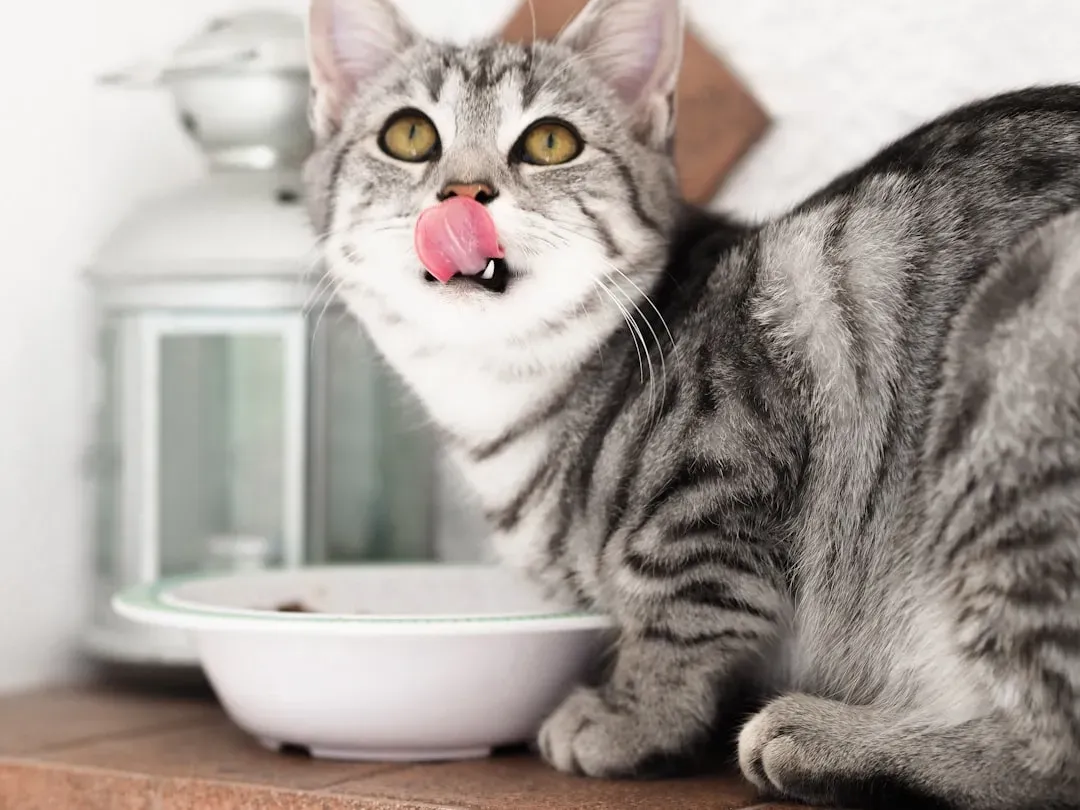
Once you realize your cat is already tracking your gestures, you can start using that to your advantage in a more intentional way. If you always use the same clear gesture right before offering food or a treat, your cat is likely to pair that movement with a positive outcome. Over time, you can turn a simple pointing motion, a specific arm movement, or even a short hand signal into a reliable cue your cat responds to.
You can also reduce confusion by being consistent. If you only sometimes reward a gesture and other times ignore your cat after using it, your signal becomes blurry and your cat has to “guess” whether it is worth reacting. By clearly pairing a chosen gesture with something rewarding on a regular basis, you help your cat learn much faster, making life easier for both of you and turning your feeding time into a smooth, almost wordless conversation.
Common Mistakes That Confuse Your Cat’s Gesture Learning
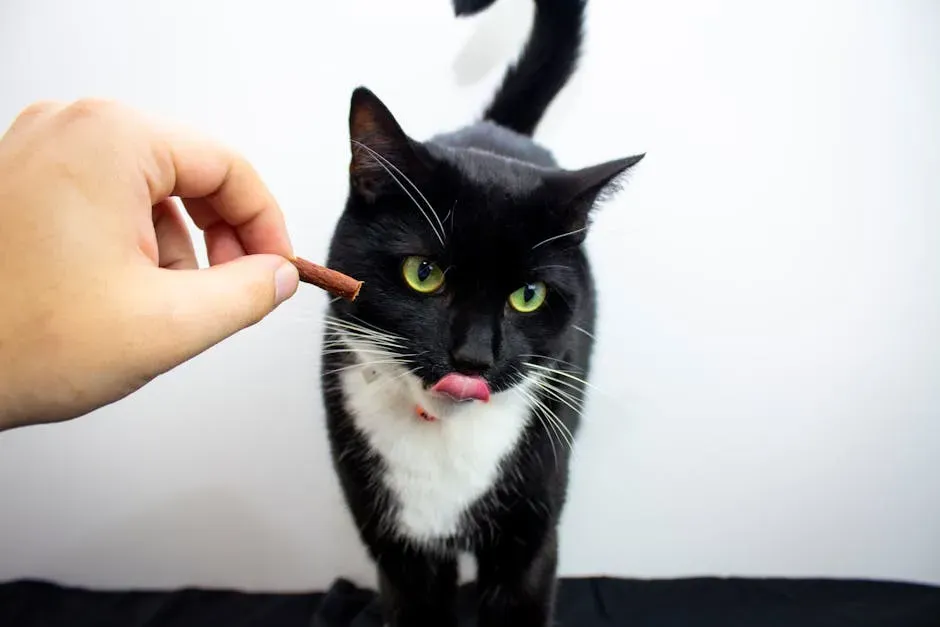
Because your cat is such a sharp observer, it can easily get mixed messages when your gestures are all over the place. One common mistake is constantly changing how you call or move for feeding time: sometimes you clap, sometimes you tap the bowl, sometimes you wave a hand, and sometimes you do none of that. From your cat’s point of view, it becomes hard to know which movement is supposed to matter, so it just reacts to everything or gives up trying to predict.
Another problem is unintentionally rewarding behavior you actually find annoying. If you reach for food every time your cat meows loudly or climbs onto the counter, your gestures are telling it that this strategy works. Even if you complain out loud, your actions speak louder. Once you see how quickly your cat locks onto whatever movements lead to food, it is easier to step back and decide which gestures and moments you truly want to reinforce - and which ones you need to stop feeding into.
What This Means for Your Relationship With Your Cat
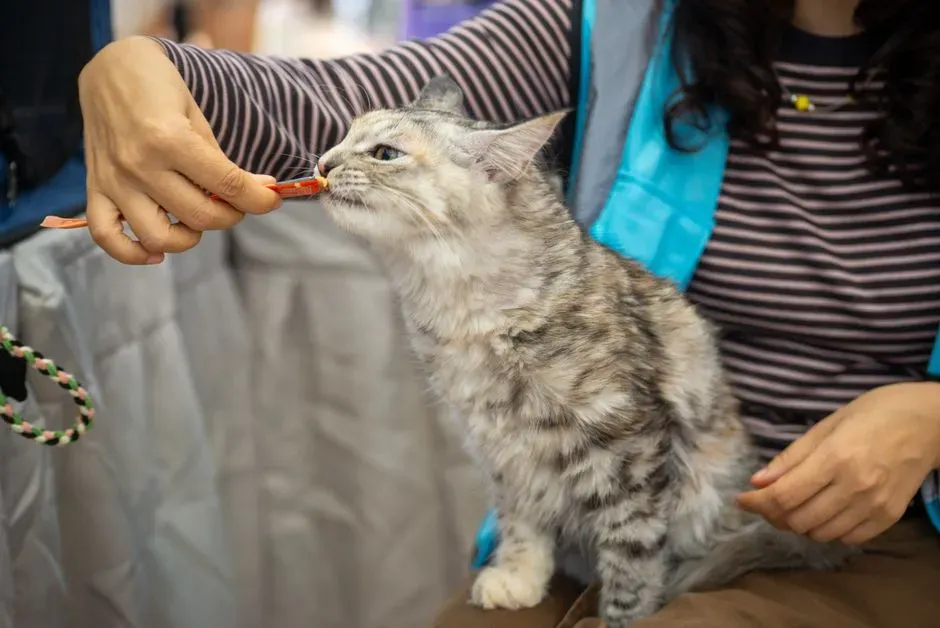
Understanding how your cat learns your gestures changes the way you see your daily interactions. Instead of assuming your cat is aloof or indifferent, you start to notice how closely it is watching you, picking up on small changes, and adjusting its behavior accordingly. You are not just a food dispenser in its eyes; you are a complex, moving puzzle that it has spent months or years decoding.
When you realize that, feeding becomes more than a chore. It turns into a shared language built from repeated actions and reliable outcomes. Every time you bend, point, scoop, or walk toward that familiar spot, you are speaking in a silent code your cat understands remarkably well. The more aware you become of that code, the more intentional, respectful, and even fun your relationship with your cat can feel.
Conclusion: Your Cat Is Studying You More Than You Know
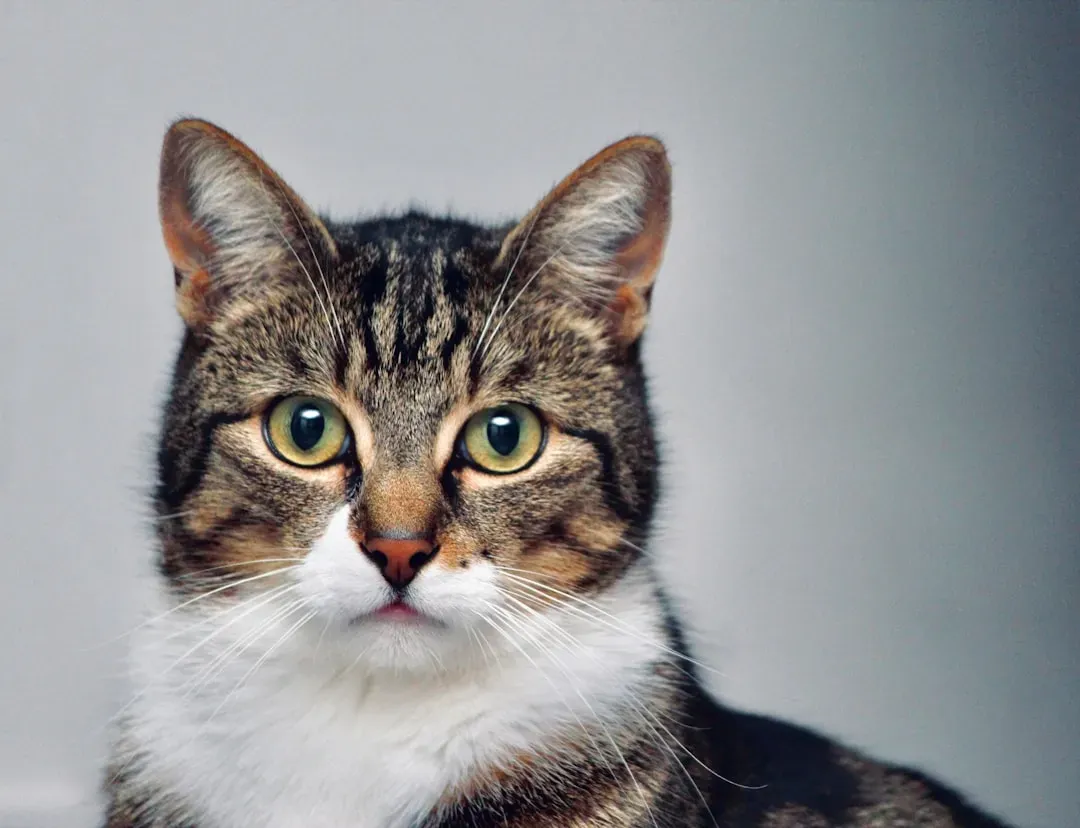
If you live with a cat, you are living with a quiet expert in human gesture and routine, whether you notice it or not. Your cat tracks which of your movements lead to food with impressive efficiency, turning casual habits into powerful signals and learning from them faster than many owners realize. What feels like simple “instinct” or coincidence is often the polished result of countless small observations and successful guesses on your cat’s part.
When you start seeing your own gestures through your cat’s eyes, you gain a new respect for how much it is paying attention and how quickly it can adapt. That insight lets you train more clearly, avoid mixed signals, and enjoy a deeper, more cooperative bond built on shared patterns rather than constant misunderstandings. Next time your cat appears the second you move toward the kitchen, you might ask yourself: who is really training whom?
- Animal Cognition Says Cats Track Where Their Owners Are by Listening From Another Room
- Cats Are Not Just Pets; They Are Household Guardians
- Animal Cognition Says Cats May Remember the Location of Hidden Objects Even After They Disappear From View
- 7 Subtle Signs Your Cat Thinks You're Their Ultimate Comfort Zone