There is something quietly hypnotic about watching your cat sleep. One moment they are a perfectly still, curled-up ball of fur. The next, a tiny paw twitches, a whisker flickers, and soft little sounds escape their sleeping mouth. It makes you wonder – where exactly have they gone in that mind of theirs?
Cats are famously mysterious creatures, and their sleep life is no exception. You might assume it is all just basic rest, but the reality is far stranger and more fascinating than most people realize. From ancient instincts buried deep in their biology to the scientific possibility that your cat replays memories of you while asleep, there is a whole hidden world happening every time your cat closes its eyes. Curious? You should be. Let’s dive in.
The Astonishing Amount of Time Your Cat Spends Sleeping
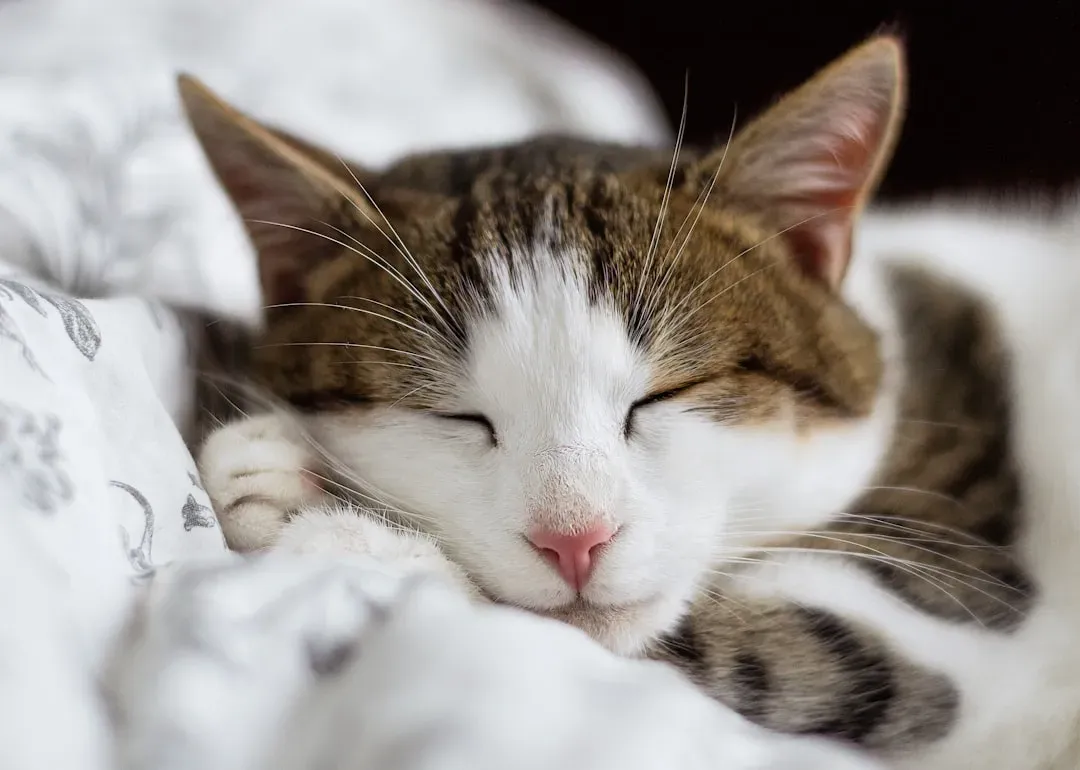
Let’s be real – if sleeping were an Olympic sport, cats would have every gold medal. More than half of cats sleep between 12 and 18 hours a day, and nearly 40% of cats sleep more than 18 hours per day. That is not laziness. That is biology doing exactly what it was designed to do.
Newborn kittens can sleep nearly 24 hours a day, which aids their rapid growth and development. Kittens aged four to sixteen weeks still sleep a great deal, needing enough rest for healthy growth. Adult cats typically snooze for 12 to 16 hours per day, while senior cats aged seven years and older may sleep as many as 20 hours, possibly due to health changes or reduced mobility.
Cats have what is called a polyphasic sleep pattern, meaning they sleep multiple times each day rather than in one long period like humans. Their naps average around 78 minutes in length. Think of it like dozens of miniature recharges throughout the day, not one long overnight charge like yours.
Why Evolution Made Cats the Ultimate Nappers
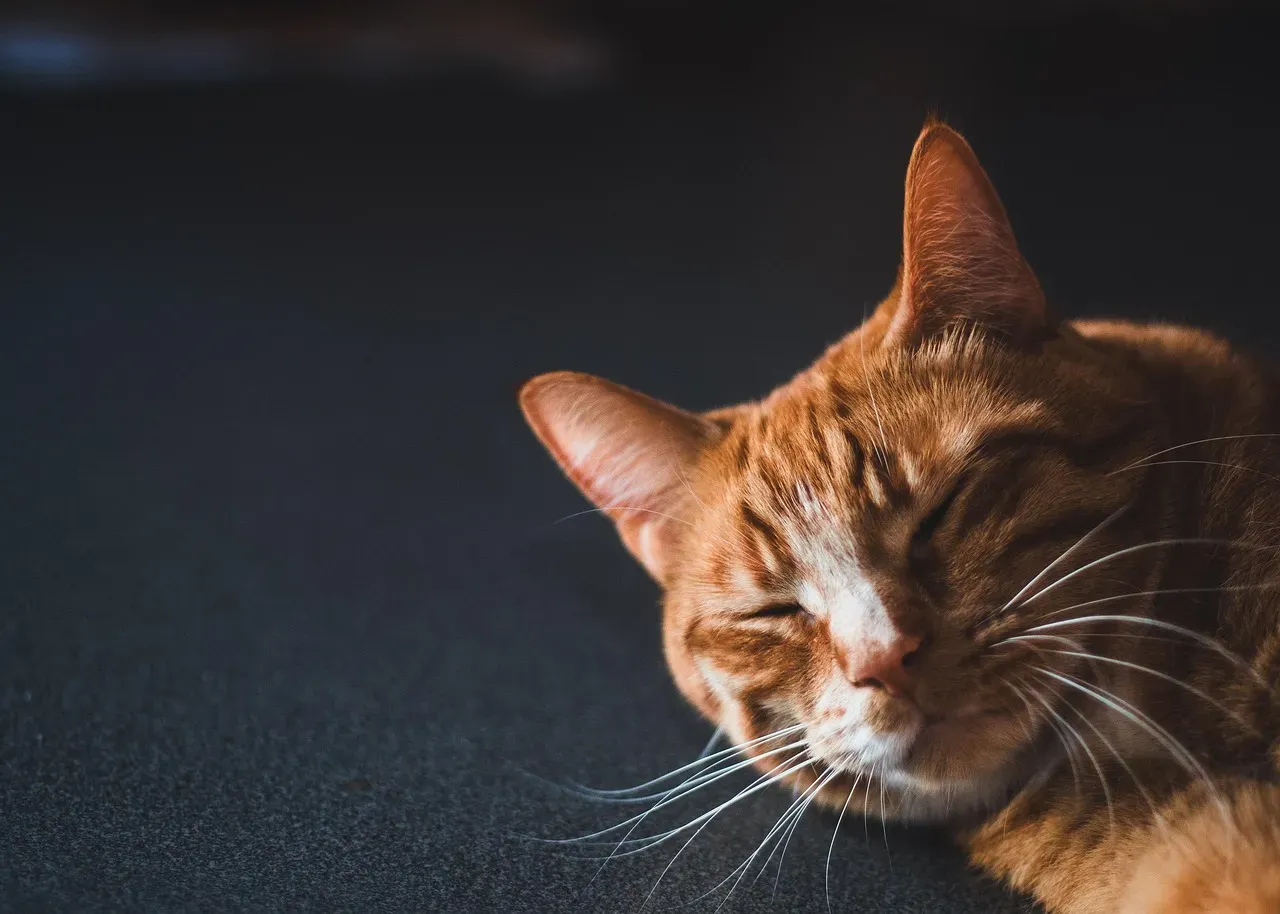
Here is the thing – your cat’s incredible sleep schedule is not accidental. As descendants of wild predators, cats inherited a sleep-wake pattern quite different from ours. In the wild, their ancestors needed to conserve energy for hunting, a high-energy activity, and that energy-conservation strategy has carried over into the domestic cats we know today.
Cats sleep and wake frequently throughout the day and night because, in the wild, they need to hunt as many as 20 small prey each day. They must be able to rest between each hunt so they are ready to pounce quickly when prey approaches. Your pampered house cat sleeping beside your laptop is, at its core, a highly efficient predator managing its energy reserves. I think that is honestly one of the coolest evolutionary facts about them.
The Two Sleep Stages That Define Your Cat’s Night
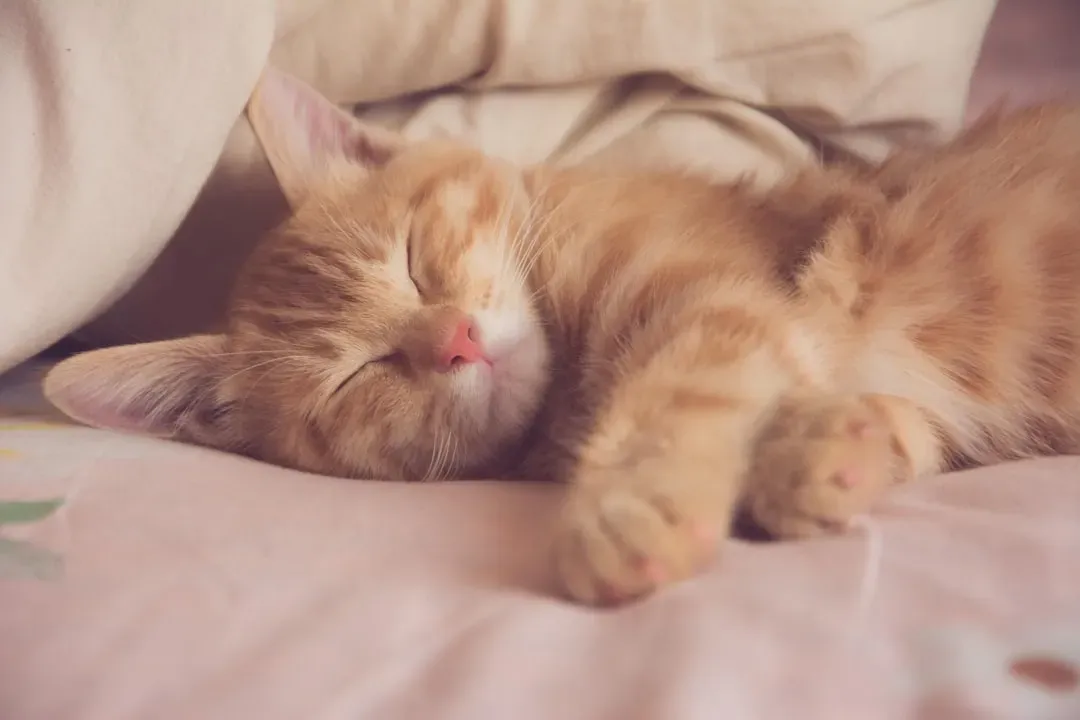
During a nap, your cat rotates through two primary sleep phases: REM and NREM (non-REM sleep). Your cat will start with an initial light sleep known as NREM, resting quietly but still remaining aware. Occasionally, you might even see your cat with an eye partially open during this stage. If all remains quiet, they will move into the REM stage and drift into a deeper sleep.
Deep sleep occurs for the rest of the time your cat is sleeping and is a crucial stage, responsible for the rebuilding and repairing of the body. NREM sleep may help the body recharge and conserve energy, while REM sleep can help regulate emotions and other recovery processes. It is a beautifully balanced system, really – one half physical repair, one half something far more fascinating.
The REM Revolution: When Your Cat’s Brain Lights Up
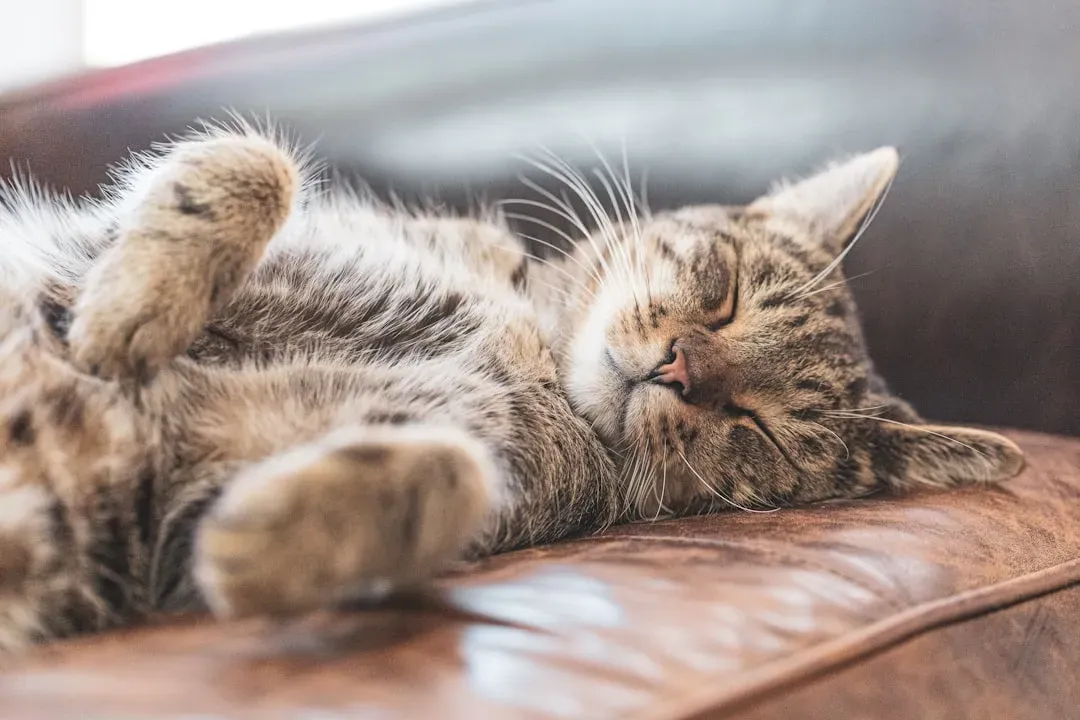
REM is short for rapid-eye movement, a stage of sleep where the brain lights up with electrical activity. Research has shown that cats, and most mammals, cycle between REM and NREM sleep just as we do. The significance of this cannot be overstated – it is the very foundation for why scientists believe cats genuinely dream.
The REM phase is when your cat’s brain processes and reacts to the day’s events, with brain activity during this phase resembling that of being fully awake. REM sleep makes up most of your cat’s sleep time and occurs within 20 minutes of them falling asleep. So that twitchy little moment you notice barely 15 minutes after your cat dozes off? That is already the dream world kicking in.
So, Do Cats Actually Dream? What Science Tells You
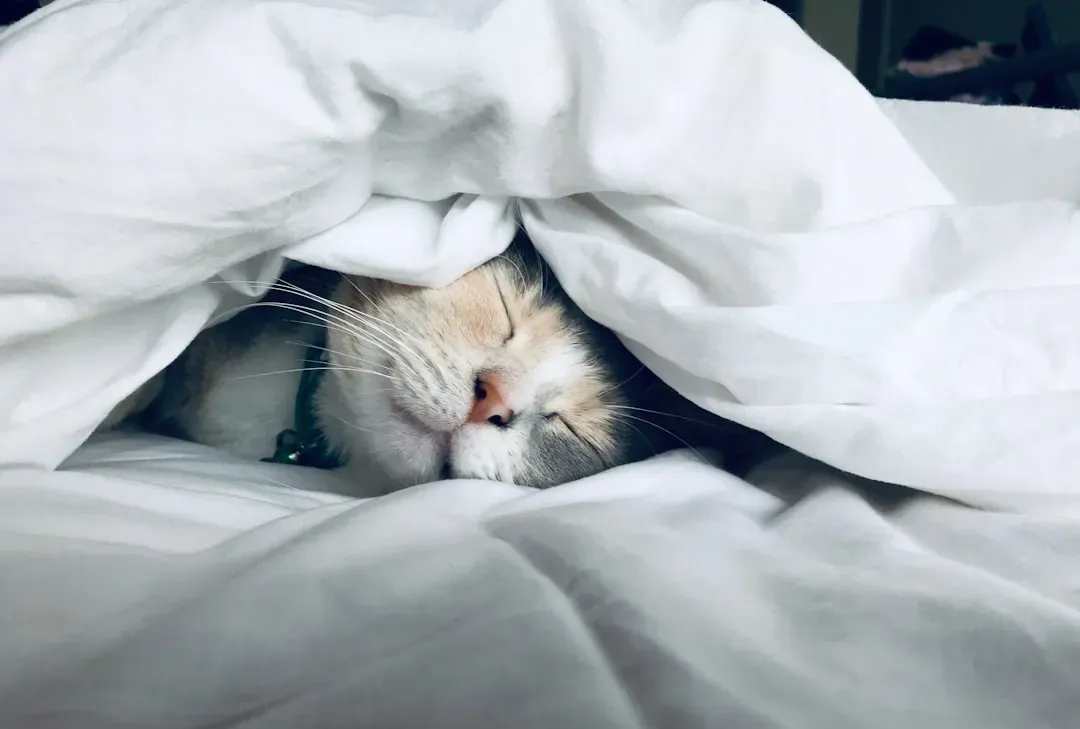
The simple answer is that yes, like most other mammals, cats do dream, as it is an important phenomenon that helps the brain to process the activities of the day. Dreaming occurs primarily during REM sleep, when the brain shows activity similar to wakefulness. The deeper question – what exactly they dream about – is where things get genuinely thrilling.
In the 1960s, sleep researcher Michel Jouvet conducted a breakthrough study and found that when a cat’s brain lost its REM-related muscle paralysis, the cat would “act out” its dreams. While still asleep, it pounced, swatted, and hunted invisible prey – all while lying on the lab floor. I know it sounds crazy, but that experiment essentially proved that cats are not just resting. They are experiencing something.
What Your Cat Is Probably Dreaming About
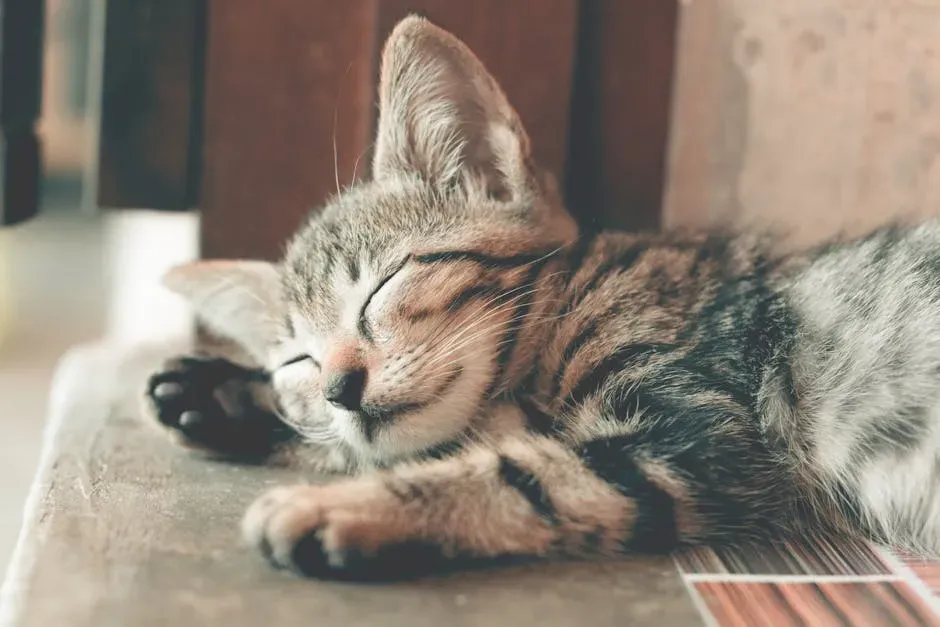
Although the specifics of a cat’s dreams are unknown, it is likely that their brain is reviewing the day’s activities, consolidating memories, and processing various experiences. Dreaming helps to reinforce learning, retain memories, and may even serve as a form of enrichment, allowing your cat to imagine scenarios such as catching mice.
The hippocampus, which processes memory and learning, lights up during REM in cats just like in humans. This tells us they might be processing memories, replaying routines, or reinforcing learned behaviors. So if your cat chased a toy mouse all day, there is a good chance she is dreaming about it later. An even more intriguing idea is that animals might dream using more senses than humans do. Because smell is very important for both cats and dogs, their dreams might focus more on odors than ours. Imagine a dream made mostly of scent. That is a strange and wonderful thought.
Can Your Cat Have Nightmares?
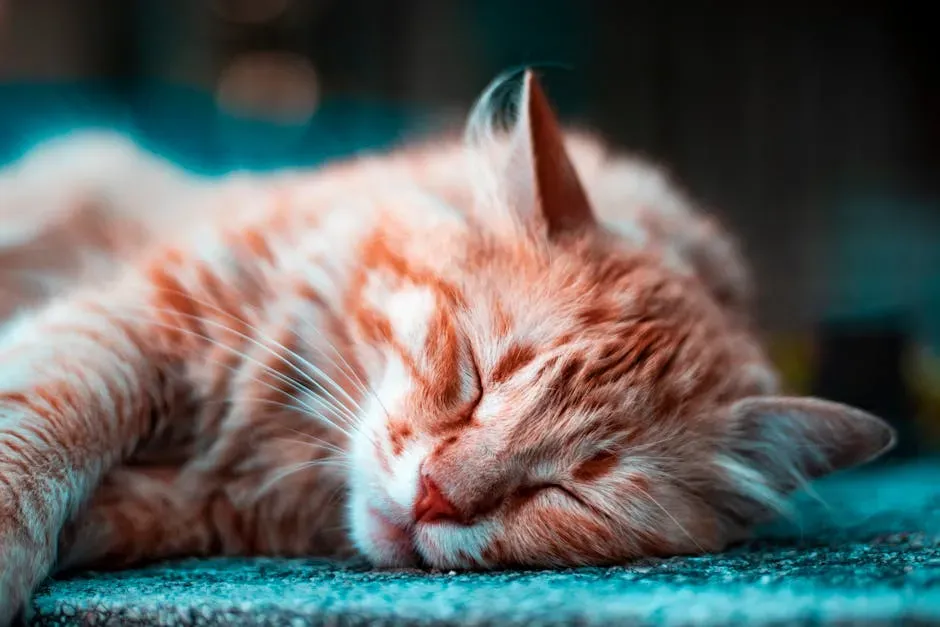
There is no hard scientific proof that cats experience nightmares the way humans do, but there is also no evidence ruling it out. What we do have are strong behavioral signs and expert opinions suggesting that cats can experience negative dreams, especially when they have been through something stressful or traumatic.
Cats with a history of trauma, abuse, or significant stress may be more prone to disturbed sleep. Research on post-traumatic stress in animals suggests that distressing experiences can be replayed during REM sleep, much as they are in humans with PTSD. You should never try to wake your sleeping cat during what appears to be a bad dream, as they will be confused and may lash out. It will also disturb their natural sleep cycle, which they will not thank you for.
Reading the Signs: What Your Cat’s Sleep Behavior Is Telling You
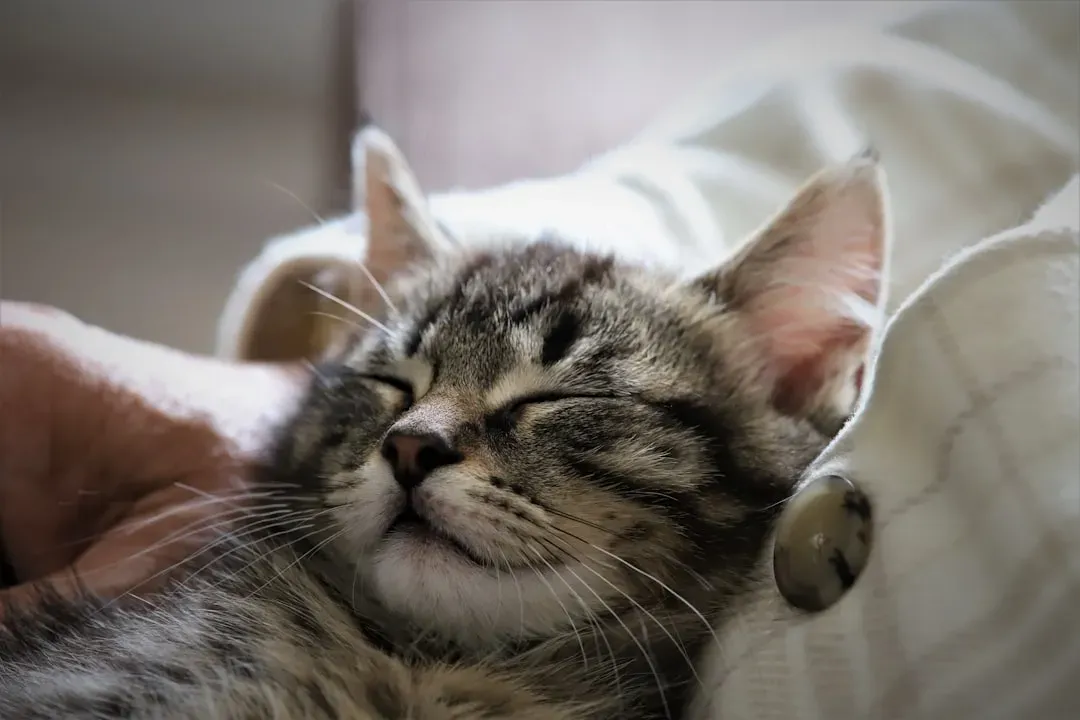
Common signs that your cat is dreaming include twitching paws, flickering eyelids, whisker movements, soft vocalizations like chirps or quiet meows, and rapid eye movements visible beneath closed lids. These behaviors typically occur 15 to 20 minutes after your cat falls asleep, once it has entered its first REM cycle.
Honestly, once you know what you are looking for, watching a dreaming cat becomes one of the most entertaining things in the world. In most cases, twitching during sleep is not a cause for concern – rather, it is a sign that your feline friend is having a particularly vivid dream. However, while there is no definitive proof, many veterinarians believe cats can experience unpleasant dreams. Cats that wake suddenly with dilated pupils, hissing, or signs of distress may have experienced something similar to a nightmare, especially if they have a history of trauma or chronic stress.
How Your Presence and Routine Shape Your Cat’s Sleep
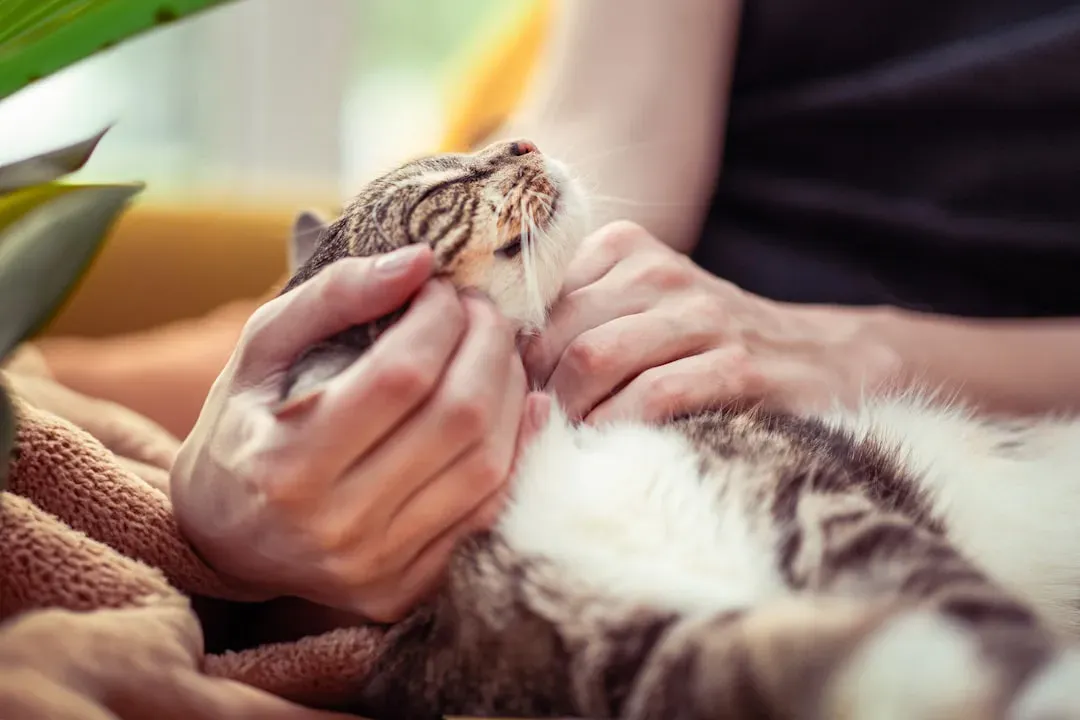
Feeding times, play, and human routines strongly influence when indoor cats choose to sleep or wake. Cats are highly adaptable, especially when it comes to social routines and expectations. While their internal rhythms are rooted in biology, they are also influenced by the habits of the humans they live with.
Cats often choose sleeping spots near their owners, even if they are not fully asleep themselves. This proximity may offer warmth, security, or social comfort. From an evolutionary standpoint, resting near a trusted companion provides protection against threats. Cats often form strong bonds with their human companions during sleep, and this bonding can manifest as seeking warmth, comfort, or security – demonstrating high trust and affection. So yes – your cat choosing to sleep next to you is not random. It means something.
Conclusion: The Sleeping Cat Knows Something You Don’t
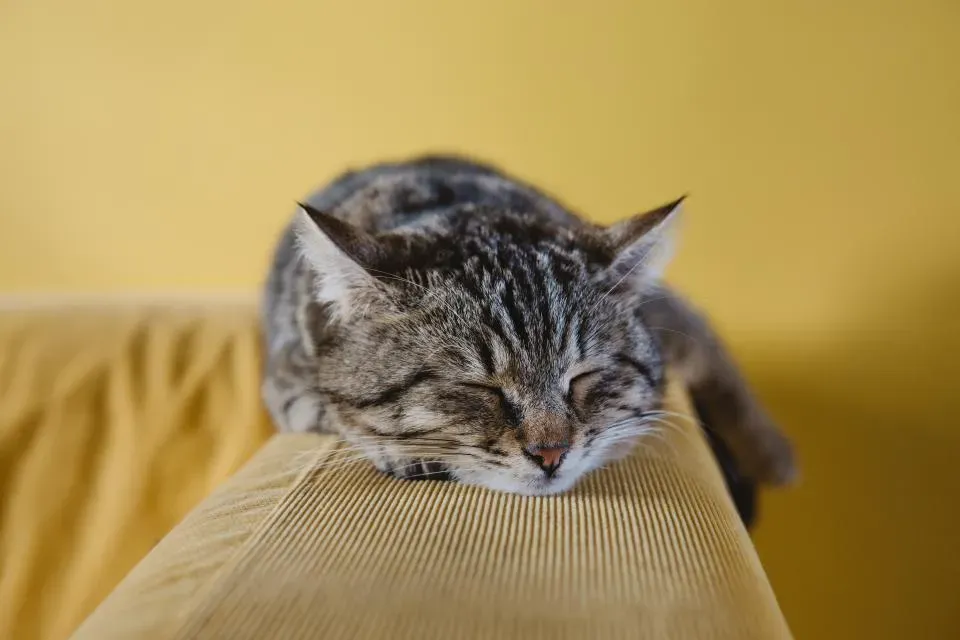
Your cat is not just a passive lump of fur recharging on your sofa. They are cycling through scientifically documented sleep stages, replaying their memories, possibly dreaming in scent and sound, and may even be reliving moments shared with you. Sleep, for a cat, is as rich and purposeful as it is for any creature on earth.
The next time your cat settles in for a nap and you notice that little paw start to twitch, take a moment. Multiple lines of evidence make a strong case that cats replay waking experiences during sleep – a process linked with memory consolidation – suggesting your cat’s brain appears to be rehearsing moments that mattered, including stealthy stalks, ambush pounces, and treasured cuddles.
Whether or not your cat dreams specifically of you may never be proven by science. But the evidence strongly suggests they dream of what they love most – and if you are lucky enough to be one of those things, that is a pretty remarkable thought to fall asleep to. So what do you think – does your cat dream of you? Drop your thoughts in the comments and share what you have noticed in your own cat’s sleep.