You know that feeling when your cat suddenly freezes, stares at something strange… and then snaps their eyes up to your face, as if asking, “So, is this safe or not?” You might have brushed it off as random cat weirdness, but research suggests something deeper is going on. Your cat may actually be using your face as an information source, reading your expression and voice to decide what to do next. When you start to see those looks as questions instead of blank stares, your whole relationship with your cat shifts. You are not just the can opener; you are the “emotion interpreter” for their world, especially when things feel uncertain or new. Once you understand that, it becomes easier to respond in ways that actually help your cat feel secure, confident, and more connected to you.
Why Your Cat Stares at You When Something Feels “Off”
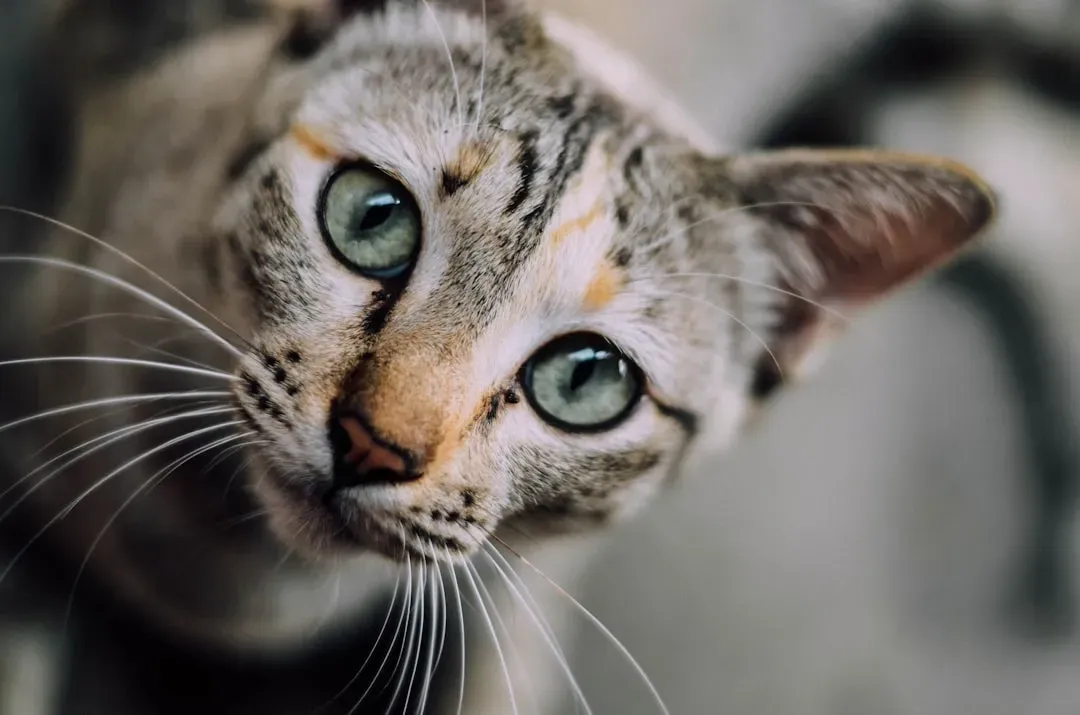
Picture this: a loud appliance turns on, a new person walks in, or you bring home a strange object. Your cat looks at it… then at you… then back again. In feline psychology, that pattern is called referential looking, and it suggests your cat is literally checking your reaction before deciding if they should approach, flee, or ignore. Studies have found that many cats in uncertain situations do exactly this: they alternate their gaze between the unfamiliar thing and their human, and then adjust their behavior based on what you seem to feel. ([pubmed.ncbi.nlm.nih.gov](https://pubmed.ncbi.nlm.nih.gov/25573289/?utm_source=openai)) You see this most clearly with potentially scary but not obviously life-threatening things: a fan, a strange noise, a new toy, a visitor standing in the hallway. If your face and voice stay calm, your cat is more likely to relax, explore, or at least not panic. If you tense up, gasp, or sound worried, your cat is more likely to retreat, freeze, or avoid. Your cat is not being dramatic; they are using you as a living “emotional weather report” about the world.
How Social Referencing Works in Cats (Yes, It’s a Real Thing)
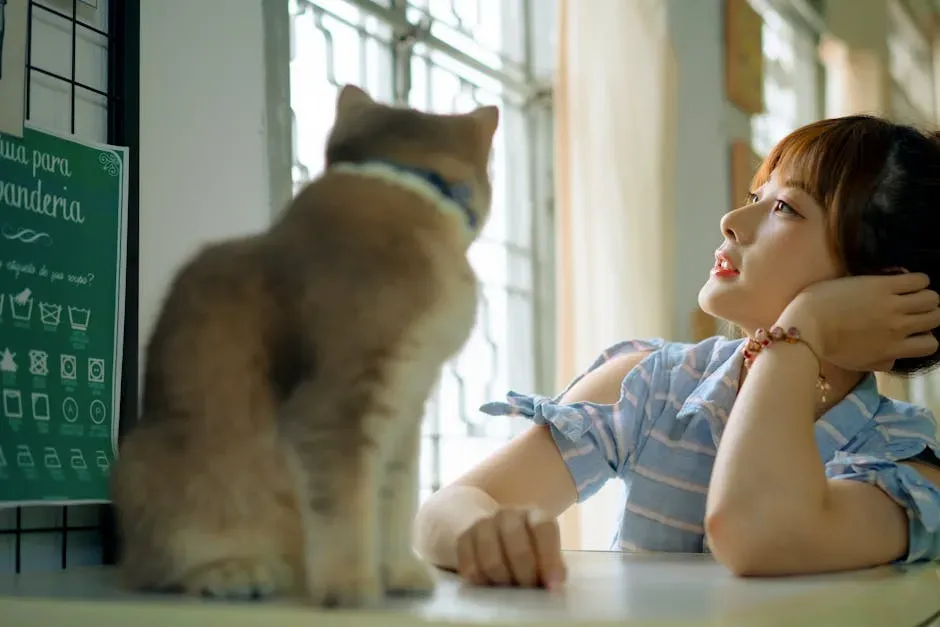
Social referencing is a fancy term for something you see in toddlers all the time: they look at a caregiver’s face to decide how to feel about a new situation. Researchers have found that cats do a version of this with their owners too. When presented with a strange object or ambiguous situation, many cats will look at the object, then look at their person’s face, and then behave differently depending on whether the person is acting positive or negative. ([pubmed.ncbi.nlm.nih.gov](https://pubmed.ncbi.nlm.nih.gov/25573289/?utm_source=openai)) For you, that means your expressions and tone are not just background noise; they are cues your cat actively uses. If you smile, speak softly, and move with easy, relaxed gestures, your cat is more likely to approach and investigate. If you frown, tense your body, or speak in a sharp, anxious tone, your cat is more likely to avoid the situation. You might think you are only reacting for yourself, but your cat is quietly taking notes.
Unfamiliar Situations: When Your Face Matters Most
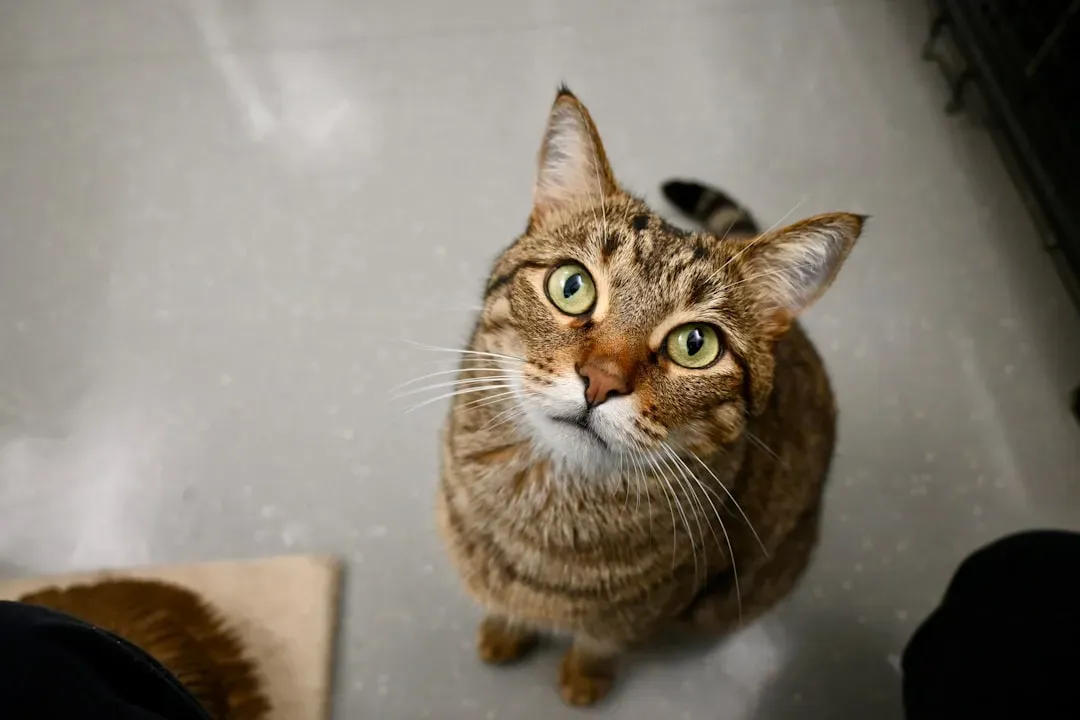
Your cat probably will not bother to study your face when you are doing the usual: grabbing a snack, scrolling your phone, turning on a familiar light. But drop them into a new environment – a vet clinic, a friend’s apartment, a noisy hotel room – and you will often see that look: wide eyes, scanning the space, then locking on your face. Research on cats in novel environments shows that they tend to seek proximity and contact with a trusted person more after being left alone or startled, which suggests they treat you as a secure base when the world feels strange. ([sciencedirect.com](https://www.sciencedirect.com/science/article/pii/S0376635724000044?utm_source=openai)) In those moments, your cat is not just being clingy. They are actively gathering information: Are you relaxed or stiff? Are you talking in a playful, gentle way or in short, stressed bursts? Even something as simple as you sitting calmly on the floor and blinking slowly can tell your cat that the room, while foreign, is not dangerous. Your calm becomes their compass, and when you realize that, you can start to use your behavior deliberately to help them cope.
What Your Cat Actually Sees When It Looks at Your Face
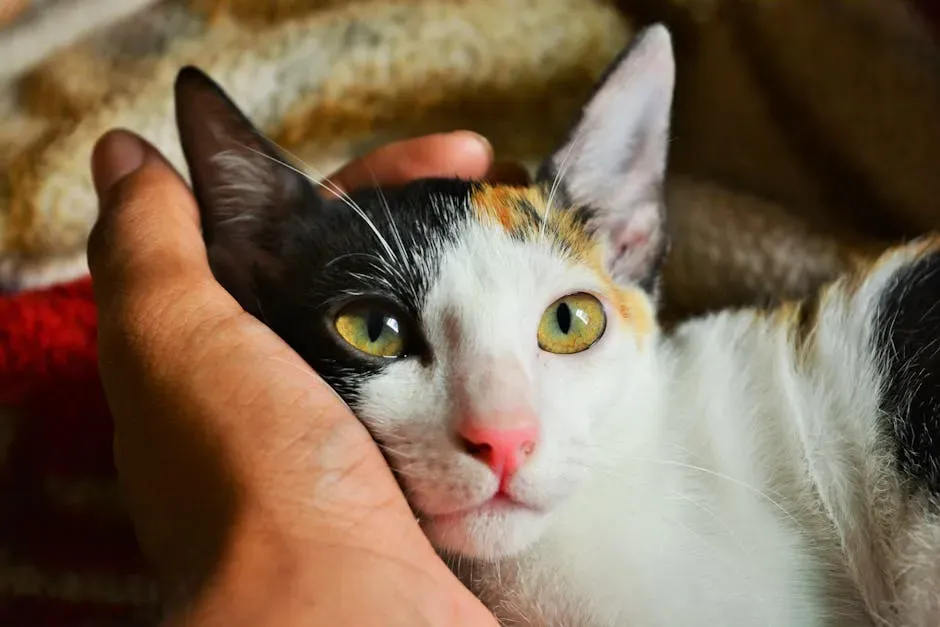
You might wonder if your cat truly “recognizes” your face the way another human would. Cats probably lean more on a mix of cues – your voice, smell, gait, and overall silhouette – than on a perfect mental photo of your features. That said, research shows cats can distinguish their owner’s voice from a stranger’s and can tell when speech is directed specifically at them, which means they are tuned in to you as an individual, not just a generic human. ([sciencedirect.com](https://www.sciencedirect.com/science/article/pii/S0376635724000044?utm_source=openai)) When your cat stares at your face in an uncertain moment, they are likely reading a whole bundle of signals: your eyes, the tension in your jaw, your breathing, your tone. Think of your face as a live “status dashboard” your cat has learned to read over time. Just as you learn the difference between their soft blink and their dilated, fixed stare, they are learning the difference between your relaxed grin, your distracted frown, and your tight, worried look. You both become quiet experts in each other’s micro-expressions, without ever talking about it.
Body Language: How You Accidentally “Answer” Your Cat’s Question
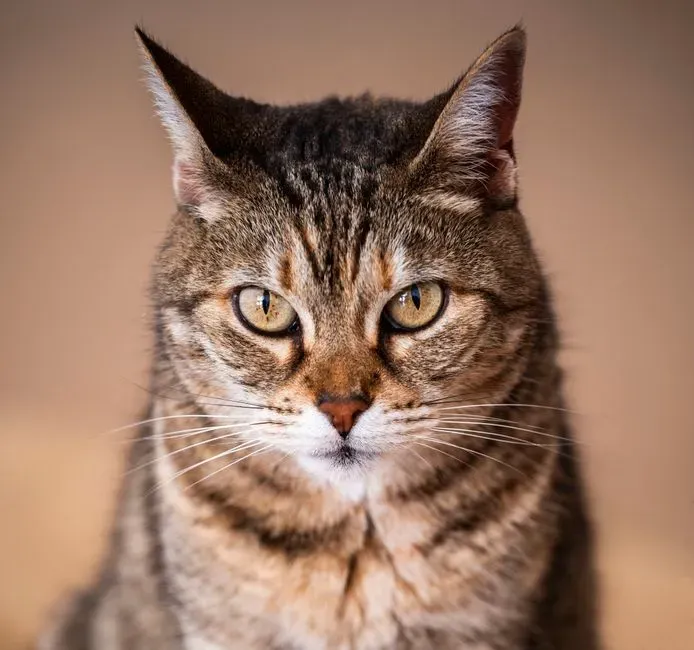
When your cat checks your face, they are rarely looking at your face alone. Studies on human–cat communication suggest that cats respond best to a combination of cues: your gaze, your gestures, how you move your hands, and the sounds you make. For example, cats are able to follow human gaze and pointing gestures to find food or pay attention to something, which means they are used to treating your body as a guidepost in their environment. ([sciencedirect.com](https://www.sciencedirect.com/science/article/abs/pii/S0160289618300035?utm_source=openai)) So when you lean toward a strange object while smiling and speaking in a cheerful, silly voice, you are effectively telling your cat, “This thing is fine, I’m not worried.” If you freeze, narrow your eyes, and stare at the same object with clear tension, you are telling them, “Alert, something could be wrong here.” Think of yourself as an interpreter standing between your cat and the unknown. You are constantly – often unconsciously – translating the world for them with your posture, tone, and micro-movements.
How Your Cat Learns to Trust (or Ignore) Your Signals
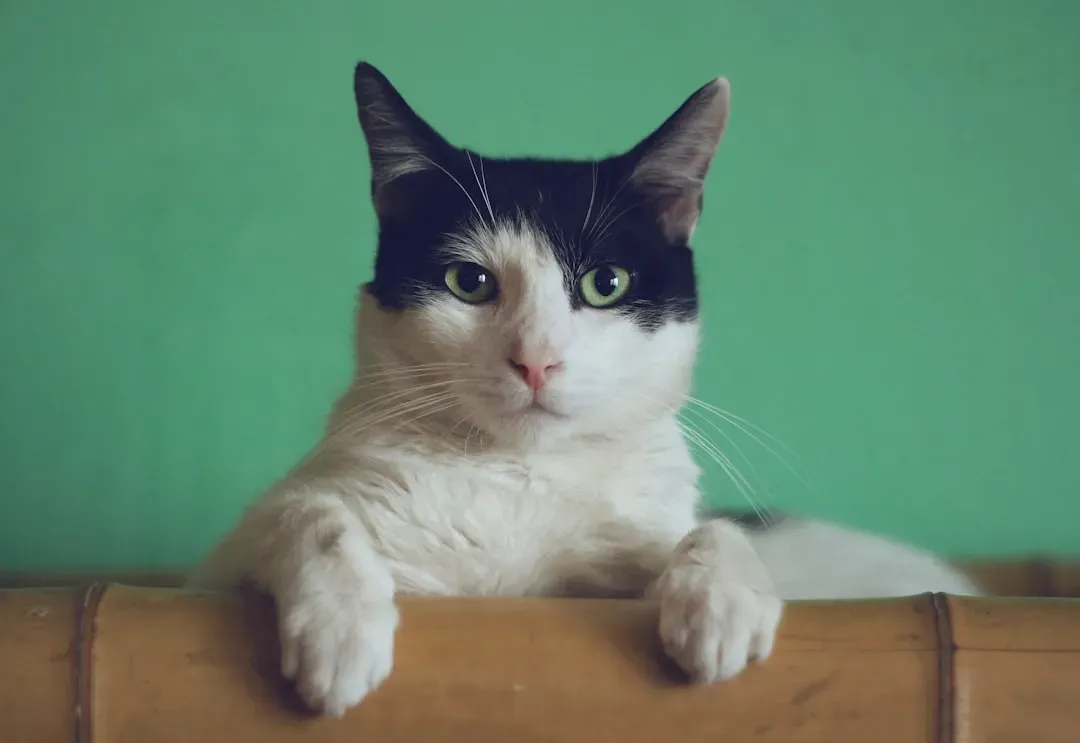
Your cat was not born knowing that your calm smile means “no big deal.” They learn it through repetition and patterns. If, over and over, your relaxed reactions are followed by safe outcomes, your cat builds a mental rule: when you look unworried, it is probably safe to approach or chill out. If your reactions are inconsistent – calm sometimes, panicked at other times for no clear reason – your cat’s “trust” in your emotional information can get a bit fuzzier. Over time, your cat may become very good at filtering what really matters. They might learn that you always overreact to certain harmless sounds, so they stop pairing your alarm with actual danger. Or they might pick up that your soft laugh usually coincides with fun, like toys or treats, so they approach more eagerly when they see that expression. You are not just feeding your cat; you are training their sense of what your emotional signals are worth.
Practical Ways to Reassure Your Cat in New or Stressful Moments
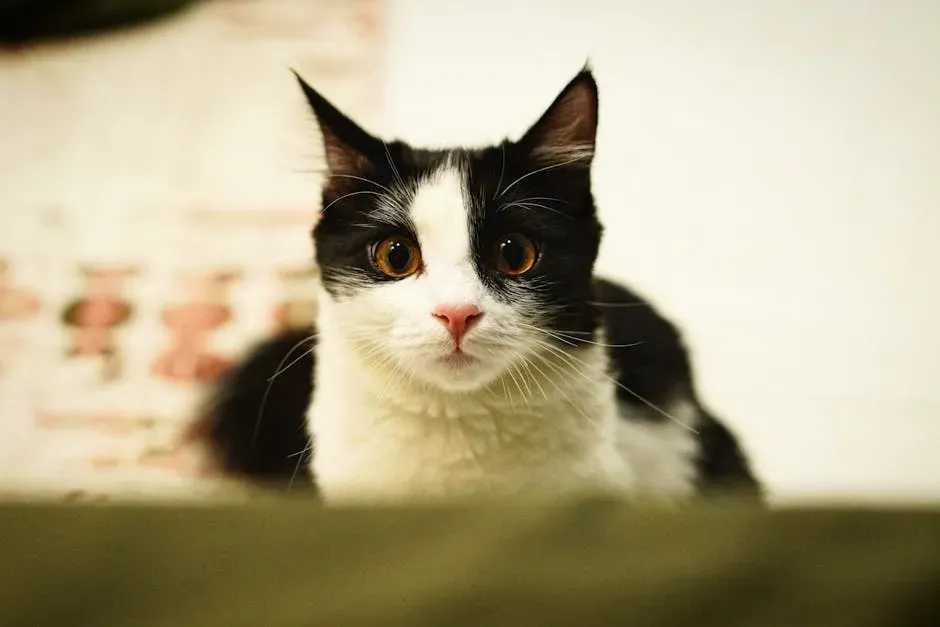
When you notice your cat staring at your face in an unfamiliar situation, you can treat it as a little invitation: “Tell me how to feel about this.” One of the simplest things you can do is deliberately soften your expression, lower your shoulders, and let your body language stay loose and unhurried. Pair that with a warm, gentle tone – talking to your cat the way you would to a nervous child trying something new – and you give them a consistent “all clear” message that the world isn’t ending. If the situation really is ambiguous – say, a new pet, a loud repair job, or a hotel room during travel – try anchoring your cat with predictable rituals: put out a familiar blanket, offer a treat, sit on the floor so you are on their level. Let them come to you instead of scooping them up every time they look worried. By staying physically available and emotionally steady, you turn yourself into a portable safe zone your cat can return to as they slowly explore the unfamiliar space.
Reading Your Cat’s Response: Are They Using Your Info or Their Own?
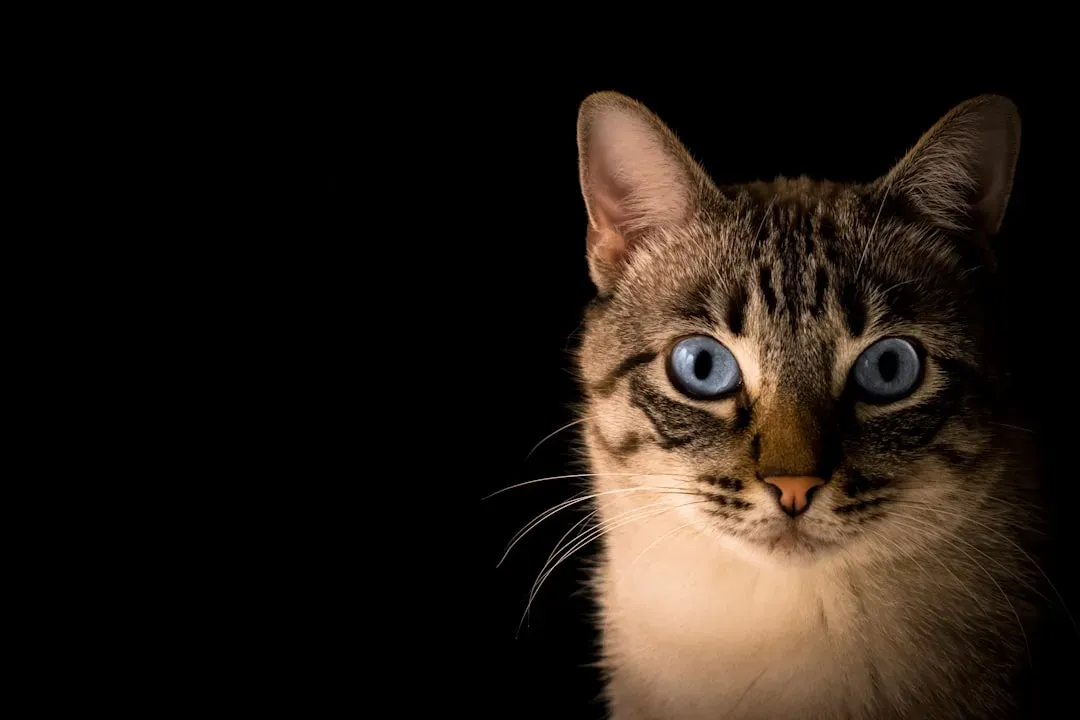
Your cat is not a robot that blindly follows your signals; they weigh your emotional information against their own instincts. Research suggests that cats’ responses in strange situations are shaped both by their relationship with you and by their individual personalities. Some cats cling to their humans as a secure base, while others stay more independent, even when startled or unsure. ([sciencedirect.com](https://www.sciencedirect.com/science/article/pii/S0376635724000044?utm_source=openai)) You can see this in practice when your cat watches your face, then decides to do the opposite of what you might expect. Maybe you act calm around the vacuum and they still bolt, or you act mildly uneasy about a big dog and your cat marches up to sniff it anyway. In those moments, your cat is not ignoring you; they are just balancing your emotional cues with their own sensory input and temperament. The more you watch your cat watching you, the better you get at spotting which situations they are willing to “let you decide” and which ones they insist on judging for themselves.
Strengthening Your Bond by Becoming “Emotionally Reliable”
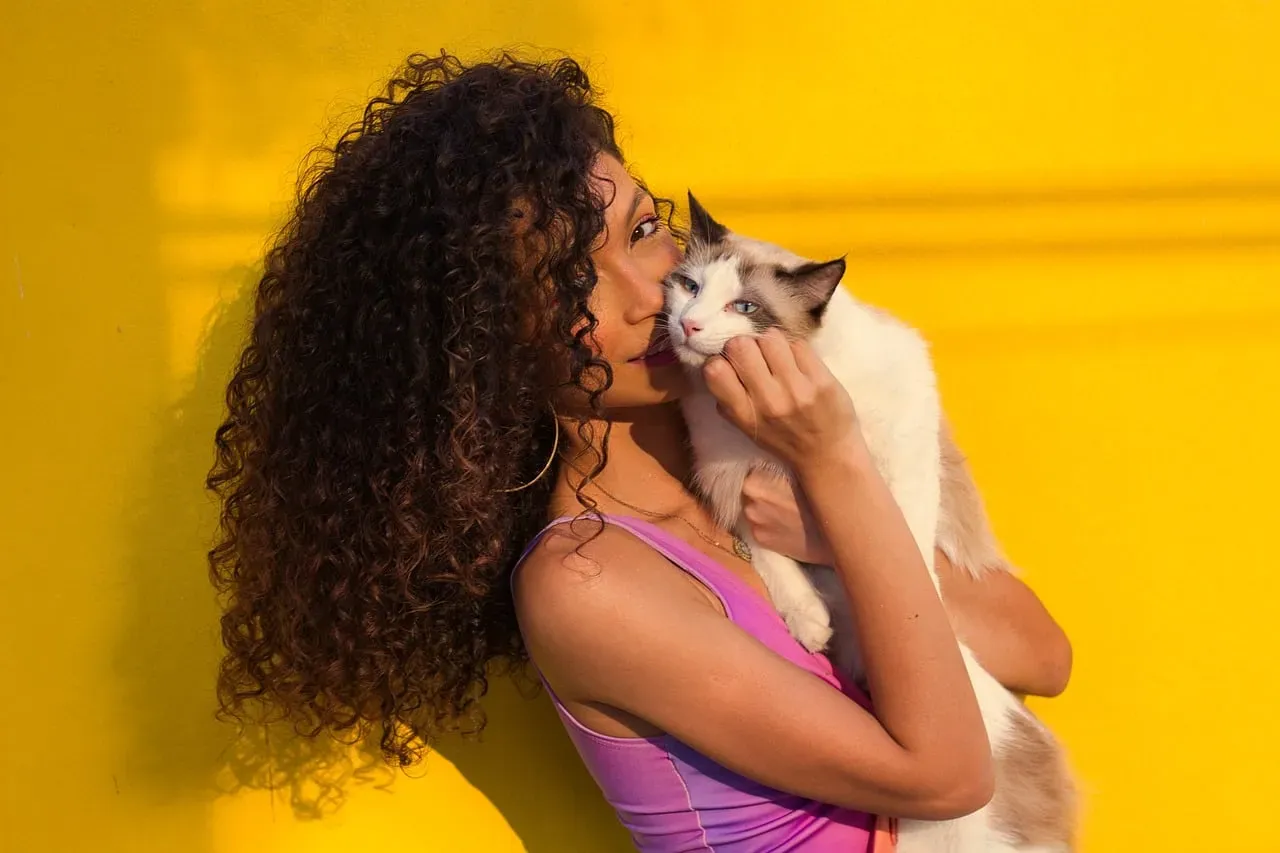
When you start seeing your face as part of your cat’s safety system, you may find yourself being more intentional about how you react. If you stay relatively steady during vet visits, thunder, or weird house noises, you are not just soothing yourself – you are sending a clear, repeatable message your cat can lean on. Over months and years, that consistency can deepen their sense of security with you, a bit like how a child relaxes around an adult who does not panic at every bump in the night. ([mdpi.com](https://www.mdpi.com/2076-2615/13/9/1528?utm_source=openai)) Personally, once I started treating my own reactions as “signals” instead of just background, I noticed my cats adjusting more quickly in new places. When I made a conscious effort to keep my movements calm and my tone light, they explored hotel rooms sooner, hid less during repairs, and checked in with me more briefly before heading back to investigate. You do not have to be perfect, and you will have your jumpy days, but even trying to be emotionally reliable can make you feel more like a partner in your cat’s inner world and less like a bystander.
Conclusion: When Your Cat Looks at Your Face, Look Back With Intention
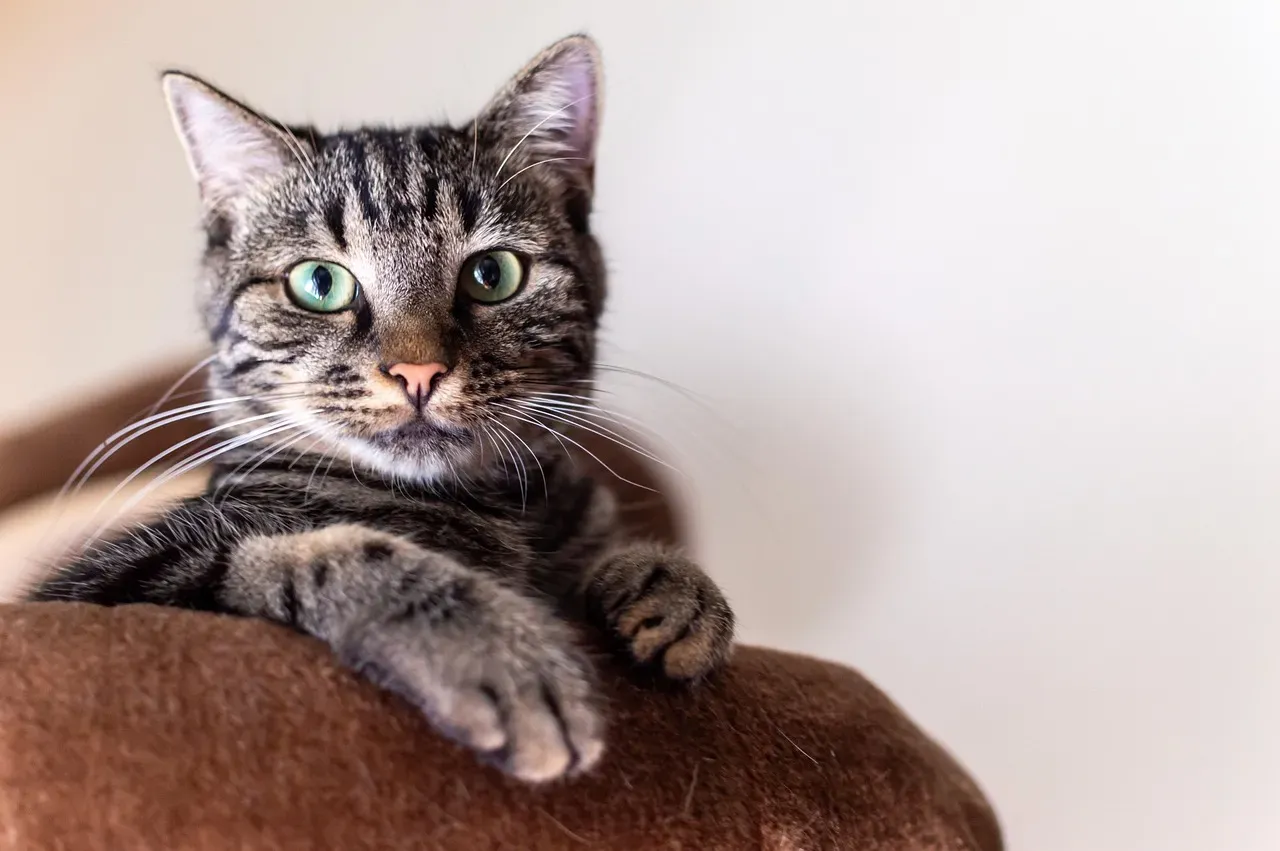
The next time your cat locks eyes with you in a strange or tense moment, you can assume there is more happening than a random stare. They may be quietly asking you for emotional information, weighing your expressions and tone against their own instincts before they decide what to do. In that instant, your face is not just decoration; it is a guidepost. By staying aware of how you look and sound during unfamiliar situations, you can turn those tiny moments of eye contact into powerful reassurance. You become the steady point in a shifting world, the one presence your cat can read and rely on when everything else feels uncertain. And really, once you know your cat is watching you for answers, how could you not want to answer more thoughtfully?
Kristina is a young writer from India. An arts graduate and an avid content creator, Kristina is passionate about animals and wildlife. She enjoys exploring topics related to pet care, animal behavior, conservation, and nature, combining thorough research with engaging storytelling.