How You Accidentally Became Your Cat's Favourite Person
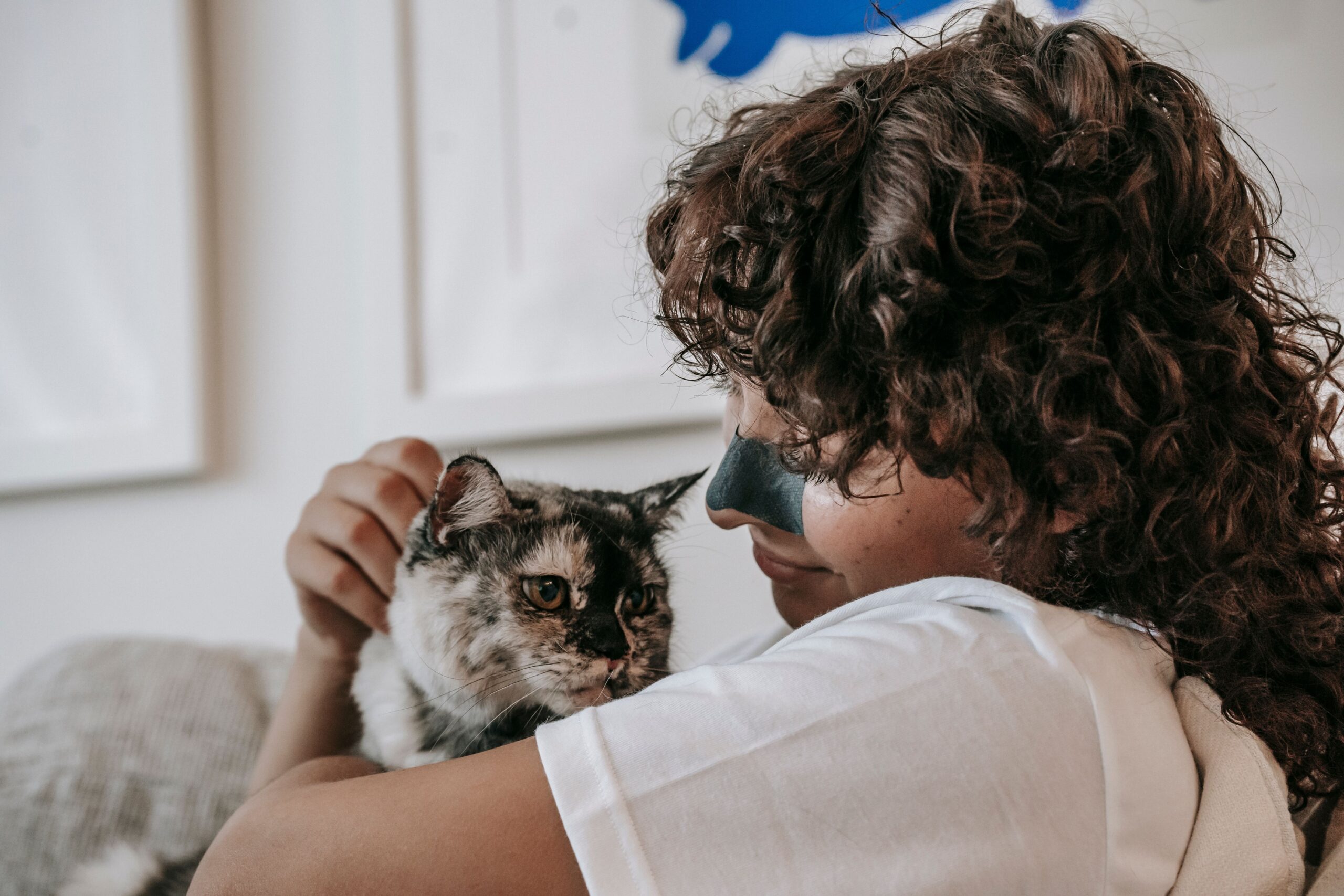
You didn't earn this. That's the uncomfortable truth nobody tells cat owners. You didn't do a single grand romantic gesture, you didn't train for it, and you definitely didn't apply for the job of "favorite human." And yet here you are, the chosen one, while your partner or roommate gets the cold shoulder every single day.
Cats don't fall in love the way dogs do, with tail-wagging obviousness the second you walk through the door. They audition you quietly, for months, sometimes years, and most people never even realize the test was happening. Here's the part that changes everything you thought you knew: the exact habits that won you this title are things you did completely by accident, and once you see them laid out, you'll never look at your cat's affection the same way again.
#1 - You Smell Like "Home Base" to Them
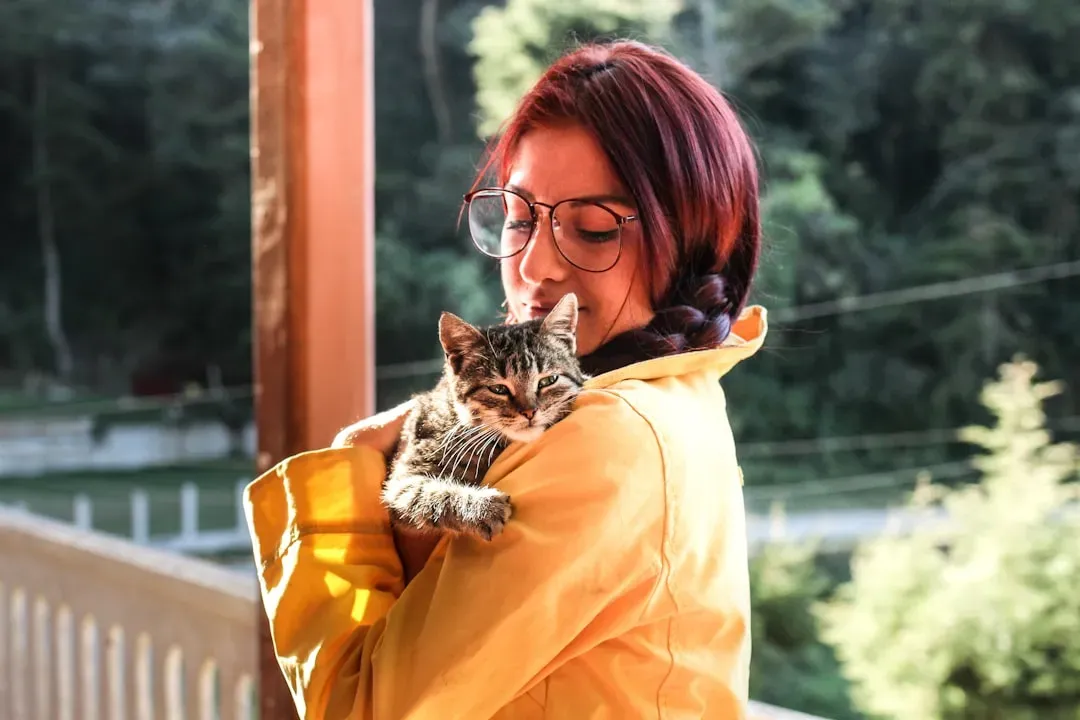
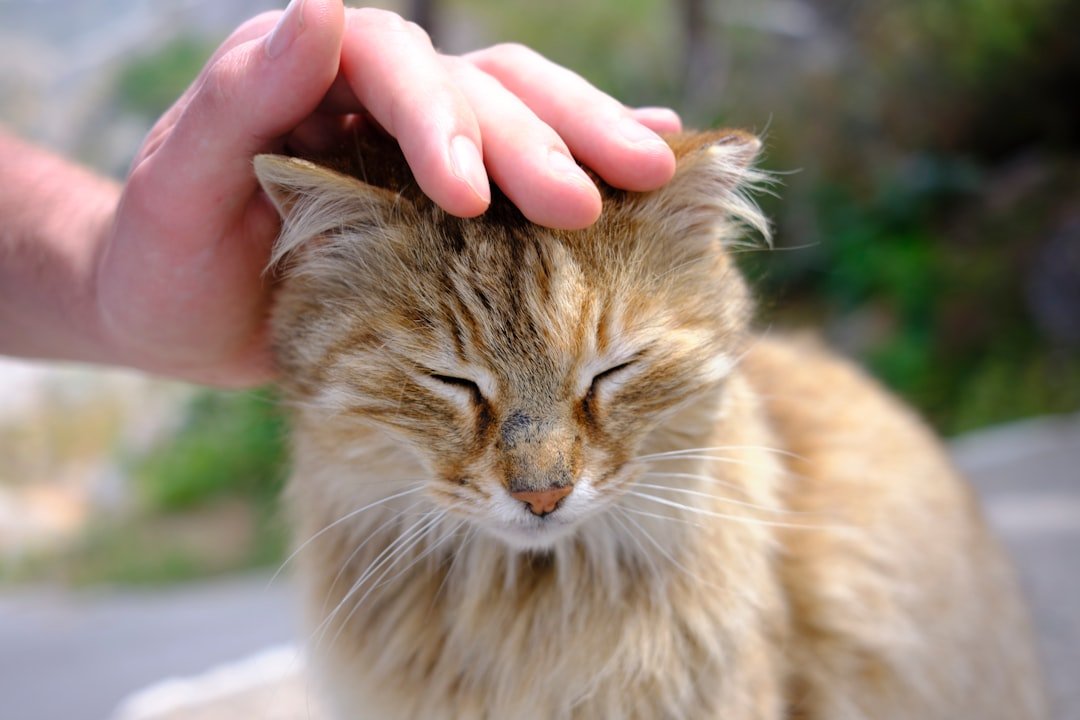
Cats don't fall in love with faces the way we do - they fall in love with scent profiles, and yours is stamped all over their nervous system. Every time your cat rubs against your leg, they're depositing pheromones from glands in their cheeks, marking you as part of their territory.
That headbutt isn't affection first - it's a scent claim. Over time, your smell becomes so tightly linked to safety that your cat's brain treats it like an anchor point in an unpredictable world. This is why cats often prefer the one person whose scent barely changes, the person who doesn't rotate through five different colognes or hop between gyms and offices all day. If you work from home, wear the same laundry detergent, or simply spend the most stationary hours in the house, you've unknowingly built a scent signature your cat associates with calm. That's the real reason they gravitate toward you when the doorbell rings or the vacuum comes out.
#2 - You Blink Slowly Without Even Noticing
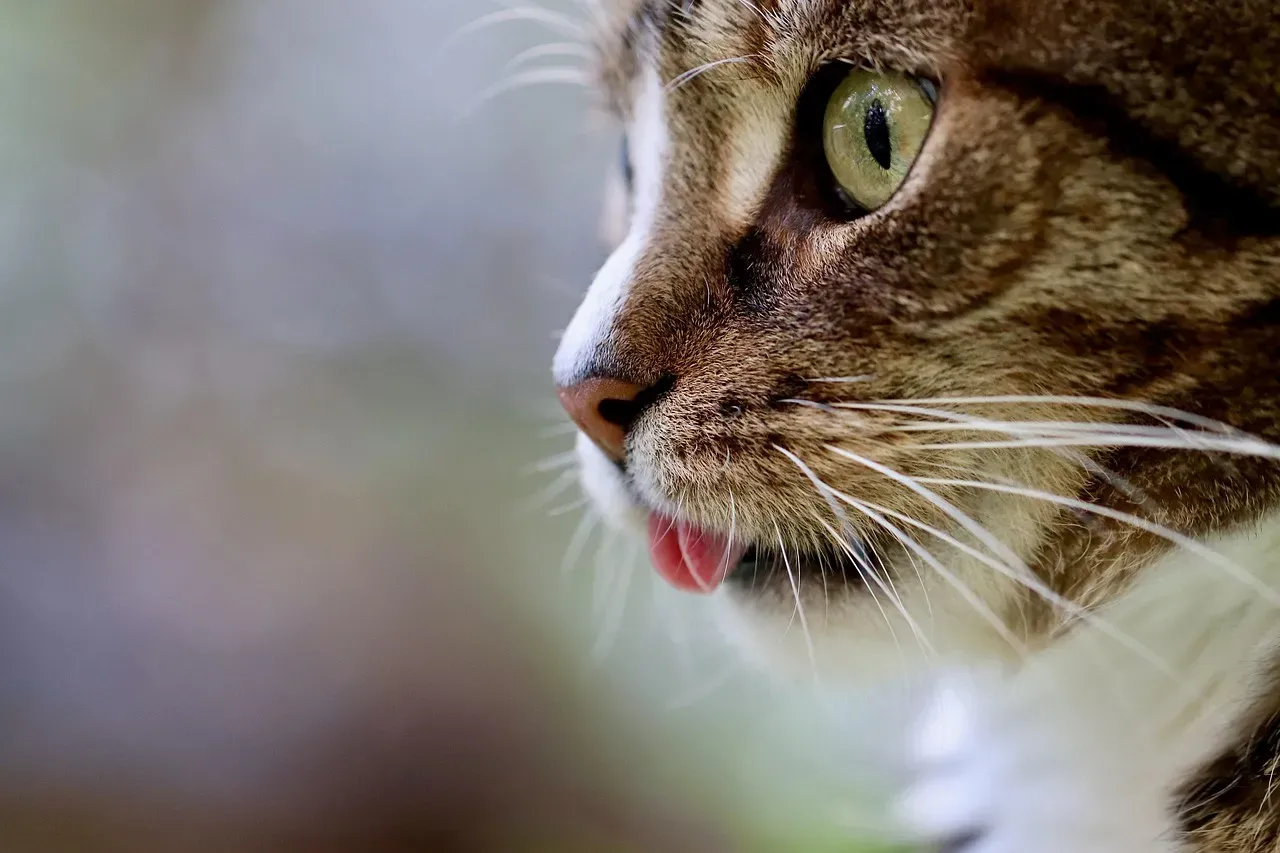
There's a reason cat behaviorists call the slow blink the closest thing cats have to a smile. If you do it instinctively, congratulations - you've been fluent in cat body language without ever knowing it.
A slow, deliberate blink signals to a cat that you're not a threat, and it's one of the few voluntary signals cats actually respond to on cue. Cats are far more likely to approach a person who slow-blinks at them than one who stares. Most people who become the "favorite" do this by accident. You glance at your cat, feel a wave of affection, and your eyes soften and half-close for a second - that's the exact gesture researchers observed cats reciprocating. It's a two-way conversation happening in silence, and your cat has been quietly grading your fluency every single day. But the next habit is even sneakier, because it has nothing to do with affection at all.
Fast Facts
- The slow-blink research came out of the University of Sussex and University of Portsmouth, with findings published in Scientific Reports.
#3 - You Feed Them at the Same Time, Even by Accident
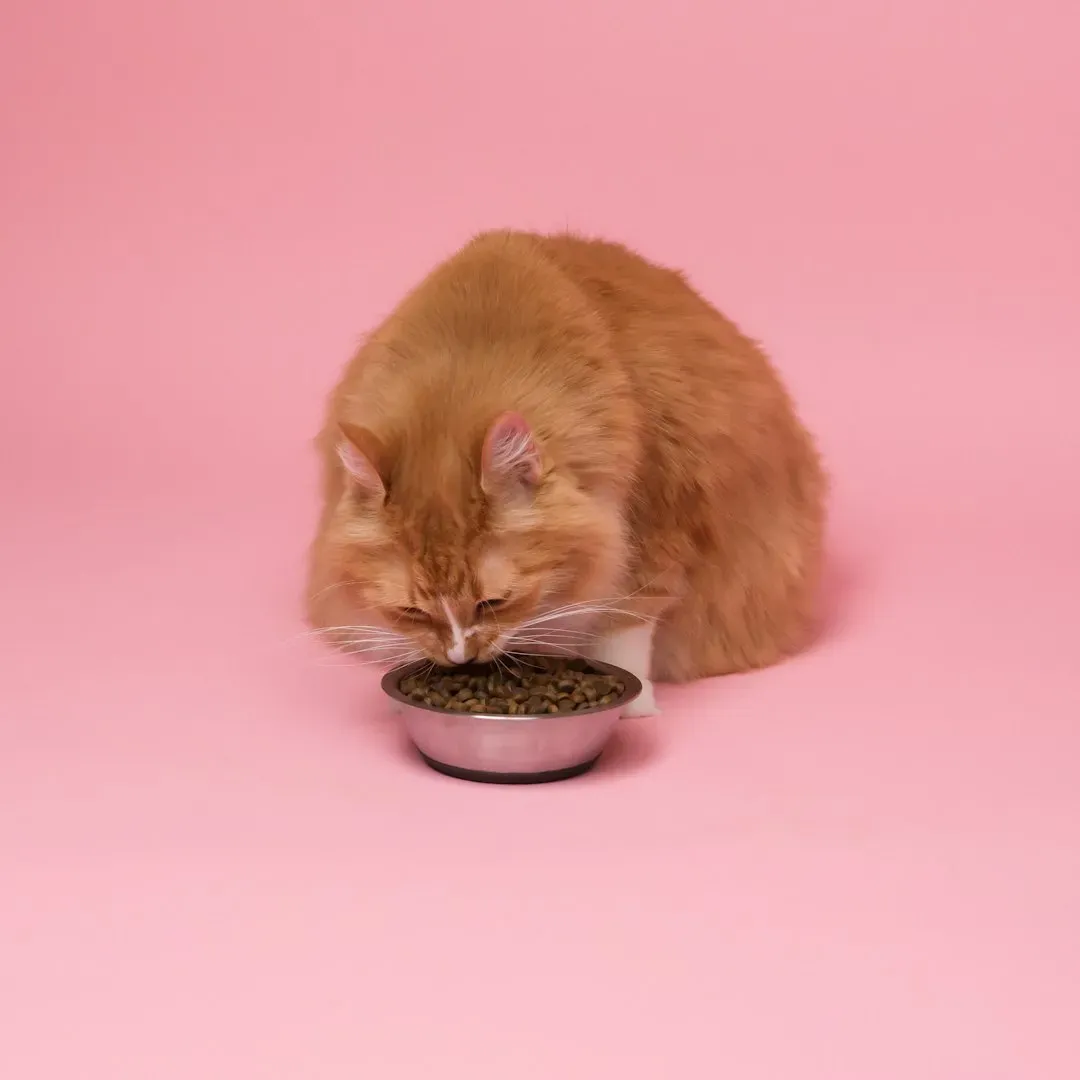
Cats are creatures of rigid internal clocks, and the person who feeds them consistently - even without meaning to build a "schedule" - becomes the most trusted figure in the house. It's not really about the food itself. It's about predictability.
A cat's nervous system calms down dramatically when it can anticipate what happens next, and if you're the one who's home at 7am and 6pm without fail, you've become a walking clock they can set their whole day by. This is why cats sometimes seem to "prefer" the person who feeds them over someone who plays with them more. Reliability beats excitement in the feline brain almost every time. If your schedule is boring and repetitive, that's not a flaw - to your cat, it's basically a love language.
#4 - You're the Calmest Presence in the Room
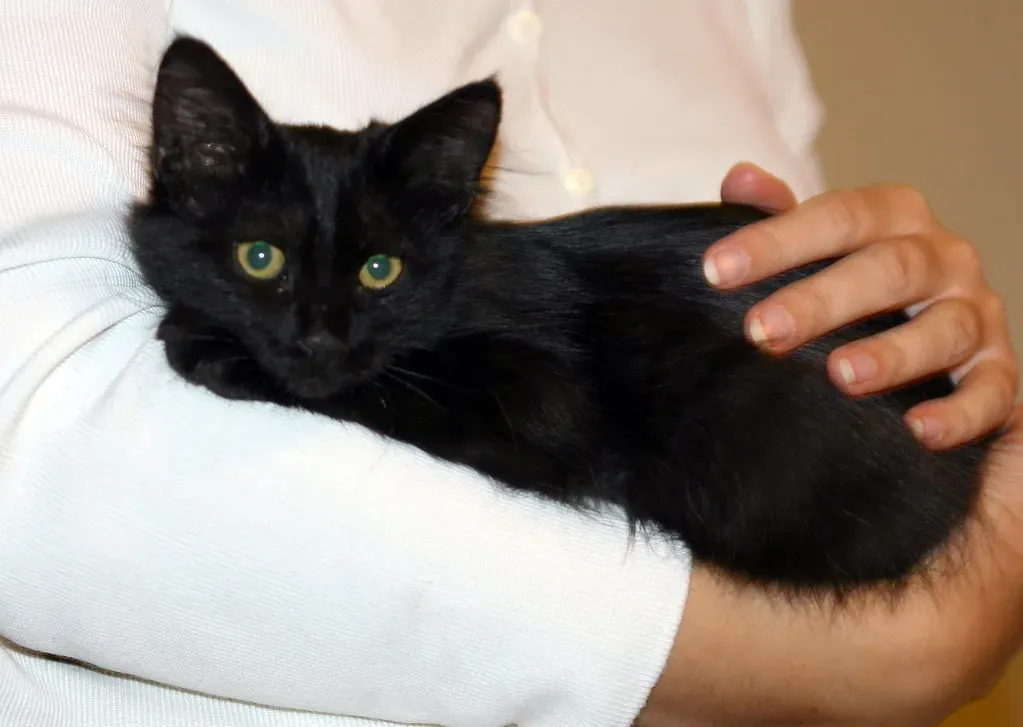
Cats are exquisitely tuned to human stress signals - heart rate, tension in movement, even the pitch of a raised voice - and they gravitate toward whoever radiates the least chaos. If you're the person who doesn't yell, doesn't make sudden movements, and tends to move through the house at a steady pace, your cat has likely marked you as the "safe" adult in a house full of unpredictable humans.
This isn't really about personality; it's about nervous system regulation. Cats mirror the energy of the person they trust most, which is why anxious cats often calm down the second their favorite person walks in the room. If you've ever noticed your cat sprinting to you during a thunderstorm or a loud argument, that's not coincidence. It's a learned pattern built from months of watching you stay unbothered while everyone else panicked.
#5 - You Let Them Approach You First
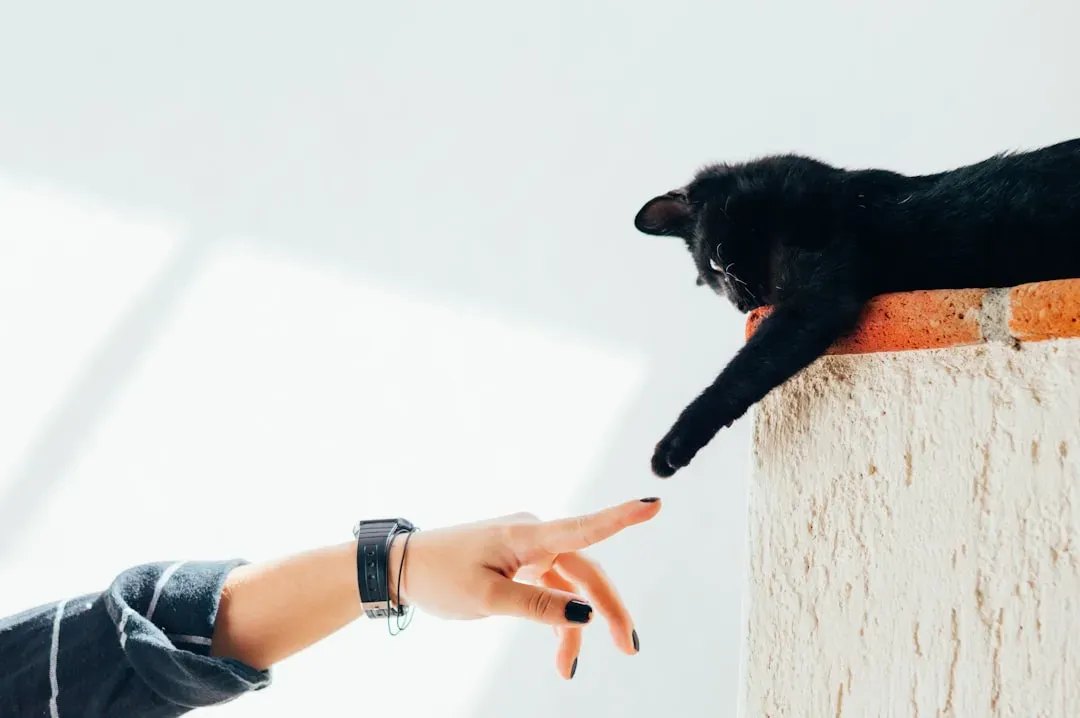
Here's a slightly controversial truth that trips up a lot of cat owners: constantly initiating contact with a cat - picking them up, chasing them for cuddles, forcing lap time - actually damages trust more than it builds it. The people who become "chosen" are usually the ones who let the cat make the first move.
Cats bond faster with humans who ignore them a little, which sounds backwards but lines up with how their instincts work. If you're someone who sits still, lets the cat sniff your hand, and waits for them to climb into your lap instead of grabbing them, you're playing the long game correctly - even if you didn't plan it that way. This single behavior separates "tolerated" from "favorite" in most multi-person households. But respect only gets you halfway there, because voice matters more than people assume.
#6 - Your Voice Naturally Shifts When You Talk to Them
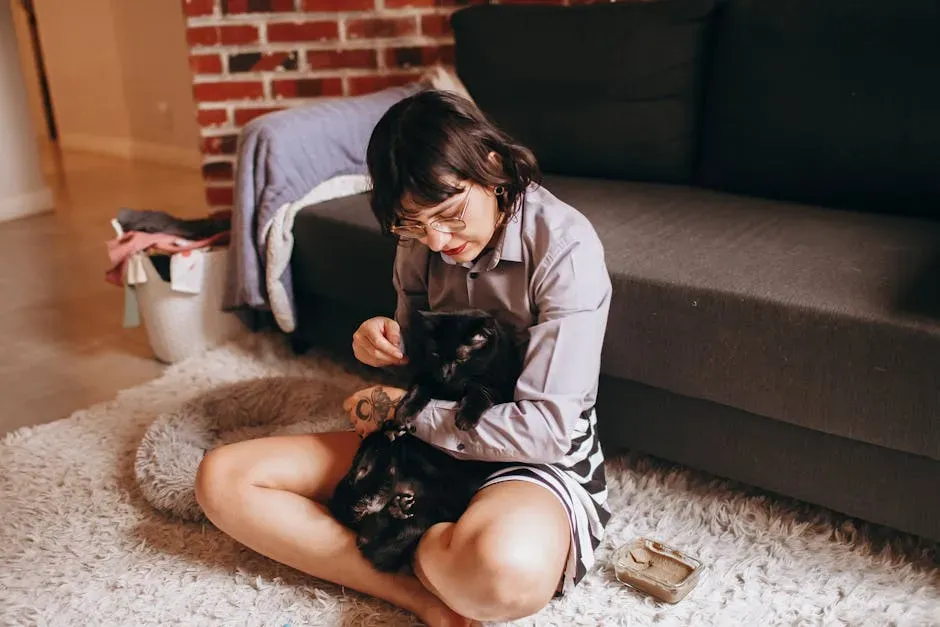
Most people don't realize they change their pitch when talking to their cat - it gets higher, softer, slower. Cats respond strongly to this kind of vocal shift, and the humans who do it instinctively tend to become the preferred contact in the house.
A gentler pitch signals non-threatening intent, almost like a universal "you're safe here" tone that transcends species. If your cat perks up, tail flicks, or comes trotting over the second you start talking in that slightly ridiculous "cat voice," that's not silly - it's effective communication your cat has learned to associate specifically with you. Other people in the house might talk to the cat too, but if their tone stays flat or businesslike, the bond simply doesn't form the same way.
#7 - You've Become Their Personal Heat Source
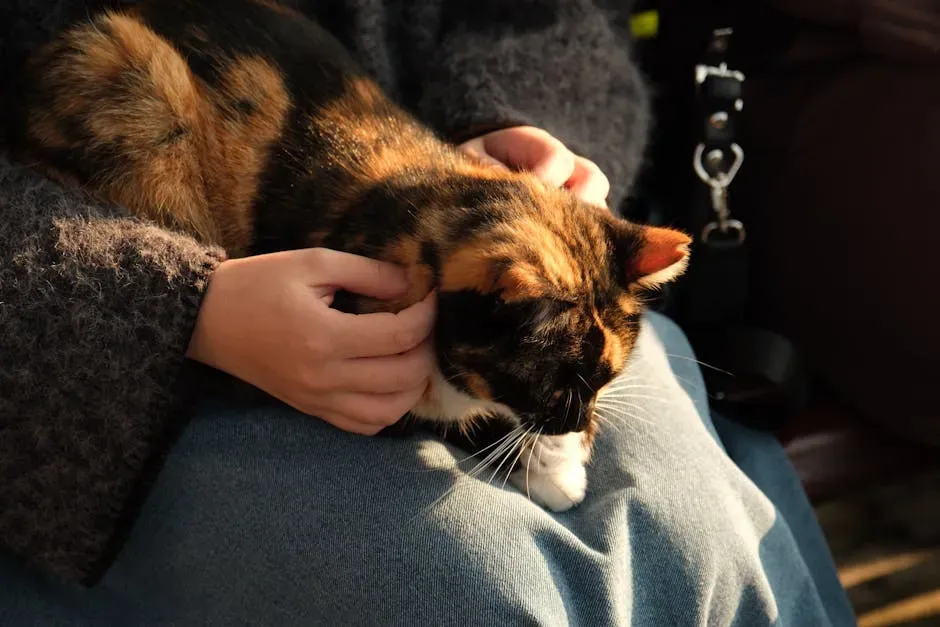
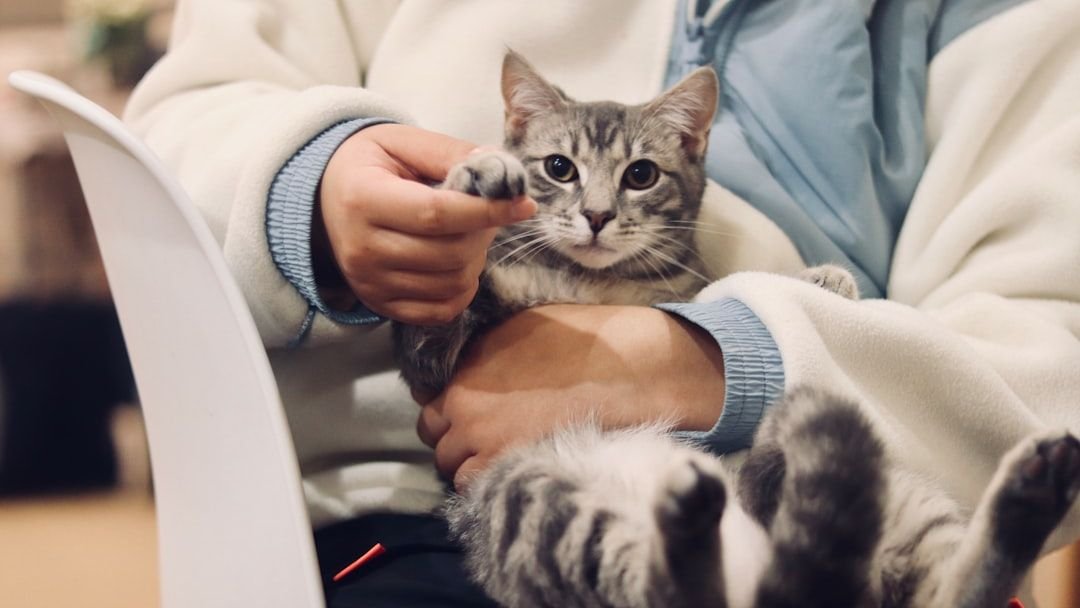
Cats seek warmth aggressively - it's baked into their biology - and the person whose body temperature, favorite chair, or lap becomes a consistent heat source often becomes the most-visited human in the house. A cat's preferred resting body temperature is warmer than most humans realize, which is why they gravitate toward sunbeams, laptops, and, most conveniently, whoever sits still the longest.
If you're the one who falls asleep on the couch, works long hours at a desk, or just tends to stay seated while everyone else moves around, you've built an unintentional heating station your cat visits on repeat. Over time, warmth becomes tangled up with comfort, and comfort becomes tangled up with trust. It's a purely physical hook, but it works every bit as well as an emotional one.
At a Glance
- A healthy cat's normal body temperature runs roughly between 100.5°F and 102.5°F, several degrees warmer than a human's.
- Most cats feel genuinely comfortable in a "thermoneutral zone" of about 86°F to 97°F, far toastier than the average living room.
- That temperature gap is exactly why laps, sunbeams, and warm laptops feel irresistible to a cat.
- Warmth also physically relaxes feline muscles, which is part of why a warm lap doubles as an instant calming zone.
#8 - You Respect Their "No"
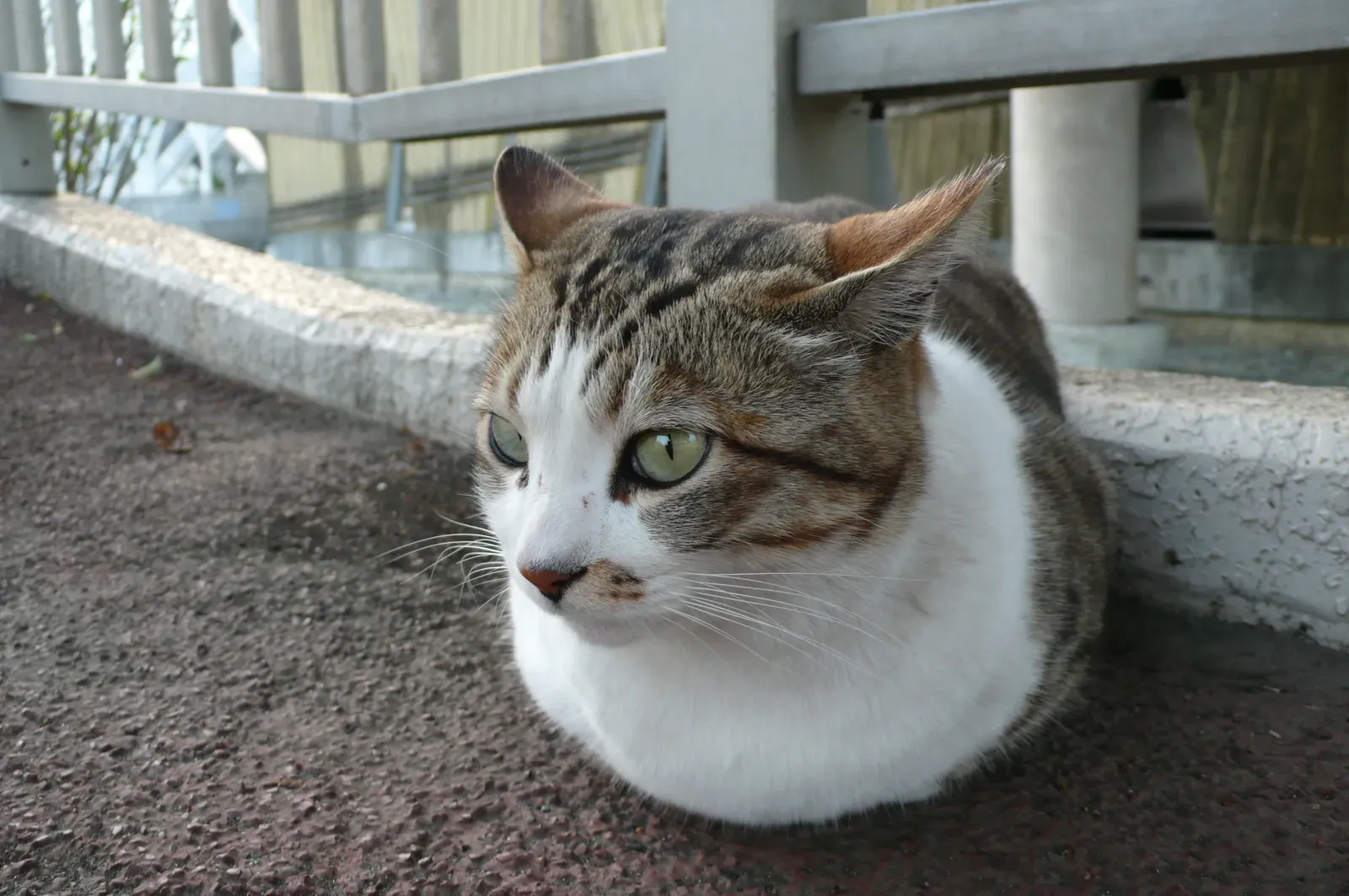
Cats have a much lower tolerance for forced affection than dogs, and the humans who instinctively back off the second a cat's ears flatten or tail flicks tend to earn far more trust long-term. This is one of the more controversial cat facts: cats often bond least with the people who try hardest, because relentless attention reads as pressure, not love.
If you're someone who lets your cat walk away mid-pet without chasing them down for "one more scratch," you're demonstrating exactly the kind of respect that builds long-term feline trust. It feels counterintuitive, especially to dog owners, but with cats, restraint is a love language. The people who smother cats with attention often end up ranked lower on the household hierarchy than the person who simply lets them be.
#9 - You're Around During Their Most Vulnerable Moments
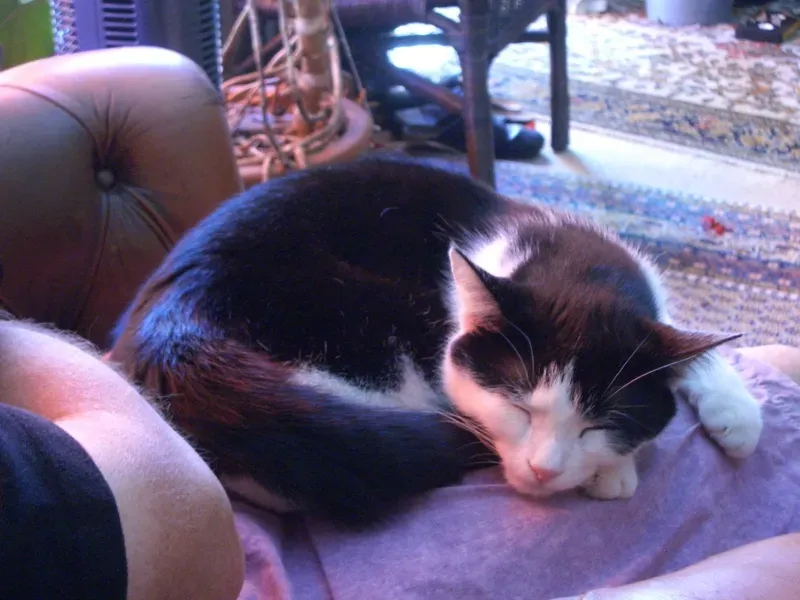
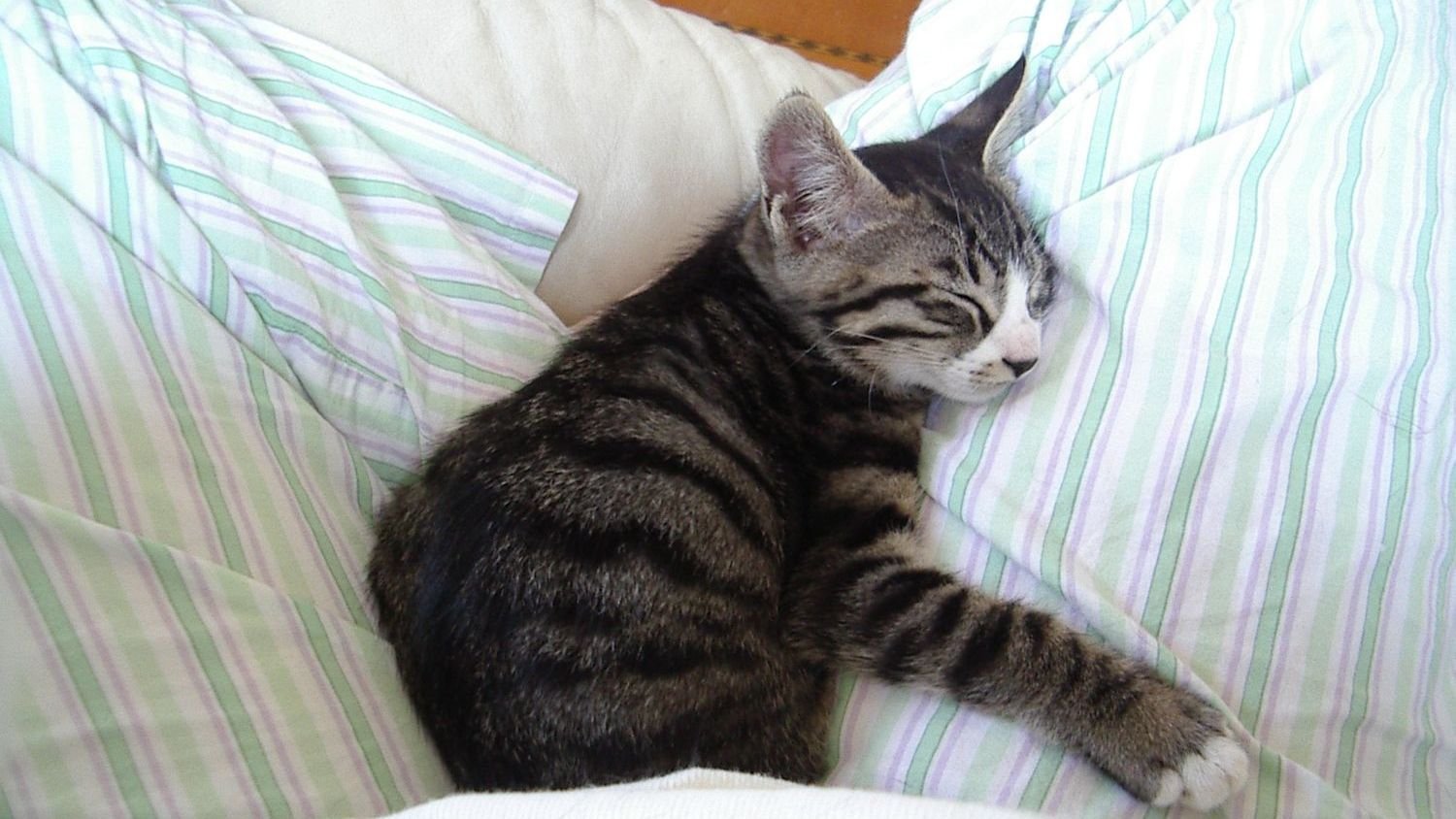
Cats sleep 12 to 16 hours a day, and a huge chunk of that is spent in deep, undefended sleep - a state where they're biologically at their most vulnerable. If you're regularly nearby when your cat drifts into that heavy nap state, you've unintentionally been "vetted" as safe during their most exposed hours.
Cats rarely fall into deep sleep near someone they don't fully trust.
Common veterinary behaviorist observation on feline trust signals
This is why cats often nap on the chest, lap, or shoulder of one specific person in the house - it's not comfort alone, it's a security clearance. If your cat has ever fallen asleep on you mid-conversation or during a movie, that moment carried more trust than most people realize. It's one of the clearest, quietest signs of "favorite person" status there is.
#10 - You're the One Stuck With Litter Box Duty
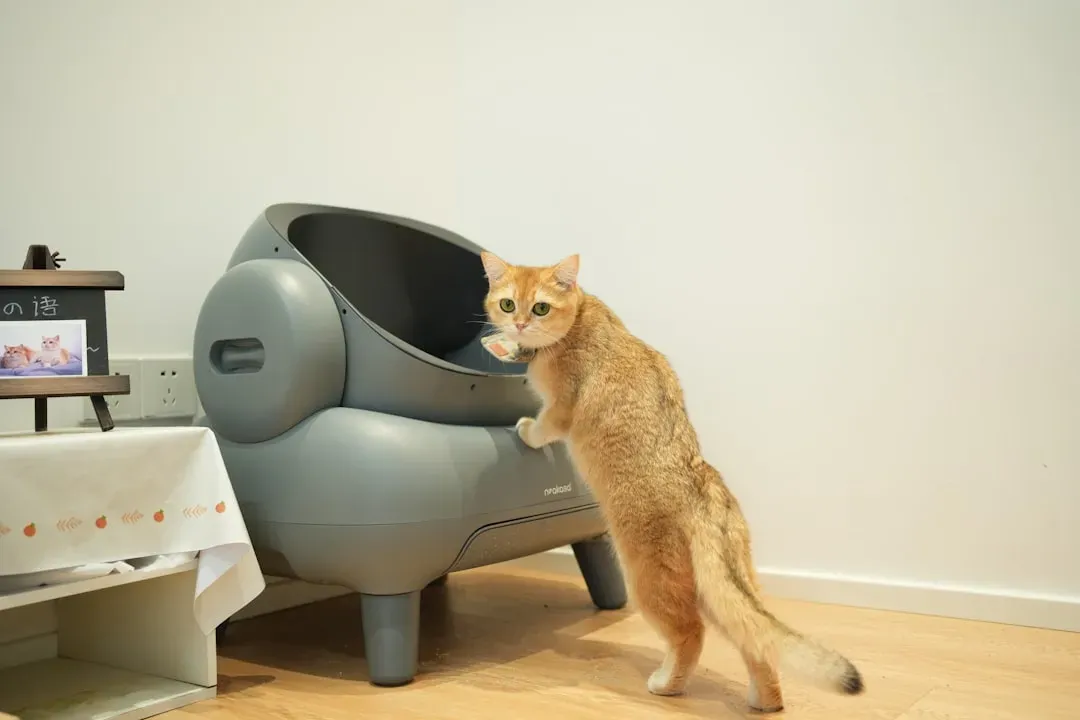
It sounds unromantic, but the person who consistently handles litter box duty often becomes more trusted, not less. Cats are hygiene-obsessed animals, and a clean, well-maintained litter environment gets subconsciously linked to the person responsible for it.
Cats notice cleanliness patterns far more than owners assume, and consistency here builds quiet, unglamorous trust over weeks and months. This is less about affection and more about environmental reliability - the same category as feeding schedules. If you're the one scooping daily without fail, you've been building trust through an unsexy chore the entire time. Your cat isn't grateful in a human sense, but they are registering the pattern.
#11 - You Don't Take It Personally When They Ignore You
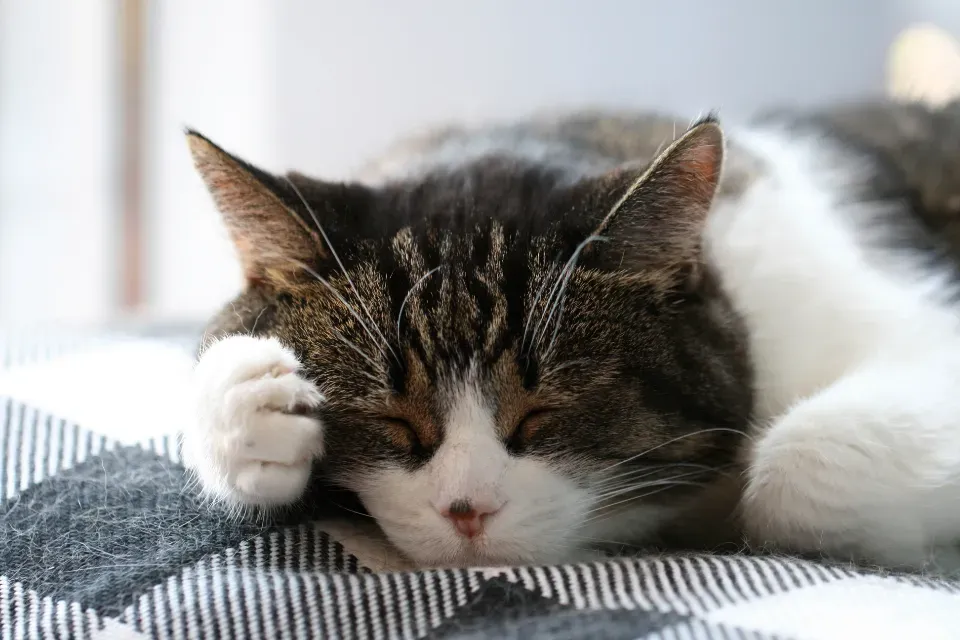
Cats test loyalty in a strange way: they ignore the person they trust most far more often than they ignore strangers, simply because they don't feel the need to perform for you. If you've ever felt hurt that your cat seems indifferent toward you compared to a visiting guest who gets showered with attention, that's actually backwards from what it looks like.
Cats often reserve their most relaxed, "boring" behavior for their favorite person, because performing isn't necessary once trust is established. New visitors get investigated, sniffed, and sometimes even showered with attention because they're novel and slightly nerve-wracking. You, on the other hand, get ignored while napping six feet away - which, paradoxically, is one of the highest compliments a cat can give.
Worth Knowing
- Cats save their most relaxed, "unbothered" behavior for whoever they trust most - not the person they interact with the most.
- Visitors often get more visible attention simply because novelty triggers curiosity, not real affection.
- Being ignored by a calm, sleeping cat nearby is actually one of the strongest trust signals in feline body language.
- The absence of performance is the compliment - it means your cat feels zero need to impress you.
#12 - You Give Them Consistent Choices, Not Constant Commands
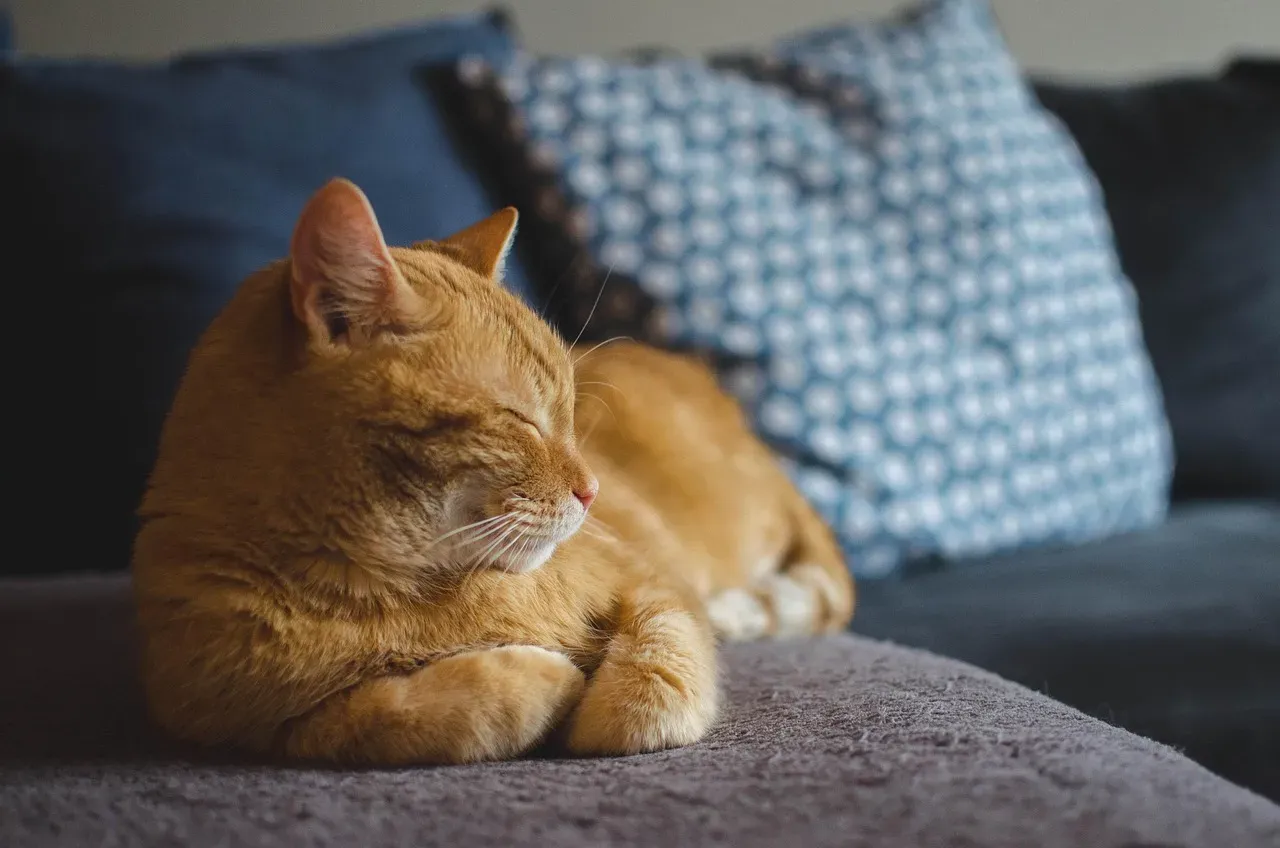
Unlike dogs, cats don't respond well to a household built on commands and corrections. The humans who end up as "the favorite" tend to be the ones who offer choices instead - a door left open, a toy left out, a spot on the couch that's always available.
Cats bond more securely with people who create predictable freedom rather than structured control. If you're the person who doesn't force interaction, doesn't lock them out of rooms unnecessarily, and generally treats the house as shared territory rather than owned territory, you've built an environment where your cat feels like a participant, not a subject. That sense of autonomy is deeply tied to trust in feline psychology.
#13 - You're the Constant in a House Full of Change
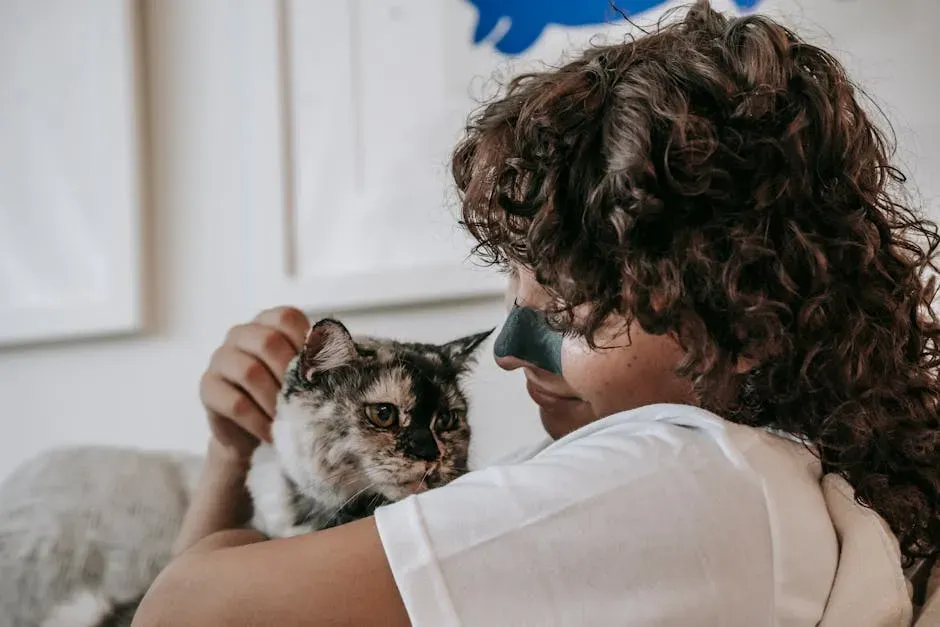
People move in and out, schedules shift, furniture gets rearranged - but if you've stayed a steady presence through all of it, your cat has quietly filed you under "permanent." Cats build their entire sense of security around consistency, and the person who's been there the longest, through the most changes, almost always earns the top spot.
Longevity of presence often outweighs intensity of affection in how cats rank the humans around them. This is why a cat might snub a new partner who showers them with treats in favor of the person who's simply been around since day one, offering nothing flashy - just reliability. In a world of constant change, you were the one thing that stayed the same, and that's exactly why you won.
The Bottom Line
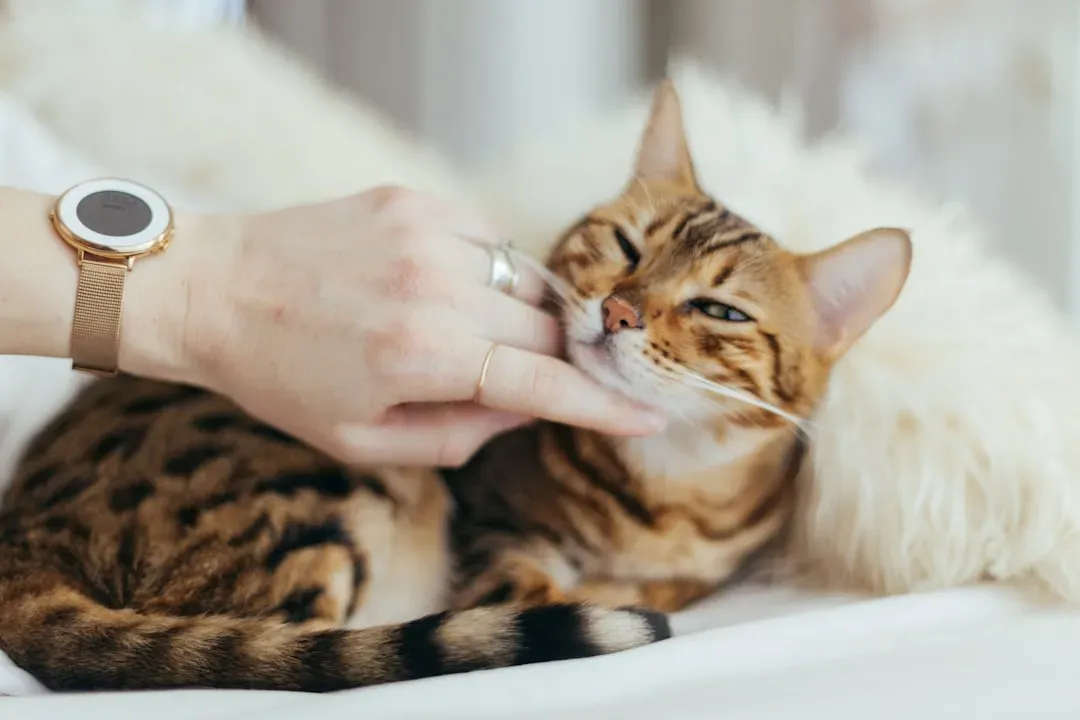
Cats don't choose favorites based on grand gestures. They choose based on scent, consistency, restraint, and quiet reliability, and most owners build that bond completely by accident.
The biggest myth here is that affection has to be loud to count. In reality, the boring, repetitive stuff - feeding times, litter duty, sitting still - matters more than toys or treats ever will. And honestly, that's a better love story than the flashy version. If you've been feeling smug about being your cat's favorite, here's the less flattering truth: you didn't win them over with charm. You simply stopped being unpredictable, showed up in the same boring way for months, and let a small, suspicious animal decide you were safe. That's the whole secret, and it's better than any lightning bolt. Did we miss a sign your cat has been dropping for months? Tell us in the comments.