You’ve probably caught your cat staring at you from across the room, wide-eyed and absolutely unblinking, and thought – what on earth are you looking at? Most people laugh it off. The truth is, that gaze may be far more meaningful than you realize. Cats have spent thousands of years alongside humans, and in that time, something quiet and powerful has taken root: a sense of loyalty that doesn’t announce itself with barking or dramatic heroics, but shows up in subtle, steady, sometimes jaw-dropping ways.
Honestly, cats have long been dismissed as indifferent loners who only care about their next meal. Science and real-world stories are increasingly telling a very different story. If you’ve ever wondered whether your feline companion is simply tolerating your presence or actually watching out for you, you’re about to find out. Let’s dive in.
The Misunderstood Myth of the Aloof Cat
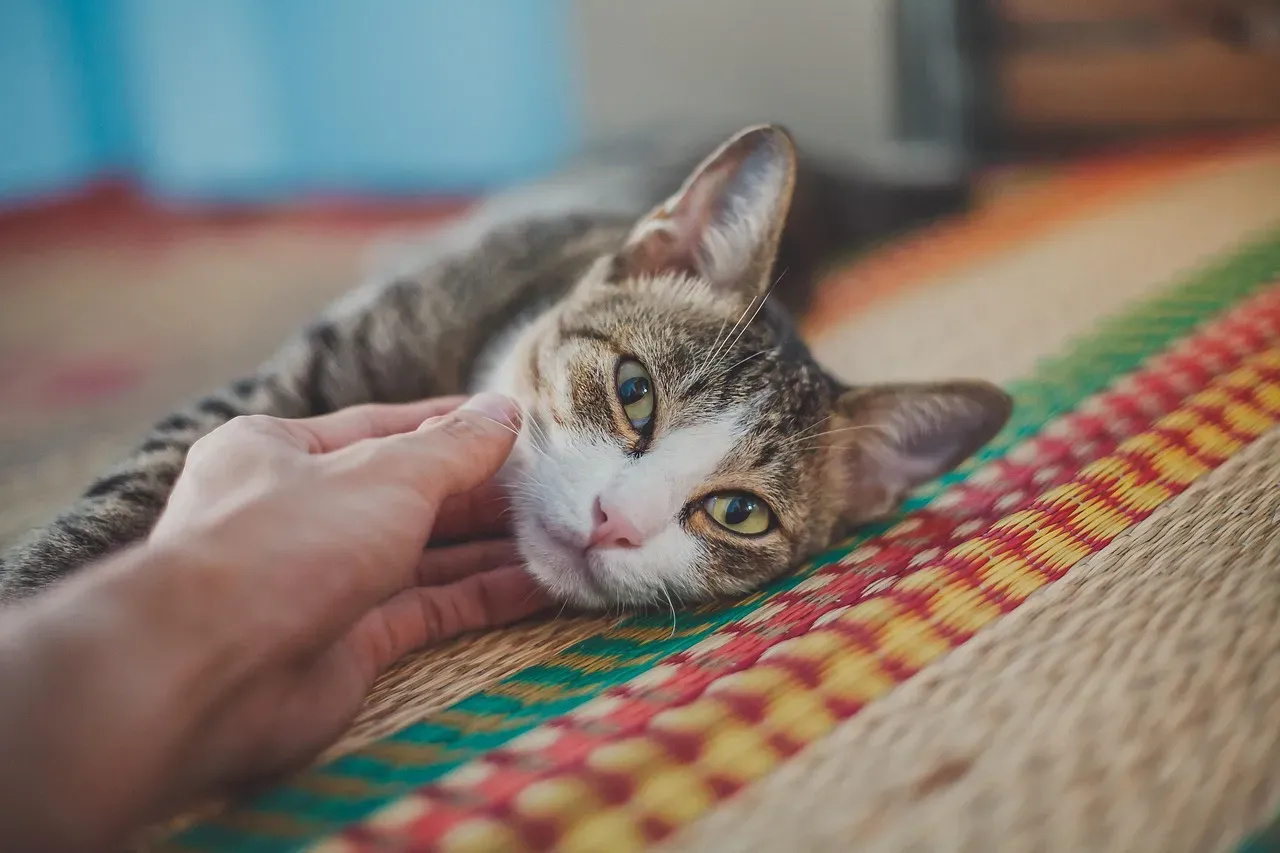
Let’s be real – the idea that cats simply don’t care about people is one of the most stubborn myths in the pet world. Cats are often stereotyped as standoffish and aloof, even to the people who love them most, but the truth is that cats can be just as protective of their people as dogs are of theirs. That stereotype has done a lot of damage to how we interpret feline behavior.
The idea of cats as solitary creatures is a common misconception. While they are often independent, cats form strong attachments to their human families. Understanding feline behavior requires recognizing the nuances of their interactions and expressions of affection, which can manifest as protective instincts. Think of it like an iceberg: what you see on the surface is cool and composed, but what’s going on underneath is rich and deeply relational.
The Science Behind the Bond: Why Your Cat Is Wired to Protect You
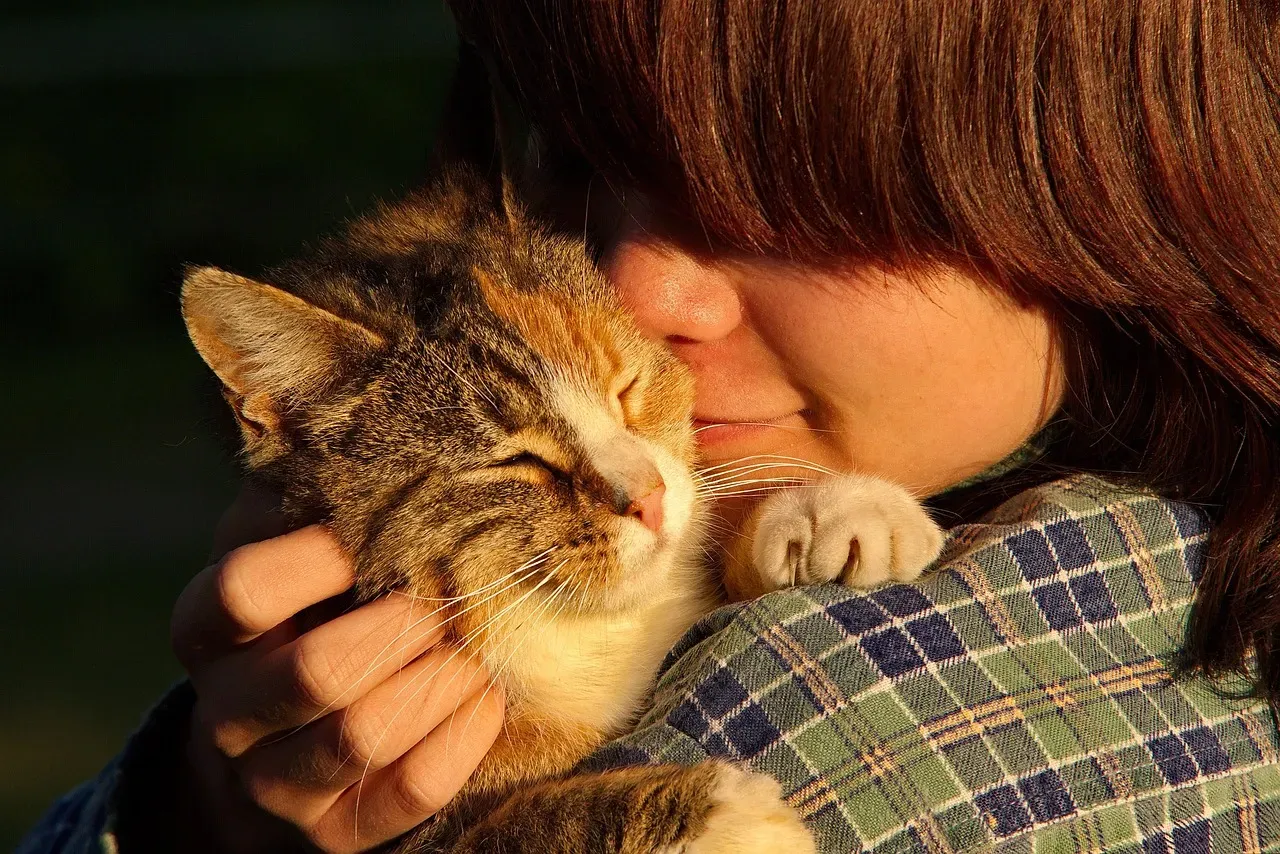
In a groundbreaking study published in 2011, researchers showed for the first time that “cat-human relationships are nearly identical to human-only bonds,” according to NBC News. That’s a remarkable finding, and yet so many people still wave it away. Your cat isn’t just a decorative creature napping on your sofa.
Feline protection stems from both evolutionary and emotional roots. In the wild, cats are territorial animals that rely on vigilance to survive. When domesticated, this instinct doesn’t disappear – it simply redirects toward their human family. Your home becomes their territory, and you become part of their social group. Protecting you, therefore, is an extension of protecting their domain. It’s ancient programming, quietly running in the background of every cozy afternoon nap session.
Their Senses Are Sharper Than You Think
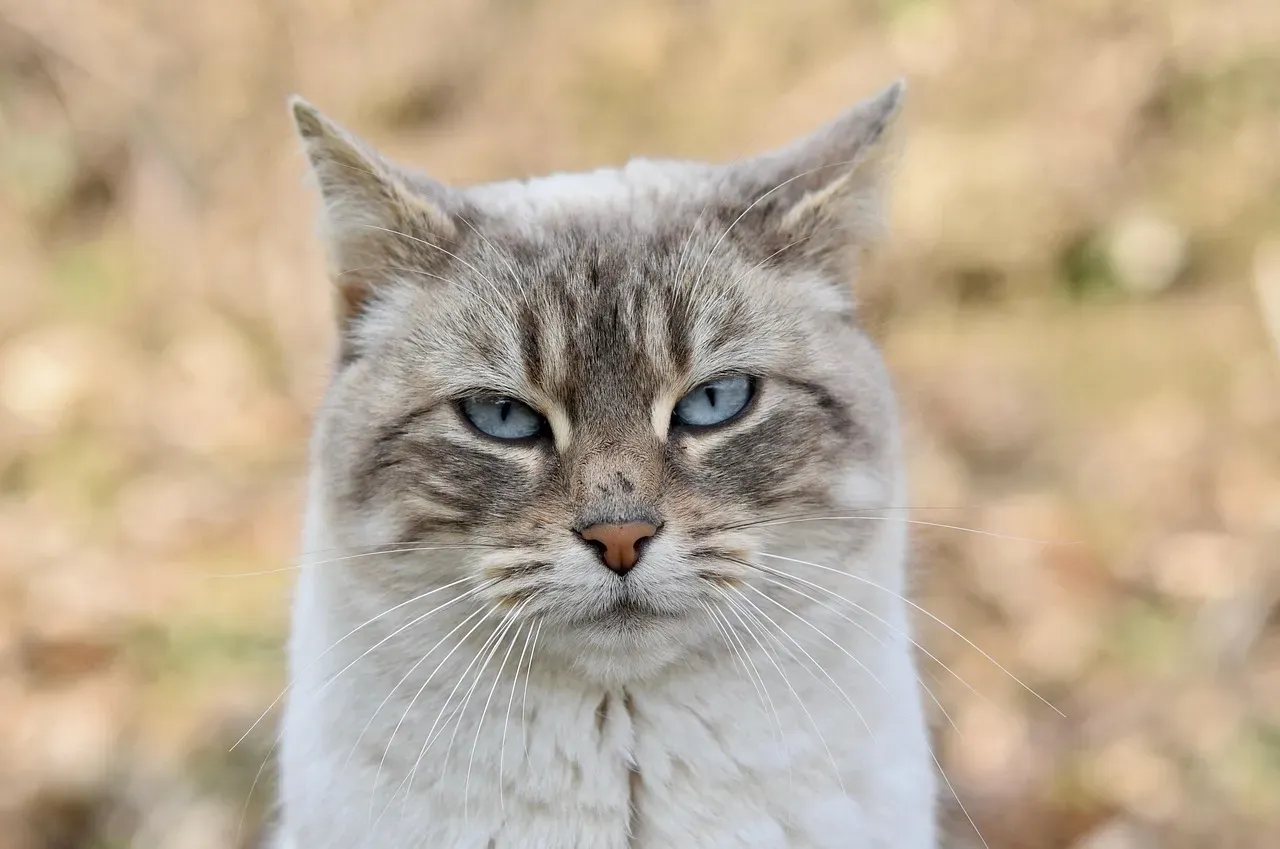
Cats have extraordinarily sharp senses, with hearing being their forte. They can detect faint noises much earlier than we can. While they might not confront an intruder like a dog, their heightened awareness can serve as an early warning system. Imagine having a live-in alarm system that also purrs. That’s essentially what you have.
Their acute senses allow them to detect environmental changes that humans might miss, making them excellent early warning systems for potential dangers. Cats are naturally territorial creatures, and this instinct extends to protecting their human family members. Their evolutionary history as both predator and prey has equipped them with exceptional sensory capabilities that make them excellent nighttime sentinels. While you sleep, your cat is essentially running a quiet security check on the world around you.
Nocturnal Guardians: What Your Cat Does While You Sleep
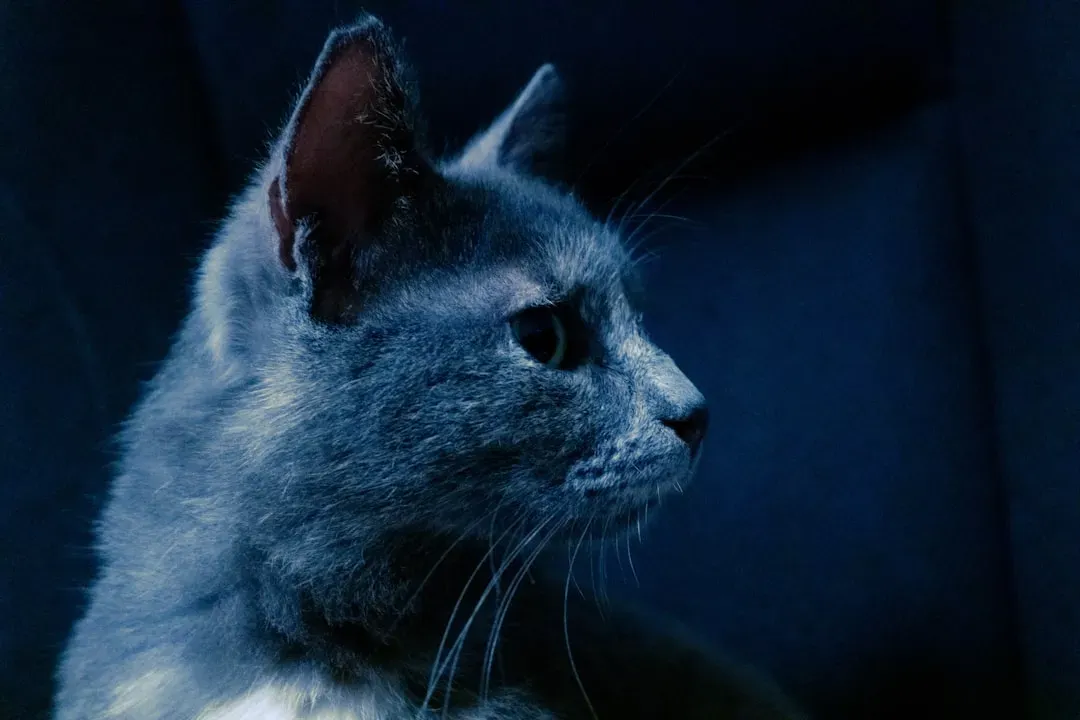
Many cat owners have experienced that curious moment when they wake up to find their feline friend watching them intently. It can feel a bit eerie, but this behavior is more than just an odd quirk; it’s deeply rooted in the instincts and emotional bonds that cats share with us. There’s something almost poetic about the idea of being watched over in the night.
While cats may not actively patrol like guard dogs, they demonstrate protective behaviors in more subtle ways. Many cats choose sleeping positions that allow them to monitor their surroundings while staying close to their owners. Their superior night vision and acute hearing enable them to detect disturbances long before humans notice them. It’s a common habit for cats to sleep at the foot of the bed, but this sometimes means your cat is protecting you. Cats often serve as watchdogs as you sleep, positioning themselves in front of you as if to stop any potential threat that might enter the room.
Real-Life Stories of Cats Who Saved Their Owners
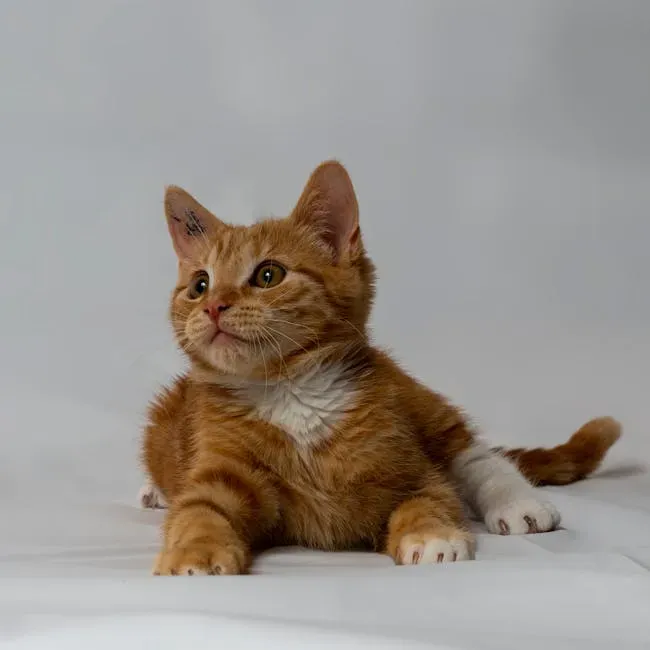
Here’s where things get genuinely astonishing. These aren’t folk tales or internet rumors – these are documented accounts of cats stepping up in moments of real crisis. In Florida, a family cat emerged as an unexpected hero by alerting owners about the dangerous presence of carbon monoxide. The odorless and colorless nature of this gas makes it a silent killer. One night, as the lethal gas filled the family’s home, the cat, sensing the danger, acted urgently. Displaying atypical behavior, either through loud meows or persistent pawing, the feline managed to wake its owners. Feeling the early poisoning symptoms, the family promptly evacuated and called for medical help. Their cat’s keen senses and timely intervention prevented what could have been a tragic event.
In 2014, a cat named Tara leapt into action to defend a young boy from a dog attack. Animal behaviorist Nicholas Dodman remarked that Tara appeared to know exactly what she was doing, rushing in to protect her human friend. After being adopted, a cat named Pudding saved his new owner, Amy Jung, by waking her during a diabetic coma, then alerting her son to call for help. I know it sounds unbelievable, but the evidence keeps piling up.
Your Cat Can Sense When You’re Sick
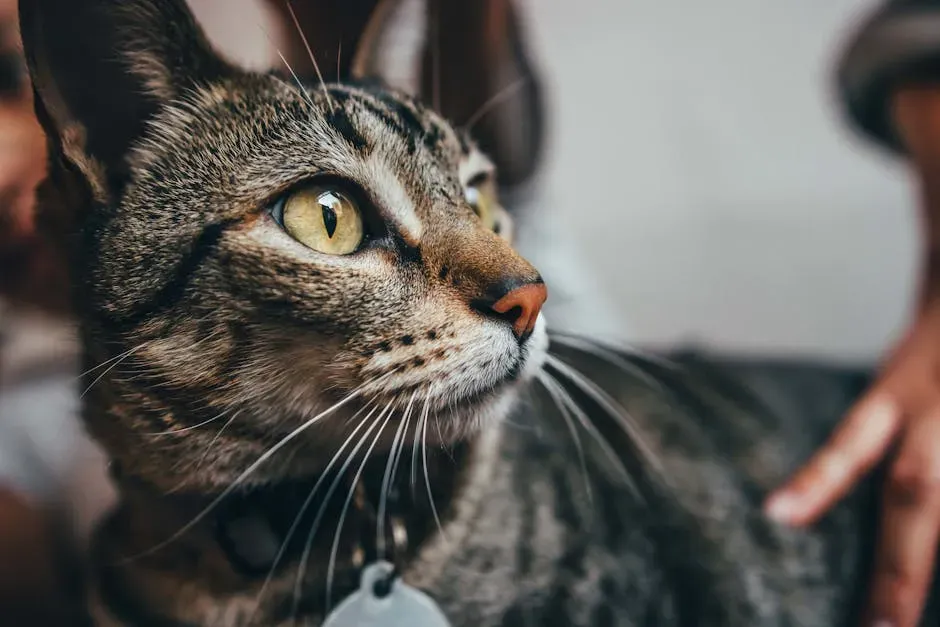
This one tends to make people skeptical – and I get it. Cats have a famously refined sense of smell, and it has been found that they can detect pheromone changes coming from the human body. When people get ill and the decomposition of cells causes chemical changes in the body, it is well evidenced that cats can sense the hormonal changes using their olfactory pathway. They’re essentially reading your body chemistry like a living diagnostic tool.
Researchers believe that cats may pick up on chemical cues, such as volatile organic compounds (VOCs), which are emitted by certain diseases and detected through scent. Additionally, cats are keen observers of routines and energy changes, making them sensitive to even the slightest shifts in their human’s behavior. Cats have been observed reacting to their diabetic owners’ low blood sugar episodes. They seem to sense changes in scent and behavior, alerting owners to potential danger. It’s hard to say for sure how much they truly “understand,” but what they detect is real.
Reading the Signs: How to Know Your Cat Is Protecting You
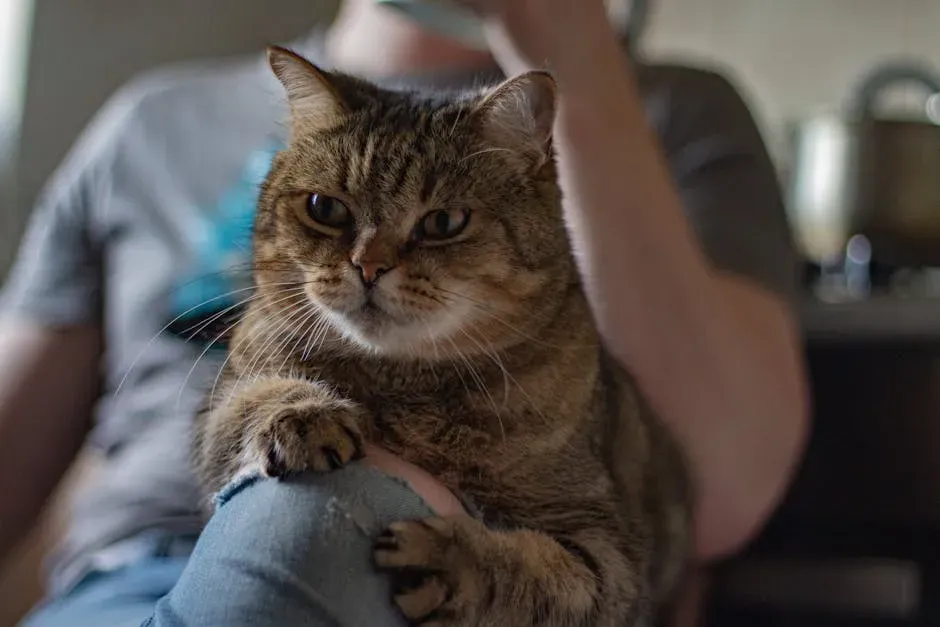
Signs of protective behavior can include hissing or growling at strangers, positioning themselves between you and a perceived threat, staring intently at a particular area, or becoming more vocal than usual. These behaviors can seem ordinary or even slightly annoying in the moment, but they’re worth paying closer attention to.
By leaving their scent on you, your cat is practicing protective cat behavior and asserting feline guarding instincts. This marking is a way a cat communicates to other animals that you’re theirs to watch over, almost like a silent declaration that they’re committed to keeping you safe. While it may seem like a simple rub, this gesture is a meaningful sign your cat is protecting you, showcasing loyalty, care and a deep bond between cat and owner. That casually affectionate head-butt? It’s actually a territorial claim – and you’re the one being claimed.
When Protection Becomes Overprotection

Not everything about a cat’s protective instinct is sweet and reassuring. Sometimes it tips into something more complicated. It can become a problem if a cat becomes overprotective. The cat may try and prevent other people from getting too close to you and can even attack visitors to the house or other family members if they perceive them as a threat. Think of it like a bodyguard who starts refusing entry to your friends.
When a cat hisses or hides from strangers, it may be trying to protect both itself and you from perceived danger. However, consistent aggression suggests fear rather than loyalty. Gradual introductions, calm environments, and positive reinforcement can help your cat learn that visitors are not threats. Over time, this reduces defensive behavior while preserving your cat’s natural instinct to stay alert and watchful on your behalf. Balance is everything here – you want a guardian, not a gatekeeper.
How to Strengthen Your Cat’s Protective Bond With You
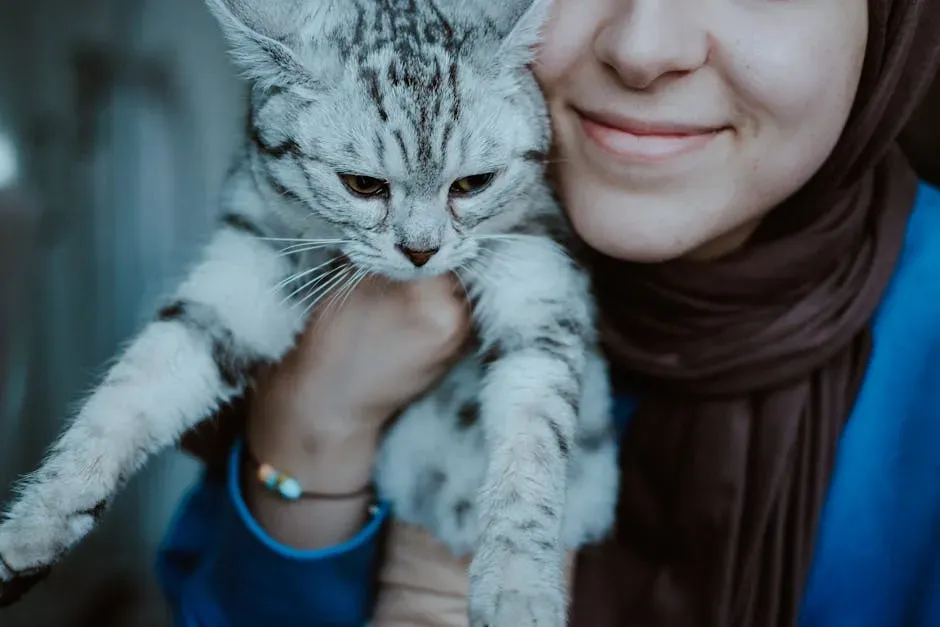
Interestingly, cats remember acts of kindness and return the favor later on. A kind of ‘negotiation contract’ is developed during the bonding process between a cat and its owner. If the human treats its cat well, the cat will offer some benefit later. It’s not unlike how trust works between people – slow-built, reciprocal, and deeply meaningful once it’s established.
The level of protectiveness varies based on factors including early socialization, individual temperament, breed characteristics, and the strength of the bond between cat and owner. Cats who receive consistent care and positive interactions typically form stronger protective bonds. Playing with your cat before bedtime tires them out and fortifies the bond between you two. This deepened bond might enhance their protective instincts. Simple daily rituals go a surprisingly long way.
Conclusion: Your Cat Is More Than You Imagined

There’s a quiet revolution happening in how we understand our cats, and it’s been a long time coming. While not as overtly as dogs, yes, cats can and sometimes do protect their owners. Their protective behaviors may be more subtle and context-dependent, often stemming from their territorial instincts and deep bonds with their human companions. Subtle doesn’t mean small. Sometimes the most powerful things in life are the ones that don’t announce themselves.
While cats may not demonstrate protection in the same way as dogs, their unique form of guardianship combines instinct, intelligence, and emotional attachment. Understanding and appreciating these subtle yet meaningful behaviors can help strengthen the bond between cats and their owners, creating a deeper mutual trust and connection. Your cat may never charge in dramatically to save the day – but chances are, they’ve already been watching over you in ways you never even noticed.
So the next time your cat plants themselves beside you on the couch, peers at a stranger with narrowed eyes, or wakes you up in the middle of the night for no obvious reason – maybe trust them. Maybe they know something you don’t. Have you ever noticed your cat behaving in a way that felt oddly protective? Tell us about it in the comments – you might be more surprised than you think.