Why Your Cat Headbutts You Every Single Morning
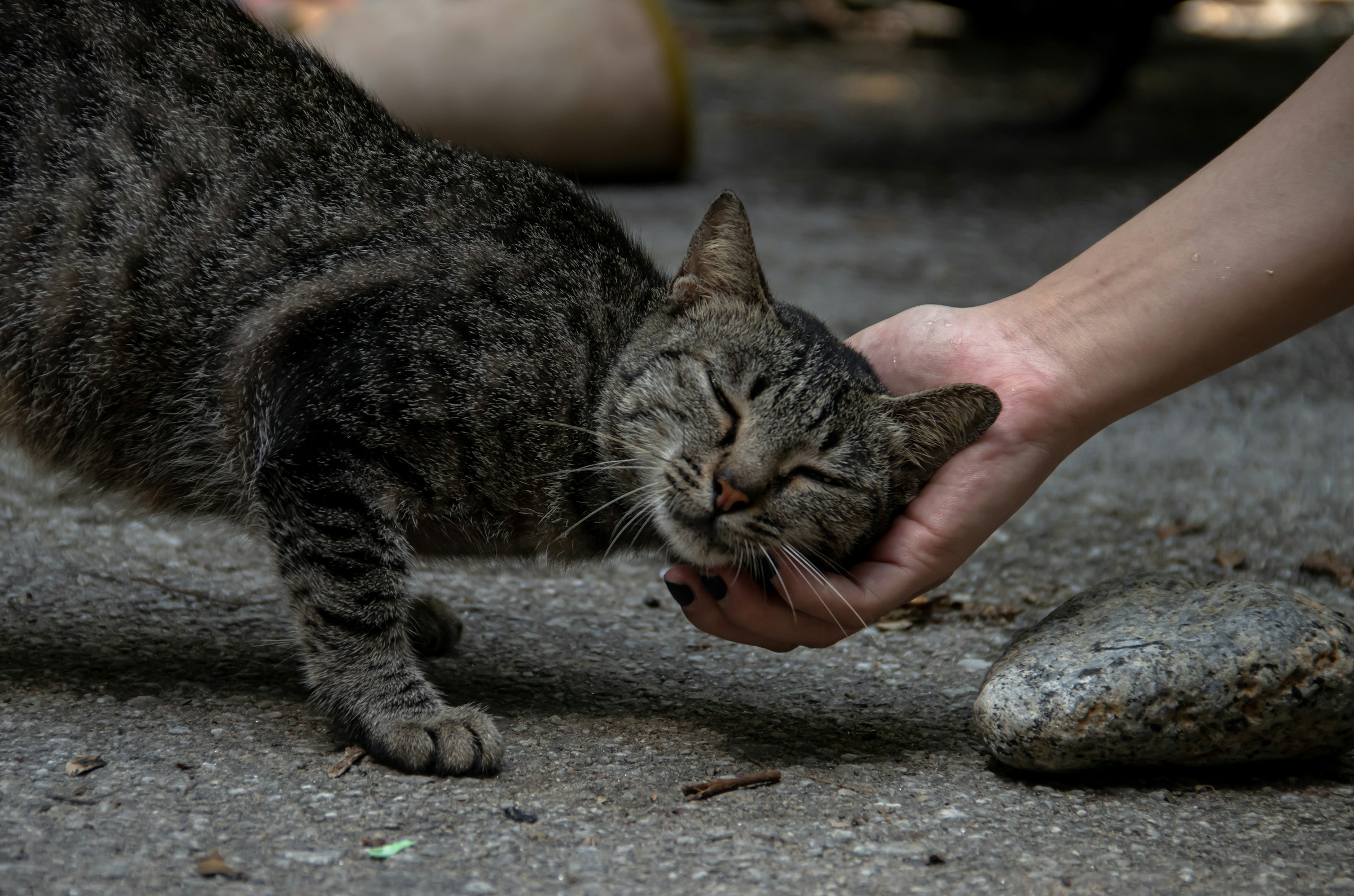
Every morning, same ritual: your eyes are barely open, the alarm hasn't even finished its first buzz, and your cat has already rammed its face into yours like a small, purring wrecking ball. You laugh it off as a quirky habit - maybe hunger, maybe just cat weirdness. But scientists who actually study feline behavior say that headbutt is one of the more sophisticated communication systems in the animal kingdom, built on hidden scent chemistry, trust-testing, and yes, a little bit of psychological manipulation.
Most owners never look past "aww, my cat loves me." What they're missing is a full biological operation happening in real time - one involving glands you didn't know your cat had, ancient hunting instincts, and a scent-based social contract almost nobody's heard of. Once you know what's actually happening in those three seconds of face-to-face contact, you won't see your cat's morning greeting the same way again.
#1 - It's Called "Bunting," Not Headbutting
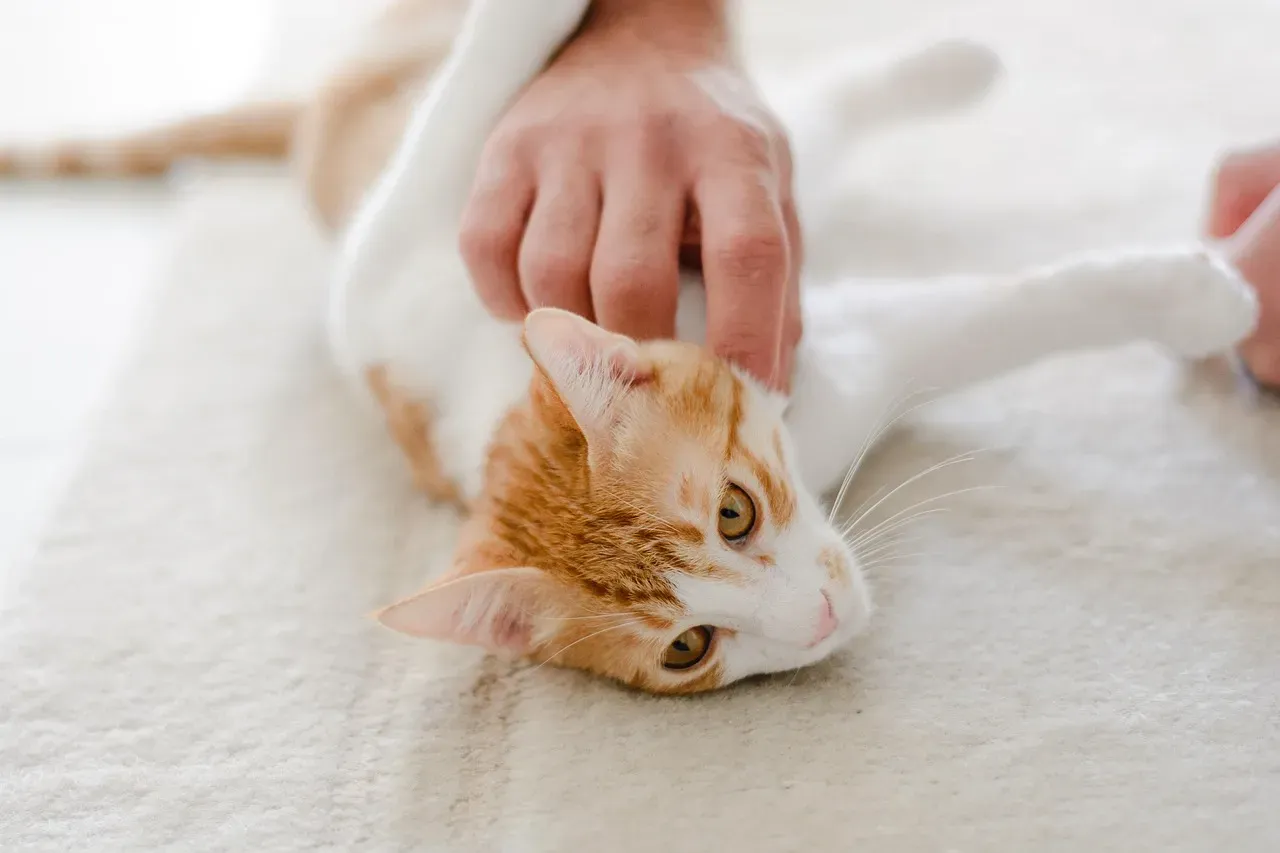
Let's clear up the terminology first. That "headbutt" your cat gives you every morning isn't aggression - it's called bunting in feline behavior science, and it's about as far from a head-slam as you can get. The word borrows from baseball, where a "bunt" means a soft, controlled tap, not a swing for the fences.
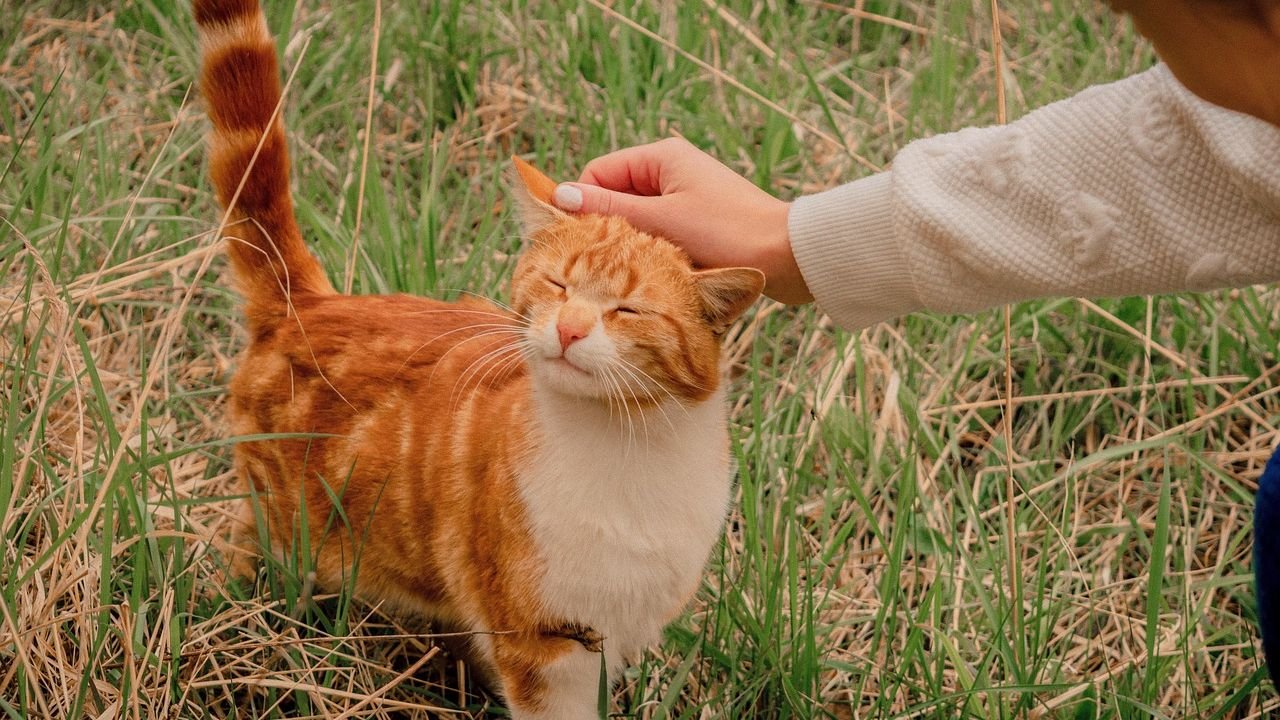
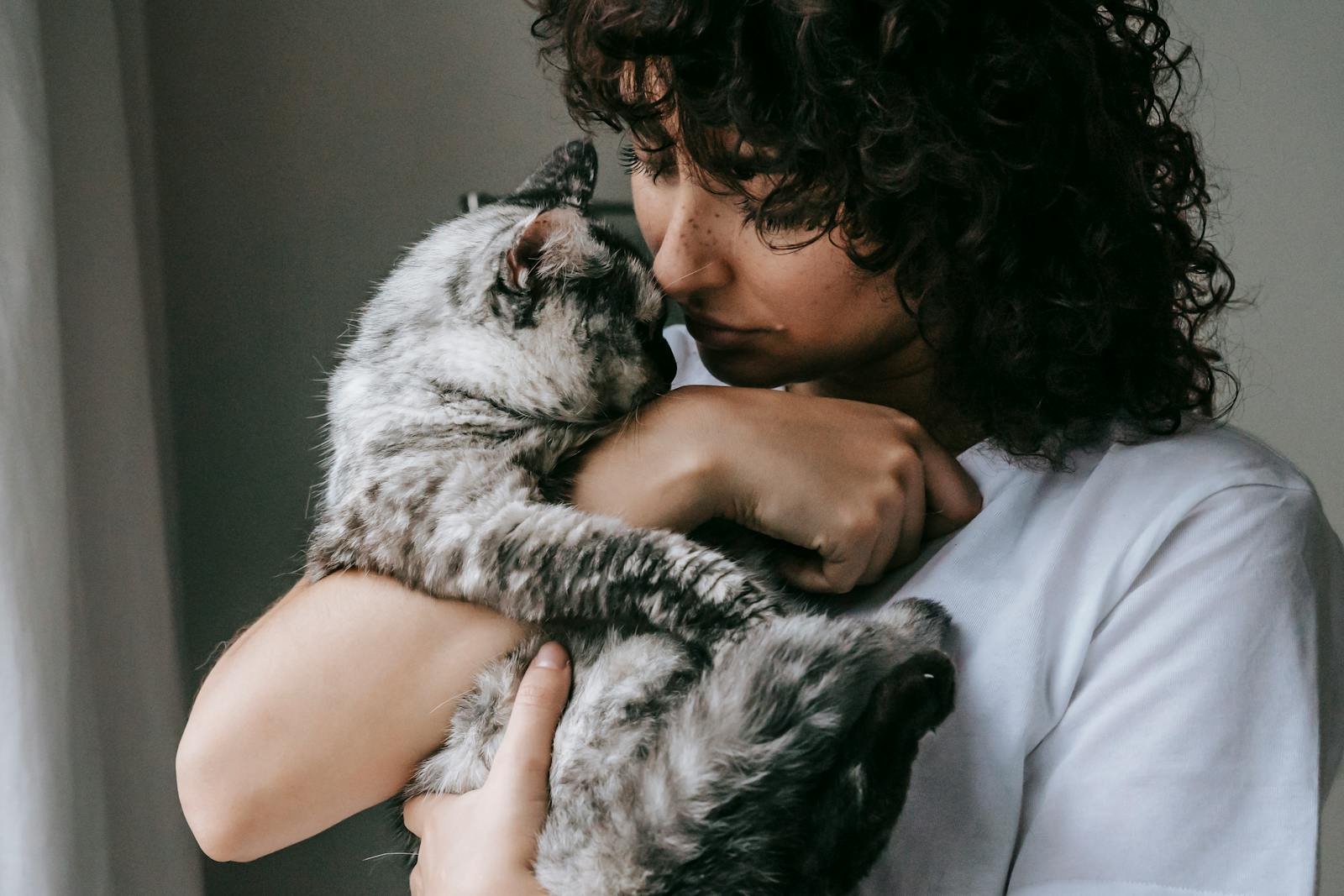
Bunting means your cat presses the top of its head, cheek, or chin against you, an object, or another animal - slowly, deliberately, almost always with a purr running underneath it. It's nothing like a dog nudging your hand for pets. It's a calculated act rooted in scent communication, and that's exactly where things get interesting.
#2 - Your Cat Has Scent Glands Hidden in Its Face
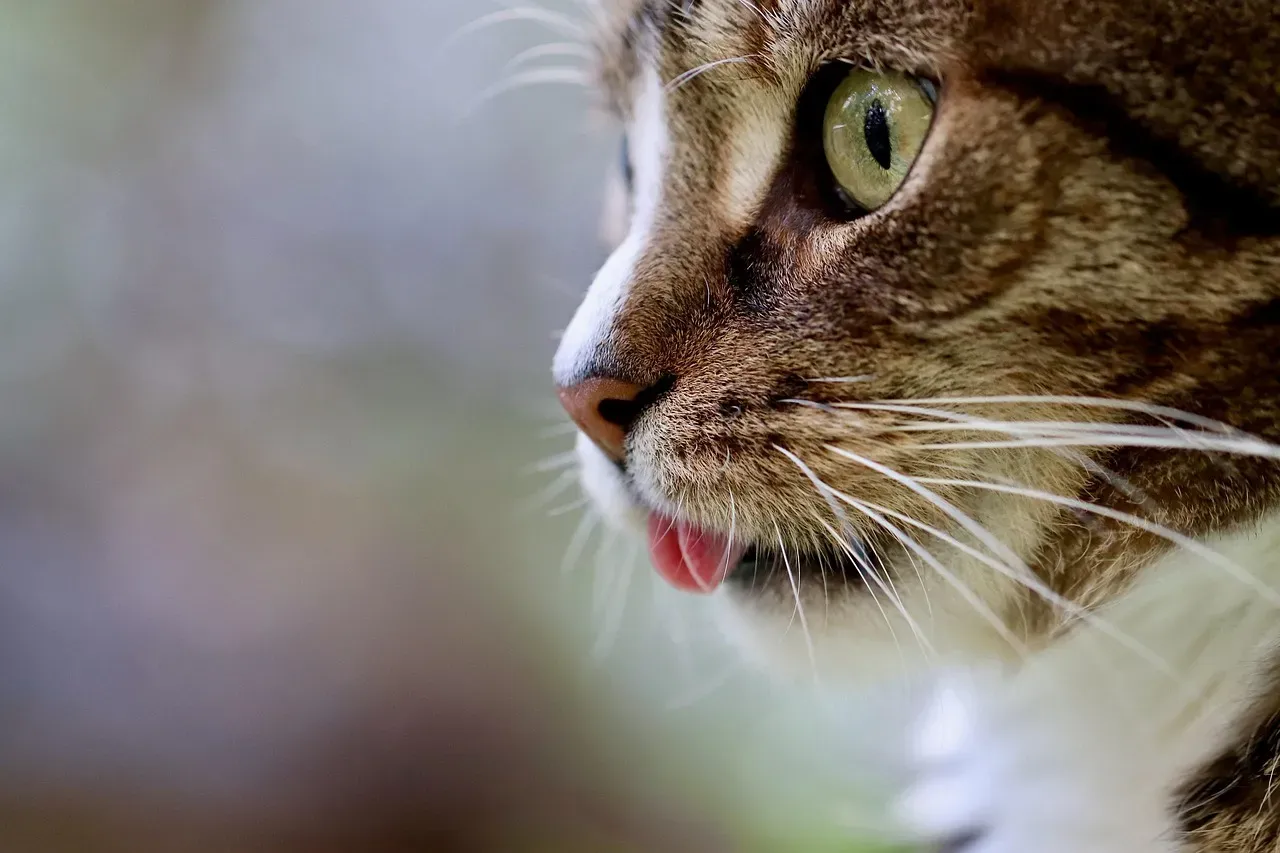
Here's the part that catches almost everyone off guard: cats have specialized scent glands tucked into their forehead, cheeks, chin, and even their lips. These sebaceous glands release pheromones - chemical messages invisible to you but loaded with meaning for other cats.
When your cat bunts you, it isn't just making contact - it's leaving its signature. Experts believe this is your cat quite literally marking you as its territory, the friendliest possible version of "this one's mine." Most owners have no idea their morning face-rub doubles as a biological marking ritual, similar in function to furniture scratching, minus the warning label. Facial pheromones say calm familiarity; scratch marks and spraying say something closer to a threat.
Fast Facts
- Sebaceous scent glands are packed into the forehead, cheeks, chin, and lips
- These glands release pheromones invisible to humans but rich with meaning for other cats
- Bunting works like a friendlier cousin to scratch marking
- Facial pheromones signal calm familiarity, not warning or threat
#3 - Bunting Is a Sign of Trust, Not Dominance
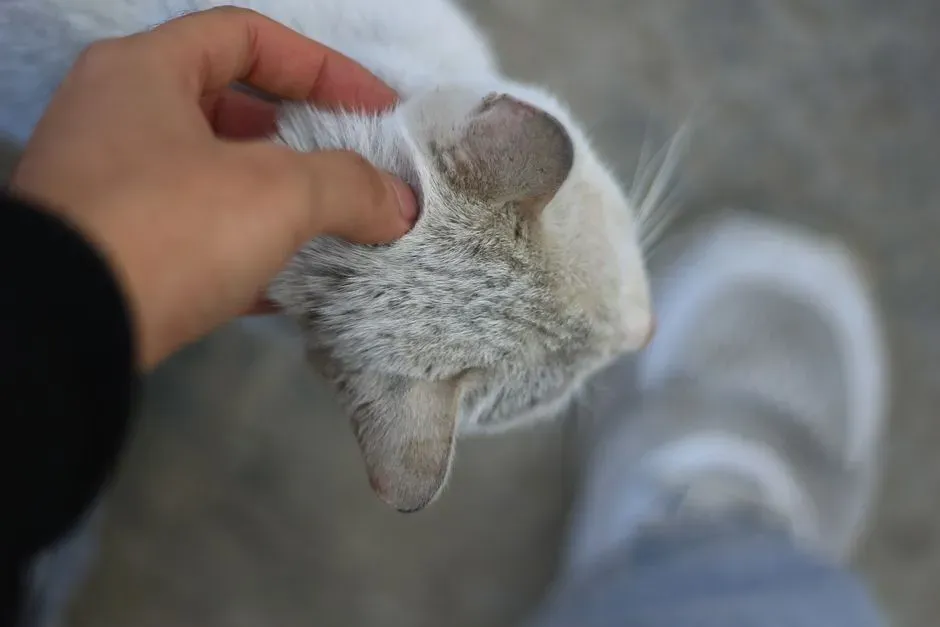
There's a persistent myth that cats headbutt to assert dominance over their owners. Behaviorists say it's almost the opposite: bunting is one of the clearest signals of trust a cat can offer. Pressing its face against something leaves a cat momentarily blind and defenseless - teeth and claws temporarily out of play.
That vulnerability is exactly why cats rarely bunt strangers. The behavior is reserved almost exclusively for whoever, or whatever, has made it into the cat's "safe zone." If your cat headbutts you every morning, it's telling you that you passed a trust test that took weeks - maybe months - to earn. Some experts even rank bunting above purring as a bonding indicator, since purring can happen during stress or pain, but bunting almost never does.
#4 - Morning Bunting Doubles as a Hunger Strategy
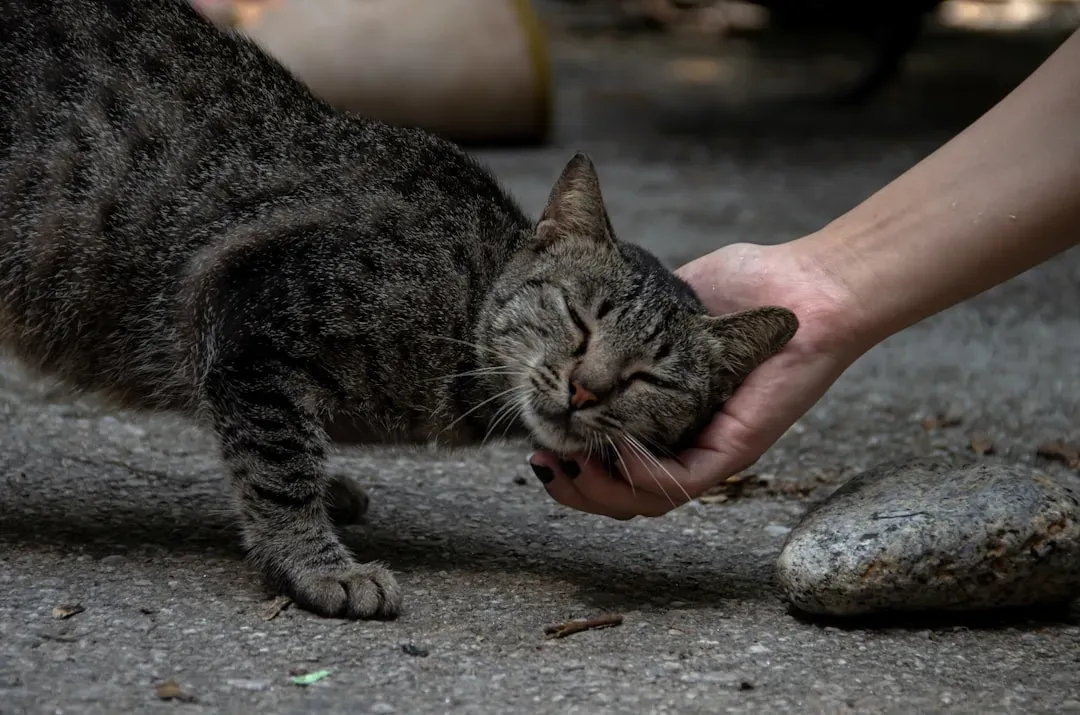
Not everything about that morning nuzzle is pure sentiment. Veterinary behaviorists point out that bunting often moonlights as a breakfast request. Cats are sharp about linking behavior to reward, and if headbutting has ever led to food, your cat has quietly filed that away as a strategy that works.
This is where it gets a little less romantic: some experts argue a chunk of that "affectionate" morning greeting is learned manipulation, not raw emotion. Cats are opportunistic learners, and repetition locks behavior in fast. Your cat probably isn't lying about loving you - it's just smart enough to know that love and breakfast can be requested in the same motion.
#5 - Your Cat's Internal Clock Is More Precise Than You Think
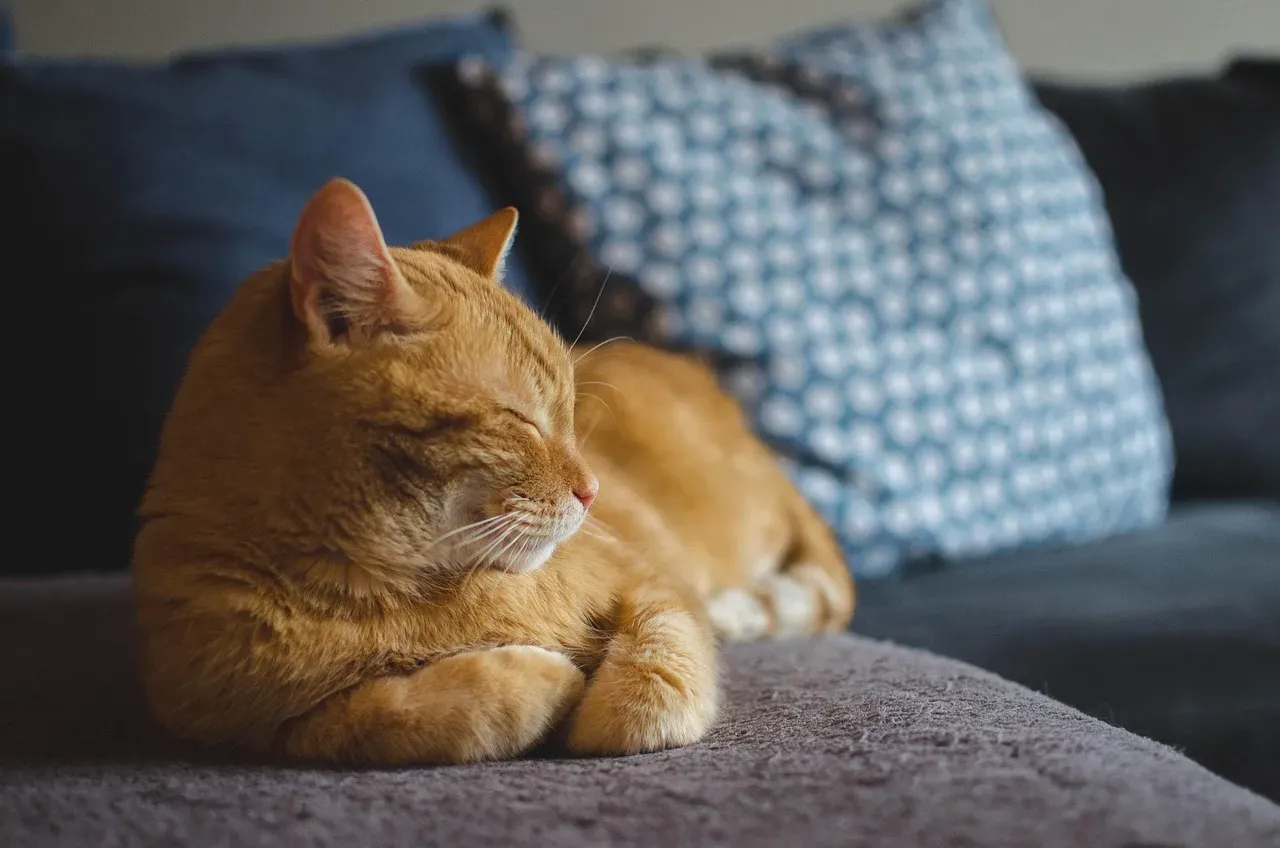
Ever notice the headbutt lands at almost the exact same minute every morning? That's not a coincidence. Cats carry a well-documented internal circadian rhythm, and most owners badly underestimate how precisely their pets track it.
Feeding times, wake-up times, even the sound of your alarm become a pattern your cat memorizes fast. Some behaviorists believe cats can anticipate feeding within a 10 to 15 minute window, which is why the bunting often starts before you're even fully conscious. That's not a guess - that's weeks of pattern recognition running like clockwork against your sleep schedule.
#6 - Ancient Hunting Instincts Are Driving the Timing
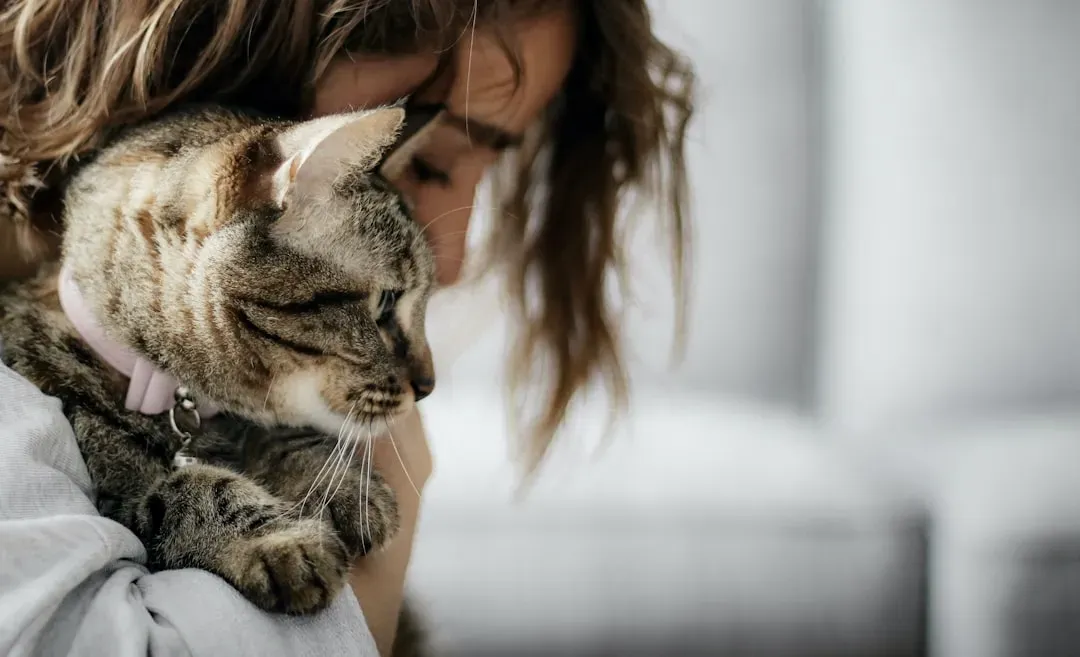
Cats are technically crepuscular animals, biologically wired to be most active at dawn and dusk. That's not a personality quirk - it's leftover instinct from wild ancestors who hunted small prey during the low-light hours when visibility gave them the edge.
That's why so many cats seem to "switch on" right as the sun comes up, buzzing with energy and eager to interact. Morning bunting often rides that natural activity spike, meaning your cat isn't just hungry or affectionate in that moment - it's biologically primed to be more alert and social right then. Evening bunting sessions tend to follow the same script, just twelve hours later.
At a Glance
- Cats are crepuscular, meaning they're most active at dawn and dusk
- This wiring traces back to wild ancestors hunting during low-light hours
- Morning energy spikes often line up directly with bunting sessions
- The same pattern often repeats about twelve hours later in the evening
#7 - Bunting Builds a Shared Scent Between You and Your Cat
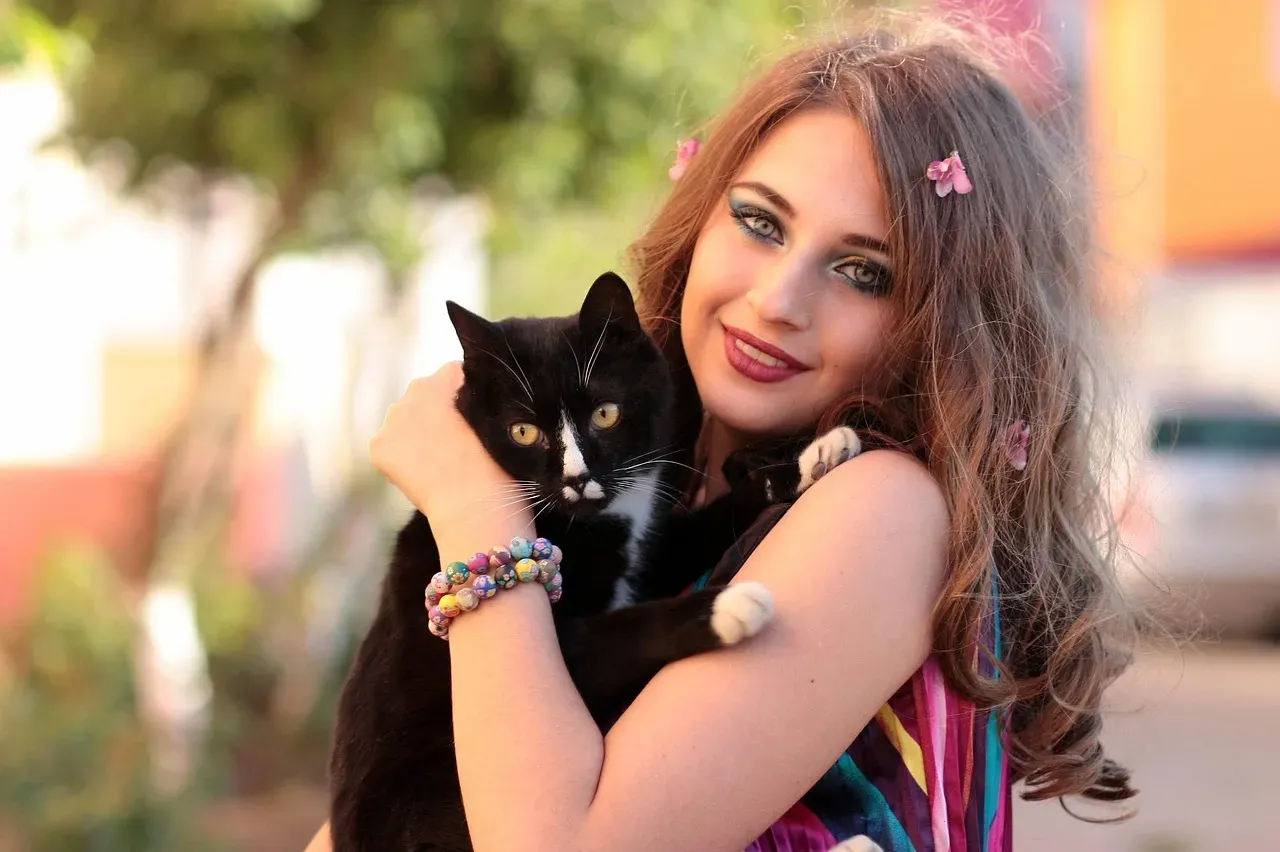
One of the more fascinating findings in feline research is the idea of a shared scent colony. Cats living together - or cats and their humans - develop something close to a group scent, built through repeated bunting, grooming, and physical contact.
That communal scent is how your cat recognizes who belongs in its circle. Most owners never realize their cat is essentially trying to make them "smell like family." It's also why a cat might act oddly toward you right after a shower, a switch to strong-smelling lotion, or a visit with another animal - the scent disruption briefly confuses its sense of familiarity, triggering extra bunting to reset the profile.
#8 - Bunting Doubles as Cat-to-Cat Etiquette
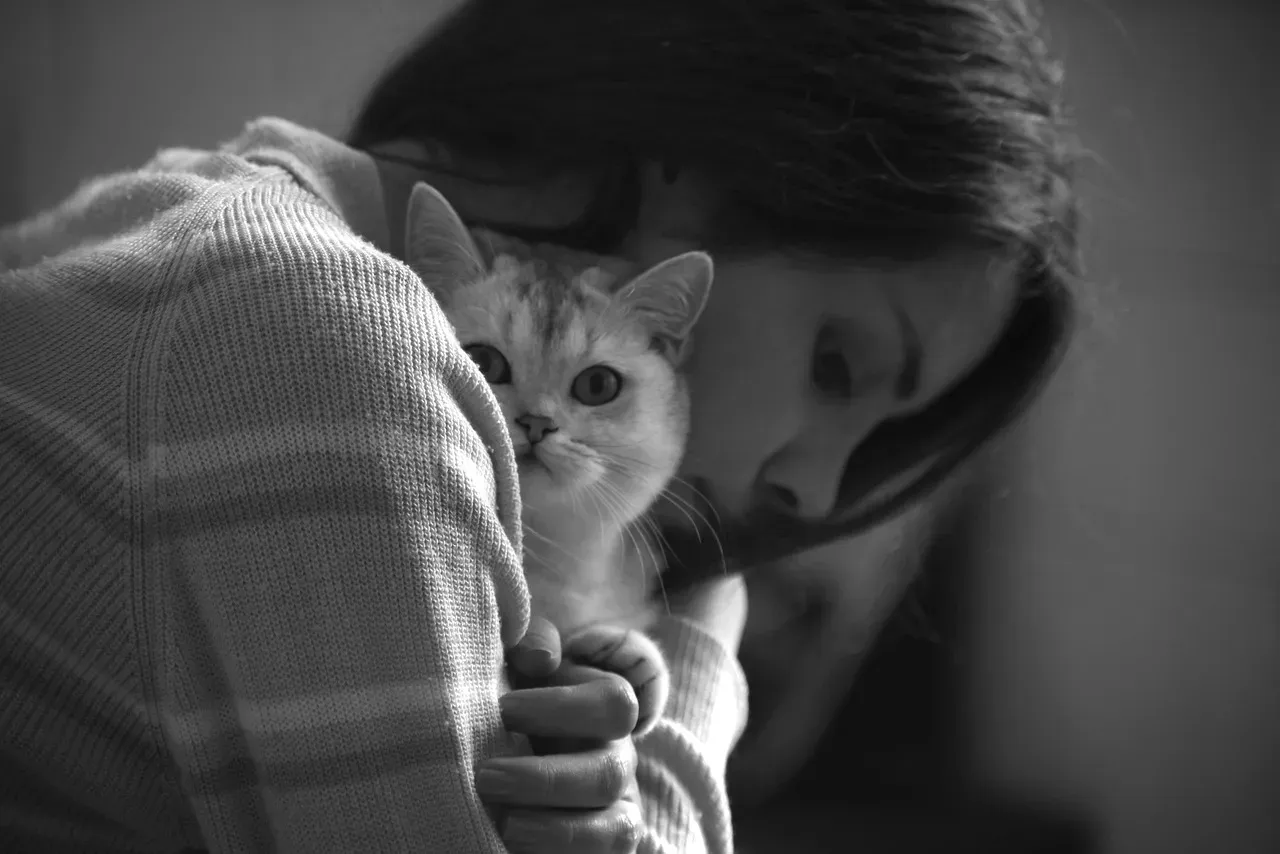
In multi-cat households, bunting isn't reserved for humans. Cats bunt each other as a kind of social greeting ritual, and behaviorists have found that cats with genuinely strong bonds bunt each other far more than cats who simply tolerate sharing a house.
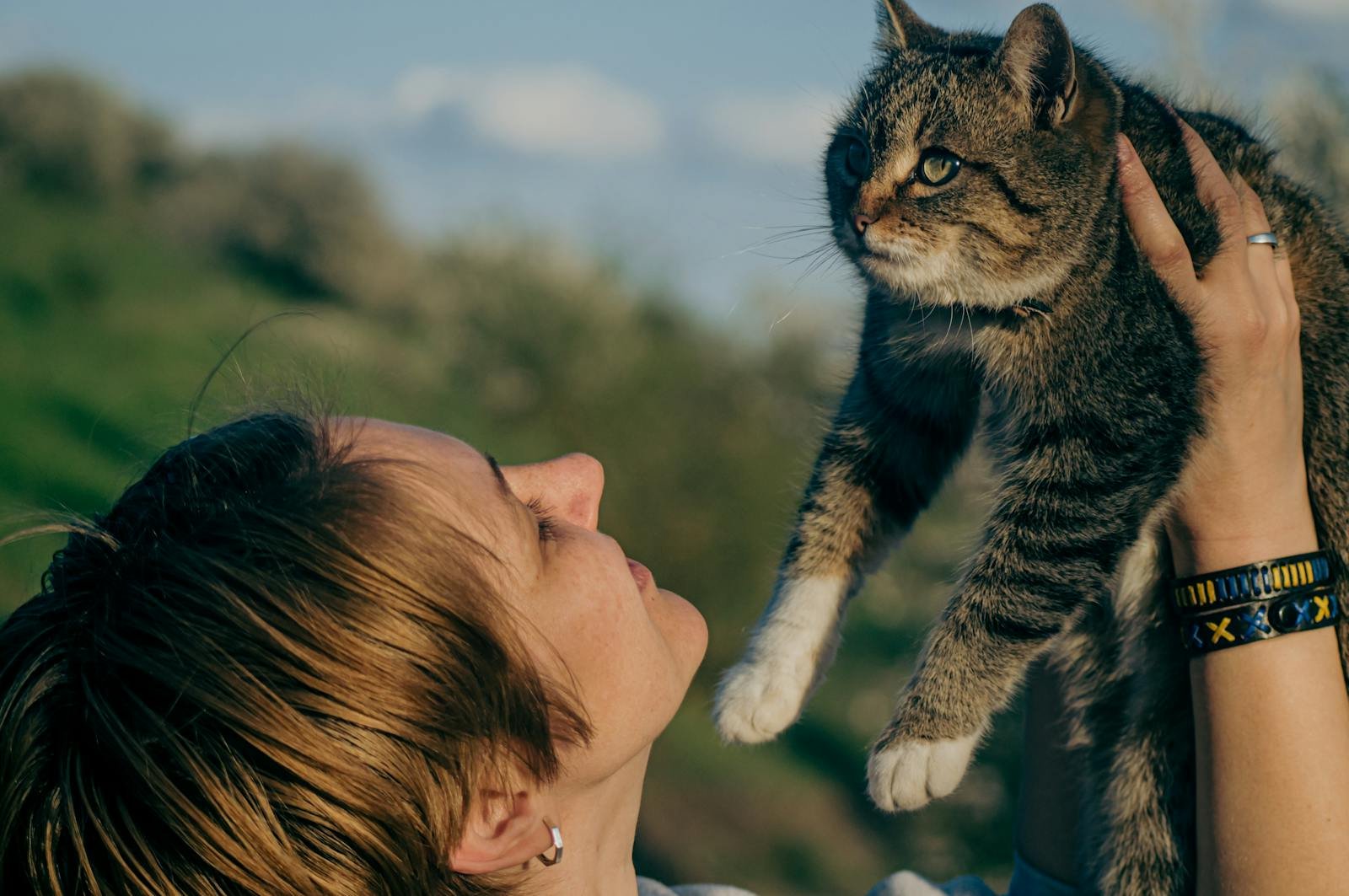
That reframes what it means when your cat bunts you. It's not treating you like an owner - it's treating you like another cat in its social group. Some experts argue this is one of the clearest signs that cats don't really register humans as a separate species at all, just as very large, oddly shaped cats who happen to control the food supply.
#9 - Kittens Learn Bunting From Their Mothers
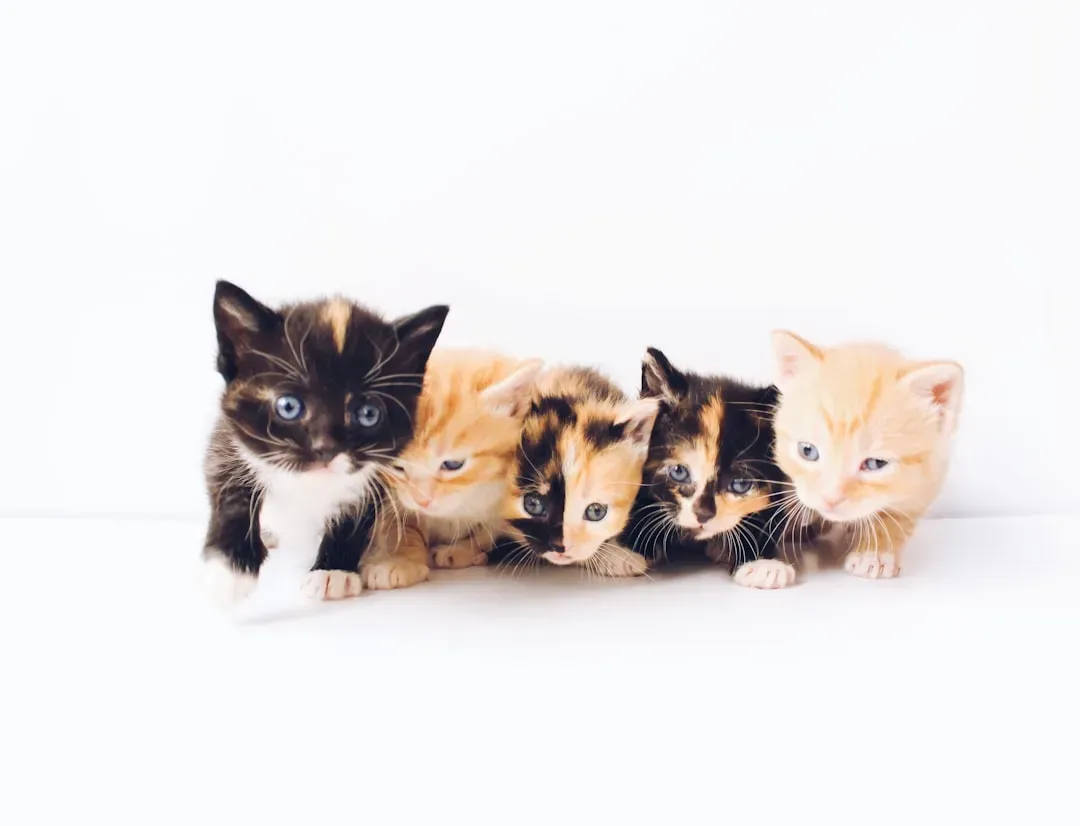
This behavior starts shockingly early. Kittens bunt their mothers while nursing, and behaviorists believe it reinforces the bond during a critical window of development.
As kittens grow, they carry the habit into adulthood, redirecting it toward humans, other pets, or a favorite blanket. That early imprinting is part of why some cats grow into full-blown "bunting machines" while others rarely bother. Personality, early socialization, and even breed play a role in how far the habit follows them into adult life.
#10 - Some Breeds Are Simply Built to Be "Bunty"
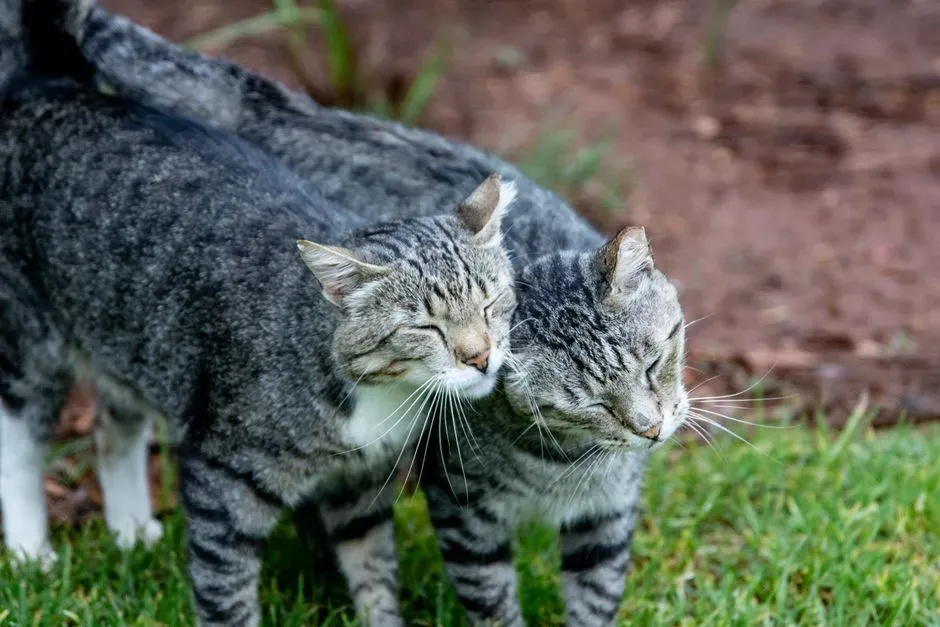
Not every cat headbutts with the same enthusiasm, and breed matters more than people expect. Highly social, people-oriented breeds - Siamese, Ragdoll, Sphynx - tend to bunt harder and more often than more independent breeds.
This is where cat owners start arguing: some insist "clingy" breeds are simply better companions, while others swear independent cats show love in quieter, more meaningful ways. Both sides have a point, but the science is clear that temperament - much of it breed-driven - directly shapes how often a cat initiates physical greetings like bunting.
Quick Compare
- High-bunting breeds: Siamese, Ragdoll, and Sphynx tend to greet with frequent headbutts
- More independent breeds: often show affection in quieter, less physical ways
- Bottom line: breed-driven temperament shapes how often a cat initiates contact
#11 - Anxiety Can Quietly Increase Bunting Frequency
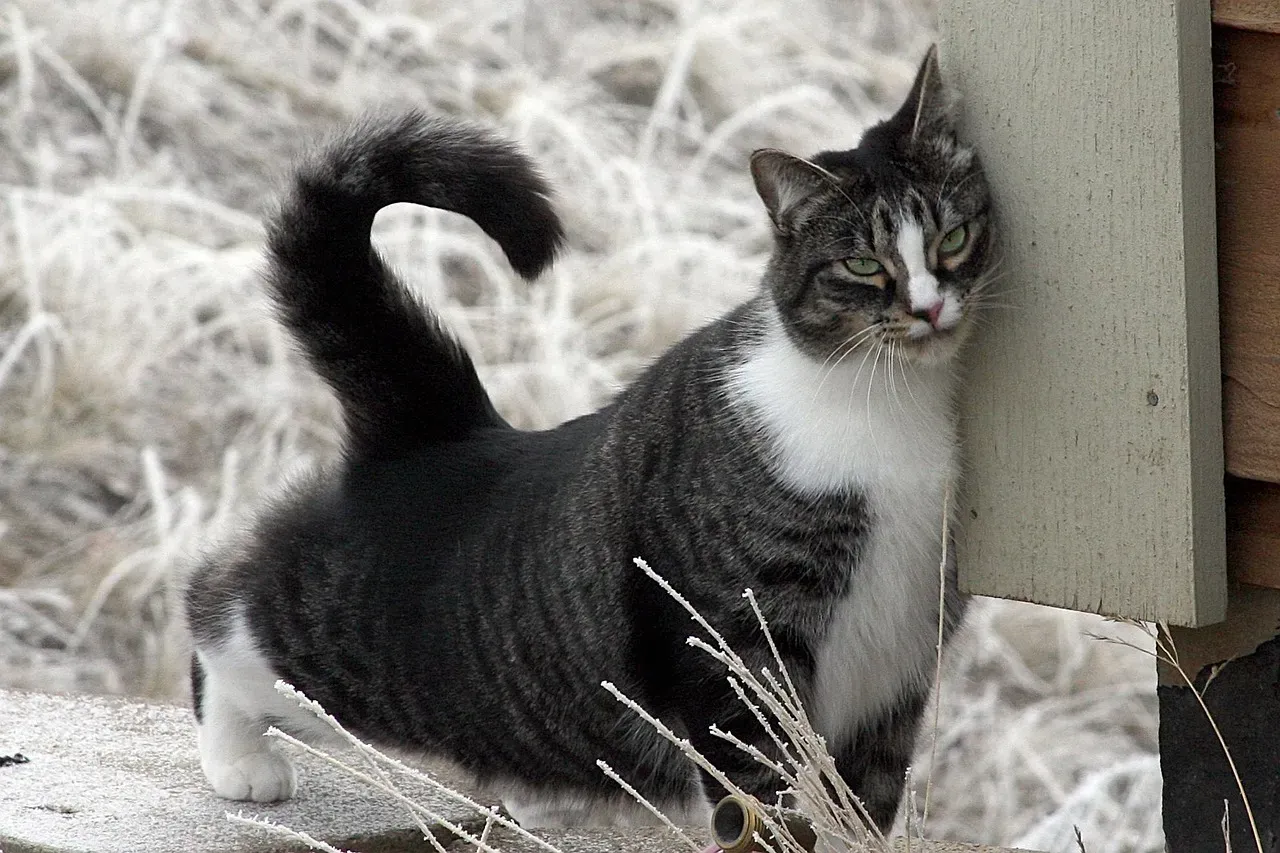
Here's an angle most owners never consider: bunting frequency can spike in cats with certain attachment styles, especially those prone to mild separation anxiety. Cats that struggle with alone time often greet their owners more intensely after waking, using bunting to reestablish connection after hours apart.
Some behaviorists warn that excessive morning bunting - especially paired with vocalizing or pacing - can actually be an early sign of anxiety rather than pure affection. That doesn't mean every enthusiastic headbutt is a red flag. But a calm, occasional bunt is a very different animal than frantic, repetitive bunting layered with stress behavior.
Worth Knowing
- Occasional, calm bunting after waking is a normal, healthy greeting
- Frantic bunting paired with vocalizing or pacing may signal mild separation anxiety
- Cats prone to alone-time stress often greet more intensely after hours apart
- Context matters more than frequency alone when reading the behavior
#12 - You're Probably Training Your Cat to Do It More
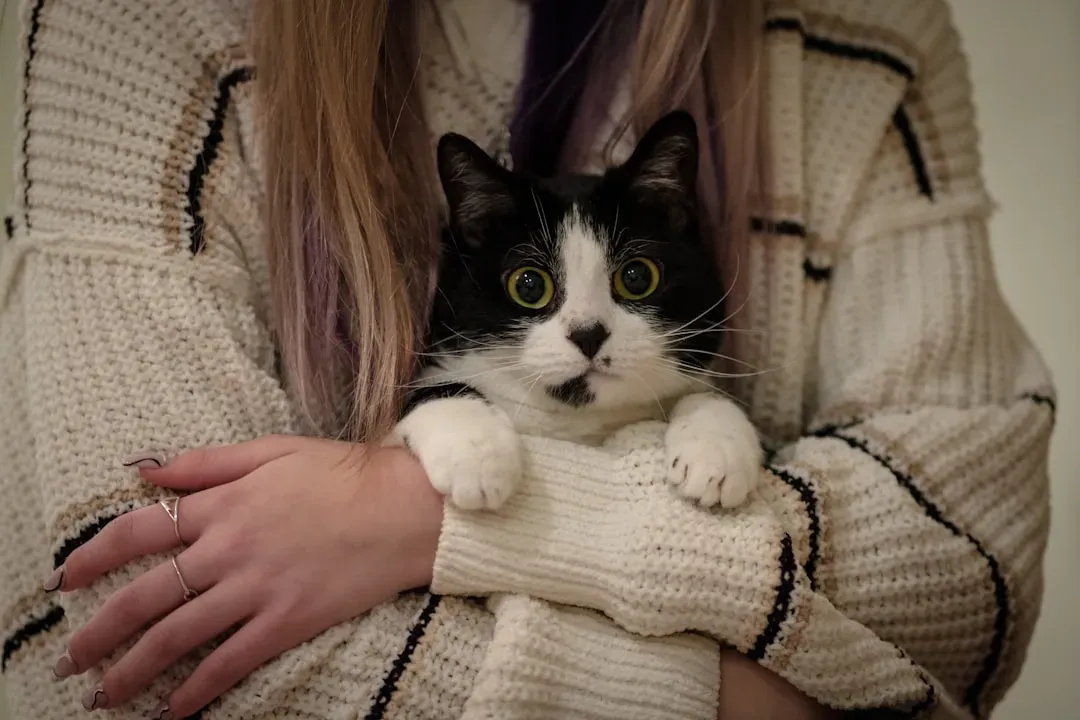
Like most learned behavior, bunting intensifies when it's rewarded. Owners who respond to morning headbutts with affection, treats, or instant attention are unintentionally reinforcing the habit, making it more frequent and more intense over time.
That creates a feedback loop: the more you respond, the more your cat bunts, and the more your cat bunts, the more likely you are to respond. Some experts argue this proves cats are better at training their owners than owners are at training their cats - a claim that tends to start real arguments among pet parents convinced their cat is "just naturally affectionate."
#13 - It's Still One of the Purest Forms of Feline Affection
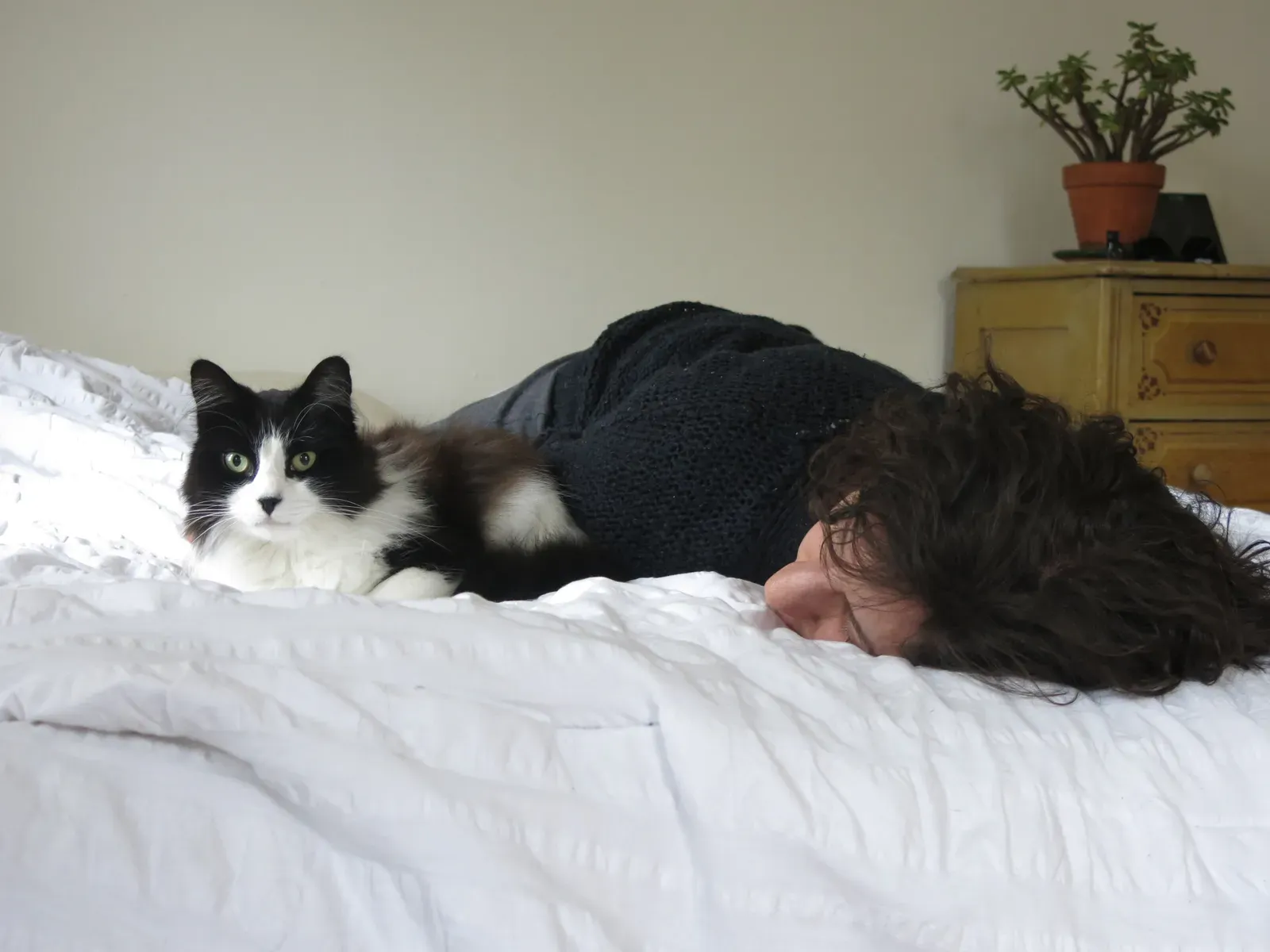
After all the science, one thing holds up: bunting remains one of the most genuine displays of affection in feline behavior. Unlike behaviors that can be driven by fear, stress, or pure self-interest, bunting overwhelmingly happens in safe, low-stress, comfortable moments.
Experts widely agree that a cat choosing to press its most vulnerable spot - its face - against you is a voluntary act of trust that can't be faked. Scent-marking, hunger, internal clocks - none of it cancels out the emotional core of the gesture. Your cat may have practical motives for that morning headbutt, but the trust underneath it is real.
The Bottom Line
Your cat's morning headbutt was never just a headbutt. It's biology, memory, trust, and a little bit of calculated hustle, all packed into three seconds of face-to-face contact. Scent glands, circadian rhythms, learned routines, and genuine affection collide in that single gesture, and honestly, that's more depth than most people give their cat credit for.
Here's the opinion part: cats don't get enough credit for how deliberate they are. Dogs wear their loyalty on their sleeve; cats encode theirs in ritual, scent, and timing, then act baffled when you're impressed by it. If your cat headbutts you every morning, that's not confused affection or a fluke of routine - it chose you, tested you, and decided you were safe enough to be part of its world. That's not manipulation. That's about as close to a compliment as a cat is capable of giving. Does your cat have a headbutt routine? Tell us how it wakes you up in the comments.