Few creatures on Earth have been as wildly misunderstood as the humble black cat. For centuries, these sleek, glossy-coated felines have been accused of carrying curses, consorting with witches, and bringing disaster to anyone unlucky enough to cross their path. It’s honestly a little ridiculous when you think about it – we’re talking about an animal whose greatest crime is usually knocking a glass off the kitchen counter.
The truth, backed by modern genetics, behavioral science, and historical research, is far more fascinating than any spooky folklore. What you’re about to discover might change the way you look at that midnight-coated cat lounging in your neighborhood. Let’s dive in.
Myth 1: A Black Cat Crossing Your Path Brings Bad Luck
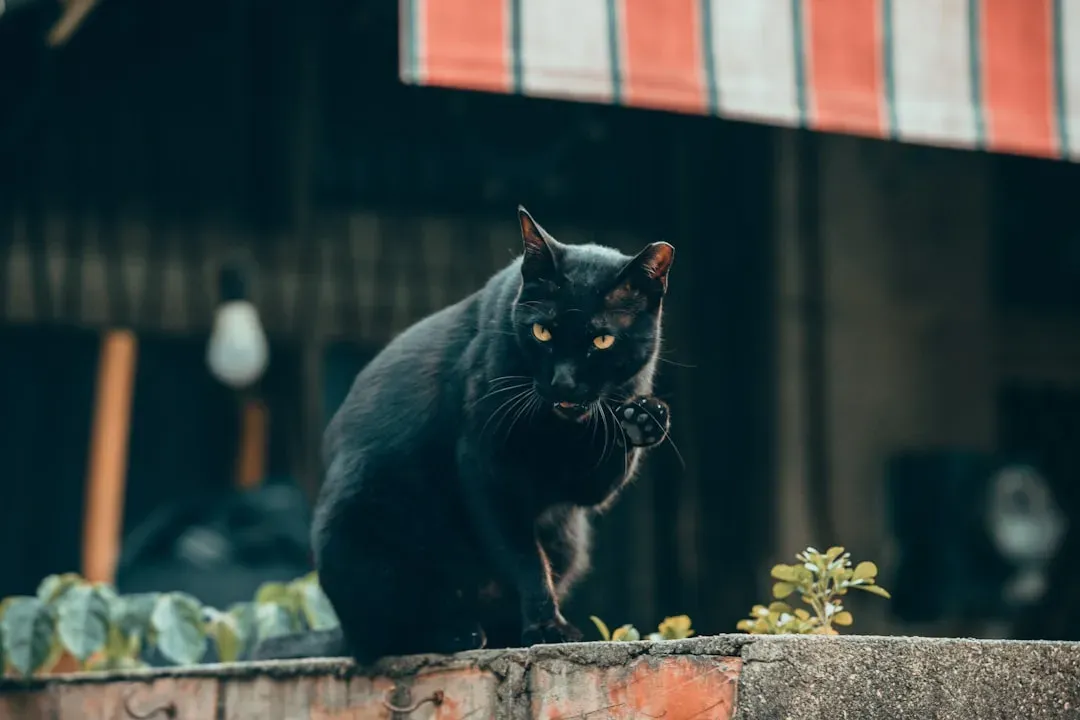
This is probably the most famous myth of all, and honestly, it has survived way longer than it ever deserved to. The rumor about bad luck started in Europe during the Middle Ages, based on the idea that a black cat might be a witch or demon in disguise. Think about how that fear must have traveled – from one frightened village to the next, growing bigger and stranger with every retelling, like a game of telephone across centuries.
Here’s the thing: the scientific world has looked at this claim, and the verdict is pretty clear. Modern science and studies on animal behavior have found no evidence to support this claim. In fact, genetics determines a cat’s coat color, which has no bearing on its personality or the fortune it brings. Beyond that, in many places around the world, black cats are actually a symbol of good luck. In Japan, it’s believed that black cats can bring love and fortune, and in Scotland, having a black cat appear on your doorstep means prosperity is on its way.
Myth 2: Black Cats Are Familiars of Witches and Practice Dark Magic
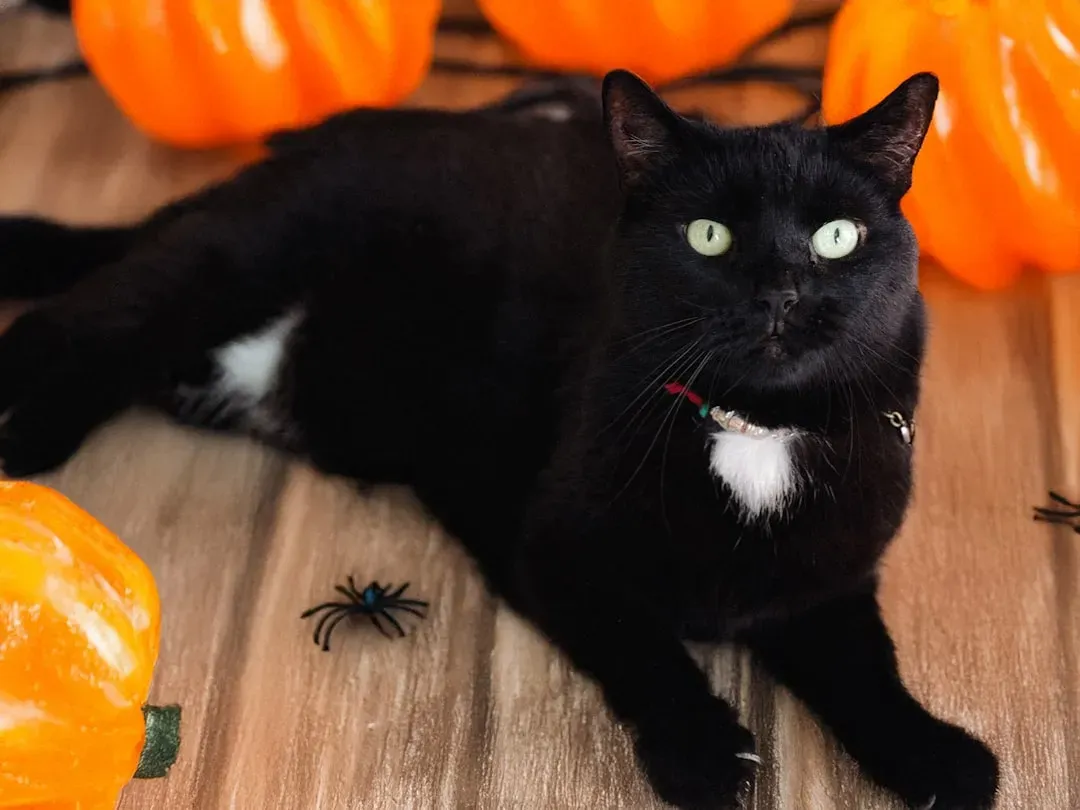
The association of black cats with witches may stem from Western demonology, in which they were often depicted as familiars of witches. These familiars were believed to be low-ranking demons given to witches by the devil, and black cats were thought to be a common form these demons would take. It’s a vivid image, sure – but it is rooted entirely in medieval fear and institutional manipulation, not reality.
The link between black cats and witches is rooted in a mixture of folklore, pagan religion, and superstition. Many of the early pagan practitioners labeled “witches” held a deep respect for the natural world and great affection for animals, including cats. Folklore often paired these practitioners with familiars or suggested they could turn into animals themselves. Science has confirmed what cat owners have always known: this idea came from medieval Europe, where fear and misinformation ran wild. There’s no evidence to support it. Black cats are just cats, not witches or magical beings.
Myth 3: Black Cats Are an Omen of Death
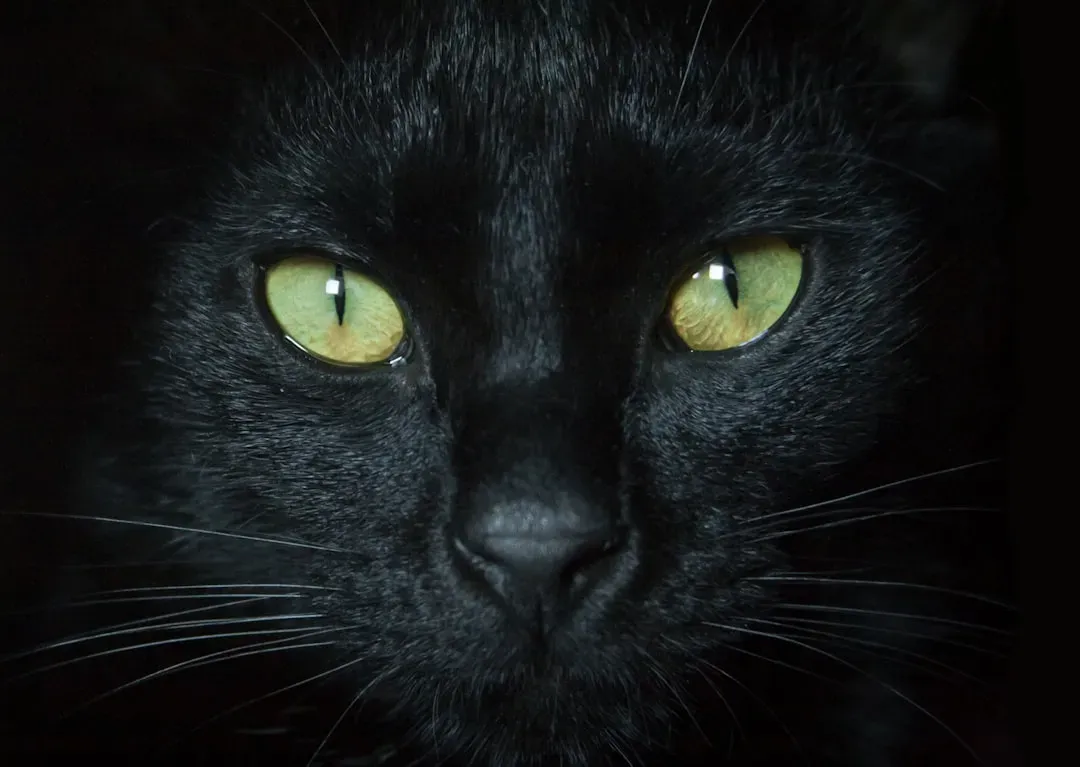
The myth about black cats being an omen of death comes from the days when people thought witches would send them curses. You can actually trace this specific fear to a very human need for explanation. When someone got sick in the Middle Ages and a black cat had recently wandered through, well, the cat got the blame. It was simpler than grappling with the reality of disease and mortality, I suppose.
What does modern science say? While we can’t say for sure whether you’ve been cursed, what we do know is that pets help people live longer. There are numerous health benefits associated with having pets – they can lower stress, improve heart health, boost mental health, and more. So falling in love with a black cat might actually help protect you from those pesky death omens. So rather than being harbingers of death, these beautiful animals may be quietly adding years to your life.
Myth 4: Black Cats Were Always Considered Unlucky Throughout History
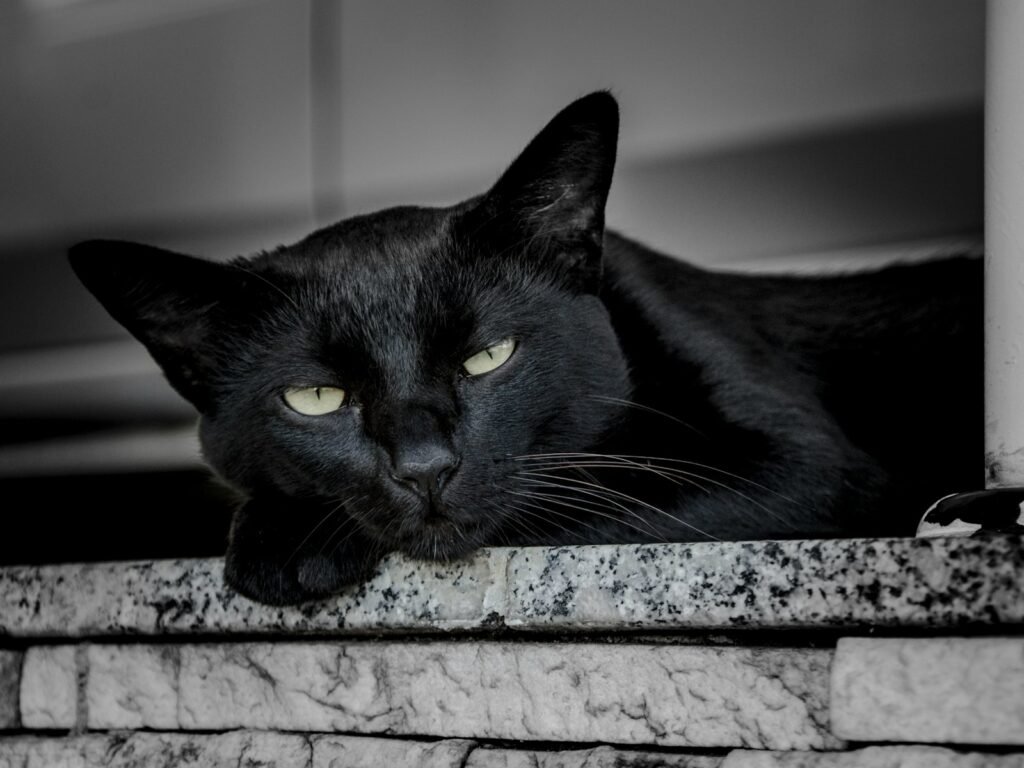
This myth falls apart the moment you look beyond medieval Europe. In ancient Egypt, black cats were held in the highest esteem because they resembled Bastet, the cat-headed Egyptian goddess of home, fertility, and protection from disease. They weren’t feared. They were revered, protected, and cherished. Harming one was no small matter either – according to National Geographic, cats were so well respected that even accidentally killing a cat would result in being sentenced to death.
As Bastet’s image shifted over time, she became a nurturing figure with the body of a woman and the head of a black cat. Throughout Egyptian history, black cats were considered divine descendants of Bastet and are often viewed as symbols of prosperity today. Far from being universally cursed, in Latvia, black cats on farms mean prosperity and a good harvest. In Italy black cats mean upcoming good luck. In Germany, a black cat walking left to right is good luck. In Thailand, black cats are considered auspicious and bring prosperity to their owners.
Myth 5: The Church Declared Black Cats Evil – So It Must Be True
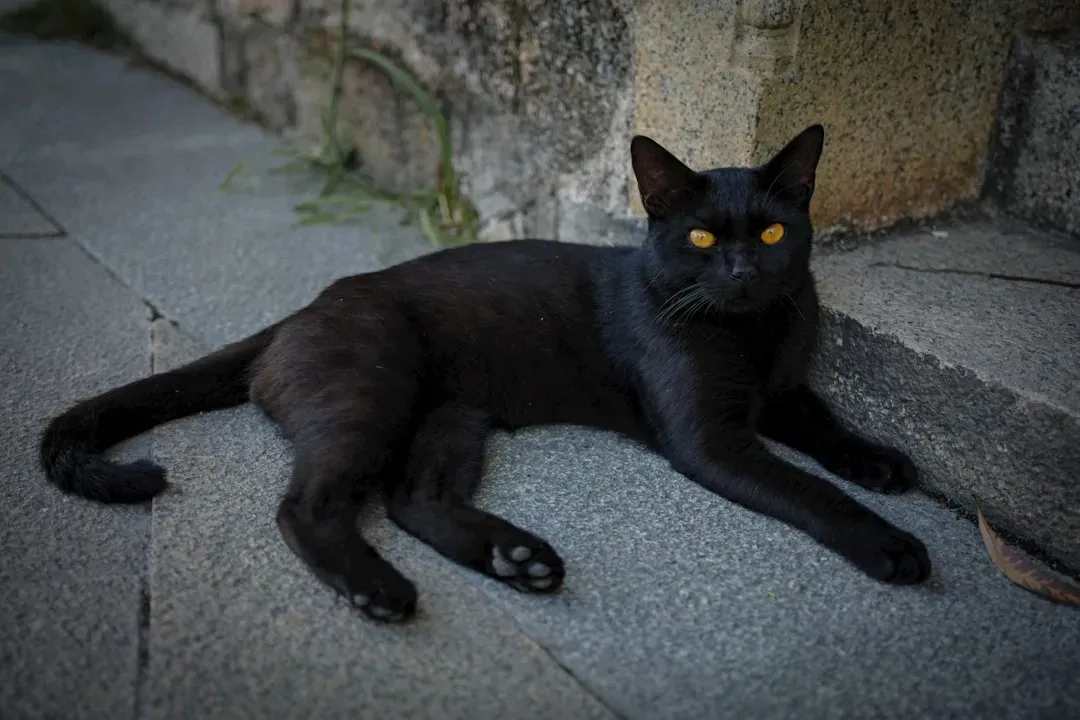
This one has a very specific, very dark historical origin. The Middle Ages were a particularly grim period for black cats. In 1233 C.E., Pope Gregory IX, representing the Catholic Church, proclaimed that the black cat wasn’t merely a bad omen, but an incarnation of the devil. That single declaration had catastrophic consequences for black cats across Europe for centuries. Imagine a single document reshaping an entire culture’s relationship with an animal.
During the Middle Ages, it wasn’t uncommon for cats to be killed, given their association with evil. Some people even went as far as blaming cats for spreading the Bubonic plague and used that as another reason to get rid of them. However, their ill-conceived plan backfired. With the reduced number of cats to control the rodent population, the disease spread rapidly. In one of history’s most bitter ironies, the mass killing of cats – driven by superstition – actually helped fuel the very plague they feared.
Myth 6: Black Cats Have Aggressive, Unpredictable Personalities
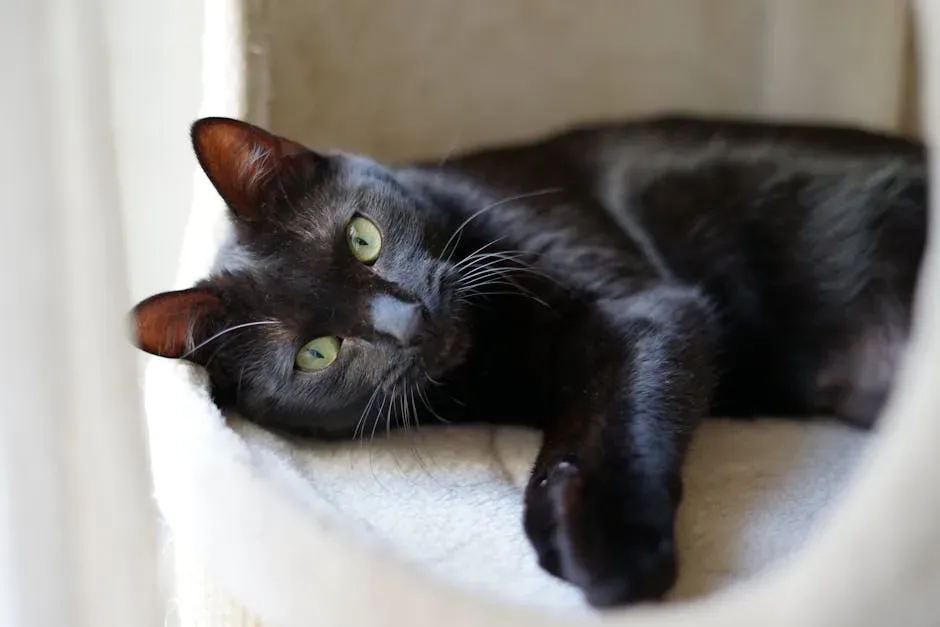
Let’s be real: this stereotype has done enormous damage to these animals’ chances of finding loving homes. Black cats can be seen as less friendly, less playful, and more aggressive. People feel they cannot read the emotions of black cats as well as other cats and therefore think they are less approachable. It’s a perception problem rooted in bias, not behavior. It’s a bit like assuming a person is unfriendly simply because they’re wearing dark clothing.
While some studies suggest that coat color can influence cat behavior, other research shows no significant correlation. The personality of a black cat depends more on its individual genetic makeup and experiences rather than its coat color. In practice, black cats make loving family members. They love to cuddle and play. They might even meow to you over the phone when you are away from home. Black cats are wonderful at being both friendly to all and dedicated to their person.
Myth 7: Black Cats Are Unhealthy and Short-Lived
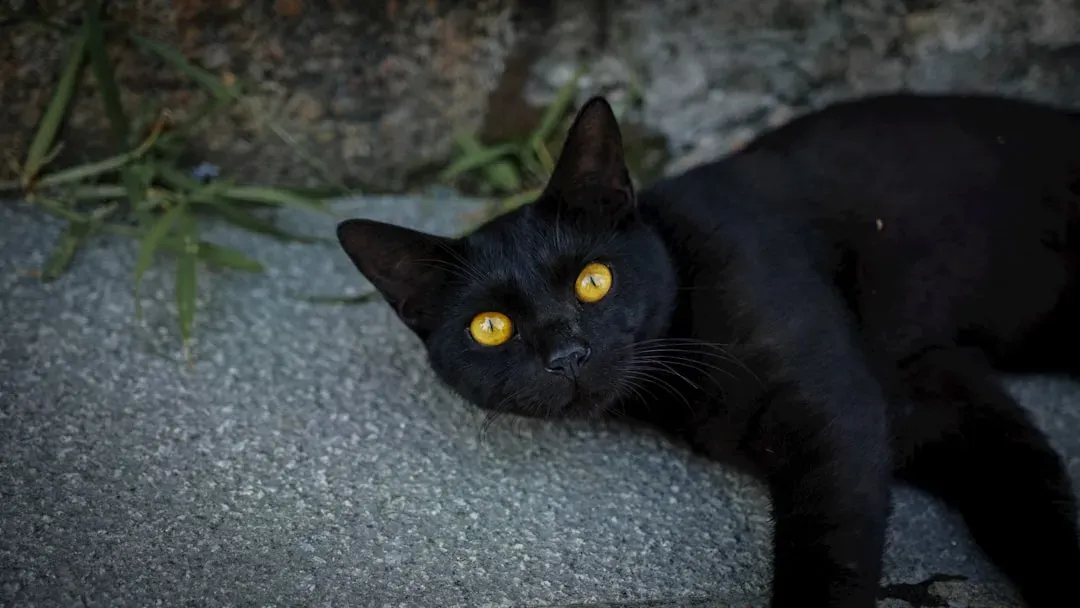
You might actually be shocked by what science has uncovered here. Black cats’ color comes from a group of genetic mutations that affect melanin production. Interestingly, some of these mutations affect resistance to feline immunodeficiency virus (FIV), much like certain genetic traits in humans offer resistance to HIV. That’s not a small discovery – it’s a hint that centuries of supposed “bad luck” may have been masking a genuine biological advantage.
Recent genetic studies have revealed fascinating connections between black fur and immune system strength. The melanistic gene that gives black cats their color may actually provide them with enhanced protection against certain diseases, making them potentially more resilient than their differently-colored counterparts. Think of it like a built-in shield. The National Institutes of Health have been engaged in research regarding black cat genetic mutations using domestic cats and jaguars, and believe that they create higher resistance to illnesses such as Feline Immunodeficiency Disease. Currently, the NIH is using its findings to work on a treatment for FIV as well as HIV.
Myth 8: Black Cats Are a Single Unlucky Breed
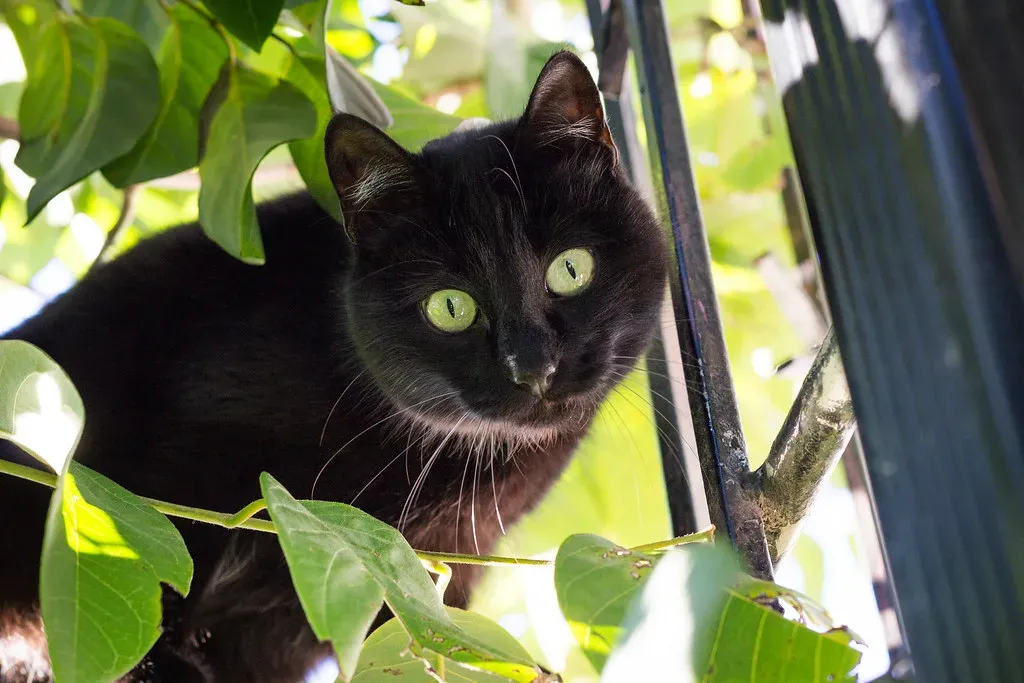
Many people assume a black cat is simply a “type” of cat – one mysterious, possibly cursed species. That’s not how it works at all. A black cat’s coat color comes from a high concentration of eumelanin, the pigment responsible for black and dark brown fur. Genetically, black cats aren’t a separate breed; they’re simply cats with a solid black coat color that can appear across many breeds and mixes. The black coat is a color, not a category.
The Cat Fanciers’ Association recognizes twenty-two breeds of cats that may be black. The breed known as Bombay is exclusively black. So when you picture a “black cat,” you could actually be picturing a Maine Coon, a Bombay, a British Shorthair, or even a Persian. The gene for black fur is dominant, which means black cats can appear in litters of various colors. And that’s science, not magic.
Myth 9: Black Cats Were Universally Feared at Sea
The sea myth is actually one of the more ironic ones in this whole list. The popular narrative places black cats as bad luck symbols – something sailors would want nowhere near their ship. But the actual historical record tells a completely different story. Sailors considering a “ship’s cat” would want a black one because it would bring good luck. Sometimes, fishermen’s wives would keep black cats at home too, in the hope that they would use their influence to protect their husbands at sea.
English sailors believed that keeping black cats happy would ensure fair weather when they went to sea. So instead of being feared and thrown overboard, black cats were actually prized onboard. They were working animals valued for pest control, and many sailors saw them as protective companions. Pirates even believed that if a black cat walks toward you it is good luck, but if they walk away from you, your luck will be bad. Quite the nuanced nautical philosophy, honestly.
Myth 10: Black Cats Are Hard to Adopt Because Nobody Really Wants Them
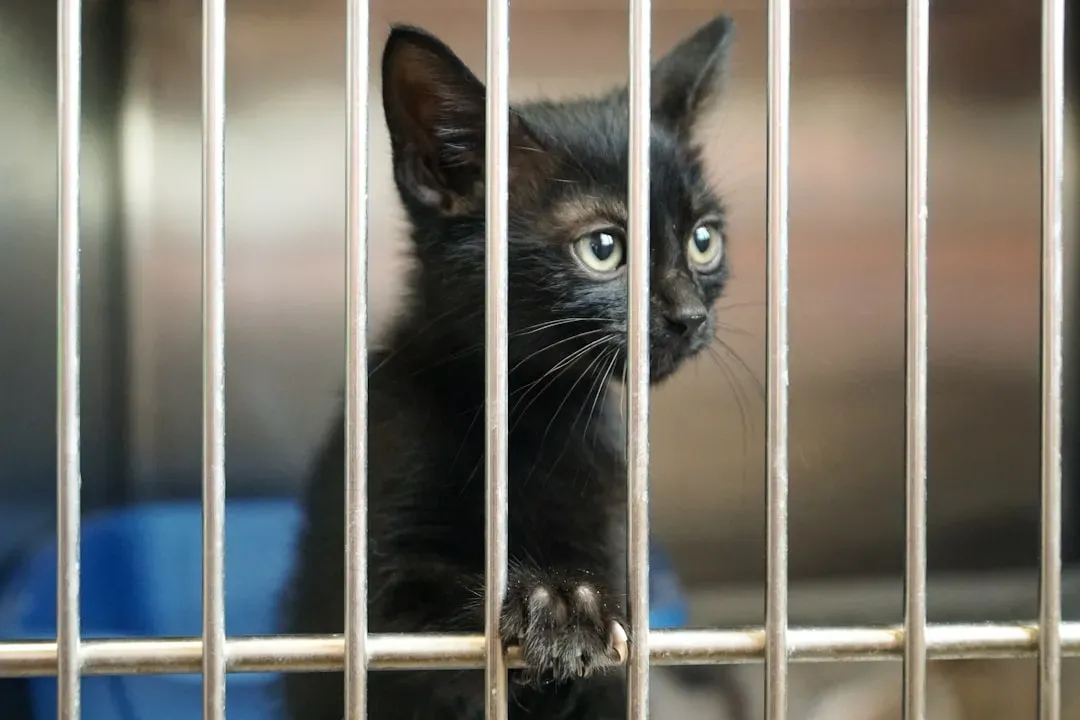
This myth is probably the most heartbreaking one of all, because it has the most real-world consequences. Of all cats in shelters, black cats have the highest rate of euthanasia at a rate of 74.6%, and the lowest rate of adoption at 10% of any cat. That is a staggering and deeply unfair statistic. A modern-day myth about black cats suggests they’re adopted at lower rates than their light-colored counterparts. It’s a phenomenon known as “black cat syndrome,” and some experts say superstition and negative stereotypes are to blame. While research does support the claim that black cats take longer to adopt, superstition may not be the sole reason.
No one has ever documented in the history of humane work any relationship between adopting black cats and cats being killed or injured. When such killings are reported, forensic evidence has pointed to natural predators as the likely cause. The good news? Research in shelter environments indicates that, once given positive encounters, black cats show similar adoption rates and affectionate behaviors as cats of other colors. The problem isn’t the cats. It never was. It’s the myths we keep choosing to believe.
Conclusion: The Science Is Clear – Black Cats Deserve Better
When you lay out all ten of these myths side by side, a pattern emerges. Nearly every single one of them was born from fear, institutional propaganda, or simple misunderstanding – not from anything the animals themselves ever did. Science, genetics, and behavioral research have dismantled these narratives one by one, revealing what cat lovers have always suspected: black cats are extraordinary, resilient, and genuinely wonderful companions.
From ancient Egypt’s reverence to the NIH’s groundbreaking FIV resistance research, the evidence paints a picture of an animal that has been unfairly persecuted for centuries. Unwanted and abandoned black cats are notoriously difficult to rehome thanks to superstition and myth. In reality, the only supernatural powers that black cats possess are ones of unconditional love and affection, just like any other cat.
It’s worth asking yourself: how many beautiful, loyal, healthy animals have suffered because of stories invented hundreds of years ago by people who had no science to guide them? We do have that science now. The real question is what we choose to do with it. If you’ve ever considered opening your home to a cat, maybe the sleek, golden-eyed “house panther” waiting quietly at your local shelter is exactly the companion you never knew you needed. What do you think – are you ready to let go of the myth?