You’ve probably watched your cat do something that left you totally baffled. Maybe they knocked your glass off the counter, or turned their back on you just as you walked in the door, or presented their rear end right in your face. It’s easy to jump to conclusions about what your cat is trying to tell you. Here’s the thing, though: most of us get it wrong.
Cats are mysterious, sure. They’re also wildly misunderstood. We project our human emotions and logic onto them, assuming their behaviors mean the same things ours do. They don’t. Let’s dive into the real reasons behind some of your cat’s most puzzling actions and clear up a few myths along the way.
Sitting With Their Back to You Is Actually a Compliment
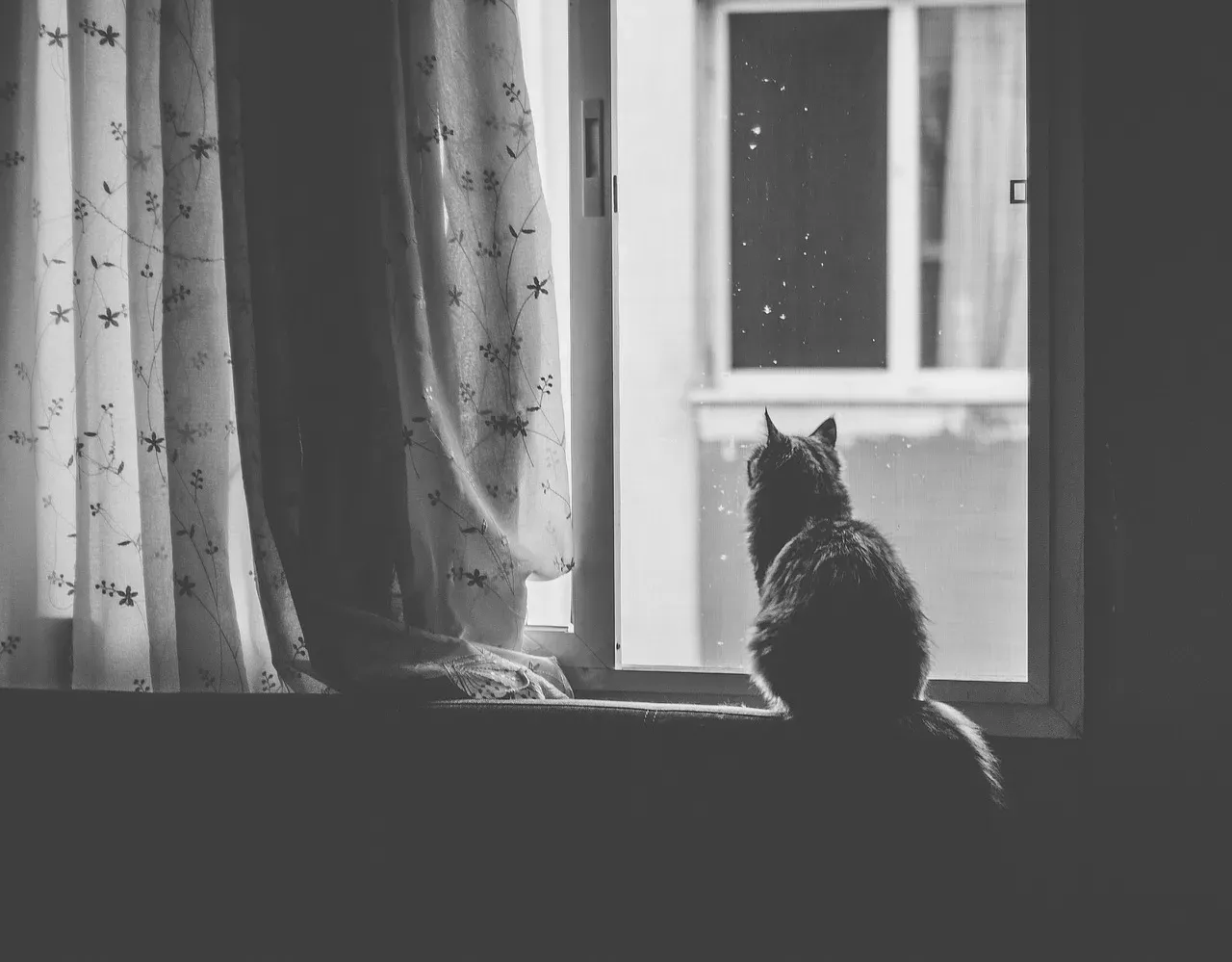
When your cat turns their back on you, it’s actually their way of showing love because they’re allowing themselves to be vulnerable, knowing you’ll never hurt them. Think about it from their perspective. Cats are both predators and prey animals. Turning away from something larger than them goes against every survival instinct they have.
By turning their backs to you, they demonstrate trust and a sense of security, which in the wild would be a very dangerous move. This posture is actually a sign of trust because your cat knows you aren’t a threat, so they’re free to turn their back and oversee what’s going on in the room. Your cat isn’t ignoring you at all. They’re giving you one of the highest compliments a feline can offer.
Purring Doesn’t Always Mean Your Cat Is Happy
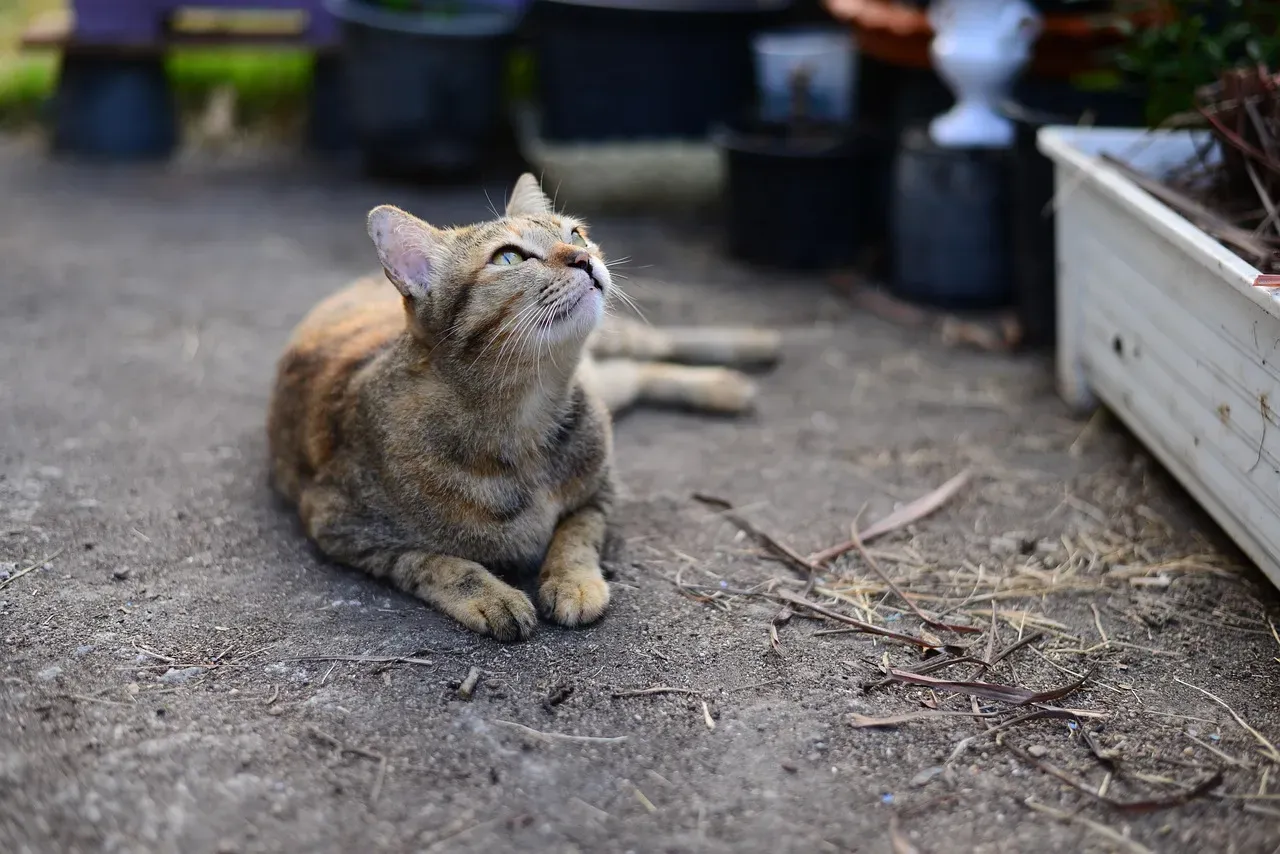
Most of us assume a purring cat equals a happy cat. Cats purr at times of fear, stress and pain, not just when they are happy or content. They might purr at the veterinarian’s office when they’re terrified. Cats purr when they are happy and when they’re scared, when they want you to feed them, when they are happy to see you, when you take them to the vet, and even when they are injured.
It’s possible the act of purring when less than happy is a bit like humans whistling in the dark, as they may be attempting to self-soothe with an act that is usually associated with a happier time. So next time your cat purrs, look at the bigger picture. Check their body language and the situation they’re in before assuming everything is wonderful.
Kneading You Means More Than Just Comfort
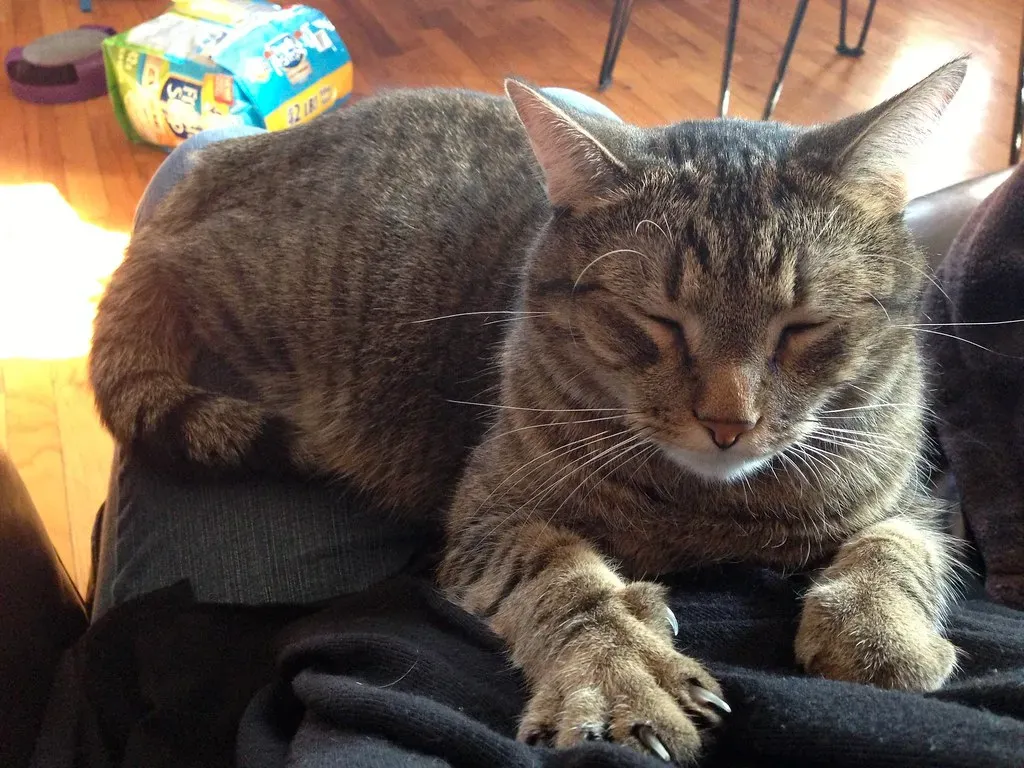
Kneading is an adorably weird behavior that’s leftover from the cat’s days of nursing on mom, when using their paws to manipulate the mammary glands stimulates the production of milk. Many people know this much. What they don’t realize is that kneading serves multiple purposes in adult cats.
Kneading is also a way cats mark territory, since a cat has scent glands in their paws as well. When your cat kneads you, they’re claiming you as part of their territory. The action of kneading releases dopamine in the brain, so increased or excessive kneading can be a sign that your cat is uncomfortable or anxious, and their kneading could be an attempt to soothe themselves.
Knocking Things Off Tables Isn’t Done Out of Spite
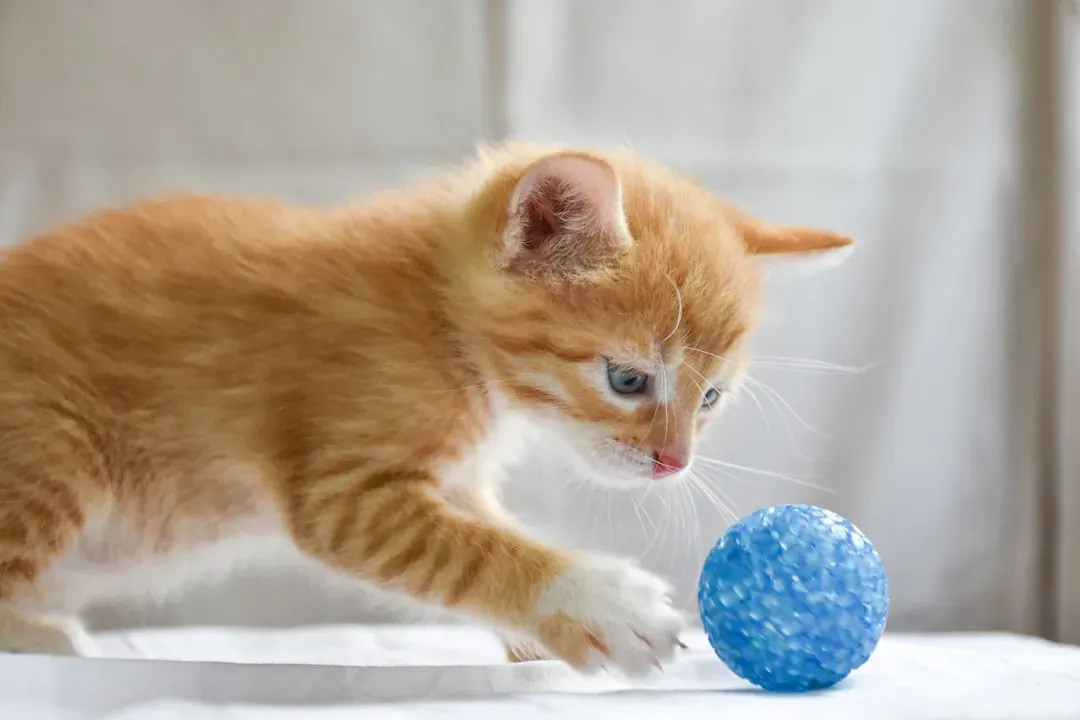
Your cat just watched your favorite mug crash to the floor. They stared at it the whole way down. Surely they did that on purpose to annoy you, right? Wrong. Cats have an inherent curiosity about their surroundings and engage in exploratory behavior by using their paws to touch and interact with objects, and when an object rolls or moves in response to their touch, cats may perceive it as prey trying to escape, triggering their instinct to chase.
They aren’t knocking things over just to mess with you. It’s about exploration and hunting instincts. Your cat’s brain is wired to test objects, see how they move, and engage with anything that might be prey. The fact that it drives you up the wall is purely coincidental.
A Twitching Tail Doesn’t Always Signal Anger
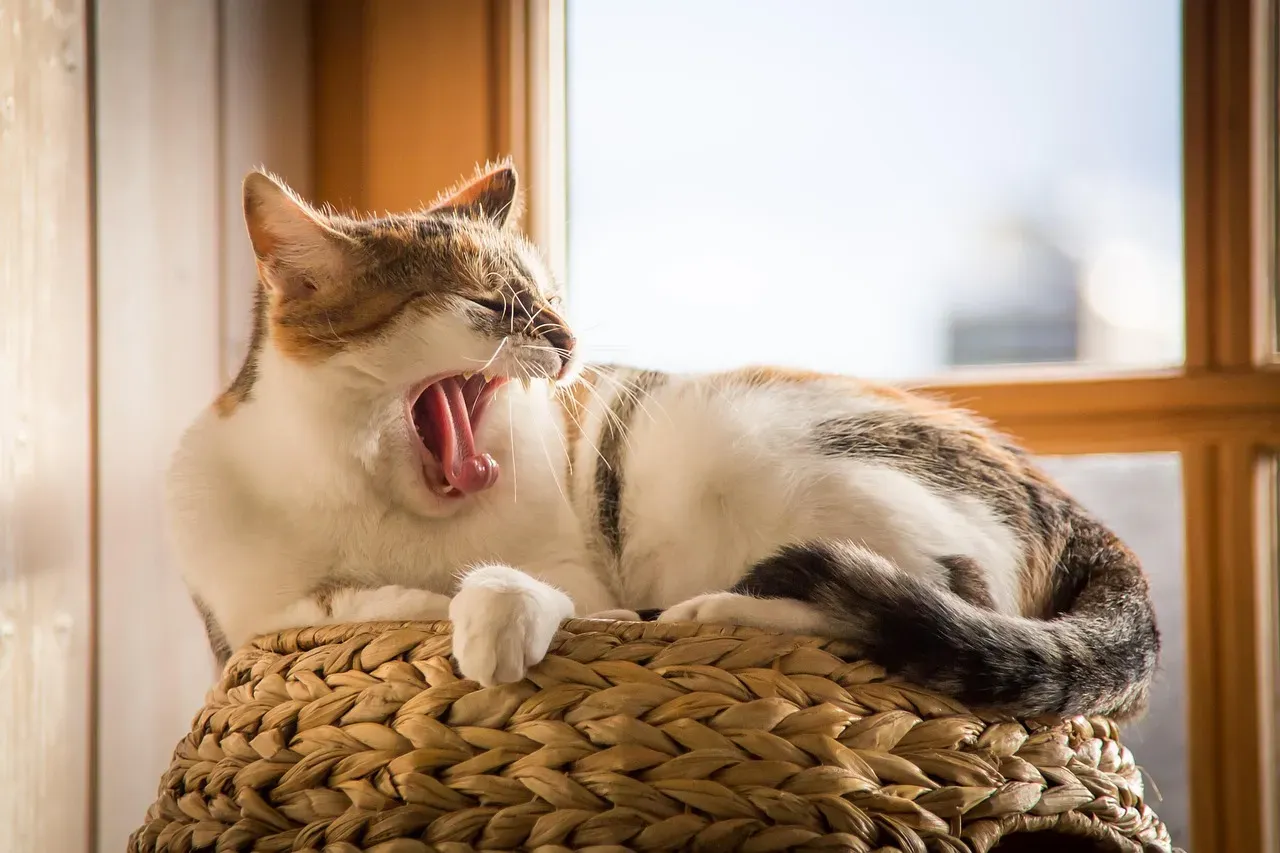
The tail of a relaxed, napping cat might perform a slow, luxurious swaying, but if you see the tail speed up and begin moving in a twitchy way, it’s an indicator that something is starting to get on their nerves. Honestly, tail language is one of the trickiest things to decode because context matters so much.
A napping cat with a tapping tail is relaxed overall but paying attention to something happening around them, a sound or movement, and if they’re really sleeping, a moving tail could mean they’re dreaming. A slowly swaying tail means a cat is in the zone and has zeroed all their attention on a target of interest but is likely feeling playful. The key is watching the whole cat, not just one part.
Presenting Their Backside Isn’t Rude
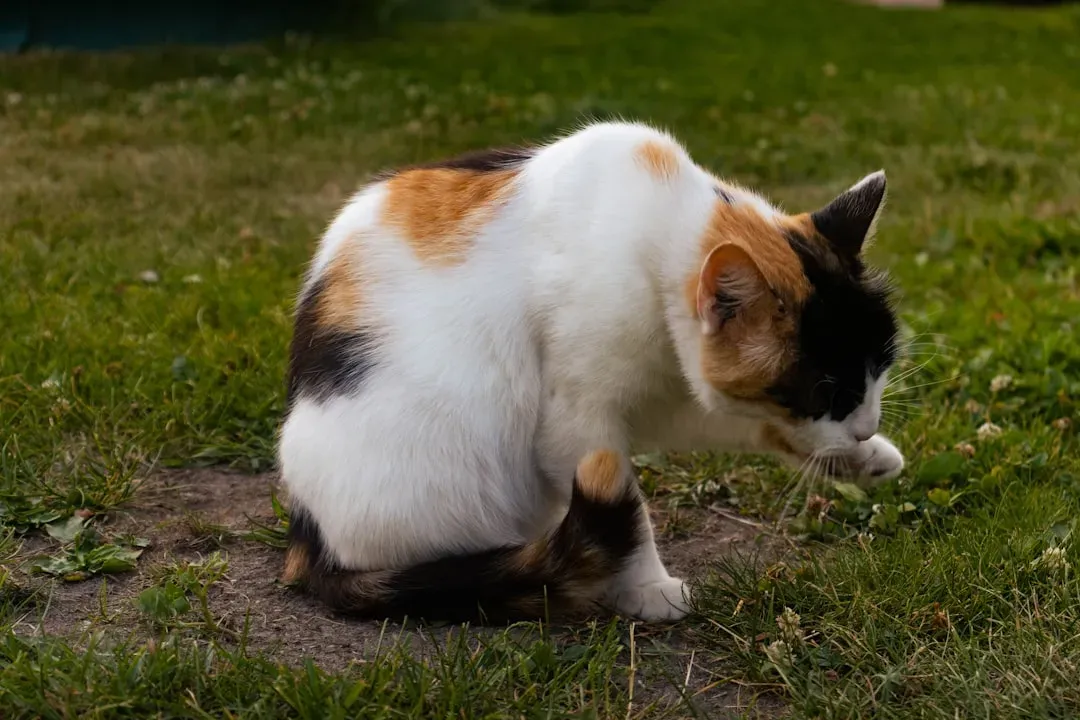
Few things feel more awkward than when your cat sticks their rear end directly in your face. From a human perspective, it’s downright offensive. From our human perspective, it might be odd or even rude when a cat suddenly turns her back and shows you her butt instead, but your cat is actually displaying proper feline manners.
When two cats greet each other they depend on scent as a valuable communication tool, starting with nose-to-nose sniffing, then engaging in flank sniffing or rubbing, and finally one cat will turn around to present their backside for some anal sniffing, which tells the sniffer much information about the cat being sniffed. Your cat is treating you like a trusted friend. You don’t have to sniff, though. Just give them a gentle pet instead.
Bringing You Dead Animals Is an Act of Love
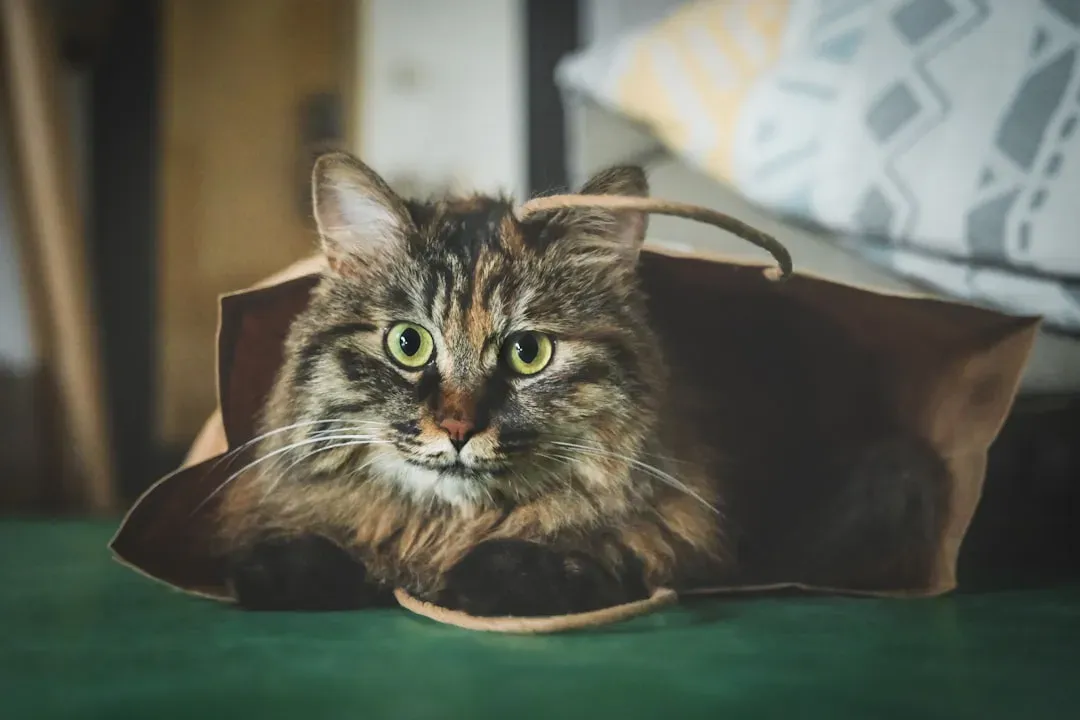
Cats have an innate hunting instinct, which can sometimes manifest in them bringing their humans dead birds, rodents, or bugs as a way to show their affection and regard their human family as part of their pack, demonstrating their desire to contribute to the group’s wellbeing and ensure that their humans are well-fed. Your cat isn’t trying to gross you out or teach you how to hunt.
They’re sharing their success with you. Think of it like a kid bringing home a drawing from school. It might not be what you wanted, but the gesture comes from a place of genuine affection. So when your cat drops a mouse at your feet, they’re basically saying, “Look what I did for you!”
Zoomies Are Pent-Up Energy, Not Chaos
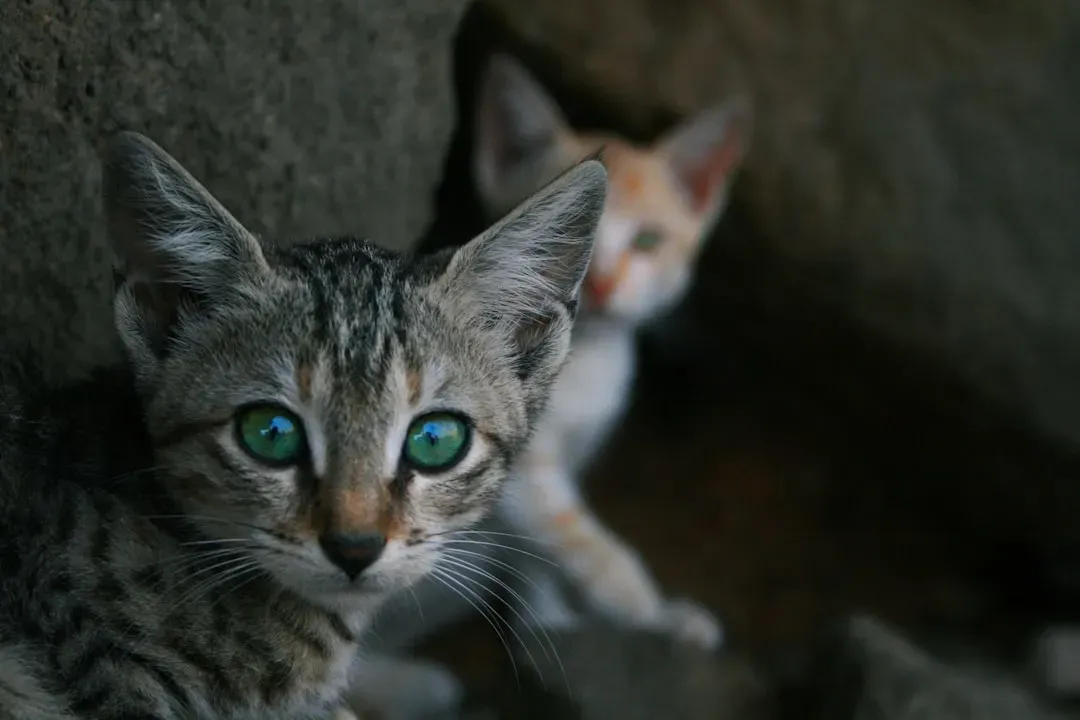
These bursts of energy, sometimes called the zoomies, are probably outlets for accumulated arousal, frustration, fear, or pent-up energy. Cats are also crepuscular, meaning they are most active at dawn and dusk, and the rest of the time they sleep or doze, storing up energy to confuse you with.
Your cat isn’t losing their mind at three in the morning. They’re just doing what comes naturally. Indoor cats especially need outlets for their energy since they can’t climb trees or chase actual prey. Those midnight sprints through the house are completely normal and actually healthy.
Belly Exposure Doesn’t Always Mean “Rub My Belly”
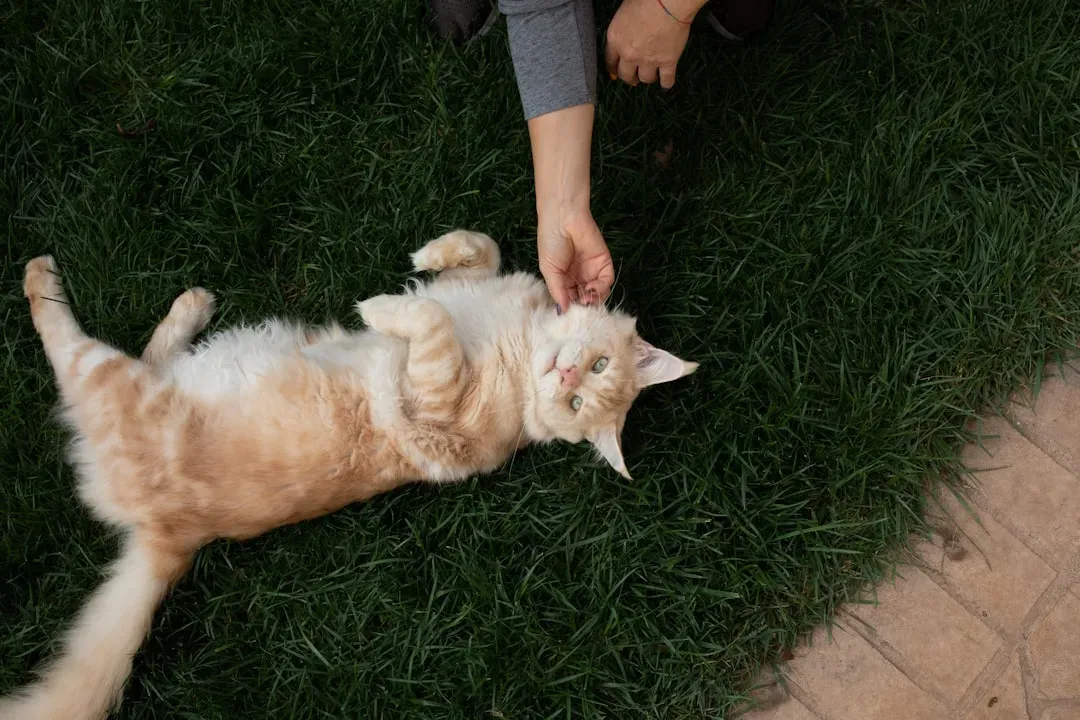
One of the most confusing cat behaviors is when they roll onto their backs and expose their bellies, which many people assume is an invitation for belly rubs, but it’s actually a deep showing of trust, meaning your cat is comfortable around you and is open to being touched there. The belly is a cat’s most vulnerable spot. Showing it to you is huge.
When cats expose their bellies to us, they are saying they trust us, but when we take them up on this offer by rubbing their bellies, they may retract it with a bite or a scratch, as it was only meant as a form of communication. You might get lucky and have a cat who loves belly rubs. Most don’t, though. It’s about respect and reading their signals correctly.
Staring Into Space Isn’t Weird, It’s Sensory
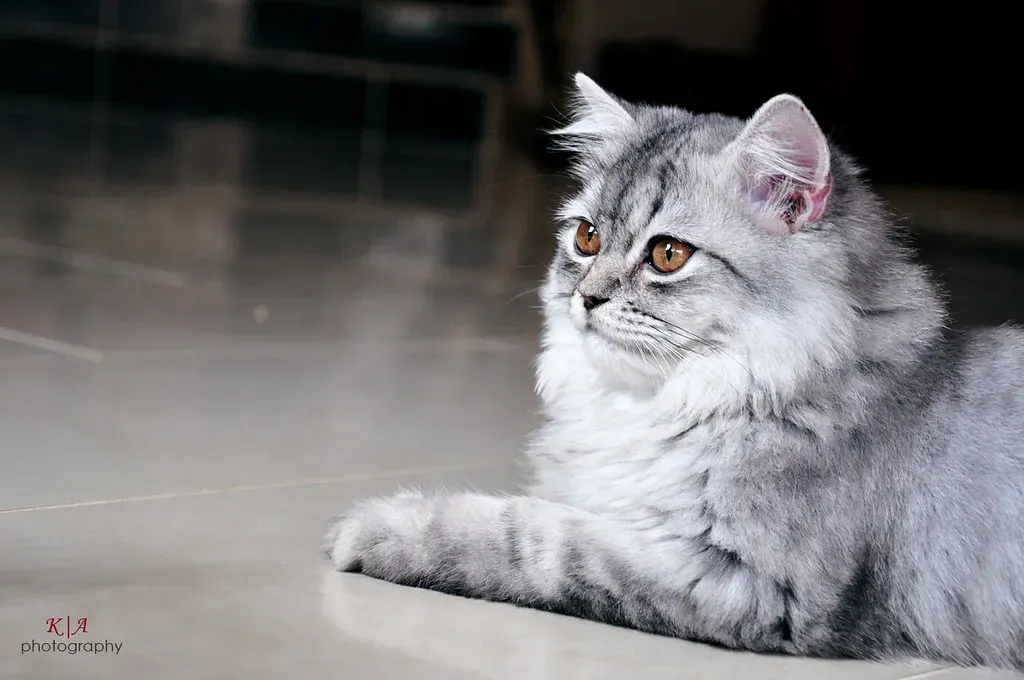
Ever catch your cat staring intensely at seemingly nothing? It’s unnerving, I’ll admit. Staring into corners or walls can indicate heightened sensory awareness, as cats detect subtle movements or sounds beyond human perception. Your cat isn’t seeing ghosts. They’re just operating on a completely different sensory level than you are.
Cats can hear frequencies we can’t. They can detect the tiniest movements. That blank wall might have a bug crawling inside it or vibrations from something outside. Your cat is simply paying attention to stimuli you’re completely oblivious to.
Chattering at Birds Is Hunting Frustration
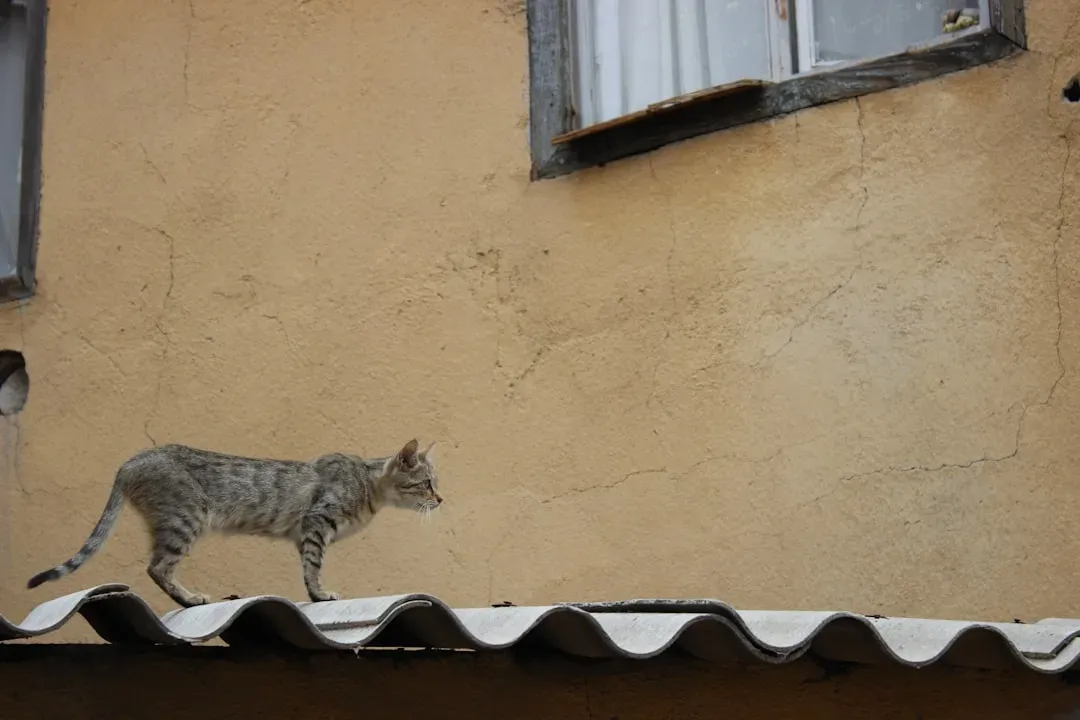
Chattering occurs when hunting or tracking potential prey, consisting of quick chirps made while the mouth vibrates, and this behavior may be in response to a surge of adrenaline or caused by the anticipation of a pending hunt. Some experts think it’s excitement mixed with frustration.
Your indoor cat can see the bird. They can imagine catching it. They just can’t actually get to it. That chattering sound is their hunting instinct firing on all cylinders with nowhere to go. It’s honestly one of the most endearing sounds a cat makes.
Slow Blinking Is Exactly What It Seems: Affection
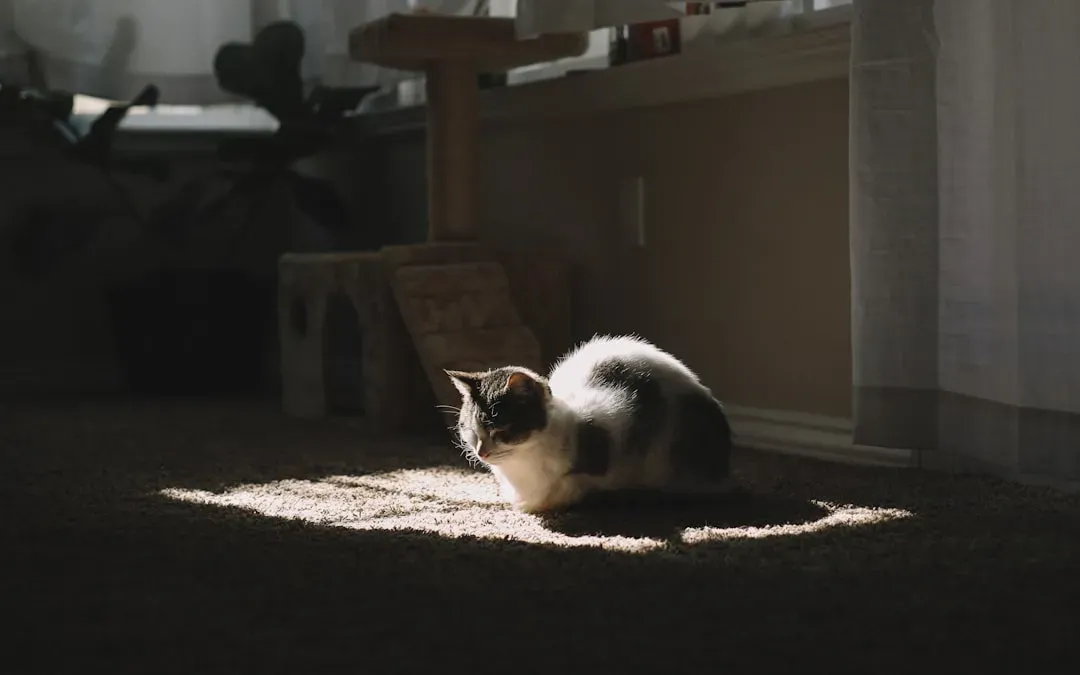
Cats use the slow blink as a form of communication, primarily to signal trust, affection, and a sense of safety, essentially saying they’re comfortable around you and feel at ease, making it a feline kitty kiss. Cat behavior involving several half-blinks followed by prolonged eye narrowing or eye closure was found to be a positive emotional response, and when a familiar human slow-blinks towards a cat, the cat tends to approach the human more frequently than if the human has a neutral expression that avoids eye contact.
This is one behavior that means exactly what you think. Your cat is telling you they love you. You can even slow blink back at them. It’s like having a secret language with your cat, and it genuinely strengthens your bond.
Headbutting Is Pure Love and Trust
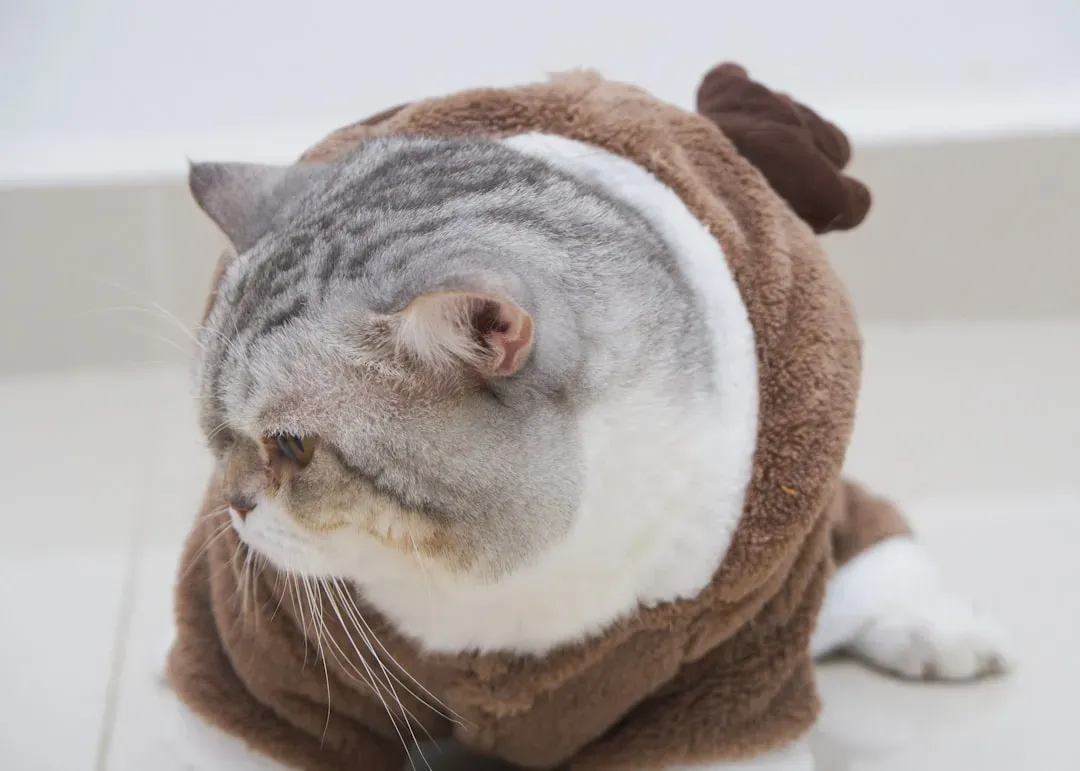
Cats have glands on their cheeks, forehead, and chin that contain pheromones, and when a cat headbutts you, they are rubbing pheromones on you from glands located just in front of their ears. When a cat headbutts and marks you, it means you’ve been accepted into a very special club, a cat’s inner circle, connecting to you through scent and bonding with you.
This is another behavior that’s straightforward. Your cat is claiming you, showing affection, and demonstrating trust all in one gentle bonk to your forehead. It’s one of the purest forms of feline love you can receive.
Excessive Grooming Is Exactly What It Seems: Stress
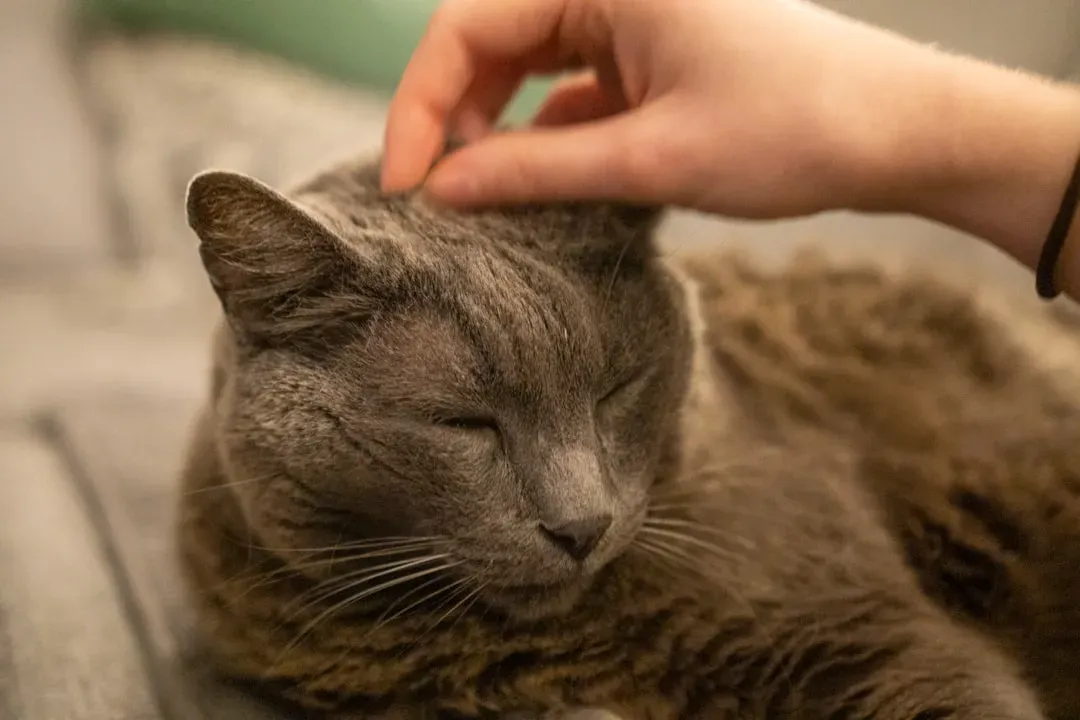
When your cat grooms themselves constantly, to the point of creating bald patches or skin irritation, it’s not just about being clean. Cats can develop obsessive grooming behaviors when they’re anxious or stressed. Environmental changes, new pets, or even subtle shifts in routine can trigger this.
Unlike some misunderstood behaviors, this one is pretty straightforward. Your cat is stressed and trying to self-soothe. If you notice excessive grooming, it’s time to evaluate what might be causing anxiety in your cat’s environment and possibly consult your veterinarian.
Following You Everywhere Means Exactly What You Think
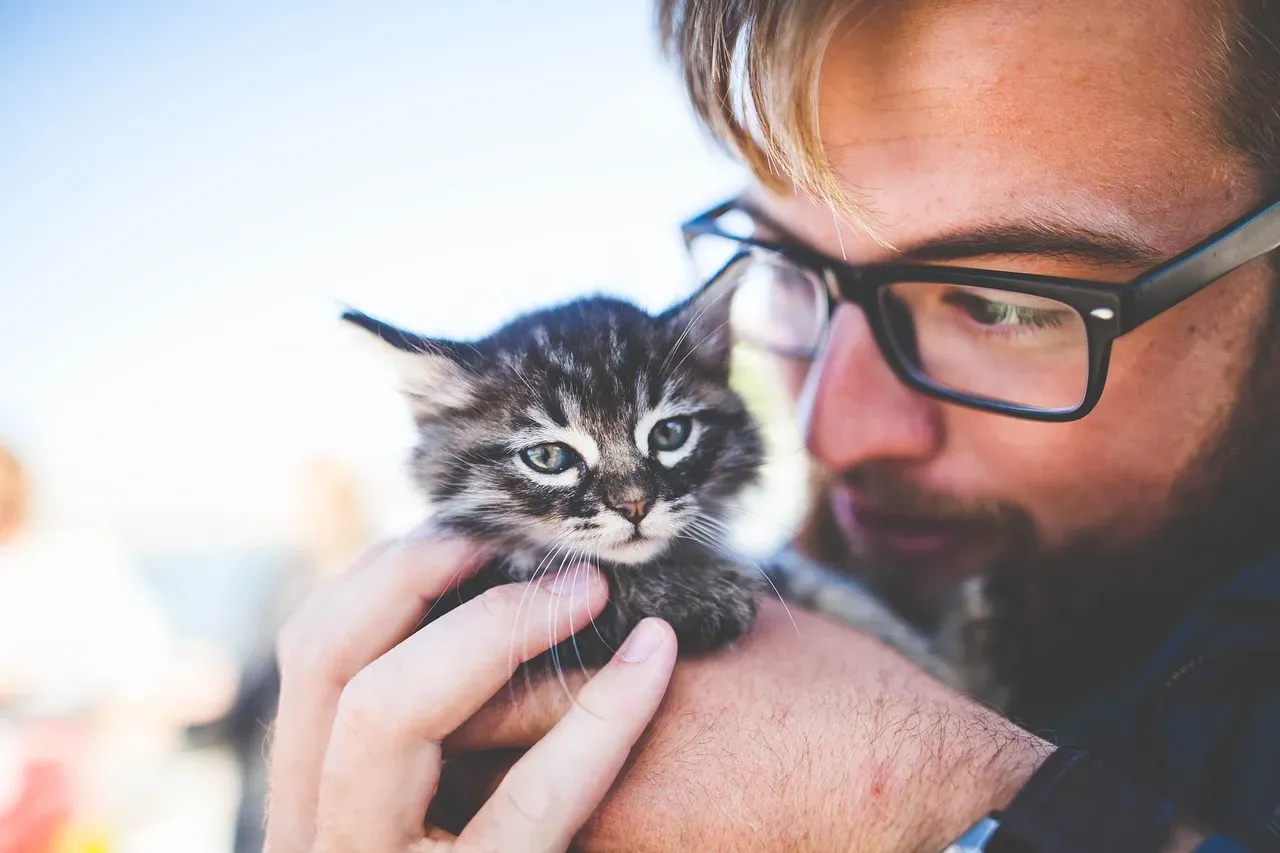
Your cat shadows your every move. They follow you to the bathroom, the kitchen, and back to the couch. This isn’t mysterious at all. Your cat genuinely wants to be near you. They enjoy your company and feel safe when you’re around.
Some cats are more social than others. If yours is a follower, take it as the compliment it is. They’ve bonded with you deeply and consider you an important part of their world. It’s one of those behaviors that’s refreshingly uncomplicated.
Meowing at You Is Communication, Plain and Simple
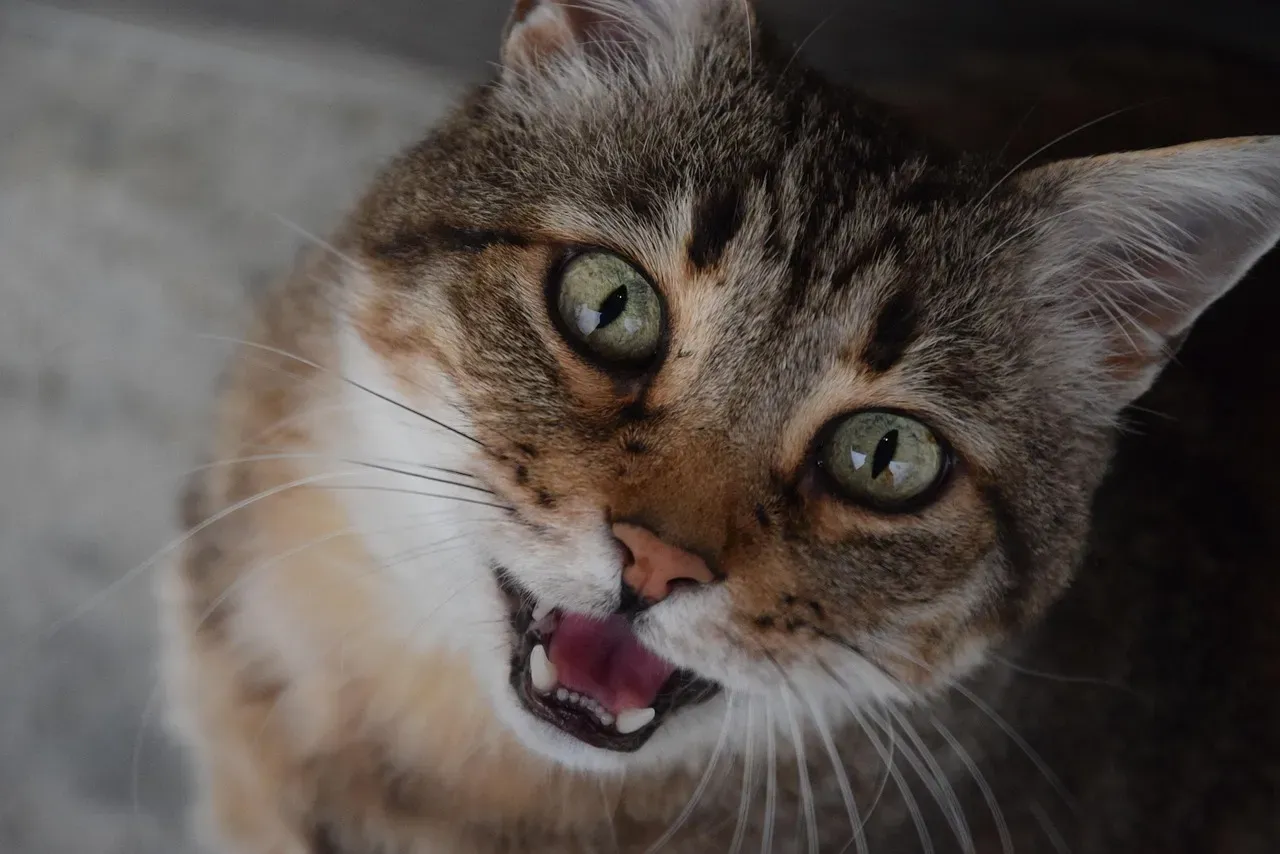
Meowing serves various communicative purposes in cats, functioning as a greeting, a request, a form of protest, or a general expression of attention-seeking behavior. Adult cats don’t typically meow at each other. They reserve that vocalization primarily for humans.
Your cat has learned that meowing gets your attention and communicates their needs effectively. They might want food, playtime, or just some acknowledgment. This behavior is exactly what it appears to be: your cat talking to you in the way they know works best.
Conclusion
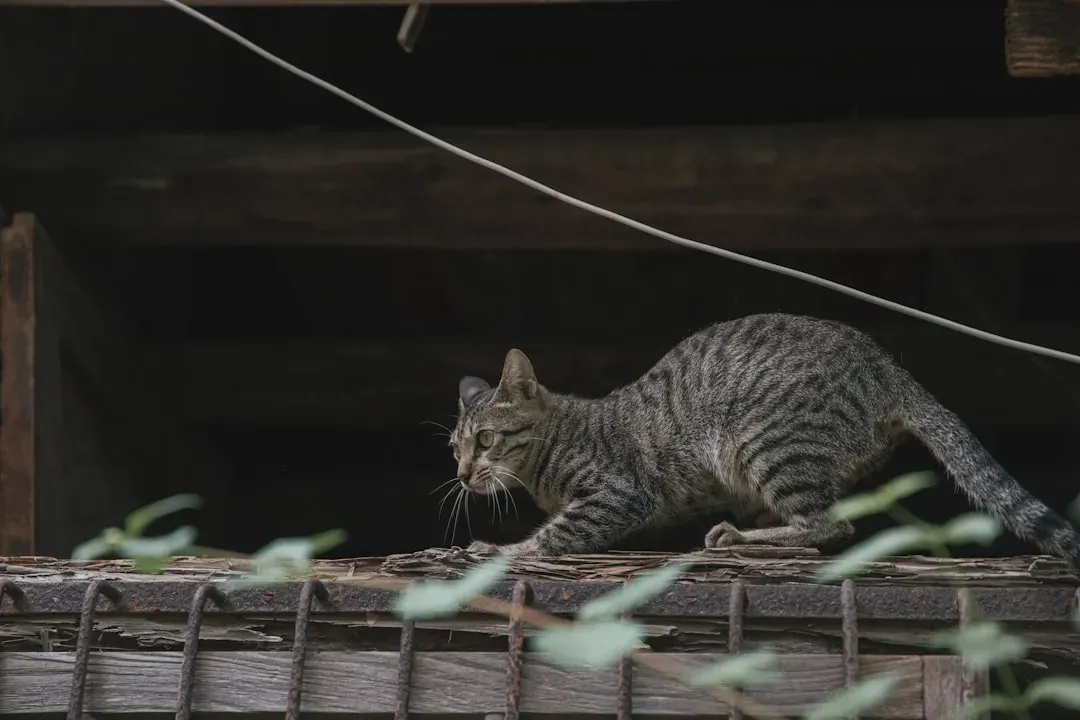
Understanding your cat’s behavior transforms your relationship with them. So many actions we interpret as rudeness, indifference, or spite are actually signs of trust, affection, or natural instinct. Your cat turning their back on you? Trust. That tail twitch while they nap? They’re just keeping tabs on their surroundings. The unwanted gift of a dead mouse? Pure love.
The behaviors that seem straightforward often are. Slow blinks, headbutts, and following you around all mean your cat adores you. Meanwhile, the things we misunderstand are usually rooted in feline instinct and communication styles that differ vastly from our own.
Next time your cat does something that baffles you, take a moment to consider what they might actually be saying. You might be surprised by how much sense it makes once you start thinking like a cat. What’s the strangest thing your cat does that you’ve been misinterpreting? Maybe it’s time to see it in a whole new light.