You probably picture a cat curled up on a sunny windowsill, content with a cushion and a bowl of kibble. Peaceful, right? The reality, for millions of cat owners, is far more complicated. Some feline breeds carry personalities so fierce, so relentlessly willful, that confining them indoors often becomes a daily battle of wills – one you are almost certainly going to lose.
These breeds represent a convergence of genetics and temperament that creates a perfect storm of stubborn independence. While every individual cat is unique, these breeds consistently challenge owners who attempt to keep them exclusively indoors. Their strong-willed personalities, hunting instincts, and territorial needs often prove too powerful for indoor confinement. Honestly, if you have ever owned one of these cats, you already know exactly what that means. For everyone else, buckle up – because what follows might just make you rethink your next adoption. Let’s dive in.
1. The Bengal: A Leopard That Never Forgot Its Roots
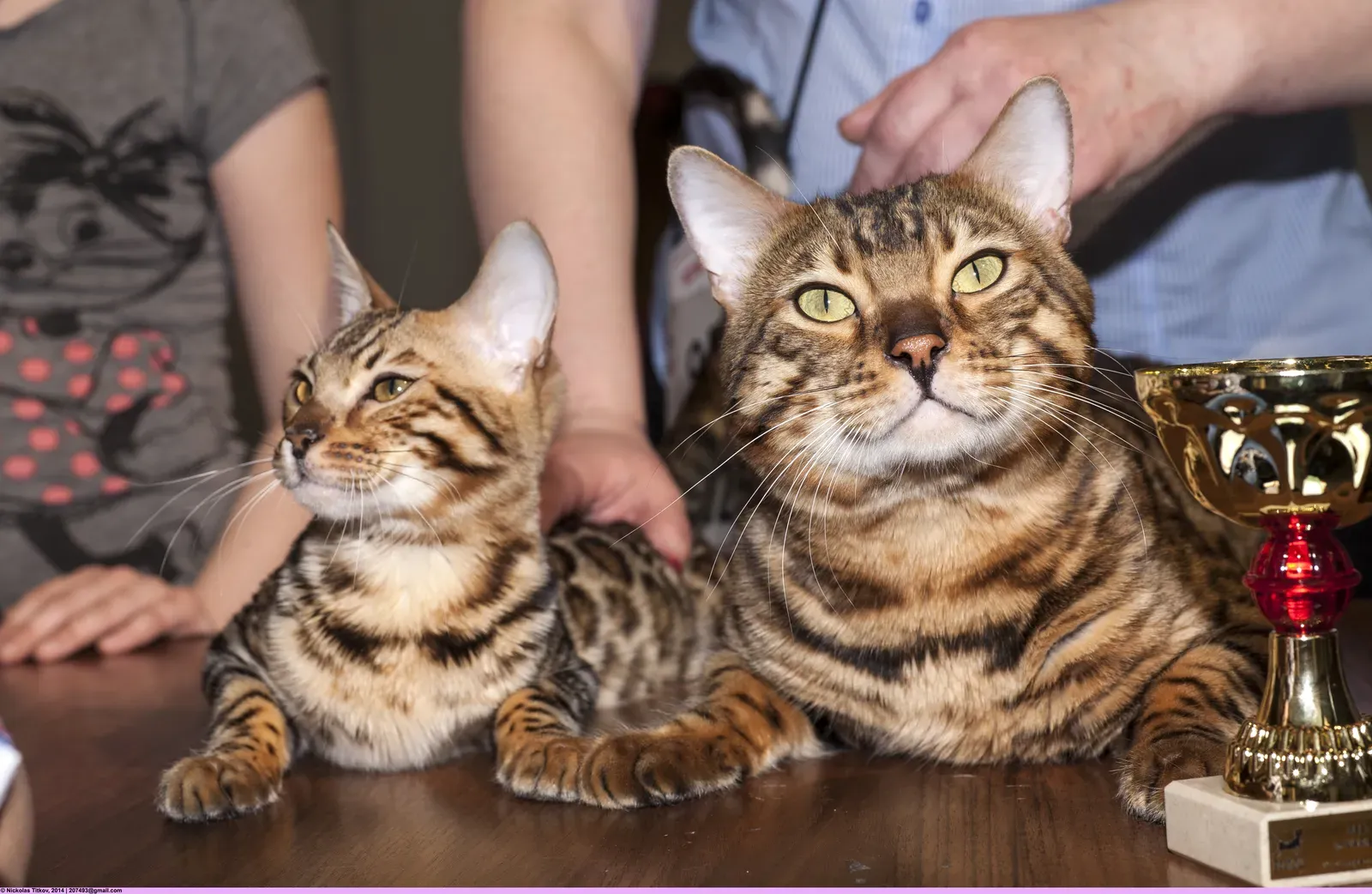
There is something undeniably thrilling about sharing your home with a Bengal. That spotted coat, that athletic swagger – it feels like living with a tiny jungle cat. The problem is, that is essentially what you are doing. The Bengal was created by breeding a domestic cat with an Asian leopard cat, meaning this breed carries a bit of a wild side and is highly active and independent. You cannot just swap out wild instincts for a cozy apartment and expect everything to be fine.
Their wild ancestry creates territorial needs that exceed typical home boundaries, and indoor confinement for these athletic hunters often results in destructive behavior and depression. In behaviorist-led studies, the Bengal and Abyssinian rank higher in activity levels than all other breeds except the somewhat active Siamese, Oriental, and Cornish Rex. Think of keeping a Bengal indoors without serious enrichment as trying to confine a marathon runner to a studio apartment – something is going to give.
2. The Siamese: Vocal, Relentless, and Completely Unapologetic
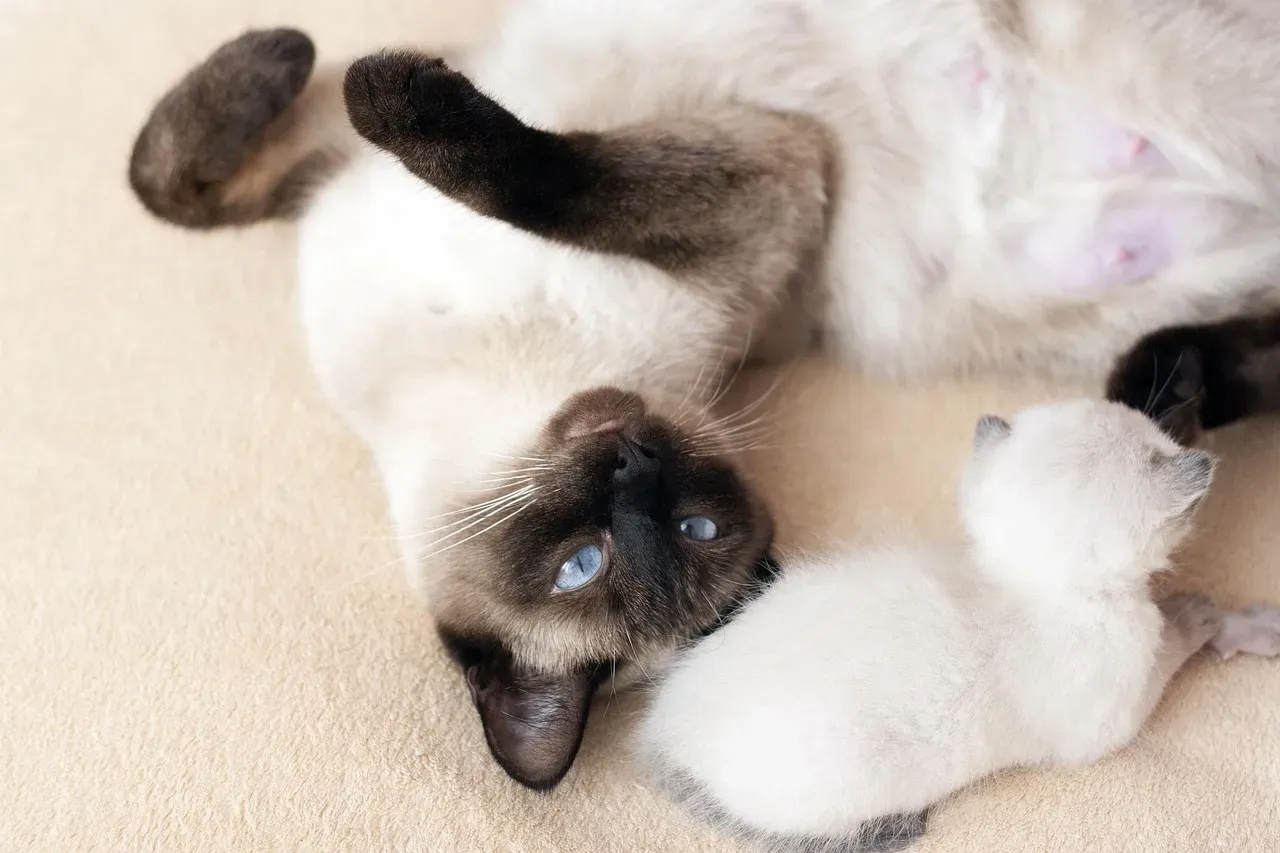
Siamese cats are very social and athletic. The one thing they dislike is being left alone for long stretches of time. They will destroy whatever they can if they feel lonely. When you finally get back, you should expect a long speech with their complaints. I think “speech” is honestly underselling it. We are talking about a full-volume, emotionally charged monologue delivered directly at your face.
Among all breeds studied by feline behaviorists, the Siamese ranks significantly above all others in vocalization, except for the Oriental and Tonkinese, which are also rather vociferous. Siamese cats are natural problem-solvers driven by an inquisitive mind. Their curiosity often leads them to investigate cabinets, doors, and hidden spaces, demonstrating a clear desire to understand how their environment works. Give them an inch and they will take the whole house – including the inch you thought was yours.
3. The Abyssinian: The Tiny Detective Who Will Never Stop Investigating
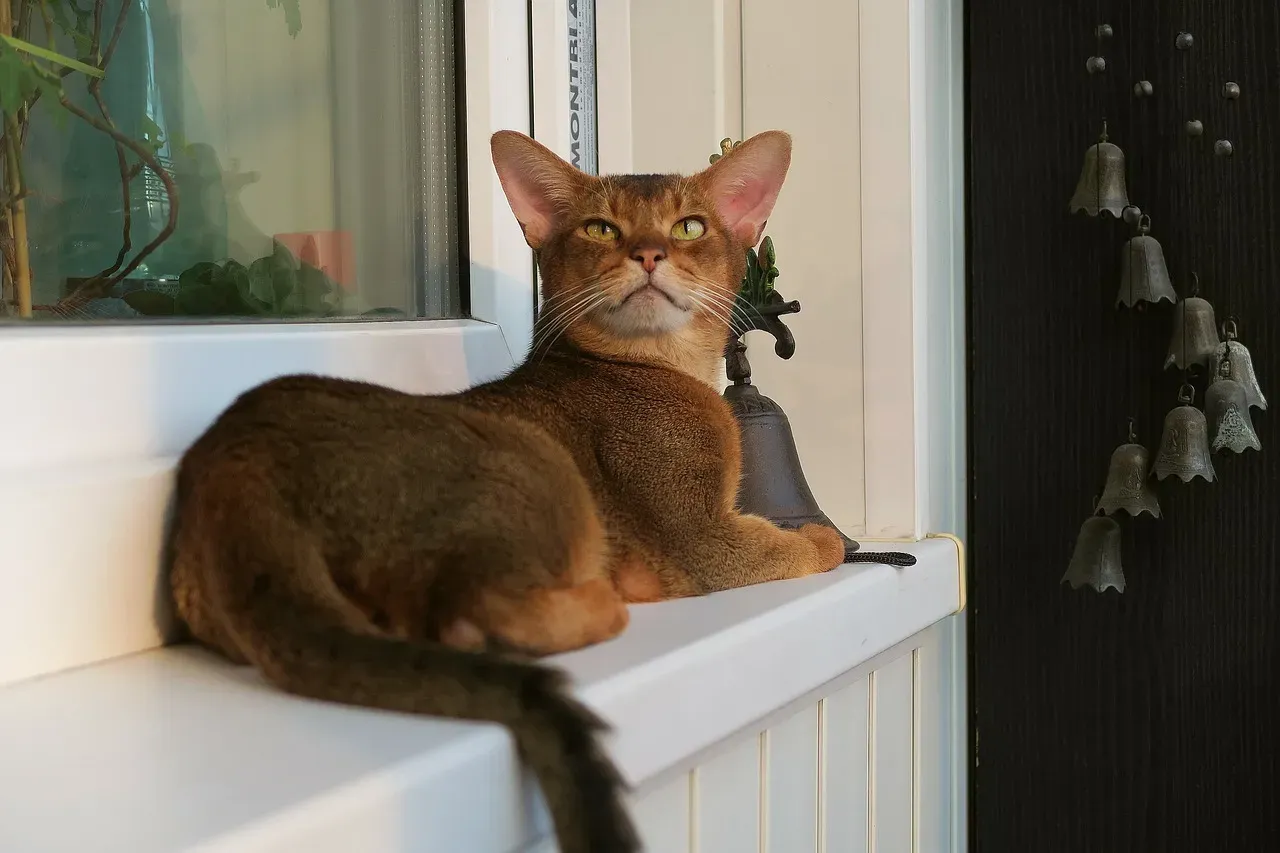
Widely regarded as one of the smartest cat breeds, the Abyssinian thrives on curiosity. Nothing escapes their notice, and they will inspect every corner of the home like a tiny detective. Puzzle feeders, interactive games, and hidden treats are right up their alley. The trouble is, a bored Abyssinian does not simply nap until things get more interesting. They create their own entertainment, and your furniture is usually the first casualty.
With an Abyssinian kitten, you need to provide a three-dimensional exercise area – essentially the whole house – and give attention to discouraging any sign of aggression. Abyssinians are content spending time alone but only when they have enough to engage with – breeds like the Abyssinian and Bengal often embody the “independent explorer” personality type. Here is the thing: that independence is not relaxed. It is restless. There is a difference, and living with an Aby teaches you that fast.
4. The Devon Rex: The Iron Will in an Adorable Package
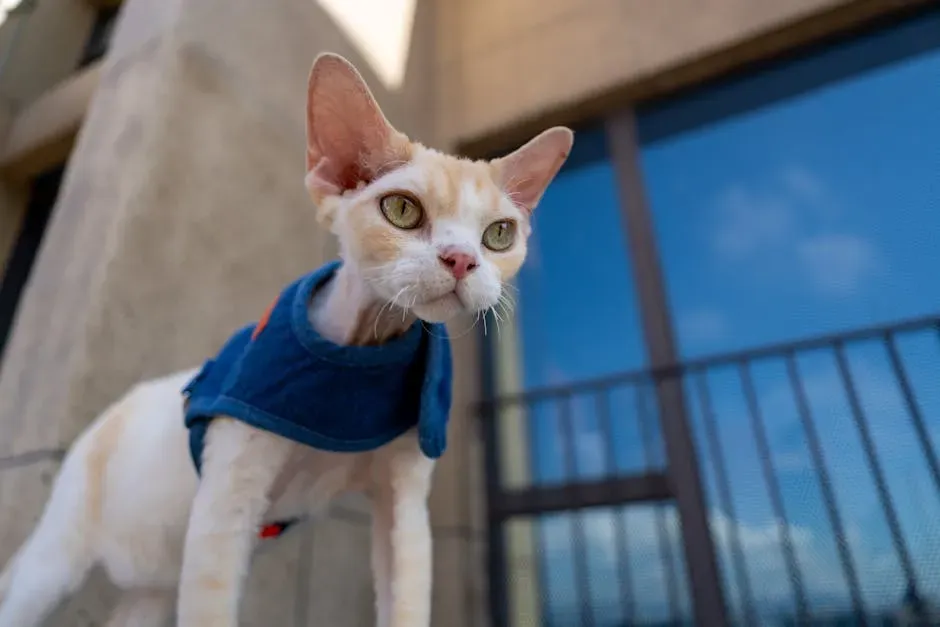
The Devon Rex is one of the strongest-willed cats, known for begging for food and wearing owners down with big, pleading eyes and intensely devoted dispositions. These pixie-like cats possess an iron will wrapped in an adorable package. Do not be fooled by those enormous ears and that almost comically sweet face. Behind it lives a creature of absolute determination.
You know nothing about strong-willed cats unless you meet a Devon Rex. They do not stop bothering you until they get what they want. They can beg forever for food and attention and are very vocal until you give it to them. If you think that by ignoring them you teach them obedience, you are very wrong. They can and will become destructive if things do not go their way. That is not stubbornness for its own sake – it is a breed that has been designed, almost accidentally, to be completely relentless.
5. The Sphynx: Brilliant, Boundary-Free, and Desperately Needy
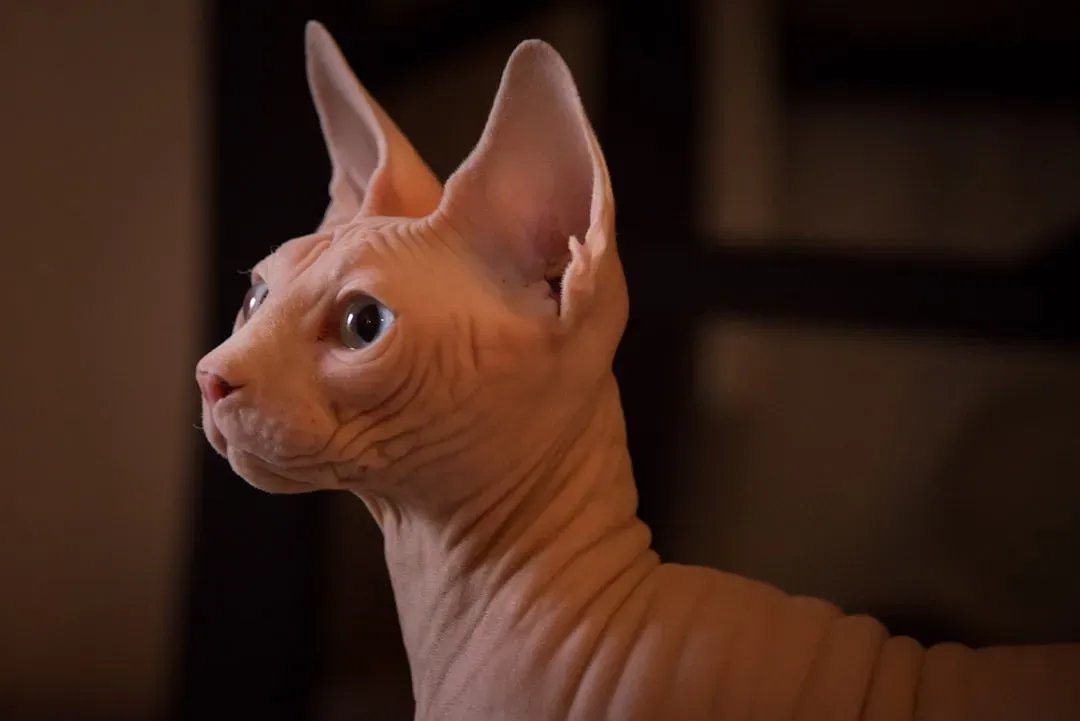
The Sphynx stands out for its sharp mind and constant desire to explore. Quick to learn tricks and routines, this breed easily figures out how to get attention, treats, or access to favorite spots around the house. Problem-solving comes naturally to this curious cat, especially when presented with puzzle toys or climbing challenges. Without enough stimulation, their clever minds may invent their own mischievous entertainment. “Mischievous entertainment” is a polite way of saying they will redesign your home without your permission.
Highly social and people-oriented, the Sphynx forms strong bonds and dislikes being alone for long periods. Interestingly, this breed adapts quickly to household routines and often seems to know exactly when it is time for meals or morning wake-ups. The CFA warns that a person must be prepared to be owned by a Devon Rex – and the same philosophy applies to the Sphynx. These cats will eat with you, sleep with you, and perch cozily on your shoulder, following you around the house at every opportunity. Their social nature makes them entirely unsuited to spending long periods without companionship.
6. The Oriental Shorthair: Your Personal Chaos Manager
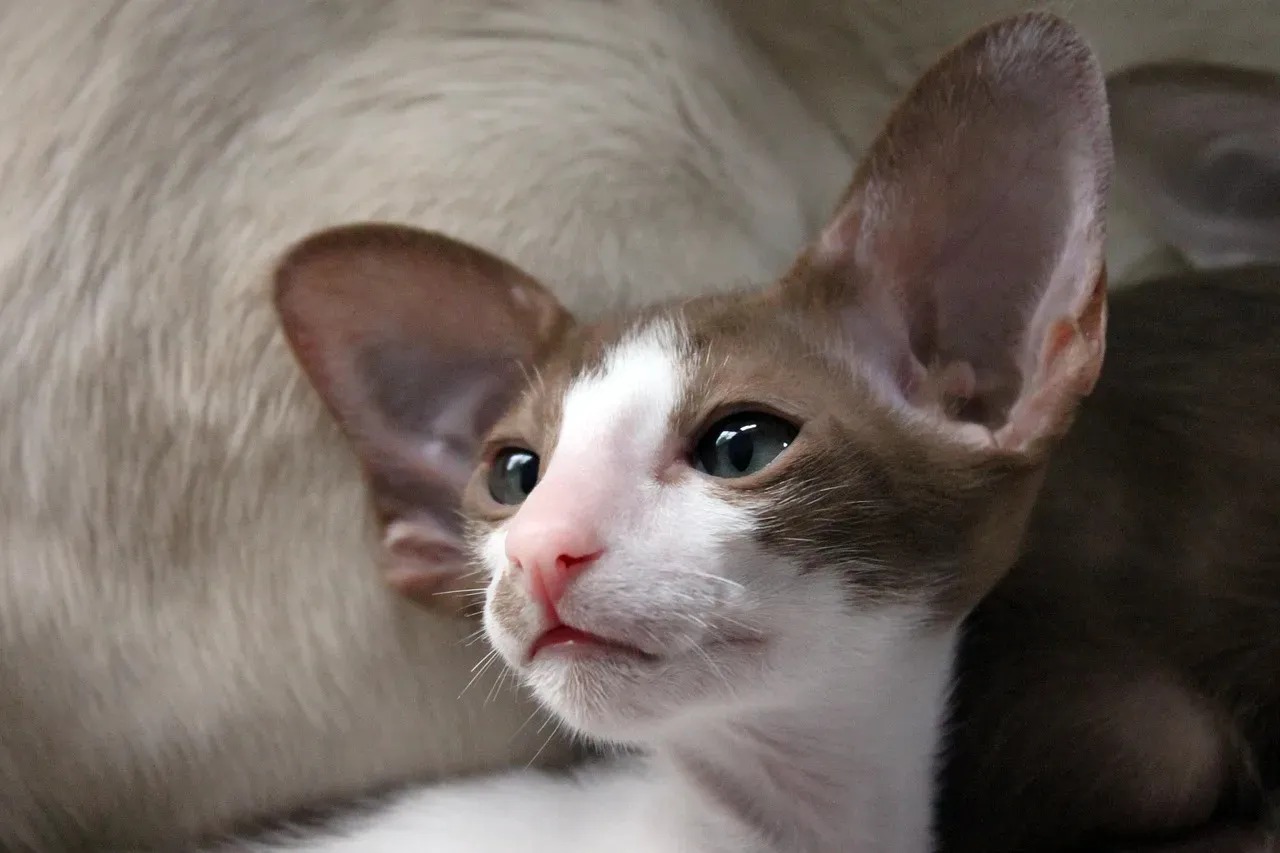
Oriental Shorthair cats can be found in just about any and every color. They thrive when surrounded by their family members. If you are not around enough, these cats happily become destructive until you get home and play with them. Like their Siamese ancestors, Oriental Shorthairs will meow, chirp, and trill often. The CFA says Oriental Shorthairs will not only interrupt your activities – they will open drawers if it means getting your attention. Opening drawers. Let that sink in for a moment.
Oriental Shorthairs become destructive until you get home and play with them, and will not only interrupt your activities but open drawers if it means getting your attention. These vocal acrobats treat your home like their personal playground and escape room. Behaviorist research confirms that the Oriental ranks high on activity levels alongside the Bengal, Abyssinian, and Siamese. Honestly, you do not own an Oriental Shorthair. You employ one – on their terms, not yours.
7. The Tonkinese: Stubbornly Convinced You Exist to Serve Them
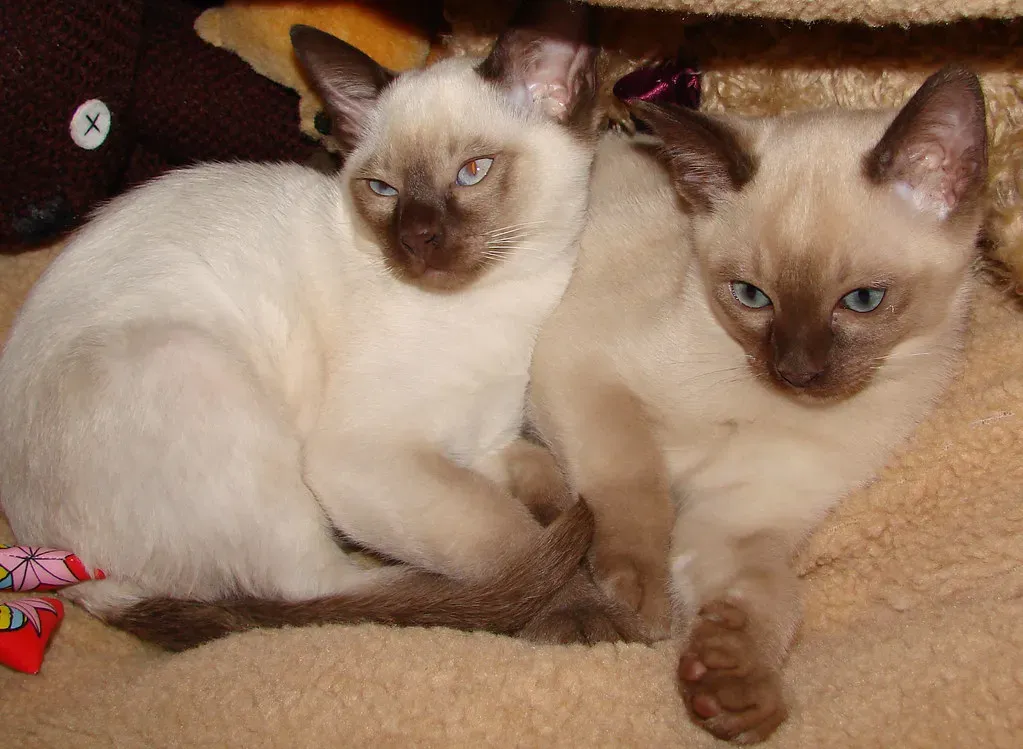
The Tonkinese breed can be stubborn in their quest to get their own way, according to TICA. Tonkinese are prone to gingivitis and can also become obese, so they should only be fed an appropriate balanced diet combined with exercise. These playful cats prefer not to be ignored or left alone. Ignoring a Tonkinese is essentially a full-time job in itself, and one you will consistently fail at.
Known to be stubborn when it comes to getting their own way, these lovable cats really just want your attention 24 hours a day, 7 days a week. The Cat Fancier’s Association says Tonkinese are firmly convinced that humans were put on Earth to love them. Tonkinese actively seek engagement and mental stimulation, often initiating games or vocalizing to capture attention. It is charming for about the first twenty minutes. After that, it becomes a negotiation you did not know you were already losing.
8. The Maine Coon: A Gentle Giant With a Surprisingly Stubborn Streak

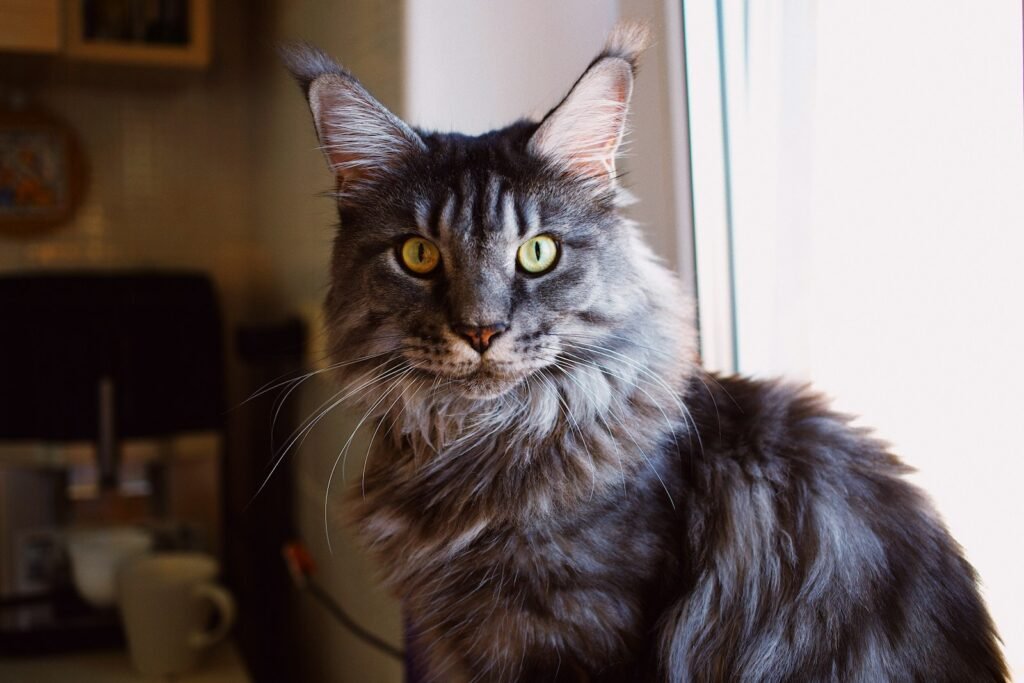
Maine Coons are instantly recognizable gentle giants among the oldest breeds in the U.S. and among the largest cat breeds in the world. This gentle cat can become a seasoned prowler when allowed to roam, and these American natives possess both size and determination that make indoor living challenging. Their sheer scale amplifies the problem. A bored Maine Coon is not just psychologically frustrating – it is physically imposing in every room of your home.
The Maine Coon is a large breed native to the United States with an independent and friendly nature. Despite their size, they are surprisingly agile and enjoy climbing and exploring. While affectionate with their family members, they are also content to spend time alone – but only when they have received enough physical and mental engagement. Lack of stimulation fuels frustration and drives destructive behavior – and with a Maine Coon, the scale of that destruction tends to match their substantial size.
9. The Balinese: The Drama Queen That Never Takes a Day Off
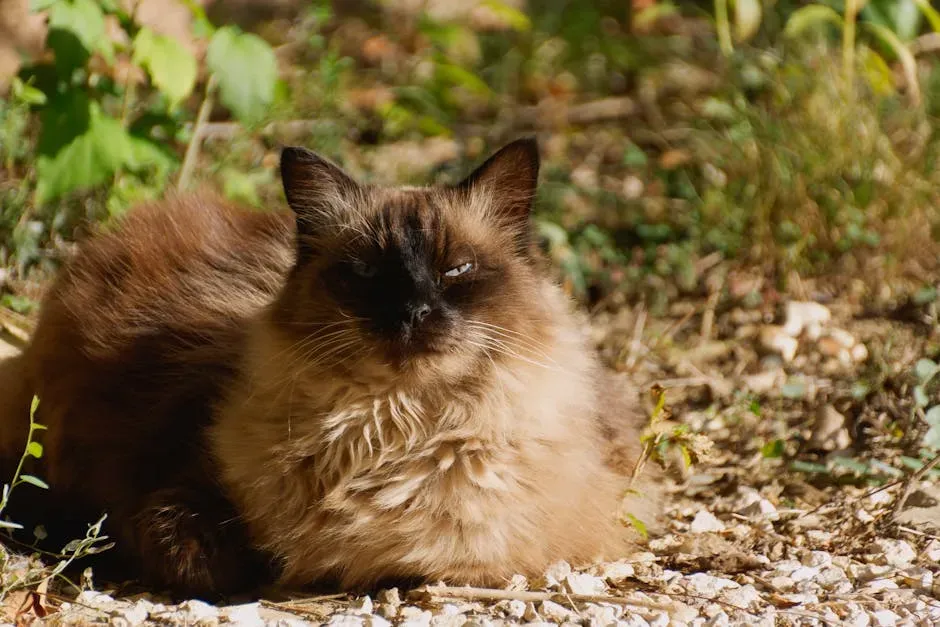
Do you spend many hours of the day outside your home? If so, having a Balinese cat may not be a good idea. This breed demands a lot of attention and will follow you everywhere. They will make sure you know where they are, as they are very vocal and like to talk with their human friends. If left alone too long, the lack of attention will drive them to cause destruction around the house. The Balinese is, at its core, a deeply emotional cat – and emotions on this scale rarely stay contained.
Like their stubborn counterparts, the Balinese demand attention constantly and become destructive when they do not get enough. The Balinese cat becomes destructive when left alone too long and may insist on venturing outdoors. These feline drama queens are notorious for making their displeasure known through destructive behavior if their outdoor desires are not met. Think of the Balinese as a high-maintenance best friend – brilliant company when they are happy, absolutely unbearable when they are not.
10. The Russian Blue: The Quietly Stubborn Introvert
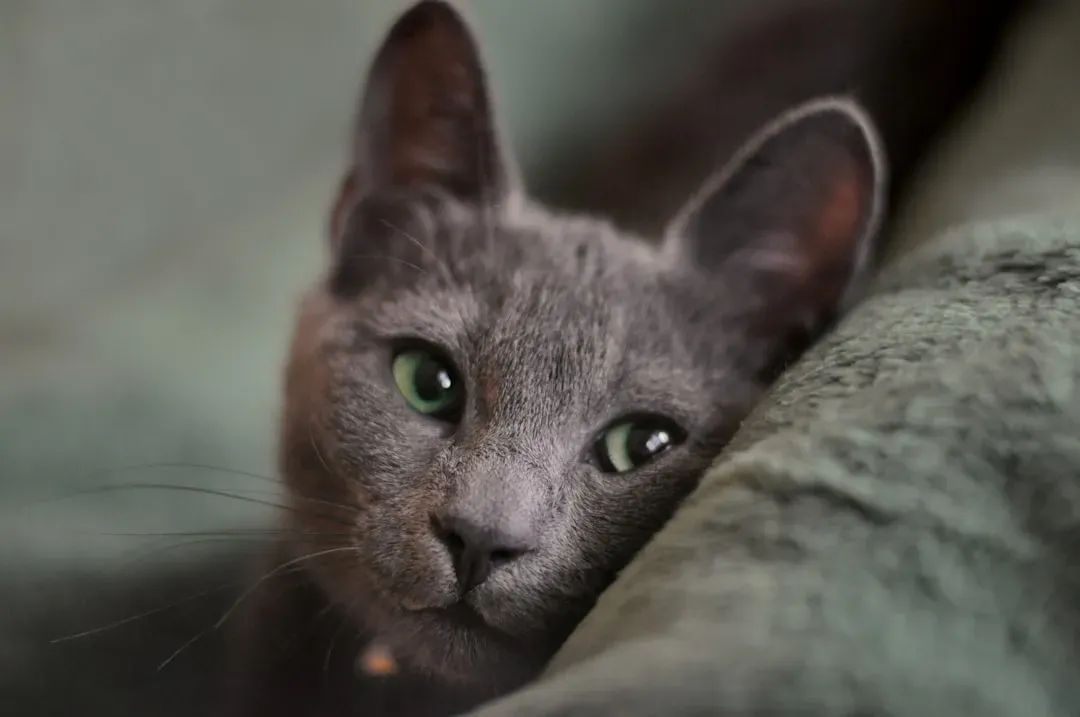
The Russian Blue does not demand being the center of attention but may refuse to come out from under the bed on a whim and become stubborn when you try to change up routine or invite new people over. These mysterious beauties operate entirely on their own terms. It is a different kind of difficult, but difficult it absolutely is. Passive resistance is still resistance.
These cats become stubborn when you try to change up routine or invite new people over. The International Cat Association calls them “observant and persistent,” and they need plenty of alone time, much preferring to watch from the outside before deciding to join in. Russian Blues are intelligent and friendly with a reserved demeanor, tending to bond well with their owners but not being clingy, and they are voracious hunters whose instincts run so deep that indoor confinement can feel like prison. You might think their quietness makes them easier. It does not. It just means their stubbornness is harder to predict.
Understanding the Pattern: It Is Not Bad Behavior, It Is Biology
The most stubborn cat breeds all have one thing in common: an unflinching dedication to their activity of choice. Basically, the cats on this list choose a lane and refuse to merge, no matter how hard you might try to persuade them otherwise. Once you understand that, something shifts in how you approach them. You stop asking “why won’t they listen?” and start asking “what do they actually need?”
Working under the guidance of a veterinarian or experienced feline behaviorist can provide the best chances for managing behavior problems in cats, or at the very least, better managing them so that the cat and their owner can live improved lives. Behaviorists and owners alike report that substantial improvement is possible if professional recommendations are followed correctly and consistently. There are a number of techniques that can be employed to identify feline behavior problems, determine their root, and eliminate or better manage them. These commonly include environmental enrichment, positive reinforcement, and behavior modification techniques. Regardless of the technique used, experts all agree that punishment should never be used.
Conclusion
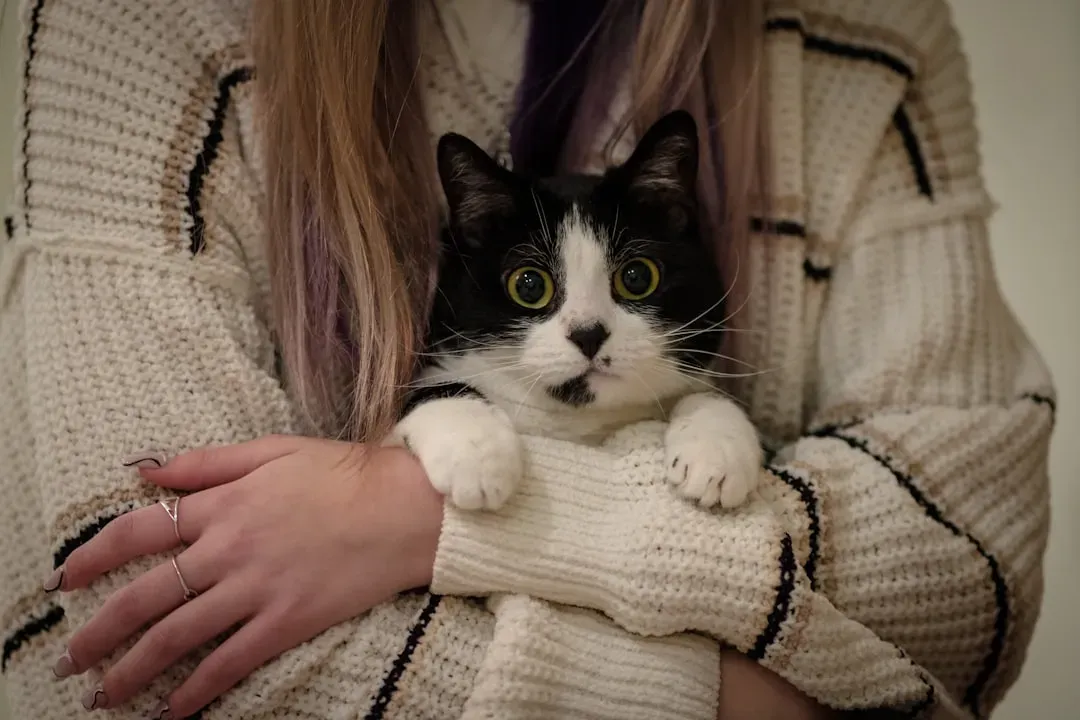
Choosing one of these breeds is not a mistake – it is a commitment. A commitment to understanding a creature that operates on its own timetable, by its own rules, in its own version of reality. Understanding these breeds helps potential owners make informed decisions about whether they can provide appropriate outlets for their cat’s natural behaviors. Sometimes the kindest choice is acknowledging that certain feline personalities simply need more freedom than four walls can provide.
If you already own one of these glorious, infuriating, deeply lovable animals – you already know this is all completely true. The secret is not to break their spirit. It is to redirect it. Enrich their world, engage their intelligence, and give them every reason to believe that indoors is the most interesting place on Earth. Do that, and even the stubbornest of cats can learn to call your home their own.
So, which of these magnificent troublemakers do you share your home with? Tell us in the comments – we have a feeling the stories are good.