You’ve probably heard that pets mirror their owners’ energy. There’s something profoundly true about that, especially when it comes to felines. Cats might seem independent, but they’re incredibly attuned to the emotional currents in their environment. If you’re the type who worries often or carries anxiety like a weighted blanket, certain cat breeds can actually amplify that stress instead of easing it.
Some cats thrive on chaos. Others demand constant attention. A few breeds possess such intense personalities that they can overwhelm even the calmest person. When you pair these high-strung, high-energy, or highly demanding felines with a nervous owner, it’s a recipe for mutual stress. Let’s explore which breeds might not be the best match for you if your nerves are already running on high alert.
Bengal: The Wild Child You Weren’t Ready For
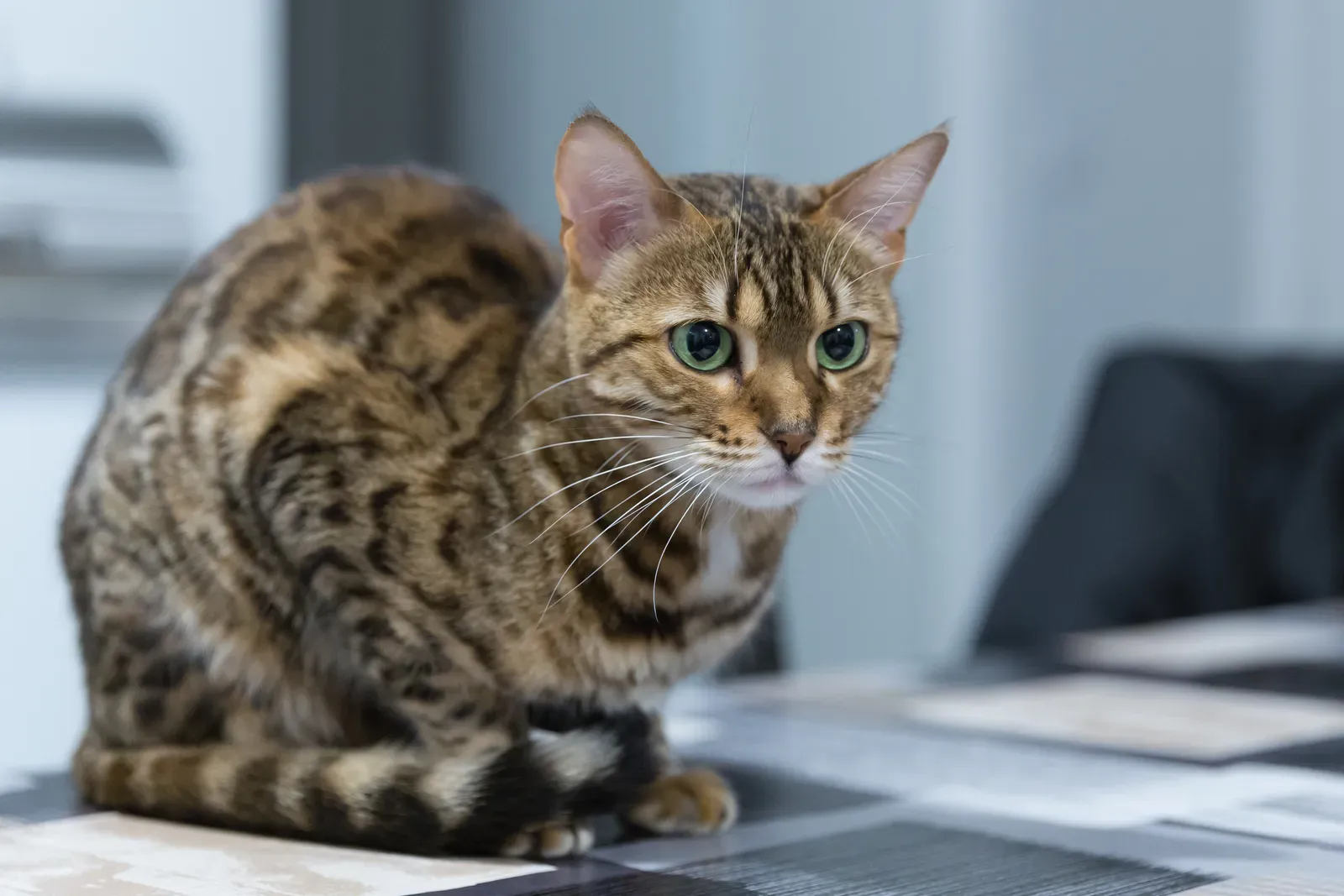
Bengal cats have wild ancestry and may exhibit high energy and a strong hunting instinct, requiring an experienced owner to manage their behavior. If you’re already anxious, imagine living with a mini leopard that never stops moving. These cats don’t just want playtime; they demand it with an intensity that can feel relentless.
Bengals are high-energy kitties that require lots of playtime and attention, and they are intelligent, which can make them bored easily, so finding ways to keep a Bengal entertained is necessary to prevent behavioral issues. They’ll knock things off shelves, scale your curtains, and yowl at three in the morning if their needs aren’t met. For someone prone to worry, this becomes a never-ending cycle of trying to keep up with a cat that’s essentially a furry tornado.
Siamese: The Conversationalist Who Never Stops Talking
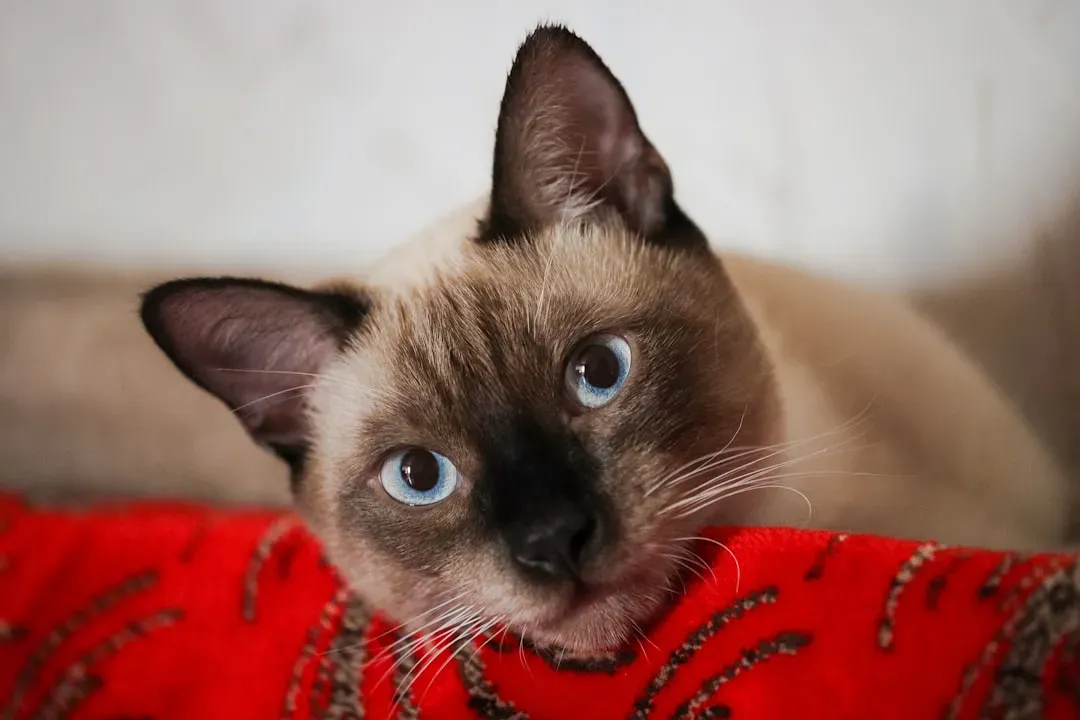
Siamese cats are known for their vocal prowess, and they’re not afraid to use it, as from dawn till dusk, these chatty kitties will hold conversations with anyone willing to listen – or not. Honestly, if you’re someone who craves quiet to manage your anxiety, a Siamese will test every ounce of your patience. Their meows aren’t soft whispers; they’re full-blown declarations.
Siamese cats are highly vocal and may not be the best choice for people who prefer quiet pets, and they also require more social interaction and mental stimulation than other breeds. They follow you everywhere, demand your undivided attention, and get genuinely offended if you don’t respond. For a nervous owner, this level of neediness can feel suffocating rather than comforting.
Sphynx: High Maintenance Wrapped in Hairless Skin
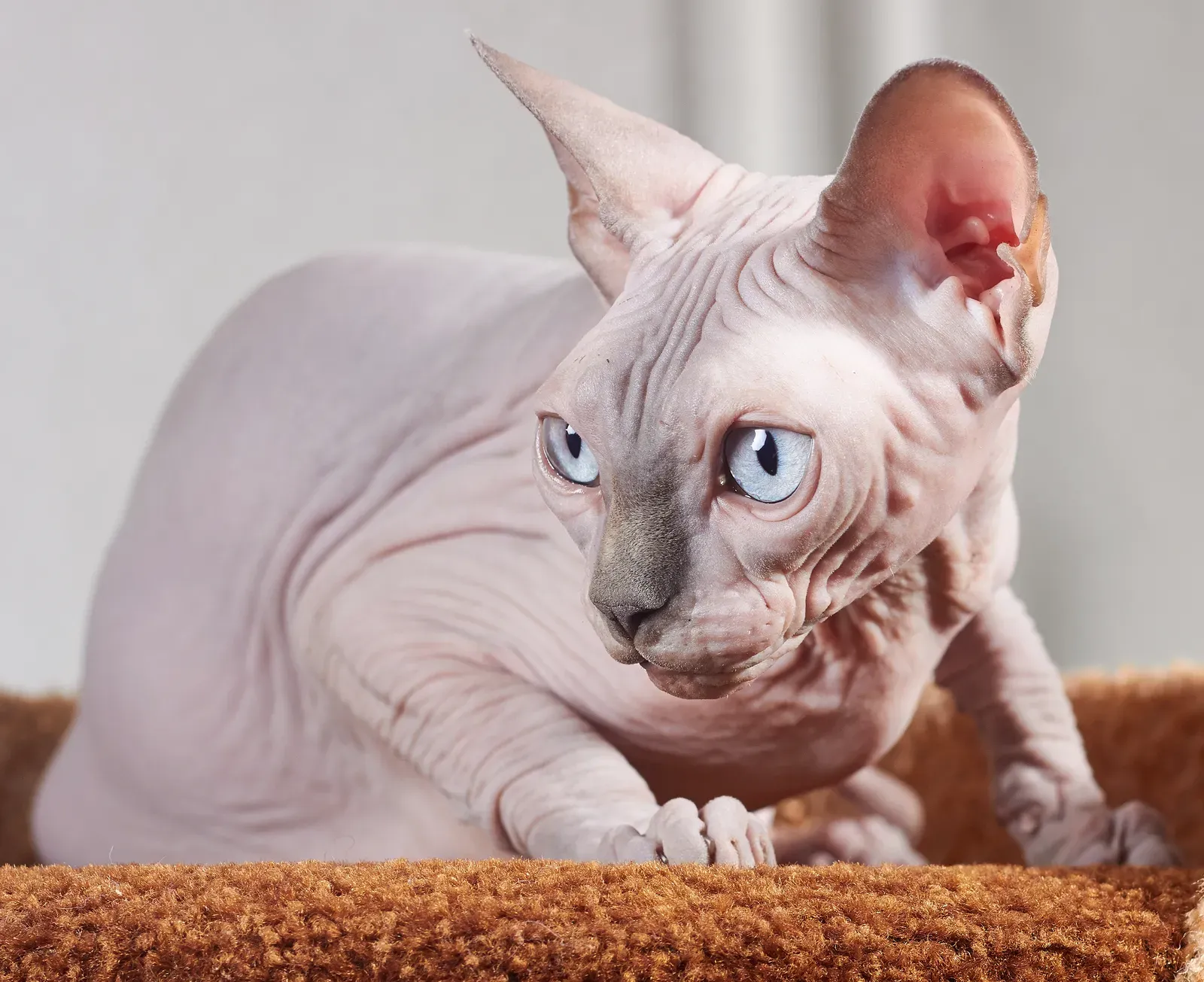
The Sphynx is hairless and requires regular bathing to remove oils that would normally be absorbed by fur, as well as protection from cold temperatures. Let’s be real, most anxious people already struggle with their own routines. Adding a cat that needs frequent baths, temperature monitoring, and constant skin care is a lot to handle.
These hairless beauties are incredibly affectionate but need frequent skin care and are prone to temperature sensitivity. They’re cold all the time, which means they’ll constantly seek warmth from you. While that sounds adorable, it also means you can never relax without a clingy, slightly oily cat demanding body heat. For someone who’s already overwhelmed, this dependency can become exhausting.
Abyssinian: The Hyperactive Athlete of the Cat World
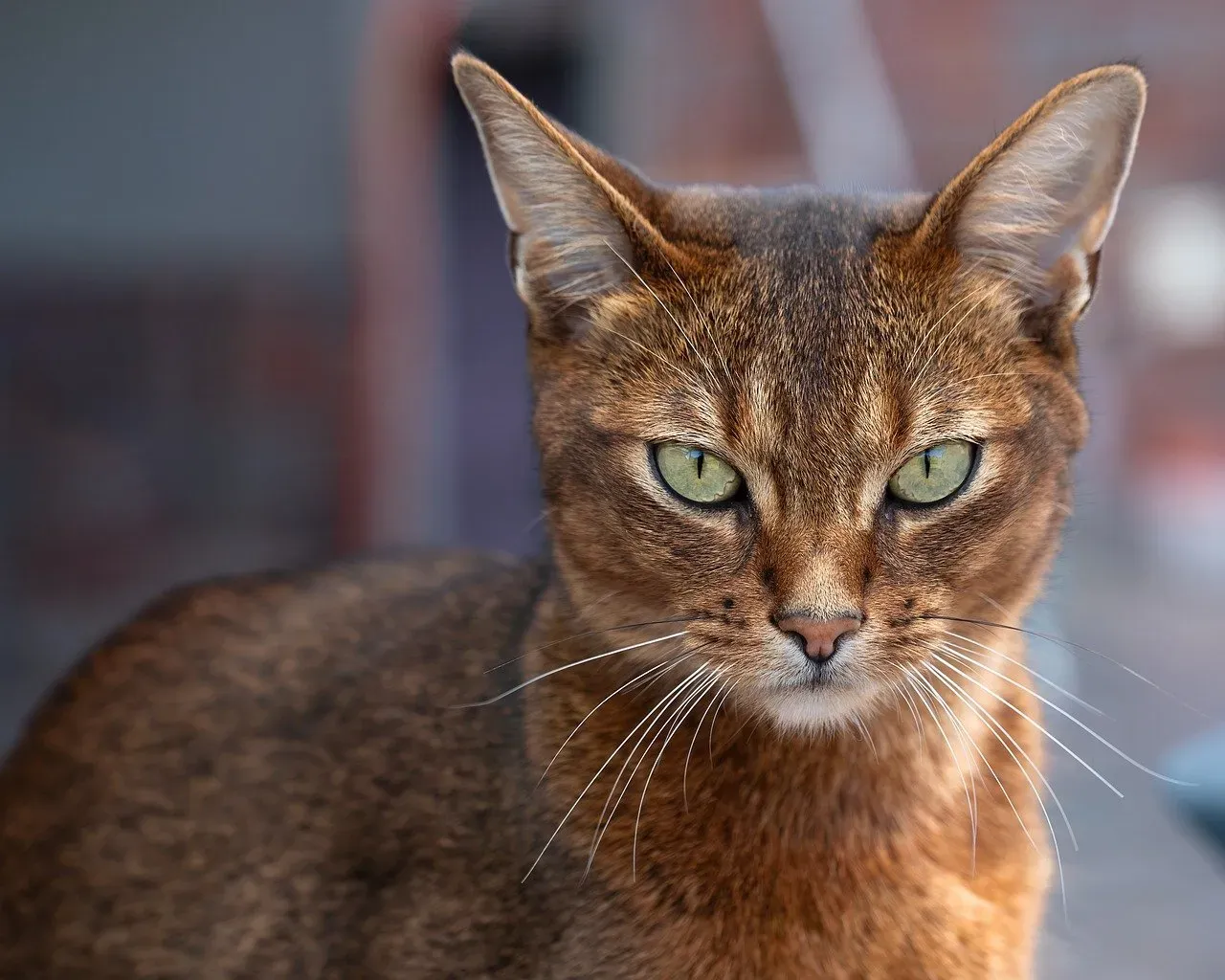
Abyssinians are highly energetic and playful, which can be demanding for owners who are not familiar with engaging cats in frequent activity and enrichment. Picture a cat that treats your home like an Olympic training facility. They’re constantly in motion, climbing, jumping, and investigating every single corner of your space.
These cats don’t understand the concept of downtime. If you’re anxious and need calm, predictable energy in your home, an Abyssinian will throw that out the window. They require interactive play sessions multiple times a day, and without proper stimulation, they’ll create their own entertainment, usually at your expense. Think shredded toilet paper and midnight parkour sessions.
Turkish Van: The Aggressive Surprise You Didn’t See Coming
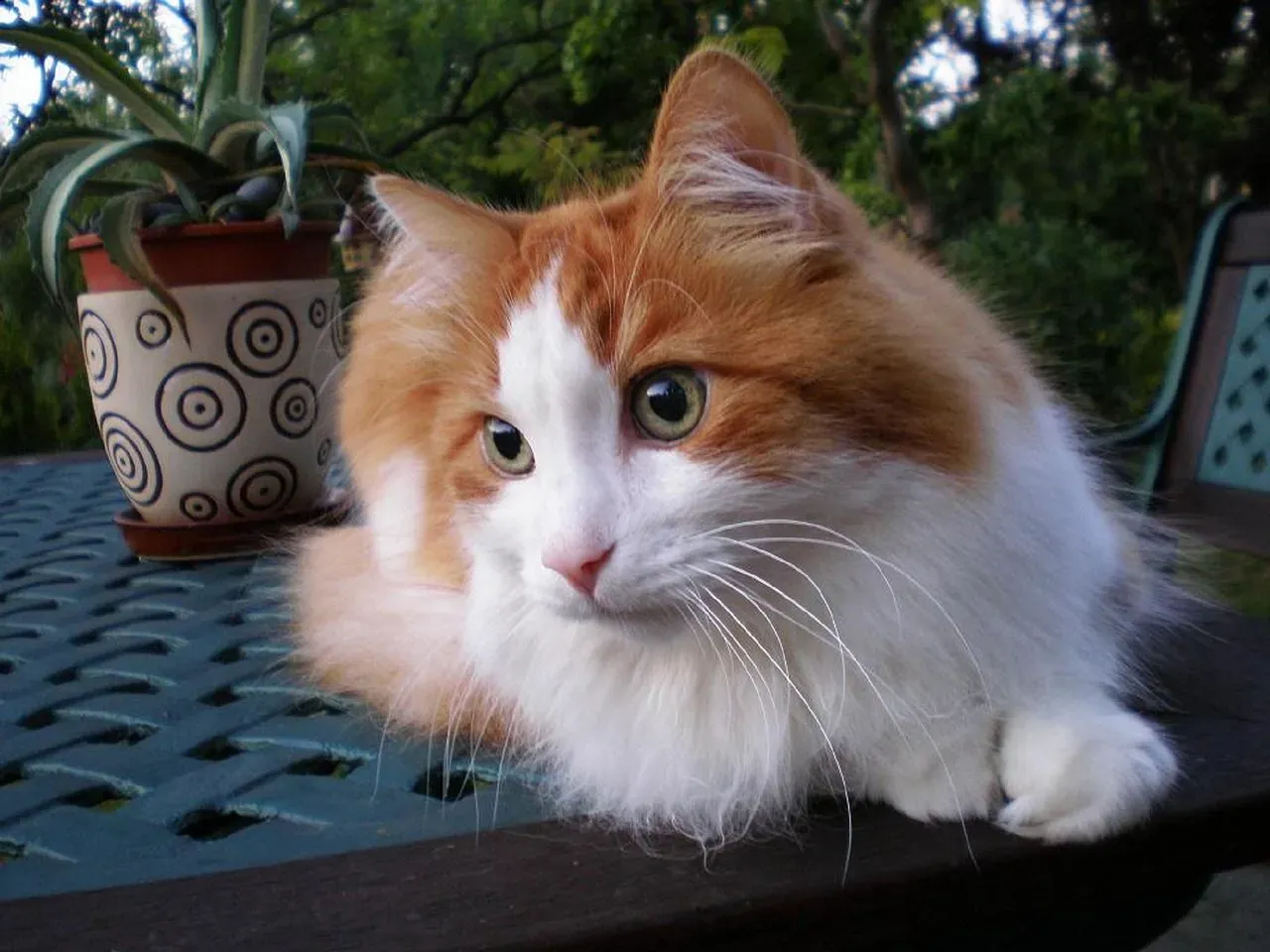
Turkish Vans can be needy and require a lot of attention from their owners, and they are social and do not do well when left alone for long periods, with a 2021 Finnish study ranking Turkish Vans high for tendencies toward aggression toward humans, alongside fearfulness and lower sociability. This isn’t just about energy; it’s about temperament that can be genuinely unpredictable.
Though breeding efforts aim for greater sociability, but they still require plenty of time and attention from their family. For a nervous owner, the fear of sudden aggression or dealing with a cat that might lash out creates constant vigilance. That’s not the peaceful companionship you’re looking for.
Turkish Angora: Beautiful but Mischievously Intense
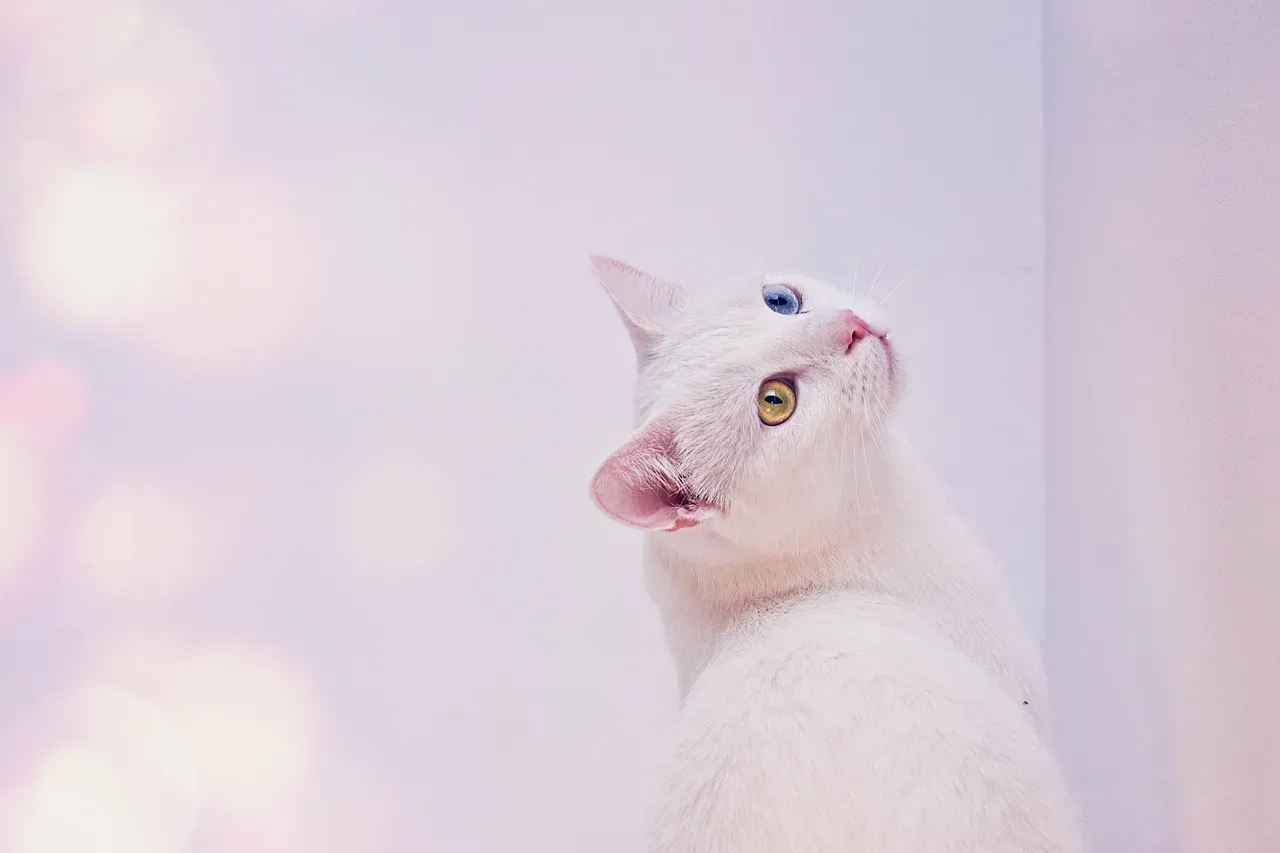
Turkish Angoras are known for their mischievous but loyal and loving nature, and they are social with their people and are known as athletic cats that require lots of playtime, plus they are intelligent and good at solving problems, making them prone to getting into trouble. Intelligence in a cat sounds great until you realize it means they can open doors, figure out childproof locks, and outsmart you at every turn.
A 2021 Finnish study also ranked Turkish Angoras high for aggressive tendencies, so proper socialization, training, and boundaries are necessary for this breed. When you’re already anxious, the last thing you need is a cat that’s both a genius escape artist and potentially aggressive. The mental gymnastics required to stay ahead of them will wear you down.
Devon Rex: The Bored Troublemaker
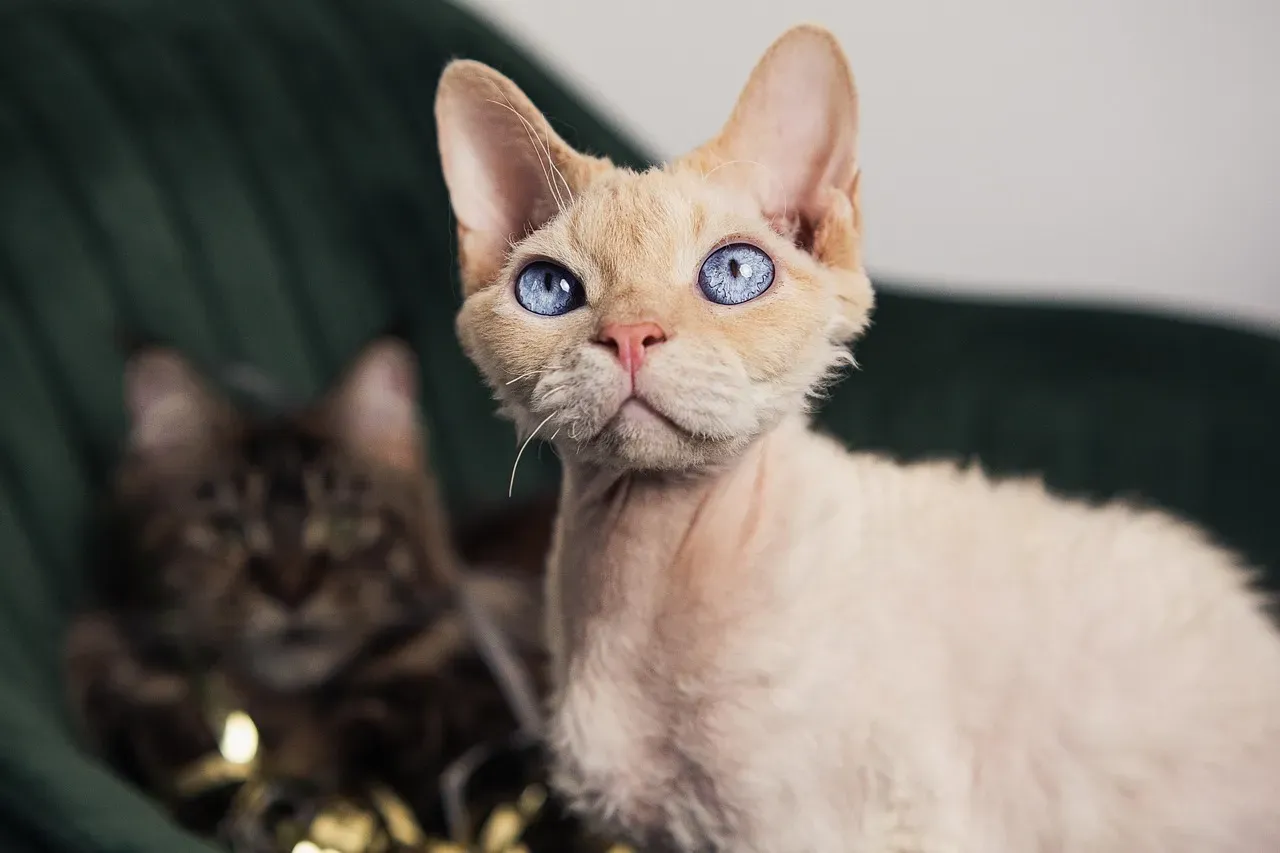
Devon Rex cats are playful and bold, and they require quite a bit of playtime every day and may become mischievous and rambunctious when bored, plus they do not do well left alone all day and are better suited to homes where someone is home most of the time. If you work long hours or need alone time to decompress, this breed will punish you for it.
When bored, Devon Rexes may turn to biting or misbehaving for attention. Imagine coming home already stressed, only to find your Devon Rex has destroyed something out of sheer boredom. For anxious owners, this creates a feedback loop of guilt and frustration that’s hard to break.
Savannah: The Legal Nightmare with a Wild Streak
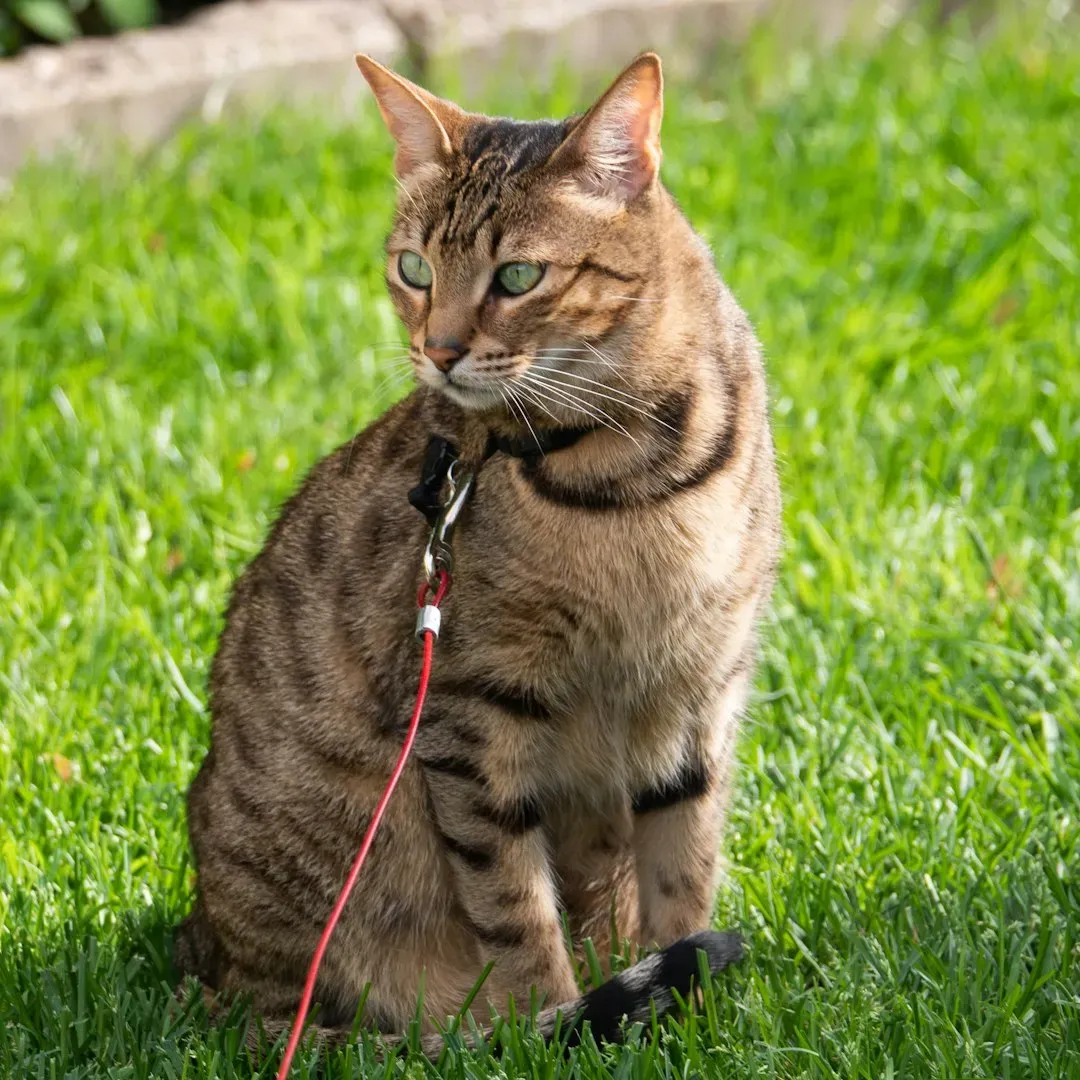
The first consideration with the Savannah cat is that they are not legal to own in all areas due to their close relation to the African Serval. Starting with legal complications is never ideal, especially if you’re prone to worry. Beyond that, these cats are part wild animal, which means their behavior can be unpredictable and intense.
Savannahs are massive, athletic, and demand enormous amounts of space and stimulation. They’re not content with typical cat toys; they need challenges that would tire out most dogs. For a nervous owner, the responsibility feels more like managing a small exotic animal than enjoying a house pet. The constant vigilance required can be mentally draining.
Persian and Himalayan: Grooming Marathons That Never End
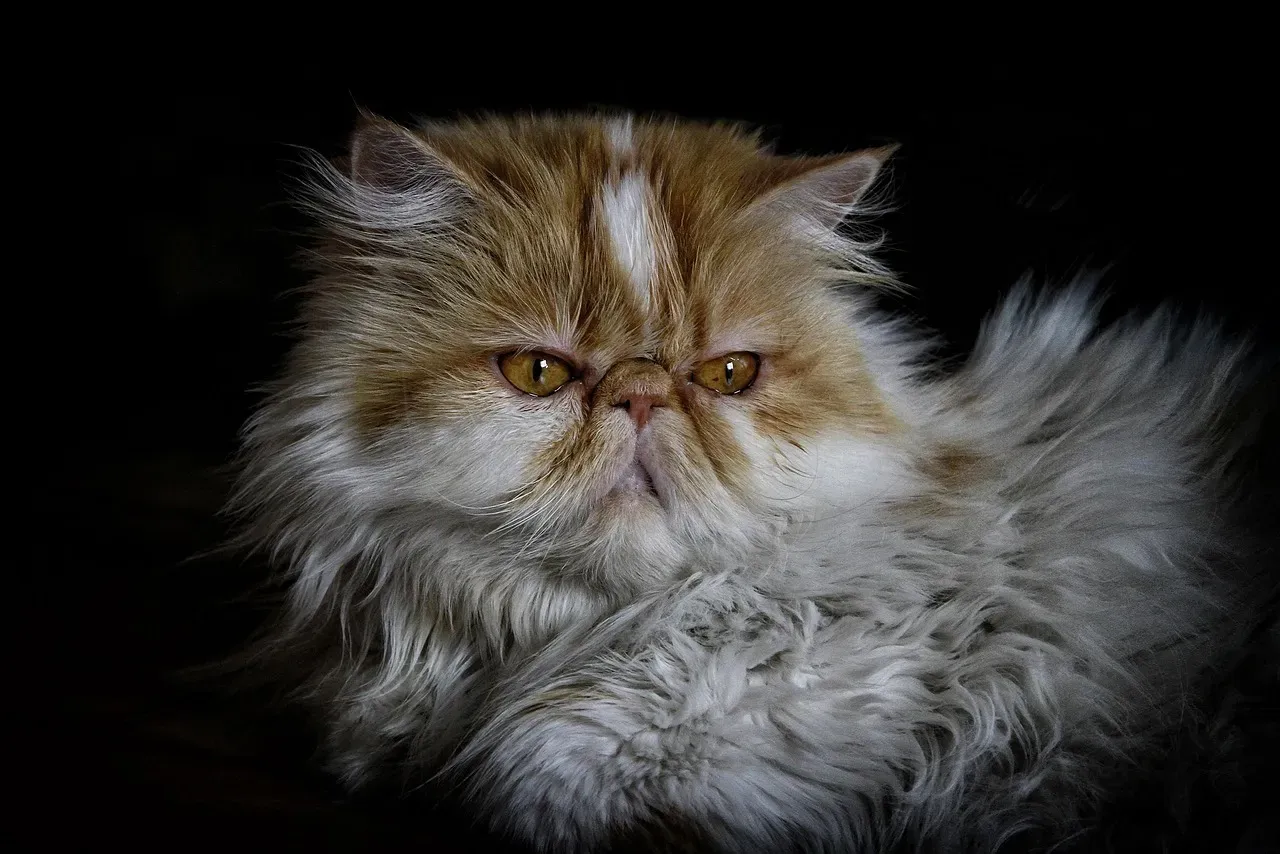
The biggest issue for new cat owners with Persians is their high-maintenance grooming needs, as their dense coat requires daily brushing to prevent mats and skin infections, and their faces require regular cleaning due to their flattened shape. If you’re already overwhelmed by daily tasks, adding an hour of grooming to your routine isn’t going to help.
Himalayans have similar needs as Persians, with daily brushing being necessary and routine cleaning of the face and eyes due to their flat faces. These breeds are stunning, no doubt about it. However, neglecting their grooming leads to painful mats, skin infections, and veterinary bills. For anxious people who already struggle with consistency, this becomes yet another source of guilt and stress.
Bombay: The Playful Biter You’ll Learn to Fear

While they are just playing, Bombays can get carried away and may be prone to biting and scratching as part of their play routine, and it’s vital for Bombays to have experienced owners who are committed to working with them to establish the proper boundaries. Play aggression is real, and it hurts. These cats don’t mean harm, but their enthusiasm can cross into painful territory quickly.
For someone who’s nervous, every play session becomes tinged with anxiety. You’re constantly wondering if this time will be the time they break skin or if you’re doing something wrong. That uncertainty erodes the joy of pet ownership and replaces it with dread. Setting firm boundaries requires confidence and consistency, things that anxious owners often struggle with.
Conclusion: Matching Energy Matters More Than You Think
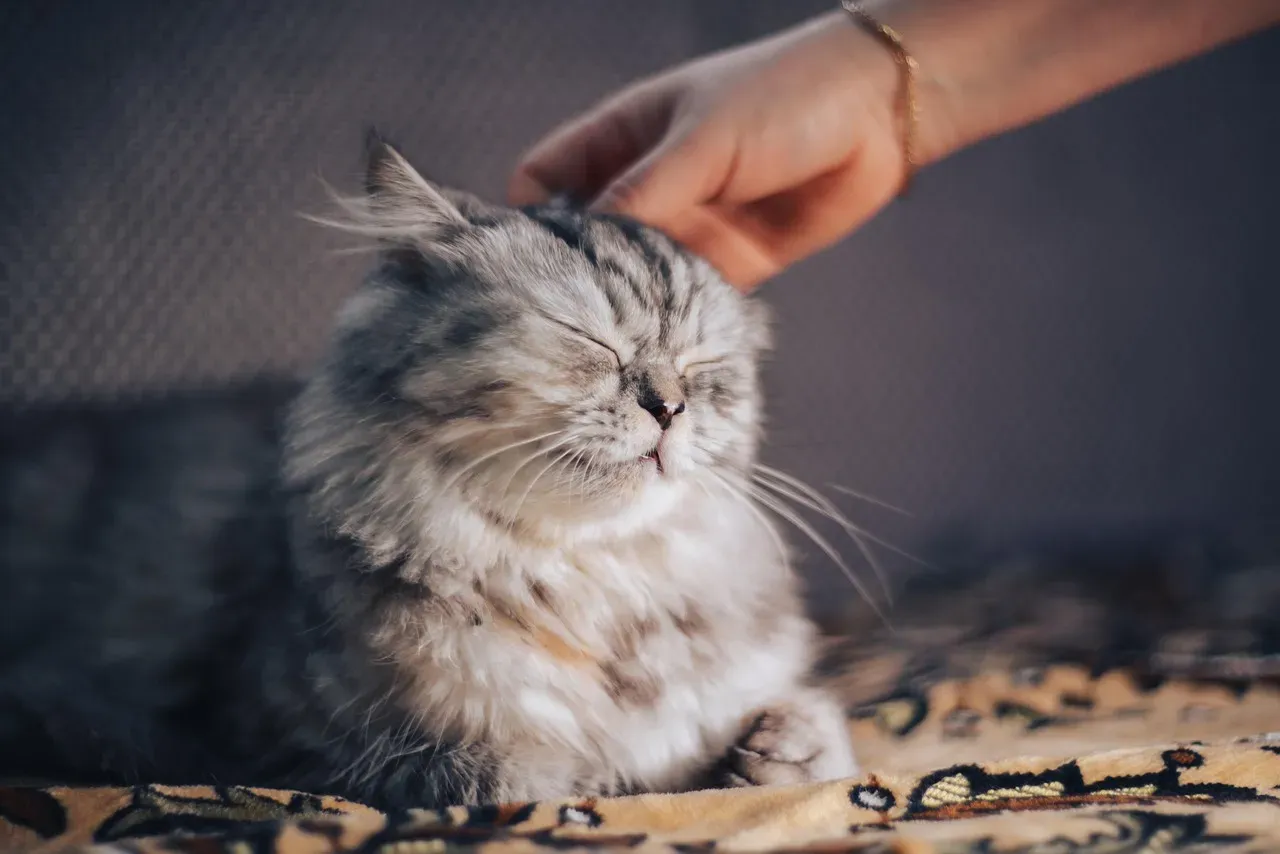
Choosing the right cat breed isn’t just about appearance or popularity. It’s about honest self-assessment. Behavioral issues, including anxiety, affect a notable portion of cats presenting to veterinarians. When you add a high-strung owner into the mix with an equally demanding cat, both parties suffer.
If you’re prone to anxiety, consider calmer breeds like British Shorthairs or Ragdolls that offer companionship without chaos. Your mental health matters, and the right cat should soothe your nerves, not set them on fire. What kind of energy do you think you can realistically handle? Be honest with yourself before bringing home a feline friend.