Living in Maine means preparing for long stretches of freezing temperatures, heavy snowfall, and biting winds that can chill you to the bone. While many cats prefer curling up by the fireplace during such weather, some breeds are genuinely equipped to handle this harsh climate. If you’re considering bringing a feline friend into your home, it helps to know which breeds have the natural adaptations to not just survive but actually thrive when the temperature drops below freezing.
Think about it. These aren’t just ordinary housecats. We’re talking about breeds with thick coats, bushy tails, and even tufted paws that work like natural snowshoes. Some have been shaped by centuries of evolution in climates even harsher than Maine’s notorious winters. Let’s dive into which cats would feel right at home when you’re shoveling three feet of snow off your driveway.
Maine Coon: The Obvious Champion
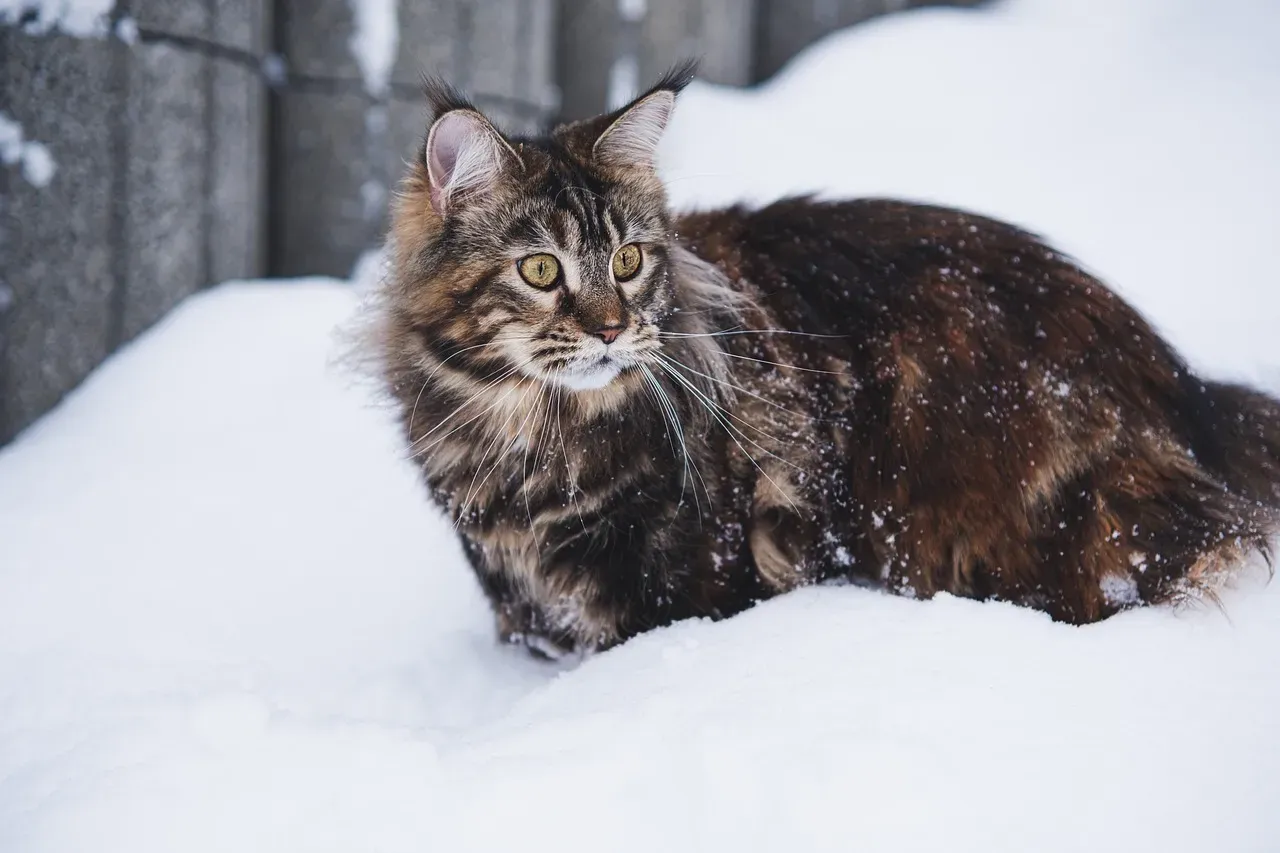
Named after the state itself, the Maine Coon naturally developed in Maine where average winter temperatures hover between 15 to 25 degrees Fahrenheit. The heavy, water-resistant coat and large, muscular body makes the Maine Coon cat suited for harsh New England winters. This isn’t just a cat that tolerates cold weather – it was literally born for it.
Their paws are round, large, and equipped with long, dramatic tufts of fur growing between the toes, distributing the cat’s weight evenly across the snow and allowing it to walk easily over deep drifts without sinking. Maine Coons that were kept outdoors in Maine winters wrapped their tails around their bodies like a blanket to stay toasty. Honestly, if there’s one breed designed for Maine winters, this is it.
Siberian: Russia’s Gift to Cold Climates
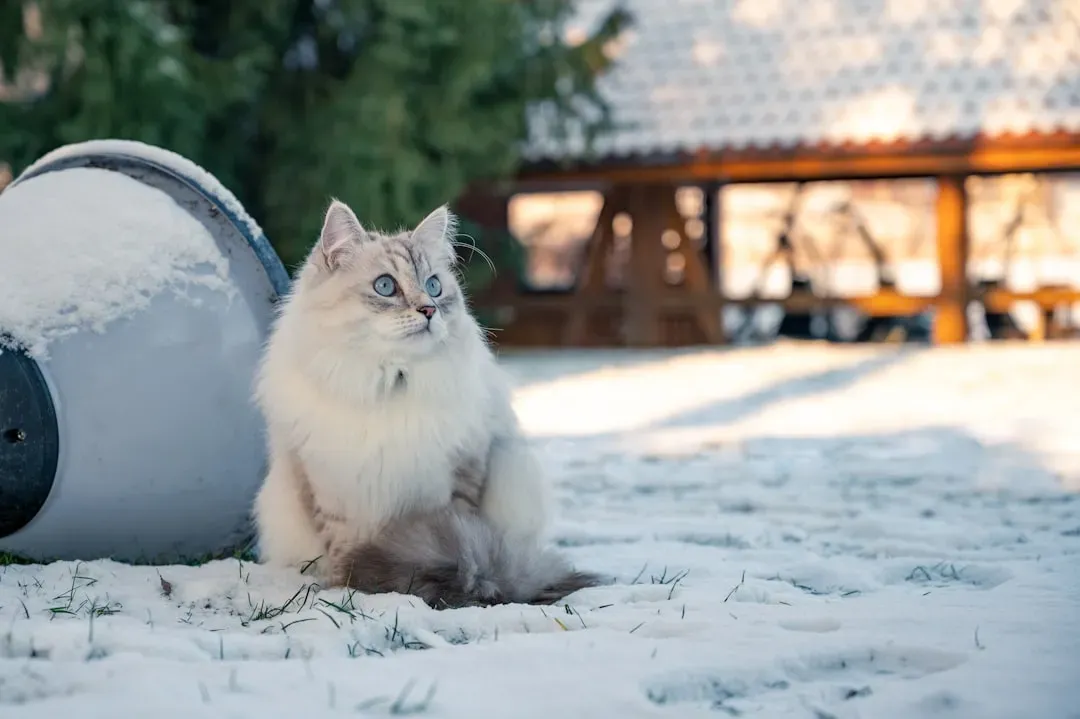
As their name suggests, the Siberian cat is made for handling the intense cold weather of Siberia, with a coat that varies by season – in winter they have a thick, rich, full, triple coat that protected them from Russia’s cold climate. Let’s be real, if a cat can survive Siberian winters, Maine’s cold is practically mild by comparison.
The Siberian’s water-resistant outer layer, insulating middle coat, and soft undercoat work together to trap warmth, allowing the breed to remain comfortable even in snow and ice where other cats would struggle. Despite their imposing ancestry, these winter cats are as friendly and affectionate as they come, intelligent and people-oriented, enjoying learning new tricks and showing a fascination with water.
Norwegian Forest Cat: The Viking Companion
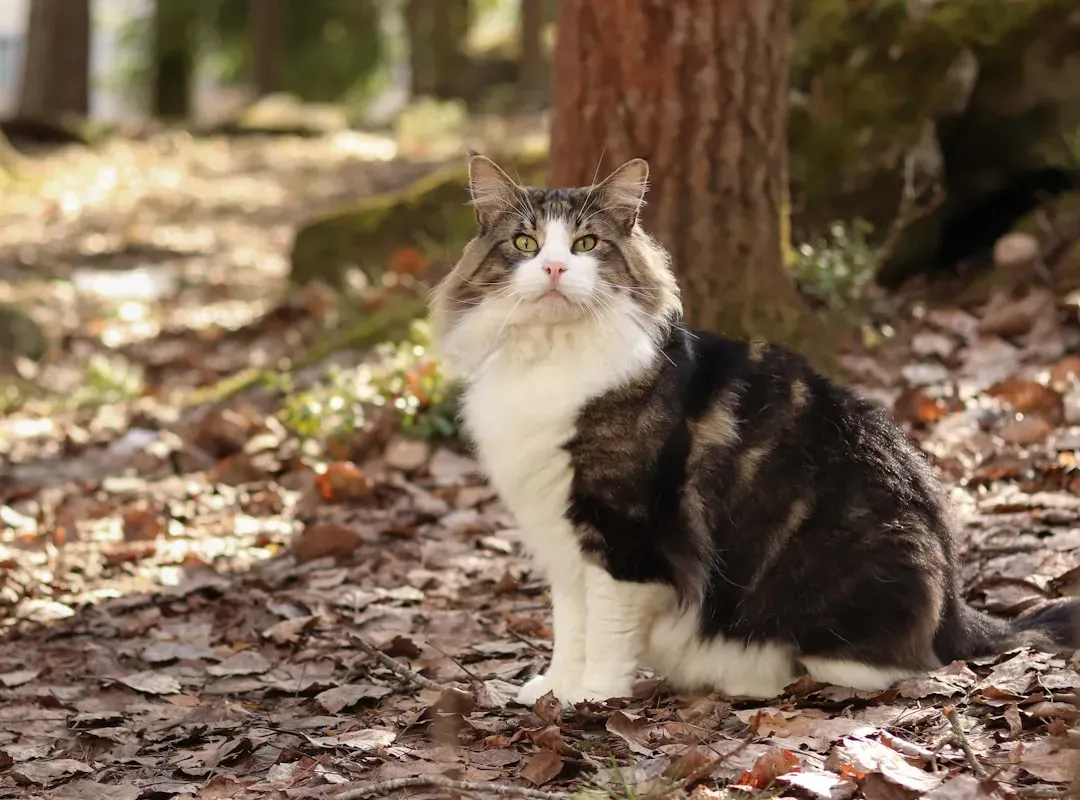
To endure the harsh winters of Scandinavia, the Norwegian Forest cat – also called the Wegie – evolved a double layer of thick, waterproof fur. This immense kitty takes pride in its waterproof double coat, with the fluffy topcoat hiding a shorter but dense and coarse undercoat, and with tufted paws this cat’s feet don’t tend to get chilly in the coldest of climates.
Here’s the thing about Wegies: this large, rugged breed is admired for its wild beauty, calm temperament, and natural ability to endure harsh winters, featuring a playful and friendly nature with a large, muscular frame. Norwegian Forests also have delightful puffs of fur to keep the snow and cold out of their ears, and they have fashionably long pants and a feathery tail to help them stay warm. It’s like they come with their own winter wardrobe.
Russian Blue: The Elegant Winter Warrior
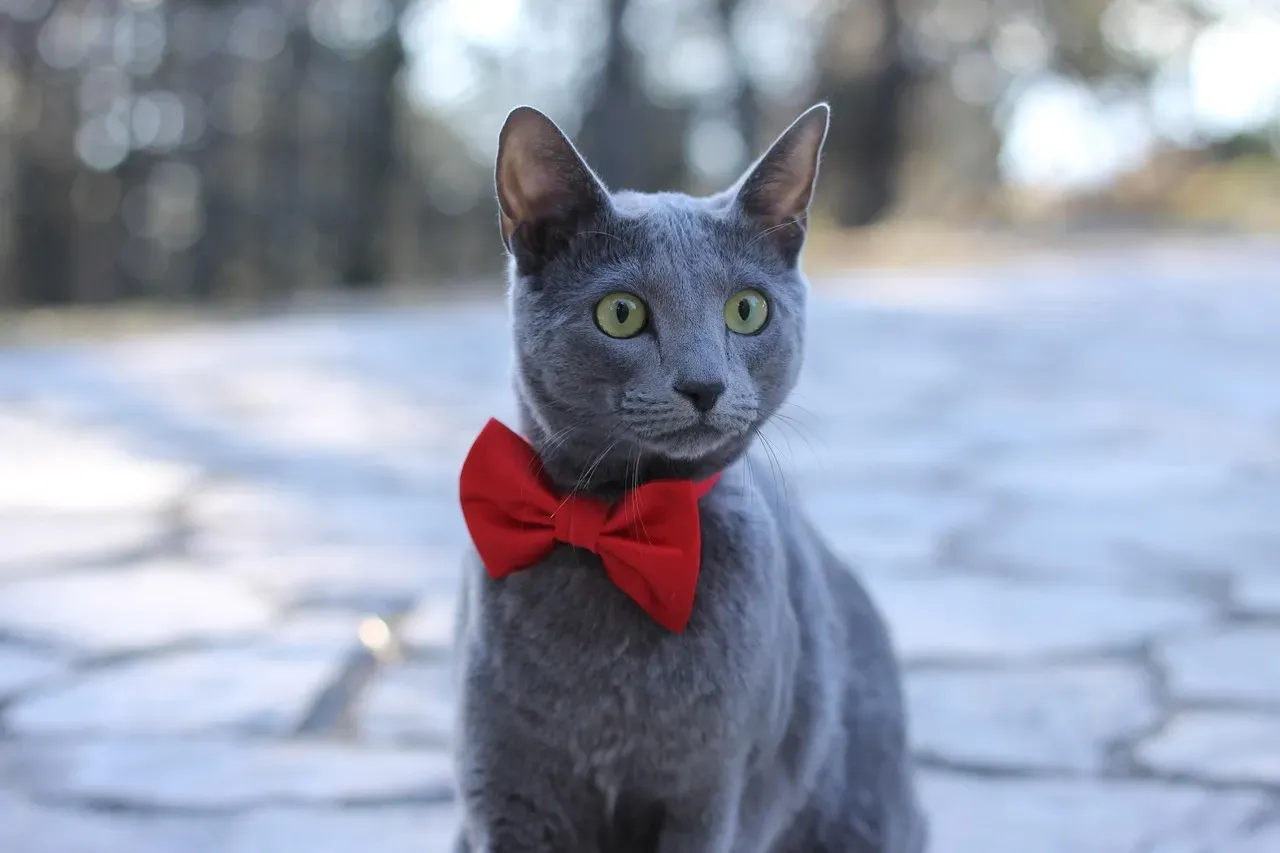
You might not expect it from their sleek appearance, but Russian Blue cats are short-haired yet still thrive in cold weather because they have double-coated and extremely thick fur, with the inner layer serving as insulation while the outer layer prevents water, snow, and dirt from reaching the cat’s skin. Their compact elegance hides serious cold-weather credentials.
Russian Blues are very social, calm breeds with a short double coat that keeps them warm, their background from Russia leading them to develop a dense coat that insulates them well, and they were bred to survive harsh Russian weather. Russian Blues are independent yet affectionate with their chosen people, often reserved with strangers and preferring calm, predictable surroundings. Think of them as the quiet intellectuals of the cold-weather cat world.
Turkish Angora: The Mountain Survivor
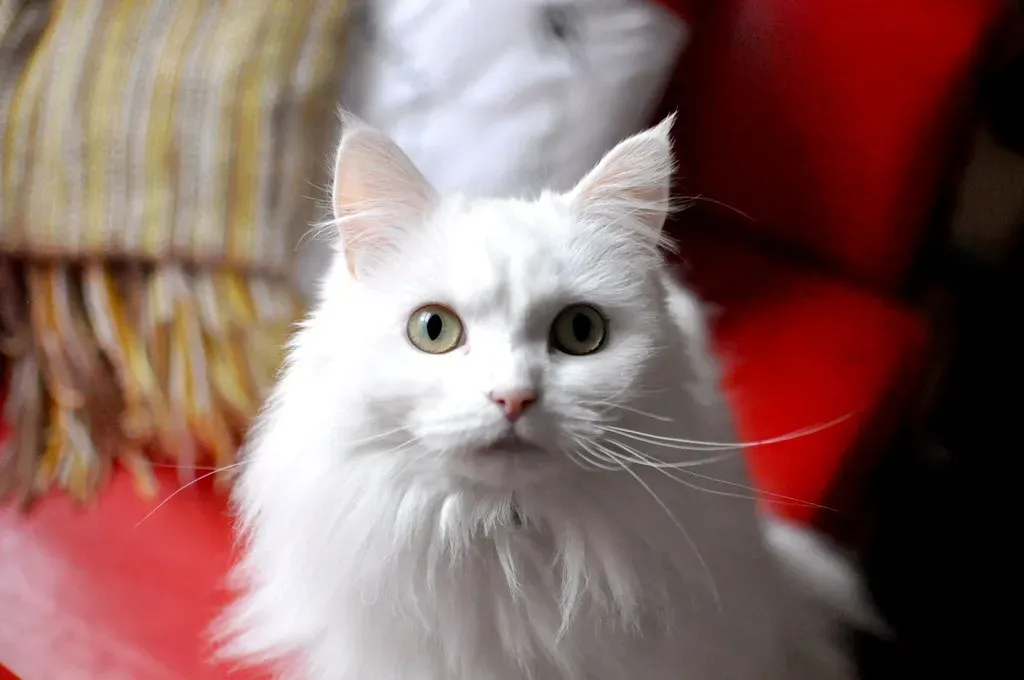
The Turkish Angora is a gorgeous feline with a long and silky coat that only requires brushing once or twice a week, and because they’re used to hot summers and cold winters from the Anatolian and Caucasian mountain regions of Turkey, they do well in all climates. The adaptability of this breed is genuinely impressive.
Turkish Angora and Turkish Van cats originated in Turkey, with breeders believing that the harsh landscape of the mountains and the region’s cold climate likely contributed to the development of their extremely soft coats and solidly built bodies. Turkish Angoras are agile and active, often staying warm through constant movement and playful exploration indoors, and being highly intelligent and curious, they benefit from enrichment like puzzle feeders and interactive toys especially during long winter months.
Turkish Van: The Snowy Adventurer
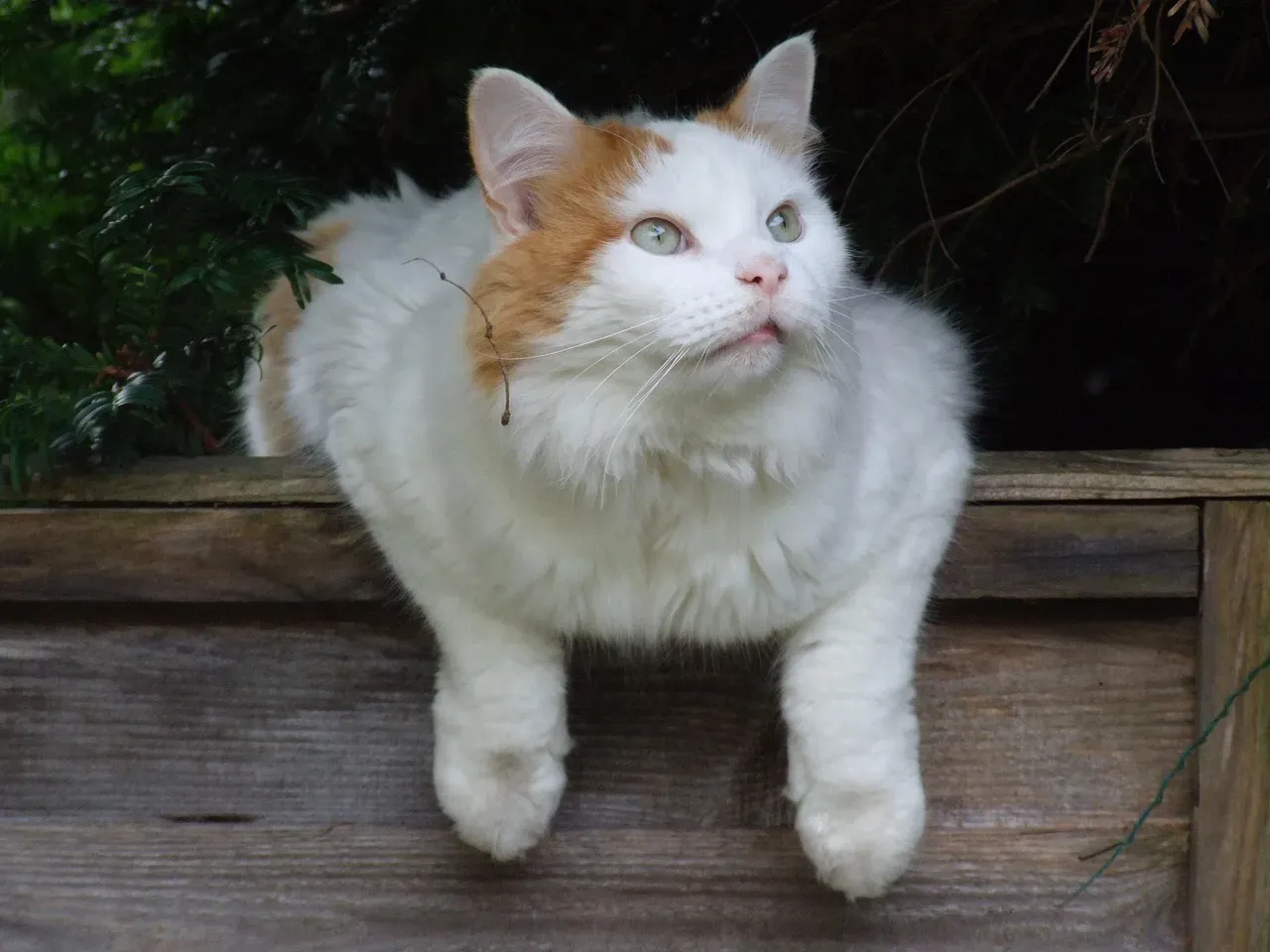
Like its close cousin the Turkish Angora, the Turkish Van is used to experiencing extreme temperatures and will have no trouble handling chilly climates, with long, thick winter coats that keep them lovely and toasty warm and a sturdy build, plus they enjoy being active so there’s little chance of them feeling the cold. I know it sounds crazy, but these cats actually enjoy water – unusual for felines.
The Turkish Van is a robust cat originating from the region around Lake Van in Turkey with an extra thick coat that helped it survive life high up in the mountains, and because it genetically evolved to handle harsh environments with freezing temperatures, it’s a great choice if you live in a cold climate. Turkish Vans are highly intelligent and love learning new tricks, making clicker training a great way of keeping them stimulated.
Scottish Fold: The Teddy Bear Tough Guy

Used to the harsh winters in their native land, the Scottish Fold is a stocky and curvy cat that thrives on human interaction yet is delightfully undemanding, affectionate and sweet-natured, looking like little teddy bears. Don’t let the adorable folded ears fool you – these cats have serious winter resilience.
Their plush, dense fur helps them stay snug in homes where cold and damp weather lasts for many months, with a steady, undemanding nature that matches households spending long, quiet evenings inside during icy seasons, and their compact build and love of human company make them well-suited to warm window seats and radiator-side beds in chilly climates. They’re perfectly content watching winter storms from the comfort of indoors.
Manx: The Tailless Wonder
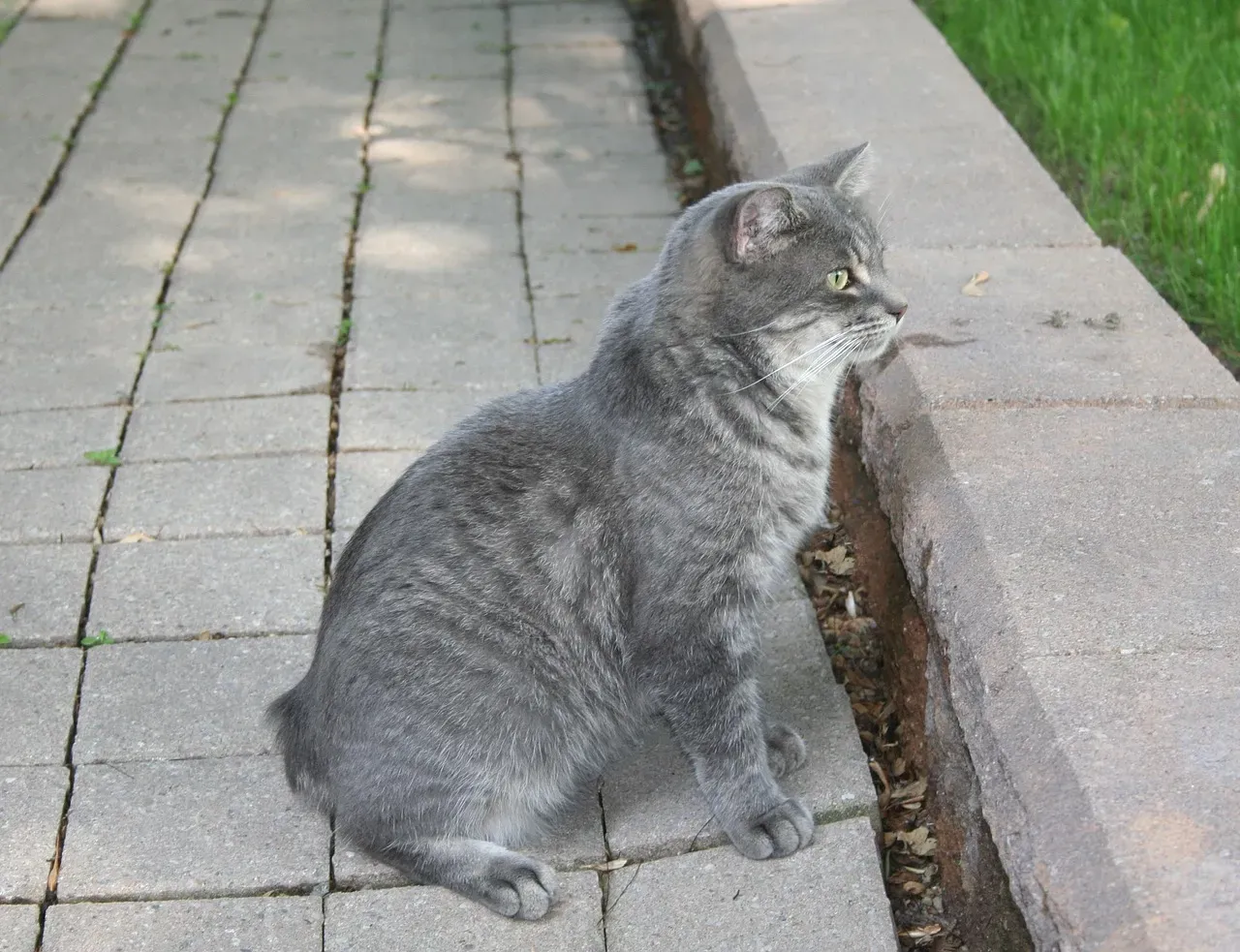
The Manx Cat, with its stocky build and double-layered coat, is well-equipped to handle colder temperatures, imagine a fortress that not only protects but also comforts you in winter conditions. The Manx breed’s coat has two layers – a dense, soft insulating layer on the bottom with a coarse outer layer including guard hairs to protect the cat, which enabled them to survive harsh winters, a trait that was invaluable for farmers on the Isle of Man.
Originating on the Isle of Man where the climate is cool, wet, and windy, they developed into hardy cats that handle chill and damp better than many breeds, with their thick coat and sturdy build helping them work as mousers in rough coastal weather, and today that same resilience makes them comfortable in modern homes that still face long, blustery winters. These cats are basically built like tanks.
Himalayan: The Luxurious Cold-Weather Cat
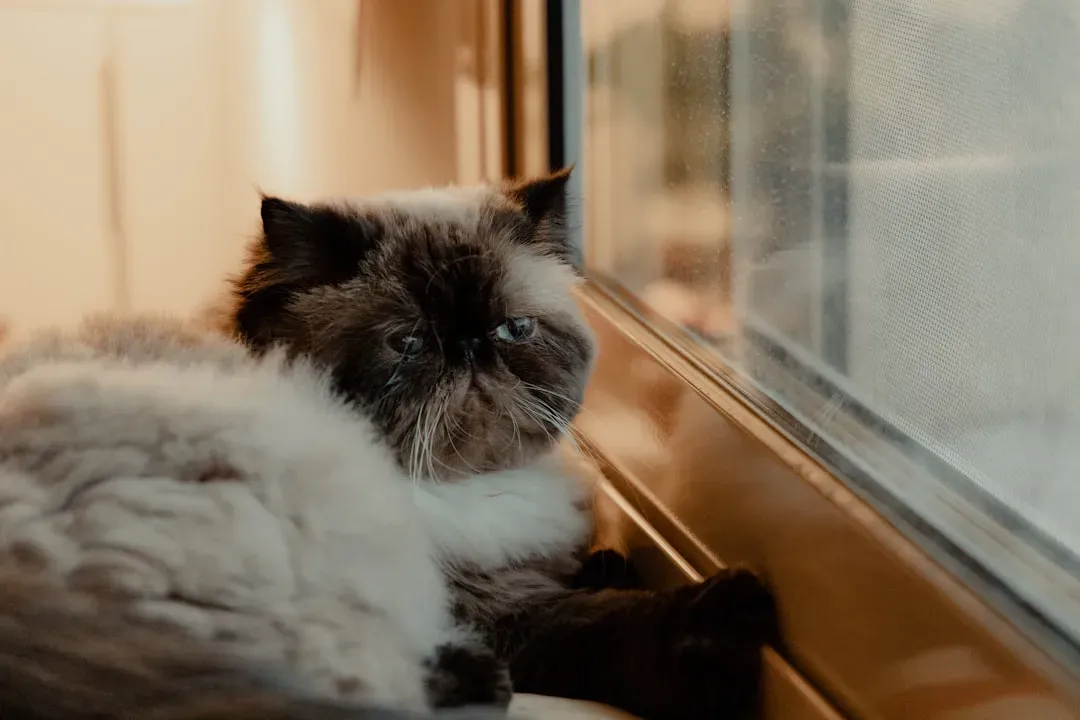
The striking Himalayan cat doesn’t just have their eye-catching coat for looks – it keeps them really warm too, with their thick, double-layered coat providing strong insulation and helping them endure cold temperatures. Himalayan cats, a cross between Persians and Siamese, boast thick fur that provides excellent insulation against cold weather.
Their compact body shape helps minimize heat loss too, and they have a mellow temperament and a real love for face-to-face time, while laid-back they love playing and learning new things too. These are the cats that want to supervise your snow shoveling from a cozy perch indoors, occasionally venturing out to investigate the winter wonderland.
Chartreux: The French Cold-Weather Specialist
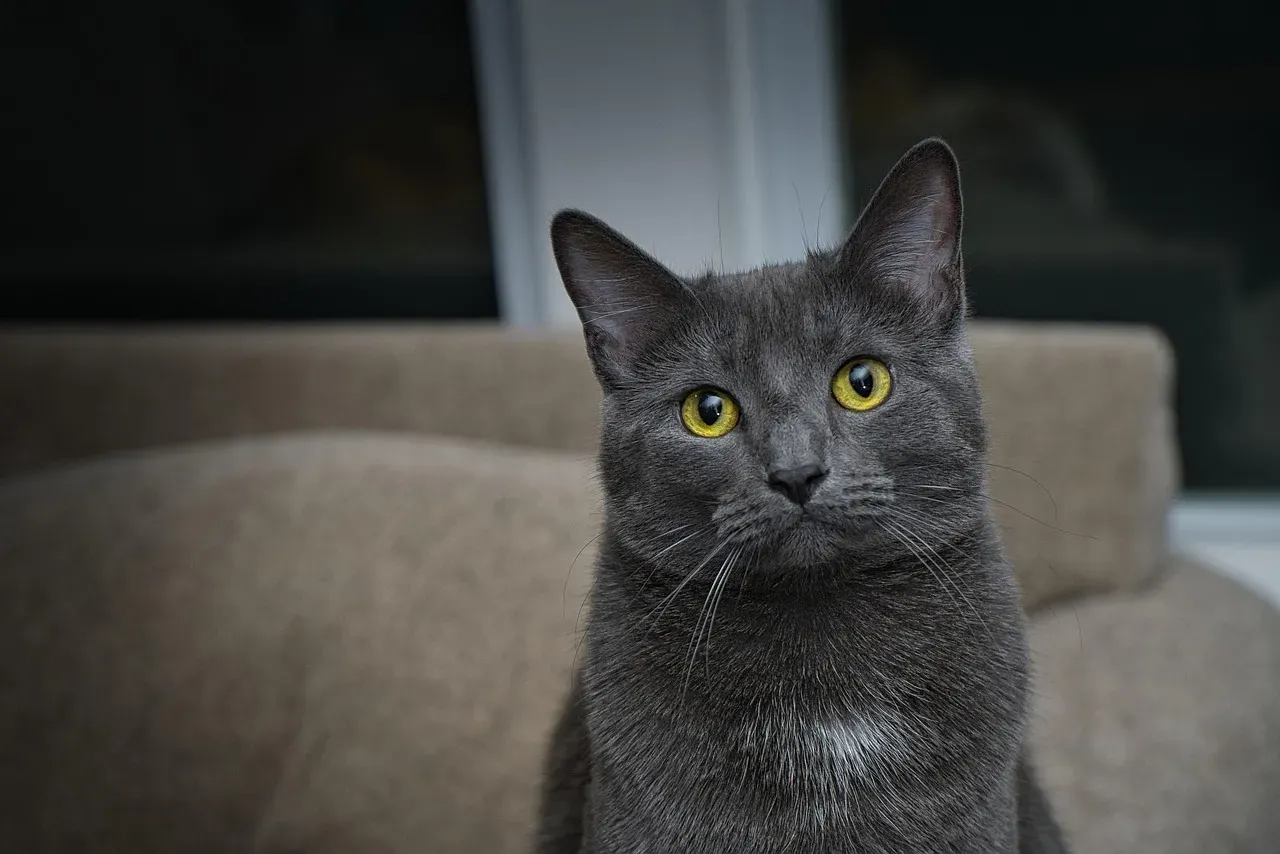
With a solid frame, strong legs, and an insulating coat that was developed in cooler regions, Chartreux cats can adapt well to households in colder climates while still preferring the comfort of a warm, cozy home. Their thick, woolly coat grows heavier in winter and suits homes located in regions with long, damp, or chilly seasons, with an easygoing, undemanding personality making this breed happy to stay inside when ice and snow limit outdoor activity, and their muscular, barn cat heritage means they’re comfortable living in older, cooler houses.
These cats have a fascinating history in France and were prized for their hunting abilities. They’re essentially the strong, silent type of the cat world – sturdy, dependable, and perfectly content during long Maine winters without being demanding or fussy about attention.
Conclusion: Choosing Your Winter Companion
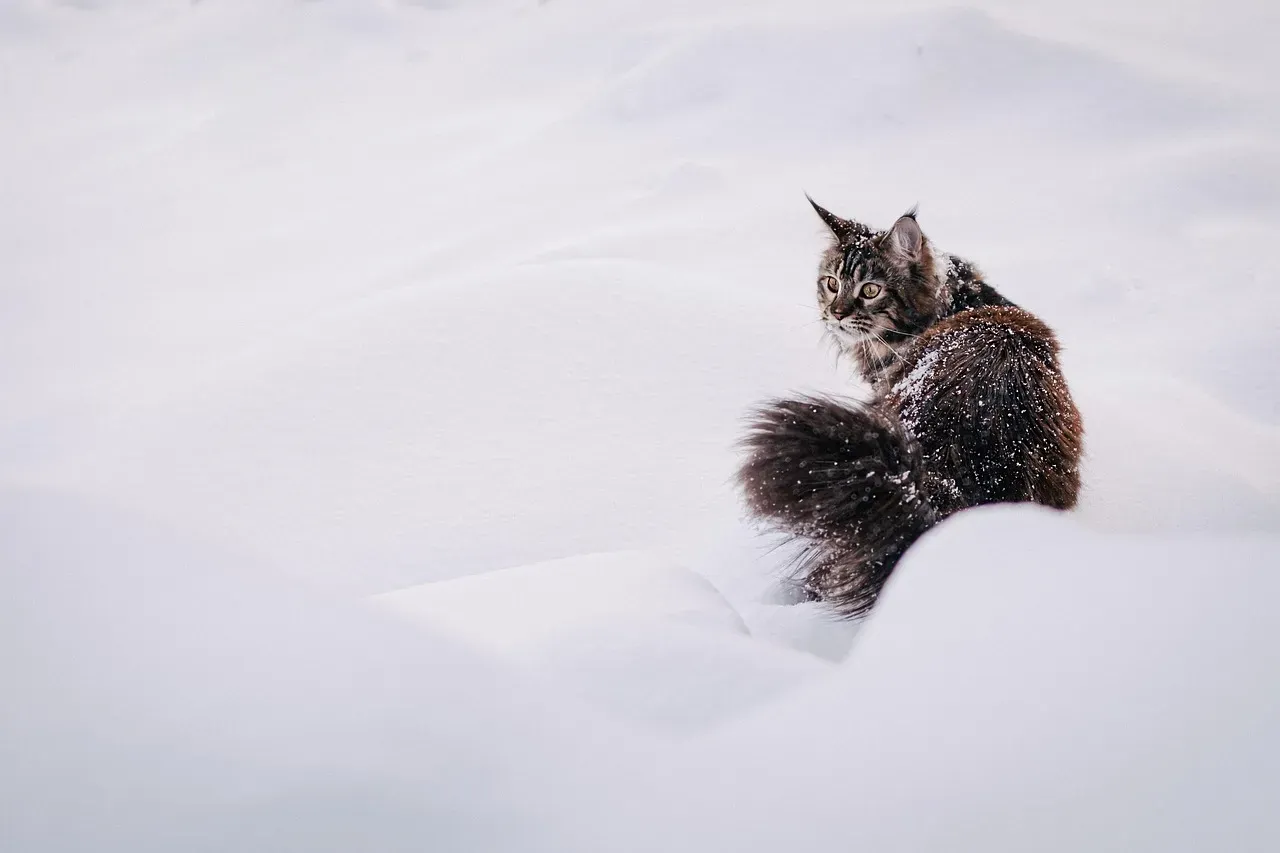
Even though these cats originated in cold climates and can typically handle cold weather better than other breeds, they can still develop severe hypothermia and frostbite if they’re out in freezing weather for too long, and no cat should be left outside without adequate shelter in temperatures below 45 degrees Fahrenheit for extended periods. It’s worth mentioning that despite their cold-weather adaptations, these breeds still need warm indoor spaces and proper care.
Their dense fur may need regular grooming to prevent matting and maintain its insulating power, and because generating body heat in cold weather burns energy, these cats may need more calories during the colder months. Whether you choose the gentle giant Maine Coon or the elegant Russian Blue, you’re getting a companion that won’t mind when Maine’s winter temperatures plummet. What surprised you most about these cold-weather champions?