Ever noticed how your feline friend can transform from a purring angel into a hissing tornado when things don’t align with their royal expectations? Cats have always been mysterious creatures, and some breeds take this independence to a whole new level. When denied their desires, whether that’s attention, playtime, or simply having the last word, certain cat breeds show a stubborn streak that can manifest as aggressive behavior.
Let’s be real, not all cats are created equal when it comes to temperament. While genetics play a role in shaping personality, environmental factors and early socialization also matter tremendously. Some breeds have earned quite the reputation for being demanding divas who won’t hesitate to make their displeasure known. What do you think drives this behavior? It’s actually rooted in their natural instincts, territorial nature, and intelligence levels.
1. Siamese Cats: The Vocal Drama Queens
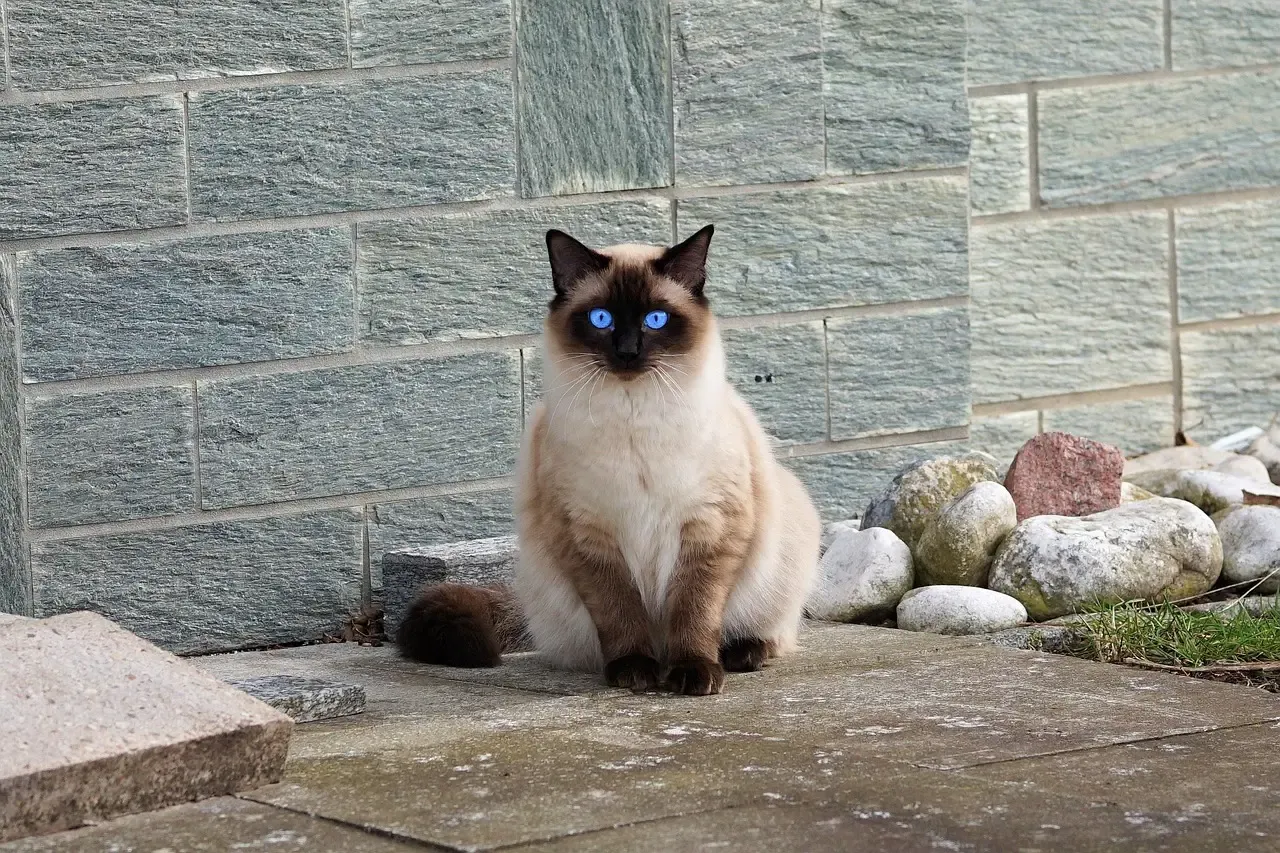
If cats had their own reality TV show, the Siamese would be the star with their loud, opinionated nature and fiery tempers when things don’t go their way. These sleek beauties with piercing blue eyes aren’t just vocal about their needs. They’re downright relentless about getting what they want.
Siamese cats are more territorial and assertive than many other breeds, and if you don’t create a stimulating environment where they can release their incredible energy and use their intelligence, they will find a way to entertain themselves. Since they are hyperactive, Siamese cats can become overexcited while playing and start biting, and they tend to do crazy things when they lack attention, including violent outbursts. This isn’t a cat for someone who works long hours and expects a quiet, independent companion. Honestly, they’re more like having a chatty toddler who never learned patience.
2. Bengal Cats: The Wild at Heart
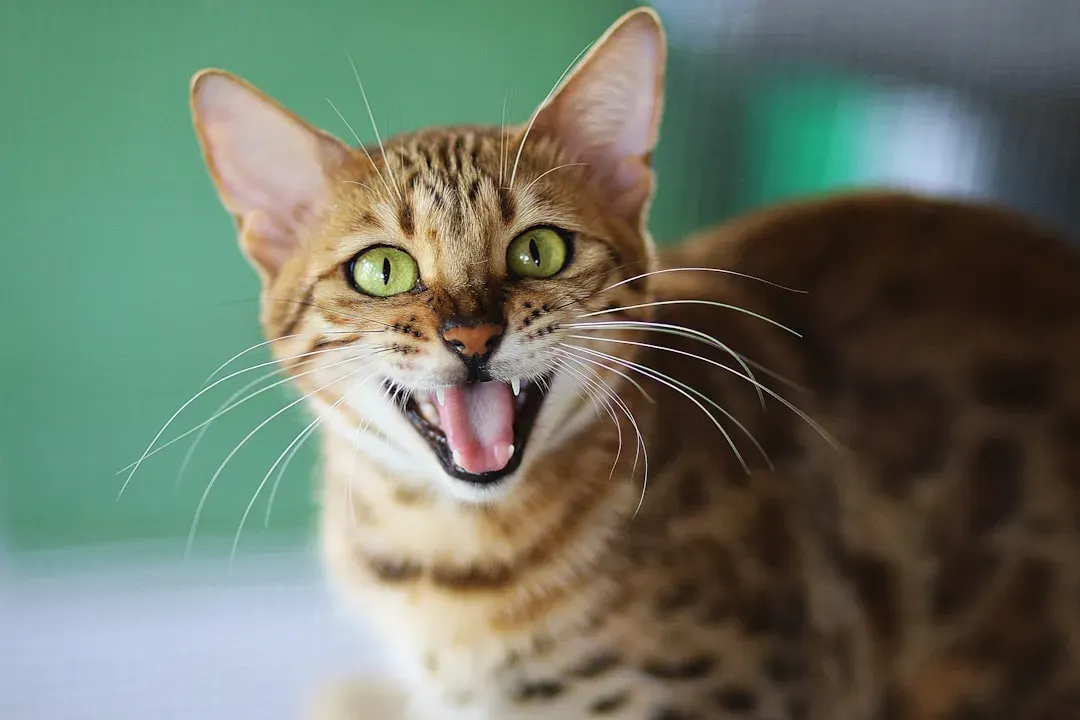
The Bengal cat is large and feels as if it still belongs in the wild, with F1, F2, and F3 Bengals carrying significant Asian Leopard Cat ancestry. Even later generations carry that untamed spirit. Their stunning leopard-like markings are beautiful to behold, yet they come with a demanding personality that requires serious commitment.
Behavioral issues like territorial spraying and play aggression are quite common if this breed doesn’t meet its needs, making the Bengal notoriously high maintenance. Bengals are territorial and can be aggressive toward other cats, though introducing cats while they are still kittens helps them grow together. I think the key here is understanding that Bengals aren’t truly domesticated lap cats. They need interactive play, mental challenges, and tons of physical activity.
3. Turkish Van: The Territorial Window Watchers
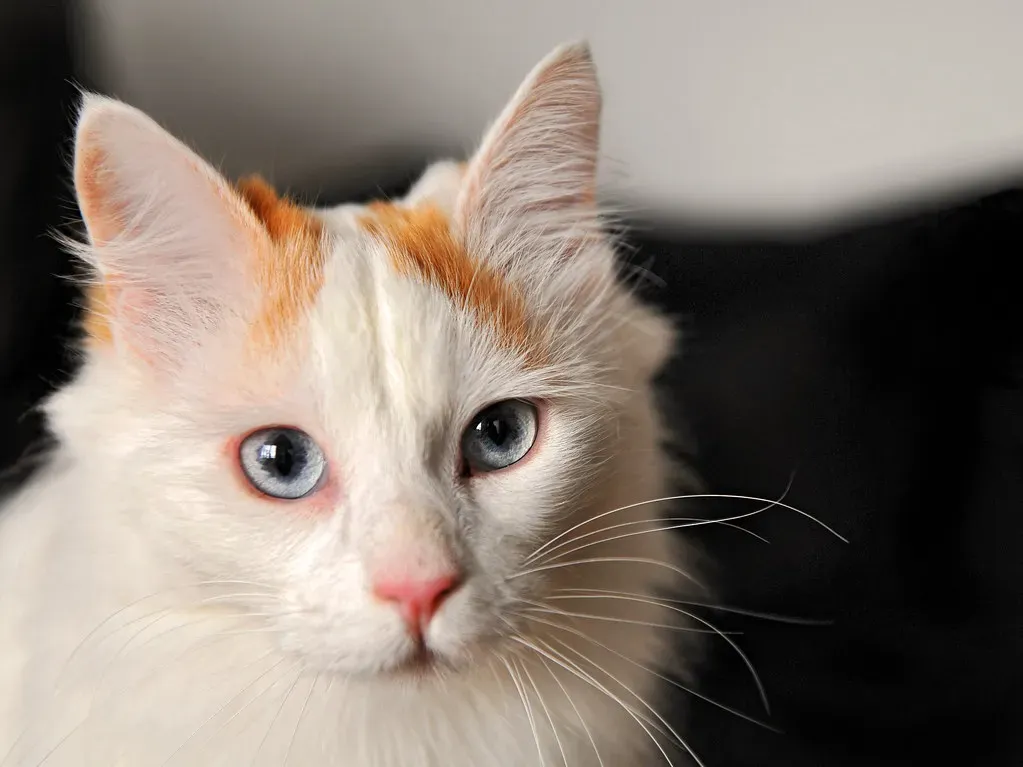
A recent study of over 40 breeds found that Turkish Vans were the most likely to display aggression towards people and other cats. Turkish Vans were the most likely to display aggression towards people, while British Shorthairs had the lowest probability for aggression. These cats have earned quite the reputation in feline behavioral research for their assertiveness.
The Turkish Van is a territorial feline who loves gazing out of windows for hours, thrives on attention and enjoys pampering, but neglect can trigger a behavior change, leading to potential aggression towards other pets or even humans. They’re beautiful cats with unique personalities, no doubt. However, they prefer being the only cat in the household and can become seriously agitated when strangers enter their domain. Proper socialization as kittens is absolutely essential with this breed.
4. Sphynx Cats: The Attention Seekers
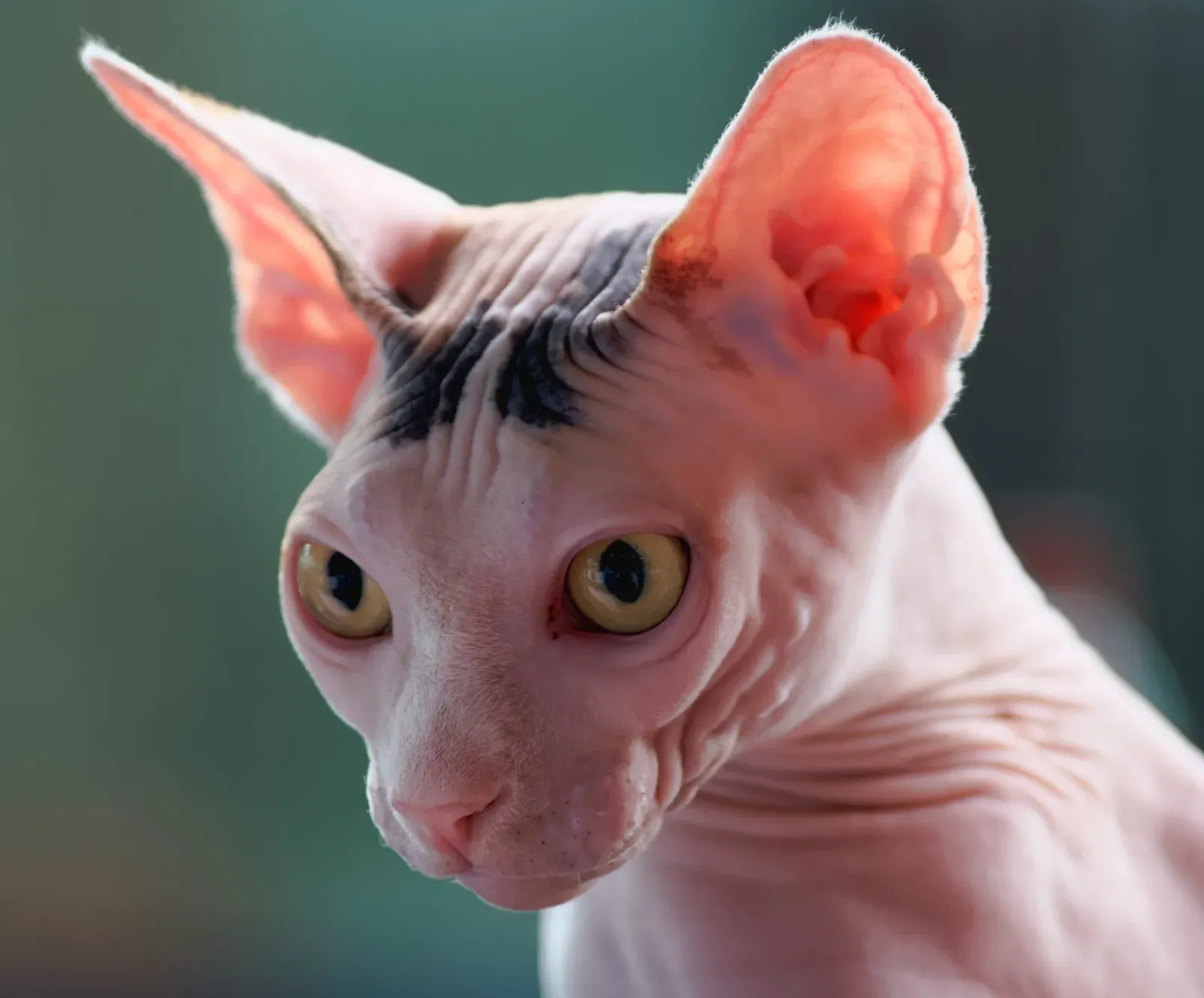
You might think a hairless cat would be low maintenance, right? Wrong. Unlike other aggressive breeds that lash out due to territorial instincts, Sphynx cats can become nippy or hyperactive when they’re not getting enough attention, as they hate being alone and will follow their humans everywhere, with a bored Sphynx becoming a destructive Sphynx.
These wrinkly companions demand constant interaction and warmth. The Sphynx cat is very demanding and always wants to be the center of attention, and if they’re not getting the attention they desire, they will act out to get what they want. They’re incredibly intelligent and can learn tricks, which sounds adorable until you realize they’ll also learn how to manipulate you. Their playful nature can sometimes come off as aggressive behavior, including surprise attacks at three in the morning.
5. Scottish Fold: The Moody Charmers
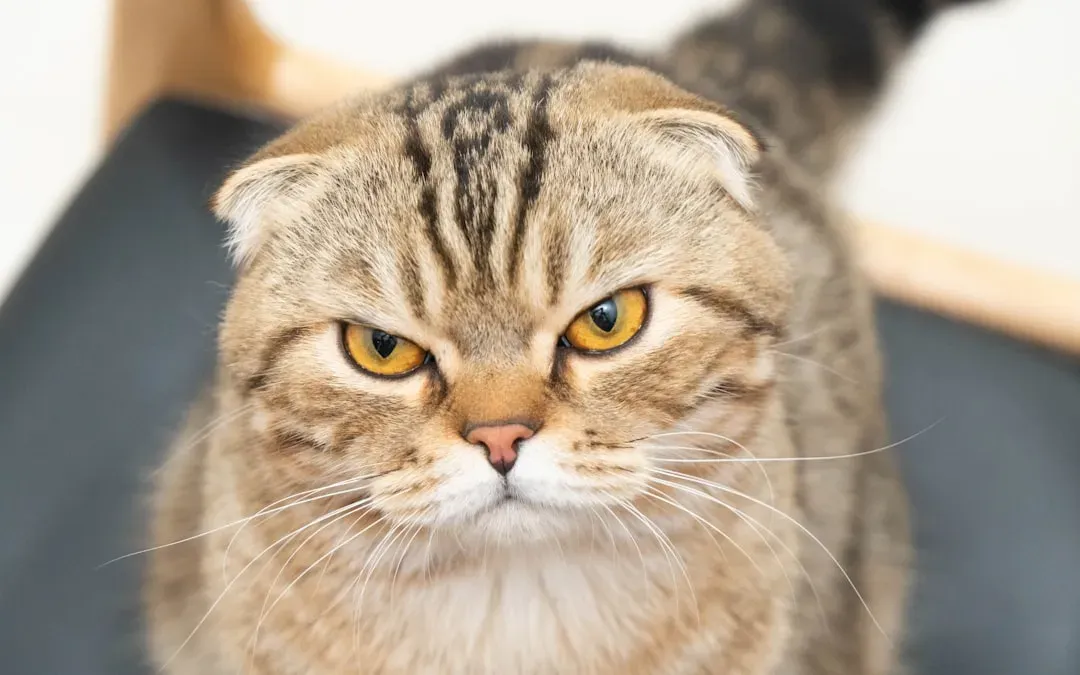
With their adorable folded ears and round expressions, Scottish Folds look like poster children for innocent charm, but these cats can be moody and unpredictable, being generally affectionate yet stubborn and independent. Their cute appearance is genuinely deceptive because behind those sweet eyes lies a cat who knows exactly what they want.
If they’re in a bad mood, they might just swat your hand away as a warning, and if they feel irritated or their personal space is invaded, they won’t hesitate to make their feelings known. Scottish Folds are another vocal breed with softer meows and purrs, and although they are not as outwardly aggressive, they do have a feisty side if left on their own too much. They’re selective about their favorite humans and may remain aloof toward others in the household.
6. Bombay Cats: The Mini Panthers
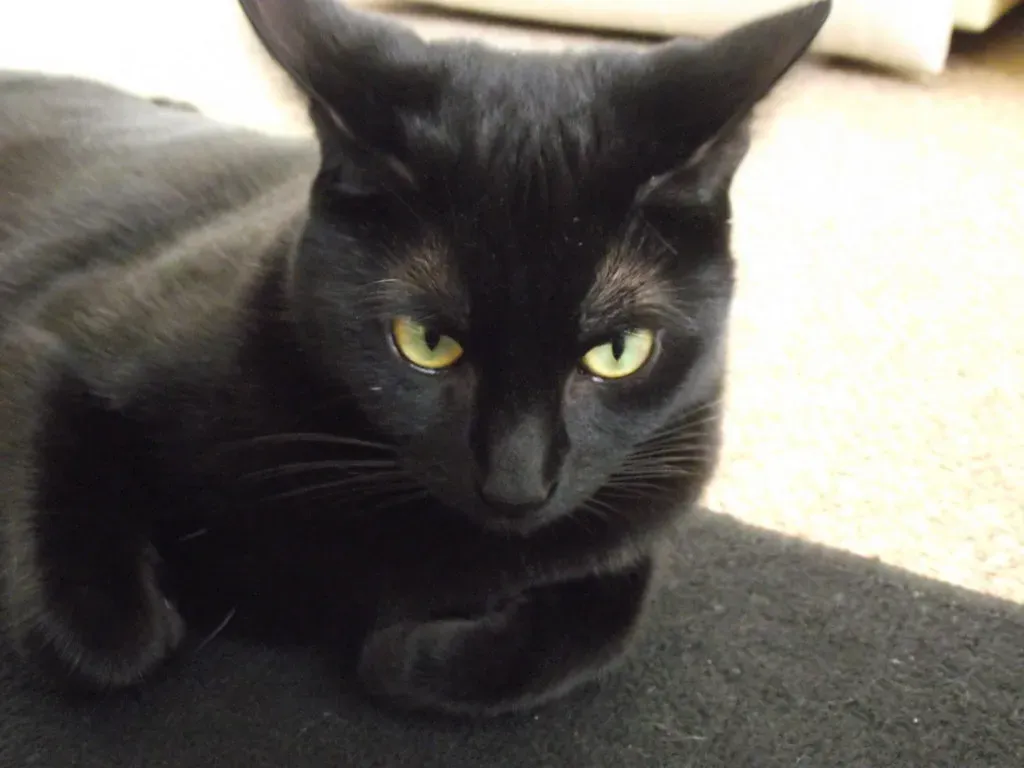
If you’ve ever wanted a pet panther, the Bombay cat is your dream feline with their sleek black coat, piercing copper eyes, and muscular build, though they also have a bit of a spicy personality. These cats are absolutely stunning and they know it. Their confidence borders on arrogance sometimes.
The Bombay breed is a hybrid mix with numerous strong behavior traits, known to be both fearless and aggressive with litter box aversion, and they have sturdy bodies that can be surprisingly forceful during playfights, requiring significant attention like Siamese and Sphynx cats. Bombays are highly intelligent, playful, and affectionate, but can also be possessive and territorial, making it very clear if they don’t like someone with warning growls or unexpected swats, and they hate being ignored. You can expect dramatic feline protests if you neglect them.
7. Egyptian Mau: The Natural Born Hunters
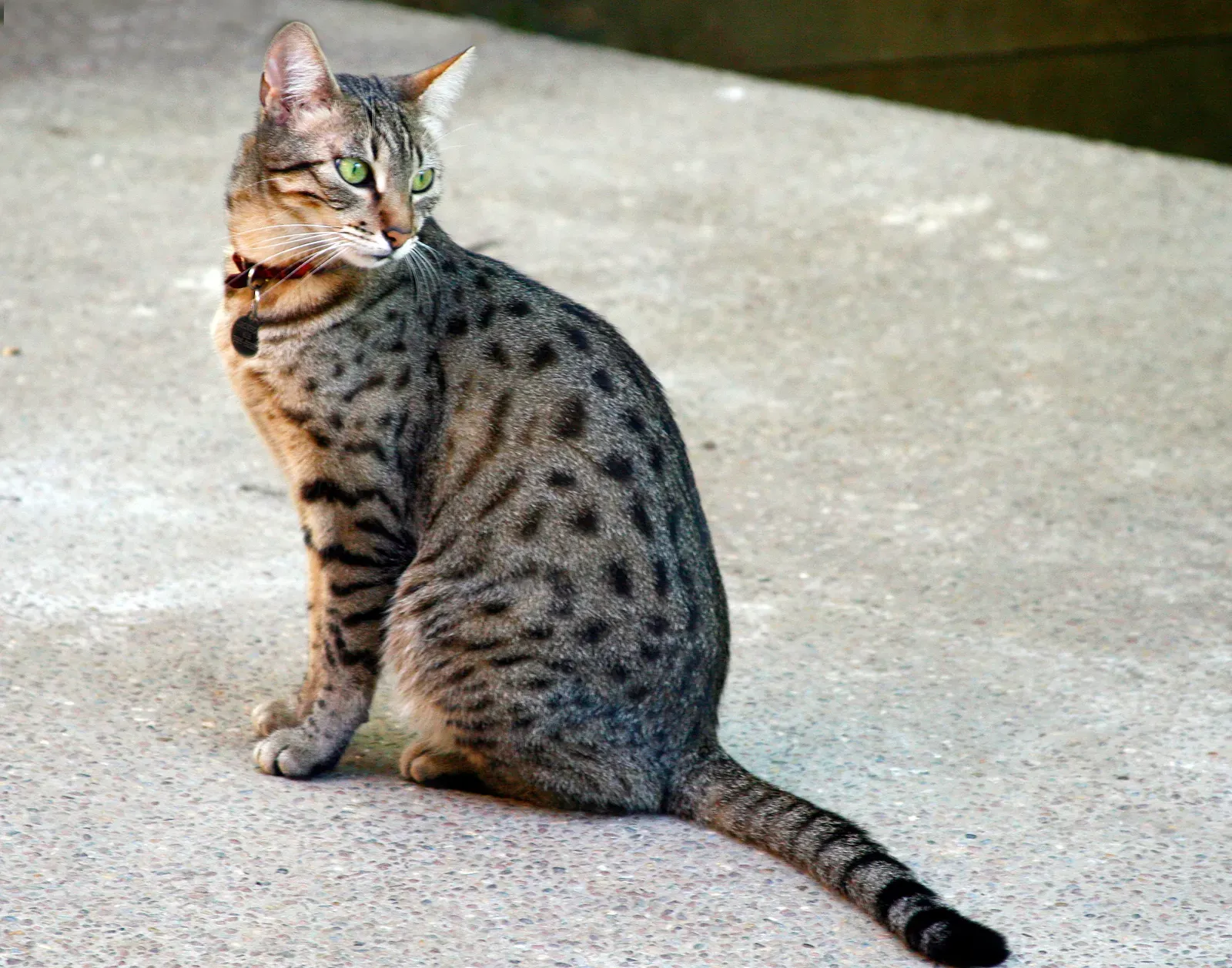
Egyptian Maus are natural born hunters who need plenty of time outside to stay out of trouble indoors, and they typically are not very cuddly, running away if you try to hug or snuggle with them. These spotted beauties maintain strong predatory instincts that can translate into aggressive play.
Their hunting drive is incredibly strong, which means they need constant stimulation. If bored, they’ll create their own entertainment, which you probably won’t appreciate. These cats aren’t the type to curl up in your lap for hours of Netflix watching. They’re athletic, independent, and can become irritable when forced into physical affection they don’t desire. It’s hard to say for sure, but their wild ancestry seems to shine through more prominently than in many domesticated breeds.
8. Korat Cats: The Indoor Grumps
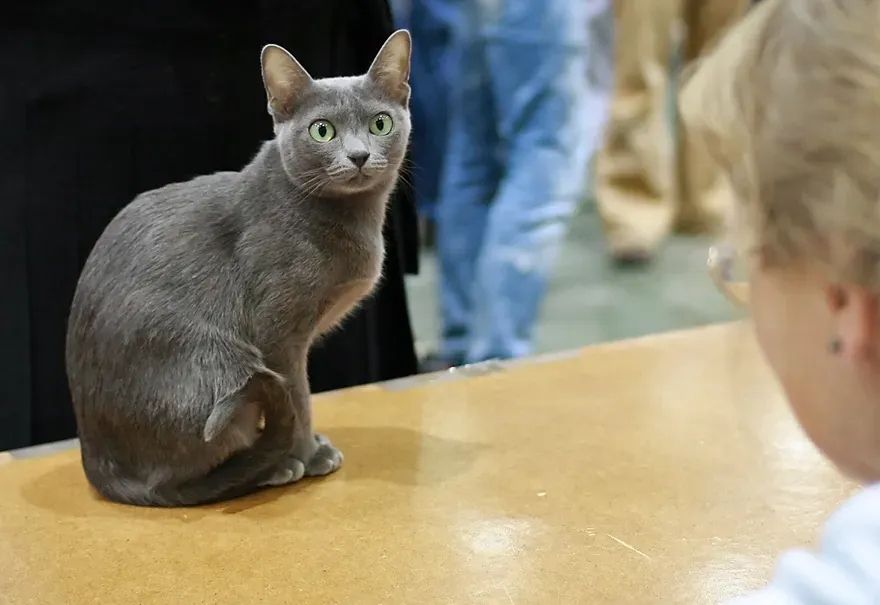
Korat breed cats were regarded as sociable, as they had a higher frequency of social behavior in general studies. However, there’s another side to this breed. Korats are one of the friendliest breeds among domestic cats when it comes to meeting strangers, but if kept exclusively indoors they can become aggressive towards other pets or even humans, making it important to spend plenty of time playing with them.
The key issue here is environmental enrichment. These cats need outlets for their energy and social nature. When confined without proper interaction, their friendly demeanor can shift dramatically. They become frustrated and territorial, lashing out at household members or other pets. Regular playtime and engagement are absolutely critical for keeping Korats balanced and happy.
9. Ocicat: The Demanding Performers
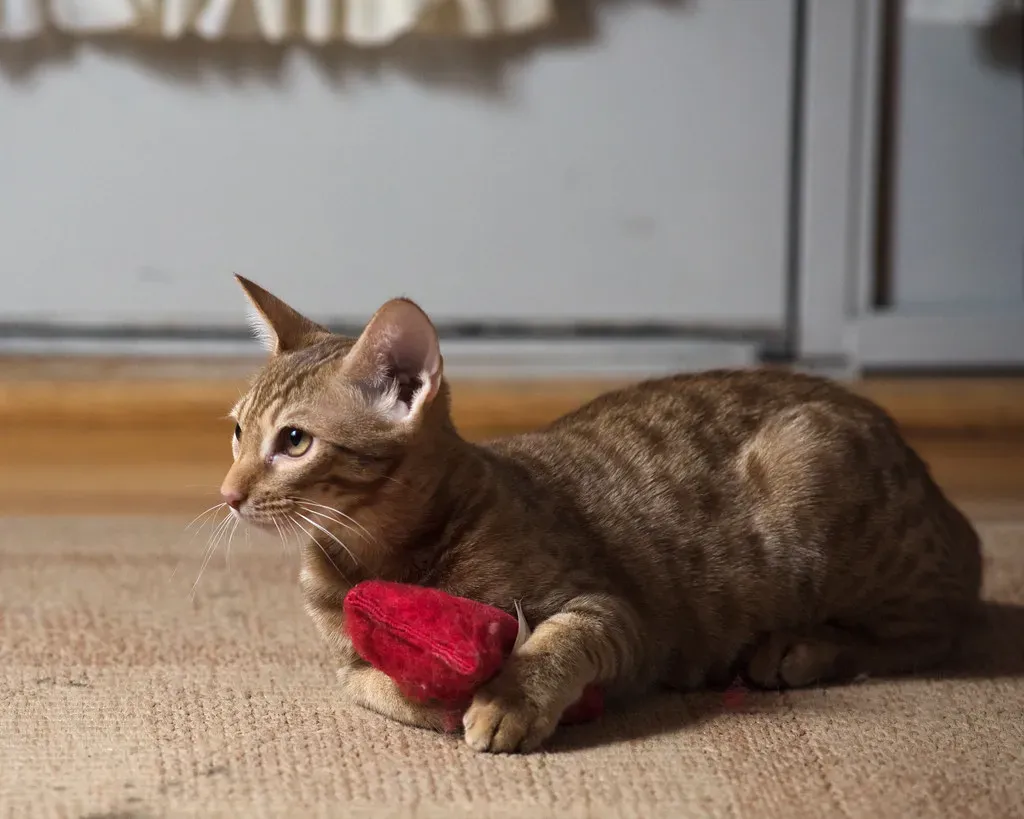
Ocicats love being the center of attention and they can become aggressive if you do not give them your full amount of attention when they demand it, doing well with children and other pets unless you want to spend plenty of time with them. These spotted beauties are incredibly social and thrive on human interaction.
Apart from that, these cats are very smart and they like getting into trouble just for fun in order to test their intelligence against their owner’s capabilities. They’re mischievous and will deliberately test boundaries to see what they can get away with. When they feel ignored or under stimulated, Ocicats won’t suffer in silence. They’ll make their displeasure abundantly clear through attention seeking behaviors that escalate to aggression if their demands aren’t met.
10. Savannah Cats: The Jealous Giants

Savannah cats have stunning spotted fur and loads of energy like mini adventurers from the African savannah, and thanks to their undomesticated roots, they have a stronger prey drive than other cats and can get jealous quickly, leading to hissing, biting, or scratching when feeling neglected. These hybrid cats are among the largest domestic breeds and carry significant wild genetics.
Their size alone makes their aggressive displays more intimidating than smaller breeds. Savannahs form strong bonds with their owners and become incredibly possessive. Introducing new pets or even new people into the household can trigger jealous reactions. They require experienced cat owners who understand how to manage their high energy levels and territorial instincts. Honestly, they’re not suitable for first time cat owners or families with very young children who might inadvertently provoke them.
Conclusion
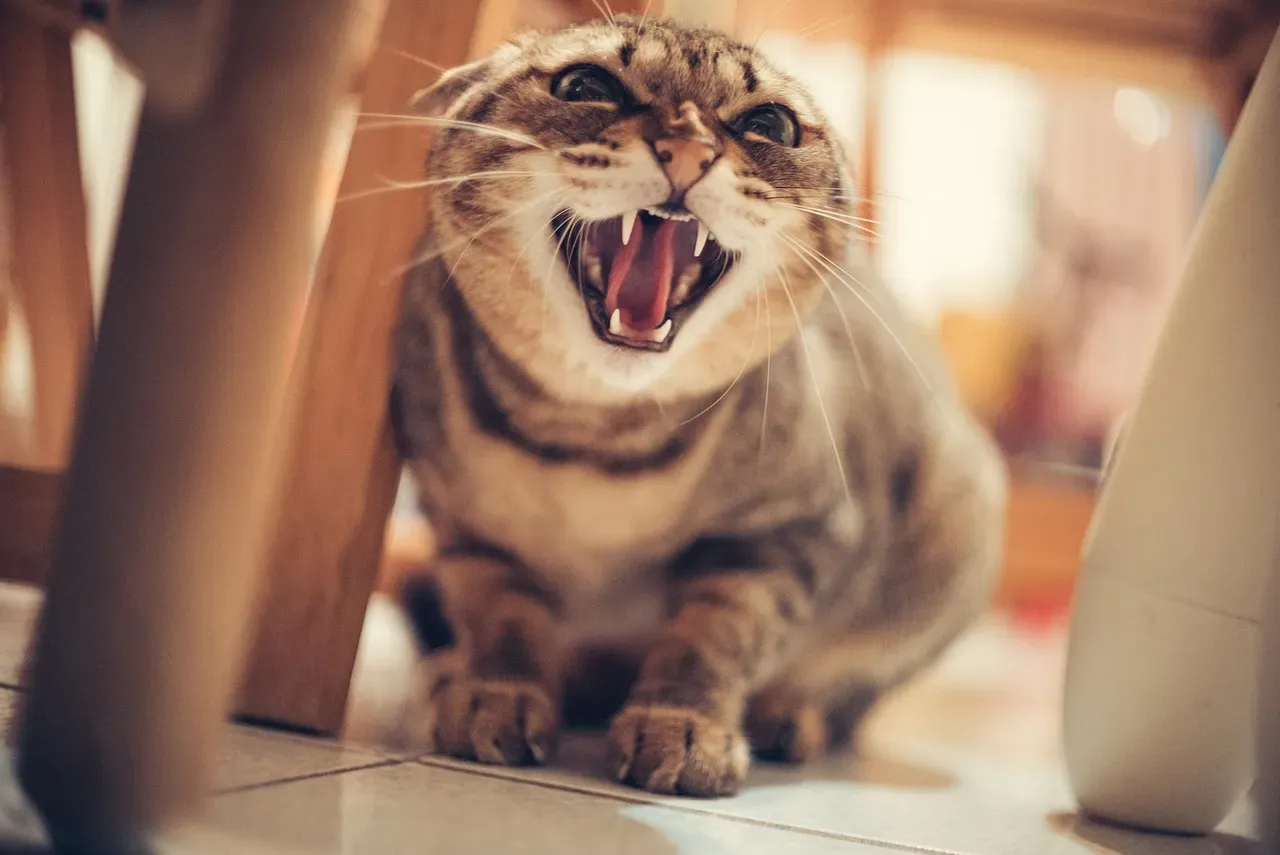
Understanding breed tendencies helps you make informed decisions about which cat fits your lifestyle. Breed differences explain 9–16% of variation in behavior traits, with moderate to high heritability. While individual personality always plays a significant role, these ten breeds consistently show patterns of demanding behavior and aggression when their needs aren’t met.
Here’s the thing though: aggressive behavior isn’t about cats being mean spirited. It stems from unmet needs, inadequate stimulation, improper socialization, or health issues. With proper care, attention, environmental enrichment, and understanding of breed specific requirements, even the most demanding cats can become loving companions. The question is, are you prepared to meet their expectations? What’s your experience with strong willed cat breeds? Have you encountered any of these feline personalities in your own home?