You’re scrolling through pictures of adorable cats, imagining cozy cuddle sessions and gentle purrs. Then reality hits. That fluffy little creature you brought home just sunk its teeth into your hand for the third time today. Let’s be real, cats are mysterious creatures with personalities that can shift faster than you can say “treats.”
While nearly any cat can surprise you with a nip now and then, certain breeds have earned themselves quite the reputation when it comes to biting behavior. It’s not about being mean or aggressive. Sometimes it’s just their wild ancestry showing through, or maybe they’re overstimulated and don’t know how else to communicate. Either way, understanding which breeds are more prone to these sudden chomps can help you prepare for what you’re getting into. So let’s dive in and explore the feline friends that experts say might keep you on your toes.
1. Siamese: The Demanding Diva
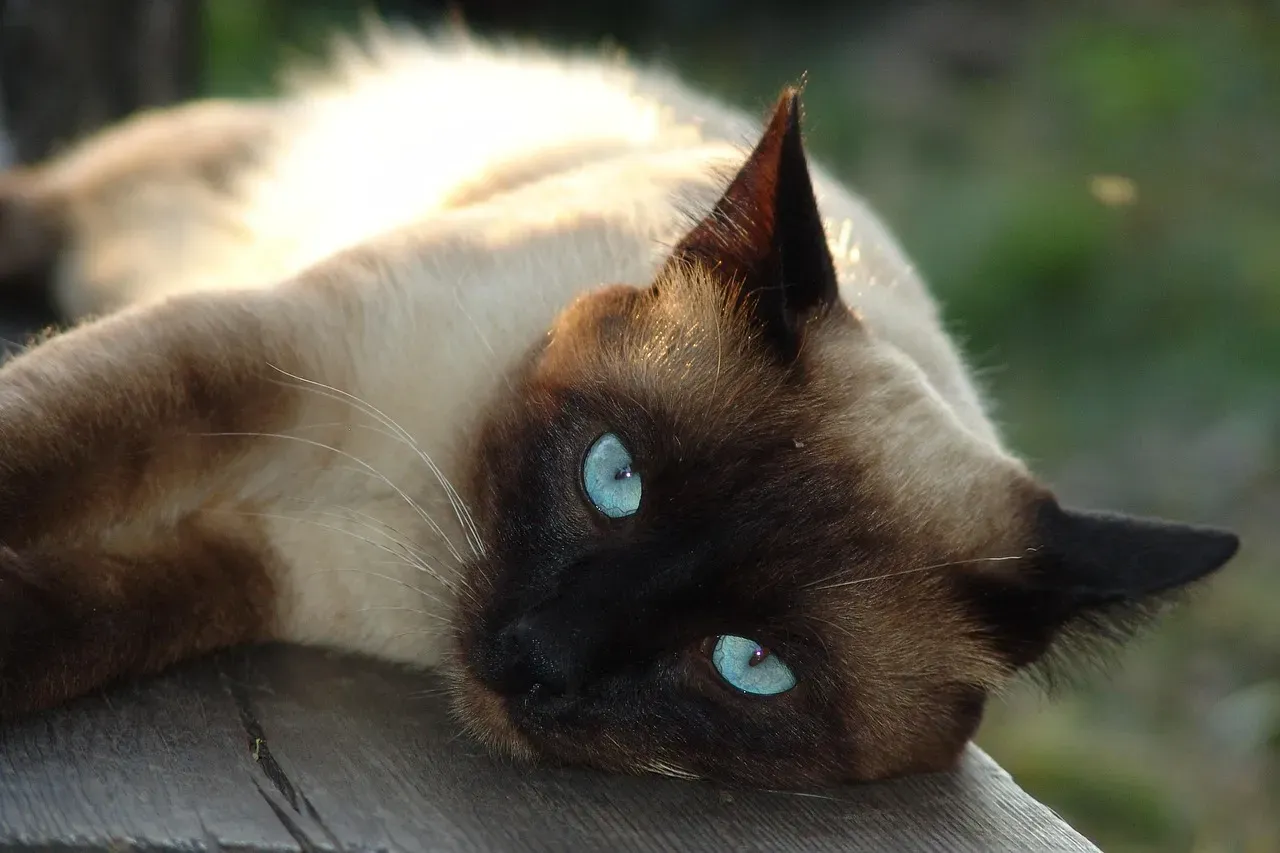
Siamese cats are highly intelligent and extremely loyal, but that loyalty can sometimes turn into territorial aggression, and they won’t hesitate to let you know with a sharp swat or a surprise bite if they feel neglected. These vocal beauties form incredibly strong bonds with their humans, which sounds wonderful until you realize they expect constant attention.
Since they are hyperactive, Siamese cats can get jealous of new pets and people, and can become over excited while playing and start biting. The thing is, they’re so smart that they quickly figure out which behaviors get your attention. Unlike other breeds, Siamese cats might bite more often due to their sensitive nature and territorial instincts, and might resort to biting when they feel threatened or irritated. If you work long hours or can’t provide the interaction they crave, you might find yourself dealing with some unpleasant nips and scratches.
2. Bengal: The Mini Leopard with Big Energy
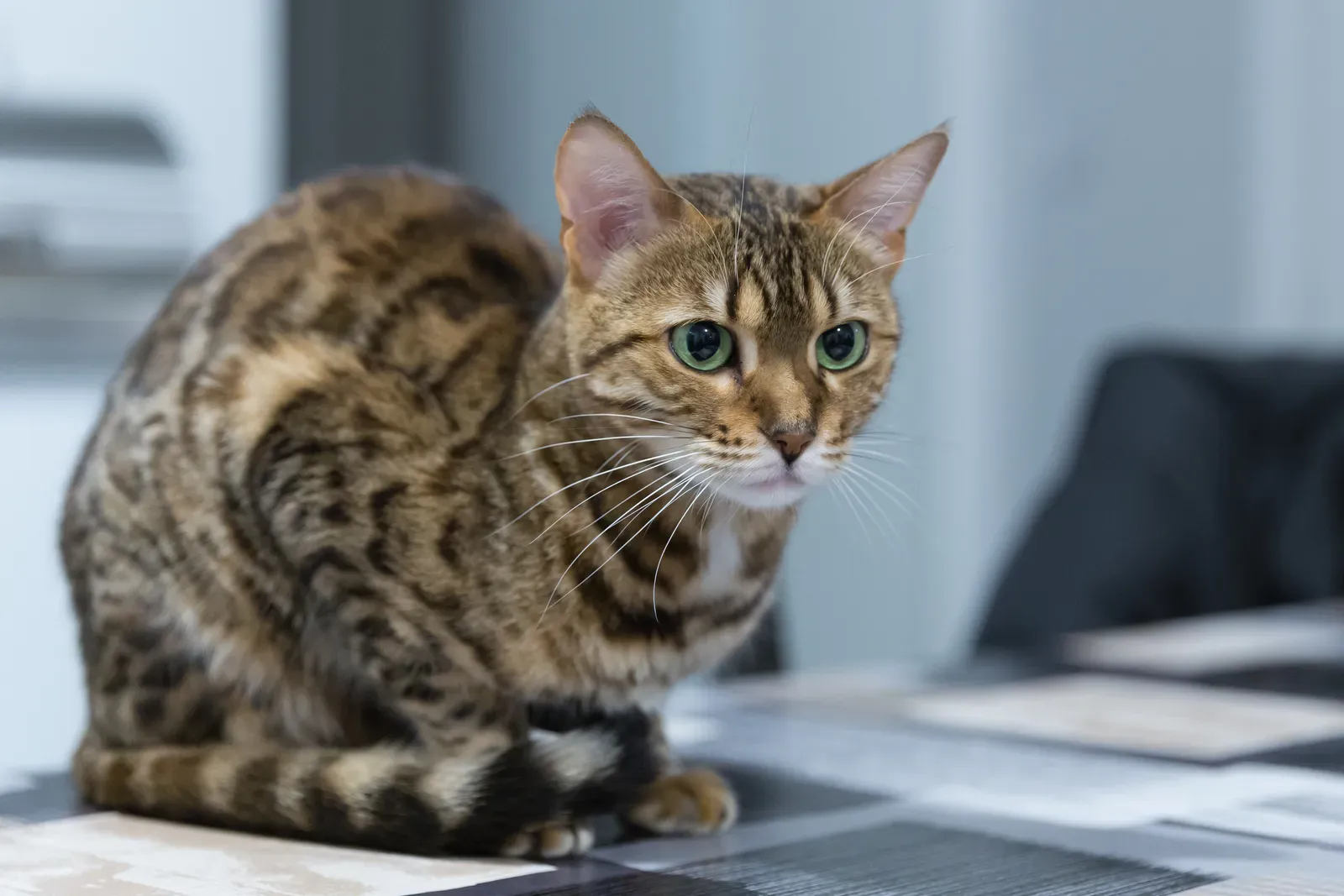
These stunning spotted cats carry wild cat DNA in their lineage, which explains a lot about their behavior. The number one reason Bengals bite is because they are bored, and when they are not entertained, they will get bored and start biting whatever they can find. Honestly, it’s hard to blame them when you see how much energy they have packed into those muscular bodies.
Like many other cats, Bengals will resort to aggression when they feel angry, frustrated, or bored, and they tend to be hyperactive from the moment they are born, so if you don’t enable your mini-leopard to burn their energy or give them enough attention, they can send a few challenges your way. Bengals are just so much more energetic, and overstimulation is caused by the feeling of static caused by your hands stroking their fur. They can go from playful to bitey in seconds flat. You really need to commit to daily interactive play sessions if you’re bringing one of these beauties home.
3. Egyptian Mau: The Territorial Hunter
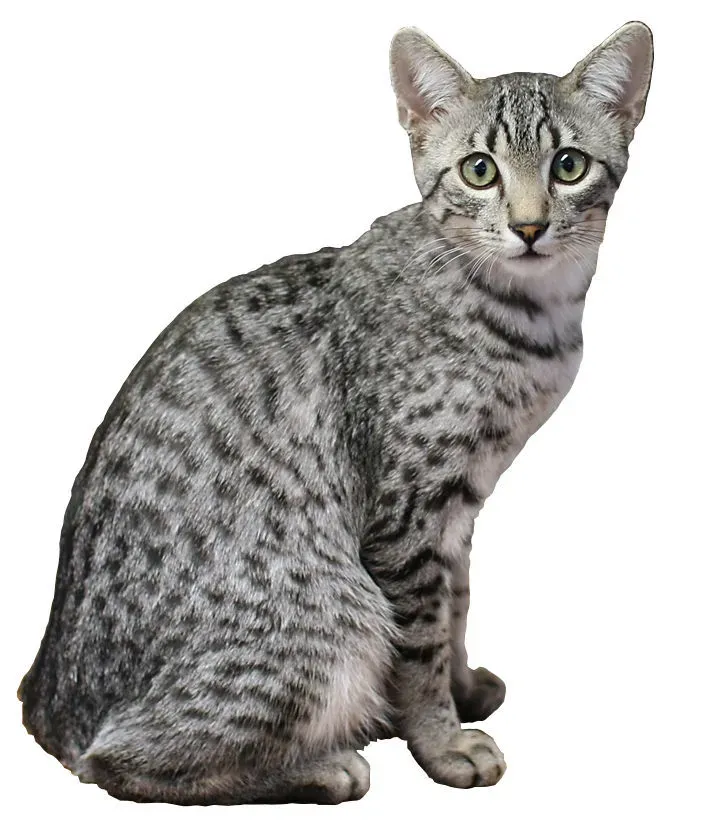
This breed may require some teaching to learn that having fun should not be aggressive, as they have a tendency of getting over-excited when they are having fun, combined with the fact they can be quite possessive of their toys and have super-fast reflexes means you’ll probably end up with some scratches. Their hunting instinct runs deep, which is fascinating to watch but can be painful to experience firsthand.
These elegant spotted cats are incredibly devoted to their families but wary of strangers. As they are very territorial, be prepared that your Mau will voice its opinion quite loudly if it sees an unfamiliar cat outside, and if your Mau is outside and sees an unfamiliar cat, it will attack it. That territorial nature can sometimes extend to their toys and favorite spots in the house. If you accidentally touch something they consider theirs, you might get a warning bite to remind you of boundaries. They’re beautiful and loyal, just a bit possessive about their kingdom.
4. Sphynx: The Needy Nudist
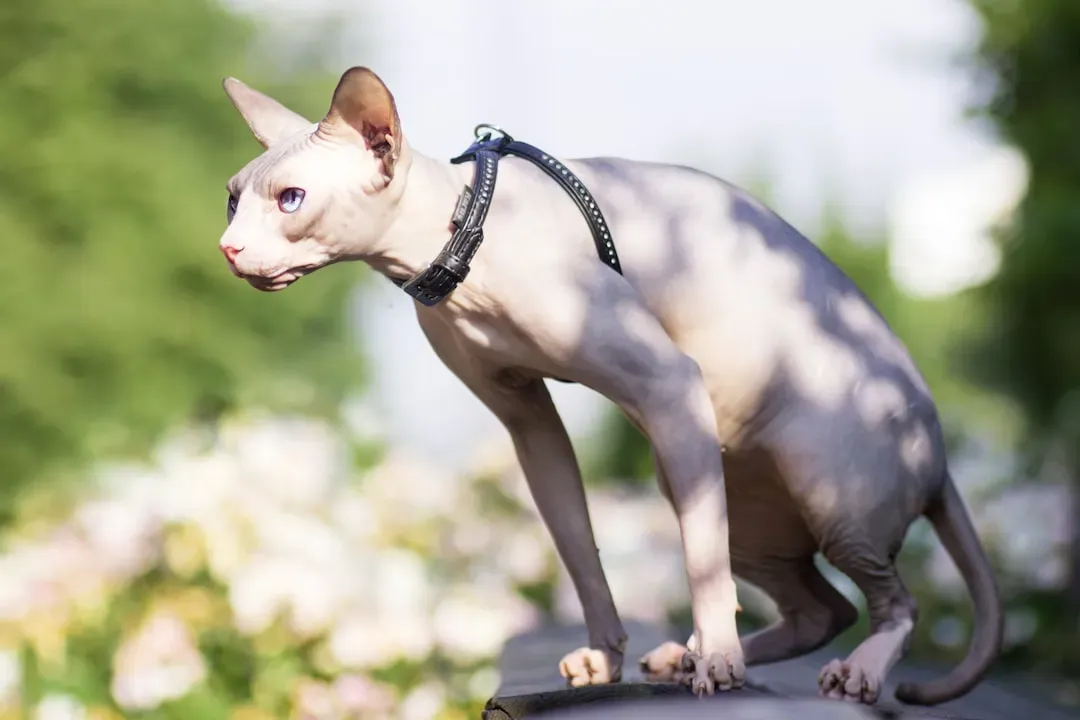
People often assume hairless cats would be gentle and delicate, but the Sphynx proves that assumption wrong. Unlike other aggressive breeds that lash out due to territorial instincts, Sphynx cats can become nippy or hyperactive when they’re not getting enough attention, as these cats hate being alone for a long period and will follow their humans everywhere, demanding love, warmth, and a constant source of entertainment.
Sphynx cats are so affectionate towards their owners that it becomes a problem when their owners are not around, and this separation anxiety behavior can be prevented by getting a second cat or making out more time to spend with your Sphynx cat, as separation anxiety is one of the behavior problems that can trigger off aggression in Sphynx cats. They literally act like hyperactive toddlers with claws. A bored Sphynx is a destructive Sphynx, launching surprise attacks on your toes at three in the morning or biting during what you thought was gentle playtime. If you’re not prepared to be their entertainment center, maybe reconsider.
5. Savannah: The Wild Child

This hybrid breed carries African Serval genes, and that wild heritage definitely shows in their temperament. Crossbred with African servals, Savannah cats carry a bit of the wild in their genes, and their unpredictable behavior is rooted in their hybrid instincts, making them prone to sudden mood swings or territorial aggression, and socialization at a young age is critical, or they may become wary or even hostile toward unfamiliar people, and because of their size and strength, their playful swats or nips can be more dangerous than those of a typical house cat.
These aren’t your average lap cats. They’re large, powerful, and have instincts that can kick in unexpectedly. Even when they’re playing, their bites pack more punch than smaller breeds. They need experienced owners who understand feline behavior on a deeper level and can provide proper boundaries and training. Otherwise, you’re basically living with a small wild animal that occasionally decides you’re prey.
6. Scottish Fold: The Cute Biter
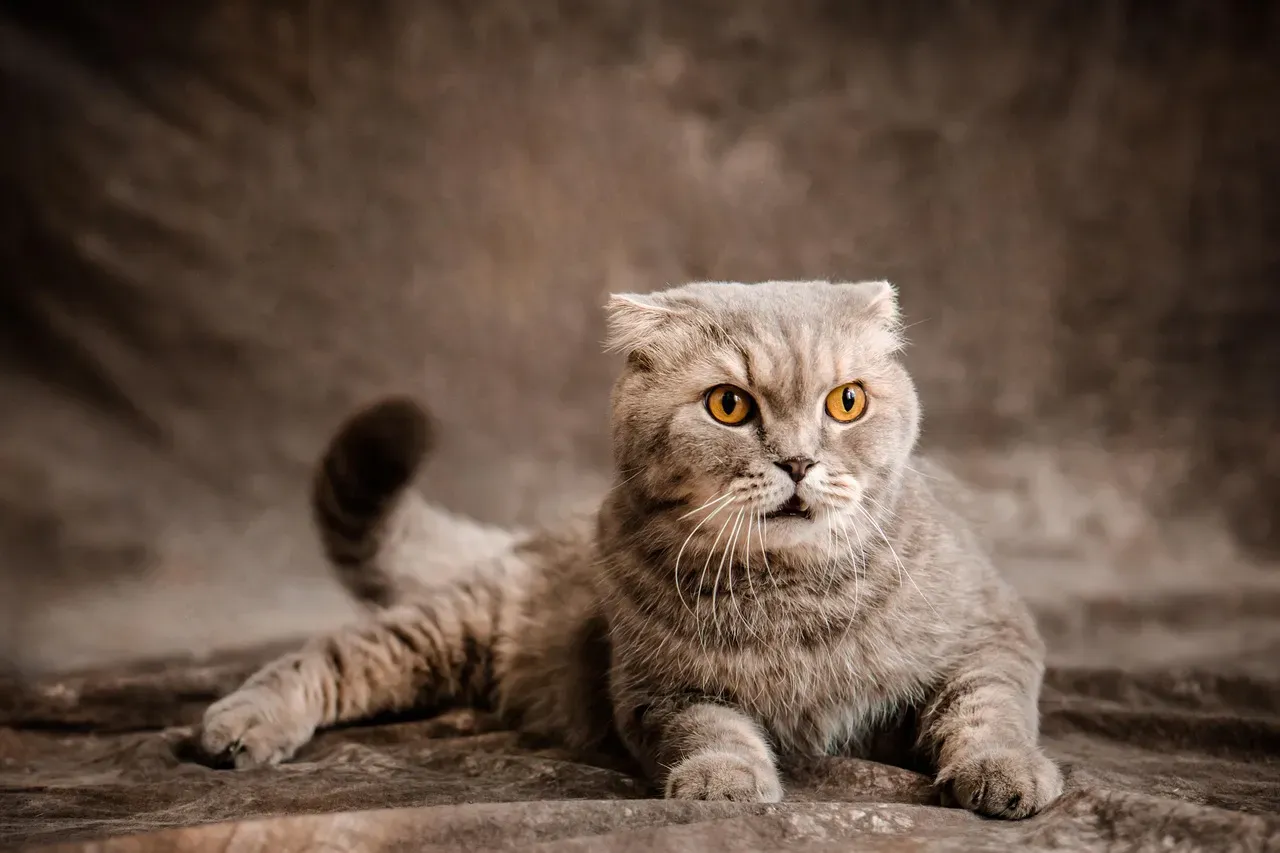
Those adorable folded ears can really distract you from the fact that these cats have some attitude. While these majestic short-haired cats bond closely with their owners, they tend to be a bit more aggressive than other breeds and might bite when petted too enthusiastically, and the Scottish Fold doesn’t like it when you leave them alone for long hours and will demand to follow you everywhere in the house.
They’re intelligent and stubborn, which is an interesting combination. They want things their way and on their schedule. Pet them too long? Bite. Leave them alone too long? They’ll find ways to get back at you, possibly involving teeth. Scottish Fold also often figures out how to open drawers, cabinets, and doors so they can make quite the mess when bored. They’re crafty little troublemakers with an independent streak that shows itself through occasional chomping.
7. Korat: The Attention Seeker
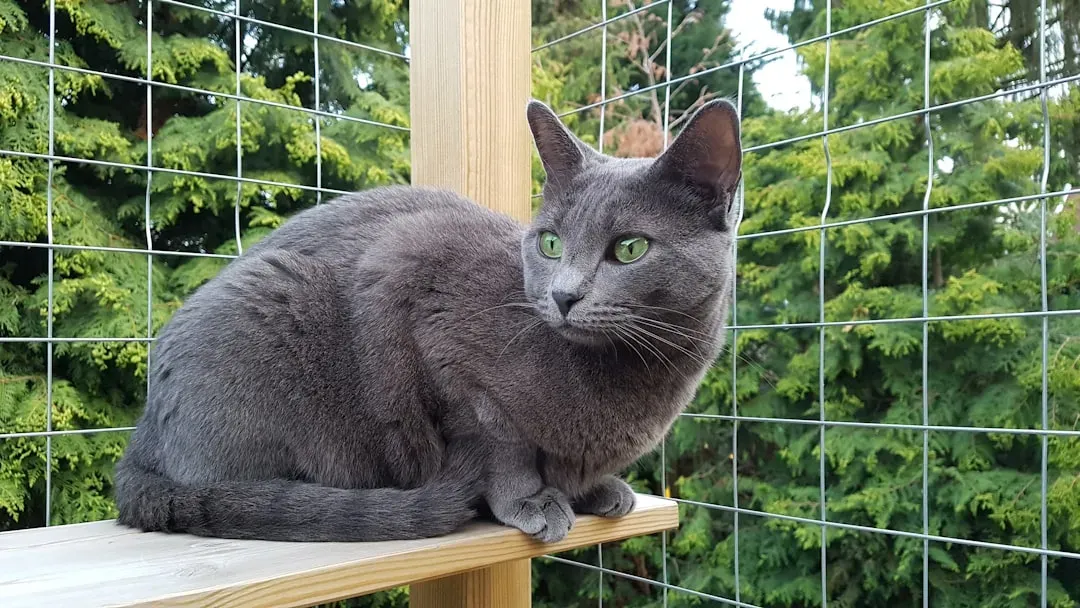
The Korat is an extremely rare cat breed, and they’re usually not super aggressive, but they require a lot of attention, and if you’re not giving them the attention they want, they’ll find ways to get it, and they’ll usually bat at you a little to get it, but they’re not doing it to be purposefully aggressive – just to demand what they want from you. It’s almost endearing how straightforward they are about their needs.
These silver-blue beauties from Thailand are lovely companions when their needs are met. The problem comes when you’re busy doing something else and they decide it’s attention time. They’ll escalate from gentle pats to more insistent nips if you continue ignoring them. It’s not malicious, really. They just have zero patience for being overlooked. Think of them as the friend who keeps poking you when you’re trying to read.
8. Pixie Bob: The Wild Stalker
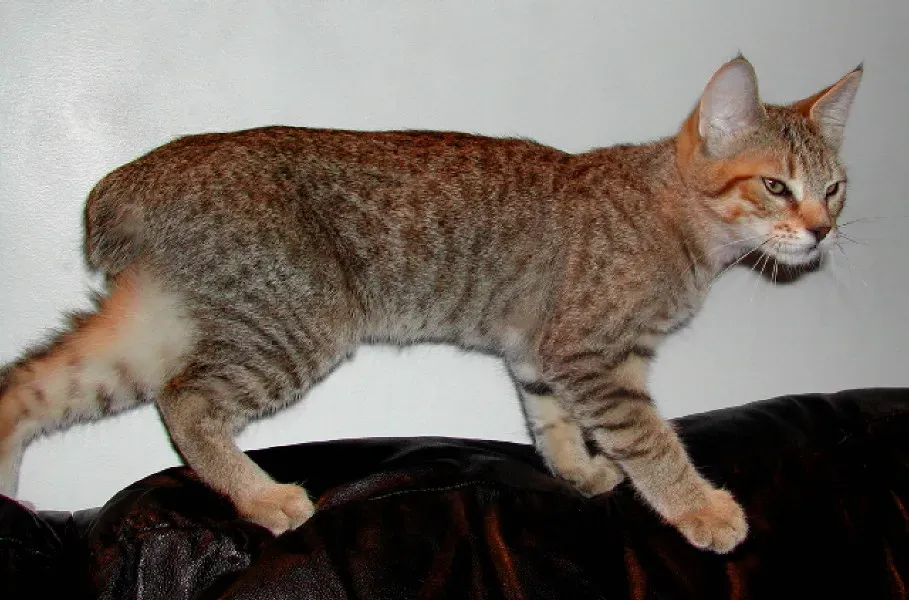
The Pixie Bob has more of a wildcat lineage, and because of this, they can be a bit more challenging to own and have a few more aggressive tendencies, as they love hunting and stalking, and without proper socialization, they can bite. Their appearance alone tells you they’ve got some wild ancestry, with those tufted ears and bobbed tail.
These cats retain strong hunting instincts that can manifest in unexpected ways. They might stalk your feet as you walk through the house, then pounce with teeth bared. It’s all play to them, but it can hurt. They need owners who understand that this behavior comes from deep-rooted instinct and can channel it appropriately through toys and structured play. Without that outlet, you become the prey in their indoor hunting grounds.
9. Singapura: The Tiny Tornado
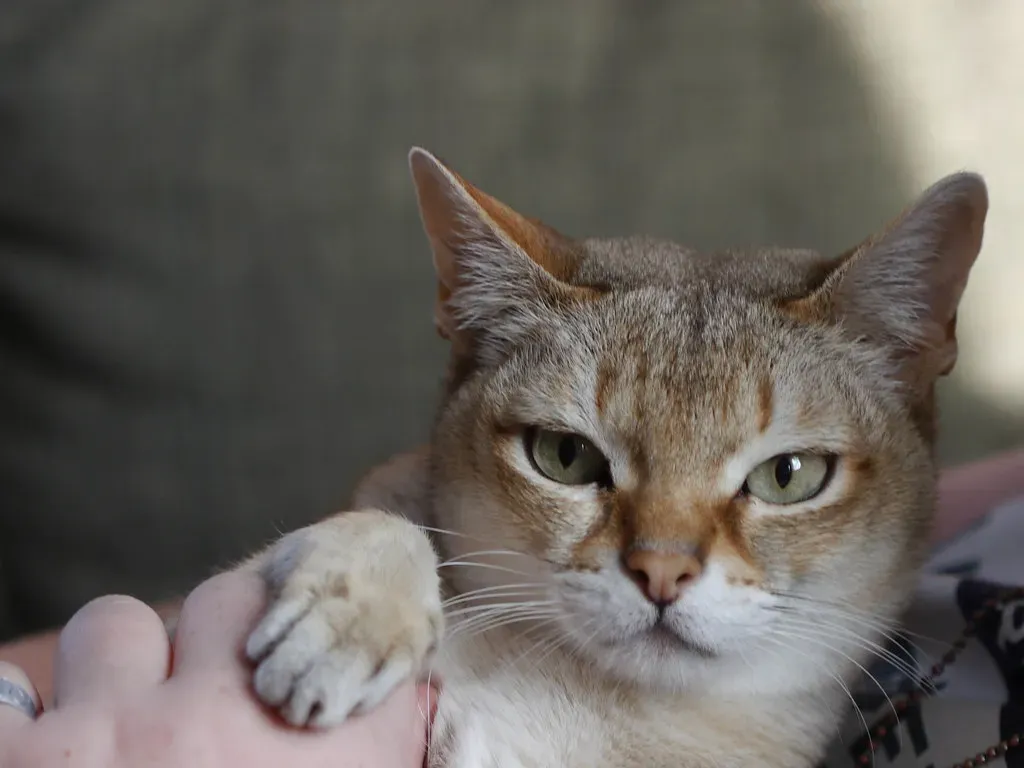
Don’t let their small size fool you. The Singapura is the smallest cat on our list, but they’re also among the most active and playful, as they constantly want something fun and interesting to do, and they don’t lose their kitten-like curiosity like many other cat breeds do, so keep your home filled with plenty of cat towers and interactive toys to keep any aggression at bay. They’re basically kittens forever, which sounds adorable until you realize what that actually means.
This perpetual energy needs constant outlets. They are prone to hyperactivity and energetic bouts, which might lead to an unimpressed demeanor if their enthusiasm is not reflected. When they’re understimulated or bored, they can get nippy. It’s their way of saying they’re not impressed with your entertainment offerings. These pint-sized powerhouses demand engagement, and if you can’t keep up, you’ll discover that tiny teeth can still hurt plenty.
10. Abyssinian: The Restless Athlete
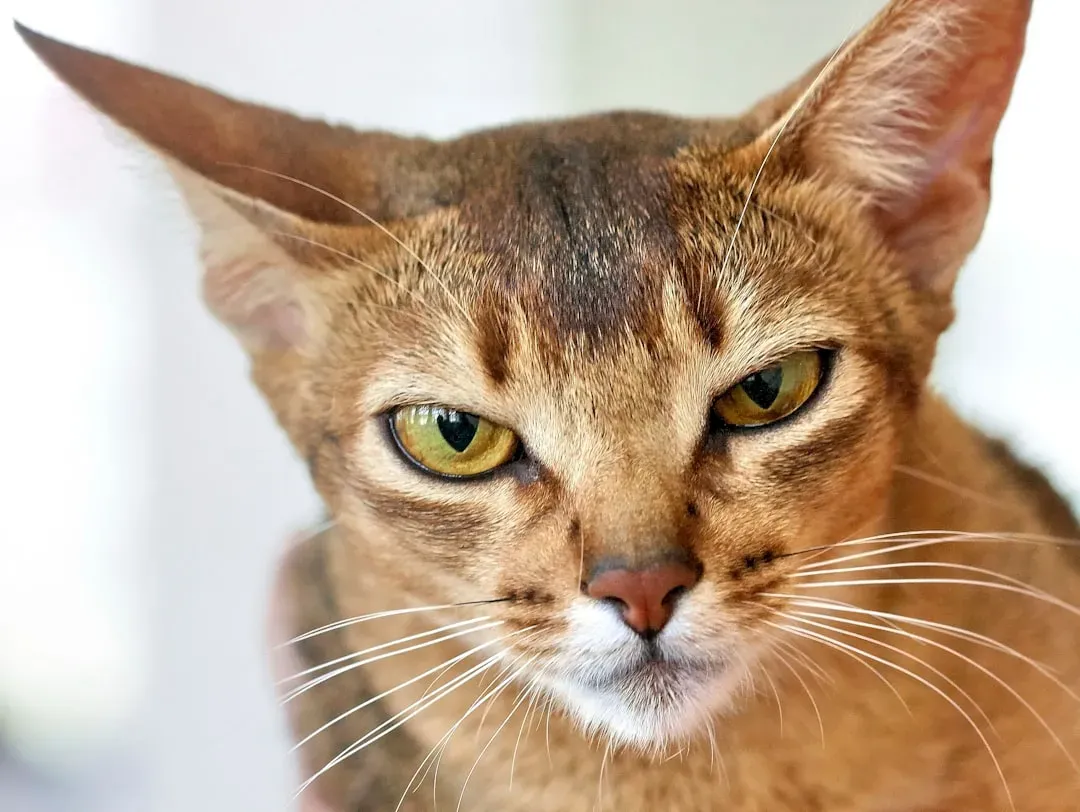
Abyssinian and Siamese cats are a couple of breeds more predisposed to aggression. These elegant, ticked-coat beauties are incredibly active and intelligent, which makes them fascinating companions but also challenging ones. They need mental and physical stimulation constantly.
Abyssinians get bored easily, and boredom leads to behavioral issues including biting. They’re natural athletes who love to climb, jump, and explore every inch of their environment. When they don’t have appropriate outlets for this energy, they can redirect it toward you in ways that involve teeth. They’re not being malicious, just desperately trying to burn off energy. Think of them as that friend who drags you to the gym at six in the morning because they can’t sit still. Except with more biting involved.
Understanding the Bite Behind the Behavior
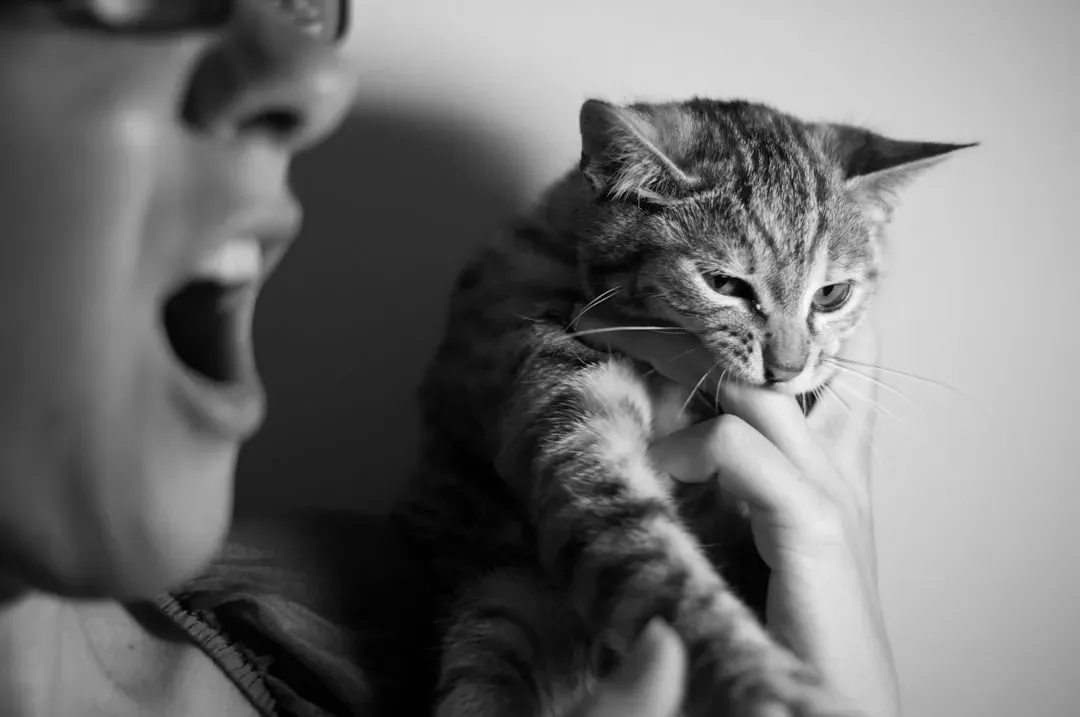
Here’s the thing experts want you to understand: No cat breed is known for outright aggression, but some cat breeds are quicker to snap or lash out than others, and here are some of the cat breeds that have a reputation for being a bit more grumpy than the average cat if given a reason. Most biting isn’t about being mean. It’s communication.
Petting-induced aggression occurs when a cat suddenly feels irritated by being petted, nips or lightly bites the person petting him, and then jumps up and runs off, and this type of aggression isn’t well understood, but behaviorists think that physical contact, like stroking, can quickly become unpleasant if it’s repeated over and over, and repetitive contact can cause arousal, excitement, pain and even static electricity in a cat’s fur, and your cat might feel the same way: what started out feeling good is now irritating, and he wants you to stop. Understanding your cat’s body language is crucial. Watch for twitching tails, flattened ears, and dilated pupils. These are warnings you’re about to get chomped.
What do you think about these bitey breeds? Have you experienced the sharp end of a cat’s affection? Share your stories in the comments below.