You probably think your cat just needs a quick brush, a bath, and maybe a nail trim. But if you own one of certain breeds, groomers are silently bracing themselves the moment you walk through the door. Some feline coats are so high-maintenance that one missed brushing session can turn into mats, tangles, and full-blown pelted fur that feels like armor. From silky show coats to wild jungle curls, these are the cats that can go from fluffy to disastrous while you sleep.
When you understand why these breeds are so challenging, you stop blaming the groomer and start adjusting your home routine. You realize that matting is not a sign you are a bad cat parent, but a sign your cat’s coat needs a different kind of care. You also learn what groomers wish you knew before the appointment: how often you should brush, what tools to use, and when to stop trying to fix knots yourself and call in a pro. If you share your life with any of the cats below, you are basically living with a high-maintenance supermodel in a fur coat.
1. Persian: The High-Maintenance Supermodel of the Cat World

If you live with a Persian, you already know the coat can look like a dream and feel like a disaster at the same time. That long, dense, downy fur mats faster than you think is physically possible, especially behind the ears, in the armpits, around the neck, and along the belly. One skipped brushing session can turn small tangles into tight knots that pull at the skin, and if you leave it too long, the entire coat can start to fuse into painful sheets of fur.
To keep a Persian truly comfortable, you need a daily brushing routine with a metal comb and a slicker brush, not just an occasional swipe with a soft brush. You have to gently part the hair down to the skin and check for hidden mats, especially where the legs meet the body and under the collar area if your cat wears one. If you ever feel “crunchy” or “lumpy” patches under the coat, that is your sign to see a groomer sooner rather than later, because once the coat pelts, shaving is the only humane option.
2. Maine Coon: The Gentle Giant With a Sneaky Undercoat
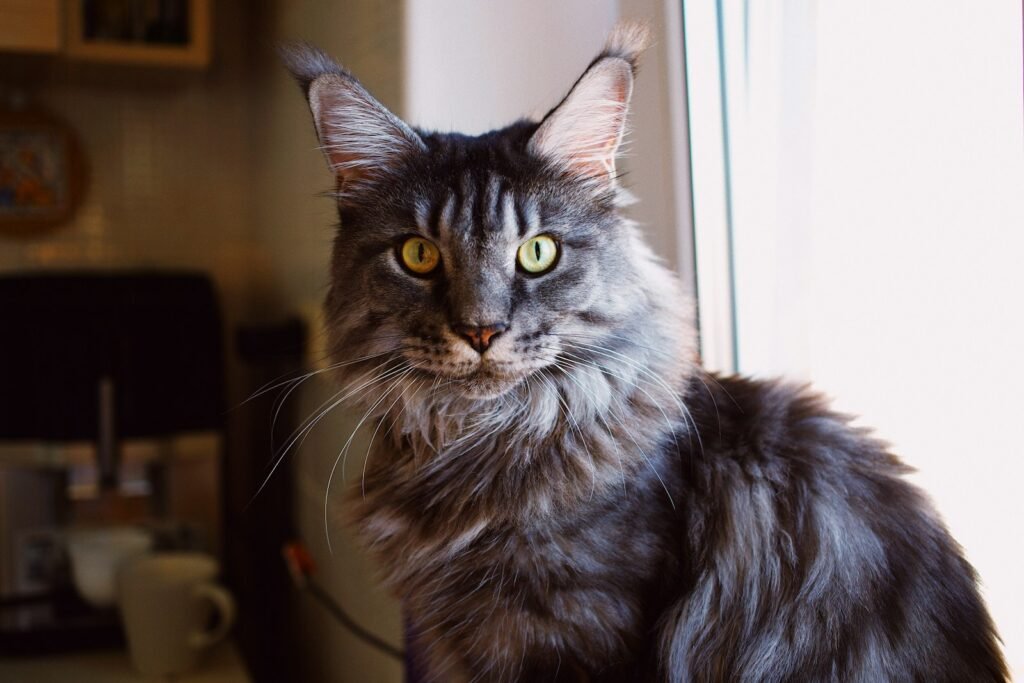
Maine Coons look rugged, like they were built to survive blizzards with zero help from you. In reality, their luxurious double coat can turn into a tangled mess almost overnight, especially during shedding seasons. The outer layer is long and flowing, but the trouble starts with the thick undercoat that loosens and then gets trapped instead of falling out. That trapped fur mixes with friction from collars, harnesses, and simply lying down, creating deep mats that you often do not notice until they are already tight.
If you share your home with one of these big charmers, you need to comb right down to the skin at least a few times a week in key areas: behind the ears, under the chest ruff, along the flanks, and around the pants on the back legs. A simple surface brushing makes the coat look nice but does nothing for the undercoat that is silently plotting a takeover. When you start seeing clumps of fur coming out on your hands, do not ignore it; that is your cue to step up brushing or schedule a deshedding groom before the mats turn into a full-body shave appointment.
3. Ragdoll: The “Easygoing” Cat With a Coat That Says Otherwise
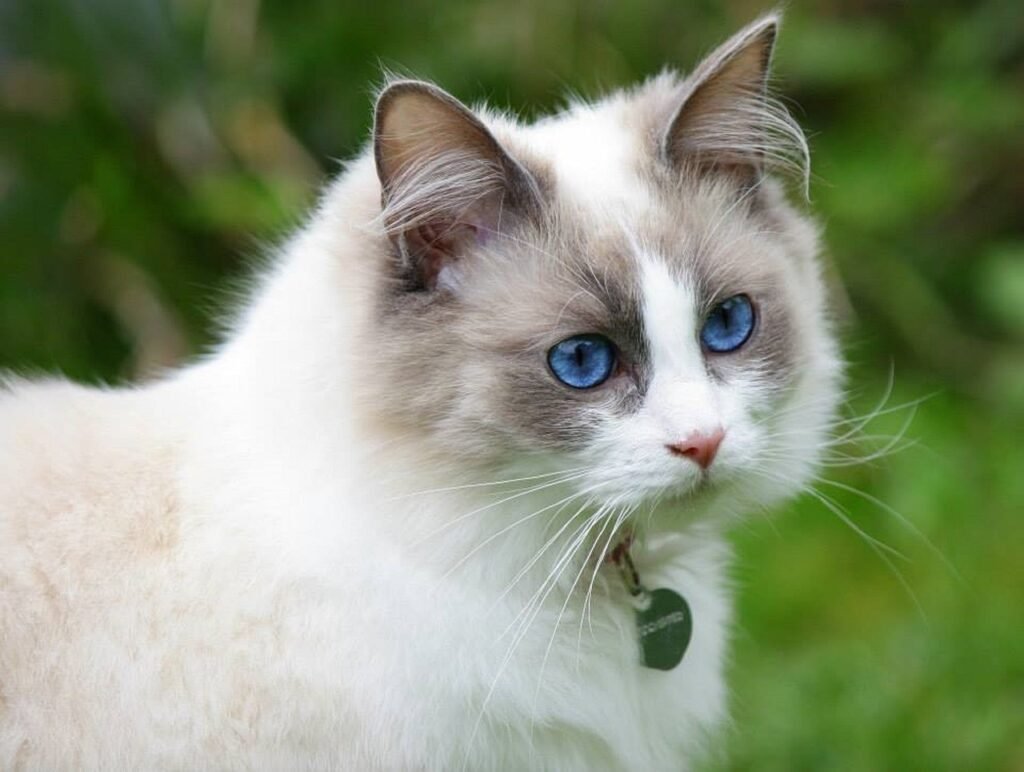
Ragdolls have a reputation for being laid-back and low drama, but their semi-long, silky coat can cause more trouble than you expect. The fur is fine and soft, and it has a bad habit of knotting where your cat’s body bends and flexes, like in the armpits, between the back legs, and around the neck. Because the coat feels lighter than a Persian’s, you may not realize how quickly it tangles until you suddenly discover a tight clump that was not there two days ago.
You can usually keep a Ragdoll in good shape with thorough combing several times a week, but “thorough” really matters here. You need to pick up the fur in sections and gently work the comb through to the skin, not just glide over the surface. If your cat is older, overweight, or has mobility issues, the grooming burden on you gets even higher, because they groom themselves less effectively and mats build up faster. When you feel small knots, do not yank or cut them yourself; a groomer can safely work them out or recommend a sanitary or partial trim to keep problem areas under control.
4. Himalayan: The Double Trouble of Long Fur and Flat Faces
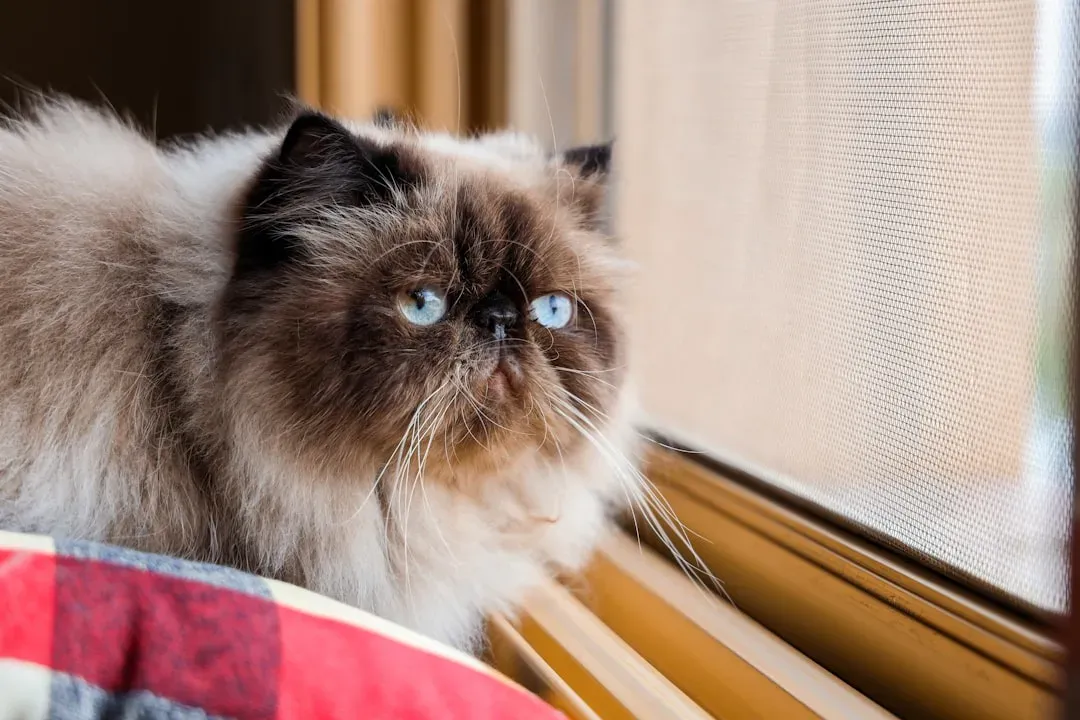
With a Himalayan, you get all the coat challenges of a Persian plus the maintenance of a brachycephalic (flat-faced) breed. The fur is long, dense, and cottony, with an undercoat that mats aggressively in all the usual spots. But you also have to watch the chest and face, because tear staining and food mess can stick to the fur and form crusty, tangled patches that are miserable for your cat and frustrating for your groomer.
Your best defense is a consistent, gentle routine: daily combing and regular face cleaning using products recommended by your vet. You need to pay special attention to the cheeks, chin, and the ruff around the neck, where moisture from tears and drool can combine with fur to create stubborn tangles. If your Himalayan hates grooming sessions, shorter, more frequent combing bursts are better than one big battle. Many owners end up choosing a “lion cut” or a maintenance trim from a groomer, not for looks, but because it dramatically lowers the risk of mats and skin irritation.
5. Norwegian Forest Cat: The Wilderness Coat That Takes Over Your Home
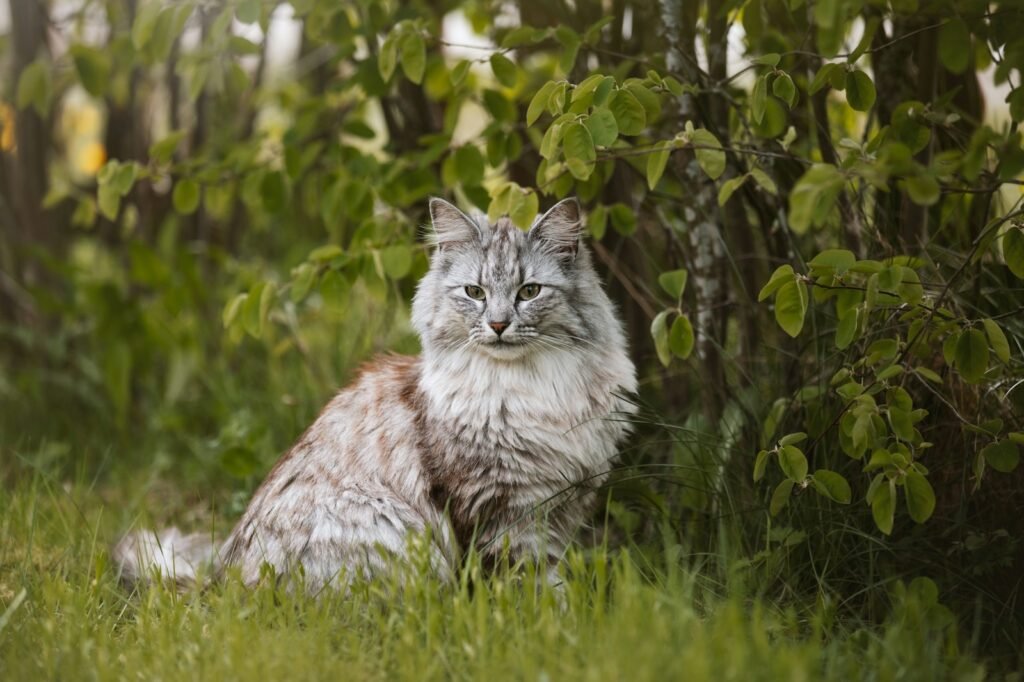
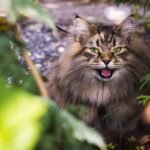
The Norwegian Forest Cat looks like it walked straight out of a fairy tale forest, wearing a glorious mane and fluffy trousers. Under that storybook beauty is a serious working coat: a thick, water-resistant top layer and a dense undercoat that comes and goes with the seasons. When that undercoat loosens, it does not just float away politely; it tangles in place, clings to the topcoat, and builds into mats, especially along the sides, behind the front legs, and along the belly.
If you live with this breed, you cannot rely on nature alone to handle shedding and coat care, especially in an indoor lifestyle. Weekly combing in low-shed times and more frequent sessions during seasonal coat drops will save you a lot of trouble. You want a sturdy metal comb and a slicker brush to lift out the undercoat before it compacts. If you start feeling thick, lumpy sections that do not move with the skin, that is usually the early stage of pelting, and a professional deshed or partial shave may be the kindest option.
6. Birman: Silky, Angelic, and Secretly Mat-Prone

At first glance, a Birman’s coat looks easier than a Persian’s: it is semi-long, silky, and lacks that super-thick undercoat. But that same silky texture means the fur tends to slip, twist, and knot, especially where the cat moves most. The “bib” on the chest, the fluffy pants on the back legs, and the area under the tail can all mat seemingly overnight, particularly if your cat likes to curl up in tight positions or sit in warm, slightly damp spots like sunny windowsills.
Your grooming routine should focus on those high-friction areas, even if the rest of the coat looks fine. You may get away with full-body combing two or three times a week, but the pants, belly, and chest often need more frequent checks. Using a metal comb to gently “rake” out small tangles while they are still loose is far kinder than waiting until they are tight enough to pull at the skin. If your Birman gets stressed easily during grooming, you can build tolerance over time with short, reward-based sessions instead of trying to fix everything in one exhausting go.
7. Siberian: The Hypoallergenic Myth With a Heavy-Duty Coat
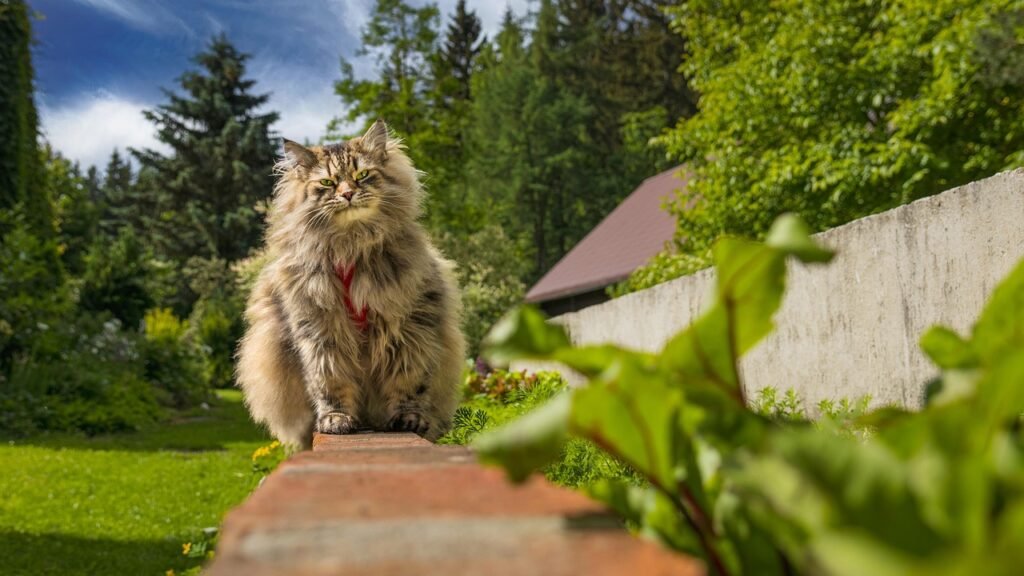
Siberians are often marketed as more suitable for people with allergies, which makes many owners assume the coat will be easier, too. In reality, you are dealing with a robust triple coat that was designed for harsh climates, complete with a hefty undercoat that explodes during shedding seasons. That undercoat can build up quickly if you do not comb it out, turning fluffy fluff into thick mats along the flanks, chest, and behind the ears.
You will need a regular deshedding routine, especially during spring and fall, using a combination of a slicker brush and a wide-toothed comb. You should part the fur and visually inspect the skin in problem zones, because mats on a Siberian can hide under a deceptively smooth surface. If your cat dislikes being handled for long periods, breaking the work into several short sessions over a few days is more realistic and less stressful. When the coat starts feeling dense or lumpy instead of soft and movable, you are already on the edge of nightmare territory, and a professional groom becomes less optional and more urgent.
8. American Curl Longhair: Cute Ears, Surprisingly Tricky Coat
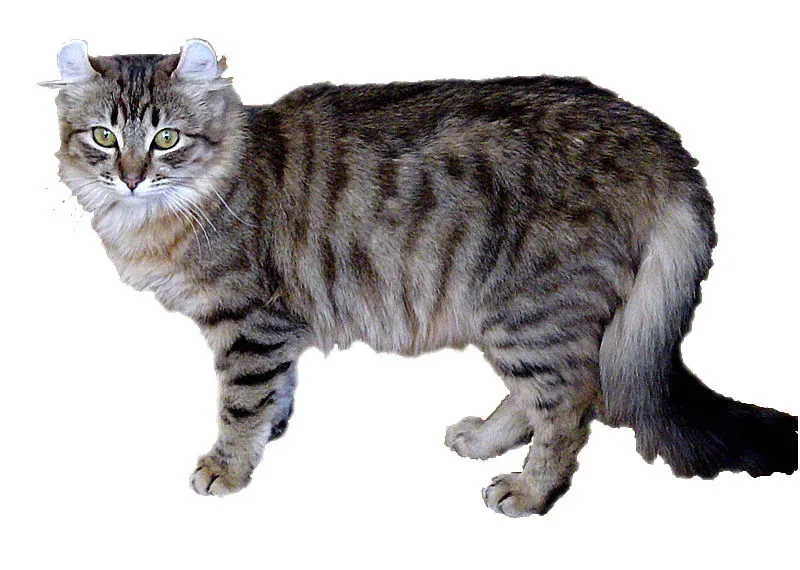
People usually focus on the American Curl’s ears, but if you have the longhair variety, the coat can present its own set of problems. The fur is fine and can be prone to tangling in subtle ways; you might not notice anything is wrong until you find mats in the ruff, hindquarters, or behind the unique curled ears. Because the hair can be lighter and not as obviously dense as a Persian’s, owners sometimes underestimate how quickly knots can form in hard-to-see areas.
You should gently comb around the ears and neck on a regular basis, taking care not to tug on the delicate cartilage. A metal comb and a soft slicker brush can help you lift and separate the fur, especially along the chest and under the tail where movement and moisture mix. If you ever feel a small knot, resist the temptation to cut it with scissors near the ear; a tiny movement from your cat can turn into a serious injury. A groomer familiar with this breed can safely work out or trim trouble spots before they escalate into a full grooming meltdown.
9. Selkirk Rex Longhair: The Curly Coat That Eats Brushes
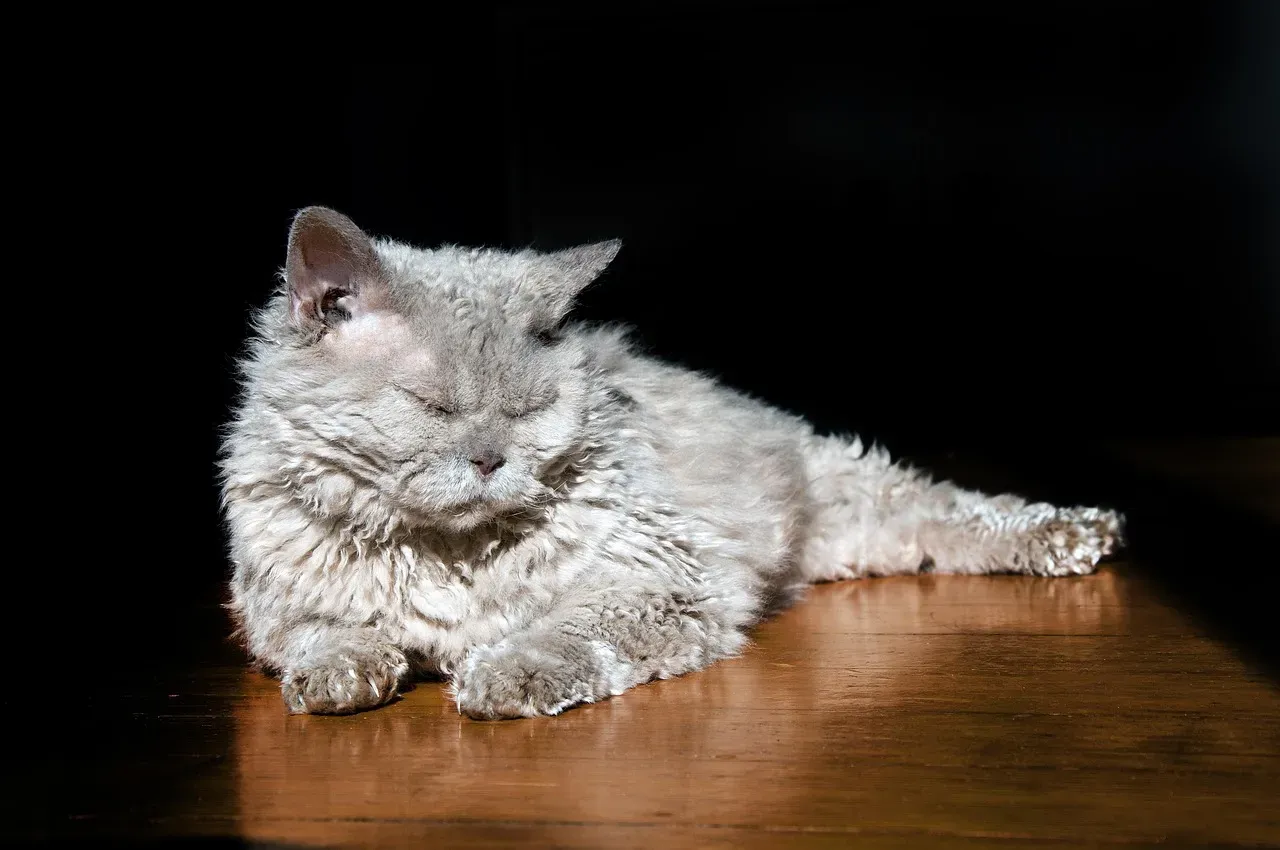
Selkirk Rex longhairs look like they are wearing a permanent perm, and that curl is exactly what makes groomers nervous. Curly fur tends to twist around itself, trapping loose hairs and debris, which quickly leads to tight, felted mats if you do not keep up with it. The curls can hide tangles extremely well, so by the time you feel a mat, it may already be dense and close to the skin, especially on the belly, armpits, and along the sides.
With this breed, your grooming approach has to be gentler and more methodical than with straight-coated cats. You should use a wide-toothed comb or a comb specifically designed for curls, and work in small sections without pulling, almost like you are detangling curly human hair. Brushing too aggressively can stretch or break the curls, causing more frizz and more tangling later. If the coat ever feels like it has “hard” or “board-like” patches, you are likely dealing with serious mats, and the most humane fix may be a shave-down by a groomer who understands how to handle curly coats.
10. Turkish Angora: The Silky Drama Queen of Fine Fur
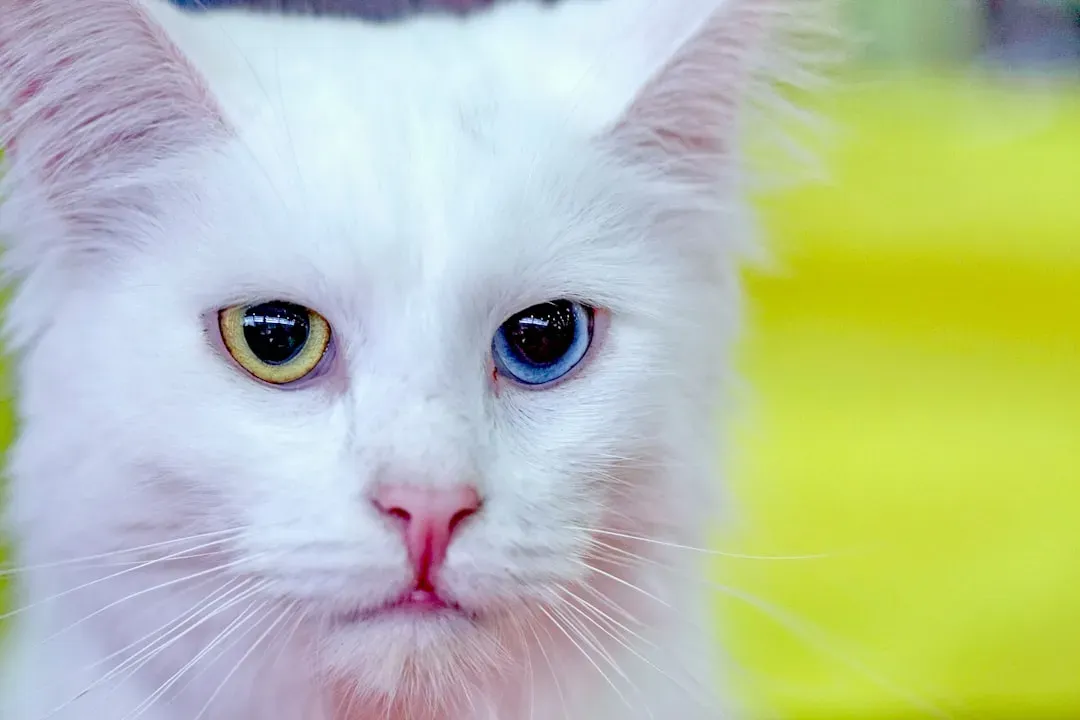
Turkish Angoras often look air-light and elegant, with silky hair that seems easier than the heavy fur of forest cats. But that fine, single or semi-single coat can be a quiet menace when it comes to tangling. Because the hair is so smooth and light, it slides around and knots in high-movement areas, especially around the chest, under the legs, and at the base of the tail. It is very common to think the coat is low-maintenance until you discover a clump that came out of nowhere.
You can stay ahead of trouble by brushing several times a week with a soft slicker and following up with a metal comb in key friction zones. You should pay attention to how the coat feels on your hands; if it stops gliding and starts catching on your fingers, it is time for a more thorough session. Bathing can help in some cases, but only if you fully comb and dry the coat afterward, because washing over existing tangles often makes them worse. When in doubt, it is better to ask a groomer for a maintenance trim or a professional comb-out than to battle stubborn knots with scissors at home.
Conclusion: Turning Coat Nightmares Into Manageable Routines
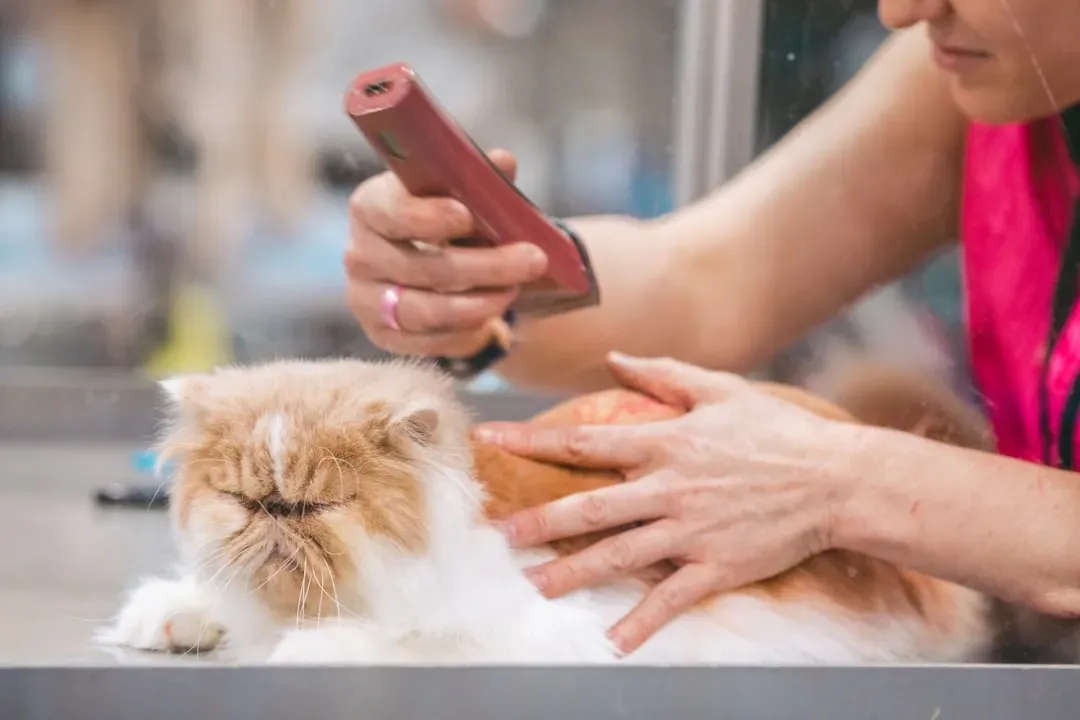
If you live with any of these breeds, you are not just a cat owner, you are a part-time coat manager whether you like it or not. The truth is, groomers do not dread your cat; they dread the pain and stress that severe matting causes for both the animal and everyone trying to help. When you understand how fast certain coats can go bad, you stop feeling guilty and start making small, consistent changes that keep things under control. A few minutes with the right comb, done regularly, can save your cat from a full shave and turn grooming visits from emergencies into simple maintenance.
You do not need to become a professional groomer, but you do need to become your cat’s first line of defense against mats, tangles, and pelted fur. Pick a routine you can actually stick to, invest in a couple of solid tools, and make grooming part of your bonding time instead of a crisis response. If you are ever unsure how bad things are, let a groomer or vet take a look before the situation snowballs. When you treat that coat like the living, changing thing it is, you turn overnight nightmares into something predictable and manageable instead.