Choosing a feline companion for your family isn’t something to rush into. There are so many factors to consider when you have little ones at home. Will the cat tolerate being picked up by enthusiastic toddlers? Can they handle the noise and chaos of daily family life? It’s hard to say for sure, but certain breeds have reputations that might just point you in the right direction.
Think of this guide as your starting point. We’re exploring which cats typically thrive in homes buzzing with activity and which ones might prefer quieter, calmer environments. While no two cats are exactly alike, breed characteristics can give you valuable insight. Let’s dive in and discover which furry friends might become your family’s next beloved member.
1. Ragdoll: The Gentle Giant of Family Cats
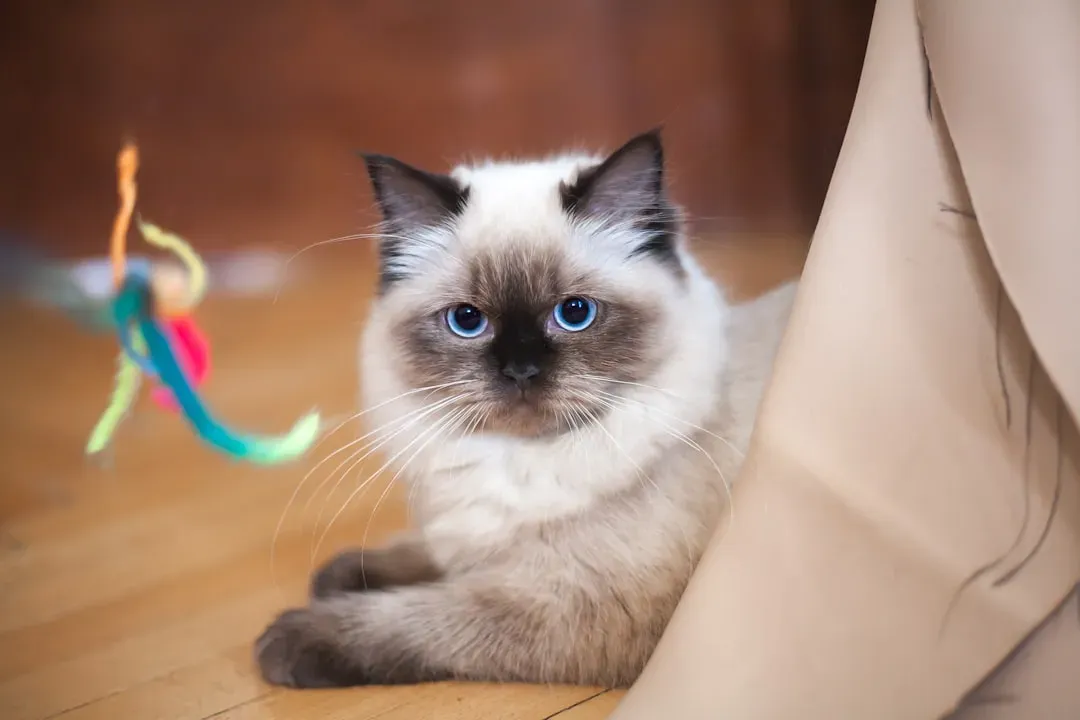
These cats, who tend to be fairly large and have bright blue eyes, are beloved for their habits of collapsing into the arms of the person holding them, just like a ragdoll. Their name says it all, honestly. Ragdolls have this incredible ability to go limp when you pick them up, which makes them perfect for children who love to cuddle and carry their pets around.
Ragdolls are gentle and affectionate, perfect for families with children, seniors, and pets – including other cats and dogs. Mild-mannered, patient and laid-back, Ragdolls make ideal companions for families with young children. They are playful, easy to train and adapt easily to almost any environment, meaning they get on well with kids and adults alike. What’s not to love about a cat that greets you at the door and genuinely enjoys the chaos of family life?
2. Maine Coon: The Friendly Giant
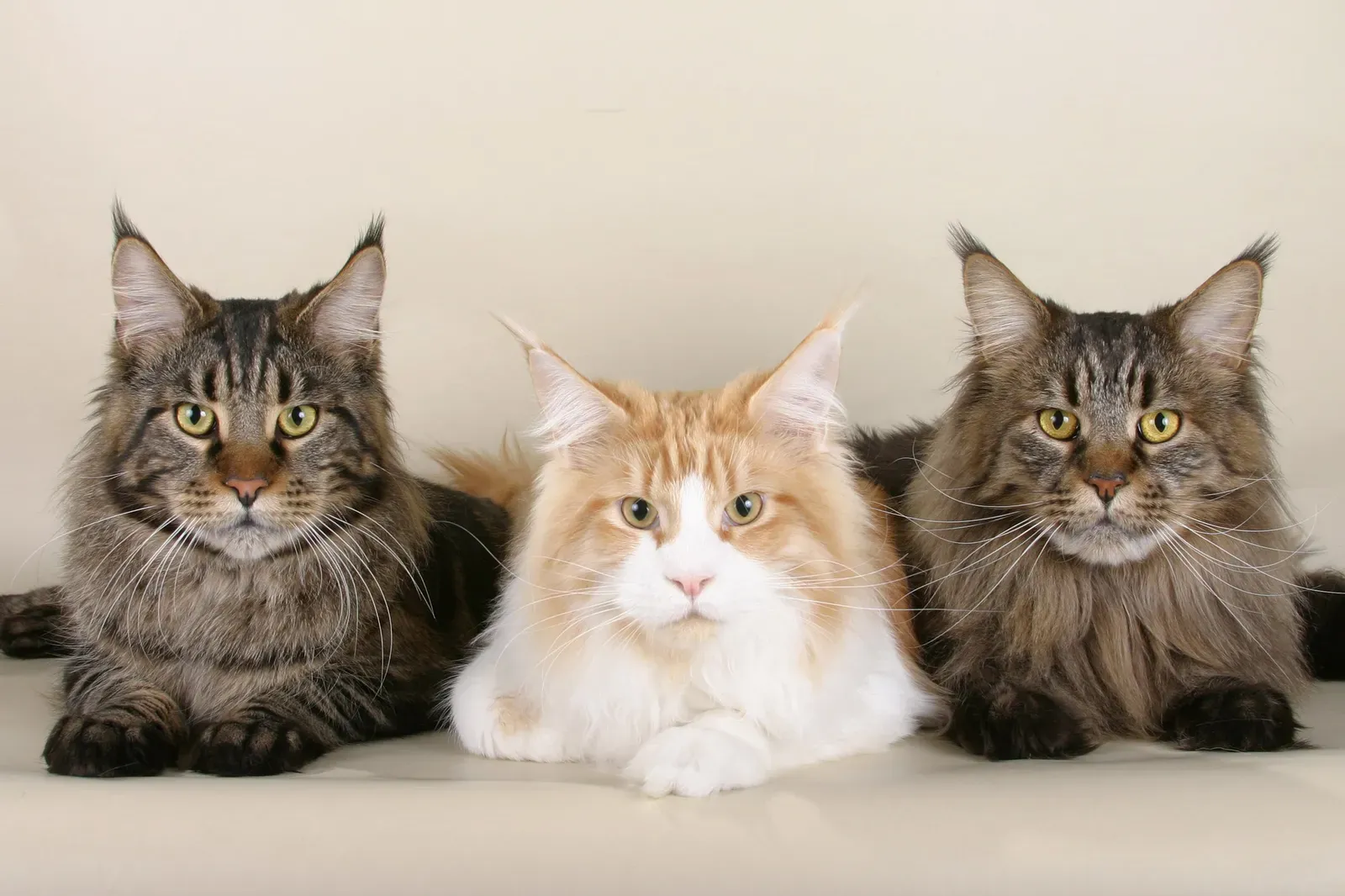
These gentle giants can weigh up to 20 pounds, but they’re beloved for their playful, kitten-like dispositions, no matter their age. Despite their impressive size, Maine Coons are remarkably gentle and patient with children. Their working breed origins mean they’re sturdy enough to handle enthusiastic play without getting easily offended.
Because they’re friendly toward everyone, Maine coon cats make excellent additions to families and are even popular as therapy cats. They possess this wonderful combination of independence and affection. They’ll happily join in family activities but won’t demand constant attention. Their easygoing nature makes them adaptable to households of all shapes and sizes, from quiet couples to bustling families with multiple children.
3. Birman: The Blue-Eyed Beauty
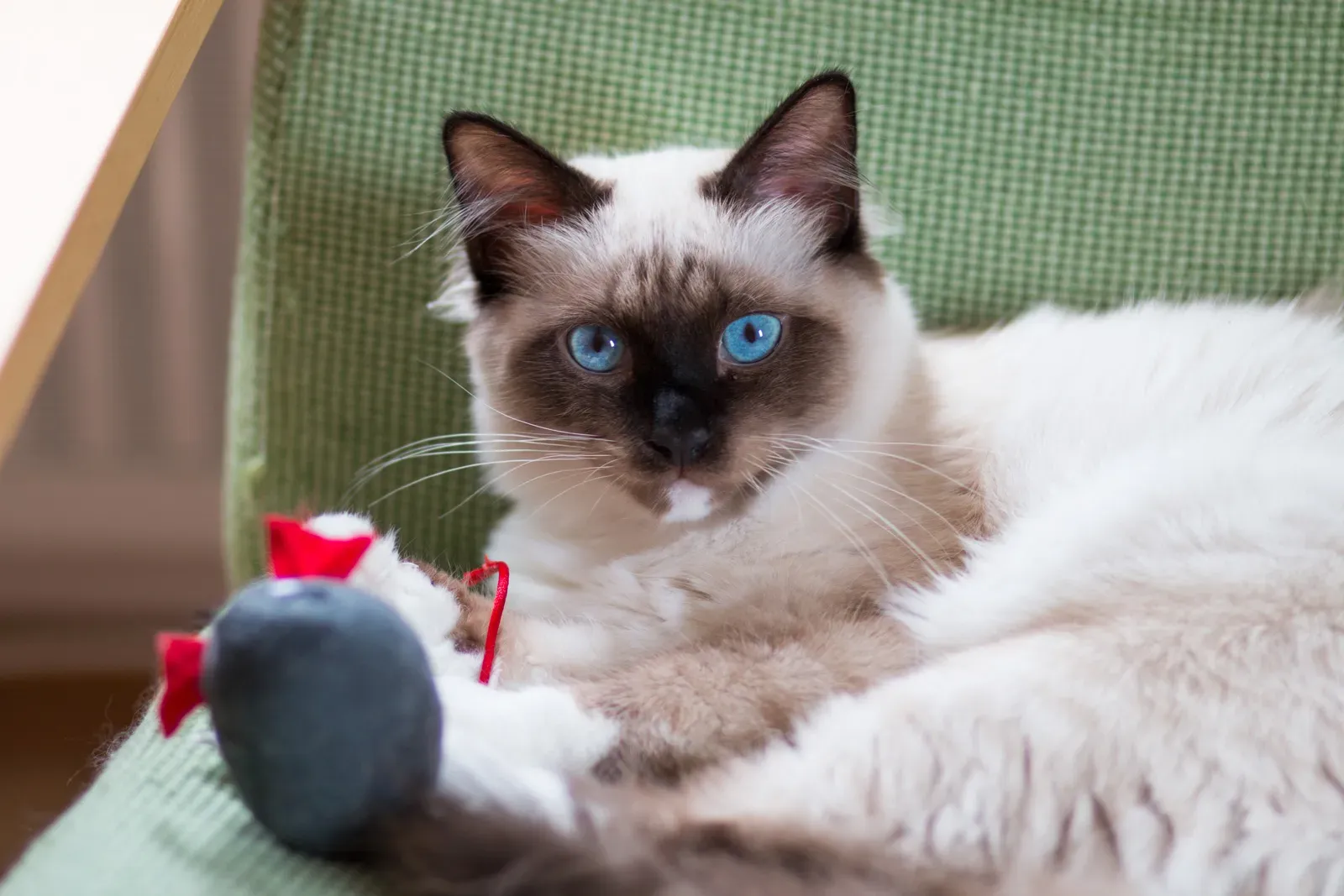
The Birman cat truly is mystical to look at with those striking blue eyes and distinctive color points. Birman cats are easy-going and patient, quickly forming bonds with humans and other animals. This makes them an excellent choice for families with children and other pets. These cats crave attention but in the gentlest way possible.
Birmans are as sociable as they come, and are likely to follow family members around the house, playing and even “helping” with chores – anything to be a part of the action. They communicate with soft chirps rather than loud meows, which is a relief for parents who value a peaceful home environment. Their patience with boisterous children combined with their affectionate nature makes them wonderful family companions.
4. Burmese: The Dog-Like Companion
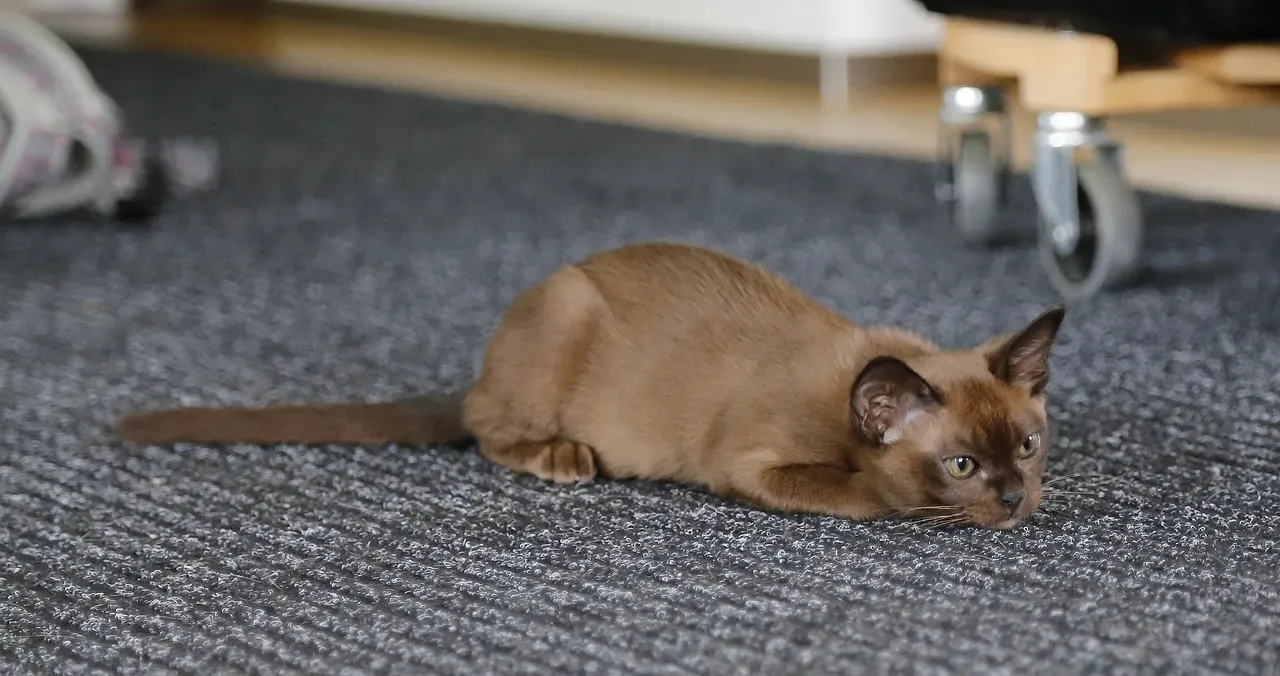
Burmese are affectionate cats who want to spend as much time with their families as possible. They also get along well with children and other cats and dogs. If you’re looking for a cat that acts more like a canine, the Burmese might be your perfect match. They’re energetic, playful, and genuinely enjoy games like fetch.
Playful and affectionate, the Burmese is at ease in a busy household, and actively enjoys love and attention. They can even learn how to play fetch, like a pet dog. These cats maintain their kitten-like energy well into adulthood, which means they’ll keep up with active children without breaking a sweat. Their intelligence makes them easy to train, and they form deep bonds with every family member rather than choosing just one favorite person.
5. American Shorthair: The All-Around Champion
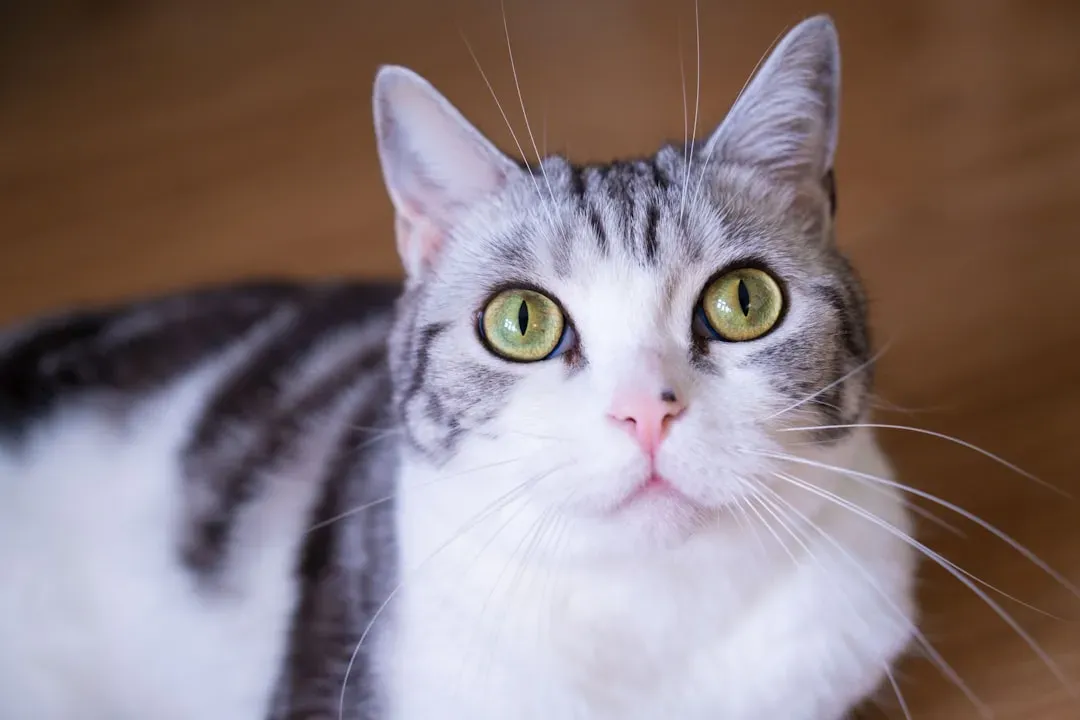
Laidback and easygoing, these sturdy felines are built for family life. The breed ranks highly among the best cats for kids – and they’re one of the most popular picks. There’s a reason this breed consistently ranks as a family favorite. American Shorthairs are the epitome of low-maintenance companionship.
They’re adaptable, patient, and tolerant of just about anything family life throws at them. These beauties are just as happy playing around by themselves as they are with humans – and kids are no exception. Unlike some other cats in their kingdom, these social creatures won’t just form a strong bond with one family member, they’ve got plenty of love to go around the whole household. Their working cat heritage means they’re sturdy enough to handle roughhousing, and they typically live long, healthy lives.
6. Manx: The Tailless Wonder
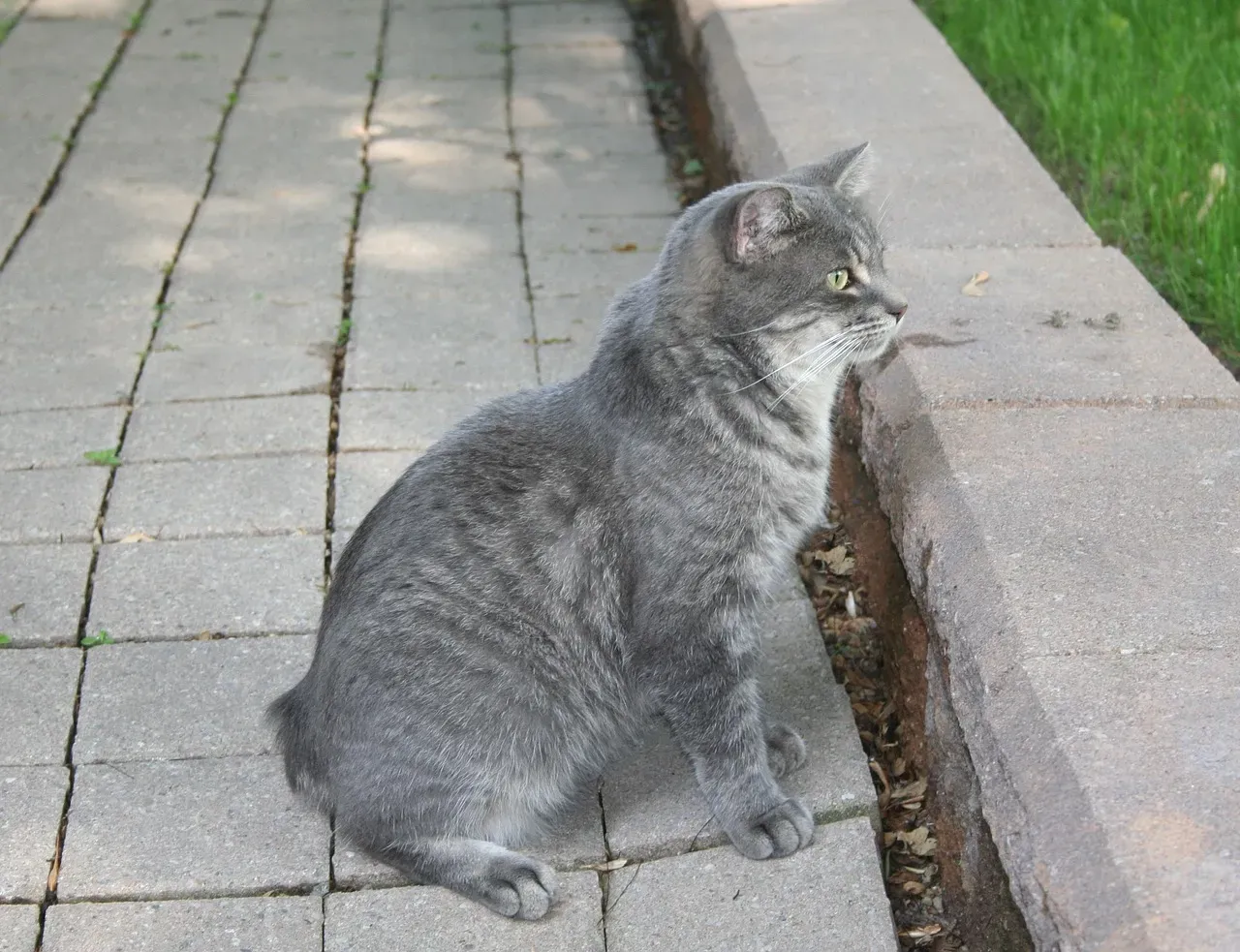
Manx cats are famous for the thing they don’t have – a tail! This actually makes them perfect for younger children, as there is no tail to pull. Like the Burmese, they can be taught to play fetch. Let’s be real, the lack of a tail is a genuine advantage when you have toddlers who haven’t quite mastered gentle handling yet.
Add a Manx cat to your household, and there will never be a dull moment! These active cats with doglike personalities enjoy playing fetch and burying toys, and are fascinated by water. The breed is sweet and affectionate, and they enjoy being around their human companions. Their playful devotion and medium size make them sturdy playmates without being overwhelming for smaller children.
7. Abyssinian: The Active Adventurer
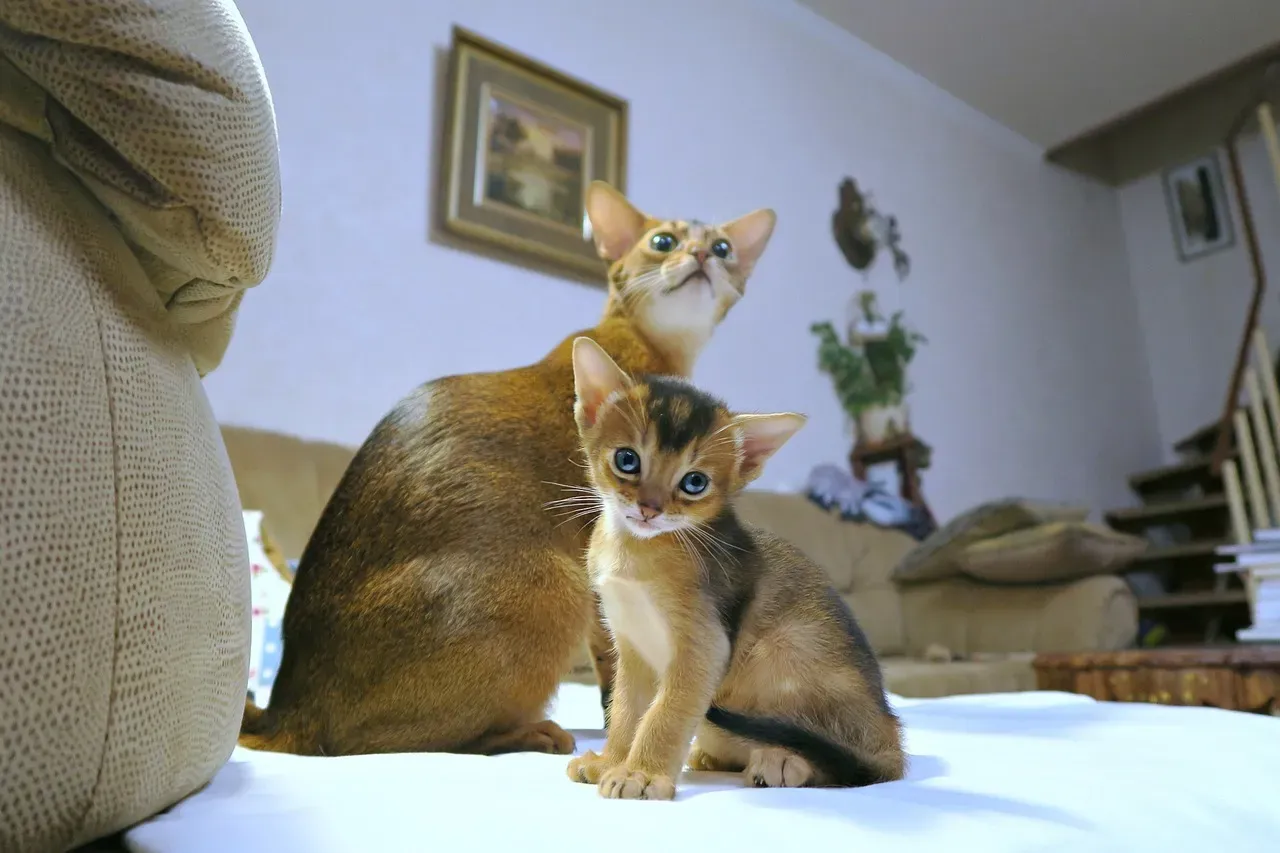
The Abyssinian will liven up any household with their active and affectionate personality. These cats, reportedly dating back to Egyptian times bring endless entertainment to families with their curiosity and intelligence. They’re people-oriented and love being involved in whatever activity you’re doing, from cooking dinner to folding laundry.
Because Abyssinians have a more petite build, they’ll do best with older children who have been taught to handle them gently, even during playtime. The Abyssinian is an active cat that will keep your kids entertained with their high energy levels, meaning they’ll never tire of playing games with little ones. They are a breed that loves the company of others – whether it be animals or humans – and their short coat is unlikely to create a mess around the house, making them one of the most popular choices for active families. They can even learn tricks, which makes them interactive companions for school-aged children.
8. Siberian: The Robust Playmate
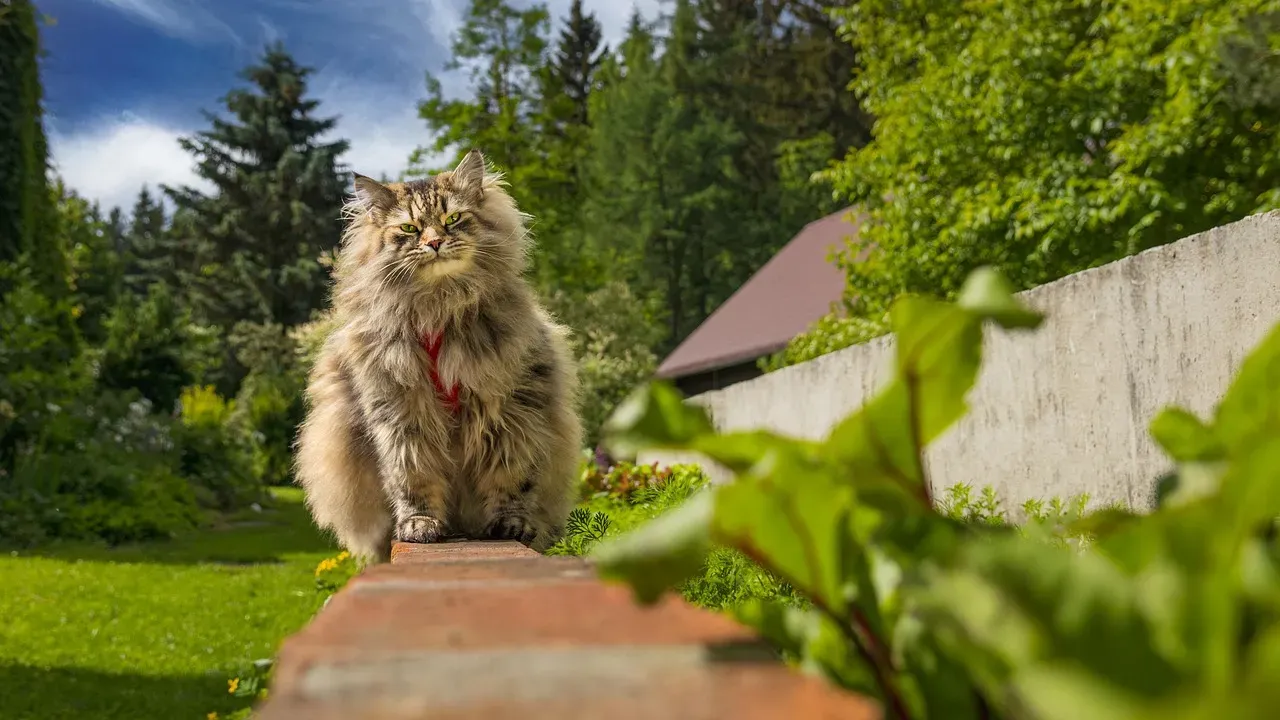
With a patient and playful personality, Siberians are unfazed by rowdy children and a bustling household. If your home resembles a circus more than a quiet retreat, the Siberian cat won’t bat an eye. These cats are built to handle noise, activity, and high-energy environments without getting stressed.
These clever cats can also learn tricks and be leash-trained, which can be an enriching activity for kids and kitties alike. Their thick, beautiful coats and substantial size give them a teddy bear appearance that children adore. The Siberian’s laid-back attitude combined with their playful nature creates the perfect balance for family life. They’re also considered somewhat hypoallergenic, which is a bonus for families with mild allergies.
9. Exotic Shorthair: The Quiet Companion
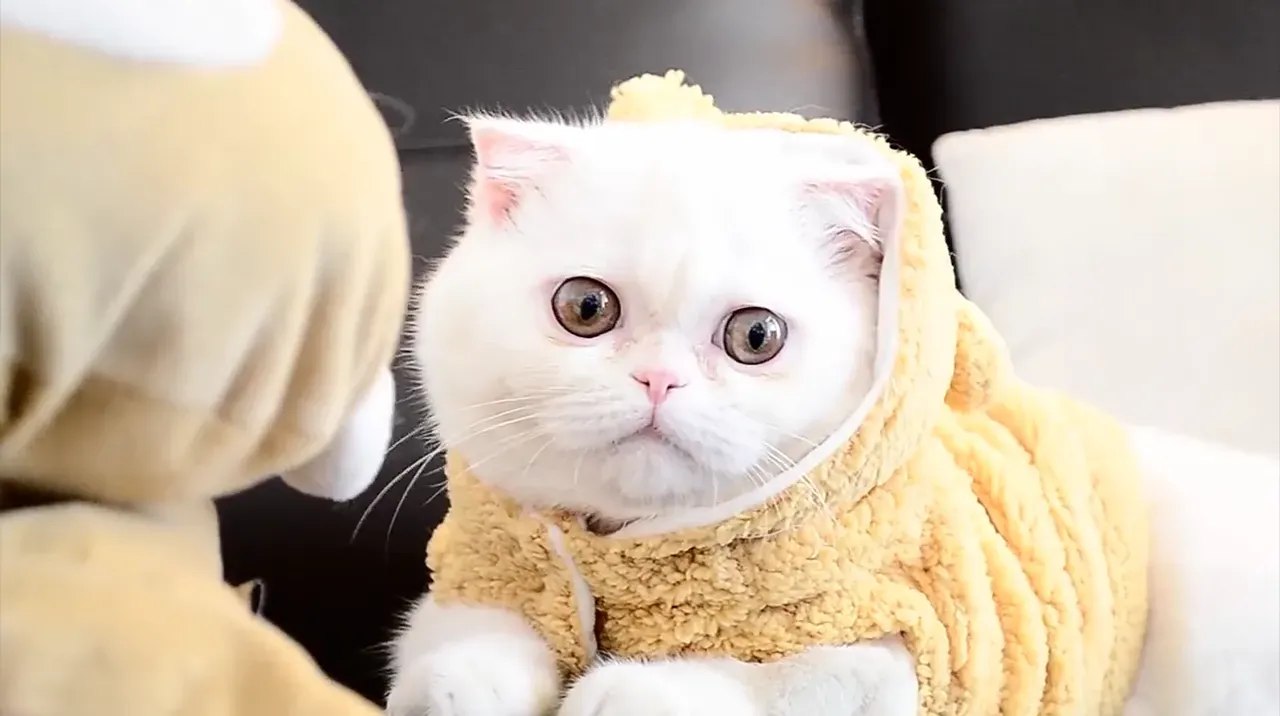
While Exotic Shorthair cats enjoy spending time with their humans, they aren’t overly demanding. This breed is ideal for families who don’t want a clingy or attention-seeking cat. Because of their adaptability and general friendliness, Exotic Shorthairs can fit in with families of all kinds. Think of them as the calm presence in an otherwise chaotic household.
These cats have the adorable flat face similar to Persians but without the intensive grooming requirements. Sweet, quiet, and affectionate, this cat breed has an unforgettable face similar to the Persian cat. They’re content to watch the action from a comfortable perch rather than being in the thick of things constantly. For families who want a cat that’s present but not demanding, the Exotic Shorthair strikes that balance beautifully.
10. Scottish Fold: The Adaptable Friend
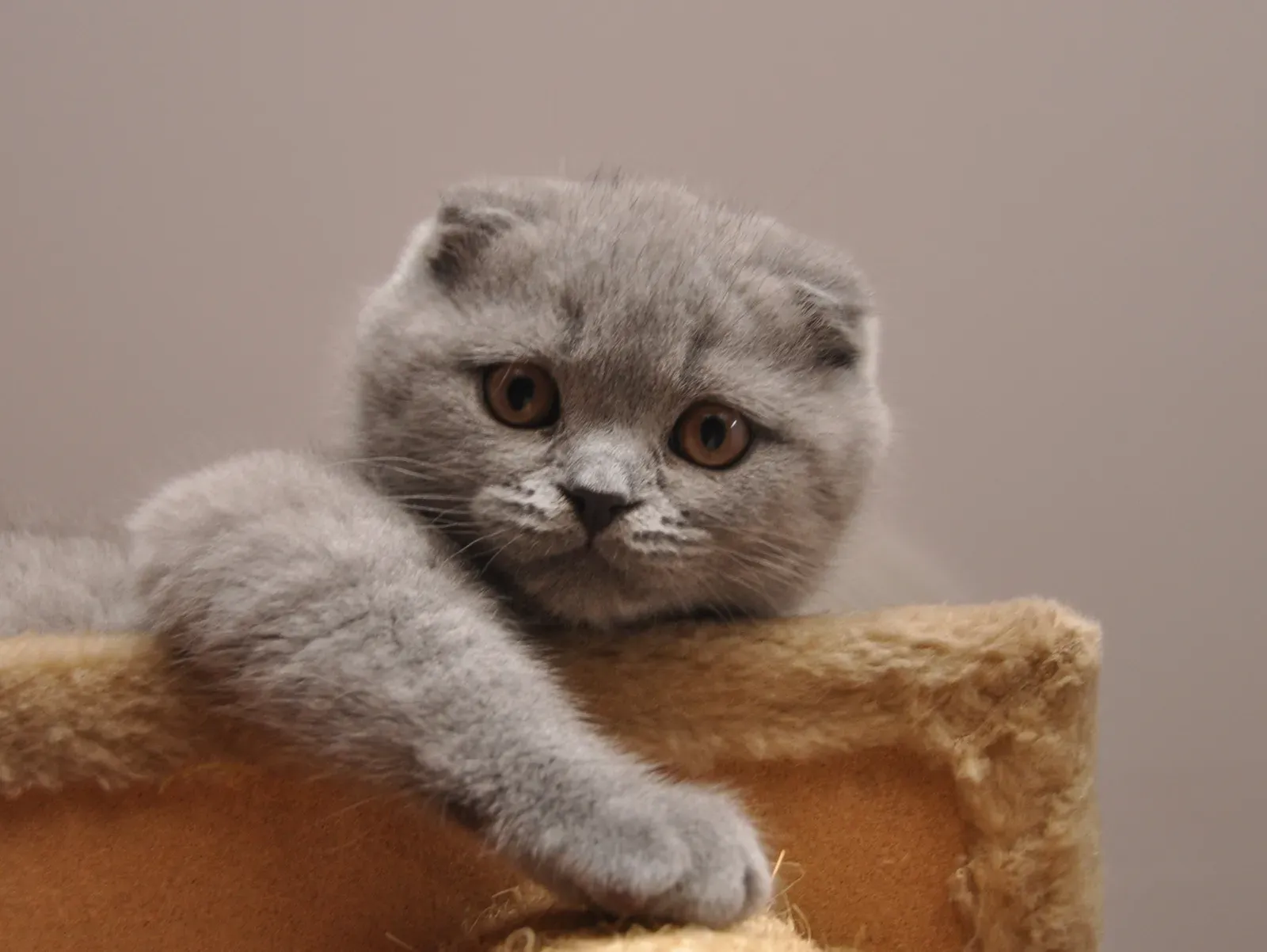
Scottish Folds are generally laid back and get along happily with other cats, dogs, and children. Scottish Folds are not only adorable, but also make adaptable, sweet, and loving companions. Their distinctive folded ears give them an owl-like appearance that children find absolutely enchanting. These cats are incredibly adaptable and can adjust to new people and situations with remarkable ease.
This breed is pretty laid back and aren’t demanding in any sense. Scottish Folds can easily adjust to new people or situations with ease. They prefer having companions around rather than being left alone for long periods, which makes them perfect for busy households where someone’s usually home. Their gentle snuggling nature combined with occasional playfulness creates a well-rounded personality suitable for family life.
11. Siamese: The Vocal One-Person Cat
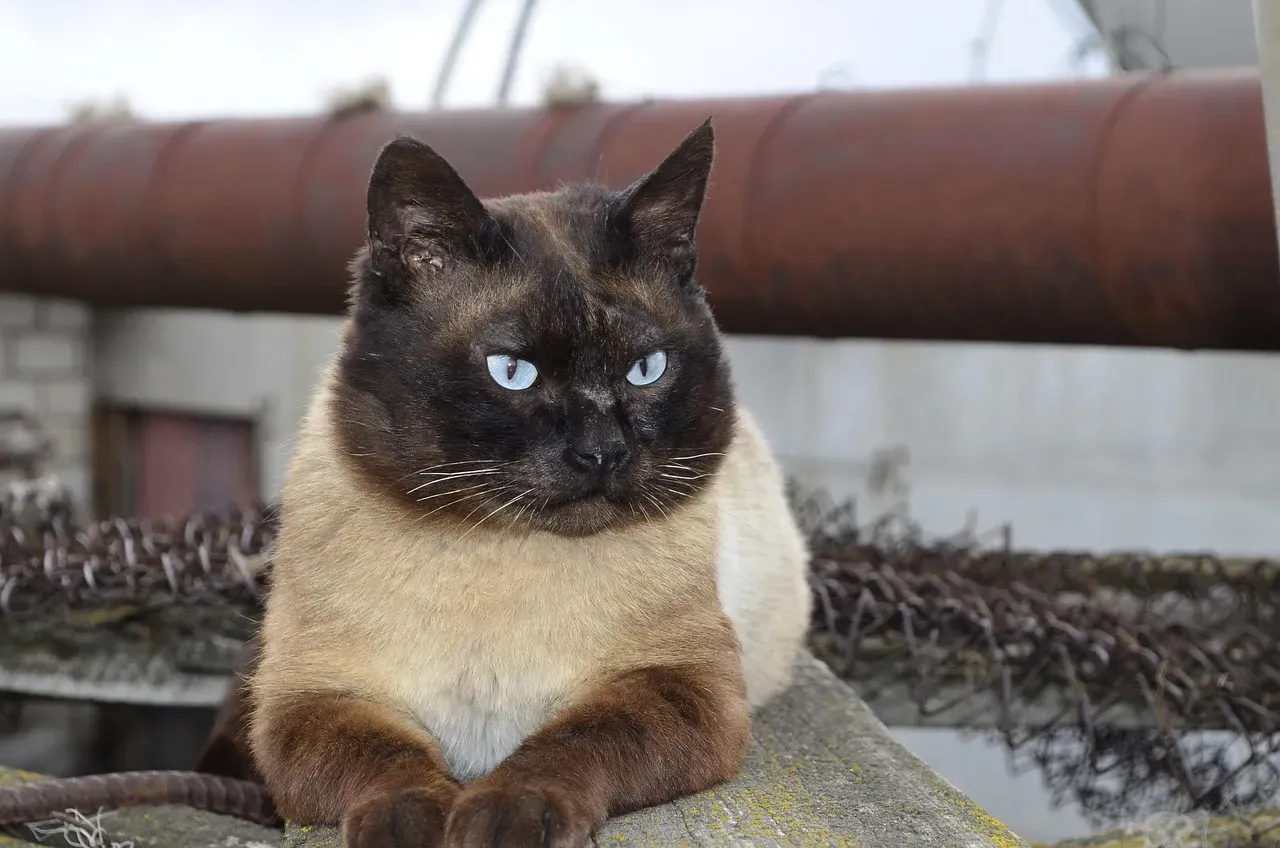
Now we’re switching gears to breeds that might struggle in typical family environments. The Siamese cat could also be included on a best breed list, but it all depends on your perspective. They often bond with a single family member, and they can turn aggressive if another person in the family tries to interrupt their snuggles. That can be problematic if you have kids in the house.
Siamese cats are known for their talkative and social nature, making sure their needs are heard loud and clear. While their chatter can be endearing, it might be too much for some. These vocal felines thrive in homes where they get plenty of attention and stimulation. Their tendency to choose one favorite human and guard that relationship jealously can create tensions in multi-person households, especially with children competing for the cat’s affection.
12. Savannah: The Wild-Spirited Hybrid
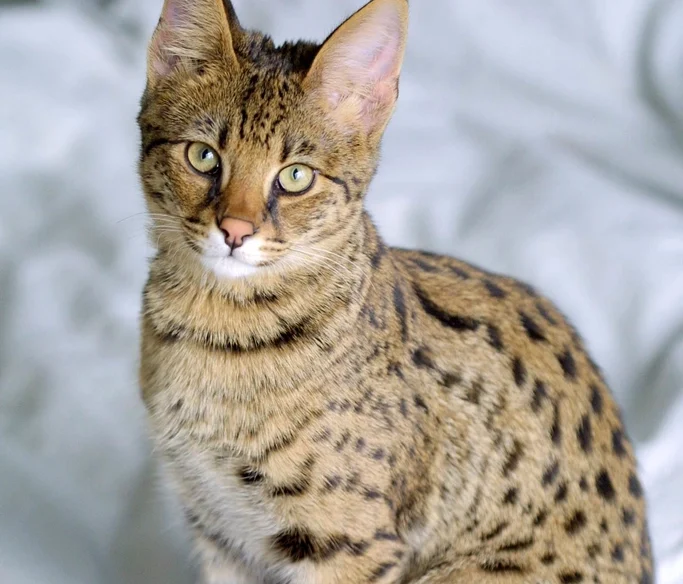
Savannahs are a unique hybrid that can make a great family companion so long as proper animal handling is established in children. Savannahs do not like to be picked up, held and restrained and likes to show affection on its own terms, so small children that like hugging cuddles might fair best with another breed. These cats look exotic because they genuinely have wild ancestry in their bloodlines.
Their leopard-like appearance is stunning, but their personality demands respect and understanding. They’re incredibly intelligent and active, requiring significant mental stimulation and space to climb and explore. Young children who naturally want to grab and hug pets will frustrate a Savannah, potentially leading to scratching or biting. These cats need experienced handlers who understand feline body language and boundaries.
13. Russian Blue: The Shy Introvert
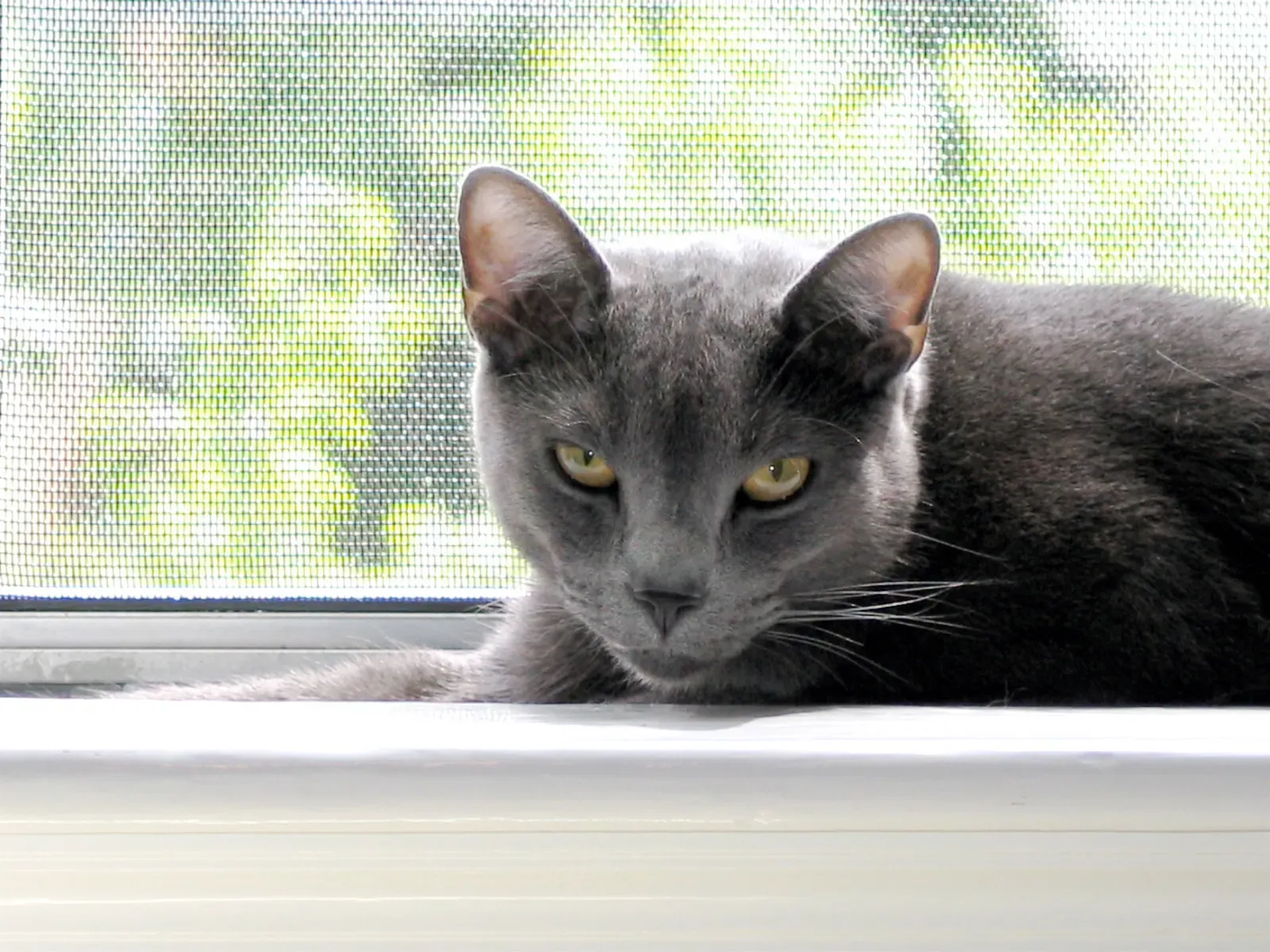
Russian Blues can make great companions for modern families, but only if children are well-versed in how to properly handle animals. Russian Blues are rather shy, aloof cats that must be very comfortable with you before they come over for affection. Imagine having a houseguest who needs weeks to warm up to you, and you’ll understand the Russian Blue temperament.
The Russian Blue cat knows what it likes: peace and quiet. The cat doesn’t do well with constant changes and forms strong bonds with their owners. A house filled with guests or noise might cause your Russian Blue to withdraw, which isn’t healthy for anyone. The unpredictability of family life with children, frequent visitors, and varying schedules creates stress for these cats who crave routine and tranquility.
14. Turkish Van: The Selective Snuggler
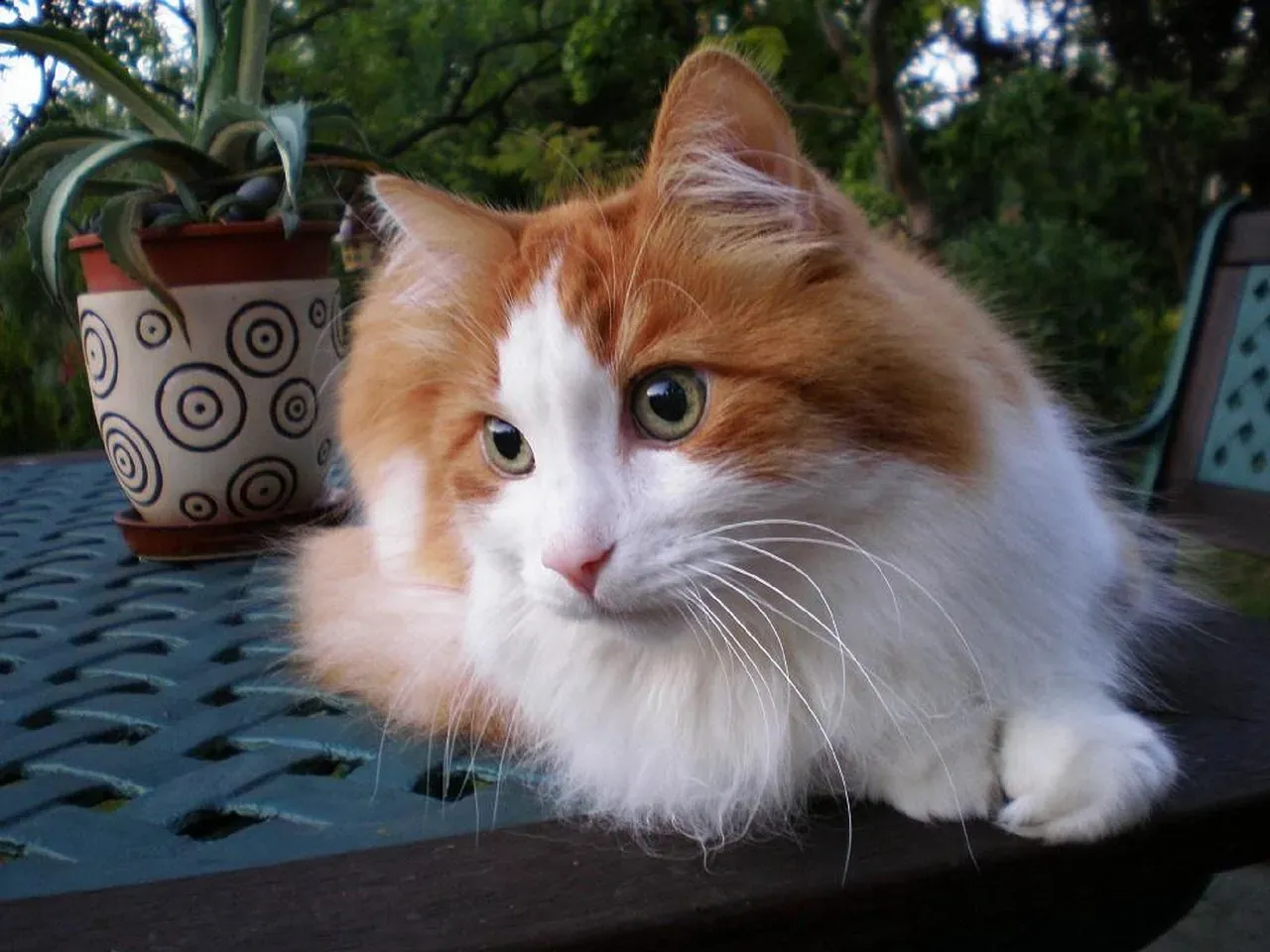
Although the Turkish Van is an affectionate breed, they do not like to be cuddled or held for long periods of time and small children may have trouble understanding their boundaries. These cats are known for their love of water and playful intelligence, but they have strict rules about physical contact.
Children naturally want to pick up and cuddle soft, fluffy cats, but the Turkish Van will quickly let them know when they’ve crossed a line. Their independence and strong-willed nature require patient, mature handlers who can read subtle cues about when the cat needs space. Families with young children often struggle to provide the respectful distance these cats demand.
15. Korat: The Noise-Sensitive Feline
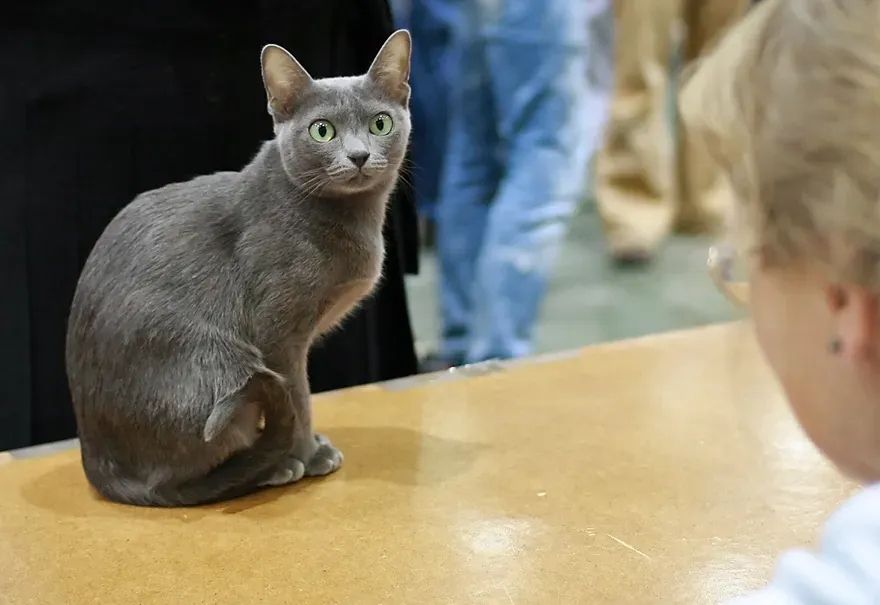
Korats are pretty uncommon, and that might be a good thing because not everyone is ready to have one at home. They love calm environments and will demand them. They might react aggressively if they don’t get their peace and quiet. The chaos of family life is essentially this breed’s nightmare scenario.
As a result, they may be a good fit for single owners who keep to themselves, but if you have kids in the house, bringing a Korat home is asking for trouble. Loud noises, sudden movements, running children – all these normal aspects of family life can trigger stress responses in Korats. They need predictable, quiet environments where they can control their surroundings, which is virtually impossible in homes with active children.
16. Singapura: The Skittish Small Cat
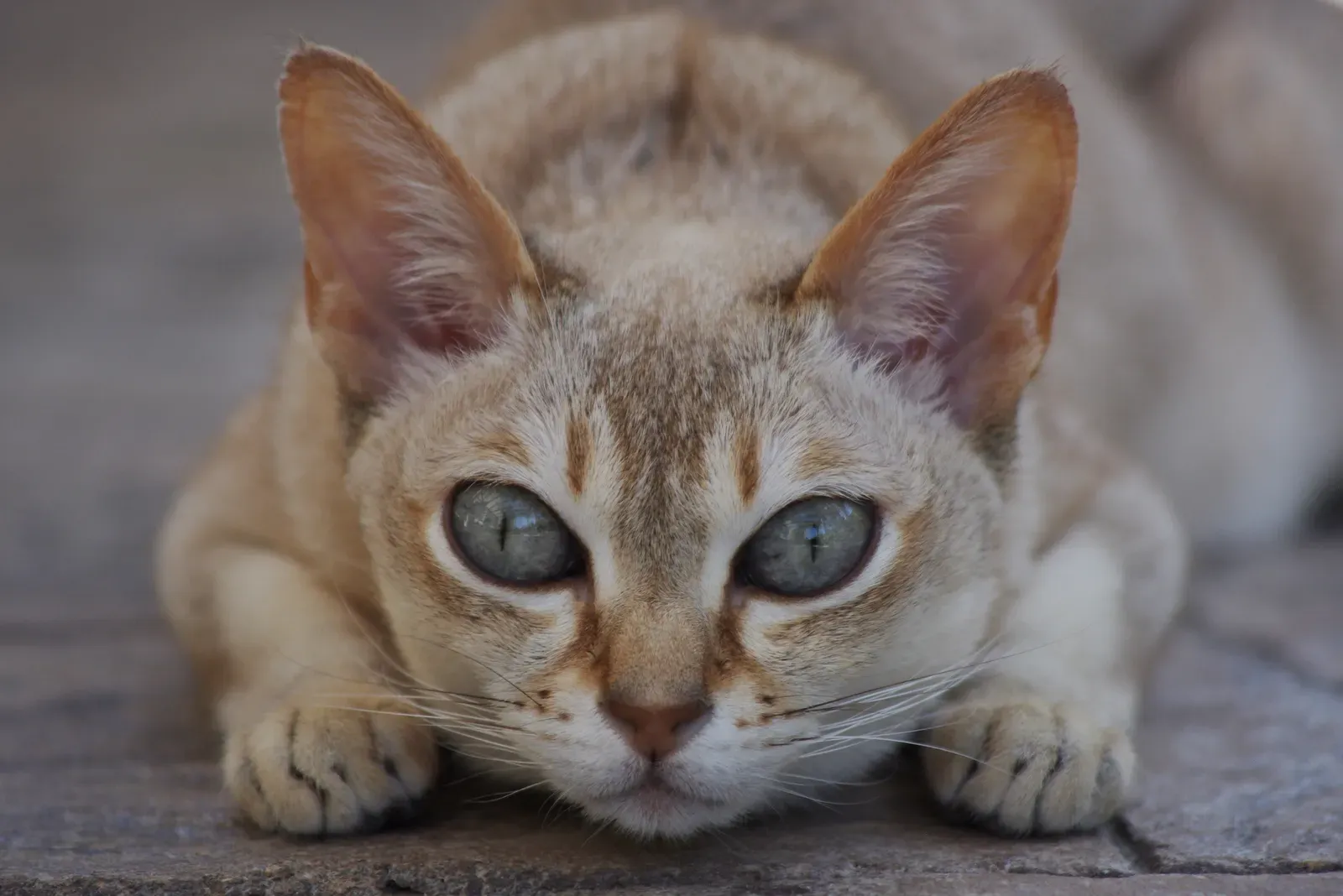
The Singapura is a social cat that enjoys affection, but doesn’t do well with loud noises or chaotic environments. Families with small children might be stressful for a Singapura, but older children that understand proper animal care and handling could do well. Their alien-like appearance and tiny size make them seem delicate, and in many ways, they are.
It may be tempting to adopt a Singapura, as their alien-like appearance makes them different from just about any other breed you could own. However, they’re strong-willed and skittish, and if you surprise them, they can react with a flurry of claws and teeth. They also have a tendency to hide if not properly socialized, so you could find yourself owning a cat that you never actually see. The bustling energy of family households overwhelms these sensitive cats.
17. Egyptian Mau: The Resource Guarder
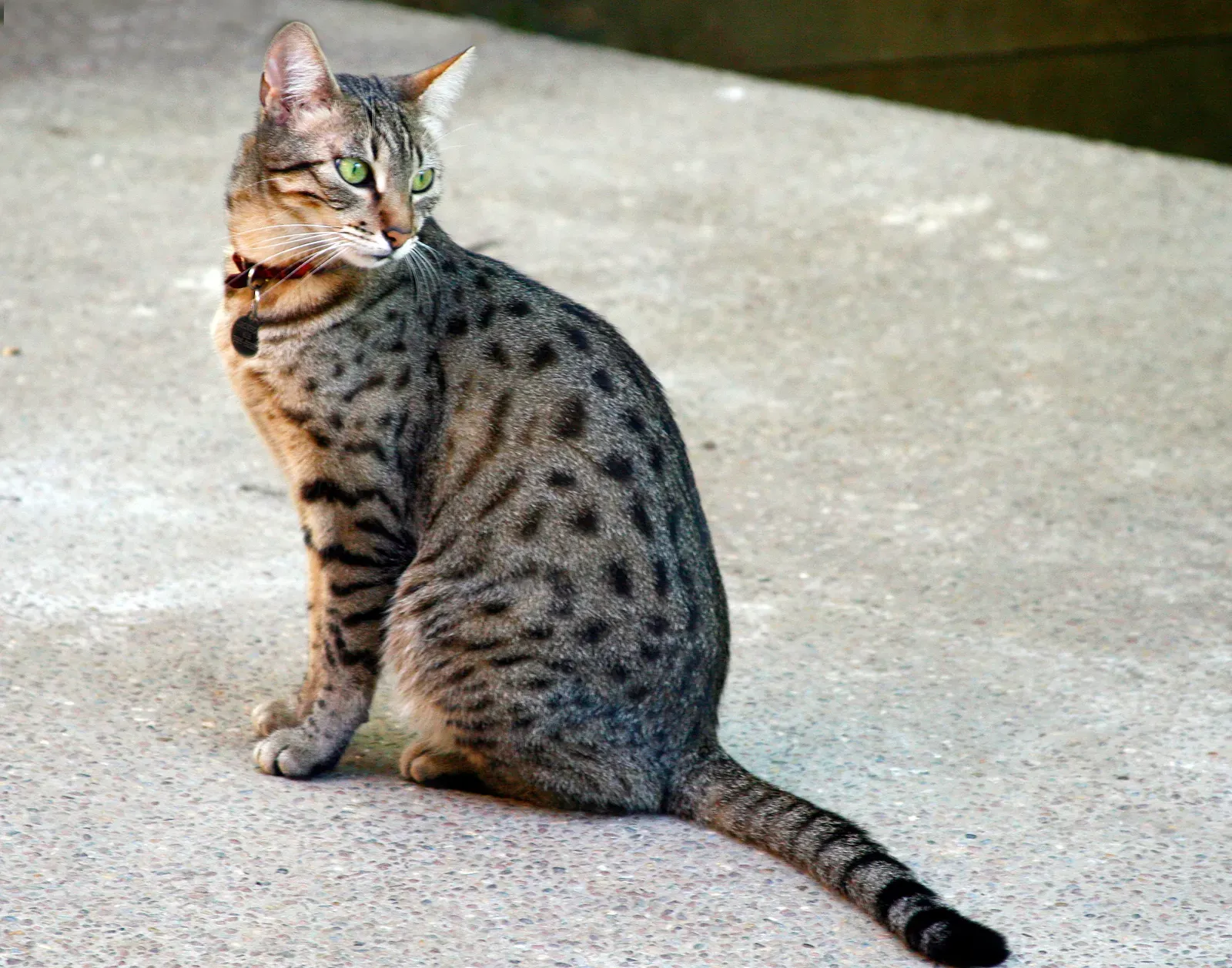
The Egyptian Mau is absolutely gorgeous, but it can be challenging to control. They’re prone to resource-guarding, and you may find yourself pulling back a bloody hand if you try to take one of their toys or treats. They’re withdrawn, but their quiet nature can hide a mean streak. This is where understanding breed tendencies becomes crucial for family safety.
Children often don’t recognize warning signs that a cat is feeling possessive or threatened. They might innocently try to play with a toy the Egyptian Mau considers theirs, leading to aggressive responses. While these cats bond strongly with their families, their territorial nature and tendency toward resource guarding make them risky choices for homes with young children who haven’t yet learned to respect feline boundaries.
Why Senior Cats Deserve Your Consideration
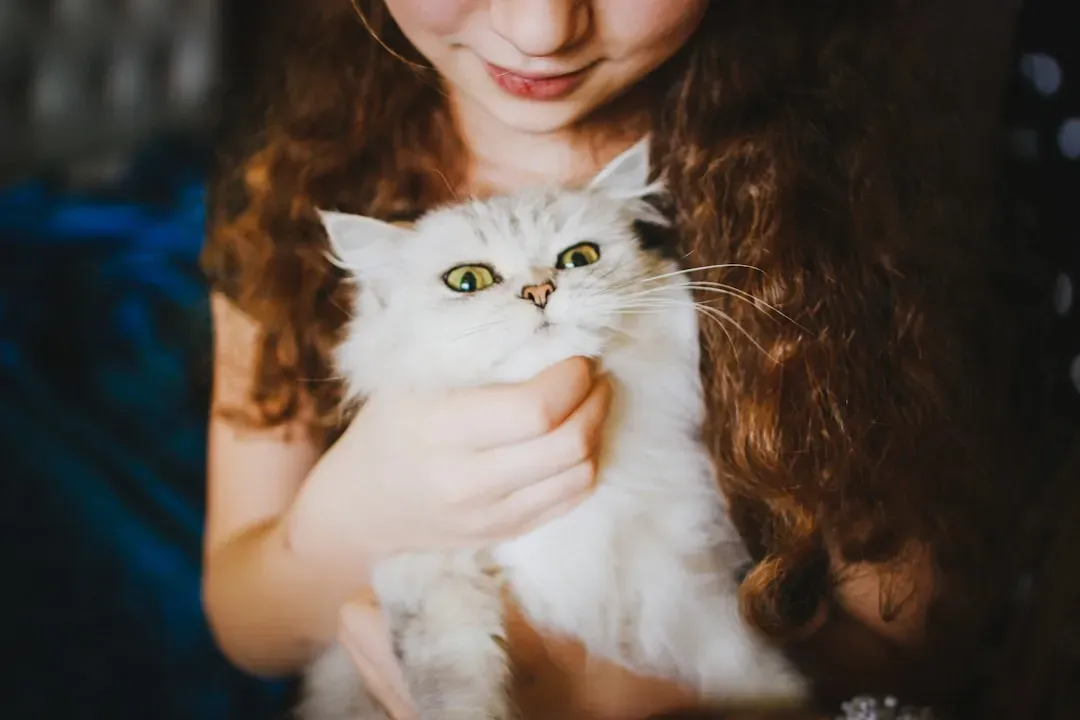
Here’s something that might surprise you: when you’re looking for a family cat, don’t automatically dismiss older felines. The personalities of adult animals are fully formed, which makes them more predictable. In fact, they can be amazingly adaptive. You’ll know immediately whether they’re patient with children or prefer quieter environments.
Older cats are more mellow. If you’ve ever wondered, “Are senior cats more affectionate?” – the answer is usually a giant “Yes!” Most senior cats aren’t going to be running off to play all day long. They will want to curl up with their favorite person and enjoy the comfort of someone’s lap. Older cats often form stronger bonds with their adopters. There’s a fascinating theory in feline behavior studies suggesting that senior cats, perhaps understanding they’ve found their final home, invest more deeply in their human relationships.
Senior cats are already litter trained, less destructive, and often more tolerant of children’s enthusiastic handling. Older cats are more tolerant of little kids (although let’s be honest, nobody likes having their tail yanked), and generally more gentle. Many shelters offer reduced or waived adoption fees for senior cats, and they’ve already been spayed or neutered. By opening your home to an older cat, you’re giving a deserving animal a second chance at happiness while gaining a grateful, loving companion.
Making Your Final Decision
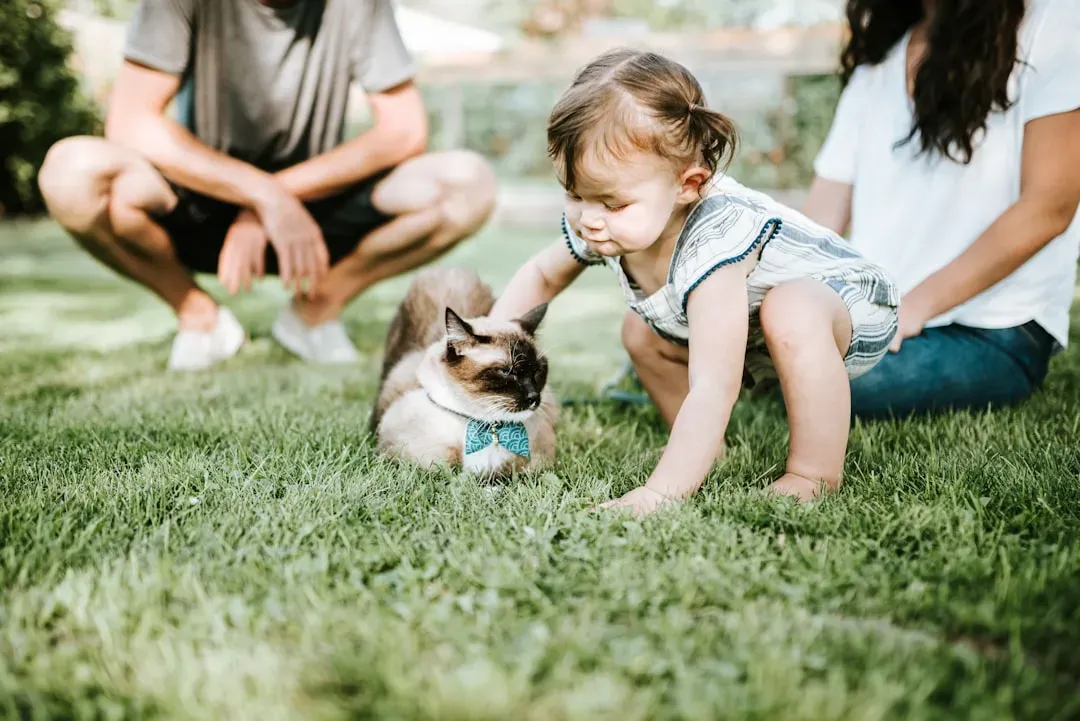
Choosing the right cat for your family involves honest assessment of your lifestyle, your children’s ages and temperaments, and what you can realistically provide. No breed guarantee exists – individual personality always matters more than breed characteristics. Spend time with potential cats at shelters, ask questions about their history and behavior, and involve your children in the selection process.
Remember that whether you choose a playful Ragdoll or give a deserving senior cat their forever home, you’re adding a living being to your family who will need love, care, and patience. The rewards of finding that perfect match, though? They’re absolutely immeasurable. When you see your child reading quietly with a purring cat in their lap or laughing as a Maine Coon plays fetch, you’ll know you made the right choice for your unique family.
What factors matter most to you when choosing a family cat? Share your experiences in the comments below.