You’ve probably heard that cats make fantastic companions for older adults. Less demanding than dogs, more independent than most pets, and genuinely affectionate when they want to be, felines really do tick a lot of boxes. The emotional benefits are clear too, from lowering stress to providing quiet companionship during those long afternoons at home.
Here’s the thing though: not every cat is suited for every senior. Some breeds come with high energy levels that might feel overwhelming. Others need constant interaction or have grooming demands that can become exhausting. That’s why picking the right breed matters so much. So let’s dive into the breeds that’ll make your golden years brighter, and the ones you might want to skip.
British Shorthair: The Calm and Independent Companion
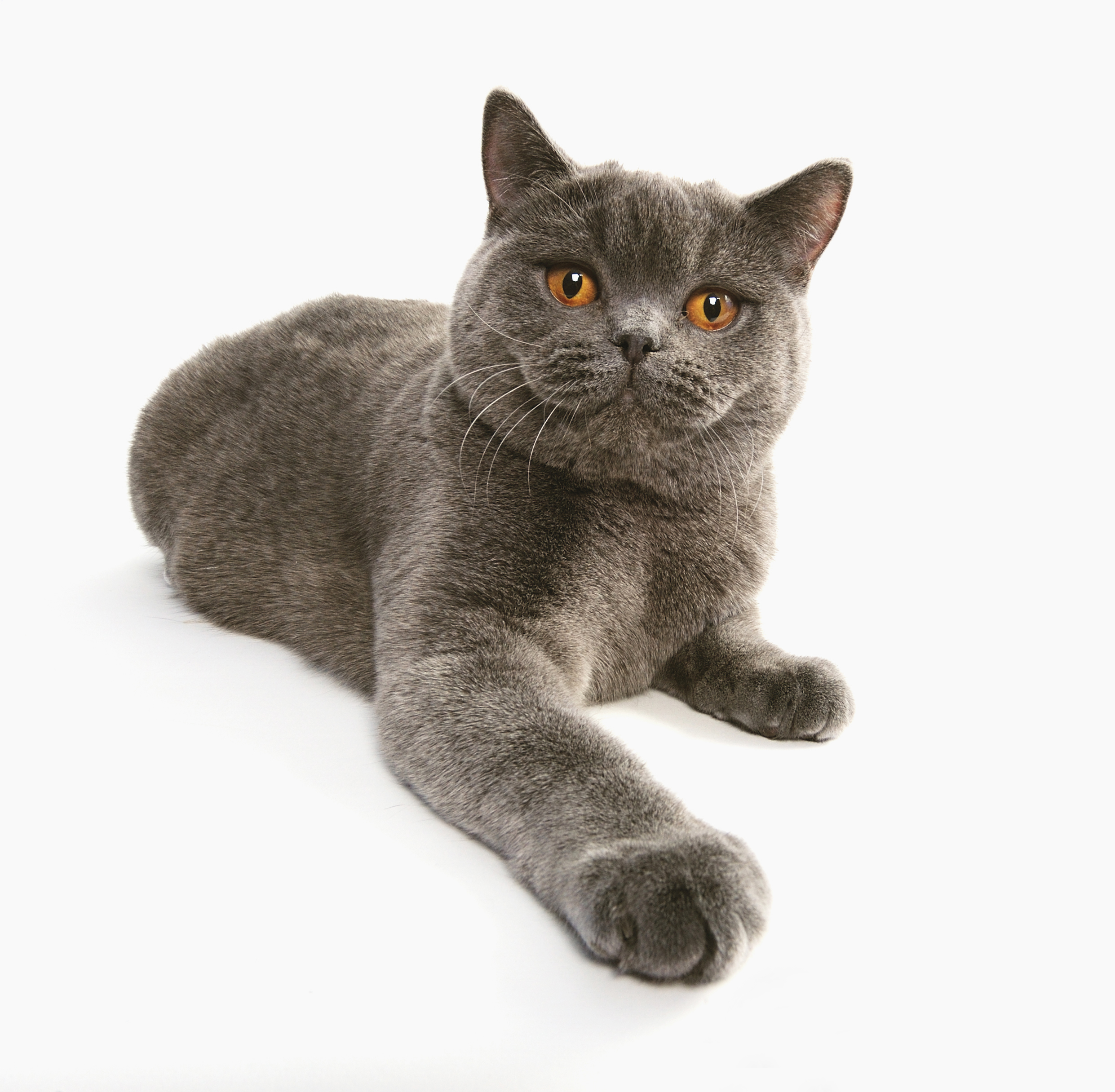
The British Shorthair is exceptionally friendly and remarkably independent, capable of being left alone for extended periods without issue. This gorgeous, round-faced feline doesn’t demand your constant attention but still enjoys being near you. They’re content to curl up on the couch next to you while you read or watch television.
These cats only need grooming every now and again to sort out loose hairs, are really calm and good-natured, and can be quite independent when needed. Their mellow temperament means they won’t be climbing your curtains or racing around at three in the morning. The breed is known for being particularly healthy, so owners don’t have to worry about investing in costly medical treatments.
Ragdoll: The Gentle Lap Cat
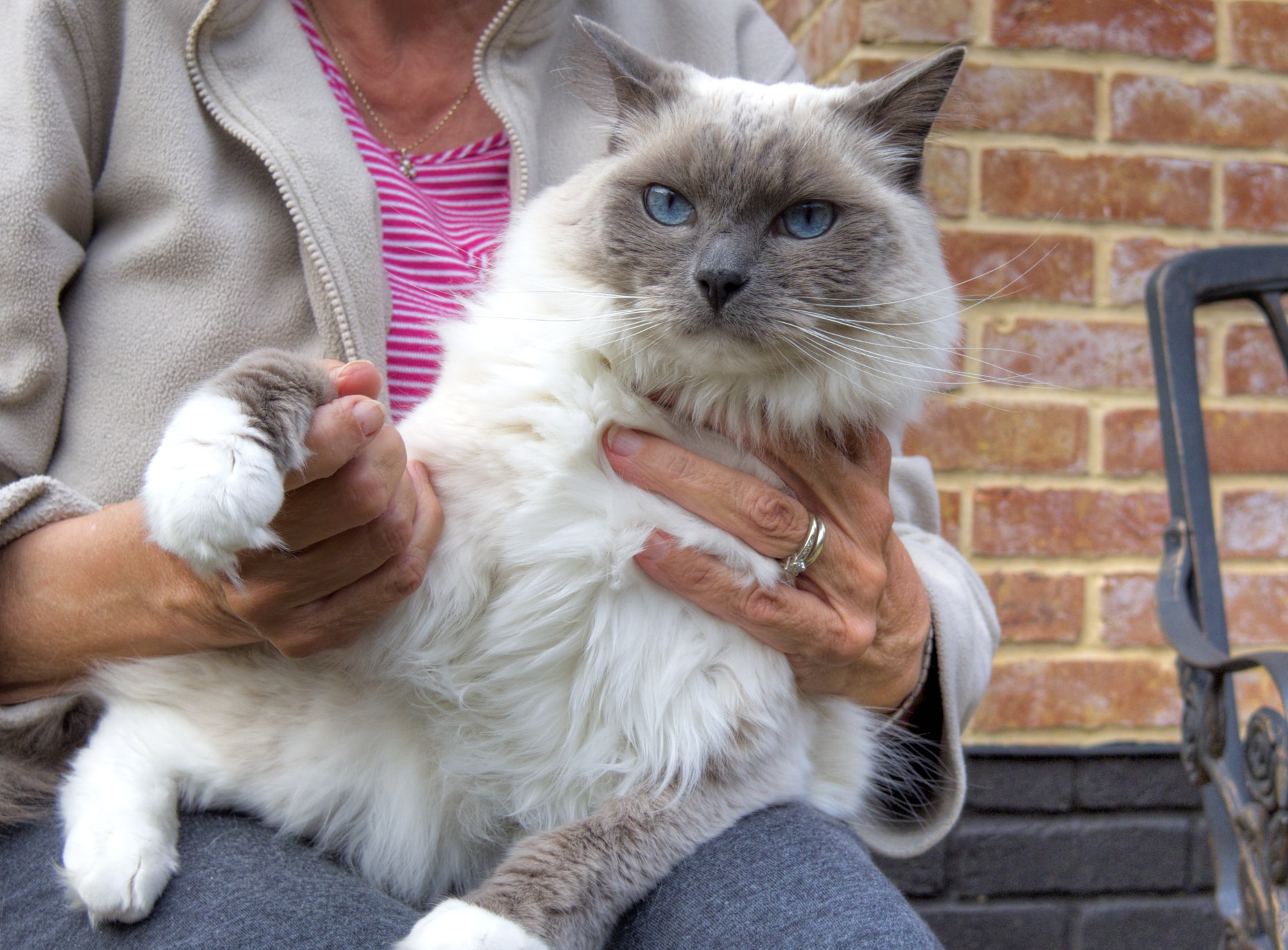
Let’s be real, if you’re looking for a cat that truly loves being held, the Ragdoll is it. This breed is ideal for seniors thanks to its gentle and loving nature, being laid-back, friendly, and adoring curling up for a snooze on a nice warm lap. They get their name from the way they go completely limp when you pick them up, like a child’s toy.
Their silky smooth coat is therapeutic to stroke, and because this kitty is so docile, placid, and attached to its owner, it makes for a wonderful companion. Despite having longer fur, their grooming needs aren’t terribly demanding. They’re patient, calm, and absolutely perfect if you want a cat that actually enjoys your company rather than merely tolerating it.
Russian Blue: The Quiet and Reserved Beauty
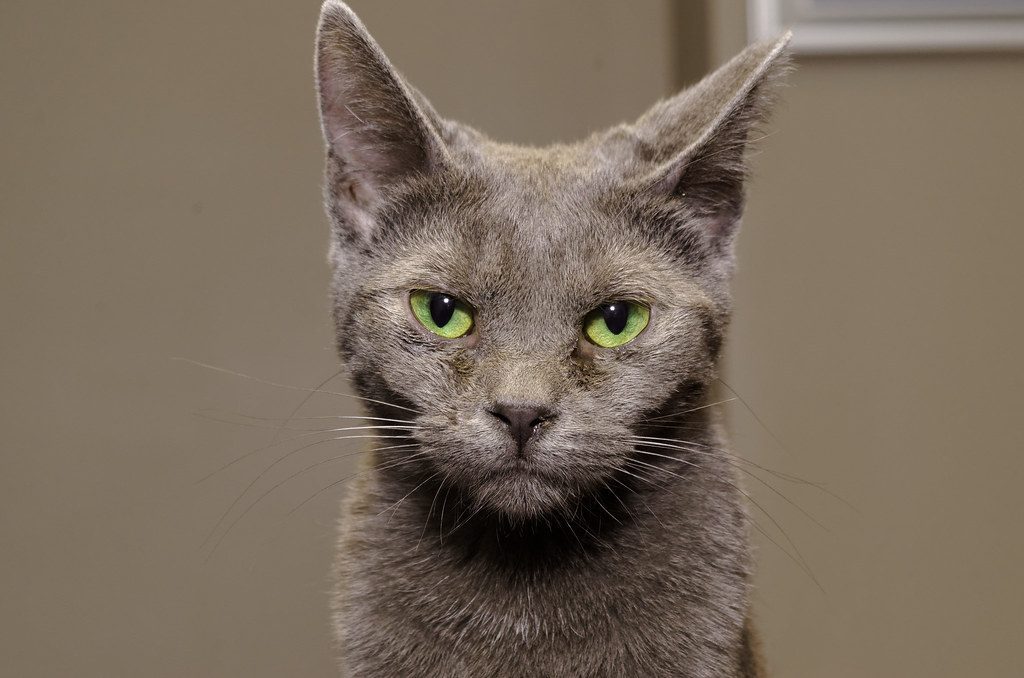
The Russian Blue is described as a quiet but loving breed that likes to be close to their owner but is not an energetic, clingy animal requiring a lot of attention. Their stunning silvery coat and bright green eyes make them one of the most elegant cats you’ll ever see. They’re reserved around strangers but form incredibly close bonds with their owners.
What really makes them stand out for seniors is their low-maintenance nature. Russian Blues are great for senior households with low activity, and though not especially active, they can get along well with other cats, dogs, and children but prefer to be close to their one human companion. Their dense, low-shedding coat makes them a good option for some allergy sufferers.
American Shorthair: The Easygoing Classic
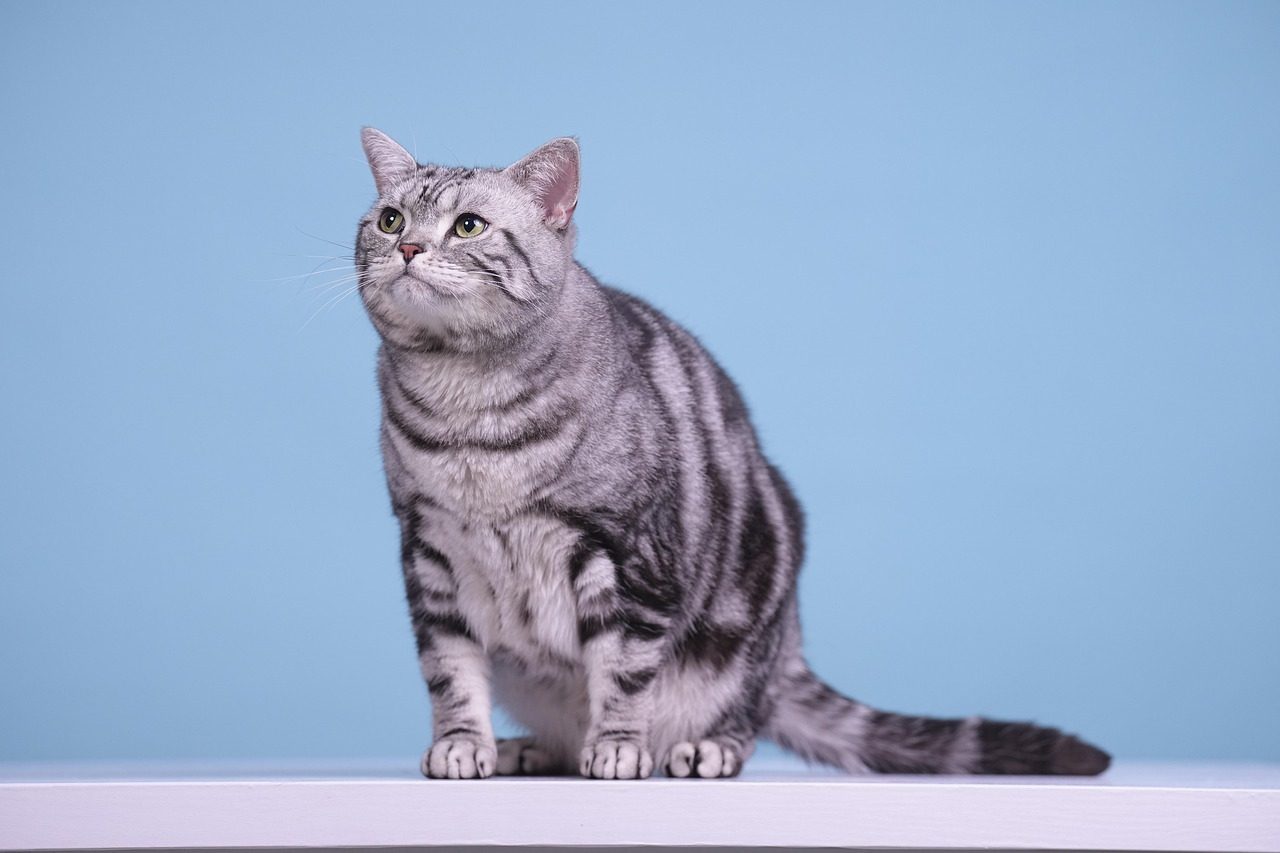
The American Shorthair is both an affectionate and independent cat breed, a solid option for any age group because it can be left at home for several hours without causing trouble. This is the quintessential American cat, bred originally for pest control but now beloved as a family companion.
American Shorthairs are known for their robust health and longevity, providing seniors with years of companionship, along with low-maintenance grooming needs and affectionate nature. They’re playful without being hyperactive, affectionate without being needy. Weekly brushing is typically all they require, making them incredibly practical for older owners who may not have the energy for extensive grooming sessions.
Birman: The Sweet and Social Feline
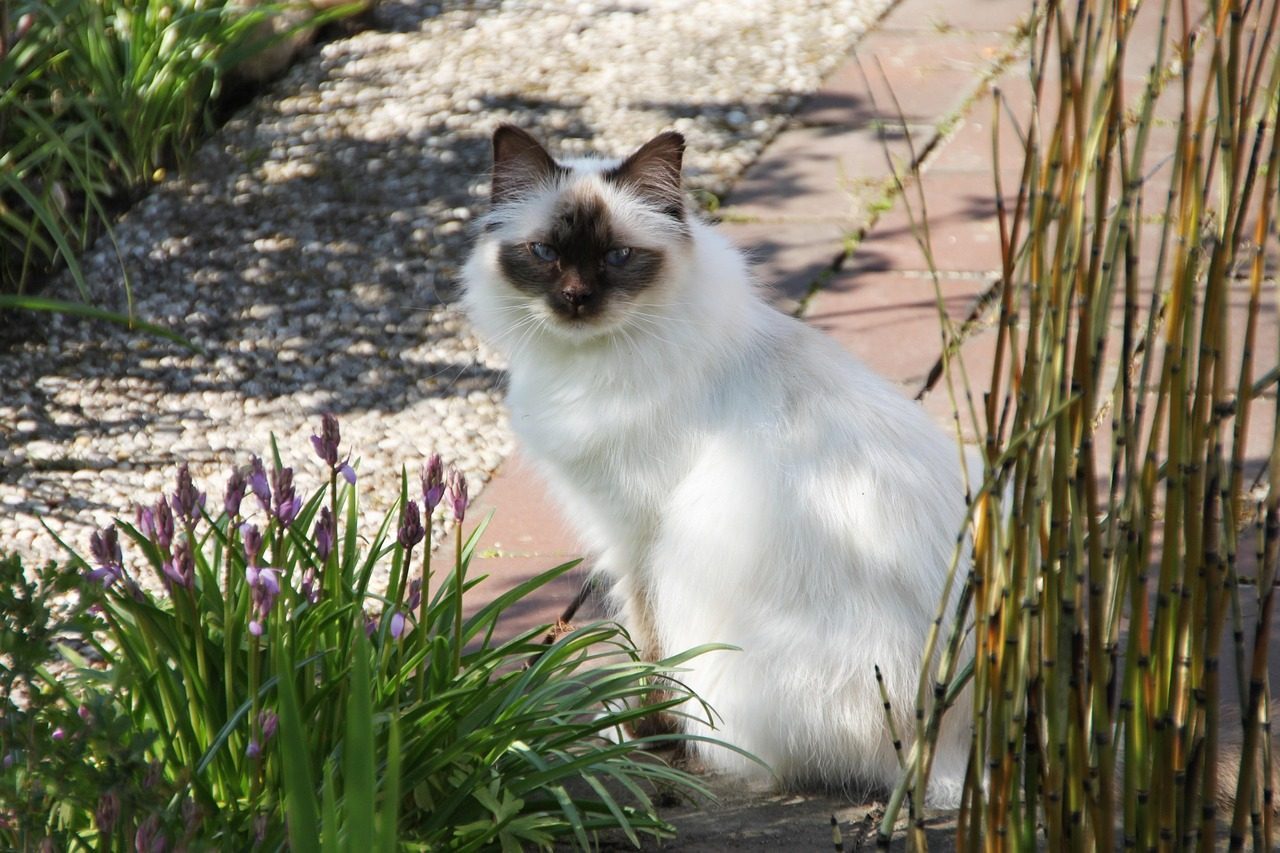
Birman cats are ideal for seniors, as they are low-maintenance and love companionship. With their striking blue eyes and distinctive white paws, Birmans look almost regal. Yet their personality is anything but aloof.
They are delightfully low-maintenance, gentle, and quiet while still being highly social, with their bewitching blue eyes and fluffy coat, content to follow their human from room to room using soft chirps and meows to communicate. They’re the kind of cat that wants to be involved in whatever you’re doing, without being demanding about it. Honestly, having a Birman is like having a gentle shadow that occasionally offers commentary.
Scottish Fold: The Unique and Adaptable Friend
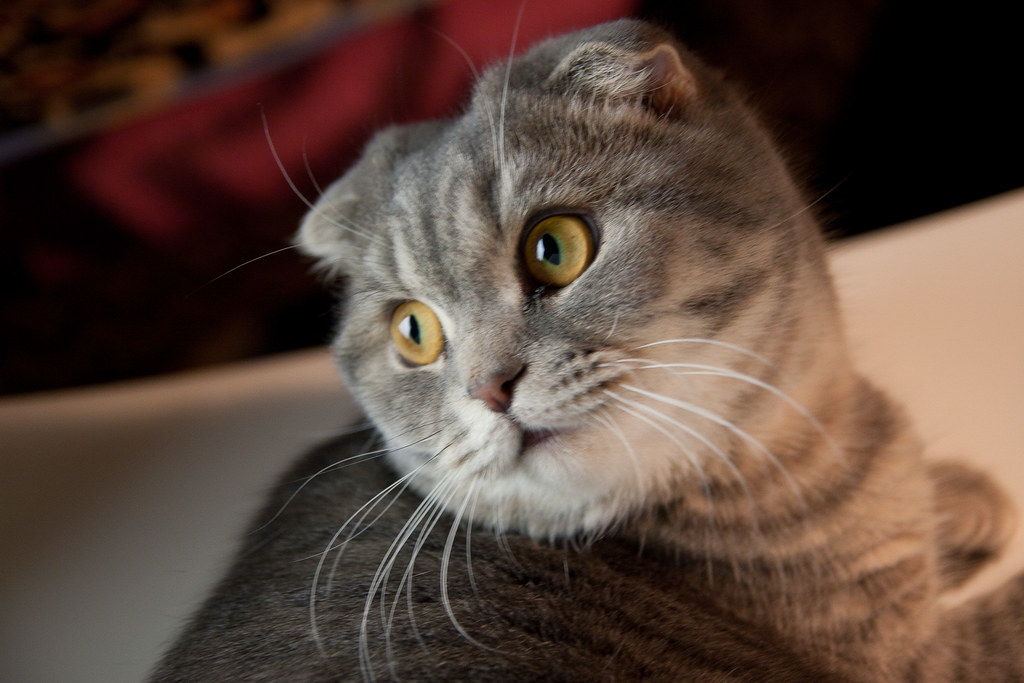
The Scottish Fold is a calm, well-mannered breed that isn’t very vocal, and while they won’t sprint around your house, you can still attract them with a little daily activity whenever you’re in the mood. Their distinctive folded ears give them an owl-like appearance that’s utterly charming.
With their distinctive folded ears and round faces, Scottish Folds are known for their sweet and gentle temperament, making them wonderful companions who are affectionate and enjoy spending time with their owners, cuddling on the couch or playing with toys, with their calm demeanor and adaptable nature. They’re perfectly content living in smaller spaces and don’t need massive amounts of stimulation to stay happy.
Persian: The Luxurious Lap Warmer

The Persian is a long-haired cat with a short, pushed-in muzzle, one of the most popular breeds due to their thick, fluffy coat, calm and subdued most of the time, preferring to watch over the home from a high perch. Their gorgeous flowing coat does require daily brushing to prevent tangles, which is the trade-off for all that beauty.
If you don’t mind spending time with a brush and genuinely enjoy grooming as a bonding activity, Persians are incredibly rewarding companions. They’re peaceful, quiet, and seem to take genuine pleasure in being pampered. Think of them as the cats that enjoy spa days just as much as you might.
Maine Coon: The Gentle Giant
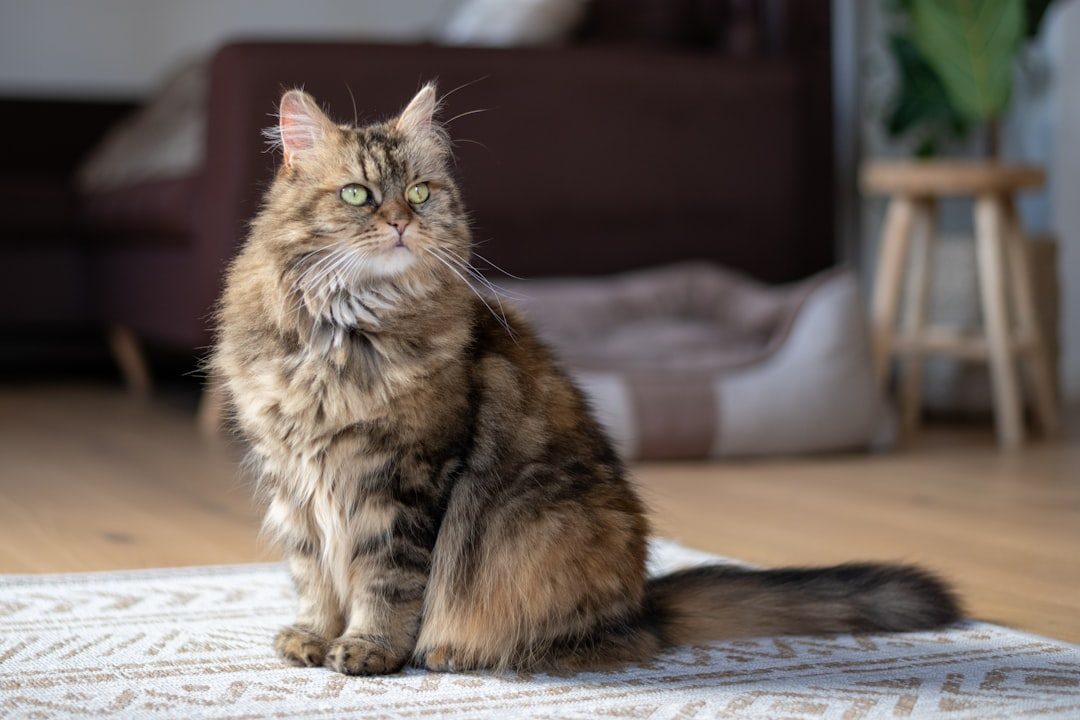
Maine Coon cats are affectionately referred to as gentle giants, and despite their large size, these cats are gentle and affectionate, forming strong bonds with their owners, being sociable and enjoying being around people, with their playful nature and outgoing personality bringing joy and laughter. They’re one of the largest domestic cat breeds, but their size shouldn’t intimidate you.
These gentle giants are independent and not overly demanding of attention, making them suitable for busy owners, enjoying interaction but perfectly happy entertaining themselves for hours, with their thick fur being relatively easy to care for with regular but not daily grooming. They’re social without being clingy, which creates a perfect balance for seniors who want companionship but also value their independence.
Exotic Shorthair: The Low-Key Sweetheart
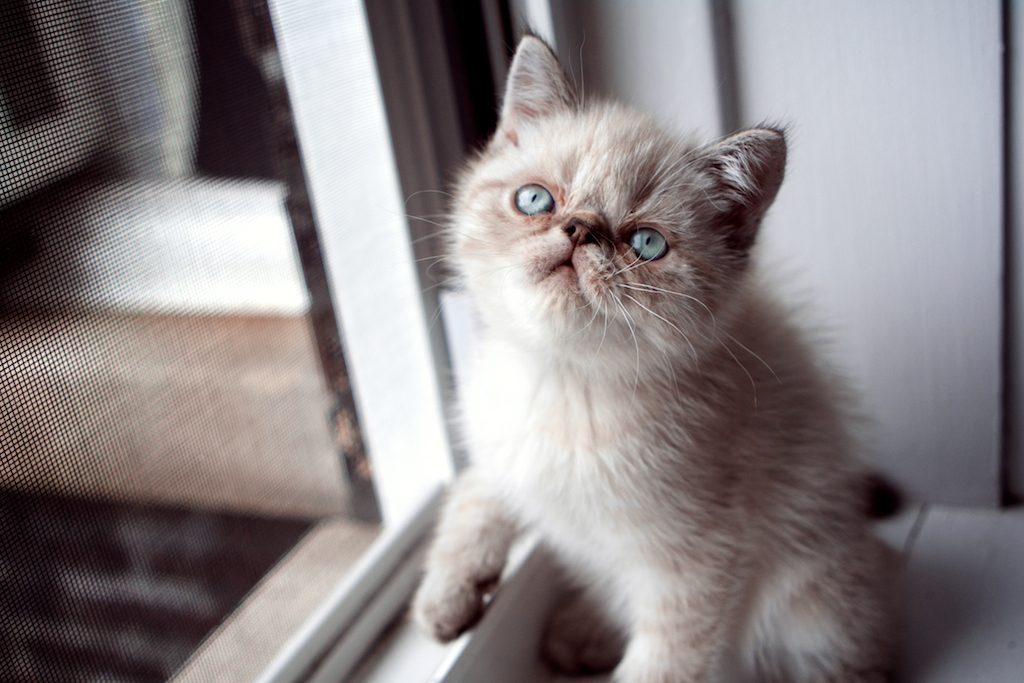
The Exotic Shorthair is a lively and friendly cat that can socialize with most people and other animals, suitable for a household with multiple pets depending on the nature of the other animals. Think of them as the Persian’s easier cousin, with all the sweetness but a shorter, more manageable coat.
The Exotic is an ideal breed that produces a quiet, sweet, peaceful and loyal companion, easy going with not much seeming to disturb them, and in general extremely affectionate. They require brushing 2-3 times per week to maintain their attractive short coat. Their placid nature and moderate energy levels make them perfect for a quieter household.
Chartreux: The Intelligent and Quiet Observer
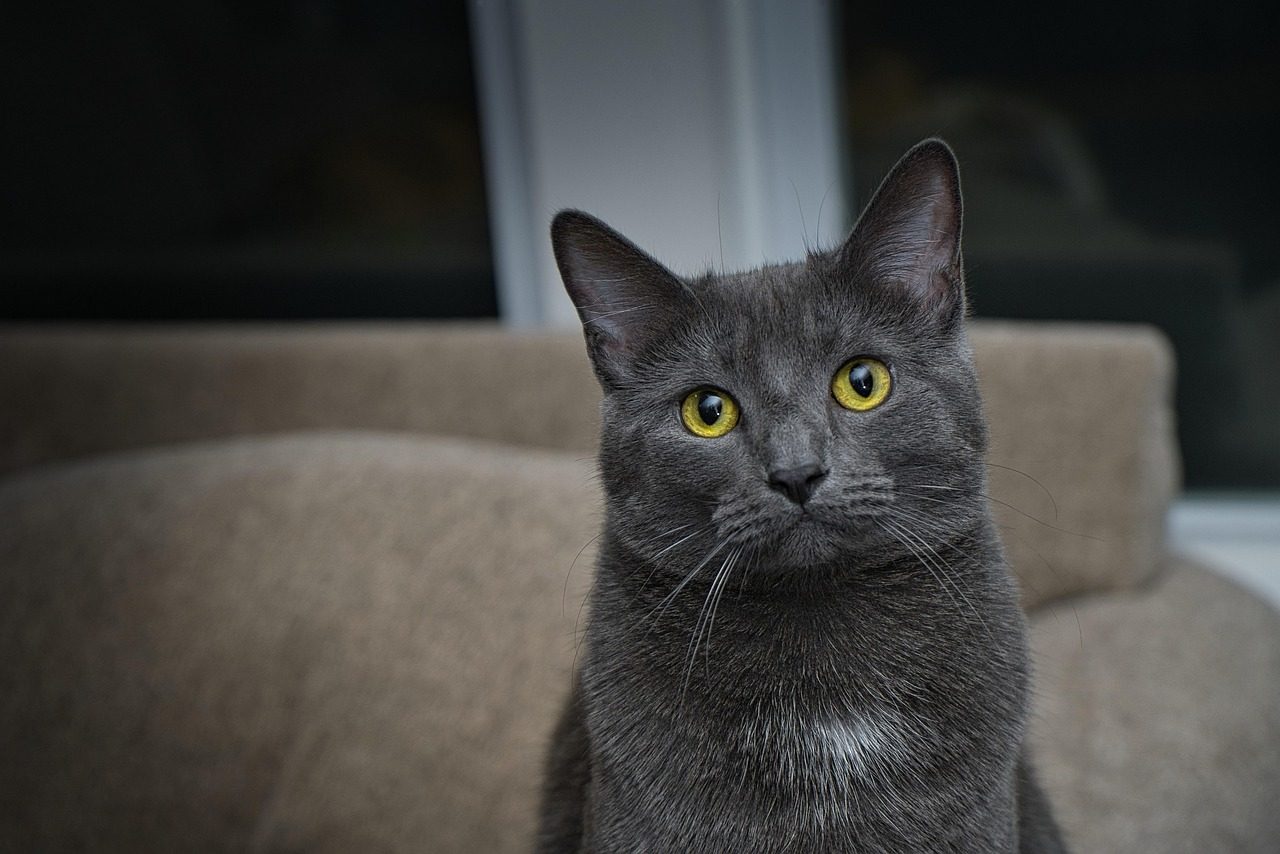
The Chartreux breed is calm yet playful and makes a great companion for a senior citizen. This rare French breed has a plush blue-gray coat that’s absolutely stunning to look at and pleasant to touch.
The Chartreux is a rare, affectionate breed with a plush blue-gray coat, known for their intelligence and quiet nature, making them great companions for older people who value peaceful interactions, being low-maintenance and forming strong emotional bonds. They’re not overly talkative, which many seniors appreciate. Instead, they communicate through quiet presence and subtle gestures, content to simply be near you.
Bengal: The High-Energy Wildcat (Better for Families)
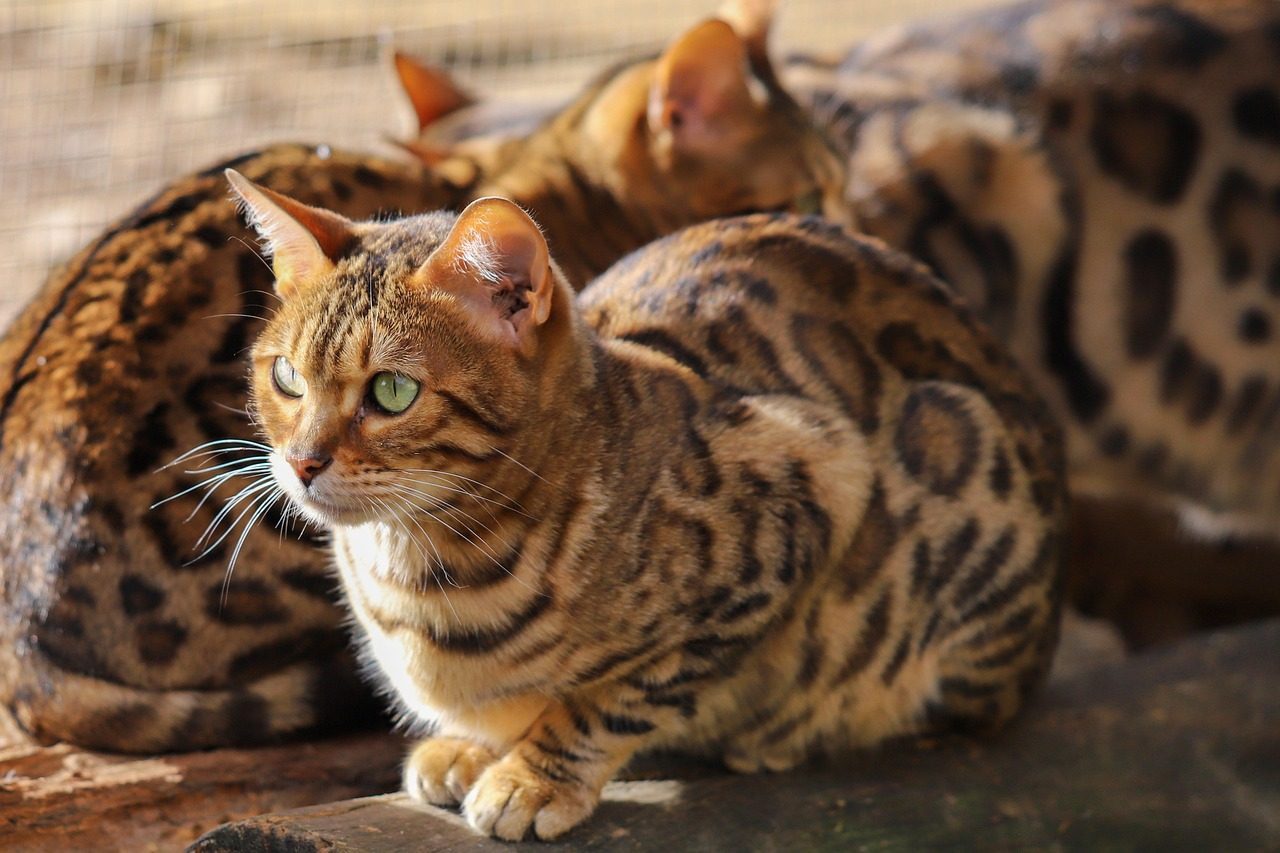
Now we’re switching gears to the breeds that might not be the best fit for most seniors. Bengals are absolutely gorgeous with their leopard-like spotted coats. They’re also incredibly active and need tons of stimulation.
These cats have wildcat ancestry and it shows in their behavior. They love to climb, jump, explore, and get into everything. They need multiple play sessions daily and plenty of vertical space to climb. Unless you’re an exceptionally active senior with loads of energy and time to dedicate to interactive play, a Bengal might quickly become overwhelming rather than comforting.
Siamese: The Vocal and Demanding Diva (Better for Families)
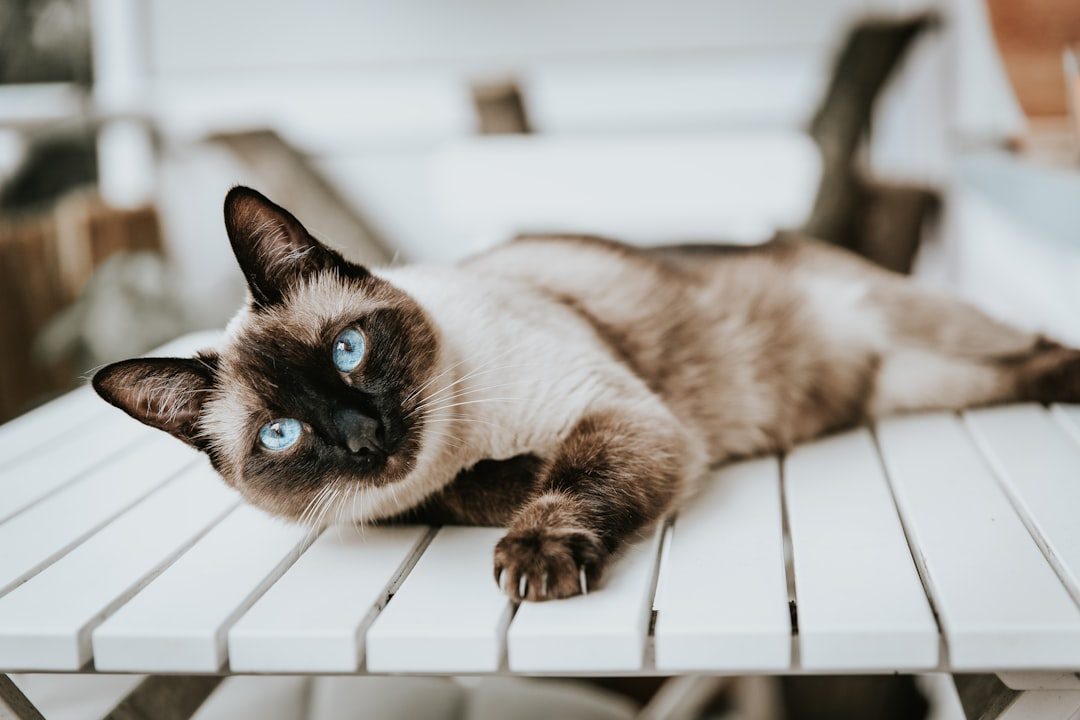
While they are beautiful cats, Siamese are known to be very talkative, to the point of sometimes being obnoxious. Siamese cats are beloved for their striking blue eyes, sleek coat, and vocal personality, being social and affectionate cats that form strong bonds with their owners and enjoy being involved in their daily activities, thriving on companionship and loving to interact with their human family members.
The issue isn’t that they’re bad cats. It’s that they demand constant interaction and attention. They’ll follow you everywhere, commenting vocally on everything you do. For some people, this is charming. For seniors seeking peace and quiet, it can become exhausting rather quickly.
Abyssinian: The Hyperactive Acrobat (Better for Families)
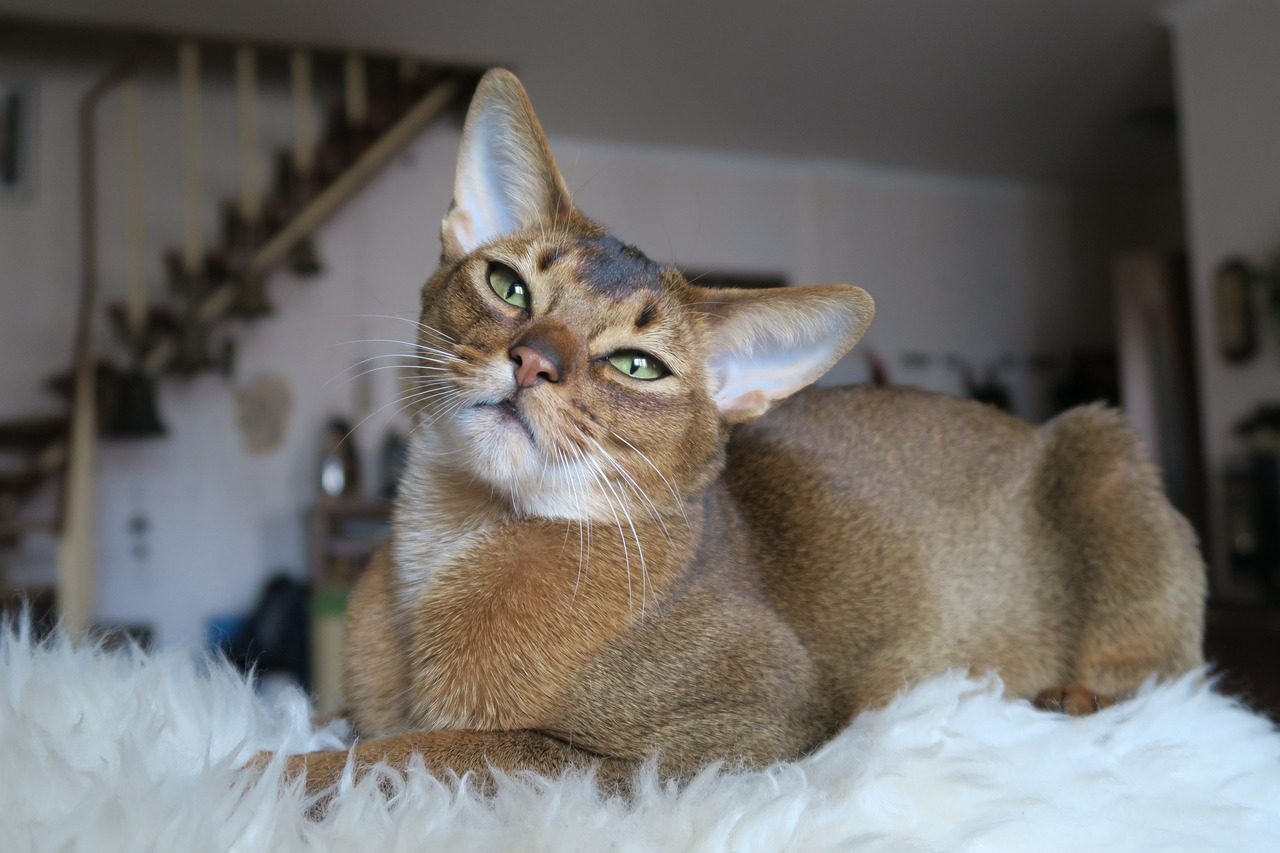
Abyssinians are one of the most affectionate cat breeds, frequently found cuddled next to their owner, on their shoulders, or in their lap, enjoying lounging around but also having bursts of energy, perfect when grandchildren visit. Those bursts of energy are the problem for daily senior living.
These cats are athletic, curious, and always on the move. They want to explore every corner of your home, climb to the highest points, and investigate everything. They’re wonderful cats for active families with children who can match their energy. For seniors wanting a calm companion, they’re probably too much to handle.
Sphynx: The Needy Hairless Wonder (Better for Families)
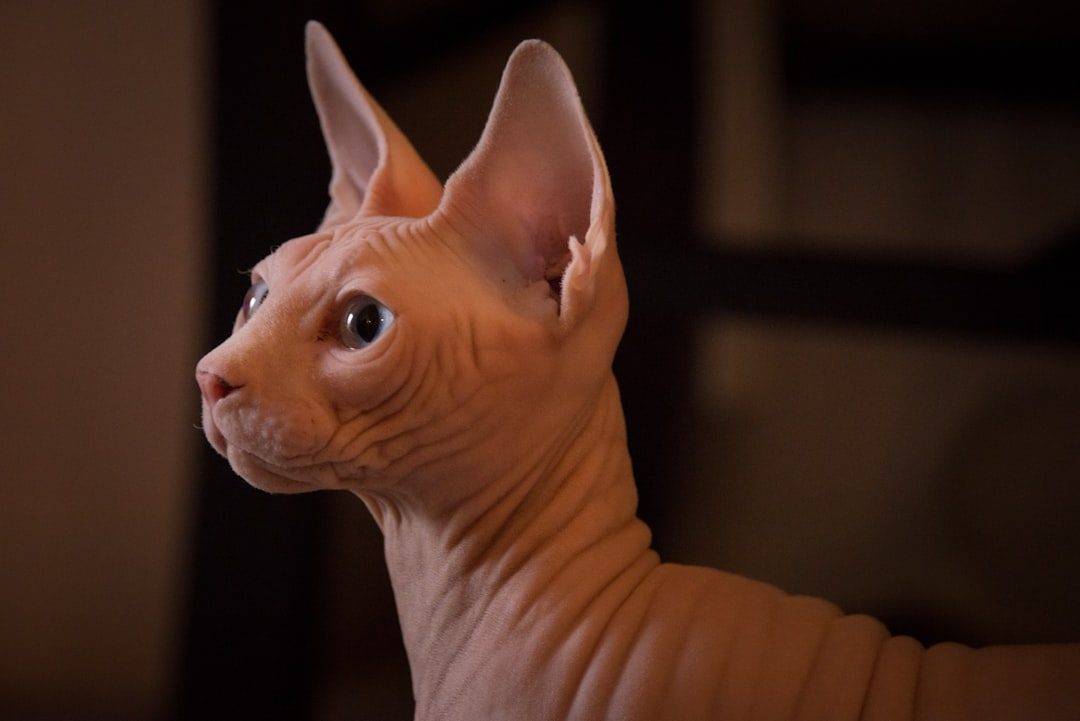
You might think a hairless cat would be low-maintenance, right? Actually, the opposite is often true. Without fur, Sphynx cats need regular bathing to remove the buildup of oils on their skin, which can otherwise cause skin problems. They require weekly baths, which is more work than simply brushing most cats.
They’re also incredibly social and don’t like being alone. They crave warmth and will constantly seek out cuddles, partly because they genuinely love you and partly because they’re cold without fur. While affectionate, their high maintenance needs and constant attention demands make them better suited for families with multiple people around.
Norwegian Forest Cat: The Adventurous Climber (Better for Families)
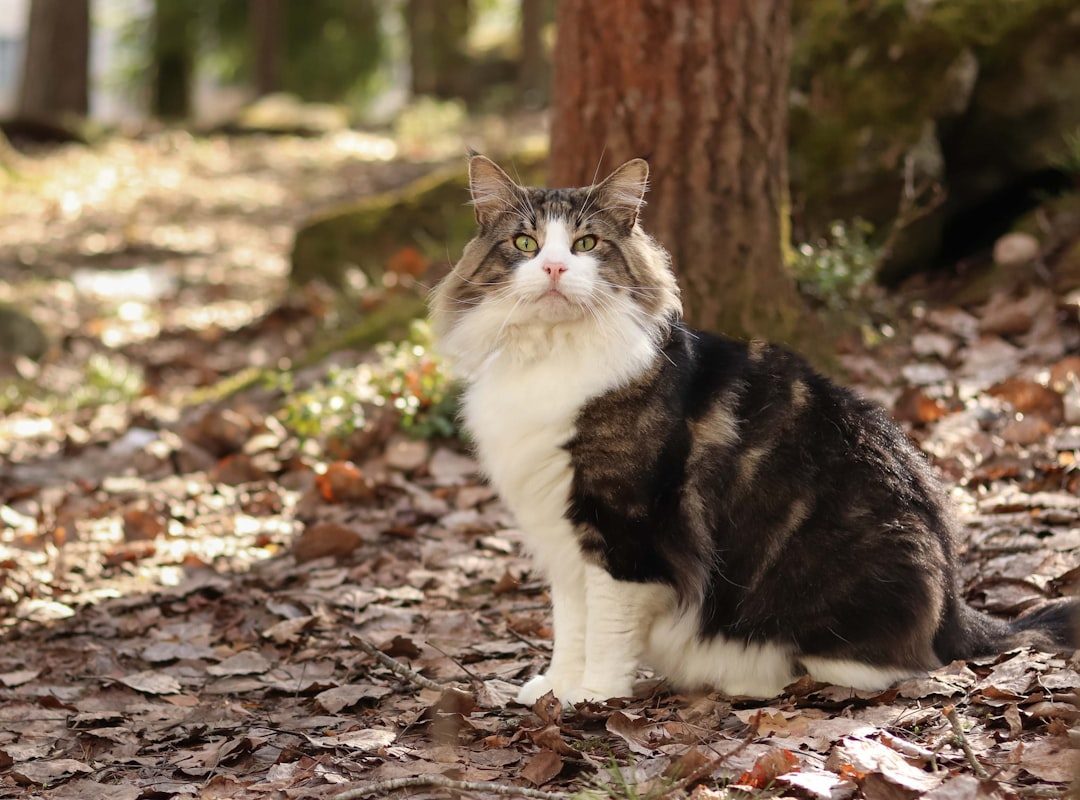
Norwegian Forest Cats are a clever breed that love to climb, jump, and explore their environment, and because of their need for physical activity, they are better suited to active owners who can play with them regularly. The same applies to Norwegian Forest Cats, who share similar characteristics.
These large, athletic cats have strong hunting instincts and need significant space to climb and explore. They’re built for the outdoors and have tons of energy to burn. While beautiful and affectionate, they need active engagement and aren’t content to simply lounge around all day. Families with yards and children who can provide multiple play sessions daily are a much better fit.
Finding Your Perfect Feline Match
The truth is, adopting a cat as a senior is one of the most rewarding decisions you can make. Research consistently shows that cat ownership reduces stress, lowers blood pressure, and provides meaningful companionship that combats loneliness. The purring, the quiet presence, the gentle head bumps, they all add up to something genuinely therapeutic.
When choosing your cat, think honestly about your lifestyle and energy levels. Do you want a chatty companion or a quiet observer? Are you comfortable with daily grooming, or do you need something truly low-maintenance? Can you handle an energetic playmate, or would you prefer a calm lap cat? There’s no wrong answer, only the right match for you.
Consider visiting local shelters and spending time with adult cats. Let them show you their personalities. Sometimes the perfect cat chooses you rather than the other way around. Did you expect that finding the right feline friend would matter this much? What kind of companion are you hoping to welcome home?