You’ve probably watched your cat flick her tail while lounging on the windowsill, or witnessed that dramatic puffed-up display when the vacuum cleaner makes an appearance. Here’s something that might surprise you: that tail is far more than a simple balancing tool. It’s actually one of the most expressive communication devices in the feline world, capable of conveying everything from pure joy to intense irritation in a single swish. Understanding what your cat’s tail is telling you can transform your relationship with your feline companion, helping you read emotions you never knew were being broadcast right in front of your eyes.
If you’re living in New England and considering adopting a cat, you’re in for an interesting discovery. The region spanning Maine, Vermont, and Massachusetts has its own unique preferences when it comes to feline companions. Let’s explore the breeds you’re most likely to find waiting for you at local shelters and adoption centers.
1. Domestic Shorthair
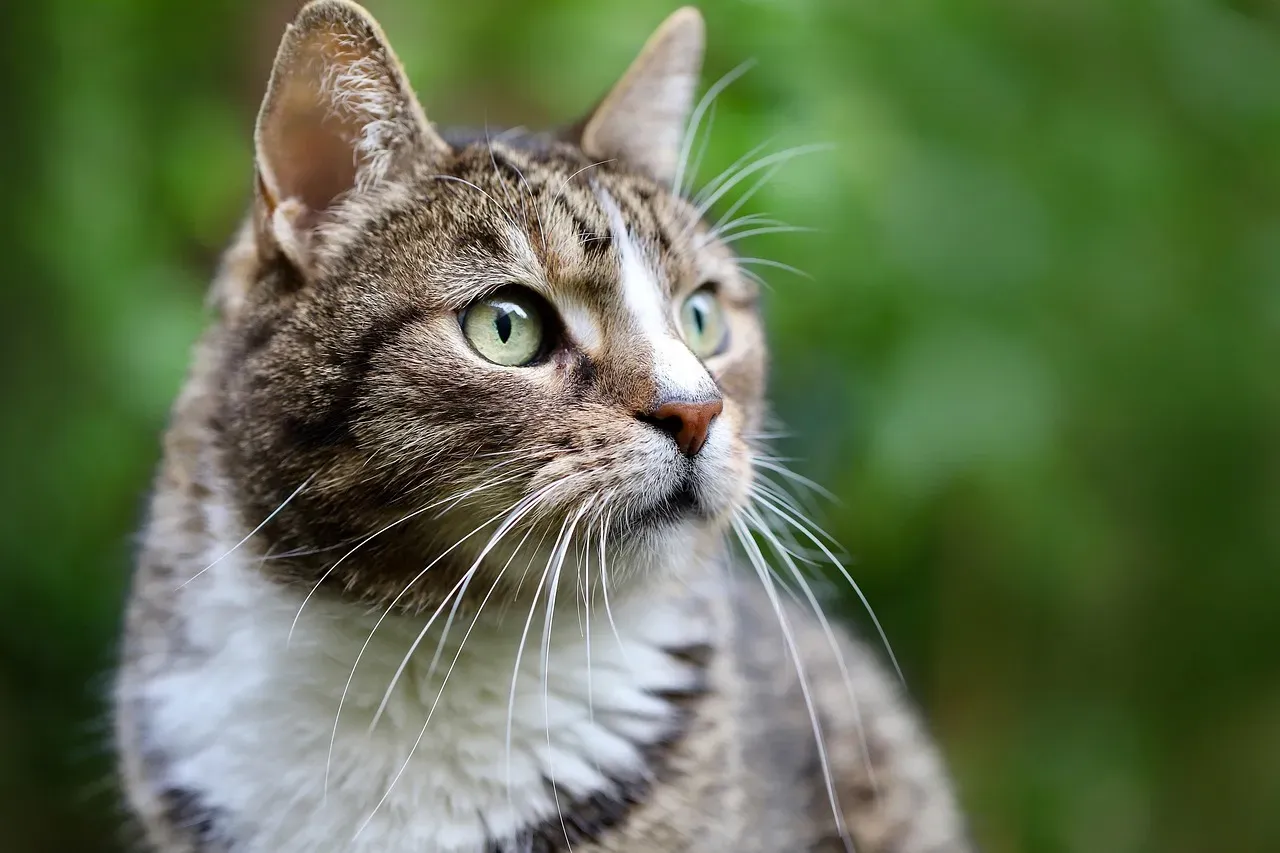
Domestic shorthairs make up around ninety-five percent of cats across the country, which means you’ll encounter them everywhere in New England shelters. These aren’t technically a specific breed but rather a mix of various cat ancestries, resulting in an incredible variety of appearances and personalities. What makes them so popular for adoption is their general hardiness and adaptable nature.
Their coats come in virtually every color and pattern imaginable, from solid blacks to intricate tabbies. You might meet a petite seven-pound female or a robust fifteen-pound male, all classified under the same umbrella term. This breed is known for its friendly and outgoing nature, making them excellent companions whether you live alone or have a bustling family household. When you visit a shelter, chances are the majority of cats greeting you with upright tails will be domestic shorthairs.
2. Maine Coon
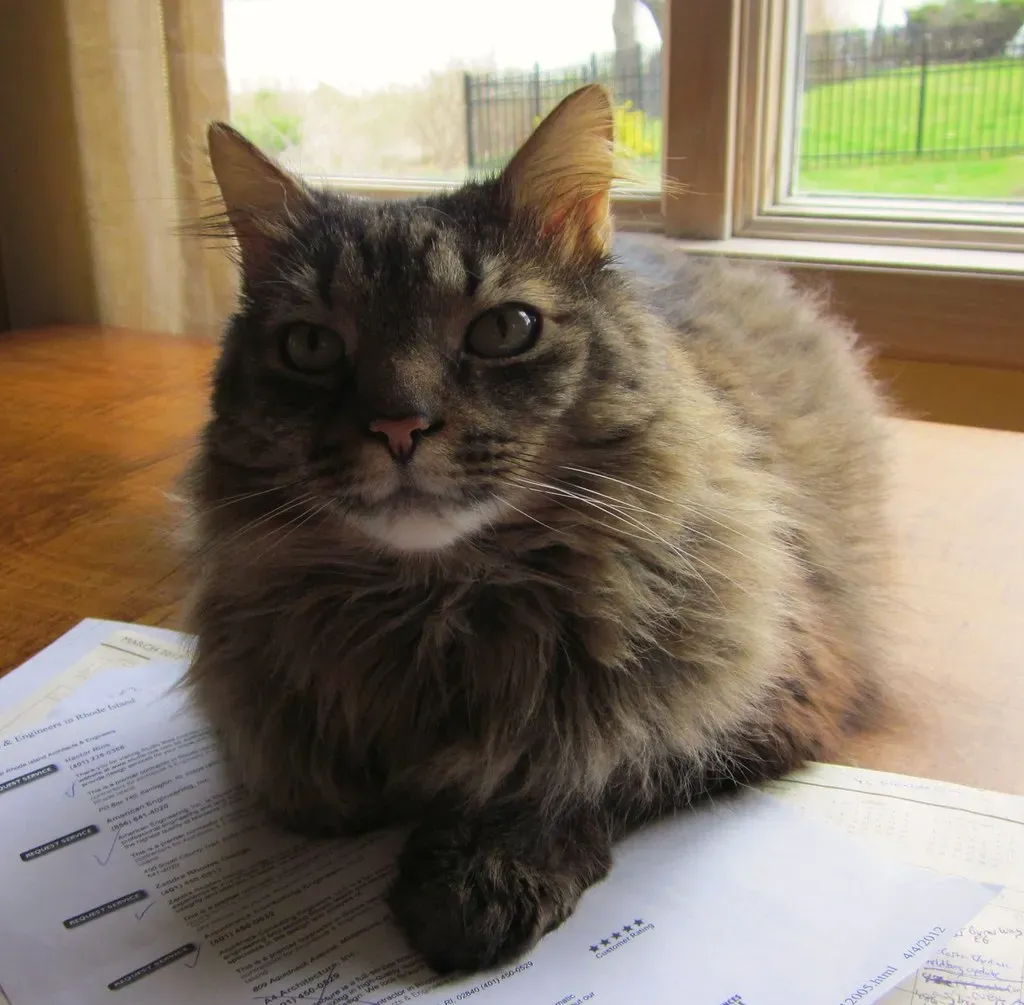
In Maine, the Maine Coon breed ranks as the most popular, which should come as absolutely zero surprise. These magnificent creatures are actually the official state cat of Maine, and their thick, luxurious coats evolved specifically to handle brutal New England winters. Males often weigh between fifteen to twenty-five pounds, earning them the affectionate nickname of gentle giants.
What truly sets Maine Coons apart isn’t just their impressive size. They have a dog-like personality and many can be trained to play fetch or walk on a leash. Their tufted ears and bushy tails give them a distinguished appearance, while their chirping vocalizations add charm to their already winning personality. If you’re looking to adopt one in New England, you’ll find them more readily available here than in many other parts of the country.
3. American Shorthair
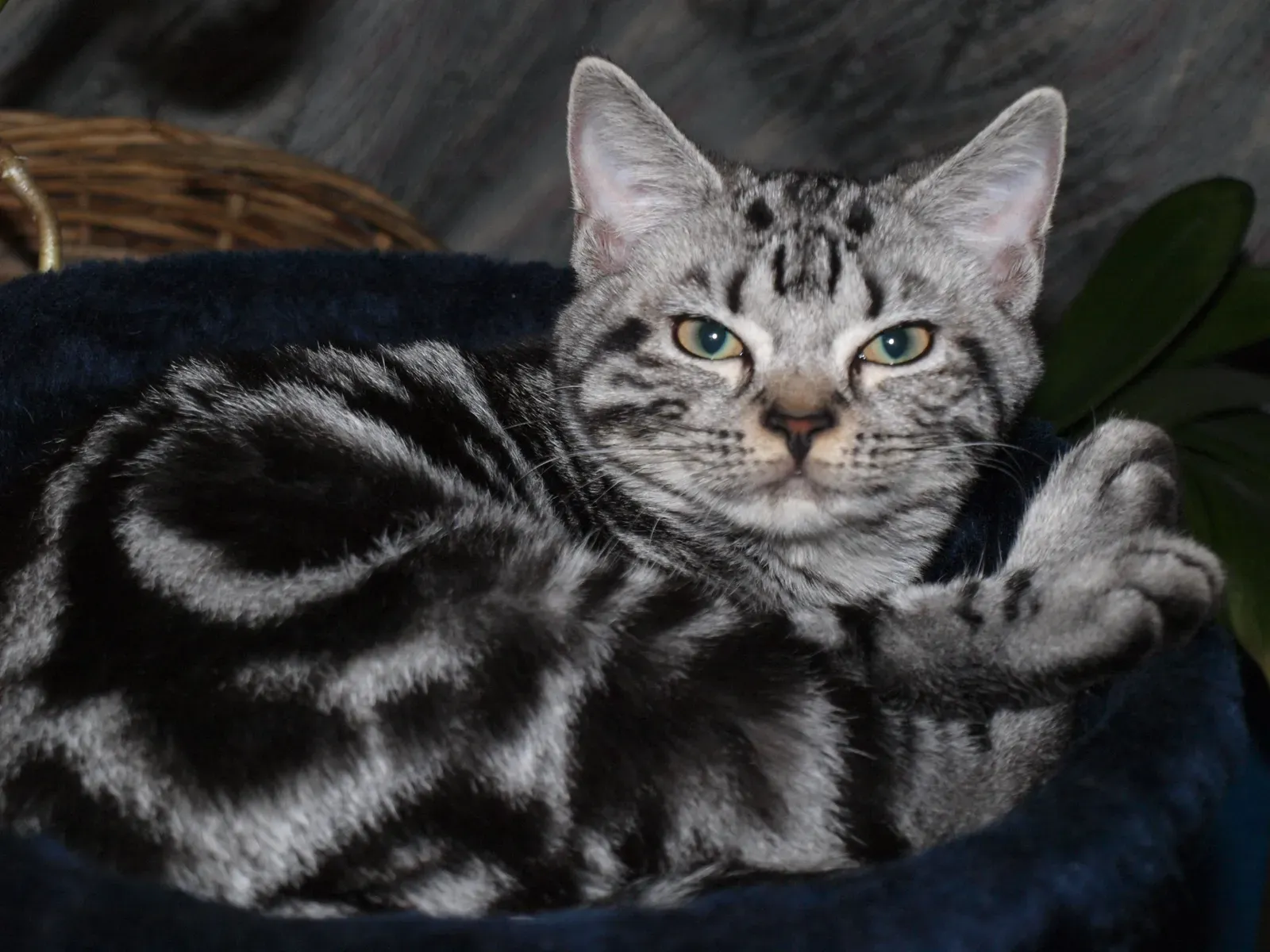
The American Shorthair ranks as the most popular breed in Vermont, cementing its place as a true New England favorite. These cats are known for their robust health and longevity, often living fifteen to twenty years. Their history in the region runs deep, with ancestors believed to have arrived with early settlers to protect grain stores from rodents.
These cats sport dense, short coats in more than eighty color combinations, though the silver tabby pattern remains iconic. Their even temperament makes them ideal for households with children or other pets. They maintain their playful nature well into adulthood and form strong bonds with family members. Don’t confuse them with domestic shorthairs – American Shorthairs are a distinct pedigreed breed with specific physical standards.
4. Tabby Cats
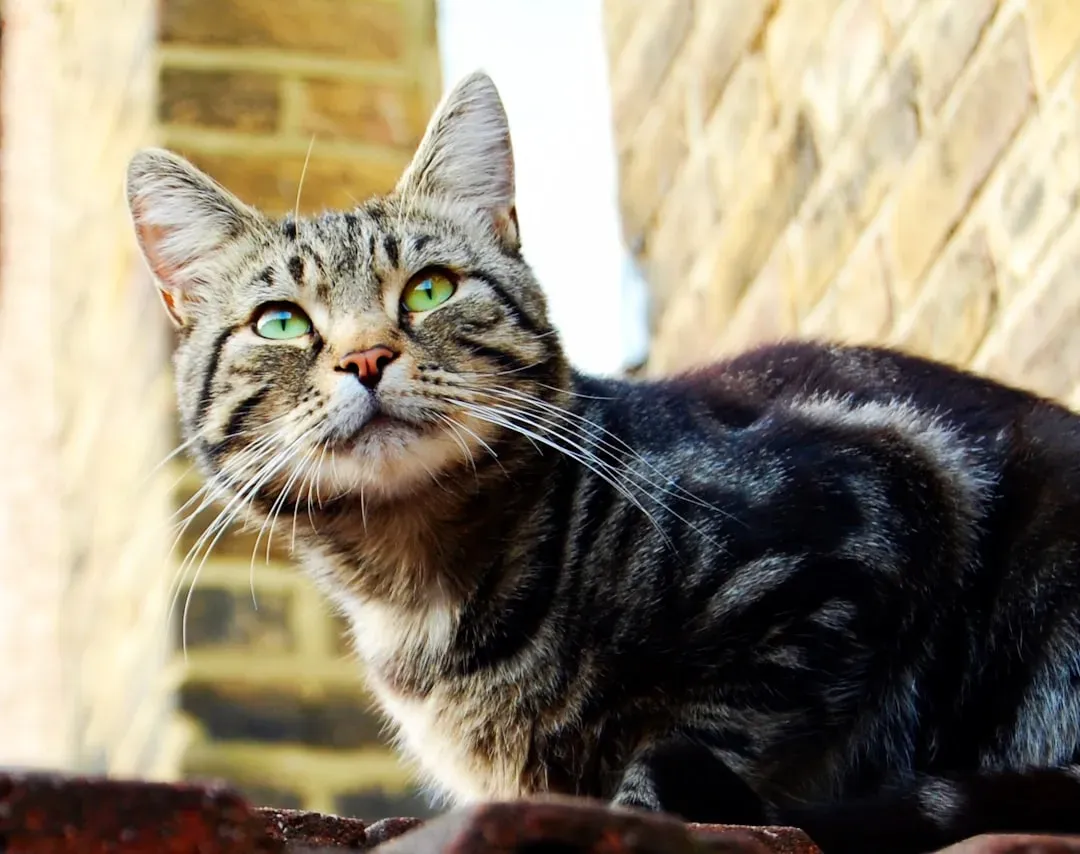
The playful and affectionate tabby cat took second place for most commonly adopted breeds in shelters nationwide, and New England is no exception. Let’s be real, tabby isn’t technically a breed but rather a coat pattern, yet shelters often categorize them separately because of their distinctive markings. Those characteristic stripes, swirls, and the telltale M-shaped marking on their foreheads make them instantly recognizable.
Tabbies can be domestic shorthairs, Maine Coons, or even purebred cats, but the pattern seems to carry certain personality traits with it. Many adopters swear tabbies tend toward affectionate and social behavior, though every cat is an individual. You’ll find tabbies in orange, brown, gray, and cream variations throughout New England adoption centers, often waiting with tails held high in that universal feline greeting.
5. Russian Blue
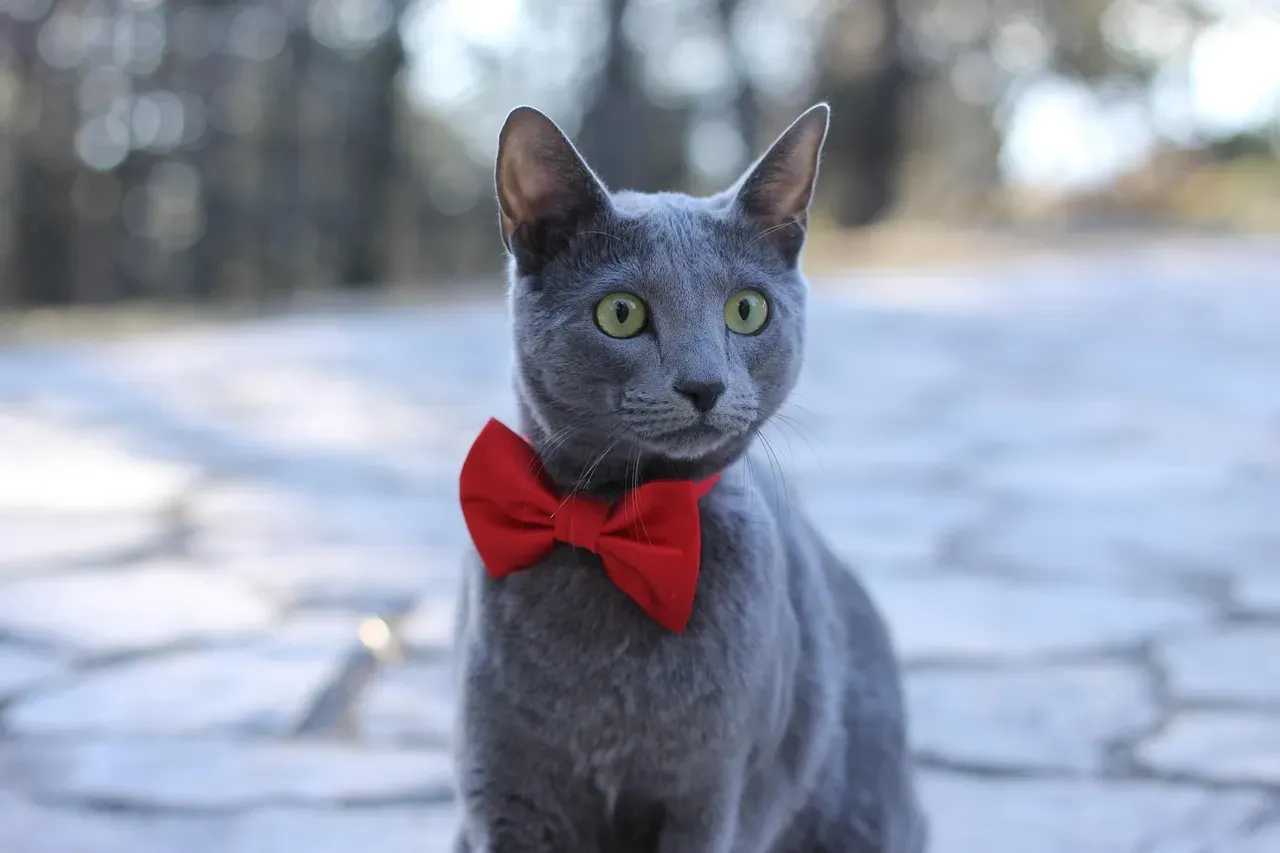
In New Hampshire, the Russian Blue ranks as the most popular breed, and it’s easy to understand why New Englanders gravitate toward these elegant felines. This breed originated in a Russian port 150 miles from the Arctic Circle and can easily tolerate colder states, making them perfectly suited for harsh northeastern winters.
Their distinctive blue-gray coats have a silvery sheen that catches the light beautifully, while their emerald-green eyes create a striking contrast. Russian Blues tend to be reserved with strangers but form deep bonds with their chosen family members. They’re quieter than many breeds, preferring subtle communication through body language – especially through that expressive tail we mentioned earlier. Their double coat requires minimal grooming despite its plush appearance.
6. Javanese
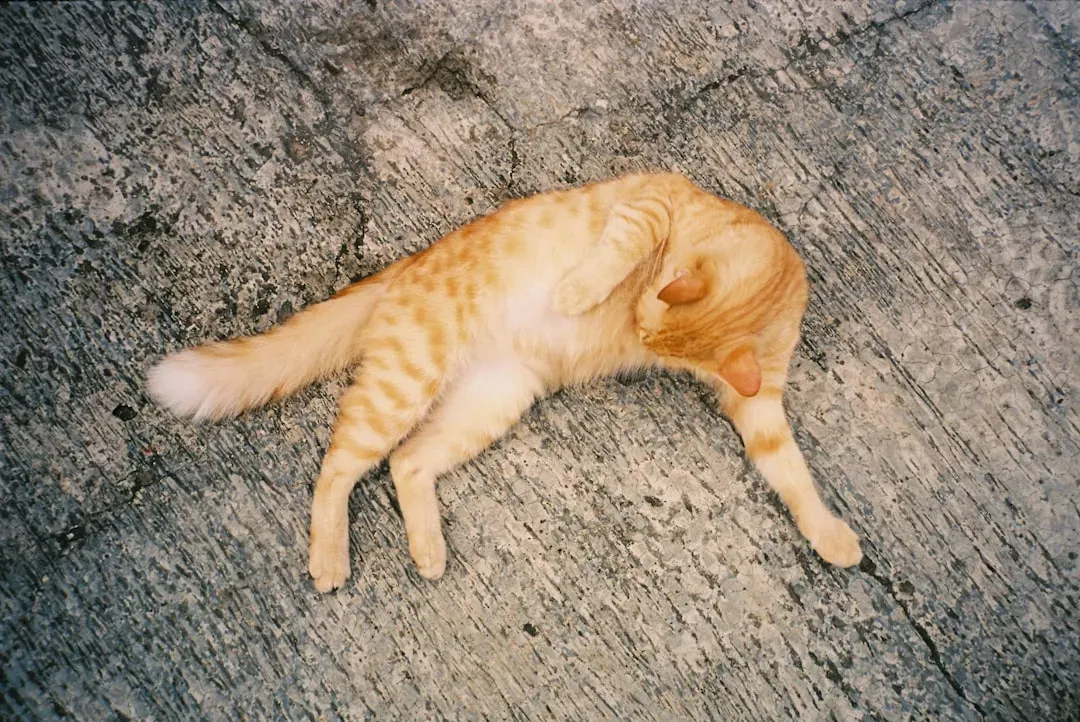
Massachusetts shows the Javanese as its most searched and popular breed, which speaks to the state’s preference for intelligent, interactive cats. This low-shedding breed is popular in five states including Massachusetts, largely because it’s considered hypoallergenic and suitable for people with allergies.
Javanese cats are highly vocal and opinionated, always ready to share their thoughts on everything from dinner quality to your choice of television programs. They form intense bonds with their families and don’t appreciate being left alone for extended periods. The Javanese cat is an intelligent, active, low-maintenance breed. If you’re adopting from a Massachusetts shelter and spot a sleek, talkative cat following staff members around, there’s a decent chance you’ve encountered a Javanese or Javanese mix.
7. Domestic Longhair
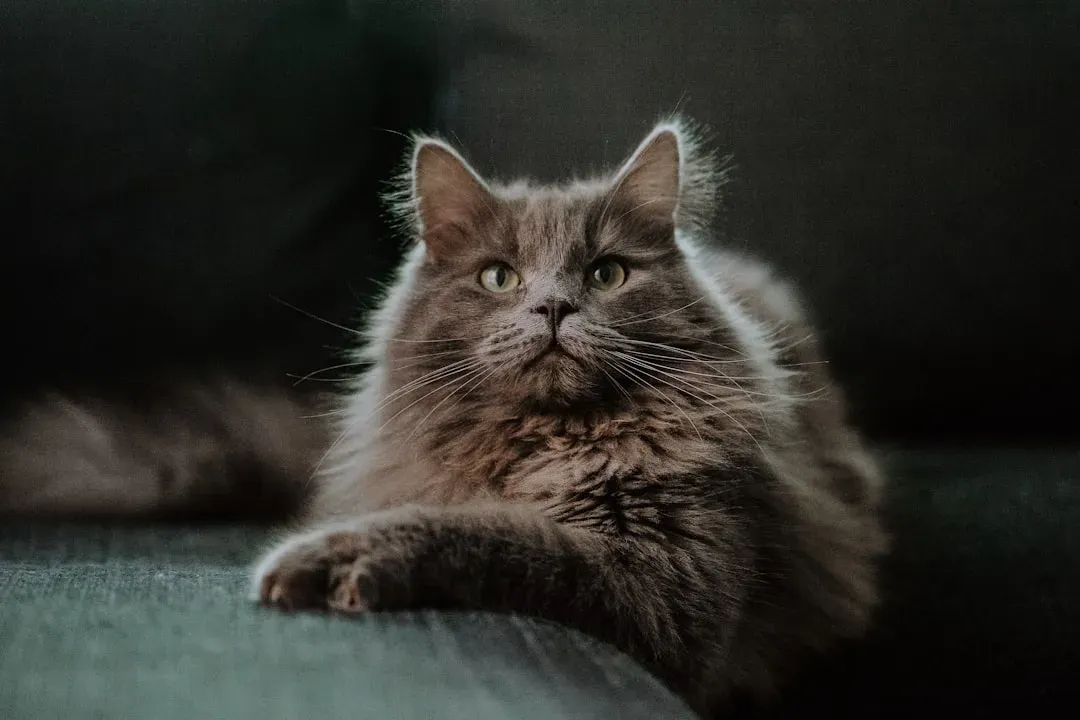
Domestic longhairs represent the fluffy counterpart to their shorthair relatives, and they’re widely available in New England adoption centers. Like domestic shorthairs, they’re mixed-breed cats with unknown ancestry, resulting in tremendous variety in appearance, size, and personality. Their longer coats require more maintenance than shorthairs, but many adopters find the grooming sessions create bonding opportunities.
These cats can range from moderately fluffy to absolutely luxurious in coat length. Some might have Persian ancestry giving them that silky texture, while others sport a more rugged, weather-resistant coat reminiscent of Maine Coon lineage. Their personalities are equally diverse – you might meet a laid-back lap cat or an energetic explorer. When their tails puff up to twice their normal size, you’ll really appreciate the dramatic communication capabilities these fluffy appendages provide.
8. Siamese
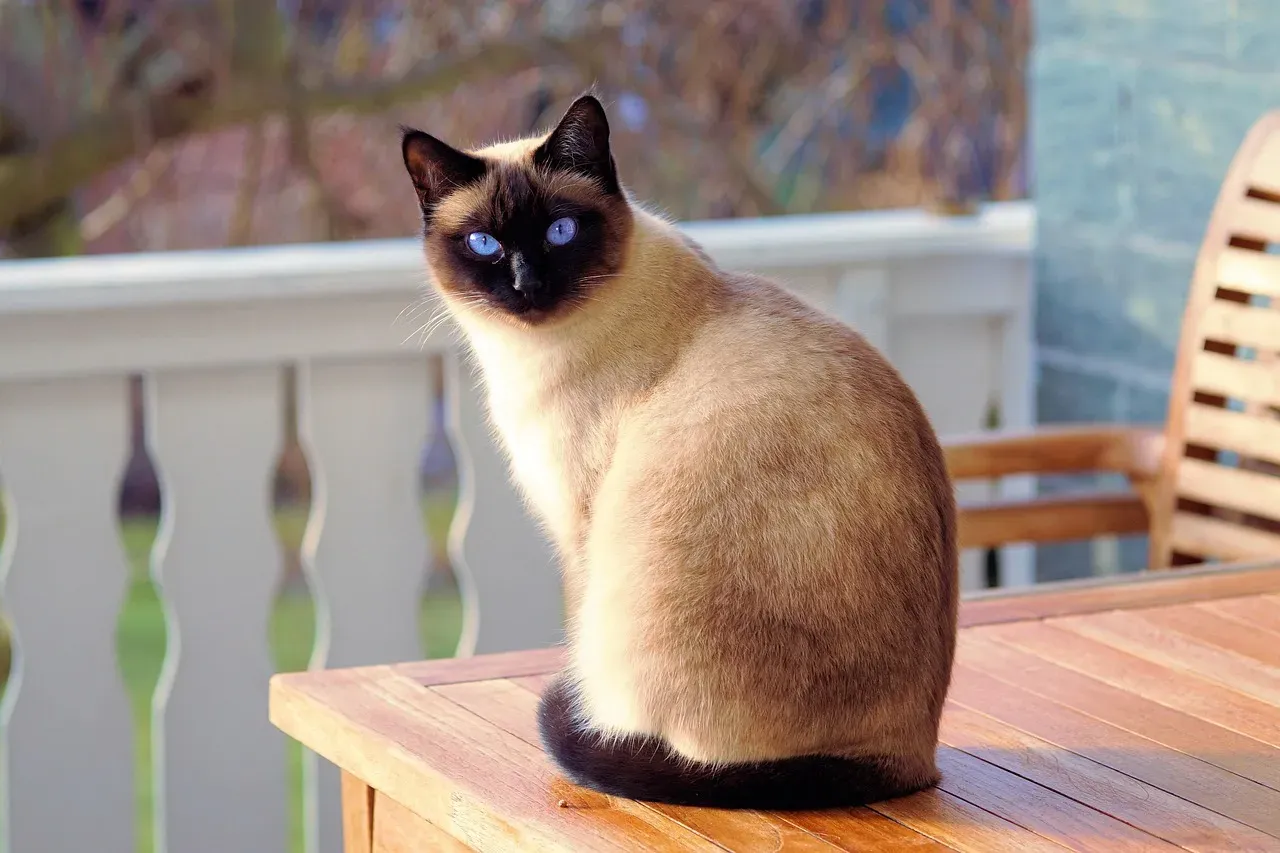
Siamese cats and Siamese mixes appear regularly in New England shelters, bringing their distinctive appearance and vocal personalities with them. Their striking blue almond-shaped eyes and color-pointed coats make them impossible to miss in adoption center displays. These cats are legendarily chatty, always ready to hold extended conversations about absolutely everything.
Siamese cats form incredibly strong bonds with their chosen person, sometimes to the exclusion of others in the household. They’re social butterflies who genuinely suffer when left alone for long stretches. Many shelters recommend adopting Siamese cats in pairs to prevent depression and loneliness. Watch their tails carefully – a twitching tip while those blue eyes fixate on you might mean they’re preparing to pounce into your lap for some demanded attention.
9. Ragdoll
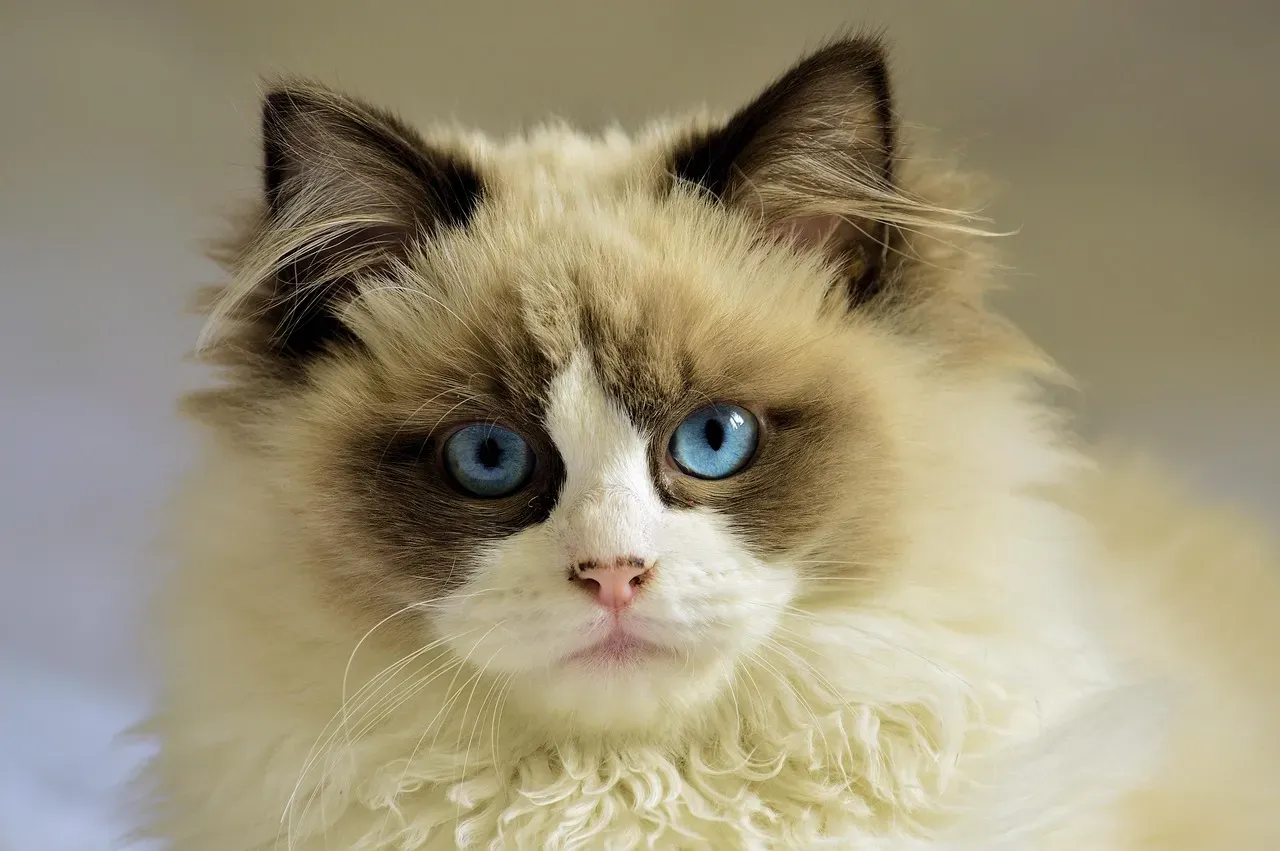
Ragdolls have been gaining popularity in New England adoption circles, though they’re still less common than domestic mixes. These large, semi-longhaired cats earned their name from their tendency to go completely limp when you pick them up, like a child’s floppy toy. Their striking blue eyes and pointed coloration give them a glamorous appearance that photographs beautifully.
What makes Ragdolls special is their exceptionally docile temperament. They’re among the most laid-back cat breeds you’ll encounter, often seeking out human companionship rather than running from it. Their calm nature makes them wonderful for families with children or first-time cat owners who might be intimidated by more assertive breeds. When a Ragdoll approaches with tail held high and that characteristic friendly expression, you’re witnessing one of the feline world’s genuinely gentle souls.
10. Bombay
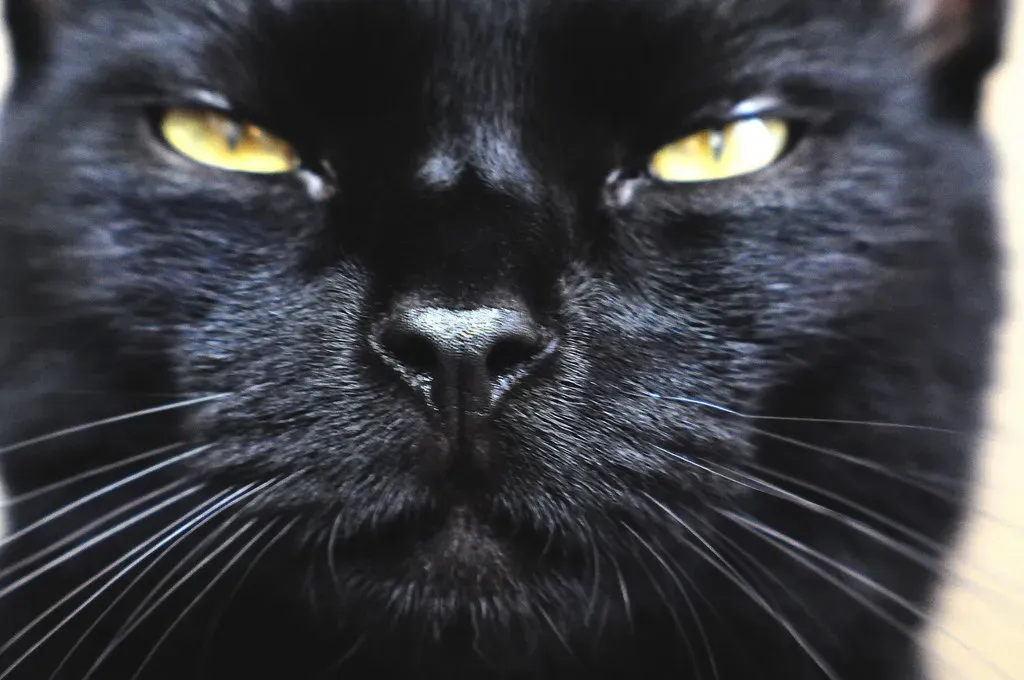
Rounding out our list are Bombay cats, those sleek black beauties bred to resemble miniature panthers. While not as common as domestic shorthairs, you’ll find Bombays and Bombay mixes in New England shelters, especially in urban areas where their social nature thrives. Their glossy black coats and copper or golden eyes create a striking appearance that’s hard to forget.
Bombays are attention seekers in the best possible way. They thrive in households where someone is usually home to provide interaction and companionship. Their tails are particularly expressive – that upright position with a slight curve at the tip signals their friendly, confident approach. Many Bombay owners report these cats follow them from room to room, participating in household activities like furry shadows. If you’re looking for a cat that genuinely wants to be part of your daily life, a Bombay might be your perfect match.
Conclusion
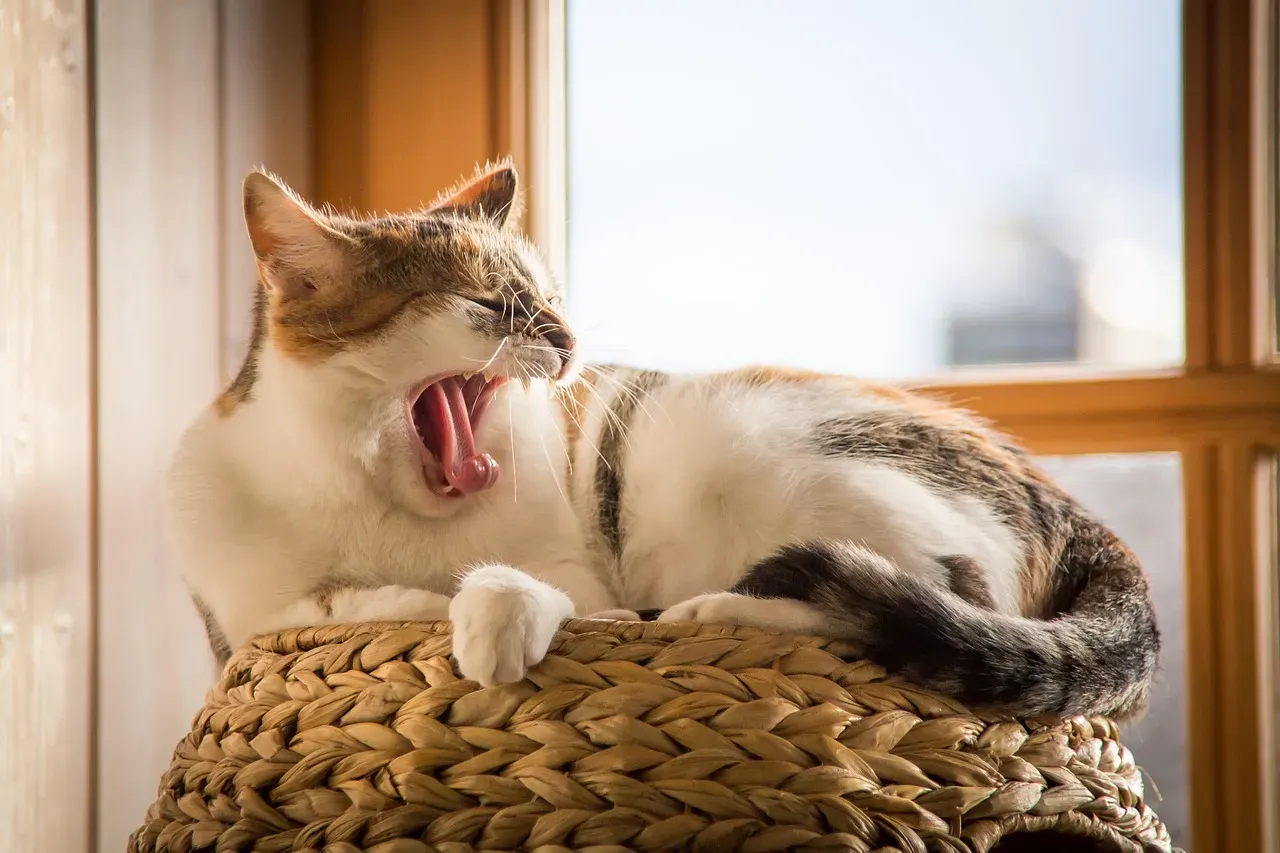
New England’s shelter cats reflect both the region’s climate adaptability needs and its residents’ preferences for friendly, communicative felines. Whether you choose a hardy Maine Coon built for northeastern winters or a chatty Siamese ready to narrate your entire day, understanding cat body language – especially tail communication – will deepen your bond immeasurably. That tail held high in greeting, the gentle curve indicating contentment, or the dramatic thrash warning you’ve crossed a boundary – these signals are your cat’s primary way of sharing her inner world with you.
Next time you visit a shelter, pay attention to those tails. An upright tail with a slight curl means a confident, friendly cat approaching for interaction. A tucked or wrapped tail might indicate fear or uncertainty that patience can overcome. Which cat’s tail language speaks to you? Share your adoption story in the comments below.