Here’s the thing: you’ve probably heard whispers at the pet store or read online that certain cat breeds are absolute nightmares when it comes to litter box training. Let’s be real, though – the reputation some breeds have gotten isn’t always fair. Most cats naturally want to bury their waste. It’s instinctive, wired into their DNA.
That said, some breeds do present unique challenges that can make housebreaking feel nearly impossible if you don’t understand their specific needs. Whether it’s their wild ancestry, heightened intelligence making them frustratingly picky, or physical characteristics that complicate things, these felines require extra patience and know-how. So let’s dive into the breeds that have earned their tricky reputations and, more importantly, what you can do to help your feline friend succeed.
Bengal Cats: The Wild Child With Opinions
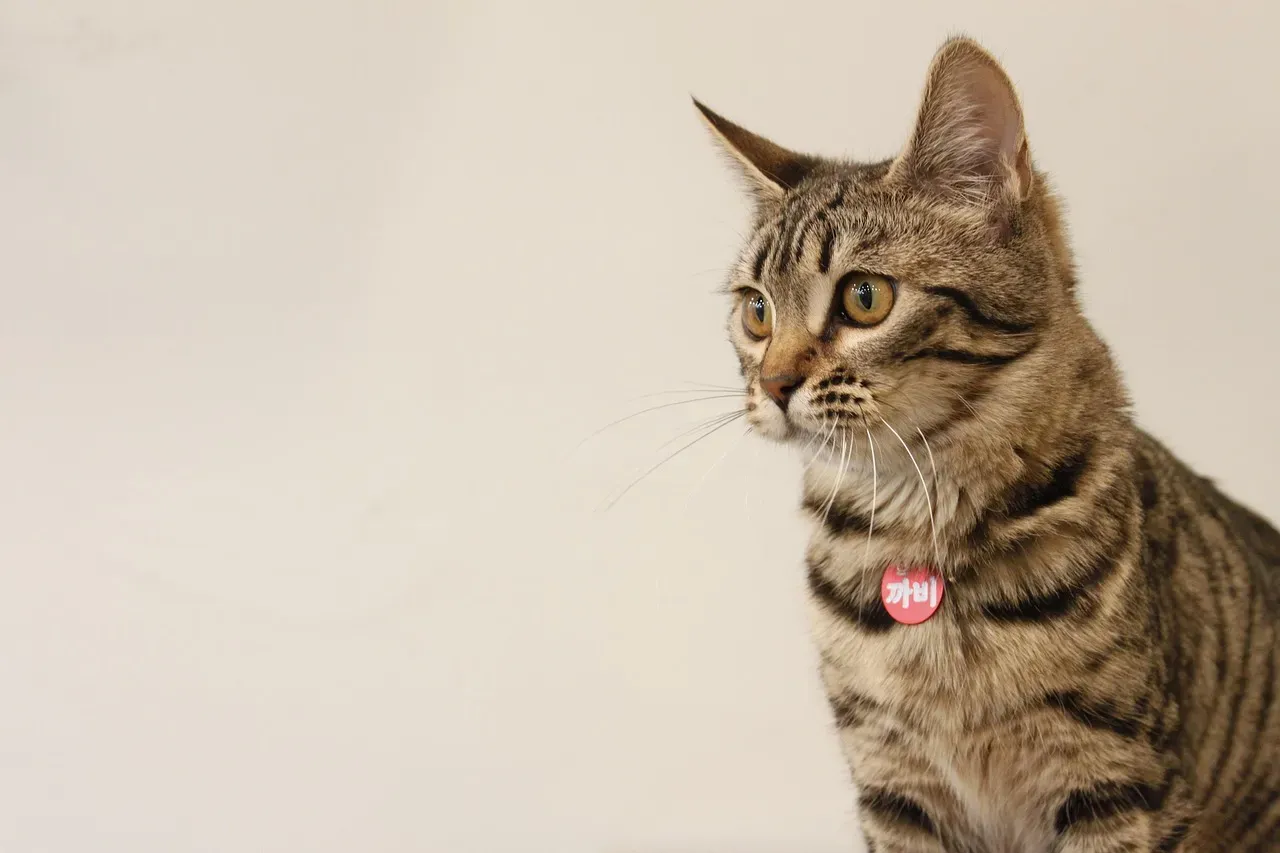
Bengal cats are among the most commonly surrendered breeds to shelters due to litter box avoidance, but here’s what most people get wrong. Bengals are exceptionally intelligent, which actually increases their awareness and sensitivity. They notice everything – the cleanliness of their box, the litter texture, even the location.
Their “Bengal Brain” contributes significantly to stress-related urinary issues, making them think the litter box itself is causing them pain. This creates a frustrating cycle where they avoid the box not out of spite, but because they’re trying to escape discomfort. These cats view sinks, showers, and bathtubs as natural places to eliminate since water runs there, mimicking streams where their wild ancestors would eliminate to wash away scent.
Savannah Cats: Too Smart for Their Own Good

Savannah cats descend from wild African Servals, and honestly? That heritage shows in ways you might not expect. Savannahs are among the most trainable cat breeds, which sounds like good news until you realize this intelligence cuts both ways.
Cats kept indoors can become bored and develop serious psychological problems, presenting themselves in ways such as not using litter boxes. Savannahs need massive amounts of mental stimulation. When they’re under-stimulated or stressed, they’ll absolutely make their displeasure known. Toilet training a Savannah takes far more patience than eight weeks, often involving occasional accidents and requiring starting with a kitten rather than an adult.
Persian Cats: The Stubborn Royals
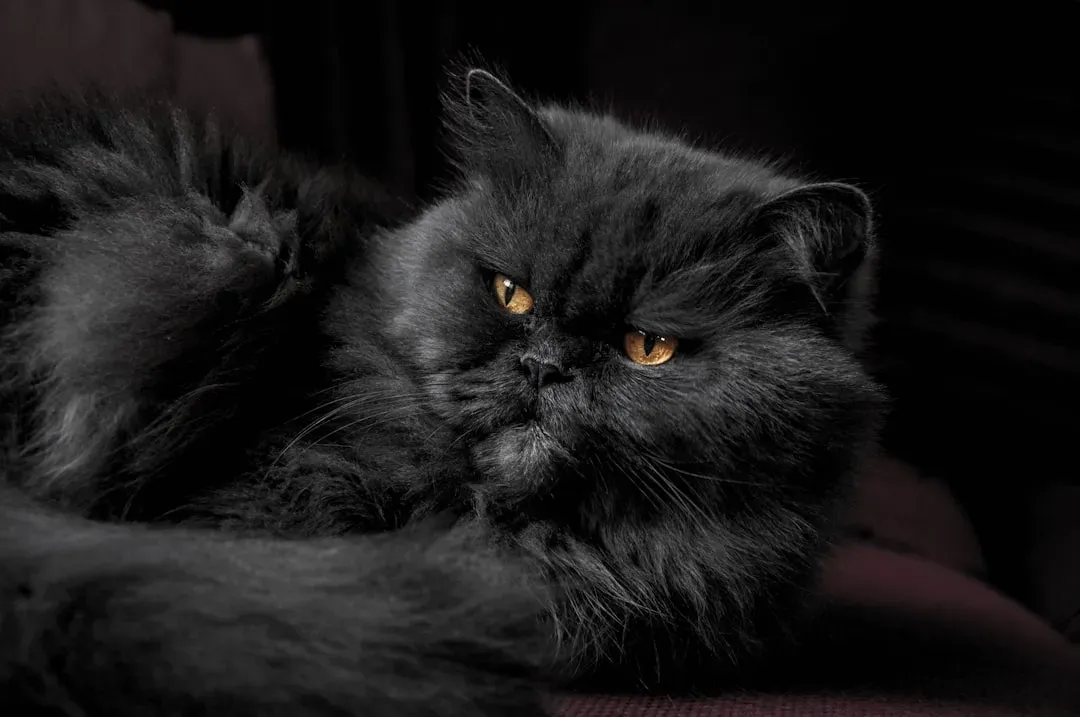
Persians have a reputation for being docile lap cats, and while that’s partially true, their personality can work against housebreaking efforts. They’re intelligent and curious creatures with a stubborn streak, and they don’t always take kindly to new routines or commands.
I think what surprises most Persian owners is how particular these cats become about their bathroom situation. Their long, luxurious coats create practical challenges – litter gets trapped in all that fur, making them uncomfortable. Persian cats dropped off at shelters often have litter box problems, and they’re particularly fussy about keeping their boxes super tidy. If the box isn’t pristine by their standards, they’ll find somewhere else to go.
Siamese Cats: Vocal and Demanding
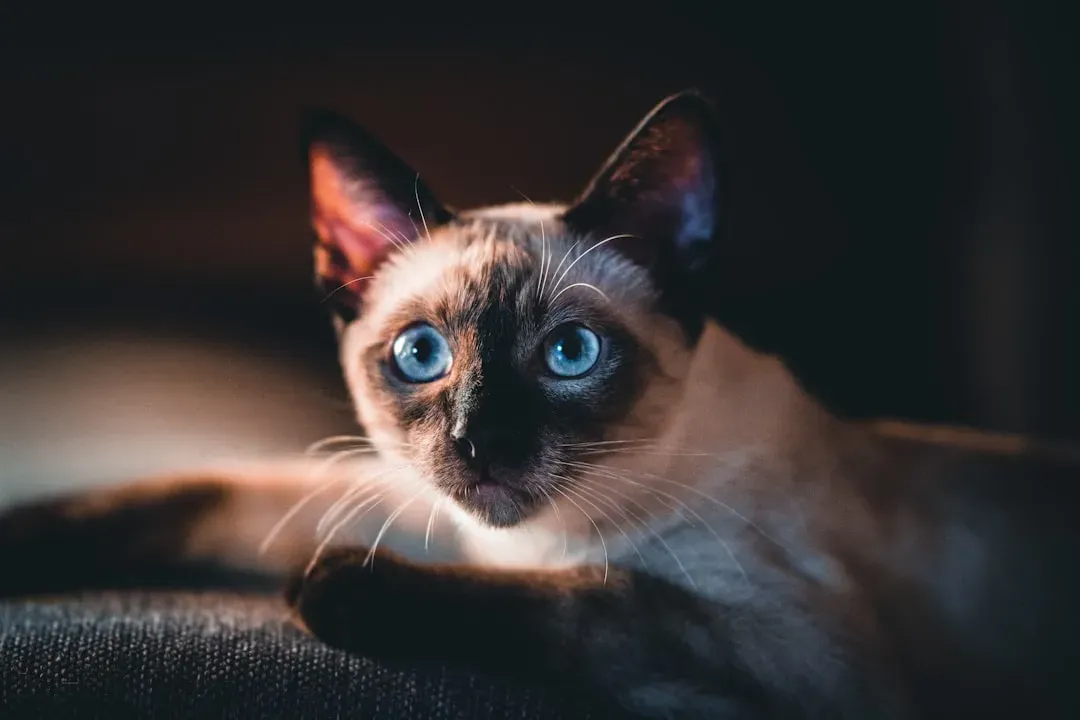
Siamese cats possess high intelligence, but along with that often comes a stubborn nature that can impede training procedures. These gorgeous, chatty felines know what they want, and they’re not shy about demanding it.
The main difficulty with training Siamese cats is due to their unwilling nature, though training becomes simpler if you share a good rapport with your cat. They can be trained beautifully – but only on their terms. Miss one element of their preferred bathroom setup, and you’ll hear about it. Loudly. Repeatedly. At three in the morning.
Early Generation Hybrids: The Wildness Factor
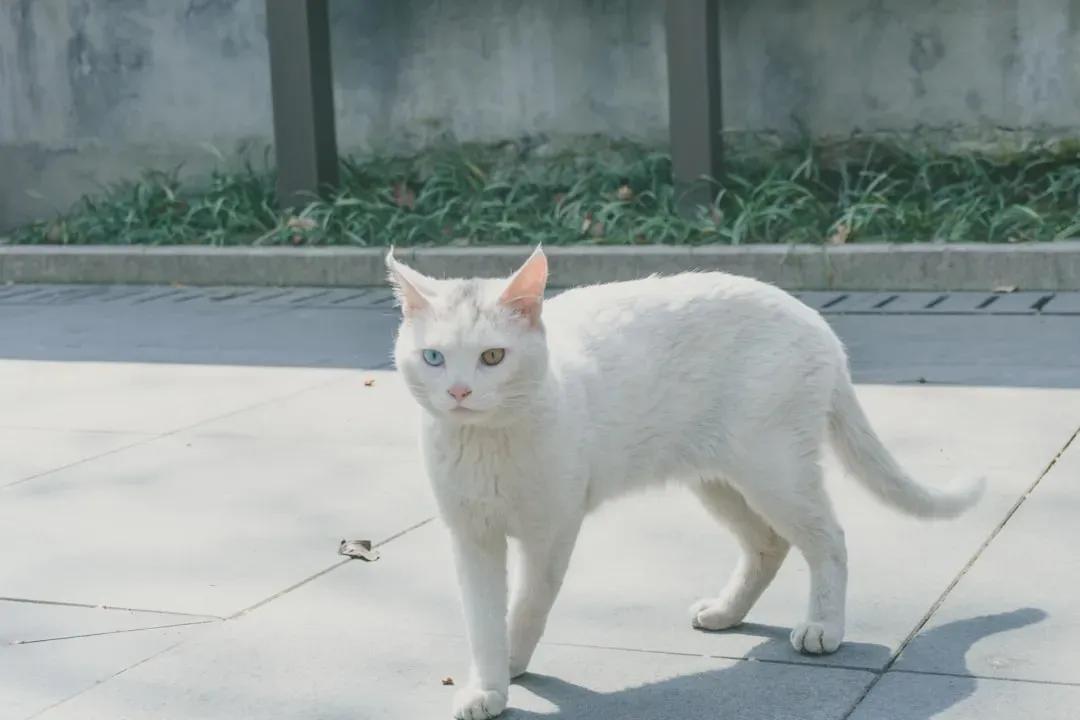
When we talk about early generation hybrids like F1 and F2 Savannahs or Bengals, we’re dealing with cats that are only a couple of generations removed from their wild ancestors. This creates genuine challenges that go beyond typical housebreaking issues.
These hybrids reach sexual maturity earlier than other breeds due to their closer relation to wild ancestors like the Asian Leopard Cat, giving them a strong drive to mate that leads to spraying behaviors. Cats that start spraying early often continue the behavior even after being fixed, contributing to ongoing litter box problems. The wild instincts remain strong, making conventional training methods less effective.
Outdoor-to-Indoor Transitions: Any Breed’s Challenge
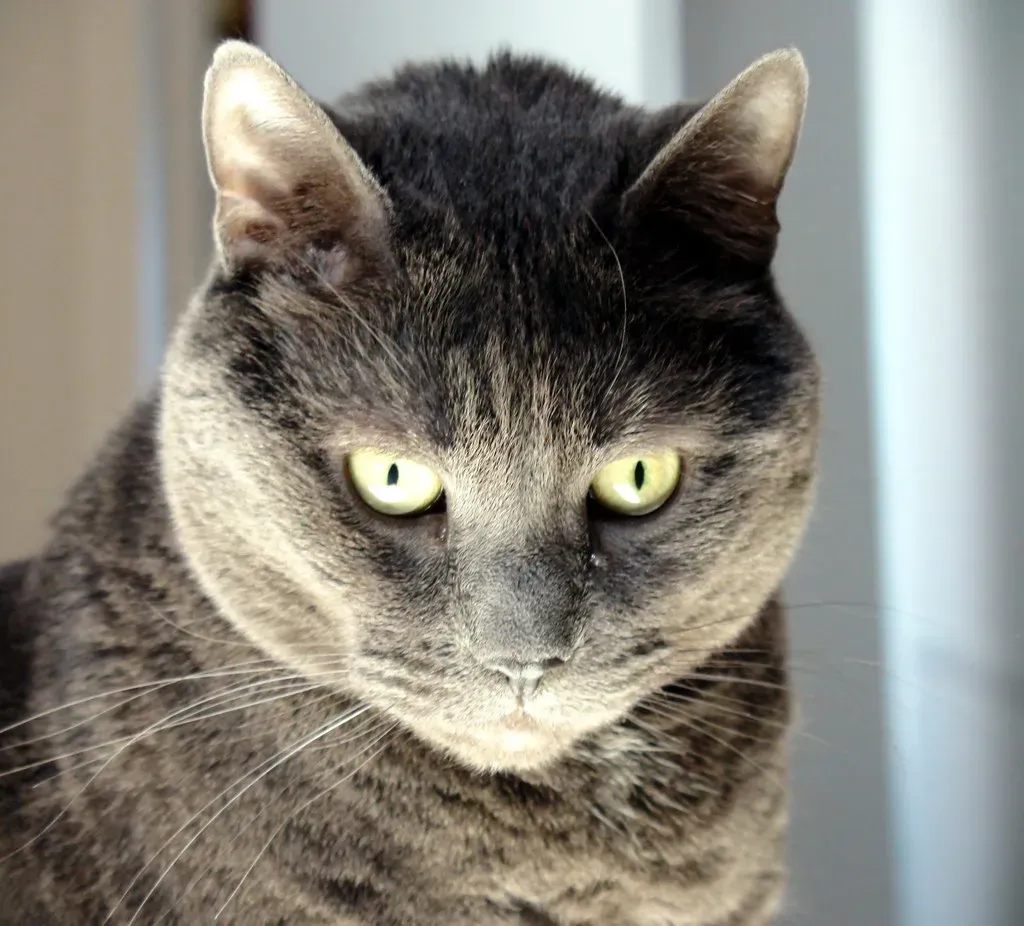
This one might surprise you because it’s not really about breed at all. Bringing an outdoor cat inside presents challenges because most litter types have different smells and textures than cats are used to, and outdoor cats instinctively bury waste in grass, sand, or dirt.
Some cat owners have successfully transitioned outdoor cats by placing a piece of sod in the litter box, then gradually adding litter on top until the natural substrate is phased out. It’s a slow process requiring patience. Roughly half of outdoor cats resist conventional litter box training simply because it feels fundamentally wrong to their established habits.
Senior Cats: Age Adds Complexity
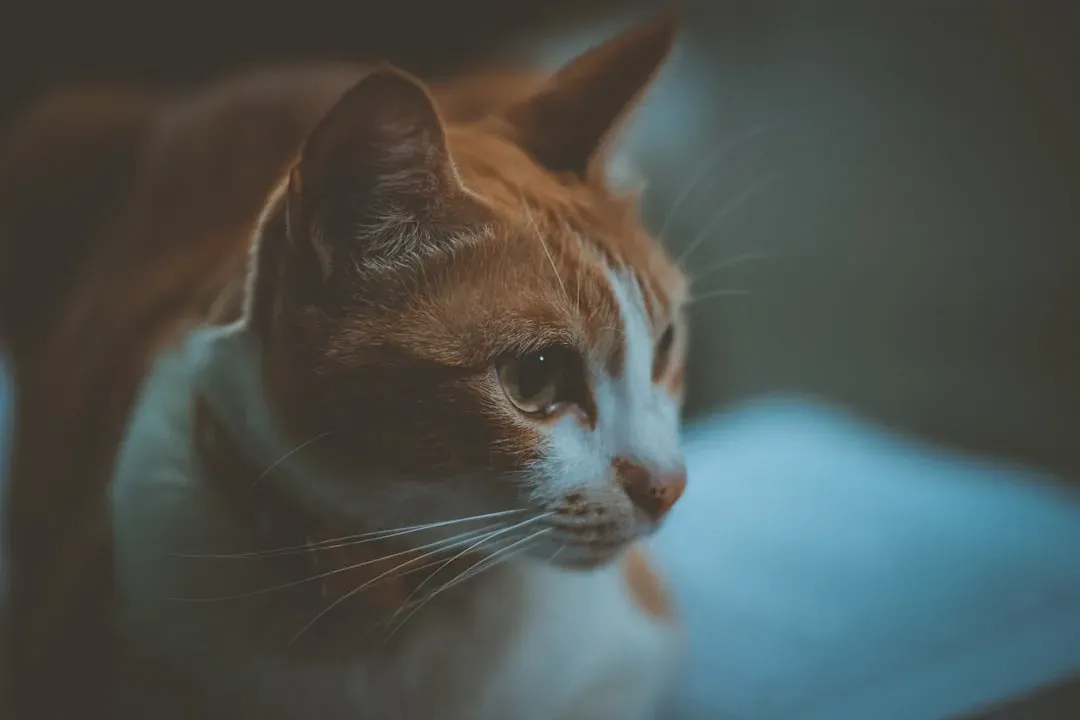
Senior cats, typically considered aged between ten and twelve years old, can develop health issues including kidney, liver, hearing, and vision changes. These age-related changes make previously trained cats seem impossible to retrain.
Senior cats can become senile or experience declining cognitive function, and arthritis is fairly common as cats age, along with bone and joint conditions like hip dysplasia. Imagine being an elderly cat with painful hips who now has to climb into a box with high sides. You’d find alternatives too. The “impossibility” isn’t stubbornness – it’s pain and confusion making basic tasks genuinely difficult.
Norwegian Forest Cats and Maine Coons: The Size Problem
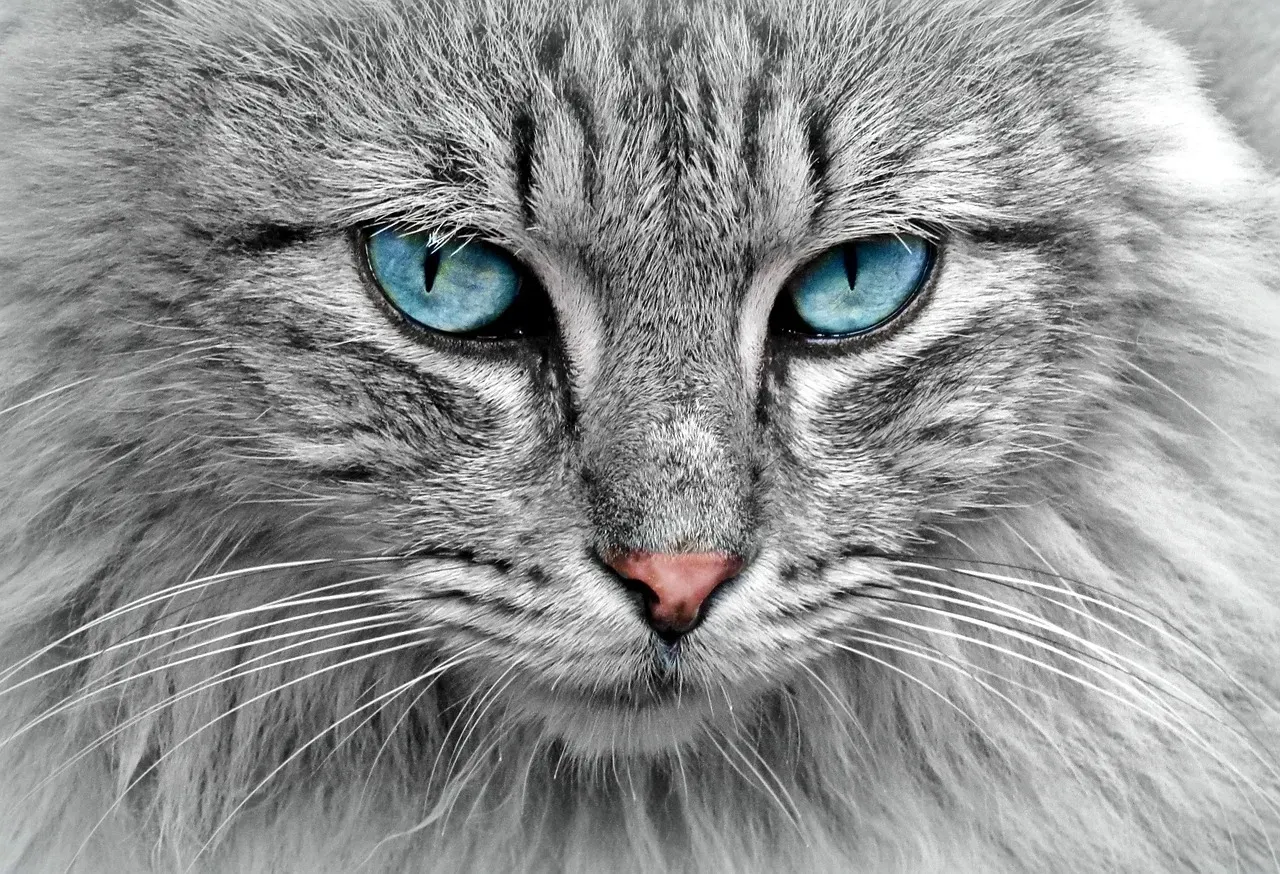
Maine Coons can weigh up to 25 pounds, demanding litter boxes with generous dimensions to ensure they can turn around, dig, and position themselves without feeling confined. Norwegian Forest Cats face identical issues with their substantial builds.
A box that’s too small causes significant discomfort and stress, potentially leading to litter box aversion and accidents, while their long, thick fur acts like a magnet for litter, increasing scatter. Many owners don’t realize they need specialty equipment for these gentle giants. When you provide a standard box for a cat built like a small dog, you’re setting everyone up for frustration and failure.
Turkish Angora: The Independent Thinker
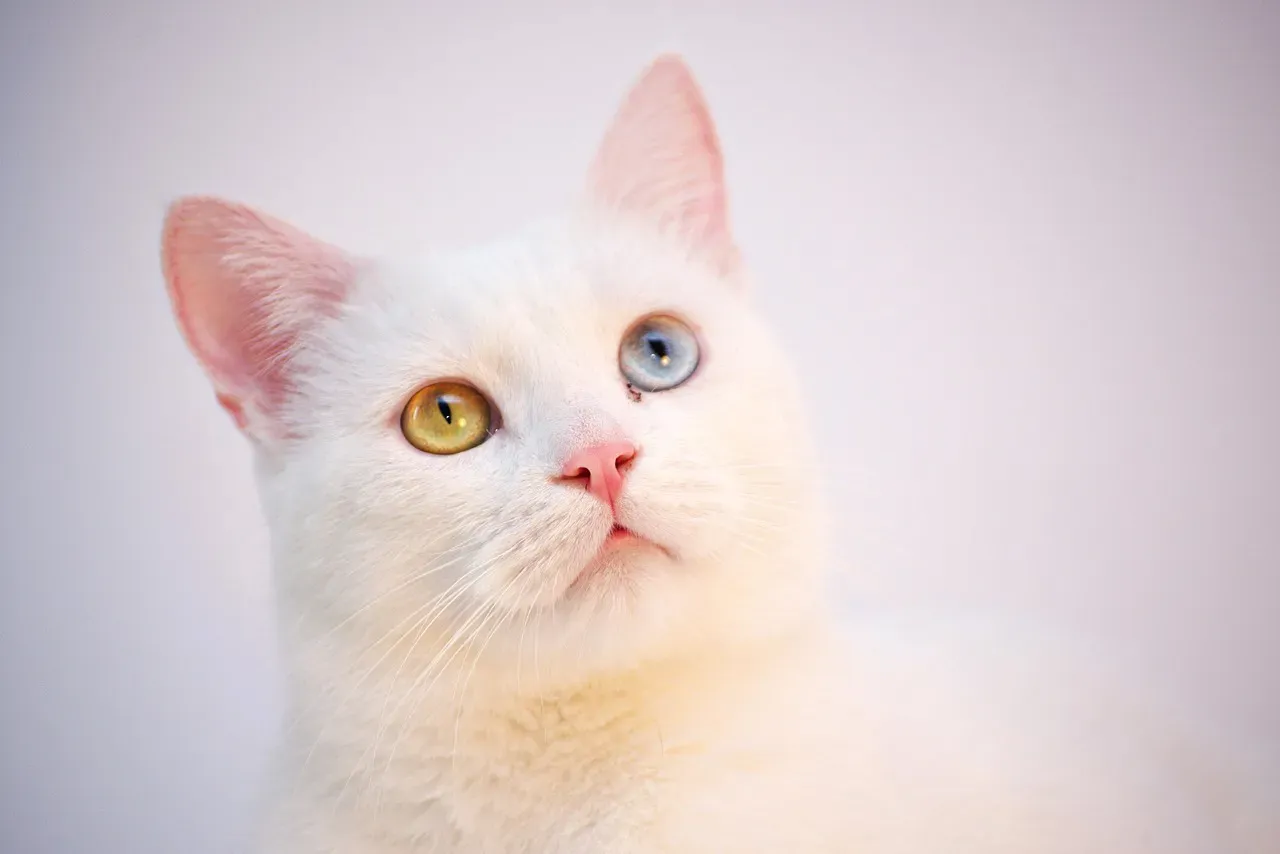
Turkish Angoras are stunningly beautiful and highly intelligent, but that intelligence creates interesting challenges. These cats are really good at learning how to use a litter box and scratching post, which makes their occasional stubbornness even more maddening.
The breed’s independent nature means they’ll absolutely use the litter box – when everything meets their exacting standards. Change the litter brand? They might protest. Move the box three feet to the left? Prepare for consequences. Their trainability is excellent, but their willingness to cooperate depends entirely on whether they approve of your choices.
The “Impossible” Myth: What’s Really Happening
Let’s cut through the noise here. Inappropriate elimination is the number one reason cats are surrendered to shelters across all breeds, not just specific ones, and the majority of the time the triggers relate to something in the environment or actions that owners are doing or not doing.
In reality, improper litter box maintenance on the part of the human creates litter box avoidance. It’s hard to admit, but most cats labeled as are actually cats whose needs aren’t being met. The breeds I’ve mentioned do have specific challenges – heightened sensitivity, physical requirements, health predispositions – but with proper understanding and management, they can be successfully trained.
The Path Forward: Understanding, Not Impossibility
Litter box issues are easily solvable and simply take good human litter box management to keep your cat happy and issue-free. After reading about these challenging breeds, you might feel overwhelmed, but here’s the truth: no cat breed is genuinely .
Most cats require little training to use their litter box because cats have a natural desire to dig and bury their waste. The breeds discussed require extra attention to detail – bigger boxes, cleaner maintenance, specific litter types, environmental enrichment. Your willingness to adapt matters more than the breed’s reputation. These cats aren’t being difficult for fun. They’re communicating needs that, once understood, can absolutely be met successfully.
What’s your experience been with supposedly difficult breeds? Have you found solutions that worked when conventional wisdom failed? Your cat’s happiness depends on understanding that “nearly impossible” often just means “requires actually listening to what they’re telling you.”