You’ve seen them on Instagram, curled up on laps, purring contentedly while their human slaves shower them with affection. Those posts make it look like every feline is a cuddly love bug, desperate for attention and eager to bond. The truth is far more complicated.
Not all cats are created equal when it comes to forming close relationships with their human companions. While some breeds will follow you from room to room like a shadow, others would rather you keep your distance, thank you very much. Science has actually confirmed what many cat owners have long suspected: breed matters significantly when it comes to personality and temperament. Research shows that nearly half of behavioral differences between cats can be traced directly to genetics, meaning that standoffish attitude might just be hardwired into your feline’s DNA.
So let’s dive into the world of cats that simply don’t care about your feelings.
Russian Blue: The Beautiful Loner
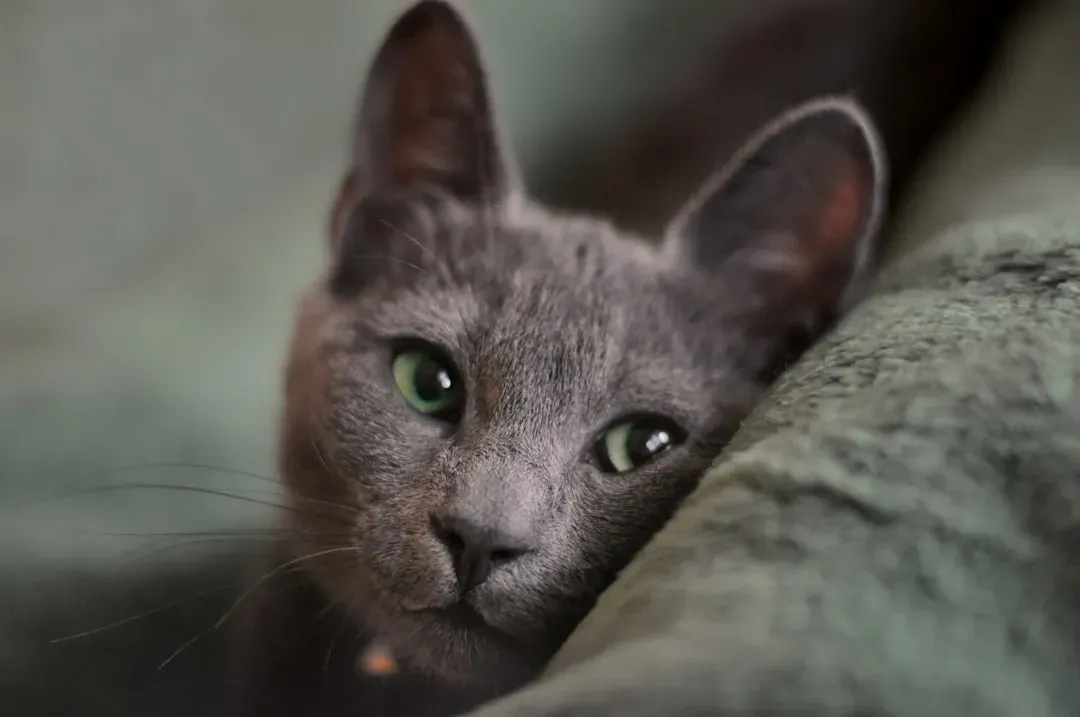
The Russian Blue holds the unfortunate distinction of scoring highest in fearfulness among studied breeds, which directly impacts their ability to connect with humans. These elegant cats with their stunning blue-gray coats are gorgeous to look at, but don’t expect them to return your affection readily.
These cats take time to warm up to strangers and tend to form strong bonds with just one or two people. What this means in practice is that if you’re not one of the chosen few, you’re essentially invisible to them. They’re incredibly independent, which makes them more willing to relax alone while you’re out. Their reserved nature isn’t personal; it’s simply who they are at their core.
The Russian Blue won’t greet you at the door with enthusiasm. They prefer observing from a distance, evaluating whether you’re worthy of their limited social energy. Even when they do warm up to you eventually, it’s on their terms, not yours.
Turkish Van and Angora: The Aggressive Duo
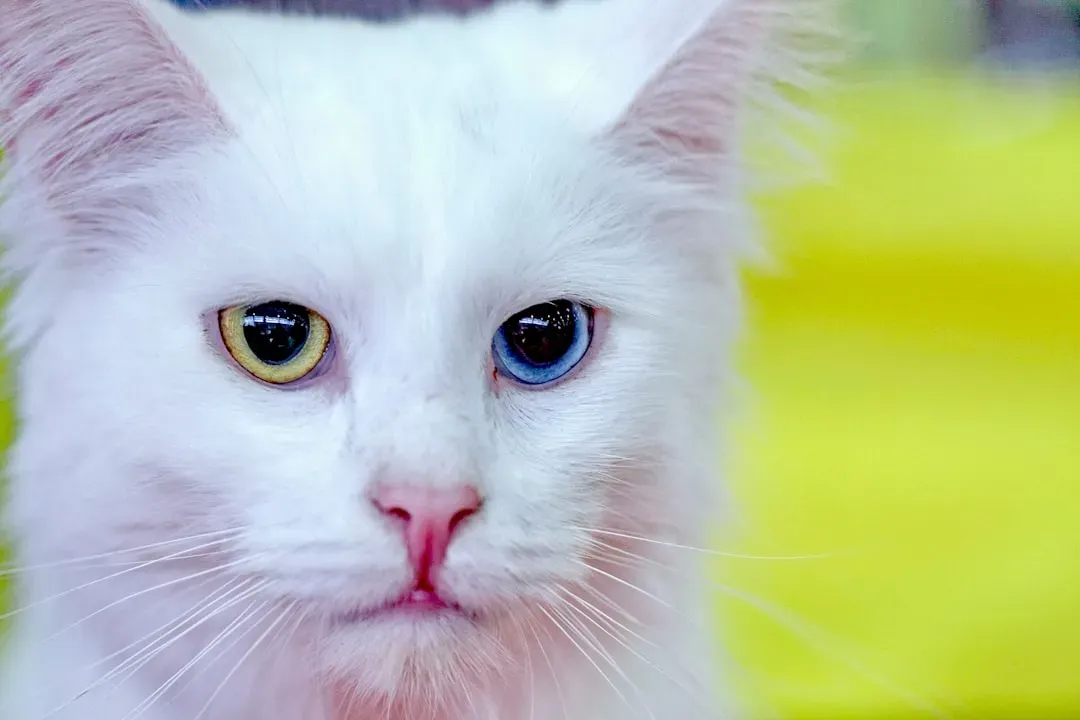
Here’s the thing about Turkish Vans and Angoras: they didn’t just make the list for being distant; they scored highest in aggression toward humans among all breeds studied. That’s not exactly the foundation for a loving relationship.
These breeds grouped together in cluster analysis, with Turkish Van and Angora cats alone forming one distinct behavioral cluster, suggesting they share uniquely challenging personality traits. Turkish Angoras typically don’t like to be held, which eliminates one of the primary ways humans bond with their feline companions.
Their independent streak runs so deep that attempts to cuddle or show affection can be met with hissing, scratching, or simply walking away with obvious disdain. These cats came from harsh environments where self-reliance was essential for survival, and thousands of years of domestication haven’t softened that edge. They’re stunning to behold, with their silky coats and athletic builds, but admire them from afar.
Persian: The Regal Introvert
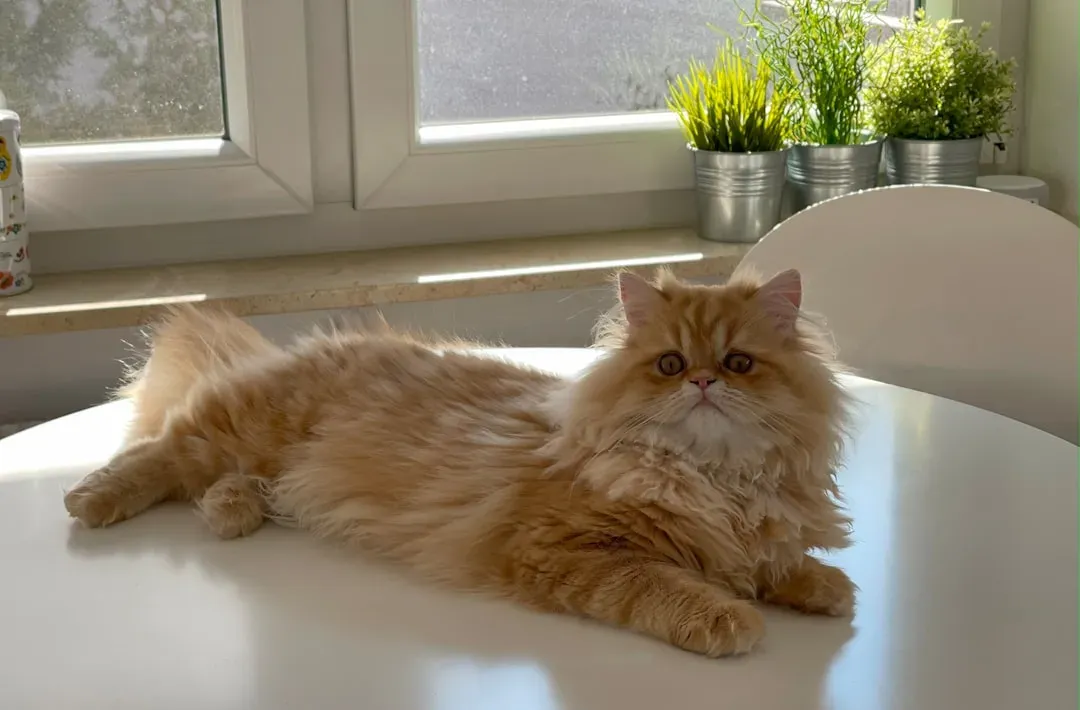
Persians are typically quiet and rather aloof, disliking loud noises and enjoying lounging regally upon a cushion or a lap. Notice that phrase “upon a lap” rather than “cuddling with their owner.” There’s a significant difference.
While Persians are generally sweet, they are also known for being a bit on the reserved side, content sitting on your lap or observing what’s going on by themselves from a sunny perch across the room, and they can be discerning in who they give their affection to. That discernment often means you don’t make the cut.
These cats are the aristocrats of the feline world, carrying themselves with an air of superiority that makes it clear they’re doing you a favor by existing in your presence. Persians tend to be very relaxed and mellow as a pet, won’t demand attention from their people, and while they enjoy playing, they are a less active cat breed. Their calm demeanor shouldn’t be mistaken for affection. They’re simply conserving energy for more important pursuits, like staring out windows or judging your life choices.
Bengal: The Wild Card
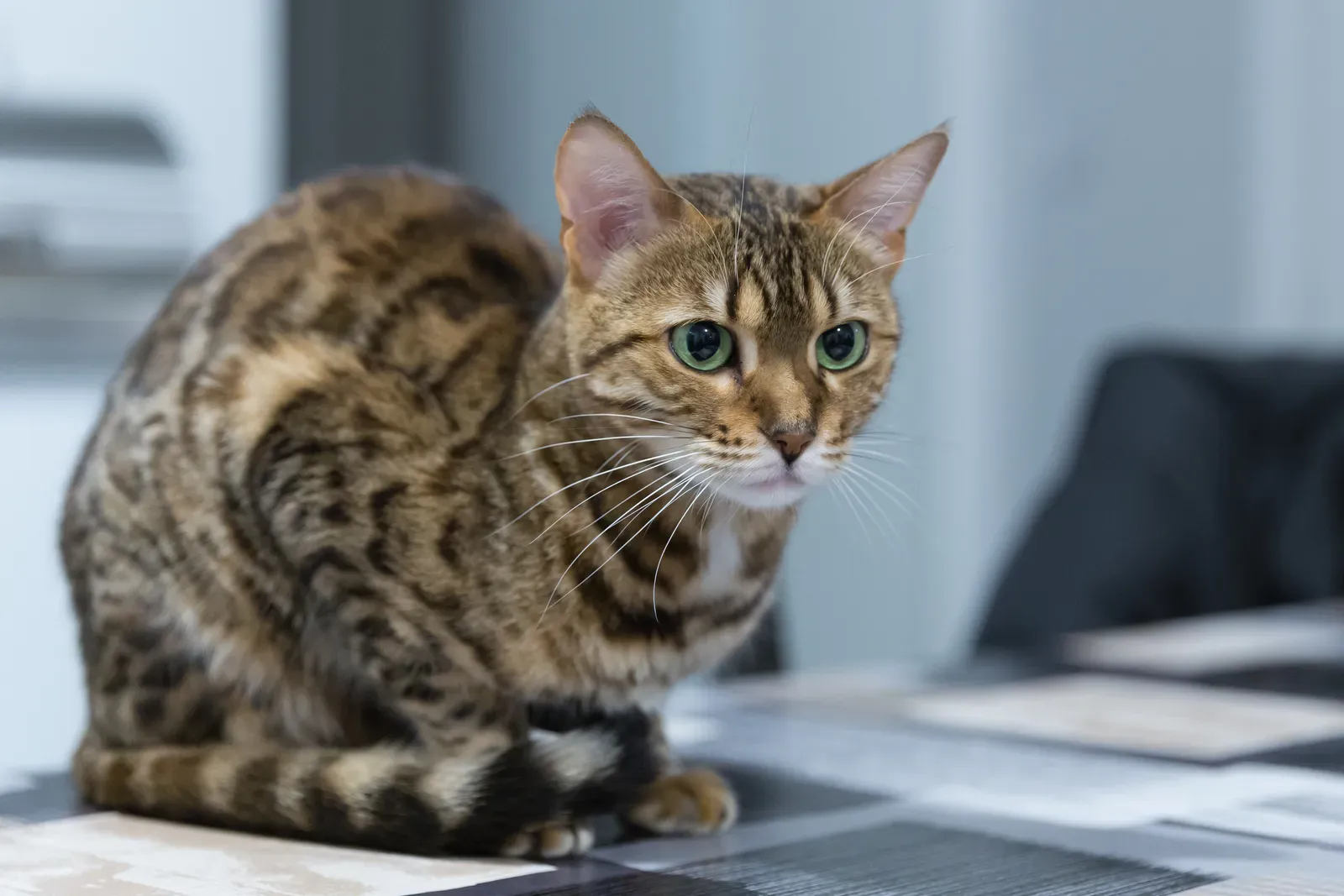
Bengal cats are one of the most playful and energetic breeds out there, but they aren’t necessarily the most affectionate, often preferring to do things on their own rather than curling up on your lap for hours. Their wild appearance reflects their wild temperament.
Bengals tend to have a more independent nature and can sometimes even come across as a little aloof, especially with strangers. They’re essentially miniature leopards prowling through your living room, more interested in climbing your curtains than snuggling with you.
The Bengal’s high energy translates into constant motion. They want to play when they want to play, not when you’re available for quality bonding time. Despite their independent nature and sometimes aloof nature, Bengals are incredibly loyal to their families and enjoy being involved in family activities, but only on their own terms. Those terms rarely include prolonged physical affection or emotional availability.
American Wirehair: The Self-Sufficient Specialist
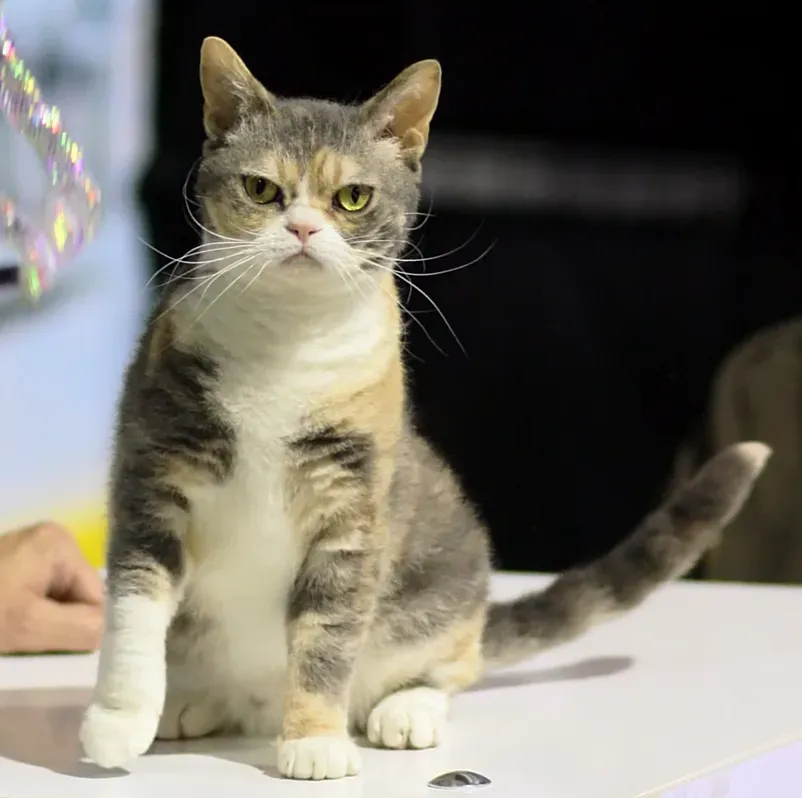
The American Wirehair may have the reputation of being the least affectionate cat, and that reputation exists for good reason. This breed is known for its self-sufficient nature, usually preferring to keep to itself and not requiring a lot of attention or stimulation to stay happy.
As far as affection goes, they’re not the most cuddly of cats, with a more laid-back attitude towards affection, and while they’re not standoffish, they also don’t actively seek out constant attention. They’re perfectly content to exist in parallel to you rather than with you.
The American Wirehair is a sweet cat with an outgoing personality but is not necessarily a breed that needs or requires its owners’ attention, and these kitties are very content to be on their own. Their unusual wiry coat is a conversation starter, but don’t expect the conversation to lead to emotional intimacy. These cats have mastered the art of polite distance, maintaining just enough interaction to avoid being labeled completely antisocial while never quite letting you in.
Korat: The Sensitive Soul Who Still Doesn’t Want You
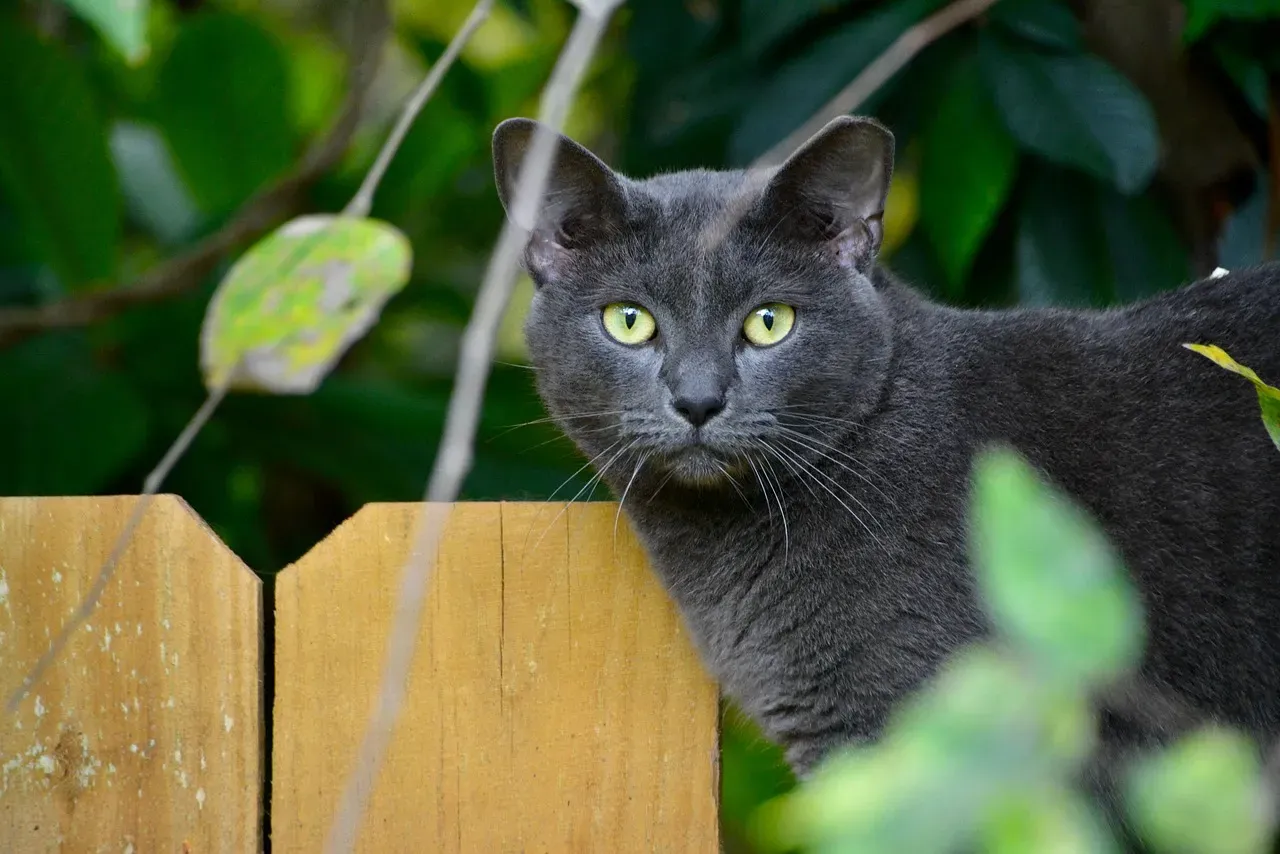
Korats love peace, and their preference for calm can make them seem distant, but it’s just out of pure sensitivity, with silent purrs like whispers and quiet friendship being their ways of showing love. Translation: they barely acknowledge your existence.
Korats are known for their gray coat, green eyes, and independent and intelligent personality. Their sensitivity to noise and chaos means they’ll hide at the first sign of anything disrupting their carefully curated environment, which often includes your attempts at affection.
This rare breed from Thailand requires an exceptionally quiet household where everyone tiptoes around, speaking in hushed tones. Even then, you’ll get minimal interaction. They’re like that roommate who always wears headphones and never makes eye contact in the kitchen. Sure, you live together, but there’s no real connection happening.
British Shorthair: The Emotionally Distant Gentleman
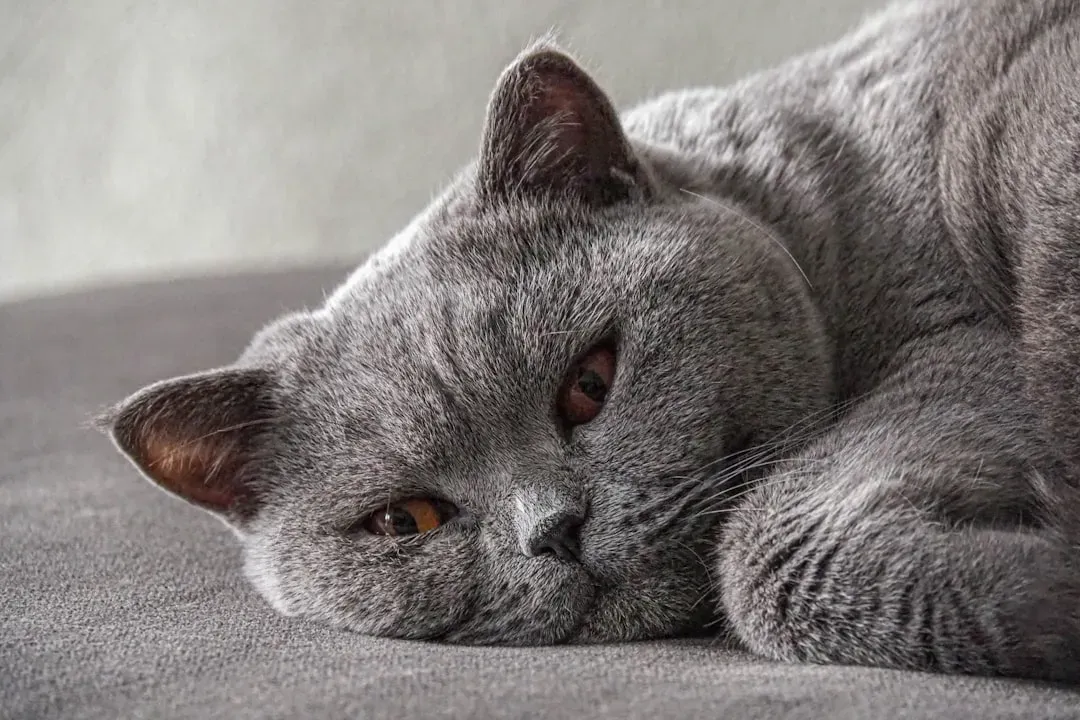
British Shorthairs have a distinctive short coat and round face, and are generally quiet, calm cats who prefer routine over chaos, but they can also be quite aloof and independent, preferring their own company over cuddling with their owners. They’re polite about their rejection, but it’s rejection nonetheless.
British Shorthairs want to be with their people, not necessarily in a lap or carried around, but next to them or in the same room with them. This is perhaps the most frustrating type of cat for people seeking genuine bonding. They’ll be in your presence, just out of reach, reminding you constantly that proximity doesn’t equal intimacy.
Honestly, these cats are masters of the “I’m here, but I’m not really here” approach to relationships. They’ll sit on the other end of the couch, acknowledging your existence just enough to avoid being accused of complete indifference. Yet when you reach out to pet them, they’ll stand up, stretch, and relocate just far enough away to make their point clear.
Siberian: The Independent Adventurer
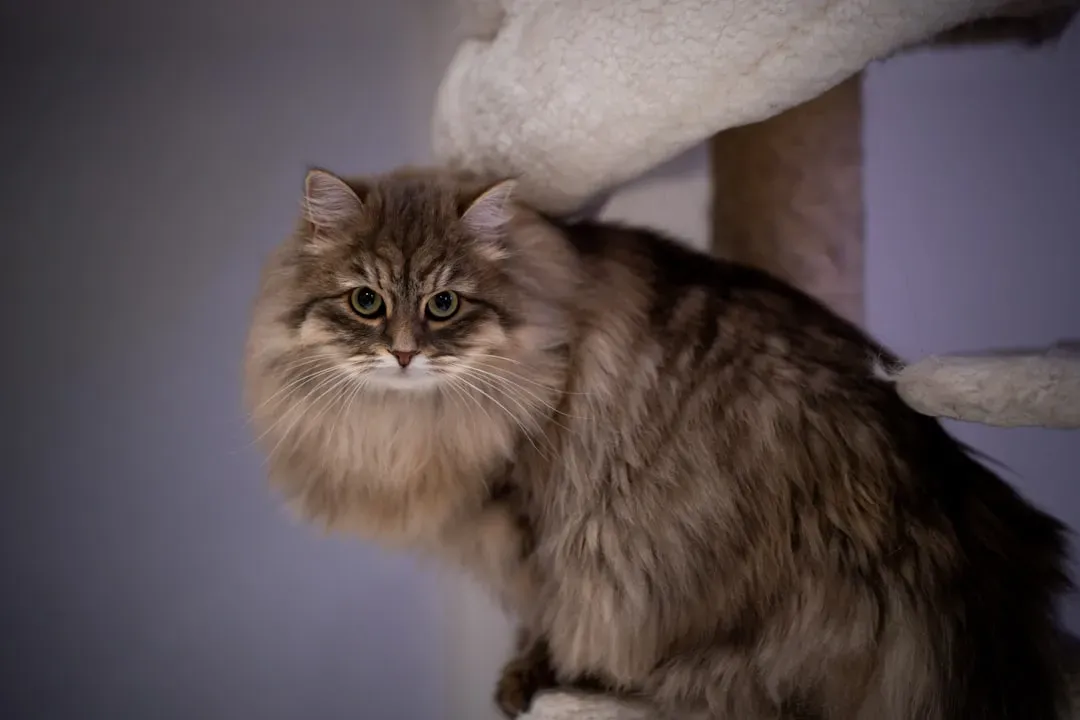
The Siberian cat is the perfect example of feline independence, not craving constant attention and finding peace in solitary activities like climbing. These massive cats prefer vertical spaces and outdoor adventures to your lap.
Their self-reliant personality often comes off as unaffectionate, especially to those used to more needy pets, and Siberians are a great example of low-maintenance pets, ideal for people with busy lifestyles. The irony is that people who want low-maintenance pets probably also want some level of emotional connection, which Siberians simply won’t provide.
These cats developed in the harsh forests of Russia, where survival depended on independence and hunting prowess. Because of their semi-domestic nature, Norwegian Forest Cats can cope well if their owners are often away, and Siberians share similar characteristics. They don’t miss you when you’re gone because they barely notice you when you’re home.
Egyptian Mau: The Scaredy Cat
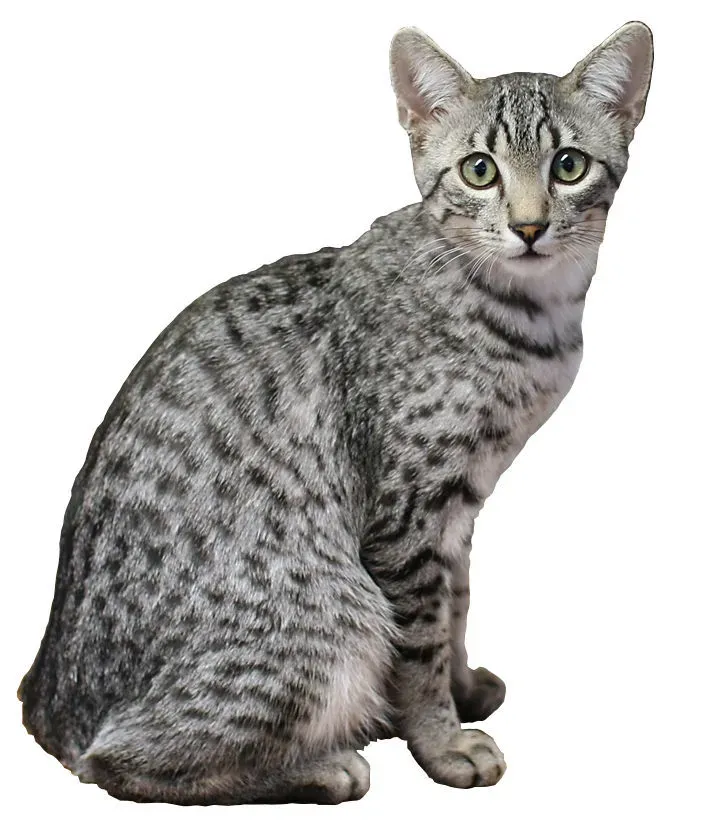
The beautifully spotted Egyptian Mau is affectionate with its owners but extremely shy with strangers, and their tendency to hide from guests results from this shyness, not aloofness. The problem is that you might be considered a stranger for months or even years.
Egyptian Maus are a rare breed dating back to ancient Egypt, usually quite reserved and independent, preferring their own company over cuddling with owners. Their stunning spotted coats and ancient lineage make them fascinating, but good luck getting close enough to appreciate it.
These cats are natural athletes who would rather run, jump, and climb than sit still for petting. When someone knocks on your door, your Egyptian Mau vanishes like smoke, hiding in places you didn’t even know existed in your home. This constant state of wariness extends to daily interactions, making bonding nearly impossible. They live in your house, but emotionally, they’re still roaming the streets of ancient Egypt.
Norwegian Forest Cat: The Self-Reliant Hunter
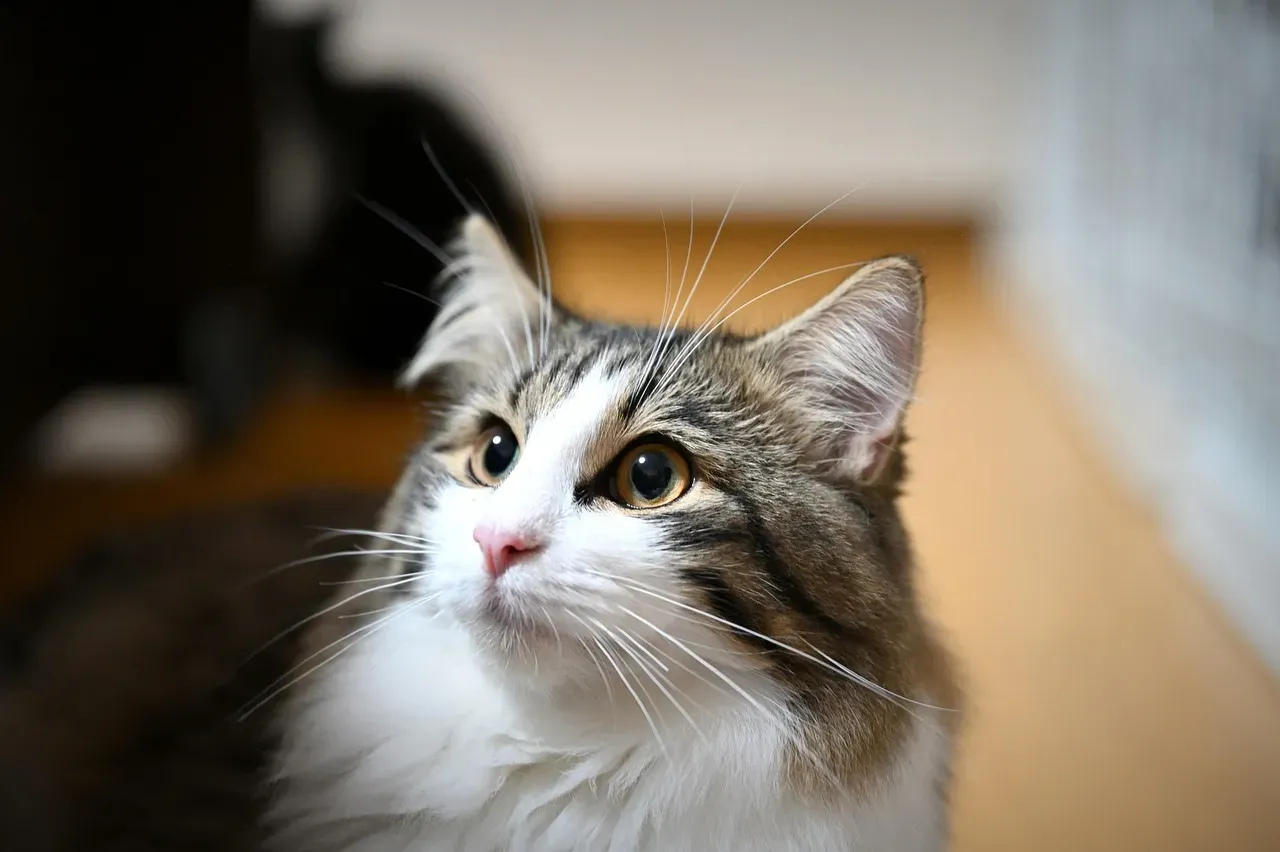
Norwegian Forest Cats originated in Scandinavia and are usually quite active and independent, preferring their own company over cuddling. These semi-wild cats developed to survive harsh Nordic winters with minimal human intervention.
This undemanding cat breed developed naturally in Scandinavia and is well known for its gentle and friendly demeanor, and because of their semi-domestic nature, Norwegian Forest Cats can cope well if their owners are often away. That gentle and friendly demeanor shouldn’t be confused with neediness or desire for human companionship.
These cats are happiest when hunting, climbing, or exploring outdoors. They’ll tolerate living indoors if they must, but they’re constantly plotting their escape route. The Norwegian Forest Cat views you as a convenient food source and door operator rather than a beloved companion. They’re polite enough, but the emotional connection simply isn’t there. It’s hard to say for sure, but sometimes it feels like these cats would genuinely prefer to return to the wild forests of their ancestors rather than spend another evening pretending to care about your day.
Understanding Feline Independence: A Complex Reality
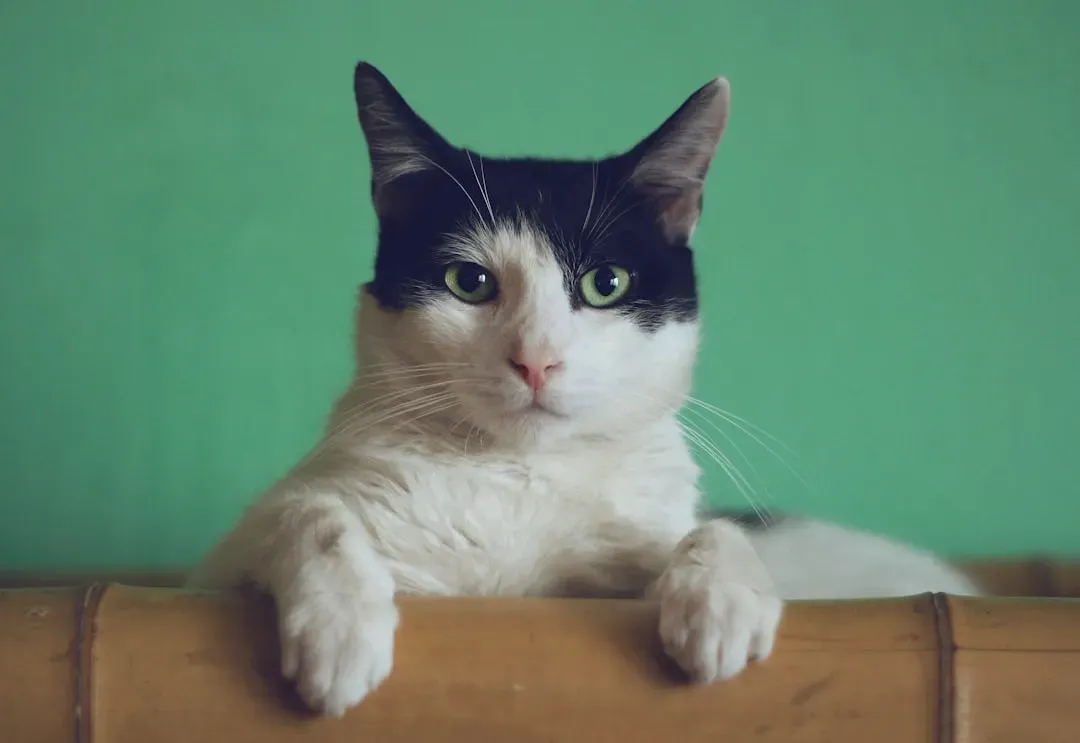
Different breeds do in fact behave in different ways; of these behaviors – including activity level, shyness, aggression and sociability with humans – around half are inherited. This genetic component means that no amount of training, treats, or desperate pleading will fundamentally change certain cats’ personalities.
Approximately half of the variance in cats’ behaviors can be attributed to genetic variations in the population, meaning nature appears to play a non-trivial role in cats’ personality. If you’ve chosen one of these standoffish breeds, you’re essentially fighting against thousands of years of evolution and selective breeding.
The research is clear: breed matters significantly when predicting whether your cat will bond with you or treat you like an unwelcome roommate. Still, every cat is an individual, and environmental factors do play a role. Early socialization, living conditions, and personal experiences shape personality alongside genetics. Yet for these ten breeds, the odds are stacked against forming the kind of deep, mutually affectionate bond that many cat owners crave.
What do you think – have you experienced these aloof personalities firsthand, or did you get lucky with an unusually affectionate exception to the rule?