Have you ever wondered why some cats spend their days stalking invisible prey while others can barely be bothered to lift their heads from a sunbeam? It’s actually pretty fascinating when you think about it. Not all felines are wired the same way.
Some breeds carry ancient hunting instincts so powerful that they’d give their wild ancestors a run for their money. Others have evolved into peaceful companions who’d much rather watch the world go by from a cozy cushion. Let’s be real, both types have their own special charm. Whether you’re dealing with a mouse problem or just want a cuddly companion for Netflix marathons, understanding these differences could help you find your perfect match. So let’s dive in and discover which cats are born hunters and which ones prefer the easy life.
1. Maine Coon: The Gentle Giant With a Hunter’s Heart
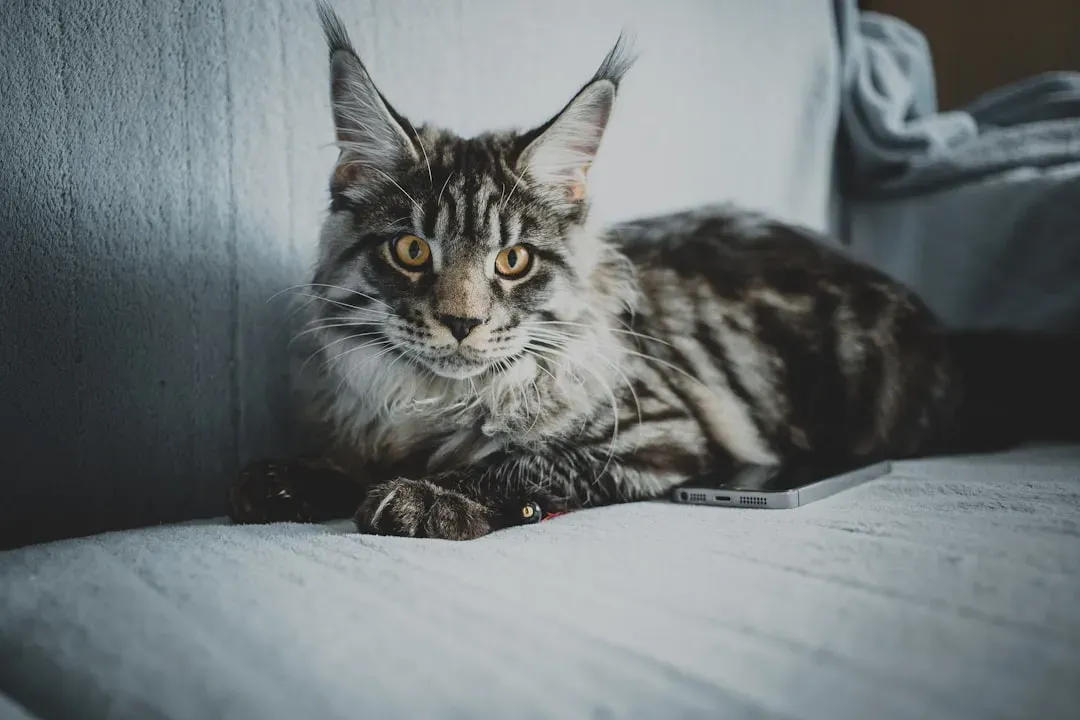
When it comes to the best mice hunting cats, the Maine Coon tops the list, with these cats even professionally used for catching mice on docks and ships. It’s hard to believe that such a friendly, fluffy giant could be such an efficient predator. The breed has a sturdy frame with tufted ears and a bushy tail that helps with balance, and despite its size, contributes to steady controlled movement rather than quick bursts.
Maine Coons are patient and deliberate, which can translate into careful stalking behavior. Their enormous paws work like snowshoes, giving them excellent traction on various surfaces. You’ll often see them watching silently from high perches before making their calculated move. Their intelligence and persistence make them formidable hunters who won’t give up easily once they’ve spotted their target.
2. Siamese: Sleek Speed and Sharp Senses
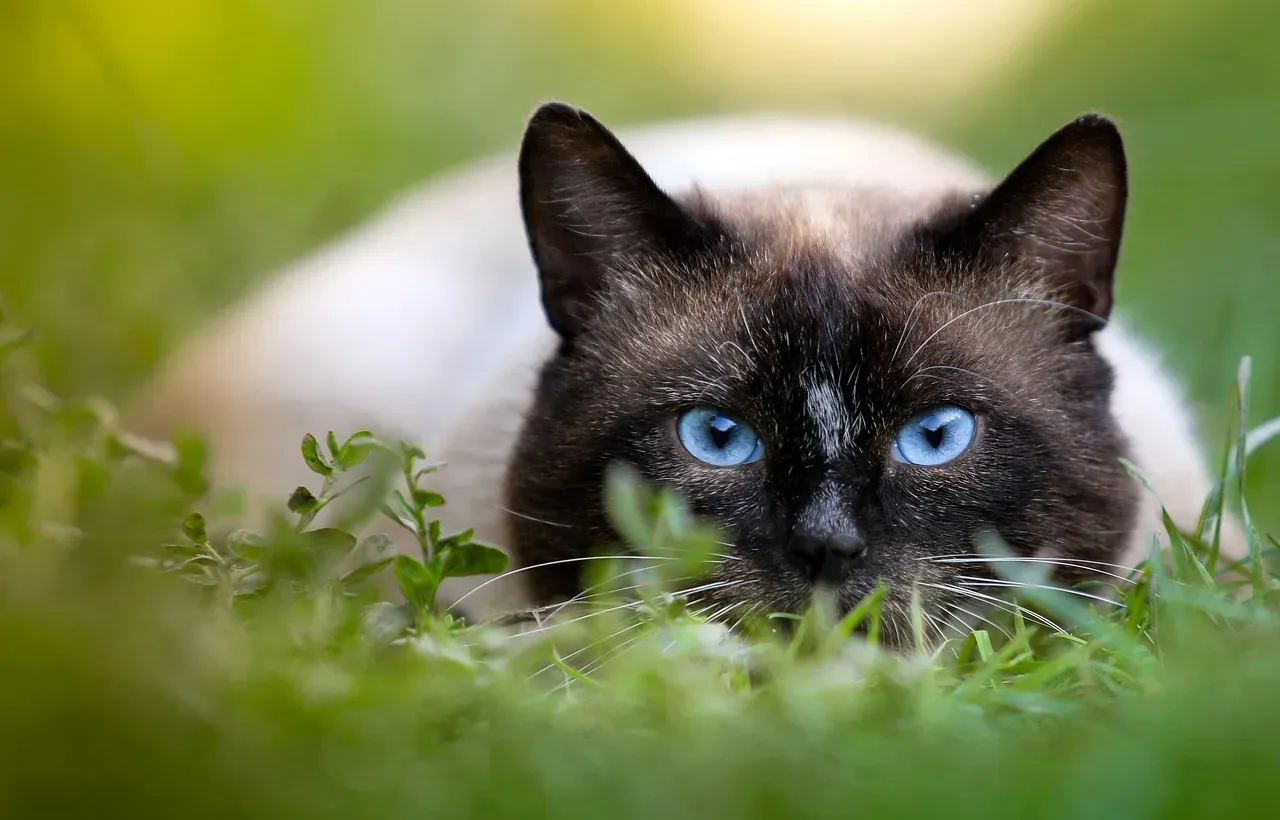
With its sleek body and sharp senses, the Siamese cat is a natural hunter. These talkative felines aren’t just vocal about their opinions on dinner time. This breed’s athleticism and intelligence make it exceptionally skilled at stalking and pouncing on prey, and they’re highly active, enjoying playing and miming hunting behaviors while their keen eyesight and acute hearing contribute to their hunting prowess.
Siamese are particularly fast and agile, making them excellent hunters at short distances. Their muscular yet slender build allows them to change direction in a heartbeat. Honestly, watching a Siamese in action is like witnessing a miniature cheetah at work. They bring the same intensity to toy play that they would to actual hunting, which makes them endlessly entertaining companions.
3. Bengal: Wild Ancestry Running Through Their Veins
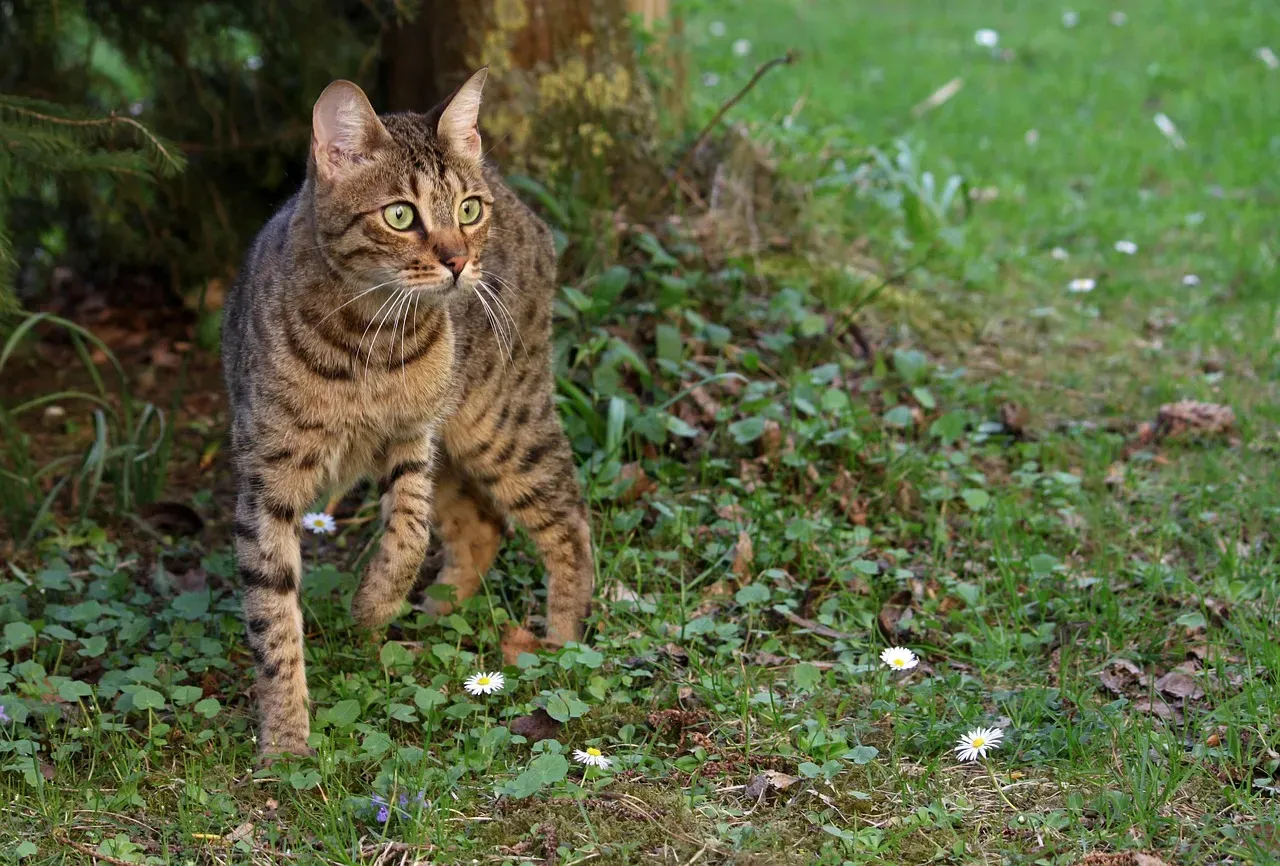
The Bengal cat, with its wild ancestry, is a formidable hunter, bred from the Asian leopard cat with a robust predatory drive and highly skilled in stalking and capturing their target. That spotted coat isn’t just for show. Their wild ancestors, the Asian leopard cat, contributed to their strong instincts for stalking and pouncing, with Bengals often exhibiting a high prey drive particularly drawn to small moving objects.
These cats need serious stimulation or they’ll find their own entertainment, which might include redecorating your shelves at three in the morning. Their energy levels are off the charts compared to most domestic breeds. You can’t really blame them though – it’s in their DNA. Bengals don’t just hunt for necessity; they hunt because it’s hardwired into every fiber of their being.
4. Abyssinian: The Determined Tracker
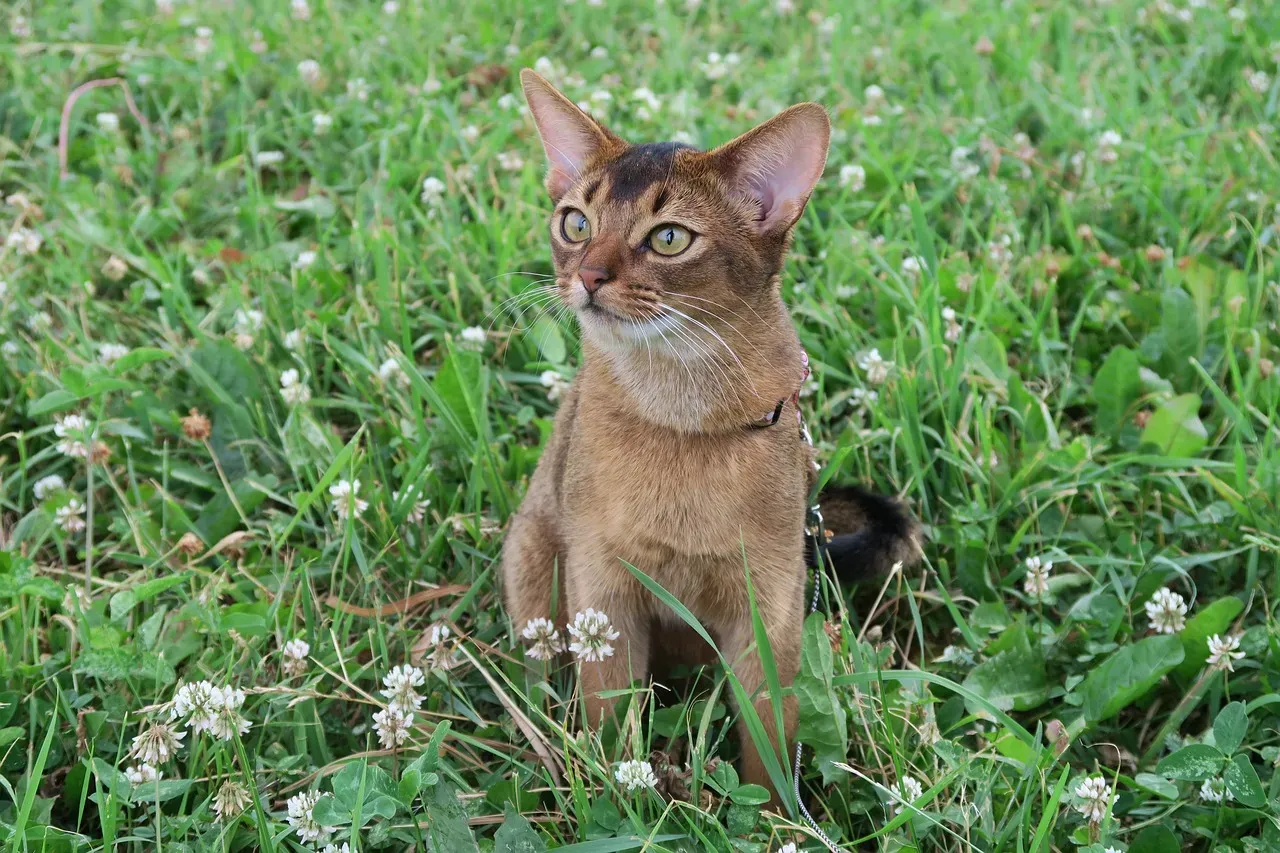
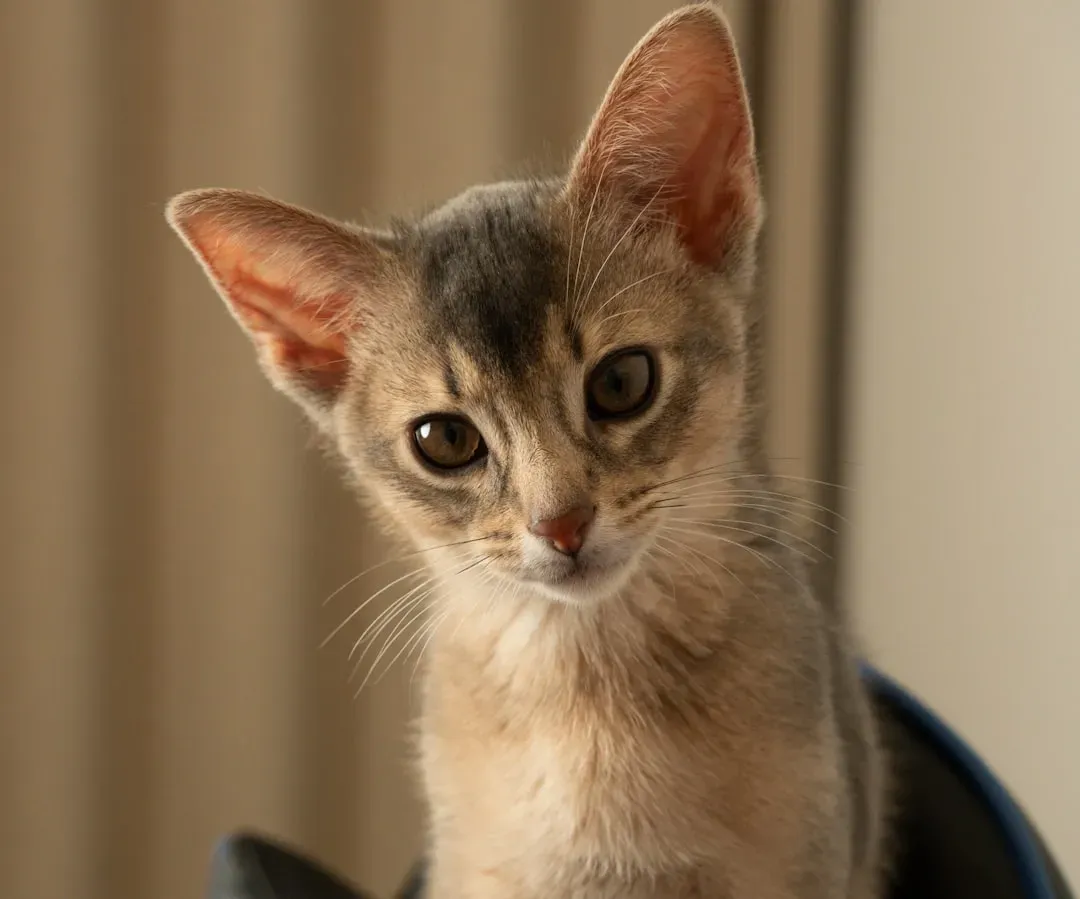
Abyssinians, one of the oldest known cat breeds, exhibit a playful and curious nature that belies their serious hunting skills, with their slender muscular bodies enabling swift and graceful movement, allowing them to pounce with precision. These little dynamos never seem to run out of energy. They are highly intelligent and use their wits to track and hunt prey, displaying a persistence and determination that makes them successful hunters.
What’s really interesting about Abyssinians is how they approach hunting like a puzzle to solve. They’ll study a situation before committing to action. Their curiosity drives them to investigate every corner of their environment, making them natural explorers. If something moves, an Abyssinian will notice it before most other cats even twitch an ear.
5. Siberian: The Fearless Forest Hunter
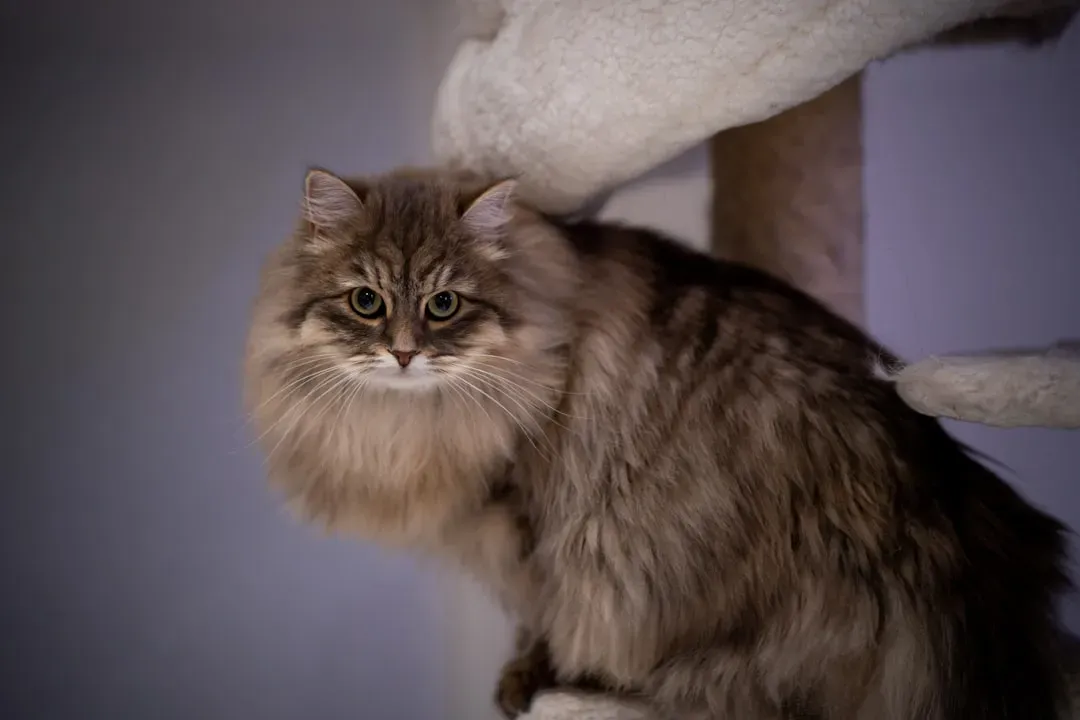
The Siberian cat originated in Russia and is often called the “fearless hunter of the frozen forests,” dating back over 1,000 years as a natural mouser in Russian farms and monasteries. These powerhouses are built for survival in harsh climates. They developed in Russia with a solid muscular body built for strength and endurance, with a dense coat and powerful frame reflecting adaptation to harsh environments, plus strong hind legs allowing impressive jumping and climbing ability.
Their hunting instincts are deeply ingrained, known for catching mice, rats, and even larger animals like squirrels and rabbits, with every movement calculated and their sharp claws making them lethal hunters. Despite their fierce hunting abilities, Siberians are incredibly affectionate with their families. They strike that perfect balance between wild competence and domestic sweetness.
6. Norwegian Forest Cat: The Patient Stalker
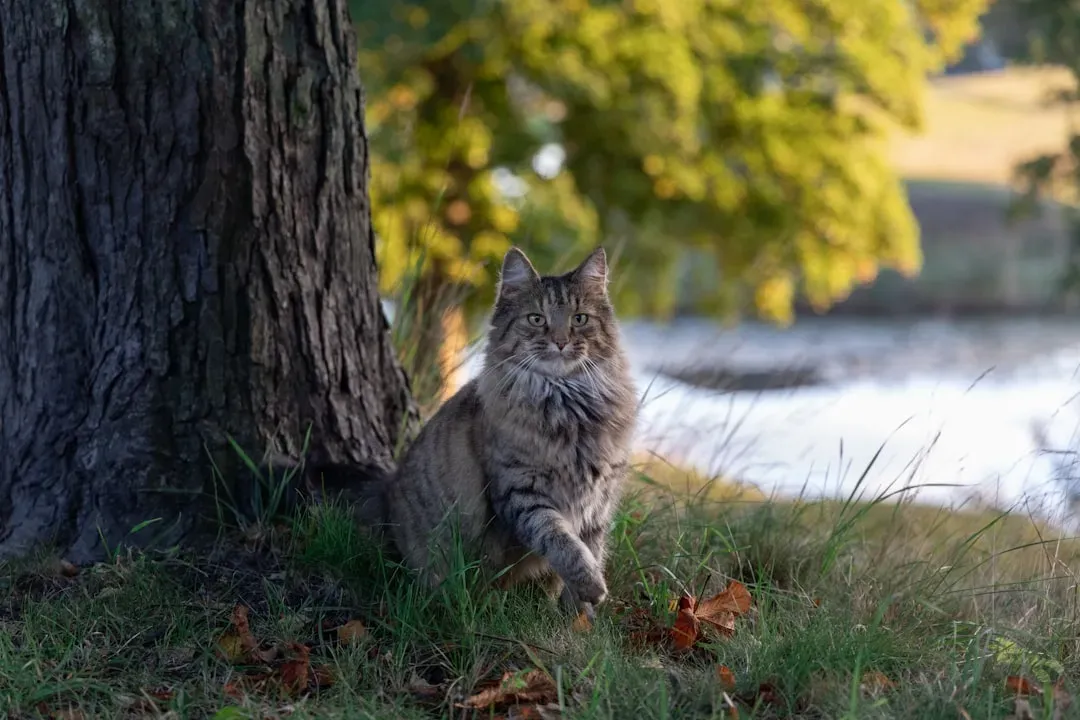
The Norwegian Forest Cat is built for hunting, especially in cold climates, with their thick water-resistant coats and sturdy bodies allowing them to endure harsh conditions while pursuing prey, plus solid claws and excellent climbing traits that enable them to hunt effectively in wooded areas. These cats don’t rush anything. They enjoy climbing and exploring vertical spaces where they can monitor activity below, with their measured approach supporting effective stalking behaviors during play.
Their size might suggest they’re slow, yet they move with surprising grace when the moment calls for it. Norwegian Forest Cats have mastered the art of waiting, which is perhaps the most important hunting skill of all. They can sit motionless for what seems like forever, then strike with devastating accuracy when their prey least expects it.
7. Turkish Angora: Intelligence and Speed Combined
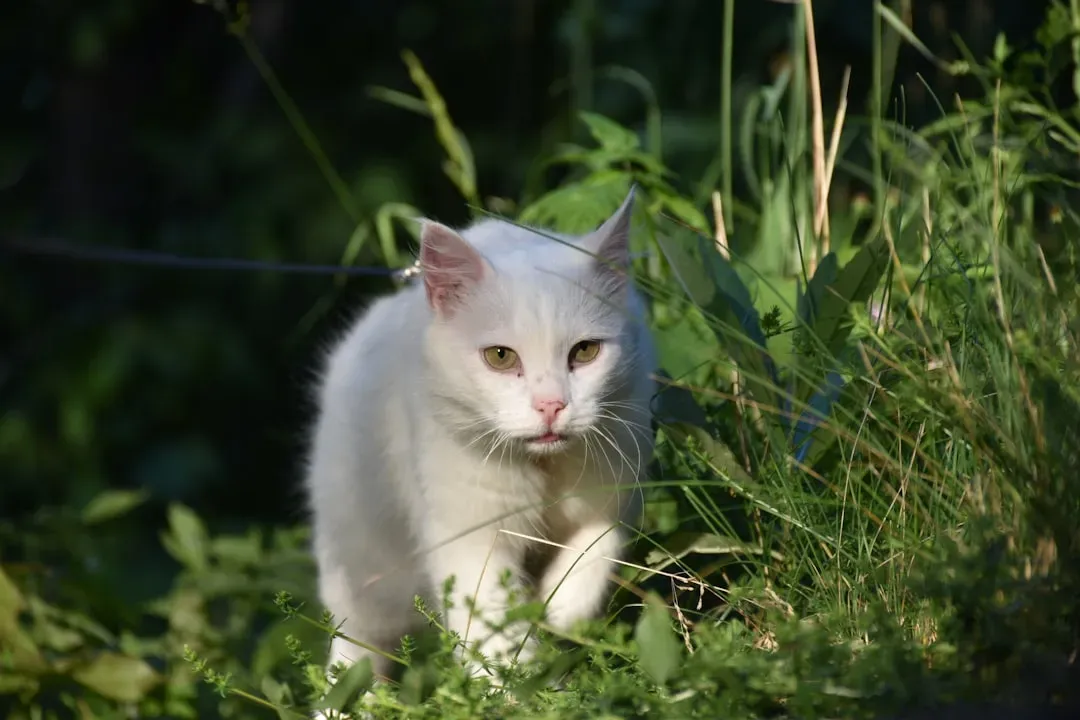
The Turkish Angora may look delicate with its silky white coat, but underneath that beauty lies a fierce hunter, with this breed valued for centuries for its ability to keep homes and farms free of rodents, and their slim athletic bodies allowing them to move with incredible speed and precision. People often underestimate these elegant cats because of their refined appearance. Unlike some other cats that rely on brute strength, Turkish Angoras use their intelligence to outsmart their prey, observing, calculating, and striking at the perfect moment.
One of the most fascinating traits of the Turkish Angora is its endless energy, as these cats are always on the move hunting, exploring or playing, with their high activity levels making them one of the most effective mousers among domestic cat breeds. They’re not the type to lounge around all day. If you’re looking for a cat that’s both beautiful and functional, this breed delivers on both fronts.
8. American Shorthair: The Historic Mouser
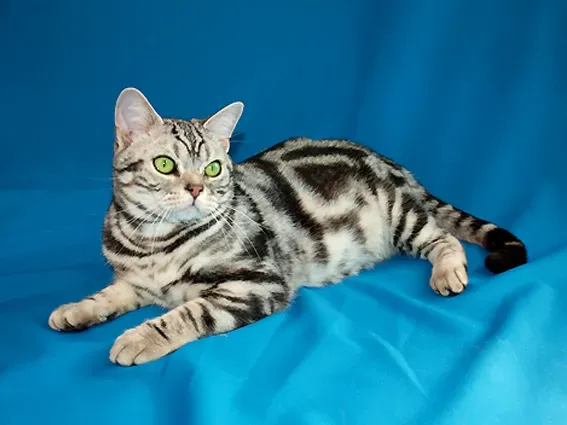
The history of the American Shorthair can be traced back nearly 300 years, beginning with its journey across the Atlantic Ocean from Britain, and it’s said that the American Shorthair was on the Mayflower catching mice and has been a sure-footed, adaptable and hardworking cat ever since. That’s centuries of proven pest control right there. These cats were working animals long before they became popular pets.
Their medium build and athletic physique make them perfect all-around hunters. American Shorthairs don’t have any extreme features – no extra-long legs or unusually large paws – yet they excel at catching prey through sheer competence and determination. They’re the reliable, no-nonsense workers of the cat world who get the job done without making a fuss about it.
9. Chartreux: Stealth and Patience Personified
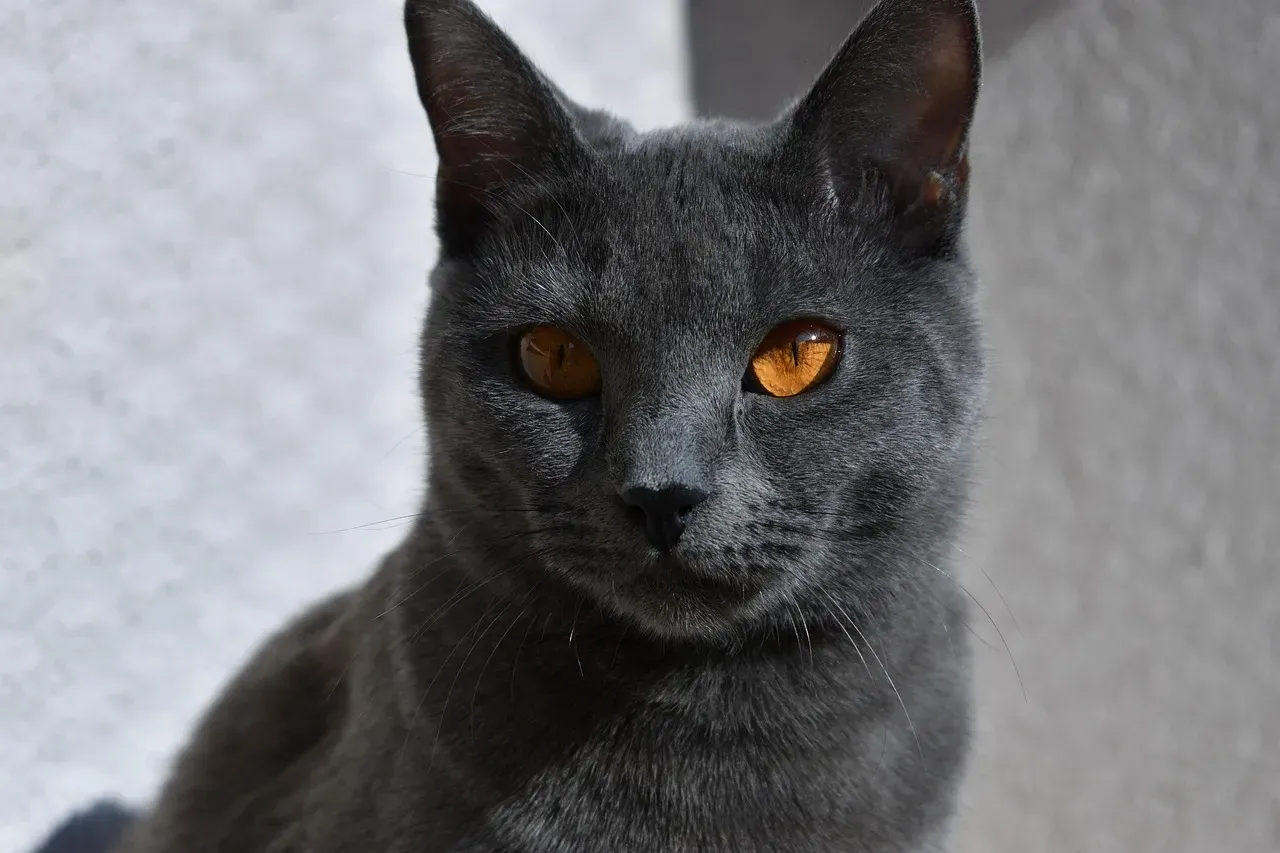
With broad shoulders, a deep chest and a muscular body, the Chartreux was immortalized in French literature for being a fine mouser and has lived up to its reputation, being agile and energetic as a born hunter. These blue-gray beauties have a quiet confidence about them. Some, like the Chartreux, rely on stealth and patience rather than speed and energy when hunting.
What makes them particularly effective is their ability to remain perfectly still and silent while waiting for the right moment. They won’t give away their position with unnecessary movement or sound. The Chartreux approaches hunting like a professional – methodical, focused, and incredibly effective. Their calm demeanor around humans completely transforms when prey is involved.
10. Japanese Bobtail: The Ancient Ratter
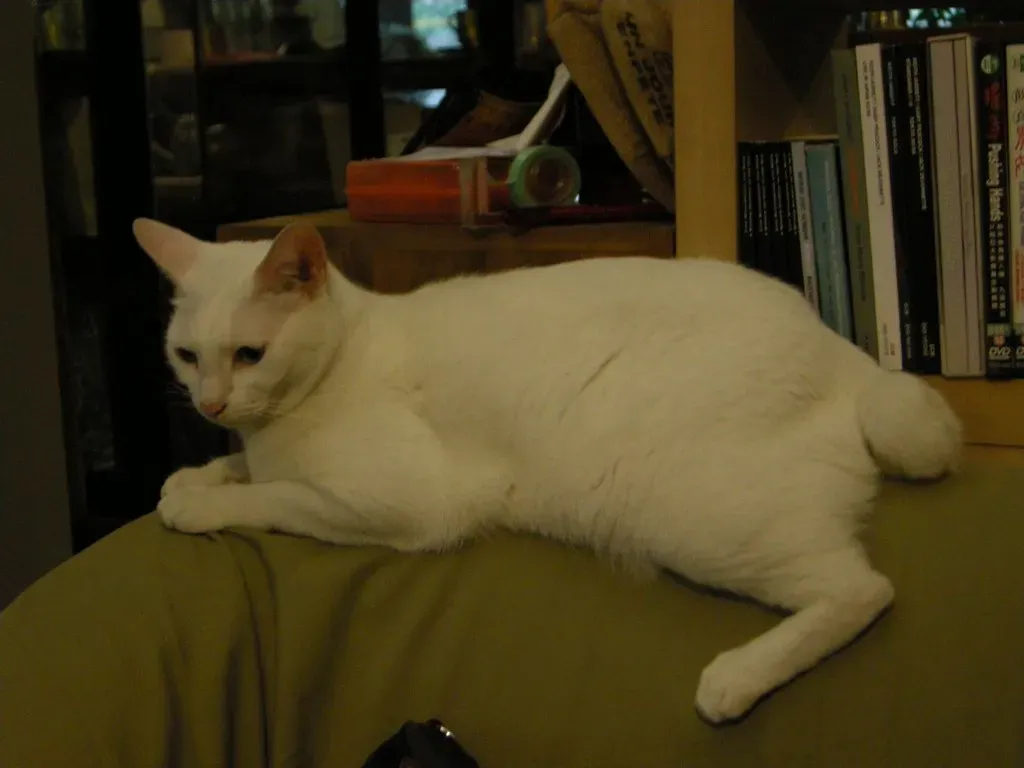
Originally brought to Japan from Korea to act as ratters in silk factories, Japanese Bobtails make excellent mousers and rat-catchers, being one of the most ancient cat breeds still considered sacred in its native country. That shortened tail might look adorable, yet it doesn’t hinder their hunting abilities one bit. These cats were bred specifically for pest control in valuable silk operations where rodents could cause significant damage.
Japanese Bobtails still make affectionate, friendly companions and most enjoy the company of both children and adults, having been known to play in the water from time to time. They’re social and adaptable, making them excellent family cats who can still handle business when needed. Their playful nature keeps their hunting instincts sharp even when they’re just chasing toys.
11. Persian: The Unexpected Couch Potato
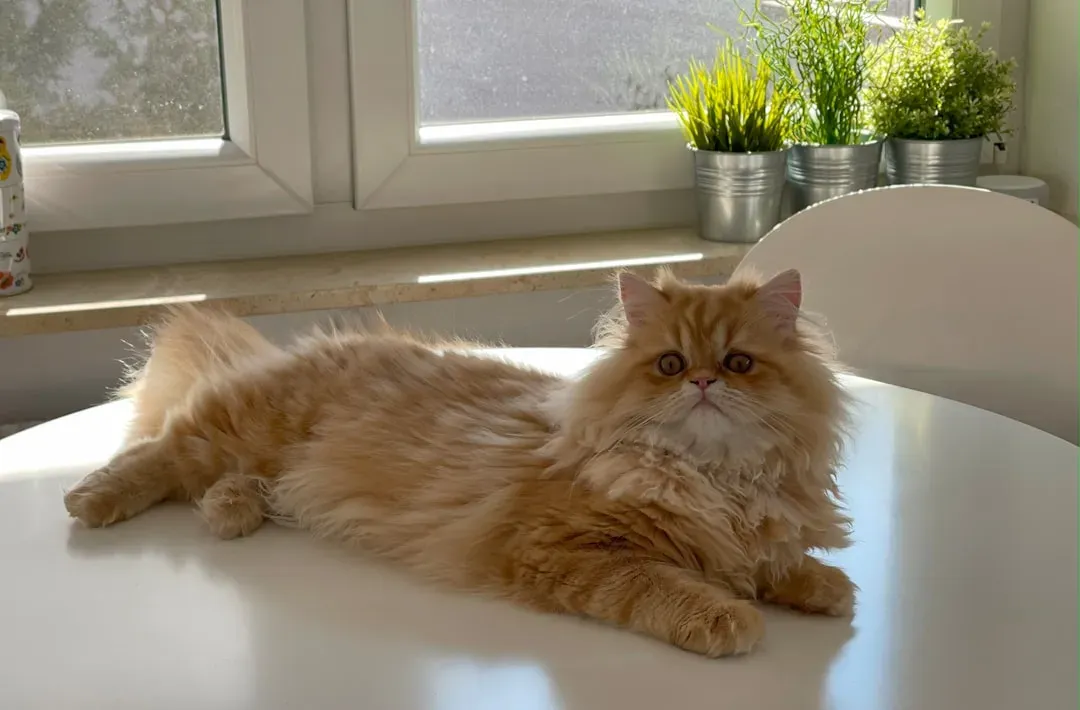
Persian cats have been called “furniture with fur” because of their long periods of inactivity – of all the lazy cat breeds, this one most definitely fits the bill, with these cats having a sweet gentle nature and preferring a calm atmosphere, and while happy to be groomed and petted, they aren’t extremely interested in playing games or chasing toys. Let’s be honest, Persians have mastered the art of doing absolutely nothing.
Persians are not as active as other lazy cats and tend to tire quickly, with their limited athletic ability related to their small flattened noses since they cannot breathe as easily as other breeds, making them the ultimate couch potatoes who would rather sit around the house than play strenuous games. Their luxurious coat requires daily grooming, which is probably the most exercise they get. If you want a cat that matches your low-key lifestyle, a Persian won’t judge your Netflix habits.
12. Ragdoll: The Living Plush Toy
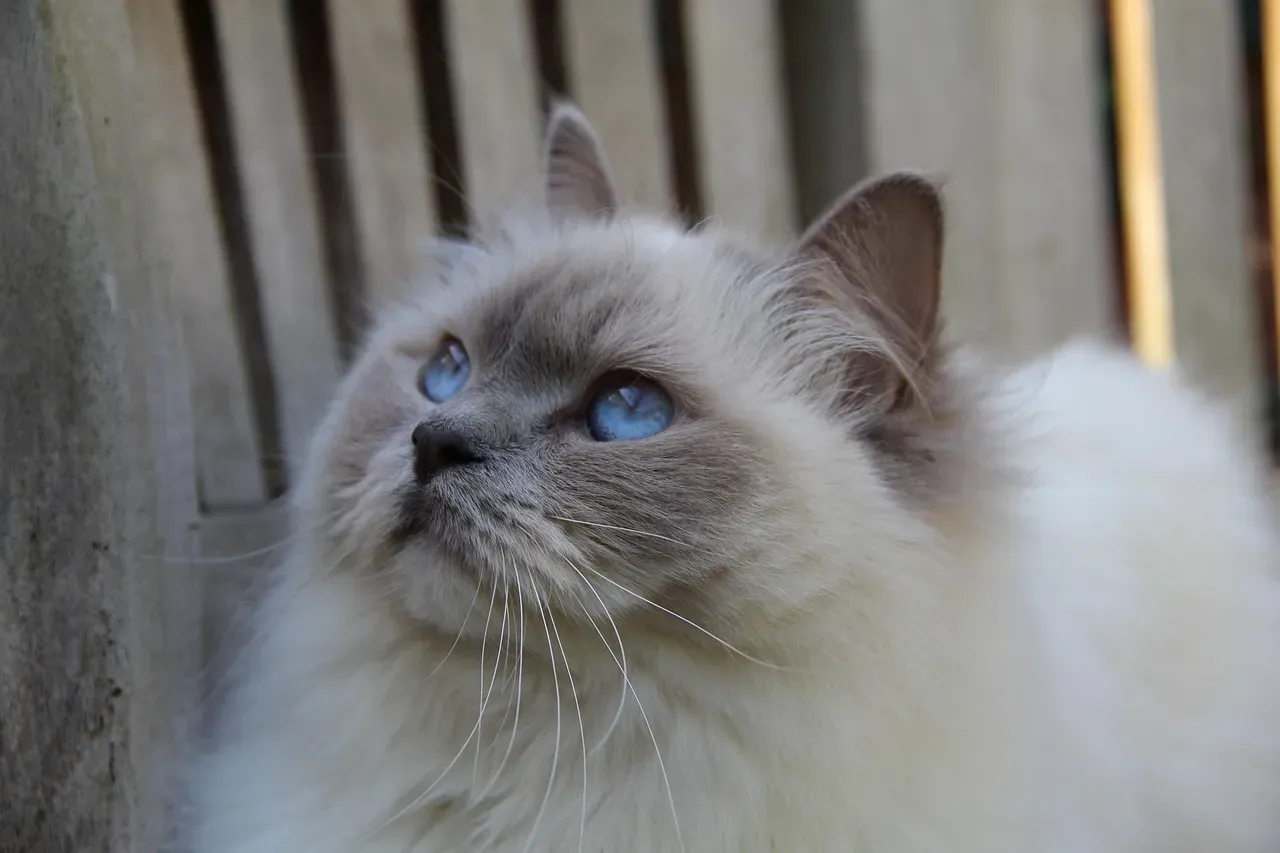
The placid ragdoll is an expert snuggler, with these ultra-relaxed kitties earning their name from their tendency to go limp like a ragdoll when being held, making them perfect for those who prefer a laid back feline content to curl up after a long day at work. Seriously, these cats redefine relaxation. Living up to their name, these long-haired cats are the epitome of docile, often “ragdolling” or going limp when picked up by their beloved family members, and when they’re feeling extra lazy, they like to flop onto the floor or comfy furniture.
They’re muscular and can weigh up to 20 pounds, yet they’re gentle and prefer staying at ground level, unlike most breeds, making them perfect for families with children because they’re patient and calm around young humans. Their size doesn’t translate to activity level. Ragdolls would much rather observe the world from a comfortable spot than participate in high-energy shenanigans.
13. Exotic Shorthair: Persian Personality Without the Grooming
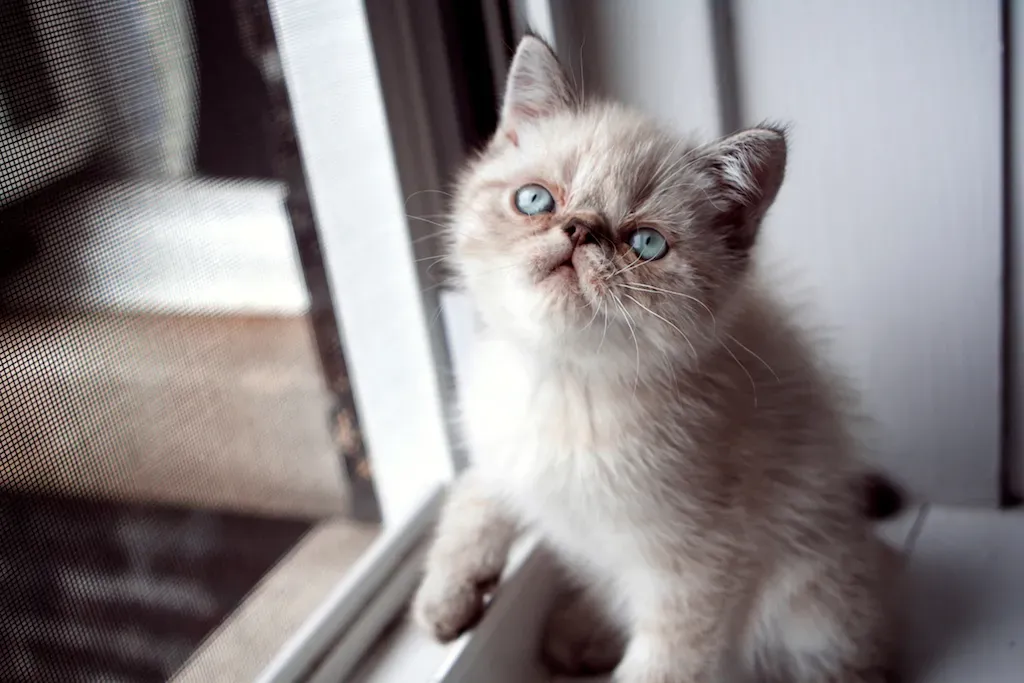
Exotic Shorthairs are basically Persians without long coats, making them a great option for those interested in a Persian but don’t want to spend tons of time brushing their cat daily, and this breed does have a soft plushy coat that begs to be petted without requiring nearly as much grooming, sharing the Persian’s temperament so they tend to spend much of their time lying around. Think of them as the low-maintenance version of the Persian.
They’re a gentle and affectionate breed developed from the Persian and American Shorthair, and these cats love a peaceful home and are happiest relaxing beside their favorite person, being quiet, sweet, and easygoing, making wonderful indoor companions. They’ll engage in short play sessions, yet their default mode is definitely set to “chill.” These cats won’t demand constant attention or activity from you.
14. Himalayan: The Zen Master of Napping
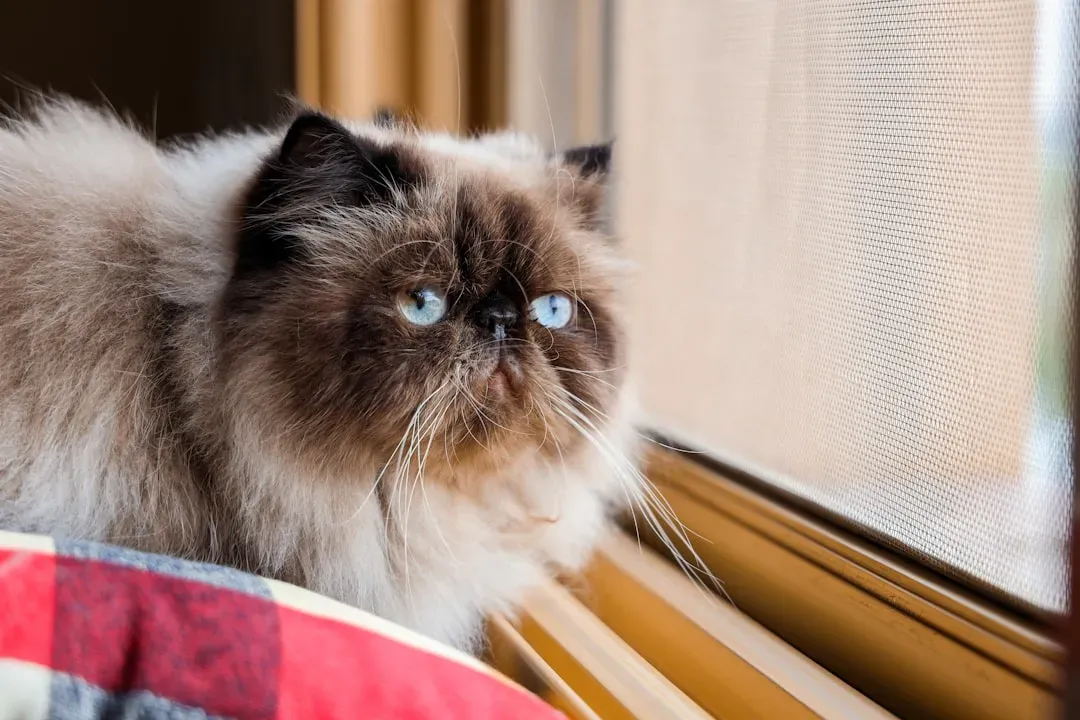
The moody Himalayan prefers to be inside the house where they can enjoy all that the indoors have to offer, and a good day for these cats is spending time with their owners, being petted, groomed, and allowed to lay around. These colorpoint beauties have elevated lounging to an art form. Unlike their Siamese ancestors, Himalayans are on the quieter side, and while not completely inactive kitties, they prefer the coziness of a friendly lap to the rambunctious hijinks that their feline comrades might enjoy, being perfectly content to spend the bulk of their time in relaxation mode.
Like most lazy cat breeds, Himalayans prefer a calm quiet routine, and if you like sleeping in on Sunday mornings, taking naps in the sun, and watching late-night TV, your Himalayan will be your new best friend, gladly curling up on the couch next to you or finding a sunspot to lay in. They’re the perfect companions for homebodies who appreciate a predictable, peaceful existence.
15. British Shorthair: The Dignified Observer
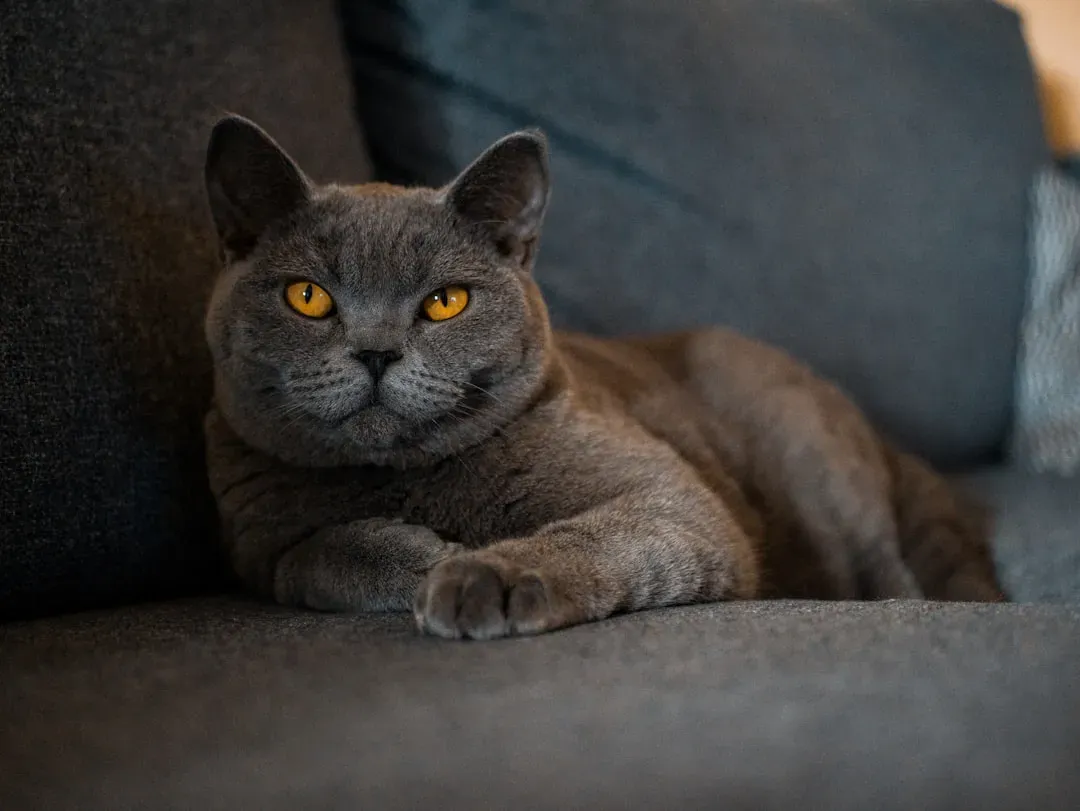
A portrait of understated grace, the British Shorthair enjoys attention but is equally happy to entertain himself while you’re away. These round-faced charmers have a self-sufficient streak. Known for the typical bluish hue of their coats and cute, chubby faces, British Shorthair cats are the perfect addition to any household, but especially one that maintains a sense of calm.
Unfortunately, this even-tempered and quiet breed often suffers from excessive weight gain, exacerbated by their limited activity levels, making it important to encourage even a small amount of exercise to prevent obesity and the health complications that follow. Their teddy bear appearance matches their cuddly personality. They won’t pester you for playtime, yet they appreciate having you around as they go about their leisurely routines.
16. Russian Blue: The Elegant Introvert
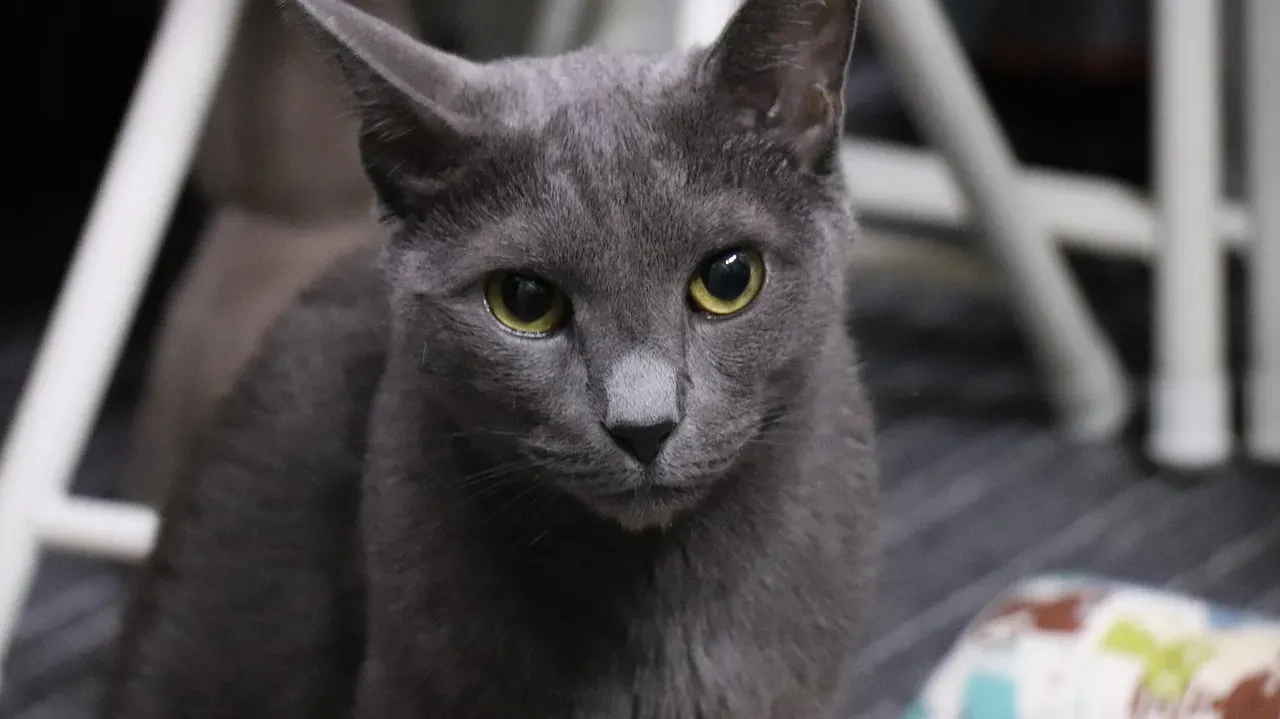
The Russian Blue is particularly known for their blue coat, which gave them their name, yet they are also exceptionally gentle and laid back, don’t care about much and prefer to stick to themselves for much of the time, though they also bond with their families, making them great laid back companions. These stunning cats have a reserved elegance about them. Russian Blues are known for being a homebody, with these lazy cats preferring routine and aren’t fans of new places, preferring hanging out with their owners, perhaps getting a few cuddles or even watching some television.
Initially these cats can be shy around strangers and warm up pretty fast if you’re patient, and they can be playful but aren’t often very energetic, making them a good choice for those who prefer lazier felines. They’re the introverts of the cat world who prefer quality time with their chosen people over constant stimulation and excitement.
17. Scottish Fold: The Quirky Companion
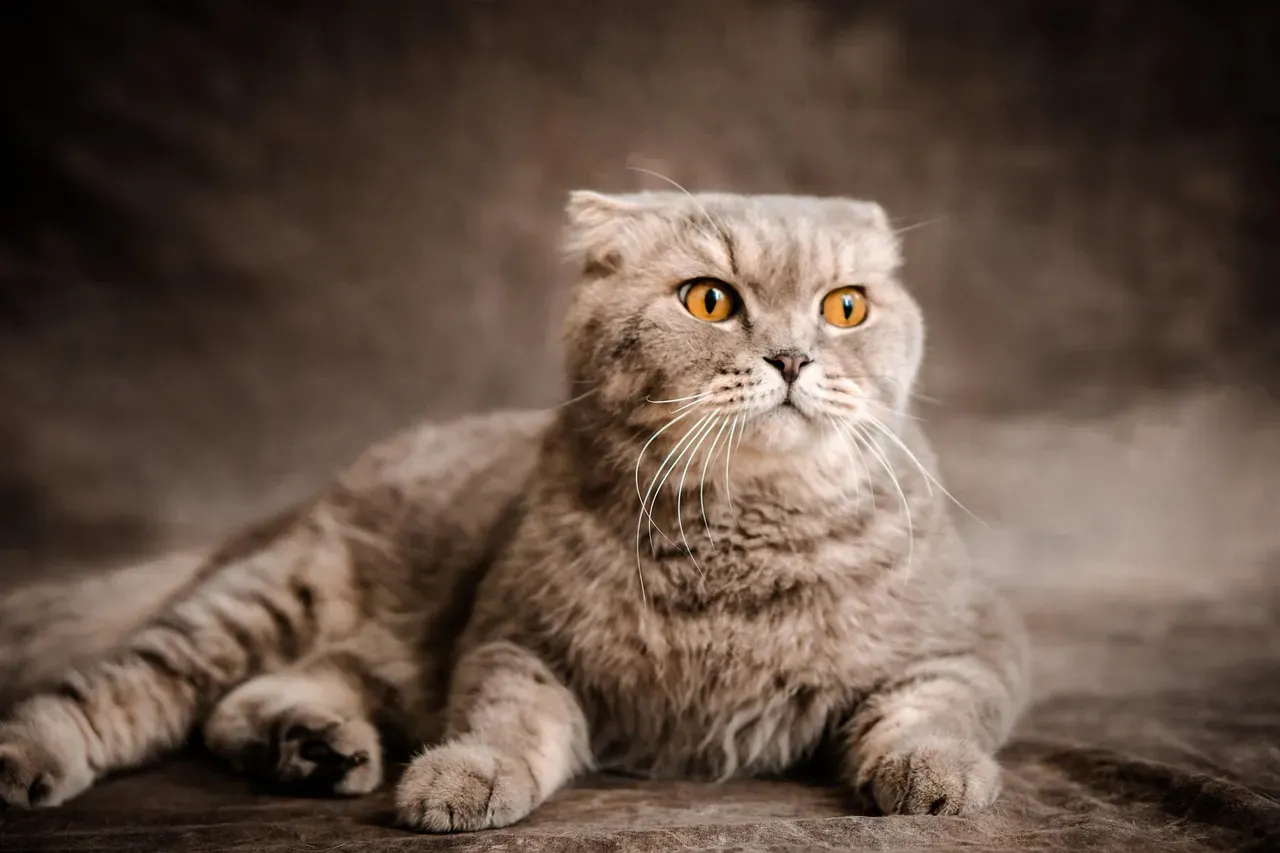
Scottish Folds fear being alone and bond closely with their owners, and while that doesn’t mean they won’t ever be active, this lazy cat breed will play games with their owners and love to watch what’s happening around them from afar and on their hind legs. Those folded ears aren’t their only distinctive feature. Scottish Folds might not need as much exercise as other cat breeds as they tend to prefer a quiet laid-back environment, yet owners should introduce a game of fetch every now and then to get their lovable Scottish Fold moving and keep them healthy.
Their unique sitting positions have earned them internet fame, yet their personality is what really wins hearts. They’re affectionate without being demanding, playful without being hyperactive. Scottish Folds strike a nice balance between engagement and relaxation, though they definitely lean toward the latter.
18. Birman: The Gentle Soul
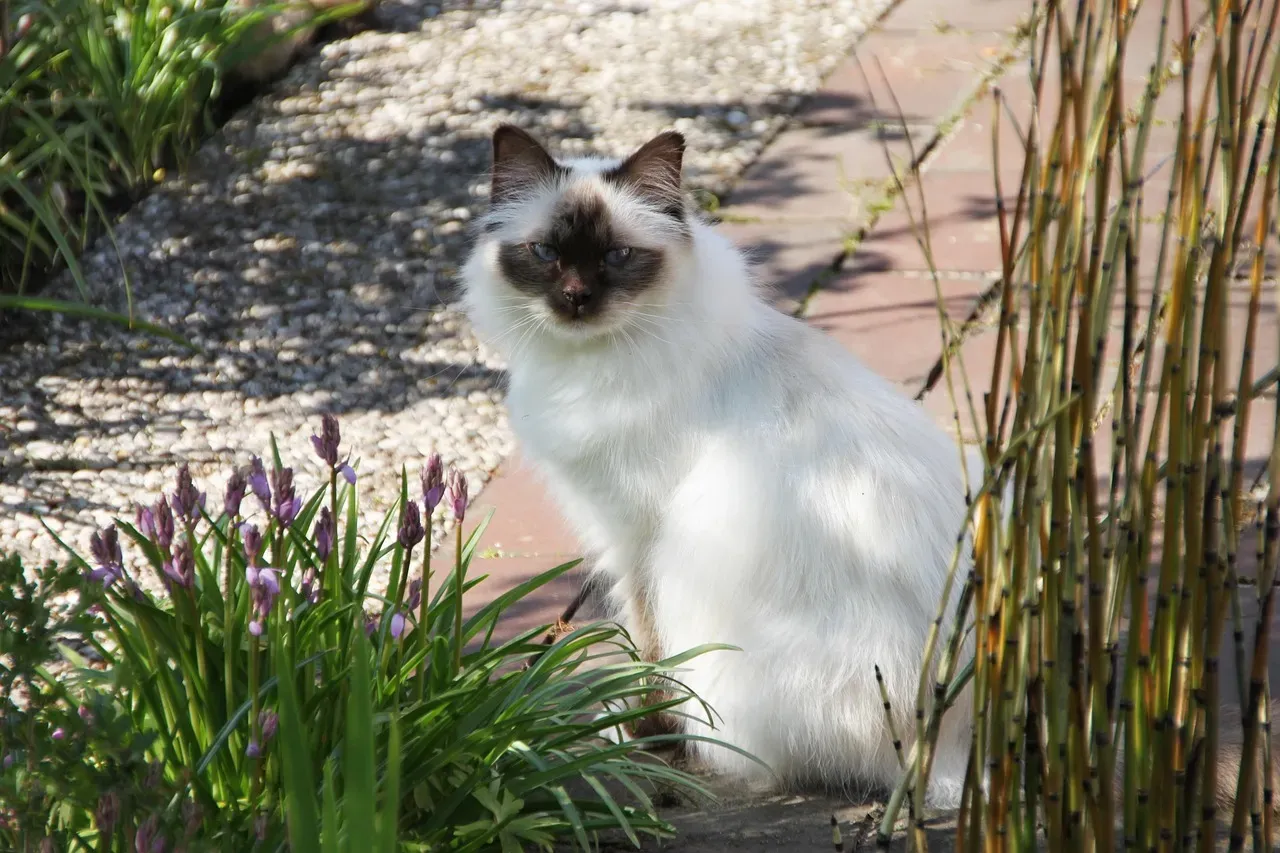
While still playful, the striking Birman is less active than many cat breeds, and if you require peace and quiet at home, this low-maintenance feline will happily oblige, though they still don’t enjoy long stretches of solitude. These sacred cats from Burma have an almost spiritual calmness. Their silky coats and white-gloved paws give them an ethereal appearance that matches their serene temperament.
Birmans want to be near their people without necessarily being the center of attention every moment. They’re content to exist in the same space as you, offering quiet companionship rather than constant demands for interaction. Their social nature means they prefer having company, yet they won’t exhaust you with high energy antics.
19. Manx: The Rounded Relaxer
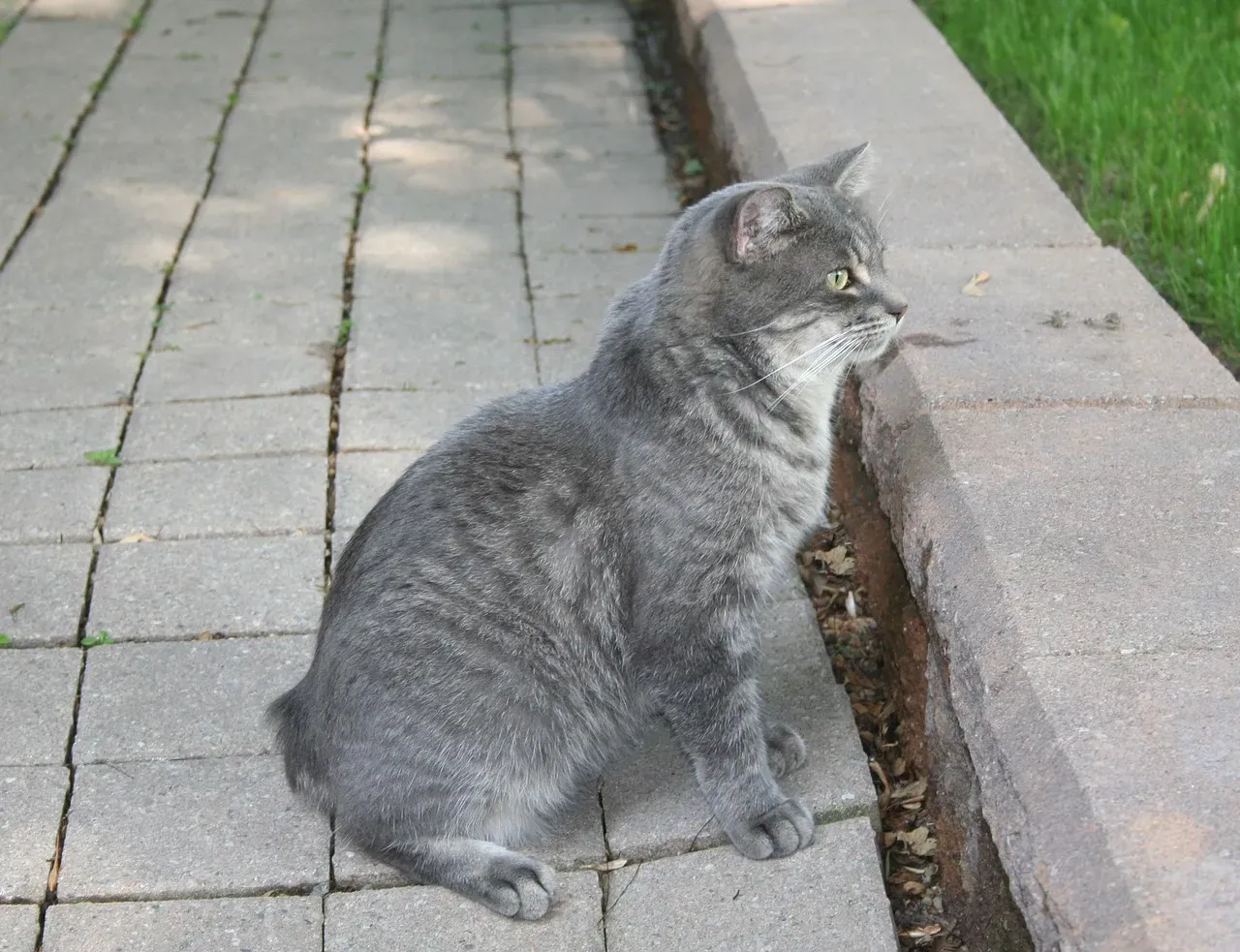
One of the oldest cat breeds and one of the original breeds registered by the Cat Fanciers’ Association, the Manx has been a dependable choice for pet parents for hundreds of years, beloved for their laid-back and loyal temperaments, and while considered one of the generally mellow cat breeds, they are a little spunkier than others on this list, often called the “bowling ball” of cats with sturdy rounded bodies and notably no tails. That missing tail gives them a distinctive appearance.
They rarely use their bodies aggressively, instead opting for tender movements and quiet meows to communicate, and Manx love to play and get along well with anyone in the home – other pets and humans alike – yet they’re also just fine napping on the couch or entertaining themselves while their family members are away. They’re adaptable cats who can match your energy level, though their baseline setting tends toward mellow.
20. Korat: The Homebody Extraordinaire
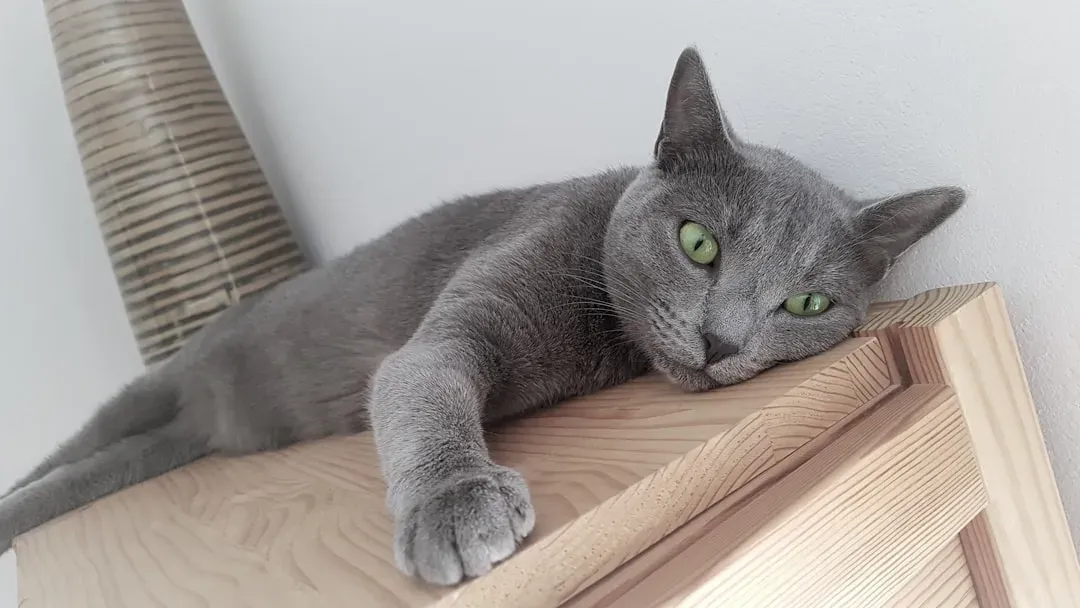
The Korat is a breed known for being a bit difficult in show rings due to their dislike of new places and people, and while they aren’t rude or aggressive, they are another example of the ultimate homebody that wants to be left alone, with these cats doing best with their families and a set routine where they can lounge around. These silver-blue cats from Thailand value consistency above all else. They’re creatures of habit who don’t appreciate disruptions to their carefully maintained routines.
Korats form deep bonds with their families yet remain wary of outsiders and changes to their environment. They’re perfectly happy spending their days in familiar surroundings with familiar faces. If you’re someone who appreciates a predictable, quiet home life, a Korat will be your ideal companion who shares your love of routine and relaxation.
Finding Your Perfect Match
The world of cats is wonderfully diverse. Some breeds carry the torch of their wild hunting heritage, never losing that predatory spark that made cats so valuable to humans throughout history. Others have fully embraced domestication, trading hunting prowess for cuddle expertise.
Neither type is better than the other – they’re just different. It all comes down to what you’re looking for in a feline companion. Need help with pest control or want an active, engaging pet? Those hunting breeds will keep you entertained and your home rodent-free. Prefer a peaceful atmosphere with a cat who won’t knock everything off your shelves? Those indoor game enthusiasts are calling your name. What kind of cat matches your lifestyle? The answer might surprise you.