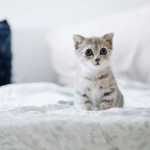
You love cats. Maybe you’ve always thought felines were independent creatures who marched to the beat of their own drum. That’s part of their charm, right? Yet some cat breeds take this independence to a whole new level. These cats aren’t just self-sufficient. They’re genuinely aloof, occasionally bordering on indifferent toward the very people who feed and care for them.
Here’s the thing: not every cat wants to be your shadow or curl up in your lap for hours. Some prefer to admire you from across the room, thank you very much. If you’re thinking about adopting a cat or you’re curious why your current feline seems so distant, understanding these naturally standoffish breeds might give you some clarity. Let’s dive in.
Russian Blue: The Observant Aristocrat
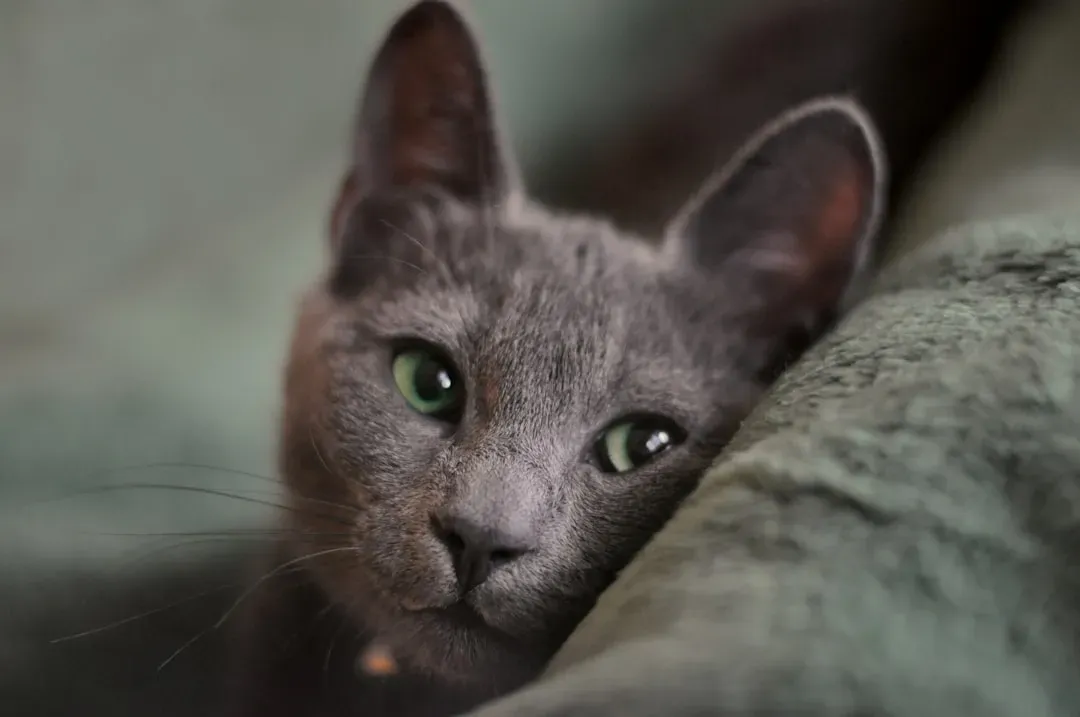
Russian Blues are independent cats that take time to warm up to strangers and tend to form strong bonds with just one or two people. Once they become comfortable in your home, they will be playful and show you a lot of affection. They’re beautiful cats with stunning silver-blue coats, though their reserved nature can make them seem emotionally distant at first.
These graceful cats don’t require much space to run around. They’re on the quiet side, and they’re also incredibly independent, which makes them more willing to relax alone while you’re out. Expect them to spend considerable time watching you from afar rather than demanding your immediate attention. Their loyalty is selective and earned over time.
Norwegian Forest Cat: The Self-Reliant Wanderer
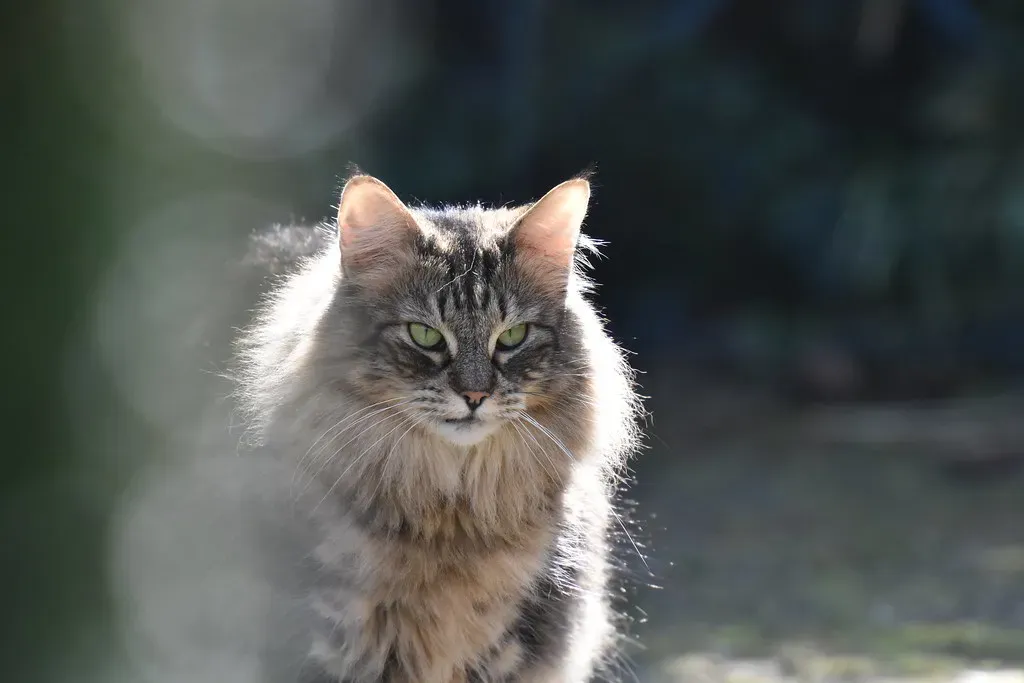
This undemanding cat breed developed naturally in Scandinavia is well known for its gentle and friendly demeanor. Because of their semi-domestic nature, the Norwegian Forest Cats can cope well if their owners are often away. Don’t mistake their gentleness for clinginess, though. These cats are perfectly content entertaining themselves for hours.
It’s big and it’s bold, but it’s a cat that is just fine on its own. As long as there is food, water and a clean litter box, this cat is good to go if you choose to go away for the weekend or stay out late after work one night. It’s not going to miss you too much. Their roots in the rugged Scandinavian wilderness show in their remarkably independent temperament.
Bengal: The Wild-Hearted Soloist

Bengal cats are an independent-minded breed that is remarkably unfazed by fellow pets, young children, or generally hectic homes. Their exotic appearance hints at their wild ancestry, and that wildness extends to their emotional disposition. Bengals are incredibly intelligent, but they don’t necessarily crave human affection the way other breeds do.
These cats are more interested in exploring their environment and satisfying their curiosity than snuggling with you on the couch. They’ll acknowledge your presence, sure, but on their terms. You might find yourself feeling more like a roommate than a beloved owner. Their stunning spotted coats and athletic builds are gorgeous, though their emotional detachment can be surprising for first-time Bengal owners.
Scottish Fold: The Quietly Reserved Philosopher
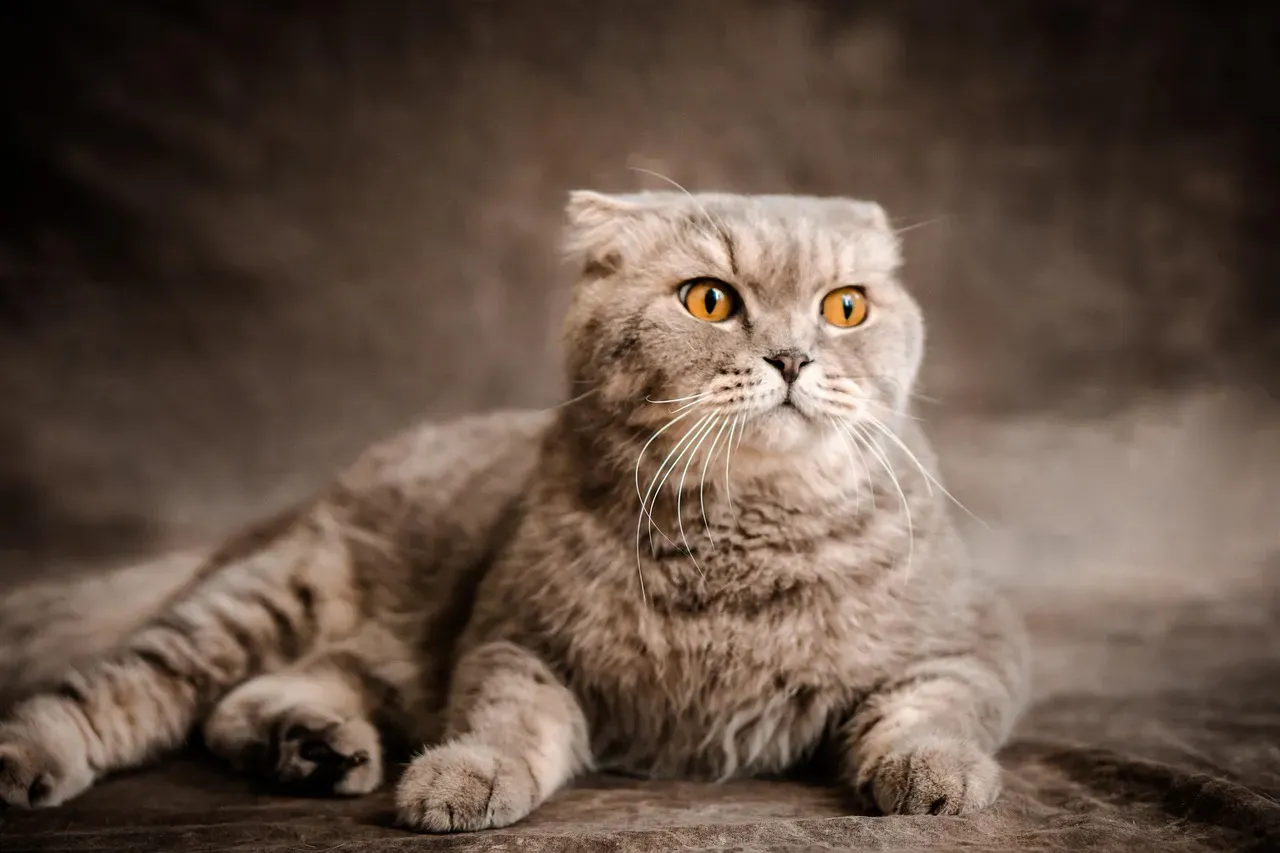
Scottish Folds are sensitive, expressive, and active cats perhaps best known for their uniquely shaped ears. While these playful cats enjoy both human and feline company, this breed is also self-contained enough to be content with owners who require to be away for long periods. Their adorable folded ears give them an almost owl-like appearance, yet don’t let that sweetness fool you into thinking they’re needy.
Scottish Folds are another calm and easy-going cat breed. They love human interaction, but they’re not known to be demanding or pushy about receiving attention. These cats also don’t have particularly active lifestyles, so they’re pretty content with lounging around. They’ll accept your affection when offered but rarely beg for it.
American Shorthair: The Easygoing Loner
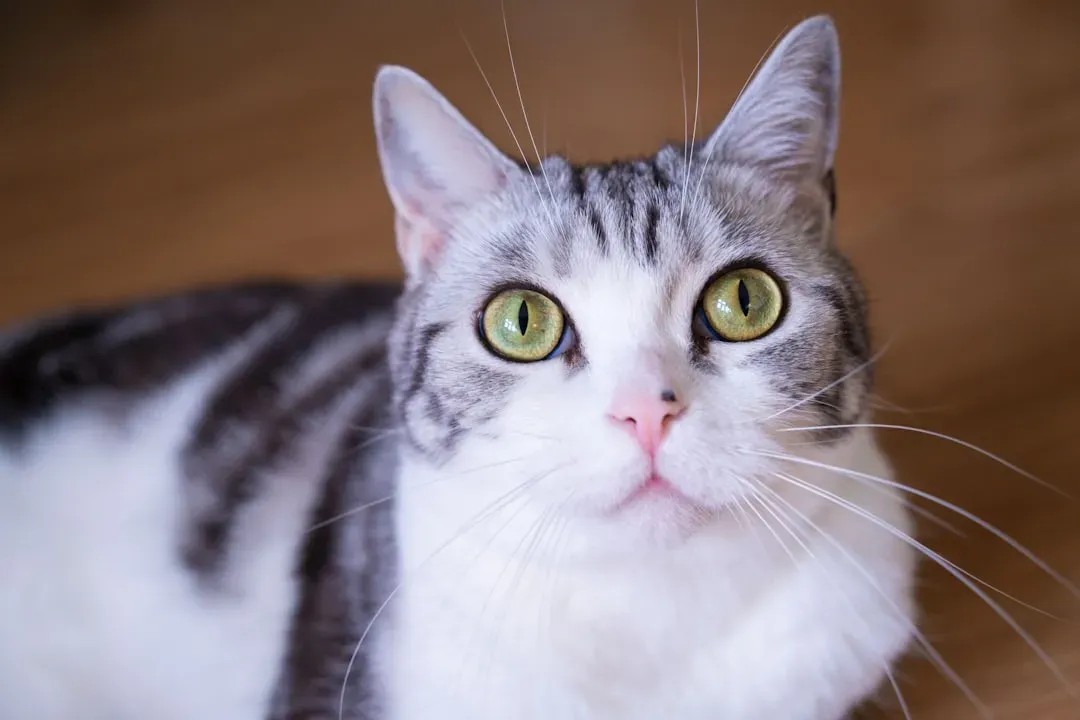
American Shorthairs are descendants of European cats that traveled across the Atlantic on the Mayflower. The long history that these cats have with humans shows that they’re very resilient and independent. While many American Shorthairs are known to be very affectionate with their owners, they do well by themselves and don’t mind spending time alone.
These cats are friendly without being intrusive. They’ll greet you when you come home but won’t follow you from room to room demanding attention. Their low-maintenance personalities make them ideal for busy households. I think their ability to entertain themselves for extended periods is what truly sets them apart from more attention-seeking breeds.
Persian: The Dignified Lounger
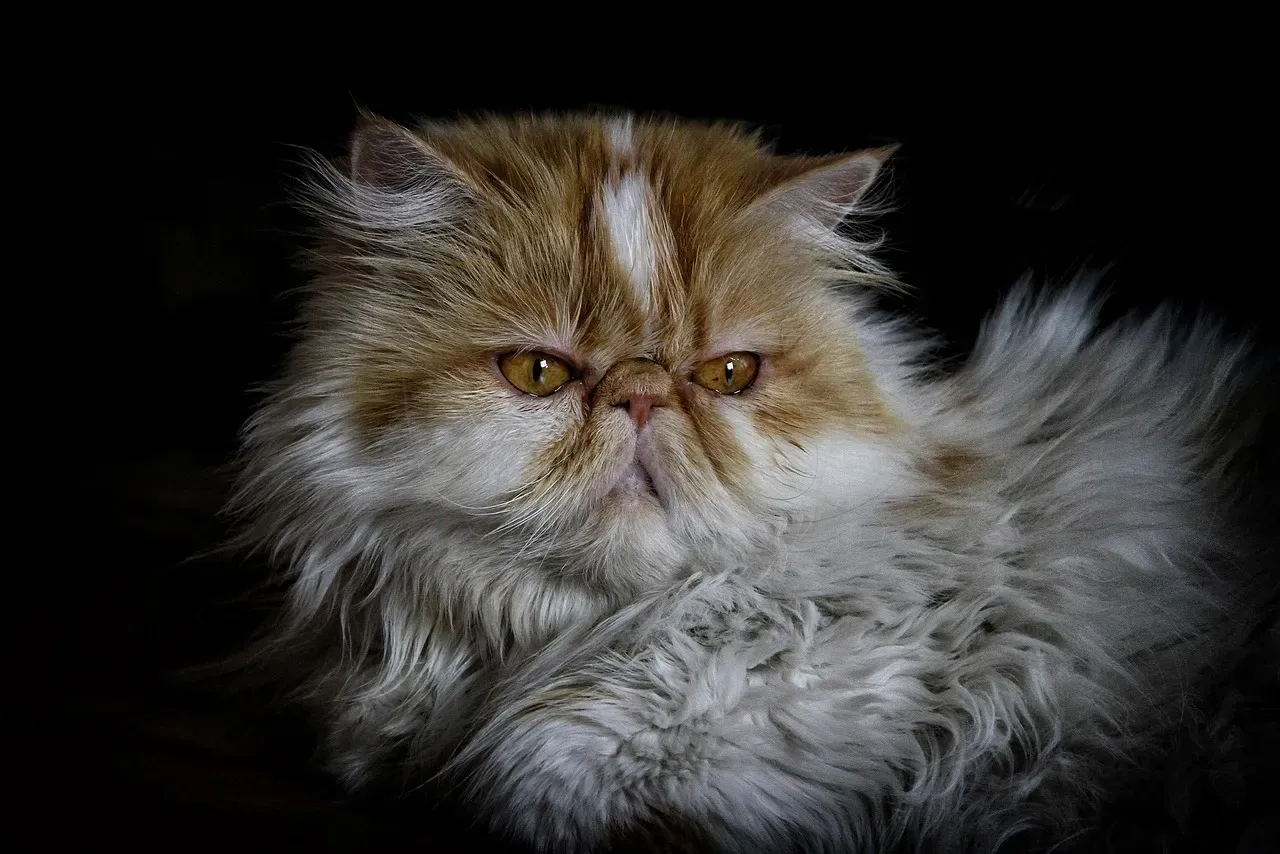
Even though you’ll need to spend more time grooming a Persian, his pleasant demeanor should more than make up for it. You won’t need to worry about a Persian releasing his pent-up energy into destructive outlets. These cats prefer lounging with their humans over jumping on forbidden surfaces or clawing your furniture. Their calm, sedentary nature often translates to emotional distance.
Persians are content to exist in your space without necessarily engaging with you. They’re beautiful to look at with their luxurious coats and flat faces, yet their interactions can feel surprisingly one-sided. You might find yourself doing all the work in the relationship while your Persian simply tolerates your presence. They’re not hostile, just emotionally unavailable in a uniquely feline way.
Birman: The Silently Independent Beauty
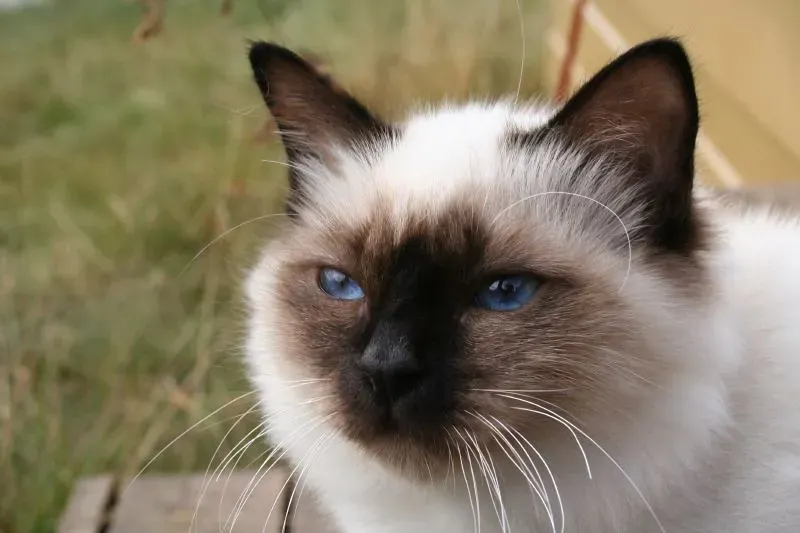
Birmans are a particularly sweet and quiet cat breed capable of getting along well with almost anyone. These cats distinguished by the gloriously silky coat are independently-minded as well as being very low-maintenance. Their striking blue eyes and color-pointed fur make them visually stunning, though their emotional availability doesn’t always match their physical beauty.
These cats don’t demand much from their owners beyond basic care. They’re perfectly happy to spend hours grooming themselves or gazing out windows. While they’ll tolerate affection, they rarely initiate it. Their quiet nature means you might go days without hearing more than a soft chirp from them, making them feel more like elegant houseguests than devoted companions.
British Shorthair: The Polite But Distant Companion
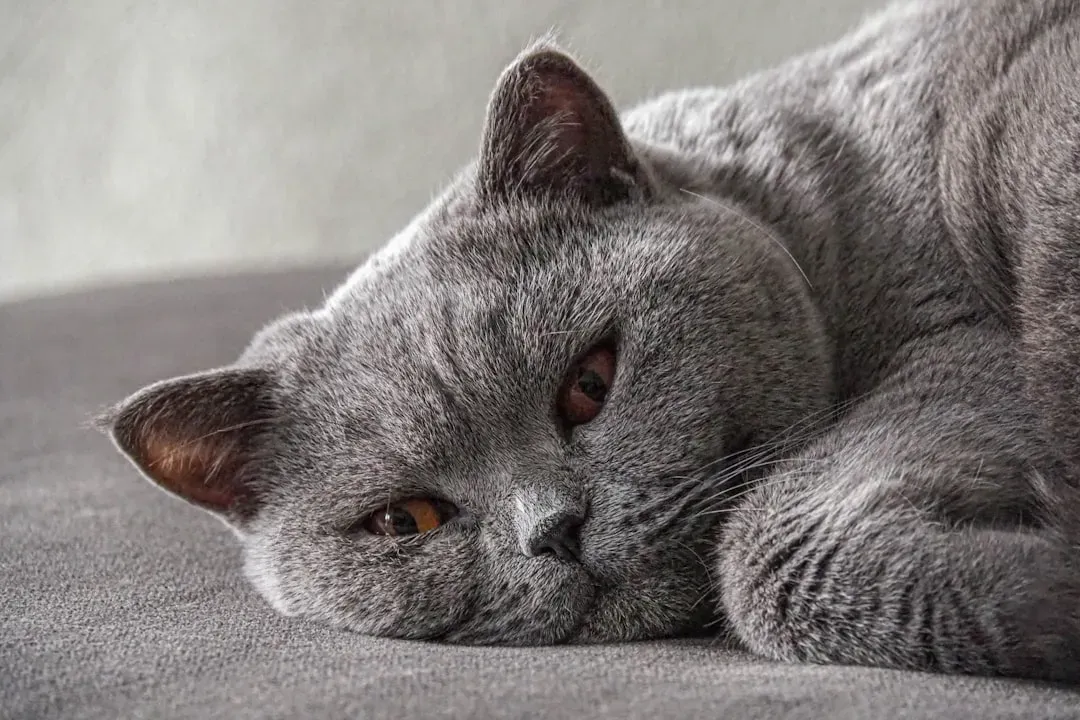
The British Shorthair enjoys attention but is equally happy to entertain himself while you’re away. These cats “want to be with their people, not necessarily in a lap or carried around, but next to them or in the same room with them.” They’ll be near you without being on you, which perfectly captures their standoffish nature.
These round-faced, plush-coated cats have an air of dignified reserve. They’re not cold exactly, just emotionally contained. British Shorthairs will acknowledge your existence and may even sit near you, but don’t expect enthusiastic greetings or constant demands for attention. Their relationship with you feels more like mutual respect than passionate devotion.
American Wirehair: The Self-Sufficient New Yorker
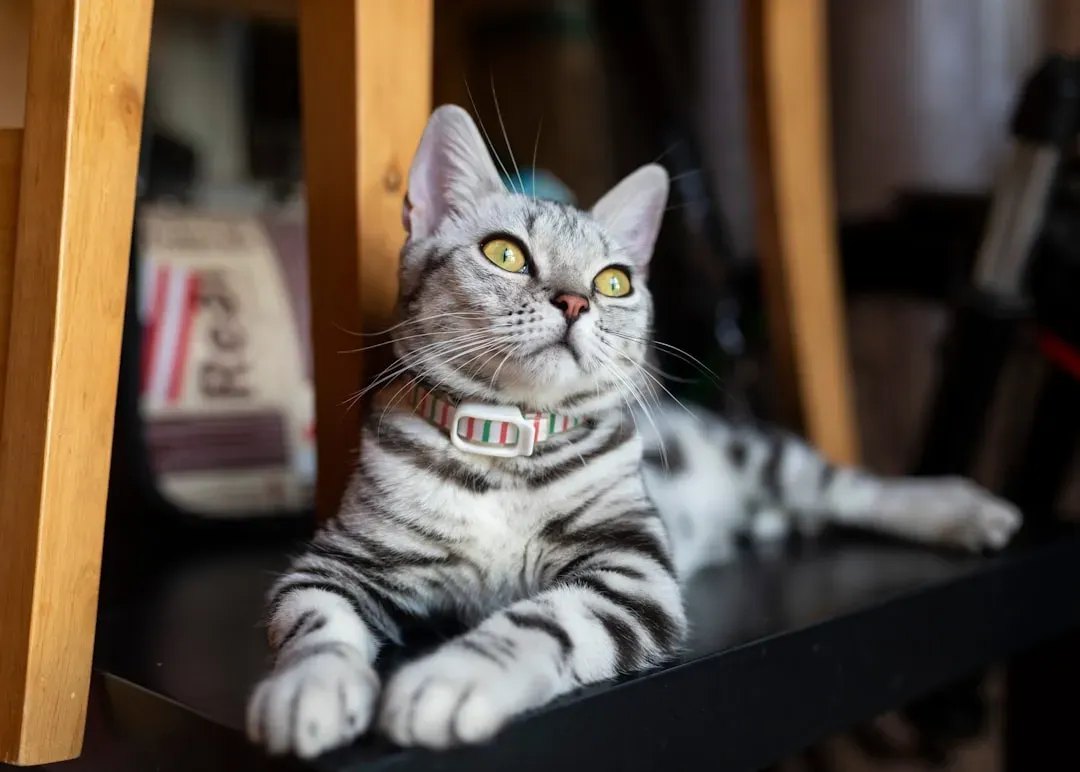
American Wirehairs are New York natives with laid-back personalities. These cats have a mind of their own and don’t tend to be demanding of their humans. While they’ll love to play with people, they also enjoy playing alone with their toys. Their unique wiry coat texture matches their independent personality.
The American Wirehair is a sweet cat with an outgoing personality but is not necessarily a breed that needs or requires its owners’ attention. These kitties are very content to be on their own and their humans can be reassured they will not land in trouble when left alone. You might wonder if your American Wirehair actually needs you at all, honestly.
Exotic Shorthair: The Quietly Aloof Companion
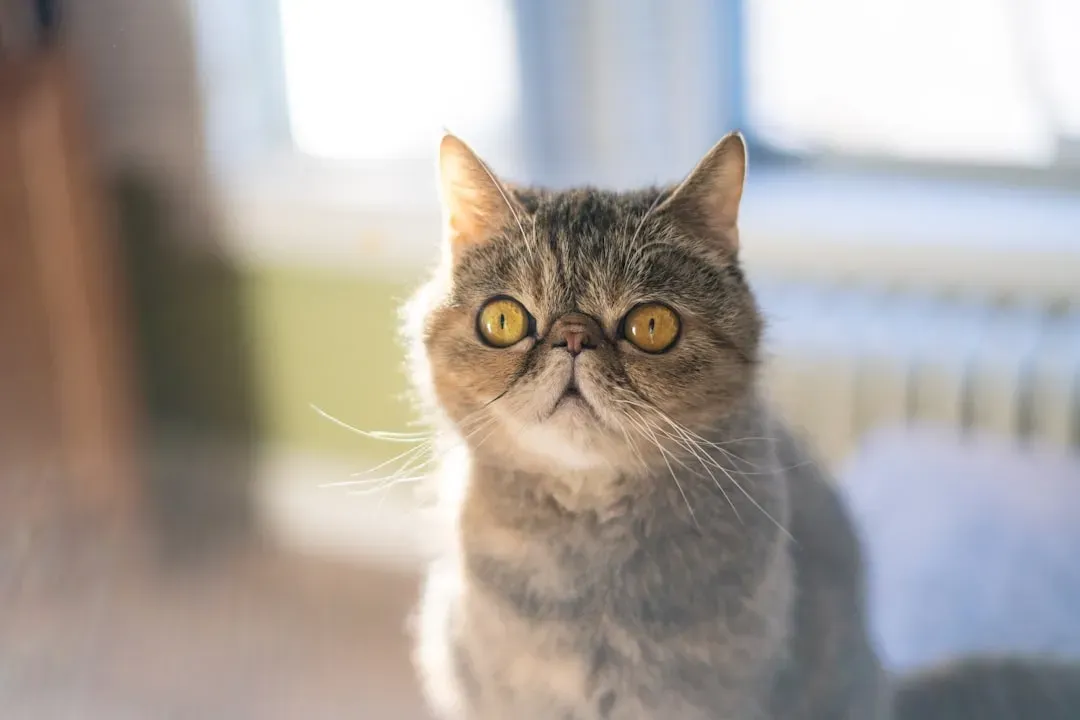
The medium-sized Exotics Shorthair is a cat breed notable for being as playful as it is pretty. As they age their independent nature can slowly reveal itself, and these cute kitties will settle into their relaxed personalities. They’re often called “Persians in pajamas” due to their short coats and similar facial features, yet they share the Persian’s emotional distance.
These cats are sweet and affectionate on their own schedule, which might not align with yours. They’ll engage when they feel like it and retreat when they don’t. Their independence becomes more pronounced as they mature, so the cuddly kitten you brought home might grow into a polite but detached adult who prefers observing life from a comfortable perch rather than participating in it.
Conclusion: Understanding the Standoffish Soul
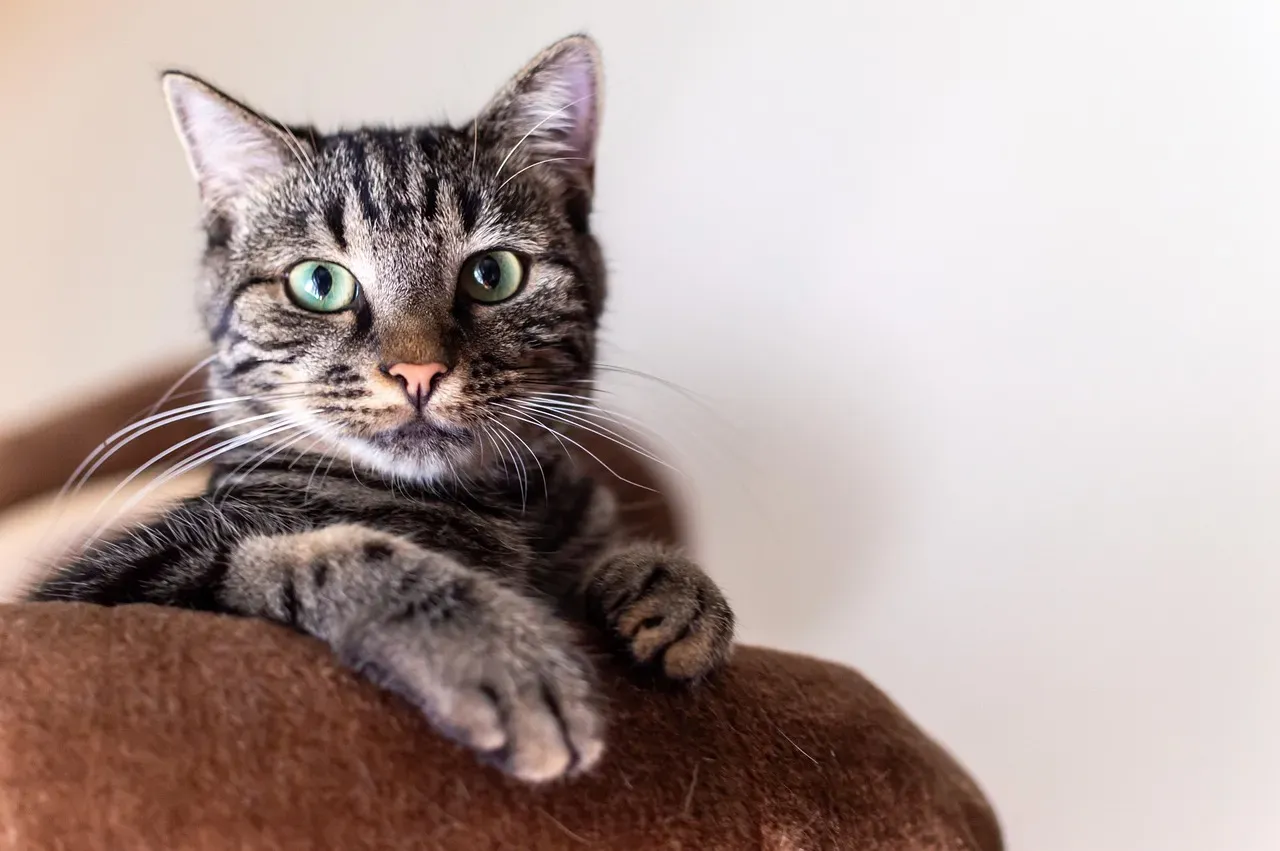
Living with a standoffish cat breed requires adjusting your expectations. These cats aren’t broken or unloving. They simply express affection differently than more demonstrative breeds. Their independence means they’re less likely to experience separation anxiety and can thrive in households where owners work long hours.
The key to connecting with these reserved felines is respecting their boundaries. Let them come to you rather than forcing interactions. Celebrate the small moments when they choose to sit near you or grace you with a slow blink. Their love is subtle, quiet, and earned rather than freely given. Did you expect your aloof cat to be quite this independent? What’s your experience been like living with a more reserved breed?