If you’ve ever felt guilty about leaving home for a full workday while a pair of green eyes stares at you from the window, you know the struggle. The truth is, not every cat craves constant attention. Some breeds are genuinely content doing their own thing, entertaining themselves for hours, and greeting you warmly when you finally walk through the door. No drama, no destroyed furniture, no guilt trip.
The world in 2026 is busier than ever. Long commutes, hybrid work schedules, side hustles, social commitments. Finding a pet that fits into that lifestyle without suffering or making you suffer is not just convenient – it’s responsible. Fortunately, the feline world has a lot to offer here. From velvet-coated loners to ancient hunter breeds, let’s look at ten cat breeds that prove independence and affection are not mutually exclusive. Let’s dive in.
1. Russian Blue: The Elegant Introvert
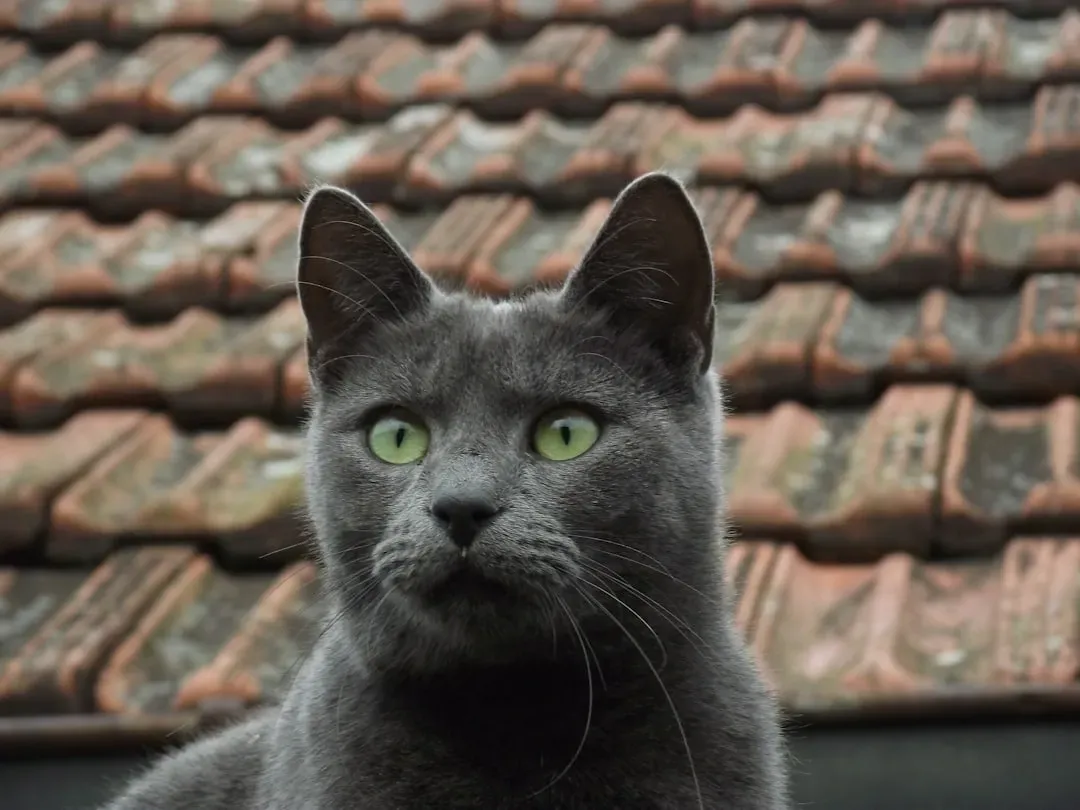
Here’s the thing about the Russian Blue – it almost seems designed for the modern, busy professional. Known as the Archangel Blue, this naturally occurring breed from the Russian port city of Arkhangelsk is instantly recognizable for its shimmering blue-silver coat and elegant, thoughtful personality. You could almost mistake it for being standoffish at first, but that would be a mistake.
For owners with limited time, Russian Blues strike an ideal balance between independence and connection – perfectly content entertaining themselves during long workdays, yet deeply loyal to their favorite person. Their low-maintenance coat barely sheds and requires minimal grooming. If you value a quiet, tidy companion who won’t remodel your couch in your absence, this might be your cat.
Mental stimulation matters to this breed, but it does not require constant supervision. Russian Blues enjoy predictable environments and handle solitude gracefully, making them well suited to structured households with busy schedules. Think of them as the introvert roommate you always wanted – pleasant, respectful, and totally unbothered.
2. British Shorthair: The Undemanding Teddy Bear
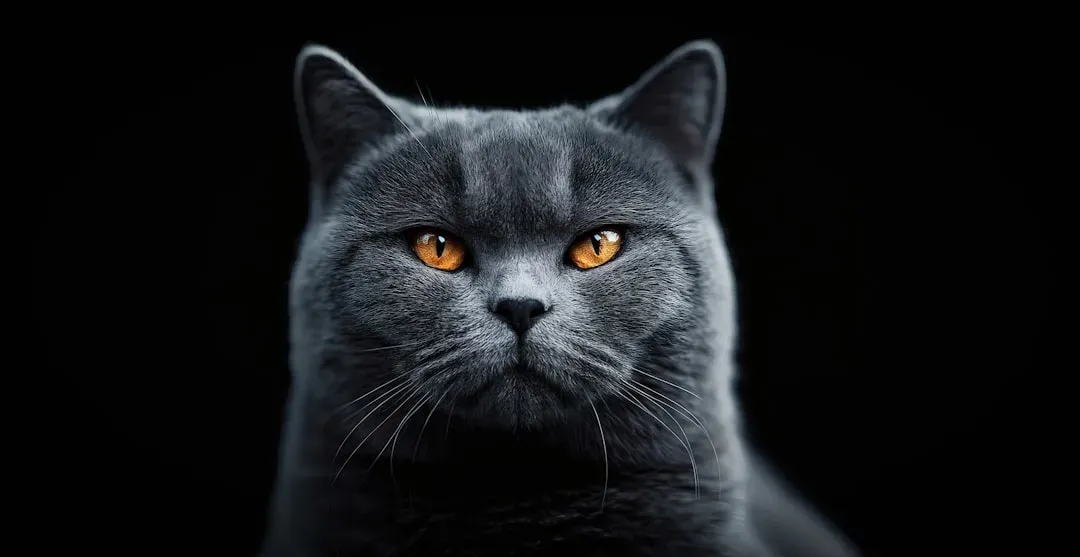
According to the CFA, British Shorthairs are known for their sturdy build, round faces, and calm, self-possessed presence. They tend to observe their environment quietly, often choosing a favorite spot where they can relax without interruption. This breed is comfortable entertaining itself and does not rely on constant interaction to feel secure.
If you work full-time out of the house or have a busy family schedule, the British Shorthair is hard to beat. Sweet-natured and people-oriented, yet not at all clingy, they delight in spending time with their family but are also more than happy to do their own thing when their humans are too busy to amuse them. That balance is honestly rare and something every busy owner dreams of.
Their personality leans toward reserved rather than aloof. British Shorthairs enjoy companionship but usually prefer sitting nearby instead of on laps, showing affection in subtle, low-key ways. Understated love, if you will. And honestly? That suits a lot of people perfectly.
3. Abyssinian: The Self-Sufficient Explorer
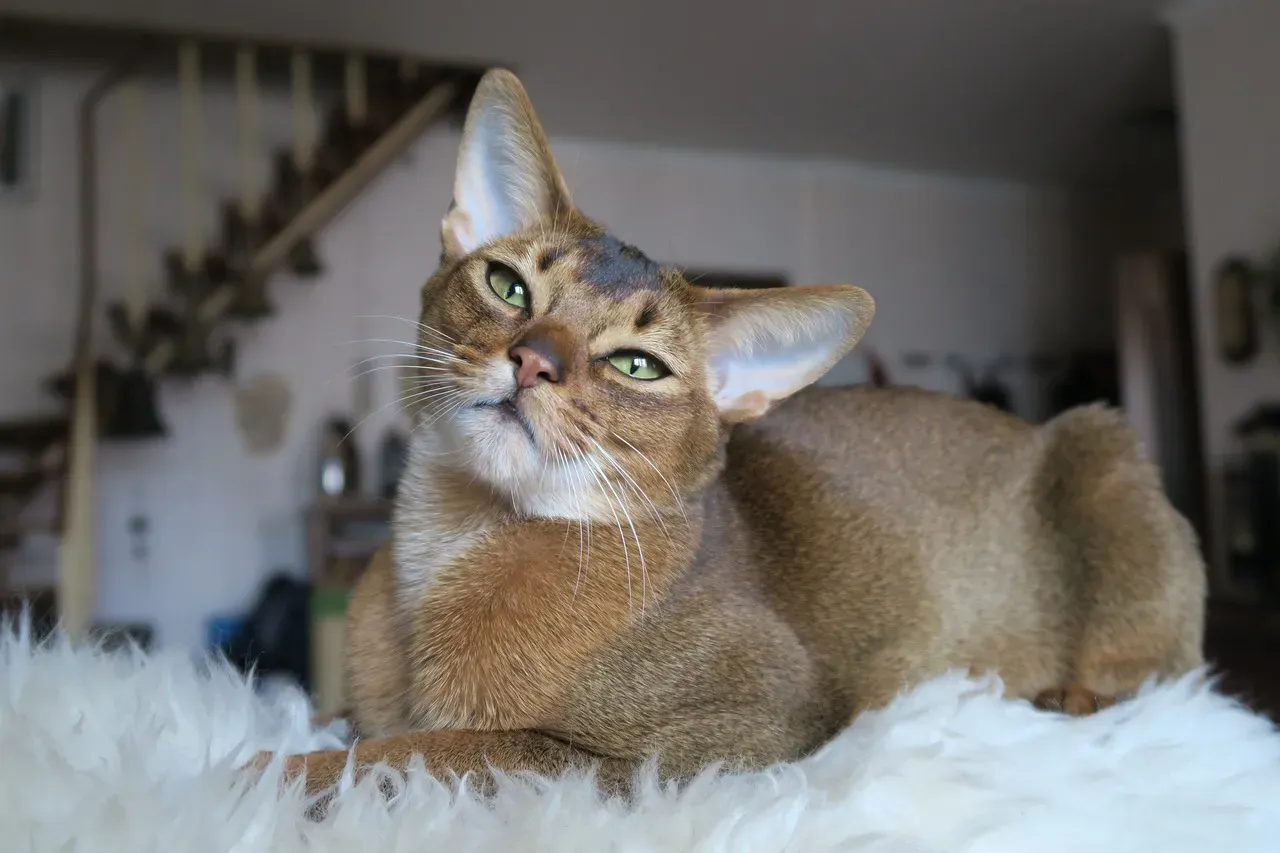
An ancient breed that retains its instincts as a solitary hunter, the Abyssinian is affectionate and enjoys spending time with their humans, but their independent streak keeps them from being clingy. If you imagine a cat that’s basically always got something going on, this is it.
Abyssinians are naturally inquisitive and thrive on mental stimulation, making them masters of self-entertainment. Their curiosity drives them to explore every corner, often earning them the playful nickname “Aby-grabbys” for snatching intriguing objects. Energetic yet independent, they happily tackle puzzle feeders and interactive toys to keep their sharp minds engaged. While they enjoy human company, they’re perfectly capable of keeping busy when left alone for part of the day.
Think of them as the cat equivalent of someone who always has a project on the go. You’ll never find an Abyssinian just sitting there staring at a wall. They’re far too busy for that – and so are you.
4. Maine Coon: The Gentle Giant Who Does Its Own Thing
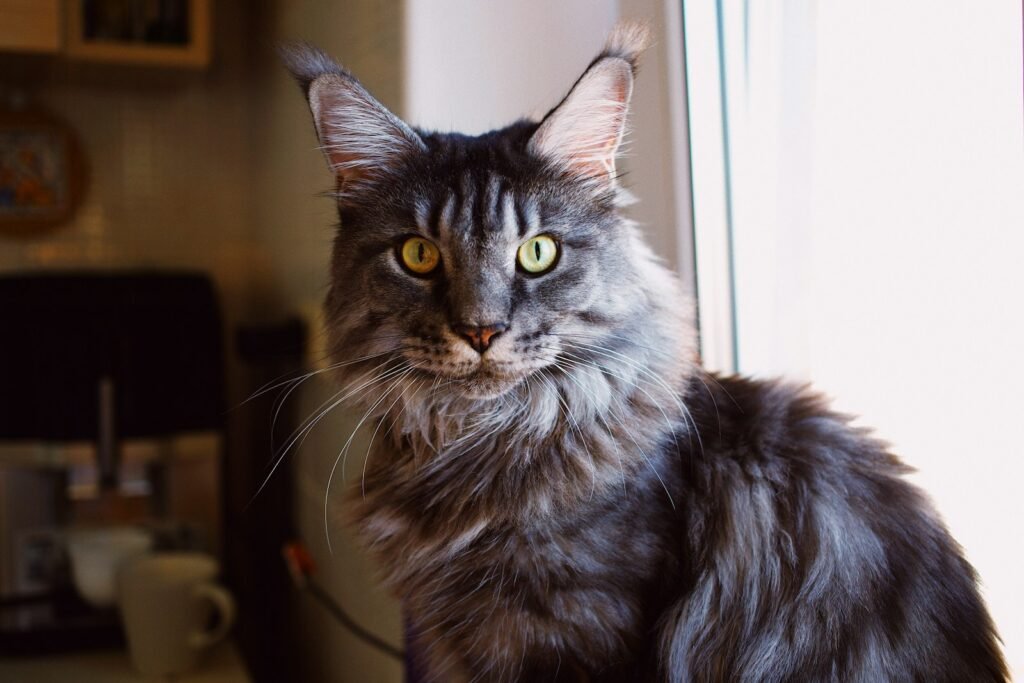
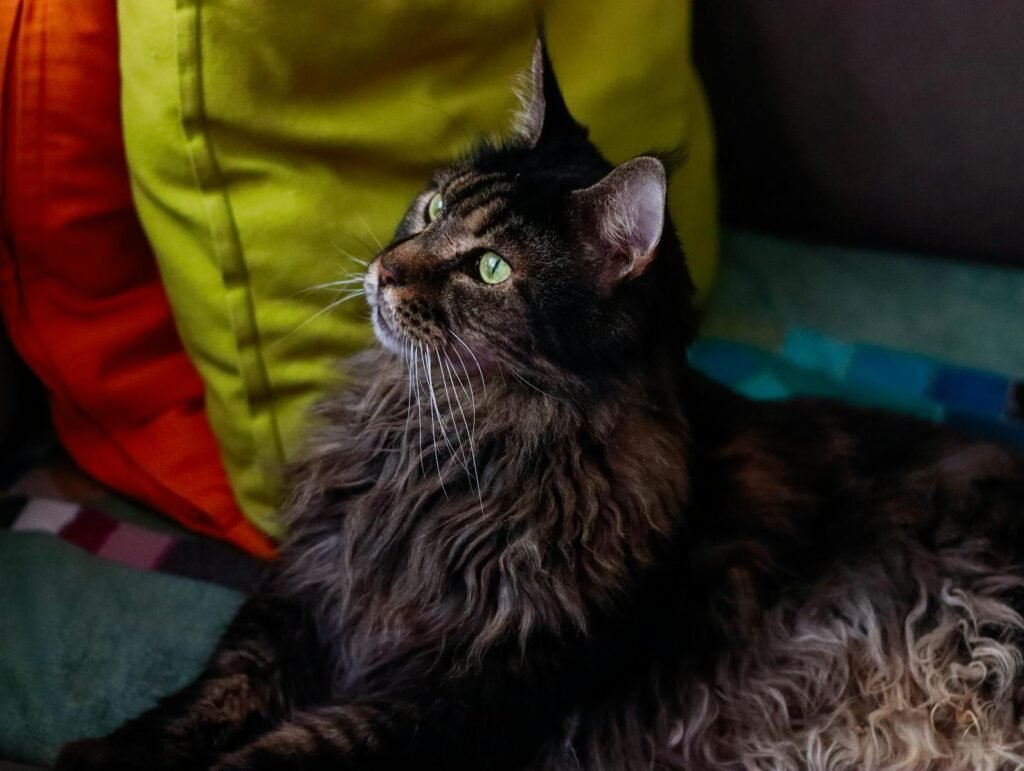
The Maine Coon, often called the “gentle giant,” is one of the oldest native American cat breeds, known for its large size, shaggy coat, and friendly personality. With tufted ears and a bushy tail, it has a rugged yet charming appearance. Don’t let the size fool you. These cats are about as drama-free as it gets.
According to Omlet, Maine Coons are spirited cats that are content on their own and don’t demand constant attention from their owners. Despite their affectionate nature, the Maine Coon is quite independent and can handle being alone for several hours without stress. It enjoys relaxing at home and doesn’t rely on constant interaction to stay perfectly content.
Despite their size, Maine Coons are gentle and friendly, forming bonds without becoming overly attached. They enjoy interaction but do not demand it, often checking in before wandering off again. Their independence feels natural rather than distant. Maine Coons adapt well to different living situations and manage alone time without issue. That last part is a gem of a quality for anyone with an unpredictable schedule.
5. Persian: The Low-Energy Lounger
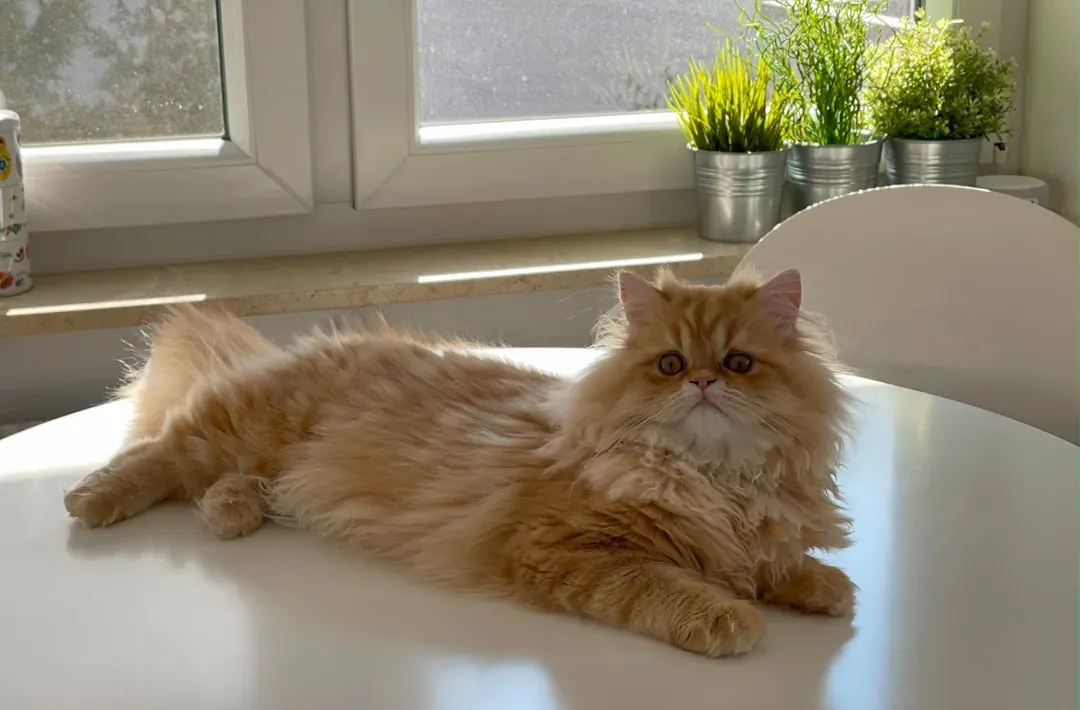
Persians have this reputation for being high-maintenance divas – and yes, that gorgeous coat does require some care. But in terms of emotional demands? Persian cats are known for their luxurious, long coats and sweet, expressive faces. They are popular for their affectionate yet independent nature, perfectly content to spend time alone, grooming their magnificent fur or lounging in a favorite spot. Their relaxed temperament and self-sufficient nature make them ideal companions for owners who work or travel often.
This easy-going breed tends to be quiet, preferring to observe what’s happening around it versus demanding to be center stage. This independent cat breed is low-energy and intelligent, preferring regular cat naps over getting the zoomies. Honestly, if “quiet couch potato who minds their own business” sounds appealing to you, a Persian may be your perfect match.
Most owners would describe the Persian as low-energy, quiet, and calm. They don’t like climbing as much as other breeds, love to bat at feathers, and prefer to speak with their eyes instead of meowing. A silent, gentle soul – what more could a tired professional ask for at the end of a long day?
6. Norwegian Forest Cat: The Rugged Self-Reliant Nordic
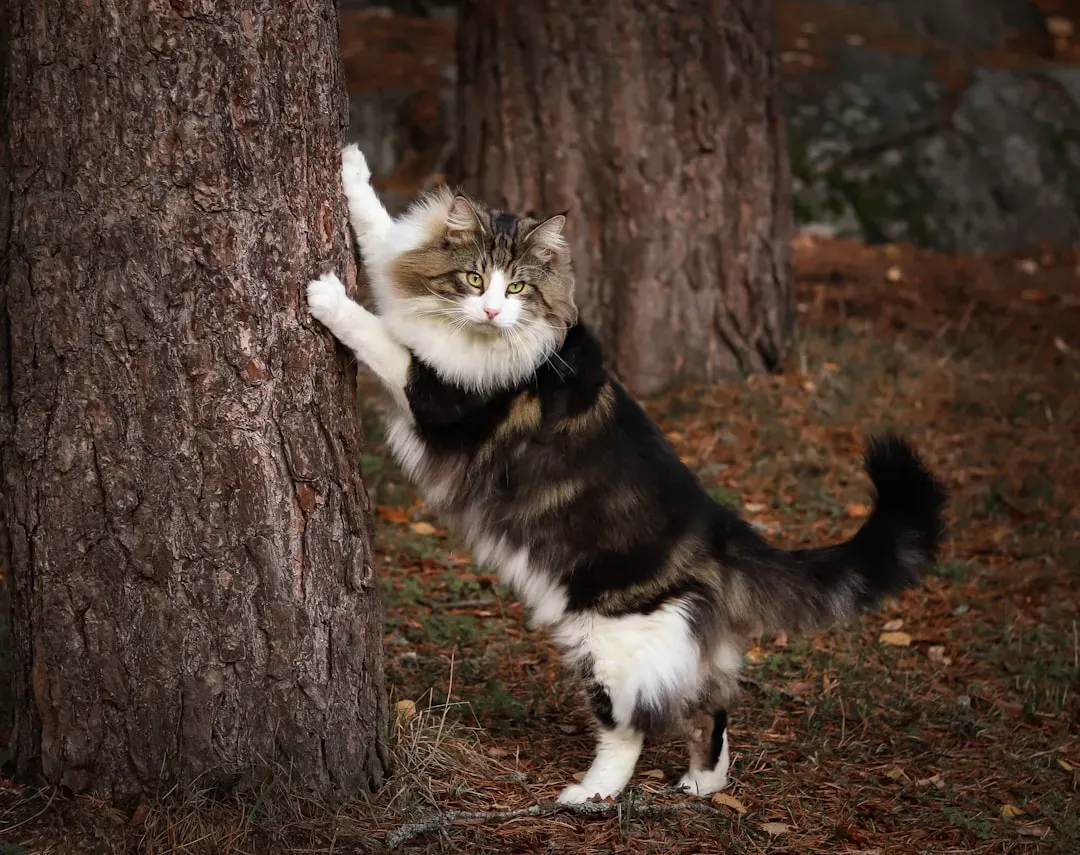
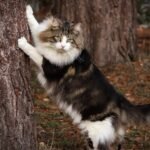
Hailing from the cold climates of Norway, the Norwegian Forest Cat is a sturdy, strong breed with a thick, waterproof coat. These cats are known for their independent nature and their ability to thrive both indoors and outdoors. They form strong bonds with their owners, but their hunting instincts make them self-sufficient and happy to explore on their own. Centuries of surviving Scandinavian winters will do that to a cat.
As per Britannica, Norwegian Forest Cats are confident, capable cats with a strong sense of independence rooted in their hardy background. They are comfortable exploring their surroundings and often choose where and when to interact. Their calm self-assurance sets them apart. This breed enjoys affection but rarely seeks it constantly, often preferring to observe from a distance before joining in.
Because they are adaptable and self-reliant, they handle time alone well. Providing space and choice helps them feel secure, allowing their gentle loyalty to develop naturally over time. I think there’s something deeply admirable about a cat that earned its independence the hard way – through generations of wilderness living.
7. Scottish Fold: The Quietly Confident Companion
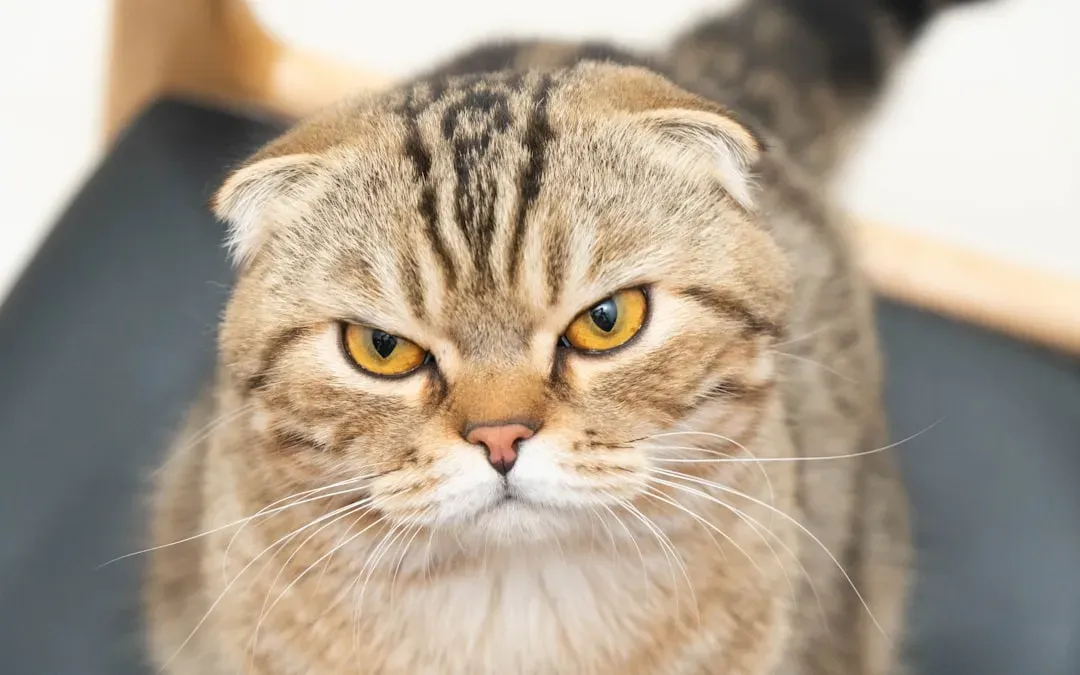
The Scottish Fold is instantly recognized by its signature folded ears, round face, and stocky build. This gentle, independent cat breed combines a unique appearance with a calm and adaptable nature. Those little folded ears give it an almost permanently surprised look, which is endlessly charming – especially when it’s sitting quietly entertaining itself.
Scottish Folds are affectionate without being overly demanding, making them well-suited for owners who spend time away from home. Their balanced nature allows them to stay perfectly content and relaxed even when left alone for extended periods. They enjoy companionship but are not clingy, often entertaining themselves quietly or resting in a favourite spot. Their ability to adapt to routines makes them comfortable in households where owners may be away during the day.
One important note here – this breed does carry a genetic condition called osteochondrodysplasia that affects bone and cartilage development. Regular veterinary check-ups are crucial to monitor for signs of discomfort or mobility issues and to ensure they’re living a pain-free life. Worth knowing before you fall for those adorable ears.
8. American Shorthair: The No-Nonsense Working Cat
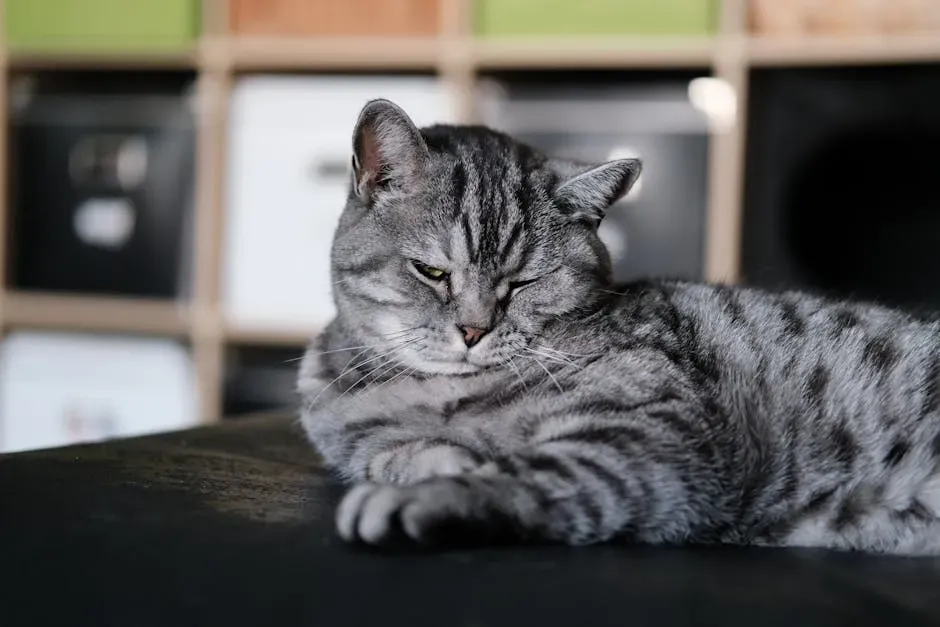
The American Shorthair, sometimes simply called the working cat, is a sturdy and well-balanced breed known for its longevity and adaptable nature. With a muscular build and a wide variety of coat patterns, it remains one of the most versatile companion cats. There’s nothing flashy about it – and that’s exactly the point.
The American Shorthair is an adaptable breed that isn’t usually shaken by changes in routine. This self-resilience means it’s content to do whatever the situation calls for – whether hanging out alone or spending time with their favorite people. American Shorthairs also have a strong hunting instinct, which often translates to play or exploration in an indoor environment.
This cat breed is naturally independent, making it well-suited for households where owners may be away for long hours. It is content spending time alone without becoming anxious or overly dependent. American Shorthairs are easygoing and gentle, often entertaining themselves with toys or exploring their surroundings. Their ability to stay occupied helps them remain relaxed even during extended quiet periods. They also get along well with children, other cats, and even cat-friendly dogs, making them a reliable family pet.
9. Ragdoll: The Surprisingly Self-Sufficient Fluffball
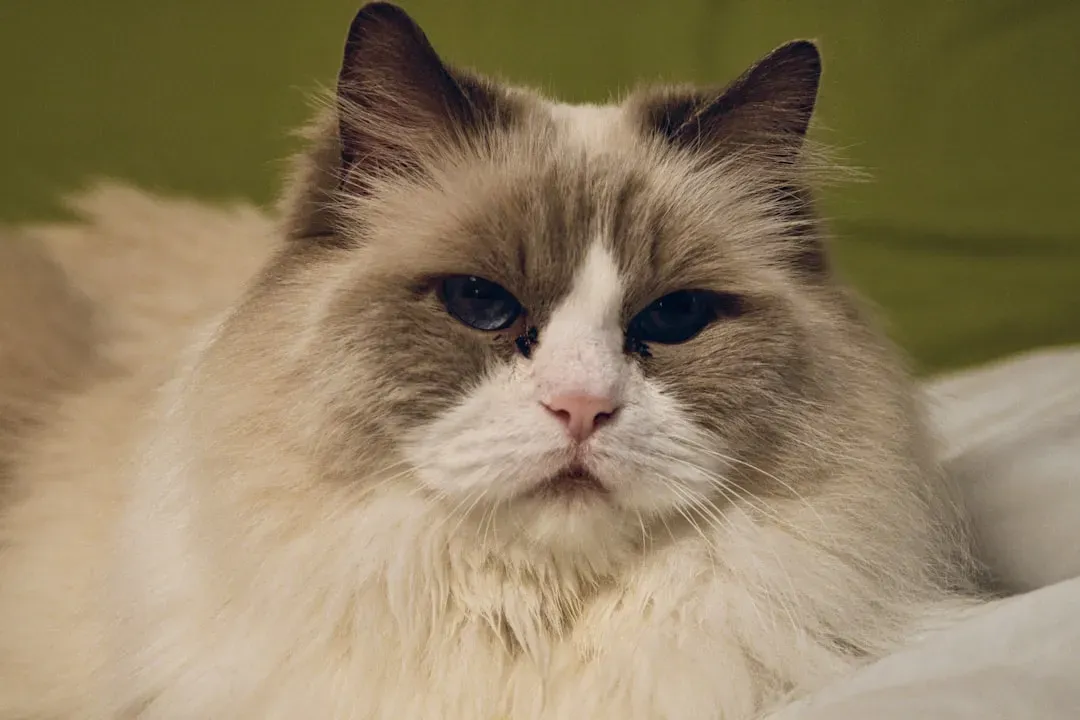
I know – Ragdolls have a reputation for being total love-bugs, the type that goes limp in your arms and follows you from room to room. So seeing them on an independence list might surprise you. But here’s the nuance most people miss.
For people with limited time, Ragdolls are ideal because they’re content being nearby without constantly demanding attention. They enjoy human presence but won’t interrupt work or chores, often choosing to lounge quietly in the same room. Their affectionate nature shines when you’re available, yet they handle short periods alone – such as a standard workday – without stress. Providing a few cozy resting spots and simple enrichment helps keep them satisfied while you’re away.
Although their fur looks high-effort, weekly brushing is usually enough to keep it tangle-free, making home care simple. Ragdolls are known for being quiet, relaxed cats that can be left alone for typical nine-to-five schedules while still greeting their owners enthusiastically at day’s end. A gentle, calm welcome after a rough day at work? Yes please.
10. Turkish Angora: The Graceful Self-Entertainer
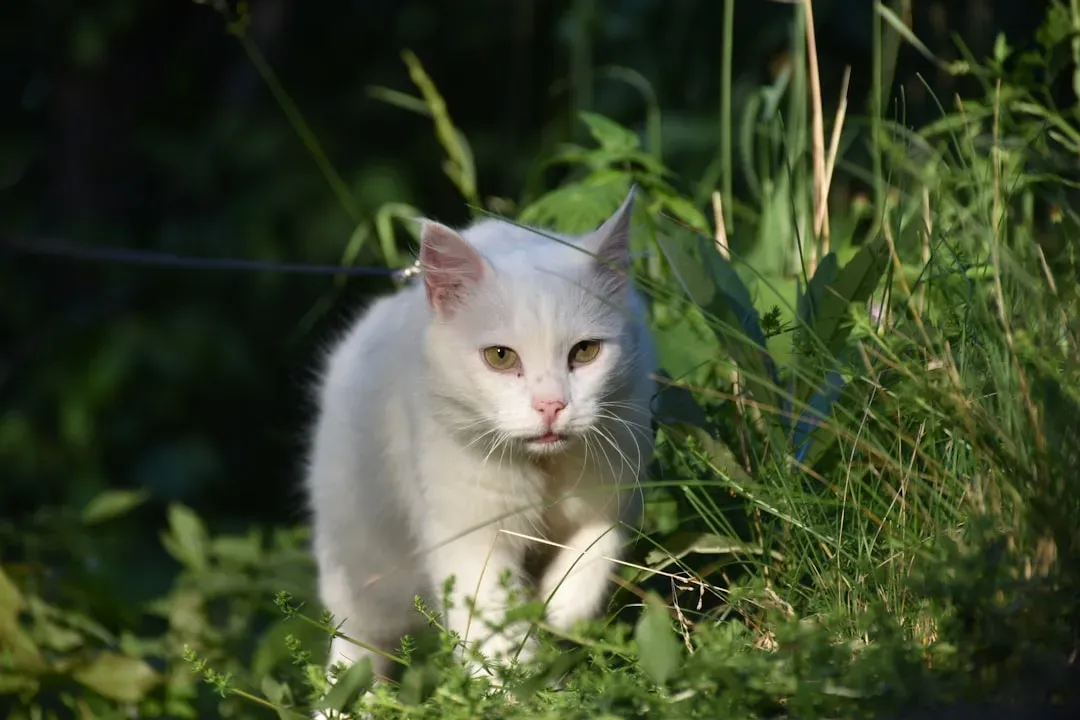
The elegant Turkish Angora developed naturally in the mountains of Turkey, which helped shape the breed’s balanced mix of independence and affection. Known for their silky, semi-long coat and plumed tail, Turkish Angoras are graceful, athletic cats that love to climb and explore their surroundings. They are intelligent problem-solvers who find creative ways to entertain themselves when left alone.
Although affectionate and people-oriented, Turkish Angoras are not overly demanding. They will happily follow you around when you’re home, but are just as content perching up high or napping solo when you’re away. There’s an elegance to how they carry their independence – like a graceful dancer who doesn’t need an audience to perform.
It’s hard to say for sure which aspect of the Turkish Angora wins more admirers – the silky flowing coat or that self-assured, unbothered personality. Either way, for a busy owner who wants beauty and brains without constant neediness, this breed checks every box.
What Every Independent Cat Still Needs From You
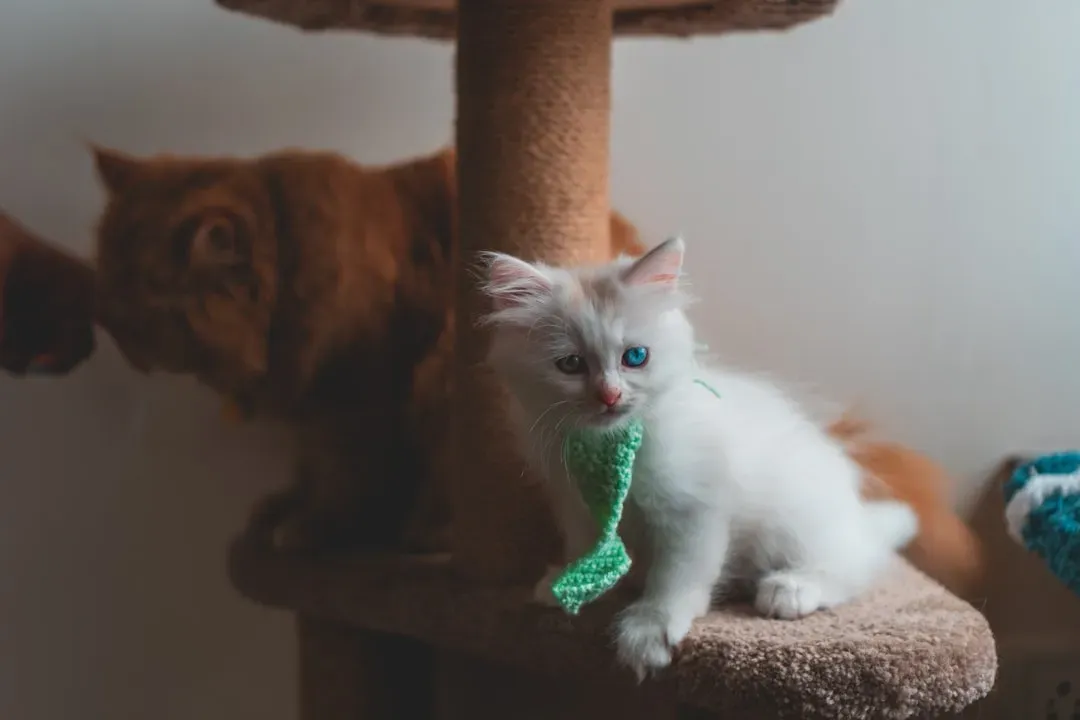
Before you sprint off to adopt one of these magnificent creatures thinking you’ve found the perfect zero-effort pet – slow down. Independence does not mean neglect is acceptable. Independent cat breeds typically handle alone time well, though they shouldn’t be left for more than eight to ten hours without care. Providing enrichment activities helps prevent boredom during extended absences.
Puzzle feeders, interactive toys, climbing trees, and window perches are excellent for keeping independent cats engaged. Rotating toys regularly helps maintain their interest. Think of it as setting up a rich, stimulating environment – the way you’d want your own home to be if you were stuck inside all day.
Independent cats still need daily love, care, attention, and enrichment to be happy. The independence just means the relationship runs on mutual respect rather than constant reassurance. And honestly, that sounds like the healthiest kind of companionship there is.
Conclusion: The Right Cat for the Right Life
Choosing a cat breed is not just a lifestyle decision – it’s a long-term relationship built on compatibility. If your days are packed and your schedule unpredictable, matching yourself with a naturally independent breed is not laziness. It’s wisdom. These ten breeds prove that you can have a genuinely loving, loyal, and fascinating companion without needing to rearrange your entire life around their emotional needs.
Independent breeds offer the best of both worlds – self-reliant yet capable of deep affection. With thoughtful care and enrichment, they thrive in busy homes while remaining loving companions. That, to me, is the quiet magic of these underrated breeds.
The most surprising thing about independent cats is that they often form the deepest bonds – precisely because that bond is chosen, not demanded. So the real question is: which of these ten has already stolen your heart? Tell us in the comments – we’d love to know which breed fits your life.