While the idea of sharing your home with a wild, exotic feline might seem appealing, the reality is far more complex and dangerous than most people realize. Many cat species that roam the wild are simply not suited for domestic life, regardless of how captivating they appear. These magnificent creatures have evolved over thousands of years to thrive in their natural environments, not in human households.
The fascination with exotic cats has grown tremendously in recent years, fueled by social media and celebrity ownership. However, what many don’t understand is that behind the glamorous posts and stunning photographs lies a harsh reality of behavioral problems, safety risks, and legal complications. Let’s explore ten cat breeds that, despite their undeniable beauty, should never be considered as pets.
Tigers
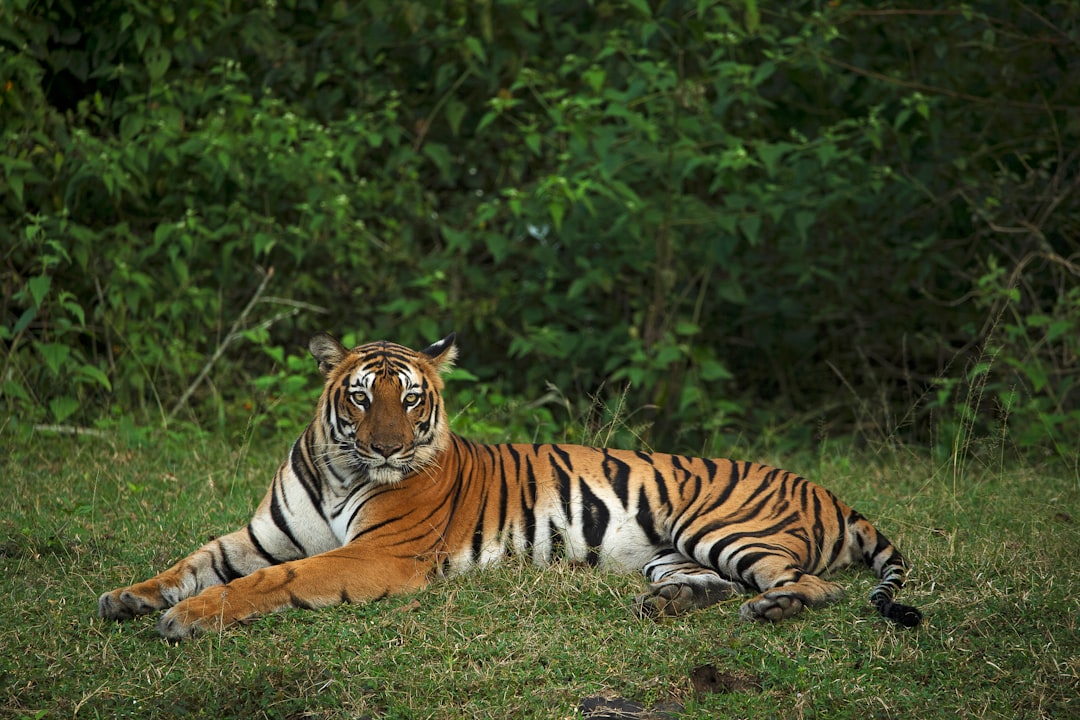
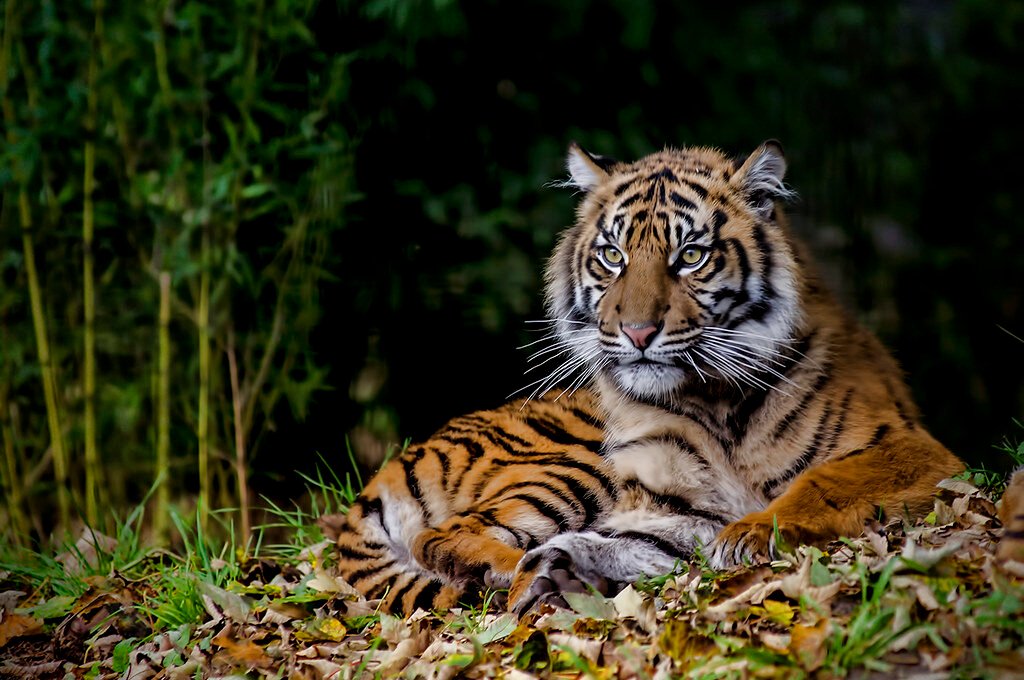
Tigers are arguably the most iconic of all big cats, yet they are unlawful to possess and are included as prohibited wildlife species under federal law. These massive predators can weigh up to 660 pounds and require enormous amounts of space to roam. The sheer physical power of a tiger makes them extraordinarily dangerous in domestic settings.
The dietary needs alone make tiger ownership impossible for private individuals. They consume up to 25 pounds of meat daily and have specialized nutritional requirements that cannot be met with standard pet food. An estimated 20,000 big cats are kept in private ownership in the U.S., often purchased as cubs but abandoned when they outgrow their usefulness.
Lions
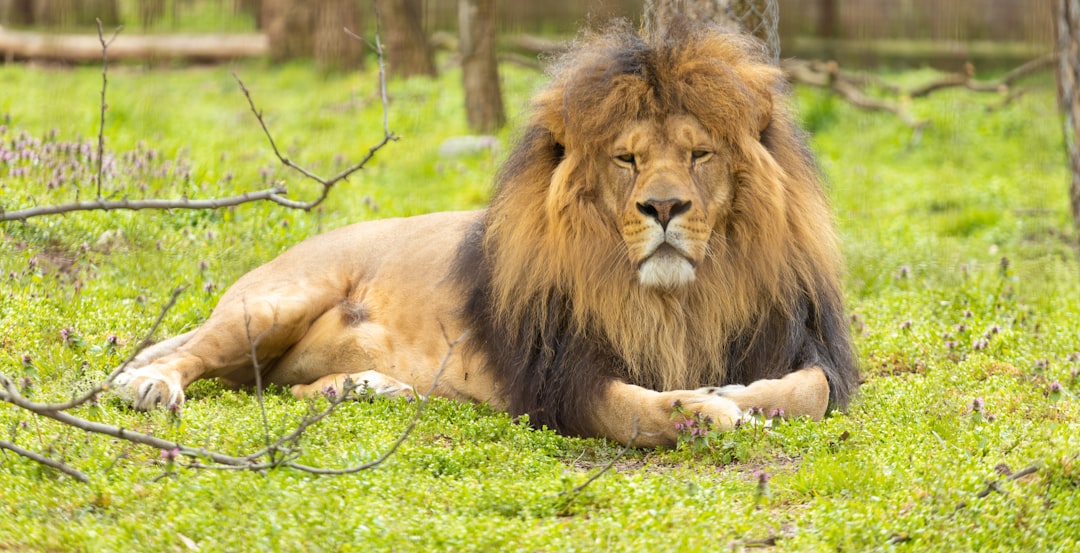
Lions are classified as dangerous wild animals and may only be possessed by zoos, circuses, and commercial propagators. These social predators have complex behavioral needs that cannot be replicated in captivity. Male lions can weigh over 400 pounds and possess incredible strength that makes them lethal to humans.
Lions require vast territories in the wild, sometimes ranging over 100 square miles. Their social structure involves living in prides with intricate hierarchies and communication systems. Lions and other big cats are powerful animals who can easily kill or severely injure humans, endangering those living in neighborhoods and first responders.
Leopards
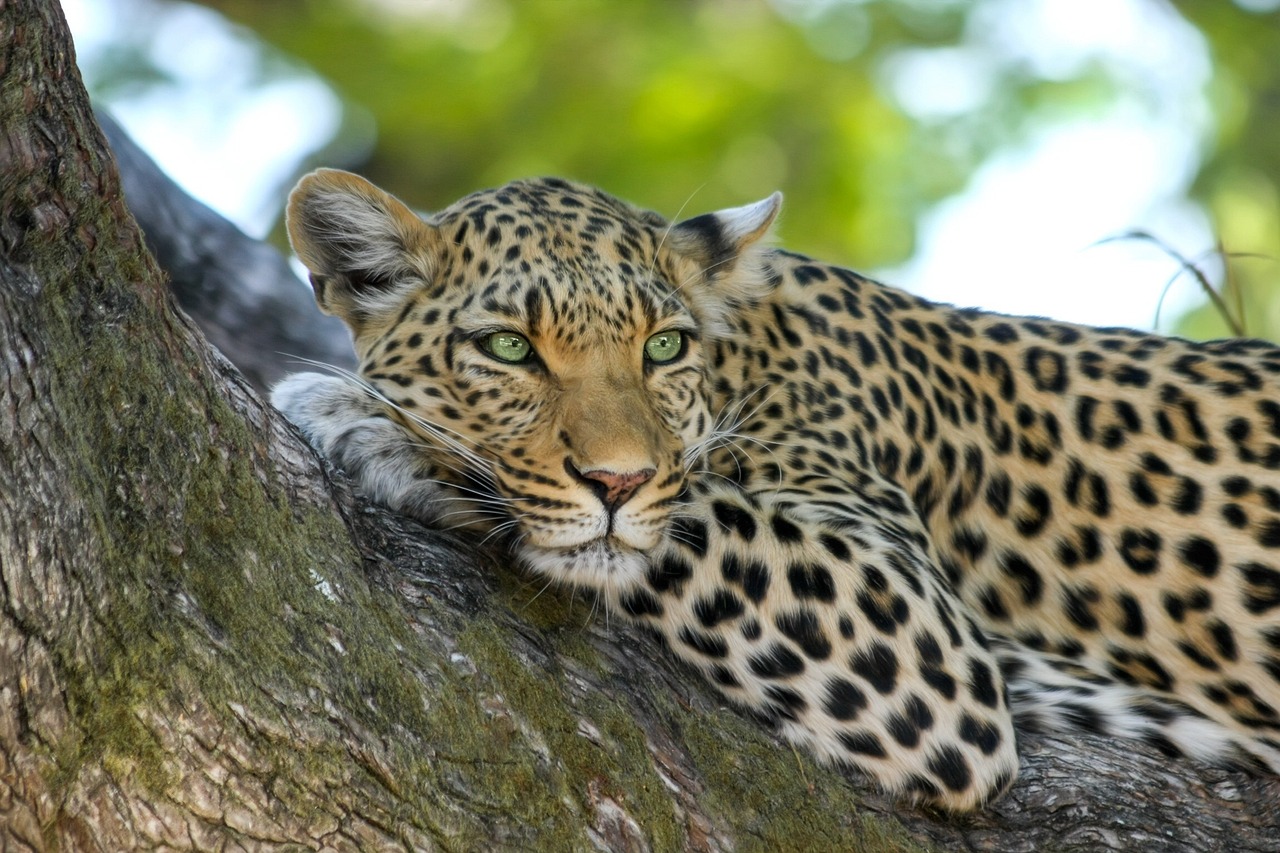
Leopards are incredibly adaptable predators found across Africa and Asia, but they are prohibited from private ownership as they are classified as prohibited wildlife species. These solitary hunters are known for their incredible climbing abilities and stealth, making them particularly dangerous if they were to escape captivity.
The leopard’s natural behavior includes territorial marking, which involves spraying urine to establish boundaries. This instinct cannot be trained away and would make living with one impossible. Their nocturnal hunting patterns mean they are most active when humans are trying to sleep, creating additional challenges for any theoretical owner.
Jaguars
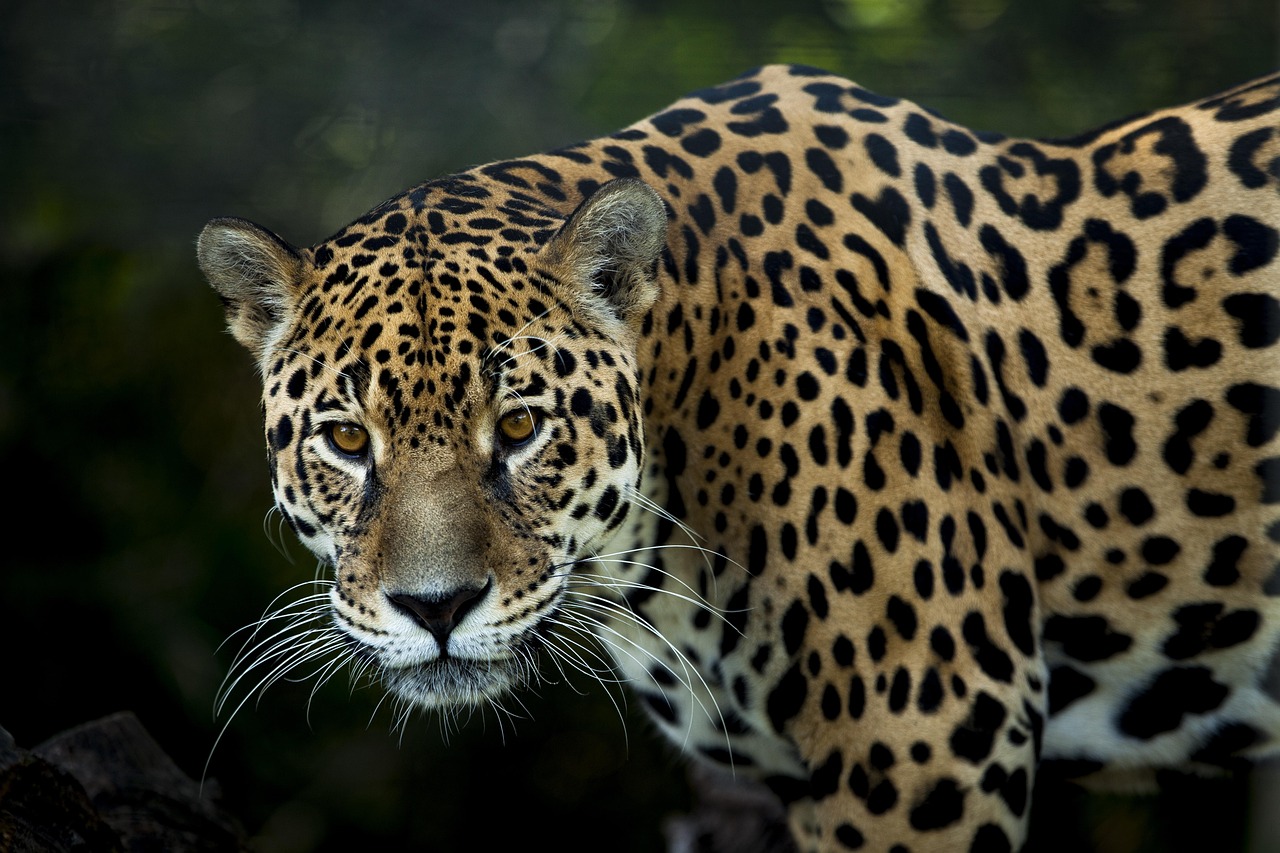
Jaguars are among the prohibited wildlife species that cannot be legally owned by private individuals. These powerful cats have the strongest bite force of any big cat, capable of crushing turtle shells and bones with ease. Native to Central and South America, jaguars are excellent swimmers and require access to water sources.
Jaguars are solitary animals with complex territorial needs that span many miles in their natural habitat. Their hunting instincts are so strong that they would pose a constant threat to any household members, pets, or neighbors. The jaguar’s unpredictable nature and immense strength make them one of the most dangerous cats to consider as a pet.
Cheetahs
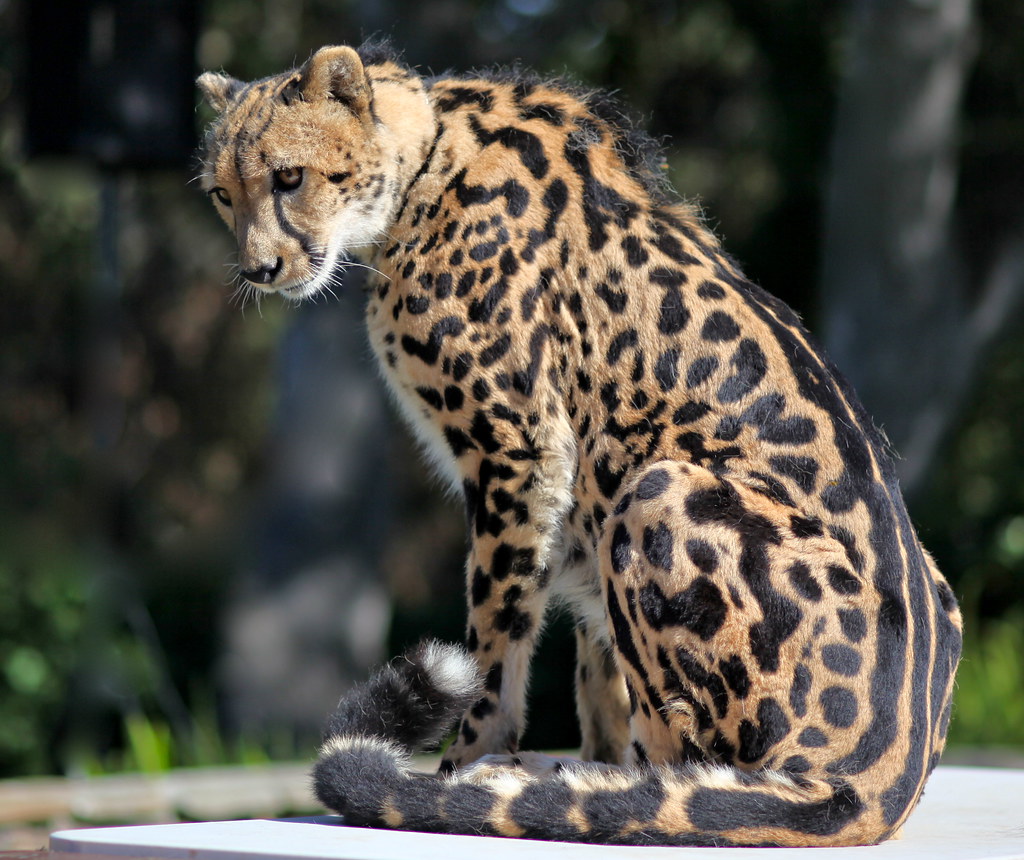
Despite being the fastest land animal and appearing more docile than other big cats, cheetahs are classified as prohibited wildlife species under federal law. Their lean build might make them seem less threatening, but they are still wild predators with specific needs that cannot be met in domestic environments.
Difficulties in breeding have prevented this species from becoming a widespread exotic pet in modern times. Cheetahs require enormous amounts of space to run at high speeds, which is essential for their physical and mental health. Their specialized diet and social needs make them completely unsuitable for home environments.
Cougars (Mountain Lions)
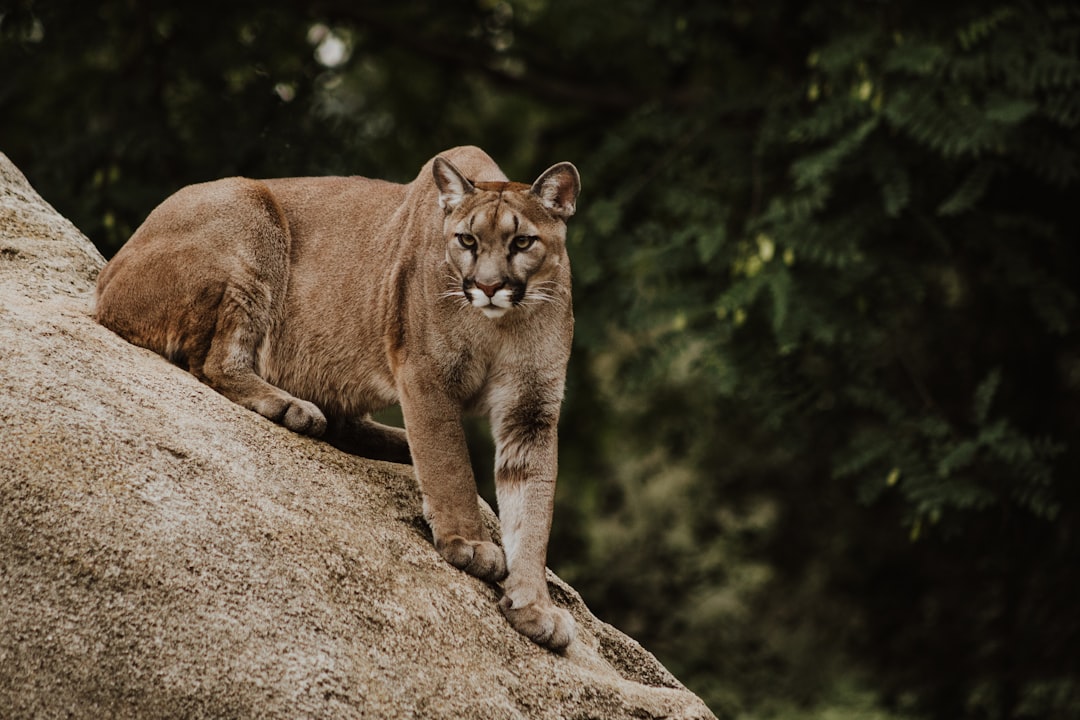
Cougars, also known as mountain lions or pumas, are prohibited wildlife species that include pumas and mountain lions as alternate names for the species. These large cats are incredibly athletic, capable of jumping 15 feet vertically and 40 feet horizontally. Their powerful build and predatory instincts make them extremely dangerous.
While being considered less aggressive and more affectionate than big cats, which has led to some popularity as exotic pets, they are comparable in size to some of the big cats. However, their size and strength still pose significant risks to human safety, and their territorial nature makes them unsuitable for domestic life.
Ocelots
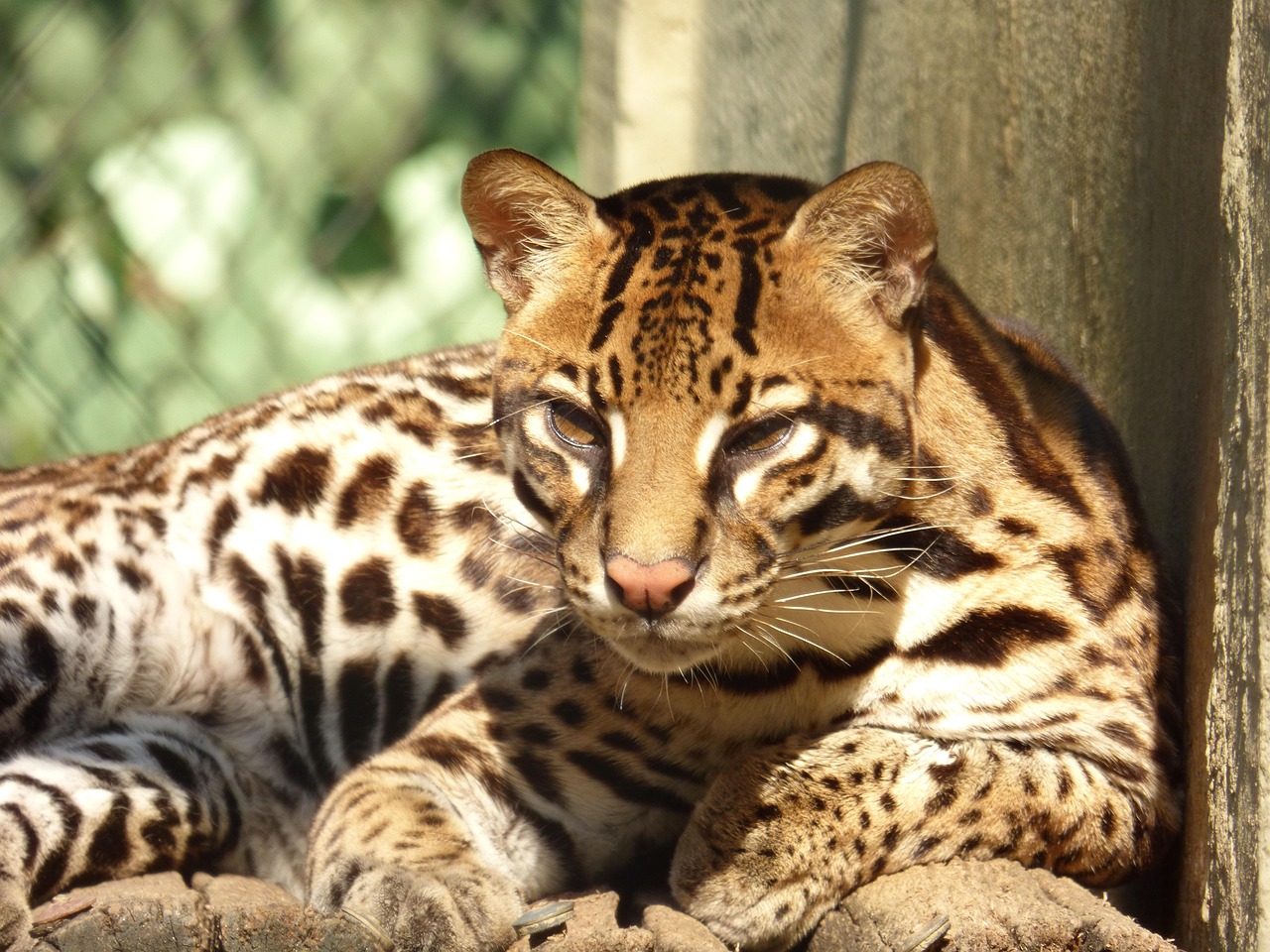
Ocelots are illegal in many areas and quite rare, with no domestic breeders in the United States, making them wilder than other cats. These beautiful spotted cats were popular exotic pets in the 1950s and 1960s, but the passage of the Endangered Species Act effectively ended their keeping outside of zoological facilities.
Ocelots often refuse to listen to people due to their fierce independence, are challenging to train, and their popularity is limited by their comparatively high aggression. Their nocturnal nature and strong territorial instincts make them completely unsuitable for household living, as they would constantly mark territory and remain aloof from human interaction.
Servals
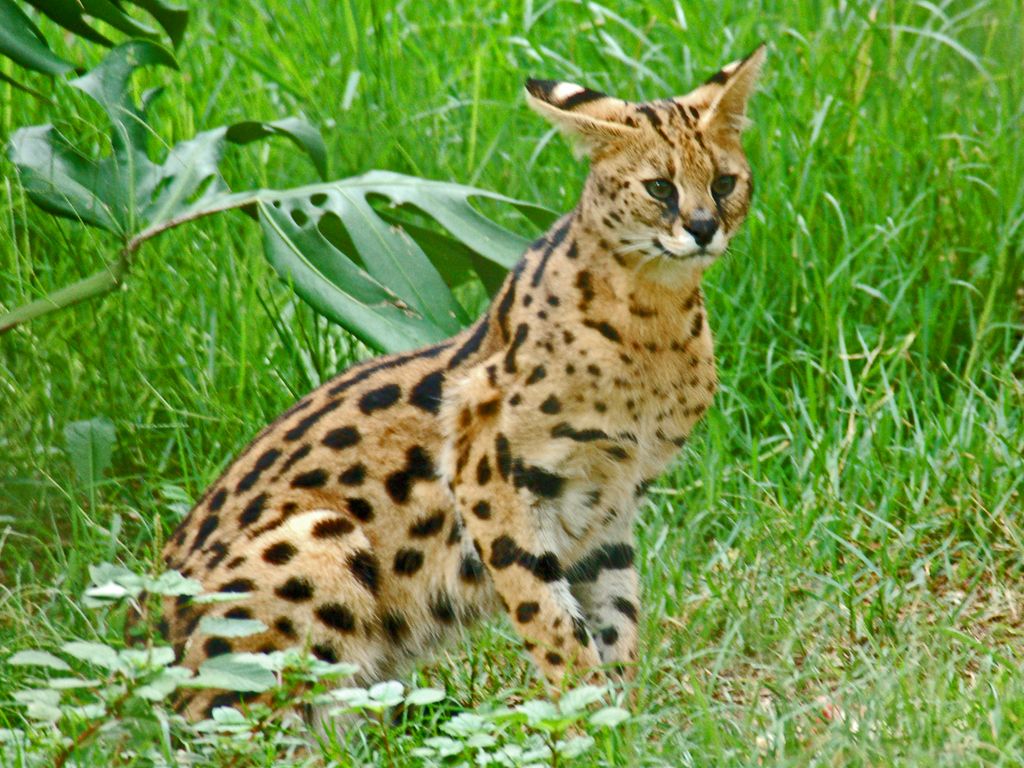
While servals are smaller than most big cats, Savannah cats that contain serval genetics are legally restricted or banned in Colorado, Georgia, Idaho, Nebraska, Massachusetts, New York, Texas, and Vermont. These African wildcats have incredibly long legs and large ears, making them excellent hunters with a 50% success rate when hunting.
Servals seem to have the independence of a domestic feline but to the extreme, can ignore their owners for days before deciding they want cuddle time, and are more active than other cats. Their natural instincts include territorial marking and hunting behaviors that cannot be suppressed through training.
Lynx
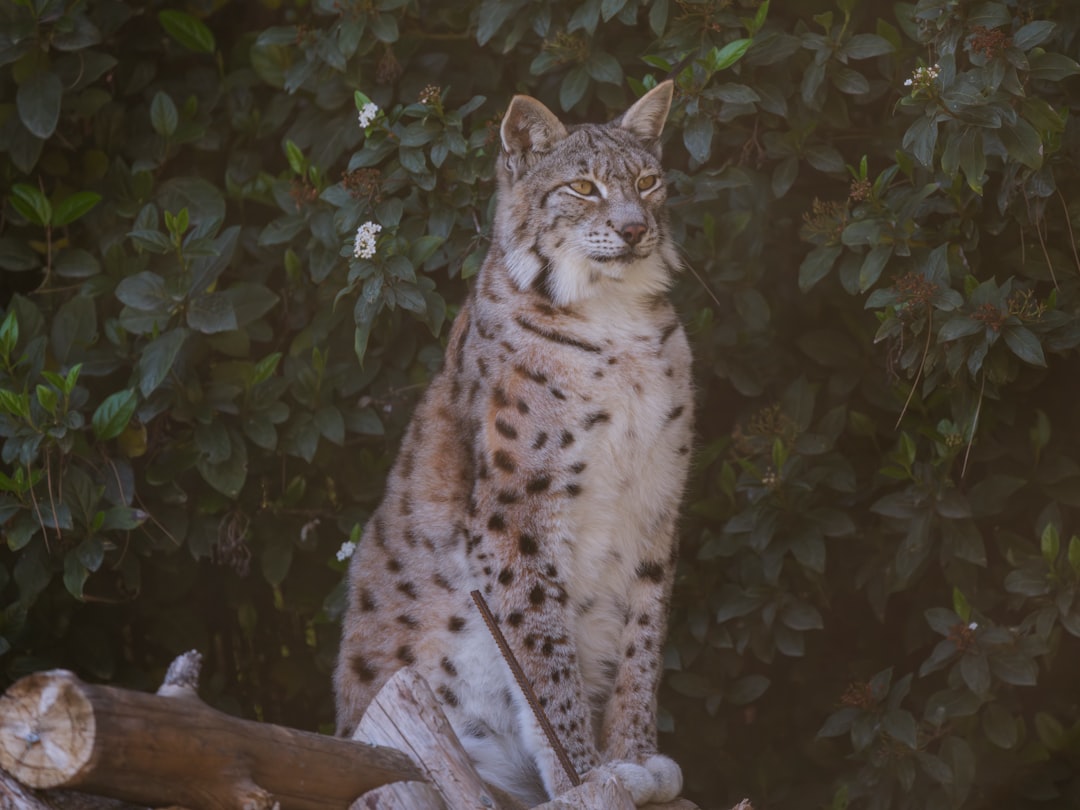
Lynxes are classified as dangerous wild animals, and while some states allow keeping of some furbearers as pets, they do not permit lynx as pets. These cats are perfectly adapted to cold climates with their thick fur and large, padded paws that act like snowshoes. Their tufted ears and facial ruff give them a distinctive appearance.
Lynx are solitary hunters with incredible patience and stealth abilities. They can remain motionless for hours while stalking prey, demonstrating the level of predatory instinct that makes them dangerous around humans. Their territorial nature and need for large hunting grounds make domestic life impossible.
Caracals
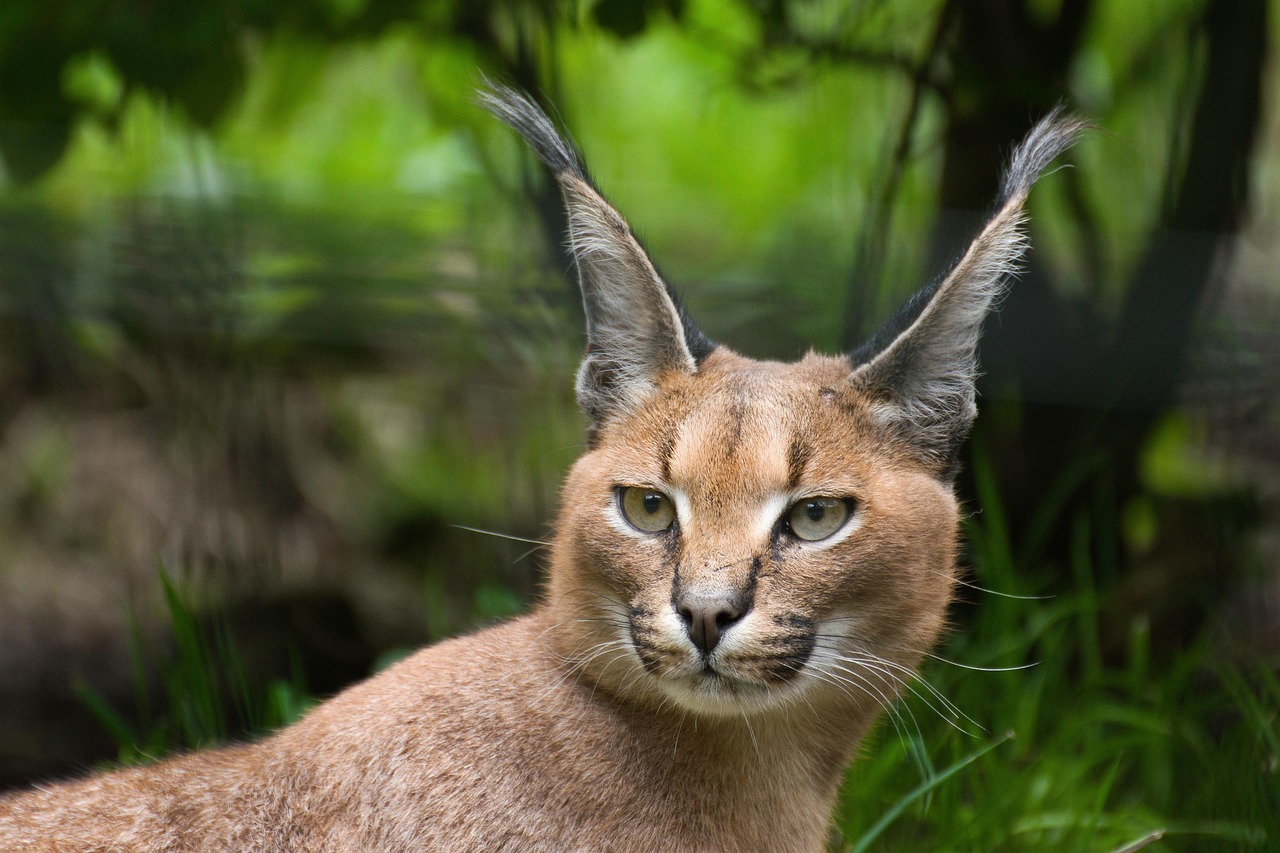
Caracal cats will hiss to communicate everything, which can sound threatening, but the cats are rarely aggressive toward people. However, this doesn’t mean they make suitable pets. These African wildcats are known for their incredible jumping ability, capable of leaping 10 feet straight up to catch birds in flight.
Caracals have specific dietary needs that include whole prey animals, not just meat. Their natural behaviors include scent marking throughout their territory, which would be disastrous in a home environment. Caracals have been tamed and trained primarily by Arabian and Asian rulers historically, but this doesn’t translate to modern pet ownership suitability.
Conclusion
The allure of owning an exotic cat is understandable – these animals are undeniably magnificent and captivating. However, the reality is that wild cats belong in the wild, where they can express their natural behaviors and live according to their evolutionary programming. The Big Cat Public Safety Act was enacted to end private ownership of big cats as pets and prohibit exhibitors from allowing public contact with big cats.
Beyond the legal restrictions, the ethical considerations are equally important. Wild animals are not domesticated and cannot be considered pets, and it is unfair to subject them to a life in a cage. Instead of pursuing these dangerous relationships, consider supporting conservation efforts that protect these magnificent creatures in their natural habitats. What do you think about the regulations surrounding exotic cat ownership? Tell us in the comments.