Have you ever watched a cat perform the same quirky action over and over—pawing at the door, circling a spot, or meowing in a particular rhythm—and wondered what on earth they’re trying to say? The truth is, some cats are true masters of routine, using repeated behaviors and daily rituals to speak volumes to their humans. From gentle headbutts at dawn to orchestrated “treat time” dances, these breeds turn repetition into a language all their own. If you’ve ever been mystified by your cat’s habits, get ready to fall in love with the fascinating world of feline communication.
Siamese: Masters of Vocal Ritual
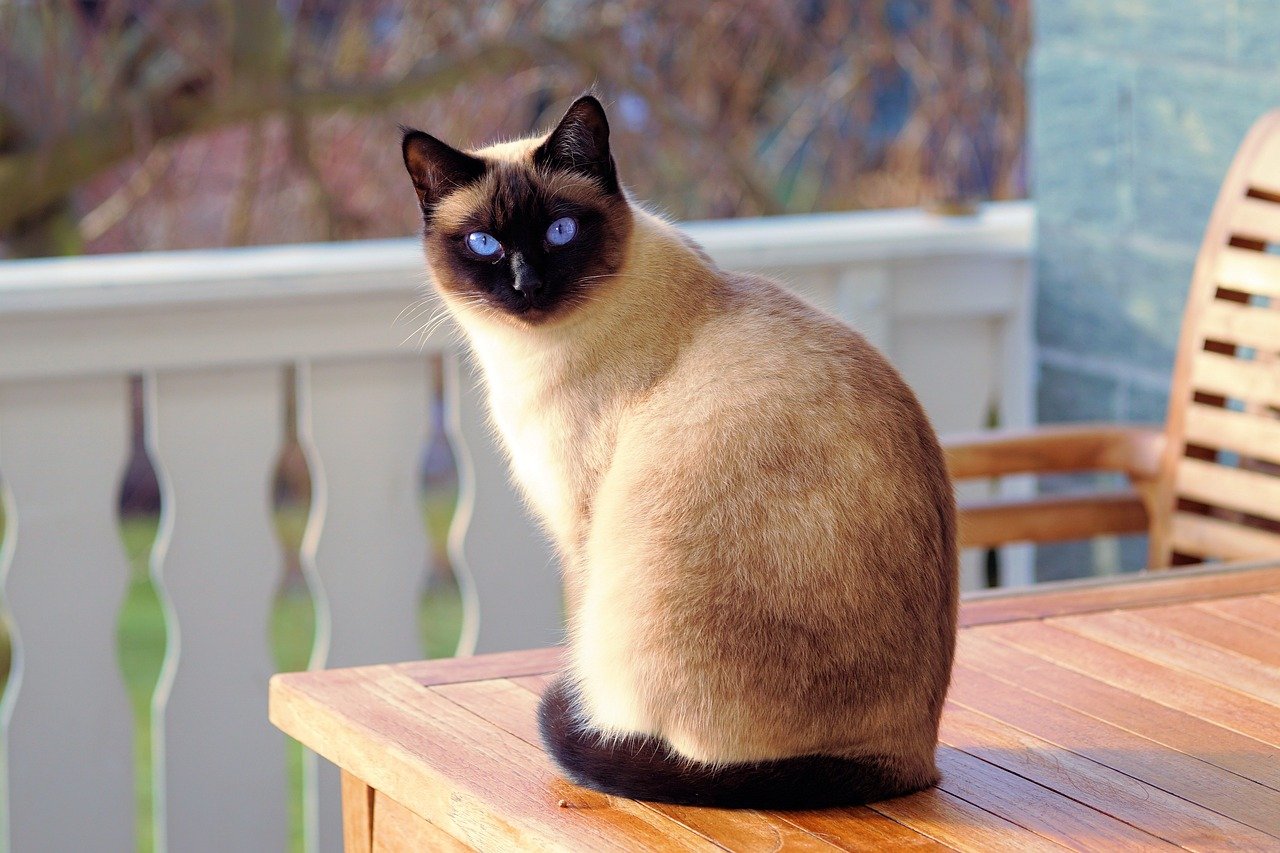
Siamese cats are famous for their vocal abilities, but it’s their consistent patterns that really set them apart. These cats often develop a schedule for their vocalizations, “talking” at specific times each day. Owners of Siamese cats quickly learn to expect a chorus of meows at dawn, mealtime, or just before bedtime. The repetition is not random; it’s how they express needs, seek attention, or simply keep in touch. Siamese cats may even use certain meows for specific requests, creating an almost ritualistic language with their humans. Their intense eye contact and body postures add another layer to this repeated communication. For these cats, life is a series of meaningful conversations, all rooted in routine.
British Shorthair: Consistency Is Key
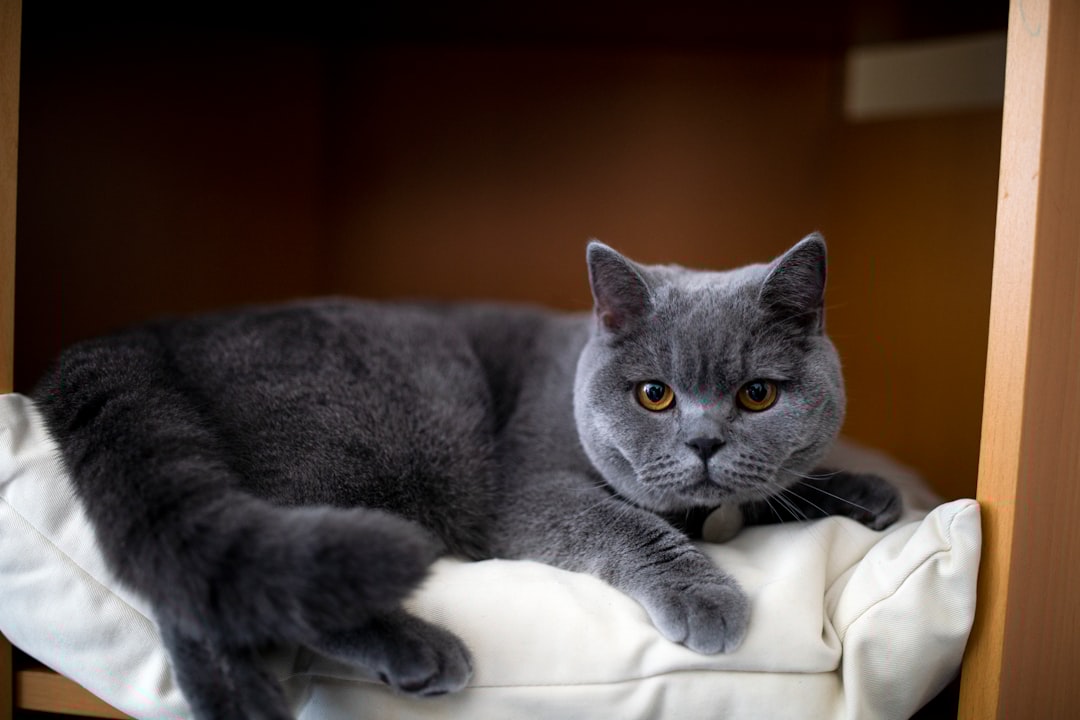
British Shorthairs are creatures of habit, often relying on repeated actions to communicate. These cats might greet their owners at the door with the same slow blink or rub against the same leg every day. Their rituals are subtle but deeply meaningful—like sitting in the same spot during family time or following a fixed bedtime routine. They may also use gentle vocalizations, such as soft trills or purrs, at predictable times. These repetitive behaviors help British Shorthairs feel safe and connected, and their humans quickly learn the messages behind each ritual. This breed’s steadfastness makes them a comforting, reliable presence in any home.
Bengal: The Ritual of Play
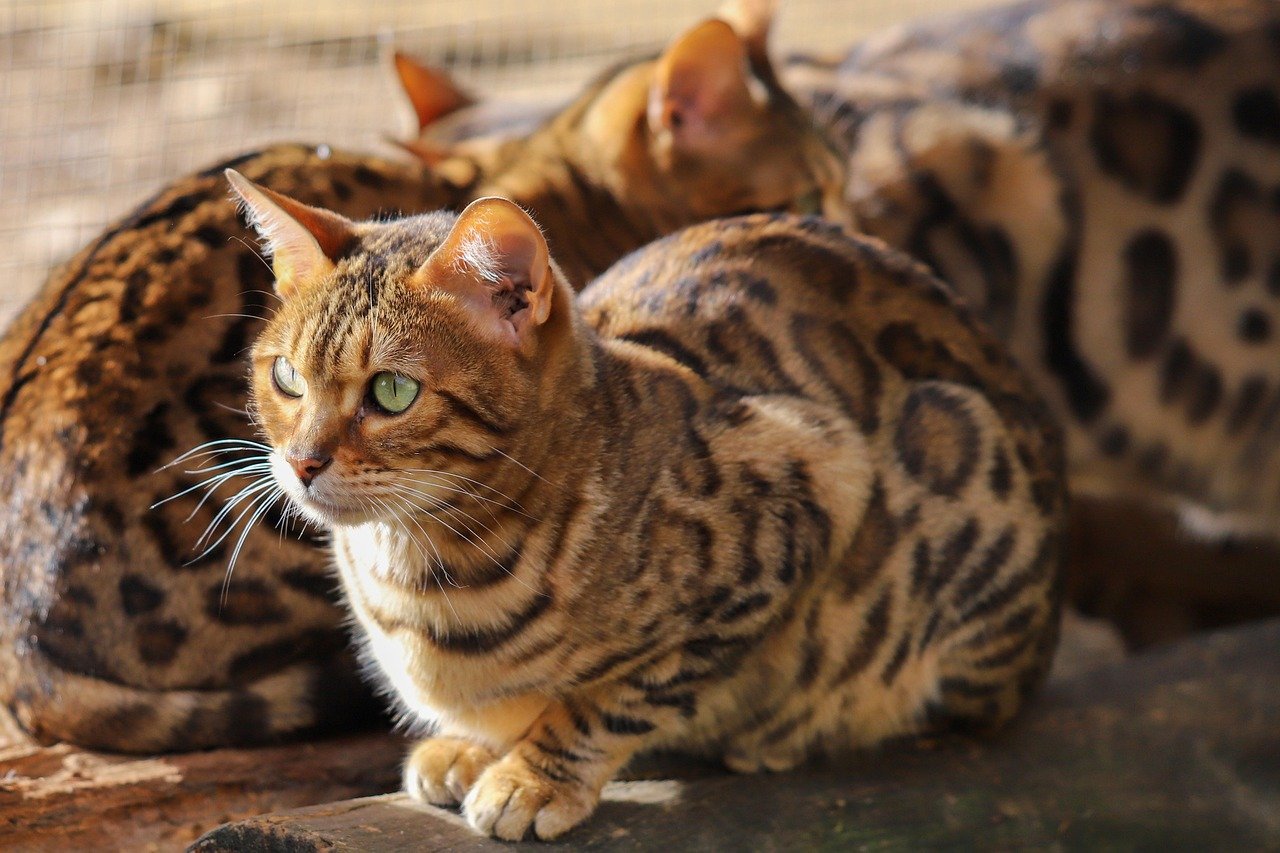
Bengal cats thrive on high-energy play, but it’s the ritualistic nature of their antics that stands out. Many Bengals initiate play at the same times each day, often using the same toys or games. They might bring a favorite toy to their human every morning or perform a signature leap before chasing a feather. This repetition is their way of bonding and expressing excitement. If their routine is disrupted, Bengals may become restless or vocal, signaling their need for ritual. Through these predictable actions, Bengals not only burn energy but also reinforce their unique bond with their families.
Maine Coon: Gentle Giants of Habit
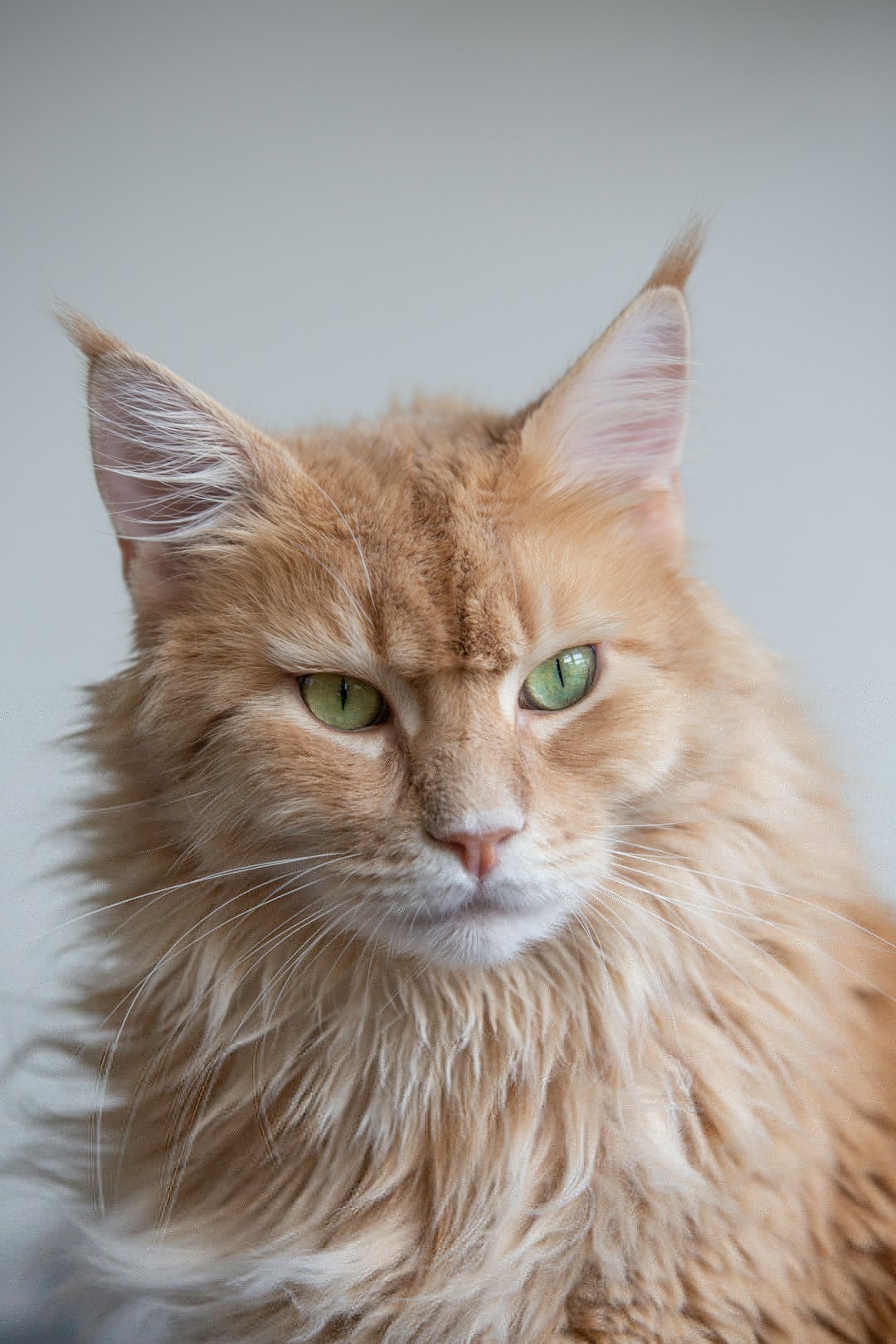
Maine Coons are known for their gentle personalities, but they also have a deep love for routine. These cats may insist on being brushed at the same time every day or follow their humans around the house in a set pattern. Meal times are a sacred ritual for Maine Coons, with some even “asking” for food by tapping their bowl or chirping at the kitchen. Their repeated behaviors aren’t just habits—they’re a form of communication, letting their humans know what they need and when. Maine Coons also have a knack for comforting rituals, like kneading a favorite blanket or curling up in a specific spot each night.
Russian Blue: The Subtle Repeater
Russian Blues are quiet observers, but their love of ritual is unmistakable. These cats often establish a daily routine, choosing specific windowsills to perch on or greeting their humans with a signature head bump. Russian Blues might follow a “welcome home” routine, meeting their owner at the door and leading them to the sofa with a series of soft meows. Their repeated behaviors are gentle reminders of their affection and need for stability. If something in their routine changes, Russian Blues may show signs of stress, highlighting just how important these rituals are for their well-being.
Turkish Van: Water Rituals and Beyond
Turkish Vans are famous for their love of water, but their communication style goes far beyond the occasional splash. These cats often establish water-related rituals, like dipping their paws in their bowl at the same time each day or insisting on joining their humans during bath time. Their curiosity extends to exploring the same corners of the house in a set order. Turkish Vans may also vocalize in a rhythmic pattern, especially when seeking attention or food. Through these repeated actions, they build a unique language of anticipation and expectation, drawing their humans into daily games and routines.
Scottish Fold: Rituals of Affection
Scottish Folds are gentle and affectionate, often showing love through predictable routines. These cats may greet their owners every morning with the same soft purr or settle into a favorite lap at a specific hour. Their folded ears give them an adorable appearance, but it’s their ritualistic cuddles and head bumps that truly capture hearts. Scottish Folds might also use repetitive pawing or kneading as a way to signal contentment or request attention. By maintaining these rituals, they create a sense of security and warmth for both themselves and their humans.
Oriental Shorthair: The Persistent Conversationalist

Oriental Shorthairs are known for their talkative nature and love of attention. These cats don’t just meow—they establish entire conversations through repeated vocal patterns. It’s common for an Oriental Shorthair to “check in” with their human at regular intervals, using a specific sequence of sounds. They might also perform the same playful antics each day, like jumping onto a favorite perch or fetching a certain toy. Their rituals extend to grooming, often insisting on being brushed at particular times. Through these repeated actions, Oriental Shorthairs create a dynamic, ongoing dialogue with their families.
Sphynx: Rituals in the Bare
Despite their hairlessness, Sphynx cats are famous for their warmth—both physical and emotional. These cats love routine, often snuggling under blankets at the same time each day or seeking out their human’s lap at predictable moments. Sphynx cats may establish a ritual for greeting guests, such as rubbing their cheeks against shoes or performing a playful roll. Bath time becomes a familiar routine, with many Sphynx cats enjoying the repetition. Their unique skin care needs also mean regular grooming, which they often come to expect and even request through gentle nudges.
Ragdoll: Rituals of Relaxation

Ragdolls are calm and affectionate, embracing ritual as a way to bond with their humans. These cats may follow their owners from room to room, always settling in the same spot nearby. Ragdolls are famous for their “flop,” a repeated behavior where they go limp when picked up, signaling trust and relaxation. Meal and play times are often anticipated with soft meows or gentle taps. Ragdolls might even have a bedtime routine, curling up next to their favorite person each night. Their consistency creates a peaceful, predictable environment that both cat and owner cherish.
Norwegian Forest Cat: Rituals of Exploration
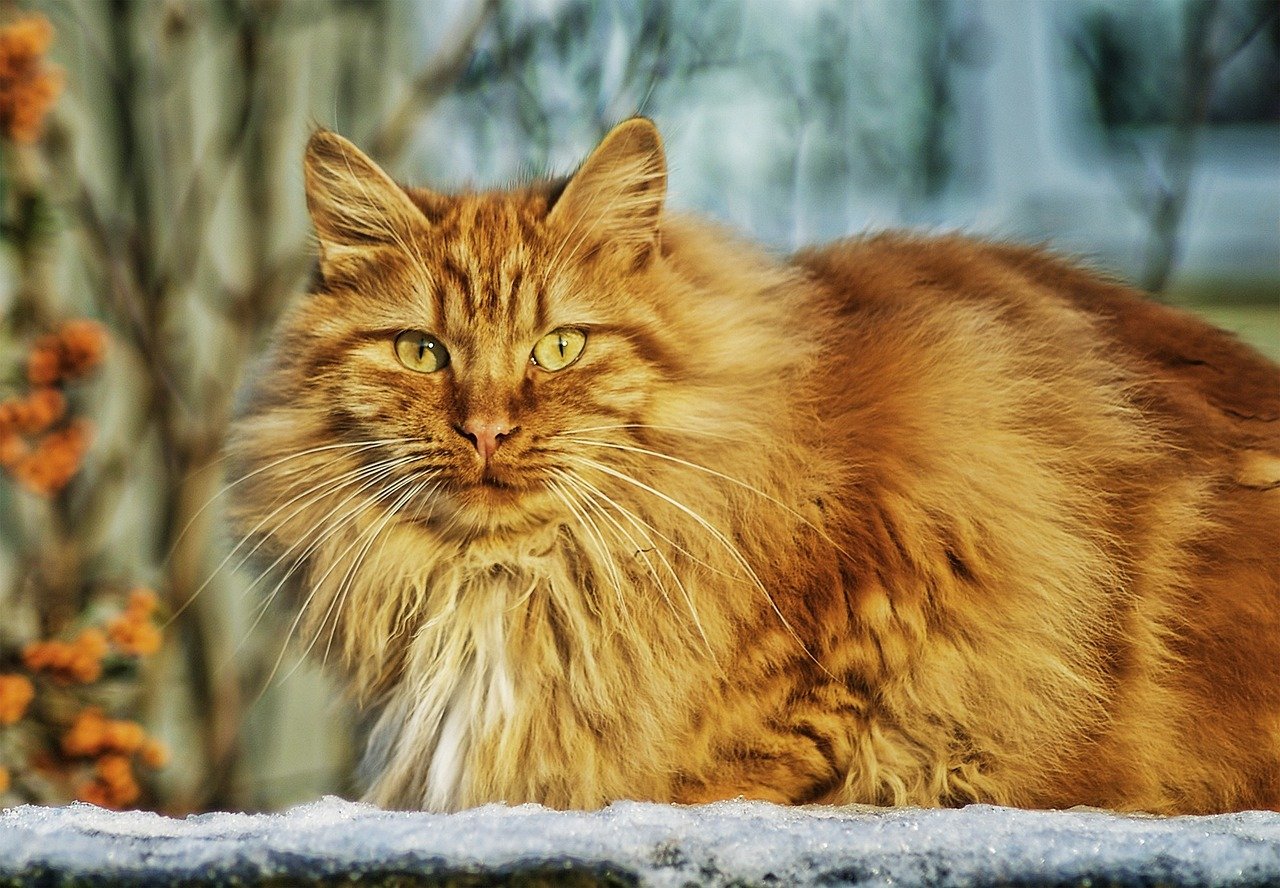
Norwegian Forest Cats have a wild spirit, but they still crave routine. These cats often patrol the same paths around the house or garden, establishing a ritual of exploration. They may climb to the same high perch every morning, surveying their territory before breakfast. Norwegian Forest Cats also communicate through repeated vocalizations, using chirps to “announce” their presence. Their humans quickly learn to recognize the pattern of these rituals and what each one means. This predictable behavior helps them feel secure while also satisfying their curiosity.
Burmese: Social Rituals Unleashed
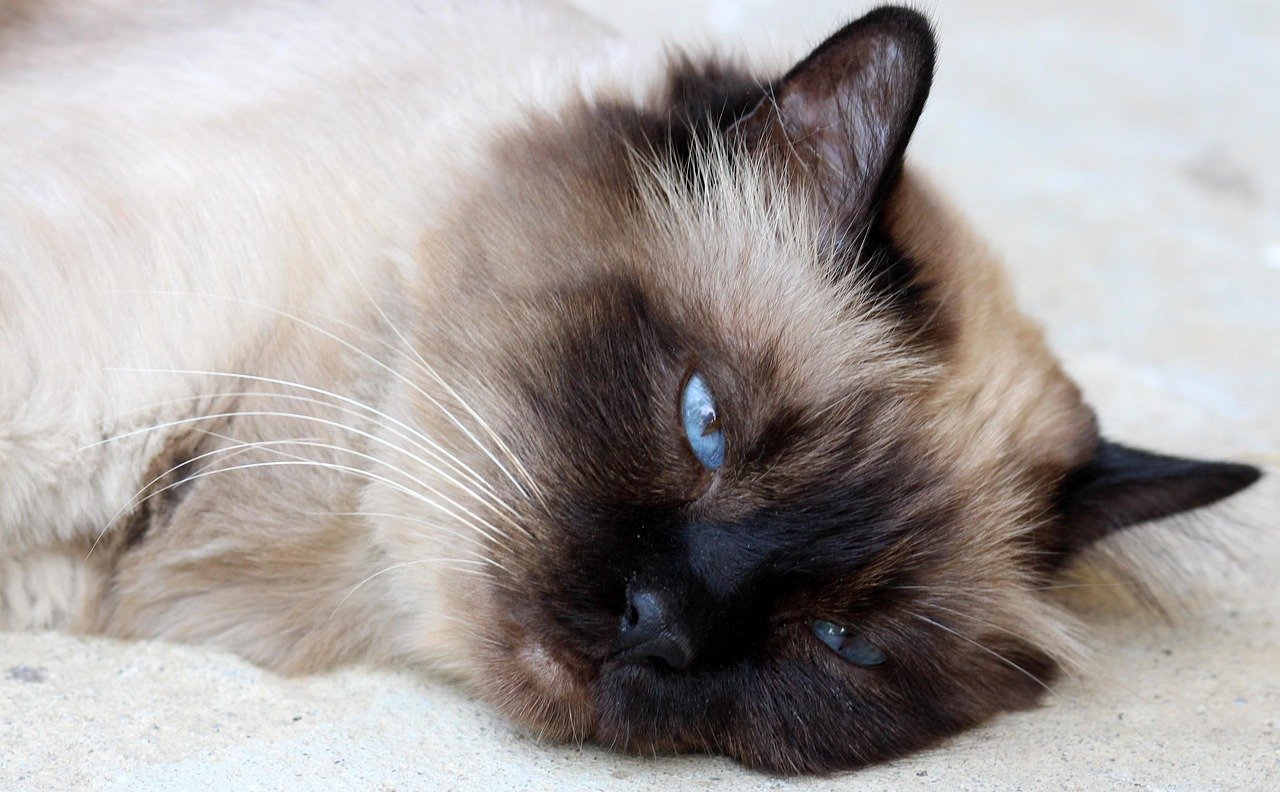
Burmese cats are famously social, using ritual to maintain close bonds with their humans. These cats might initiate a daily play session at the same time, or demand cuddles through repeated nuzzles. Burmese cats often greet family members with enthusiastic purring and may even follow a set routine for bedtime snuggles. Their communication is not only vocal but also physical, with repeated tapping or rubbing to get attention. This breed’s rituals make them a lively, affectionate presence in any home.
Persian: Rituals of Grooming and Grace
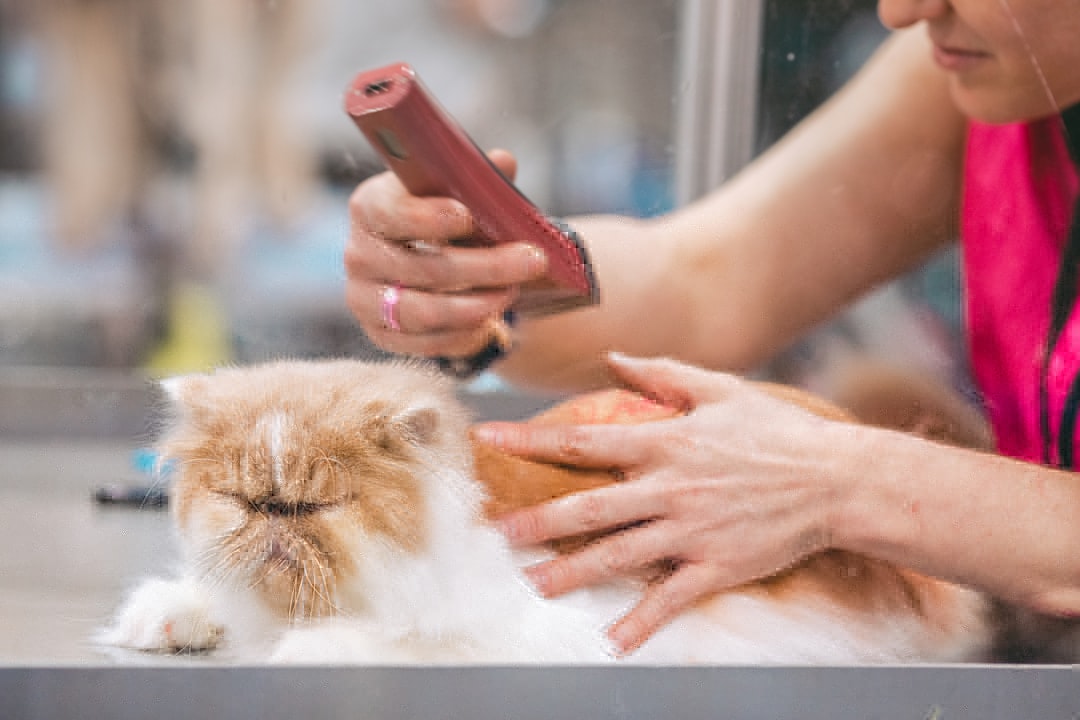
Persians are the epitome of elegance, and their rituals reflect this refined nature. Daily grooming is a must for Persians, and many anticipate the brush with a gentle nudge or a soft meow at the same time each day. They often pick specific spots for napping and will return to them religiously. Persian cats also establish routines for meals and play, signaling their preferences through repeated actions. Their predictable behavior is both comforting and endearing, creating a sense of order in the household.
Abyssinian: Rituals of Curiosity
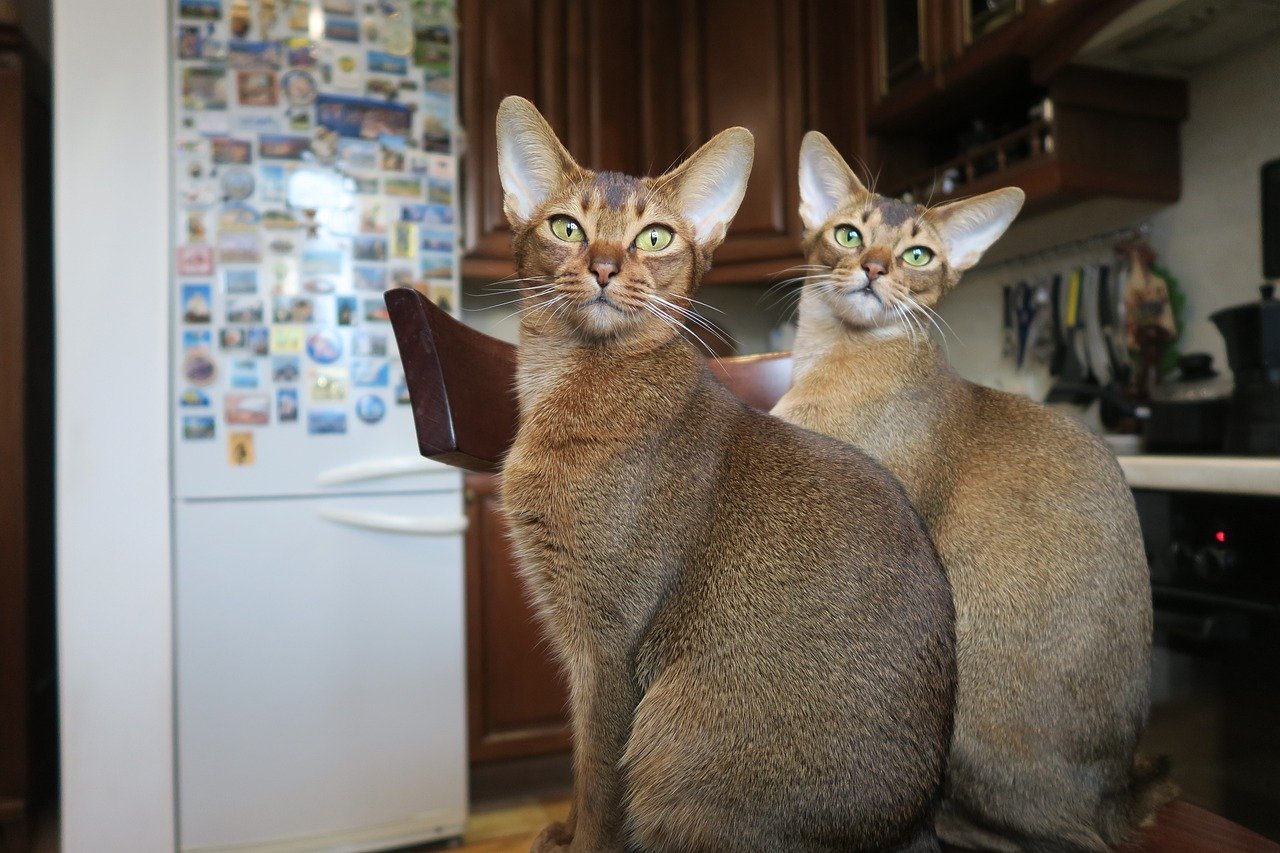
Abyssinians are endlessly curious, but their explorations often follow a routine. These cats may inspect the same set of objects or windows each morning, turning their curiosity into a predictable ritual. Abyssinians often initiate play with a signature leap or chase, signaling their readiness through repeated behaviors. They may also use a series of trills or chirps to communicate excitement. Their rituals not only keep them mentally stimulated but also serve as a way to connect with their humans.
Japanese Bobtail: Rituals in Motion
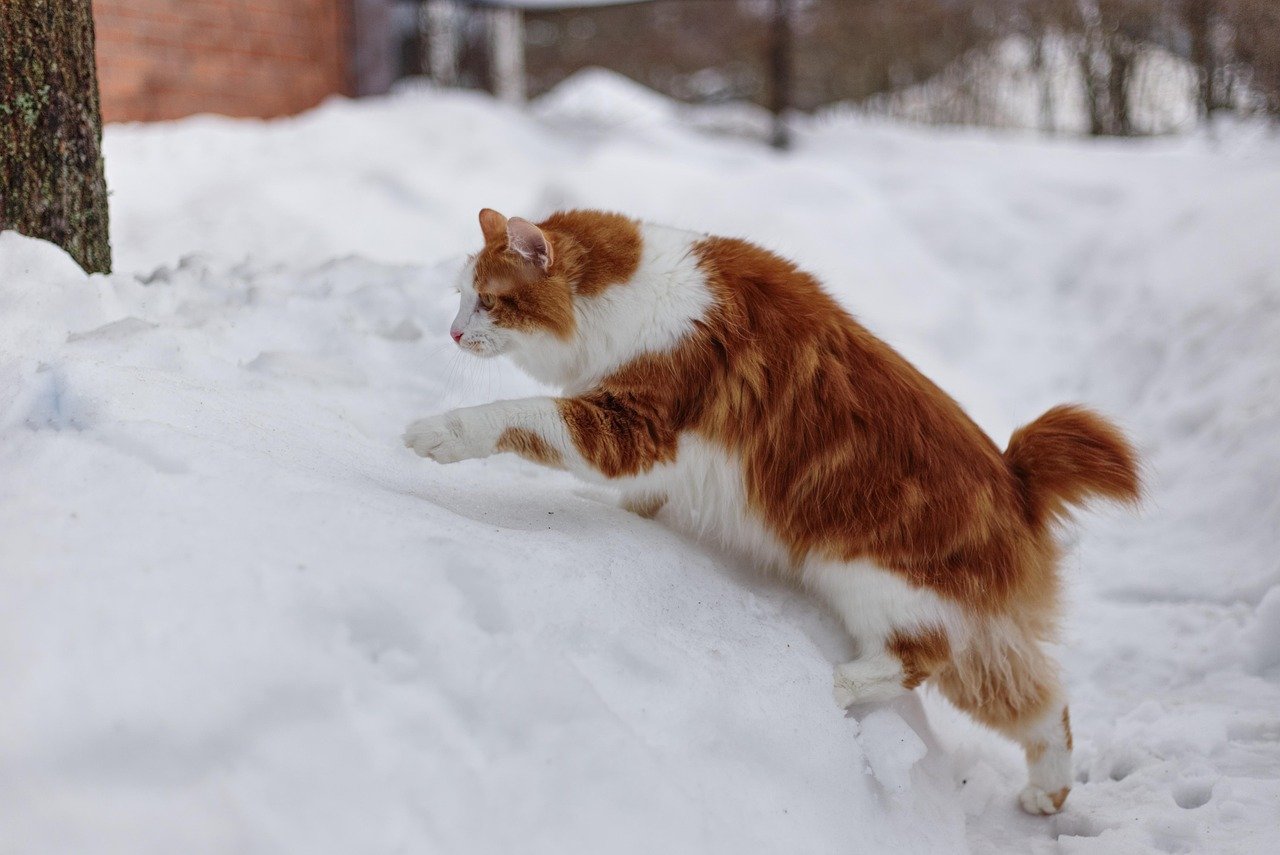
Japanese Bobtails are energetic and playful, often expressing themselves through movement-based rituals. They might sprint around the house at the same time each day or perform a series of jumps and twirls to get attention. These cats are also known for their rhythmic vocalizations, which can sound almost musical. Japanese Bobtails often create a morning or evening routine involving play, cuddles, or “talking.” Their repetitive actions are a joyful form of communication, brightening the lives of everyone around them.
Chartreux: Silent Rituals of Affection
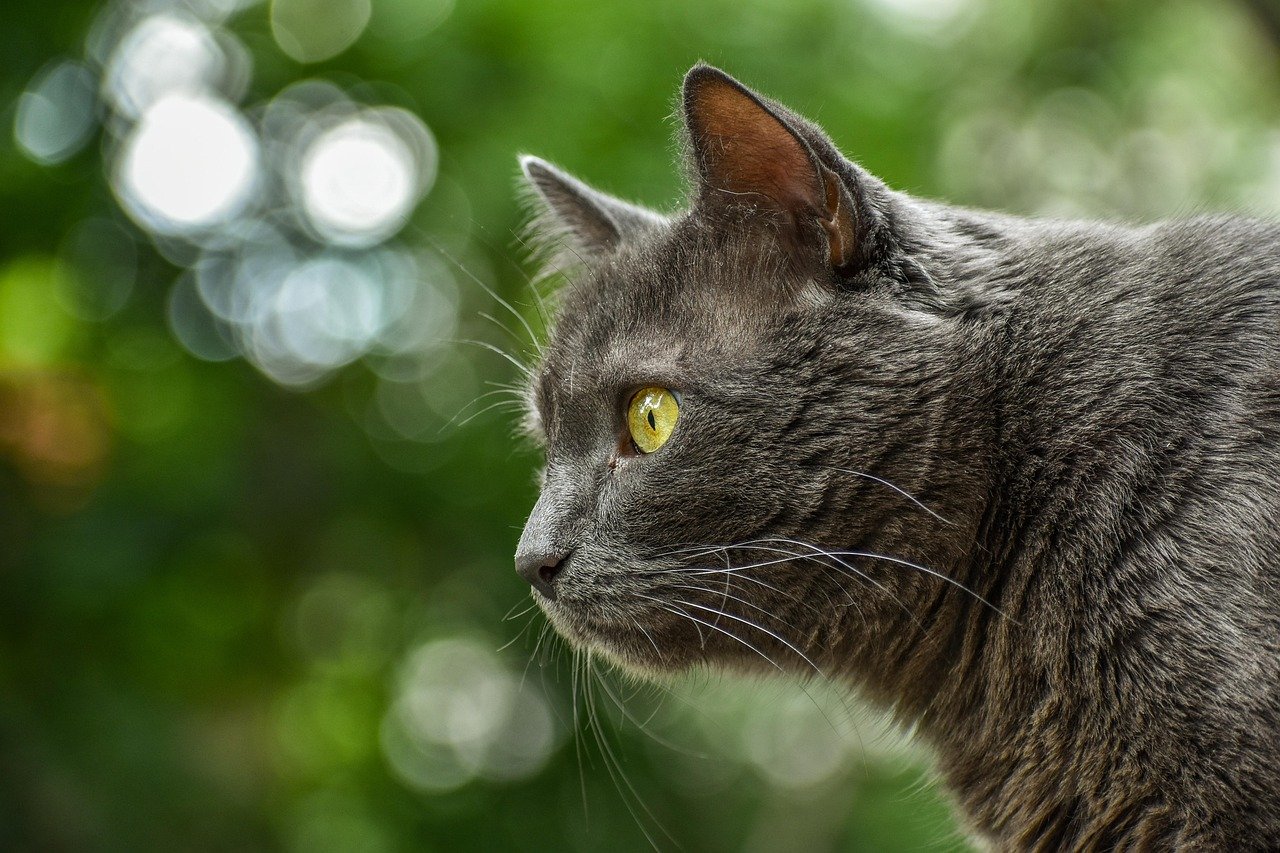
Chartreux cats are quiet but affectionate, using subtle rituals to communicate. They may greet their humans each morning by rubbing against their legs or sitting silently nearby. Chartreux cats often choose a favorite spot in the house and return to it at the same times each day. Their communication style is understated, relying on repeated gestures rather than vocalization. This quiet consistency creates a strong bond between cat and owner, built on trust and understanding.
Devon Rex: Rituals of Mischief
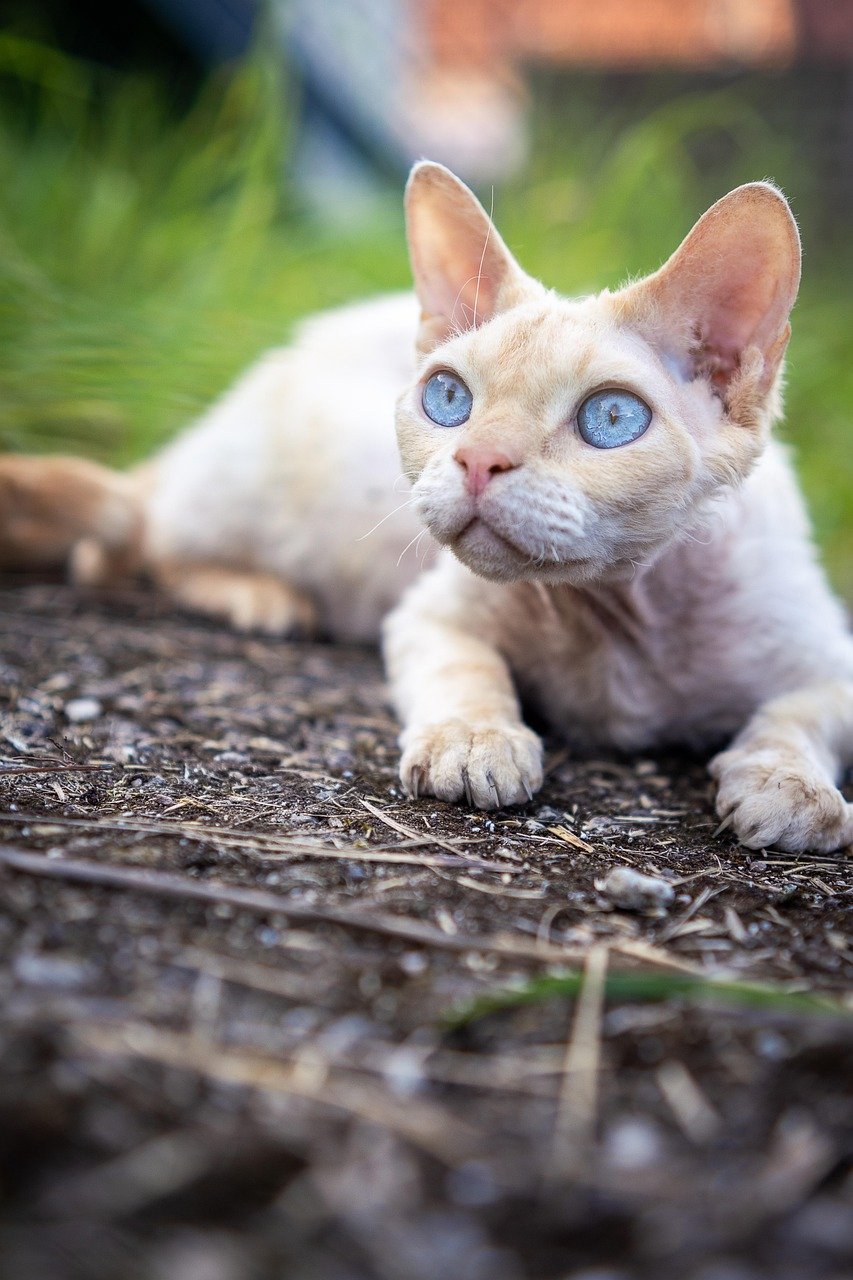
Devon Rex cats are mischievous and full of personality, often expressing themselves through playful rituals. These cats might have a favorite prank they perform daily, like hiding objects or jumping onto unexpected surfaces. Devon Rexes also establish routines for cuddling, often insisting on perching on their human’s shoulder at set times. Their communication includes repeated chirps and trills, especially during play. These rituals keep their environment lively and engaging, ensuring there’s never a dull moment.
Tonkinese: Rituals of Togetherness
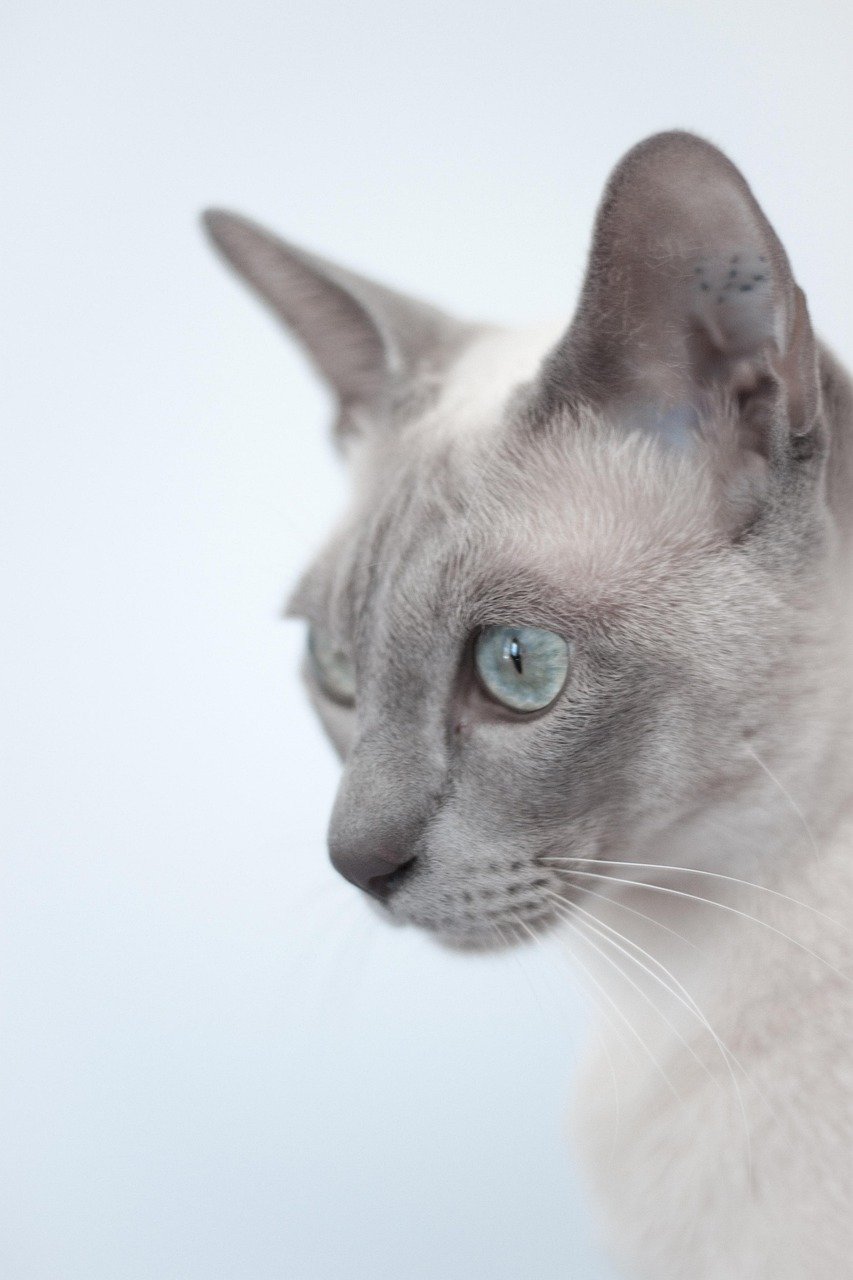
Tonkinese cats crave company, using repeated actions to stay close to their humans. They might initiate a daily grooming session, licking their owner’s hand or face at specific times. Tonkinese cats are also known for their vocal rituals, often “talking” in a unique sequence of meows to greet family members. They may follow their favorite person from room to room, establishing a pattern of companionship. Through these rituals, Tonkinese cats create a deep sense of togetherness.
Egyptian Mau: Rituals of Speed
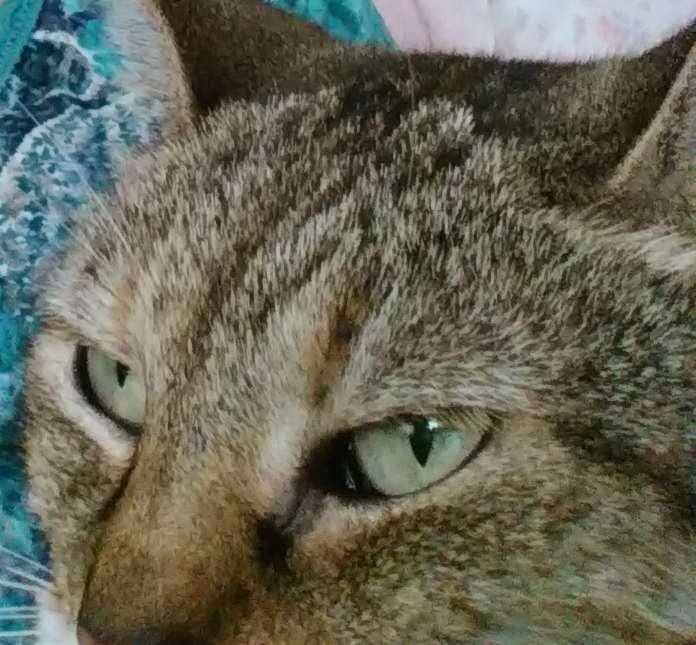
Egyptian Maus are the sprinters of the cat world, and their rituals often involve bursts of speed. They might race through the house at the same hour each day or chase a favorite toy in a set pattern. Egyptian Maus also establish routines for hunting games, using repeated pounces and chases to communicate excitement. Their humans quickly learn to anticipate these energetic rituals, which are both entertaining and a vital part of the Mau’s daily life.
Balinese: Rituals of Connection

Balinese cats are social and affectionate, using ritualistic behaviors to build strong connections. They may greet their humans with a series of repeated meows or perform a specific dance when excited. Balinese cats often insist on being involved in daily routines, from morning wake-ups to bedtime cuddles. Their communication is a blend of vocal and physical rituals, creating a lively, loving atmosphere in the home. Through these repeated actions, Balinese cats ensure their bond with their humans remains unbreakable.

Hi, I’m Bola, a passionate writer and creative strategist with a knack for crafting compelling content that educates, inspires, and connects. Over the years, I’ve honed my skills across various writing fields, including content creation, copywriting, online course development, and video scriptwriting.
When I’m not at my desk, you’ll find me exploring new ideas, reading books, or brainstorming creative ways to solve challenges. I believe that words have the power to transform, and I’m here to help you leverage that power for success.
Thanks for stopping by, Keep coming to this website to checkout new articles form me. You’d always love it!