If you’re living in the Pacific Northwest, you know the rhythm here is different. The pace is slower. Rain taps on windows more than sun beams through them. Coffee shops outnumber gyms. People wear flannel not as a fashion statement but as a way of life.
Your cat should match that energy, right? The Pacific Northwest isn’t a place for high-strung, hyperactive pets that demand constant entertainment. It’s a region where coziness matters, where curling up with a book during a storm is peak recreation. Choosing the right cat breed for this lifestyle isn’t just about aesthetics or popularity. It’s about compatibility with your daily routine, your living space, and honestly, your mental bandwidth.
Here’s the thing most people won’t tell you: picking the wrong cat breed can quietly erode your quality of life. You might not even realize it at first. Let’s dive into the breeds that understand what it means to live in the land of evergreens and endless drizzle.
Ragdoll: The Ultimate Couch Companion
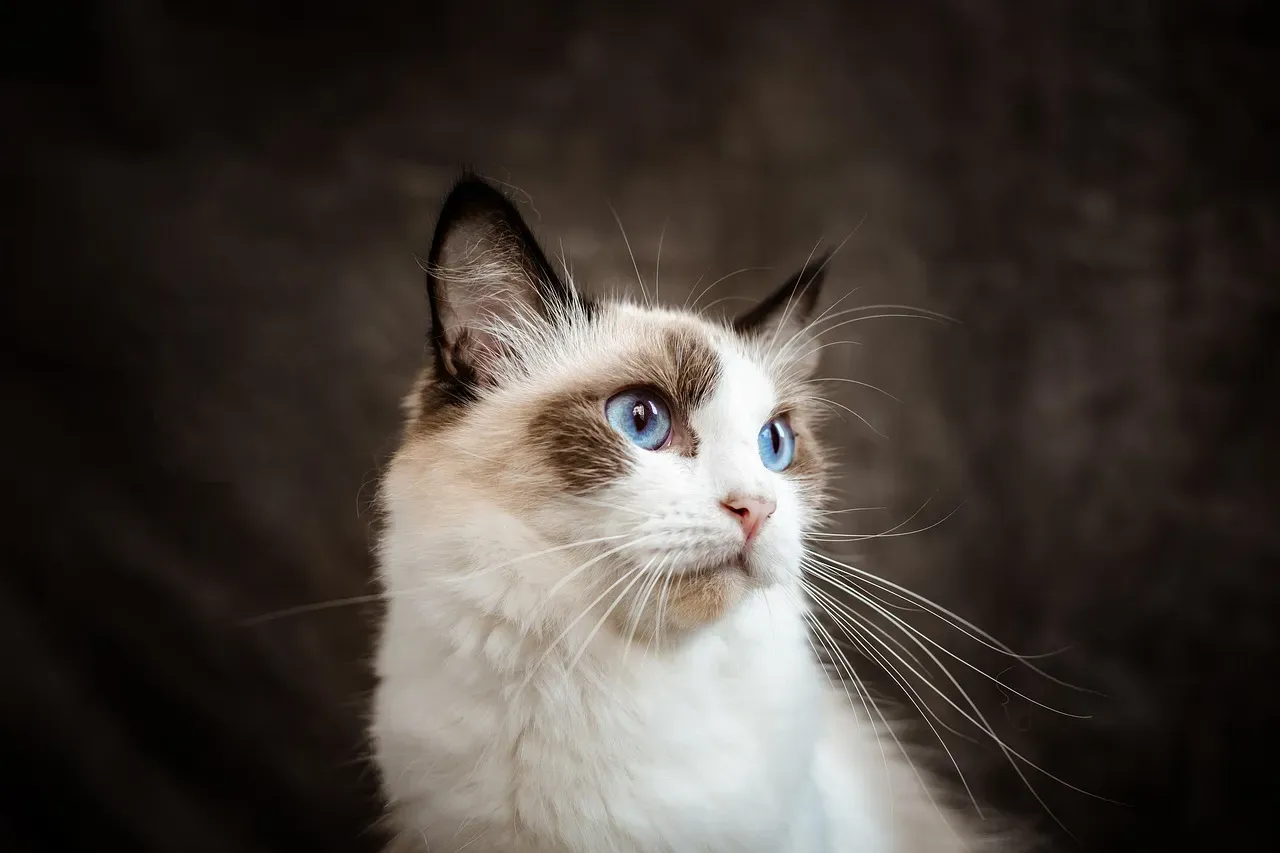
The Ragdoll literally melts into your arms when picked up, like the toy it’s named after, making it a top pick among veterinarians for calmest cat breeds. These cats aren’t just relaxed – they’re borderline sedated in the best possible way. If you work from home or spend your evenings binge-watching shows while the rain pounds outside, a Ragdoll will be right there with you, purring softly and demanding nothing more than gentle affection.
They’re extremely tolerant of children, dogs, and other pets, and notably loyal to their owners. What makes them perfect for the Pacific Northwest isn’t just their temperament. It’s their total lack of wanderlust. They won’t pace by the door begging to go outside. They’re homebodies who appreciate the same cozy indoor life you do. It’s recommended to always keep Ragdolls indoors because their laid-back nature means they may not always sense danger.
British Shorthair: Independent Yet Affectionate
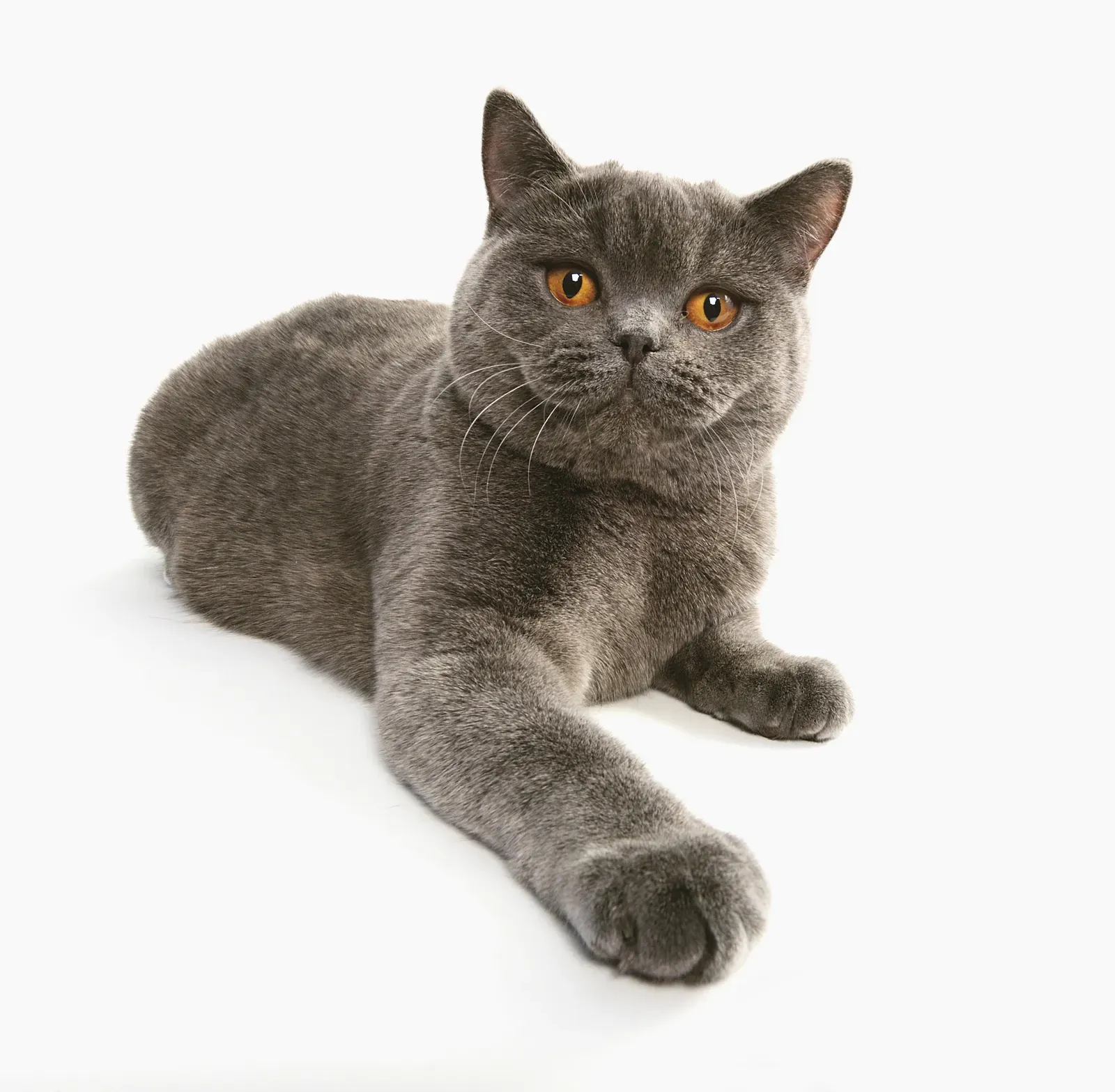
The British Shorthair is perfect for apartment living, known for being independent, quiet, and content with lounging in cozy corners. If you value personal space but still want a warm presence nearby, this breed gets it. They don’t smother you with attention. They simply exist in your orbit, calm and undemanding.
These plush, regal-looking cats are laid back and adaptable, and they’re a quieter breed too, ideal for apartment blocks. Living in Seattle or Portland often means shared walls and close neighbors. The last thing you need is a vocal cat waking everyone at dawn. British Shorthairs respect the quiet hours. They’re low-maintenance in grooming despite their dense coat, though watch their weight – this even-tempered breed often suffers from excessive weight gain due to limited activity levels, so encouraging even small amounts of exercise is important.
Persian: The Zen Master of Cats
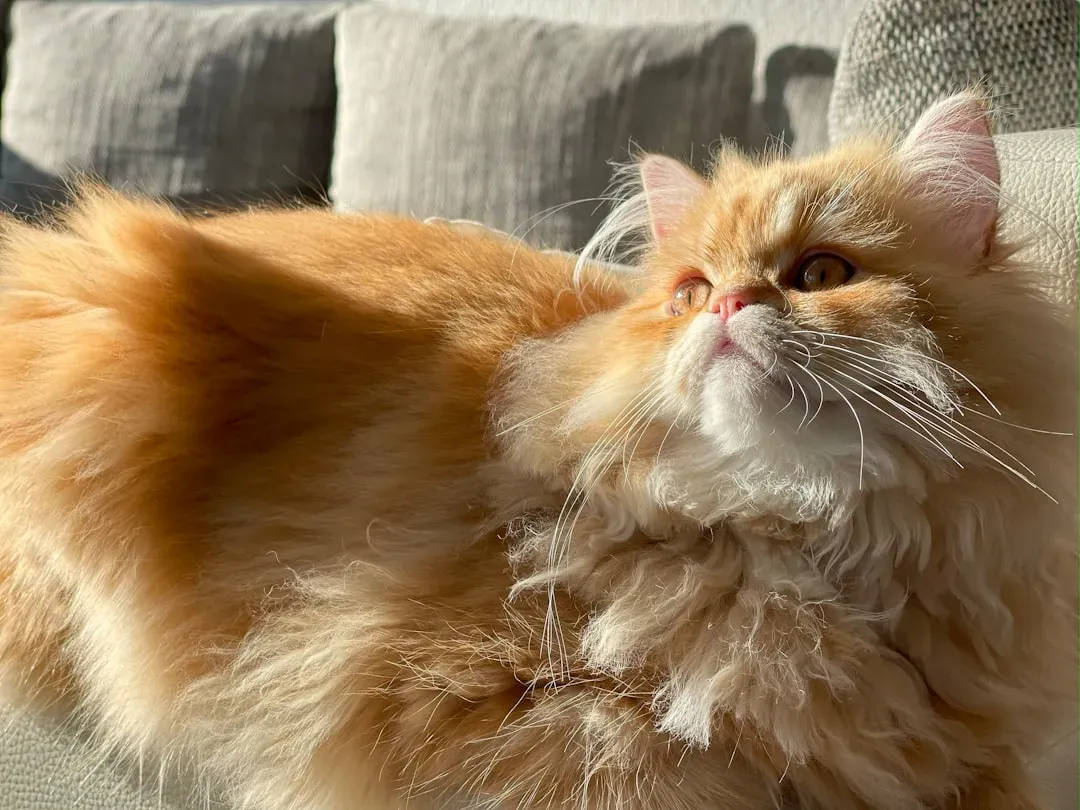
Let’s be real: Persians are possibly the laziest cats on the planet. This breed will spend day and night chilling out or sleeping, never feeling the need to let out excess energy by scratching furniture or ruining drapes. For Pacific Northwest residents who appreciate a slow morning with coffee and contemplation, the Persian is spiritually aligned with that vibe.
A calm cat will usually purr immediately when petted under the chin, and Persian cats fill that bill, though their grooming needs are considerable. That’s the trade-off. You get a smooshy-faced lap cat who radiates tranquility, but you’ll need to brush them frequently to prevent matting. Still, if your idea of stress relief involves sitting in silence while rain streams down the windows, a Persian napping beside you completes the picture.
Birman: The Gentle Socialite
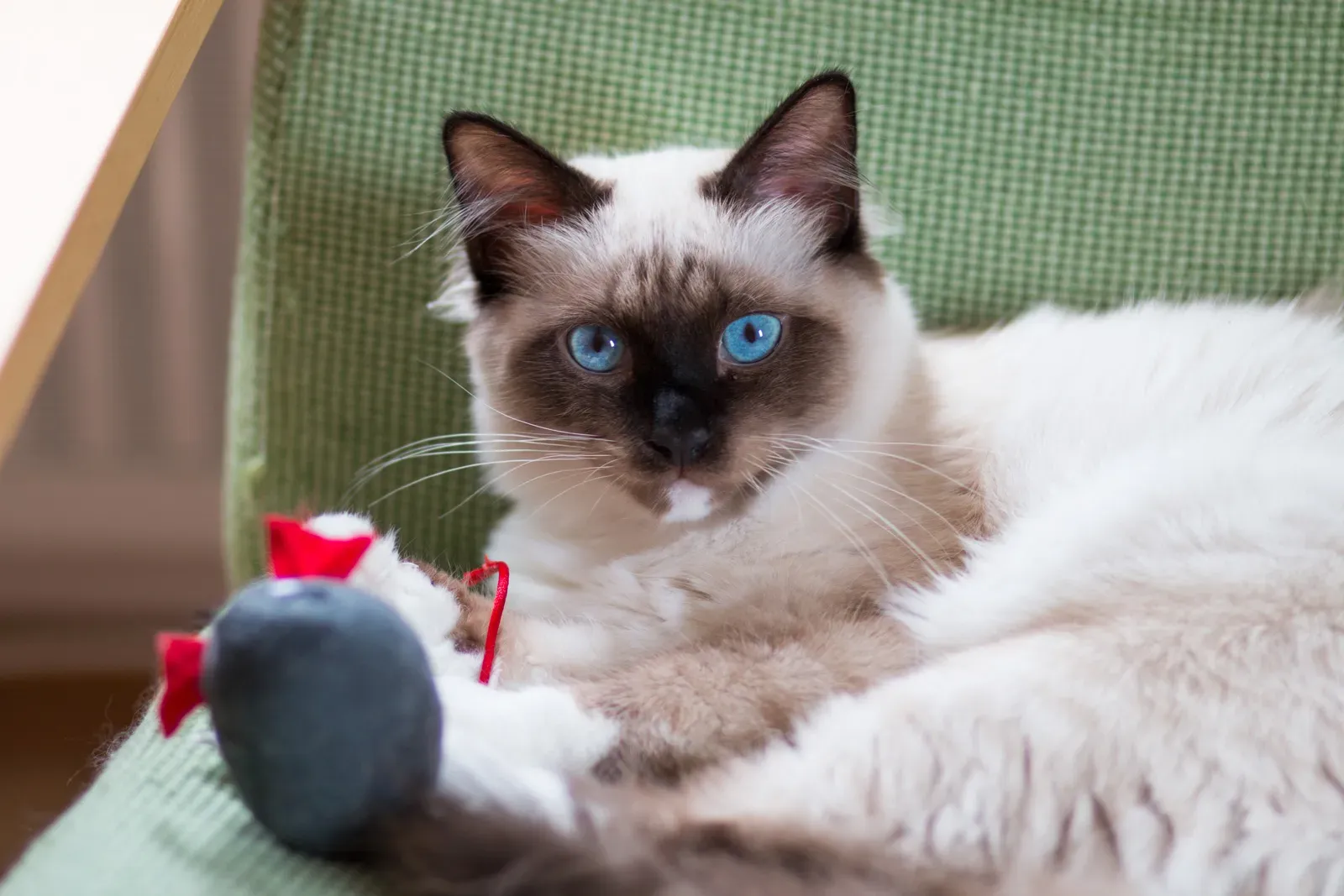
The Birman will win you over with piercing blue eyes and is not only amiable and laid-back but also doesn’t require a lot of grooming. These cats strike a rare balance. They’re social without being needy, active without being exhausting. If you occasionally have friends over for game night or host small gatherings, a Birman will participate without causing chaos.
Birmans are one of the more active breeds on the list of calm kitties, yet they’re also docile and easygoing, exuding composure and confidence. They adapt well to the kind of lifestyle where some days you’re out hiking at Snoqualmie Pass and other days you’re holed up indoors avoiding the weather. They don’t do well with solitude but are notoriously relaxed and low-maintenance, so if you’re home frequently, they’re ideal.
Maine Coon: The Gentle Giant
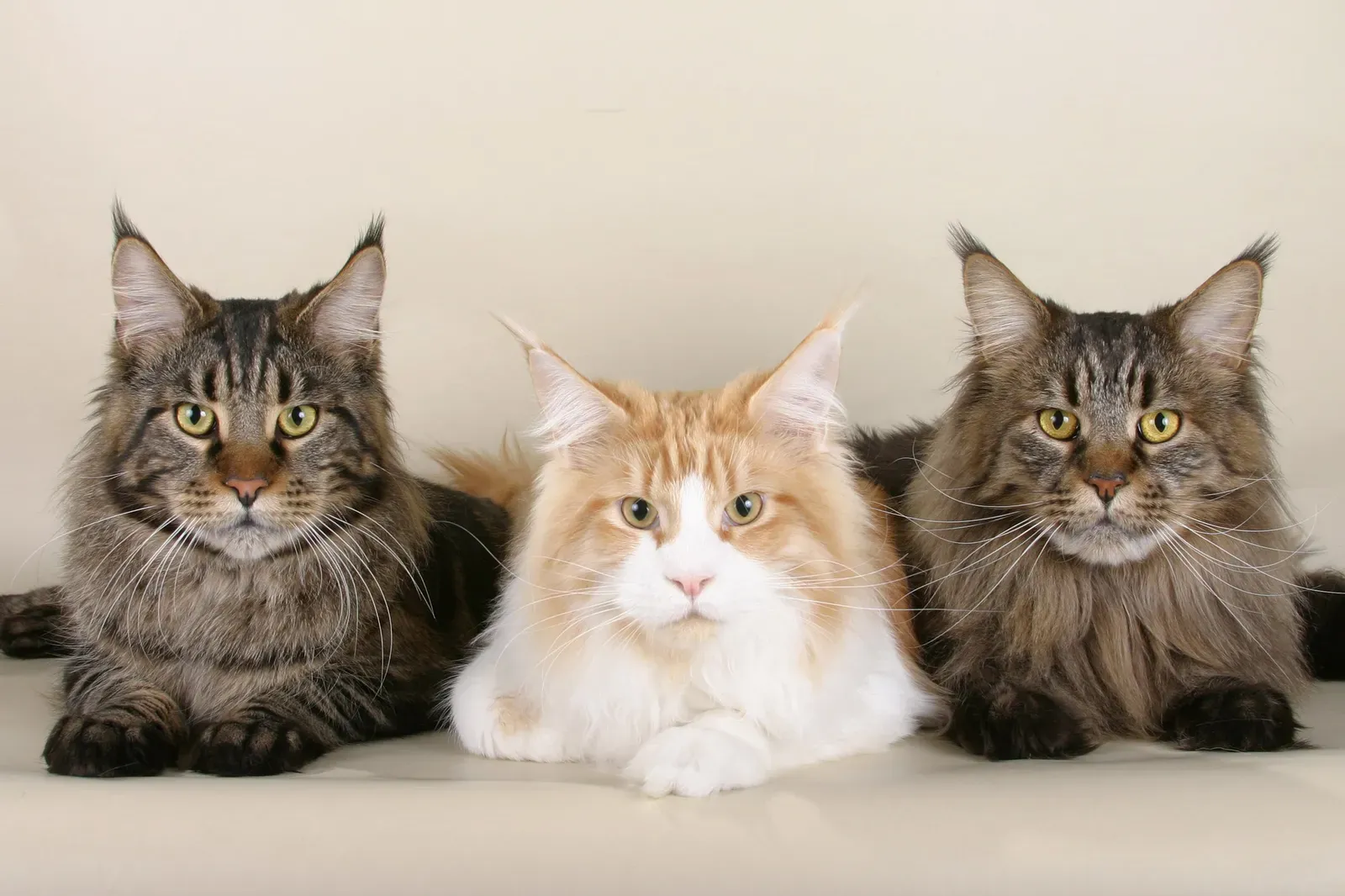
Maine Coons are known as gentle giants and are one of the most popular cat breeds, with an easygoing nature that always prevails despite their playfulness. Size-wise, these cats are substantial. They can weigh up to 22 pounds. Yet their temperament is soft as moss on a forest floor.
Washington is reportedly the most cat-loving state, where the Ragdoll is reportedly the most searched breed, though Maine Coons are also beloved for being big cuddlers with striking blue eyes who get along with everyone, even dogs. They’re surprisingly chill for their size. Maine Coons are often great in apartments if you can manage their grooming needs and provide vertical play options, as they’re laid-back giants. Give them a tall cat tree, and they’ll be content. They match the Pacific Northwest ethos perfectly: large, imposing presence but zero aggression or drama.
Scottish Fold: The Adorable Observer
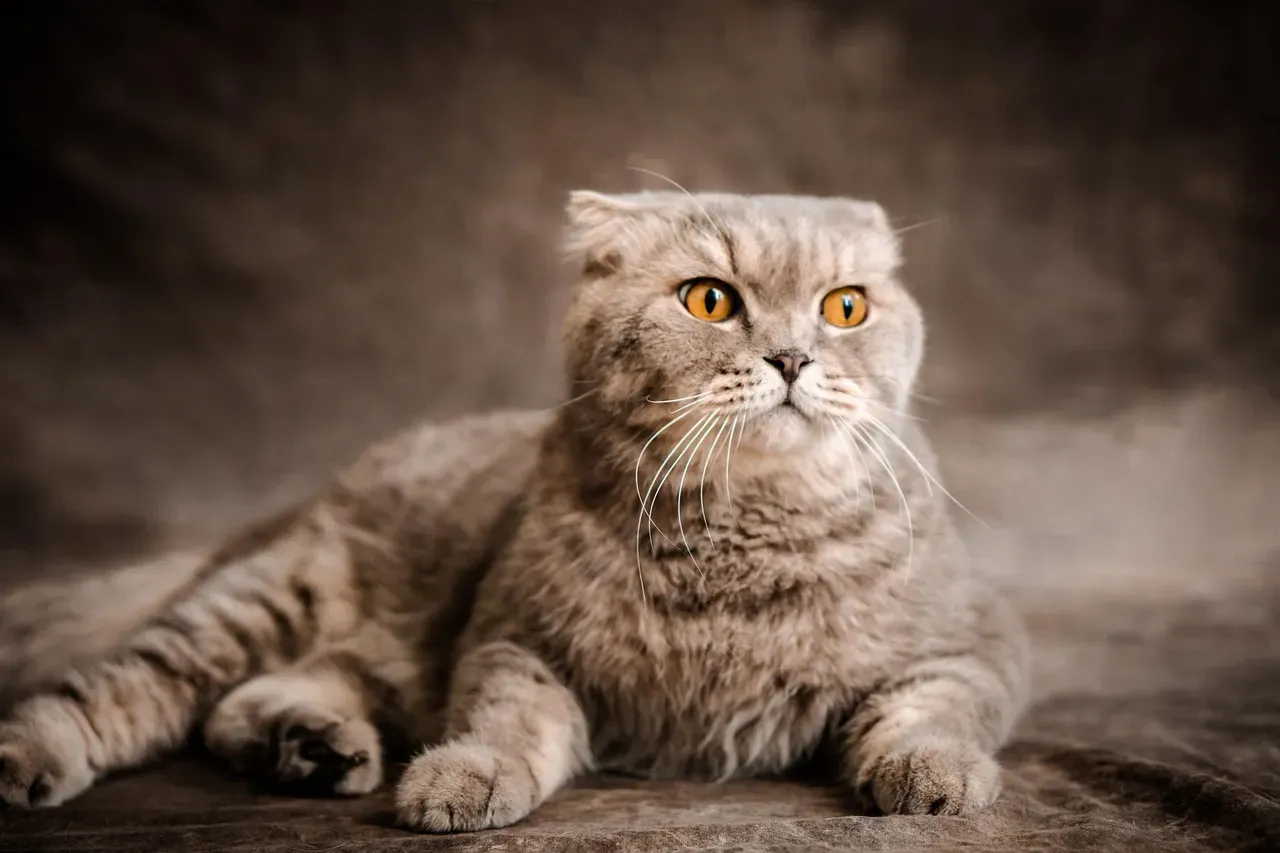
The Scottish Fold is often perceived as a designer cat breed that’s intelligent, friendly, and loyal. Those folded ears give them an owl-like appearance that’s undeniably charming. What people don’t always realize is how perfectly suited they are to apartment living and quieter households.
Scottish Folds have folded ears and chubby faces, are even-tempered though slightly more energetic than the average lap cat, love deeply but aren’t overly demanding or needy. They enjoy human interaction but won’t guilt-trip you if you need space. If you’re working remotely and need a cat who won’t distract you constantly but will keep you company, the Scottish Fold is that perfect middle ground. They get easily attached to their owner and are only moderately active.
American Shorthair: The Easygoing All-Rounder
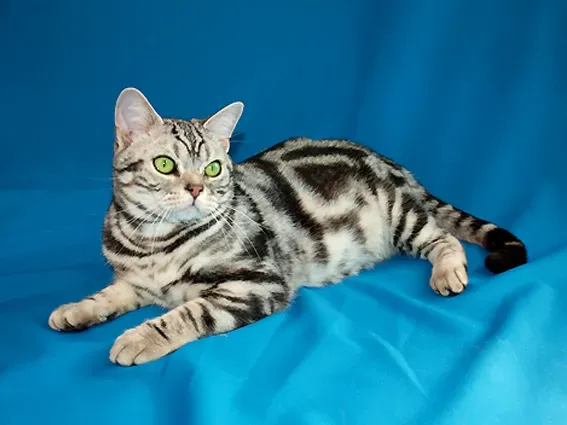
American Shorthairs are well-known for being gentle, laid-back, and suitable for families with children, and they aren’t a demanding breed. They’re the golden retrievers of the cat world – reliable, friendly, and unpretentious. If you want a cat that doesn’t overthink things and just goes with the flow, this is your match.
The downside? This even-tempered and quiet breed often suffers from excessive weight gain, worsened by their limited activity levels, so it’s important to encourage exercise to prevent obesity. Living in a rainy climate means fewer outdoor adventures, which can contribute to sedentary habits – for both you and your cat. Invest in interactive toys. Make playtime non-negotiable. Otherwise, you’ll end up with a pudgy, lethargic cat who develops health issues down the line.
Himalayan: The Quiet Companion
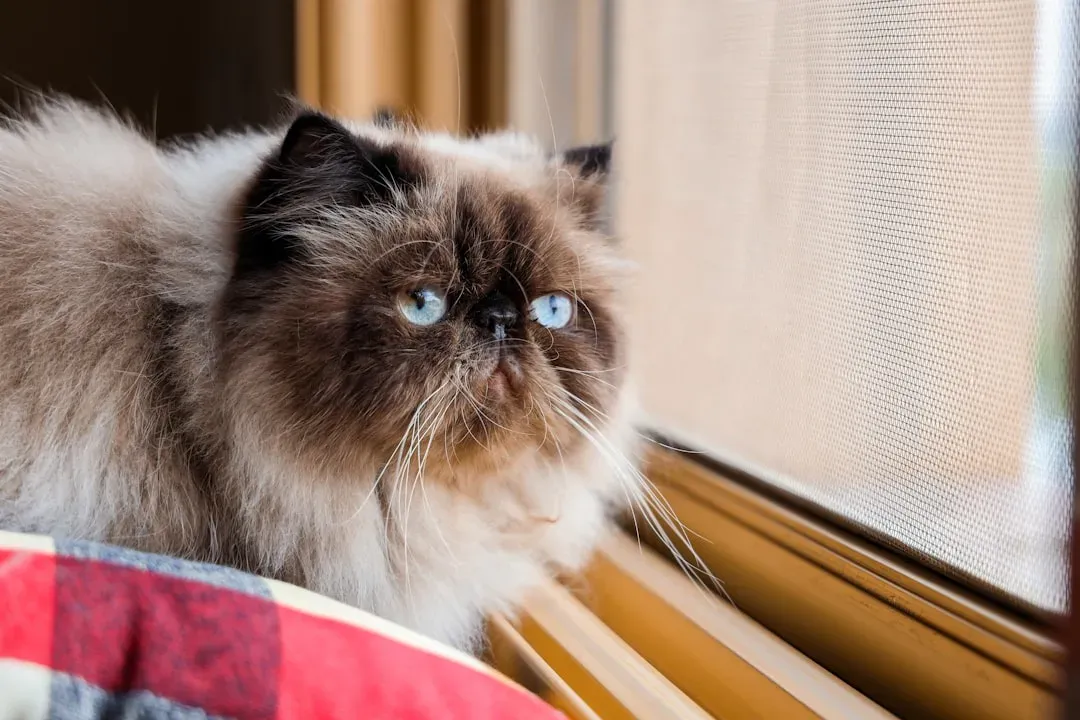
Unlike their Siamese ancestors, Himalayans are on the quieter side and prefer the coziness of a friendly lap over rambunctious hijinks, being perfectly content to relax. They’re a cross between Persians and Siamese, inheriting the best of both worlds – calm demeanor and striking coloring.
Himalayans are docile and quiet, yet loving and cheerful, and will gladly curl up on the couch or find a sunspot to lay in. During those rare sunny days in the Pacific Northwest, you’ll find your Himalayan basking in whatever light filters through the clouds. The rest of the time, they’re right beside you, embodying the kind of peace and contentment that’s increasingly rare in our chaotic world. Like Siamese, they crave the attention of their humans and feel most at home when their families are around.
Exotic Shorthair: The Low-Maintenance Persian
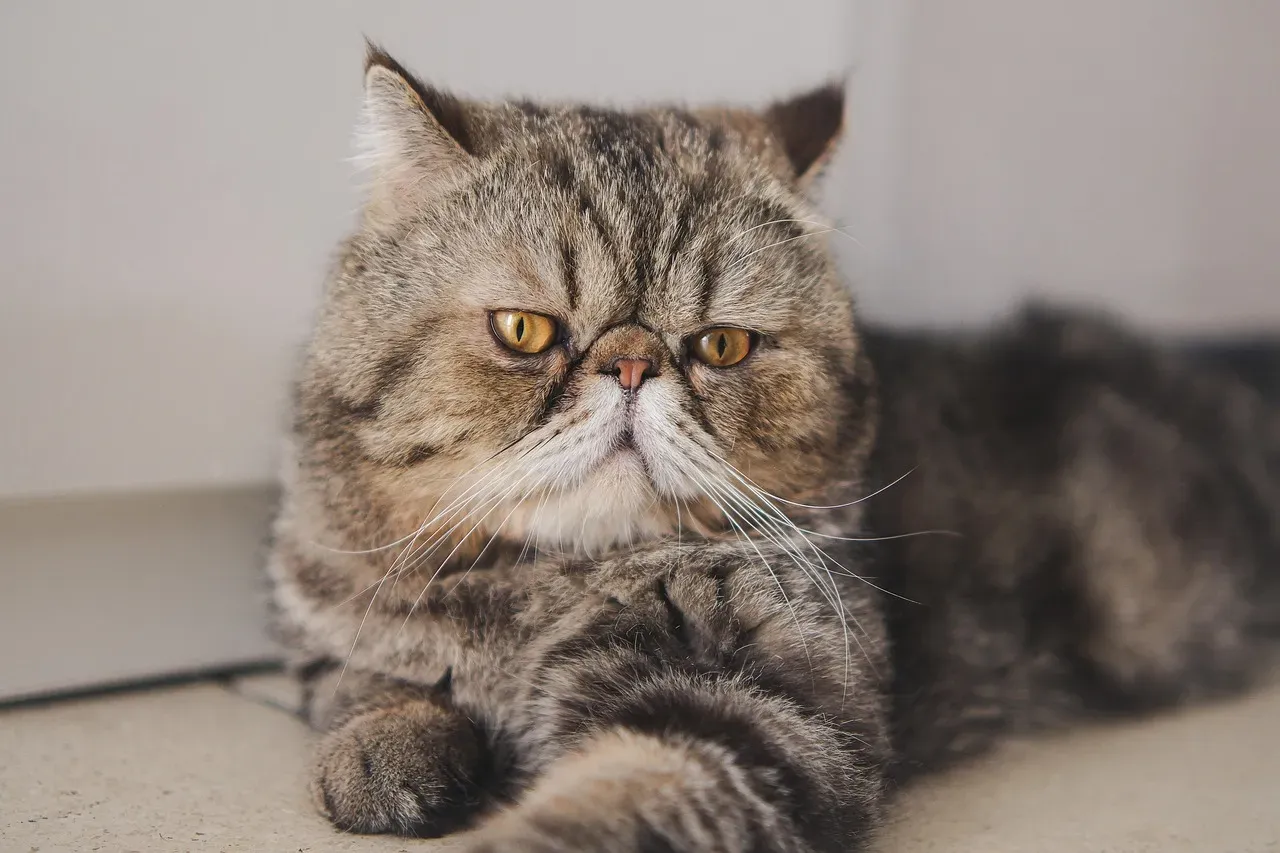
The Exotic Shorthair is dubbed a Persian without the pretensions, being easy-going, sweet, affectionate, and quiet, with a calming presence. If you love the idea of a Persian but can’t commit to daily grooming sessions, the Exotic Shorthair solves that problem. They have the same squishy face and gentle temperament but with shorter, easier-to-manage fur.
Their docile attitude makes them a good fit for apartment living. They’re not climbing curtains or knocking things off shelves for entertainment. They’re burrowing into warm laps and observing the world with a zen-like detachment. If your Pacific Northwest lifestyle involves minimalism and simplicity, this breed aligns perfectly. They don’t need much – just your presence and a soft place to sleep.
Russian Blue: The Reserved Aristocrat
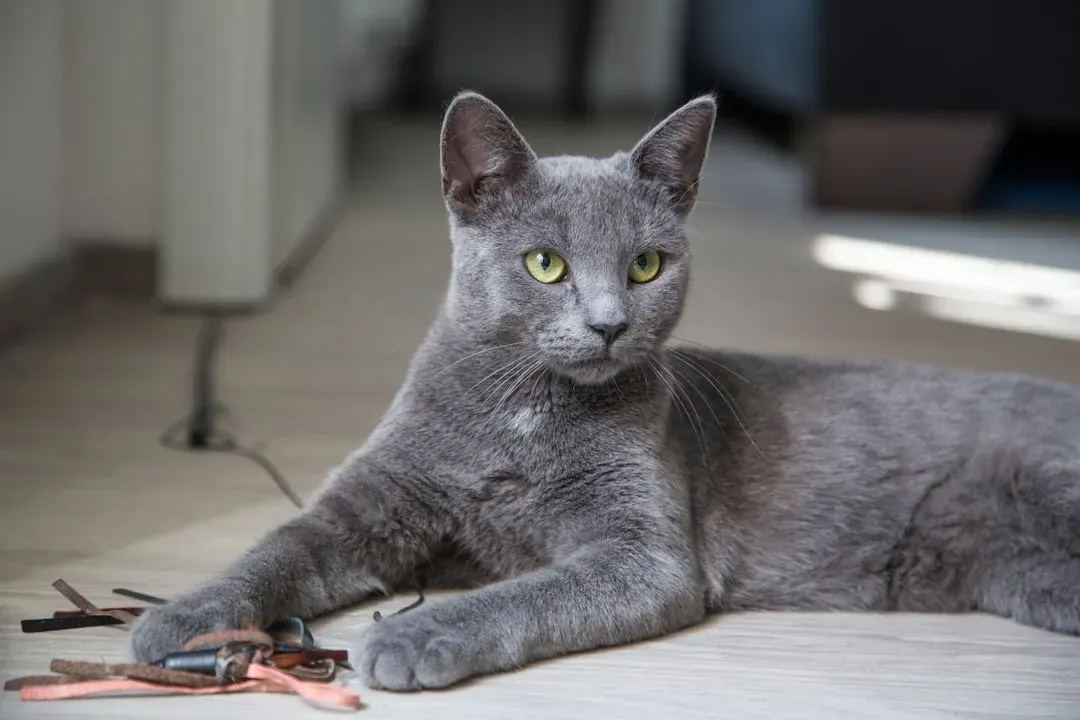
The Russian Blue is elegant yet playful, keeping a relatively low profile while bonding closely with their humans and appreciating quiet environments. These cats are naturally suited to colder climates. The Russian Blue reportedly originated in a Russian port about 150 miles from the Arctic Circle and can easily tolerate colder states, making them biologically prepared for Pacific Northwest weather.
They’re shy with strangers but deeply loyal to their families. If you value privacy and prefer a cat that won’t immediately befriend every visitor who walks through your door, the Russian Blue respects boundaries. Like the British Shorthair, the Russian Blue is known for its easygoing temperament and stunning grey coat. They’re independent enough to entertain themselves but affectionate enough to make you feel loved. That balance is hard to find and worth appreciating.
The Hard Truth About Low-Energy Breeds
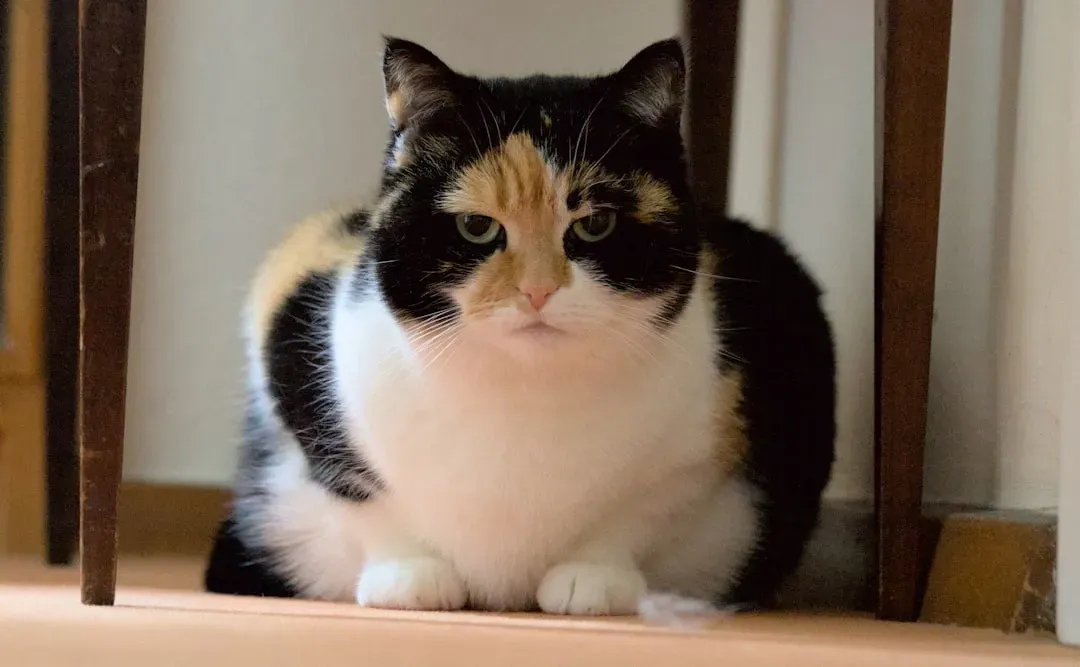
Here’s what nobody mentions when discussing laid-back cats: their calmness can mask serious health problems. Even-tempered and quiet breeds often suffer from excessive weight gain, exacerbated by their limited activity levels. Obesity in cats isn’t just an aesthetic issue. Topping off the food bowl may seem harmless but could increase your pet’s risk of becoming overweight or obese, leading to diabetes, arthritis, gastrointestinal problems, liver disease, and other conditions.
Feeding cats the wrong food or having poor feeding habits can contribute to a range of health problems including obesity, diabetes, and kidney issues, with many owners making the mistake of feeding an all-dry food diet. Low-energy breeds need careful portion control and regular veterinary checkups. The most common health mistake owners make is not getting their cat preventive care, which is vital to catching health problems in their early stages.
You need to commit to annual vet visits, monitor their weight, and provide mental stimulation even if they don’t demand it. Boredom and inactivity can lead to behavioral issues. The Pacific Northwest lifestyle might be chill, but your cat still needs engagement. Interactive toys, puzzle feeders, and scheduled playtime aren’t optional – they’re essential.
Are you ready to share your space with a feline that mirrors the relaxed, introspective energy of the Pacific Northwest? These breeds aren’t just cats. They’re companions who understand the value of a quiet evening, a good nap, and the simple pleasure of existing without urgency. What breed speaks to your lifestyle?