You probably think you know everything there is to know about cats. They’re soft, independent, easy to care for. Maybe you’ve been eyeing that fluffy Persian at the shelter or dreaming of adding a sleek Siamese to your household. Everyone says certain breeds are perfect for families, right?
Well, let’s be real here. Not all cats are created equal when it comes to thriving in busy family homes with children, noise, and chaos. Sometimes that adorable kitten you bring home turns into a demanding, high-strung, or downright unfriendly companion. It’s uncomfortable to admit, but some cat breeds genuinely struggle in typical family environments, no matter how many glowing reviews you read online. Let’s dive into the breeds that might look perfect on paper but could leave you seriously reconsidering your choices.
1. Bengal – The Beautiful Wrecking Ball
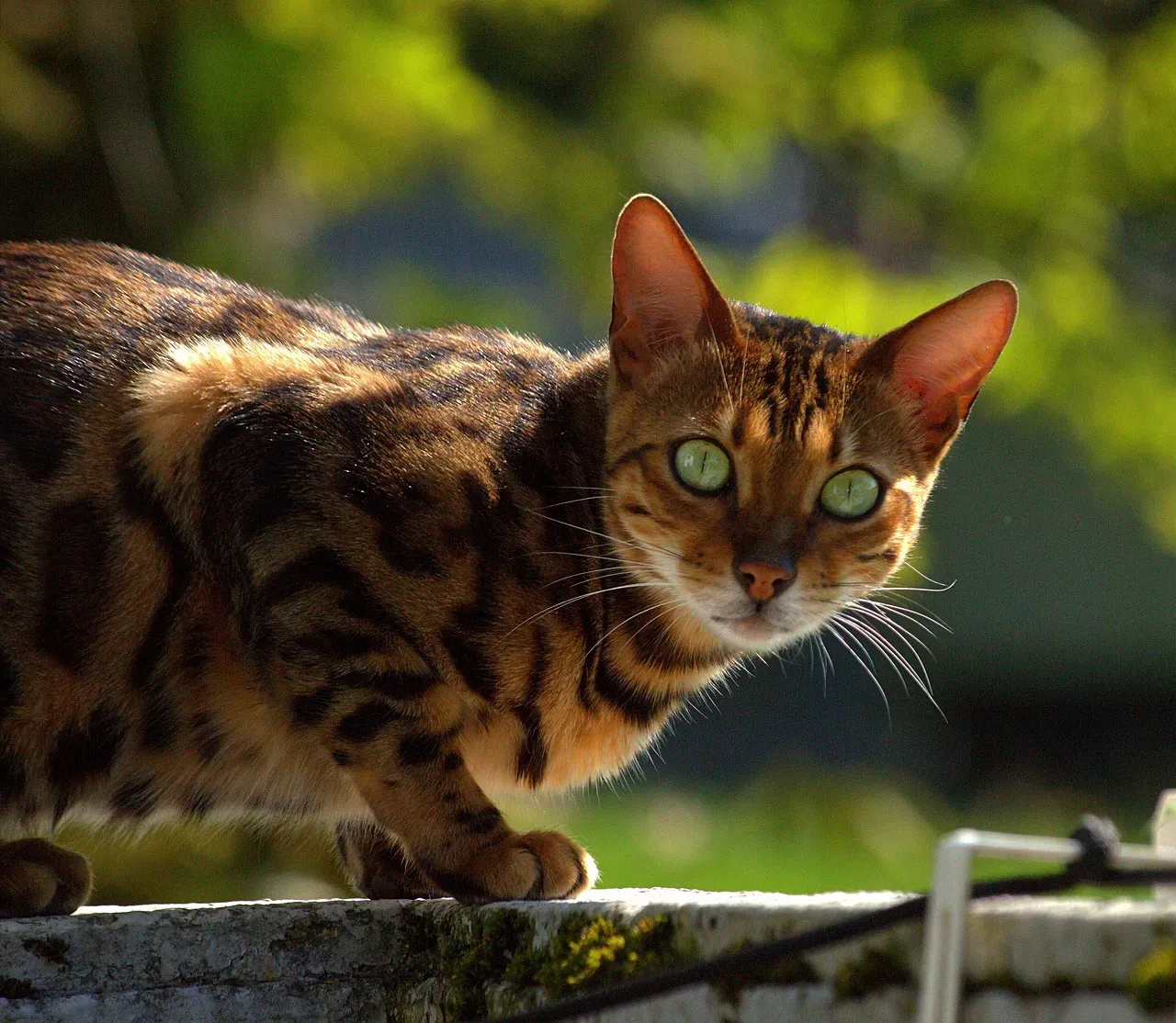
Bengals are large cats that feel as if they still belong in the wild, with F1, F2, and F3 generations considered “foundation” or “early-generation” Bengals due to their Asian Leopard Cat bloodline. These cats are notoriously high maintenance, requiring significant time investment to avoid aggressive behavior. Honestly, they’re stunning to look at with their leopard-like spots, but living with one is an entirely different story.
Without plenty of attention and care, Bengals exhibit negative behaviors and become destructive when bored, wreaking havoc from scratching to yowling on nearby furniture. Behavioral issues like territorial spraying and play aggression are quite common if this breed doesn’t meet its needs. If you’ve got young kids running around and limited time for intense daily engagement, a Bengal will turn your home upside down. They’re fiercely territorial too, which means introducing them to other pets becomes a nightmare.
2. Siamese – The Jealous Attention Seeker
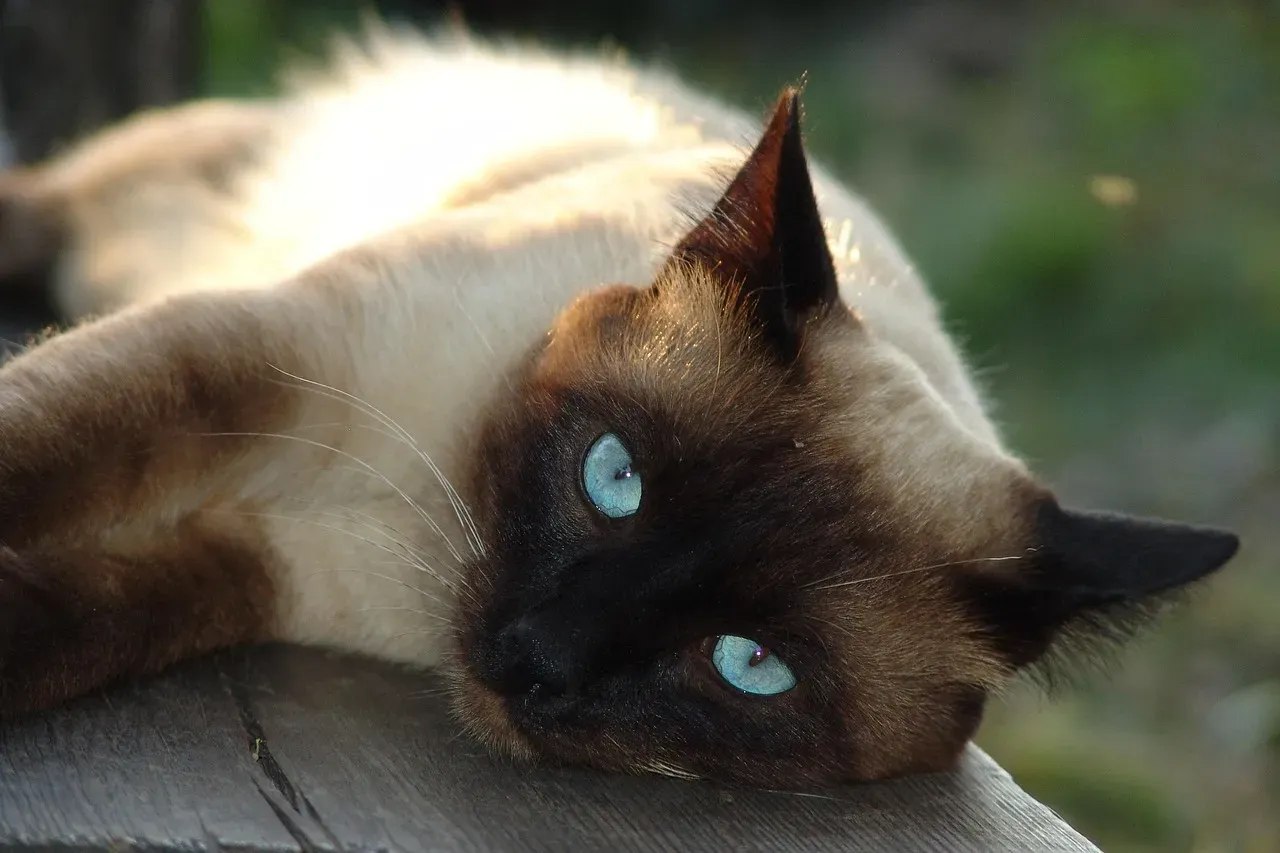
Siamese cats are known for being highly territorial and jealous, and they are very jealous, taking a long time to get used to other pets. Sure, they’re gorgeous with those blue eyes and striking coloring. The problem? Siamese cats are needy and clingy, becoming very attached to their favorite human, and they don’t want to share, potentially lashing out if they see you petting another cat or hanging out with someone else.
If they feel like they are not receiving enough attention from their owners, they will potentially lash out. In a bustling family home where attention gets divided between kids, homework, dinner prep, and a million other things, your Siamese will become increasingly frustrated. These cats are highly vocal and crave constant interaction, following their owners around and often chatting loudly, and they are not happy when left alone for extended periods. I think most families underestimate just how demanding these cats truly are.
3. Sphynx – The Demanding Diva
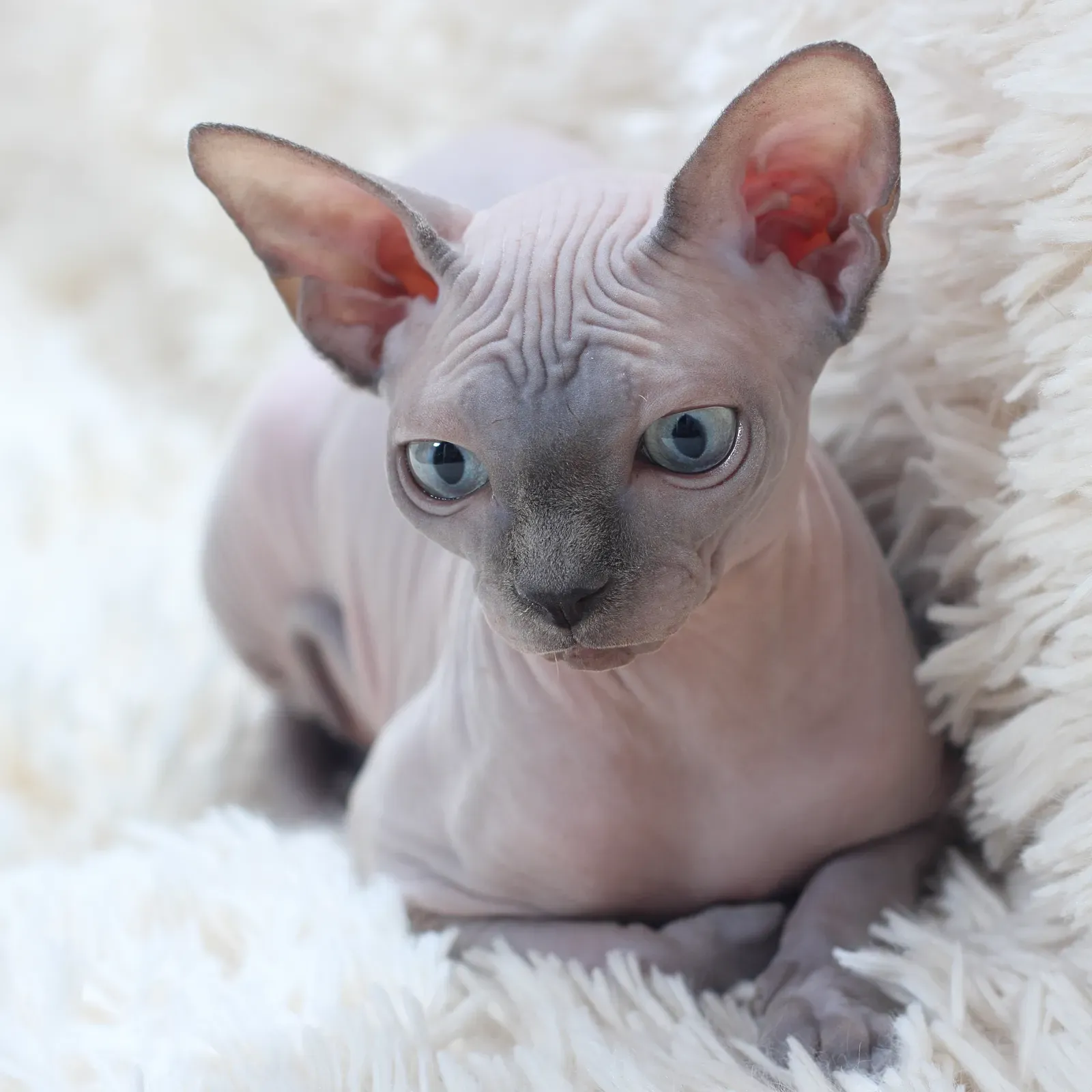
The hairless Sphynx might seem like a dream for families worried about shedding and allergies. Think again. The Sphynx is very demanding, always wanting to be the center of attention, and if they’re not getting the attention they desire, they will act out to get what they want. These hairless cats are demanding felines that like being the center of attention and can be quite needy, acting out aggressively to get what they want.
Here’s what most people don’t realize: Sphynx cats lack a coat to absorb oils, requiring frequent bathing to maintain healthy skin, and their near-hairless body makes them susceptible to temperature extremes. Their skin’s natural oils can build up and collect dirt, meaning weekly or bi-weekly baths are a must, and they require sweaters and heaters when the weather is cold while being prone to sunburn if allowed outside. That’s a lot of work for a busy family already juggling soccer practice and school projects.
4. Scottish Fold – The Territorial Cutie
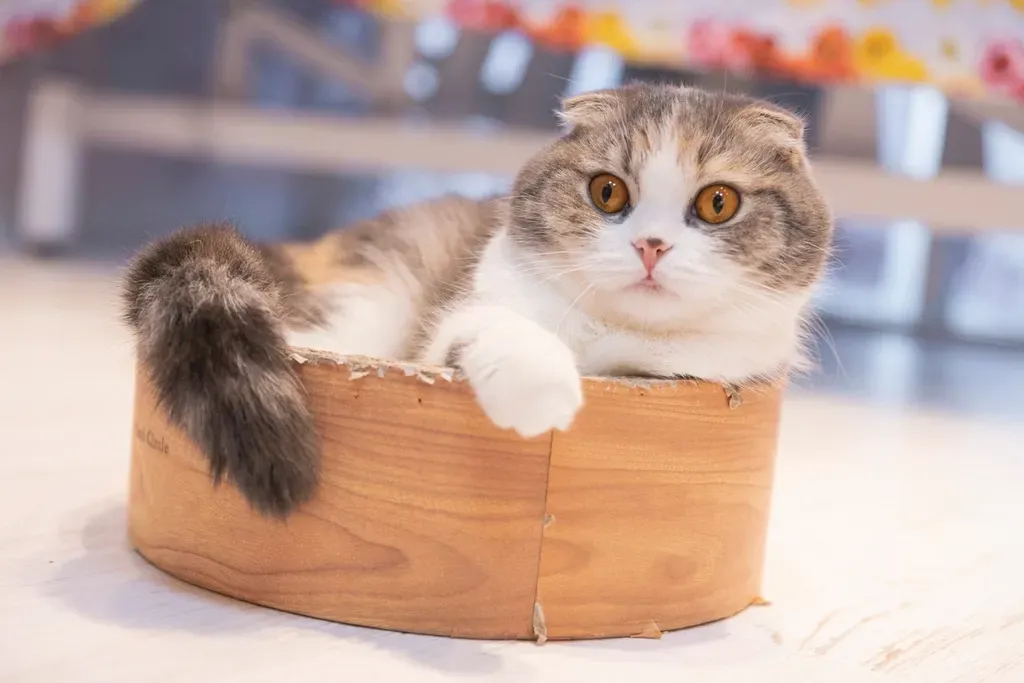
Those folded ears are irresistibly adorable, I’ll give you that. It’s probably surprising to see the Scottish Fold on this list, but this breed is more than just a teddy bear-faced feline, being quite sensitive to change. The Scottish Fold doesn’t like to share the attention and is also fond of rough petting.
Scottish Folds are known to be affectionate and cuddly creatures, but they can be pretty territorial in their established space, which can cause issues if you plan to introduce a new cat into your home. If your family is dynamic and ever-changing, with friends visiting and new situations arising, this breed won’t handle it well. Scottish Fold cats have a rather low energy level but can become aggressive if their owner is not careful, being very loving towards their owners but tending to get into fights with other pets or even humans if left alone for too long.
5. Bombay – The Fearless Aggressor
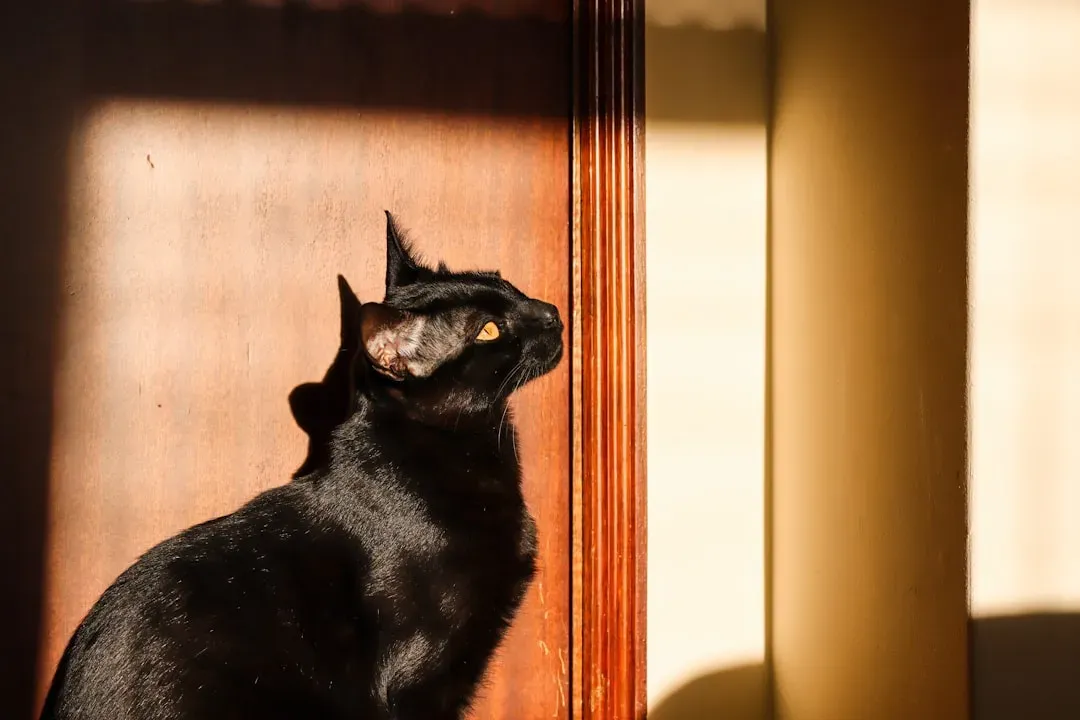
The Bombay breed exhibits numerous strong behavior traits and is known to be both fearless and aggressive, and despite their sturdy small-to-medium bodies, they can be surprisingly forceful for their size during playfights. That “mini-panther” look is incredibly striking, but the temperament underneath can be problematic in family settings.
Much like the Siamese and Sphynx cat, the Bombay requires a significant amount of attention, which, when not met, can come out in aggressive tendencies. Bombay cats love attention from their owners and will always try to make sure everyone knows it, but if you don’t give these cats your full attention, this breed will cause problems, being very territorial and not liking to share their owner with anyone else, potentially becoming aggressive if neglected. Family life means divided attention, which this breed simply cannot tolerate.
6. Savannah – The Wild Child
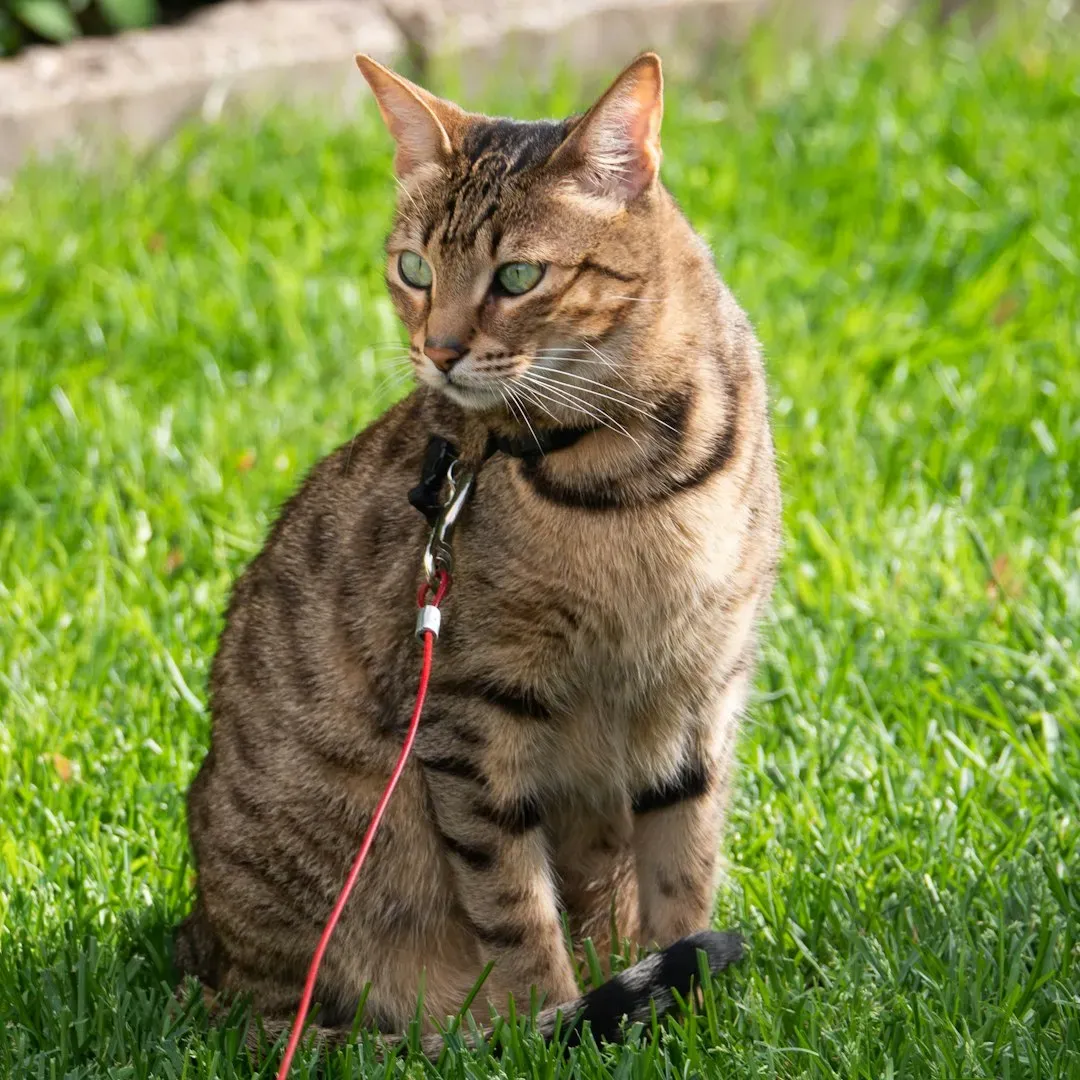
The Savannah breed is a wild mix of an African Serval and a regular house cat with stunning spotted fur and loads of energy, and thanks to their undomesticated roots, Savannahs have a stronger prey drive than other cats. They might look exotic and Instagram-worthy, but that wildness comes with serious complications for families.
They can get jealous quickly, which might lead to hissing, biting, or scratching when feeling neglected. If you have small children who naturally command a lot of attention, your Savannah will not be pleased. Their energy levels are through the roof, requiring constant mental and physical stimulation. Honestly, unless you’re prepared to treat your cat like a full-time job, a Savannah will become a serious handful in your household.
7. Egyptian Mau – The Intelligent Hunter
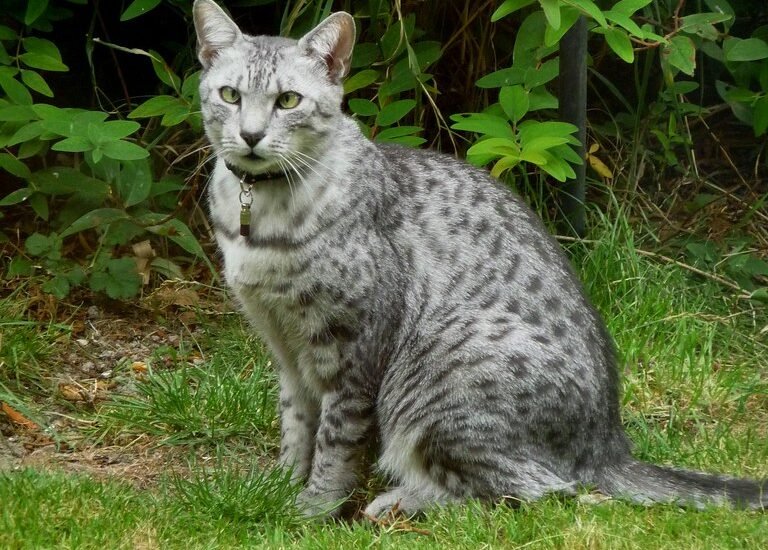
The Egyptian Mau is a dog-like cat that is extremely intelligent, and if you don’t find ways to keep them mentally stimulated, they can lash out and be challenging to own, but giving them unique toys and plenty of attention should prevent this. Egyptian Maus are natural-born hunters who need to spend plenty of time outside to stay out of trouble indoors, and they typically are not very cuddly, running away if you try to hug or snuggle with them.
These cats are gorgeous with their spotted coats, resembling miniature cheetahs. The problem is their hunting instincts and need for stimulation. In a family home with limited outdoor access and busy schedules, an Egyptian Mau will become frustrated and difficult. They don’t enjoy being handled in “unnatural ways,” which means children trying to cuddle them will be met with resistance or worse.
8. Pixie Bob – The Suspicious Stranger-Hater
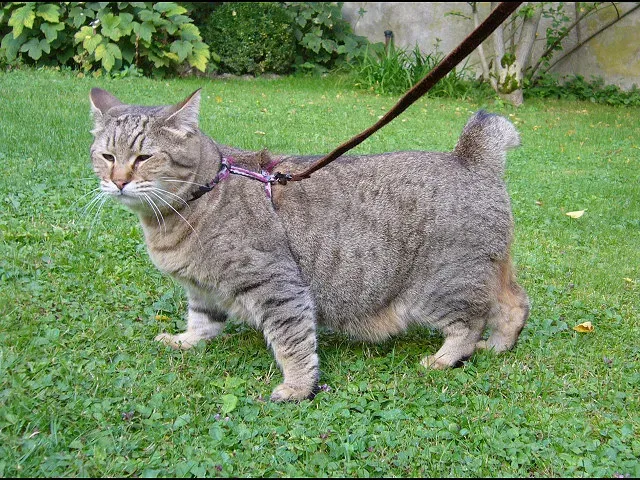
Pixie Bobs are playful and active, often quite social with their family, but they are very suspicious of strangers, and you will probably hear the Pixie Bob growling at strangers when they visit your home. The unique Pixie Bob is a beautiful cat known for its active and playful personality, but even though these kitties get along great with their human family, they might be leery of strangers.
If your family frequently has guests over, hosts playdates, or welcomes extended family for holidays, a Pixie Bob will make everyone uncomfortable with constant growling and defensive behavior. Pixie-Bob males that have not been neutered have been known to mark their territories at home if other cats are present, and this short-tailed wonder also tends to be a bit rough during playtime as they are quite a large cat breed. Rough play plus suspicious nature equals a recipe for disaster around young children.
9. Cymric – The Hyperactive Troublemaker
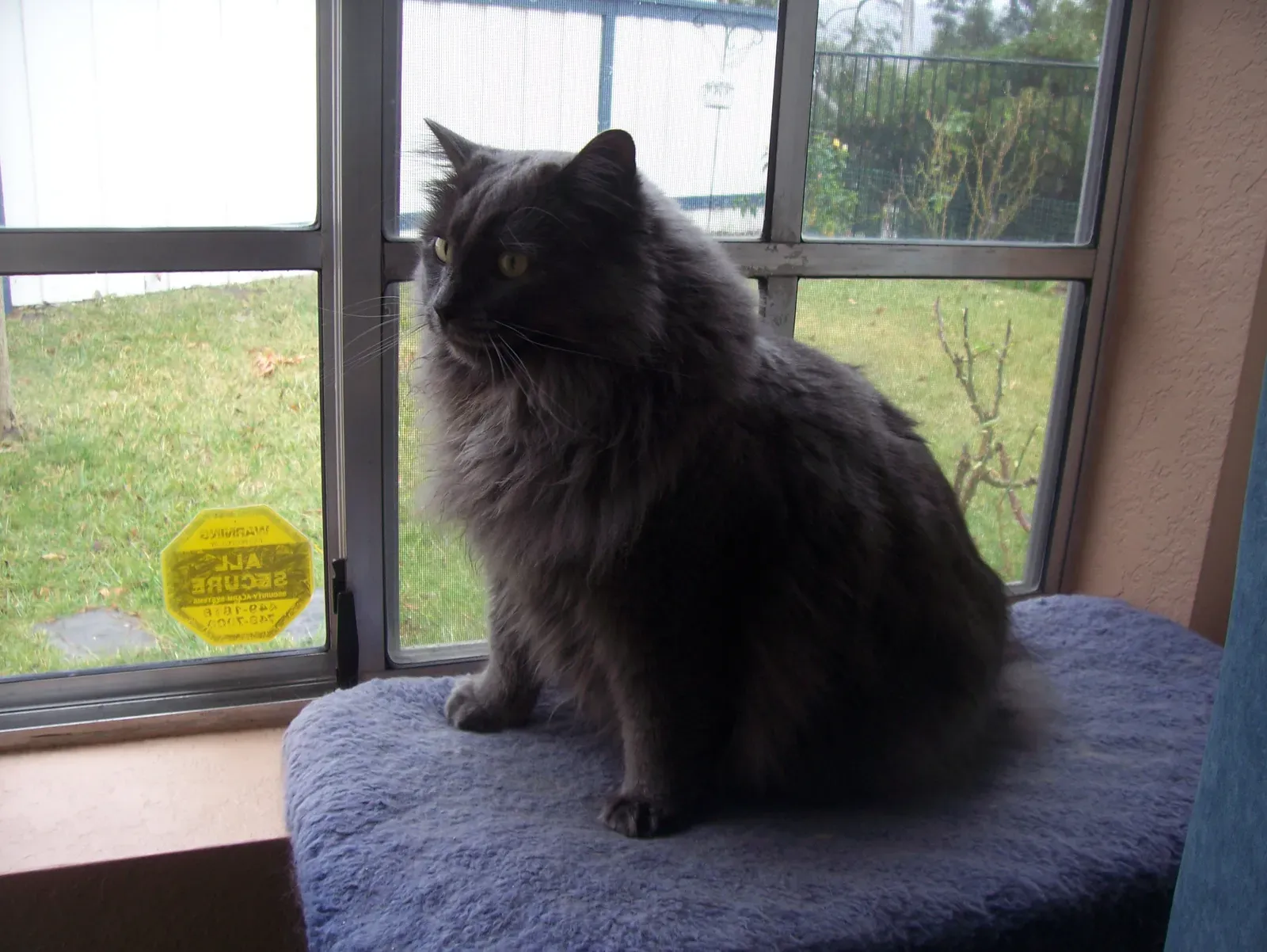
The Cymric is a medium-sized cat with strong muscles and a unique feature of no tail, and despite the absence of a tail, these felines boast a powerful back end that makes them incredible jumpers. They are prone to hyperactivity and energetic bouts, which might lead to an unimpressed demeanor if their enthusiasm is not reflected.
The Cymric’s signature feature is probably their super short and stubby tail, but what makes them challenging to own is that they’re super intelligent and active, meaning you need to meet both their physical and intellectual needs; otherwise, they might lash out and create problems for you. Most families simply don’t have the bandwidth to constantly engage with an intelligent, hyperactive cat. When these needs aren’t met, you’re looking at destructive behavior, aggression, and general chaos.
10. Korat – The Noise-Sensitive Grump
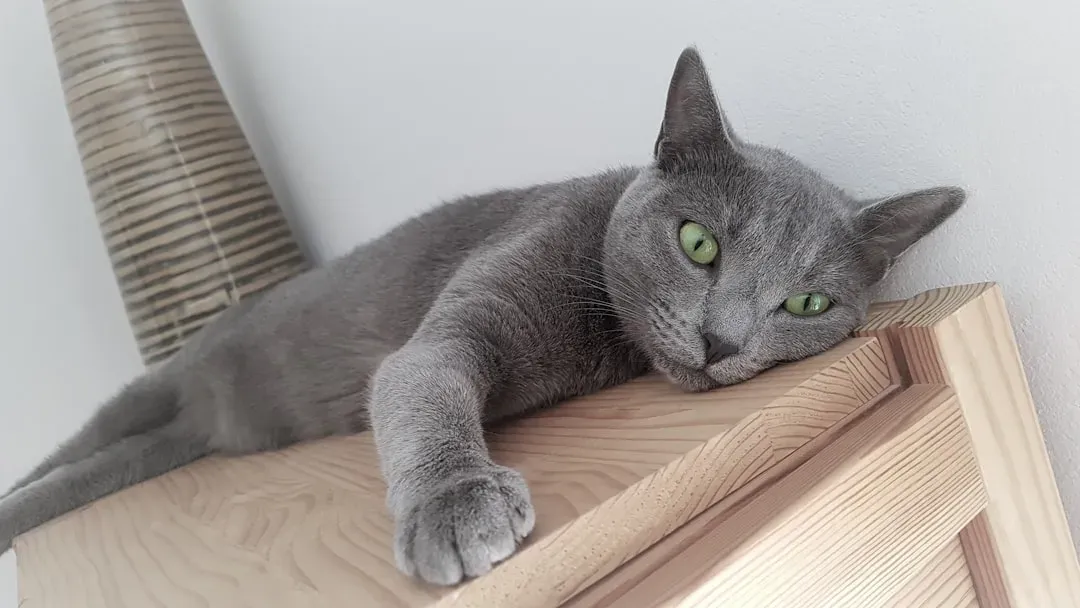
The Korat is a breed that tends to prefer quiet environments, so these cats can get aggravated by loud noises or boisterous children, and when annoyed or scared, they might end up acting somewhat aggressively in self-defense. Korats tend to be reserved with strangers, but if this cat is kept exclusively indoors, they can become aggressive towards other pets or even humans in their home, and it is important for an owner to spend plenty of time playing with their pet so they do not lash out at everyone around them.
Family homes are rarely quiet. Between kids arguing, TVs blaring, vacuum cleaners running, and the general noise of daily life, a Korat will be in a constant state of stress. That stress translates into aggression and defensive behavior. These cats need calm, predictable environments, which is pretty much the opposite of what most families with children can provide.
The Reality Check
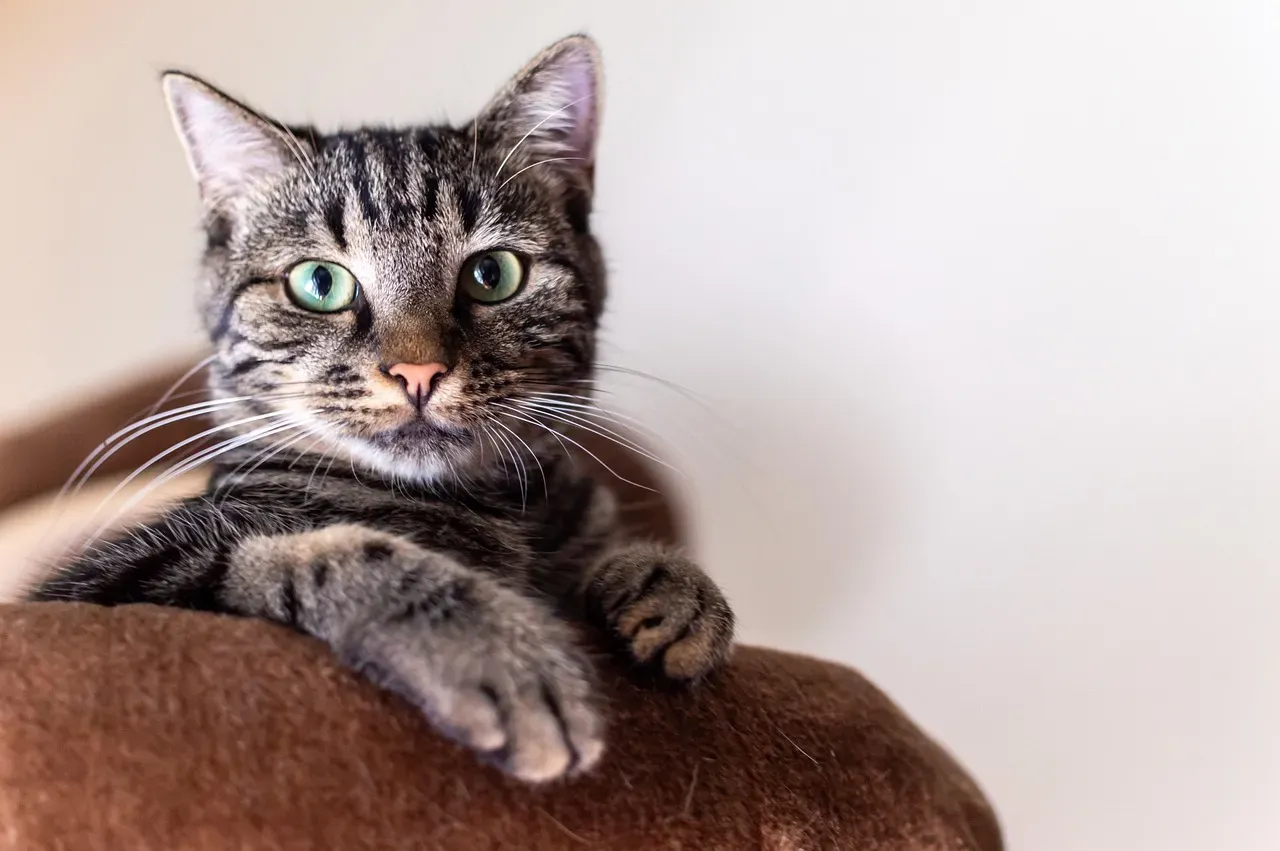
Look, every cat is an individual with their own personality quirks. Some Siamese might be perfectly chill, and some Bengals could surprise you with their calm demeanor. That said, breed tendencies exist for a reason, based on generations of selective breeding and behavioral patterns.
If you’re a family considering adding a feline friend to your home, it’s worth being honest about your lifestyle. Do you have the time for daily grooming, constant attention, or managing territorial aggression? Are your kids old enough to respect a cat’s boundaries? Can you provide the mental stimulation some breeds desperately need?
The breeds on this list aren’t “bad” cats. They’re just poorly suited for the typical busy, noisy, unpredictable family environment. They might thrive with single adults, retirees, or childfree couples who can dedicate substantial time and resources to their care. Choosing the wrong breed doesn’t just make your life difficult – it creates a stressful, unhappy existence for the cat too. So maybe skip the exotic breeds and consider a laid-back domestic shorthair instead. Your sanity, and your cat’s wellbeing, will thank you.
What do you think? Did your supposedly family-friendly breed turn out to be more challenging than expected? Share your experiences in the comments.