You know that moment when you’re deep in work, and suddenly your cat appears on your keyboard, purring innocently while gazing into your eyes? Or when they wake you at dawn with a specific meow that somehow compels you to get up and fill their bowl? Here’s the truth: your cat isn’t just being cute. They’re actively training you, and science has confirmed what cat owners have suspected for centuries.
These miniature house tigers have spent thousands of years perfecting the art of getting exactly what they want from us humans. Some breeds are particularly skilled at this psychological game. Let’s dive into the fascinating world of feline manipulation and discover which breeds are the masters of making you their devoted servant.
Siamese: The Vocal Virtuoso Who Knows Exactly How to Push Your Buttons
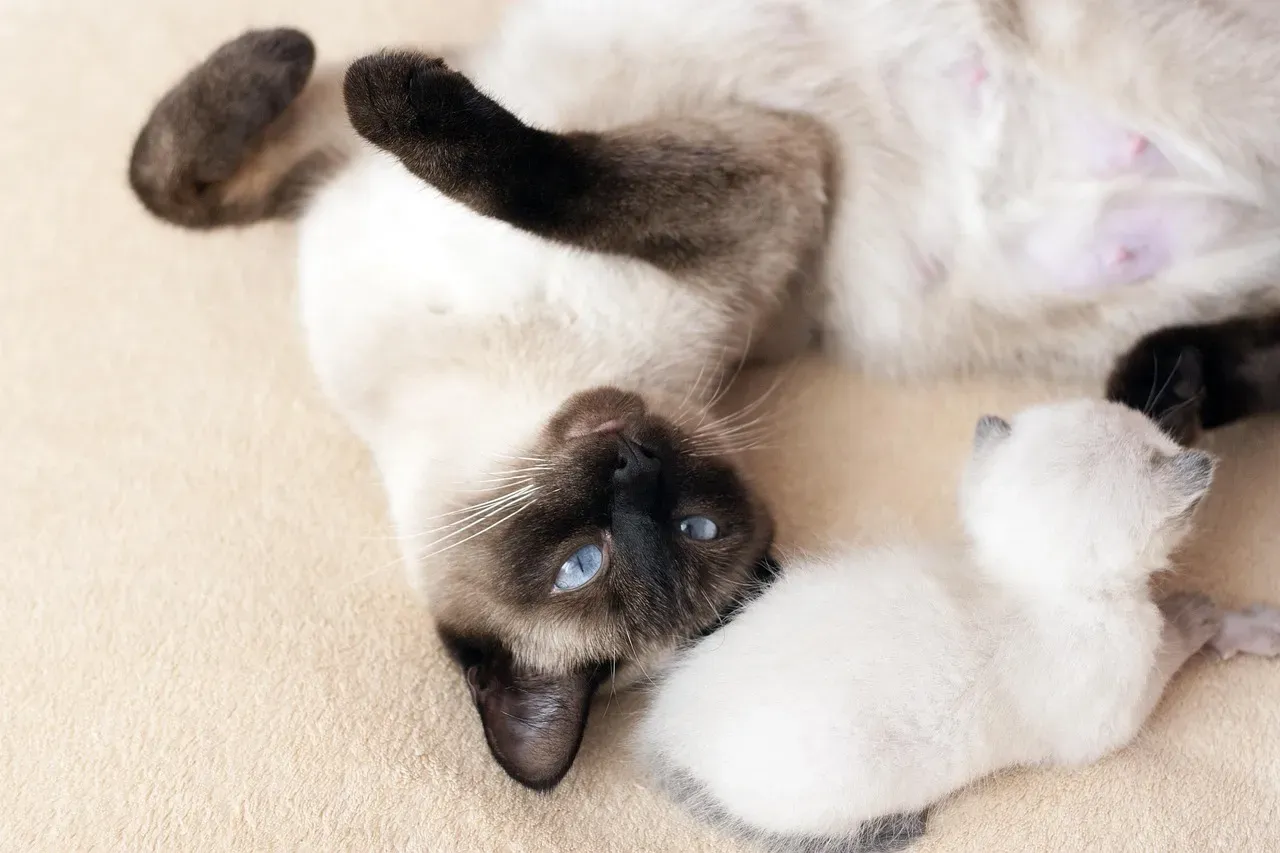
Siamese cats adjust their meows depending on context and how their owners respond, with louder and more grating meows requiring a more urgent response. Think of them as the opera singers of the cat world, except their performances are entirely calculated to get your immediate attention. They’ve learned that different vocalizations produce different human behaviors, and they’ve memorized which sound makes you jump fastest.
The Siamese will love the extra attention that comes with training, and this breed might surprise you with a few cat tricks of her own. Their intelligence means they’re constantly observing your patterns. When you react to a particular cry, they file that information away for future use. The result? A cat that becomes increasingly skilled at vocal manipulation as they age.
The solution lies in consistency. Respond to calm, pleasant meows with affection and food. Ignore the demanding, harsh vocalizations until they soften their approach. It takes patience, but eventually your Siamese will learn that polite communication gets better results.
Bengal: The Intelligent Operator Who’s Always Three Steps Ahead
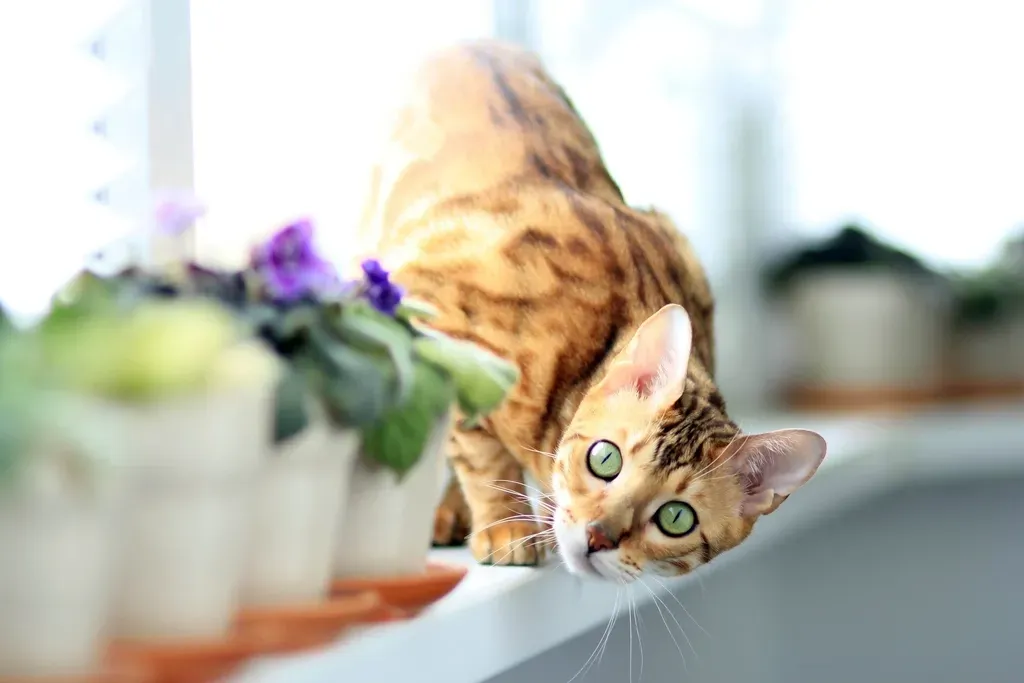
Bengals are one of the most intelligent and trainable cat breeds, energetic and inquisitive, and their wild ancestry contributes to their problem-solving skills. This isn’t just a cat who can learn tricks. This is a cat who watches you open doors, observes the mechanism, and then opens them themselves. They’re studying you constantly, figuring out cause and effect.
Their manipulative tactics often involve creating situations where you have no choice but to respond. They’ll turn on faucets because they know you’ll come running. They’ll knock things off counters in a specific order to test which items get the fastest reaction. It’s like living with a tiny scientist conducting behavioral experiments on you.
The key with Bengals is providing enough mental stimulation that they don’t need to manipulate for entertainment. Because they are highly active, they need plenty of mental and physical stimulation, and regular training sessions help prevent boredom and destructive behaviors. Puzzle feeders, interactive toys, and regular play sessions redirect their intelligence toward appropriate outlets.
Maine Coon: The Gentle Giant Who Uses Charm as a Weapon

The sharp intelligence and adaptability Maine Coons honed over centuries can be used to learn specific traits, and they tend to love people of all ages and are eager to please. Their manipulation strategy is completely different from more demanding breeds. They use their massive size, fluffy appearance, and gentle demeanor to become absolutely irresistible.
A Maine Coon will position themselves in doorways, blocking your path until you stop and acknowledge them. They’ll gently tap your face with oversized paws while purring. Their technique is patient persistence, and it works spectacularly because who can resist a twenty pound ball of fluff asking sweetly for attention?
These cats also excel at training their owners through positive reinforcement. When you pet them, they purr loudly. When you feed them at a specific time, they’ll appear fifteen minutes early and sit beautifully, making you feel like the most wonderful human on earth. Before you know it, you’re completely wrapped around their giant paws.
Abyssinian: The Hyperactive Strategist Who Never Takes No for an Answer
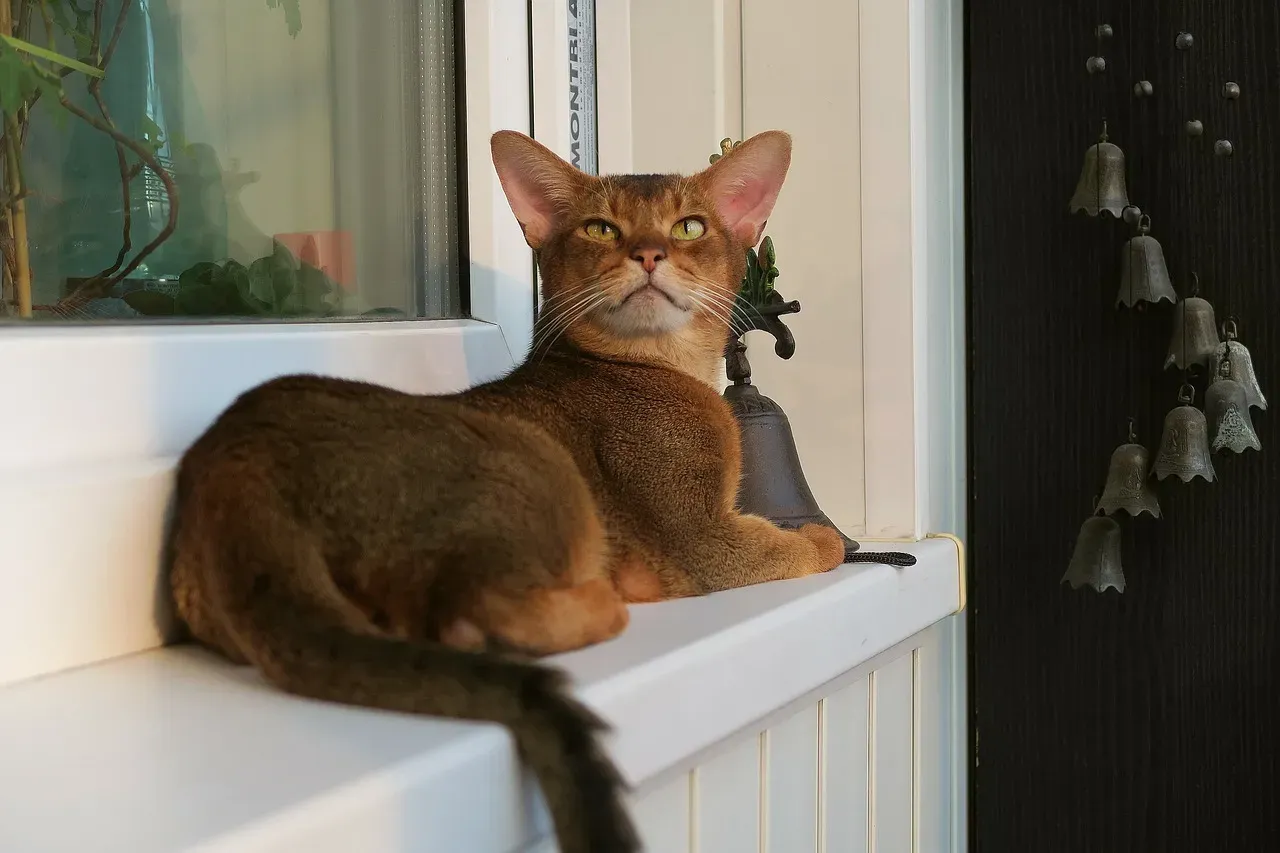
The Abyssinian is often described as the dog-like cat because of its strong desire to interact and learn, and this breed is highly intelligent and thrives on mental stimulation. They don’t just want your attention. They demand participation in every single thing you do. Close the bathroom door? They’ll reach their paw underneath until you open it.
Their manipulation involves relentless enthusiasm that wears you down. They’ll bring toys to you repeatedly, drop them in your lap, on your keyboard, in your coffee cup. They understand that humans eventually cave under consistent pressure. Honestly, their determination is almost admirable.
With the Abyssinian, you may wonder if you are training them, or if they are training you, as the active, playful cat enjoys games of fetch and turning on water faucets. Create designated playtimes so they know when to expect interaction. Otherwise, they’ll create their own schedule and you’ll follow it whether you intended to or not.
Ragdoll: The Professional Guilt Tripper Who Perfected the Sad Face
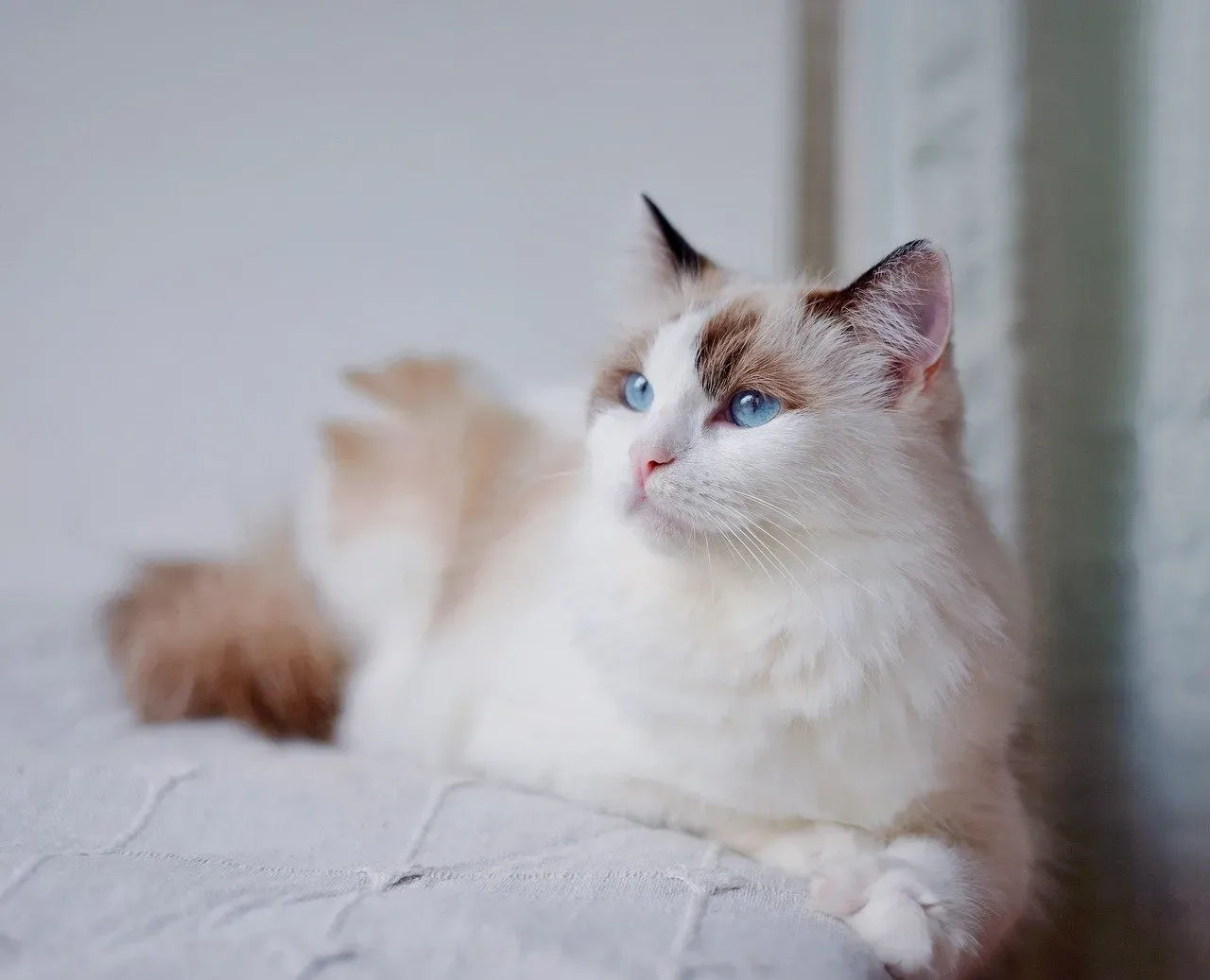
The Ragdoll gets its name because the breed gets floppy when picked up, and these felines are known for being docile and affectionate, with the more attention they get, the happier these kitties are. They’ve weaponized their sweetness. When you’re busy, they’ll position themselves nearby, looking absolutely heartbroken that you’re not holding them.
Their manipulation tactic relies on making you feel like a terrible person for having responsibilities. They’ll go limp in your arms, purring contentedly, making it physically and emotionally difficult to put them down. They’ve essentially turned cuteness into emotional blackmail, and it’s devastatingly effective.
The solution is scheduled cuddle time. Set aside specific periods where they get undivided attention. They’ll learn that affection is coming and won’t need to deploy the guilt trip as frequently. Though let’s be real, they’ll still try it occasionally because it works so well.
Persian: The Silent Manipulator Who Controls Through Presence Alone
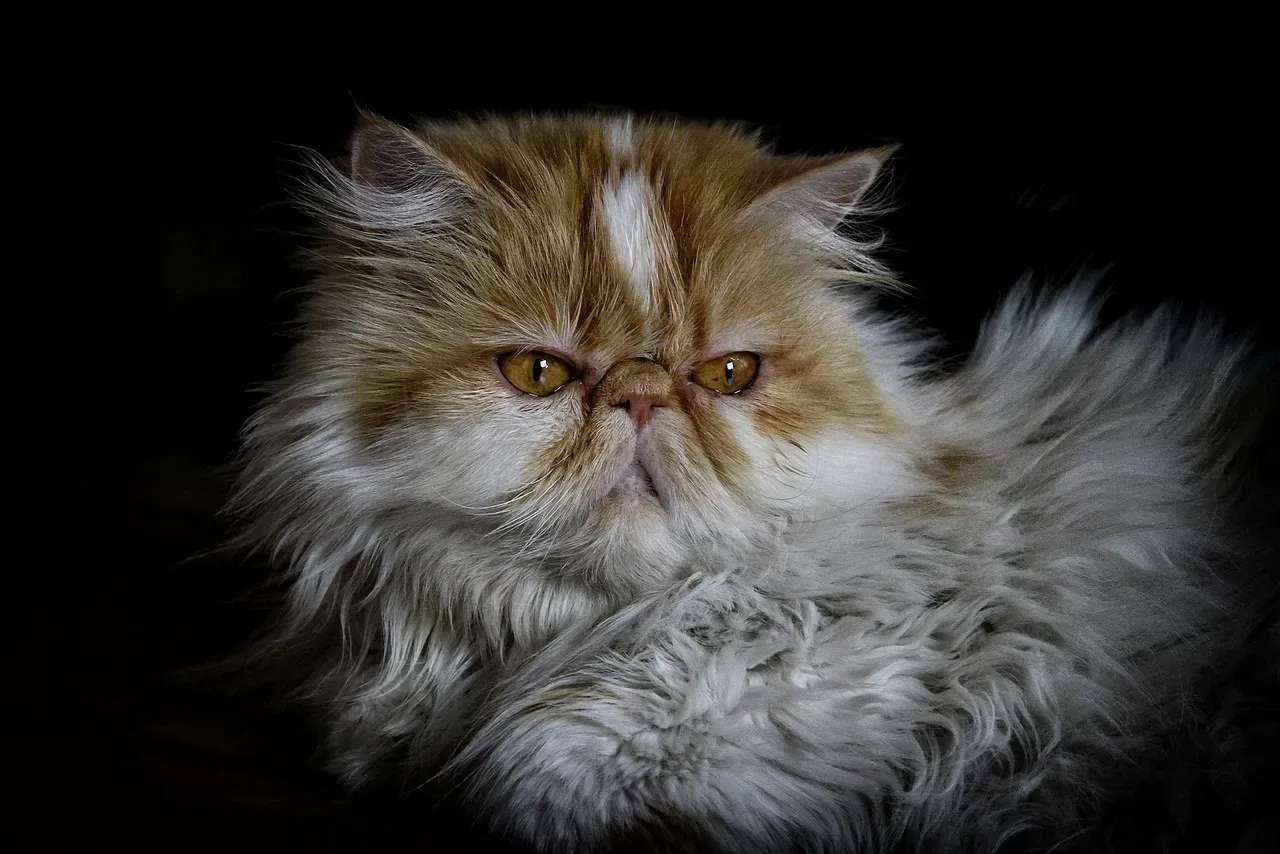
Persians tend to be very relaxed and mellow as a pet, won’t demand attention though they enjoy any attention given, and while they enjoy playing, they prefer quiet, calm homes. They don’t need to be loud or energetic. Their manipulation comes from strategic positioning and timing.
A Persian will sit in your favorite chair, forcing you to either move them or sit elsewhere. They’ll occupy the exact spot on the couch where you always sit. Their refusal to budge, combined with their luxurious appearance, makes moving them feel like disturbing a work of art. So you adjust your life around them.
They also manipulate through grooming demands. Their long fur requires maintenance, and they know it. They’ll present themselves for brushing at specific times, and ignoring them results in mats and tangles that you’ll later have to deal with. It’s preventive manipulation at its finest.
Somali: The Mischievous Trickster Who Makes Chaos Look Adorable
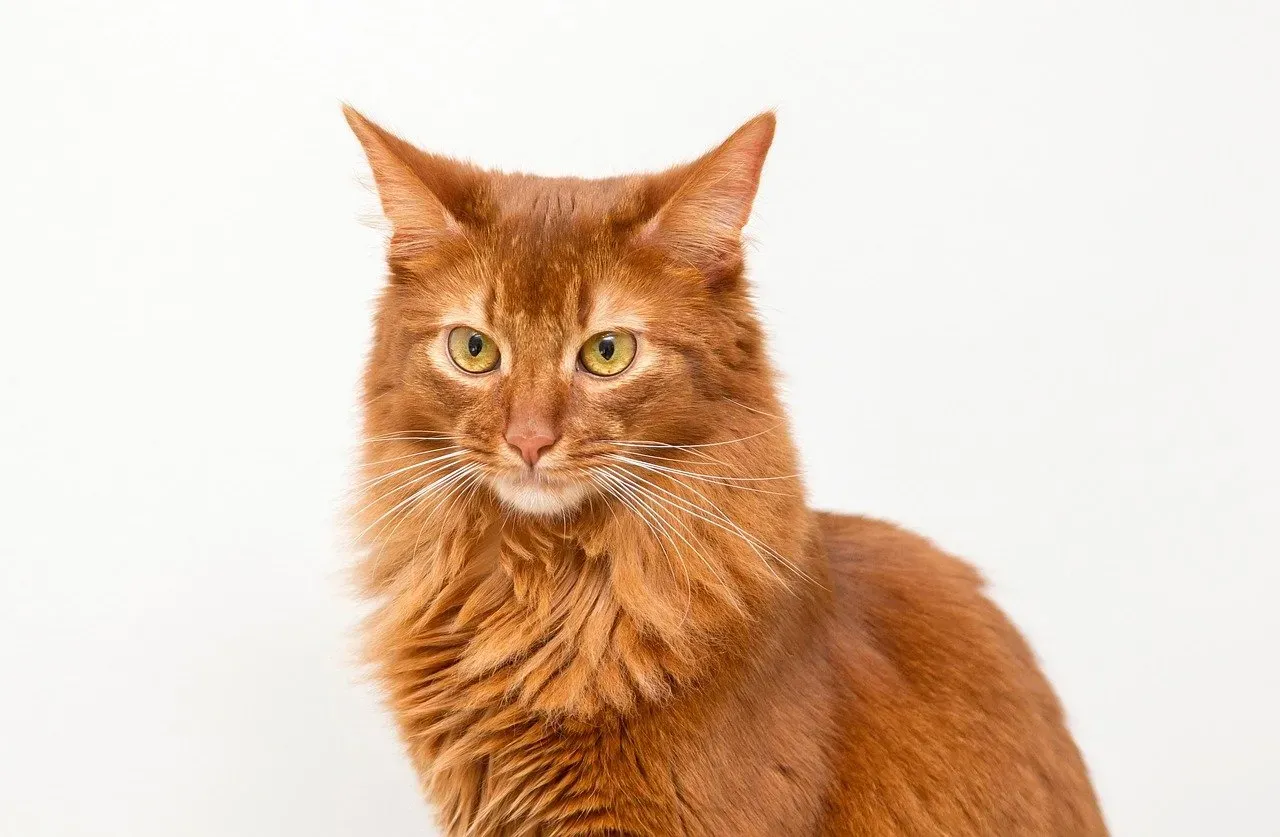
With the Somali, you may wonder if you are training them or if they are training you, as the active, playful cat enjoys games of fetch, playing hide and seek, and turning on water faucets. They’ve figured out that causing minor disasters guarantees your immediate presence. It’s not that they’re bad cats. They’re incredibly smart cats who understand that turning on faucets brings you running.
Their manipulation involves testing boundaries constantly. They’ll knock one item off a shelf, wait for your reaction, then knock off another. They’re gathering data on which infractions get the most attention. The more animated your response, the more likely they’ll repeat the behavior.
Channel their energy into appropriate activities before they create their own entertainment. Hide treats around the house. Provide climbing structures. Give them jobs to do. A busy Somali doesn’t have time to manipulate you because they’re genuinely occupied.
Turkish Van: The Water-Loving Attention Seeker Who Plays on Your Emotions
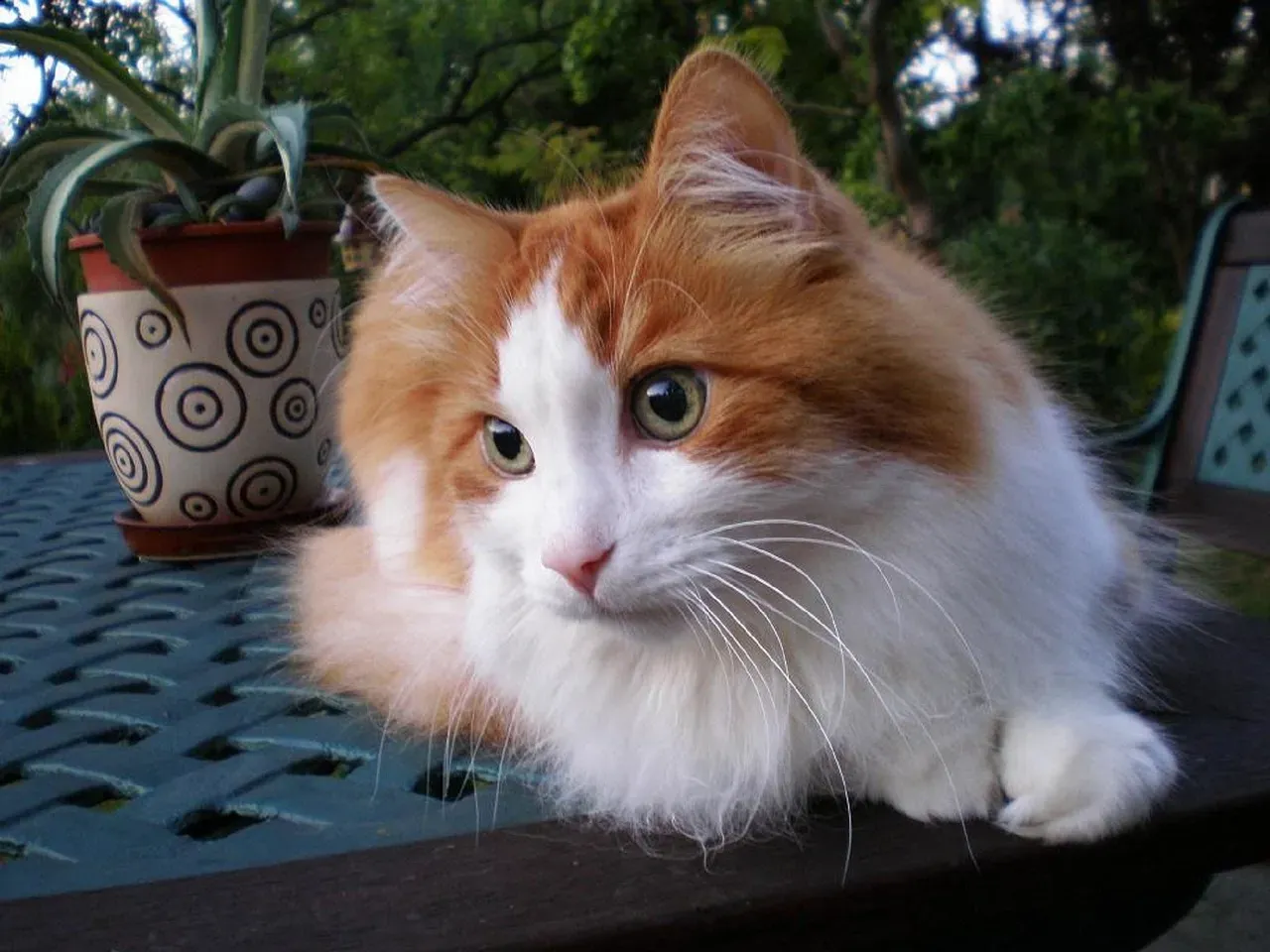
The Turkish Van is a social, playful cat who thrives on attention, and these cats form strong relationships with their people, so playing and training with them provides an ideal outlet. They use their unique water affinity to distinguish themselves and ensure you find them fascinating. They’ll splash in water bowls, play in sinks, anything to maintain your interest.
Their emotional manipulation involves making you feel special. They choose you as their person and make that bond obvious, which creates a sense of obligation. You become invested in their happiness because they’re so clearly invested in you. It’s mutual manipulation disguised as love, and it works perfectly.
These cats need genuine interaction, not just feeding and cleaning. Engage with their playful nature daily. When they receive adequate attention through appropriate channels, they’re less likely to resort to manipulative behaviors to secure your focus.
Ocicat: The Social Engineer Who Orchestrates Your Entire Routine
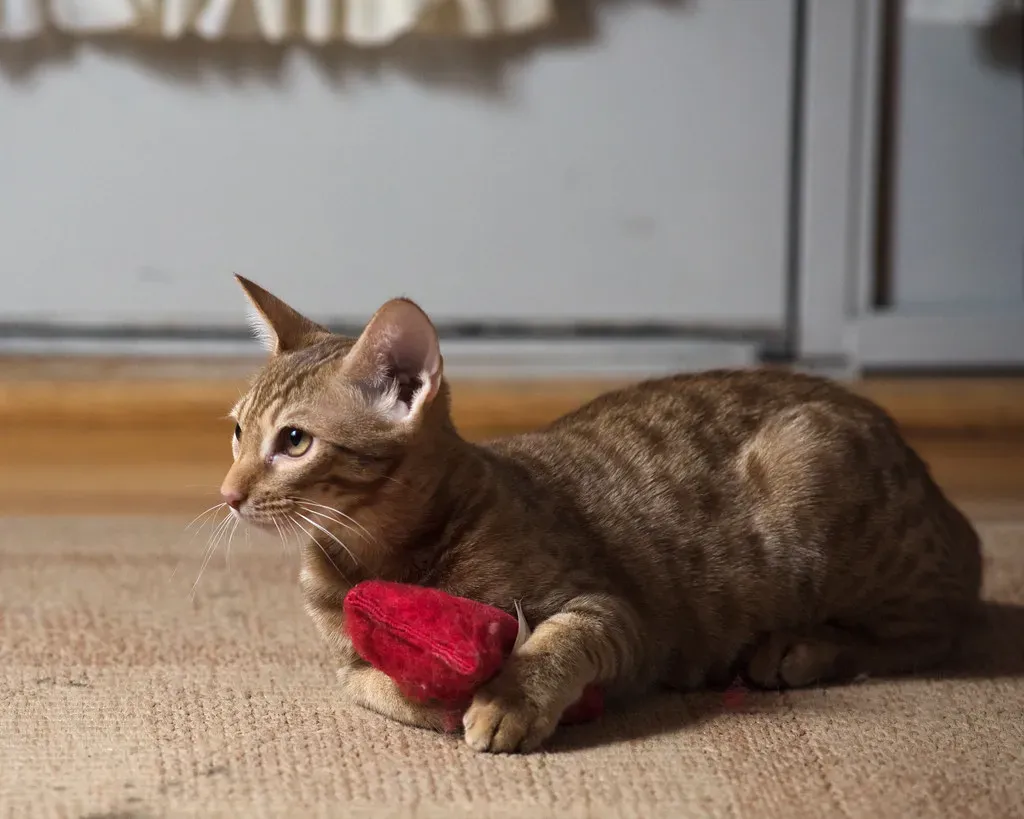
Ocicats are smart and active, and when it comes time to play, this breed enjoys inventing and learning new cat tricks. They don’t just adapt to your schedule. They rewrite it to suit their preferences. They’ll wake you at specific times, demand meals at exact intervals, and expect play sessions like clockwork.
Their manipulation involves establishing routines that benefit them, then training you to maintain those routines through consistent reinforcement. Miss their expected breakfast time by ten minutes? They’ll make sure you remember through increasingly insistent reminders. They’re basically turning you into one of Pavlov’s humans.
Be the one who sets the schedule, not your Ocicat. Vary feeding times slightly so they don’t develop rigid expectations. Introduce spontaneity into play sessions. Otherwise, you’ll find yourself living according to a timetable designed entirely by a cat.
British Shorthair: The Passive-Aggressive Master Who Gets Everything Without Asking

The British Shorthair, one of the oldest and friendliest felines around, gets along well with both people and other animals, and though they enjoy playing, they aren’t a hyperactive breed. Their manipulation is so subtle you don’t realize it’s happening. They don’t demand. They simply position themselves and wait patiently until you do what they want.
They’ll sit near their empty food bowl without making a sound, just existing there until you notice and fill it. They’ll settle on the closed door to the room they want to enter, not scratching or meowing, just being present until you open it. Their patient persistence is more effective than any dramatic display.
British Shorthairs really are some of the easiest cats to get along with, and this breed was one of the ones least likely to have their owners evaluate them as having behavioral issues. That’s because their manipulation is so gentle and reasonable that you genuinely don’t mind accommodating them. They’ve essentially achieved perfect manipulation by making it invisible.
Conclusion: Living With Your Feline Overlord
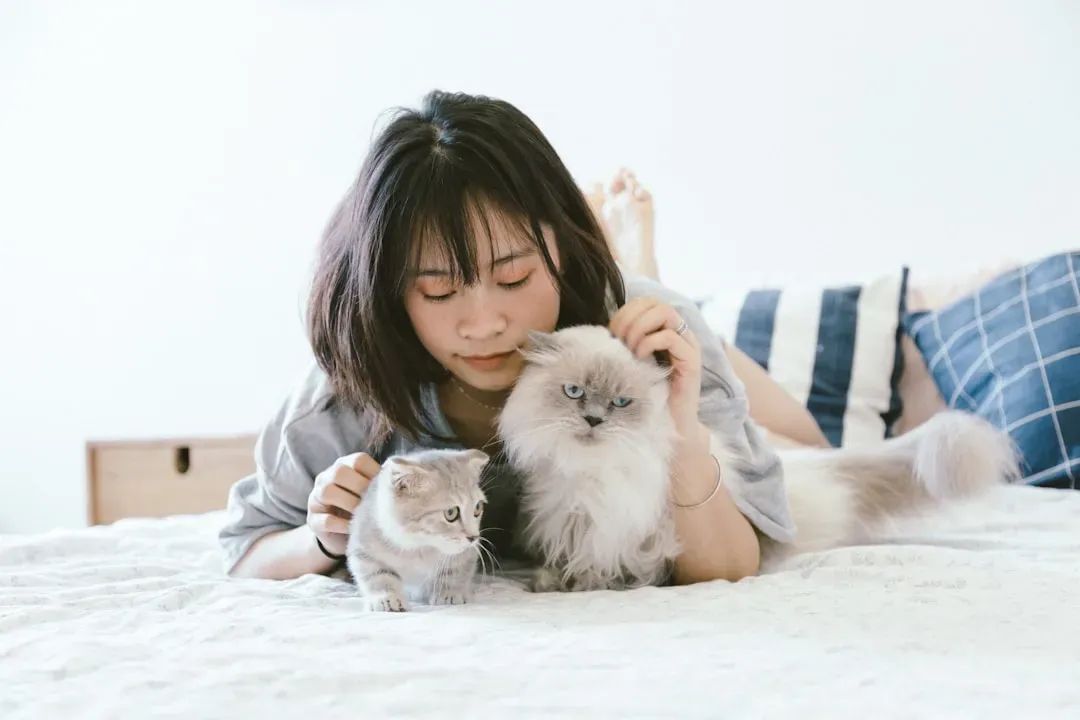
Scientists believe that this manipulative behavior is how cats interact with humans, and it’s deeply ingrained in how cats form relationships with humans and us with them. Understanding that your cat is manipulating you doesn’t mean the relationship is fake or one-sided. It means your cat is intelligent enough to communicate their needs effectively, and you care enough to respond.
Anybody with a kind heart will be manipulated by a cat, but it’s not a sign of weakness, and it’s a part of the relationship between humans and cats that’s been this way for centuries. The key is finding balance. Set boundaries while meeting their needs. Respond to polite requests while ignoring demanding behavior. Train them even as they train you.
These ten breeds might be expert manipulators, but that intelligence and social awareness is also what makes them such engaging, entertaining companions. They’re not trying to dominate you out of malice. They’re simply using the tools evolution gave them to thrive in a human world. What do you think about your cat’s manipulation tactics? Have you noticed any of these behaviors in your own feline friend?