You’ve probably heard that cats are independent creatures who march to the beat of their own drum. That’s absolutely true. Yet here’s the thing: some feline breeds take that independence to a whole new level. These cats don’t just resist training – they dismiss it entirely. If you’ve ever wondered whether your cat is actually listening to you or just pretending you don’t exist, you might be living with one of these delightfully stubborn breeds.
Let’s be real, though. This isn’t about your cat being difficult just for the sake of it. These breeds have an unflinching dedication to their activity of choice, choosing a lane and refusing to merge, no matter how hard you might try to persuade them otherwise. That determination? It’s not a flaw. It’s actually a sign that your cat feels incredibly secure and confident in their environment. When you understand their strong-willed nature, you’ll start to see their stubbornness as something oddly reassuring.
Persian Cats: Masters of Selective Hearing
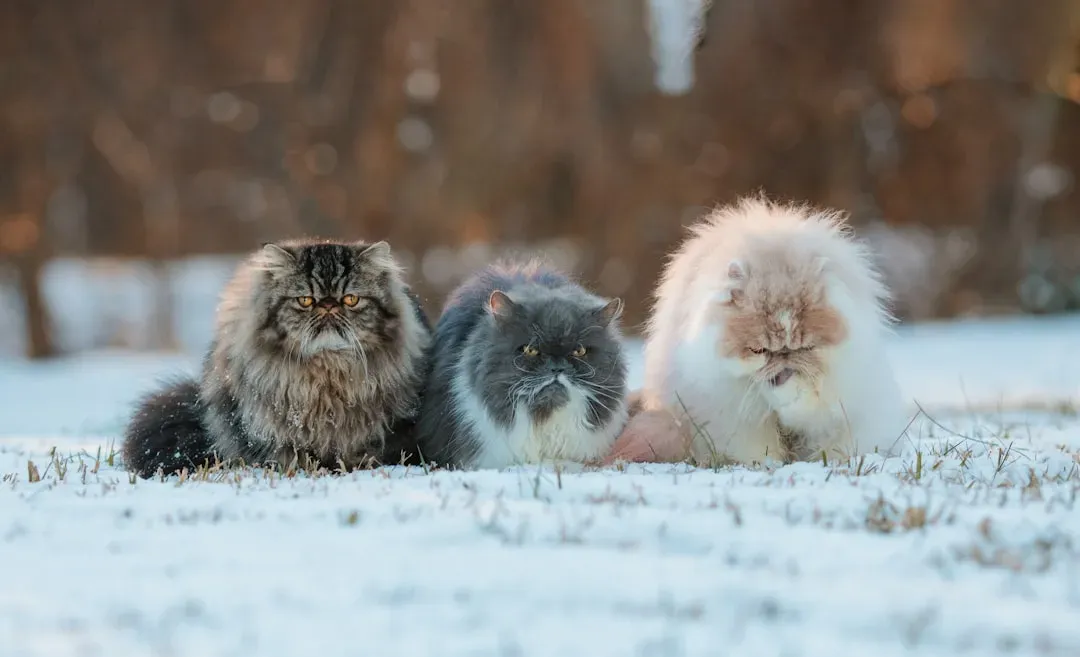
Persians are an ancient cat breed from Persia (now Iran), and several cats have Persian attributes in them which makes them willful and difficult to train, with those personality traits stemming from the Persian cat and its notorious attitude. If you’ve ever called a Persian and watched them continue grooming as if you literally don’t exist, you’re experiencing peak Persian behavior.
The breed can be affectionate and good companions, but they are incredibly difficult to motivate, constantly ignoring their owners and spending their time grooming their thick coats, and getting a Persian cat to listen to their owner will be incredibly difficult unless training starts when they are kittens. Think of it this way: your Persian isn’t being rude. They’re just prioritizing their luxurious coat over your agenda. When they finally do grace you with attention, you’ll know it’s genuine affection rather than obedience.
Himalayan Cats: Problem Solvers Who Refuse to Solve Your Problems
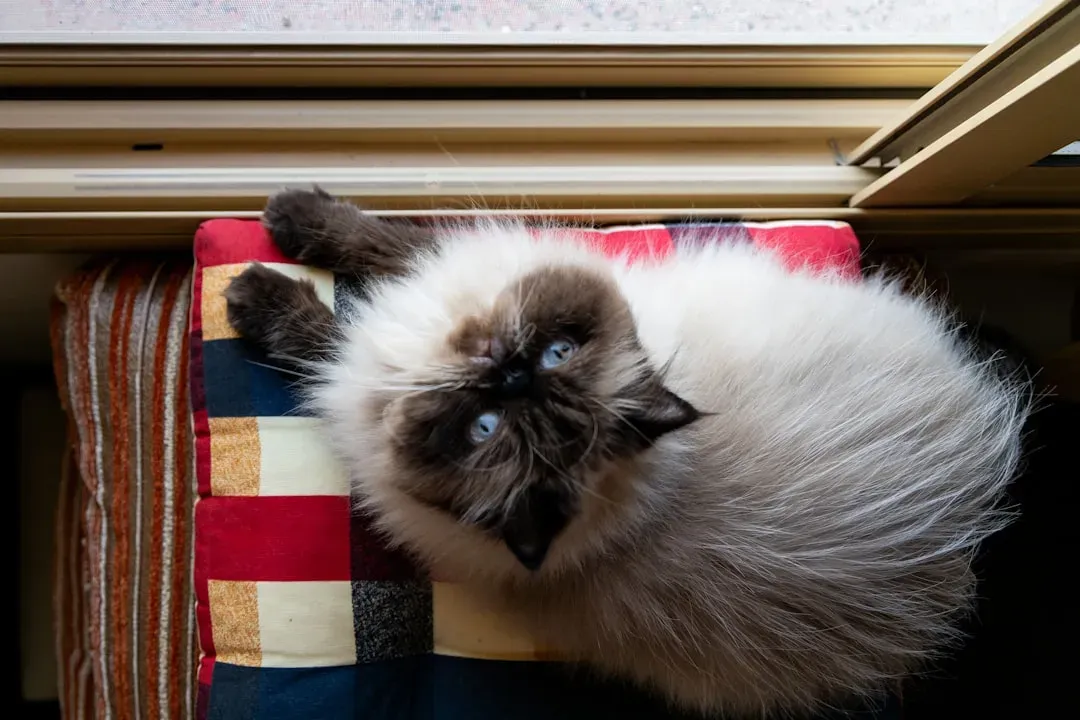
Himalayan cats are a combination of Persian and Siamese, incredibly stubborn animals with loving hearts who are incredible problem solvers and hunters, protecting their houses from vermin and creating an environment to suit their needs. The irony is almost hilarious. Your Himalayan can figure out how to open cabinets and locate hidden treats, yet somehow forgets every command you’ve tried teaching them.
The breed is highly intelligent in most categories but frequently dismisses their owners’ commands, with many Himalayans capable of understanding and performing small tasks like locating treats, yet despite proving capable of problem solving, they prefer to wait for their owners to solve their problems for them. This selective competence is honestly fascinating. Your Himalayan knows exactly what you want – they just don’t see why they should care. That relaxed confidence means they’re thriving in your home.
Devon Rex: The Relentless Persuaders
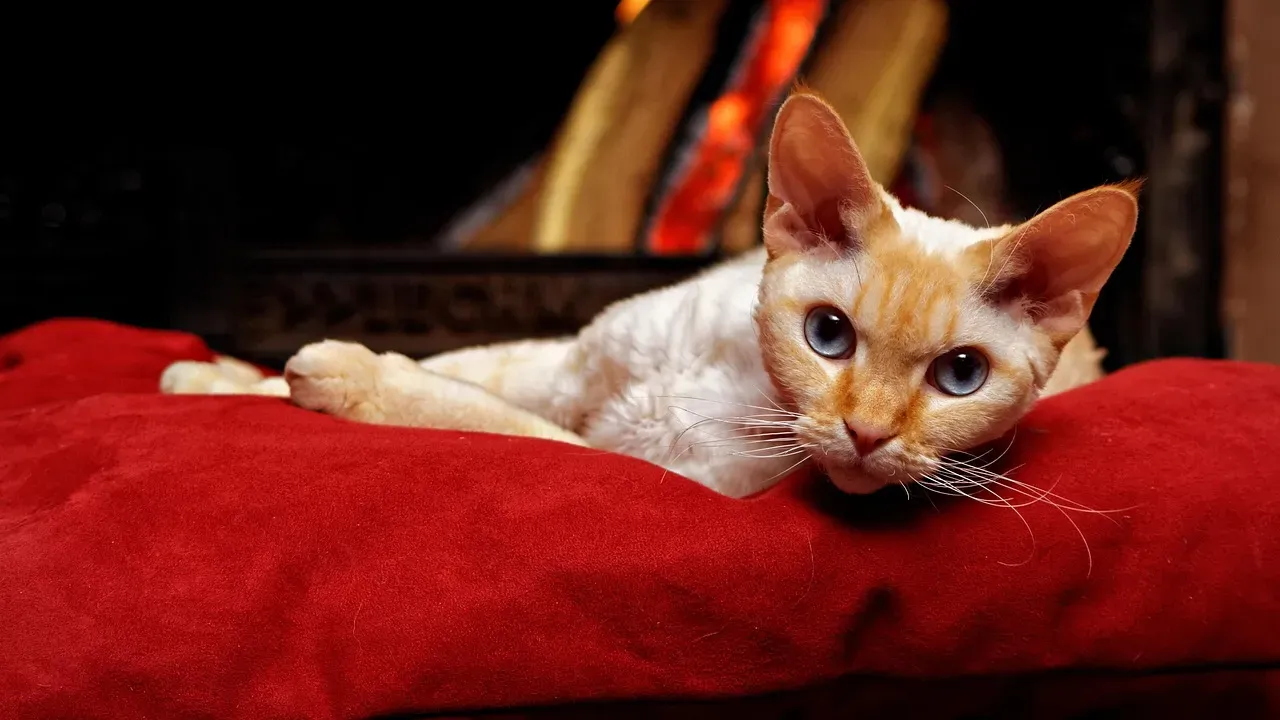
The Devon Rex is one of the strongest willed cats, known for begging for food off your dinner plate and meowing at you as though you’ve neglected their appetites completely, trying to wear you down with their big, pleading eyes and intensely devoted dispositions. It’s hard to say for sure, but I think they’ve actually trained us rather than the other way around.
Devon Rex cats do not stop bothering you until they get what they want, begging you forever for food and attention and being very vocal until you give it to them. If you think ignoring them will teach them patience, well, you’re in for a long lesson in futility. If you think that by ignoring them you teach them obedience, you are very wrong. This persistence shows they feel secure enough to express their needs without fear.
Scottish Folds: The Adorable Ignorer
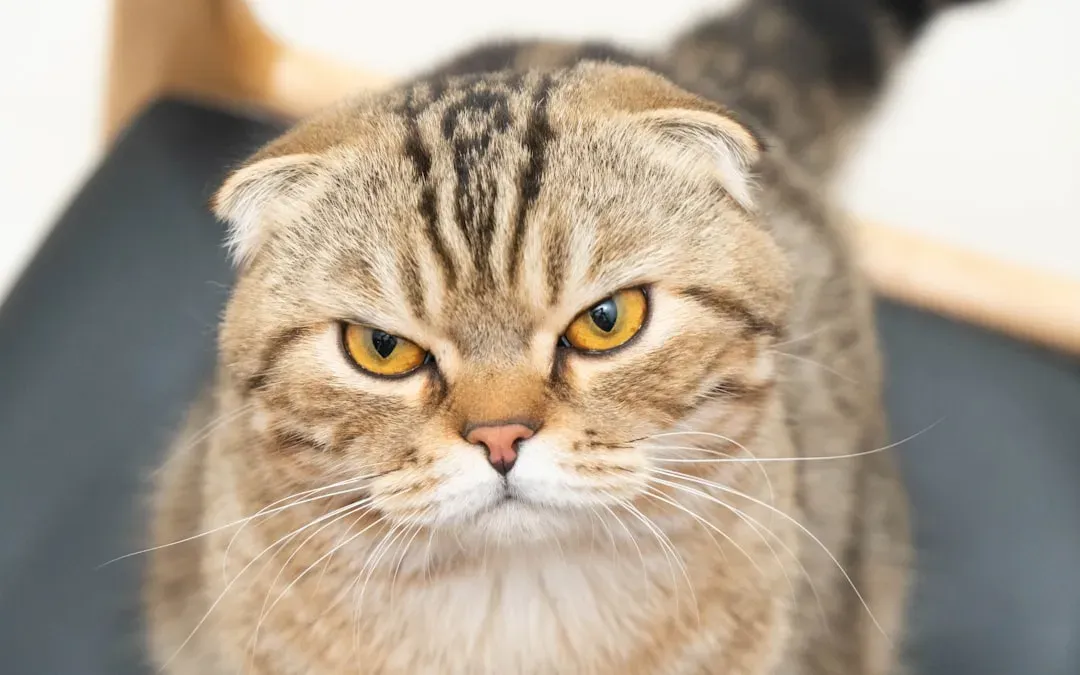
Scottish folds are extremely observant of their surroundings, , with owners debating whether the breed has trouble hearing or prefers to just ignore their owners, though veterinarians indicate Scottish folds have good hearing to assess their surroundings, making it likely the breed is stubborn.
Honestly, it’s pretty genius. They can hear you perfectly fine when the treat bag crinkles from three rooms away. Yet suddenly when you’re calling their name? Radio silence. Content cats often loaf, carry their tail upright or softly curled at the tip, slow-blink with trust, and knead soft surfaces in a rhythmic display of affection. When your Scottish Fold finally does approach you on their own terms, those slow blinks tell you they’re completely happy and secure.
Balinese Cats: Demanding Attention on Their Schedule
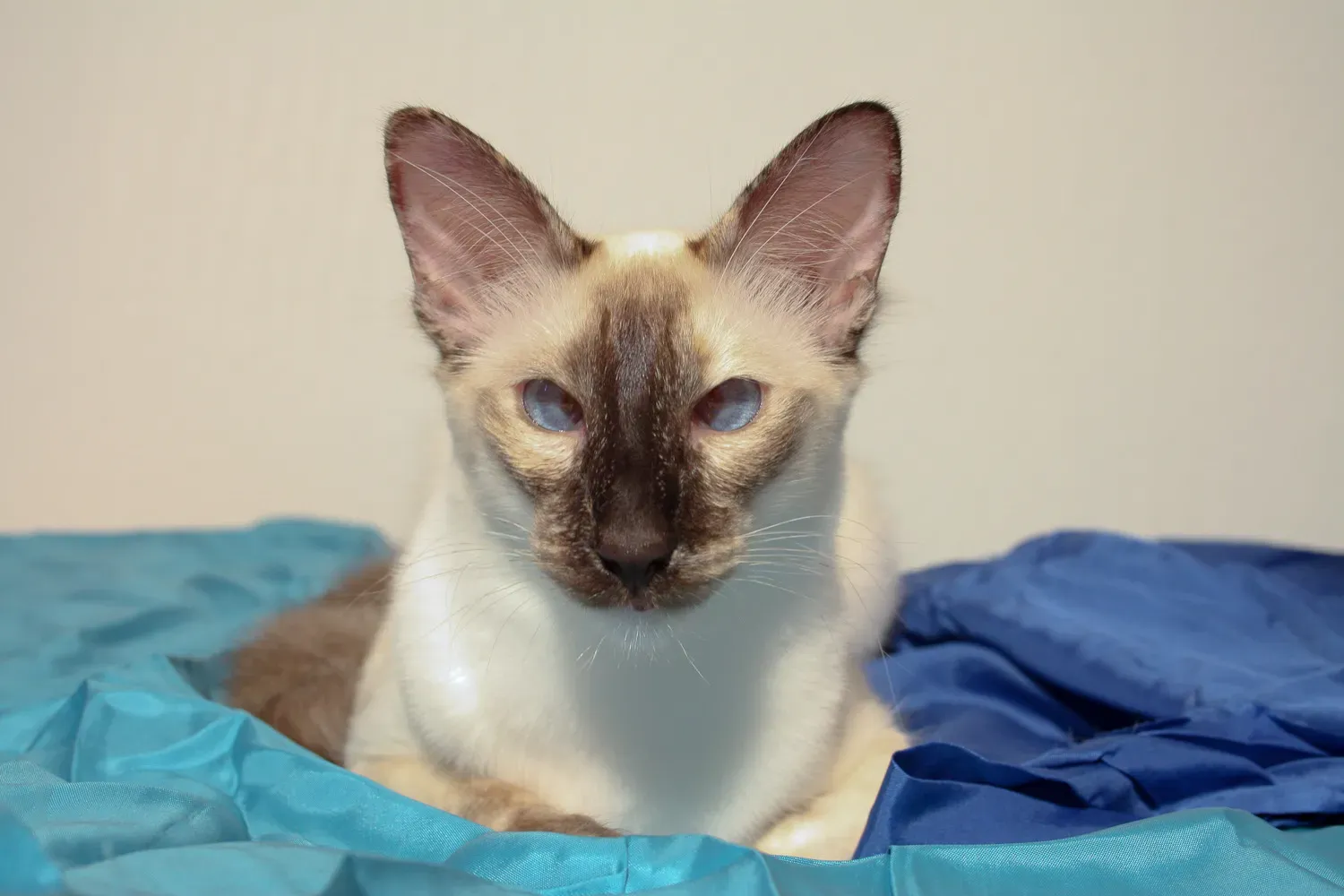
Balinese cats are extremely fine-tuned to their owner’s emotional state, following you everywhere and making sure you know where they are at all times, with leaving a Balinese alone too long not being wise as it can lead to destruction. The catch? They want interaction when they decide it’s time, not when you schedule training sessions.
If you spend many hours of the day outside your home, having a Balinese cat may not be a good idea because this breed demands a lot of attention and will follow you everywhere, and not only that, but they will make sure you know where they are, as they are very vocal and like to talk with their human friends. That vocal nature isn’t just noise – it’s communication. When your Balinese chatters away, they’re telling you they feel safe expressing themselves freely in your home.
Oriental Shorthairs: The Attention Hijackers
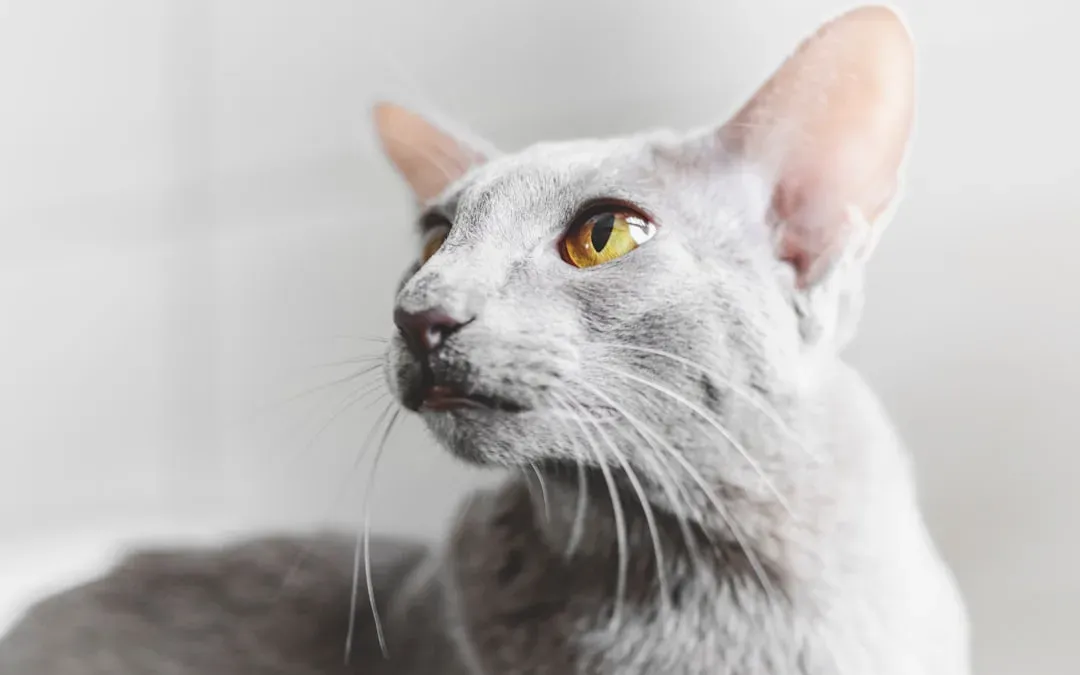
Oriental Shorthair cats can be found in just about any and every color, thriving when surrounded by their family members, but if you’re not around enough, these cats happily become destructive until you get home and play with them. Training an Oriental Shorthair feels like trying to teach someone who already believes they know everything.
Like their Siamese ancestors, Oriental Shorthairs will meow, chirp and trill often, and they will not only interrupt your activities, they’ll open drawers if it means getting your attention. That drawer-opening trick? That’s intelligence at work. Trilling and chirping are also signs that your cat is content, with cats using chirps and trills in their happy vocal repertoire, often signaling excitement or a friendly greeting. Their insistence on being heard means they’re confident and emotionally secure.
Cornish Rex: The Unstoppable Players
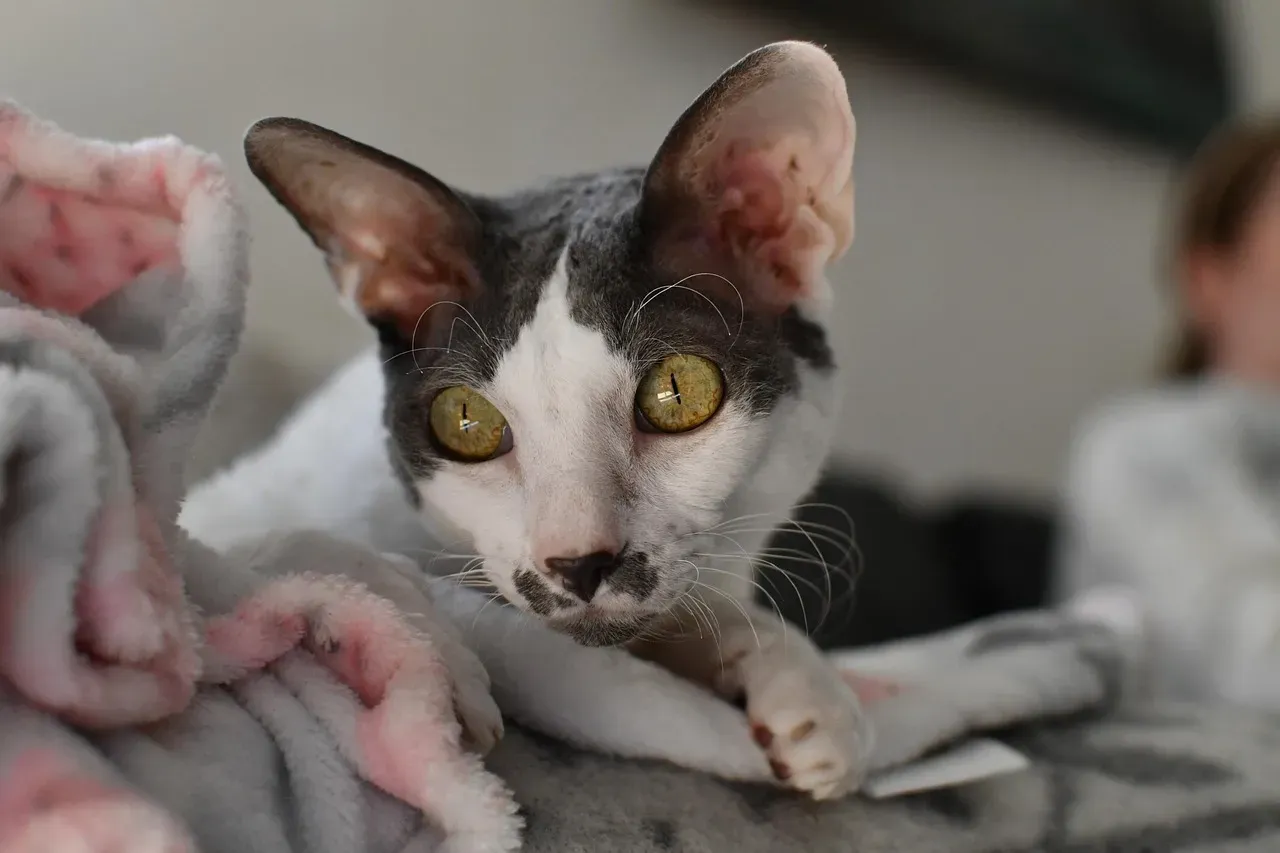
The Cornish Rex is another breed that will insert themselves into any situation involving their family members, attention seekers through and through, and if you play fetch with a Cornish Rex (which they enjoy), you might never find a way to end the game. Training requires focus and cooperation. The Cornish Rex has focus – just not on what you want them to learn.
Their playful energy is relentless. You throw the toy once for a quick training break, and suddenly you’re in an hour-long fetch marathon. A happy cat is a playful cat, and whether they’re chasing after a toy mouse or simply rolling around in a sunlit spot on the floor, these actions scream joy. That endless playfulness? It’s a clear indicator your Cornish Rex is thriving and content.
Khao Manee: Ancient Stubbornness
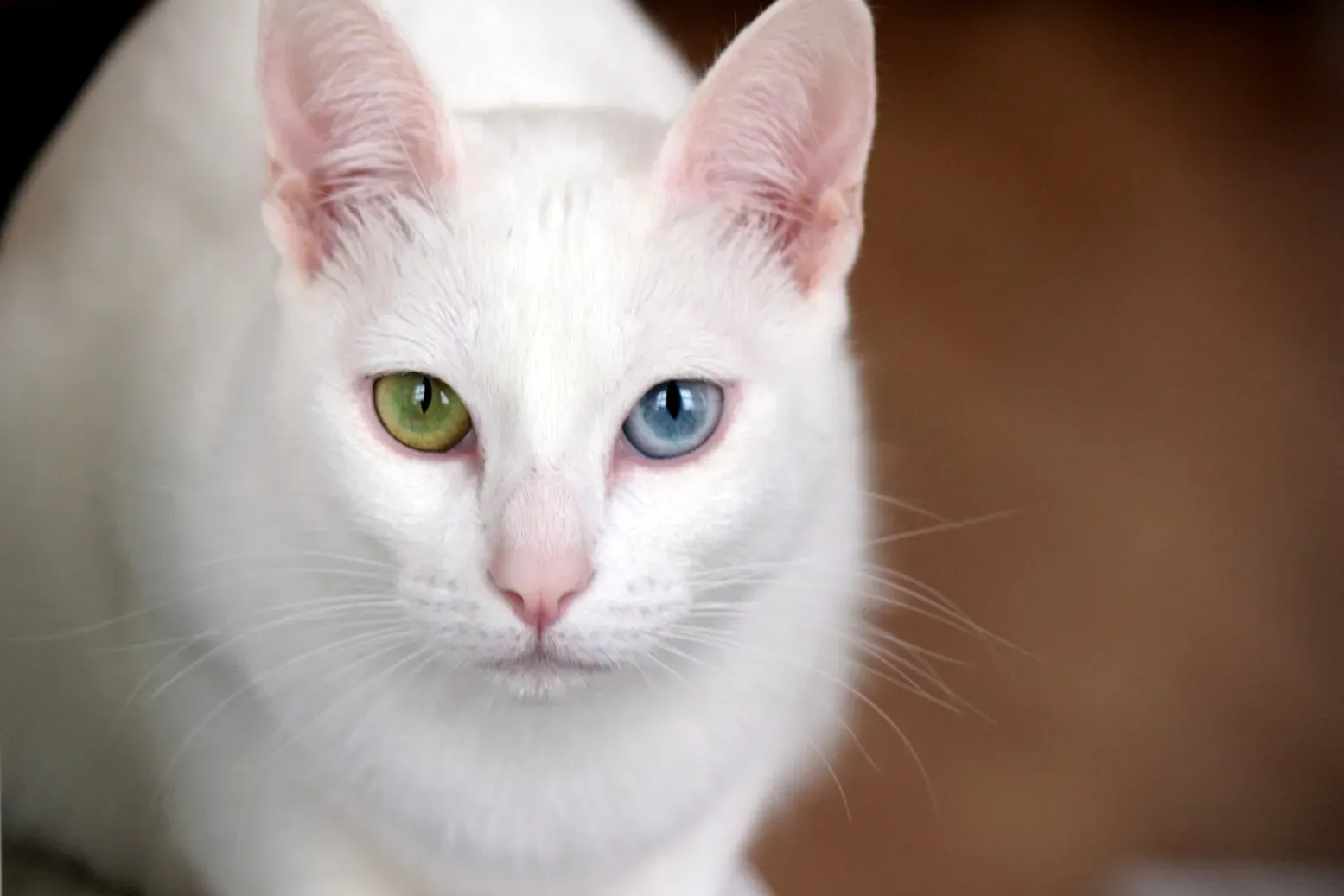
The Khao Manee is all natural, meaning it wasn’t bred by combining any other types of felines, and these ancient kitties have been around for centuries, which makes sense considering their ultra-curious personalities, wanting to explore and play all day long, no matter if it gets them into trouble, and once they set their mind to something, consider it done.
That centuries-old lineage comes with a certain confidence. Your Khao Manee isn’t being defiant – they’re following instincts that have served their breed for generations. Happy cats sleep the right amount at the right times, and cats are known for loving their naps, spending up to 20 hours a day sleeping and resting, and if your cat is happy, they tend to stick to a consistent sleeping schedule. When your independent Khao Manee settles into their favorite napping spot, that routine signals contentment.
Chausie: The Vertical Explorers
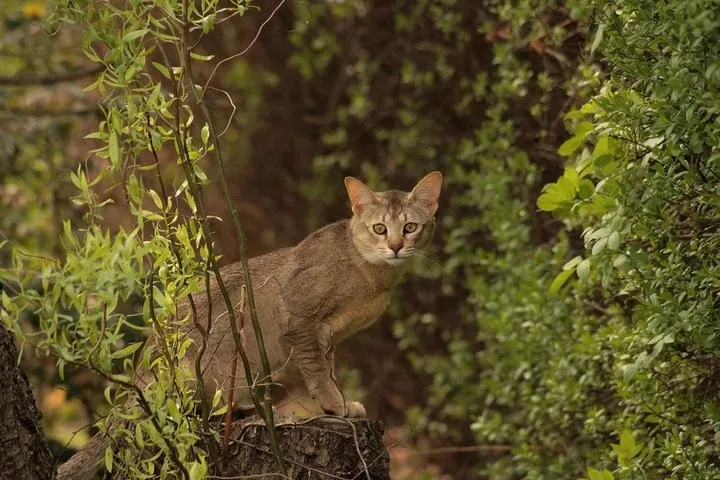
As one of the largest domestic cat breeds, Chausies bring a lot to the table, taking over tables, the tops of shelves, small spaces you never think they’ll fit into, and more, as these curious adventure seekers through and through won’t give up until they’ve seen it all, and they’re incredibly vocal, not afraid to let you know where they are, since they’ve been known to jump six feet into the air.
Training a Chausie to stay off counters is like trying to convince a mountaineer to avoid peaks. It’s just not happening. If your cat is lying on its side or back, exposing the belly, it’s a sign of feeling safe and secure. When your athletic Chausie finally relaxes and shows you their vulnerable belly, that trust demonstrates how secure they feel despite their refusal to follow house rules.
Russian Blue: The Routine Obsessive
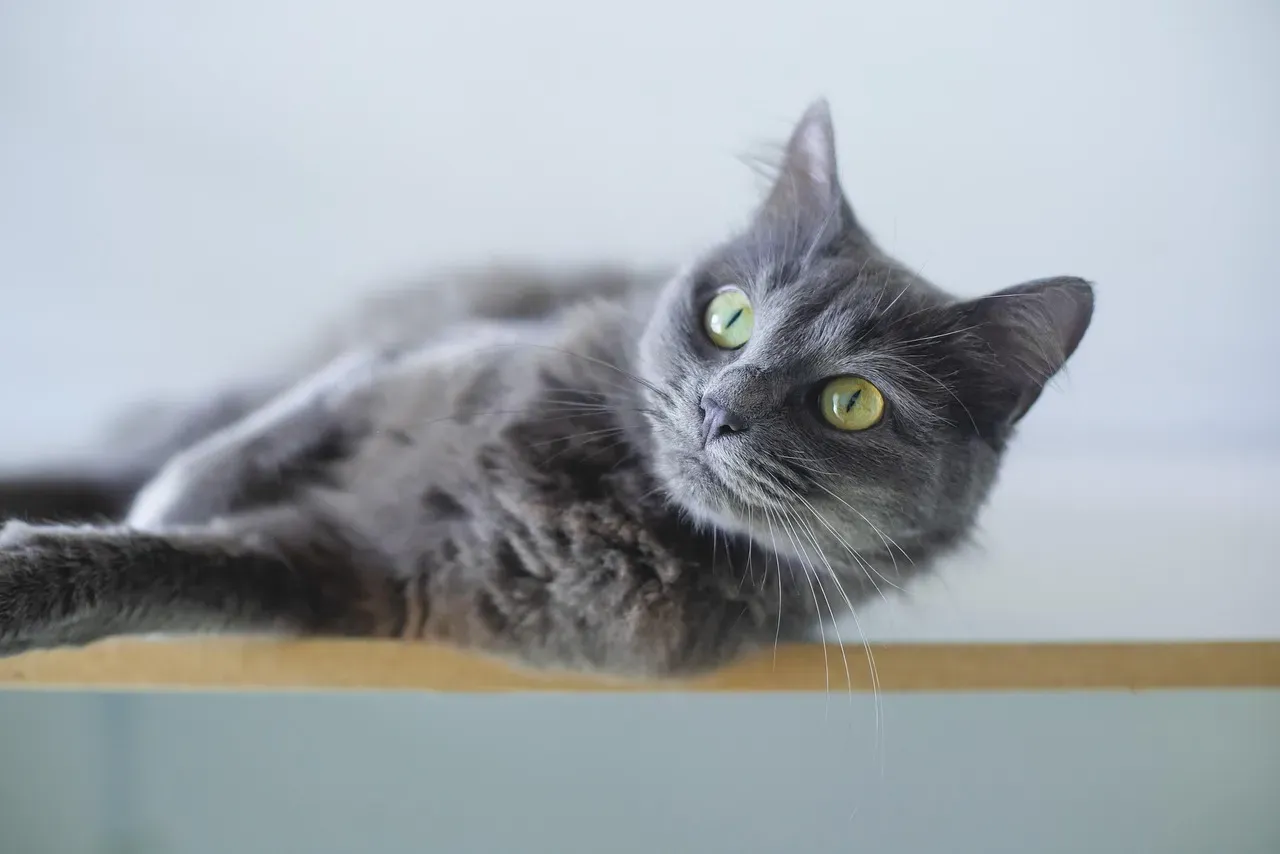
The Russian Blue does not demand being the center of attention and in fact may refuse to come out from under the bed on a whim, becoming stubborn when you try to change up routine or invite new people over, with The International Cat Association calling them “observant and persistent,” needing plenty of alone time and much preferring watching from the outside before deciding to join in the party.
This isn’t rudeness – it’s cautiousness. Your Russian Blue knows what they like, and deviations from the plan stress them out. Cats’ unique sounds like purring, chirping, or soft meowing can serve as signs that they’re feeling happy and secure, with a rhythmic, steady purr often considered the hallmark of a content cat, and chirps or trills typically used to greet those they feel safe around, while soft, melodic meows can also signify a cat’s contentment and willingness to interact. When they do emerge and greet you with gentle trills, that’s pure happiness on display.
Conclusion: Stubbornness Is Actually Security
Here’s what I’ve learned from living with these wonderfully stubborn creatures: their refusal to be trained isn’t about being difficult. Happy cats express positive emotion primarily through non-verbal signals that reflect comfort, confidence, and affection, and recognising these cues not only reassures you that your cat feels secure and emotionally healthy, but also strengthens the bond of trust between you. That independence, that selective listening, that determination to do things their own way – these are all signs your cat feels completely at ease.
A happy cat will have a good, healthy appetite, looking forward to feeding time and might show their eager anticipation by meowing and rubbing against your legs as you prepare their food, and once you have set the bowl down in front of them, they will happily eat what you have offered them. Training might be off the table, yet when your Persian ignores your commands but purrs contentedly in your lap, or your Devon Rex wears you down for treats while kneading your stomach, you’re witnessing pure feline contentment. Did you expect stubbornness to be such a reassuring sign of happiness?