Picture this. You’re in Phoenix watching the thermometer climb past triple digits before noon, and your beloved Persian is sprawled on the tile floor looking absolutely miserable. Here’s the thing. Not all felines are built for that kind of punishing heat.
Arizona’s desert climate isn’t just about warm days. We’re talking about months of relentless sun, low humidity, and temperatures that regularly soar above the 100 degree mark. While some cat breeds practically dance through the heat with barely a second thought, others genuinely struggle with their thick coats, flat faces, or simply their biological makeup. Let’s be real, choosing the wrong breed for this climate can mean years of discomfort for your furry companion. So let’s dive in and explore which cats might need an extra helping hand in the Arizona heat and which ones were practically born for it.
Persian Cats: Beauty With a Heat-Intolerant Price Tag
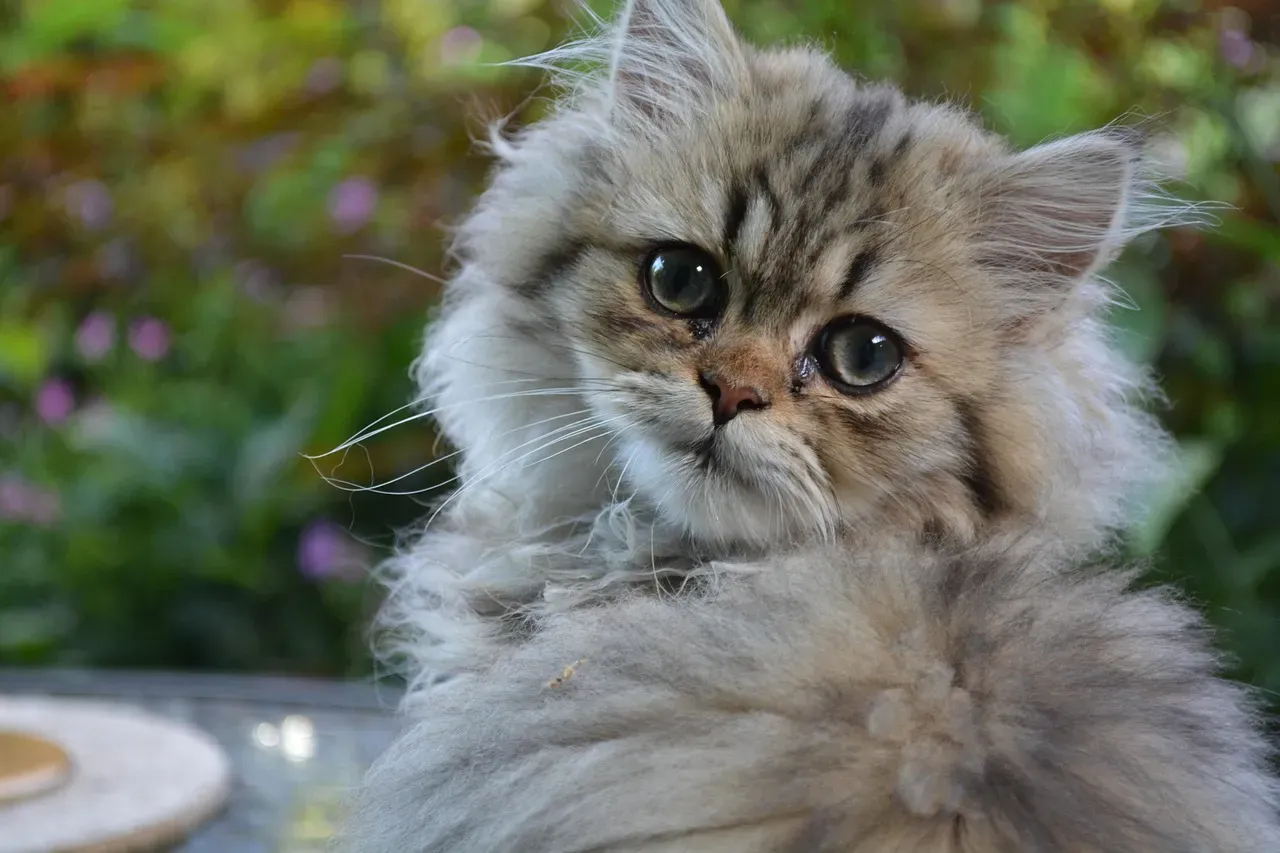
Persian cats face serious heat sensitivity due to their thick, dense coat and flat face that makes it harder to pant effectively. Their luxurious fur might be stunning, but in Arizona, it becomes a genuine liability. Think of wearing a heavy winter coat in the middle of summer – that’s essentially what life feels like for a Persian in the desert.
These cats require frequent grooming and a well-cooled indoor environment, making them best suited as indoor-only pets to avoid the dangers of heatstroke. Their brachycephalic face structure means they can’t regulate temperature the way other cats can. Honestly, if you’re absolutely set on a Persian in Arizona, you need to commit to keeping your home consistently air-conditioned and never letting them venture outdoors during peak heat.
Himalayan Cats: Persian Cousins Facing Similar Challenges
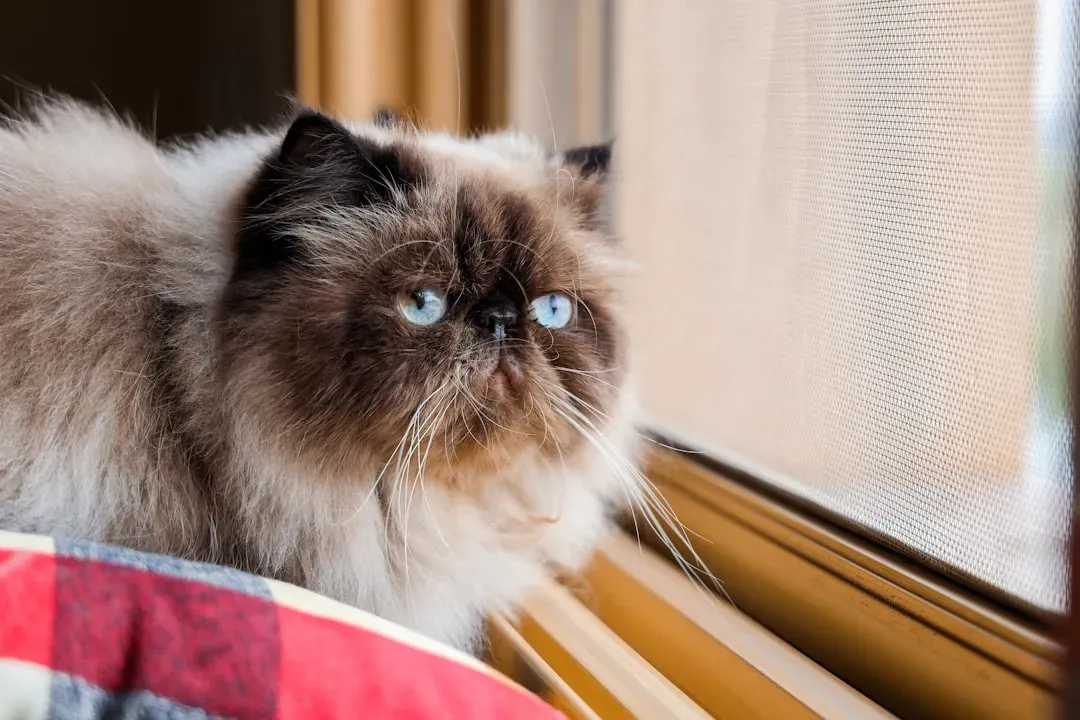
Himalayans share genetics with Persians, which means they inherit many of the same heat-related problems. These cats are at risk of overheating when ambient temperature increases, with the flatter facial profile increasing the risk of breathing difficulties and overheating. Their dual-layered coat, while perfect for cold weather, becomes a serious burden in Arizona summers.
Their shortened face makes breathing more difficult in hot weather and diminishes their exercise tolerance significantly. Their shortened nasal passages make them sensitive to heat and humidity, requiring cool and well-ventilated home environments, particularly during warm weather. You’ll notice them seeking out tile floors and air vents constantly. It’s not just preference – it’s survival instinct kicking in.
Maine Coons: When More Fur Means More Problems
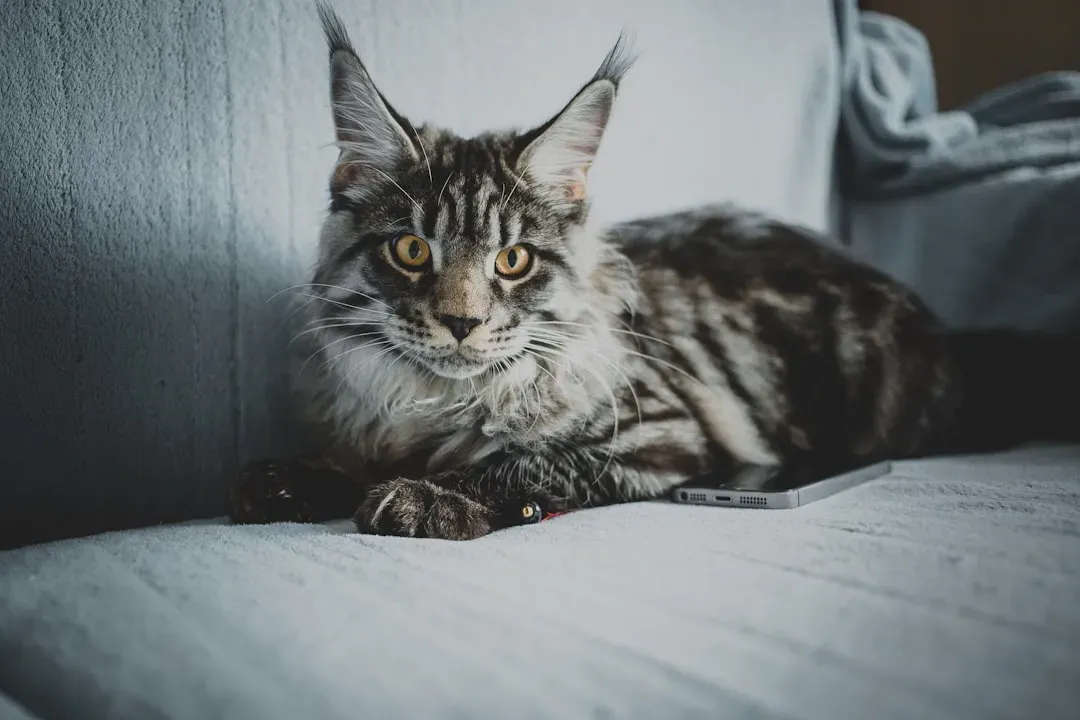
Maine Coons, although long-haired, often develop a lighter coat in hot climates but still do well in Arizona only with air conditioning and may need more grooming to stay comfortable. These gentle giants are essentially built for New England winters, not desert heat. Their dense, water-resistant coat evolved to handle snow and cold, not relentless sunshine.
The challenge with Maine Coons in Arizona isn’t that they can’t survive – it’s that they require considerable extra care. You’re looking at daily brushing sessions to remove excess fur and prevent matting. Plus, they absolutely need climate-controlled indoor spaces. Some Maine Coon owners in Arizona report their cats becoming lethargic and uncomfortable during summer months despite all precautions. The breed’s large size also means more body mass generating heat.
Ragdolls: Fluffy But Surprisingly Adaptable – With Caveats
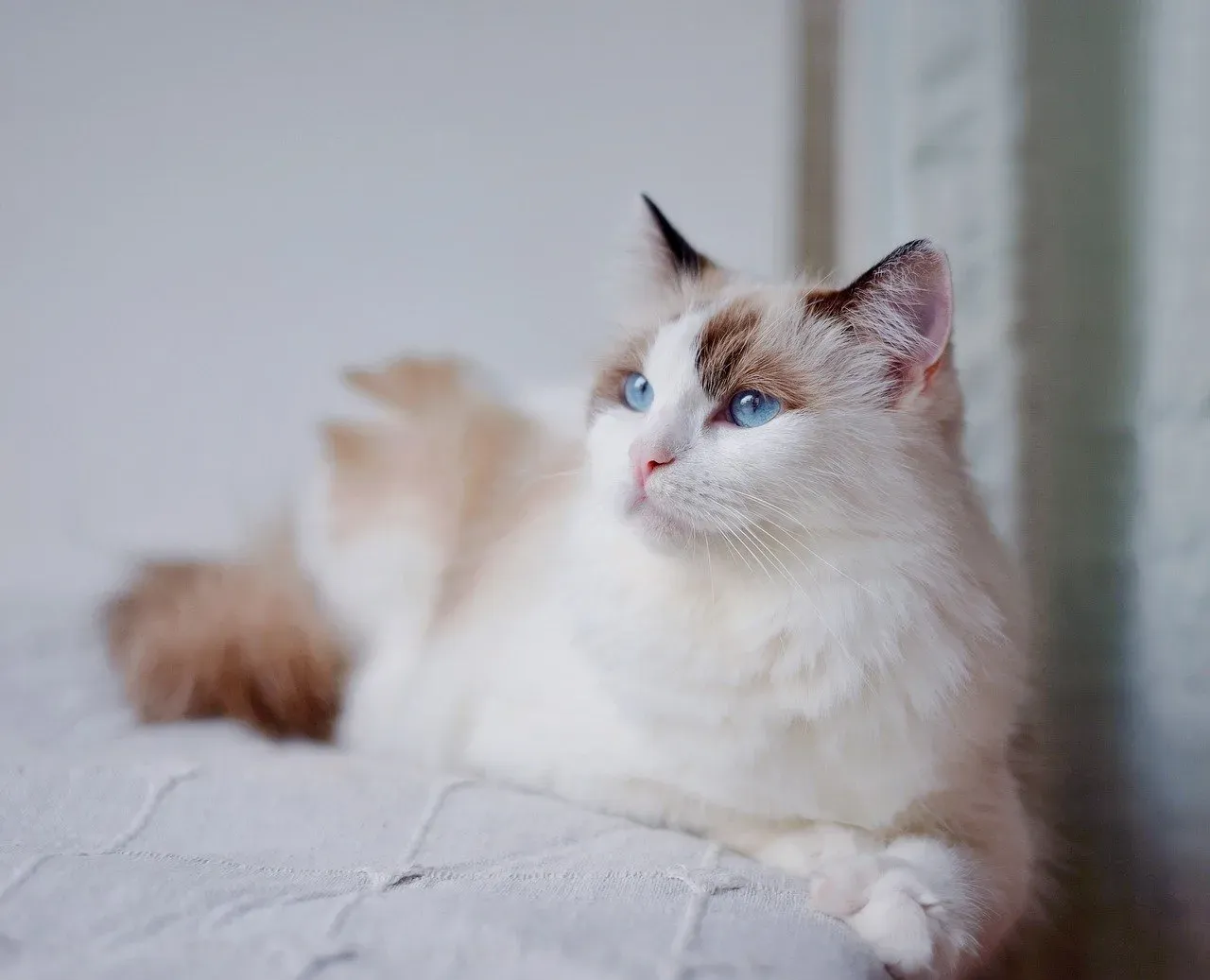
Now here’s where things get interesting. Ragdolls have maintained their position as one of America’s most popular breeds, and Arizona residents love them because these docile, indoor-preferring cats thrive in climate-controlled environments. Ragdolls can adapt easily to hot temperatures and have their tips and tricks to stay cool, including lying on their backs to release heat in the body.
That said, don’t mistake “adaptable” for “heat-loving.” Ragdolls still have medium-long fur that requires management. They’re fortunate in that they prefer lounging indoors anyway, which suits Arizona’s climate demands perfectly. Keep them in air conditioning, provide plenty of fresh water, and they’ll probably do just fine. Their laid-back personality means they’re unlikely to demand outdoor adventures during the scorching midday heat.
British Shorthairs: Dense Coats in Desert Heat
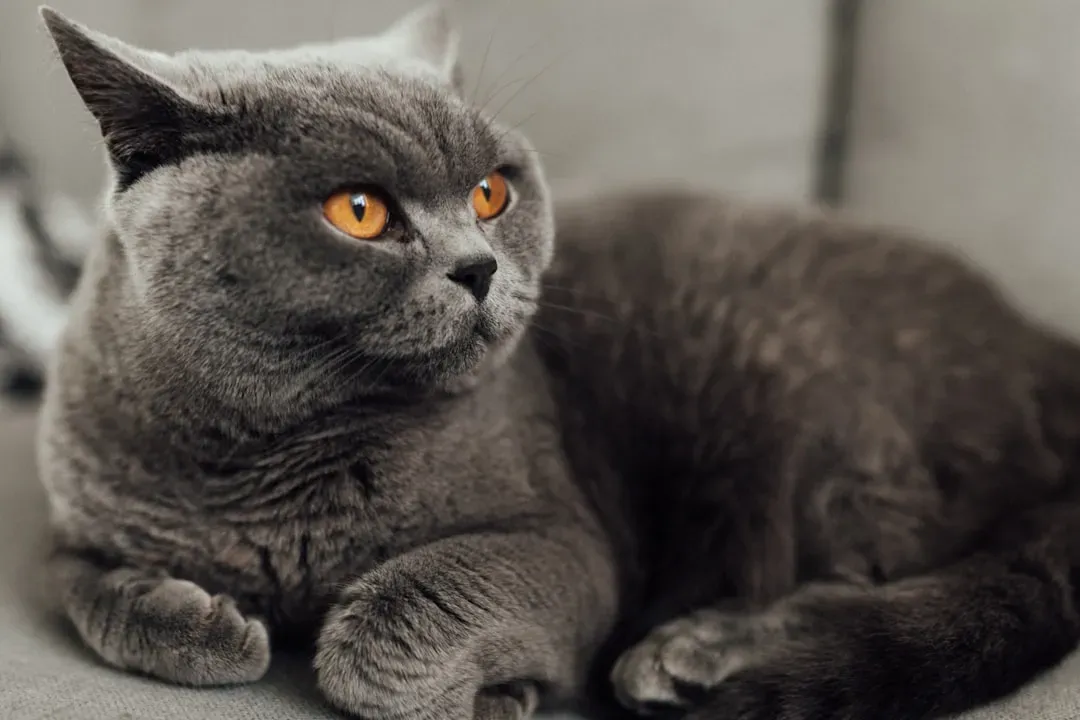
British Shorthairs possess a plush, dense coat that’s deceptively thick despite being short. This breed developed in cooler British climates, and their fur reflects that heritage. In Arizona’s dry heat, that dense undercoat doesn’t do them any favors.
These cats tend to be fairly sedentary and enjoy indoor living, which helps somewhat. Still, their thick coat means they’ll feel the heat more intensely than truly short-haired breeds. You’ll need to ensure they have constant access to cool areas and fresh water. Regular grooming during summer months helps remove dead undercoat, but they’ll never be as heat-efficient as breeds from warmer climates. Some British Shorthair owners notice their cats becoming notably less active during Arizona summers.
Scottish Folds: Folded Ears and Heat Concerns
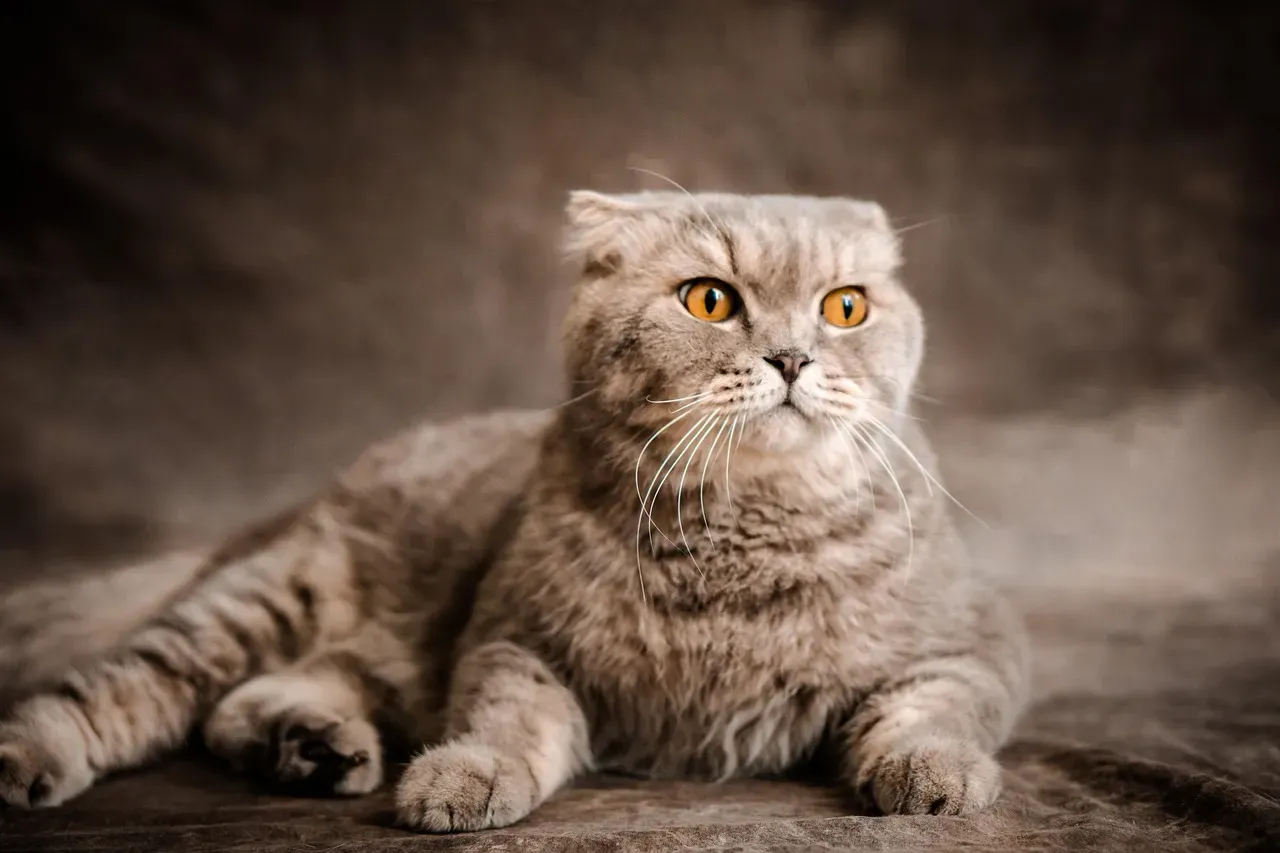
Scottish Folds charm families with their distinctive folded ears and sweet personalities, preferring calm, stable environments that air-conditioned Arizona homes provide perfectly. While they’re not among the most heat-sensitive breeds, their moderate coat and preference for indoor living make them borderline for Arizona’s extreme climate.
The folded ear structure doesn’t directly impact heat tolerance, but it’s worth noting these cats aren’t built for intense environmental extremes. They’re happiest in temperature-controlled spaces. Scottish Folds tend toward being less active, which means they generate less body heat through exercise – a small advantage. Keep them indoors, monitor for signs of overheating, and they should manage reasonably well.
Norwegian Forest Cats: Scandinavian Heritage Meets Desert Reality
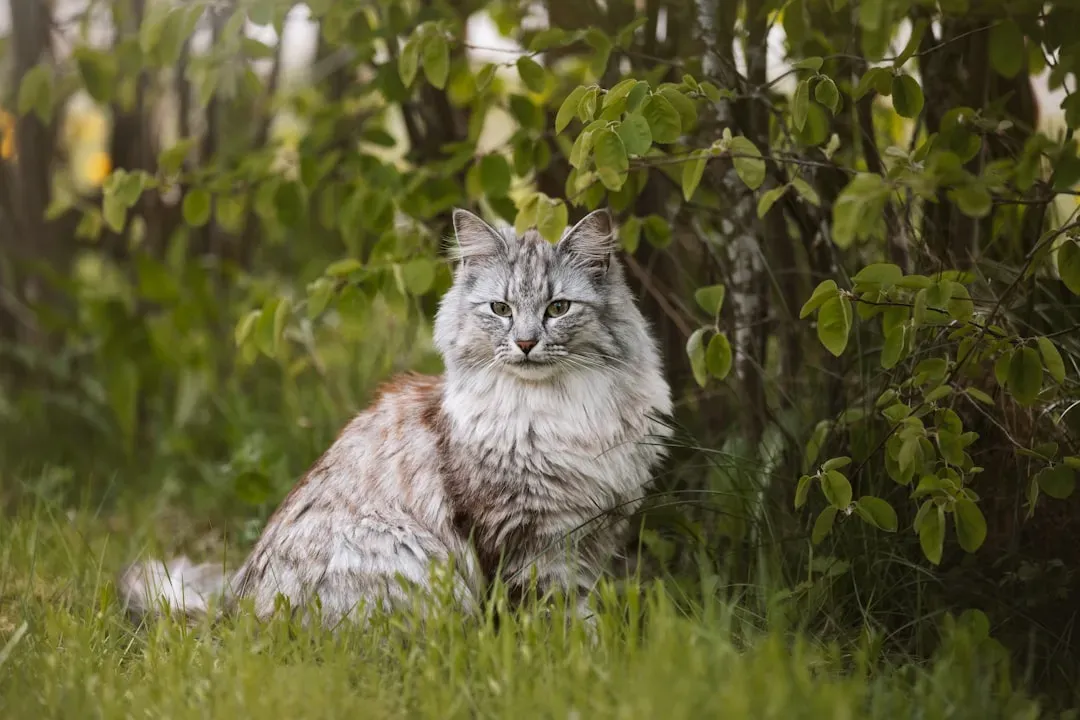
Norwegian Forest Cats are literally built for Scandinavian winters. Their thick, water-resistant double coat evolved to handle snow and freezing temperatures. Bringing one into Arizona’s desert climate is asking them to function in an environment completely opposite to their genetic heritage.
These cats are larger, heavily muscled, and covered in substantial fur – all factors that make heat management difficult. While they’re intelligent and adaptable, their biological design works against them in extreme heat. It’s hard to say for sure, but Norwegian Forest Cat owners in hot climates often report their cats becoming notably stressed and uncomfortable during summer. Daily grooming becomes essential, and climate control is non-negotiable. Honestly, unless you’re willing to keep your home consistently cool and monitor your cat closely, this breed deserves consideration elsewhere.
Exotic Shorthairs: Persian Faces With Less Fur
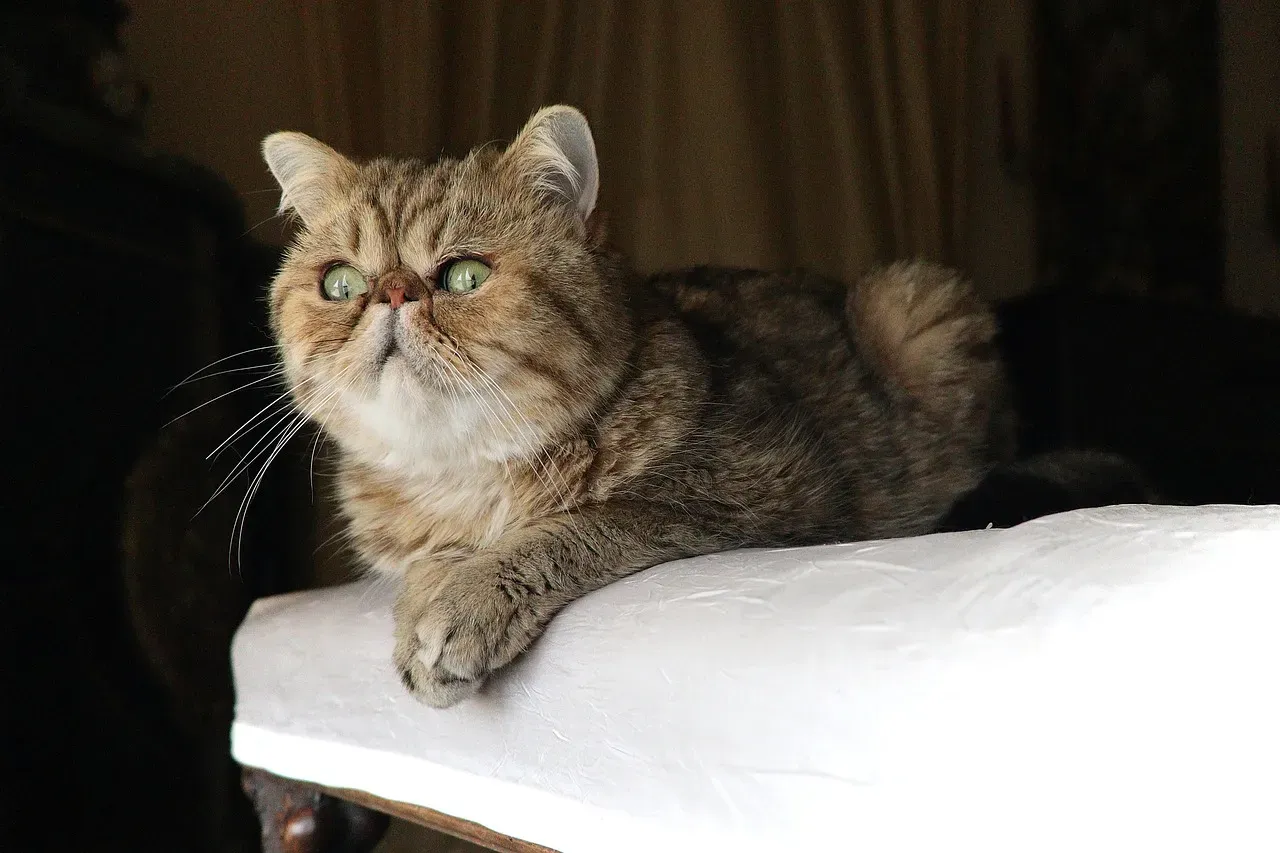
Exotic Shorthairs were created as a shorter-haired version of the Persian, but they kept the flat face. Flat-faced breeds like Persians or Himalayans have shorter nasal passages that make it harder for them to cool down, making them less efficient at regulating body temperature. While their shorter coat helps compared to full Persians, the brachycephalic face structure remains a significant liability.
These cats still struggle with heat regulation due to their facial structure limiting effective panting. In Arizona, you’re looking at an indoor-only cat that needs consistent air conditioning. They’re sweet and affectionate, making them wonderful companions – just not for outdoor desert life. Monitor them carefully on hot days, even indoors, as their compromised breathing can lead to rapid overheating.
Birmans: Long Hair Meets Tropical Origins
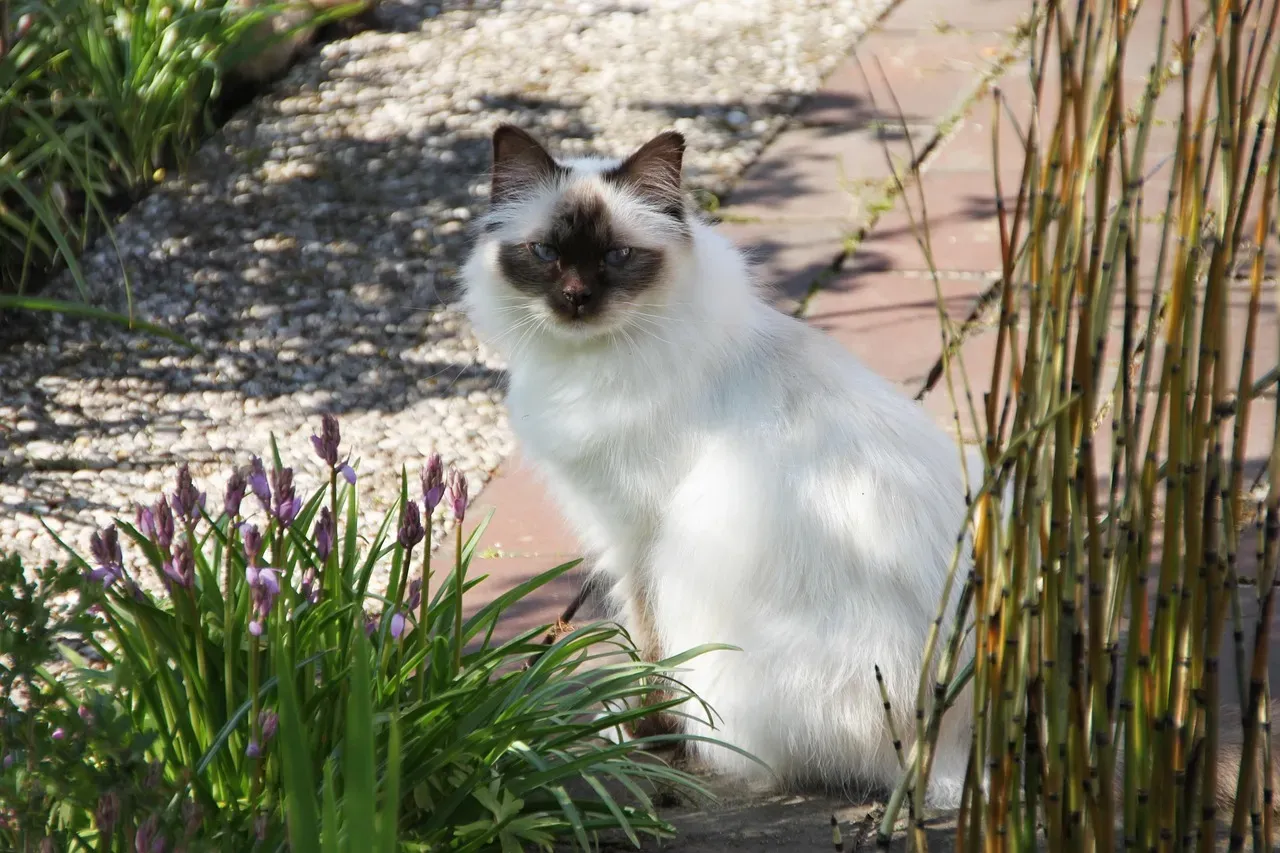
Birman cats originated from Myanmar and are well suited for tropical and hot climates, with their fur doubling as a thermal insulator to keep their bodies from overheating. Wait, so why are they on the struggle list? Here’s the twist. While Birmans handle heat better than many long-haired breeds, Arizona’s dry desert heat differs significantly from Myanmar’s tropical humidity.
Their semi-long coat requires regular maintenance in hot climates to prevent matting and reduce heat retention. Birmans can manage in Arizona with proper care – plenty of water, air conditioning, and grooming – but they’re not naturally desert-adapted. Their coat insulation works both ways, which helps, yet they’ll never be as comfortable as truly heat-adapted breeds. Consider them middle-of-the-road: better than Persians, not as ideal as Siamese.
Sphynx Cats: Hairless But Surprisingly Temperature Sensitive
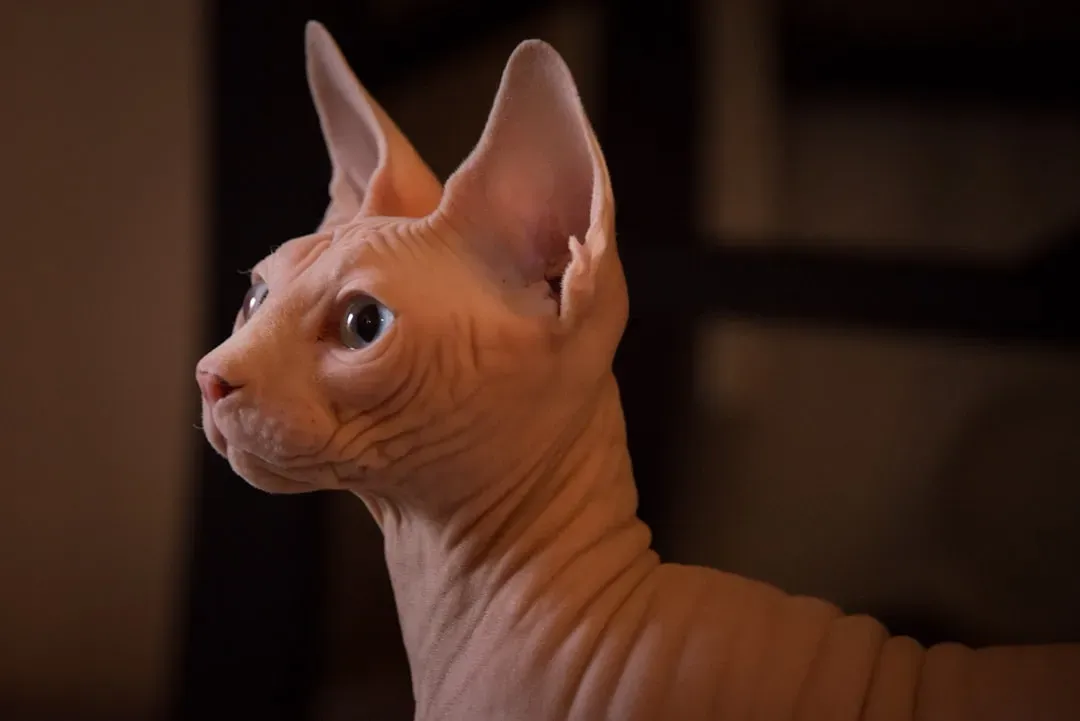
The hairless Sphynx might seem like the obvious choice for Arizona’s heat, but these cats actually require careful temperature management. Surprising, right? The Sphynx is well-adapted to warmer climates because without fur to trap heat, they can regulate body temperature more effectively in hot weather, though owners must ensure protection against sunburn as their exposed skin can be sensitive to direct sunlight.
The reality is Sphynx cats lack the insulation that protects other breeds from both cold and heat extremes. In Arizona, they’re vulnerable to sunburn and can actually overheat from direct sun exposure despite having no fur. They need indoor living with careful temperature control and absolutely cannot be left in direct sunlight. Think of them as requiring moderate temperatures – not too cold, not blisteringly hot. They’re honestly better suited for Arizona than heavily furred breeds, but they come with their own unique challenges.
Abyssinian Cats: Desert-Born Heat Champions
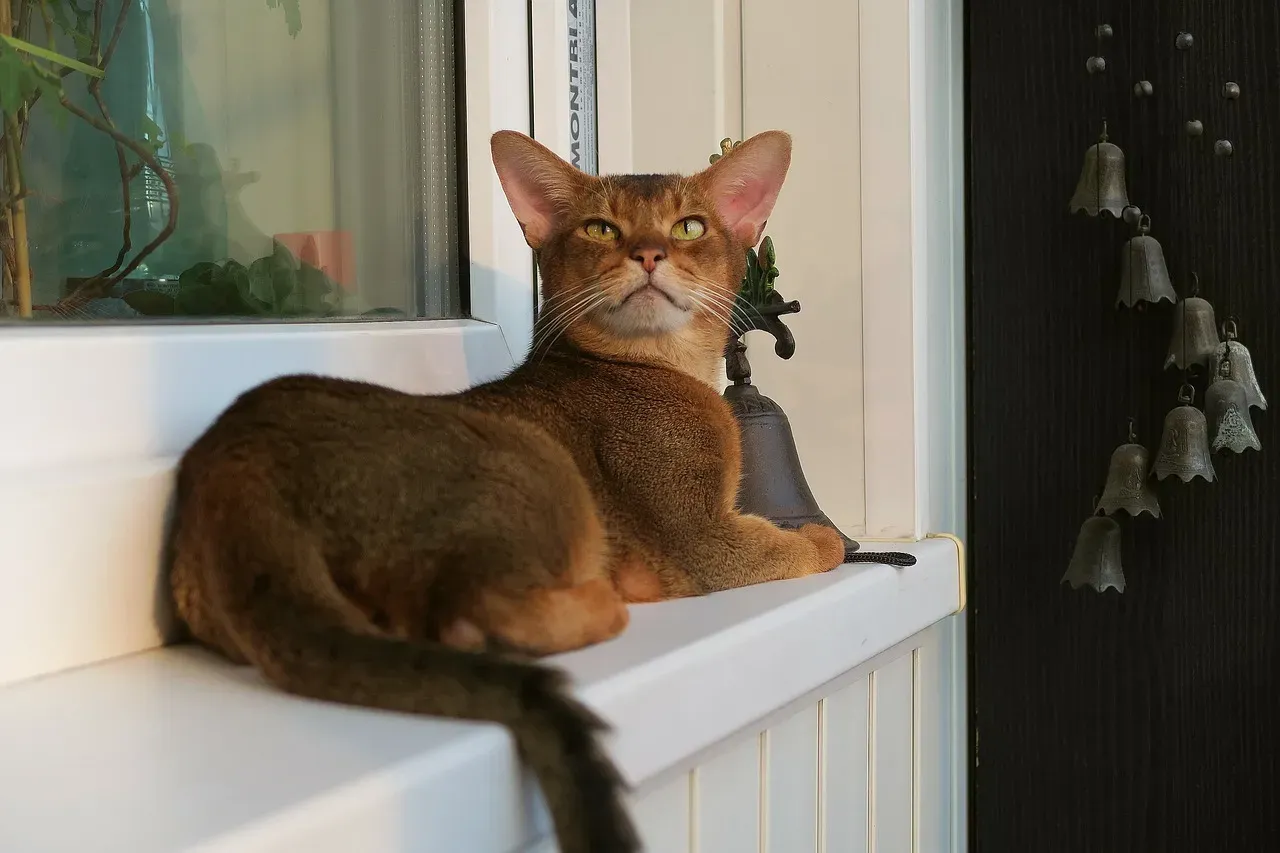
Now we’re switching gears to the success stories. Abyssinian cats understood the assignment when it comes to relentless desert temperatures, with their large ears, short furs, and slender bodies helping them stay cool in places where most other breeds would suffer from heat stroke. Originating from the warm regions of North Africa, Abyssinian cats have adapted to thrive in hot climates, with their active and inquisitive nature keeping them constantly on the move, which helps dissipate body heat.
These cats are practically made for Arizona. Their short coat, athletic build, and natural heat tolerance make them ideal desert companions. Abyssinians are energetic and playful, enjoying interactive activities even in warm weather. They’re intelligent enough to seek shade when needed and naturally understand how to regulate their temperature. Provide fresh water and some air-conditioned spaces for the hottest parts of the day, and they’ll thrive.
Egyptian Maus: Ancient Desert Royalty
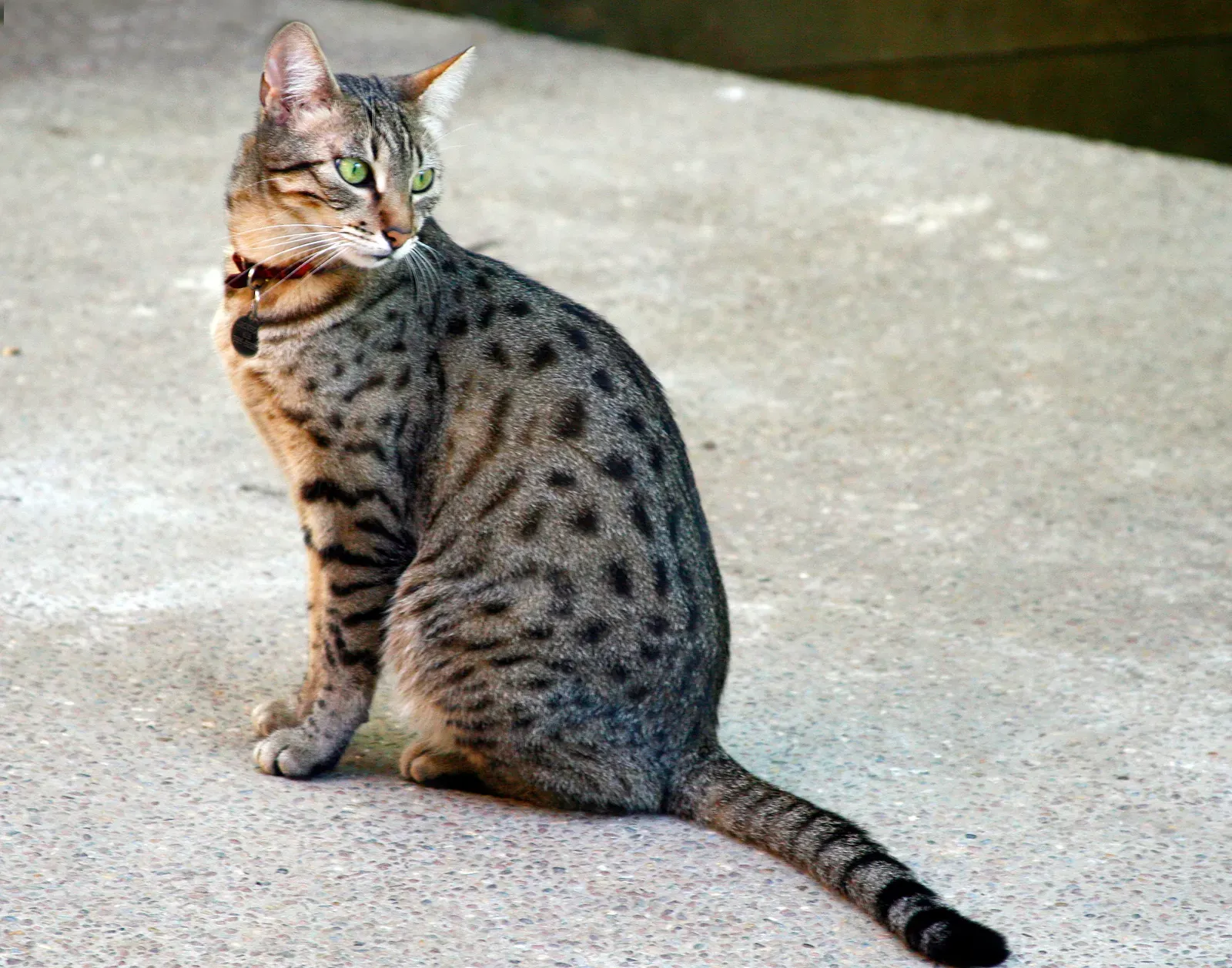
Egyptian Maus are just as ancient as Abyssinian cats and had to be just as resilient to the harsh desert climate, being slender, medium-sized cats with short furs perfectly adapted to high temperatures. Egyptian Mau cats are fond of very warm temperatures and are more temperature sensitive than other domestic cats – meaning they actually prefer heat over cold.
These spotted beauties are the fastest domestic cat breed and possess incredible athleticism. Their lean build and short coat make heat dissipation efficient. Egyptian Maus actively seek warm spots and show far more tolerance for high temperatures than most breeds. In Arizona, they’re genuinely comfortable. Their large ears help with cooling, and their natural instincts for desert living kick in. They’re one of the few breeds where you might find them sunbathing during times other cats hide in air conditioning.
Siamese Cats: Thai Heat Tolerance Shines Through
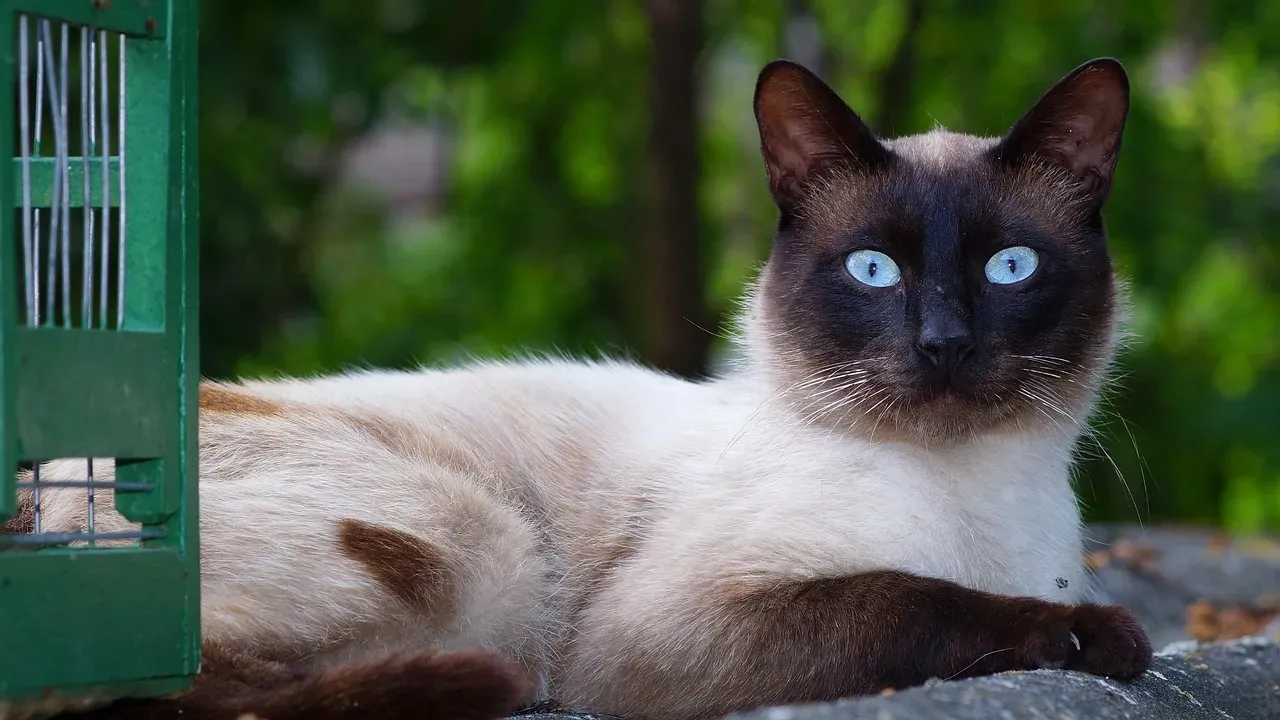
Originally from Thailand, Siamese cats are naturally adapted to warm weather, with their short coat helping them stay cool and often enjoying lounging in sunny spots with a breeze or ventilation. With their sleek and short coat, the Siamese cat is one of the most heat-tolerant breeds, with minimal fur helping them stay cool and comfortable in hot weather, plus their playful and sociable nature making them fantastic companions for families in warmer climates.
Siamese cats are vocal, social, and perfectly suited for Arizona living. Their slender build and short, fine coat allow for excellent heat management. They’re active and intelligent, which means they’ll naturally seek cooler spots during extreme heat without becoming distressed. Siamese cats have lived in hot climates for centuries, and that genetic adaptation shows. Provide water, some shade, and basic climate control, and they’ll be perfectly happy. Many Arizona residents swear by Siamese cats as ideal desert companions.
Bengals: Wild Heritage Meets Desert Adaptability
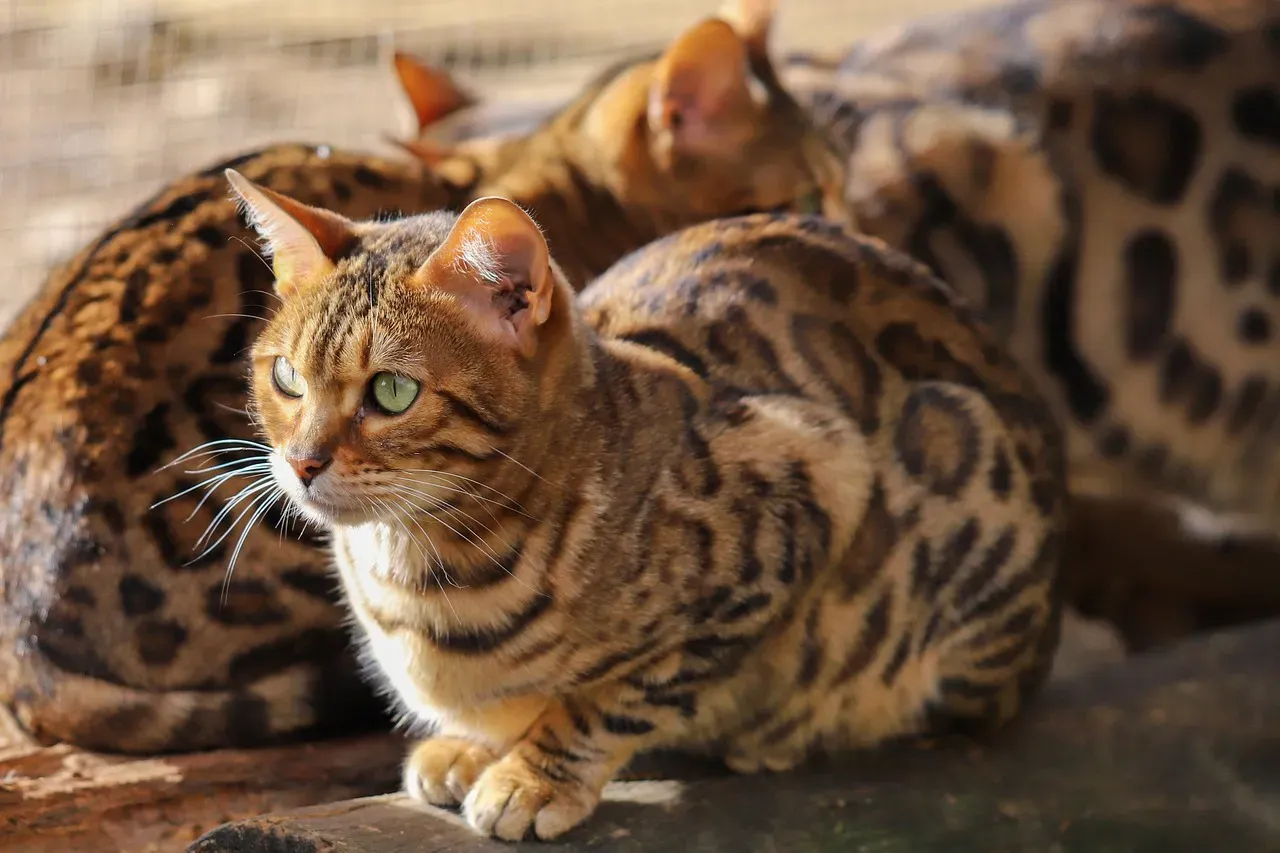
Arizona’s arid climate presents unique challenges for any pet, but Bengals are particularly resilient, having been originally bred from the Asian leopard cat with natural agility and awareness that helps them manage heat effectively. Despite their size and relatively small ears, Bengal cats are well-adjusted to high temperatures, with their not-so-distant ancestors, Asian leopards, thriving in hot desert and tropical climate zones in Asia, and Bengal cats inheriting this trait.
Their short coats help them tolerate heat better than long-haired breeds. Bengals are active, intelligent, and naturally curious. In Arizona, they adapt remarkably well. Their muscular build and high energy mean they generate body heat, but their short, sleek coat compensates effectively. Many Bengal owners report their cats enjoying supervised outdoor time during cooler morning and evening hours. Just ensure constant water access and avoid midday heat exposure.
Domestic Shorthairs: The Underrated Arizona Champion
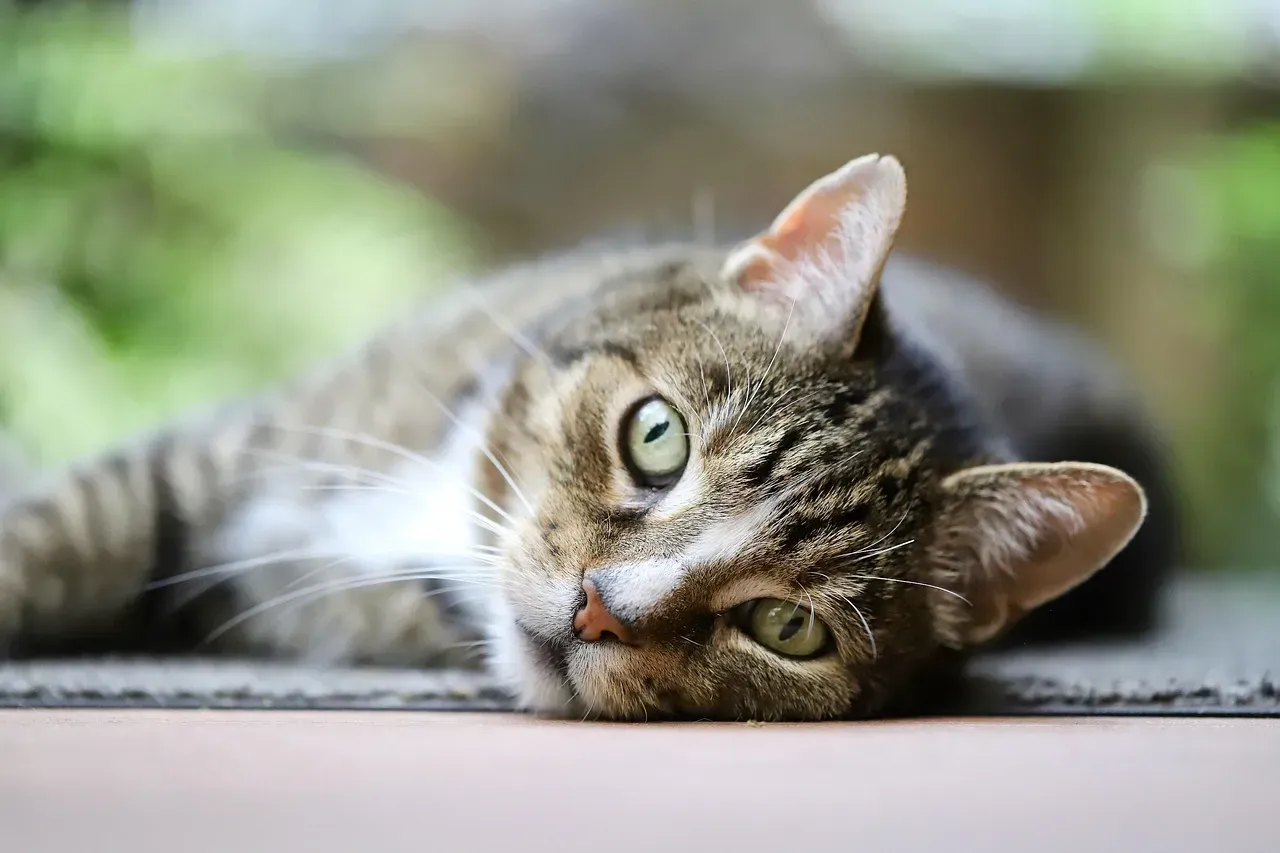
Domestic Shorthairs adapt well to warm climates with their short coat and hardy nature, enjoying lounging in cooler indoor areas or shaded outdoor spaces if allowed outside. These mixed-breed cats don’t get the glamorous press of purebreds, but they’re incredibly adaptable and resilient.
Domestic Shorthairs come in various builds and coat types, but generally, their short fur and mixed genetics provide good heat tolerance. They’re often healthier overall due to genetic diversity, which includes better temperature regulation. In Arizona, these cats typically manage heat stress better than many purebreds. They’re resourceful, intelligent, and instinctively know how to find cool spots. With basic care – water, shade, and some air conditioning – most Domestic Shorthairs handle desert living without complaint. They’re honestly one of the smartest choices for Arizona cat owners.
Keeping Your Desert Feline Comfortable and Safe
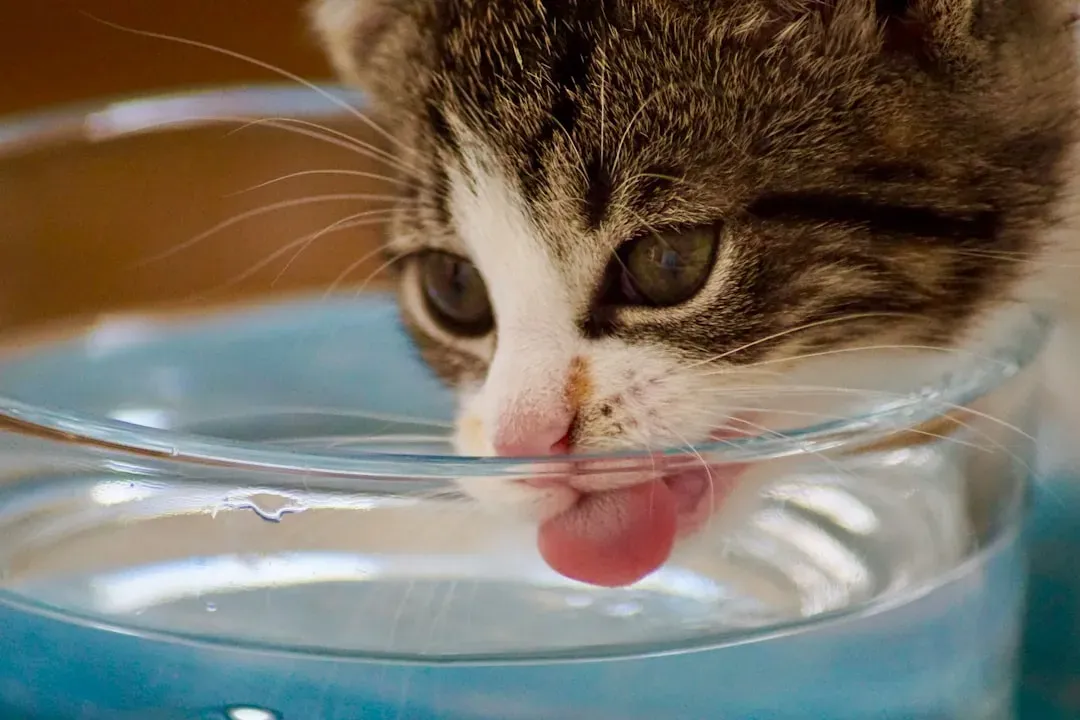
Regardless of breed, all cats in Arizona need certain basics to stay healthy during extreme heat. Both owners and pets need to take special precautions in a desert climate, where temperatures can often exceed 110 degrees Fahrenheit. Fresh water must be available constantly – consider multiple water stations throughout your home.
The most significant health risks for cats living in the desert are related to the extreme climate and limited availability of resources, with dehydration and heatstroke being major concerns as cats may not always have access to sufficient water or shade. Indoor living during peak heat hours is essential, even for heat-tolerant breeds. When a cat experiences heatstroke, their internal body temperature has risen above 104 degrees Fahrenheit, causing organs to begin shutting down with potential for long-term damage. Monitor for signs like excessive panting, lethargy, drooling, or seeking cool surfaces obsessively – these indicate your cat needs immediate cooling and possibly veterinary attention. Regular grooming helps remove dead coat and improves air circulation near the skin. Most importantly, never leave cats in parked cars, even briefly, and ensure your home has reliable air conditioning or cooling systems.
Arizona’s desert climate demands thoughtful breed selection and committed care. Heat-adapted breeds like Abyssinians, Egyptian Maus, and Siamese cats thrive naturally, while long-haired or flat-faced breeds struggle significantly despite our best efforts. Understanding your cat’s biological limitations isn’t about restricting choices – it’s about ensuring years of comfortable, healthy living for your feline companion. Would you choose a breed built for your climate, or would you take on the extra challenge of helping a less-suited breed thrive? What’s your experience been with cats in hot climates? Share your thoughts in the comments below.