Ever walk through your front door and wonder if your cat even noticed? The truth is, some felines are basically furry welcoming committees, while others prefer to acknowledge your return with a slow blink from across the room. Honestly, both approaches have their charm.
Your cat’s greeting style says a lot about their personality, and breed plays a surprisingly big role in whether you’ll get an enthusiastic hello or a dignified nod. Let’s face it, not all cats are created equal when it comes to door greetings. Some are basically dogs in disguise, while others maintain their mysterious feline independence.
Ragdoll: The Puppy-Like Greeter
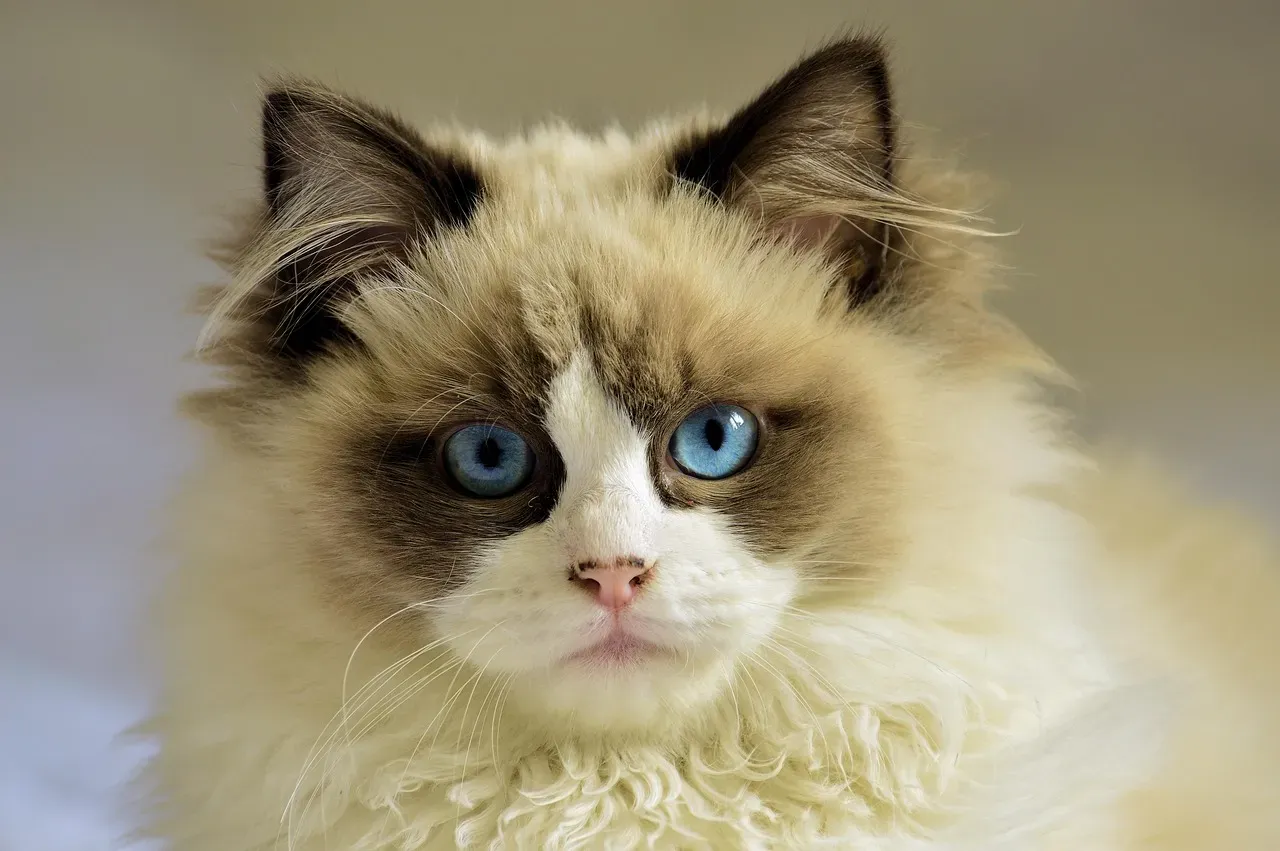
You’ll find your Ragdoll waiting at the door when you come home, ready to follow you from room to room. These gentle giants earned their reputation as one of the most affectionate breeds for good reason. They’re known to greet their owners at the door, follow them from room to room, and settle in for extended cuddle sessions.
What makes them special is their incredibly relaxed temperament. They’re often described as “puppy-like” in their loyalty, enjoying being around people, greeting their owners at the door, and following them around the house. Here’s the thing: if you want a cat that genuinely seems excited about your arrival, a Ragdoll won’t disappoint.
Maine Coon: The Chirping Welcomer
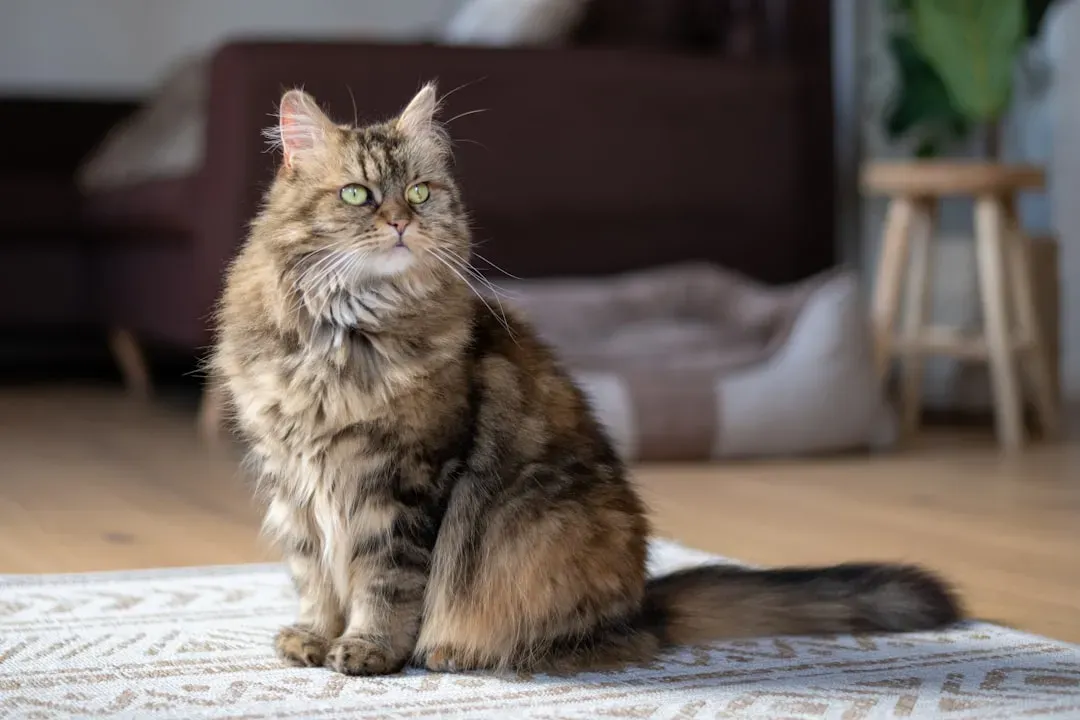
It’s not uncommon for Maine Coons to greet their owner once they get home and they are friendly towards guests. These massive cats combine size with surprising sweetness. Maine Coons are famous for their friendly and sociable personalities, and they tend to follow their owners around the house, observing and participating quietly.
Unlike typical meows, Maine Coons communicate with adorable chirps and trills. They’re curious about everything you do, so expect your Maine Coon to investigate your bags and shoes the moment you walk in. Their greeting isn’t just polite acknowledgment – it’s genuine interest in what you’ve been up to.
Siamese: The Vocal Announcer
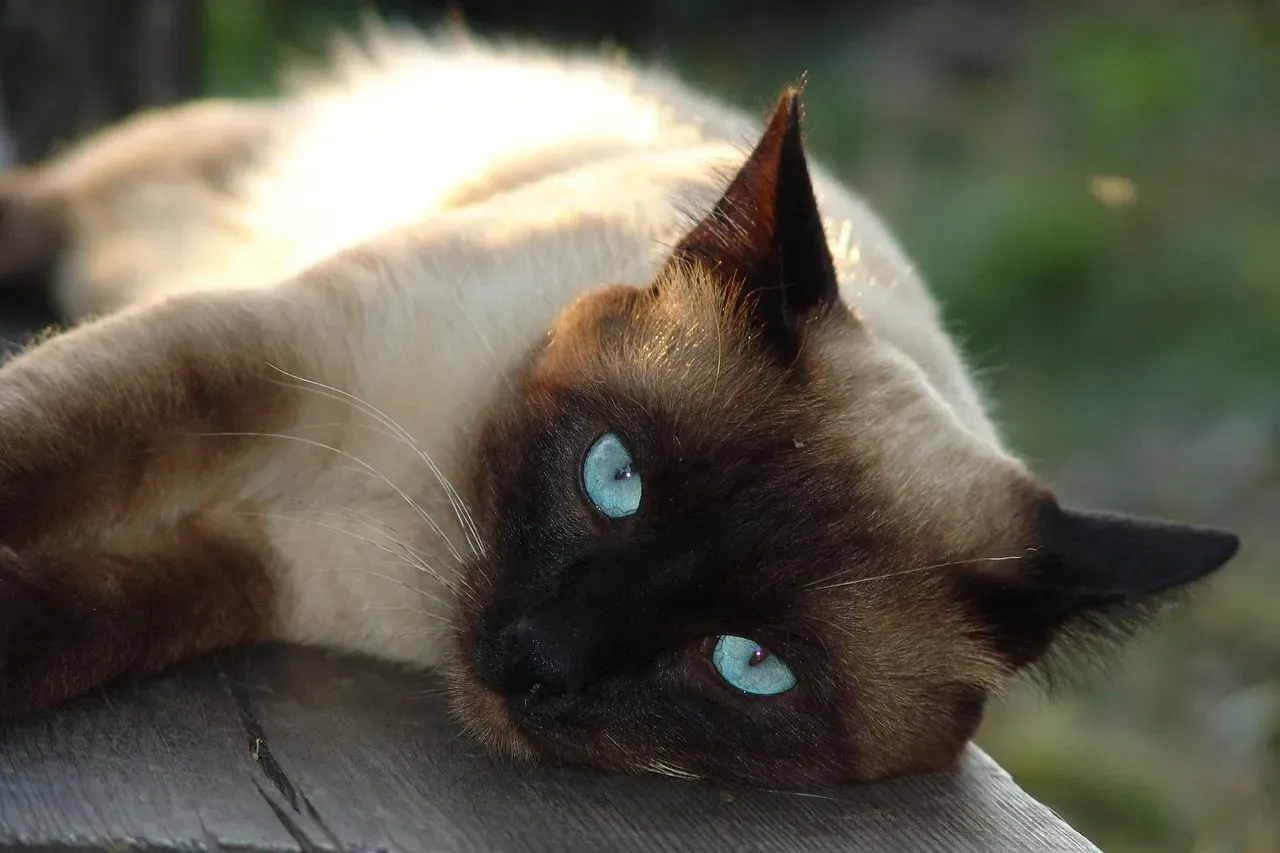
Siamese cats are one of the most emotionally connected cat breeds, craving attention, enjoying conversations with their owners, and disliking being left alone for long periods. When you arrive home, prepare for a full conversation. Siamese cats are highly social, vocal, and emotionally expressive, actively seeking conversation and often responding to human speech with loud, distinctive vocalizations.
These cats don’t just greet you – they tell you all about their day. You’ll know exactly how they felt about your absence through their expressive meows. Their intense bond with their favorite humans means they genuinely miss you when you’re gone.
Burmese: The Velcro Cat
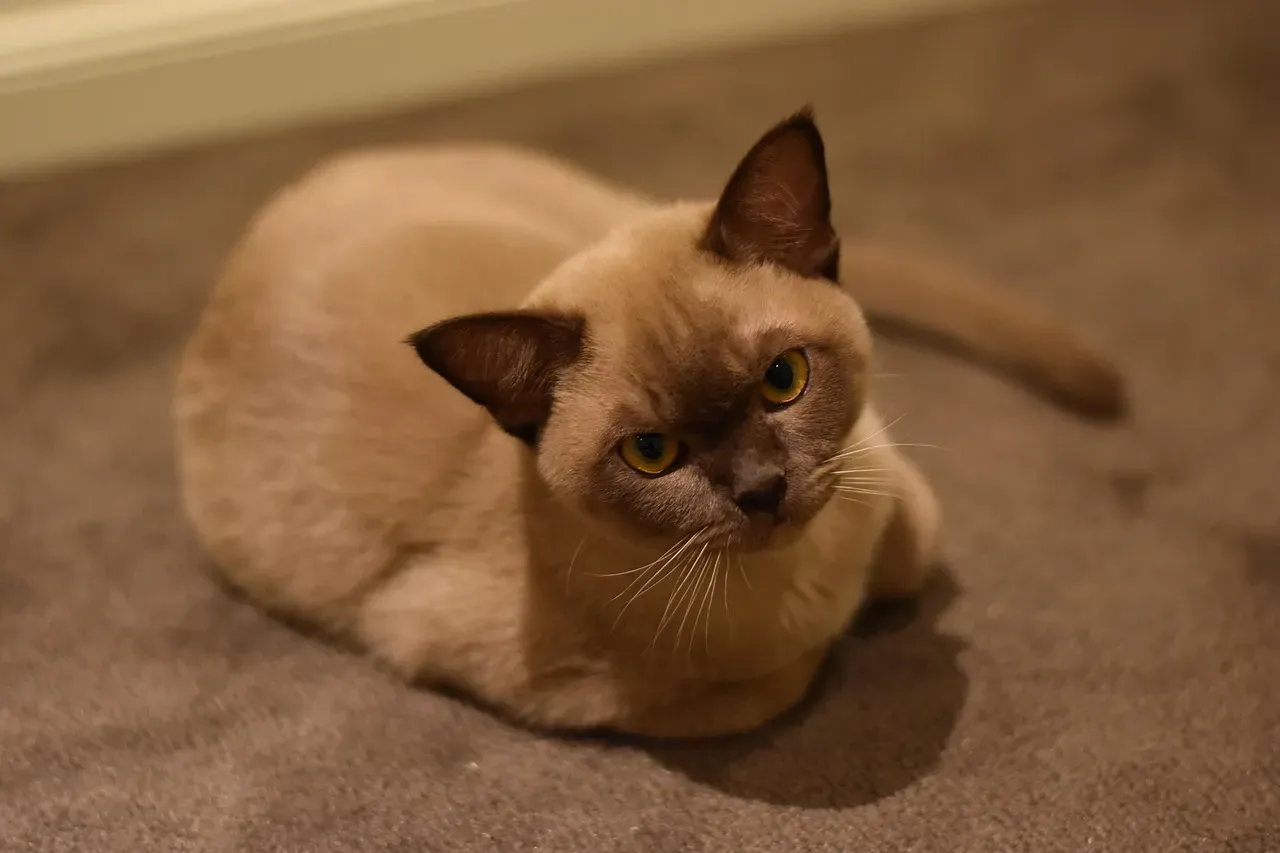
Burmese cats are incredibly social and affectionate, thriving in human company and known to greet their owners at the door. People often call them “velcro cats” because of how closely they stick to their humans. Burmese cats are affectionate, people-loving, and extremely loyal, often acting more like dogs than cats, following their owners everywhere and demanding cuddles.
These gorgeous cats refuse to be ignored. The moment you walk through that door, expect your Burmese to be there, demanding attention and affection. They’re not satisfied with a simple pet – they want quality time immediately.
Sphynx: The Heat-Seeking Hugger
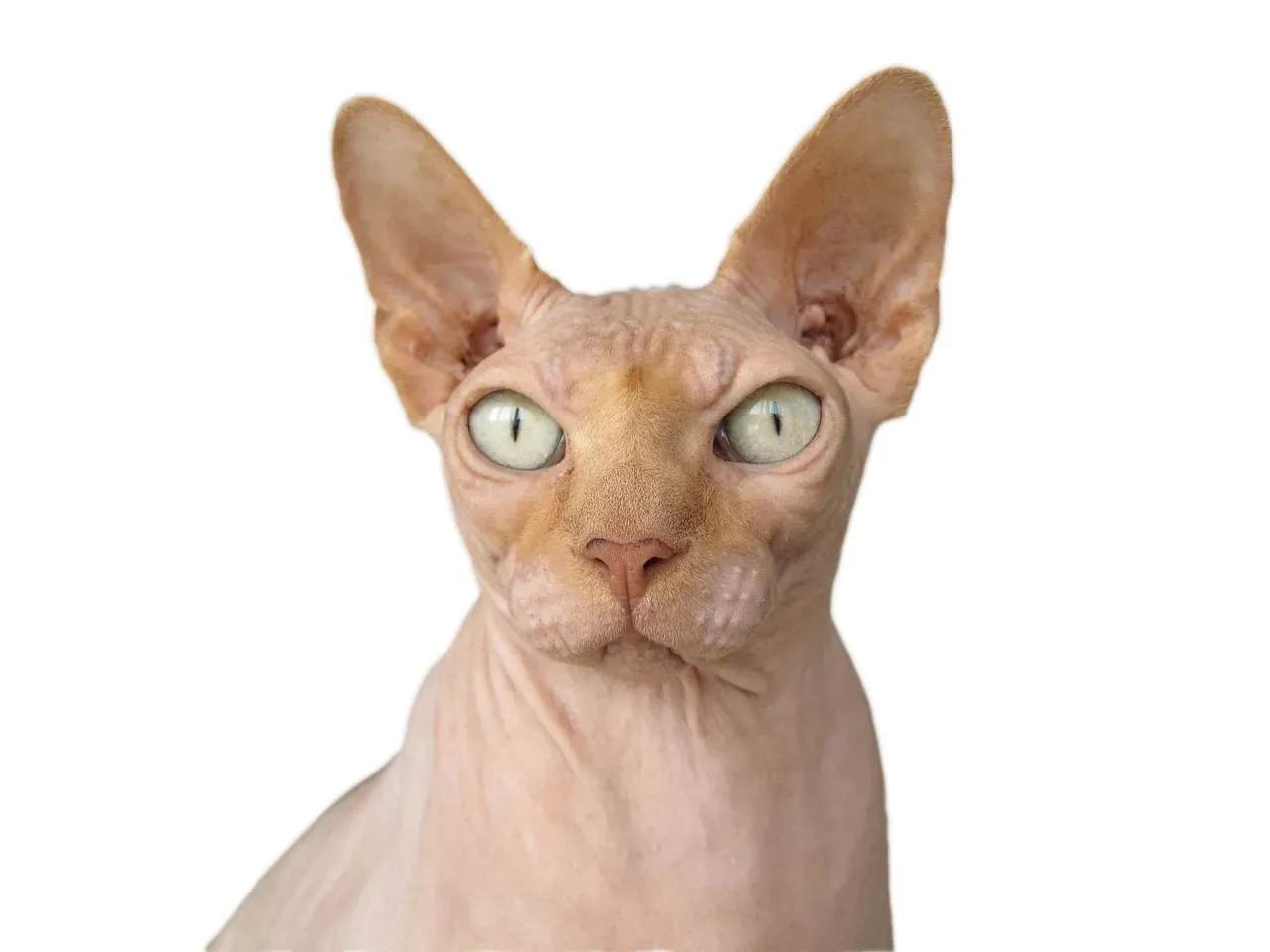
Sphynx cats frequently seek the warmth of humans and are often happy to cuddle for hours, and they are considered “dog-like” thanks to their tendency to greet humans at the door. Their lack of fur makes them constantly seek warmth, which means they’re extra motivated to greet you. These cats are more receptive to strangers than most breeds, showing genuine friendliness.
Your arrival means a source of warmth and affection, so Sphynx cats make greeting you a priority. They’ll likely climb right onto your lap or shoulders within minutes of your return. Let’s be real, who wouldn’t want that kind of enthusiasm?
Tonkinese: The Social Butterfly
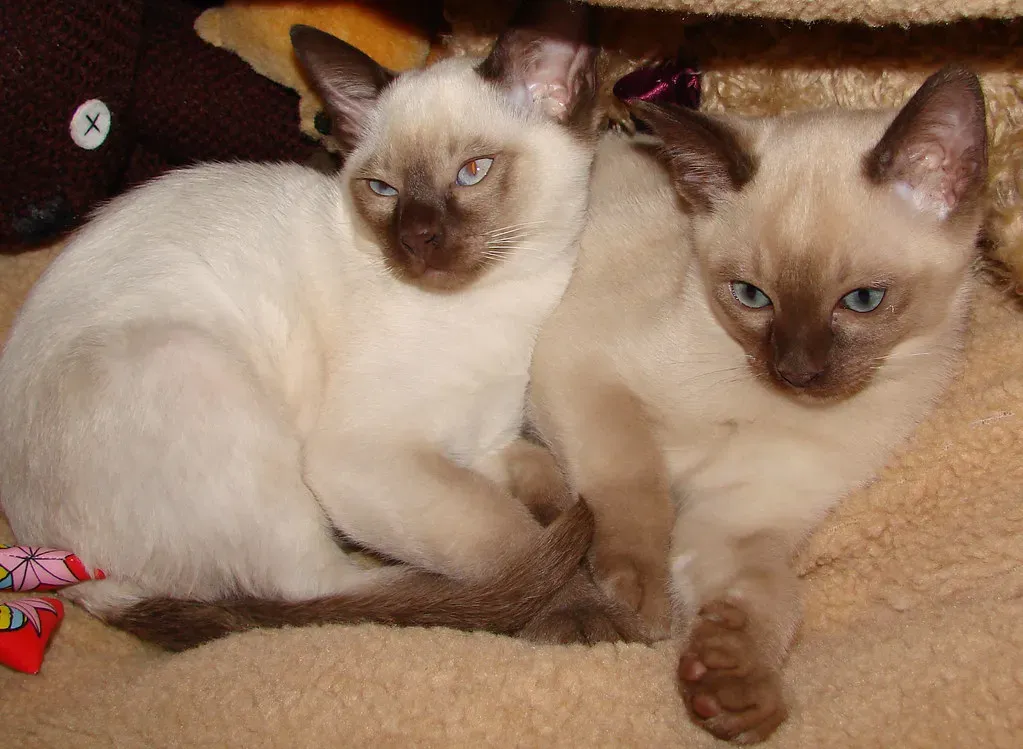
Tonkinese cats often greet guests or visitors at the door, making them remarkably sociable. They are highly communicative and respond well to attention and interaction, forming strong bonds with family members and greeting their owners at the door. Their balanced personality makes them perfect for households that want an engaged companion.
These cats hate being alone and thrive in social environments. When you come home, your Tonkinese will be ready to tell you all about their day through meows and chirps. They’re intelligent enough to invent their own games but prefer your company above all else.
American Bobtail: The Devoted Companion

American Bobtails are incredibly loving and all but physically attach themselves to their human family, following their owners around the house and waiting by the door. Their dog-like loyalty sets them apart from other breeds. These cats form deep attachments and show it through consistent door greetings.
What’s fascinating is their intelligence – they can even learn to walk on a leash. Your American Bobtail doesn’t just greet you out of habit; they genuinely bond with you as a trusted companion.
Abyssinian: The Energetic Inspector
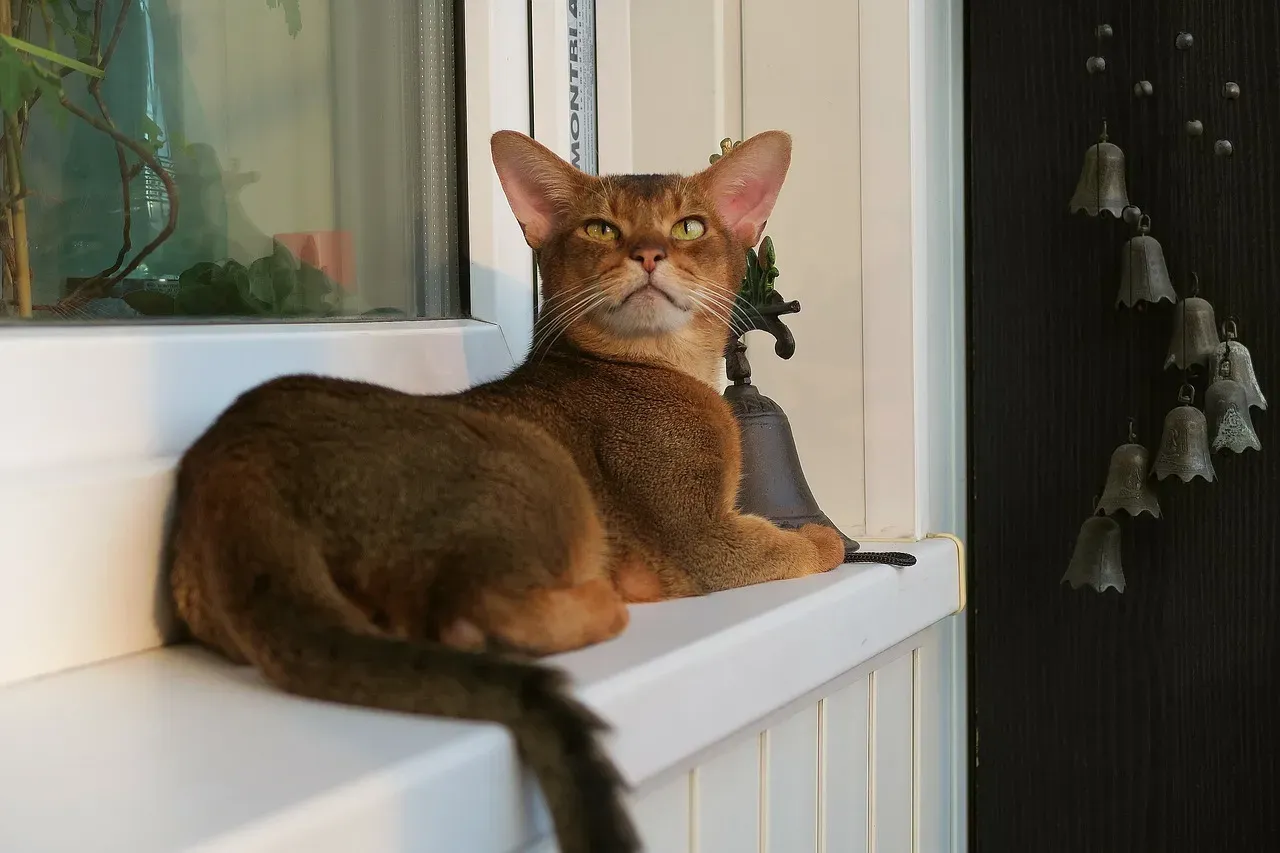
Abyssinian cats want affection from their humans and show it through constant motion. These curious cats are always exploring, climbing, and grabbing things that catch their interest. When you arrive home, expect your Abyssinian to inspect everything you’ve brought with you.
Their playful nature means they never seem to stop moving for long. They’ll greet you at the door not just for affection, but because they’re genuinely curious about where you’ve been and what new stimulation you might provide.
Scottish Fold: The Gentle Observer
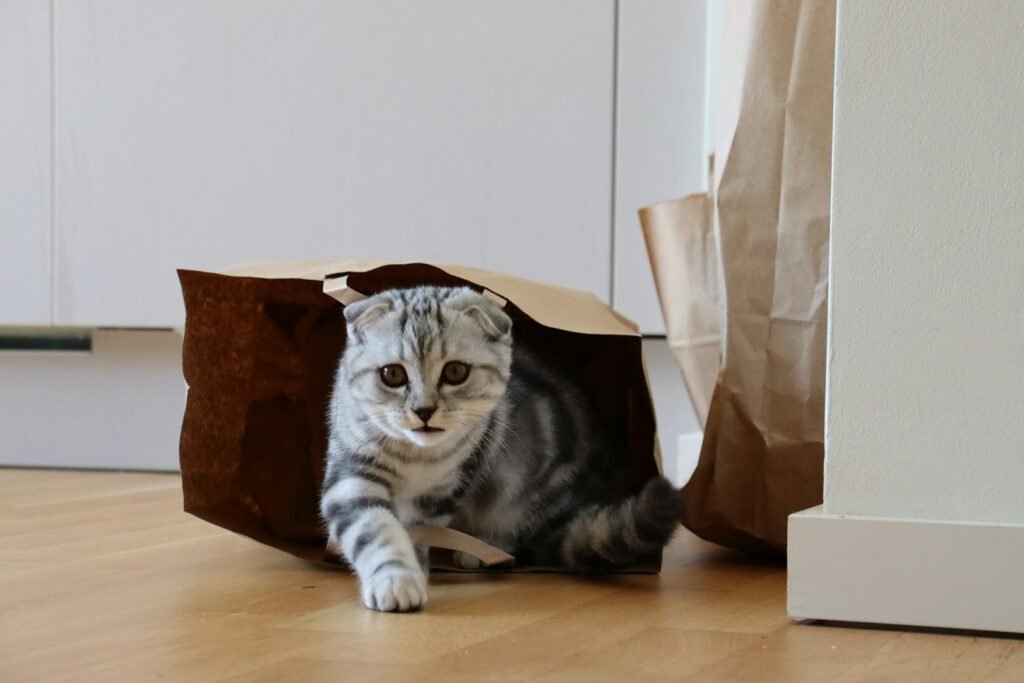
Scottish Folds are affectionate and gentle companion breeds that get along with both children and other pets, being lovable, friendly and gentle, craving companionship and attention from their owner. Their unique folded ears give them an adorable appearance that matches their sweet temperament. While not as hyperactive as some greeters, they’ll definitely be there to welcome you.
These cats prefer being involved in family activities rather than causing chaos. Your Scottish Fold will likely greet you at the door and then follow you to see what you’re doing next, content just to be near you.
Birman: The Sacred Temple Cat

Birmans typically enjoy the company of other cats as well as dogs, and they’re not demanding but will let their humans know when they want to be petted. These beautiful cats with striking blue eyes are friendly and playful with gentle personalities. They don’t like being left alone, so your arrival is genuinely appreciated.
Birmans are sometimes called the Sacred Cats of Burma, and they carry themselves with quiet dignity. Still, they’ll be at the door to greet you, happy to have their favorite human back home.
Persian: The Dignified Observer
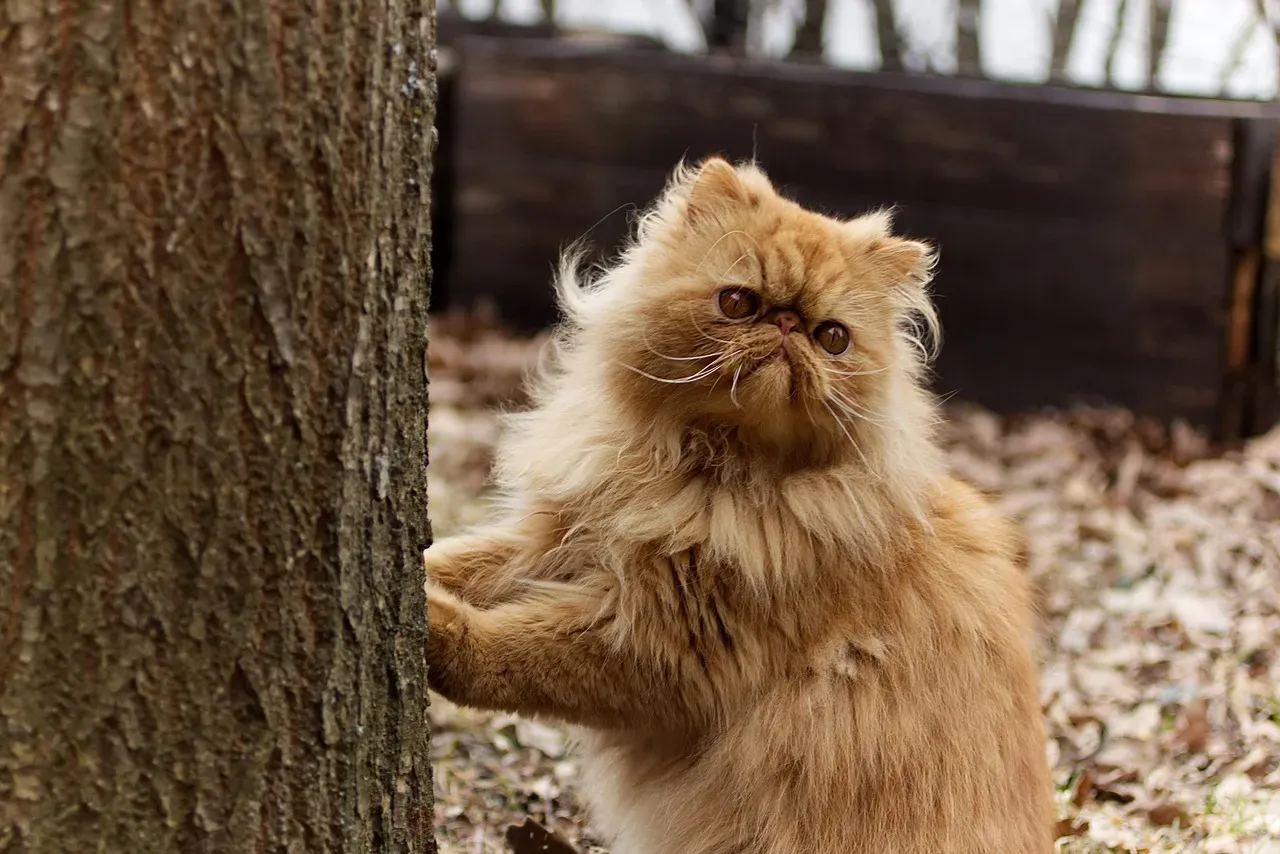
Persians are typically quiet and rather aloof, disliking loud noises and enjoying lounging regally upon a cushion or a lap. Here’s where we shift gears. Persians are friendly and affectionate, but they’re not rushing to the door. Persians are intelligent and enjoy playing with people, but are often not as energetic as other cat breeds.
These cats prefer calm environments and show affection on their own terms. You might get a slow blink from across the room or find them waiting on their favorite cushion, acknowledging your presence without the fanfare. It’s not that they don’t care – they’re just more refined in their greetings.
Russian Blue: The Cautious Companion
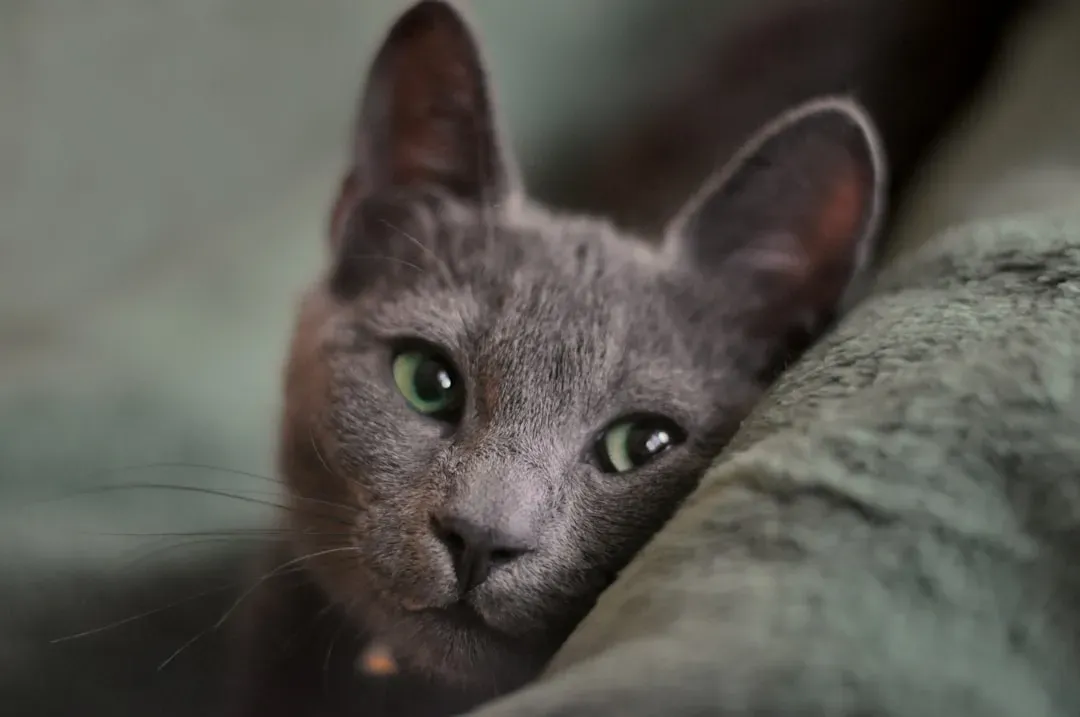
Russian Blues are independent cats that take time to warm up to strangers and tend to form strong bonds with just one or two people. While they’re affectionate with their chosen humans, they prefer observing from a distance initially. Russian Blue cats become very devoted and will always greet you at the door when you come home from work, but it’s a quiet, reserved greeting.
These elegant cats with their blue-grey coats are incredibly quiet and reserved. They might acknowledge your arrival with a gentle approach later, once the initial commotion settles. Their love is deep but expressed subtly.
Norwegian Forest Cat: The Independent Explorer
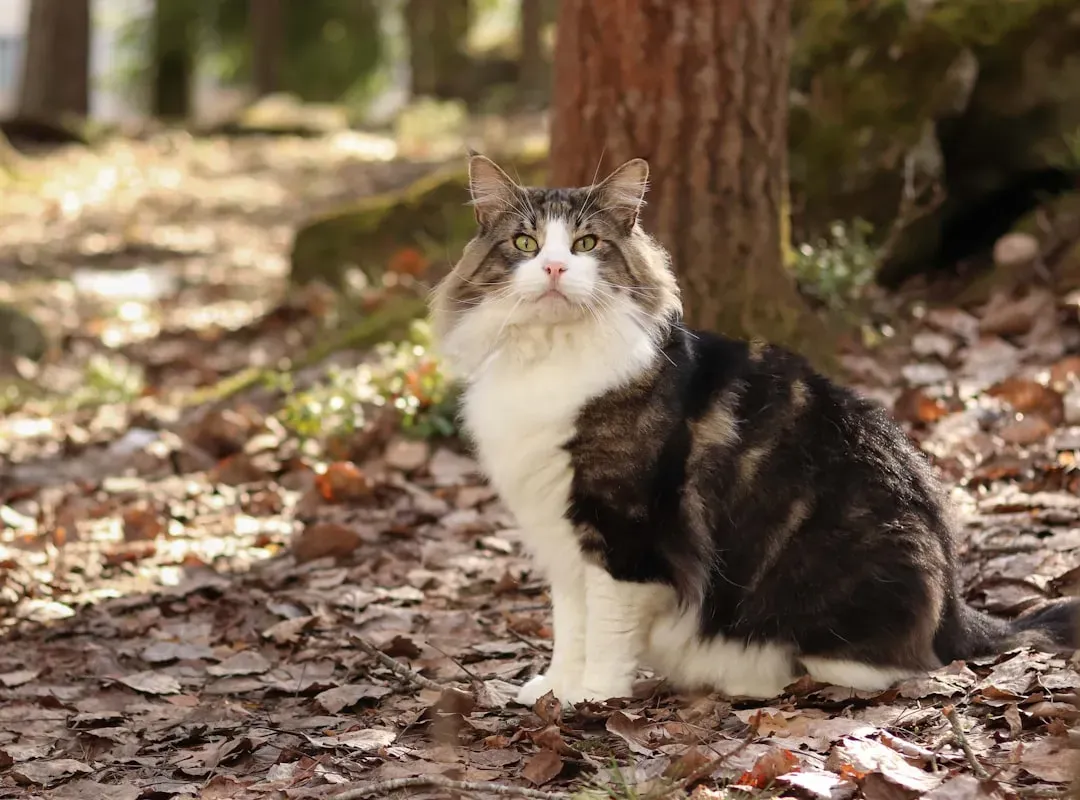
The Norwegian Forest Cat developed naturally in Scandinavia and is well known for its gentle and friendly demeanor, and because of their semi-domestic nature, they can cope well if their owners are often away. Norwegian Forest Cats don’t typically enjoy being picked up or held when it’s not the cat’s idea, but despite their independent streak, they are loyal to their favorite people.
These majestic cats might be lounging somewhere when you arrive, barely glancing up. This is an independent, intelligent breed, and though they are not clingy, they will go looking for companionship if left alone for too long. They’ll connect with you on their schedule, not yours.
Bengal: The Solo Entertainer

Bengals have an exotic appearance and are very athletic and active, not the most social cats, tending to form a strong bond with one or two people and generally doing well being by themselves and playing on their own. These stunning spotted cats are more interested in exploring and playing than greeting ceremonies.
Bengals are talkative and friendly but extremely independent. When you come home, your Bengal might be halfway up a cat tree or investigating something fascinating across the room. They’re content with their own company and don’t need to rush over immediately.
British Shorthair: The Composed Companion
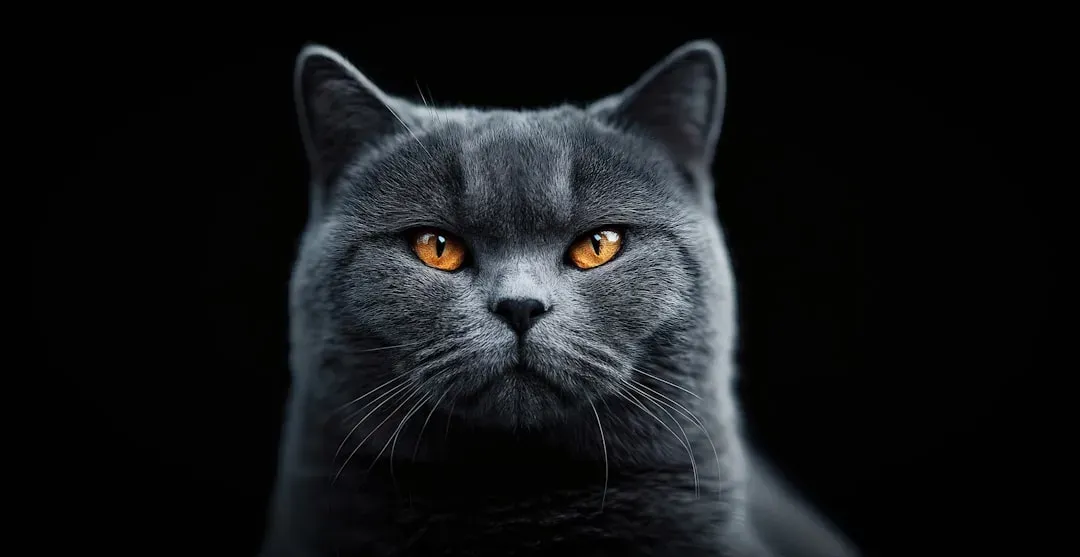
The British Shorthair enjoys attention but is equally happy to entertain himself while you’re away, wanting to be with their people, not necessarily in a lap or carried around, but next to them or in the same room with them. These round-faced beauties are the definition of understated elegance.
Your British Shorthair will acknowledge your presence by simply being in the same room. They don’t feel compelled to rush to the door. Instead, they’ll wait patiently, perhaps giving you a dignified look that says, “Oh, you’re back. Lovely.”
Exotic Shorthair: The Laid-Back Lounger
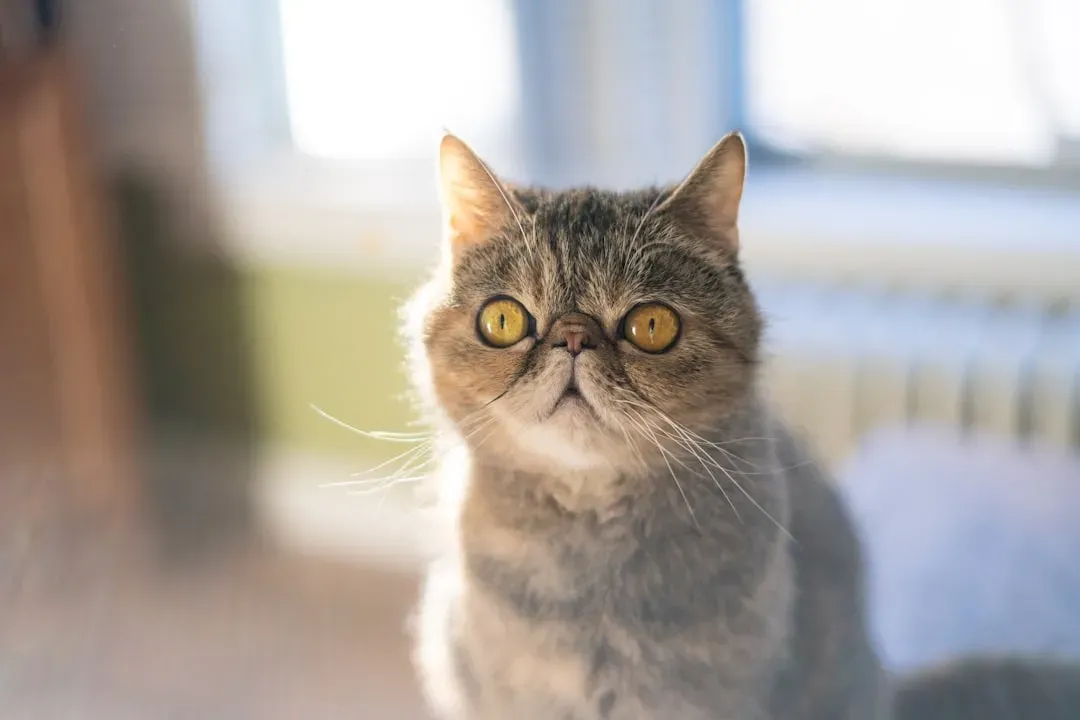
The Exotic Shorthair is a cat breed notable for being as playful as it is pretty, and as they age their independent nature can slowly reveal itself, with these cute kitties settling into their relaxed personalities. Think of them as Persians without the grooming demands. They’re easy-going without crossing into aloof territory, and this breed is considered “sweet, affectionate, and quiet,” loving relaxing with their owners.
When you arrive home, your Exotic Shorthair might open one eye from their napping spot. They’re affectionate but prefer showing it through quiet companionship rather than enthusiastic greetings.
Ragdoll: Wait, Another Perspective?
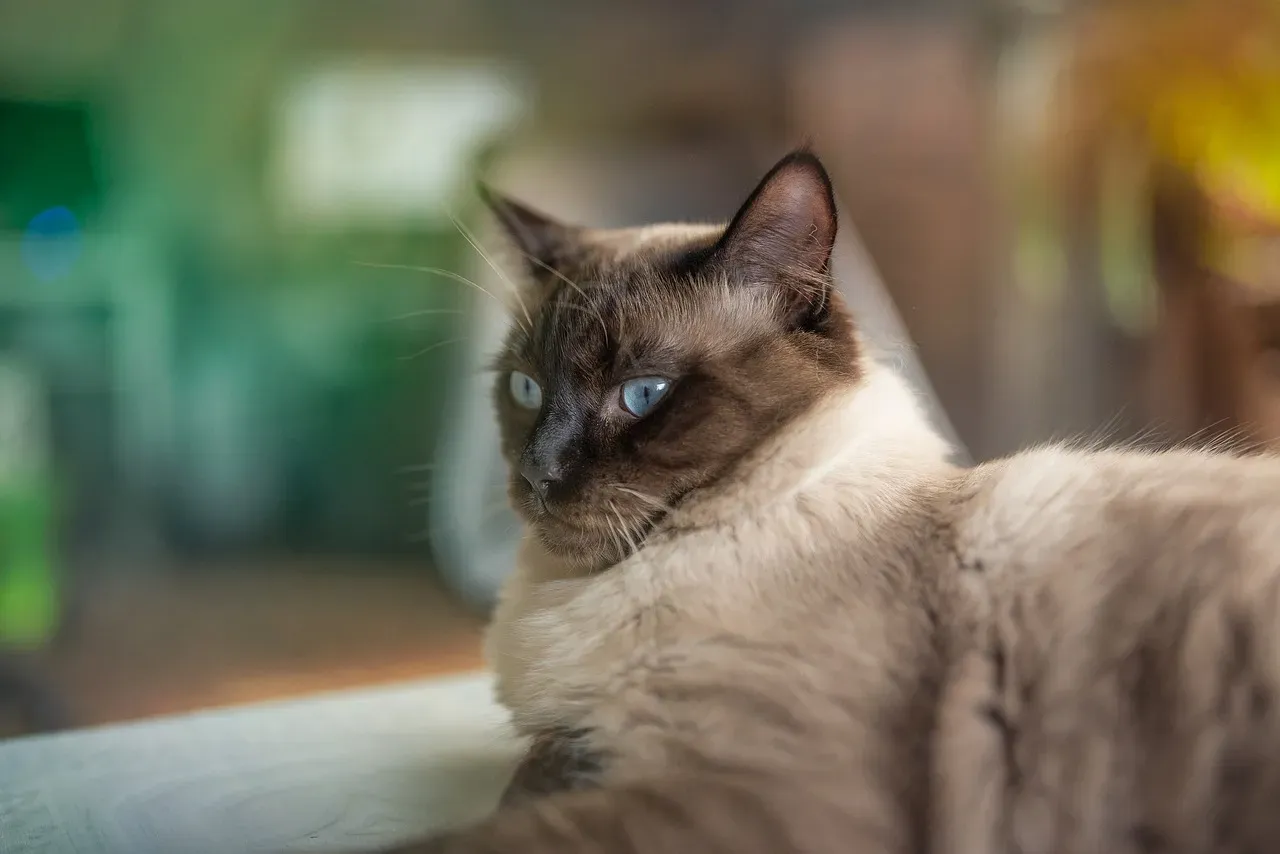
Interestingly, despite their reputation as greeters, Ragdolls also have an independent side. Ragdolls seek to be alone in the household, don’t get along well with dogs as they prefer to be the only pet, and while they enjoy being petted or cuddled, they want to be left alone and are a very laid-back breed that prefers to be lethargic and slumber most of the time.
This shows how individual personality matters. Some Ragdolls are enthusiastic greeters, while others prefer observing from their favorite napping spot. It really depends on the specific cat.
Birman: The Quietly Independent
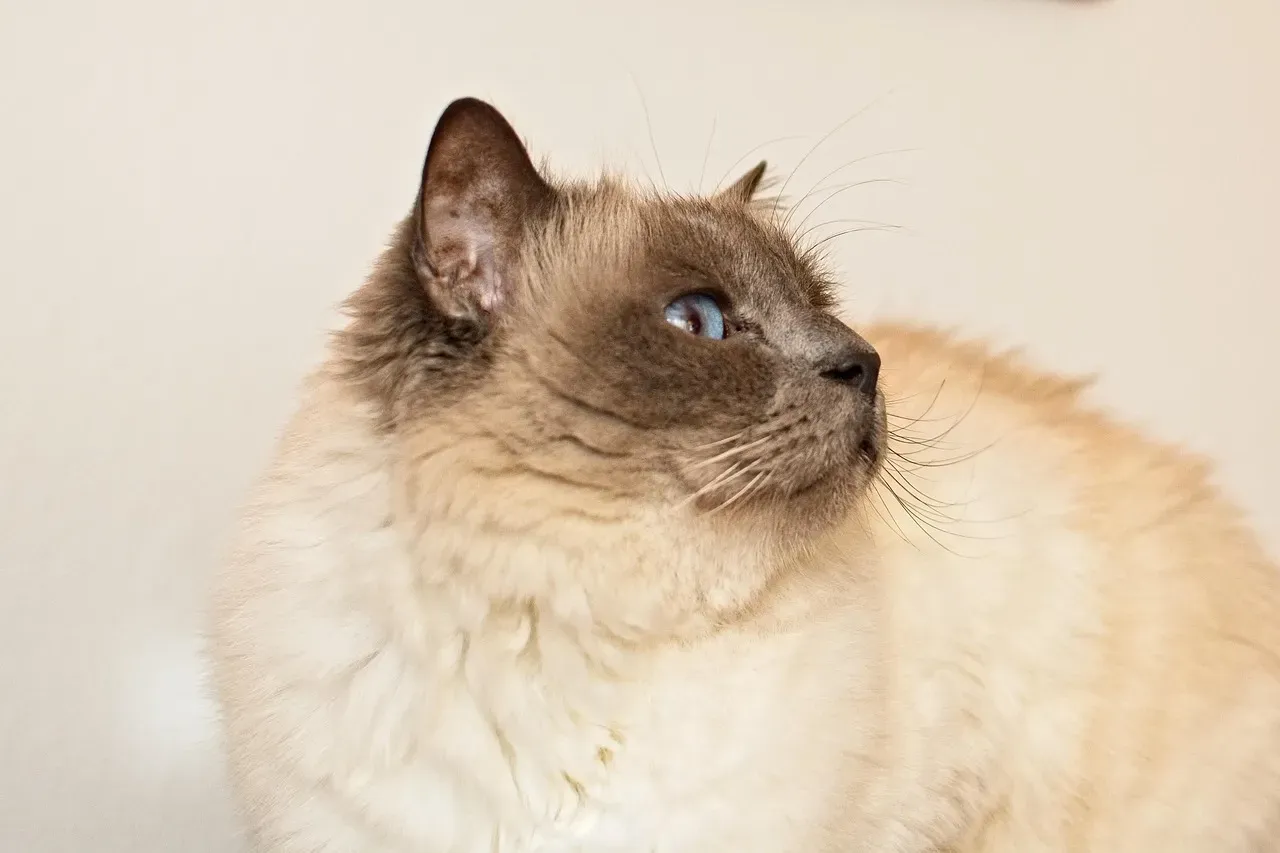
Birmans are a particularly sweet and quiet cat breed capable of getting along well with almost anyone, and these cats distinguished by their gloriously silky coat are independently-minded as well as being very low-maintenance. Birmans are beautiful cats with mild temperaments, having go-with-the-flow personalities and not being known to be demanding.
While friendly, Birmans won’t necessarily rush to greet you. They’re more likely to be found in their favorite sunny spot, acknowledging your return with a peaceful presence rather than active engagement.
Somali: The Self-Sufficient Acrobat
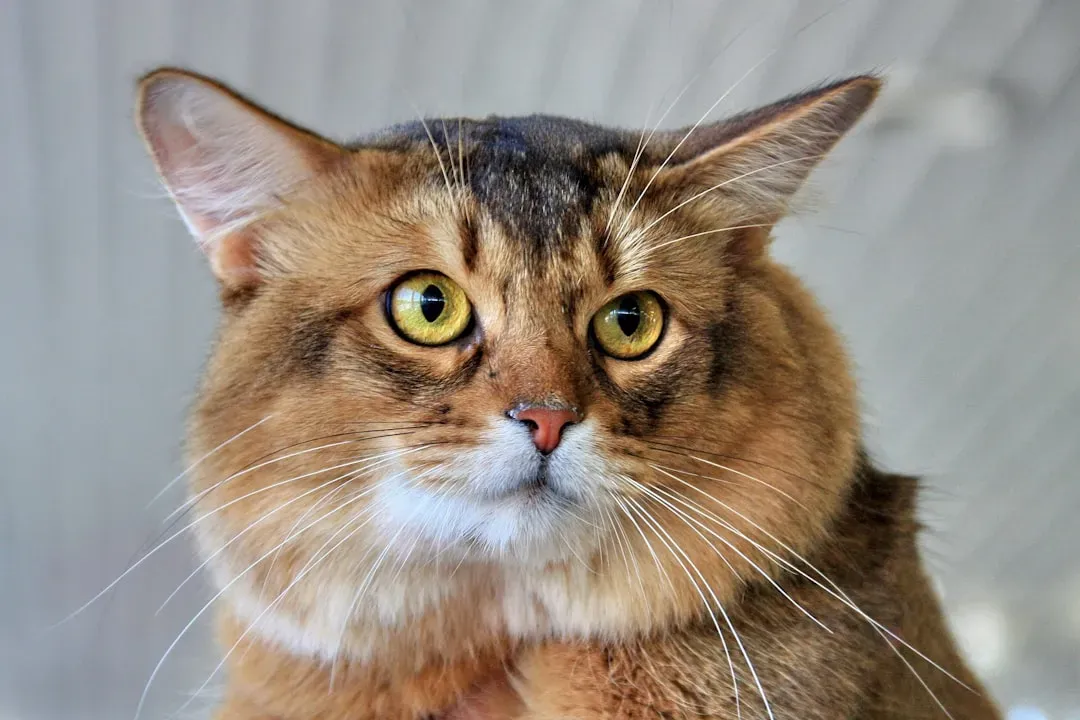
Somalis are very energetic and playful cats, not the best for novice cat owners because they require a lot of exercise and stimulation, but they can be independent as long as your home is designed in a way that they can thrive, needing a lot of vertical spaces and plenty of toys to keep them entertained. These active cats are too busy exploring and playing to wait by the door.
When you arrive home, your Somali is probably scaling furniture or investigating something high up. They’ll acknowledge you when they’re ready, usually after finishing whatever fascinating activity they’re engaged in. Their independence is part of their charm.
Manx: The Balanced Buddy

The Manx is laid back and devoted to their humans, getting along well with children and other pets, and while they are very social, affectionate, and loyal, they still have a strong independent streak and don’t mind being left alone. These tailless wonders are paradoxes – loving yet independent, social yet self-sufficient.
Your Manx might greet you enthusiastically one day and barely acknowledge you the next. They’re playful and dog-like in some ways, but they also value their alone time. You’ll get affection on their terms, which honestly makes it more special.
Conclusion
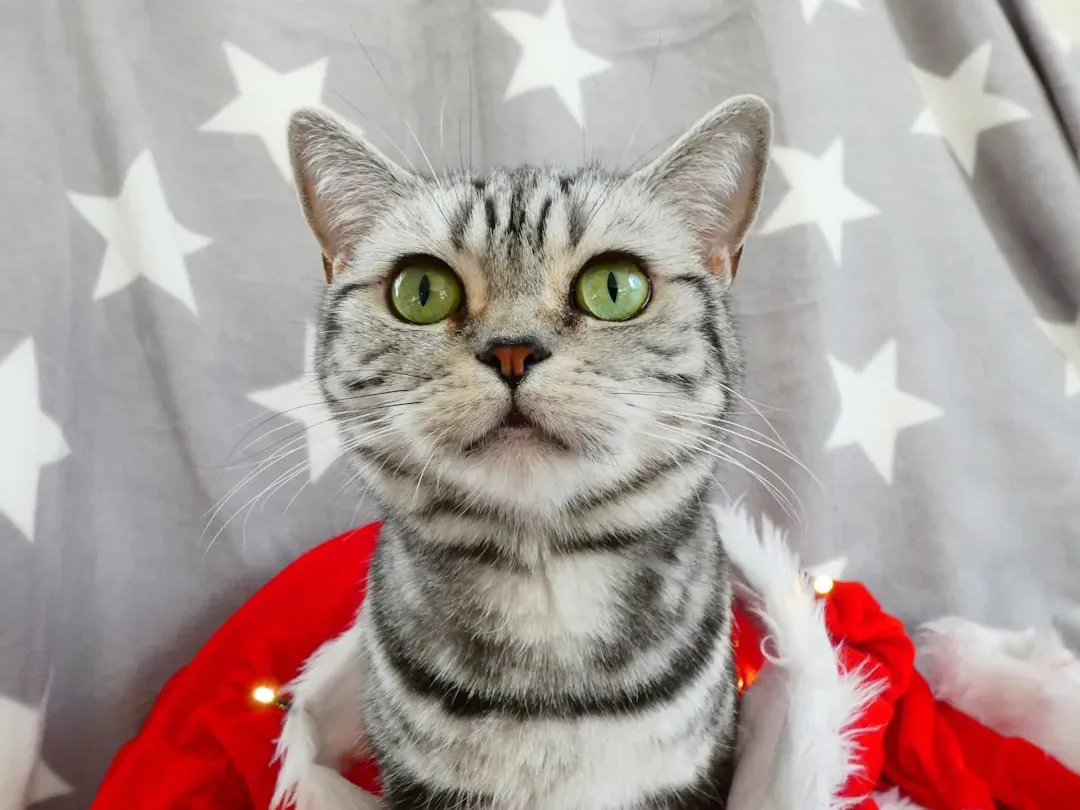
Whether your cat rushes to the door or gives you a royal wave from their throne, both greeting styles are valid expressions of feline love. The door-greeting breeds bring immediate joy and connection, making you feel genuinely missed. Meanwhile, the distant acknowledgers offer a different kind of relationship – one built on mutual respect and independence.
The best part? You can’t really change your cat’s greeting style, so you might as well embrace it. Maybe your Persian’s dignified nod from across the room is their way of saying they’re glad you’re home without all the fuss. Or perhaps your Ragdoll’s enthusiastic greeting shows just how much they rely on your companionship.
What kind of greeter is your cat? Tell us in the comments – we’d love to hear whether you’re getting tackled at the door or receiving elegant acknowledgments from afar.