You’ve probably scrolled past those adorable cat videos featuring fluffy Persians or wide-eyed Scottish Folds and thought about welcoming one into your home. Your heart melts at their unique looks, and honestly, who could blame you? Behind that irresistible cuteness, though, lies a reality that many veterinarians quietly worry about every single day.
These feline specialists have seen it all. They’ve comforted countless cats suffering from preventable conditions, conditions hardwired into their DNA through decades of selective breeding. While your vet might not say it outright during a routine checkup, many hold strong opinions about certain breeds that consistently show up in their exam rooms with the same heartbreaking problems. Here’s the truth about which cats make veterinarians wish prospective owners would reconsider their choices.
Persian Cats: The High-Maintenance Beauties With Hidden Struggles
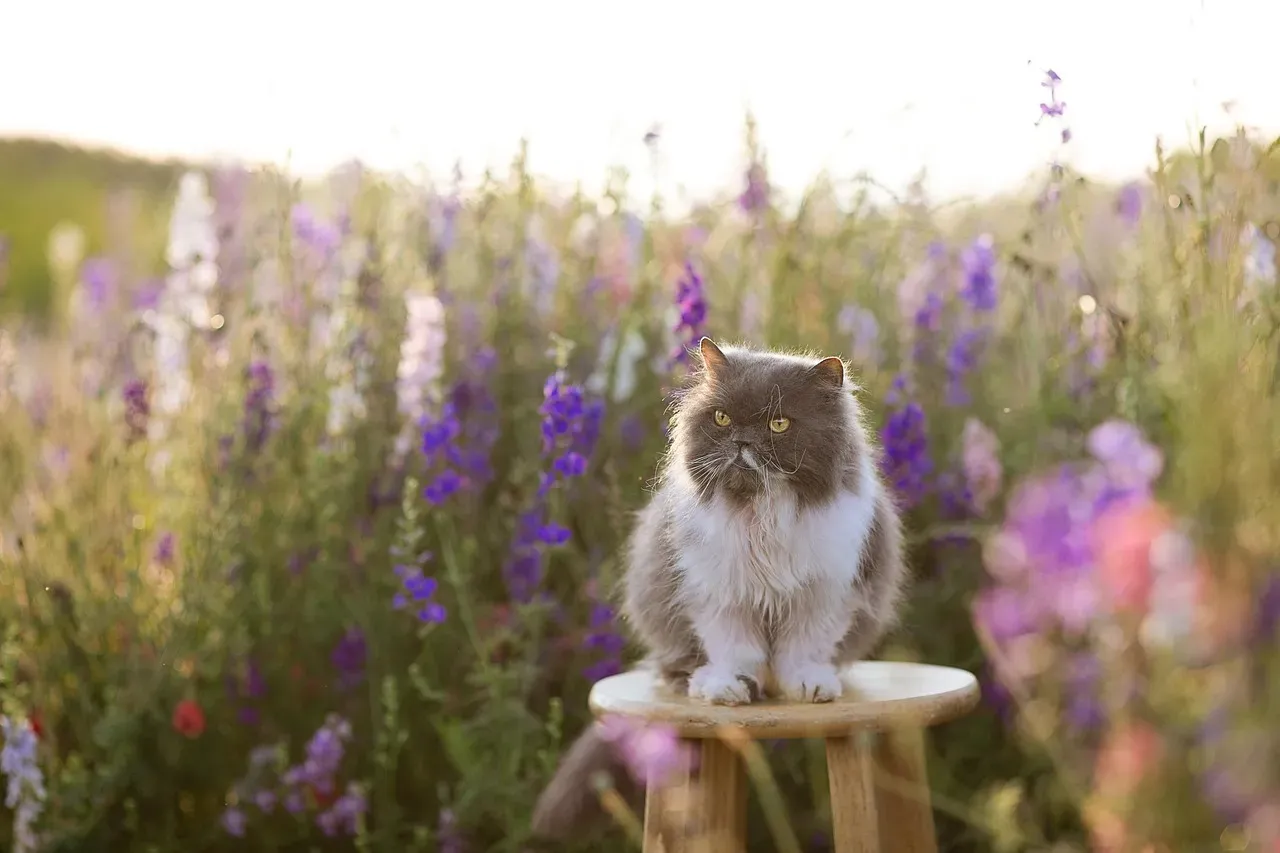
Nearly two thirds of Persian cats suffer from at least one health condition, making them a constant source of concern for veterinary professionals. Those gorgeous, flat faces that make Persians so distinctive? They’re actually a breeding disaster. The extreme brachycephalic structure creates a cascade of problems that affect virtually every aspect of their daily lives.
The Persian flat face places them in the brachycephalic category, which means their breathing is obstructed and can turn simple activities like eating or grooming into exhausting ordeals. Many Persians struggle with tear drainage issues, leaving their faces perpetually damp and prone to infections. Persians are “high-maintenance cats” with thick, long coats and flat facial features that require some extra special care, including weekly baths to prevent painful matting that they cannot manage themselves.
The list doesn’t stop there. Around 40% of Persian cats suffer from polycystic kidney disease, an inherited condition that can lead to kidney failure. Their dental health suffers too, with overcrowded teeth creating havens for disease. Let’s be real – owning a Persian means committing to daily grooming, frequent vet visits, and potentially thousands in medical bills. It’s hard to say for sure, but most vets would probably steer you toward a mixed breed instead.
Scottish Fold: When Cute Ears Come at a Painful Price
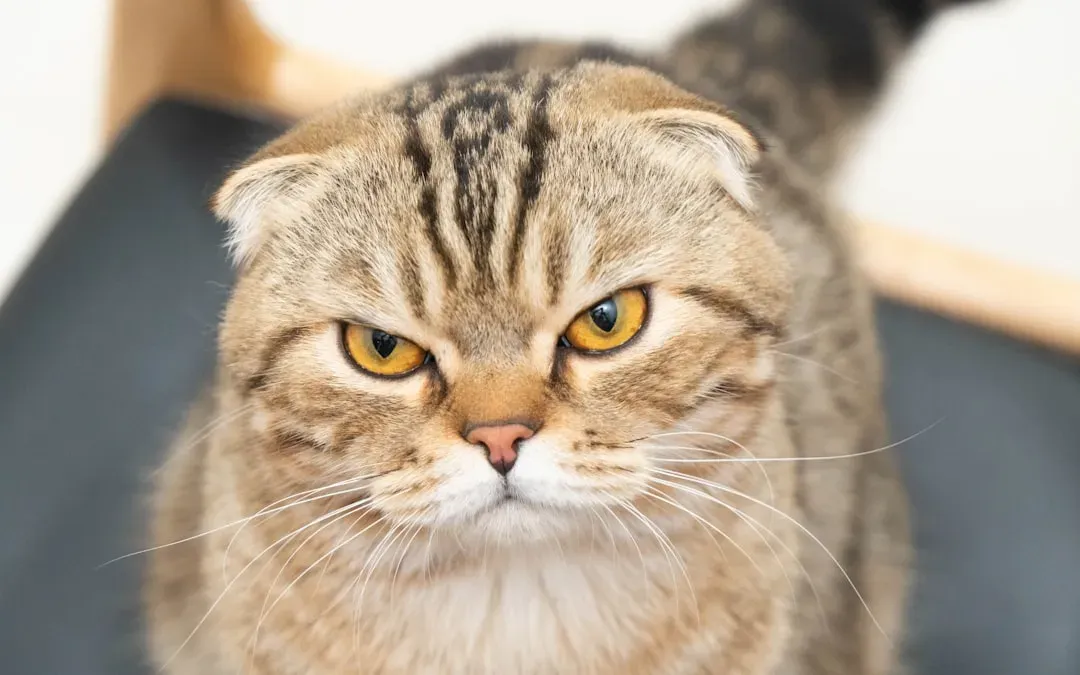
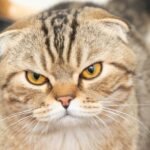
Those folded ears might be the most adorable thing you’ve ever seen, yet they represent one of the most controversial breeding practices in the feline world. A genetic mutation causes a disease called osteochondrodysplasia in these cats, making their ears fold, and this condition affects all cats of the Scottish Fold breed and causes abnormal bone growth, skeletal deformities, and arthritis.
Here’s the thing: The gene that results in the Scottish fold’s distinctive folded ears also causes degenerative joint disease, which results in painful, crippling arthritis, and all Scottish fold cats are affected by this. Imagine living your entire life with chronic pain in your joints, unable to communicate your discomfort clearly. Most Scottish Folds live in chronic pain, all because their looks have been given priority over their health, according to veterinary specialists who work extensively with this breed.
Serious abnormalities in joints and bone growth lead to arthritis, short, abnormally thick, and inflexible tails, spinal abnormalities and short, stiff legs, and the welfare impacts can be severe in terms of pain and inability to perform natural behaviours. Several countries have actually banned breeding these cats. That should tell you something important about the ethical questions surrounding them.
Munchkin Cats: Short Legs, Long List of Problems
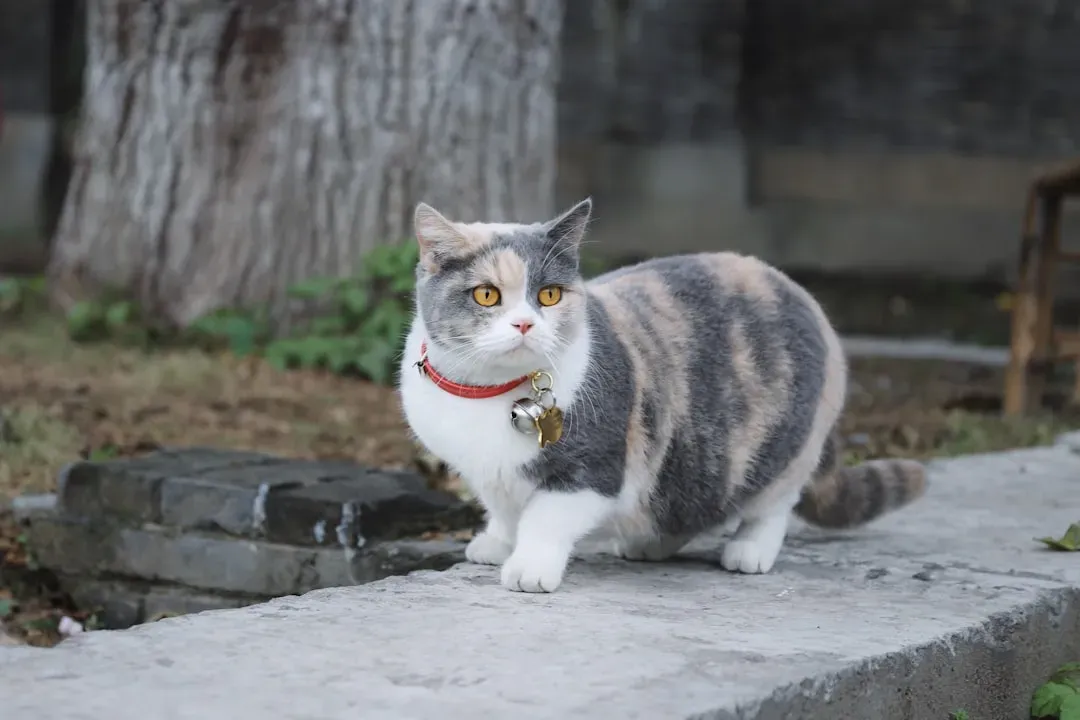
They look like the feline equivalent of a Corgi, and that’s precisely the problem. The Munchkin cat’s short legs are the subject of controversy, as the mutation that leads to their shortened limbs causes a defect in cartilage formation, making this breed predisposed to osteoarthritis and mobility issues.
The genetic mutation responsible for those stubby little legs doesn’t just affect appearance. Munchkins are prone to lordosis, an inward curvature of the spine in the lower back, and while some cats don’t seem to be affected, it can cause spinal pain, leaning to one side, and lead to reduced movement. Some Munchkins literally cannot groom themselves properly due to limited spinal flexibility, leading to skin and coat issues on top of everything else.
What makes this particularly troubling is the breeding aspect. The Munchkin cat’s distinctively short legs are the result of a genetic mutation classified as dominant lethal, meaning that kittens inheriting two copies of the gene will not survive gestation. Only The International Cat Association recognizes them as a legitimate breed. Most veterinary organizations refuse, citing welfare concerns that outweigh any aesthetic appeal.
Exotic Shorthair: All the Persian Problems, Less Fur
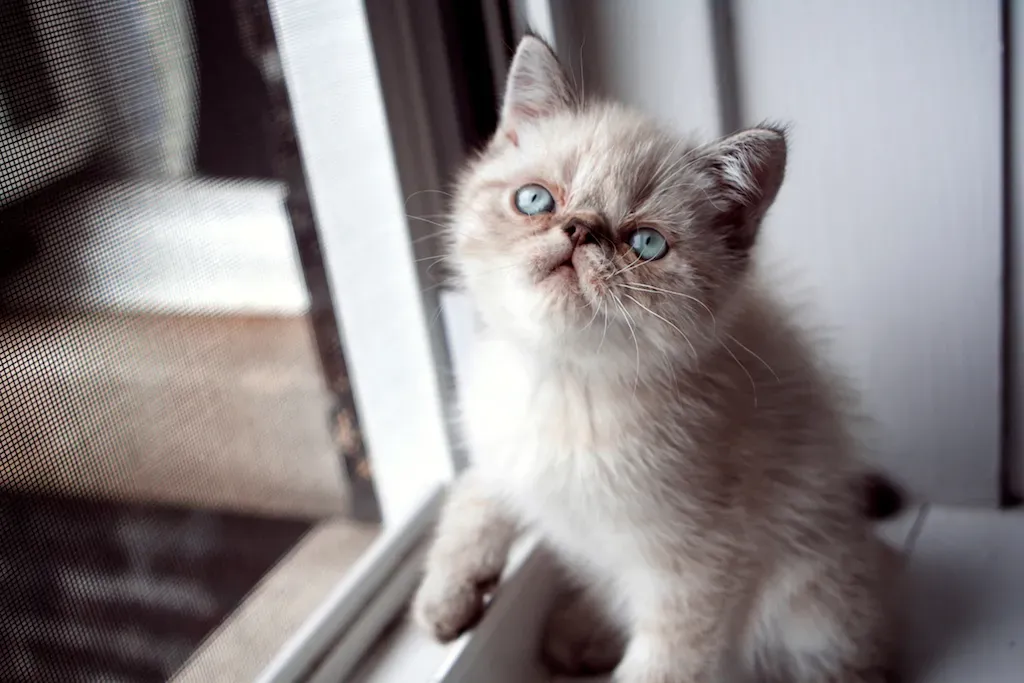
Think of these as Persians in disguise. Exotic shorthairs are a cross between Persians and American shorthairs, they suffer from many of the same health problems as Persians, and exotic shorthairs are the most-registered purebred cat in America, so their suffering is widespread.
Their brachycephalic faces create identical breathing difficulties, eye discharge problems, and dental issues that Persians face. The shorter coat might seem like a bonus, requiring less grooming maintenance, but it doesn’t eliminate the fundamental structural problems bred into their skulls. These round-headed, snub-nosed, chubby-cheeked felines look a lot like their long-haired cousins, and they face many of the same issues as brachycephalics, including a predisposition for PKD, PRA, heart issues, and breathing problems.
Veterinarians see Exotic Shorthairs struggling with the same quality-of-life issues that plague Persians. The breed’s popularity makes this even more frustrating for animal health professionals who understand the suffering behind those squishy faces.
Himalayan Cats: Double the Genes, Double the Troubles
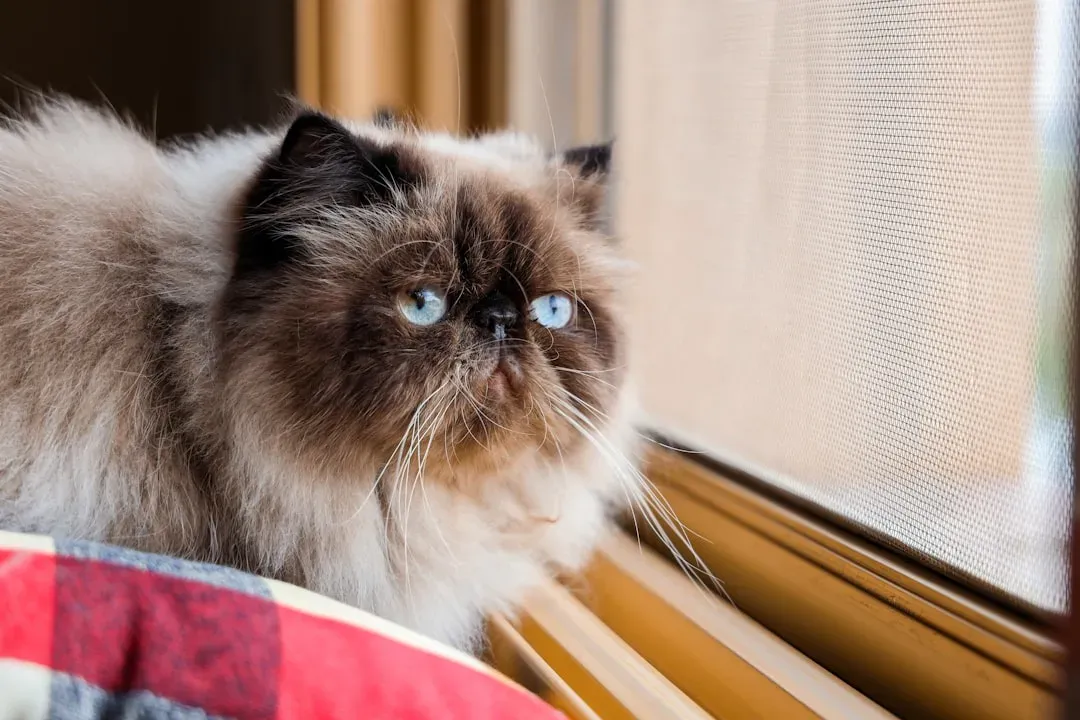
Himalayans are a cross between Persian and Siamese cats, inheriting traits from both, which unfortunately means they’ve inherited health problems from both sides of their family tree. These cats require constant vigilance and care that many owners simply aren’t prepared to provide.
Their luxurious coats require consistent grooming to stay beautiful and healthy, and their flat faces can also lead to breathing issues, similar to the Persian; like many of the flat-faced cats, Himalayans often have breathing problems due to deformed nasal passages, and the breed is also at risk for polycystic kidney disease. Daily brushing isn’t optional – it’s mandatory if you want to prevent painful mats that can pull at their skin.
These cats face the challenge of being unable to clean themselves effectively due to their facial structure, combined with a coat that tangles easily. The combination creates a perfect storm of maintenance requirements that overwhelms many well-meaning owners. Vets often find themselves treating Himalayans for preventable issues stemming from inadequate home care.
Siamese Cats: Vocal, Demanding, and Health-Prone
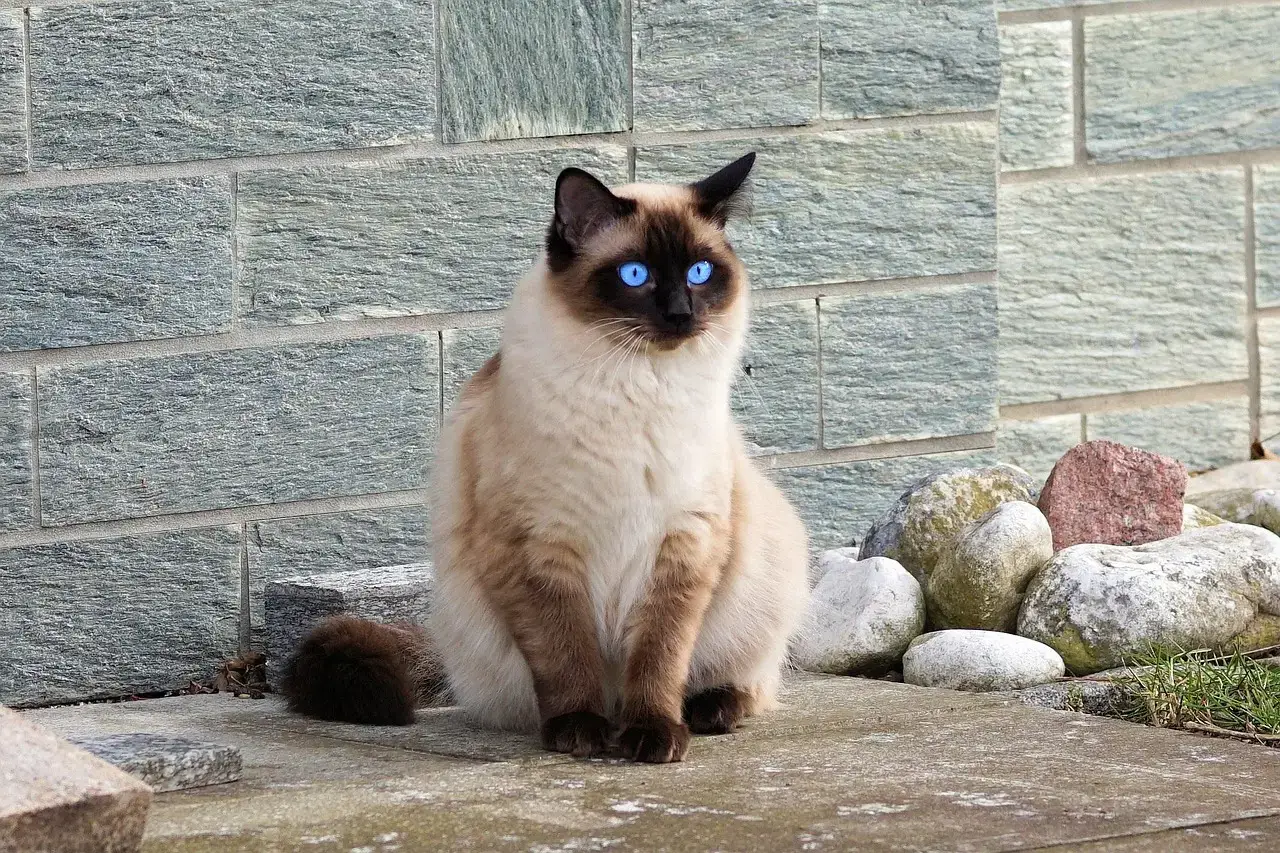
Siamese cats have earned a reputation for being incredibly vocal and emotionally needy, but their challenges extend well beyond personality quirks. The Siamese cat is a beautiful creature originally from Thailand, and they have adventurous and high-maintenance personalities and are often known to be extremely vocal.
These cats form strong bonds and hate being alone; without companionship, they can become stressed and unhappy. That emotional sensitivity often manifests in behavioral problems that veterinarians must address alongside physical ailments. While Siamese cats do not have many physical health problems, they are prone to neurological issues including a type of obsessive compulsive disorder.
They’re also susceptible to progressive retinal atrophy, various respiratory issues, and heart problems. Honestly, the combination of high emotional needs and medical predispositions makes them challenging for first-time cat owners who aren’t prepared for such an intense relationship.
Bengal Cats: Wild Ancestry, Domestic Problems
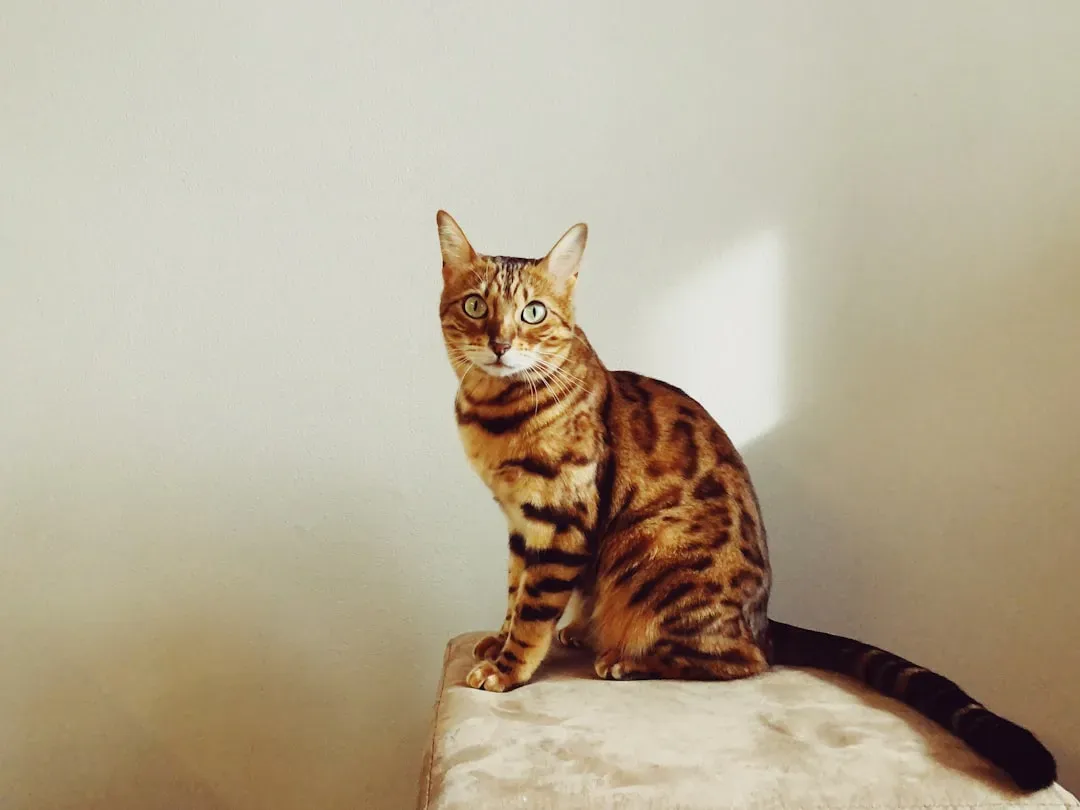
Their striking, leopard-like appearance comes from breeding domestic cats with wild Asian leopard cats, but that exotic heritage carries baggage. Bengals are known for being clever, playful, high-energy, and their wildcat-like appearance, but these vocal cats frequently have hereditary health issues, such as cataracts and progressive retinal atrophy, and are also prone to hypertrophic cardiomyopathy.
Bengal cats are prone to heart disease, bladder stones, and kidney disease, yet breeders keep producing and exploiting them for profit. Their energy levels require constant stimulation and interaction, far beyond what typical domestic cats demand. Many Bengals become destructive when bored or understimulated, leading frustrated owners to surrender them to shelters.
Some have predispositions towards pyruvate kinase deficiency, progressive retinal atrophy, and hypertrophic cardiomyopathy, so if you’re set on a Bengal, approach this breed with caution and do your research. Veterinarians wish potential owners understood that these aren’t just oversized housecats with fancy coats – they’re animals with complex needs and serious health vulnerabilities.
Sphynx Cats: Hairless Doesn’t Mean Carefree
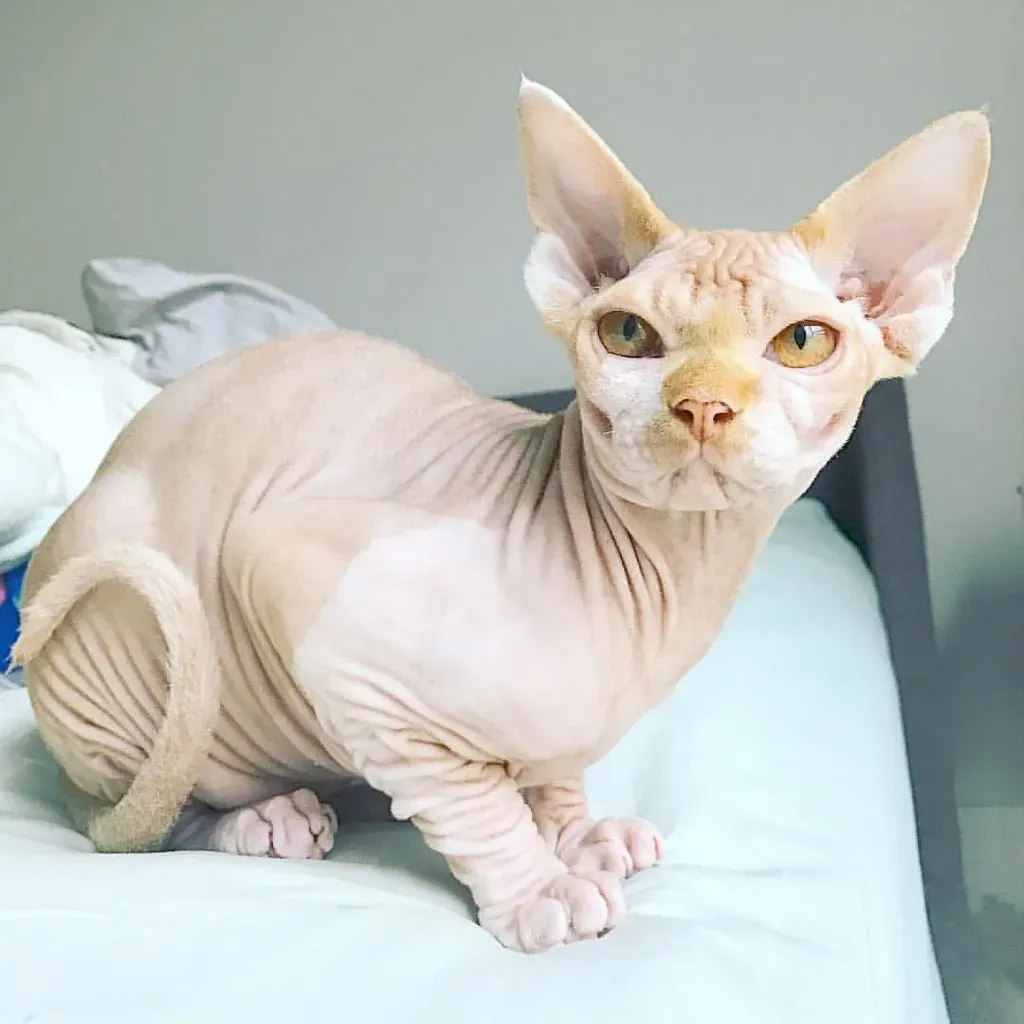
The naked truth about Sphynx cats? They’re anything but low maintenance. Sphynx cats, bred to be hairless, often suffer from chronic ear and skin problems and the inability to stay warm because the fur that they lack was intended to protect their ears and skin and to help regulate body temperature.
Without fur to absorb natural oils, these cats require regular bathing to prevent skin infections and buildup. Unlike their furry counterparts, Sphynx cats lack a coat to absorb oils, requiring frequent bathing to maintain healthy skin. They’re also vulnerable to temperature extremes, sunburn, and injuries that fur would normally protect against.
Their ears collect wax and debris at alarming rates, requiring weekly cleaning to prevent infections. The breed’s unique appearance comes with a lifetime commitment to hands-on care that rivals caring for a human infant. Vets frequently see Sphynx cats with preventable skin conditions simply because owners didn’t realize how much work these cats actually require.
Maine Coon: Gentle Giants With Giant Health Issues
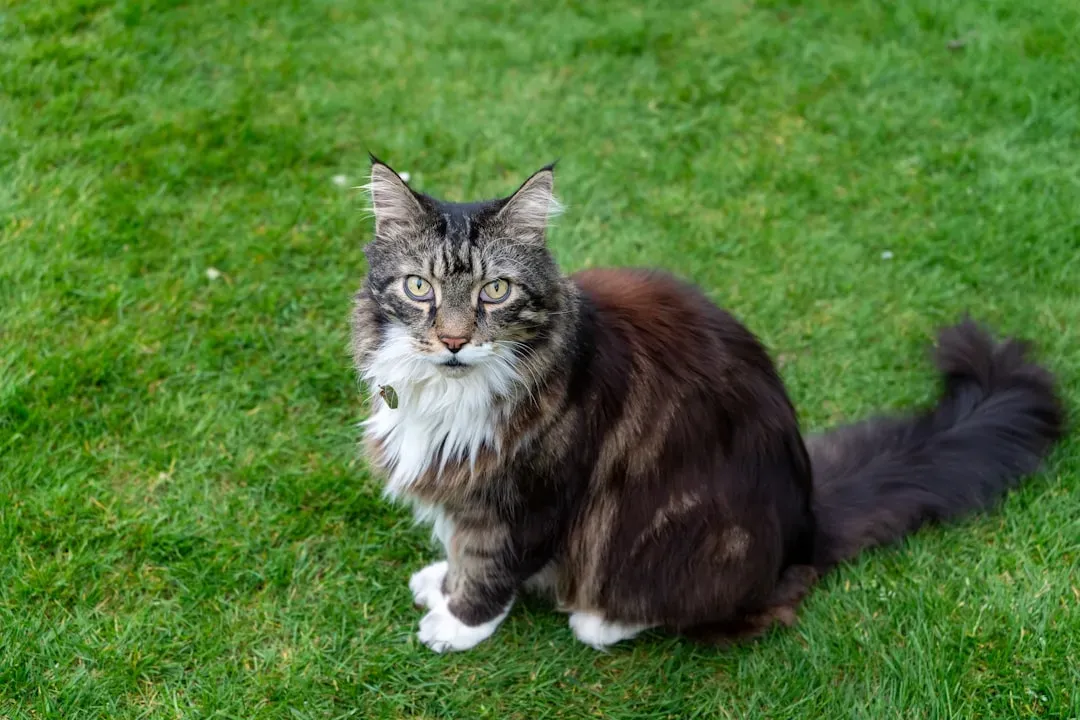
These massive, friendly cats have captured many hearts, but their size comes with serious medical concerns. Maine coons have a high prevalence of hypertrophic cardiomyopathy as well as hip dysplasia, and patellar luxation, pyruvate kinase deficiency as well as spinal muscular atrophy have also been identified in the breed.
Their enormous size puts strain on joints and organs that smaller cats simply don’t experience. Heart disease in Maine Coons can develop relatively young, and genetic screening is essential but not always performed by breeders. Health problems sometimes seen in Norwegian forest cats include hypertrophic cardiomyopathy, hip dysplasia, and glycogen storage disease type IV, conditions that also plague their similarly large cousins.
The veterinary costs associated with treating a twenty-pound cat with cardiac disease can be astronomical. Medications are dosed by weight, surgeries are more complex, and complications arise more frequently. Let’s not forget that their thick coats also require regular grooming to prevent mats. What seems like a cuddly teddy bear of a cat often becomes an expensive, high-maintenance commitment.
Savannah Cats: Too Wild for Most Homes
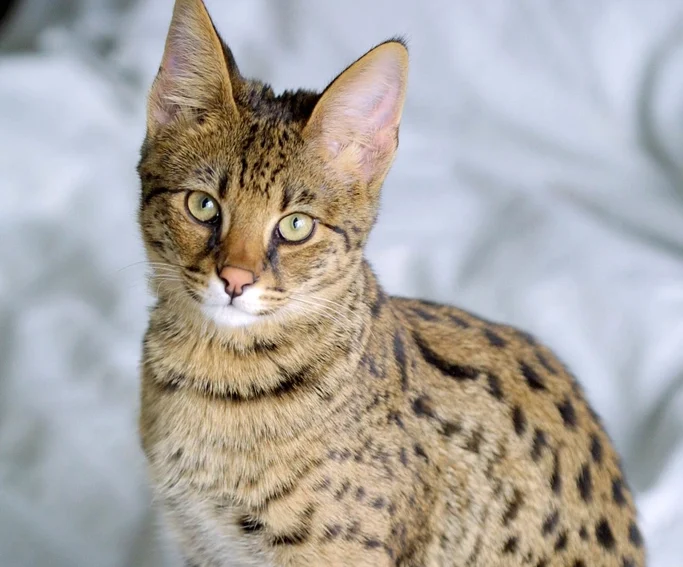
Savannah cats are hybrid cat breeds; they are a cross between a domestic cat and a serval, a long-eared wild African cat, and breeders started breeding this crossbreed in the late 1990s. That wild heritage creates cats that many owners simply cannot handle.
Savannahs are a blend of wild and domestic, with a striking, exotic appearance; they’re adventurous and need space to roam, and without it, they might become restless and bored; these cats are not for the faint-hearted and are active and require a lot of engagement. Their energy levels and behavioral needs exceed what most households can reasonably provide.
Some states and municipalities have banned ownership of early-generation Savannahs due to concerns about their wild behavior and potential danger. Veterinarians treating these cats must deal with animals that may display aggressive tendencies, unpredictable reactions to handling, and unique medical needs that differ from domestic cats. The exotic appeal fades quickly when owners realize they’ve essentially brought a wild animal into their home. I know it sounds crazy, but these really aren’t suitable pets for the average family.
The Bottom Line: Beauty Shouldn’t Equal Suffering
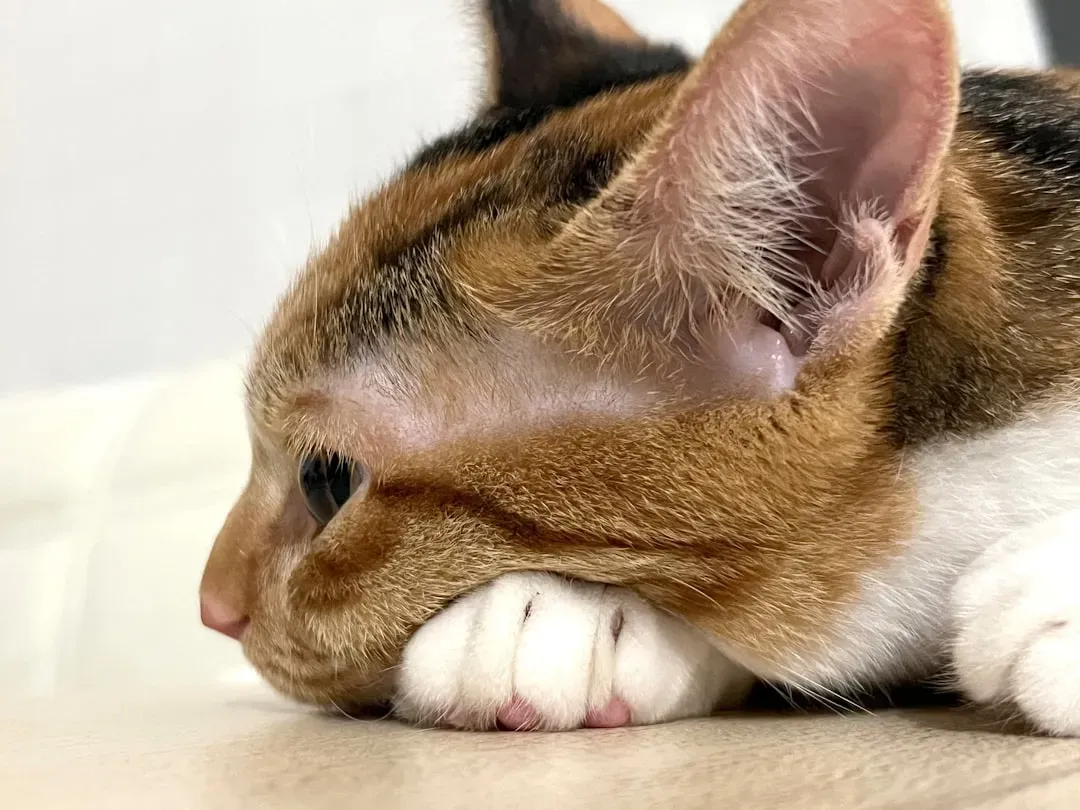
Here’s what veterinarians wish everyone understood: breeding cats for extreme physical characteristics inevitably leads to suffering. Purebred cats, unfortunately, face countless health issues as a result of being bred for specific traits from a limited gene pool, and the main problem is obvious – purebred cats are suffering from debilitating genetic conditions as a result of being treated like commodities to be produced.
Every time you choose aesthetics over health, you’re supporting an industry that prioritizes profit over animal welfare. Mixed-breed cats from shelters live longer, healthier lives on average and desperately need homes. Especially while shelters are overcrowded, consider adopting a cat rather than purchasing from breeders who perpetuate these genetic problems.
Veterinarians go into their profession because they love animals and want to help them. Watching preventable suffering caused by human vanity takes an emotional toll that most people never see. The next time you’re considering bringing a cat into your life, think beyond appearances. Choose a companion who has a real shot at a comfortable, healthy existence. What would your perfect cat be if health and happiness came first instead of looks?