Picture this. You walk into a shelter or breeder’s home and spot the most gorgeous cat you’ve ever seen. Those enormous eyes, that luxurious coat, or maybe those exotic leopard-like spots instantly capture your heart. You’re already imagining cozy nights together.
Here’s the thing, though. Veterinarians across the country see this scenario play out again and again, often followed by visits filled with preventable health issues, behavioral meltdowns, or frustrated owners asking why their cat isn’t like the others. Some breeds are absolutely stunning, sure. Yet they come packaged with challenges that many first-time owners simply aren’t prepared to handle. Let’s dive into the breeds that make vets quietly cringe when inexperienced owners bring them home.
Persian Cats Need Daily Maintenance You Probably Haven’t Planned For
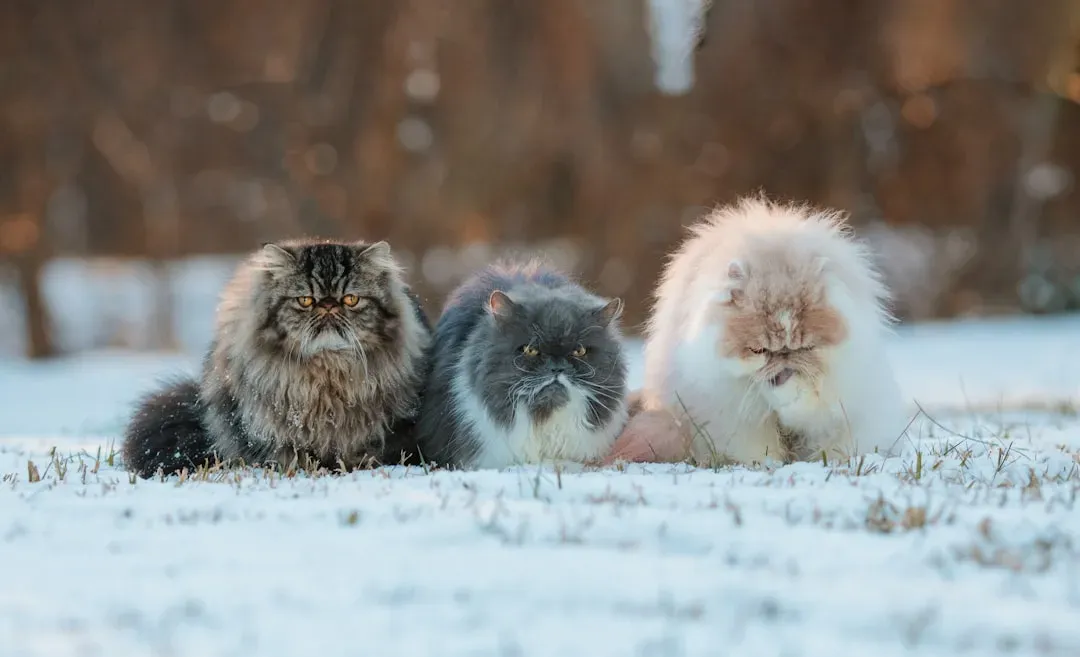
You’ve seen those impossibly fluffy Persian cats lounging like royalty in Instagram photos. What you don’t see is the daily grooming marathon happening behind the scenes. Persian cats require weekly baths and daily brushing that reaches their thick undercoat, otherwise you’re looking at painful mats that might need professional shaving.
Research shows that nearly two thirds of Persian cats suffer from at least one health condition, with veterinarians reporting that flat-faced breeds experience persistent breathing difficulties and eye irritation. Their flat faces cause respiratory issues due to small, narrow nasal passages that are highly sensitive to temperature. Think about wiping your cat’s eyes every single day, forever. Studies demonstrate that about two thirds of Persians suffer from at least one health condition, which translates to frequent vet bills you might not have budgeted for.
Siamese Cats Will Literally Never Let You Be Alone
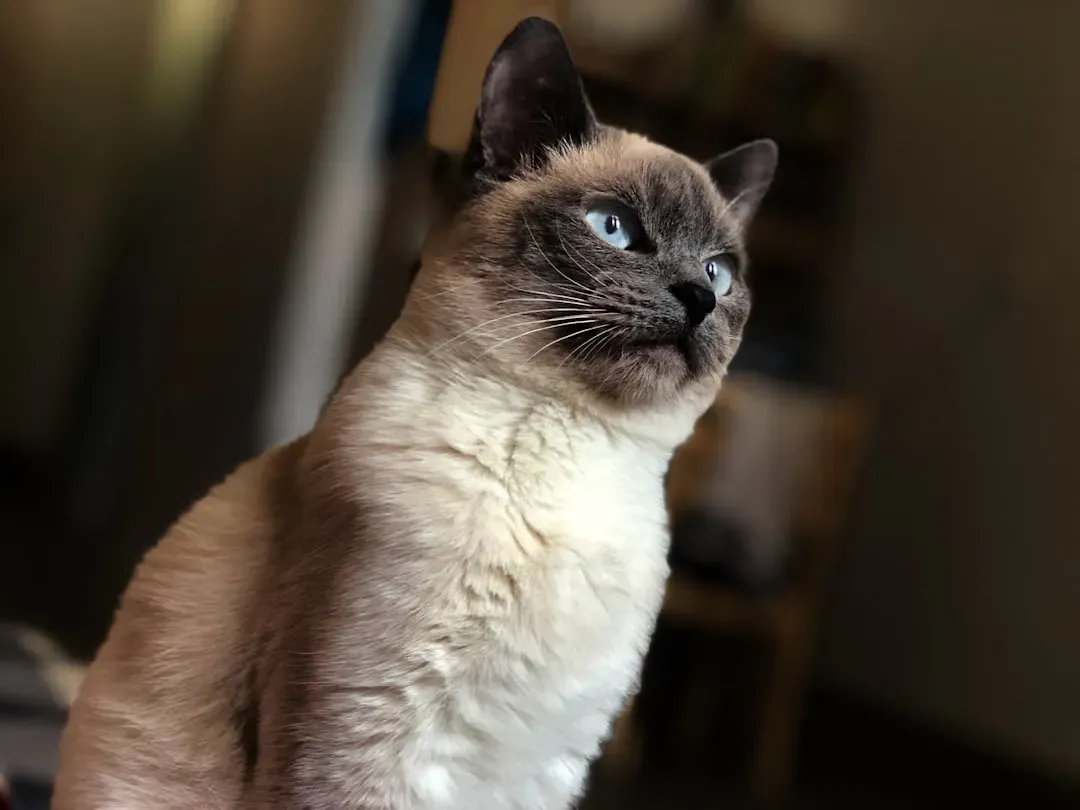
Siamese cats are extremely demanding of your time and quite needy. I’m talking about a cat that follows you into the bathroom, yells at you constantly, and might actually develop separation anxiety if you dare to have a life outside your home. These aren’t quiet meows either.
Their unmistakable yowl can be ear-splitting, and they use their voices very deliberately to communicate. They can become so strongly bonded to one person that separation behaviors like meowing loudly or inappropriate urination may become serious problems. If you work long hours or travel frequently, a Siamese might genuinely suffer in your care. They’re also at higher risk for certain cancers including lymphoma, which means regular vet monitoring becomes essential.
Bengal Cats Are Basically Wild Animals With House Cat Bodies
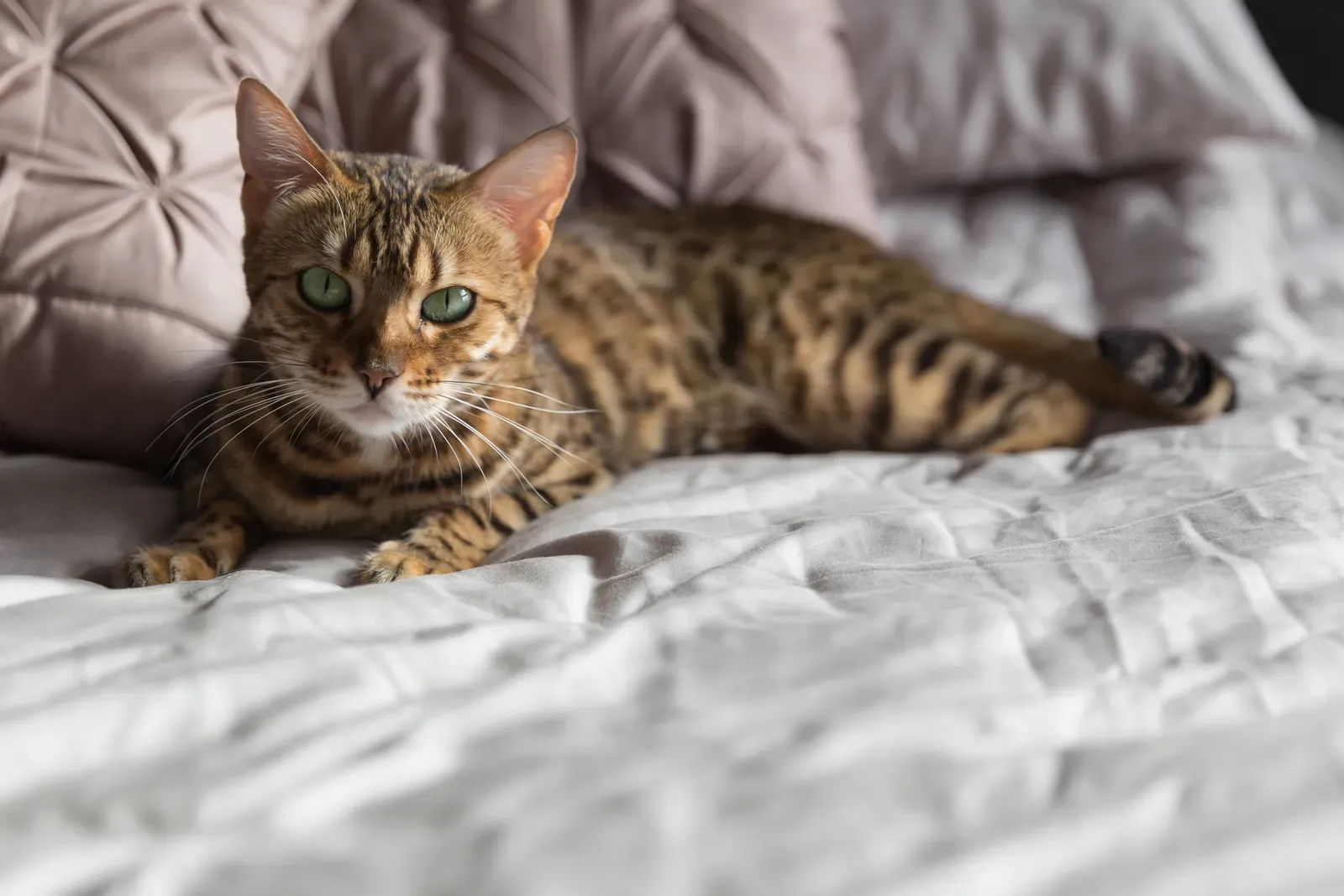
Let’s be real here. Bengal cats are hybrids created by crossing Asian leopard cats with domestic cats, and that wild ancestry doesn’t just disappear after a few generations. These cats need extensive activity requirements including large spaces, multiple climbing structures, and constant mental stimulation, or they become destructive with behavioral problems.
Bengals are demanding and high maintenance, often bonding strongly with families while demanding significant time and attention, behaving more like dogs than cats. They’ll yell for your attention, get into absolutely everything, and genuinely dislike being ignored. Some states require Bengals to be at least four or five generations removed from their wild ancestors, while Connecticut, Indiana, and Hawaii have completely outlawed them. There’s a reason for those laws.
Scottish Folds Look Adorable But Live With Chronic Pain
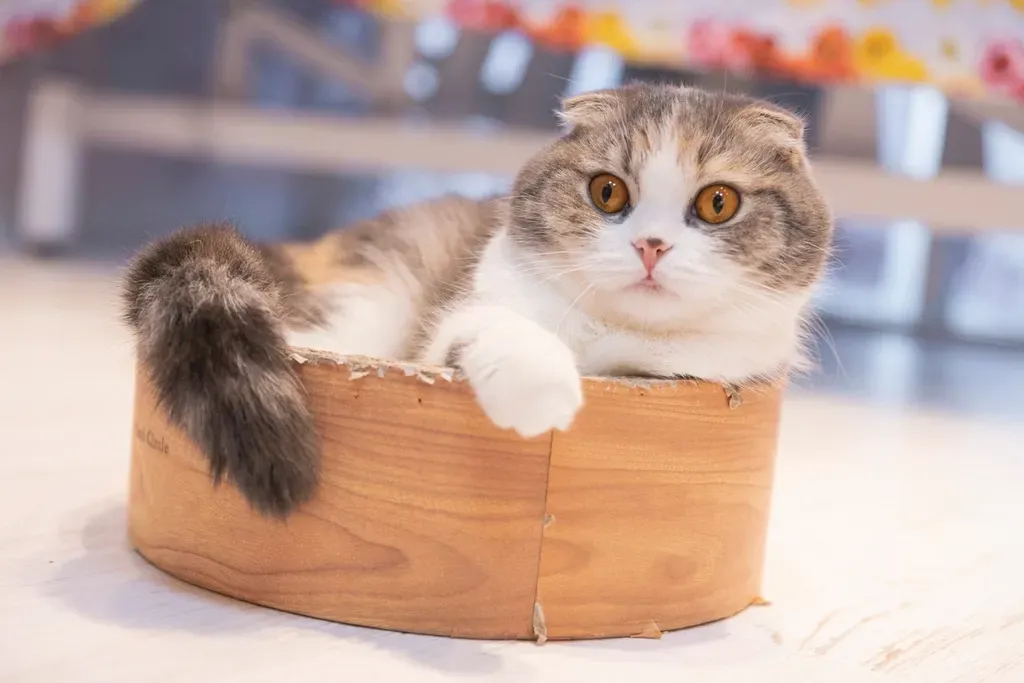
Those folded ears that make Scottish Folds look perpetually surprised? The cartilage defect producing the folded ear appearance causes cats to suffer from cartilage deformity throughout their entire body, resulting in joint and mobility problems, arthritis, and chronic pain. Think about that for a second. The very feature people breed them for guarantees they’ll experience pain.
Scottish Folds are prone to numerous health issues, and the genetic defect causing ear folding affects their entire skeletal system. They also tend to bond with a single family member at the expense of everyone else, favoring whoever brings food and showing little interest in others. Honestly, it feels ethically questionable to support breeding practices that intentionally create suffering.
Sphynx Cats Require Weekly Baths And Constant Temperature Control
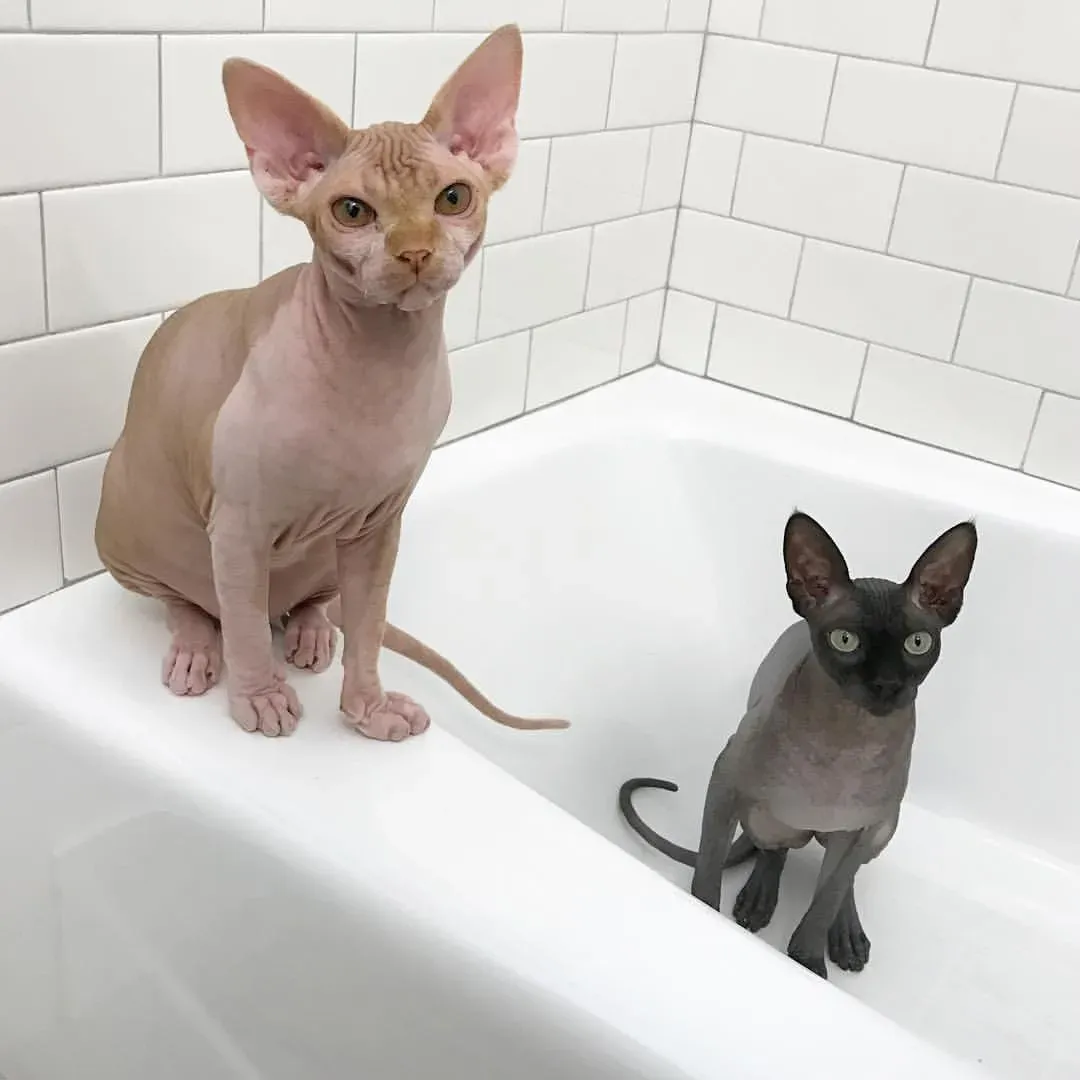
You might assume a hairless cat means less maintenance. Wrong. Sphynx cats require weekly or bi-weekly baths because their skin’s natural oils build up and collect dirt. Regular bathing isn’t optional unless you want a greasy, smelly cat.
They need sweaters and heaters in cold weather and are prone to sunburn if allowed outside. Their near-hairless body necessitates regular baths to prevent skin oil buildup and infections, plus they’re sensitive to temperature extremes requiring protection from cold drafts and summer sun. You’re essentially committing to being a full-time climate control system for a cat that might get injured more easily due to lacking protective fur.
Maine Coons Grow Enormous And Come With Size-Related Health Problems
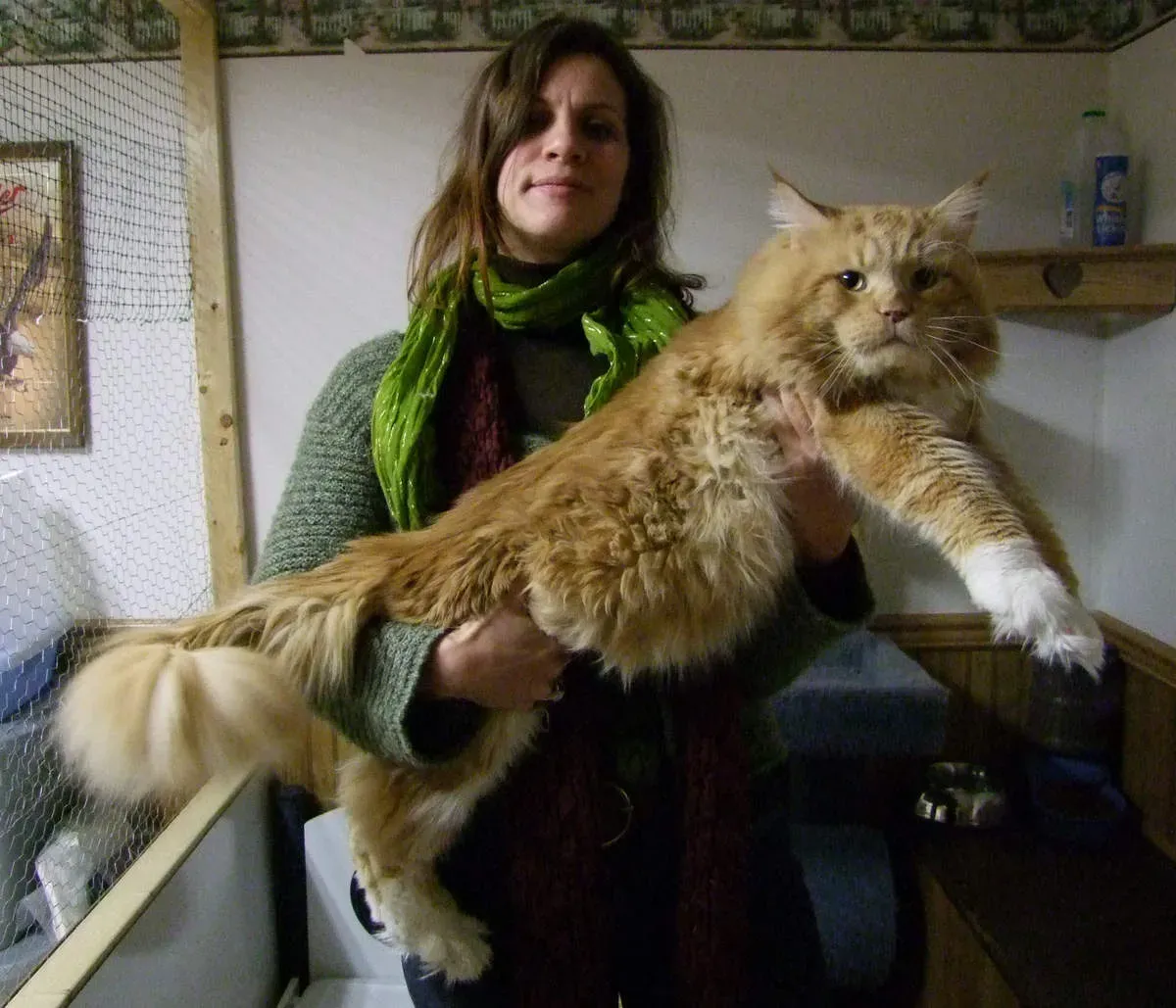
Maine Coons can easily reach fifteen to twenty pounds, leading to problems with hip and elbow dysplasia along with heart problems. Their impressive size isn’t just cute, it’s a medical liability waiting to happen.
Hip dysplasia is common and may lead to lameness, while they’re also prone to hypertrophic cardiomyopathy, a type of heart disease. Norwegian Forest Cats, similar large breeds, have long dense coats requiring weekly or every-other-day brushing to prevent painful mats and tangles. These gentle giants need larger everything, from litter boxes to cat carriers, plus their grooming requirements rival those of much smaller long-haired breeds.
Munchkin Cats Have Mobility Issues Built Into Their DNA
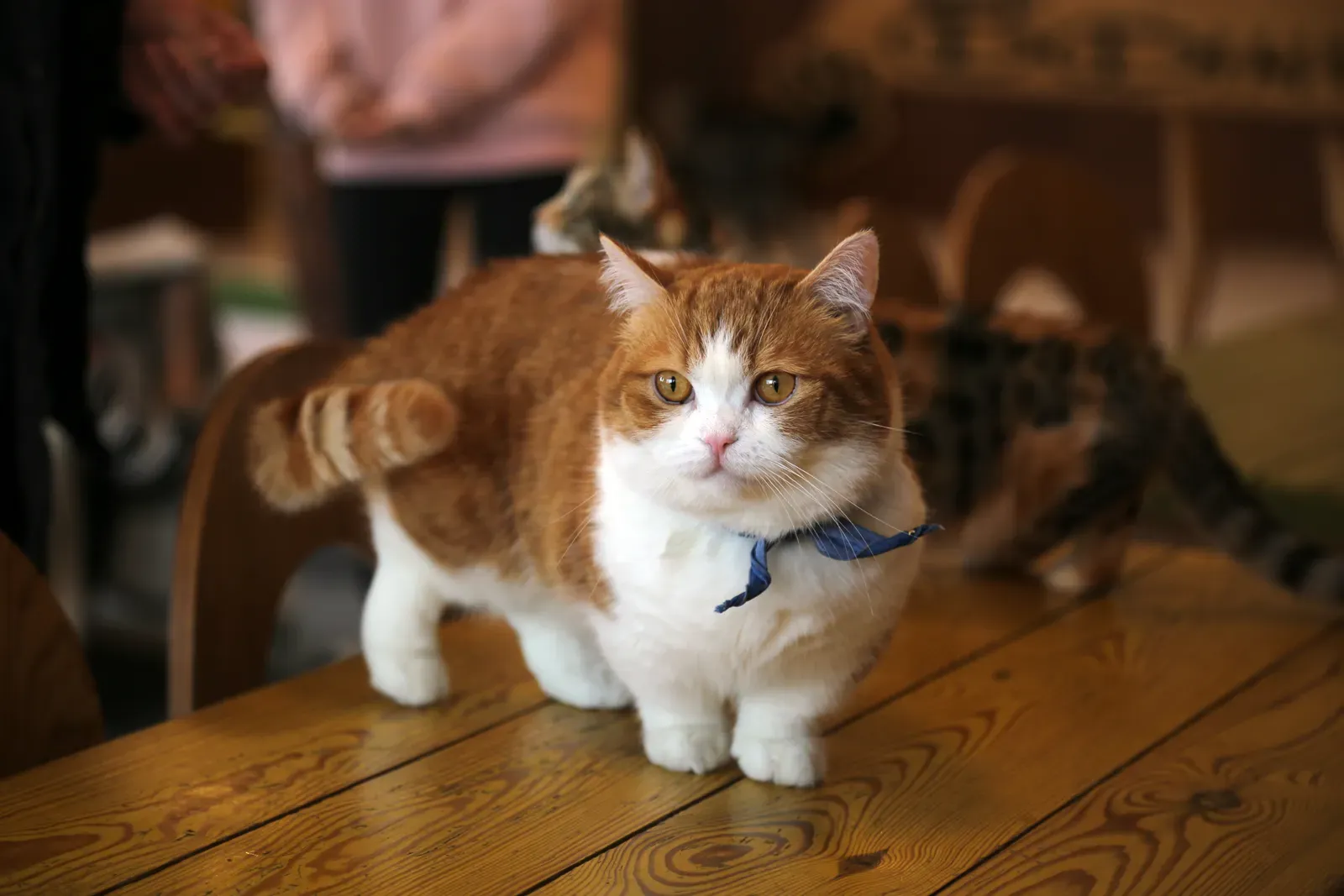
Munchkins are known for short legs that prevent them from jumping as well as other cats, requiring owners to lift them to avoid injury, with obesity presenting very real physical challenges. Breeding cats specifically for dwarfism creates functional problems these animals must live with daily.
Munchkins aren’t technically a breed but cats of any breed with a genetic mutation causing super-short legs, and those legs unfortunately come with health issues particularly related to their bones. They can’t perform normal cat behaviors like leaping onto counters or furniture without your assistance. Some people find this endearing. Vets find it concerning.
Manx Cats Often Suffer From Serious Spinal Defects
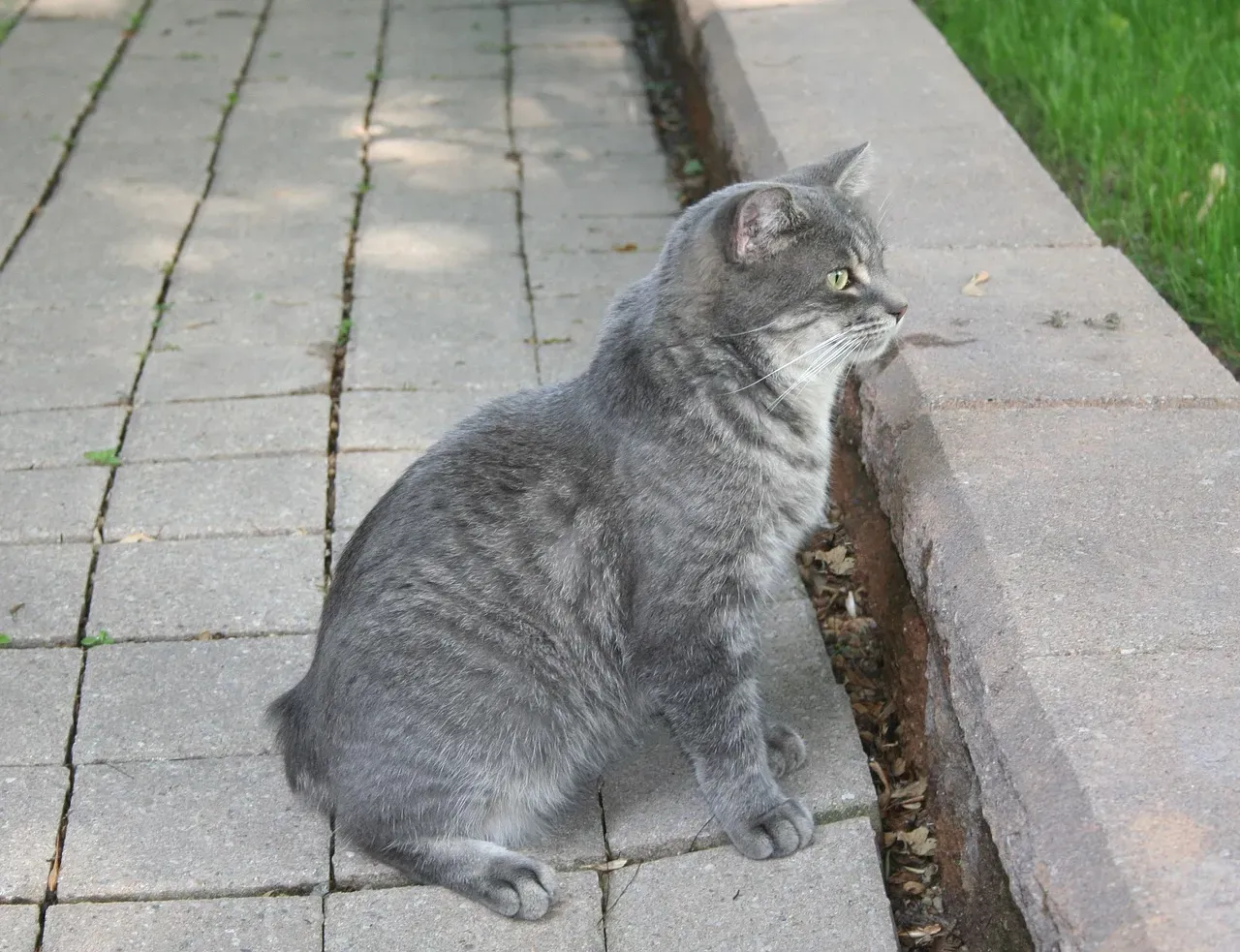
Manx cats with shorter tails may have spina bifida and spinal issues due to Manx Syndrome, potentially experiencing difficulty eliminating due to a larger than average colon. The genetic mutation creating their trademark stub tail doesn’t just affect the tail.
That same defect can cause neurological problems affecting their ability to control bladder and bowel functions. Shortened tails may be caused by inherited spinal deformities, and the defective gene responsible for tail loss also affects other parts of the spine, potentially causing severe spinal and neurological problems. It’s heartbreaking watching owners discover these issues after falling in love with what they thought was just a cute tailless cat.
Himalayans Combine Persian And Siamese Problems Into One Package
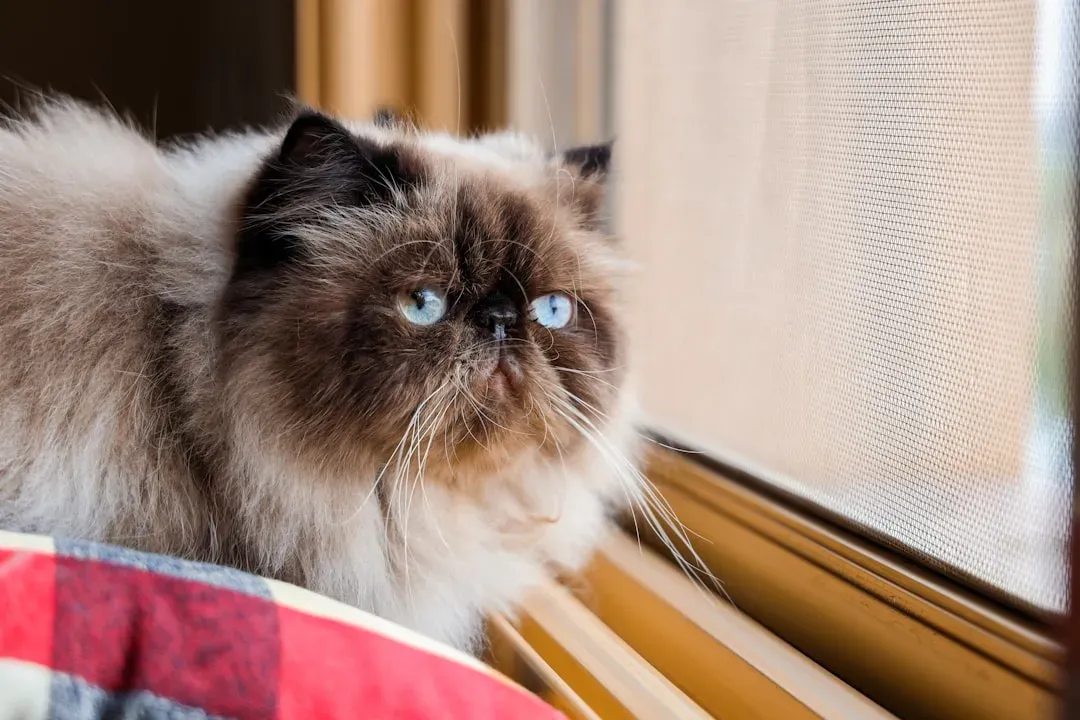
Himalayans inherit the long, dense coat of Persians necessitating daily grooming, and share the brachycephalic facial structure resulting in similar maintenance for facial hygiene. Congratulations, you’ve got the grooming nightmares of a Persian combined with potential respiratory issues.
Himalayan coats need daily grooming to keep them tangle-free, they often have breathing problems due to deformed nasal passages, and they’re at risk for polycystic kidney disease. You’re committing to high-maintenance grooming plus monitoring for serious genetic diseases. That’s a lot to take on for any owner, let alone someone new to cats.
Savannah Cats Are Too Much Cat For Most People

Savannah cats are independent and aloof, best suited for owners who know how to give cats plenty of space, and newbies may not have the patience to wait for them to warm up. These hybrid cats inherit strong territorial instincts and unpredictable temperaments.
Hybrid cats, especially those closely related to their wildcat parent, often don’t cope well as pets, likely exhibiting temperamental characteristics akin to wild relatives while being territorial, large, and powerful enough to risk harm to owners, other pets, and local wildlife. They need enormous amounts of space and enrichment. They’re not really suited for typical home environments, yet people keep buying them because they look exotic.
When Cute Photos Hide Serious Realities
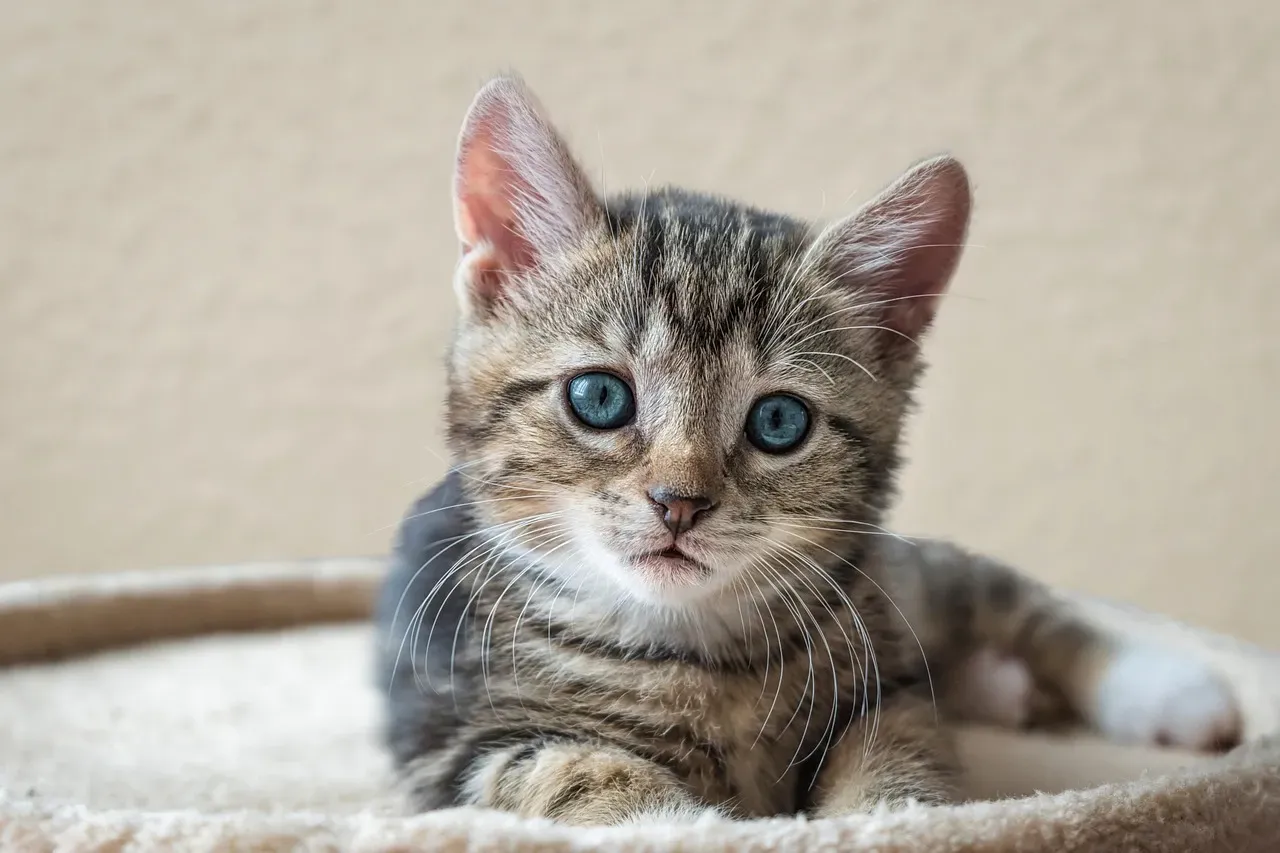
Here’s what veterinarians really wish you understood. Every breed on this list can make a wonderful companion for the right owner. The problem isn’t the cats themselves. It’s the gap between what people expect and what these breeds actually require.
Some breeds are more difficult for new cat owners because of their active nature or high maintenance requirements, with energetic breeds potentially becoming destructive if their energy isn’t channeled properly. Before you commit to any of these breeds, spend time with adult cats of that breed, not just adorable kittens. Talk honestly with breeders about the challenges. Budget for the veterinary care these breeds genuinely need.
Your veterinarian sees the consequences when people choose cats based on appearance alone. They’re the ones treating preventable conditions, explaining behavioral issues that could have been anticipated, and sometimes helping owners make heartbreaking decisions when the reality doesn’t match expectations. Do your research. Be honest about your lifestyle, time, and resources. Sometimes the most loving choice is recognizing that a particular breed isn’t right for you. What surprised you most about these breeds? Did your favorite make the list?