You probably think your cat doesn’t care when you leave the house. That’s what the internet memes would have you believe, right? Cats are aloof, independent, perfectly fine watching birds from the window while you’re off at work. Here’s the thing, though. Some cat breeds literally fall apart when you close that door behind you.
I’m talking about excessive meowing, destructive behavior, and even urinating on your bed out of pure distress. It’s not spite. It’s panic. Honestly, it’s heartbreaking when you realize what’s happening.
These aren’t your typical laissez-faire felines. They’re emotional, clingy, and they’ll follow you from room to room like shadows. If you’ve got a packed schedule or you’re constantly traveling, these breeds aren’t for you. Let’s be real, they need you around. Like, a lot.
1. Siamese: The Velcro Cat That Won’t Let Go
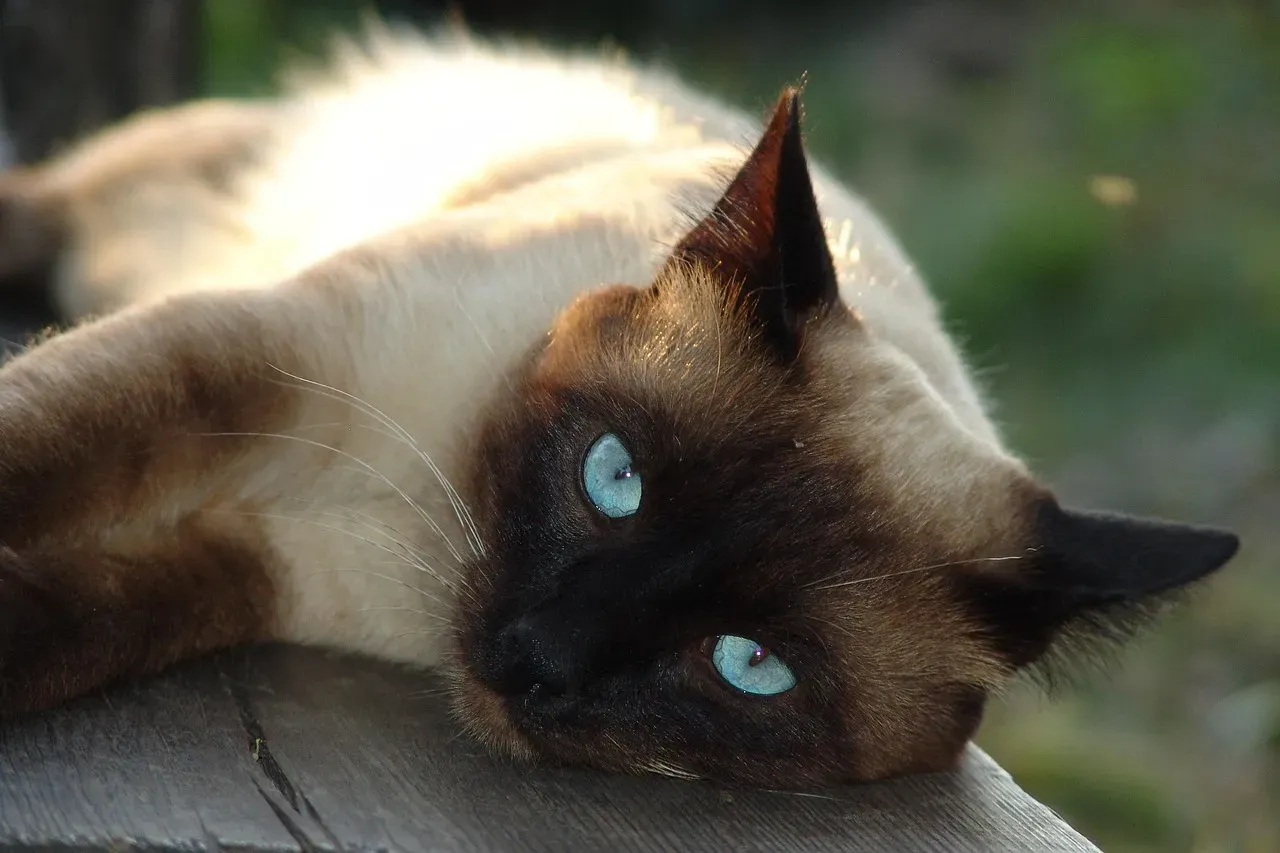
The Siamese cat struggles intensely when you leave the house, and researchers have actually identified this breed as one of the most likely to suffer from separation anxiety. They’re vocal about everything, and that includes their loneliness.
These people-oriented felines don’t enjoy being alone, and if left for too long, most Siamese cats will suffer from separation anxiety. Think of them as the friend who texts you three seconds after you say goodbye. Clingy doesn’t even begin to cover it. Their bond with one specific person can be so intense that they shadow that individual constantly, meowing incessantly when separated.
Separation anxiety may be more common in certain feline breeds with more humanlike temperaments such as Siamese and Burmese. These cats crave interaction, mental stimulation, and constant companionship. Without it, they spiral.
2. Burmese: The Puppy-Like Companion
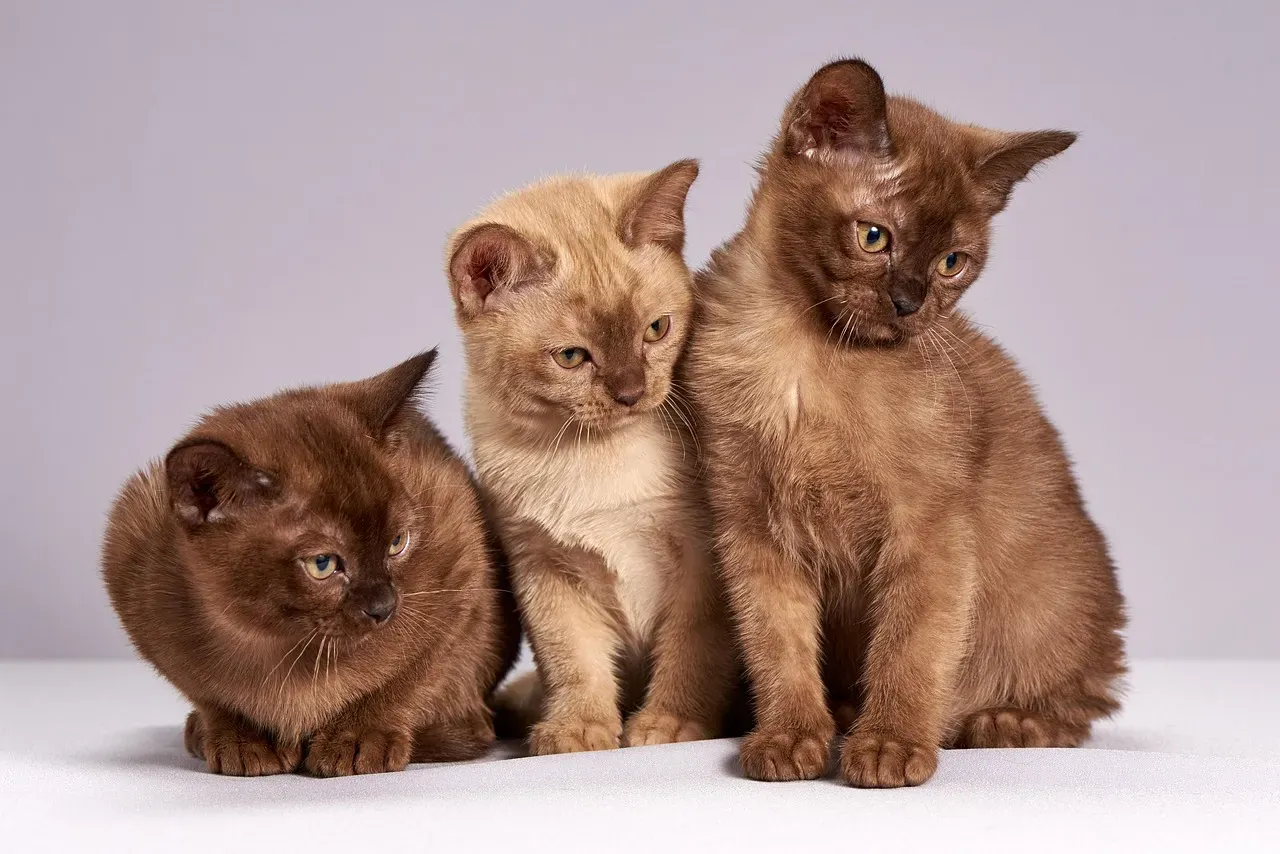
The Burmese cat is known for being puppy-like in their playfulness, affection, and desire to follow their people around, and like their Siamese cousin, the Burmese cat is highly affectionate and can struggle with separation anxiety. They literally act more like dogs than cats.
If you’ve ever wanted a cat that plays fetch and greets you at the door, this is your breed. The problem? They don’t do well alone. Breeds like the Burmese and Ragdoll can develop anxiety if left alone for long periods. Their playful energy needs an outlet, and when you’re not there to provide it, they suffer.
Some breeds like Siamese and Burmese are codependent on their human owners. It sounds cute until you realize they genuinely can’t handle your absence. Their attachment is beautiful, sure, but it comes with serious responsibility.
3. Ragdoll: The Gentle Giant That Falls Apart
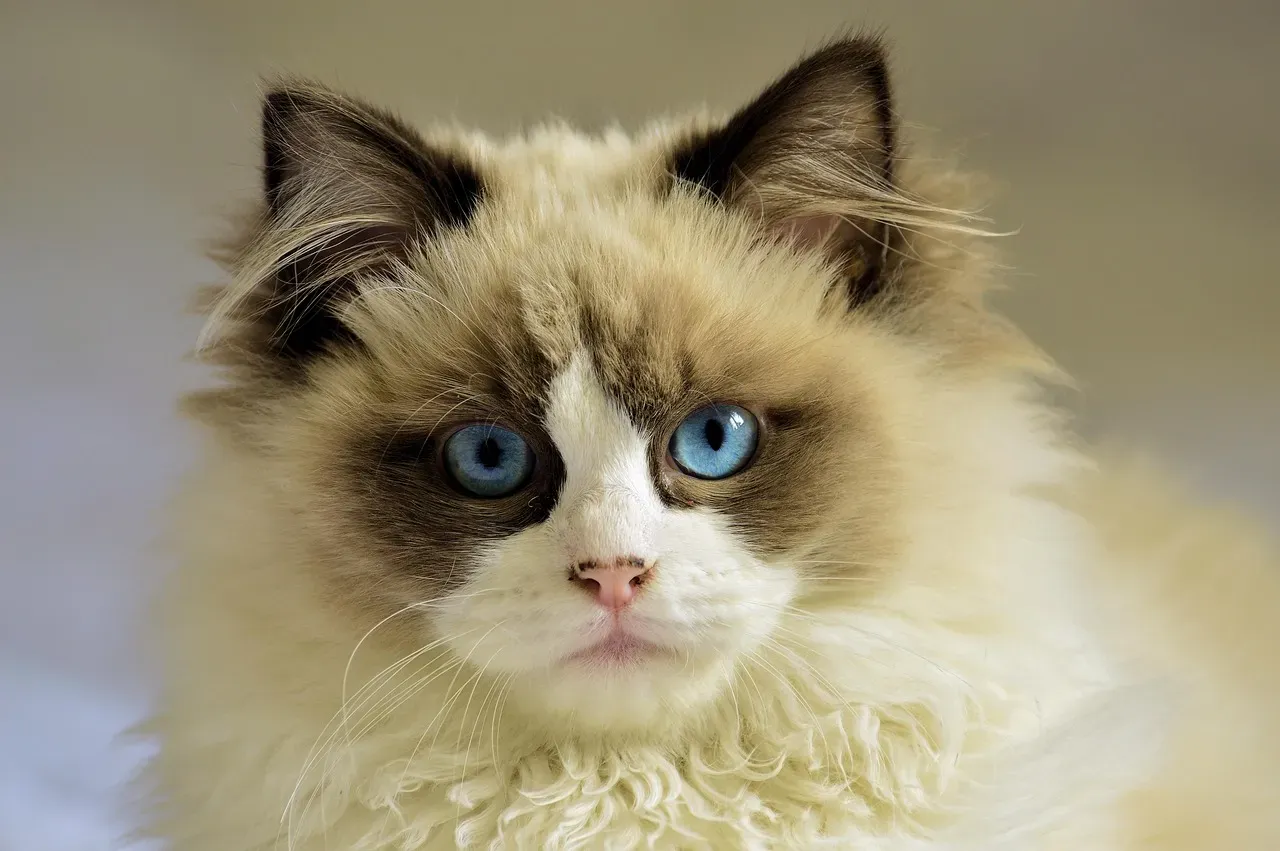
Ragdolls are famous for going limp when you pick them up, which is adorable. The beautiful and delicate-looking ragdoll is known for being cuddly, gentle, and extremely sociable. They’re like living teddy bears. The problem is, they’re also emotional wrecks when left alone.
Ragdolls are notoriously demanding and crave your constant companionship. If your schedule demands absence for hours during the day, Ragdoll may not be the right cat breed for you, and you shouldn’t leave them alone for more than eight hours. That’s not a casual suggestion. That’s a real limit.
Without sufficient attention, these cats become anxious, destructive, and deeply unhappy. While ragdolls are definitely one of the most low energy cat breeds, they can become quite anxious without consistent affection and social bonding. They need you there, physically present, to feel secure.
4. Maine Coon: The Dog-Like Giant With a Soft Heart
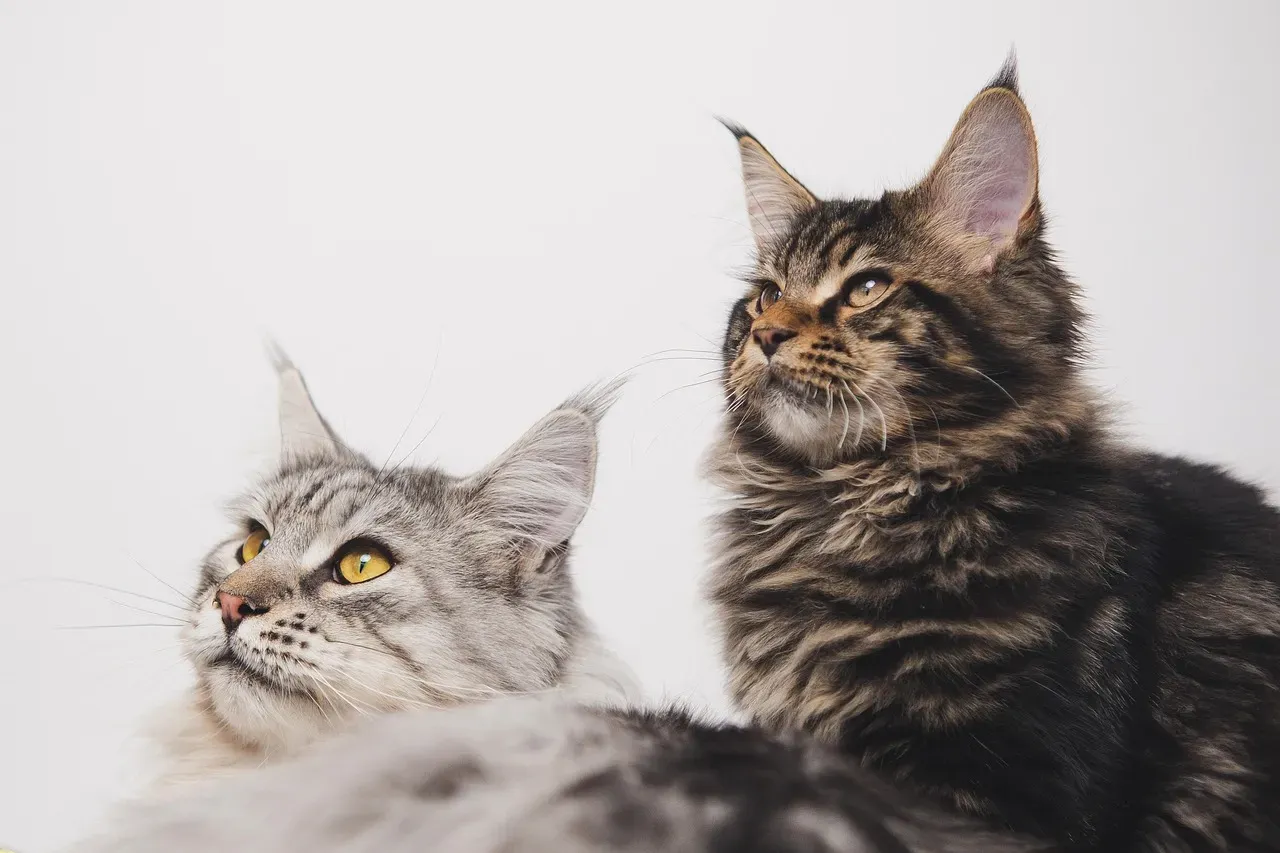
The Maine coon loves being the center of attention and many guardians describe these big kitties as dog-like in their friendliness, and they typically don’t do well with extended alone time and can become destructive without consistent social, physical, and mental enrichment. They’re massive, fluffy, and surprisingly needy.
Maine Coon cats are one of the most popular breeds due to their friendly and gentle disposition, and their loving nature can lead to anxiety if they are left alone for extended periods. Despite their size and ruggedness, they’re emotionally sensitive creatures who form deep bonds with their families.
These cats often form strong bonds with their families and may experience separation anxiety if left alone for extended periods. If you’re gone all day, every day, expect problems. Big problems.
5. Sphynx: The Hairless Heat-Seeker
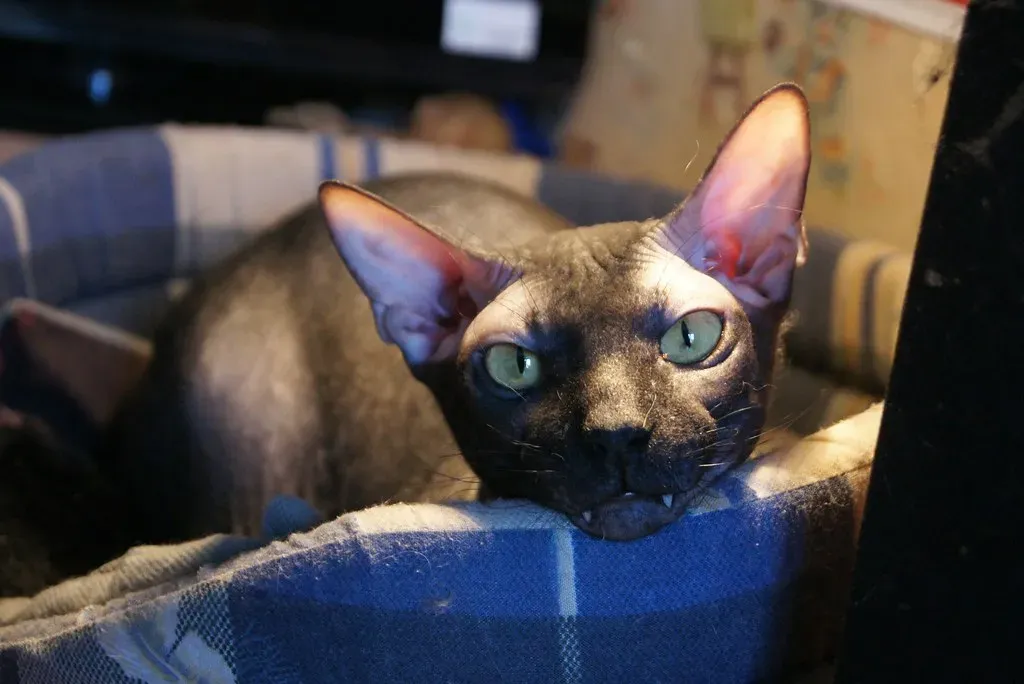
Sphynx cats, lacking fur, seek body heat and develop clingy tendencies. They’re not just affectionate because they like you. They literally need your warmth. Sphynx cats are extremely social and thrive on human interaction, and they love to snuggle and often seek warmth from their owners, making them incredibly attached.
The modern sphynx breed is known for being energetic, acrobatic, and playfully mischievous, and they thrive on attention and enrichment, and can quickly become distressed and destructive when consistently left alone. Their need for constant companionship isn’t optional.
The Sphynx’s neediness can amp up separation anxiety if left alone too long. They’re the ultimate velcro cats, and if you value your independence, this breed will test it.
6. Tonkinese: The Playful Attention-Seeker
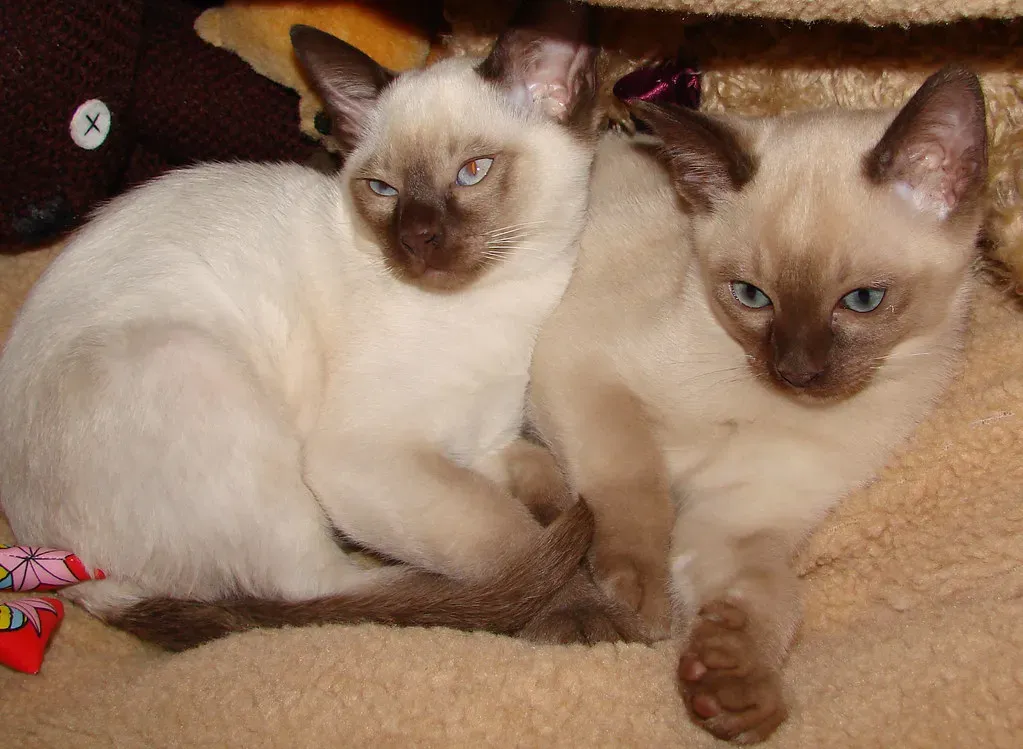
These cats thrive on attention and can suffer from separation anxiety when left alone, and they typically enjoy sharing their home with other kitties and can benefit from the constant company of other household pets. They’re social butterflies who genuinely can’t stand being isolated.
The Tonkinese is an active, playful, friendly, chatty, and affectionate cat that demands lots of attention. Notice the word “demands.” That’s not hyperbole. These cats are persistent, vocal, and they will make sure you know they’re unhappy if you’re gone too long.
They’re a blend of Siamese and Burmese, which means they’ve inherited the neediness of both breeds. Double the attachment, double the anxiety.
7. Persian: The Elegant Lap Cat
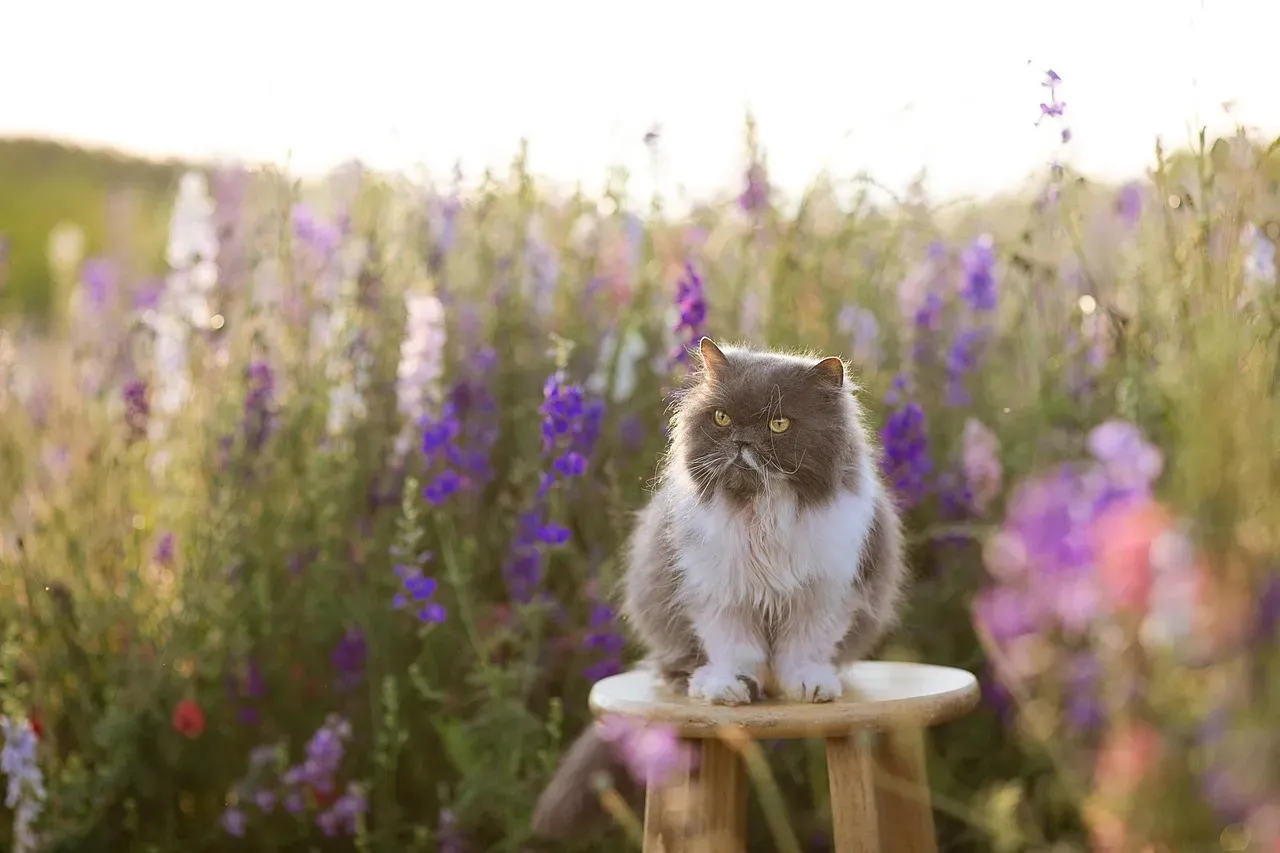
Persians enjoy a serene and loving environment, and their dependency on companionship can lead to separation anxiety. They’re calm, gentle, and surprisingly sensitive about being left alone. Some Persian kitties can become overly cautious and insecure if consistently left alone, and they tend to thrive with the assurance and support of their human caregivers.
These are the cats that prefer quiet moments and gentle affection. They’re not wild or hyperactive, but that doesn’t mean they’re okay being solo for hours. Their serene demeanor hides an emotional dependence that can turn into genuine distress when their routine is disrupted.
If you work long hours, a Persian will quietly suffer. They won’t trash your house like a Siamese might, but they’ll withdraw, stop eating, and become shadows of themselves.
8. Abyssinian: The Hyperactive Adventurer
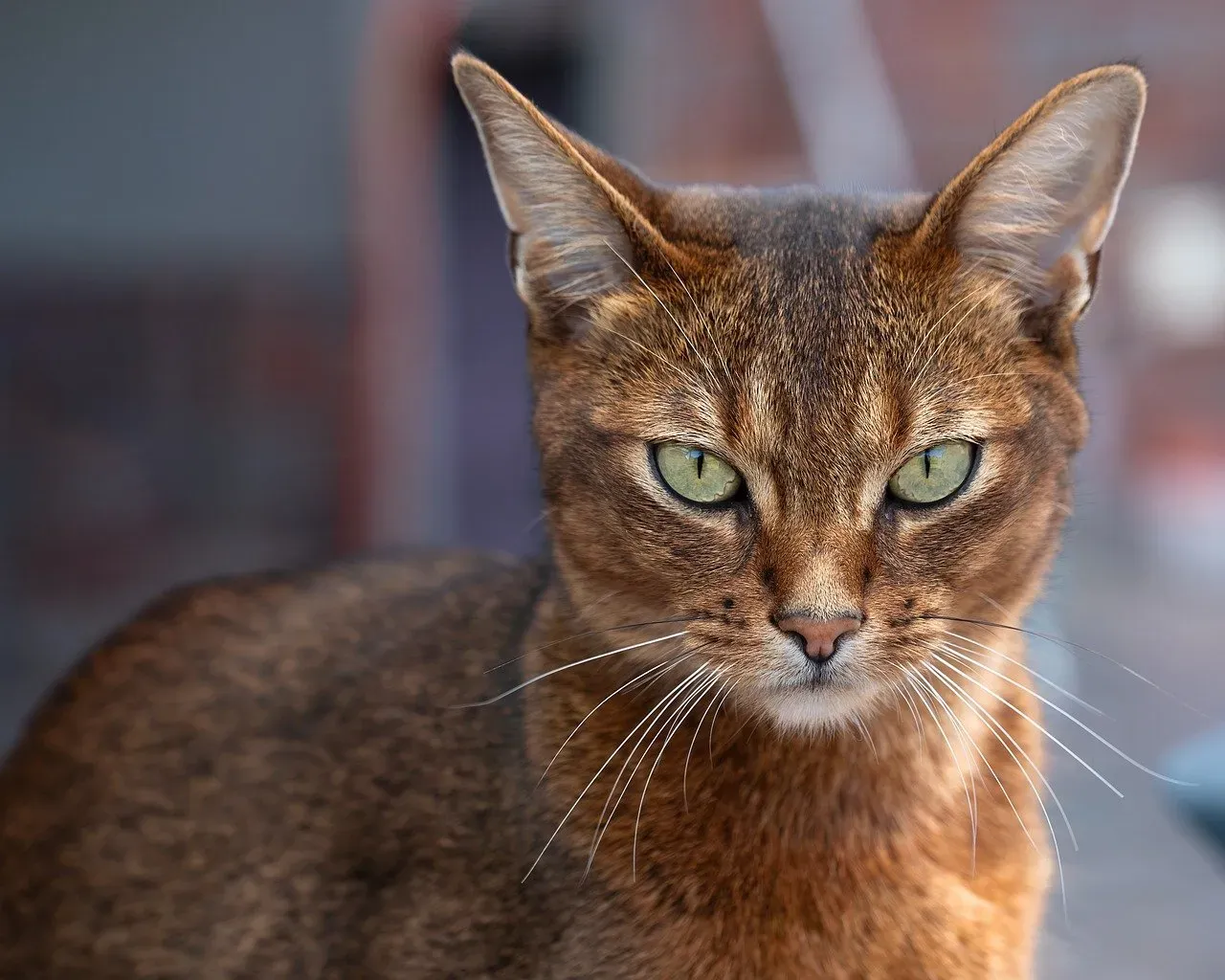
The mischievous and intelligent Abyssinian has a boisterous nature, and separation anxiety in cats can be a problem with this breed if they’re left alone for too long so they’re best suited to homes where someone can be with them for much of the day. They’re energetic, curious, and constantly moving.
Separation anxiety in these cats tends to manifest when they are lacking in consistent enrichment, and Abyssinians often socialize well with other friendly pets and may benefit from having another animal buddy around when you leave the house. Without stimulation, they become anxious and destructive.
Abyssinian cats tend to enjoy good physical health, but they are prone to stress and anxiety, particularly in unfamiliar situations. Their high energy levels mean they need constant engagement, and if you can’t provide that, they struggle.
9. Russian Blue: The Shy One-Person Cat
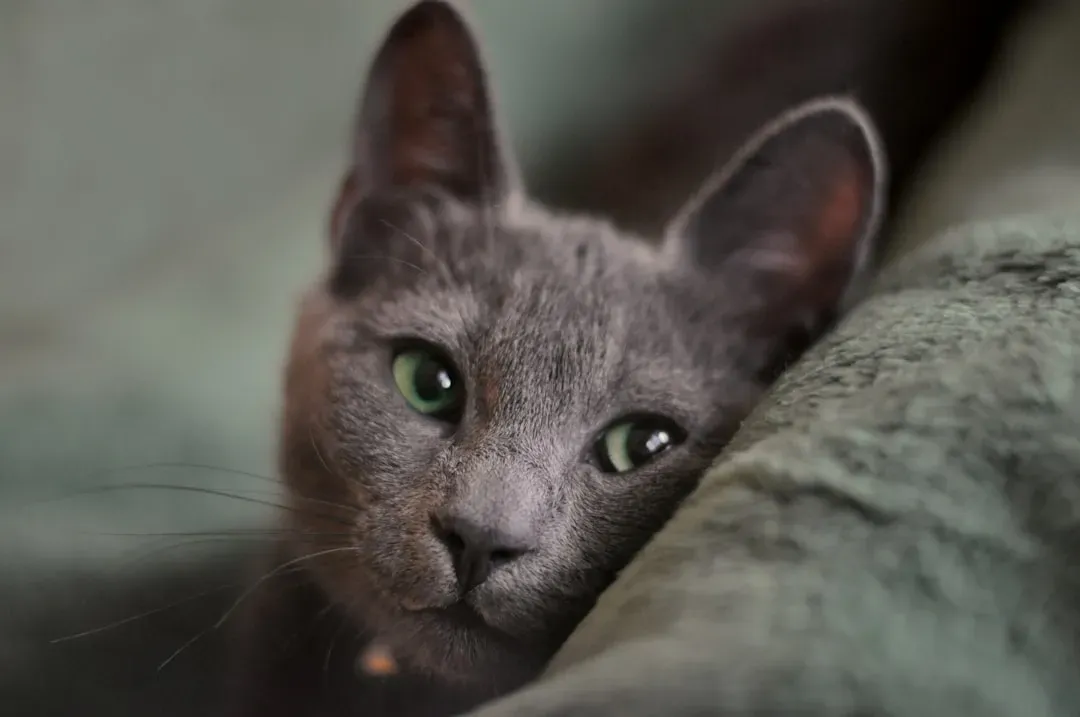
The Russian blue cat is medium-sized, graceful, and while they are a wonderful family pet, this breed is known for strongly bonding to just one person, and this breed isn’t especially known for having separation anxiety, but when they do, it tends to specifically happen when their closely bonded person leaves. It’s selective anxiety, but it’s intense.
Russian Blues often form strong attachments to their owners and can be prone to separation anxiety if left alone for extended periods, which can be challenging for those who work long hours or frequently travel. They’re not as outwardly demanding as Siamese cats, but they feel separation just as deeply.
Another common issue that may affect Russian Blue cats is separation anxiety, and these felines are known for forming strong bonds with their owners, and may become distressed when left alone for long periods of time. They’re sensitive souls who need predictability.
10. Ocicat: The Wild-Looking Softie
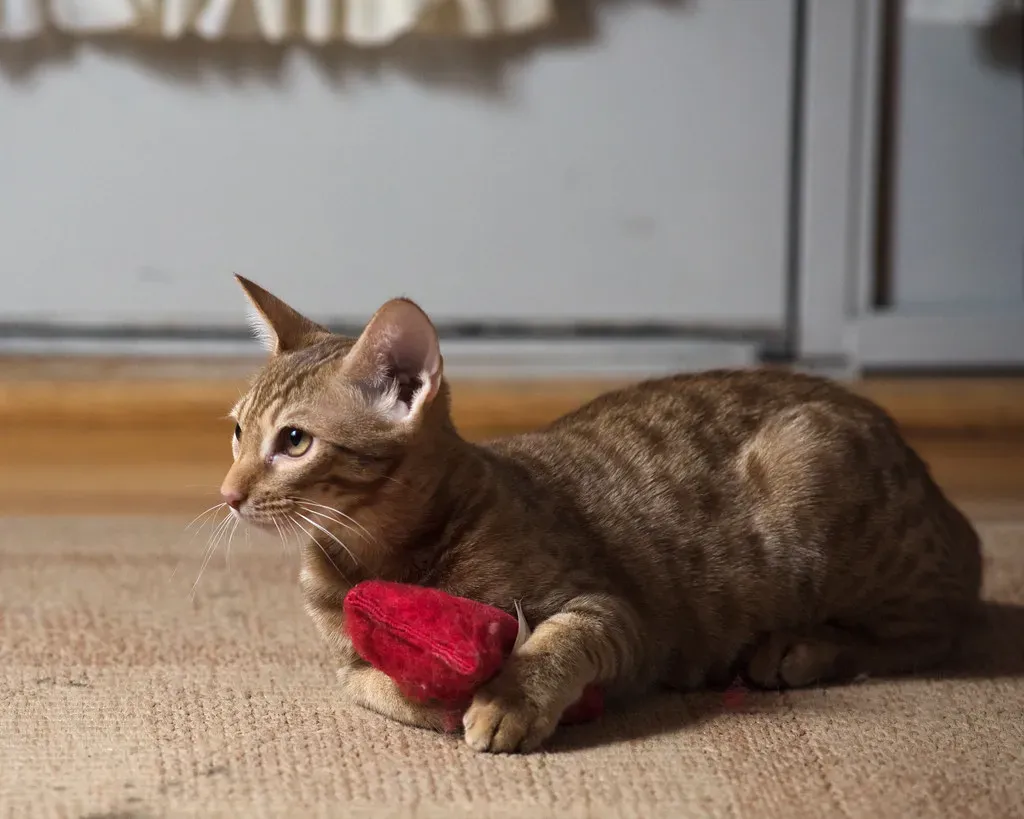
Originating in the U.S. in 1964 by the crossing of Abyssinian and Siamese cats, the ocicat features a slender build and wild-looking spots, and they tend to bond strongly with one person in a family the most, and without consistent enrichment and social interactions, they can become distressed and destructive. They look like miniature wild cats, but they’re complete softies.
These cats are playful, energetic, vocal, and somewhat mischievous, and they tend to bond strongly with one person in a family the most, and without consistent enrichment and social interactions, they can become distressed and destructive. Their attachment is fierce, and their reaction to separation can be dramatic.
They need an active, playful family that’s around often. If you’re constantly out of the house, this breed will make their unhappiness known loudly and destructively.
Conclusion
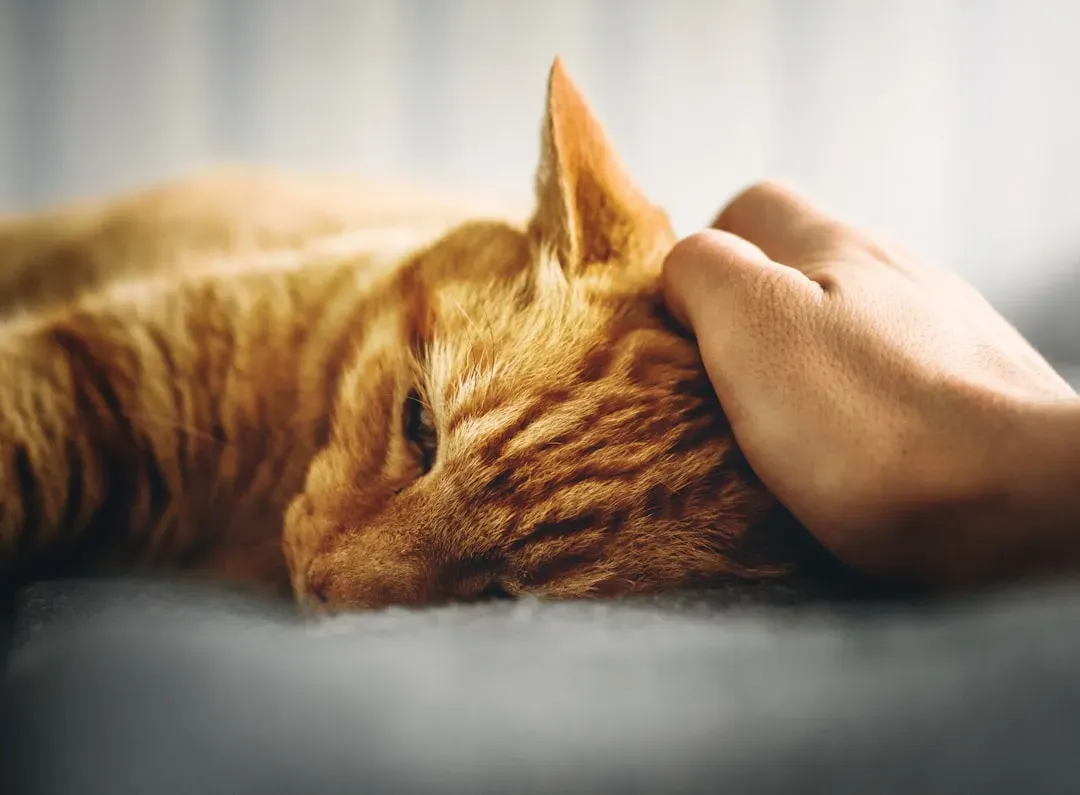
So there you have it. Ten cat breeds that are absolutely not built for the busy, work-from-anywhere, always-on-the-go lifestyle. These cats need you, plain and simple. They’re not low-maintenance pets you can ignore for twelve hours a day.
If you’re considering one of these breeds, ask yourself honestly whether you can commit to being home enough. Can you provide the attention, the playtime, the emotional reassurance they crave? Because if you can’t, both of you will be miserable.
Separation anxiety in cats isn’t a quirk or a phase. It’s a genuine emotional condition that impacts their health and happiness. These breeds deserve homes where they’re genuinely wanted and prioritized. What do you think? Could you handle a cat that loves you this intensely?