You love your feline companion, and honestly, who wouldn’t? Cats bring joy, comfort, and endless entertainment into our lives. Still, not all cat breeds are created equal when it comes to health. Some require extra care and attention to keep them thriving.
While mixed breed cats tend to be hardy and resilient, certain purebred varieties face unique challenges due to selective breeding. From breathing troubles to kidney complications, these delicate breeds need knowledgeable owners who understand their specific vulnerabilities. Let’s explore which breeds require the most vigilance and how you can help your cat live their best life.
Persian Cats and Their Breathing Battles
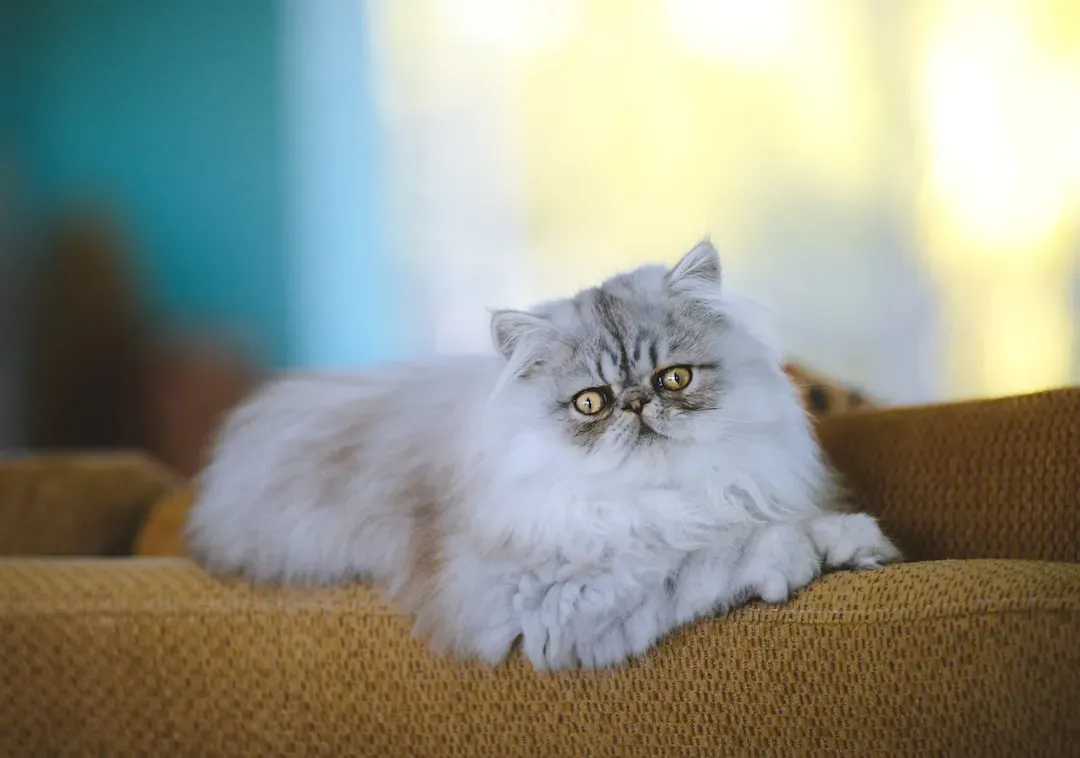
Persian cats often suffer from breathing issues because of their unique facial anatomy, and polycystic kidney disease is another genetic condition that often affects this breed. That flat face might look adorable, but it comes with serious consequences. Their shortened skull structure creates narrow nasal passages that make every breath a struggle, especially during hot weather or physical activity.
About one in every three Persians is affected by polycystic kidney disease (PKD). Those luxurious long coats also require daily grooming, which can stress cats already compromised by respiratory challenges. To improve your Persian’s quality of life, keep them in cool environments, maintain a healthy weight, and schedule regular veterinary checkups that include kidney function monitoring. Daily brushing prevents painful mats and reduces hairballs, which can exacerbate breathing problems.
Maine Coons and Hidden Heart Disease
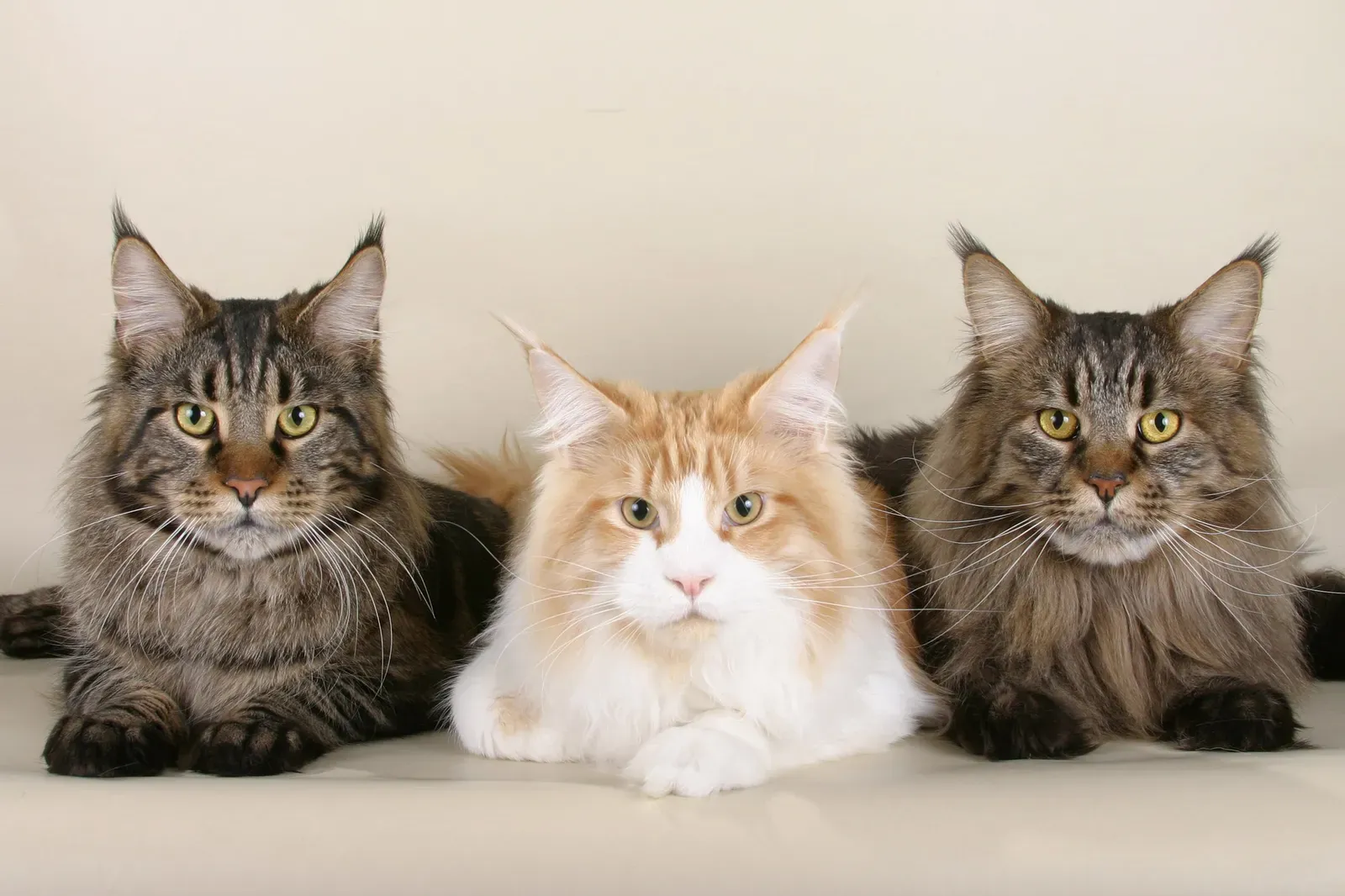
Hypertrophic cardiomyopathy is a common heart disease in Maine Coons that can lead to heart failure. These gentle giants might seem robust, yet they harbor one of the most concerning genetic conditions in the feline world. The heart muscle thickens abnormally, reducing the organ’s efficiency and sometimes showing no symptoms until it’s dangerously advanced.
About thirty percent of Maine Coons have a genetic mutation that makes it likely they will develop hypertrophic cardiomyopathy. Early detection makes all the difference here. Ask your breeder about genetic testing and consider annual echocardiograms, particularly as your cat matures. Watch for subtle changes like decreased activity, rapid breathing, or loss of appetite. These big cats also face hip dysplasia concerns, so maintaining an appropriate weight through proper diet and gentle exercise becomes critical.
Sphynx Cats Need Constant Skin Care
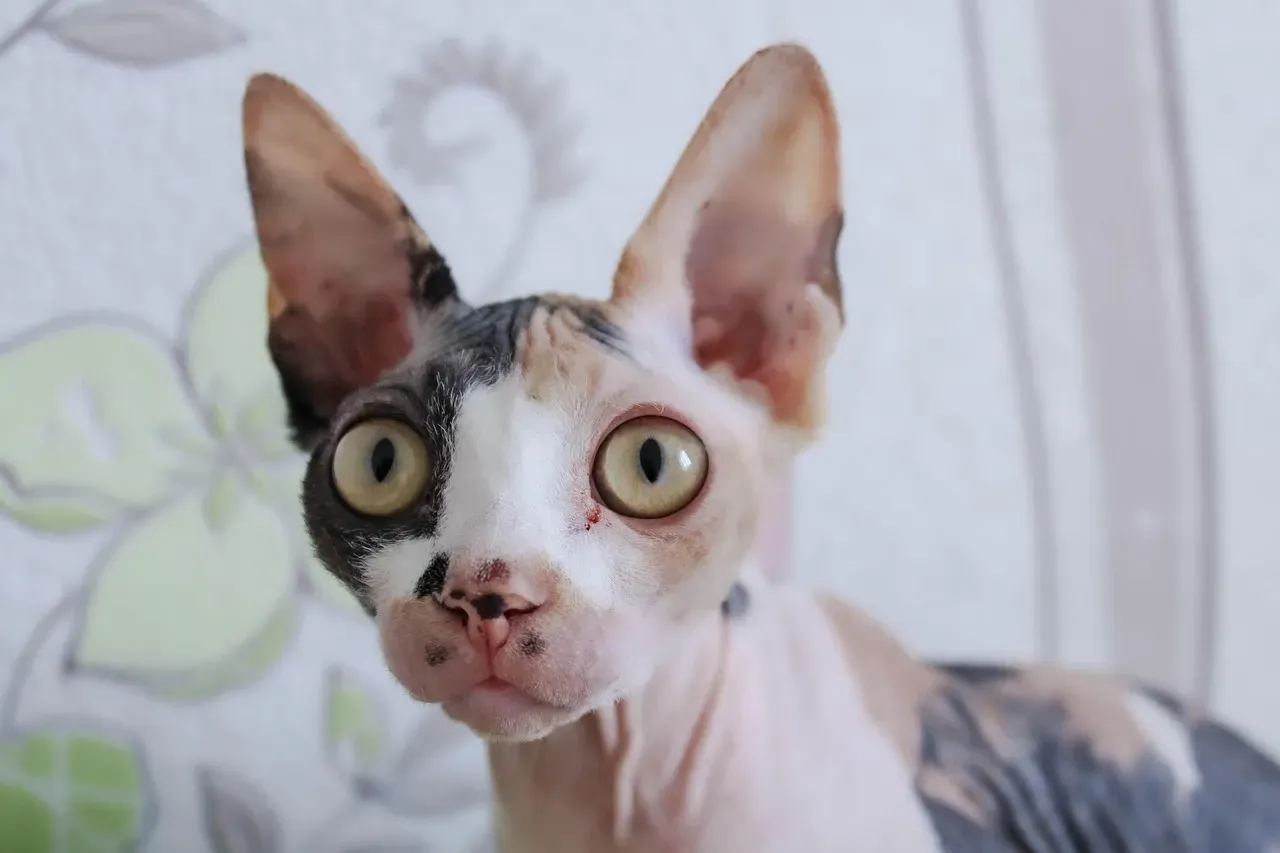
You might assume a hairless cat requires less maintenance, but the opposite is true. Sphynx cats are prone to yeast infections due to the accumulation of oils on their skin, as without fur to absorb these oils, they can build up and create an ideal environment for yeast growth. Their exposed skin becomes a breeding ground for bacteria and fungal issues if not properly cleaned.
Bathe your Sphynx cat every one to two weeks using a gentle, hypoallergenic cat shampoo, and monitor your cat’s skin condition to adjust the frequency based on oil production. Between baths, daily wipe-downs with a damp cloth remove excess oils. Don’t forget their ears, which accumulate wax faster than other breeds. Both veterinarians mention that the Sphynx cat breed is prone to hypertrophic cardiomyopathy, a condition in which the heart muscle becomes abnormally thick. Temperature regulation also becomes crucial since they lack insulating fur. Keep your home between seventy-five and eighty degrees, provide heated beds during winter, and never let them outdoors unprotected.
Siamese Cats and Their Complex Health Profile
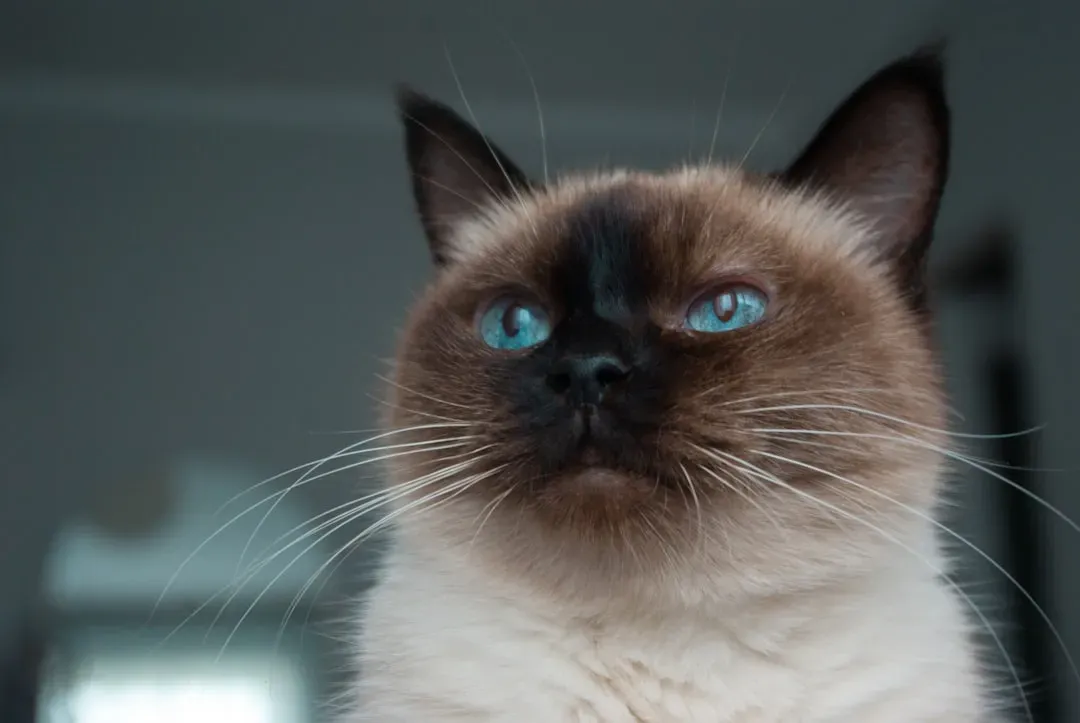
Siamese cats are prone to respiratory conditions related to their narrow head and flat face. These vocal, social cats carry a surprising number of genetic vulnerabilities. Their distinctive wedge-shaped heads create breathing challenges, while their intense personalities can lead to stress-related conditions.
Inherited diseases include amyloidosis, a protein processing disorder leading to liver and kidney disease, with early symptoms including excess drinking and urinating. Progressive retinal atrophy can steal their vision over time. Mental health matters too. Siamese cats can develop obsessive-compulsive disorder, which can lead to psychogenic alopecia where cats groom themselves so much they lose patches of fur. Provide mental stimulation, companionship, and regular veterinary screenings. Many Siamese owners adopt two cats to prevent loneliness and associated behavioral issues.
Scottish Folds and Their Painful Secret
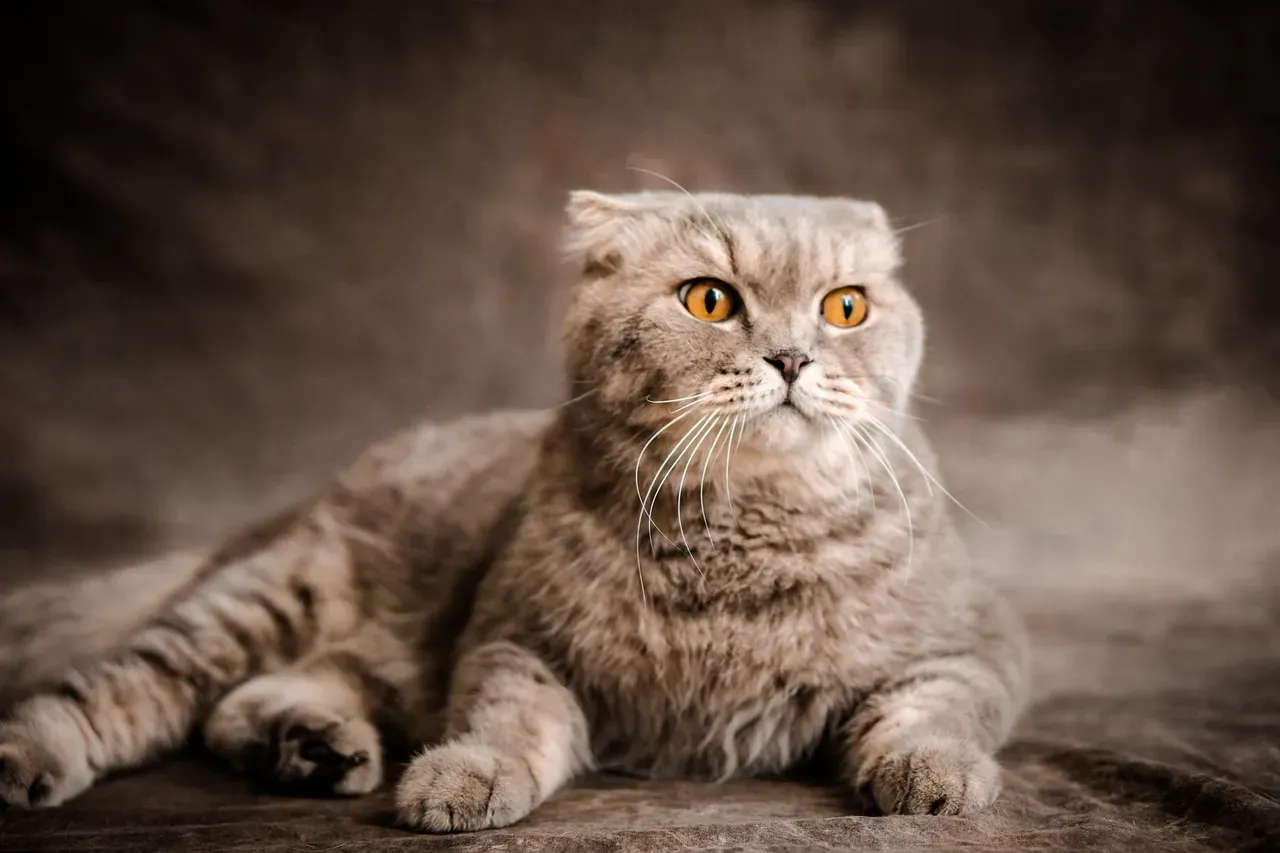
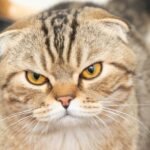
Those adorable folded ears come at a terrible price. The Scottish Fold’s signature fold happens due to a lack of cartilage, and this manipulation of their gene pool has led to a painful degenerative disease called Osteochondrodysplasia. It’s hard to look at their sweet faces and realize they’re suffering, but this breed exemplifies why appearance shouldn’t trump welfare.
This is a dominant trait, meaning all Scottish Folds have it, with the worst effects including the fusing of joints within the tail, ankles, and knees, resulting in abnormally short, misshapen, inflexible limbs. There’s no cure, only pain management. If you already own a Scottish Fold, work closely with your veterinarian on pain relief strategies. Monitor for signs of discomfort like reluctance to jump or changes in gait. Frankly, the most responsible choice is to avoid breeding or purchasing this breed altogether, no matter how cute those ears appear.
Ragdoll Cats Face Heart and Kidney Troubles
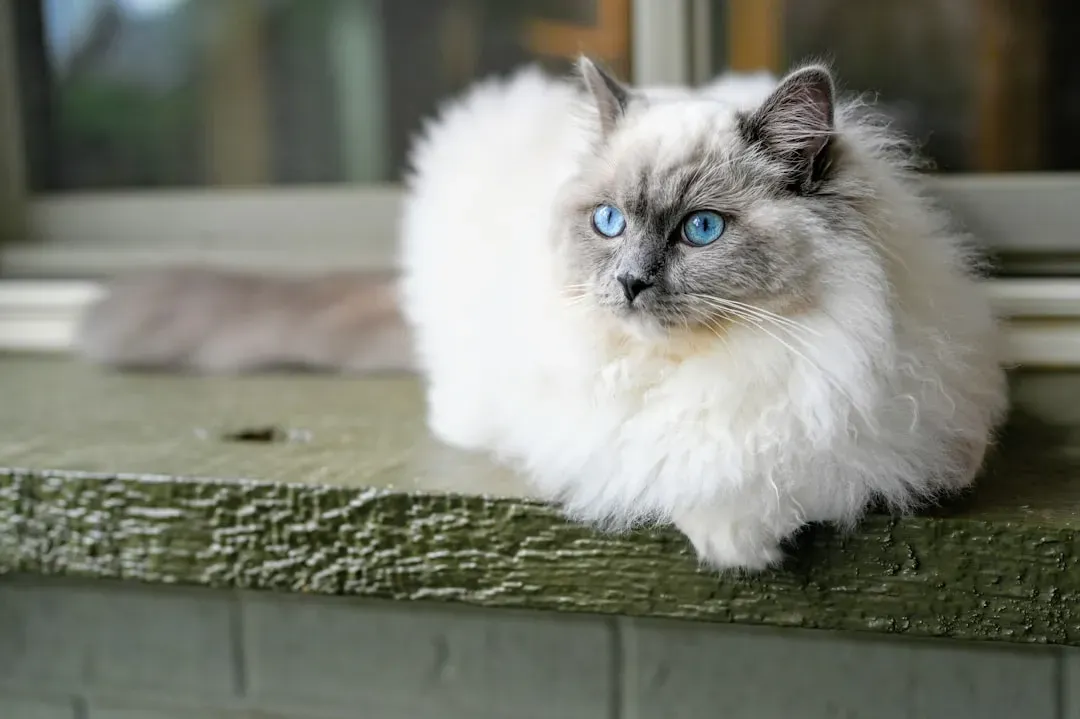
Ragdolls are predisposed to conditions centered around the heart, bladder and kidneys. These large, laid-back cats with their striking blue eyes might seem healthy, yet they carry genetic predispositions to serious organ disease. Their docile nature sometimes masks symptoms until conditions become severe.
Like Maine Coons and several other breeds, hypertrophic cardiomyopathy threatens Ragdolls. Ragdolls can develop hypertrophic cardiomyopathy and are also prone to bladder stones. Regular cardiac screening becomes essential, especially before anesthesia for procedures. Their long, silky coats require weekly grooming to prevent painful mats and reduce hairball formation. Ensure plenty of fresh water access to support kidney and urinary tract health. Watch for changes in litter box habits, as they often signal urinary issues before other symptoms appear.
Bengal Cats and Their Sensitive Digestive Systems
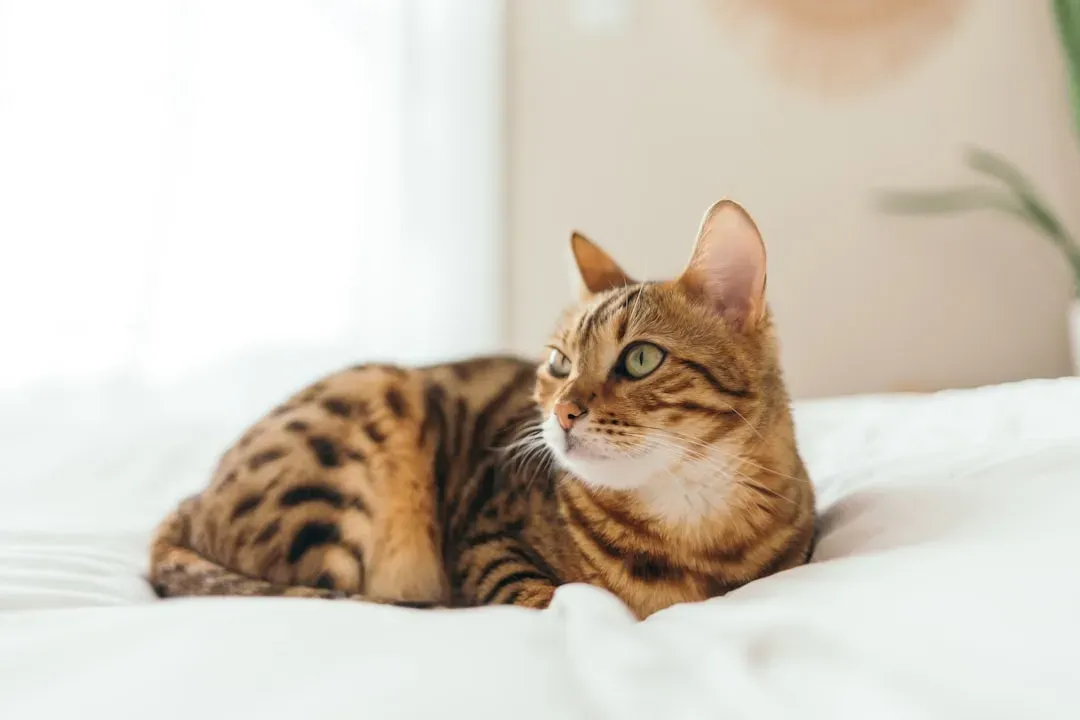
Bengals most commonly suffer from cardiac, vision and musculoskeletal problems, with degenerative eye conditions such as progressive retinal atrophy being common amongst this breed, as is knee dislocation and hip dysplasia. These exotic-looking, energetic cats need more than just mental stimulation. Their wild ancestry sometimes translates to gastrointestinal sensitivities that frustrate owners seeking the right diet.
Progressive retinal atrophy can gradually steal their sight, making early detection through regular ophthalmologist visits important. Their high energy levels and intelligence mean boredom quickly leads to destructive behavior. Provide extensive environmental enrichment, including vertical spaces, puzzle feeders, and interactive play sessions. Bengals often benefit from high-protein diets that mirror their ancestral eating patterns, though individual sensitivities vary. Keep a food diary to track what works best for your Bengal’s unique digestive system.
Exotic Shorthairs Inherit Persian Problems
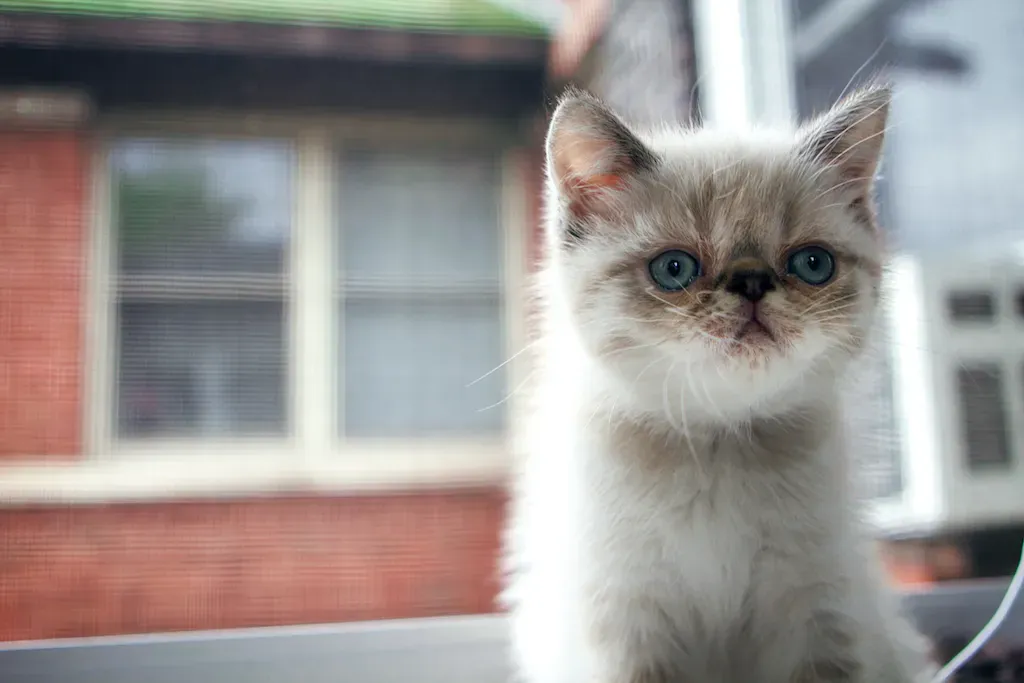
Breeders created Exotic Shorthairs out of a design to invent a short-haired version of Persians, and these round-headed, snub-nosed, chubby-cheeked felines look a lot like their long-haired cousins and face many of the same issues as brachycephalics, including a predisposition for PKD, PRA, heart issues, and breathing problems. Think of them as Persians with slightly less grooming. Sadly, the health problems remain nearly identical.
That adorable flat face creates the same airway restrictions found in Persians. They overheat easily and struggle with exercise. Polycystic kidney disease lurks in their genetics, slowly destroying kidney function over years. The shortened coat does reduce grooming time compared to Persians, but daily face cleaning remains essential to prevent tear staining and skin fold infections. Regular veterinary monitoring helps catch kidney disease early enough for management. Keep them indoors in climate-controlled environments, and never allow them to become overweight, which compounds breathing difficulties.
Burmese Cats and Neurological Concerns
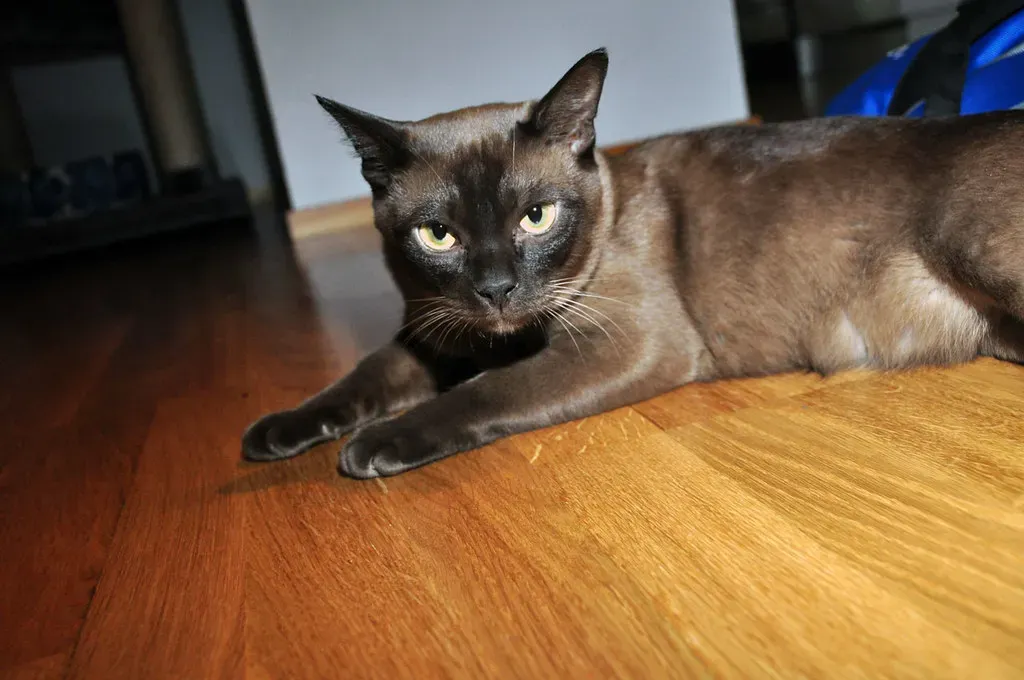
Burmese cats may suffer from feline hyperesthesia syndrome, causing sensitivity to touch or pain, and they also have a tendency to develop kidney stones in the urinary tract. These compact, muscular cats with their expressive eyes face some unusual challenges. Their skin becomes abnormally sensitive, leading to bizarre behaviors that puzzle owners.
Feline hyperesthesia syndrome causes the skin, especially along the back, to ripple and twitch. Affected cats may suddenly race around the house, attack their own tails, or react aggressively to petting. Some veterinarians believe it relates to seizure disorders, while others consider it a compulsive condition. Reducing stress, providing routine, and working with your veterinarian on potential medications can help manage symptoms. The breed’s tendency toward kidney stones makes hydration crucial. Fountain-style water bowls often encourage increased drinking. Monitor litter box usage carefully, as straining or bloody urine requires immediate veterinary attention.
Norwegian Forest Cats and Joint Disease
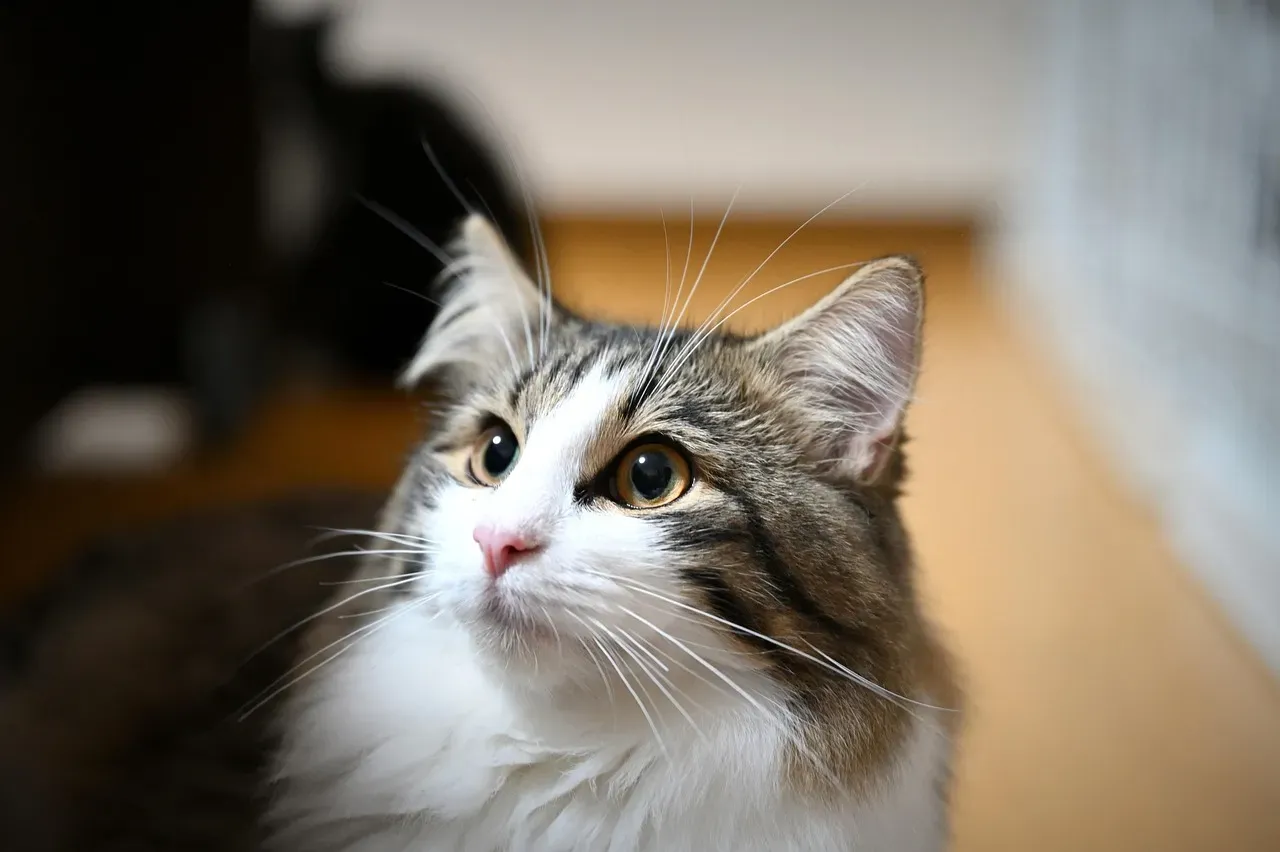
Health problems sometimes seen in Norwegian Forest cats include hypertrophic cardiomyopathy, hip dysplasia, and glycogen storage disease type IV. These majestic, forest-dwelling beauties might look rugged and hardy, but their large size brings orthopedic challenges. Hip dysplasia causes painful arthritis that worsens with age.
Norwegian Forest Cats tend to suffer from cardiac issues like HCM, joint problems like hip dysplasia, and glycogen storage disease, which affects the glycogen storage in a cat’s body. That thick, water-resistant coat requires regular grooming despite their natural grooming abilities. During seasonal shedding, daily brushing prevents massive mats and reduces hairballs. Weight management becomes critical to reduce stress on joints. Encourage gentle play and provide ramps or steps to favorite perches. Omega-3 fatty acid supplements may support joint health, though always consult your veterinarian before adding supplements. Watch for limping, reluctance to jump, or stiffness after rest as early warning signs.
The Path Forward for Delicate Breeds
Knowledge empowers you to give your cat the best possible life despite genetic challenges. Regular veterinary care forms the foundation, but breed-specific awareness lets you catch problems early. Genetic testing before breeding helps reduce disease prevalence in future generations.
Regular veterinary check-ups and surveillance of any unusual behaviors or symptoms can lead to early detection and treatment, significantly improving your cat’s quality of life. Create a relationship with a veterinarian experienced in your breed’s specific needs. Keep detailed health records and don’t dismiss subtle changes in behavior or appetite. Environmental enrichment, proper nutrition, weight management, and stress reduction all contribute to longevity. Your commitment to understanding and addressing your cat’s unique vulnerabilities makes all the difference.
What surprised you most about your breed’s health needs? Share your experiences in the comments below.